
The Artist · Career
Most makeup artists learn the craft in school and the career on the job, often the hard way. The lessons that matter most are rarely about technique. They are about money, time, clients, health and reputation. This guide gathers twelve things makeup artists should know before those lessons arrive by surprise. It is part of the full makeup artist career hub, and each lesson links to a deeper guide.
It replaces an older article on this page that was written for clients. This version is for working and aspiring artists in the US.
The short answer
The most important things makeup artists should know are business lessons: price from your real costs, use a contract and deposit for every booking, set aside money for self-employment tax, keep a strict hygiene routine and protect your body. Build a focused portfolio, assist experienced artists, choose a specialty and keep learning. Above all, reputation is built on reliability as much as skill.
In this guide
- 1. Makeup is a craft, and also a business
- 2. Price from your costs, not from competitors
- 3. Use a contract and a deposit every time
- 4. Set money aside for taxes
- 5. Hygiene is part of your reputation
- 6. Your kit does not need to be huge
- 7. Build a focused portfolio, not a big one
- 8. Assisting is the fastest education
- 9. Choose a specialty, then go deep
- 10. Protect your body and your energy
- 11. Rejection and slow seasons are normal
- 12. Keep learning for your whole career
- The things makeup artists should know, in one word: reliability
- Questions worth asking
1. Makeup is a craft, and also a business
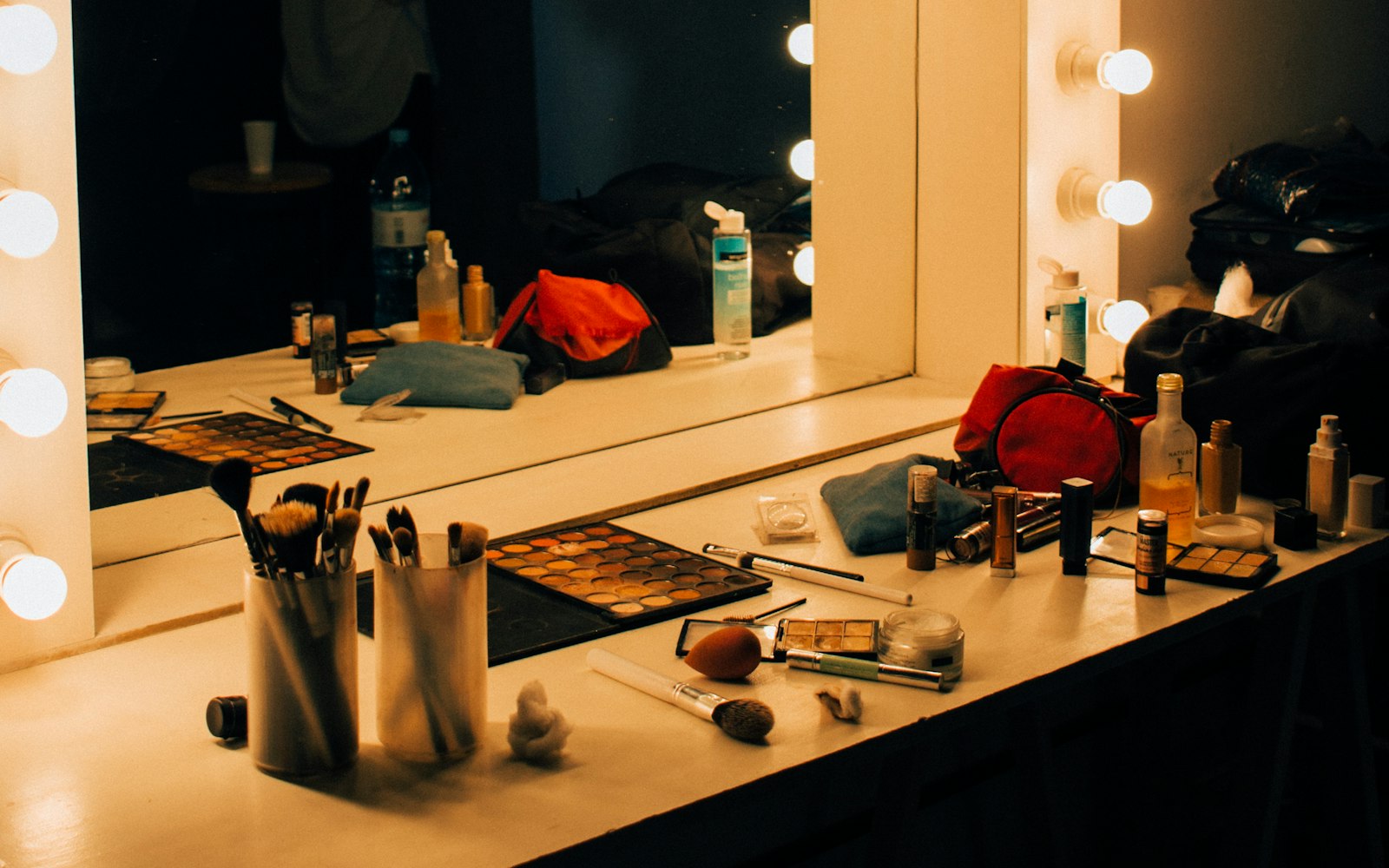
The first of the things makeup artists should know is that talent alone does not make a career. Most makeup artists in the US work for themselves, which means they are also the business owner, the bookkeeper, the marketer and the customer service team. An artist with average skill and strong business habits often earns more than a brilliant artist who answers messages late and prices by guesswork. For that reason, set aside time each week for the business side: replying to inquiries, sending invoices, updating your portfolio and reviewing your numbers. Treat those hours as part of the job, not a distraction from it. If it helps, think of each week as two jobs. One is the makeup. The other is the business that makes the makeup possible.
That mindset also changes how you plan your year. Instead of waiting for work to arrive, you set goals for bookings, income and the kind of clients you want. Then you choose the actions that will get you there, such as test shoots, outreach to planners or a new website. Our guide to what makeup artistry is explores the craft and the mindset in more depth. Meanwhile, keep a simple record of where each booking came from. Over a season, that record shows you which actions actually work. In short, treat your career as something you build deliberately rather than something that happens to you. That shift alone changes how each week feels.
2. Price from your costs, not from competitors
New artists often copy the prices of others nearby. That is risky, because you do not know their costs, their experience or whether they are making a profit. Instead, start from your own numbers: kit costs, travel, insurance, software, training, taxes and the income you need. Then work out how many paid days you can realistically book in a year. Divide your costs and income target by those days, and you have a minimum day rate. Our guide to how working artists set prices walks through the method step by step. Once you know your floor, you can adjust for demand, specialty and experience with confidence rather than guesswork. Recalculate it every year, because costs rise.
A concrete example
Imagine an artist who needs a set income each year after costs, and expects to book about two days a week. When she divides her total by the number of working days, the result is often far above what she was charging. That gap explains why so many new artists feel busy but broke. The fix is not more bookings at the wrong rate. It is the right rate.

You may also like
How Much to Charge for Makeup Services

You may also like
Makeup Artist Contracts, Deposits and Cancellation Policies
Raising prices feels uncomfortable at first, but clients rarely leave over a fair, clearly explained increase. Announce changes in advance, honor existing bookings at the old rate and apply the new rate to new inquiries. Meanwhile, put your prices in writing, on a rate card or website, so you never improvise them in a message. Packages help too, because clients compare them more easily than lists of individual services. If your calendar fills months ahead, your prices are probably too low. On the other hand, if inquiries slow sharply after an increase, review your portfolio and positioning before you cut prices again. Often the issue is how the work is presented, not the number on the rate card.
3. Use a contract and a deposit every time
A booking is not a booking until there is a signed agreement and a deposit. Without them, dates get double-booked, clients cancel late and payment becomes a negotiation. A simple contract sets out the date, time, location, services, fee, deposit, cancellation terms and travel costs. It protects both sides, and most clients appreciate the clarity. Our guide to booking terms clients sign explains what to include and offers example wording. Have a lawyer in your state review your template once, then use it for every job without exception.
Contracts matter most on the day something goes wrong. A client cancels three weeks before a wedding, a bridal party doubles in size or a shoot runs four hours over. Without written terms, each of those becomes an awkward negotiation. With them, you simply point to the agreed clause and move on. Meanwhile, the deposit protects you from the most common loss of all: a date you turned others away from and then could not fill. For that reason, many artists treat the deposit as non-refundable and say so clearly. In practice, clients who sign clear terms rarely dispute them later.

4. Set money aside for taxes
Self-employed artists do not have tax withheld from their pay, so the bill arrives later and can be a shock. In addition to income tax, the IRS sets the self-employment tax rate at 15.3%, covering Social Security and Medicare. For that reason, move a share of every payment into a separate savings account as soon as it arrives. Keep receipts for kit, travel, training and equipment, because many business costs reduce your taxable income. Above all, find an accountant who understands freelancers early, before your first full year ends. Ask about quarterly estimated payments, too. The fee usually pays for itself in avoided mistakes and missed deductions.
Good records make all of this easier. Use a simple spreadsheet or bookkeeping app, and record every payment and expense on the day it happens. Meanwhile, keep business and personal money in separate accounts, which makes your records clean and your tax return faster. Review your numbers monthly, so you know whether you are on track for your income goal. If you are not, you will see it early enough to act, by raising prices, adding a service or marketing more actively. In practice, the artists who feel calm about money are rarely the ones who earn the most. They are the ones who know their numbers. Start this habit with your very first paid job, and it will never feel like a chore.
5. Hygiene is part of your reputation
Clients judge hygiene instantly, even when they say nothing. A clean kit, sanitized tools, disposable applicators and clean hands tell them they are safe. A dirty brush or a double-dipped mascara wand tells them the opposite. Build a routine and follow it on every job: sanitize your hands and surfaces, use disposable mascara wands and lip applicators, decant products onto a palette and clean brushes between clients. Meanwhile, replace products when they pass their shelf life or change smell or texture. On set and at weddings, other professionals notice your standards too, and they talk. In short, hygiene is not only health; it is marketing.
Make the routine visible without making it theatrical. Set out clean tools at the start of each client, use a fresh disposable for every application near the eyes and lips, and clean as you go rather than at the end. Clients notice those small actions and relax. In addition, check your state’s rules for licensed practice, because some settings require specific sanitation standards. Keep a short written hygiene checklist in your kit, and review it with any assistant who works with you. Over time, that checklist becomes part of your brand, and it protects everyone in your chair.
6. Your kit does not need to be huge
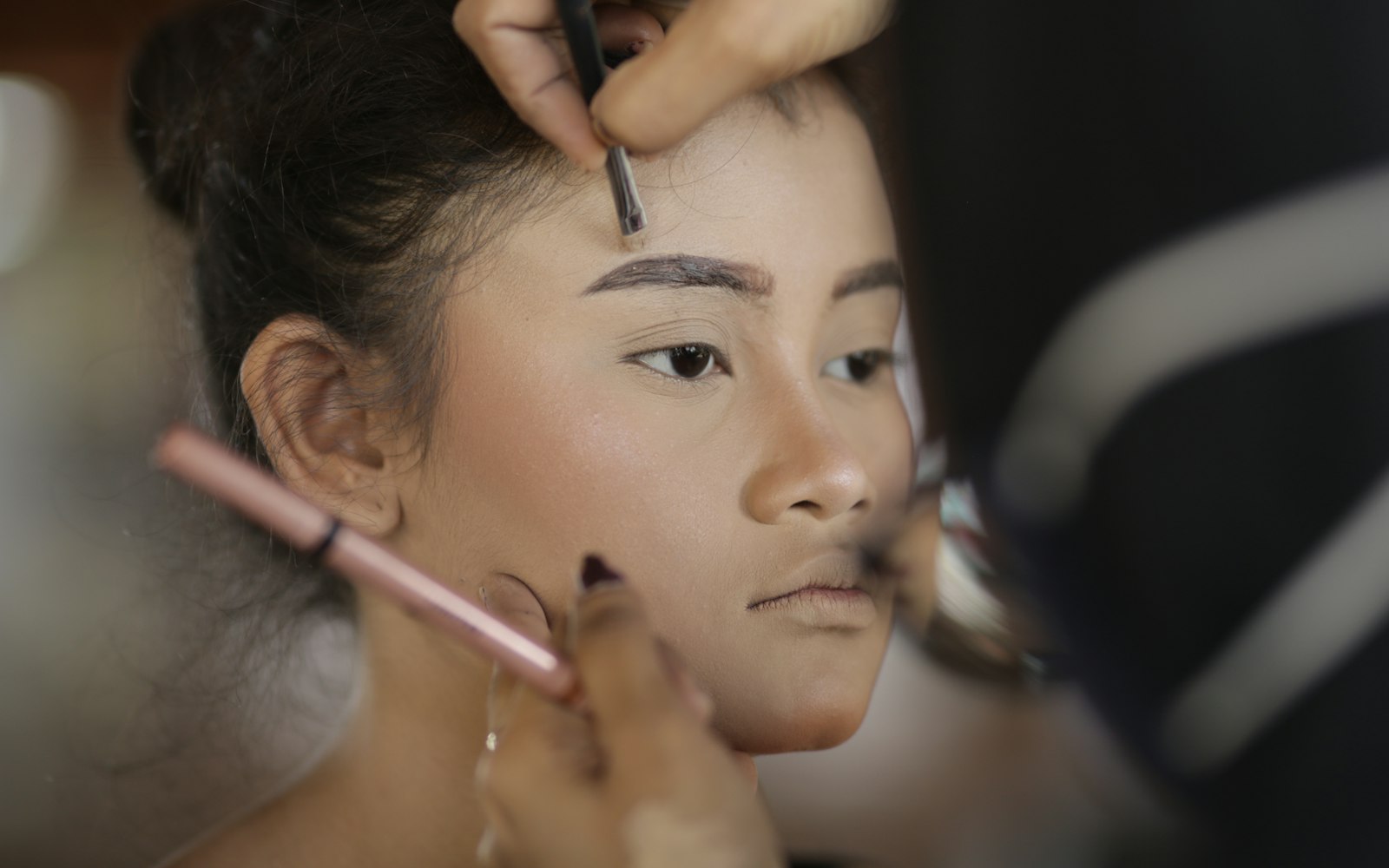
Many new artists spend heavily on products before they have the bookings to justify them. A professional kit should be complete for your specialty, not enormous. Start with a strong base range across undertones and depths, a reliable set of brushes, essential correctors, a few versatile palettes and good hygiene supplies. Add specialist products only when a job requires them, and track what you actually use. Our professional makeup kit checklist lists what working artists carry. Meanwhile, learn color theory, because it lets you mix shades rather than buying every one. Our guide to color theory for makeup artists explains how.
A smaller kit is also easier to clean, carry and restock, which saves time on every job. Review it every few months: remove what you never use, replace what has expired and note what you reached for and lacked. Over time, your kit becomes a reflection of your specialty and style, rather than a collection of impulse buys. Equally, keep a running list of kit costs, because they belong in your pricing. Every product you buy is a business expense that your rates should cover. Finally, look after the kit physically. Good cases, labeled pouches and a fixed packing order prevent breakage and lost items on busy days.
7. Build a focused portfolio, not a big one
Clients judge you by the weakest image in your portfolio. Ten to twenty strong images in your chosen specialty will book more work than fifty mixed ones. Show real skin, a range of skin tones and ages, and clean, honest editing. Build it through test shoots with photographers who share your standards, and replace older images as your work improves. Our guide to portfolio images that book work covers shooting, editing and presentation.
A focused portfolio also makes decisions easier for clients. When a bride sees twelve strong bridal images, she can imagine herself in your chair. When she sees twelve bridal images mixed with fantasy looks and effects work, she has to work harder to trust you. For that reason, review your portfolio every quarter. Remove any image that no longer represents your best work, and add the strongest new ones. Meanwhile, ask a photographer or senior artist for honest feedback, because it is hard to judge your own work. Keep a dated copy of each version, so you can see your progress over a year. That record is also encouraging on difficult weeks.
You may also like
Makeup Artist Portfolio: How to Build One That Books Work

You may also like
26 Makeup Artists to Follow on Instagram (2026)
8. Assisting is the fastest education
Working beside an experienced artist teaches what no course can: pace, set etiquette, client handling and how problems are solved under pressure. Assisting also builds the relationships that lead to work, because senior artists recommend assistants they trust. Offer to help on busy days, arrive early, keep quiet, follow instructions exactly and never promote yourself to their clients. Meanwhile, watch everything: how they set up, how they talk to clients, how they price and how they handle a late start. Many of the most useful things makeup artists should know are learned this way, standing behind someone who already knows them.
Finding assisting work takes persistence. Start by contacting artists whose work you admire, with a short, polite message and a link to your portfolio. Offer specific help, such as bridal mornings, busy shoot days or kit preparation, and make it clear you understand the role. Meanwhile, be reliable from the first job: arrive early, dress appropriately, keep the station clean and stay off your phone. Senior artists remember assistants who make their day easier. In practice, a good assistant is often the first person they recommend when they are double-booked.
9. Choose a specialty, then go deep
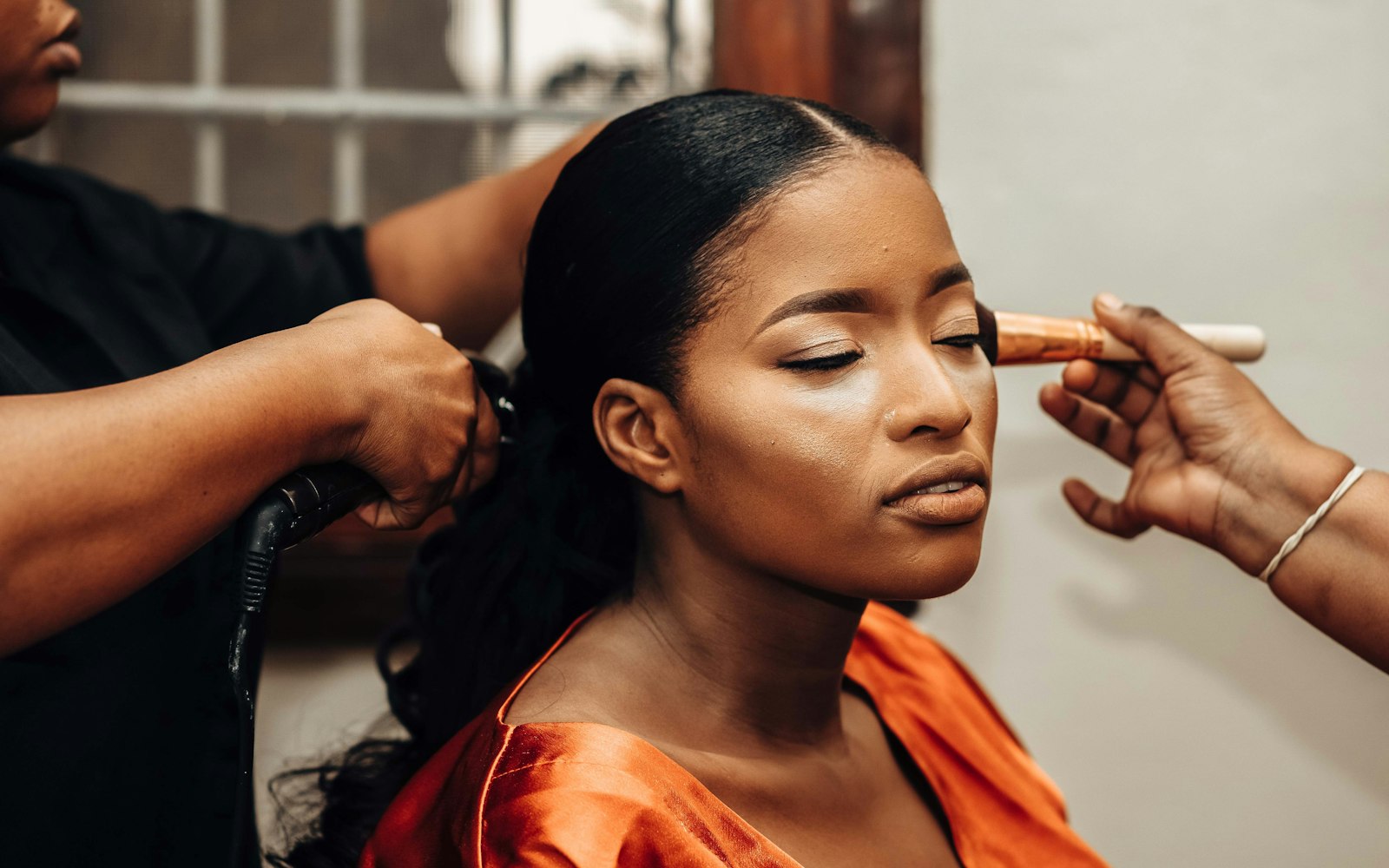
Generalists are easy to replace; specialists are sought out. Bridal, editorial, film and television, special effects, theater and commercial work each reward different skills and personalities. Try several early in your career, then choose the one that suits you and build deeply in it. If you are unsure, our quiz to match you with a specialty is a useful starting point. For film and television, our guide to the makeup unions explains how artists qualify for union work. For weddings, our bridal business guide covers trials, contracts and teams.
Specializing also simplifies everything else. Your portfolio, Instagram grid, website and kit can all point in one direction, which makes your marketing clearer and your bookings more consistent. Clients searching for a bridal artist want to see brides, not editorial experiments. Producers want to see continuity and camera-ready skin, not wedding mornings. For that reason, decide what you want to be booked for, and show only that. You can still take other work. You simply lead with the specialty that matches your goals. Over time, that focus builds a reputation that brings work to you. It also makes your marketing far simpler, because every post and every pitch tells the same story.
10. Protect your body and your energy
Makeup artistry is physical work. Long days standing, leaning over clients and carrying heavy kits take a toll on the back, neck, shoulders and wrists. Use a tall chair so clients sit at your working height, carry your kit on wheels and stretch during breaks. Meanwhile, plan your calendar to include rest after heavy weekends, because burnout shortens careers. Eat properly on long days, stay hydrated and say no to bookings that would leave you exhausted. A sustainable pace is not a luxury. It is how you are still working in ten years.
Small habits make the biggest difference. Adjust the chair before every client, so you are not bending. Keep your wrists neutral and switch hands for some tasks, such as holding a palette. Lift kit cases with your legs and use wheels whenever you can. Meanwhile, wear supportive shoes on long days and sit down during breaks, even briefly. Many artists also see a physical therapist or take a regular stretching class once their careers get busy. Think of these habits as protecting your income, because an injury that stops you working costs far more than prevention. Among all the things makeup artists should know, this one is the most often learned too late.

You may also like
Bridal Makeup Business: Trials, Bookings and Building a Team

You may also like
Breaking Into Film and TV Makeup: IATSE Local 798 and Local 706

11. Rejection and slow seasons are normal
Every artist loses bookings, hears no from agencies and faces quiet months. None of it means you are failing. Wedding work is seasonal, editorial budgets change and productions start and stop. Plan for slow periods by saving during busy ones and using quiet weeks for training, test shoots and marketing. When you lose a booking, ask politely whether there is feedback, then move on. Meanwhile, avoid measuring your career against highlight reels on social media, because they rarely show the gaps between jobs. Our list of makeup artists worth following is best used for learning, not comparison.
It also helps to diversify your income over time. Many artists combine their main specialty with teaching, product work, content creation or a second specialty that peaks in a different season. Bridal artists, for example, often take editorial or commercial work in the winter months. Meanwhile, build a small financial cushion, ideally several months of expenses, so a quiet season does not force you to accept underpaid work. In addition, keep in touch with past clients and collaborators during slow periods. A friendly note often leads to the next booking. In short, slow seasons are easier when you plan for them before they arrive.

12. Keep learning for your whole career
Products, techniques, cameras and trends change constantly. Artists who stop learning slowly fall behind, while those who keep studying stay booked. Set one learning goal each season, such as a new skin technique, a specialist course or a lighting workshop. Read widely, practice on many faces and ask senior artists for honest feedback. Our ranking of the best makeup schools is a useful guide to formal training. Meanwhile, remember that pay varies widely by specialty. The Bureau of Labor Statistics reports a median annual wage of $97,150 for theatrical and performance makeup artists in May 2025, a small, mostly employed group. Freelance income depends on the habits in this guide.
Learning also includes the business side. Short courses in bookkeeping, marketing and photography pay back quickly, because they strengthen the parts of the career that talent alone cannot. Meanwhile, keep a journal of lessons from each job: what went well, what went wrong and what you would change. Over a year, that journal becomes a personal manual that no school could give you. Equally, share what you learn with newer artists when you can. Teaching sharpens your own understanding and builds your reputation in the community. In other words, the learning never really ends. The best artists simply make a habit of it.
The things makeup artists should know, in one word: reliability
If there is one theme that connects all of these lessons, it is reliability. Clients, photographers, planners and producers book artists they can trust: artists who reply quickly, arrive early, work cleanly, price clearly and deliver what they promised. Skill earns the first booking. Reliability earns the second, the referral and the long career. Start with the lessons that feel most urgent for you, whether that is pricing, contracts or a portfolio, and work through the rest over time. Above all, be patient with yourself. Every working artist was once a beginner learning these things makeup artists should know, one job at a time. Keep this guide close and revisit it each year. Then pass the lessons on.
Tools and library


The three tools above support several lessons in this guide. The calculator turns your costs and income goals into a day rate, which is lesson two in practice. Meanwhile, the quiz helps you choose a specialty, which is lesson nine. The library gathers the career guide, notebooks and workbooks, including pages for bookkeeping, practice logs and client records. Start with whichever lesson feels most urgent. If money is the worry, open the calculator first. If direction is the worry, take the quiz. Either way, return to all three each season, as your work and goals change. Used together with the lessons above, they turn good intentions into a working plan.
From the Artist Library
The guide expands these lessons in plain terms: pricing, contracts, agencies, kit economics and the first five clients.
Questions worth asking
What should new makeup artists know?
That the career is a business as well as a craft. Price from your costs, use contracts and deposits, save for taxes, keep strict hygiene, build a focused portfolio and choose a specialty.
What is the biggest mistake new makeup artists make?
Underpricing. Many copy local prices without knowing their own costs, then feel busy but unprofitable. Work out a minimum day rate from your real numbers.
Do makeup artists need a contract?
Yes, for every booking. A signed agreement and deposit protect your date and your income and give clients clarity.
How much should a makeup artist save for taxes?
Self-employed artists pay 15.3% self-employment tax, according to the IRS, plus income tax. Ask an accountant how much to set aside from each payment.
Should I assist another makeup artist?
Yes, if you can. Assisting teaches pace, etiquette and client handling, and it builds relationships that often lead to work.
How do makeup artists avoid burnout?
Use a tall chair and a rolling kit, plan rest after busy weekends, save during peak months and say no to bookings that would exhaust you.
