
The Artist · Career
Most disputes between makeup artists and clients are not about makeup. They are about a date that two people both thought they had, a deposit that someone expected back or a start time that slipped. A clear makeup artist contract prevents almost all of them, because it puts the agreement in writing before anyone is under pressure. This guide, part of the hub for professional makeup artists, explains what to include, how deposits and cancellations work and how to use a contract without sounding cold.
It is general information for artists in the US, not legal advice. Laws vary by state, so have a lawyer review your own template once before you rely on it.
The short answer
A makeup artist contract should name both parties and set out the date, location, start time, services, number of people, total fee and payment schedule. It should explain the deposit or retainer, cancellation and rescheduling terms, late starts, travel costs and allergy disclosures. Send it with your proposal, ask for a signature and deposit before you hold the date, and keep a signed copy for every booking.
In this guide

Why every makeup artist needs a contract
A contract is simply an agreement both sides can rely on. The Legal Information Institute at Cornell Law School defines a contract as an agreement between parties creating mutual obligations that are enforceable by law. For a makeup artist, the practical value is clarity. A written agreement records what you will do, when, where, for whom and for how much. It also records what happens if plans change, which is where most misunderstandings begin. Clients benefit too, because they know exactly what they are paying for. In short, a makeup artist contract is not a sign of mistrust. It is a sign of a professional business, and most clients read it that way.
What a makeup artist contract should include
Contracts vary by specialty, but the core clauses are the same for bridal, event and editorial work. Use this list as a checklist for your own template:
- Names and contact details of the artist and the client
- Date, address of the location and the start time, with a ready-by time if relevant
- Services included, the number of people and any add-ons such as lashes or touch-up hours
- The total fee, the deposit or retainer amount and the due date for the balance
- Cancellation, rescheduling and refund terms
- Late start, waiting time and overtime rates
- Travel, parking, early-start and accommodation costs
- Allergy disclosure and patch test arrangements
- Photography and social media permission
- Signatures and dates from both parties

Bridal contracts
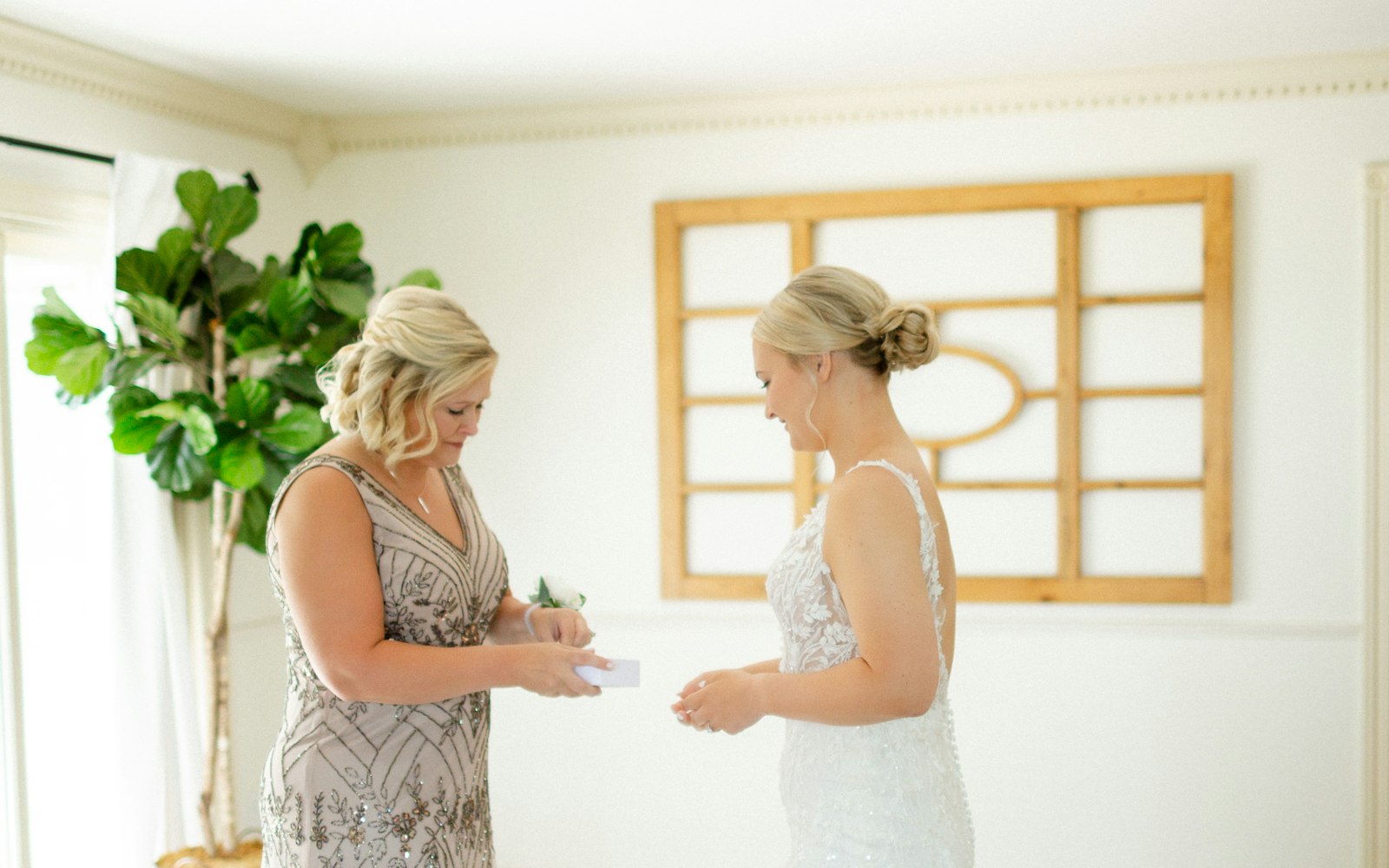
A makeup artist contract for a wedding needs a few extra details. List each person in the bridal party, the trial date and fee, and the order of the morning. Set a minimum number of faces and explain what happens if the client adds or removes people. In addition, state the ready-by time for the bride and the photographer’s arrival, because every other time in the morning works backward from those two. Include the address of the getting-ready location as well as the venue, since they are often different. Finally, note who your contact is on the day, which is often a planner or a maid of honor rather than the bride herself. A detailed makeup artist contract for a wedding saves dozens of messages in the final week. Our bridal business guide covers trials, schedules and teams in depth.
You may also like
Bridal Makeup Business: Trials, Bookings and Building a Team

You may also like
How Much to Charge for Makeup Services
The tone of the contract matters as much as its content. Write in plain English, not legal jargon, so clients understand it on the first reading. Keep sentences short and use headings, so each topic is easy to find. Explain the reason behind firm terms, such as non-refundable deposits, in a single friendly sentence. For example, you might note that a deposit holds a date you will turn other clients away from. Meanwhile, keep the contract consistent with your website, rate card and proposal, because conflicting documents create disputes. Above all, make it easy to sign: an electronic signature tool or a simple signed PDF is enough for most artists. Read the finished contract aloud once before you use it. Anything that sounds stiff or unclear when spoken will feel the same to a client.
Makeup artist deposit policy
A deposit, often called a retainer, is the payment that secures a date. For bridal work especially, it compensates you for turning away other inquiries for that day. Most artists set it as a fixed amount or a share of the total fee, and they do not hold a date until the client pays it. Your contract should state the amount, when it is due, whether it counts toward the total and whether it is refundable. Many artists make the retainer non-refundable, because the date cannot be resold close to the event. Whatever you choose, state it clearly in the contract and on your invoices, so there is no surprise later. Also confirm how you accept payment, and send a receipt for every amount you receive.

Example deposit wording
To reserve your date, I require a signed agreement and a retainer of [amount]. I apply the retainer to your total fee. Because I hold the date exclusively for you, the retainer is non-refundable. The balance is due [number] days before the event.

Records matter as much as policies. Keep a copy of every signed contract, invoice and receipt in one place, organized by event date. Digital records are easiest to search, but many artists also keep a paper receipt book for payments taken in person, such as balances collected on a wedding morning. A two-part carbonless book gives the client a receipt and keeps a copy for you, which is useful when you reconcile your accounts at the end of the month. Whatever system you use, record the date, the client, the amount, the payment method and what the payment covers. Good records protect you in a dispute and make tax time far easier. They also show clients that you handle their money carefully.
Adams Carbonless Receipt Book — a paper record of payments
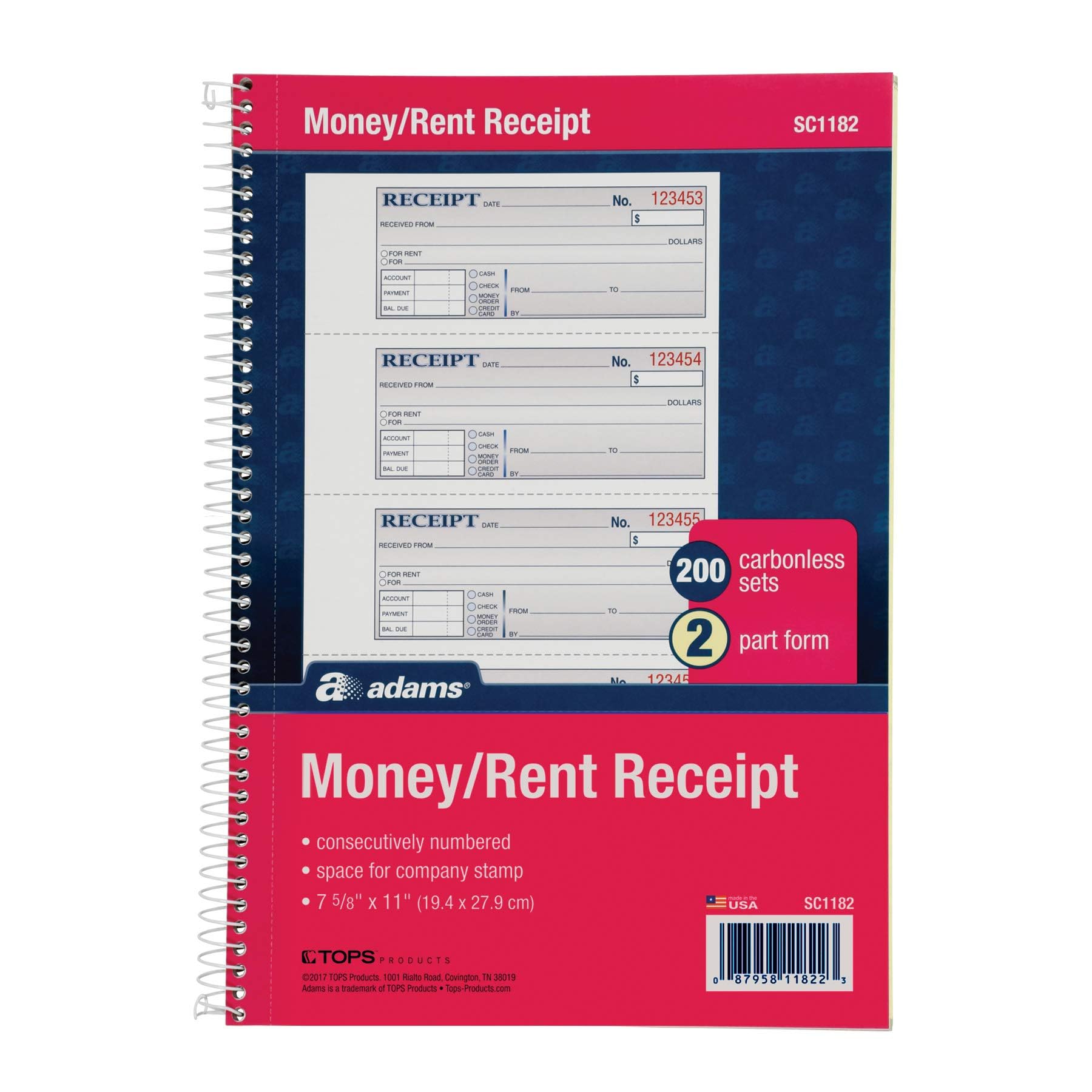
A spiral-bound, two-part carbonless book with 200 receipts, four to a page. The client keeps the original and you keep the copy, which suits deposits and balances taken in person. Checked on Amazon on 28 October 2026 at $6.25, in stock.
Makeup artist cancellation policy
A makeup artist cancellation policy explains what happens if the client cancels, reschedules or reduces the booking. Most policies use tiers based on notice. For example, a cancellation many months ahead may forfeit only the retainer, while a cancellation in the final weeks may require the full fee. Rescheduling is often allowed once, subject to availability, with the retainer transferred to the new date. If the client reduces the number of people close to the event, many artists still charge the original minimum. Whatever terms you choose, make them clear, fair and consistent, and apply them the same way to every client. Consistency is what makes a policy defensible, and it keeps every conversation calm.
Example cancellation wording
If you cancel more than [number] days before the event, you forfeit the retainer and owe nothing further. If you cancel within [number] days of the event, the full fee is due. I allow one date change, subject to availability, and the retainer will transfer to the new date.
When the artist cancels
Your contract should also cover the rare case when you cannot attend, such as illness or an emergency. Explain that you will arrange a qualified replacement where possible, and that you will refund payments in full if you cannot. This clause reassures clients and shows that you have thought about their day, not only your income. It helps to know two or three trusted artists who could step in, and to tell clients that you keep such a list. Agree in advance how you would brief a replacement, including the trial notes and product list, so the look stays the same.

Editorial and commercial bookings
Editorial, campaign and production work often runs on a different model. Agencies and producers usually issue their own booking confirmations or purchase orders, and many pay after the job rather than before. In that case, your own terms still matter: state your day rate, overtime, kit fee, cancellation fee and payment deadline on your invoice or deal memo. Ask for the client’s terms in writing before the shoot, and keep them with the call sheet.
Late starts, travel and other terms
Several smaller clauses prevent the most common day-of frustrations. Set a start time and say how long you will wait if the client is late, and what happens to the schedule. Charge overtime at a stated rate if the day runs longer than booked. List travel costs by distance or zone, plus parking and tolls, and add an early-start fee for calls before a set hour. For destination work, include accommodation, flights and per-day travel time. Meanwhile, include an allergy clause that asks clients to disclose sensitivities and offers a patch test before the event. Finally, ask permission to photograph and share your work, and respect a refusal. Clear photo terms are especially important for brides and private clients.


You may also like
Instagram for Makeup Artists: Bio, Content and Bookings

You may also like
How to Become a Bridal Makeup Artist
Refunds deserve a clear line of their own. A makeup artist refund policy should state when, if ever, you return payments, and how quickly. Most artists refund only when they cannot provide the service themselves or through a replacement. If a client is unhappy with the makeup, the usual remedy is an adjustment on the day rather than a refund, because you have delivered the service. Say so politely in the contract, and invite clients to raise concerns during the application, when you can still fix them. That approach protects you and gives clients a real chance to get what they want. In practice, a calm conversation on the day resolves almost every concern.
How to use your contract
A good template only works if you use it every time. Send the contract with your proposal, so the client sees prices and terms together. Ask for a signature and the retainer before you mark the date as booked, and confirm both by email. Keep the signed copy with the client’s file, and refer to it when questions arise. Meanwhile, review your template once a year, and after any job that revealed a gap. If you work in more than one specialty, keep a separate version for each, because bridal, editorial and film work have different needs. Above all, have a lawyer in your state review the template once, then update it as your business grows.

Agreement forms and e-signatures
Many artists send contracts through a booking form or an electronic signature tool, which records when the client signed. Whatever tool you choose, make sure the client receives a copy of the signed agreement, and keep one for yourself.
Contracts also connect to the rest of your business. Your prices come from your rate calculations, your inquiries come from your portfolio and social media, and your contract turns those inquiries into secure bookings. Our guides to how working artists set prices and turning Instagram messages into bookings cover the steps before the contract. Meanwhile, a strong portfolio that books work brings the inquiries in the first place. Together, those pieces make a simple system. Each part supports the others, and the contract is the point where interest becomes a commitment. Treat it with the same care you give the makeup, and revisit it whenever your services change.

You may also like
Makeup Artist Portfolio: How to Build One That Books Work

You may also like
What Is Makeup Artistry? The Craft, the Career and the Mindset

Clarity is a kindness
A makeup artist contract is one of the simplest tools in your business, and one of the most valuable. It protects your time and income, and it gives clients the certainty they want before an important day. Start with the checklist above, write in plain language and add clear deposit and cancellation terms. Then use the contract for every booking, without exception, and keep good records of every payment. Review it each year, and ask a lawyer to check it once. When a client questions a term, point to the clause calmly and explain the reason behind it. Most clients accept a fair rule that was clear from the start, and many will thank you for it. Above all, remember that clear terms are a kindness to both sides. They let everyone relax and focus on the work, which is where your attention belongs.
Writing your first contract
If you are writing your first contract, a simple plan helps. In the first week, list every situation that has caused confusion with past clients, from late starts to extra guests. Next, turn each one into a short clause in plain English, using the checklist and examples above. After that, add your deposit, cancellation and refund terms, and match them to your website and rate card. Then ask a lawyer to review the draft, and make their changes. Finally, send the contract with every new proposal from that day onward. Within a season, the questions and disputes that used to take your time will largely disappear, and bookings will feel calmer.
Tools and library



The three tools above support the business around your contract. The calculator turns your costs and income goals into the fees your contract will state, so your terms rest on real numbers. Meanwhile, the quiz helps you confirm your specialty, which shapes the clauses and terms you need most. The library gathers the career guide, notebooks and workbooks, including pages for client records and payment tracking. Start with the calculator if you are setting prices for the first time. If your prices are set, the library pages will help you organize contracts, deposits and receipts. Either way, revisit all three each season, alongside your contract template and your rate card.
From the Artist Library
The guide covers the working side of the craft in plain terms: pricing, contracts, agencies, kit economics and the first five clients.
Questions worth asking
What should a makeup artist contract include?
Both parties’ details, the date, location and start time, services and head count, the total fee and payment schedule, deposit, cancellation and refund terms, travel and late-start terms, allergy disclosure and signatures.
Is a makeup artist deposit refundable?
It depends on your contract. Many artists make the retainer non-refundable because it holds a date they turn other clients away from. State your policy clearly.
What is a typical makeup artist cancellation policy?
Many policies are tiered by notice: the retainer is forfeited for early cancellations, and the full fee is due for late ones. One reschedule is often allowed, subject to availability.
Do I need a lawyer for a makeup artist contract?
A lawyer in your state should review your template once, because laws vary. After that, you can use and update it yourself.
Can a makeup artist contract be signed electronically?
Many artists use electronic signature tools or signed PDFs. Make sure both parties keep a copy of the signed agreement.
Should a wedding makeup contract be different?
Yes. Add each person in the bridal party, the trial date and fee, the morning schedule and a minimum number of faces.
