
The Artist · Career
On union film and television productions, makeup artists and hair stylists belong to IATSE craft locals. Two of them cover the largest production centers. In the East, that means IATSE Local 798 hair and makeup artists. In Los Angeles, it means Local 706. This guide, part of the hub for professional makeup artists, explains what each local requires and how artists build the work history to qualify.
Every requirement below comes from the locals’ own published documents, checked on 28 October 2026. Rules change, so confirm with the local before you apply.
The short answer
IATSE Local 798 hair and makeup artists work across 23 eastern states and Washington, DC. The local accepts applications once a year and asks for 180 paid days of qualifying work, references, residency proof and a digital portfolio. Local 706, based in Burbank, works through the Industry Experience Roster. Its how-to-join page lists 60 days of work in each of three years in Los Angeles County. Alternatively, it lists 30 days within a year under union benefit contributions. Neither local is a hiring hall, so you still find your own work.
In this guide
What the makeup unions do
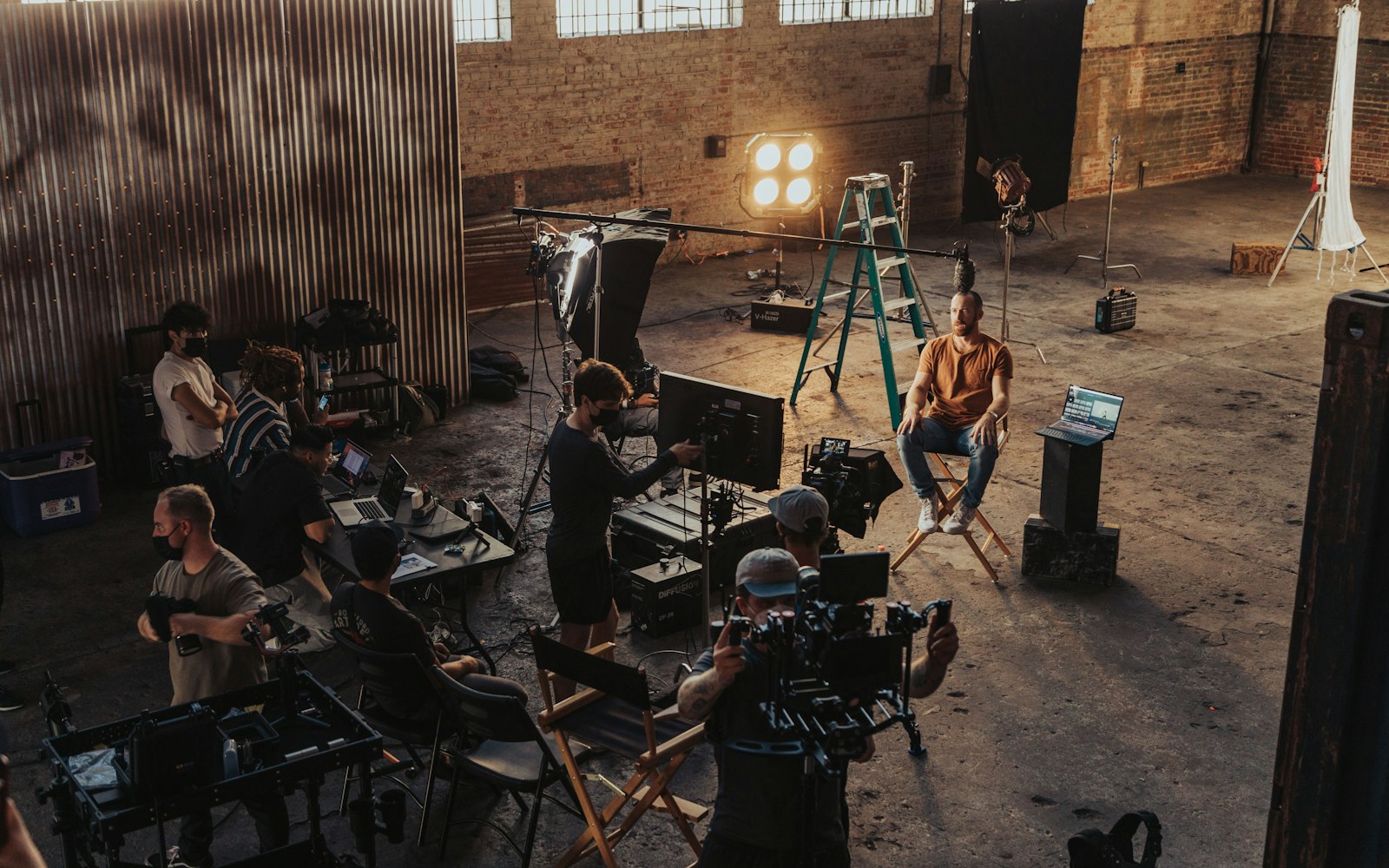
IATSE, the International Alliance of Theatrical Stage Employees, is the parent union for many behind-the-camera crafts. Makeup artists and hair stylists belong to its craft locals. Those locals negotiate contracts on wages, hours, benefits and working conditions. For artists, membership brings contract rates, health and pension benefits and access to union sets in the area. However, joining a local does not create work by itself. Local 798’s own requirements state that it is not a hiring hall. Members secure their own employment. In practice, department heads hire union artists day by day or show by show, usually people whose work they know. Consequently, the route into the union and the route into regular work are the same: build skills, credits and relationships on real productions.
IATSE Local 798 hair and makeup: New York and the East
Make-Up Artists and Hair Stylists Local 798 has its office in New York. Its jurisdiction page describes a territory of 23 eastern states and the District of Columbia. According to its requirements to join, it represents members working in movies, television, commercials, live theater and new media. Joining Local 798 also makes you a member of the IATSE. Applicants choose one craft only: makeup, as a makeup artist or special effects artist, or hair, as a hair stylist or barber. In short, IATSE Local 798 hair and makeup membership follows craft lines. You cannot switch once your paperwork is in. Choose the craft your credits support most strongly, and build your resume around it.
What the application asks for
The Local 798 packet, as listed in its current requirements, includes:
- An application submission form, a signed cover letter and a resume, all in your legal name
- A notarized signature on the local’s terms and conditions
- Proof of age and, for non-citizens, a valid work or residency visa
- Proof of at least 18 months’ residency in the local’s jurisdiction
- For hair applicants, a cosmetology or barber license; for makeup applicants, training certificates are optional
- Four reference letters from people in the entertainment field, at least two of them current Local 798 members
- Proof of 180 paid days in your craft over the last four consecutive years
- A digital portfolio with two looks per category, showing before, process and finished work
What counts as qualifying work
The 180 days must be paid work doing your craft on film, television, commercials, theater or video, the kinds of production Local 798 contracts would cover. Non-union productions count. Up to 60 days may come from paid regional or summer stock theater internships. However, the requirements list many kinds of work that do not count. They include print and editorial shoots, red carpet events, weddings, fashion shows, concerts, salon and retail work and teaching. Travel, idle and prep days do not count either. Acceptable proof includes payroll stubs, invoices with proof of payment and network payroll sheets. Call sheets also count when production has typed in your name.

You may also like
Movie Makeup Transformations and the Artists Behind Them
You may also like
Special Effects Makeup Artist: How to Build an SFX Career in the US
The four-year window is temporary. According to the requirements, the local added a year because of the 2023 WGA and SAG-AFTRA strike shutdowns. It returns to three years from 1 January 2028. Meanwhile, the portfolio rules are strict, and many applications fail on them. Photographs must be in focus, show only the applicant’s own work and fill most of the frame. Retouched, Photoshopped, FaceTuned or otherwise filtered images are not accepted. You must label every category, and a missing category means failure. The portfolio must also stay online and viewable until you receive a decision by mail. For that reason, build a separate, clearly organized union portfolio rather than reusing your bridal or beauty book.
Timing and fees
Local 798 accepts applications once a year. For the current cycle, packets need a postmark between 1 and 31 January 2026. The local also asks applicants not to call the office. Results arrive by mail 12 to 16 weeks after the window closes. The initiation fee is currently $3,500, payable in full within six months of acceptance. Expect automatic rejection for an incomplete application or one containing false information.
Local 706: Los Angeles and the Industry Experience Roster
The Make-Up Artists and Hair Stylists Guild, IATSE Local 706, has its office in Burbank. Its routes to membership depend on work in Los Angeles County. Its route works differently from Local 798’s, because it runs through the Industry Experience Roster, or IER. The roster is administered by Contract Services. According to Contract Services, names on the IER may receive preference of employment. The relevant collective bargaining agreement sets the detailed placement rules. Contract Services also requires preliminary courses, usually safety and harassment prevention training. Local 706 publishes its own summary of the routes, described below. Because the summary page is not dated, confirm the current figures with Contract Services before you count your days.
The two routes onto the roster
According to Local 706’s how-to-join page, artists can qualify for IER status in either of two ways:
- Sixty days of non-roster work in each of three years, within the last five years, in Los Angeles County; network television, videos and non-union film or TV can count
- Thirty days worked for one or more producers within 365 calendar days in Los Angeles County, with benefit contributions paid to the Motion Picture Industry Pension and Health Plans
Verification and joining
Days are verified through the production payroll companies and Contract Services. The page states that makeup artists must pass a color-blindness examination. Hair stylists must hold a current cosmetology license. After verification, artists join the roster at trainee level, then apply to the local and pay the initiation fee. For network television or legitimate theater, the page describes a separate route. It is based on 30 days of union employment in Los Angeles County.

The color-blindness test deserves a moment, because it surprises some applicants. It reflects how much of the job depends on accurate color: matching skin under changing light, keeping continuity across weeks of shooting and blending prosthetics invisibly. If you are unsure about your color vision, have it checked early. Do it long before you reach the verification stage. Meanwhile, keep sharpening your color skills, because they matter on every set. Our guide to color theory for makeup artists covers undertones, correction and light. In addition, keep careful records of every paid day from your first job onward. Both locals depend on documents, and missing paperwork is much harder to recover years later.
Local 798 and Local 706 compared
| Local 798 | Local 706 | |
|---|---|---|
| Base | New York | Burbank |
| Territory | 23 eastern states and DC | Work counted in Los Angeles County |
| Route | Annual application to a membership committee | Industry Experience Roster, then application |
| Work required | 180 paid days in craft over the last four years | 60 days in each of three years, or 30 days within 365 days (LA County) |
| Other | Residency, references, digital portfolio | Verification through Contract Services; color-blindness exam for makeup |
| Hiring hall | No | No |
Sources
Sources
How to build qualifying days before you join
Both locals ask for paid days on productions, and IATSE Local 798 hair and makeup applicants need 180 of them. That is the hardest part for new artists. Most build them on non-union work: independent films, student and graduate productions that pay, commercials, music videos, regional theater and local television. Start by assisting. Department heads on non-union shows often need day players for crowd scenes and busy days. Those days count when production pays you and you keep the documents. Keep every call sheet and pay stub, and check that your name and job title appear on the call sheet. Meanwhile, keep a running spreadsheet of each production, date, role and document, because both applications ask for organized proof. Finally, learn on-set etiquette early. Being on time, quiet, clean and ready for continuity matters as much as skill.
Reading helps too, especially before your first long shoot. Film and television makeup has its own vocabulary and routines: continuity photographs and notes, breakdowns of a script by scene and character, aging and injury progression, and the needs of high-definition cameras. A good handbook explains those routines in the order you will meet them on set. It also shows how the department divides work between the department head, the key artist and additional artists. One book has become a standard reference for exactly this kind of work. It is worth owning before you apply to either local. Read it alongside real call sheets, so the vocabulary becomes familiar quickly.
The Makeup Artist Handbook — techniques for film, television and theater
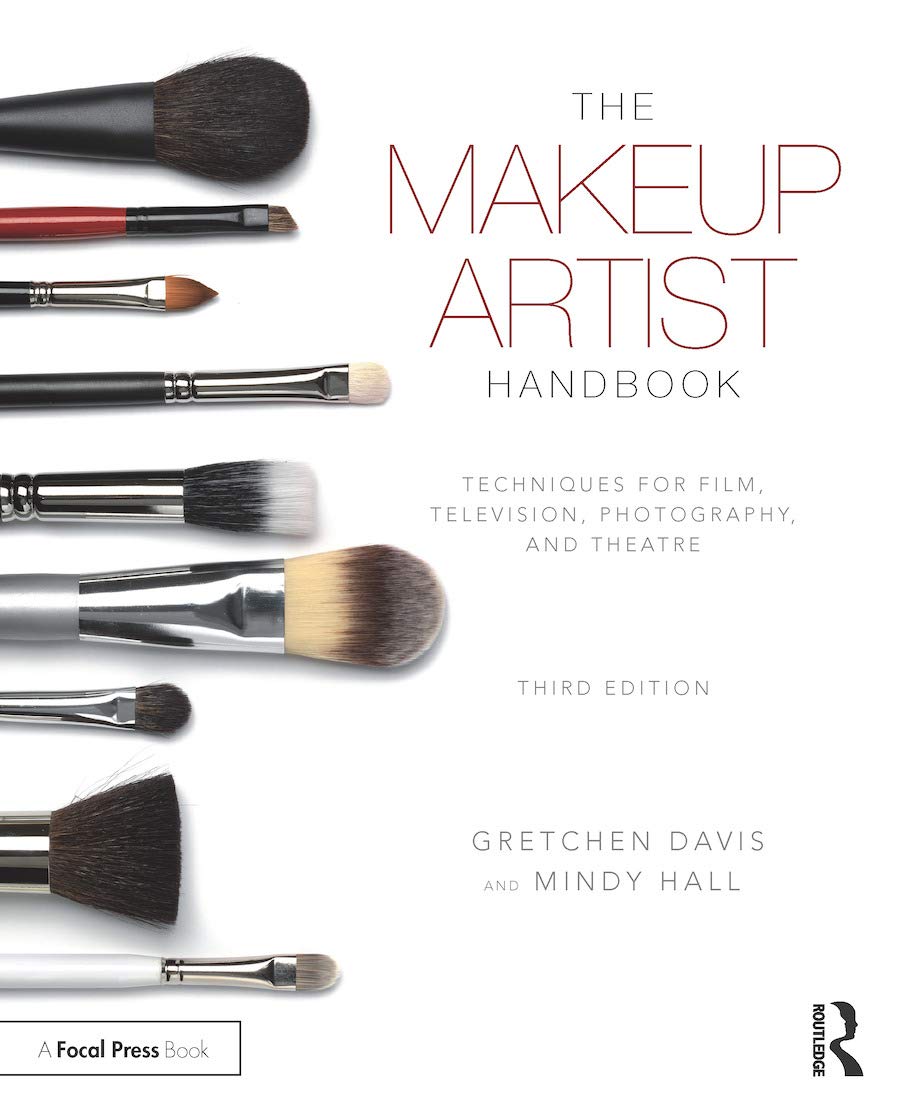
Gretchen Davis and Mindy Hall’s handbook, published by Routledge, covers techniques for film, television, photography and theater, including continuity, set etiquette and special makeup effects. Checked on Amazon on 28 October 2026: third edition paperback, $39.89, with limited stock.
Pay is the other reason artists aim for union work, although figures vary widely by role and region. Federal data offers one reference point. The Bureau of Labor Statistics reports a median annual wage of $97,150 for theatrical and performance makeup artists in May 2025. It is a small occupation, concentrated in production centers. That figure covers employees, not freelancers, and it does not describe any one contract. Each local’s agreements set the union rates themselves. Ask the local or a working member for the rates that apply to your role. Above all, remember that union work is irregular for most artists in the first years. Plan your finances for gaps between shows, and keep other income streams going while you build days.
Life in a union makeup department
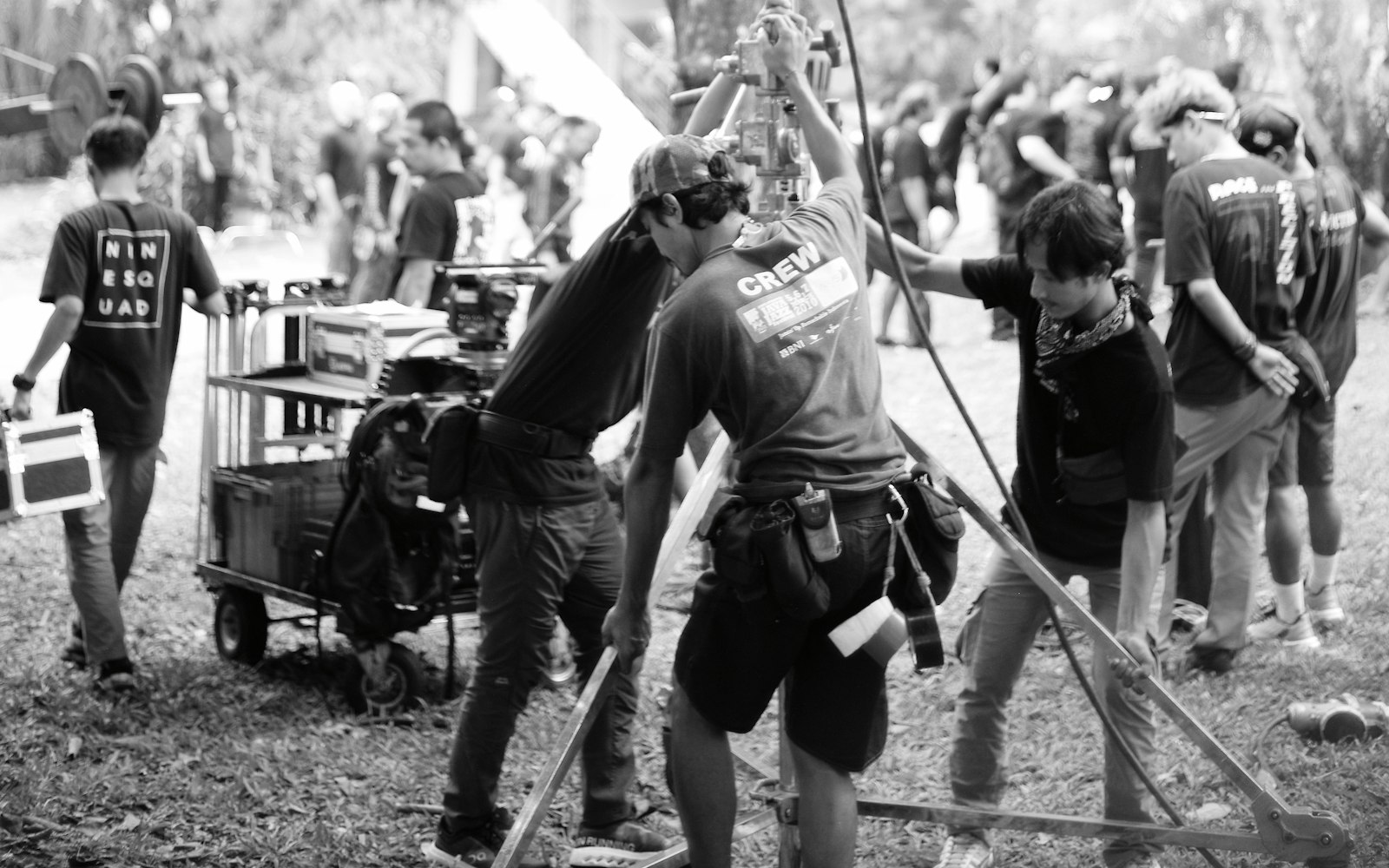
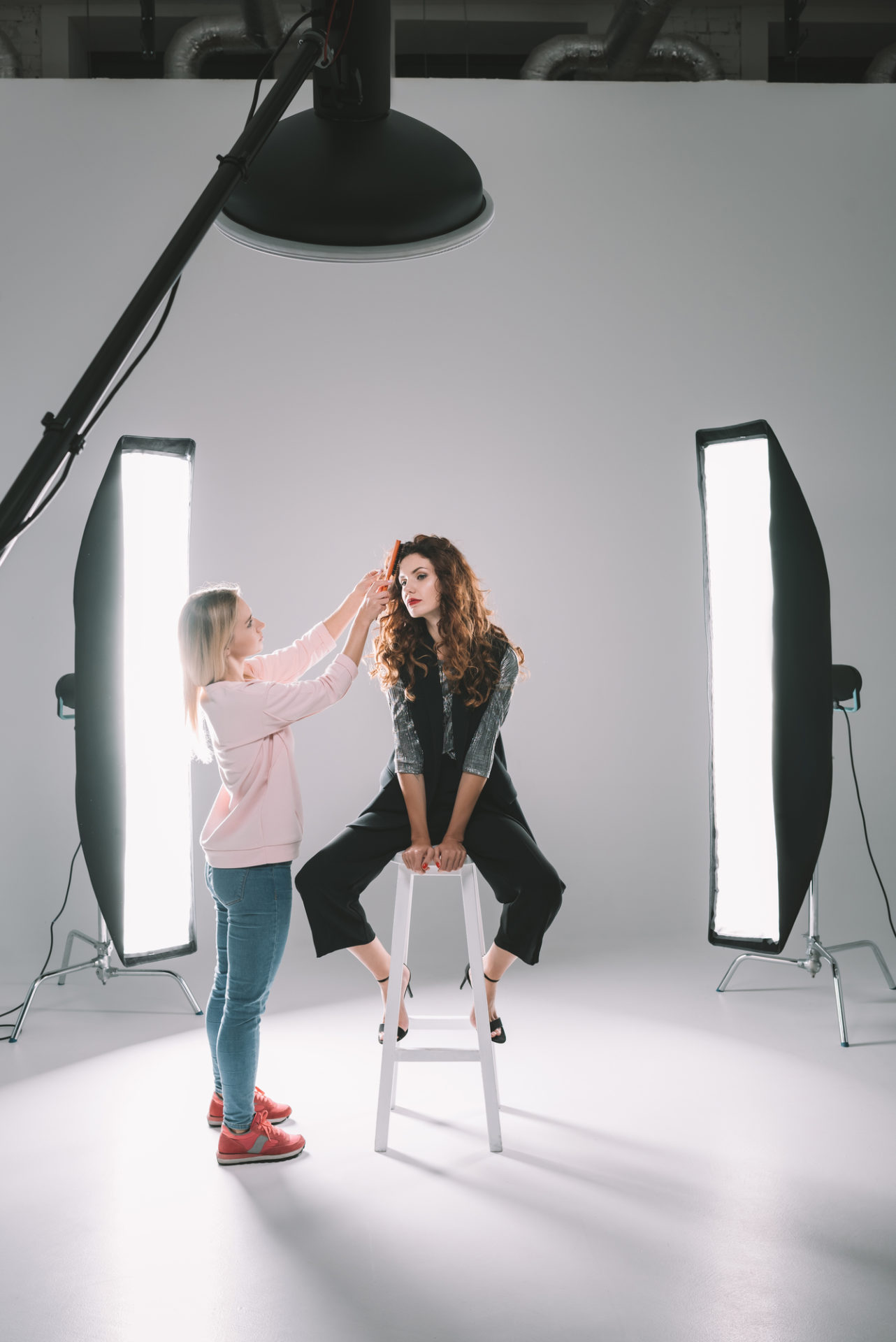
A union makeup department has a clear structure. The department head designs the looks and manages the budget and team. The key makeup artist runs the trailer day to day and often looks after lead actors. Additional artists and day players handle supporting cast and busy days. Calls are early, days are long and continuity is constant: artists photograph and note every look so they can match it days or weeks later. Meanwhile, the department works closely with hair, costume and the camera team. Department heads call back artists who communicate calmly, keep a clean station and solve problems quietly. In fact, reputation inside a department spreads quickly, which is why most union work comes through recommendation.

You may also like
Makeup Artist Portfolio: How to Build One That Books Work

You may also like
What Is Makeup Artistry? The Craft, the Career and the Mindset
Theater work runs on a different rhythm. In a long-running show, artists maintain wigs and makeup for the same cast night after night. Quick changes run to the second. Local 798’s requirements accept paid theater work toward its 180 days. Up to 60 days may come from paid regional or summer stock internships. For artists in the East, theater is therefore a practical way to build qualifying days while learning speed and consistency. Effects work offers another route, because many productions need artists who can apply prosthetics, wounds and aging. Our special effects career guide covers that path in detail. Whichever you choose, document every paid day from the start.
A long game worth playing
Joining Local 798 or Local 706 is rarely quick. Most artists spend several years building paid days, references and a portfolio before they apply. That time is not wasted. It is also how you learn the work, meet department heads and earn a reputation. Treat the application requirements as a checklist for your career, not a hurdle at the end of it. For IATSE Local 798 hair and makeup applicants in particular, the list is long and exact. Keep your documents organized, choose your craft clearly and build the portfolio the committee asks for. Above all, remember that membership opens doors, while relationships and reliability keep you working. Department heads hire people they trust.
In other words, every set you work on now is part of the application, whether or not it counts toward your days. The artist you assist this year may be the department head who calls you after you join. Equally, the reference letters Local 798 asks for come from people who have watched you work. For that reason, treat every day player call as an audition for the next one. Start with the best makeup schools if you still need formal training. Good training shortens the years of building days.
Three steps to take this month
If you are serious about union work, three steps will move you forward now. First, download the current requirements from the local you plan to join, and read them line by line. For IATSE Local 798 hair and makeup applicants, note the January window and the residency rule. Second, set up a folder for every paid production day, with call sheets, pay stubs and invoices filed by date. Third, contact two or three department heads or key artists whose work you admire, and offer to day-play on busy days. Meanwhile, begin building the labeled digital portfolio the committee expects, with before, process and finished images. None of these steps costs much, and together they turn a distant goal into a working plan.
Tools and library


The three tools above support different stages of a screen career. The quiz helps you decide whether film and television suit you, compared with bridal, editorial or effects work. Meanwhile, the calculator helps you price non-union days while you build toward membership, so the years of building are sustainable. The library gathers the career guide, notebooks and workbooks, including pages for tracking productions, dates and documents. For union applicants, that tracking matters as much as anything else in this guide. Start with the quiz if you are still choosing a direction. Then use the library pages to record every paid day from your next job onward, with the documents to prove it.
From the Artist Library
The guide covers the working side of the craft in plain terms: pricing, contracts, agencies, kit economics and the first five clients.
Questions worth asking
What is IATSE Local 798?
Make-Up Artists and Hair Stylists Local 798 is the IATSE local for makeup artists and hair stylists in 23 eastern states and Washington, DC, based in New York. It covers film, television, commercials, live theater and new media.
How many days do I need to join Local 798?
Its current requirements ask for proof of 180 paid days in your craft over the last four consecutive years, returning to three years from 1 January 2028. Only certain kinds of work count.
How much does it cost to join Local 798?
The initiation fee is currently $3,500, according to the local, payable within six months of acceptance.
How do I join Local 706 as a makeup artist?
Through the Industry Experience Roster. Local 706 lists 60 days of work in each of three years in Los Angeles County, or 30 days within 365 days under union benefit contributions, followed by verification and a color-blindness exam.
Does joining the union guarantee work?
No. Local 798 states that it is not a hiring hall, and union artists find work through department heads and their own reputations.
Do wedding or editorial jobs count toward union days?
Not for Local 798. Its requirements exclude weddings, print and editorial shoots, red carpet events, fashion shows, concerts and salon work.
