The Artist · Career
A bridal makeup business is built on one promise: on the most photographed morning of a client’s life, everything will run on time and she will look like herself. Skill earns the first booking. Systems, from trials and contracts to schedules and a reliable team, earn the referrals that follow. This guide, part of the hub for professional makeup artists, covers how to plan, run and grow one in the US.
It assumes you can already do bridal makeup well. If you are still training, start with our guide to becoming a bridal makeup artist, then come back here.
The short answer
A bridal makeup business sells a service package, not a single application. It includes a consultation, a trial, wedding-day makeup for the bride and her party, and often touch-ups. To run one well, set up a business structure and insurance, and price in packages. Charge for trials and take a retainer with a signed contract. Then plan each wedding morning to the minute and build a small, trained team before demand outgrows you.
In this guide
What a bridal makeup business involves
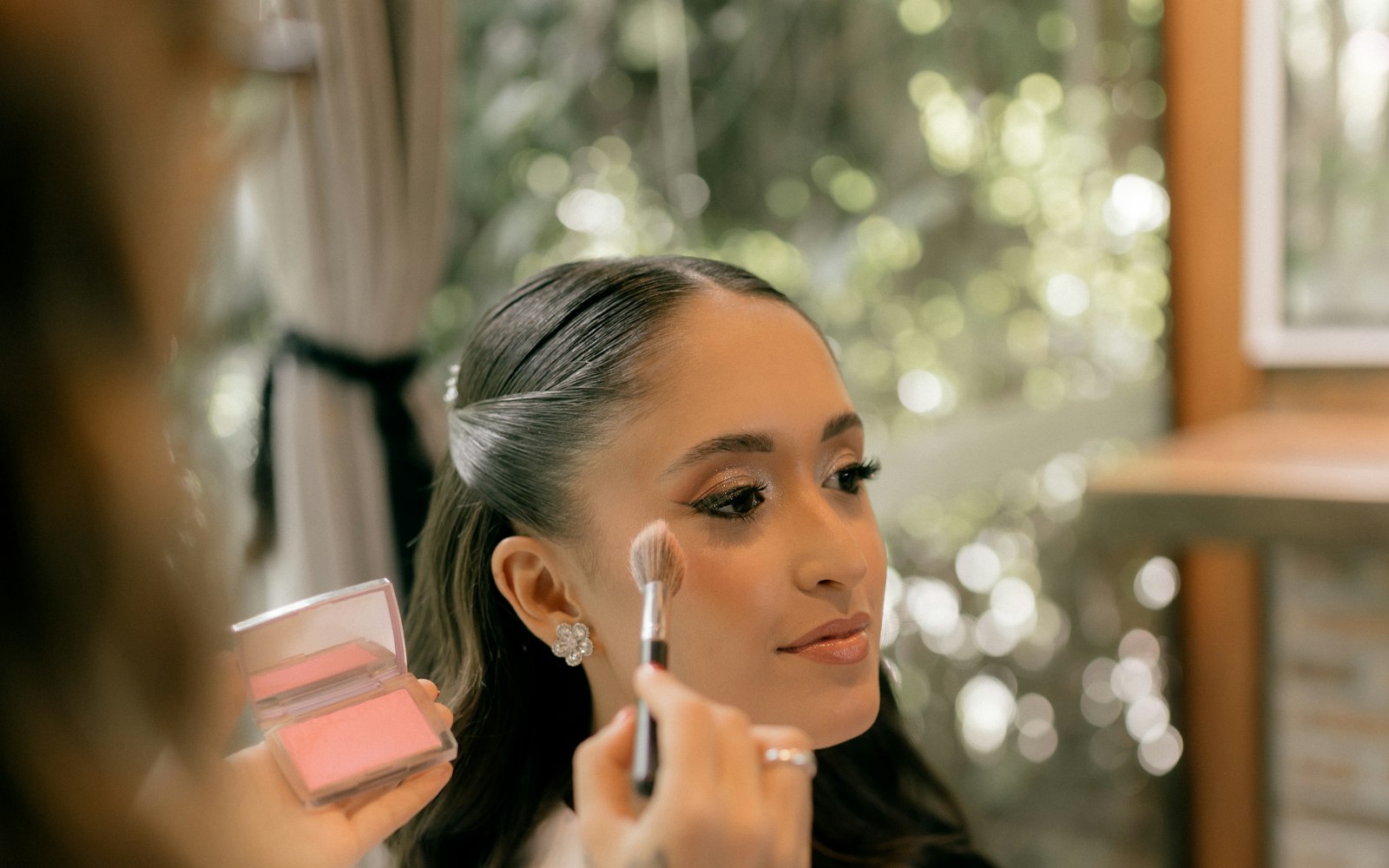
Bridal work differs from most makeup work in one important way: the client buys months before the service. A bride may inquire a year ahead, book after a consultation, attend a trial and then wait for the wedding day. Consequently, a bridal makeup business is as much about managing that long relationship as about the makeup itself. The typical services are a consultation, a trial and the bride’s wedding-day makeup. Many packages add the bridal party and mothers, and sometimes touch-up coverage through the ceremony and photographs. Many artists also offer lashes, airbrush finishes or hair through a partner. Each of those services needs a price, a time allowance and a clear place in your contract. In short, you are selling certainty as much as beauty.
A bridal makeup business plan
A bridal makeup business plan does not need to be long, but it should be written down. The Small Business Administration’s guide to business plans is a useful template. For a solo bridal artist, the essentials fit on a few pages. Start with your market: where you work, which weddings you want and what similar artists charge. Next, define your position, for example natural luxury bridal makeup for intimate weddings, or full-glam work for large bridal parties. Then list your services and packages, your costs and your income target. Finally, set out how clients will find you, whether through planners, venues, referrals or Instagram. Review the plan every season, because your prices and focus will shift as bookings grow.
Business structure and taxes
Many artists start as sole proprietors, and some later form a limited liability company for liability protection. The SBA explains the trade-offs in its guide to choosing a business structure. Whichever you choose, remember that self-employed artists pay self-employment tax. The IRS sets the self-employment tax rate at 15.3%. Ask an accountant how much to set aside from each booking.
Insurance and licensing
General and professional liability insurance protects you if a client has a reaction or a guest trips over your kit. Many venues now ask for proof of coverage before you arrive. Licensing rules for makeup work vary by state, so check with your state board before taking paid bookings.

Pricing in packages
Brides compare packages more easily than lists of individual prices, so most bridal artists sell in bundles. A common structure has three tiers. The entry tier covers the bride only, with a trial. A middle tier adds a set number of attendants. The top tier adds touch-up coverage or a second artist. Price each tier from your costs upward, not from what competitors charge. Include travel, early-start fees and a minimum booking for parties, because a dawn start for one face rarely covers its costs. Above all, put every price in writing before the trial, so there are no surprises later. Our guide to setting makeup prices explains how to build a rate from your real costs.
You may also like
How to Become a Bridal Makeup Artist

You may also like
How Much to Charge for Makeup Services
Package pricing also protects your calendar. Peak wedding Saturdays are limited, and each one can only be sold once. For that reason, many bridal artists set a minimum spend for peak dates, and offer weekday or off-season rates to fill quieter months. Meanwhile, keep a short menu of add-ons, such as lashes, extra touch-up hours or an early-start fee. That way, clients can tailor a package without a custom quote each time. Review your packages after every season. If one tier almost never sells, simplify it. If every bride asks for the same add-on, include it in a tier instead. Finally, raise prices when your calendar fills more than a year ahead, because demand is telling you something.
Bridal makeup trials
The trial is where a bridal makeup business wins or loses most clients. It is a rehearsal of the wedding look, usually held a few weeks or months before the date. For the bride, it removes fear: she sees the look, tests how it wears and learns to trust you. For you, it is a chance to learn her skin and preferences. It also reveals the details that will matter on the day, such as the dress neckline, the hairstyle and the photographer’s style. Because a trial takes real time and product, most professional artists charge for it, either as a separate fee or within the package. Charging also signals that the trial is a professional service, not a free sample. In addition, a paid trial filters out inquiries that were never likely to book.
A bridal makeup trial questionnaire
Send a short questionnaire before the trial, so the session starts with facts rather than guesses. Useful questions include:
- The wedding date, venue, ceremony time and expected light, indoor or outdoor
- The dress, its neckline and color, and the hairstyle
- Skin type, allergies, sensitivities and any current treatments
- Three or four reference images, and anything she dislikes
- How much makeup she usually wears, and how she wants to feel
- The photographer and their style, light and airy or dark and moody
What to expect at the trial
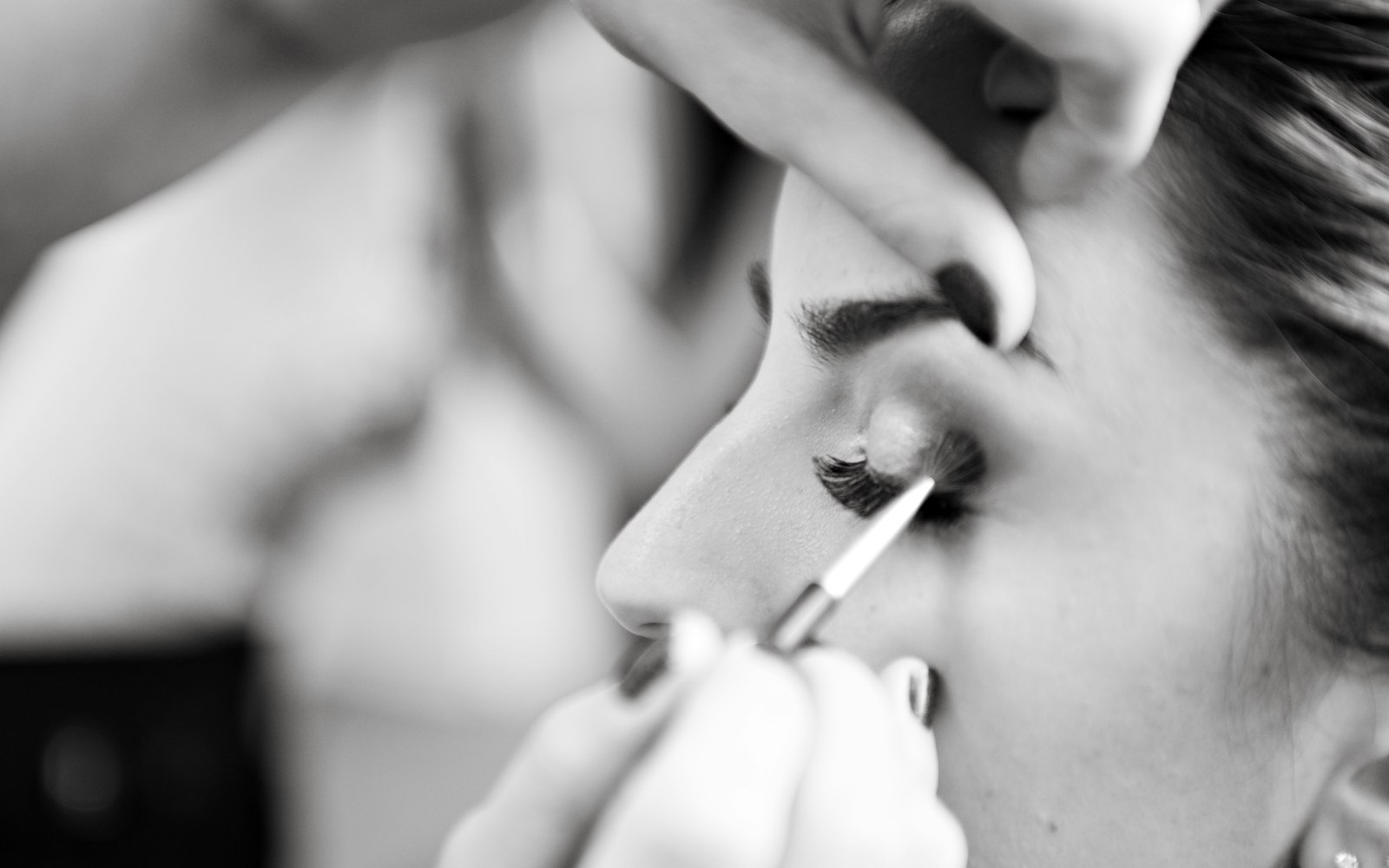
Allow enough time to talk before you start. Review the questionnaire and references together. Then apply the look in stages, checking in as you go. Photograph the finished makeup in daylight and with flash, because the camera reveals what a mirror hides. Afterward, keep notes of every product and shade used, so the wedding-day look matches exactly. Finally, encourage the bride to wear the makeup for several hours and send you photographs, which shows how it wears. Small adjustments after the trial are normal, and handling them calmly builds the trust that brings referrals. If the bride wants major changes, offer a second trial at a set fee, rather than redesigning the look on the wedding morning.
Good light matters at every trial, and you will not always control the room. Venues, hotel suites and family homes often have dim or mixed light, which makes color matching difficult. For that reason, many bridal artists carry a portable lighted mirror alongside their main kit. It gives the bride a clear view of the look and helps you check blending at close range. In addition, it is useful on the wedding day itself. Getting-ready rooms are crowded and windows are shared by hair, photography and the bridal party. Choose one that is rechargeable, light enough to carry and bright without being harsh. A good mirror will not replace daylight, but it removes guesswork when daylight is not available.
FUNTOUCH Rechargeable Travel Makeup Mirror — light for trials on location

A rechargeable mirror with 72 LED lights and adjustable brightness, small enough for a kit bag. It gives the bride an even, clear view during trials in hotel rooms and homes, where room light is often too dim or too warm. Checked on Amazon on 28 October 2026 at $16.99, in stock.
Bookings, deposits and contracts
A clear booking process protects you and reassures the bride. Most bridal artists follow the same sequence: inquiry, consultation, proposal, contract and retainer, then the trial and the wedding. Respond to inquiries quickly, ideally within a day, because brides often contact several artists at once. Send a proposal that lists the services, the timings, the total price and the payment schedule. Then ask the bride to sign a written contract and pay a retainer to hold the date. Until both are complete, the date is not booked, however warm the conversation has been. A simple rule like that prevents the most common bridal dispute: two brides who both believed they had the same Saturday. Keep every booking, contract and payment in one system, so nothing depends on memory.
What the contract should cover
At a minimum, the contract should name both parties, the date, the location and the start time. It should list each service and the number of people, the total fee and when each payment is due. It should also state that the retainer is non-refundable and secures the date, and set out your cancellation, rescheduling and late-start terms. Add travel and parking costs, the minimum number of faces and what happens if extra people are added on the day. Finally, include a clause about allergies and patch tests. Ask a lawyer in your state to review your template once, then use it for every booking. A clear contract is a kindness to both sides.

Getting paid should be as easy as booking. Most brides now expect to pay retainers and balances by card, and many artists collect the final balance in person on the wedding morning. A small card reader that works with your phone makes that simple, and it records each payment for your accounts. It also lets bridal party members pay for their own services on the day, if your contract allows that. Whatever system you use, send a receipt for every payment. Keep the balance due date at least a week before the wedding, so the morning itself is about makeup rather than money. Clear payment terms, stated early and applied consistently, are one of the quietest signs of a professional business.
Square Reader for Contactless and Chip — card payments on the wedding morning

A compact reader that pairs with a phone or tablet and takes chip cards, contactless cards and mobile wallets. It suits bridal artists who collect balances or bridal party payments on location, and each payment is recorded for your accounts. Checked on Amazon on 28 October 2026 at $47.99, in stock.
Running the wedding morning
The wedding morning is where a bridal makeup business proves its systems. Everything works backward from one fixed time: when the bride must be ready for photographs. Agree that time with the bride, the photographer and the planner well in advance. Then build a schedule that allows a set time per face, plus buffers for late arrivals, touch-ups and the inevitable surprises. Send the schedule to the bride a week before, and ask her to share it with everyone being made up. On the day, arrive early, set up near the best light and keep to the timetable politely but firmly. The bride is usually finished last, so her makeup is freshest for photographs. The example below shows the idea; your own timings depend on the looks and the size of the team.
| Example schedule (one artist) | Time |
|---|---|
| Arrive, set up near window light | 7:00 |
| Mother of the bride | 7:30 |
| Bridesmaid 1 | 8:15 |
| Bridesmaid 2 | 9:00 |
| Buffer for late arrivals and touch-ups | 9:45 |
| Bride | 10:15 |
| Bride ready for photographs | 11:15 |
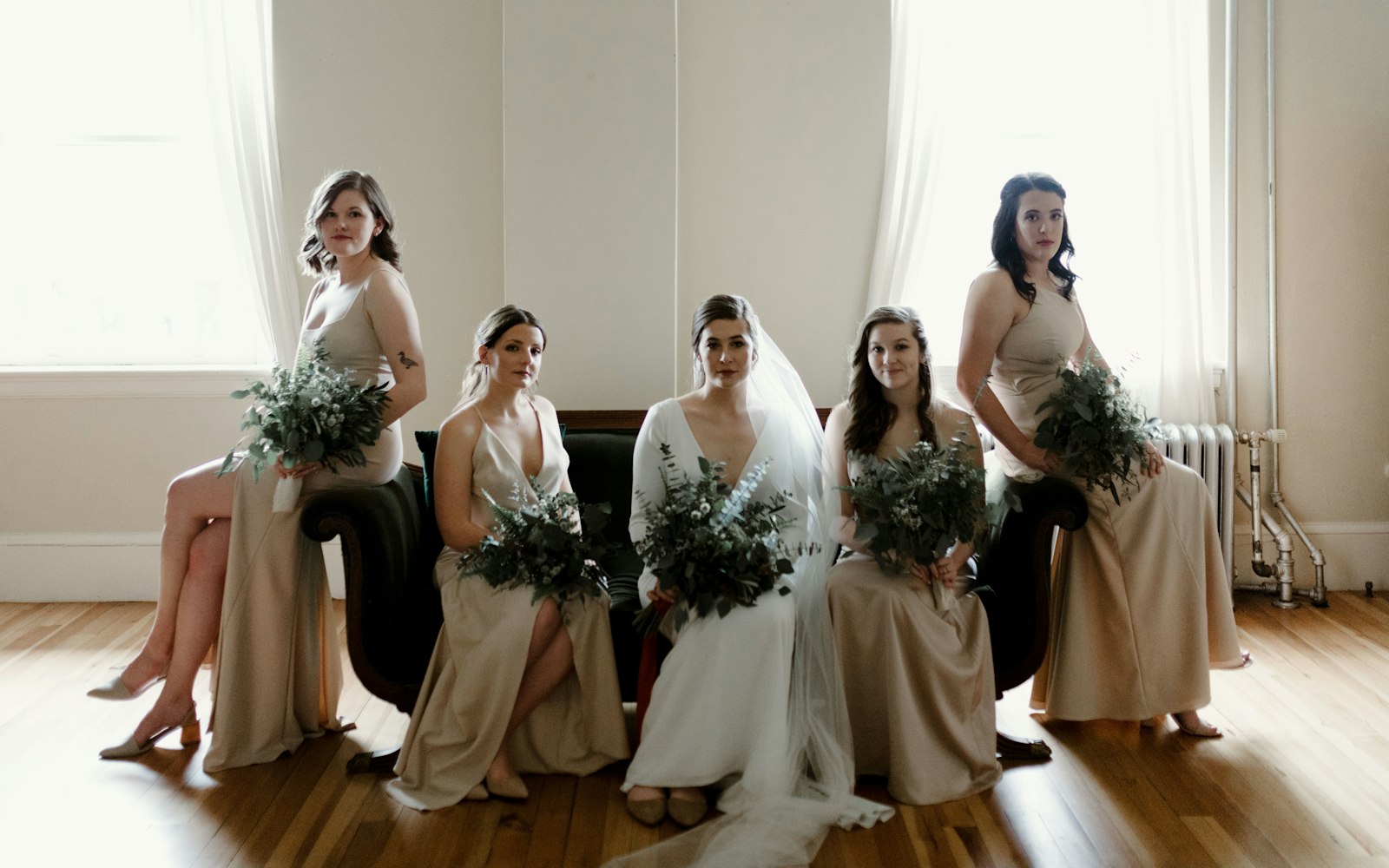
A schedule is only as good as the information behind it, so confirm the final head count and the address a few days before. Pack your kit the night before, using a written checklist. Include spare lashes, blotting papers and a small touch-up kit to leave with the bride. Meanwhile, keep a short emergency plan. Decide what you will do if a team member is ill, if traffic is bad or if the bride is running late. Most of those problems are solved by arriving early and having one backup artist you can call. After the wedding, send a thank-you message and ask for a review while the day is still fresh. Those reviews, together with the photographer’s images, become the marketing for your next season.
Building and running a bridal team
Most bridal artists reach a point where demand outgrows one pair of hands. Large bridal parties, double-booked Saturdays and destination weddings all need more artists. Building a team lets you say yes to those bookings, but it also makes you responsible for other people’s work. Start small, with one or two artists whose standards match yours. Train them in your look, your hygiene routine and your client manners, and test them on real trials before wedding mornings. In addition, write down your standards: how you prepare skin, which products you use and how you speak to clients. A short written guide keeps the brand consistent when you are not in the room. Finally, pay promptly and fairly, because good artists have choices.

You may also like
How to Style Bridal Hair Like a Pro

You may also like
Exclusive Interviews with Destination Wedding Makeup Artists
Contractors or employees
Most bridal teams use freelance artists paid per wedding, but the label is not your choice alone. The IRS explains how to tell whether a worker is an independent contractor or an employee, based on how much control you have over the work. If you set the hours, supply the kit and direct the method, the relationship may look like employment. Ask an accountant before you build a team.
Sources
Sources
Marketing a wedding makeup business
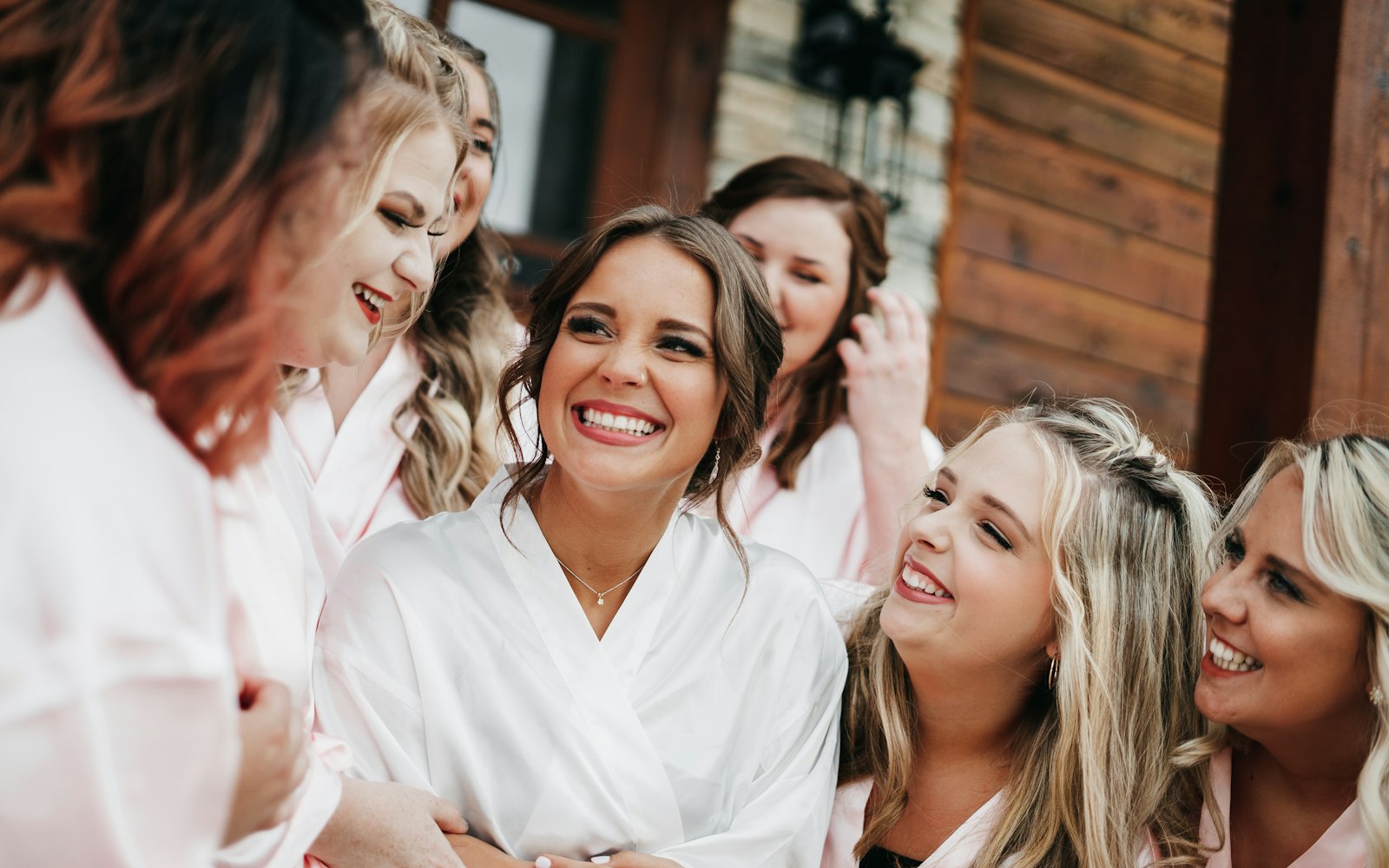
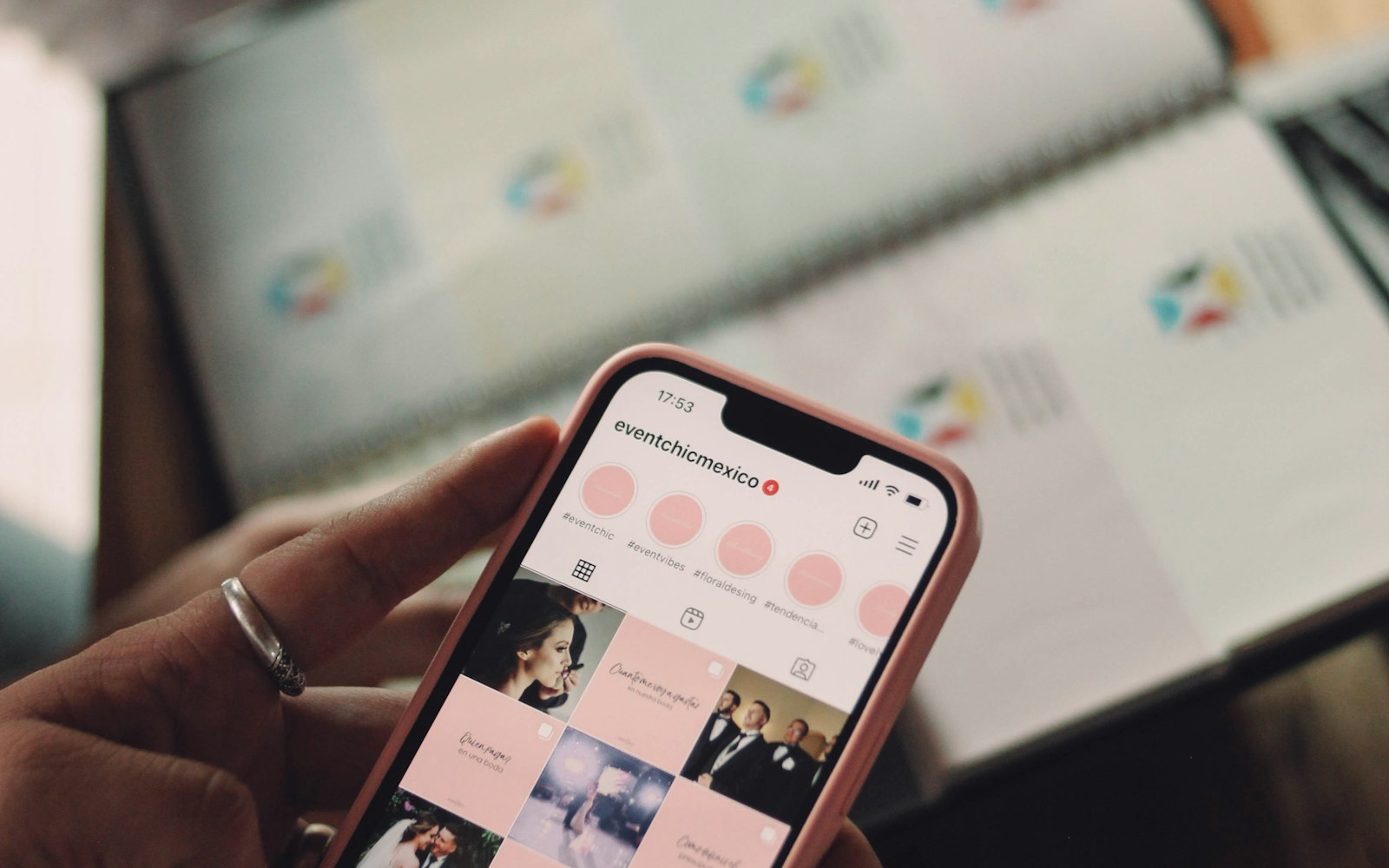
A wedding makeup business grows mainly through trust: referrals from past brides, planners, venues and photographers. Build those relationships deliberately. Introduce yourself to planners and venue coordinators, work well with every photographer and share credited images after each wedding. Meanwhile, keep your online presence focused on bridal work, so a bride can see in seconds that you specialize in what she needs. Your bridal portfolio should show real brides across skin tones, ages and light. Our guide to Instagram for makeup artists covers how to present that work on social media. Above all, ask every happy client for a review, because brides read them closely and often decide on them.
It is also worth tracking where each booking comes from. Ask every new inquiry how they found you, and note the answer. After one season, the pattern is usually clear: one planner, one venue or one platform brings most of the work. Put more time into what works, and stop paying for what does not. In addition, keep in touch with past brides. They become wedding guests, bridesmaids and friends of future brides, and each one is a possible referral. A short note on their first anniversary costs nothing and is remembered. Those small gestures add up. Over several seasons, those relationships become the most reliable source of bookings any bridal makeup business has.
You may also like
Makeup Artist Portfolio: How to Build One That Books Work

You may also like
Instagram Tips and Tricks for Makeup Artists
A business built on trust
A bridal makeup business rewards artists who think like hosts as well as craftspeople. The makeup matters. So do the reply that arrives within a day, the trial that answers every worry and the contract that leaves nothing unclear. The schedule that keeps the morning calm matters too. None of those systems is complicated. Together, however, they turn a talented artist into a business that brides recommend to their friends. Start with the basics: a written plan, fair packages, a paid trial, a signed contract and a schedule for every wedding. Then add a team when demand is steady, and protect your standards as you grow. Above all, remember what you are selling: a calm, certain morning on the most important day of someone’s year.
Pacing the season
Running the business also means looking after yourself through the season. Wedding months are intense and physically demanding, with early starts, long drives and many faces in a single morning. Block rest days after the busiest weekends, and avoid booking more weddings than you can do well. Meanwhile, use quieter months for training, portfolio shoots and updating your contracts and packages. Many artists also plan their finances around the season, setting aside part of each peak-month payment for the slower winter. That rhythm, busy then reflective, is part of the work. Planned for, it keeps both the business and the artist healthy over many seasons, and it makes the next peak easier.
Tools and library


The three tools above support different parts of a bridal business. The calculator turns your costs and goals into a day rate, which is the foundation for every package you sell. Meanwhile, the quiz is useful if you are still choosing between bridal and other specialties, or deciding how much bridal work to take on. The library gathers the career guide, notebooks and workbooks, including pages for client records and season planning. Start with the calculator before you publish packages, because prices are much harder to raise once brides have seen them. Then revisit all three at the end of each season, when you review what sold and what did not. Used together, they keep your prices, plans and records in step.
From the Artist Library
The guide covers the working side of the craft in plain terms: pricing, contracts, agencies, kit economics and the first five clients.
Questions worth asking
How do I start a bridal makeup business?
Write a short business plan, choose a business structure, get liability insurance, check your state licensing rules, set package prices and build a bridal portfolio. Then take bookings with a contract and retainer.
Should I charge for a bridal makeup trial?
Most professional artists do, either as a separate fee or within the package, because a trial takes real time and product. A paid trial also filters out inquiries unlikely to book.
What should a bridal makeup contract include?
The date, location and start time, each service and head count, the total fee and payment schedule, a non-refundable retainer, and cancellation, late-start, travel and allergy terms.
How long does wedding makeup take per person?
It depends on the look and the artist. Build a schedule with a set time per face plus buffers, and finish the bride last so her makeup is freshest for photographs.
When should a bridal makeup artist hire a team?
When demand is steady enough that you are turning away large parties or double-booked dates. Start with one or two artists whose standards match yours, and train them first.
Are bridal team artists contractors or employees?
It depends on how much control you have over their work. The IRS sets out the tests; ask an accountant before building a team.
