
The Artist · Bridal
The bride is getting ready in a rented villa, the light is changing by the minute and your kit arrived on the same flight as you did. That is the job, and for many bridal artists it is the most rewarding work they do. This guide explains how to become a destination wedding makeup artist: how the work is booked, priced and contracted, and how to pack a kit that clears airport security. It is part of the career hub for professional makeup artists, and it draws on interviews with three working bridal artists.
The short answer
To become a destination wedding makeup artist, build a strong local bridal business first, then take trips close to home. Network with planners and photographers, price every travel cost into your fee and use a contract written for travel. Pack a kit that follows airport liquid and battery rules, and keep a valid passport for work abroad.
In this guide
- What a destination wedding makeup artist does
- How to become a destination wedding makeup artist, step by step
- Pricing travel: fees, days and expenses
- Contracts written for travel
- Packing a travel kit that clears security
- Working abroad: passports, power and climate
- On the wedding day: communication and timing
- Not a vacation, but a rewarding way to work
- Questions worth asking
What a destination wedding makeup artist does
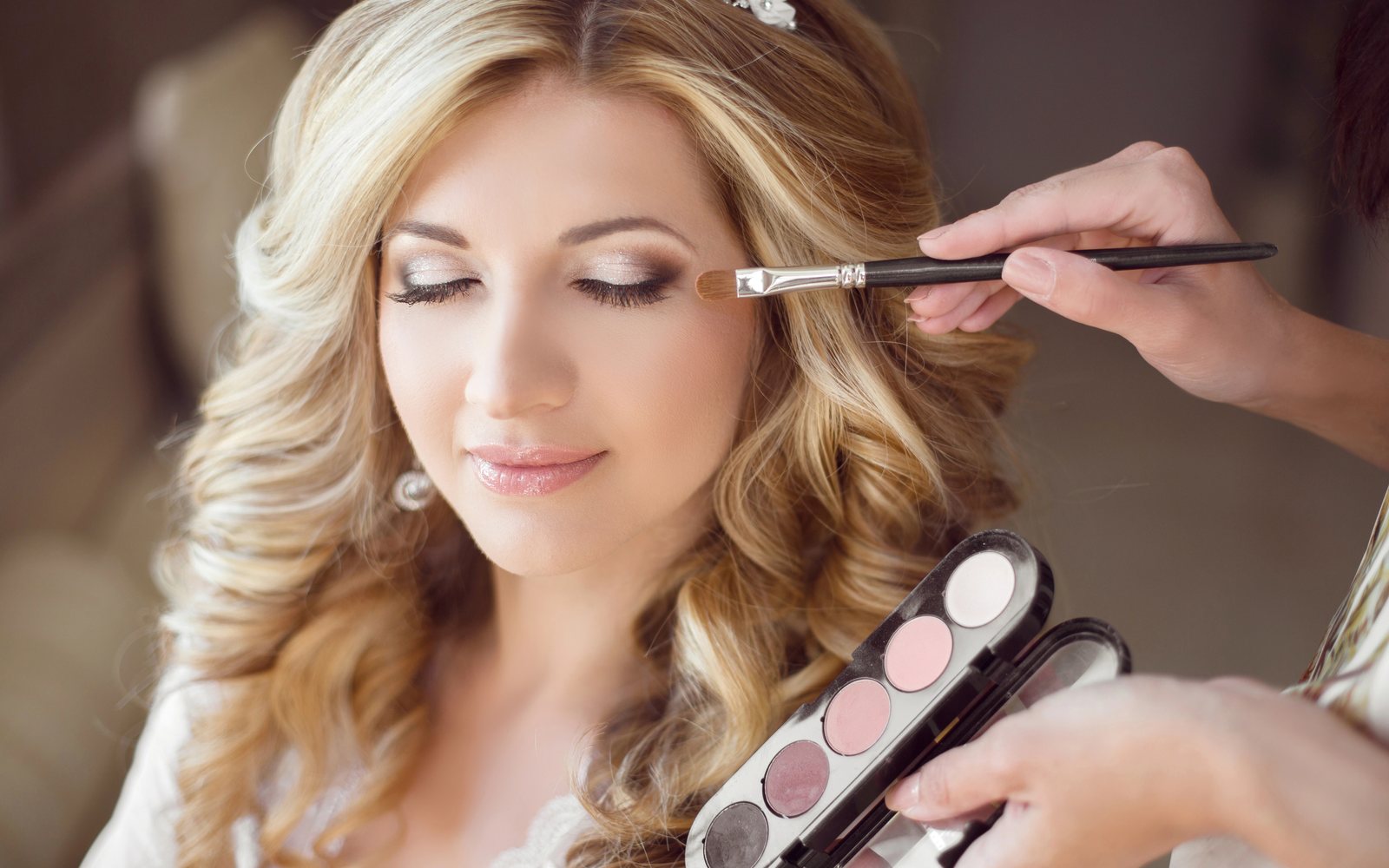
A destination wedding makeup artist travels to the couple’s chosen location, often with a hairstylist, to prepare the bride and wedding party. The location might be a resort a few hours away. It might also be an island off the coast or a city on another continent. The makeup itself is familiar bridal work. What changes is everything around it: travel, lodging, an unfamiliar getting-ready room, local climate and a schedule with no room for delays. For that reason, the role rewards organization as much as artistry. In our interviews, all three artists said the same thing in different words: planning is the job. Anyone asking how to become a destination wedding makeup artist should start by asking whether they enjoy logistics as much as faces.
It is also not an entry-level role. Couples who fly an artist in are trusting that person with one of the most photographed days of their lives. They are also far from any backup. Jenna McElroy, a New England bridal artist, put it plainly when we asked her advice: “Please make sure this is not your first time traveling outside of your state or country.” In other words, travel experience and bridal experience both come first. Couples also expect calm, clear answers about timing and costs from the very first email. If you are still building your bridal skills, our guide to becoming a bridal makeup artist covers training, trials and first bookings.
How to become a destination wedding makeup artist, step by step
Build a local bridal business first
Every artist we spoke with built a local business before traveling. Jessica Saint, who has worked as a makeup artist for close to 17 years, told us she is “primarily self-taught” but attended beauty school twice and took many continuing education classes. She also does photo shoots and production work alongside weddings. She believes that range gives her team “a much broader knowledge and skill set” than bridal work alone. For you, that means a portfolio of real weddings, a reliable trial process and a kit you know inside out. Local clients also become your first referrals for weddings away from home. Many couples marry far from where they live, and they would rather bring an artist they already trust.

Take your first trips close to home
Your first destination wedding may not involve a plane at all. Hannah Bush, who runs a Seattle bridal team, told us her first was “still in the same state but required an overnight stay.” Jenna McElroy’s first was on Nantucket Island. Her next, for her own business, was in Vermont’s Northeast Kingdom, about five hours from her studio, with overnight lodging for her and her hairstylist. Trips like these teach the logistics of traveling with a kit at low risk. Meanwhile, they give you location photos and reviews that mention travel. Those are exactly what future couples look for. For many artists, this stage is the real answer to how to become a destination wedding makeup artist: one short trip at a time.
How destination artists get booked
Most destination work comes through people, not advertising. Hannah Bush’s Hollywood Hills wedding came from a bride in her home city of Seattle. Her most memorable, in Paris, came through a photographer she works with closely. Her advice: “It’s important to always network and create a business relationship with the other people in your industry.” In practice, that means planners, photographers and venues, especially resorts that keep lists of recommended vendors. Send them your location work and follow up after each wedding. Make it easy to recommend you, with a short travel price guide ready to share. Jessica Saint added a simpler step: “Put your feelers out there and let others know you’ll travel.”
Your online presence should make travel obvious. Say on your website and social profiles that you take destination bookings, and name the regions you serve. Tag locations in your posts, because couples often search by venue or city when they plan a wedding away. Hannah Bush did exactly this after her first overnight wedding, promoting her business as destination and elopement specialists. She also added artists based in other states, which made it easier to cover weddings far from Seattle. Meanwhile, collect testimonials that mention travel, timing and calm under pressure. Those are the worries couples have when they book someone from far away. A short page of travel questions and answers on your website can settle them before the first call.

Pricing travel: fees, days and expenses
When we asked what surprised her about destination work, Hannah Bush named the cost of travel. She listed “flights, car rental, lodging, meals, any entertainment, checked luggage for your kit” and travel-size items. Each of those costs belongs in your quote. She also warned that an overnight trip usually means missing other bookings the day before and after. Her advice to new destination artists was direct: “Know what your time is worth.” A beautiful location is not a reason to accept a job that loses money. Checked luggage is one of the easiest costs to underestimate, especially with heavy kit cases. Learning to price is a large part of how to become a destination wedding makeup artist who stays in business.
Etekcity Digital Luggage Scale — for weighing kit cases before the airport
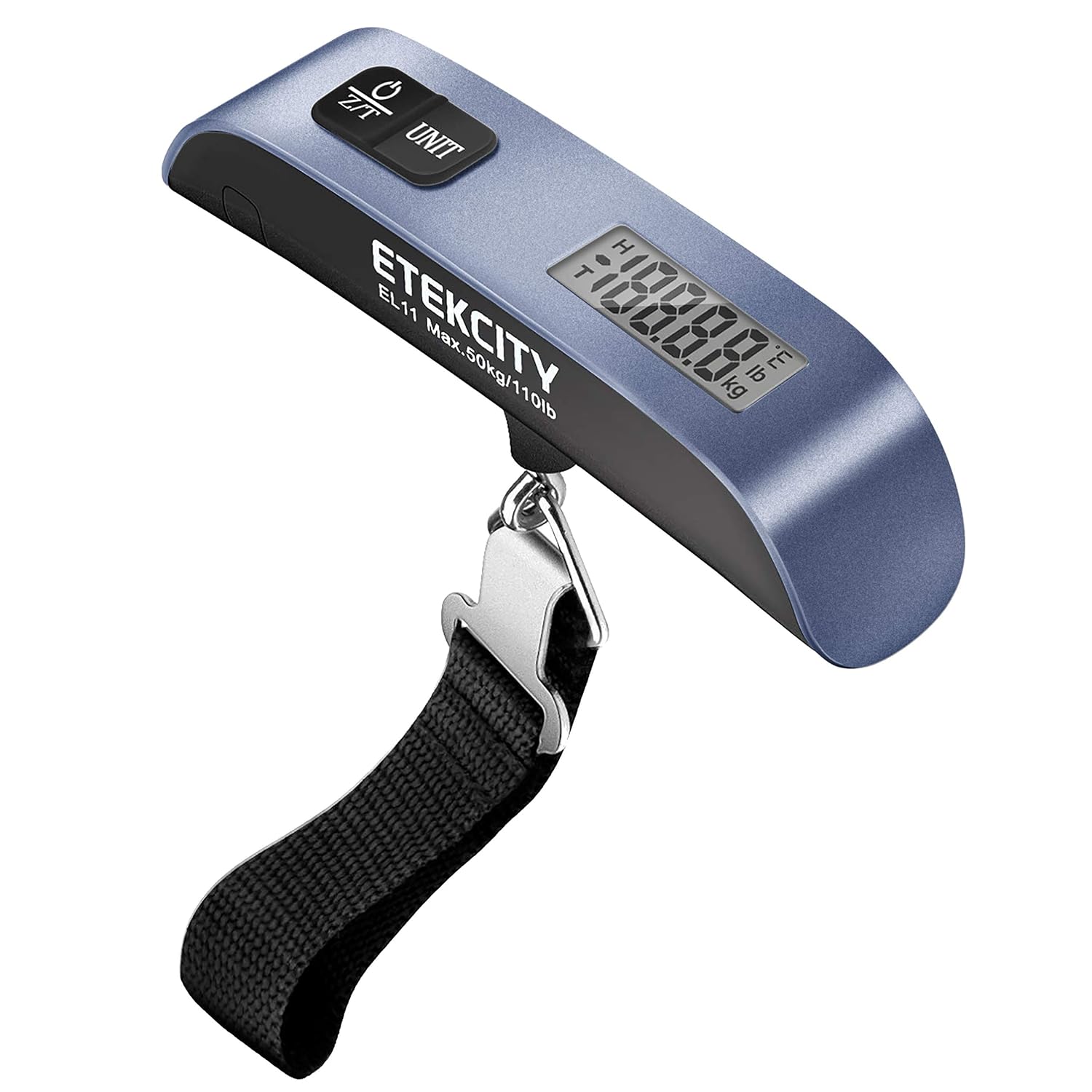
A small hanging scale that weighs a packed case before you leave home. Airlines charge for bags over their weight limits, and kit cases reach those limits quickly. Weigh each case after packing, then move dense items such as palettes or tools between bags. Record the weights on your packing list. It also helps you price checked luggage accurately in a quote.
Most destination artists price in layers. First comes the service fee for the bride and each member of the party. Next comes a travel fee or day rate for each day lost to travel. Then the client pays for flights, lodging and meals. Some artists set a minimum number of services for out-of-town weddings, so the trip covers the time away. Trials need their own plan: a video consultation, a trial when the couple visits your city or a trial the day before the wedding. Put every item in writing. Quote in US dollars, with a note on who pays any currency or card fees. Our guide to pricing makeup services explains how to build a day rate from your costs.
Discounts on your first trips
Discounts deserve care. Jessica Saint said that some artists start by discounting rates to get their first few destination weddings and become known as the artist who travels. That can work, but only if the discount comes off your profit, not your costs. Hannah Bush’s warning applies here too: a trip that leaves you out of pocket is not an investment, it is a loss. If you do discount, limit it to a set number of weddings and say so in writing. Meanwhile, keep every receipt from the trip, so you can see the real cost of each job. After two or three weddings, those receipts will show you exactly what to charge next season.
Contracts written for travel
A local bridal contract is not enough for a destination wedding. At minimum, a travel contract should name who books and pays for flights and lodging, and which days you will travel. It should also set out the deposit and payment schedule and what happens if the wedding is canceled or moved. Then cover what happens if weather or a delayed flight stops you from arriving. In addition, state the minimum number of services, the getting-ready location and the start time. Finally, agree on how changes are made, and in writing only. Our guide to makeup artist contracts covers deposits and cancellation clauses in more detail.

Arrival timing belongs in the contract too. Hannah Bush told us it is “risky to take a chance on your artist arriving on the same day.” Her standard is round-trip travel plus one night of lodging before the wedding, paid by the client, with more nights only if the job runs late. That buffer protects everyone from a delayed flight. Meanwhile, if you work abroad, check whether your liability and equipment insurance covers work outside the United States. Ask your insurer in writing before you sign. Some policies only cover work in the US. Finally, keep a copy of the signed contract with your travel documents, not only on your phone.
Packing a travel kit that clears security
Your kit has to survive airport security, baggage handling and a getting-ready room you have never seen. Start by deciding what flies in the cabin and what goes in checked bags. Under the TSA liquids rule, carry-on liquids, aerosols, gels, creams and pastes must be in containers of 3.4 ounces (100 milliliters) or less. They must also fit in a quart-sized bag. Larger containers must go in checked baggage. For a makeup artist, that covers foundations, primers, setting sprays, skincare and cream products. Because of that, most artists carry their irreplaceable items on board in small containers and check the rest. If a checked bag is delayed, the carry-on alone should be enough to make up the bride.
TSA-Approved Clear Quart Toiletry Bags, 2 Pack — for carry-on liquids
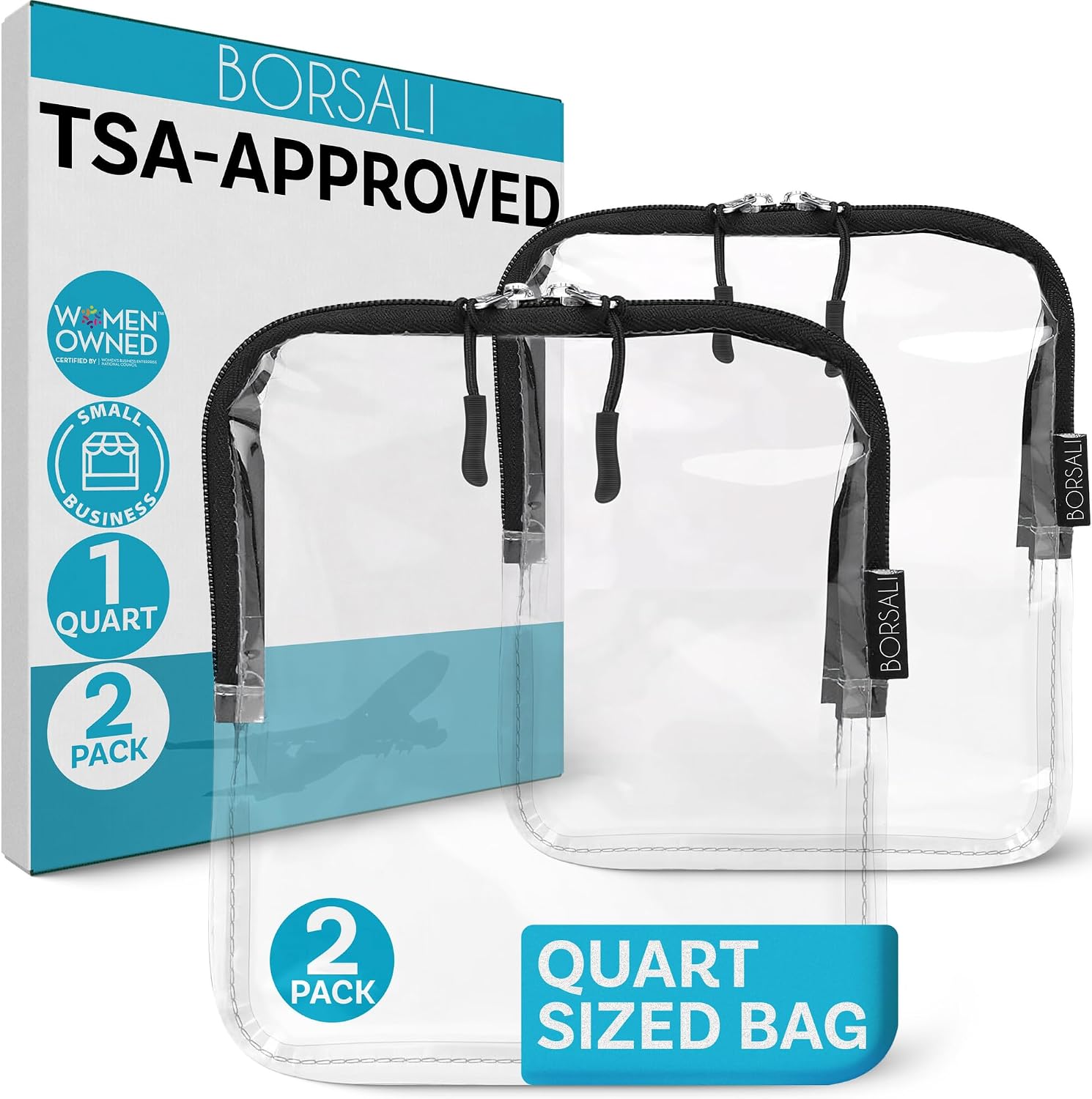
Clear, zippered quart-size bags that meet the carry-on size for liquids. Pack your foundations, primers and skincare in containers of 3.4 ounces or less, then keep the bag at the top of your carry-on for screening. The second bag is useful for a backup set. Wipe the bags clean after each trip.
Decanting is the most useful packing skill a traveling artist can learn. Move only what you need for the wedding party into small, refillable bottles, and label each one with the product name and shade. Silicone bottles squeeze out the last drop and survive pressure changes better than rigid plastic. Fill them to about three-quarters, so they do not leak at altitude, and seal each one in its own bag inside the quart bag. Meanwhile, decant only from clean containers with a clean spatula or pipette. That way, you do not contaminate the original product. Write the decant date on each label, and throw away anything left over after the trip.
humangear GoToob+ Travel Bottles, 3 Pack — refillable silicone bottles
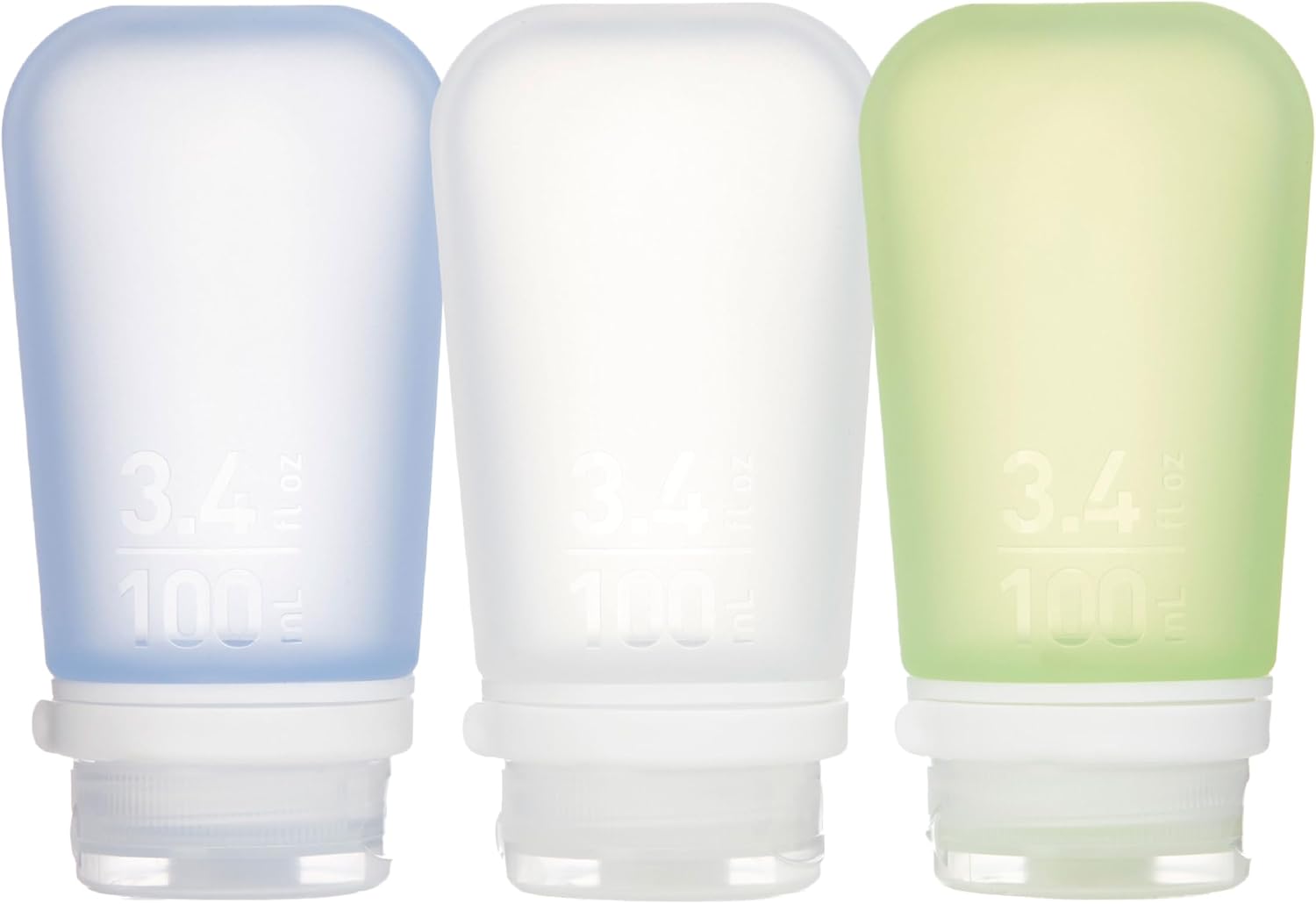
Soft silicone bottles in a carry-on-friendly size, with wide openings that are easy to fill and clean. Use them for cleansers, moisturizers, primers and liquid foundations you use in volume. Label each bottle clearly. Wash and dry them fully between trips.
Batteries need their own plan. According to the FAA’s PackSafe guidance, spare lithium batteries and power banks must travel in carry-on baggage only, with the terminals protected from short circuit. If a carry-on is checked at the gate, spare batteries must be removed and kept with you in the cabin. That rule matters for artists who carry battery-powered lights, mirrors or fans. In addition, US Customs and Border Protection suggests carrying receipts for new electronics, such as a camera or laptop, that you take abroad, if the items are less than six months old. Keep copies of those receipts with your passport. Pack chargers and cables in one labeled pouch, so nothing is left behind in a hotel room.
Powders and palettes travel best when they are depotted into one flat case. Instead of carrying a dozen compacts, press the pans you need into a single magnetic palette, labeled by shade. This saves space and weight, and it lets you lay out the whole wedding party’s colors on one surface. Pack palettes between soft items in checked bags, so pressed products do not crack. Meanwhile, keep a small set of spare pans for the bride’s exact shades in your carry-on, in case a checked bag is delayed. For larger cases, chairs and on-set bags, our buying guide compares options for artists who travel often. Wheeled cases save your back on long airport walks.
Z Palette Large Empty Magnetic Palette — for depotted powders and creams
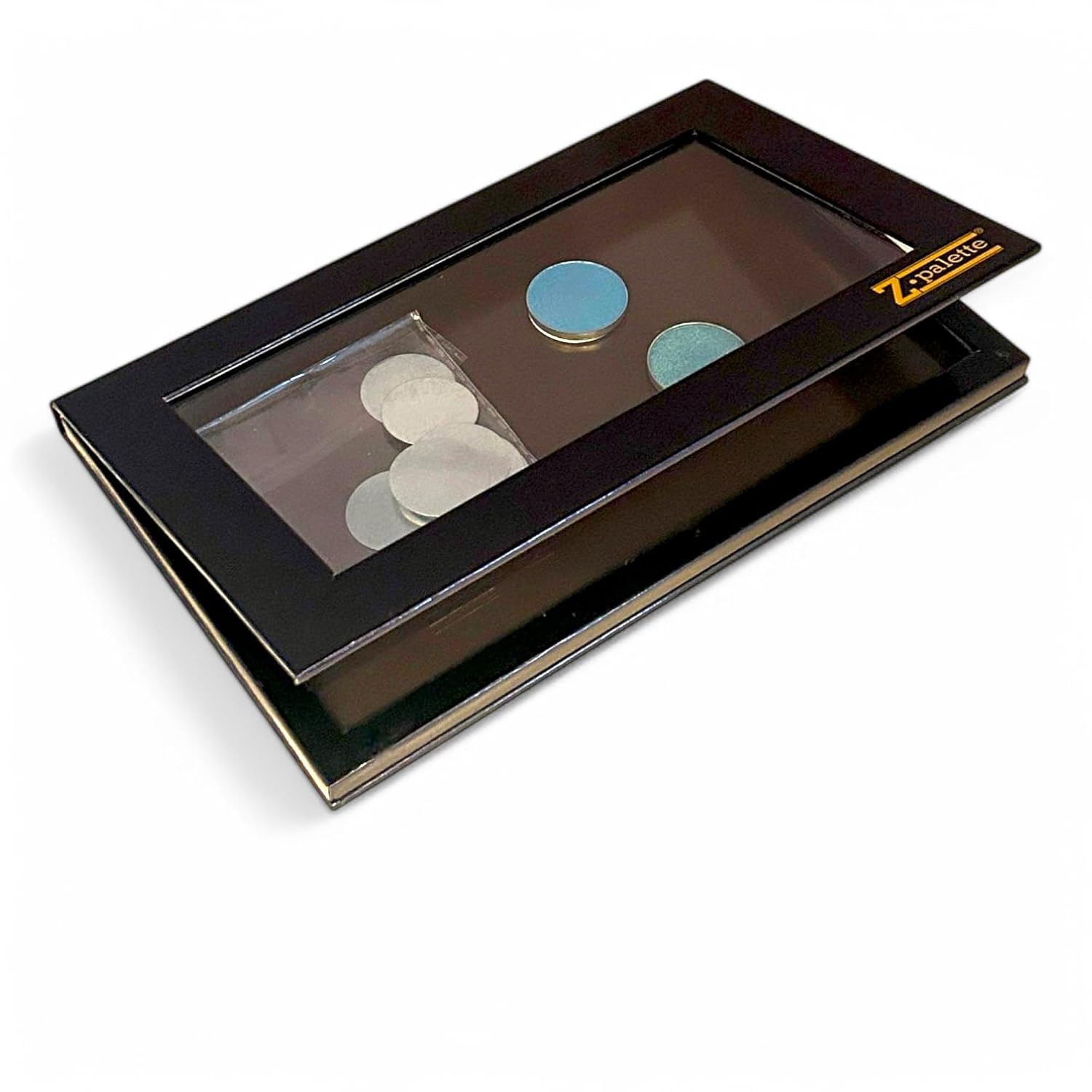
An empty palette with a magnetic base and a clear window, sized for a full set of depotted pans. Press your eyeshadows, blushes and bronzers onto it in the order you use them, and you can see every shade at a glance. It packs flat in carry-on or checked bags. Wipe the surface with alcohol between weddings.
Depotting works best when you plan it a week before you travel, not the night before. Lay out every product you used at the trial and on similar weddings, then remove anything you did not touch. Warm stubborn pans gently before you lift them, and press each one onto a magnet. Label the back of every pan with the brand and shade, because labels on the front wear off quickly. Finally, photograph the finished palette and save the image with the client file. That way, you can rebuild it quickly for the next destination wedding. Over a season, those photos become a library of tested kits for different skin tones and climates.
Working abroad: passports, power and climate
For weddings outside the United States, start with your passport. In October 2026, the State Department listed routine processing at 4 to 6 weeks and expedited processing at 2 to 3 weeks, plus up to 2 weeks for the passport to arrive by mail. Jenna McElroy’s advice to couples was to check that their artist has a valid passport, and her advice to artists was equally short: “get a passport.” Check the expiration date as soon as an international inquiry arrives, because some countries require more validity than the length of your stay. In addition, look up entry rules for the destination, including any rules on working there, well before you sign. Keep a photo of your passport page in a secure place.

Power is the next practical problem for artists who travel abroad. Plug shapes and voltages vary by country, and a heated tool or rechargeable light that works at home may not plug in abroad. Check the voltage label on each device before you pack it, and leave behind anything that only runs on US voltage. For devices that accept a wide range, a universal adapter with USB ports is usually enough. Meanwhile, charge every rechargeable item the night before the wedding, so you are not hunting for outlets in a crowded getting-ready room. A short extension cord with several outlets is also worth packing. The bridal suite rarely has enough outlets for a hair and makeup team working side by side.
Ceptics Universal Travel Adapter — one plug for most countries
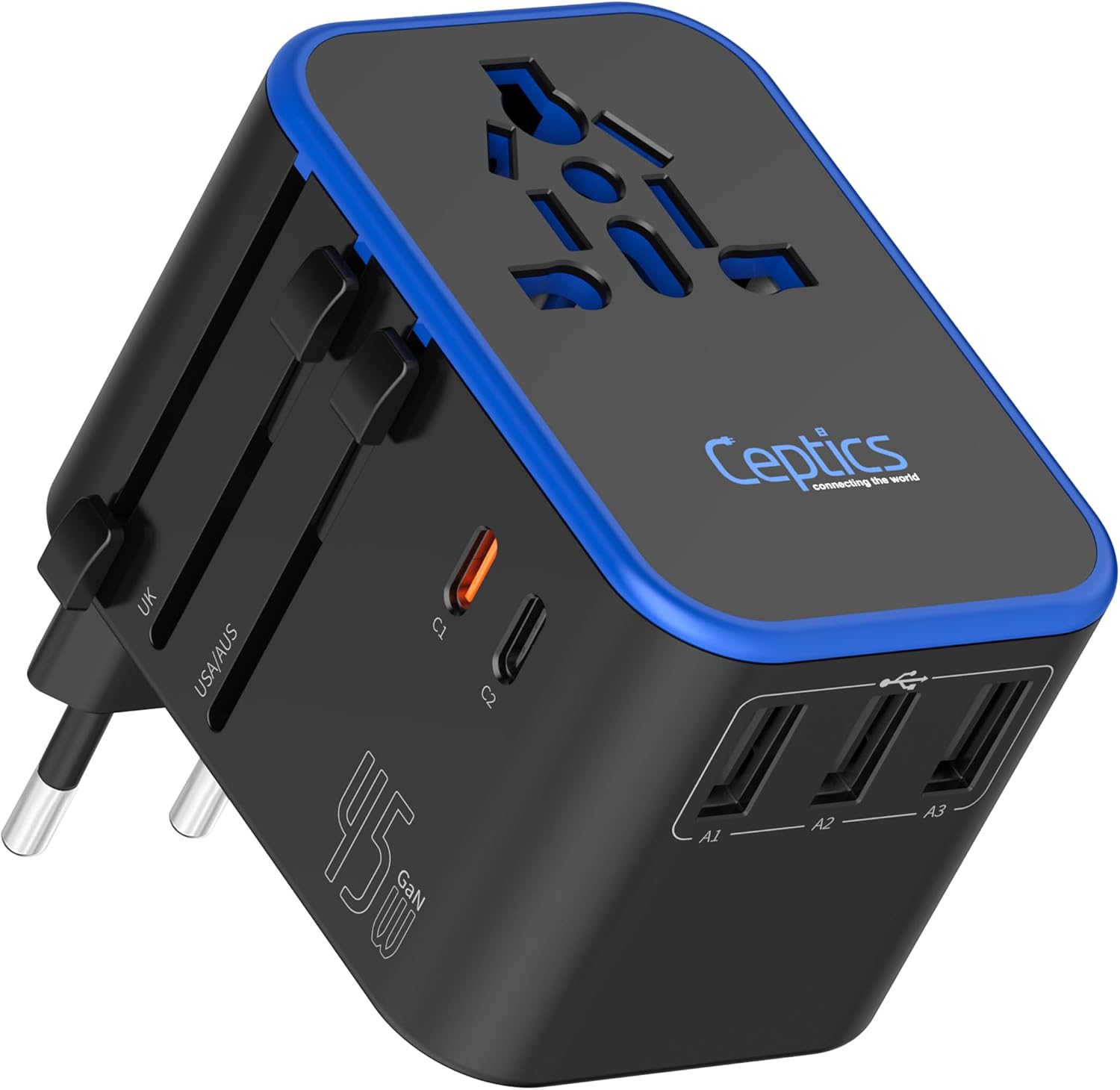
A compact adapter with sliding plugs for most outlet types worldwide and built-in USB ports. Use it to charge phones, lights and fans from one outlet. It adapts the plug, not the voltage, so check each device’s label before you travel. Keep it in your carry-on.
Climate shapes the makeup itself, sometimes more than the dress does. Beach and tropical weddings bring heat, humidity and sun, while mountain weddings can be dry and cold. Ask the couple about the ceremony time, whether it is indoors or out and how long the party will be outside. For heat and humidity, use lightweight bases, a long-wear primer and a setting spray, and pack blotting papers for touch-ups between photos. For dry climates, add hydrating prep and a cream highlight. In addition, plan your timeline around local daylight, because photographers will want the light, not your schedule. Ask the photographer for their ideal portrait time early, and build the makeup schedule backward from it.
Humidity is where most destination makeup fails, so build the face for it from the very first step of skin prep. Start with a light, oil-free moisturizer and let it absorb fully. Then use a gripping primer on the center of the face, where shine appears first. Keep base layers thin and press them in, rather than buffing, so the makeup moves with the skin. Set the T-zone lightly with powder and mist the whole face with setting spray at the end. Meanwhile, swap cream highlighter for a fine powder on very hot days. Finally, leave the couple a small touch-up kit with blotting papers and a lip color. That way, they can refresh between photos without calling you back.
Milani Make It Last Setting Spray + Primer — for heat and humidity
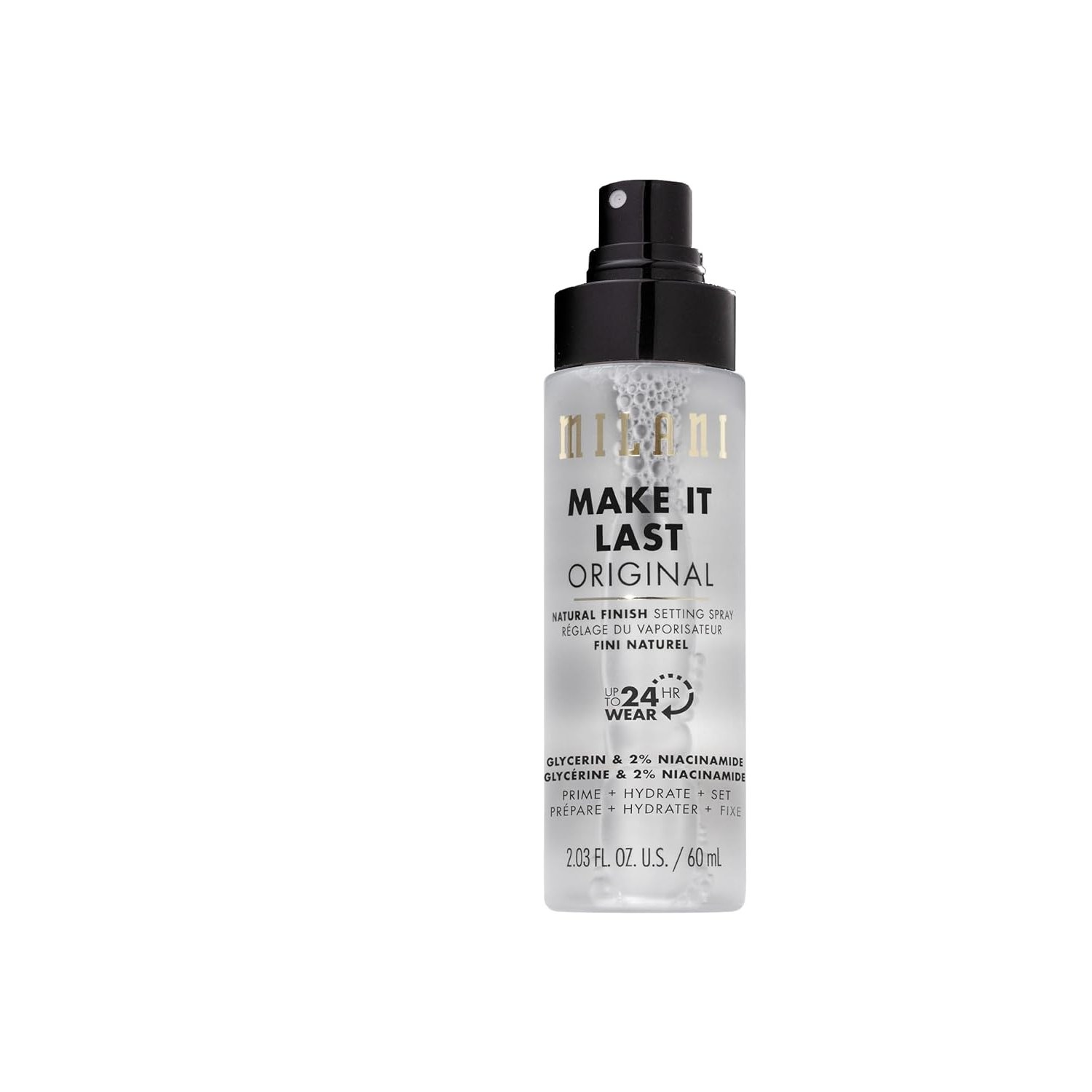
A setting spray that also works as a primer, designed to help makeup last through long days. Mist it over skin prep and again over finished makeup for outdoor ceremonies. The bottle is carry-on size, which suits travel. Ask clients to close their eyes before each spray.
On the wedding day: communication and timing
Hannah Bush called communication her most important tip. “Alert them when you’ve left or boarded a plane, landed, arrived at your lodging,” she told us. “Over-communicate so that the client is at ease and they know you’re a professional they can count on.” That habit costs you a few messages and saves the couple hours of worry. Meanwhile, confirm the getting-ready location, parking or transport and the number of services a day before. If you can, visit the room the evening before to check the light and the outlets. Then set up early and keep the timeline in writing on your station. Share the same timeline with the planner and the photographer.
BirdFish Roll-Up Makeup Brush Case — for brushes on the move
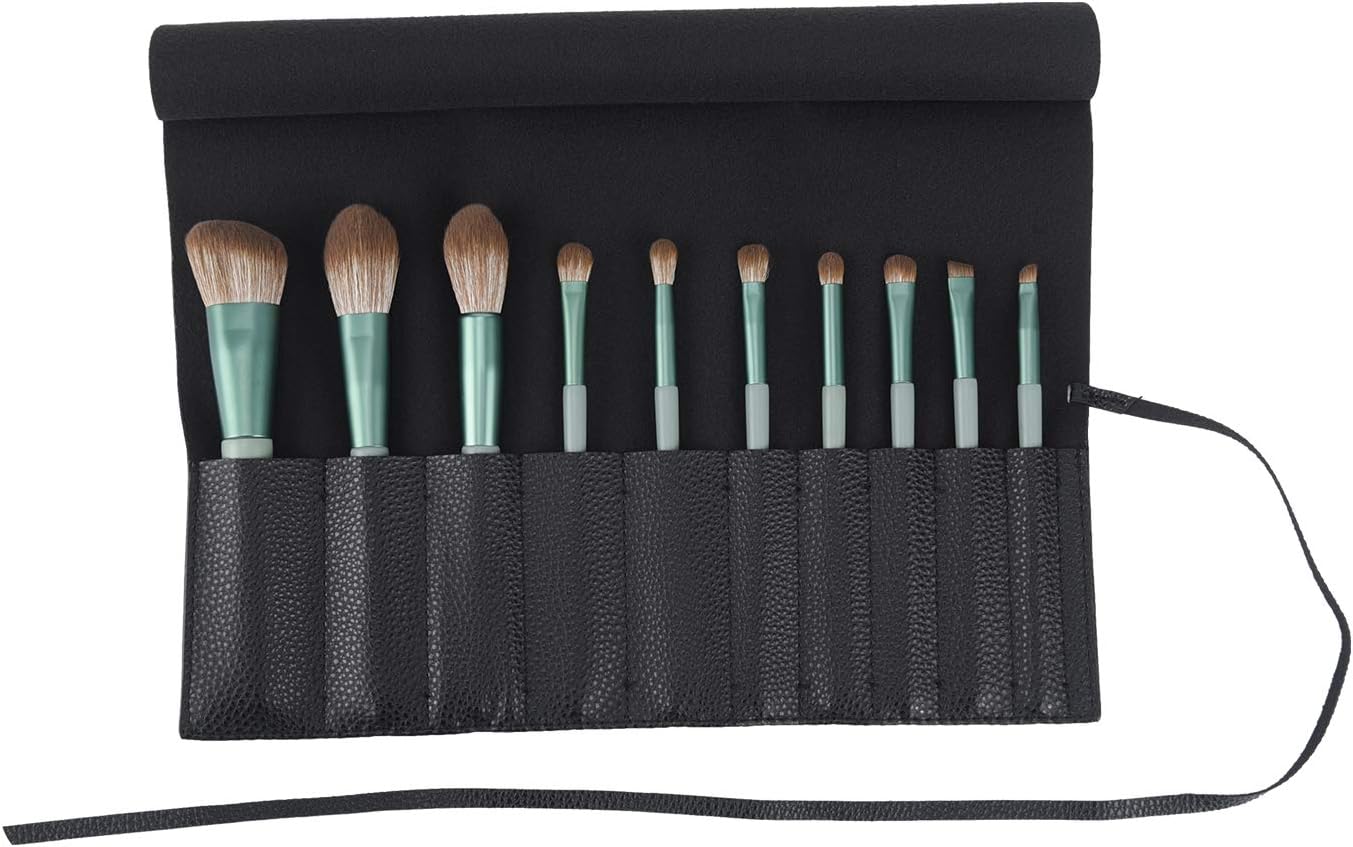
A roll-up case with separate slots for each brush, so bristles stay straight and clean in transit. It unrolls into a stand at your station, which keeps brushes visible and off the table. Pack clean brushes on one side and used ones in a separate bag. Wipe the case with alcohol after each wedding.
Jessica Saint’s advice was about research. Know “what modes of transportation are available to you,” she said, and look up where the party is getting ready. She added: “You cannot plan too much or be too organized.” Write down your timing, travel and lodging details, and keep a paper copy in case your phone dies. In addition, keep your kit hygiene as strict as at home: clean brushes for every face, disposable applicators and alcohol for palettes. Finally, plan a little time to rest, because a long travel day before a wedding is hard on anyone. A rested artist works faster and stays calmer when the timeline slips.
Hygiene on location
Hygiene on location needs a little more planning than at home. You may not have a sink near your station, and you will be working on several faces in a row. Bring enough clean brushes for every member of the party, or a quick-dry brush cleaner and a towel. Use disposable mascara wands, lip applicators and sponges, and bin them after each face. Decant isopropyl alcohol into a small spray bottle for palettes, tools and surfaces. Remember that alcohol is flammable, so check airline rules before you pack it, or buy it when you land. In addition, carry a small bag for used tools, so clean and dirty never mix.
RELANOR Small 2 oz Spray Bottles — for sanitizing sprays and mists
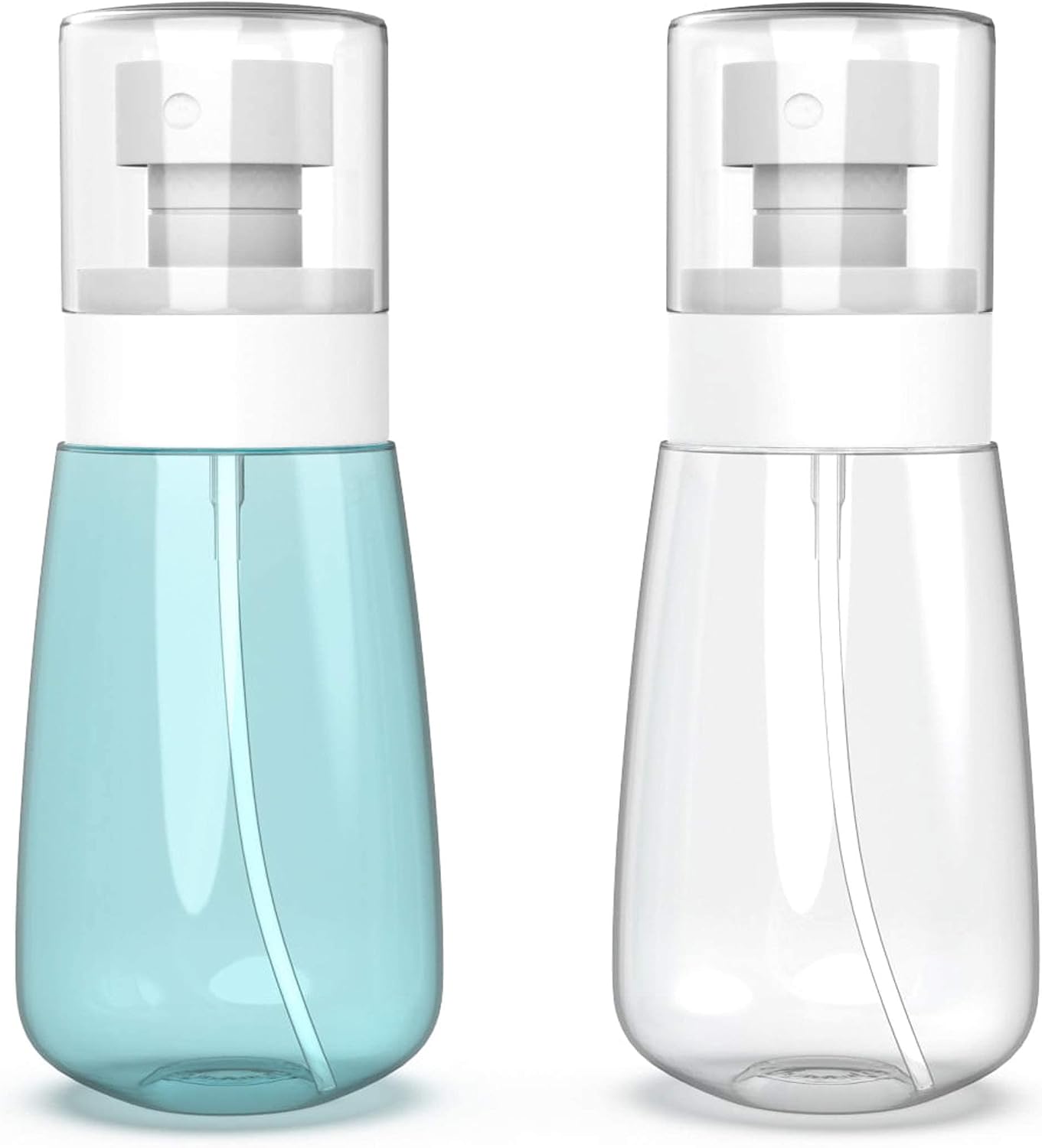
Small fine-mist bottles that hold a carry-on-friendly two ounces. Fill one with alcohol for sanitizing palettes and tools, and another with a hydrating mist or decanted setting spray. Label each bottle clearly so they are never confused. Rinse and dry them after every trip.
Sources
Sources checked October 2026
- TSA: Liquids, Aerosols and Gels Rule
- FAA PackSafe: Lithium Batteries
- US Department of State: Get Your Processing Time (updated October 5, 2026)
- US Customs and Border Protection: Know Before You Go, Your Trip
- Interviews with Jessica Saint, Hannah Bush and Jenna McElroy, conducted by Cossèt Môi
Not a vacation, but a rewarding way to work
Jenna McElroy summed up the mindset best: “Remember this is not a mini-vacation, although you could certainly plan some extra time in the location after your job is complete.” The work comes first, and the location is a bonus. Even so, destination weddings can be some of the most satisfying jobs in a bridal career. You see new places, work with new teams and become part of a day the couple planned for years. Start close to home, price every cost, write a contract for travel and pack a kit you trust. Then let people know you travel, and the bookings will follow. That, in the end, is how to become a destination wedding makeup artist: steady preparation, one trip at a time.

Three steps for this month
If you are ready to take the next step, start with three small, practical actions this month. First, add a clear line about destination bookings to your website and social profiles. Second, write a travel addendum for your contract, covering lodging, travel days, flight delays and payment. Third, build a carry-on kit that clears security and practice packing it in under an hour, with every item checked off a written list. When the first inquiry from a couple marrying away from home arrives, you will be ready to answer with confidence. In addition, tell the planners and photographers you already work with. They are the most likely source of that first inquiry, and often of the next few bookings too.
Tools and library

The three tools above support the business side of destination work. The calculator helps you build a day rate that covers travel days, lodging and the bookings you miss while you are away. Meanwhile, the quiz helps you decide whether bridal, editorial or film work suits you best, which shapes the trips worth taking. The library gathers the career guide, notebooks and workbooks, including pages for client records and packing lists. Start with the calculator if you already have a destination inquiry. Otherwise, start with the quiz and see which kinds of work fit your strengths. Revisit all three as your career grows, because the right tools change with your work.
From the Artist Library
Bridal, editorial and travel work each follow their own path. The guide covers pricing, contracts and finding clients, in plain terms.
Questions worth asking
How do you become a destination wedding makeup artist?
Build a strong local bridal business, take overnight trips close to home first, network with planners and photographers, price all travel costs and use a contract written for travel.
How much should a destination wedding makeup artist charge?
Charge your service fees plus a travel fee or day rate for travel days, and have the client cover flights, lodging and meals. Set a minimum number of services.
Can I bring makeup in my carry-on?
Yes. TSA allows liquids, gels and creams in containers of 3.4 ounces (100 milliliters) or less in a quart-sized bag. Larger containers go in checked bags.
Can spare batteries go in checked bags?
No. The FAA requires spare lithium batteries and power banks to travel in carry-on baggage only.
How long does a US passport take?
In October 2026, the State Department listed routine processing at 4 to 6 weeks and expedited at 2 to 3 weeks, plus up to 2 weeks for mailing.
Should a destination makeup artist arrive the day before?
Yes. Arriving the day before, with lodging paid by the client, protects the wedding from flight delays.
