
The Artist · Business
Talent fills a portfolio, but clients fill a calendar. Most artists learn this in their first year, when the work is good and the bookings are still slow. Knowing how to get makeup clients is a skill of its own, and it can be learned. This guide is part of the hub for professional makeup artists. It covers where clients come from, how to be found and how to turn one booking into many.
It is written for freelance artists in the United States, whether you are just starting or rebuilding a quiet calendar.
The short answer
To get makeup clients, choose a clear niche, show it in a focused portfolio and keep your online profiles current. Then build steady sources of referrals: past clients, wedding and event vendors, photographers and other artists. Answer inquiries quickly, make booking simple and follow up after every job, because happy clients are the most reliable source of new ones.
In this guide
- Where makeup clients come from
- Choose a niche clients can remember
- A portfolio and profiles that convert
- Social media without the noise
- How to get makeup clients through referrals
- Working with wedding and event vendors
- Turning inquiries into bookings
- Reviews, repeat clients and quiet months
- Learning the business of marketing
- One good client at a time
- Questions worth asking
Where makeup clients come from
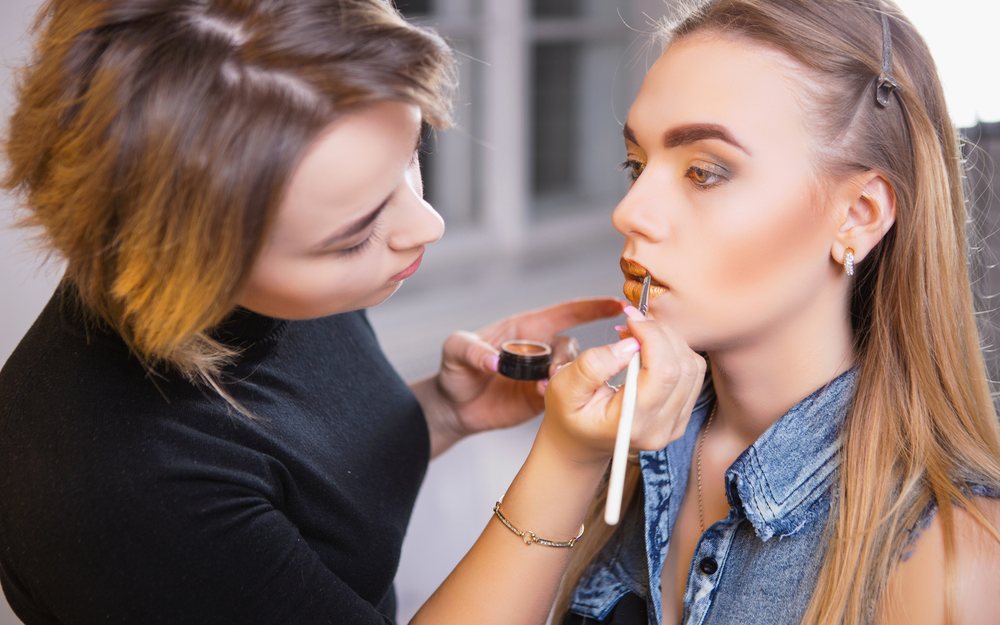
Clients find makeup artists in a handful of ways, and most busy artists rely on several at once. Personal referrals from past clients are usually the strongest source, because trust passes from one person to another. Vendor referrals come next: wedding planners, photographers, venues and hair stylists recommend artists they like working with. Meanwhile, search engines and social media bring in people who have never heard of you. Directories and wedding marketplaces add another stream, especially for bridal work. Finally, salons, studios and agencies can send work your way if you build relationships with them. No single channel is enough on its own. For that reason, the aim is a mix of sources, so a quiet month in one is balanced by another.
Start by noticing where your current clients came from. Ask every new inquiry how they found you, and keep a simple record. After a few months, patterns appear: perhaps most bridal clients come through one photographer, or most event clients through Instagram. Meanwhile, those patterns show you where to invest your time. Double down on the sources that work, and test one new source at a time. In addition, track which sources bring the clients you enjoy most and who pay best, not only the ones who book most often. Learning how to get makeup clients is partly a matter of paying attention. Over time, your records become a map of your own business.
Directories and marketplaces
Directories and marketplaces deserve a careful look. Wedding marketplaces, local business directories and booking platforms can bring steady inquiries, especially when you are new. However, many charge fees or commissions, and clients often compare several artists side by side on price. For that reason, treat them as one source among several, not the foundation of your business. Meanwhile, keep your profile on each platform complete, current and consistent with your website. Respond to platform inquiries as quickly as any other, because response time often affects how prominently you appear. Above all, move happy platform clients into your own client list, so future bookings come directly to you.
Choose a niche clients can remember
A clear niche makes you easier to recommend. “Makeup artist” is broad, while “natural bridal makeup in the Hudson Valley” or “on-camera makeup for corporate video” tells people exactly when to call you. Vendors and past clients refer artists they can describe in one sentence. Meanwhile, a niche helps you choose which work to show, which events to attend and which partners to approach. It does not stop you taking other bookings; it simply shapes how you present yourself. Many artists start broad, then narrow their focus as they learn which work they enjoy and which clients value them most. Our career quiz can help if you are still deciding.
| Niche | Main client sources | What clients look for |
|---|---|---|
| Bridal | Planners, photographers, venues, past brides | Long wear, calm manner, trial and timeline |
| Events and occasions | Instagram, referrals, salons | Quick booking, travel, reliable timing |
| Editorial and fashion | Photographers, stylists, agencies | Portfolio, speed, creative range |
| Film, TV and video | Producers, department heads, crew | Camera skills, continuity, set etiquette |
| Corporate and headshots | Photographers, studios, HR teams | Natural finish, punctuality, efficiency |
Once you choose a niche, let it show everywhere. Your website headline, social profile, portfolio and business cards should all say the same thing in the same words. For that reason, write one short sentence that describes who you help and where, then repeat it consistently. Meanwhile, choose portfolio images that match the niche, and leave out work that confuses the message. A bridal artist with a feed full of dramatic editorial looks may lose brides who want soft, timeless makeup. In addition, price your services to match the clients you want. Our guide to how much to charge for makeup explains how rates signal your position.


You may also like
How Much to Charge for Makeup Services: A Pricing Guide for Artists

You may also like
Makeup Artist Contracts, Deposits and Cancellation Policies
A portfolio and profiles that convert
Your portfolio is often the first and only chance to win a client. Keep it focused: fifteen to twenty strong images in your niche are better than a hundred mixed ones. Show real skin in natural light, with minimal editing, so clients can trust what they see. Meanwhile, include a range of skin tones, ages and features, so more people can picture themselves in your chair. Put your best work first, because many visitors never scroll past the first row. Add short captions that explain the look, the occasion and the products where helpful. Above all, make contacting you easy from every page. A visible button or link at the top and bottom of each page is often enough.
A simple website gives you a home that you control. It does not need to be elaborate: a clear headline, your portfolio, services, service area, a few testimonials and a contact or booking form are enough. Meanwhile, set up a free business profile on the major search and map platforms, so local clients can find you when they search. Keep your name, phone number and service area identical everywhere, because consistency helps search engines trust your listing. In addition, add new photos regularly and reply to every review. For many local artists, a well-kept business profile brings more inquiries than any social platform. Our guide to building a personal brand covers the wider picture.
Social media without the noise
Social media is a showcase, not a strategy on its own. However, it matters, because clients check it before they book. According to Pew Research Center, about half of US adults say they use Instagram, and the share is much higher among adults aged 18 to 29. For that reason, a current, focused profile reassures clients that you are active and professional. Meanwhile, YouTube and Facebook reach even more adults, and Pinterest remains popular for wedding planning. Choose one or two platforms that suit your niche and post consistently, rather than spreading thin across all of them. The table below shows the share of US adults who say they use each platform.
| Platform | US adults who say they ever use it |
|---|---|
| YouTube | 84% |
| 70% | |
| 51% (79% of adults 18 to 29) | |
| 37% | |
| TikTok | 31% |
Sources
Pew Research Center
What to post
Content that wins clients is usually simple. Clear before-and-after images, short videos of real application, and calm explanations of your process all work well. Meanwhile, behind-the-scenes clips from weddings and shoots show clients what working with you feels like. Good light and clear sound make even phone videos look professional, so a small investment in gear pays off quickly. Always ask permission before posting a client, and respect anyone who prefers privacy. In addition, answer comments and messages promptly, because a slow reply can lose a booking. The three products below make filming at home, in the studio or on location easier.



Soft, adjustable light for video calls and quick clips.

Collaborations with brands and creators can grow your audience, but they come with rules. The Federal Trade Commission says you should disclose any financial, employment, personal or family relationship with a brand you mention. That includes free or discounted products, even if you were not asked to post about them. For that reason, place a clear disclosure with the post itself, where it is hard to miss. The FTC also advises against hiding disclosures among a group of hashtags or links. Meanwhile, honest disclosure protects your reputation, because clients trust artists who are open about partnerships. In short, treat every sponsored post as part of your professional standards. If in doubt, disclose; clarity costs nothing and protects you.
How to get makeup clients through referrals
Most established artists say that referrals bring most of their work, and it is easy to see why. A friend’s recommendation carries trust that no advertisement can match. However, referrals rarely happen by accident; they follow good experiences and simple prompts. Deliver a calm, punctual, professional service, then make it easy for clients to recommend you. Send a thank-you message after each booking with a link to your portfolio and a gentle request for a review. Meanwhile, consider a small thank-you for clients who refer others, such as a discount on their next booking. Above all, remember names and details, because people refer artists who made them feel looked after.
The Referral Engine — for building referrals on purpose

John Jantsch’s practical book on turning happy customers into a steady stream of referrals. It explains how to design an experience people want to talk about and how to build partnerships with businesses that share your clients, which suits freelance artists well.
Referral partners are as valuable as referring clients. Hair stylists, photographers, planners, dress shops and venues all meet your ideal clients before you do. For that reason, introduce yourself to a few in your niche and offer something useful in return, such as referrals of your own. Meanwhile, collaborate on styled shoots, which give everyone fresh portfolio images and a reason to tag each other. Keep in touch with a short message after shared events, and thank partners every time they send work. In addition, keep a simple list of your partners and the last time you spoke. Strong partnerships take months to build, but they can keep your calendar full for years.
Working with wedding and event vendors
For bridal and event artists, vendor relationships are often the biggest source of bookings. Planners and photographers see dozens of artists each season, and they recommend the ones who make their day easier. That means arriving on time, finishing on schedule and staying calm when plans change. Meanwhile, share your images with photographers after each wedding and tag them properly when you post. Many artists also send a short note to the planner after the event, thanking them and sharing one or two photos. Our guide to building a bridal makeup business covers trials, bookings and teams. In short, be the artist vendors are glad to see on the schedule.
Bridal shows, open houses at venues and local networking groups can introduce you to vendors and couples at once. Before you attend, decide what you want from the event: new vendor contacts, bookings or simply visibility. Bring a small selection of printed cards and a tablet or printed book of your best work. Meanwhile, collect contact details with permission, and follow up within a week while you are still remembered. Many artists also leave cards with salons and dress shops that share their clients. A tidy card stand on a salon counter or at your own station keeps your details visible between appointments. In addition, keep your cards consistent with your website and social profiles.
Acrylic Business Card Holder — for a counter or station
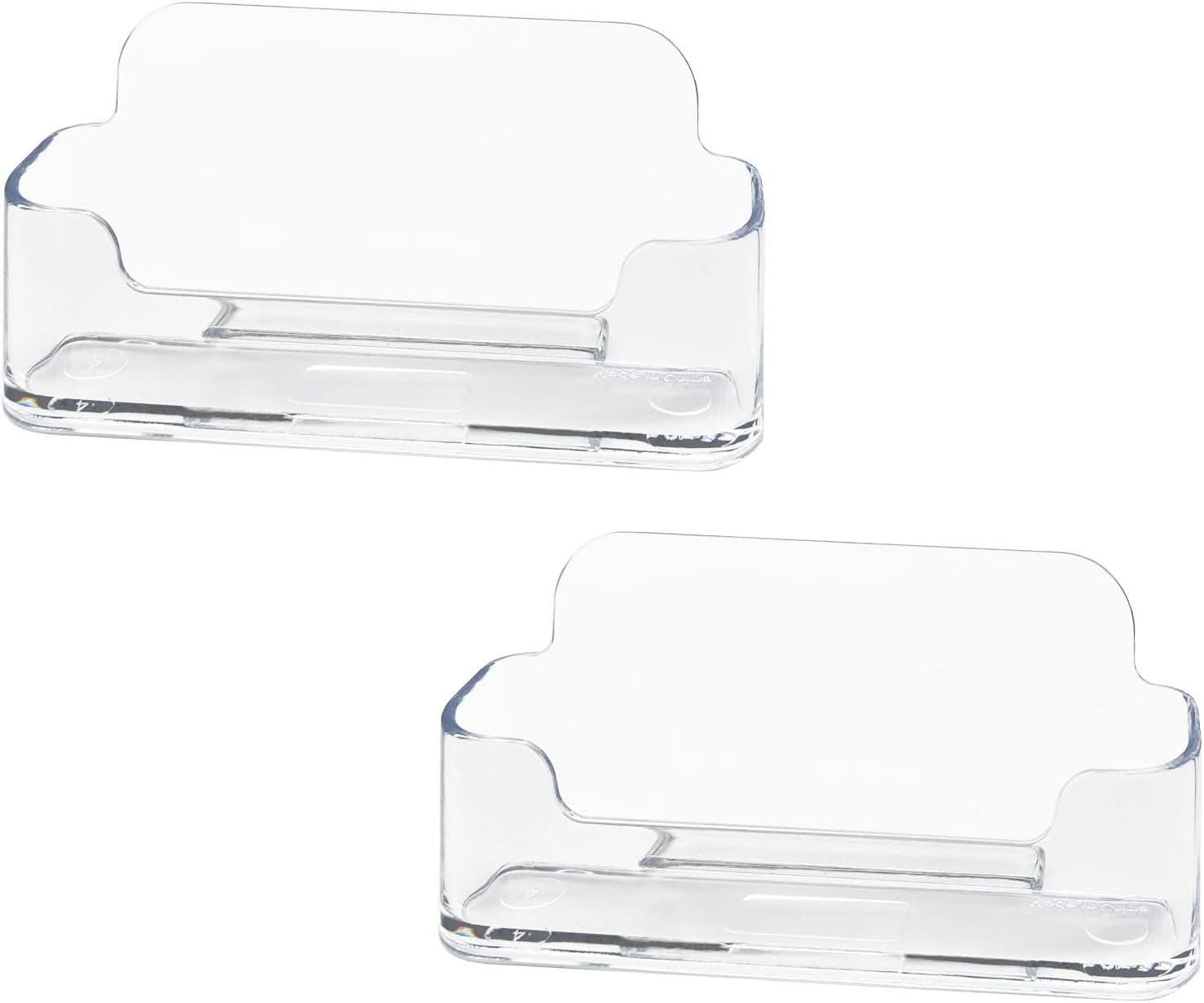
A simple clear acrylic stand that keeps business cards upright and visible on a salon counter, a vendor table or your own station. It suits the clean, quiet look of a professional setup and lets clients take a card without asking.
Agencies, salons and studios
Agencies and studios offer another route to steady work. Some agencies represent artists for editorial, advertising and celebrity bookings, while others place artists on events and corporate jobs. Most expect a strong, focused portfolio and some professional experience, so approach them once your work is ready. Meanwhile, photography studios and salons often need freelance artists for headshot days, events and busy seasons. Introduce yourself with a short message, a portfolio link and your availability. In addition, ask how they prefer to book and what they pay, so there are no surprises later. For many artists, a few reliable studio partners are part of how to get makeup clients without constant marketing.

Turning inquiries into bookings
Getting inquiries is only half the work; converting them is the other half. Speed matters most: reply to every inquiry within a day, ideally within hours, because many clients book the first artist who answers clearly. Keep a short template reply that thanks the client, confirms availability and explains the next step. Meanwhile, ask a few questions about the date, location, number of people and the look they want. Then send a clear quote with what is included, your deposit terms and how to book. For bridal clients, offer a trial, which lets both of you check the look and the fit. Above all, make booking simple: one link, one deposit and one confirmation.
Clear packages and prices
Clear packages make booking easier for clients and for you. Instead of quoting from scratch every time, offer a small set of packages with what each includes, such as a trial, travel within a set area and touch-up time. Clients compare options faster when the choices are simple and the terms are written down. Meanwhile, publish a starting price or range on your website if it suits your market, because it filters out poor-fit inquiries. Keep add-ons, such as lashes or extra hours, clearly listed. In practice, clear packages are a quiet but important part of how to get makeup clients who are ready to book. They also make your income easier to plan across the year.
Video consultations have become a useful step between inquiry and booking. A short call lets clients see you, ask questions and feel confident before paying a deposit. Meanwhile, it saves you travel for clients who may not book. Keep calls to fifteen or twenty minutes, with good light and a quiet background. Have your portfolio and price list ready to share on screen. In addition, end every call with a clear next step and a date by which the client should confirm. After the call, send a short summary and the booking link the same day. Our guide to makeup artist contracts explains deposits and cancellation terms. Clear terms protect you and reassure the client at the same time.

Reviews, repeat clients and quiet months
Reviews turn one happy client into a signal for many future ones. Ask for reviews soon after each booking, while the experience is fresh, and make it easy with a direct link. Reply to every review politely, including the rare critical one, because future clients read your replies as well. Meanwhile, add your best reviews to your website and portfolio with the client’s permission. Repeat clients matter as much as new ones. Event clients book for birthdays, galas and photo sessions, and brides return for anniversaries and family weddings. For that reason, keep a simple client list with dates and preferences, and send a short note before key seasons. A brief, personal message is enough; clients remember artists who remember them.
You may also like
Bridal Makeup Business: Trials, Bookings and Building a Team
You may also like
How to Become a Makeup Artist Assistant: Skills, Kit and First Jobs
Every artist has quiet months, especially outside wedding season. Use them to build the sources that bring future work. Update your portfolio, refresh your website and contact referral partners you have not spoken to recently. Meanwhile, offer services that suit the season, such as holiday party makeup, headshot days with a photographer or lessons for clients who want to learn. Assisting busy artists also keeps you working and widens your network. Our guide to becoming a makeup artist assistant explains how. In short, quiet months are the time to plant the referrals that fill the next season. They are also a good time to rest, train and plan, so you start the busy season with energy.
Learning the business of marketing
Most artists are trained in makeup, not marketing, so it pays to learn the basics. A few good books can change how you describe your work and how clients respond. Clear messaging helps clients understand why they should choose you. Meanwhile, a simple marketing plan keeps you focused on the few actions that matter each week. You do not need complex strategies; you need consistency and a clear offer. The three books below are practical, readable and widely used by small service businesses.

How to explain your offer so clients understand it fast.
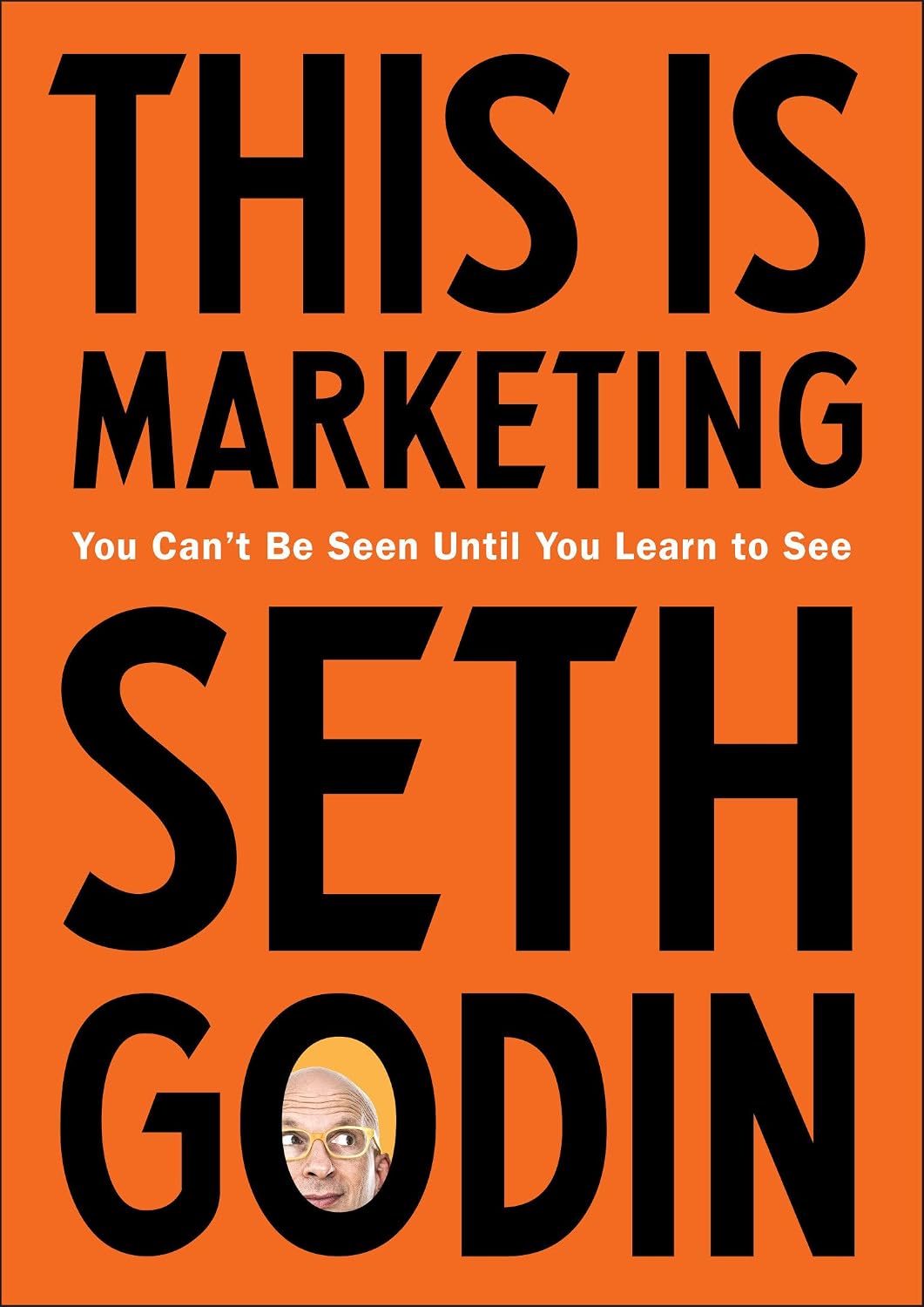

A simple framework for planning how clients find you.
Reading is useful only if it leads to action. After each book, choose one idea and apply it for a month: rewrite your website headline, simplify your booking process or contact five referral partners. Meanwhile, measure what changes, using the record of where your inquiries come from. Small, steady improvements compound over a year. In addition, share what you learn with artists you trust, because a peer group keeps you accountable. Many artists meet monthly to swap ideas, referrals and advice. Above all, remember that how to get makeup clients is not a single trick; it is a set of habits practiced every week. Choose one habit this week, and build from there.

One good client at a time
A full calendar is built one good client at a time. Each calm, punctual, beautiful booking leads to a review, a referral or a vendor who remembers your name. Start with the basics in this guide: a clear niche, a focused portfolio and profiles that make contacting you easy. Then build your referral sources patiently, and treat every inquiry with care. Meanwhile, keep records of where your clients come from, so you can invest in what works. In time, you will need fewer new sources, because past clients and partners send work your way. That is how to get makeup clients for the long term, not just for this season.
Tools and library


The three tools above support the business behind your bookings. The calculator helps you set rates that cover your time, travel and supplies, so every new client is worth taking. Meanwhile, the quiz helps you choose a niche, which makes you easier to recommend. The library gathers the career guide, notebooks and workbooks, including pages for client records and referral tracking. Start with the quiz if you are still choosing a direction. If you are already booking, start with the calculator and review your rates. Either way, revisit all three each season as your client list grows. They are free to use and sit alongside the career guide below. Each one takes only a few minutes.
From the Artist Library
Finding clients is a business skill. The guide covers pricing, contracts, agencies, kit economics and the first five clients, in plain terms.
Questions worth asking
How do new makeup artists get clients?
Choose a clear niche, build a focused portfolio, set up a website and business profile, then build referrals through past clients, vendors, photographers and other artists.
What is the best way to get bridal makeup clients?
Relationships with planners, photographers and venues, a bridal-focused portfolio, quick replies to inquiries and a clear trial and booking process.
Do I need Instagram to get makeup clients?
It helps, because clients check it before booking. Pew Research Center reports that about half of US adults use Instagram, and far more adults aged 18 to 29 do.
How fast should I reply to makeup inquiries?
Within a day, and ideally within hours. Many clients book the first artist who answers clearly with availability and next steps.
Do I have to disclose free products in posts?
Yes. The FTC says to disclose any relationship with a brand, including free or discounted products, clearly and with the post itself.
How do I get repeat makeup clients?
Keep a simple client list with dates and preferences, ask for reviews, send thank-you notes and get in touch before key seasons and occasions.
