The Artist · Practice
A client sits down in your chair and closes her eyes. She cannot see your brushes, your palette or your hands, so she trusts that every tool is clean. Makeup artist hygiene is how you keep that trust, client after client. This guide is part of the hub for professional makeup artists. It sets out a clear routine for hands, brushes, tools, products and your kit. It also explains the rules behind it.
This guide is written for working artists. That includes freelancers, bridal teams, salon artists and anyone who works on several faces a day.
The short answer
Makeup artist hygiene means preventing the spread of bacteria, viruses and fungi between clients. In practice, that means clean hands, a fresh brush set or cleaned brushes for every client, tools disinfected in an EPA-registered disinfectant, products decanted onto a palette rather than used from the container, and single-use items for eyes and lips. State rules vary, so check your own state board as well.
In this guide
Why makeup artist hygiene matters
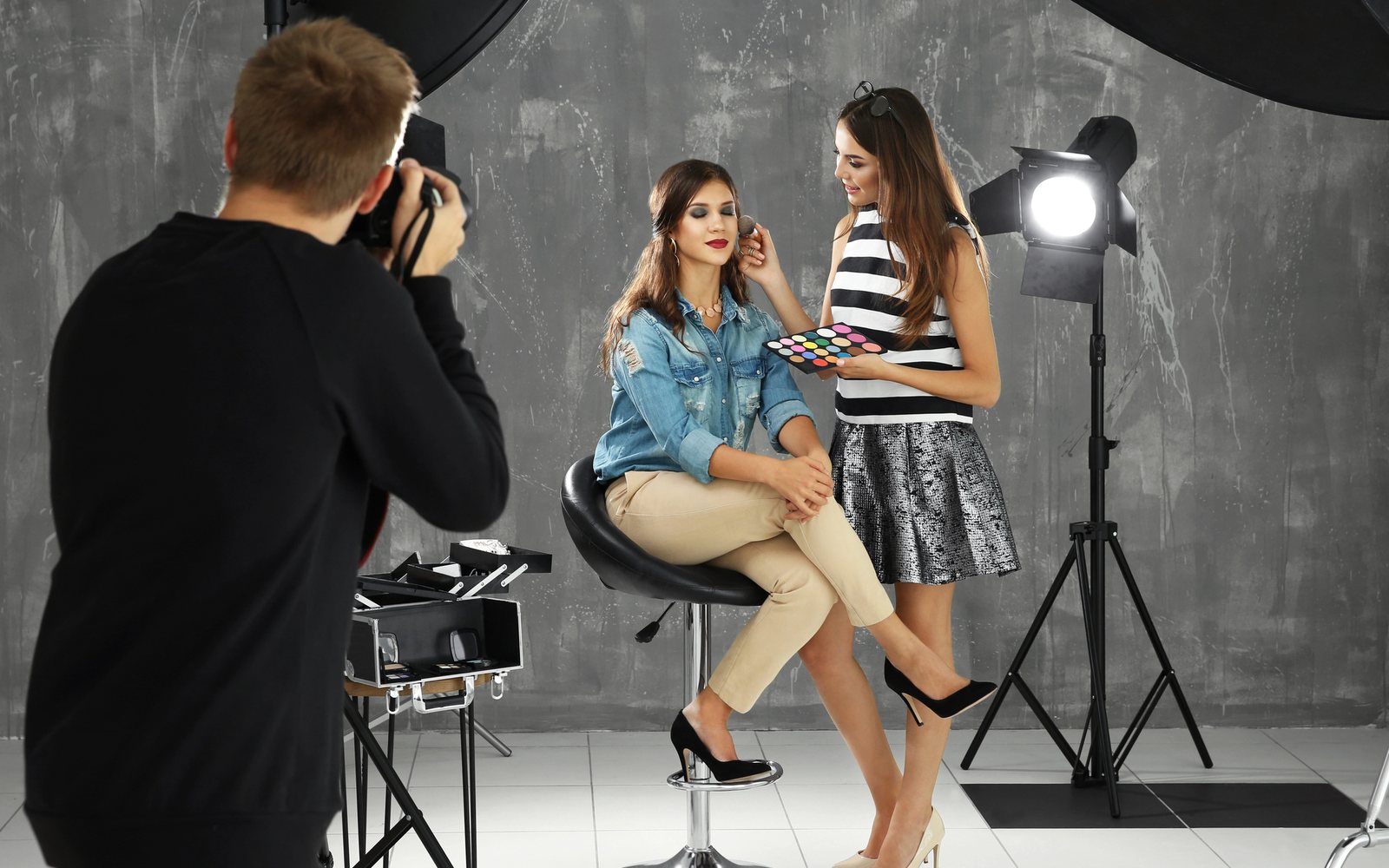
Makeup touches some of the most sensitive areas of the body. These include the eyes, the lips and skin that may be broken or inflamed. Every brush, sponge and pencil that moves from one face to another can carry bacteria, viruses or fungi with it. For that reason, hygiene is not a finishing touch; it is part of the service itself. Clients rarely ask about it, yet they notice it quickly. A clean station, fresh tools and a calm routine signal professionalism before you pick up a brush. Meanwhile, poor habits can cause real harm. According to the FDA’s guidance on eye cosmetics, another person’s bacteria may be hazardous to you. That is why the agency advises against sharing cosmetics. In a professional kit, every product is shared by design, so your routine has to make sharing safe.
Good makeup artist hygiene also protects your business. A single infection traced back to a booking can damage a reputation that took years to build. In addition, many venues, productions and agencies now ask artists about their sanitation practices before they hire. Brides ask about it during trials, and film sets expect it as standard. For that reason, a clear routine is also a selling point that you can explain with confidence. Write it down, follow it every time and mention it in your consultations. Our guide to running a bridal makeup business shows how trials and bookings work, and hygiene belongs in both. Above all, make the routine automatic, so it holds even on rushed mornings.
What the rules say
In the United States, state boards of cosmetology set most hygiene rules for makeup. They vary from state to state. California publishes one of the most detailed sets of rules, in Article 12 of its Board of Barbering and Cosmetology regulations. It defines a disinfectant as a product registered by the U.S. Environmental Protection Agency with bactericidal, fungicidal and virucidal activity. It also sets out how tools must be cleaned, disinfected and stored. Finally, it lists items that must be thrown away after one client. Even if you work elsewhere, these rules are a useful model, because many states follow similar principles. The table below summarizes the parts most relevant to makeup.
| Topic | California rule (Article 12) |
|---|---|
| Disinfectant | EPA-registered, with bactericidal, fungicidal and virucidal activity (section 977) |
| Tools | Remove debris, clean with soap and water, dry, then fully immerse in disinfectant (979) |
| Used tools | Kept in a container labeled dirty, soiled or contaminated (979) |
| Clean tools | Stored in a clean, covered place labeled clean or disinfected (979) |
| Single-use items | Discarded after one client, including sponges and cotton pads (981) |
| Cosmetics | Portions removed so the rest is not contaminated; pencils sharpened before each use (988) |
Rules for freelance artists who work outside salons can be less clear. Some states license makeup artistry separately, some include it in cosmetology and others do not regulate it outside a licensed shop. For that reason, check your own state board’s rules directly, and follow the strictest standard you can find. Clients do not know which rules apply to you; they only know whether your kit looks clean. Meanwhile, productions and venues may have their own policies, especially on film and television sets. If you join a union, the local will also have expectations about kit standards. In practice, a routine that would satisfy California’s board will satisfy almost any client in the country.

You may also like
Makeup Artist Kit Checklist: The Professional List (2026)

You may also like
Makeup Artist Set Bags, Kit Cases and Chairs: A Buying Guide
Hands, gloves and surfaces
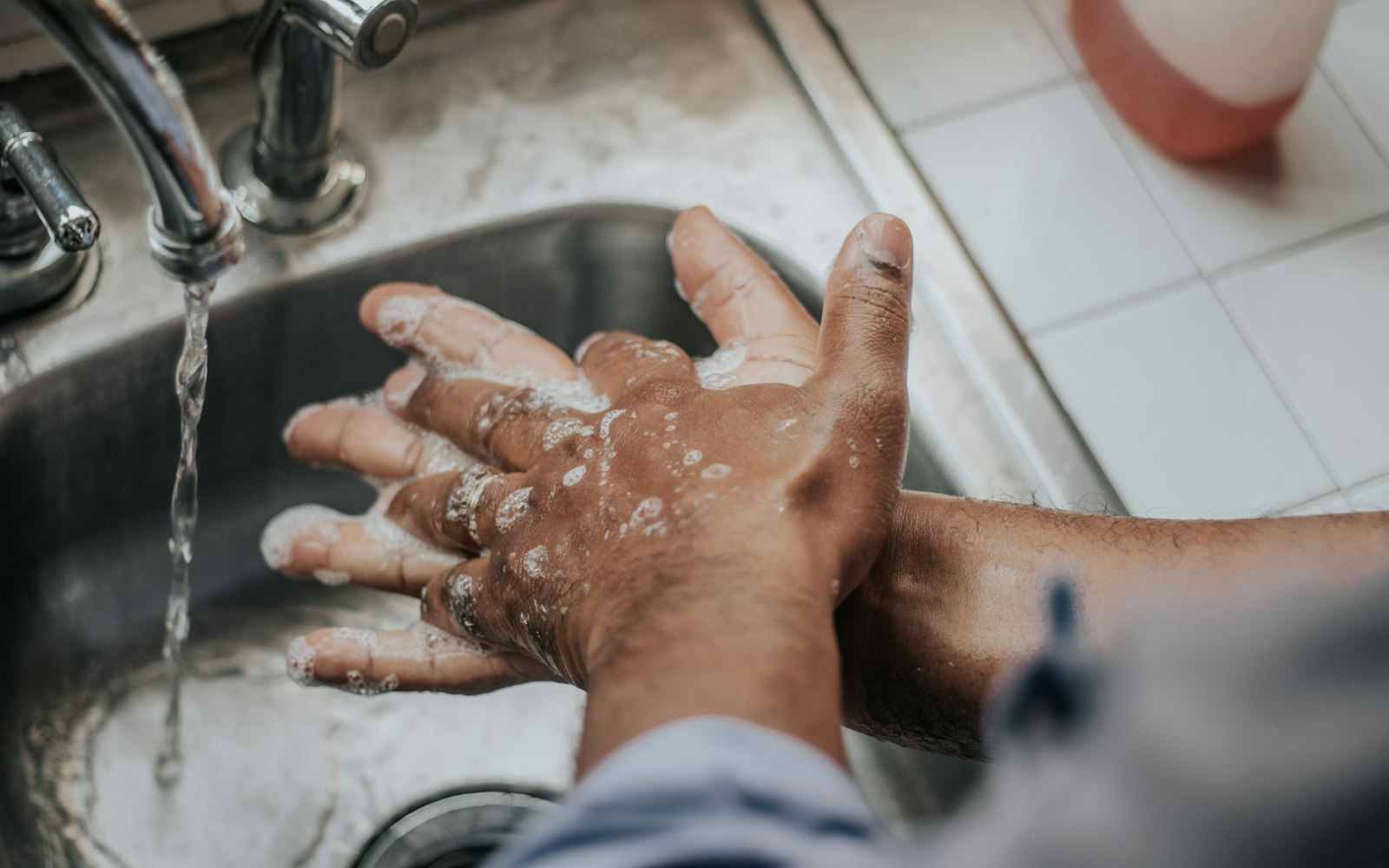
Hygiene starts with your hands, because they touch everything else. Wash them with soap and water before each client and whenever they are visibly dirty. According to the CDC, washing hands with soap and water is the best way to get rid of germs in most situations. When a sink is not available, the CDC advises an alcohol-based hand sanitizer that contains at least 60% alcohol. For that reason, keep sanitizer at your station and use it in front of the client, so she sees the routine. Meanwhile, keep nails short and clean, and cover any cuts on your hands. Many artists also wear gloves for some tasks, such as applying products near broken skin or handling dirty tools.
Surfaces and your station
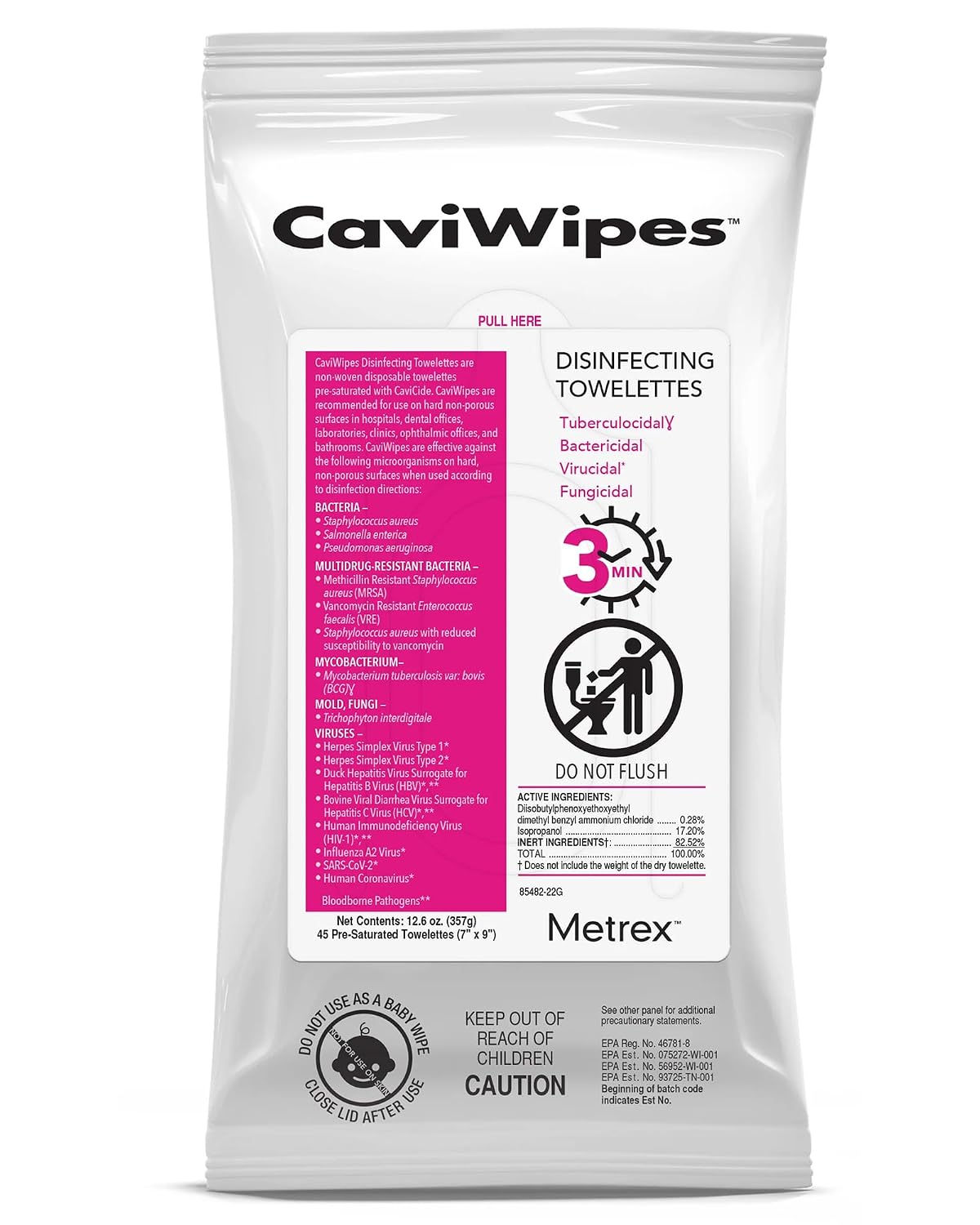
Your surfaces need the same attention as your hands. Wipe down your station, chair arms and any shared surface before each client. Use an EPA-registered disinfectant wipe and follow the contact time on the label. Contact time is the period the surface must stay wet for the product to work, and it is often several minutes. Meanwhile, lay out a fresh paper towel or disposable mat as your working surface, and keep dirty tools off it. On location, you rarely control the room, so carry everything you need to create a clean area. In addition, keep food, drinks and phones away from your working surface, because each one carries its own germs. The three products below cover hands, gloves and surfaces.
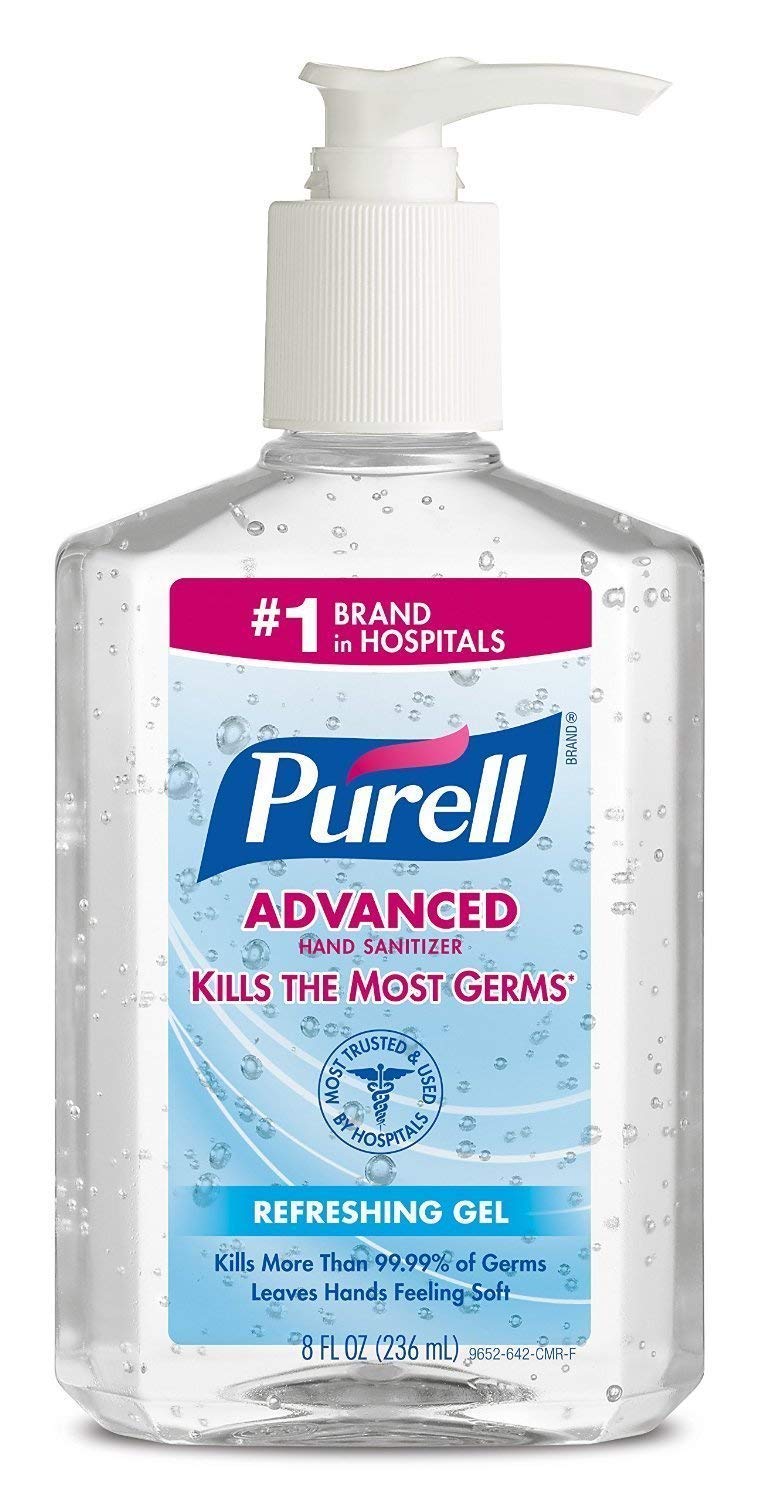
An alcohol-based gel in a pump bottle for the station.
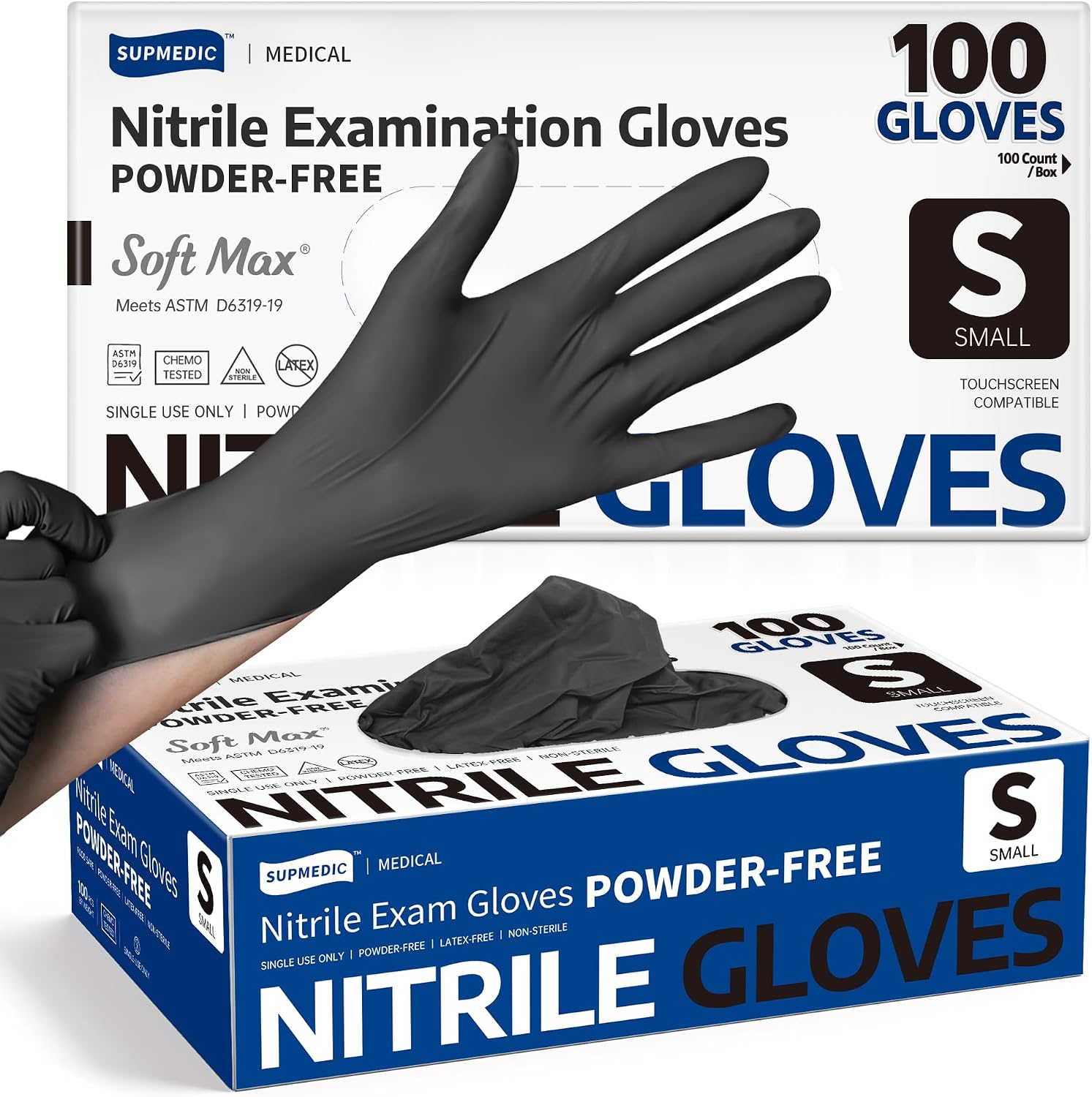
Powder-free, latex-free black gloves for tool handling.
Gloves deserve a note of their own. They protect you and the client when you handle dirty tools. They also help near broken skin or when you work on several people in a row. However, gloves are not a substitute for clean hands, and a dirty glove spreads germs just as a dirty hand does. For that reason, wash or sanitize your hands before putting gloves on, and change them between clients. Choose nitrile rather than latex, because some clients are allergic to latex. Meanwhile, black nitrile gloves look neat on camera and in photographs, which matters on shoots. In practice, most artists glove up for cleaning and disinfecting, then work bare-handed on clean skin with freshly sanitized hands.
Cleaning brushes between clients
Brushes are the heart of most kits and the most common way germs travel between faces. The safest approach is a separate, clean set for each client, cleaned thoroughly at the end of the day. However, many working artists cannot carry a set per client, so they clean brushes between clients during the day. Learning how to clean makeup brushes between clients quickly and properly is one of the most useful skills in the job. Spot cleaning with a quick-dry brush cleaner removes product and many germs, and the brush is ready again in seconds. Meanwhile, a full wash with gentle soap and water, followed by complete drying, is still needed at the end of each day. Our makeup artist kit checklist lists the brushes most artists carry.
- Wipe excess product from the brush onto a clean paper towel.
- Spray or dip the bristles in a quick-dry brush cleaner.
- Work the bristles gently on a clean towel until no color transfers.
- Let the brush dry fully before using it on the next client.
- At the end of the day, wash every brush with gentle soap and water.
- Dry brushes flat or bristles down, never upright while wet.
Parian Spirit Brush Cleaner — for quick cleaning between clients
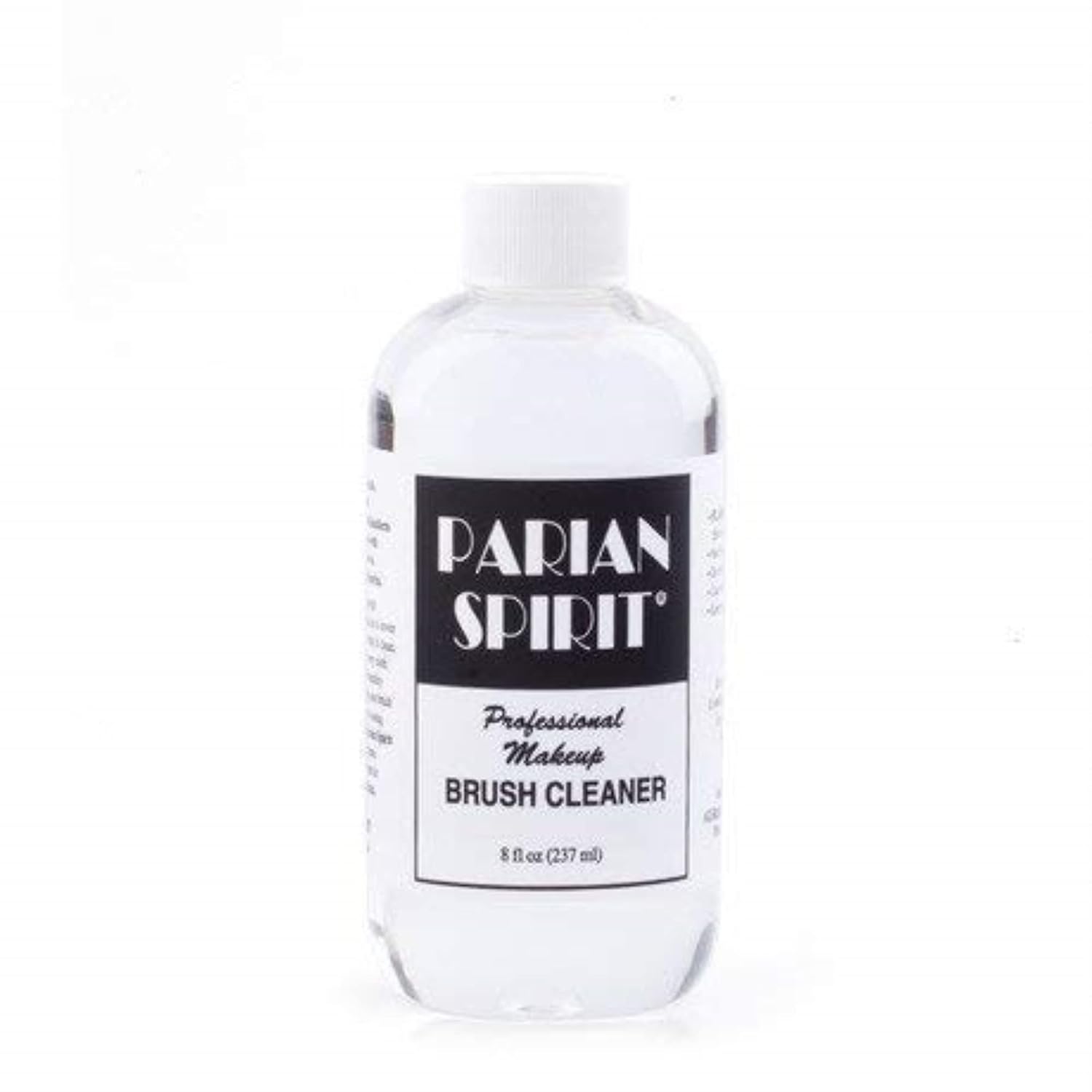
A professional brush cleaner long used by working artists for fast cleaning between faces. It lifts makeup from natural and synthetic bristles and evaporates quickly, so brushes are ready again in moments rather than hours.
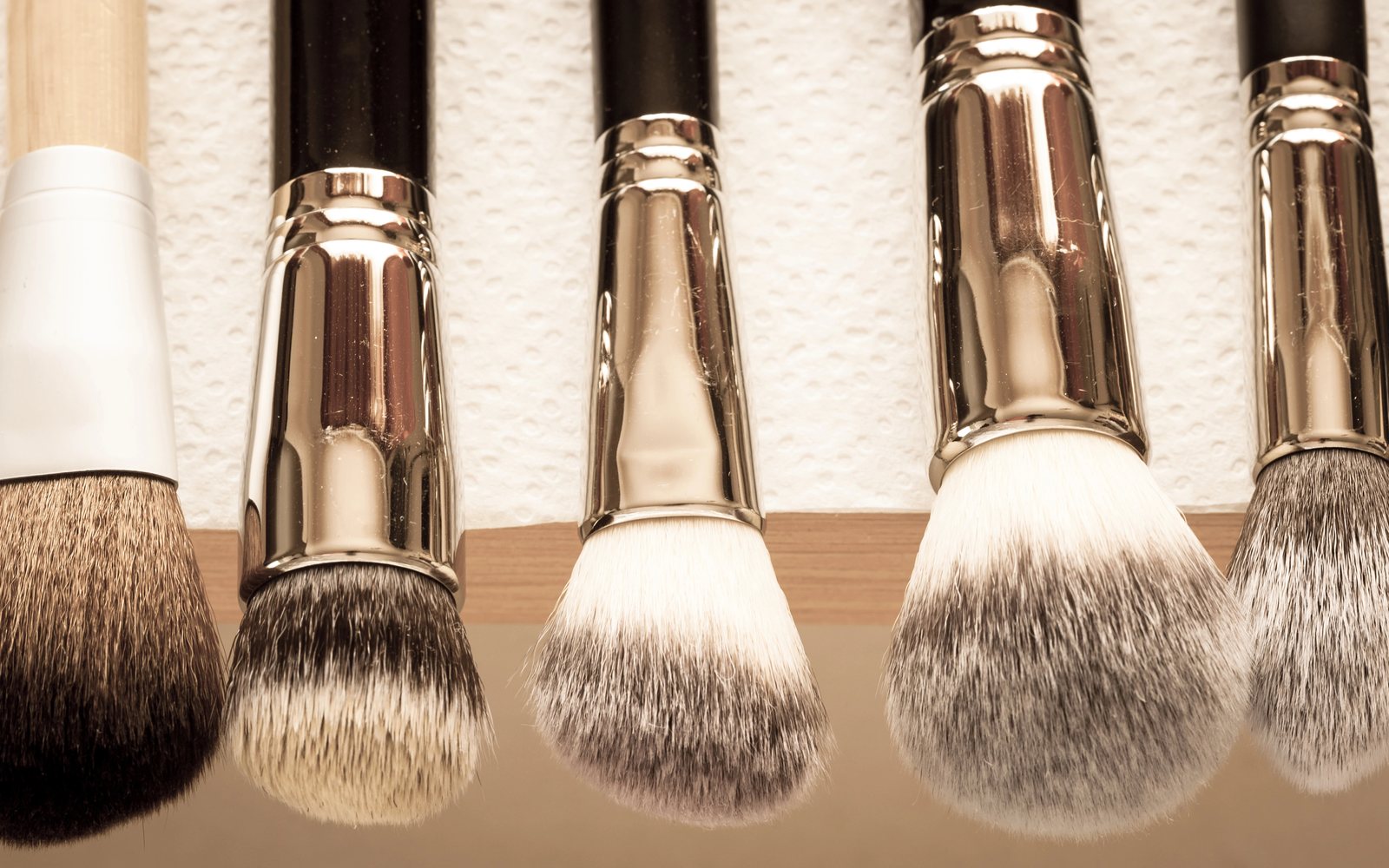
Drying matters as much as cleaning. Water that runs into the ferrule, the metal part of the brush, loosens the glue. It can also trap moisture, where mold and bacteria grow. For that reason, dry brushes flat or with the bristles pointing down, and never stand a wet brush upright in a cup. Meanwhile, reshape the bristles gently with your fingers before they dry, so the brush keeps its shape. A brush that smells musty, sheds badly or has a loose head should be replaced, not cleaned again. In addition, keep a few spare brushes of each type, so a slow-drying brush never tempts you to cut corners. Sponges are different again: most are porous, so treat them as single-use for each client.
Disinfecting tools
Hard tools such as tweezers, lash curlers, scissors, spatulas and metal palettes can be disinfected, unlike porous items. California’s rules set out a clear order. Remove visible debris, clean with soap or detergent and water, and dry completely. Then fully immerse the tool in an EPA-registered disinfectant. The tool must stay in the solution for the time stated by the manufacturer, which is the contact time. Afterward, rinse if the label says so, dry with a clean paper towel and store the tool in a clean, covered container. Meanwhile, keep used tools in a separate container labeled as dirty until you can clean them. This simple separation stops clean and dirty tools mixing in a busy kit.
Barbicide Disinfectant — for immersing hard tools
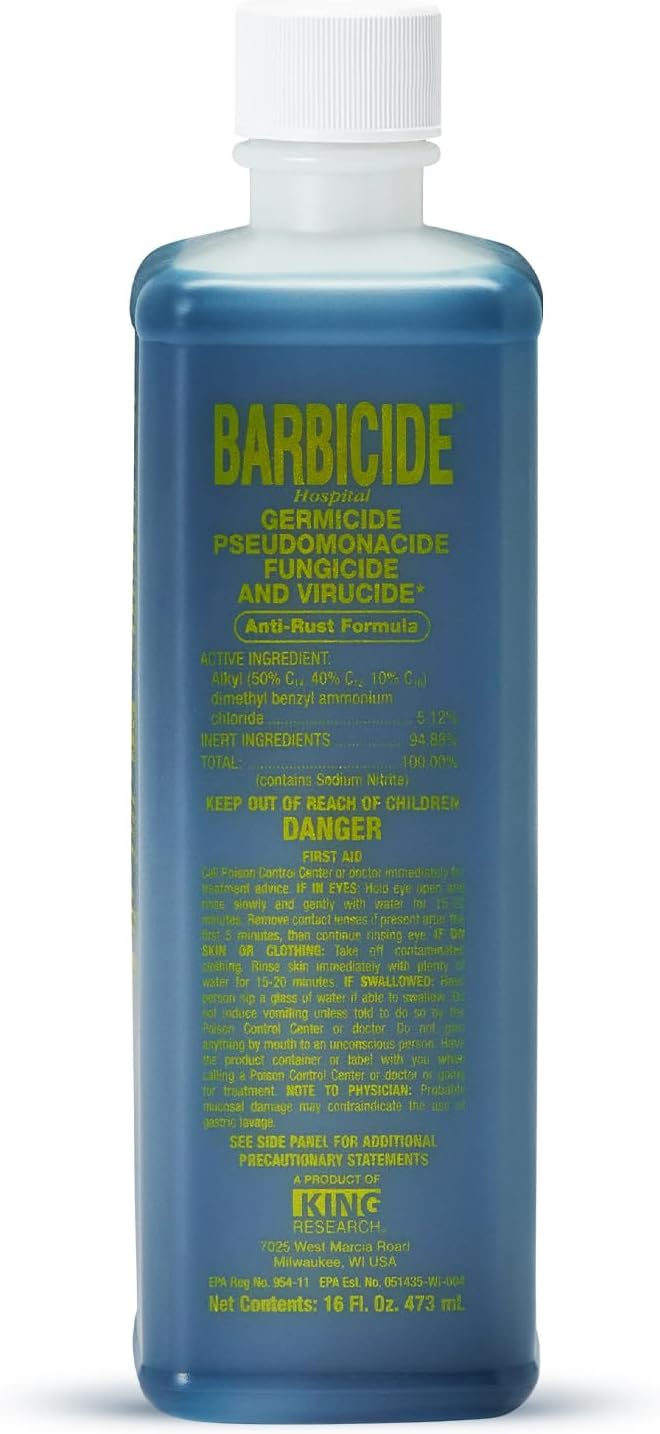
An EPA-registered disinfectant concentrate that has been a fixture of salons for generations. Mixed with water according to the label, it is used for immersing hard tools such as tweezers, spatulas and scissors after cleaning.
Using a disinfectant correctly is as important as choosing one. Always clean tools before you disinfect them, because product residue and debris can stop the solution from reaching the surface. Mix concentrates exactly as the label instructs. Change the solution as often as the manufacturer says, or sooner if it looks cloudy. California’s rules also require the solution to stay covered and ask artists to use gloves or tongs when removing tools. Meanwhile, remember that alcohol alone may not meet your state’s definition of a disinfectant, even though many artists use it for quick wipes. Check the label for an EPA registration number. In short, clean first, disinfect for the full contact time and store tools where they stay clean.
Products: decant, never double-dip
Products can carry germs as easily as tools. Every time a used brush goes back into a pot, it can leave bacteria behind for the next client. For that reason, professional artists decant products. They remove a portion with a clean spatula and place it on a palette first. California’s rules say portions must be removed in a way that does not contaminate the rest of the product. Liquids and creams are easiest in pump or squeeze containers, which keep fingers and brushes out of the product. Powders can be scraped onto a palette or tapped from a shaker. Meanwhile, lipsticks and balms can be sliced or scraped onto a palette with a clean spatula, rather than applied directly from the bullet.
Eyes and lips
Eye and lip products need the strictest care. The FDA advises against adding saliva or water to mascara, because bacteria may grow in it and cause infection. It also advises discarding mascara three months after purchase. For that reason, never put a wand back into a tube after it has touched a client’s lashes. Use a fresh disposable wand for each dip. The same applies to lip gloss: use a disposable applicator, and never a reusable one between clients. Pencils need sharpening before each use, which California’s rules require, so the surface that touched the last client is removed. The three products below make these habits easy to follow.
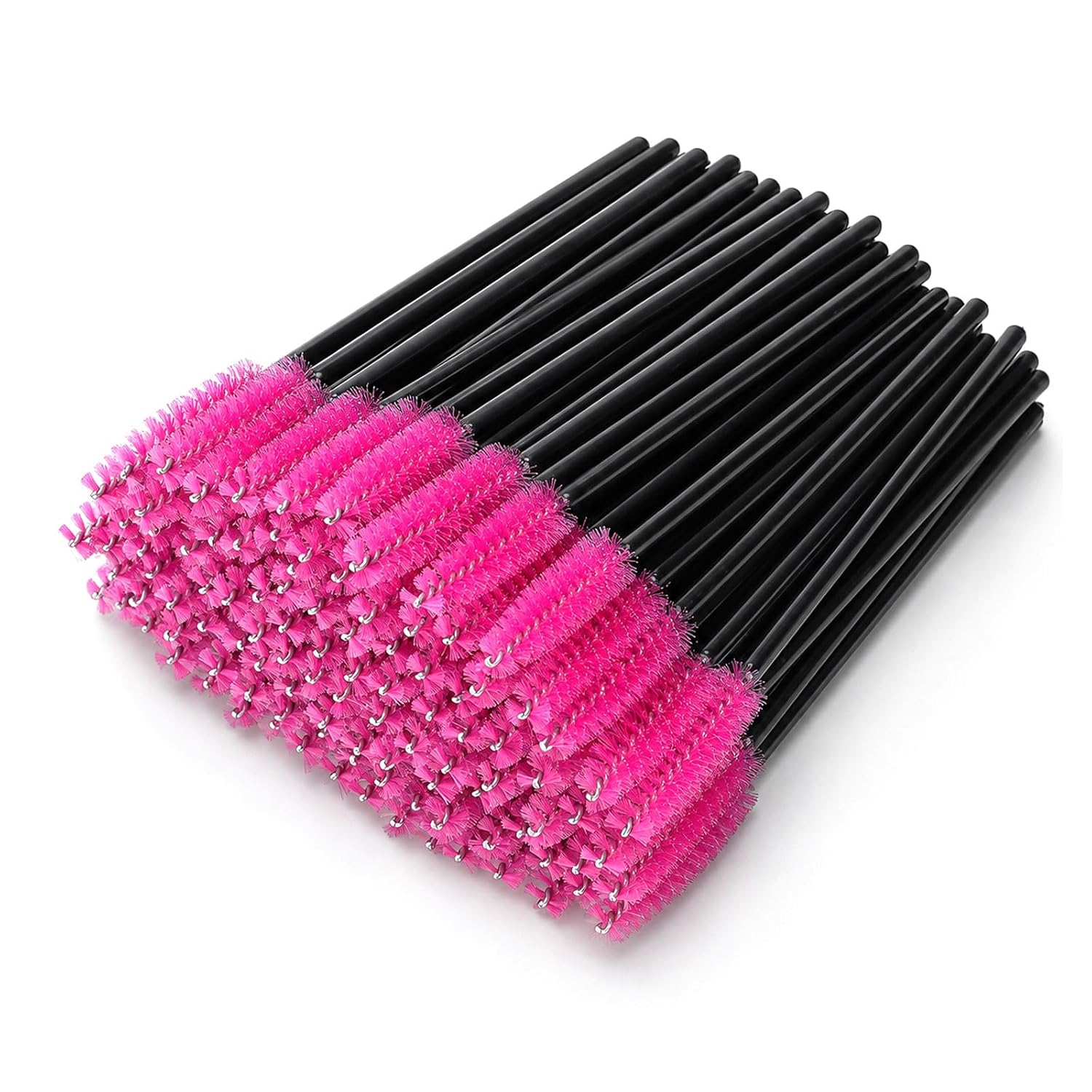
One wand per dip, so no tube is ever contaminated.

Two sizes for slim and chubby pencils, sharpened before each client.
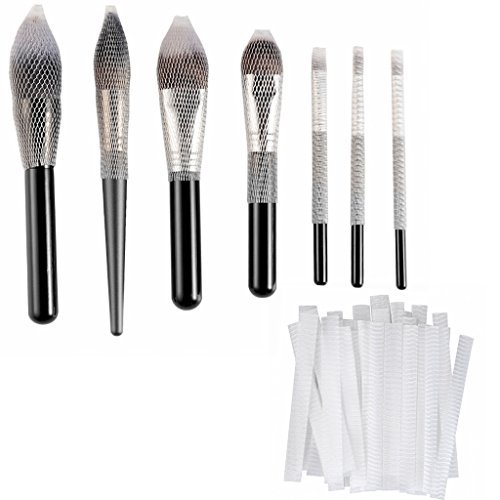
Mesh sleeves that protect clean brush heads in the kit.
Product age matters as well as handling. Preservatives weaken over time, especially once a product has been opened and used. For that reason, date every product when you open it, and follow the period-after-opening symbol on the packaging where there is one. Replace mascara and liquid eyeliner often, following the FDA’s three-month guidance for mascara. Meanwhile, throw away any product that changes color, smell or texture, or that separates. Creams and liquids in jars are the most vulnerable, so move them into pumps or decant them carefully. In addition, keep products away from heat in cars and on sunny windowsills, because heat speeds up spoilage. A tidy, dated kit is easier to check and easier to trust.
Storing a clean kit
Storage keeps clean tools clean until you need them. The simplest system uses two clearly labeled containers: one for clean items and one for used items. California’s rules require clean tools to be stored in a clean, covered place labeled clean or disinfected. Used brushes go in a container labeled dirty, soiled or contaminated. For that reason, choose cases and pouches that can themselves be wiped down and disinfected. Fabric rolls look attractive but are hard to clean, so line them or replace them with wipeable cases. Meanwhile, brush guards protect clean brush heads from dust and contact with other tools. Our guide to set bags and kit cases compares options that are easy to keep clean.

You may also like
Bridal Makeup Business: Trials, Bookings and Building a Team

You may also like
Makeup Artist Contracts, Deposits and Cancellation Policies
Your kit also needs regular deep cleaning. Once a week, empty every case, wipe the inside with a disinfectant wipe and let it dry before repacking. Check every product for expiry and every brush for damage while it is empty. Meanwhile, wash any towels, capes and headbands after each use, and carry enough fresh ones for the day. Many artists also keep a small trash bag at their station for single-use items. That way, nothing used goes back into the kit by mistake. In addition, keep a written checklist inside the lid of your main case, so assistants follow the same routine. Over time, the weekly clean becomes a calm ritual that keeps your kit ready for any booking.
When to pause a service
Sometimes the safest choice is not to work on a particular area. A client may have an eye infection, a cold sore or broken, inflamed skin. Applying makeup there can spread the problem and contaminate your kit. The FDA advises avoiding eye cosmetics if you have an eye infection or the skin around the eye is inflamed. For that reason, ask about skin and eye health during your consultation, and look carefully before you begin. Explain your decision calmly and privately, and offer to work around the area or reschedule. Meanwhile, write your policy into your booking terms, so clients know what to expect. Our guide to makeup artist contracts covers cancellation and rescheduling terms.
Your own health matters too. If you are unwell, especially with a cough, cold or skin infection, consider whether you should work at all. Clients sit close to you for long periods, and a wedding party or film crew can be affected quickly. For that reason, have a backup artist you trust, and build cover into your bridal contracts. Meanwhile, keep any cuts on your hands covered, and wear gloves if your skin is broken. If you must work with a mild cold, a mask and extra hand hygiene reduce the risk to your client. In short, a professional who protects clients from illness earns more trust than one who never cancels.
Patch tests and allergies
Allergies are part of hygiene in a broader sense, because they affect what you can safely use on each client. Ask about allergies during every consultation, including latex, fragrance and specific ingredients. Meanwhile, keep notes of each client’s reactions and preferences, so you never repeat a problem. For lash adhesives, special effects products and new formulas, a patch test ahead of the booking is the safest approach. Keep fragrance-free and sensitive-skin options in your kit, so you can adapt without delay. Above all, treat any reaction seriously. Remove the product gently and stop the service in that area. If needed, suggest the client seek medical advice.
A routine for every client
The best makeup artist hygiene routine is one you can follow on every booking, from a quiet studio session to a rushed wedding morning. Write it as a short list and practice it until it is automatic. Meanwhile, set up your station the same way each time, so anything out of place is easy to spot. The list below covers the essentials.
- Wipe down the station and chair with a disinfecting wipe.
- Lay out a fresh towel or mat and a clean palette.
- Wash or sanitize your hands in front of the client.
- Use clean brushes and freshly disinfected tools.
- Decant every product with a clean spatula.
- Use single-use wands, applicators and sponges for each client.
- Sharpen pencils before each use.
- Put used tools in the dirty container straight away.
- Clean brushes and disinfect tools before the next client.
A routine like this takes only a few minutes once it is habit, and it makes every booking calmer. In addition, it gives you a clear answer when a client or producer asks how you keep your kit clean. Many artists print a short version for assistants and keep it inside their kit. Meanwhile, review the routine every few months, and update it when your state’s rules or your services change. Good makeup artist hygiene is never finished; it grows with your business. Above all, treat every client as the first of the day. Give her a fresh station and fresh tools. She will notice, even if she never says so.
Clean work is quiet work
Clients rarely compliment an artist on hygiene, and that is the point. When your routine works, nothing goes wrong: no infections, no reactions traced back to your kit and no uncomfortable questions. Instead, clients notice a calm, organized artist with a clean station and fresh tools. That impression builds trust, and trust brings repeat bookings and referrals. Start with the basics in this guide, then refine them as you learn. Check your state board’s rules, invest in a few good products and practice the routine until it is second nature. Over time, makeup artist hygiene becomes simply the way you work. It stops feeling like a rule and starts feeling like care. That is exactly how your clients will experience it, too.
Tools and library

The three tools above support the business around your routine. The calculator helps you price your services, including the time and supplies that hygiene adds to each booking. Disposable wands, gloves, wipes and cleaner add up over a year, so build them into your rates. Meanwhile, the quiz helps you decide which specialty suits you, from bridal to film. The library gathers the career guide, notebooks and workbooks, including pages for client notes and kit checklists. Start with the calculator if your supply costs have grown. If you are still choosing a direction, start with the quiz. Either way, revisit all three as your business grows and your bookings change.
From the Artist Library
A clean kit is part of a professional business. The guide covers pricing, contracts, agencies, kit economics and the first five clients, in plain terms.
Questions worth asking
What is makeup artist hygiene?
The routine artists use to stop germs spreading between clients: clean hands, clean brushes, disinfected tools, decanted products and single-use items for eyes and lips.
How do you clean makeup brushes between clients?
Wipe off excess product, use a quick-dry brush cleaner until no color transfers, let the brush dry fully, then wash every brush with soap and water at the end of the day.
What disinfectant should makeup artists use?
California’s rules require an EPA-registered disinfectant with bactericidal, fungicidal and virucidal activity, used for the contact time on the label.
Can makeup artists reuse mascara wands?
No. Use a fresh disposable wand for every dip, and never return a used wand to the tube. The FDA advises discarding mascara three months after purchase.
Do makeup artists need to wear gloves?
Not always. Many artists wear nitrile gloves to handle dirty tools or work near broken skin, then work bare-handed with freshly washed or sanitized hands.
Should I do makeup on a client with an eye infection?
No. The FDA advises avoiding eye cosmetics when there is an eye infection or the skin around the eye is inflamed. Work around the area or reschedule.
