The Artist · Editorial
It is ninety minutes before the show. Forty models are moving between hair, makeup and fittings in a room built for half as many, and the designer is waiting for the first finished look. The key artist calls a change to the lip, and twenty artists adjust it at once, on twenty different faces. Editorial makeup and runway work run on that kind of precision. This guide is part of our makeup artist career hub. It explains how backstage teams are organized and how looks are designed and repeated. It also covers what goes in a backstage kit and how working artists get their first shows.
The short answer
Editorial makeup is makeup designed for fashion images and shows, where the look serves a story or a collection rather than flattering one client. Backstage, a key artist designs the look with the designer, records it in a face chart and leads a team that repeats it on every model, quickly and identically. Most artists get their first shows by assisting.
In this guide
What editorial makeup is, and how runway differs
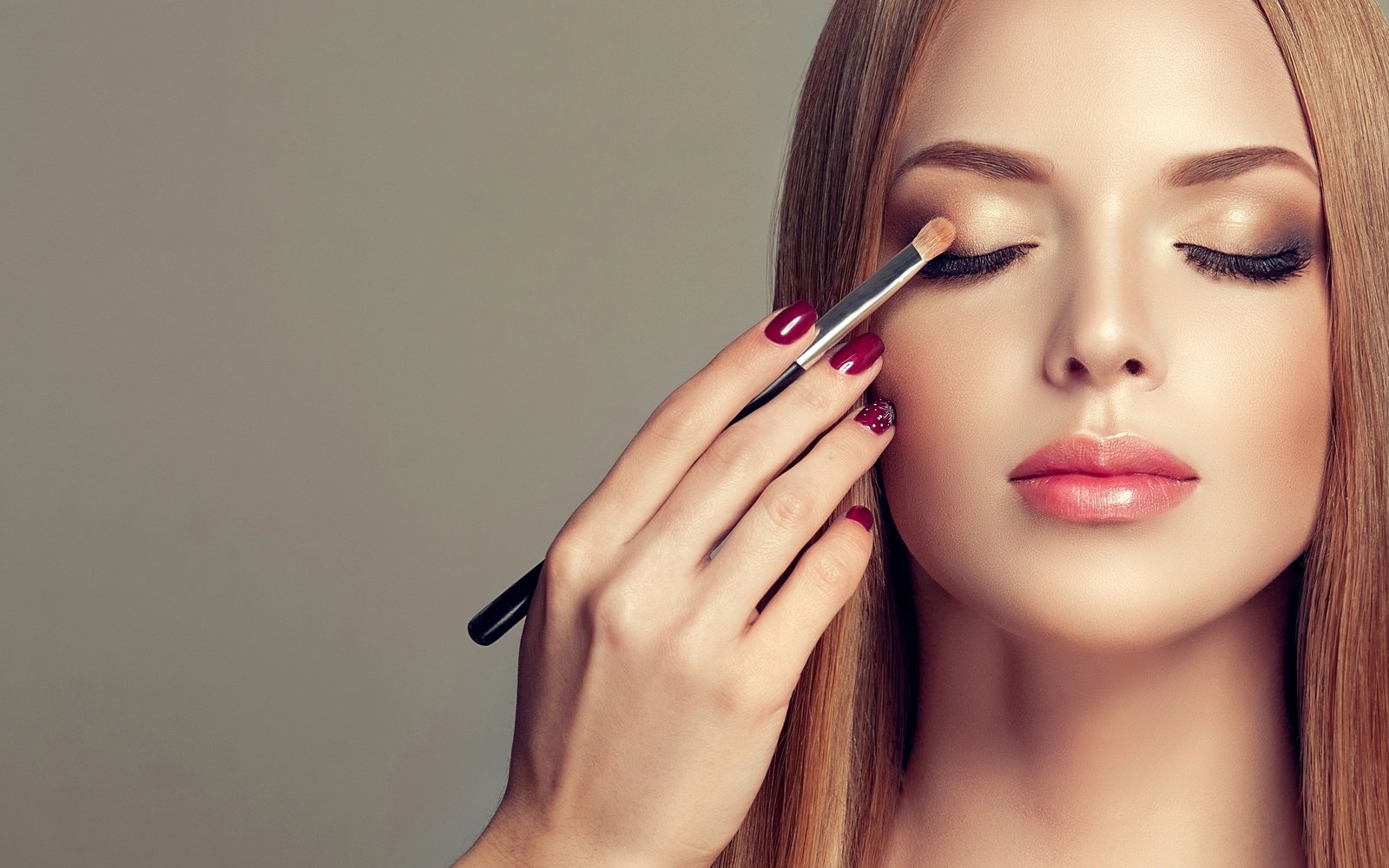
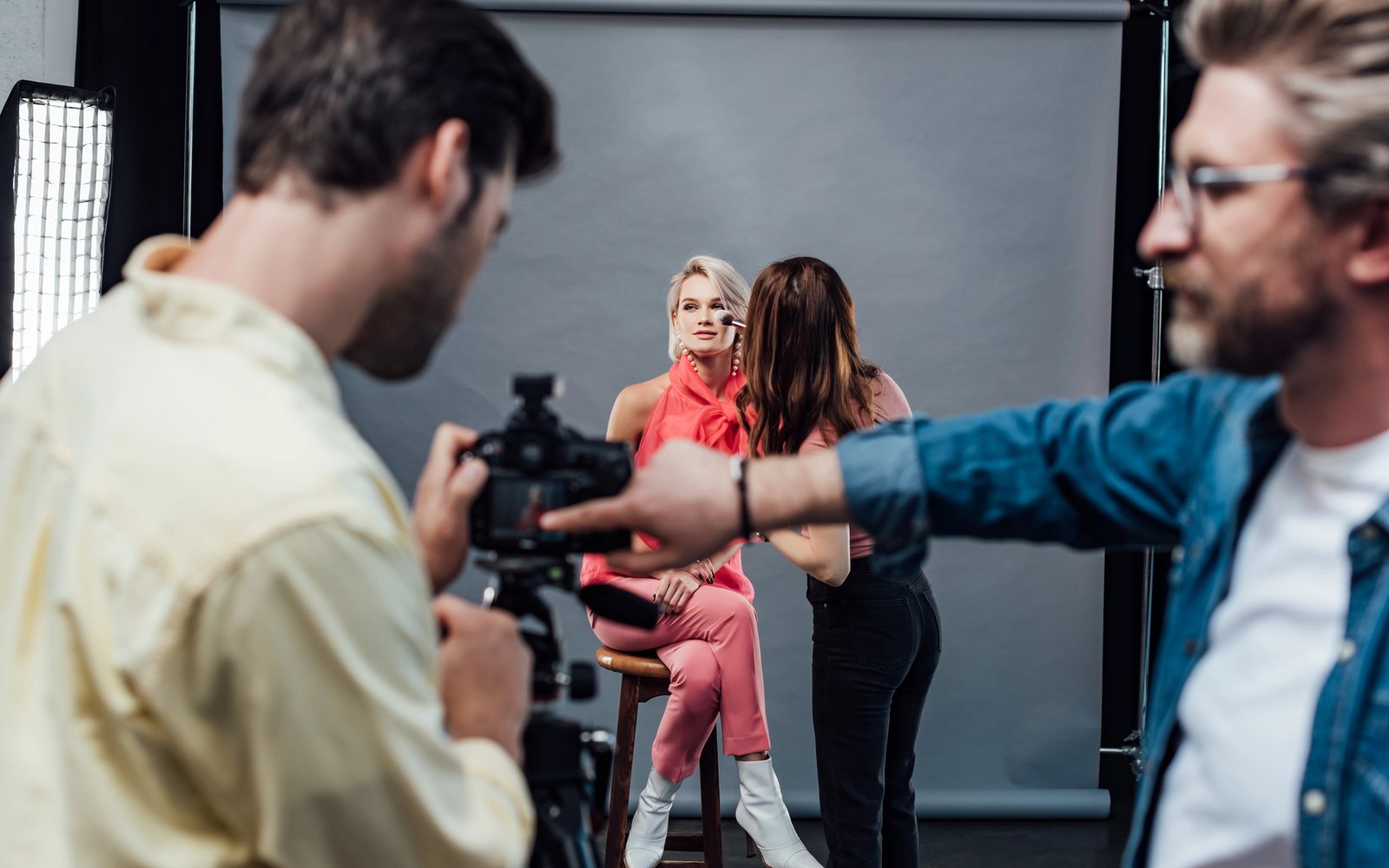
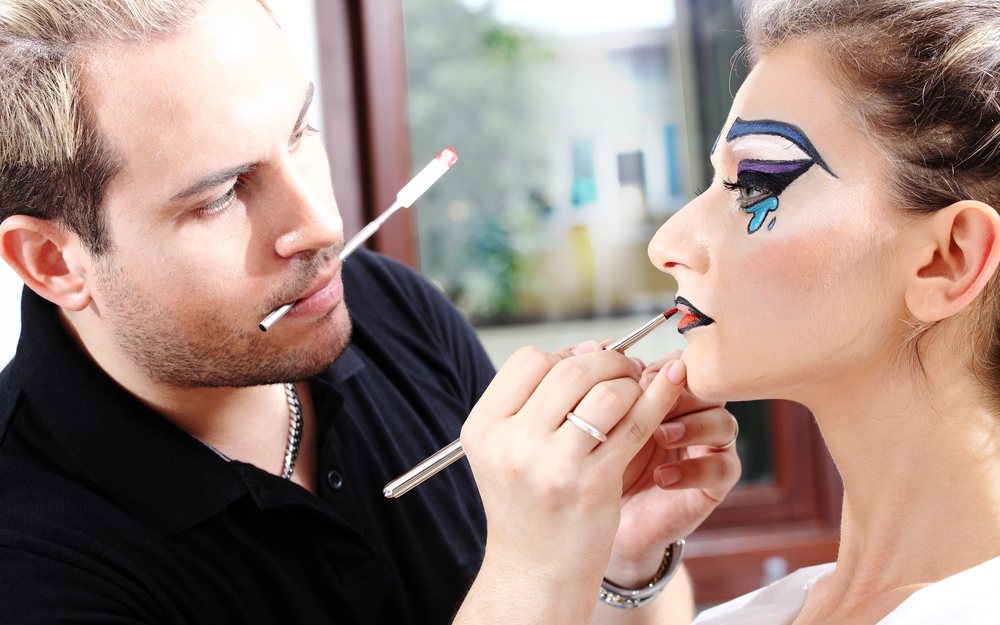
Editorial makeup is makeup created for fashion stories: magazine shoots, campaigns, lookbooks and shows. Unlike bridal or event work, it is not about making one person look their best. Instead, it supports a concept, a collection or a photographer’s vision for a story or campaign. That can mean bare, glowing skin with nothing else, or a graphic line that turns the face into part of the design. The common thread is intention: every choice, from texture to placement, serves the story. For that reason, editorial artists work closely with photographers, stylists and hairstylists, and the makeup is planned before the shoot begins. It also means editorial makeup changes with each season, while the craft beneath it stays the same.
Runway makeup is editorial makeup under pressure. A single look is designed for a show and then repeated on every model. There are often dozens of them, finished in a short window before the first walk. The look must read from the front row and in photographs taken from the end of the runway, under strong, unforgiving lighting. It must also survive quick clothing changes, hair work happening at the same time and the heat of a crowded backstage room. In other words, runway work adds speed, consistency and teamwork to everything editorial work demands. Many artists move between the two, testing ideas on shoots and refining speed and discipline at shows. Each side makes the other stronger.
Editorial shoots
On editorial shoots, the process starts with a concept. The photographer or creative director shares a mood board, and the team agrees on hair, makeup and styling before the day. The makeup artist then plans each look, chooses products and often tests the hardest step in advance. On the day, looks change between setups, sometimes in minutes, while the photographer keeps shooting. That rhythm teaches you to work cleanly and to remove and rebuild a face quickly without damaging the skin underneath. It also teaches you to read a monitor, because the image on the screen is what matters, not the face in the mirror. Many runway artists still shoot editorial work between seasons to keep their ideas fresh and their portfolios current.
How a backstage team works
The key artist
Every show has a key artist, sometimes called the lead. Days or weeks before the show, the key artist meets the designer, studies the collection and tests looks on models. Once the look is approved, they record it step by step in a face chart, with products, placement and timing. Some key artists also prepare a short demonstration for the whole team on the morning of the show, step by step. On the day, the key artist moves around the room, checking faces and making corrections. For a closer look at one of the best-known key artists, our guide to Pat McGrath makeup looks studies how her teams work. Her process is a useful model for anyone who wants to lead a team one day.
The team
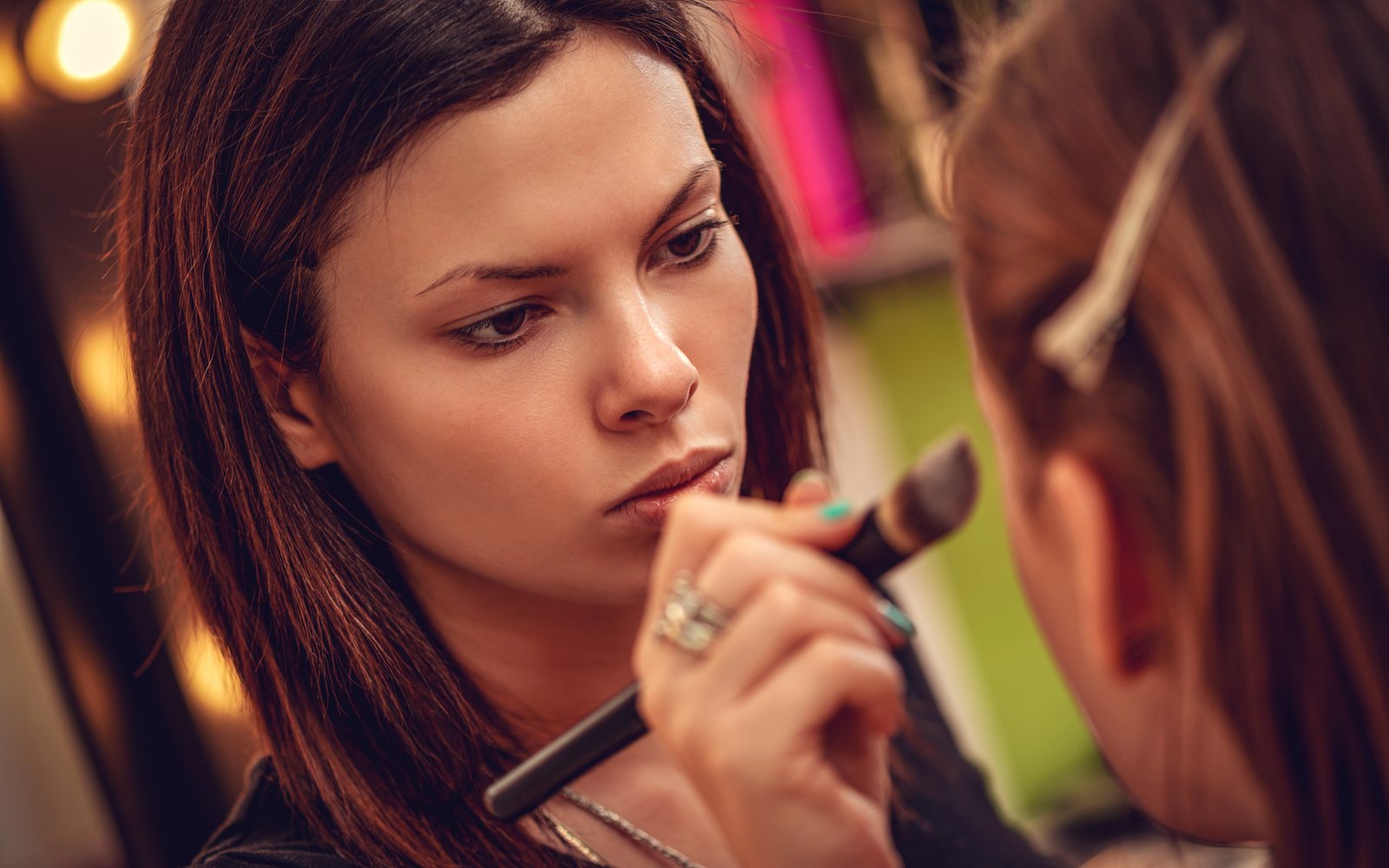
The team does most of the work. Each artist is assigned a set of models and repeats the approved look on each one, exactly as charted. Assistants prepare stations, prep skin, clean tools and hand products to the senior artists as they need them. Meanwhile, hair and makeup often work on the same model at once. Artists learn to share space and work around each other. Speed matters, but consistency matters more. Forty models should look as if one artist did every face. For that reason, teams agree on small details in advance, such as how far a liner extends or how much shine goes on the cheekbone. Silence and focus are part of the job, especially in the final hour before the show.
Beautybaby Makeup Brush Waist Belt — tools at hand on a crowded floor
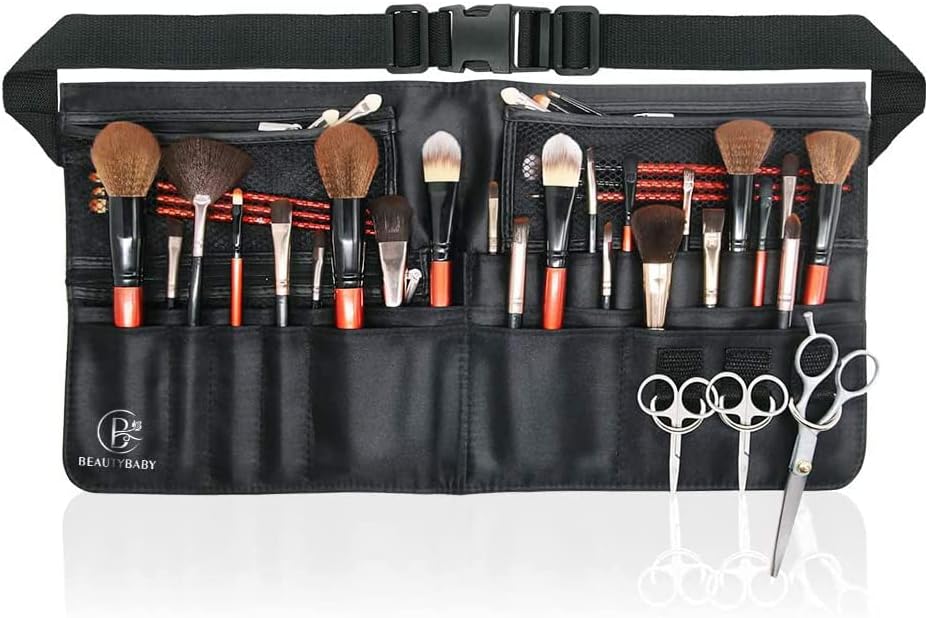
A belt with pockets for brushes, swabs and small tools, worn around the waist while you work. Backstage, it keeps essentials within reach when there is no table space and you move between models. Load it with the brushes the face chart calls for, plus swabs and a mirror. Wipe the pockets clean after each show.
Timing shapes the whole day. Call times for makeup teams are usually several hours before the show. Models often arrive in waves, sometimes straight from earlier shows across town. The key artist usually wants the first finished look early, so the designer can approve it before the team continues. Then the team works through the models in order, with the most important looks finished first. Meanwhile, expect interruptions: fittings, interviews and backstage photographers all need the same models. Keep a running list of which models are finished, and leave a few quiet minutes for final checks under the runway lights before the first walk. Finally, stay until the last model walks, because touch-ups happen in the final seconds before each exit.
Skin prep backstage
Almost every runway look starts with prepared skin. Models often arrive after long days of shows and travel, with dry or tired skin. A rich, protective cream can make the base sit better. Apply a thin layer, press it in with warm hands and let it settle while hair begins. On dry areas, such as cheekbones and the bridge of the nose, a little extra gives a soft sheen. However, keep rich creams away from areas where makeup must grip, such as the eyelids and the center of the face on oily skin. Ask every model about allergies before you start, and use clean spatulas for every jar, not fingers.
Weleda Skin Food Original — a rich cream for tired skin
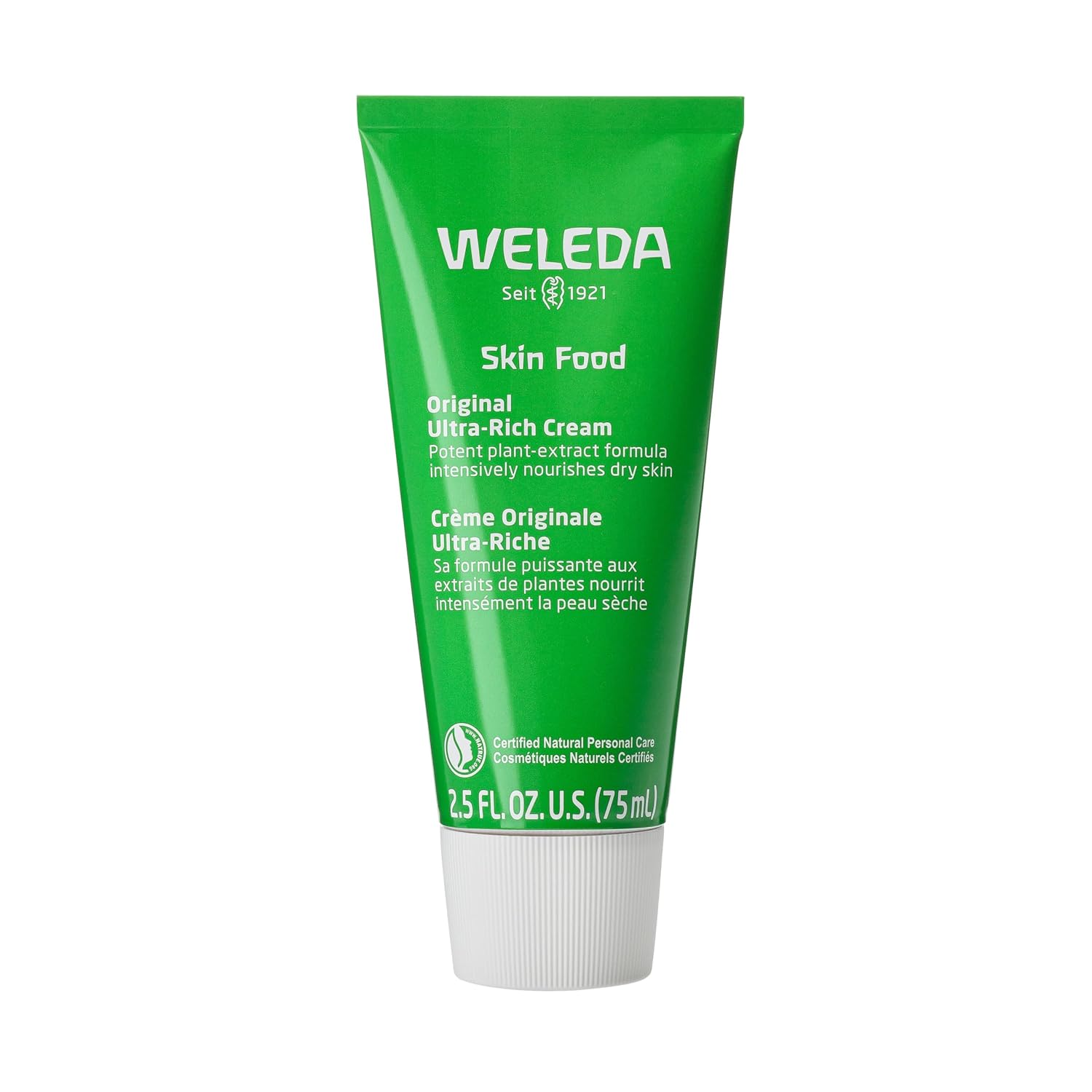
A rich, plant-based cream that many artists use to soften dry skin and add a natural sheen. Warm a small amount between your palms and press it onto dry areas before makeup. It also works on elbows, hands and shoulders before a show. Use a little at a time, because it is very rich.
Removal and reset are part of backstage prep too, and they take longer than most new artists expect. Models often arrive wearing makeup from an earlier show, so you may need to remove it gently before you begin. A micellar water on soft cotton lifts makeup without rubbing and without leaving residue that would affect the new base. Work outward from the center of the face and use a fresh pad for each area. Then rebalance the skin with a light moisturizer before starting the new look. Meanwhile, keep one bottle of micellar water at every station for quick corrections during the show. It is the fastest way to fix a smudged liner without starting the eye again, and it never leaves a film.
Bioderma Sensibio H2O Micellar Water — gentle removal between shows
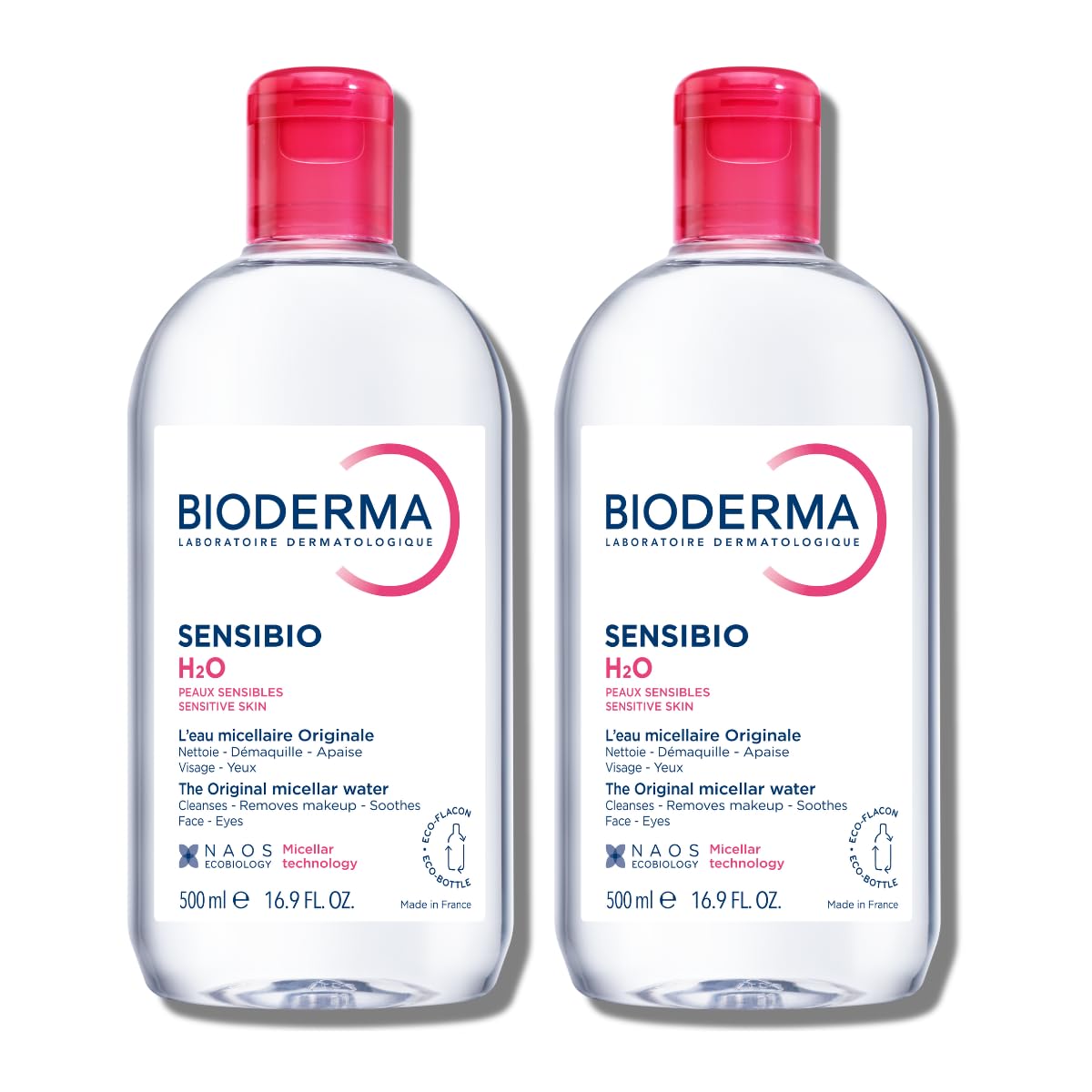
A gentle micellar water that removes makeup without rubbing or residue. Soak a cotton pad and hold it on the skin for a moment before wiping, especially around the eyes. It suits quick resets between shows and corrections during the day. Keep one bottle at every station.
Lighting, hair and wardrobe
Lighting decides how all of this reads. Runway lighting is bright and frontal, and photographers at the end of the runway use long lenses that flatten the face. Editorial shoots vary more, from soft daylight to hard flash, and each changes how shine, texture and color appear. For that reason, check the finished face under the actual show lights or the photographer’s test frames whenever possible. A cheekbone that glows beautifully in the mirror can look oily under a hard light. Our guide to makeup that holds up on film explains how cameras and lights read skin.
Hair and wardrobe share every minute of the backstage schedule with makeup. Hair teams often start first, so makeup artists work around clips, dryers and sectioned hair. Agree with the hair lead on the order of work, and protect finished makeup with a clean tissue while hair is sprayed. Then, after the model is dressed, check for foundation on collars and smudges from clothing pulled over the head. A small kit of swabs, micellar water and concealer at the dressing rail saves the look in seconds. Meanwhile, keep communication short and friendly, because everyone is working against the same clock. Good backstage teams look calm even when they are not.

Recent runway looks, broken down
Backstage reports are the best way to study runway technique. At New York Fashion Week in February 2025, BeautyMatter reported that the Marc Jacobs show opened the season with a graphic take on classic beauty. The look paired a bold red lip with precise beauty spots and skin left largely untouched. It was built on a radiant base with a sheer lip balm. The lesson is restraint: one strong feature on quiet skin. For a team, that kind of look is also easier to repeat exactly, because there are fewer steps. Meanwhile, the balm and the base both had to stay fresh for the whole show, so prep mattered as much as color. A quick blot and a fresh touch of balm before each walk kept the look intact.
Lips need constant attention backstage. Models talk, drink water and eat between fittings, so even a sheer balm wears off quickly. Prep the lips early with a thin layer of balm, then blot just before color goes on. For a bare-lip look, reapply a tiny amount of balm with a disposable applicator before each walk. Meanwhile, keep a small cup of applicators at every station, and never apply balm straight from a tube to more than one model. Check lips under the runway lights, because a balm that looks invisible in the mirror can shine strongly on camera. Blot again if it does, and note the change on the face chart for the team.
Burt’s Bees Beeswax Lip Balm — a simple balm for every station
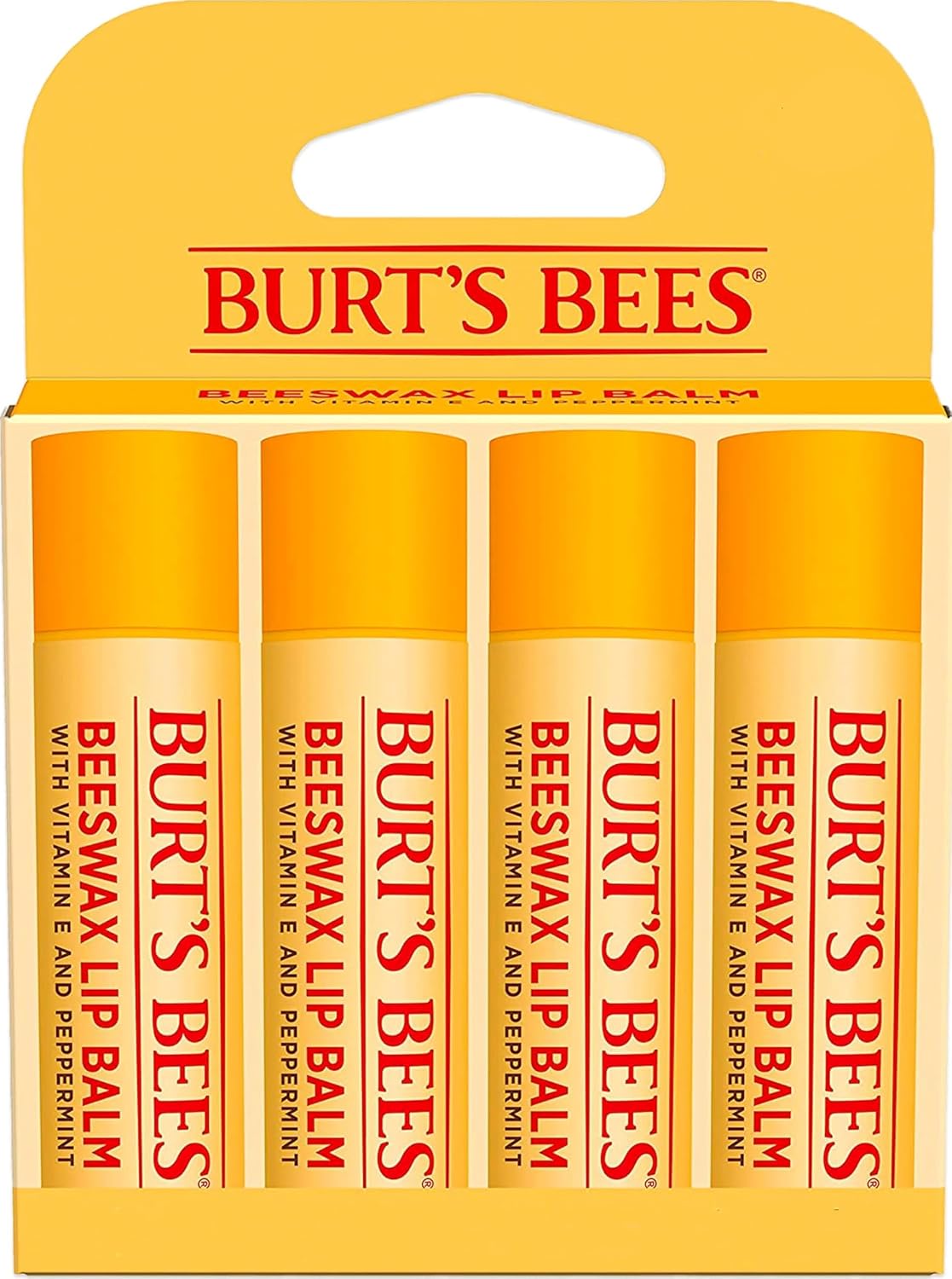
A classic beeswax lip balm that smooths dry lips before color and adds a soft sheen on its own. Apply it with a disposable applicator, never directly from the tube, when working on several models. Blot before applying lip color. Keep a few tubes for each team member.
The same BeautyMatter report describes two very different eye techniques from that same week. At Anna Sui, the team drew a bold black lash line with a soft wing and smudged jewel-tone shades along the lower lashes. At Coach, by contrast, the skin was clean and even, with a blurring powder under the eyes and quiet depth on the lids. Both looks depend on clean edges. A smudged lower lash line must stop exactly where the key artist wants it, and a soft lid must not drift into the brow. For that reason, precision swabs are among the most-used tools backstage. Artists use them for cleaning lines and lifting fallout in seconds.
Q-tips Precision Tip Cotton Swabs — for clean edges in seconds
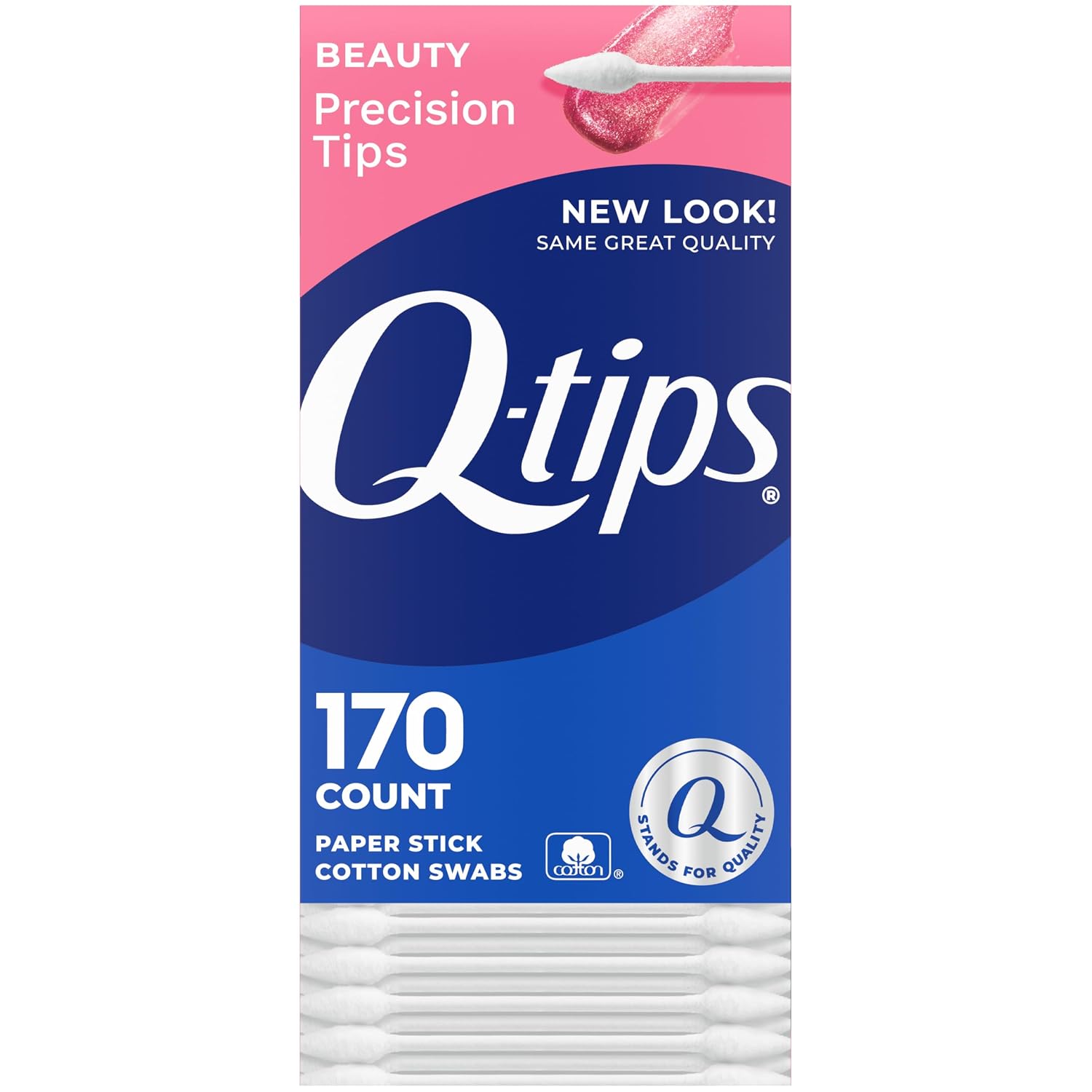
Cotton swabs with a pointed tip for precise corrections. Use one with a drop of micellar water to sharpen a wing, clean a lower lash line or lift shadow fallout. Use each swab once and discard it. Keep a full box at every station.
Repeating a look exactly is the core skill of runway work. Keep the face chart where you can see it, and work in the same order on every model, so nothing is missed. Photograph your first finished face and compare each new model against it. Check symmetry from a few steps back, because small differences are easier to see at a distance. Meanwhile, measure liner lengths and blush placement against the model’s own features, not against a ruler, so the look adapts to each face. If the key artist changes a detail mid-show, update your chart immediately. In addition, tell the artists on either side of you, so the whole team stays consistent.
Large shows add their own logistics. For the 2025 Victoria’s Secret Fashion Show in Brooklyn, Essence reported that Pat McGrath led the makeup, aiming for models who looked glowing and like themselves. The team started with foundation, concealer and a little blurring powder under the eyes, then built a light smoke with a brown-black pencil. Lips were lined with a long-wear liner hours before the show and finished with a glittering gloss. That timing trick is useful on any long day: set the shape early, and add shine at the last minute. It also shows how a key artist plans for wear, not just for the first photograph.
Brows, lashes and the detail kit
Brows frame almost every editorial face and shape its expression. Backstage, they are often brushed up, given a laminated look or bleached for a concept. Brow soap is a fast way to create the feathered, brushed-up brow that many shows and shoots request. Wet a spoolie lightly, rub it on the soap and brush the hairs upward, then press them flat with the back of the spoolie. It sets quickly and holds through a show. Meanwhile, use a fresh disposable spoolie for every model, and never dip a used one back into the soap. Check the brows from the side as well as the front, because brushed-up hairs can catch the light in photographs. Trim stray hairs only if the key artist asks.
Ownest Soap Brow Kit — for brushed-up, feathered brows
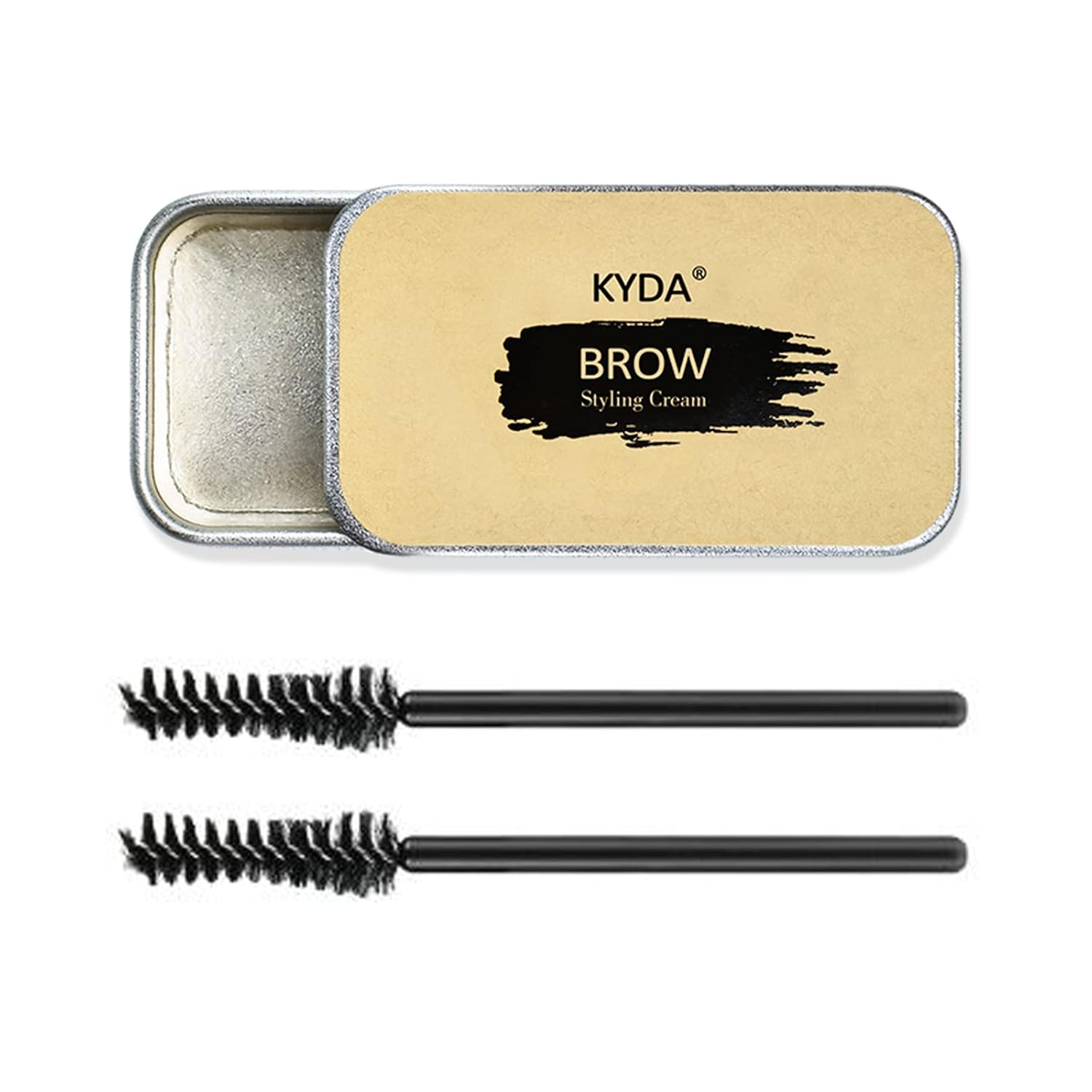
A clear brow soap with a spoolie for brushed-up, feathered brows that hold. Dampen a clean spoolie, rub it on the soap and brush the hairs upward, then press them into place. Use a fresh disposable spoolie for each model. Let it dry before adding brow color.
Curled lashes open the eye in photographs, even when the look calls for no mascara at all. A good curler grips the lashes evenly across the lid without pinching, and a gentle pulse at the base gives a natural lift. Backstage, artists often curl lashes on every model, then add mascara only where the face chart calls for it. Meanwhile, sanitize the curler pad and frame with alcohol between models, and replace the pads regularly. For models with very straight lashes, curl before and after a light coat of mascara. Never curl lashes after heavy mascara, because the lashes can break. Work gently on models who have had many shows in a row, because their lashes may already be fragile.
Hygiene for shared tools deserves extra care at shows. A lash curler touches the eye area of every model. Clean the pad and frame with alcohol after each use, and let them dry before the next. Carry spare pads and replace them whenever they crack, harden or flatten. Meanwhile, keep disposable mascara wands, lip applicators and spoolies in clean, labeled cups at every station. Never double-dip into shared products, and never use the same applicator on two different models. Our guide to makeup artist hygiene covers sanitation routines for every client in more detail. A clean station also reassures the models and agency bookers who are watching how you work.
Shiseido Eyelash Curler — an even curl without pinching
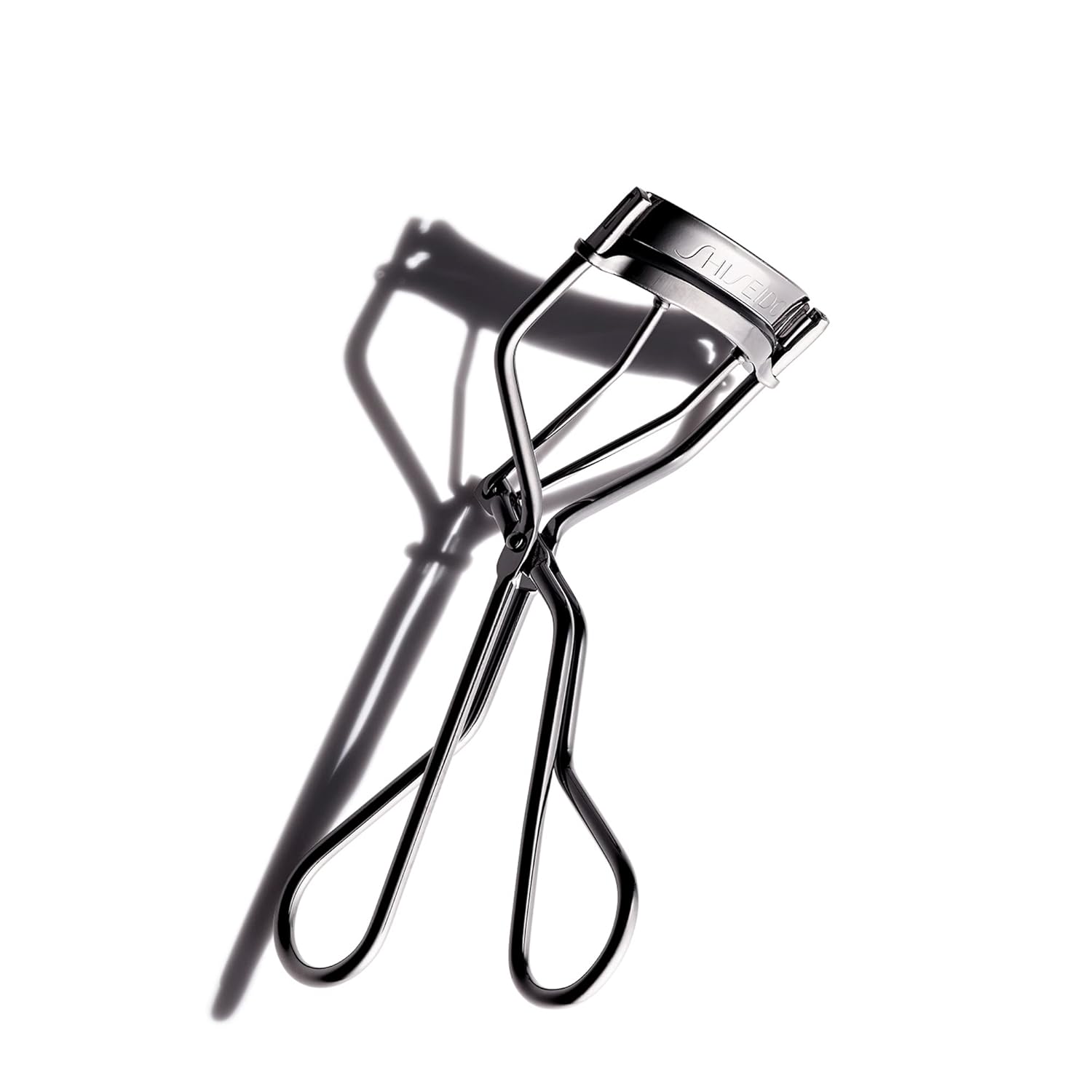
A lash curler with a curve that suits many eye shapes and grips evenly without pinching. Curl at the base with a gentle pulse, then move toward the tips for a natural lift. Sanitize the pad and frame between models. Replace the pad when it shows wear.
Detail work also needs precise tools for lashes, gems and stray hairs. Slanted tweezers place individual or strip lashes, lift small gems and pearls onto the skin and remove a stray brow hair in seconds. Their angled tip grips without slipping, which matters when a model is moving or talking. Keep one pair reserved for lashes and gems, and sanitize it with alcohol between models. In addition, store tweezers with a tip cover, so the points stay aligned. A misaligned tip makes placing small details slow and frustrating, especially under time pressure. Replace tweezers that no longer close evenly. For lash application, rest your hand on the model’s cheek for stability, and work from the outer corner inward.
Tweezerman Slant Tweezer — for lashes, gems and stray hairs
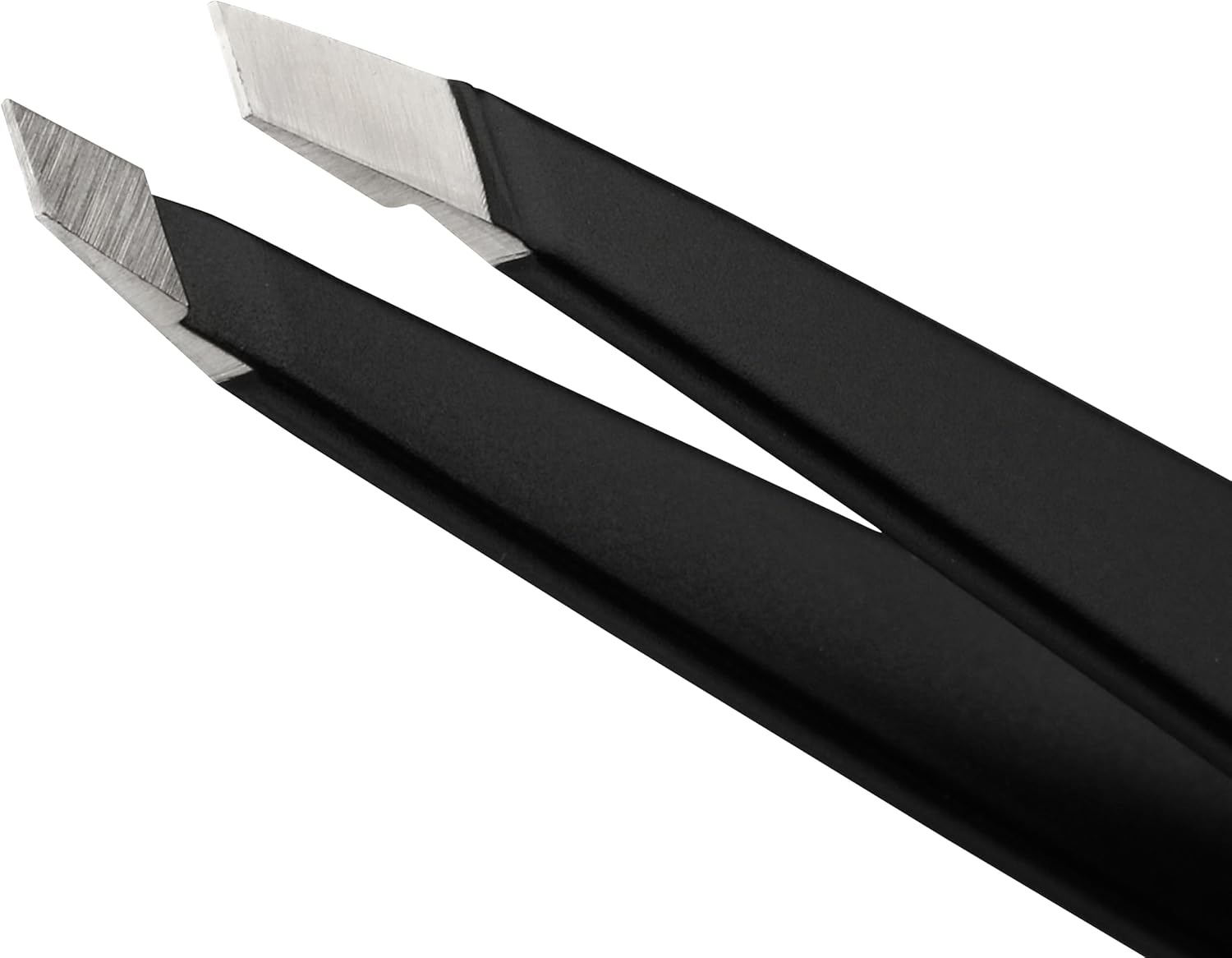
A precise slanted tweezer that grips lashes, gems and stray hairs without slipping. Use it to place strip or individual lashes and small embellishments. Keep one pair for lashes and gems only. Sanitize it with alcohol between models.
Face shape affects where every detail sits. A graphic wing that suits one model can drag another’s eye down, and a blush placement that lifts one face can widen another. Key artists adjust charts slightly for each face while keeping the look consistent. For that reason, learn to read bone structure quickly, so you can make those adjustments without being told. Our guide to face shape theory for placement explains how artists read a face before contouring or placing color. It is one of the most useful skills you can bring to a backstage team, and it improves with every face you study.
How to get your first show
Most artists get their first show by assisting, not by applying directly to designers. Key artists build teams from people they trust. They find those people through agencies, recommendations and assistants who have worked with them before. Start by assisting working artists on shoots and events, and let them know you want backstage experience. When you do get a show, arrive early, follow the face chart exactly and keep your station clean. Our guide to becoming a makeup artist assistant explains the skills and kit that lead artists expect. Over time, reliable assistants become team members, and team members become key artists. The path is slow, but it is open.
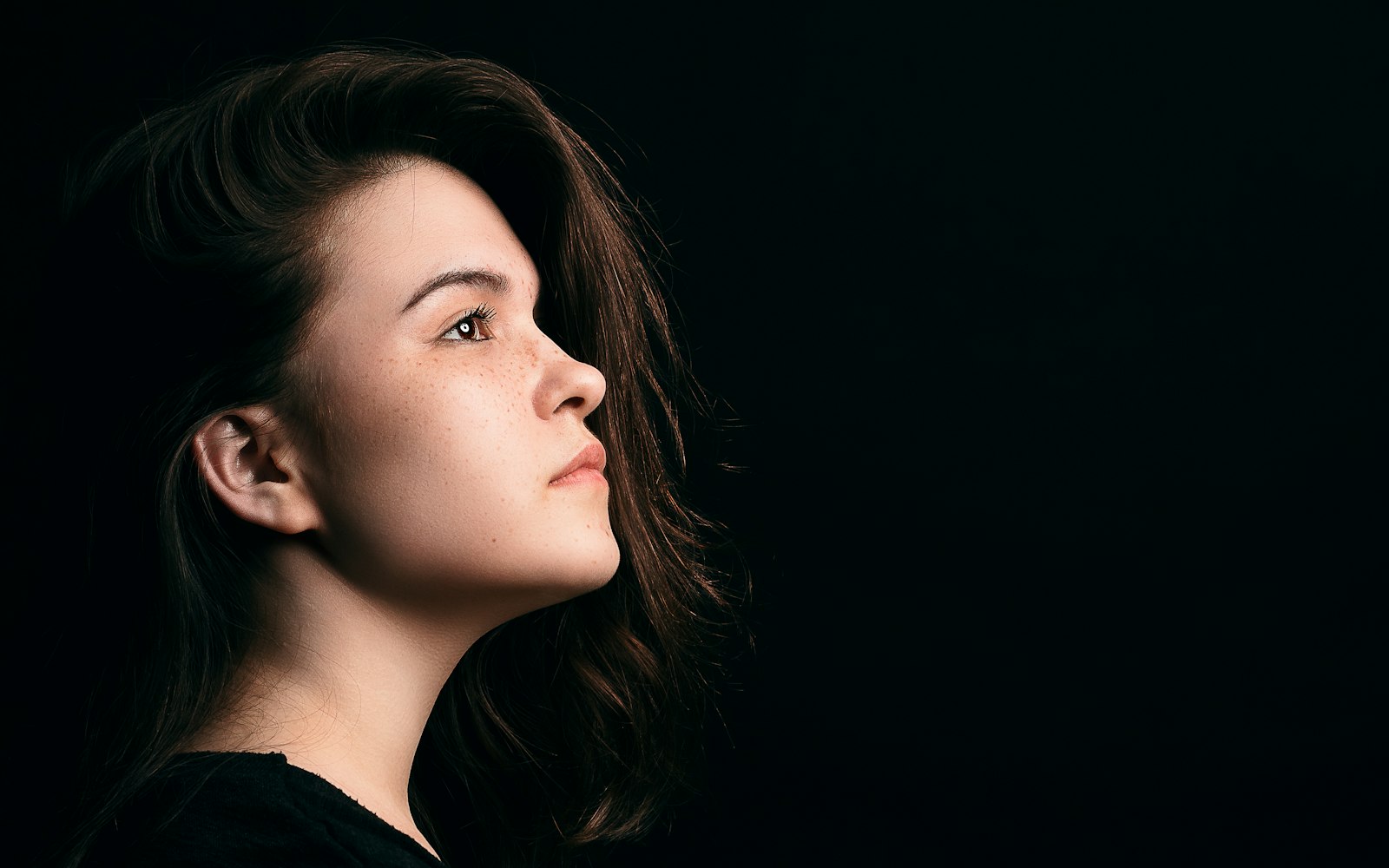
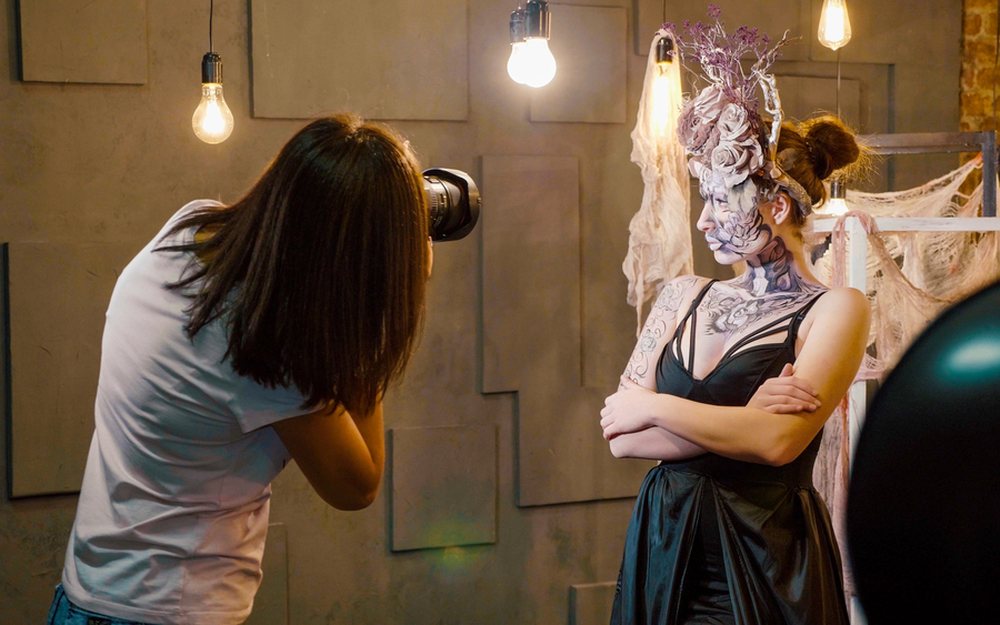
Editorial shoots are the other half of the path to backstage work. Tests with photographers, stylists and models build the portfolio that agencies and key artists look at. Published editorial work, even in small independent magazines, shows that you can deliver a concept with a team. Our guide to getting published in magazines explains how submissions, tear sheets and credits work. Meanwhile, keep a clean, organized kit ready for short-notice calls, because backstage teams often fill their last gaps the day before a big show. The artist who can say yes and arrive prepared is the one who gets the next call. Keep your availability calendar current, and reply to booking messages quickly, because teams are often finalized within a few hours.
Sources
Sources checked October 2026
Precision, teamwork and calm
Editorial makeup and runway work reward a particular kind of artist. That artist is precise, calm under pressure and comfortable working as one part of a larger team. The looks change every season, but the habits behind them do not. Prepare skin carefully, follow the face chart exactly, keep edges clean and check every face under the real show light. Then stay until the very last model has walked. Above all, treat every assisting job as an audition, because backstage careers are built on reputation. Start small, learn from every key artist you work with and keep testing your own ideas on shoots between shows. Each new season will ask for something different, and the best teams are always ready for it.
Tools and library

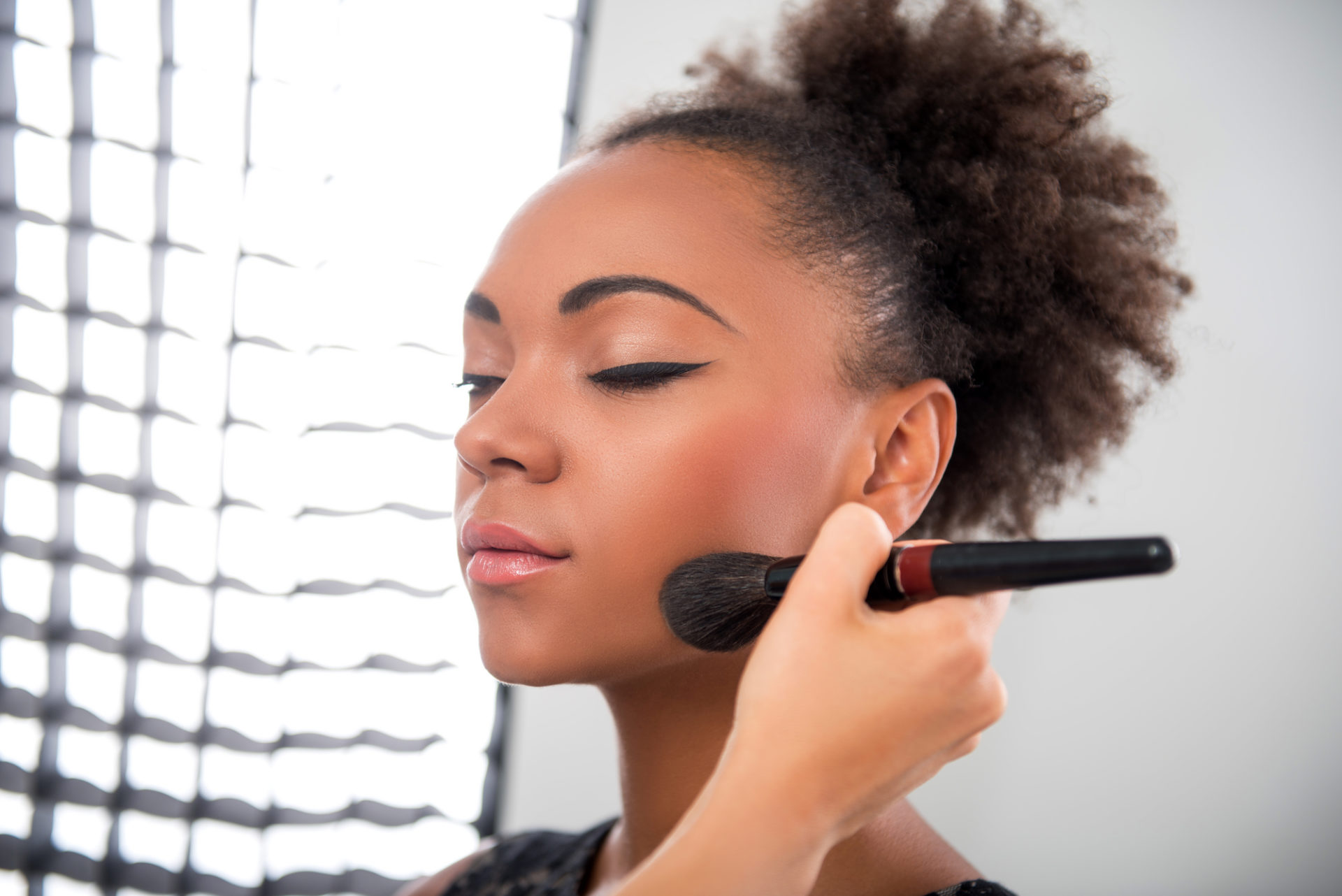
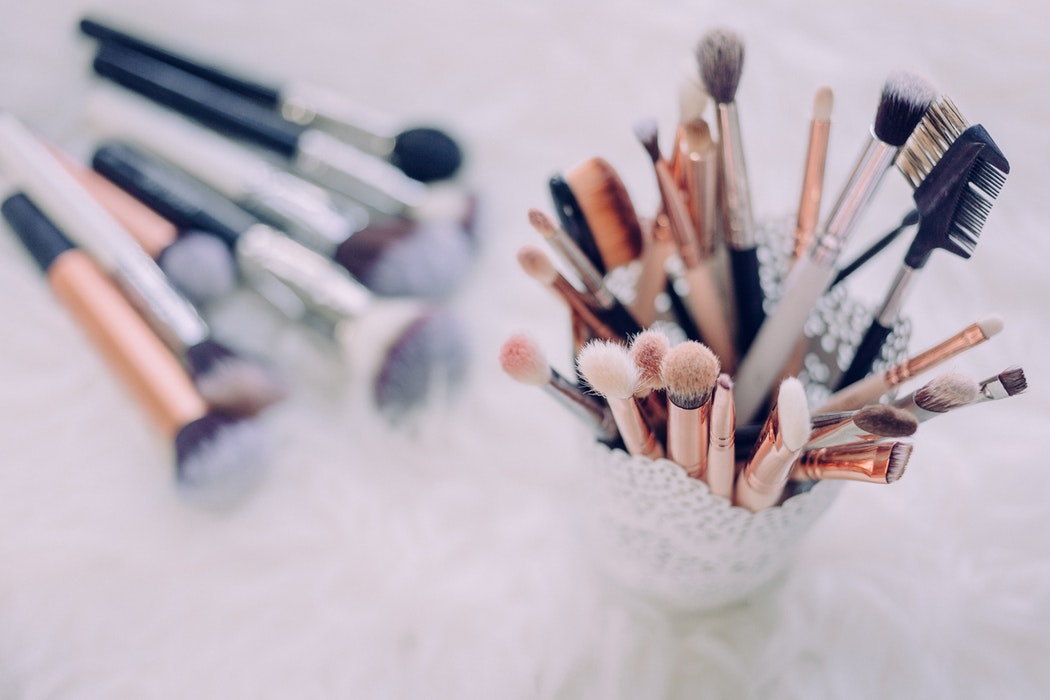
The three tools above support the business side of editorial and runway work. The calculator helps you set day rates for shows, shoots and assisting, so short-notice calls are paid properly. Meanwhile, the quiz helps you decide whether editorial, bridal, film or counter work suits you best, which shapes the skills worth building first. The library gathers the career guide, notebooks and workbooks, including pages for face charts and show notes. Start with the quiz if you are still choosing a direction. If you are already assisting, start with the calculator and set a day rate. Revisit all three as your career grows, because the right tools change as your work changes.
From the Artist Library
Shows, editorial and set work each follow their own path. The guide covers assisting, agencies and pricing, in plain terms.
Questions worth asking
What is editorial makeup?
Makeup designed for fashion stories, campaigns and shows, where the look serves a concept or collection rather than flattering one client.
How is runway makeup different from editorial makeup?
Runway makeup repeats one approved look on every model in a short window, so it adds speed, consistency and teamwork to editorial technique.
What does a key makeup artist do backstage?
The key artist designs the look with the designer, records it in a face chart, briefs the team and checks every face before the show.
How do I get backstage at fashion week?
Start by assisting working artists, build an editorial portfolio and ask to be considered for show teams. Most key artists hire people they already trust.
What should be in a backstage makeup kit?
Skin prep, micellar water, precision swabs, brow products, a lash curler, tweezers, lip balm and a belt to keep tools at hand.
Do runway makeup artists get paid?
Rates vary. Some shows pay day rates, while some assisting roles are unpaid or low-paid. Agree on terms before you accept.
