
The Artist · Personal Styling Services
A new client opens her closet door and apologizes before you have said a word. That moment tells you most of what the next few hours will hold. From the outside, a closet audit looks like tidying. In practice, it is a structured consultation with a fee, a scope and a set of deliverables. For stylists building private-client work, it is often the first paid service a client books. It is also the service stylists most often underprice, because it happens in a bedroom and feels informal. This guide is for working stylists who already understand what personal styling involves and now want a clear process. It covers intake, the session itself, what leaves the closet, the systems you leave behind, the deliverables and how published stylists price the work.
The short answer
A closet audit is a paid session in which a stylist reviews everything a client owns, sorts it into clear categories and leaves a written plan. A professional version has four parts. First comes an intake questionnaire, then a timed session, then edit decisions the client makes with your guidance. Finally, you deliver something tangible, such as a gap list or a lookbook. Published examples range from a two-hour package to a full styling day. So price yours from your hours, travel and deliverables.
In this guide
- What a paid closet audit includes
- Intake: the work before the closet
- Running the session: four edit categories
- What leaves the closet: donate, consign, resell
- Systems that outlast the appointment
- Shoes, knits and occasionwear
- Deliverables: the gap list and the lookbook
- Pricing a closet audit: published examples
- The quiet business of an edited closet
- Questions worth asking
What a paid closet audit includes
Clients call this work many things: a closet edit, a wardrobe audit, a detox. Whatever the label, the paid version differs from a friend’s help in three ways. First, it has a defined scope, so the client knows what you will touch and what you will not. Second, it runs on a time box, which protects your day and keeps decisions moving. Third, it ends with a document, because the client needs something to act on after you leave. Without those three elements, the session drifts into open-ended tidying. Open-ended tidying is hard to quote and harder to repeat. With them, the work becomes a product. You can then describe it on your site, quote it with confidence and book it again each season.
The audit also sits at the center of private-client styling as a discipline. For example, the AICI Core Competencies, which underpin that association’s image consultant certification, list wardrobe management among the technical knowledge areas. You do not need a credential to sell an audit, however. Many stylists learn the method by assisting or by running early sessions at cost. If you are weighing formal study, compare the training and certification options before paying for a course. Either way, the audit tends to open the door to other services. A client who trusts your edit often books shopping, seasonal refreshes or event dressing next. As a result, the first session matters for retention as much as for its own fee.
Intake: the work before the closet
You decide most of a good audit before you arrive. Send an intake questionnaire when the client books, and ask for it back at least two days ahead. Then read it closely, because the answers shape how you spend the hours. A client changing careers needs a different session from one who has just moved or had a baby. Ask about fit frustrations without assuming anything about her body. Some clients prefer to send closet photos first, which lets you plan by category. Others want a short call instead. For clients in another city, running the audit over video works well once you agree on camera angles and lighting. Meanwhile, confirm parking, building access and how long the client can stay focused.
A closet audit checklist for intake
- Goals: how the client wants to feel and dress over the next year.
- Calendar: dress codes at work, travel, events and coming life changes.
- Fit notes: sizes that vary by brand, past alterations and comfort limits.
- Budget: a realistic replacement budget for the gap list, in USD.
- Logistics: closet locations, storage areas, pets, parking and session length.

Before the session begins, put the terms clearly in writing. A short service agreement should state the hours, the deliverables, your travel radius and your cancellation terms. It should also say who handles donations and resale, since hauling bags across town is real labor. Some stylists add a line confirming that the client makes every final keep or release decision. That clause protects you if a client later regrets letting something go. Next, decide how you will take payment. Collecting the fee or a deposit at booking means a canceled morning does not cost you a working day. Finally, block buffer time on each side of the appointment. Audits often run long, and your next client should not absorb that delay.
Running the session: four edit categories

Start with twenty minutes of calm conversation, not with hangers. Revisit the intake answers and agree on one priority, such as workwear or a move to a colder city. Then work one category at a time: tops, bottoms, dresses, outerwear, shoes and bags. Moving by category lets the client compare like with like, so decisions come faster. Every piece lands in one of four places: keep, tailor or refresh, release, or undecided. The keep pile holds clothes that fit, suit her life and pair with at least two other pieces. As each item returns to the rail, group it by type and then by color. Uniform slim hangers help here, because mixed wire and plastic hangers make any rail look crowded.
Zober Slim Velvet Hangers — a uniform, edited rail

With matching hangers, a client’s rail reads as edited before you have removed a single piece. Zober Slim Velvet Hangers come in a pack of 50 slim, non-slip black velvet hangers. Because they are slim, they recover rail space that bulky plastic hangers waste. The non-slip surface also holds silk blouses and wide necklines in place. In practice, swap hangers as you sort each category, so the client sees progress in real time. It suits closet edits in apartments with small reach-in closets. Then leave a few spares, since new purchases tend to arrive on store hangers. As a result, the closet stays consistent long after the appointment.
Tailor and refresh
The second pile holds pieces the client loves that need help. Some need only hemming, taking in or a new button. Others need cleaning or a steam before they feel wearable again. Be honest about tailoring costs, because a repair that outruns the garment’s value rarely makes sense. Fit changes deserve care here, too. If the client’s body has changed, avoid framing anything as a problem to fix. Instead, talk about how the garment sits and what a tailor can adjust. For clients outside standard size runs, the principles of dressing bodies outside sample sizes apply directly. Meanwhile, keep a running alterations list with the garment, the fix and the priority for each piece.
Refreshing is the quieter half of this pile, and it often surprises clients. A cashmere sweater with pilling looks tired, so it tends to drift toward the release pile. Yet a few minutes of careful de-pilling can move it straight back to keep. The same goes for a wool coat with surface fuzz or a knit dress gone dull at the elbows. Do this work in front of the client when time allows, since seeing the change builds trust in your judgment. Still, set a limit, because refreshing a whole closet would swallow the session. Choose the five or six pieces that matter most, and add the rest to the alterations list. A rechargeable fabric shaver earns a place in your kit for exactly this reason.
BEAUTURAL Fabric Shaver — refreshed knits during the edit

During a knitwear review, pilling often decides whether a sweater stays or goes. The BEAUTURAL Fabric Shaver is a portable fabric shaver that removes pilling and lint. Because it is portable, you can treat a sweater during the session and show the client the result. In practice, that turns a keep-or-donate debate into a quick, visible decision. It suits wool, cashmere blends and cotton knits that still fit well. Then test a small area at the hem first, since fine knits need a light touch. Also leave care advice with the client, so she can maintain the pieces between appointments. As a result, good garments stay in rotation.
The undecided pile
The undecided pile is where good sessions slow down, so give it a firm limit. A dozen items works for most closets, though you should set your own cap. Place those pieces in one clear bin, date it and agree on a review point, such as ninety days. If the client has not reached for an item by then, she releases it without a second debate. This approach respects her attachment while keeping the closet edit moving. Clear bins work better than opaque boxes here, because the client can see what she set aside. Out of sight, those pieces tend to be forgotten, and forgotten pieces never get a fair decision.
HBlife Clear Closet Organizers — visible storage for occasional pieces
To keep seasonal and occasional pieces visible, clear storage works better than opaque boxes on a high shelf. The HBlife Clear Closet Organizers set includes six clear storage organizers. Because they are clear, the client can see scarves, belts or swimwear without pulling every container down. In practice, sort one category per organizer, then place the most-used ones at eye level. It suits closets with deep shelves, where folded items tend to disappear at the back. Then label each organizer with its category, so the system survives a busy week. Also photograph the finished shelf for the client file. As a result, the client actually wears what she owns.
What leaves the closet: donate, consign, resell

Clients often hope the release pile will fund the gap list. Set expectations early, and avoid estimating what any single piece will fetch. Next, sort the pile into three groups: consign, donate and discard. Designer pieces in clean condition may suit consignment, while everyday basics usually go to donation. Anything too worn to wear can go to textile recycling where your city offers it. If the client plans to claim a tax deduction, point her to IRS Publication 526. It says donated clothing generally must be in good used condition or better to be deductible. However, do not advise on valuation or deductions yourself. Instead, suggest she keep an itemized list and speak with her tax preparer, which keeps you inside your own expertise.
Decide in advance who carries what out of the house. Some stylists include a drop-off at a donation center within the fee. Others charge a separate errand rate or leave labeled bags by the door. Each model works, as long as the agreement states it clearly. For consignment, photograph each piece and note the label, size and condition before anything leaves. That record protects you if a client later asks what happened to a jacket. Also, avoid promising resale values, because consignment shops set their own prices and terms. If you handle resale listings yourself, treat that as a separate service with its own fee. Otherwise, the hours disappear into unpaid admin that nobody planned for.
Notes for working stylists: pulls, pricing, clients and career, sent occasionally.
Occasional letters. Unsubscribe anytime.
Systems that outlast the appointment
A closet audit that ends with a tidy rail can unravel within a month. So the goal of the next hour is a closet the client can maintain without you. Start by giving every category a fixed home, so laundry has an obvious place to return. Folded knits go on shelves, denim lower down and occasionwear at the far end of the rail. Then explain the logic aloud while you work, because clients keep systems they understand. Ask how she dresses on a rushed morning, and put daily pieces at eye level. Meanwhile, keep seasonal or rarely worn items higher up. Shelf labels finish the job, since they turn your logic into a visible prompt she sees every day.
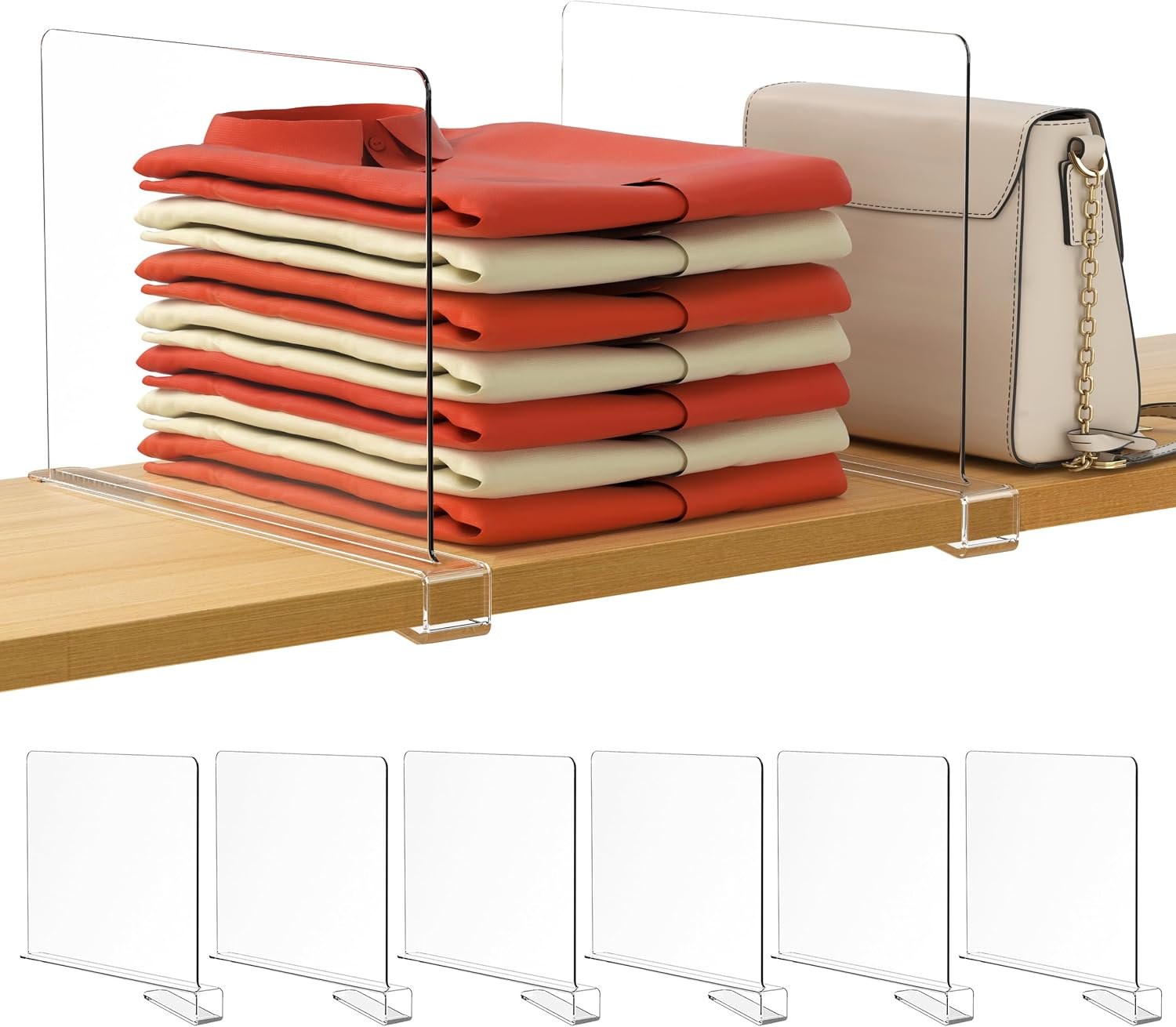
Clear Acrylic Shelf Dividers — upright stacks that hold
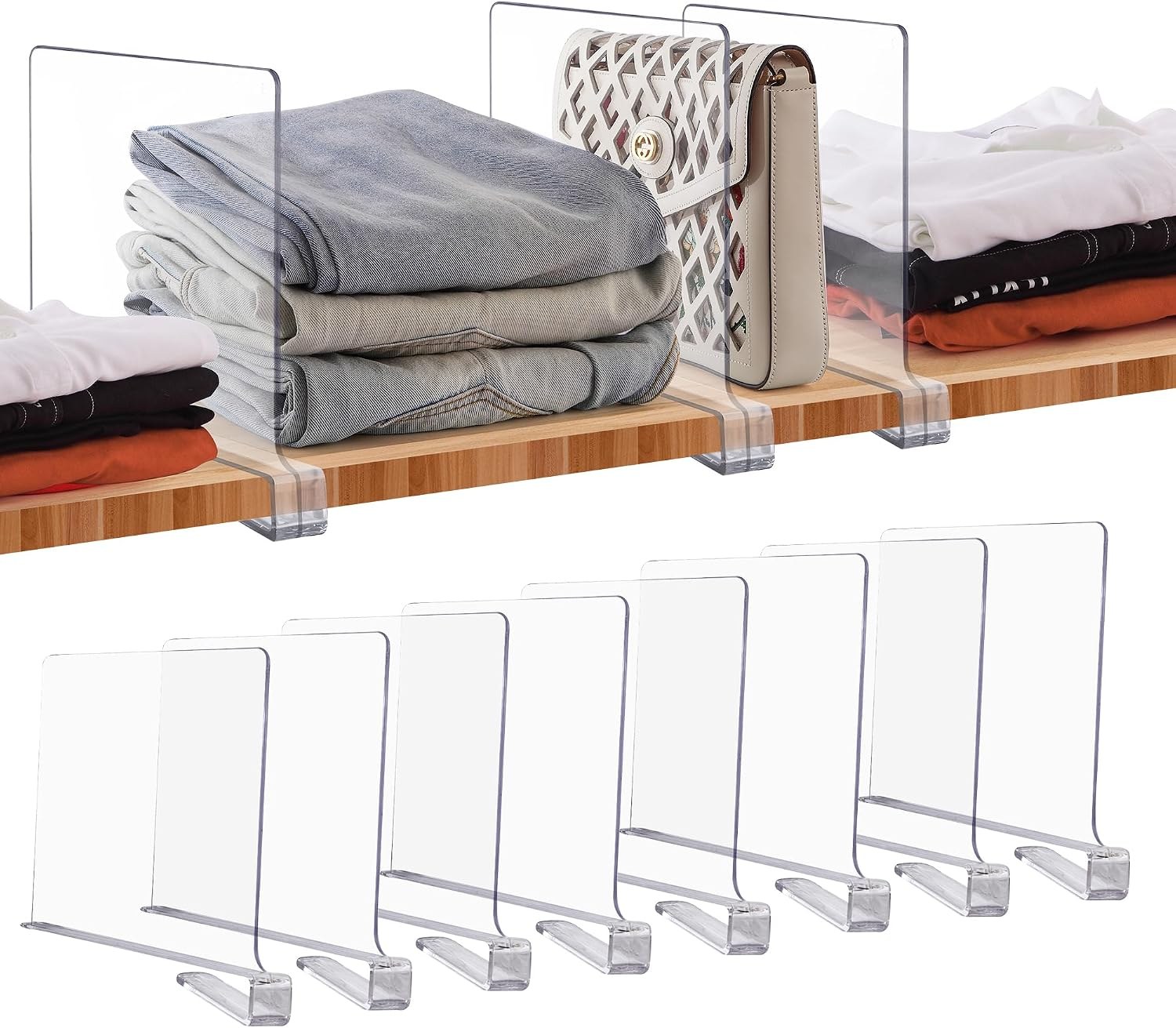
Alongside labels, dividers keep each shelf in the shape you designed. These Clear Acrylic Shelf Dividers keep folded stacks upright on closet shelves. Because they are clear, they hold sweaters and denim in place without making the shelf look crowded. In practice, set one divider between each category, so stacks stay separate when the client pulls a piece out. They suit open shelving and walk-in closets, where leaning stacks quickly undo an edit. Then place the label on or above each section, so structure and prompt work together. Also check the shelf thickness before you order. As a result, the system holds between appointments.
Labels work best when they are specific. A label reading “work knits” tells a client more than “sweaters,” and “travel” tells her where to start packing. For bins and boxes, a label maker produces clean, consistent text that survives handling. Clean labels also photograph well for your portfolio. Keep the wording short, use the client’s own terms and print a spare set for later changes. Then add a note to your deliverables listing each zone, so she can reset the closet after a busy month. That note doubles as your reference for the next seasonal visit. In addition, it gives returning clients a reason to book you rather than start over alone.
Brother P-Touch PT-N10 — lasting labels for bins and shelves
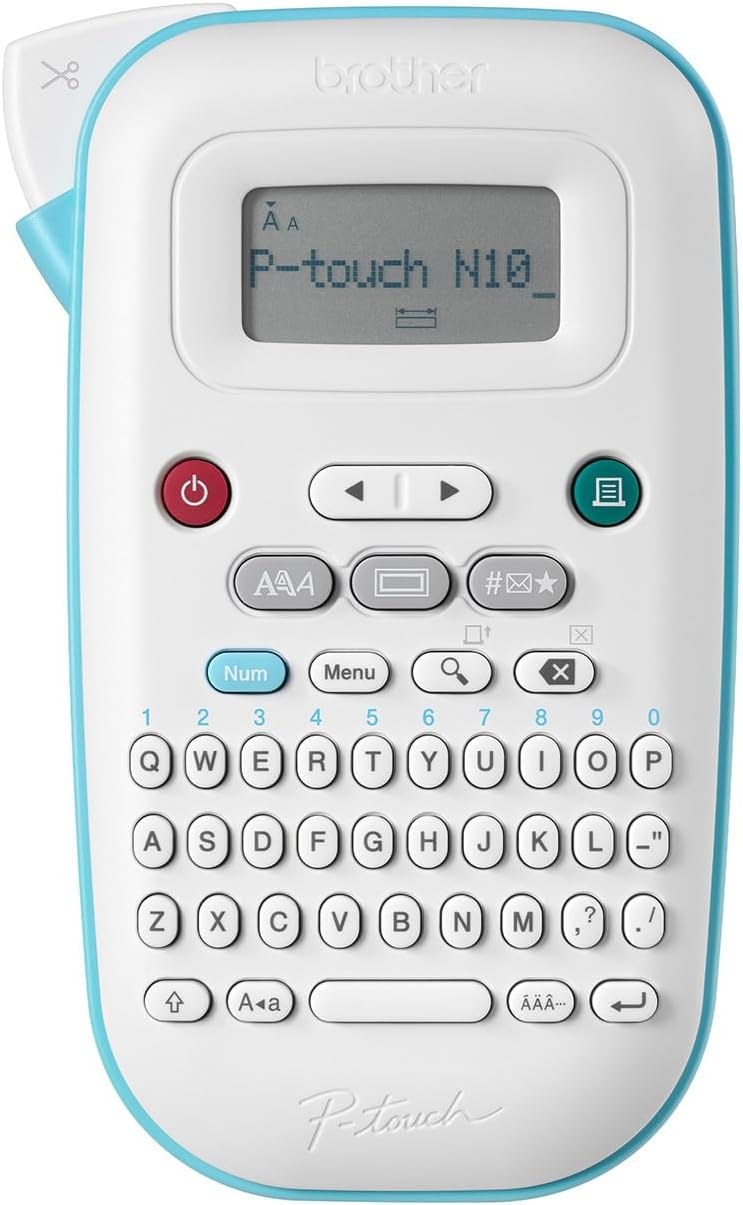
For lasting labels on bins and shelves, a dedicated handheld label maker gives a consistent finish. The Brother P-Touch PT-N10 Label Maker is a personal handheld label maker. Because it fits in a kit bag, you can label every bin and shelf before you leave the appointment. In practice, use the same wording and order on every label, so the client learns the system quickly. It suits closet edits, seasonal swaps and maintenance visits, where labels may need updates. Then note the label text in your client file, so you can reprint any that wear out. As a result, the closet looks finished, and the client sees the value of the service.
Before you leave, walk the client through the finished closet once, slowly. Show her where each category lives and how the undecided bin works. Then build three or four outfits from the keep pile and photograph them, on her or on the hanger, with her consent. Those images become the first pages of the lookbook and prove progress before you go. Ask her to try one outfit the next morning and message you how it felt. This small follow-up turns a single session into an ongoing conversation. It also tells you which parts of the system need adjusting. In most cases, the first week shows whether the closet will hold its new shape or slide back.
Shoes, knits and occasionwear

Shoes are often the most neglected part of a closet, partly because they live on the floor. During the audit, pull every pair out and check soles, heels and linings. Pairs that need a cobbler join the alterations list, while pairs that hurt usually go to the release pile. Then decide how the keepers will be stored. Clients who see their shoes reach for a wider range of them. As a rule, daily pairs belong at eye level or just below, and boots belong lower down. Store boots upright where possible, so the shafts keep their shape over time. A shoe organizer that fits the client’s closet depth keeps pairs visible, separated and off the floor, which makes the edit last.
SONGMICS Clear Shoe Boxes — pairs kept separate and visible

Where a closet lacks shoe shelving, stackable boxes keep pairs separate and in view. These SONGMICS Clear Shoe Boxes are stackable clear plastic boxes for shoes and sneakers. Because they are clear, the client can see each pair without opening every box. In practice, stack daily shoes at eye level and occasion pairs higher. Measure the shelf depth before you order, so the boxes fit the space. They suit small closets and entryways, while larger dressing rooms may combine them with open racks. Then add a small label to each box with the pair’s main use. As a result, shoes stay protected from dust and easier to choose.
Knits and wool deserve their own conversation, because moth damage can undo an otherwise careful edit. The Utah State University Extension fact sheet on clothes moths stresses prevention: clean storage areas, cleaned garments and clean, airtight containers. It also notes that cedar closets and chests have limited value, since repellent levels are hard to maintain. So present cedar honestly, as a pleasant supporting step rather than a guarantee. In practice, the real protection is cleaning knits before storage and checking them each season. Then cedar blocks can sit in drawers and on shelves alongside that routine. Sanding the blocks lightly from time to time refreshes the scent, which reminds the client to check her knits.
HOUNDSBAY Cedar Blocks — natural care for stored knits

For knitwear storage, cedar adds a natural scent and a regular reason to check folded pieces. The HOUNDSBAY Cedar Blocks set includes 12 cedar blocks for clothes storage. Because there are twelve, you can place blocks in drawers, on shelves and in storage bins in one visit. In practice, set them beside wool and cashmere, which the client may not wear for months. Then show her where each block sits, so she can refresh them herself. They suit seasonal swaps, where knits go into storage until fall. However, cedar supports clean storage rather than replacing it, so fold only washed pieces.
Occasionwear raises a different problem, since these pieces are worn rarely and stored for long stretches. Gowns, tuxedos and tailored suits need space on the rail so they do not crush against everyday clothes. Move them to the far end of the closet or to a secondary closet if the client has one. Also, remove the thin plastic covers that dry cleaners supply before long-term storage, and replace them with breathable fabric bags. Breathable bags keep dust off while letting fabric air out between wears. Label each bag by its contents, so nothing gets lost. Finally, add these pieces to the lookbook, because occasionwear is the category clients most often forget they own.
Breathable Hanging Garment Bags — a defined home for occasionwear

To protect occasionwear between events, each piece deserves a bag of its own. These Breathable Hanging Garment Bags, 24 x 40 are hanging bags measuring 24 by 40 inches. Because they hang, cocktail dresses, suits and coats keep their shape without folding. In practice, bag each piece, then label the bag with the garment and the last event it was worn to. It suits clients who attend galas and weddings a few times a year. Then hang the bags together at one end of the rail, so occasionwear has a defined place. As a result, the client can plan an outfit quickly when an invitation arrives.
Deliverables: the gap list and the lookbook
The written plan is what the client pays for long after the closet is tidy. Most audits end with two deliverables: a gap list and a lookbook. The gap list names the specific pieces that would unlock more outfits, in priority order and within her stated budget. A structured blazer, for example, might connect a dozen existing pieces. The lookbook collects the outfits you built, with short notes on shoes, layers and occasions. Deliver both within an agreed window, such as five working days, so the session stays fresh in her mind. For instance, one Chicago stylist sells a photographed lookbook as a separate add-on. Either way, a clear deliverable makes the closet audit easy to recommend.
Pricing a closet audit: published examples

Published prices show how differently stylists package this work, and they are examples rather than norms. Treat each one as a reference point for your own market, not a rate to copy. FashionBar Chicago’s Closet Makeover lists a two-hour package, including a consultation, with additional hours and a photographed lookbook billed separately. By contrast, Seattle’s Cuniform offered a five-hour wardrobe audit on an income-based sliding scale, as Seattle Magazine reported in 2018. That session ended with photographed outfits and a gap list. At the far end, Sterling Style Academy’s New York wardrobe makeover bundles a closet edit, shopping and a starter lookbook into a full eight-hour day. That page also states the booking is non-refundable.
Those three models suggest a simple way to build your own closet audit price. First, estimate the real hours, including intake review, travel, the session and deliverable preparation. Then decide whether to sell by the hour, by the package or by the day. Hourly billing suits clients who want to test you, while packages reward you for working efficiently. Day rates suit larger closets or clients who want shopping on the same booking. Whichever you choose, list exactly what the fee includes and what costs extra. A published menu also filters out clients who want free advice. Review your numbers after every five sessions, because the hours you thought you needed rarely match the hours you spent.

The quiet business of an edited closet
A closet audit is intimate work, and that is both its value and its cost. You handle clothes tied to old jobs, past relationships, family moments and bodies that have changed. Clients sometimes cry, and many feel embarrassed before they finally feel relieved. Holding that space while keeping the session on schedule takes real skill and patience. It also takes energy, so protect your calendar and avoid booking two long audits in one day. Meanwhile, remember that the visible result is only half the service. The other half is the confidence a client feels when she opens the door the next morning. That feeling is why clients rebook and refer friends, and it is why this work deserves a considered price.
Tools and library


Kit and systems make the session smoother, yet they are not the business. The business is the structure around them: the intake form you refine over time, the agreement that protects your hours and the price you can explain without apology. Without it, every busy season turns each booking into a fresh negotiation. Documenting your process early prevents that drift. It also lets you train an assistant, raise your rates with evidence and see which services actually pay. If you want that structure in one place, the Artist Library collects career and business guides built for working stylists. Start with the pieces you already do well, and build outward from there.
From the Artist Library
The career guide in the Artist Library was written for makeup artists, yet its chapters on pricing, contracts, agencies and the first five clients translate directly to styling work. Read it alongside your rate sheet and loan paperwork, and it will help you ask sharper questions before your next booking.
Questions worth asking
What is a closet audit for a stylist?
It is a paid session in which you review a client’s entire wardrobe, sort pieces into keep, tailor, release and undecided groups, and leave a written plan. The plan usually includes a gap list of pieces to buy and a lookbook of outfits built from clothes the client already owns.
How long does a closet audit take?
Most stylists book between two and eight hours, depending on closet size and scope. Published examples include a two-hour package in Chicago and a full eight-hour day in New York. Add time for intake review, travel and preparing deliverables, because those hours belong in your price too.
How should stylists price a closet audit?
Estimate the full hours first, including intake, travel, the session and deliverables. Then choose hourly billing, a fixed package or a day rate. List exactly what the fee includes and what costs extra. Review your numbers after several sessions, since the real hours often differ from your first estimate.
Can a closet audit be done virtually?
Yes. Many stylists run audits over video, especially for clients in other cities. Agree on camera angles and lighting before the call, ask for closet photos in advance and keep the session shorter. Deliverables stay the same: a gap list, a lookbook and clear notes on each category.
What should a stylist bring to a closet audit?
Bring uniform slim hangers, a fabric shaver, clear bins for the undecided pile, labels, a label maker and bags for donations. Also bring a measuring tape, a notebook for the alterations list and a phone or camera for outfit photos. Keep the kit compact so setup takes only minutes.
Should stylists give tax advice on donated clothing?
No. You can mention that IRS Publication 526 generally requires donated clothing to be in good used condition or better. Beyond that, suggest the client keep an itemized list and speak with her tax preparer. Valuation and deductions sit outside a stylist’s expertise and should stay with a qualified professional.
