The Artist · Pulls and Loans
Every styling job starts with a rack you do not own. Before the call sheet and the fitting, someone has to agree to lend you the clothes, and that agreement usually rests on one document: the pull letter. If you are still mapping what a stylist actually does, this is the part of the work that rarely appears in a job description. It is paperwork, relationship management and logistics at once. This guide is for working and aspiring stylists. It covers the three places samples come from, what a request email needs and how far ahead to ask. It also explains what brands expect in credit and return, and it ends with a sample letter of responsibility you can adapt. None of it is glamorous, but all of it decides whether a PR team says yes a second time.
The short answer
Stylists borrow samples from three sources: multi-brand showrooms, PR agencies that run a brand’s loans, and the brand’s own communications team. Each expects a written request and, for press work, a pull letter, also called a letter of responsibility. That letter names the shoot, the dates and who pays if a piece comes back lost or damaged. Send it with your contact details, the talent, the publication or client and the pieces you want. Then ask days or weeks ahead, return on the agreed date, and credit the brand exactly as its policy asks.
In this guide
- Three doors: showrooms, PR agencies and brands
- What a pull letter is, and who signs it
- What your request email should include
- Lead times: how far ahead to ask
- Pickup, the delivery memo and condition checks
- A sample pull letter you can adapt
- Credits and what brands expect back
- Returns and extensions
- Closing: the trust behind every rack
- Questions worth asking
Three doors: showrooms, PR agencies and brands
Samples are the clothes and accessories a brand keeps for press and styling rather than for sale. You reach them through one of three doors, and each door has its own habits. A showroom represents several labels under one roof and lends from a shared space. A PR agency handles press for a roster of clients and often runs the loan system for them. Meanwhile, some brands keep everything in-house, so you deal with their communications team directly. In practice the lines blur, because an agency may also run a showroom. Still, knowing which door you are at tells you who decides, how fast they move and what paperwork they expect. It also tells you whose trust you are building when the shoot goes well.
Showrooms
A showroom works like a lending library for the designers it represents. At one New York firm, a student intern described about ten racks of pieces and three tables of jewelry, with more than ten stylists coming through daily, according to Washington Square News. The same account notes that for high-profile celebrity stylists, the team uploads photos on request and delivers chosen pieces to the hotel on fitting day. That level of service depends on the client, of course. For most working stylists, a showroom visit means booking an appointment, pulling with an assistant and signing for what you take. Because a showroom carries several labels, one good visit can cover a whole story. Then again, one late return can affect your standing with every brand on its roster.
PR agencies
A PR agency lends on behalf of its clients, and its staff spend much of the week tracking where samples are. For example, a New York showroom coordinator listing from The Lede Company describes sending and tracking product loans to editors, influencers and stylists, then following up on returns regularly. Agencies also rely on software. In a Launchmetrics case study on The 223 Agency, the London firm reports handling more than 2,000 samples a month for over 20 clients. It also reports cutting sample loss by 92% after moving off spreadsheets. Treat those figures with care, since a software vendor published them. Even so, the point holds for you: an agency sees your whole pull history in one place, and a clean record follows you from one client brand to the next.
Brand-direct requests
Some labels keep loans inside the company, so you write to their communications or press team. The AMIRI sample pull policy makes a useful model because it spells out the rules publicly. For instance, all pulls need written approval from the brand’s communications team before you visit the premises. Smaller labels may work differently. The made-to-order brand behind the AMSCHELA stylist, press and creator collaboration policy defaults to selling pieces at a stylist discount. Its editorial loans, meanwhile, require a refundable deposit equal to the full retail value. That model protects a small business with little spare stock. For you, it means reading each brand’s policy before you write. Otherwise, you may ask for a free loan from a company that never offers one.
What a pull letter is, and who signs it
A pull letter, also known as a letter of responsibility or LOR, lets a brand hand clothes to someone it does not employ. Corporate lawyer Nima Katz, writing for Startup Fashion, describes it as a legal document that sets out the relationship between owner and borrower. Her list of contents is practical. It names the parties and their roles, gives the shoot’s time and place, and itemizes each borrowed piece with its retail value. It also states who carries the financial risk, requests credit when images go online and sets the borrowing period. Brands vary in how strictly they ask for one. AMIRI, for instance, requires an LOR with every editorial, print or digital press request. So assume a brand expects the letter unless it tells you otherwise.
Who signs matters as much as what the letter says. According to the same Startup Fashion piece, a magazine may take responsibility on a well-known shoot, while a hired stylist often negotiates it. Sometimes the photographer steps in instead. In other words, the signer is the party whose money stands behind the clothes. On commissioned editorial, that is often the publication, and on commercial jobs it may be the client. When you work independently, it may be your own business. Some independent magazines sell pull letters to contributors. Flanelle Magazine’s pull letter page charges a small fixed fee and states that buying one does not guarantee publication. Without a letter, the same page suggests a deposit or a credit-card hold, which carries the risks covered in card holds and damaged samples.
What your request email should include
Your first email does most of the work, because the PR team decides from it whether you get a slot. Brand policies tell you what they want to see. AMIRI asks for a valid contact name, email address and phone number on every request. AMSCHELA asks for your name and role, the project type, the publication or client and the expected publication date. It also wants the shoot date and the exact pieces, with style, color and quantity. Flanelle’s form, by contrast, collects photographer and stylist names with their websites, the shoot date and a moodboard link. Together, those requirements form a sensible checklist. The list below is Cossèt Môi’s working version, so adapt it to each brand’s stated rules. When a policy asks for something specific, give exactly that.

- Subject line: publication or client, shoot date and your name.
- Who you are: name, role, website and portfolio link.
- The job: editorial, commercial or digital, with talent and photographer.
- Dates: pickup, shoot and return, plus any publication date.
- The pull: styles, colors, sizes and quantities, with look numbers.
- Paperwork: who will sign the letter of responsibility.
Tone and approach
Tone matters as much as content. Write like a colleague booking a resource, not like a fan asking a favor. Keep the email short enough to read on a phone, since the person reading it may sit between showroom appointments. Then make the next step easy by proposing a pickup window and naming who will collect. If you are newer, attach two or three published or test images that show the level you work at. Equally, be honest about the outlet, because a small digital title is fine when you say so plainly. Avoid one blanket email to ten brands with every address visible. Instead, write each request to one brand and mention pieces you saw in its lookbook. That detail shows you did the work, and it gives the PR team something concrete to approve.
N12 Bluetooth Label Maker — labels for every loaned piece
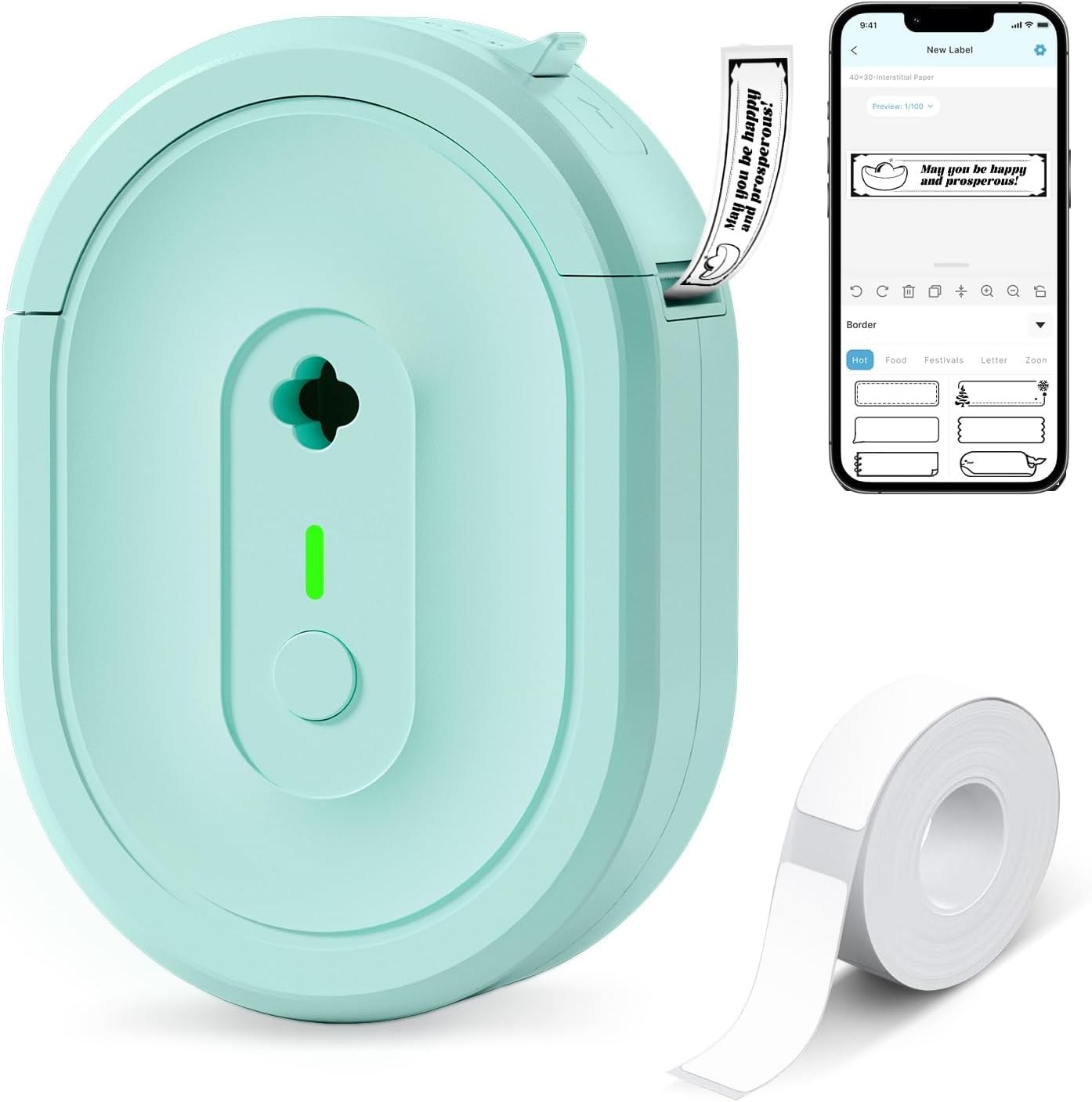
Once a request is approved, clear labeling keeps every loaned piece traceable from showroom to set. The N12 Bluetooth Label Maker is a compact thermal label maker that connects to a phone app over Bluetooth. Because you set the text on your phone, you can print labels for garment bags, hangers and rack sections in minutes. For example, a label might carry the brand, the PR contact and the return date from your request email. That way, anyone on your team can match a piece to its paperwork without asking you. It suits stylists who handle several brands on one pull, while assistants find it equally useful at returns. Also print a spare set, since labels tear when bags are packed tightly.
Sizes, talent and usage
Sizes deserve their own line in the email. AMIRI limits pulls to sample sizes and current availability, so a request for a size the brand does not hold wastes a reply. State the talent’s sizes plainly, and say whether you can work with a sample size through clipping or alterations. Usage needs the same clarity. AMIRI lends samples for the specific publication and talent agreed, and using them on another job requires its written consent. Similarly, AMSCHELA notes that commercial campaign imagery may need a separate usage agreement. In practice, a brand that lends for an editorial may not want its pieces in a paid campaign without a conversation first. So describe the job accurately at the start. If the scope changes later, go back to the PR contact before the shoot, not after it.
Lead times: how far ahead to ask
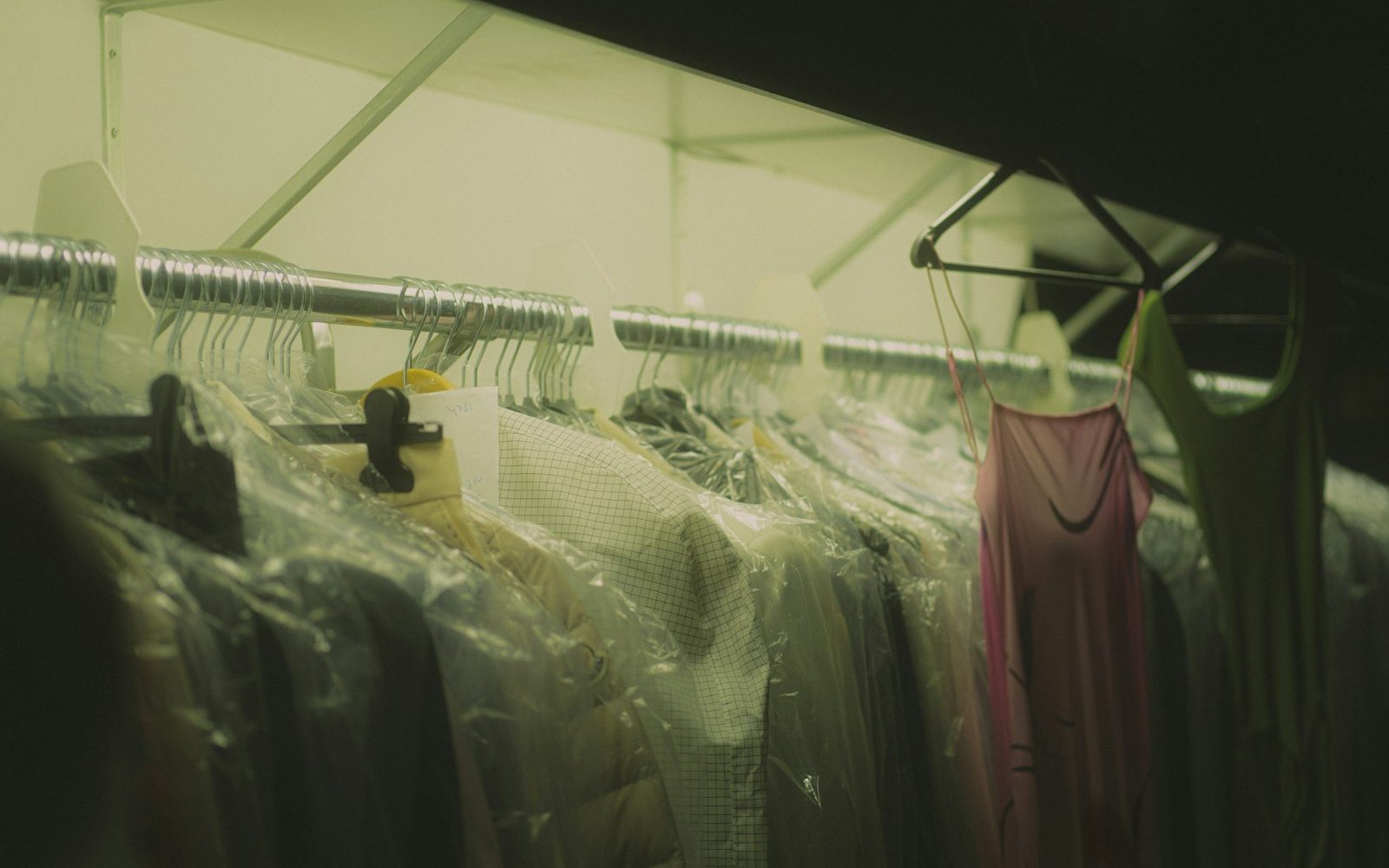
Lead times vary more than many new stylists expect. AMIRI asks for at least three business days’ notice for editorial requests and at least one week for performance requests. AMSCHELA, because it makes pieces to order, asks for at least 14 days before a shoot for UK-made items and at least 28 days for US-made items. It also says it is unlikely to accept requests with shorter notice. Those two policies show the range: a large brand with a sample room can move in days, while a small maker needs weeks. However, a notice period is a minimum, not a promise. Another stylist may ask first, or fit the brand better. Asking early also gives you time to find alternatives if the answer is no.
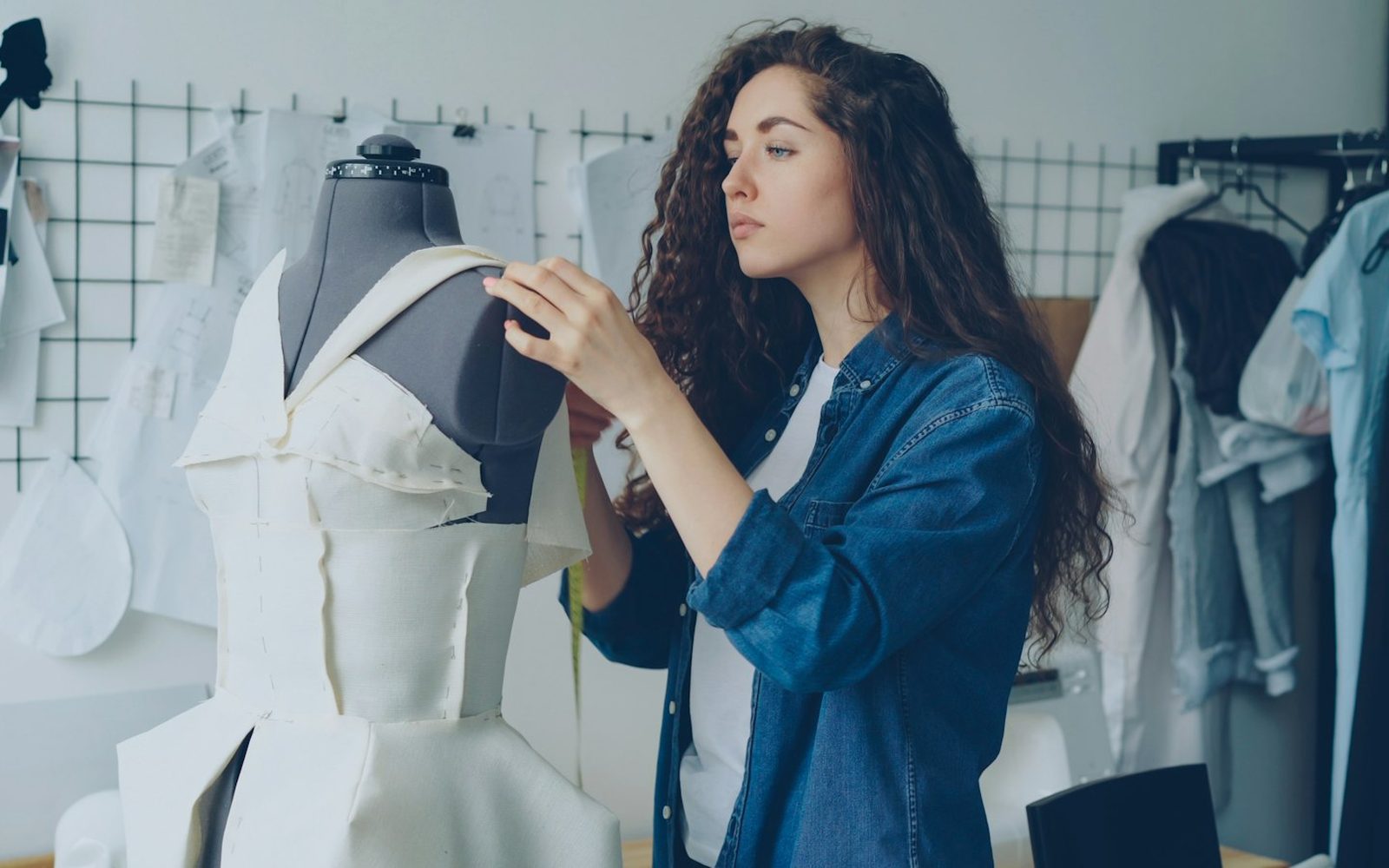
Work backward from the shoot date when you plan. First, list every brand you want and note its stated notice period. Then add time for the PR team to reply, for a second request if the first piece is unavailable, and for pickup. Fashion weeks complicate this, because showrooms are also preparing for their own shows and events. The Washington Square News account, for example, describes an intern checking that every showroom piece was available before New York Fashion Week began. That kind of pressure slows replies to everyone else. So if your shoot lands near a fashion week, start earlier than the policy requires. Finally, confirm the pickup by email the day before. A short confirmation protects you if anyone later disputes what you agreed.
Pickup, the delivery memo and condition checks
Pickup is where the paperwork becomes real. AMIRI issues a delivery memo before collection that lists each piece and its value. It also asks stylists to give the name and phone number of whoever will collect. Read the memo against the rack before you leave. Check every item, including belts, jewelry and shoes, because a missing earring on the memo becomes your problem on return day. Note any existing marks, snags or loose threads, and photograph them in good light. Then email those notes to the PR contact the same day, so the record carries a timestamp. That record takes five minutes to make. Even so, it may save you from a long dispute over damage you did not cause, and it shows the brand you take its property seriously.

What the memo values mean
The memo’s values also set your exposure. AMIRI states that the signer takes full responsibility for items in their possession and that it bills lost or damaged pieces at full retail value as listed on the memo. It may also bill for anything that misses the agreed return date. AMSCHELA reaches the same point another way, because it keeps the full deposit and treats items as sold if they come back lost, damaged or late. In other words, the retail total on the memo is the amount you could owe. Before you sign, compare it with what the client or publication has agreed to cover. If no one has agreed, raise it now, while the clothes still hang on the brand’s rail and you can still walk away.
Notes for working stylists: pulls, pricing, clients and career, sent occasionally.
Occasional letters. Unsubscribe anytime.
Transport is the quieter half of pickup, and it can cause more harm than the shoot itself. Carry pieces flat or hanging, never folded into a tote, and keep each brand’s pull in its own labeled bag. That separation matters later, because returns go back brand by brand and sometimes to different addresses. If an assistant collects, brief them on the memo and the condition check before they go. Likewise, agree who holds the clothes overnight and where. A car parked on the street with a rack inside is a risk no letter of responsibility fully covers. Once the pieces reach the studio, keep the memos together in one folder, printed or on your phone, so anyone on set can check what came from where.
BALEINE Clear Garment Bags — visible cover for small requests
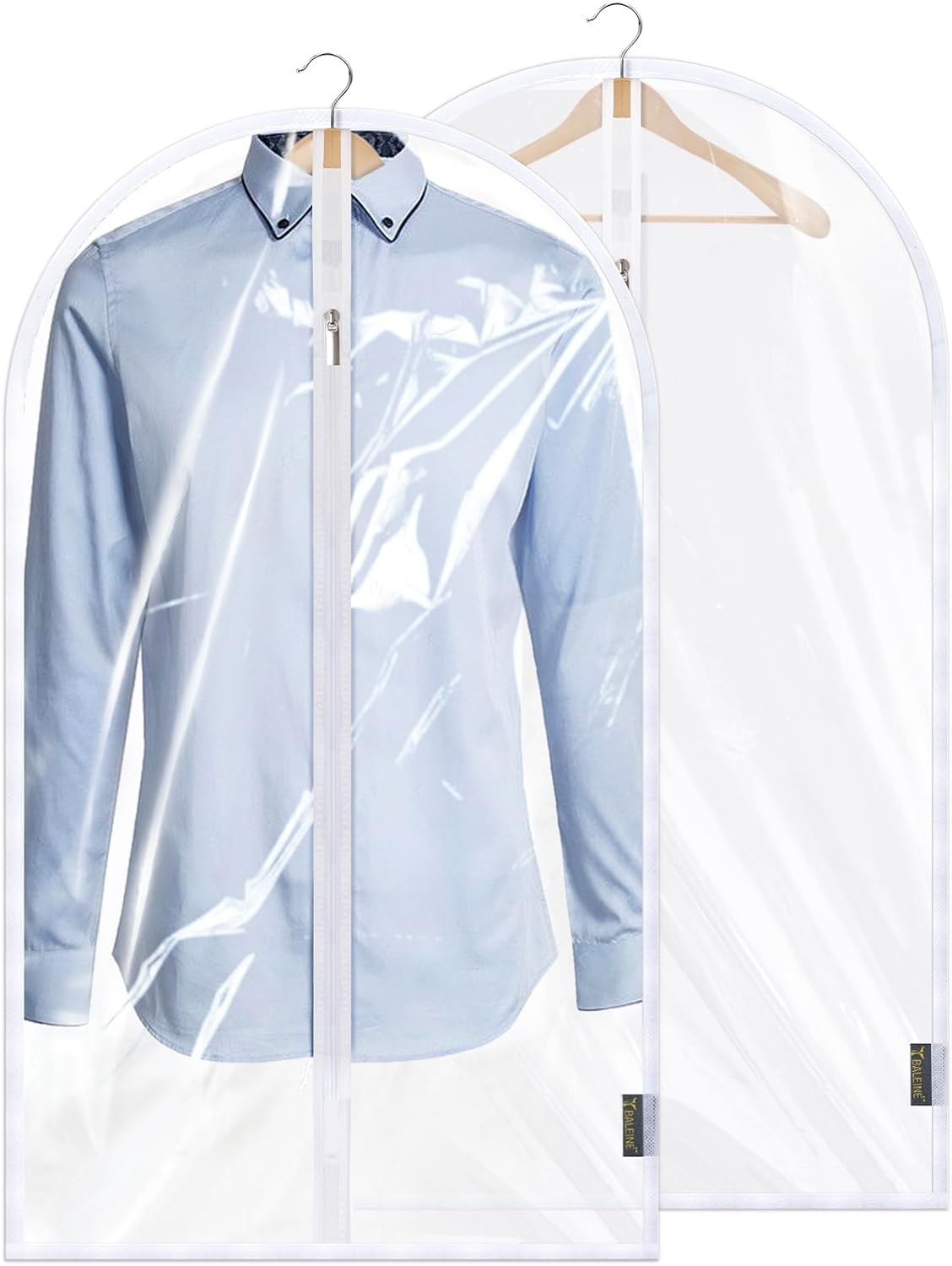
For the trip from showroom to studio, loaned samples need cover that you can see through. BALEINE Clear Garment Bags, 2-Pack are two clear, zippered hanging bags. Because the front is clear, you can check a piece against the delivery memo without unzipping it. That matters at pickup, when the PR team watches you count and confirm condition. In practice, a two-pack suits a small request, such as a single look for a talent fitting. Then hang each bag on its own hanger, so pieces never rub together in a car. Also tape a copy of the memo line to the bag itself. As a result, the return check runs faster for both sides.
A sample pull letter you can adapt
Below is a sample pull letter that Cossèt Môi wrote for stylists to adapt. It is not an industry standard form, and many brands and publications send their own instead. Rather, it follows the contents that Startup Fashion and the AMIRI policy describe, set out in plain language. Replace every bracketed placeholder with your own details. If a publication, client or production company takes responsibility, the letter should come from them, on their letterhead, signed by someone who can commit funds. If you sign as your own business, you accept the risk personally or through your company. That is a legal and financial commitment, so ask an attorney or your insurer to review your version once. After that, you can reuse it with small changes for each job.
Opening and shoot details
[Date]
To: [PR contact name], [Brand, agency or showroom], [Address]
Re: Letter of responsibility for [Publication or client], shoot on [Shoot date]
Dear [PR contact name], this letter confirms that [Responsible party: publication, client, production company or stylist’s business] takes full financial responsibility for the samples listed below. [Stylist name] will style the shoot for [Publication or client], and [Photographer name] will photograph [Talent name or agency]. The shoot takes place at [Location] on [Shoot date].
We request the pieces on the attached pull sheet or your delivery memo, with style numbers, sizes and stated retail values. [Collector name and phone number] will collect them on [Pickup date and time]. We will return every piece by [Return date], in the condition received, unless you approve an extension in writing.
Responsibility, use and credit
[Responsible party] accepts responsibility for any piece lost, stolen or damaged from collection until you confirm its return, and will pay its stated retail value. [Optional: our insurance with [Insurer and policy number] covers loaned goods up to [Amount in USD].]
We will use the samples only for [Project description] with the talent named above. In addition, we will credit [Brand name, in the format your policy specifies] in [Print, online or social placements]. Within [Number] days of the shoot, we will tell you which pieces appear in the final images.
Please contact [Signer name and title] at [Email] or [Phone] with any questions. Sincerely, [Signature], [Signer name, title and company], [Company address]
Adjust the letter to the job rather than to your hopes. If the publication cannot confirm a run date, do not promise one. Likewise, if a brand’s policy sets its own credit format, copy that format instead of writing your own. Keep the credit promise realistic, because you rarely control the final layout or caption. A pull letter that promises less and delivers it builds more trust than one that overreaches. Also keep a signed copy with the memo for every pull, since you may need both on return day. When a brand sends its own form, read it fully before signing, especially any clause on late fees, cleaning or recall. AMIRI, for example, states that samples remain its property and that it can ask for them back at any time.
Credits and what brands expect back
Credit is the return a brand gets for lending, so treat it as part of the deal rather than a courtesy. AMIRI asks for full credit in print, online, on television or on social media, and it asks for two copies of the publication. It also requires the signer to report every sample used within 48 hours of the project ending. AMSCHELA asks for credit under its registered brand name where possible and for permission to repost selected content. Those requirements share one idea: the brand wants to know what ran and where. Therefore, keep a simple shot log on set noting which pieces appear in which frames. That log makes your report fast, and it later supports credits on published shoots when you build your book.

Returns and extensions
Returns close the loop, and they decide whether the next request gets a yes. AMIRI expects pieces back by the agreed date in original condition, with labels and tags intact and dry-cleaned when necessary. Extensions need prior written approval from its management. If anything goes missing, the brand sends a count and expects those pieces within 48 hours. So plan the return before the shoot, not after it. Book the courier or the assistant’s time on the same day you book the pickup, and steam and re-bag each piece at wrap. The full workflow for returning pulls on time deserves its own guide. Here, the key point is simple: a late return costs more than a fee, because it costs the relationship.
Extensions are where many stylists lose goodwill without meaning to. A reshoot, a delayed client or a missed courier slot can all push a return past its date. When that happens, write to the PR contact before the deadline, explain the reason in one line and propose a new date. AMIRI’s policy makes clear that only written approval counts, so a phone call alone does not protect you. Meanwhile, store the pieces as carefully as on the first day. If a sample comes back with damage, report it yourself rather than letting the brand find it. That honesty will not erase a bill, but it changes how the brand remembers you. Brands lend again to stylists who make problems easy to solve.
HYSEYY Double-Rod Rolling Rack — two rails for orderly returns
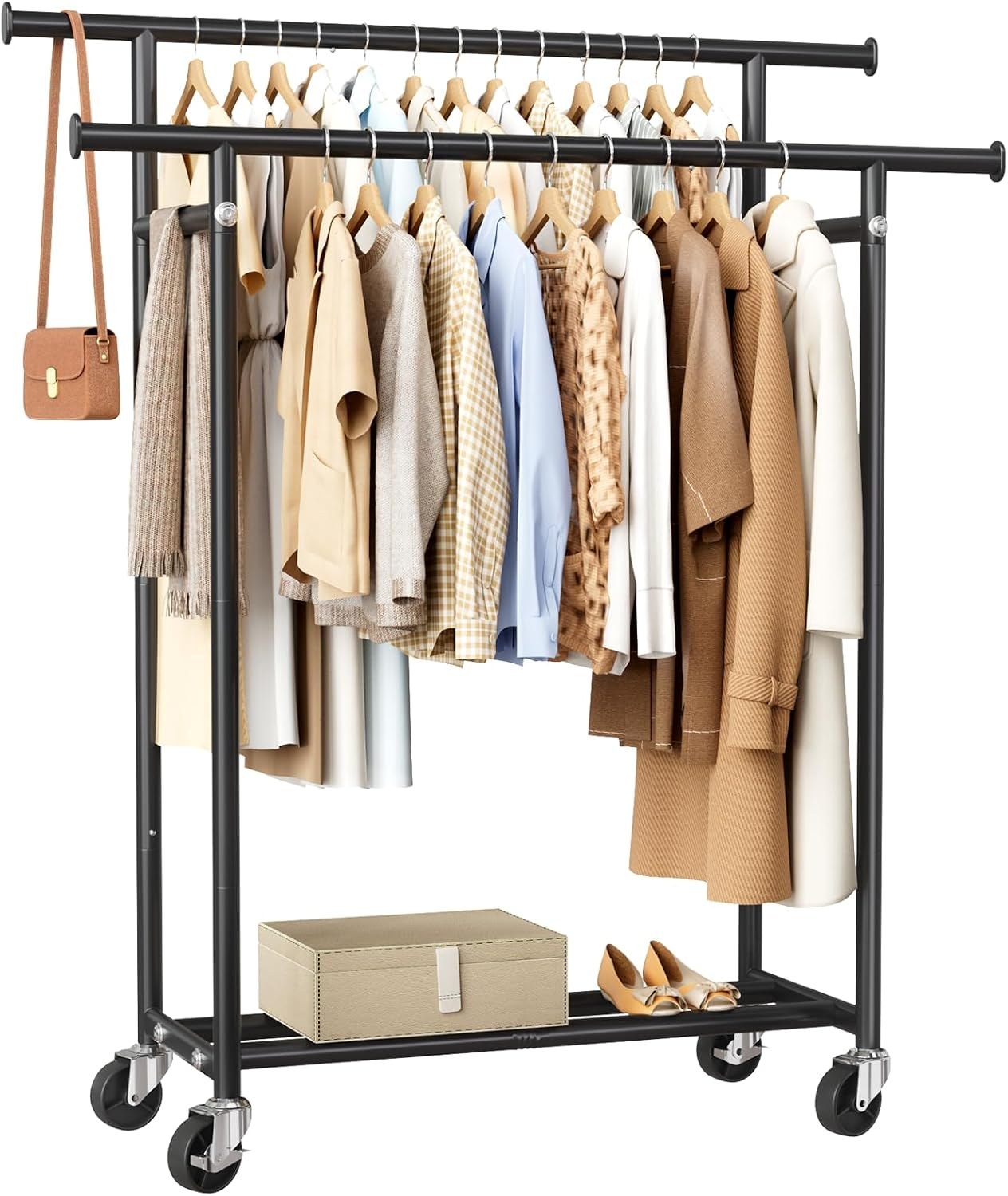
At return time, an organized rail makes the final count quick and visible. The HYSEYY Double-Rod Rolling Clothes Rack is a rolling garment rack with two rods on wheels. Because it has two rods, you can split pieces by brand or by return date before the courier arrives. For example, put the pieces going back today on the front rod and any extension pieces behind them. Then the person collecting can check their items without searching through your whole pull. It suits stylists who run several returns in one week, while a studio team can also share it. As a result, returns feel orderly, and that impression shapes whether a brand says yes next time.
Closing: the trust behind every rack
Every pull letter is a small act of trust between two businesses. The brand hands over clothes it cannot easily replace, and you promise to bring them back credited and intact. Nothing about that exchange is glamorous, yet it shapes your career more than any single image. Early on, the doors open slowly. Showrooms want to see your work, agencies check your history, and small labels may ask you to buy rather than borrow. That is not a judgment on your talent. Instead, it is how lenders manage risk. Meanwhile, each clean return adds to a record that speaks for you. Over time, the same PR teams that asked for deposits begin to call you first. The paperwork stays the same, but the relationship behind it changes.
Tools and library

Those tools handle the physical side of a pull: labeling, transport and storage. The business side needs the same care. Deposits, card holds and courier costs all sit on your books, even when a client reimburses them later. So it helps to know your numbers before you sign anything, including what a lost piece would cost you and how much prep time a pull really takes. Many stylists learn those numbers the hard way, one difficult return at a time. A steadier route is to treat each pull as a small project with a budget, a timeline and a paper trail. The Cossèt Môi Artist Library gathers practical guides for working artists on that side of the job, so each request you send comes from a firmer footing.
From the Artist Library
The career guide in the Artist Library was written for makeup artists, yet its chapters on pricing, contracts, agencies and the first five clients translate directly to styling work. Read it alongside your rate sheet and loan paperwork, and it will help you ask sharper questions before your next booking.
Questions worth asking
What is a pull letter for a stylist?
It is a letter, also called a letter of responsibility, that confirms who pays for borrowed samples if something goes wrong. The letter names the shoot, the dates, the pieces and their values. It usually comes from the publication, client or production company, although independent stylists sometimes sign one through their own business.
Can a freelance stylist write their own letter of responsibility?
Yes, if you are willing to carry the risk through your own business. In that case, your company promises to pay for lost or damaged pieces. Some brands prefer a letter from a publication or client, so ask the PR contact what they accept before you send your own version.
How far in advance should I request samples?
Check each brand’s policy first. AMIRI asks for at least three business days for editorial requests, while the made-to-order label AMSCHELA asks for 14 to 28 days, depending on its production location. Treat these as minimums, and ask earlier around fashion weeks, when showrooms run at full stretch.
What is the difference between a showroom and a PR agency?
A showroom lends from a physical space that holds several designers’ samples, so you can pull in person. A PR agency manages press for a roster of brands and often runs their loans, sometimes through its own showroom. Brand-direct requests, by contrast, go to the label’s in-house communications team.
What happens if I return samples late?
Policies vary, but the consequences can cost you. AMIRI, for example, may bill the full value of pieces still out after the agreed date, and AMSCHELA keeps the full deposit for late returns. Ask for any extension in writing before the deadline, and keep the reply with your memo.
Do brands require credit when they lend clothes?
Usually, yes, because credit is the main return a brand receives for a loan. AMIRI asks for full credit across print, online, television and social media, plus copies of the publication. Follow each brand’s stated credit format exactly, and send links or tear sheets once the work publishes.
