The Artist · Still-Life Styling
The call sheet says nine in the morning, and the set is a sheet of white paper under a softbox. There is no model, no fitting and no publicist waiting for approval. Instead, there is a rail of sweaters, a tray of rings and a shot list of forty products. This is the daily work of a still life stylist, and it suits stylists who like precision and steady bookings. If you already know the stylist’s job, segment by segment, product work can look like the quiet end of the business. In practice, it is one of the most dependable, because brands that sell online need new images every season.
The short answer
A still life stylist prepares and arranges products for the camera, without a model. You steam, shape, pin and prop each item for flat-lay, tabletop or pin-up shots. In-house studios, photographers and a few agencies hire for it. Most listings ask for a product portfolio, and published estimates show prop styling day rates from several hundred to over a thousand dollars.
In this guide
What a still life stylist does
Still life styling means making an object look its best when nothing else is in the frame. For apparel, that often means a flat lay: a garment laid on a surface, shaped and pinned so the drape looks natural from above. For beauty, jewelry or fragrance, it usually means tabletop work, where you build a small set from risers, surfaces and props. Either way, the camera sees every crease, smudge and loose thread. As a result, the job rewards patience more than personality. You also spend much of the day talking with the photographer and the art director, because a move of one inch can change the whole frame on screen.
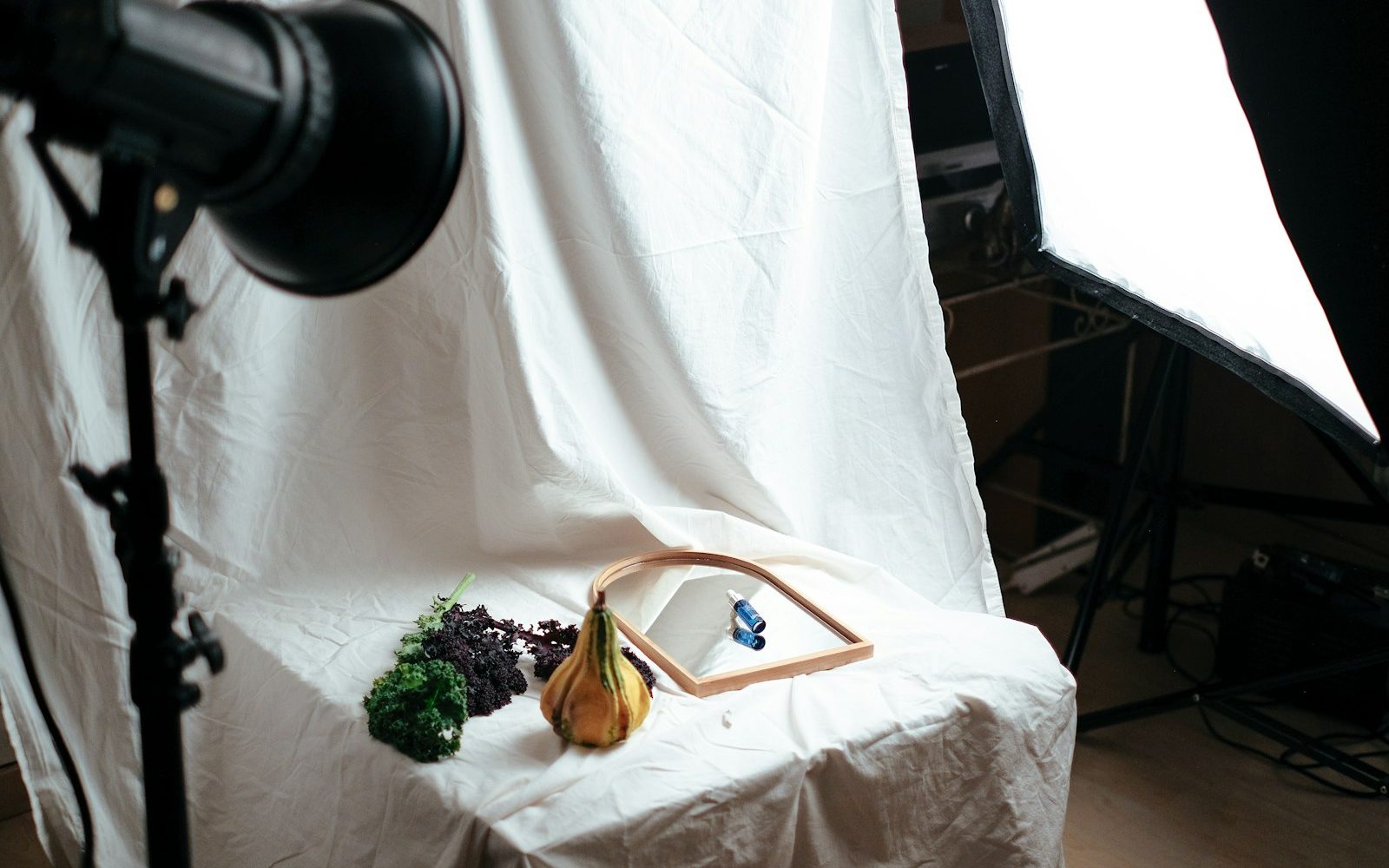
The tasks are similar whether you work in-house or freelance. First, you check in product, steam it and remove tags or stickers. Next, you style each item to the brand’s guide, which sets angles, crops and how a collar or strap should sit. Then you watch the tethered image on screen and adjust until the art director signs off. Finally, you log each frame and send pieces back to the sample team. The COS still life stylist listing in London, for example, asked for at least thirty products a day with few reshoots. That figure shows how much of the role comes down to speed without sloppiness, day after day, across a full season of launches.
Tools of the trade
Tools matter here more than in almost any other styling segment, because your hands do the work a model’s body would otherwise do. You lift a chain into a soft curve, nudge a ring upright and hold a label flat against glass. Fingers leave prints on metal and lacquer, and they are too broad for fine adjustments. For that reason, many stylists keep a dedicated set of precision tools that never leaves the kit. Then they keep a second set for rough work, so the fine tips stay true. Most also wear lint-free gloves on polished surfaces. The aim is simple: touch the product as little as possible, and leave nothing behind.
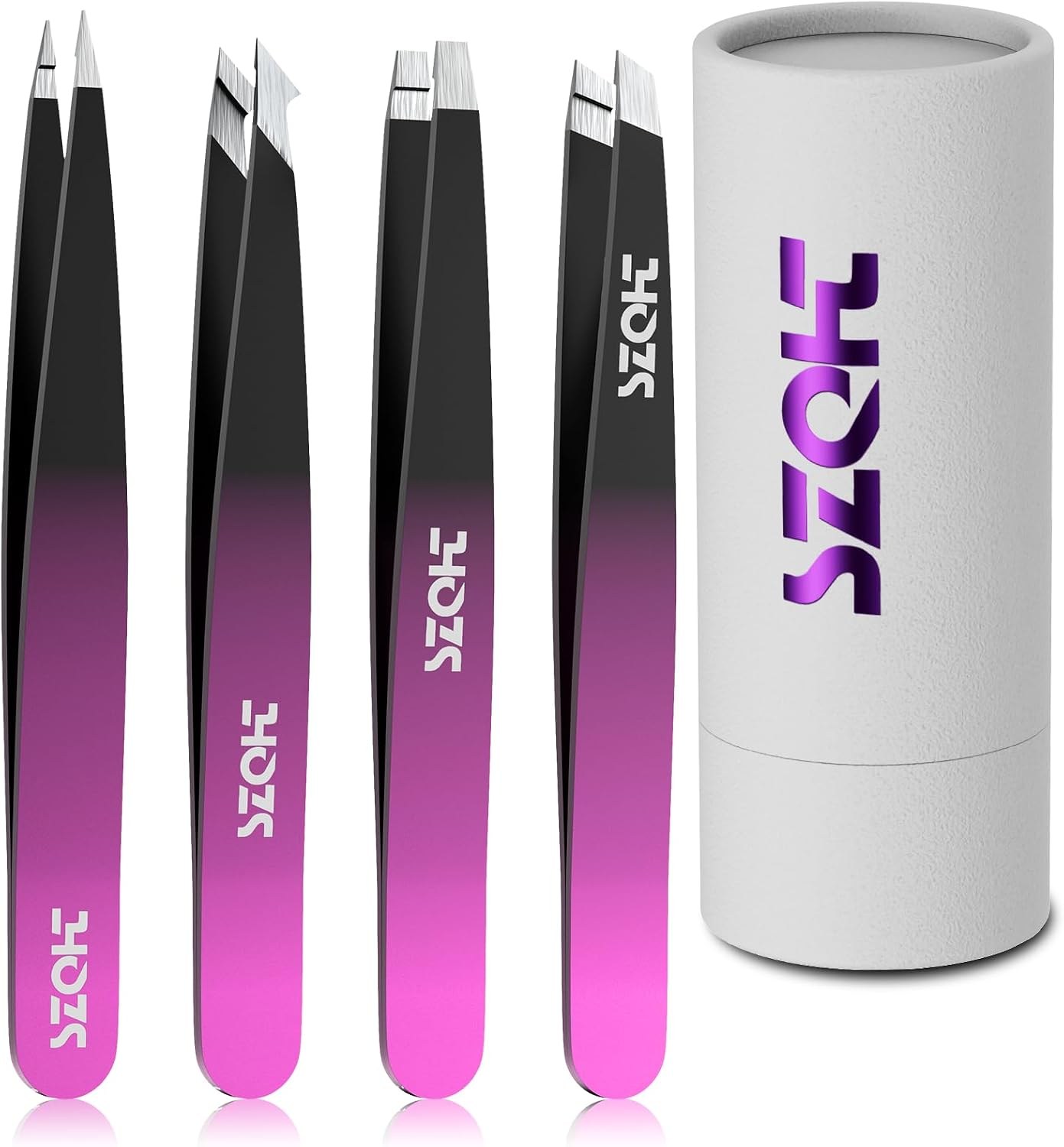
Nudge a ring, a thread or a crumb into place without fingerprints, using whichever tip shape the detail needs.
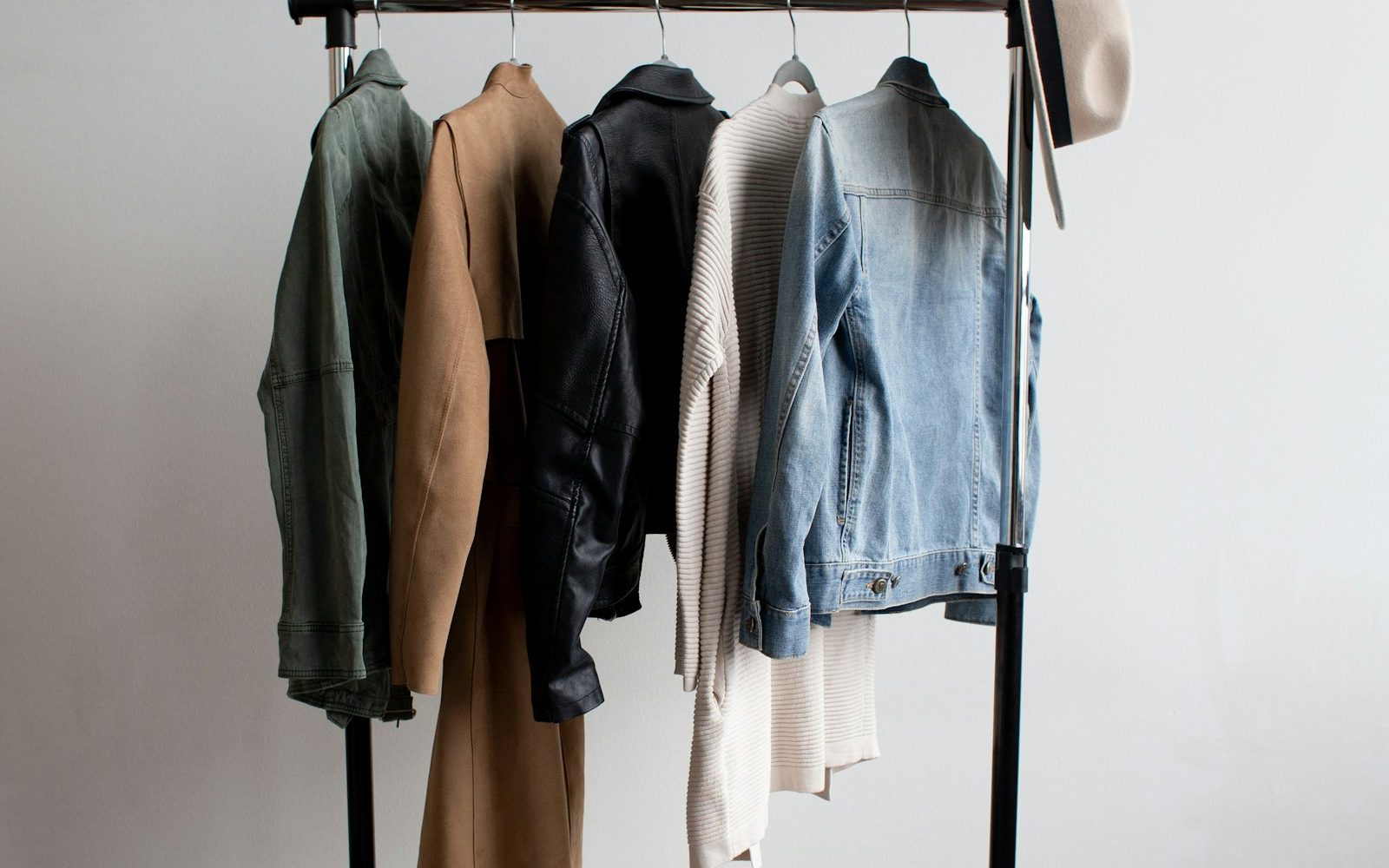
Cut the boards into bounce cards, flags and clean surfaces, then replace them when a shoot scuffs them.
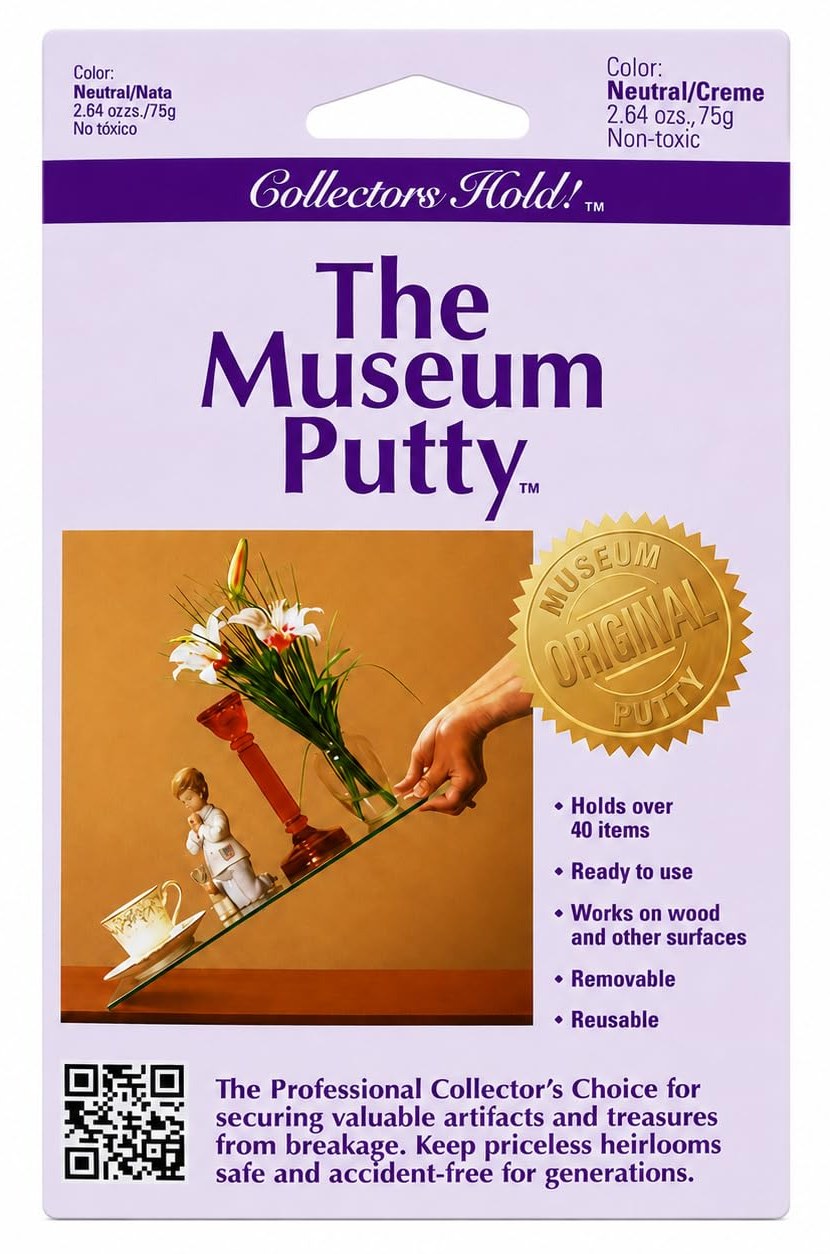
Hold a bottle upright or tilt a compact at an angle, then lift the putty off without residue.
Who hires for product work
The largest employer is the in-house studio, where a retailer shoots its own product every single working week. These roles sit close to e-commerce on-figure jobs, and many studios staff both from one team. The Kith still life stylist listing on DNAMAG, posted in 2024, described off-body styling of apparel, accessories and footwear. It also asked for lighting knowledge and tethering software. Meanwhile, the Splashlight still life stylist listing in New York asked for seven or more years on set. It also wanted range across jewelry, soft goods, fragrance and cosmetics. So the in-house path has clear rungs, and each listing tells you exactly which rung of experience it needs. Read their listings closely, since each one shows the volume and pace the studio expects.
Photographers and agencies
Freelance work arrives through a different door, because photographers build the crew for each client estimate. According to the BLS Occupational Outlook Handbook profile of photographers, about two-thirds of photographer jobs are self-employed. Those photographers need stylists they trust, and they tend to call the same people again. At the top end, a few agencies represent prop stylists alongside photographers. For example, the King Management Agency roster in New York lists both, with a focus on beauty, fragrance and accessories. On smaller freelance jobs, you may also set the bounce boards yourself. White boards soften shadows, while black boards define the edges of glass. Foam core is the usual material, since it is light, rigid and cheap to replace on every job.

Building a book that gets booked
Your portfolio is the one document every listing asks for, so it needs to look like the job. The Splashlight listing, for example, wanted editorial work, product detail page images and pin-up styling. The COS listing asked for examples that reflected the brand’s own look. In other words, clients want proof that you can match a house style, not only that you have taste. So build the book in sets: one clean e-commerce series on white, one tabletop series with props, and one editorial image with a story. Credits are often unclear on product work, which is why building a book from product work takes a little more planning than editorial.
Testing with photographers
The fastest way to fill that book is to test with photographers who are building theirs. The BLS notes that assisting an established photographer is a common way to meet prospective clients, and the same logic holds for stylists. Assisting a busy still-life stylist teaches you the pace and the kit. It also puts your name in front of the photographers on that crew. Meanwhile, tests let you shoot categories no client has booked you for yet, such as fragrance or fine jewelry. Choose real products where you can, and borrow them properly. A book built from believable products reads as professional work, while obvious craft-store props read as practice.
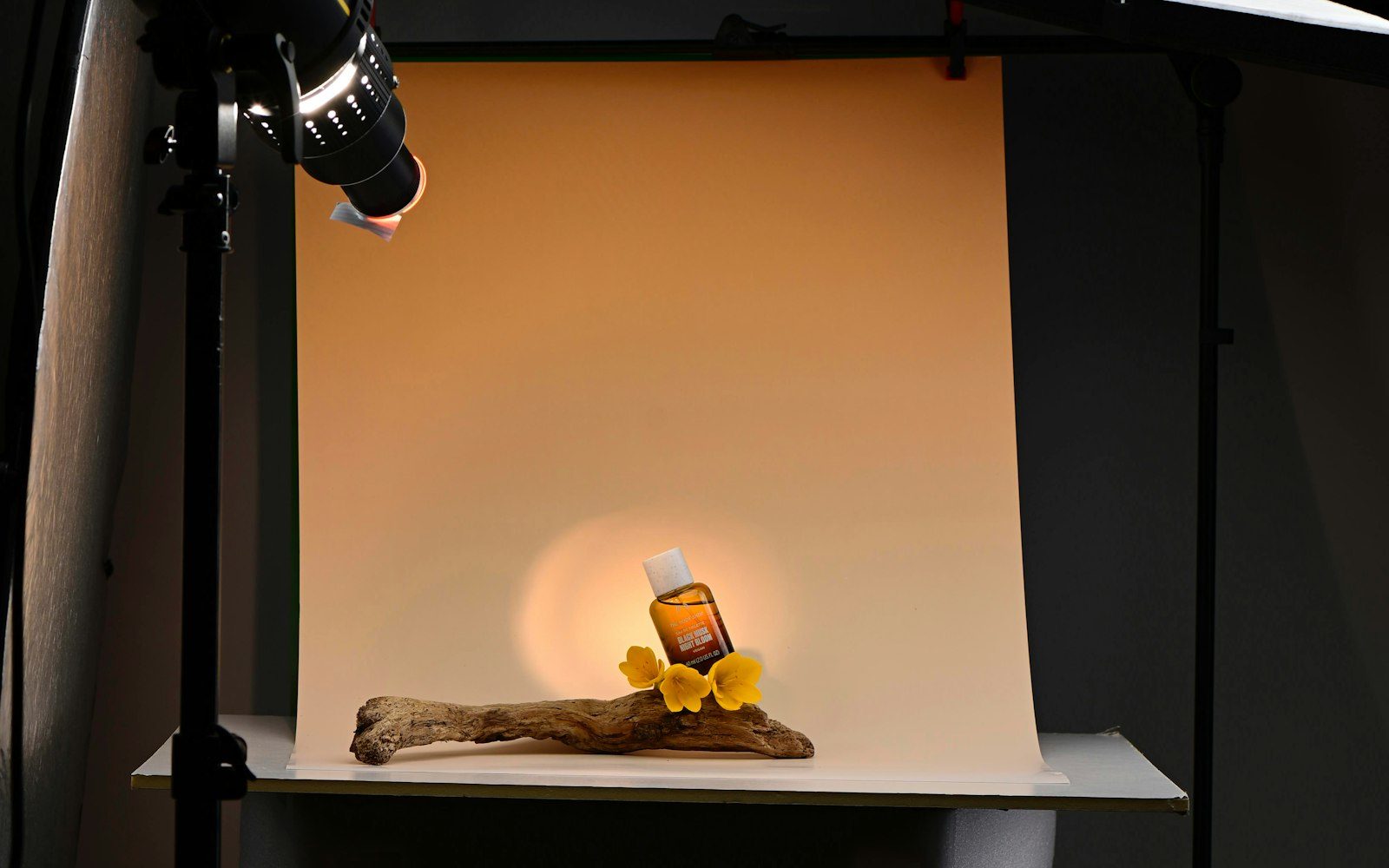
Small fixings are what make a test look like paid work, because they hold every piece in place while the camera works. Museum putty is the quiet workhorse of still-life sets. It holds a bottle upright on glass, tilts a compact toward the lens and anchors an earring at the exact angle you want. Crucially, it releases cleanly from most surfaces, which matters when the product goes back to a sample room. Still, test it on the underside first, since some porous finishes can mark. Keep the putty warm in a pocket, because it works better when soft. Then use pea-sized amounts, and press them where the lens will never look. Afterward, roll any residue away with a clean ball of putty.
Finding still life stylist jobs
Each listing tells you what the studio values, so read the requirements as a checklist. Software comes up often, especially tethering tools such as Capture One, which the Kith and Splashlight listings both named. Category range comes up too, because a stylist who moves from knitwear to fragrance in one day saves the studio a second hire. For tabletop range, clear risers earn their place in the kit. They lift a product off the surface so the light can wrap it, and they let you stage a group at several levels. Because they are clear, they almost disappear on camera, though you still need to wipe them before each frame.
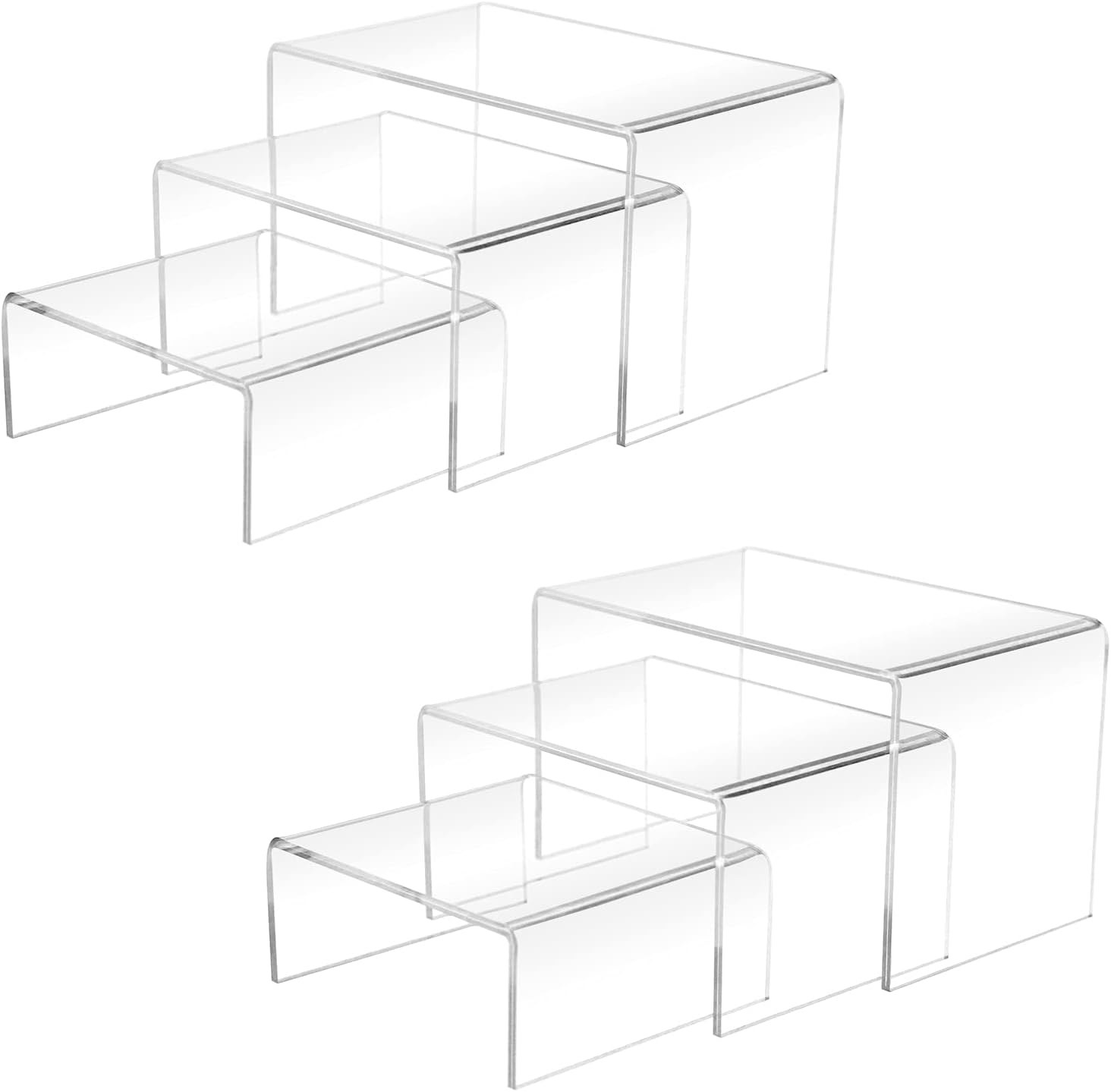
Stack the clear risers at 3, 4 and 5 inches to vary product height while they almost vanish on camera.
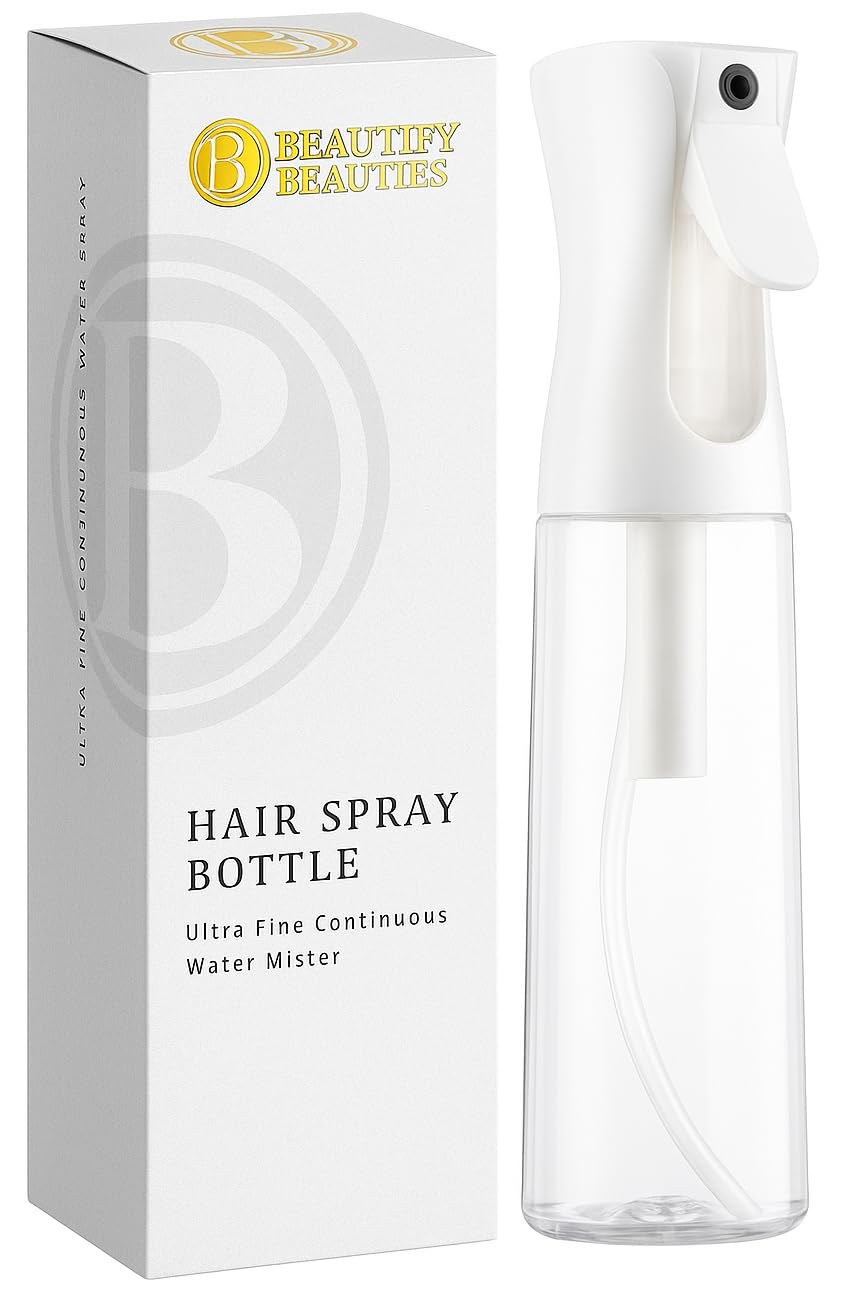
Lay down an even ultra-fine mist for condensation on bottles or a fresh look on fruit and florals.
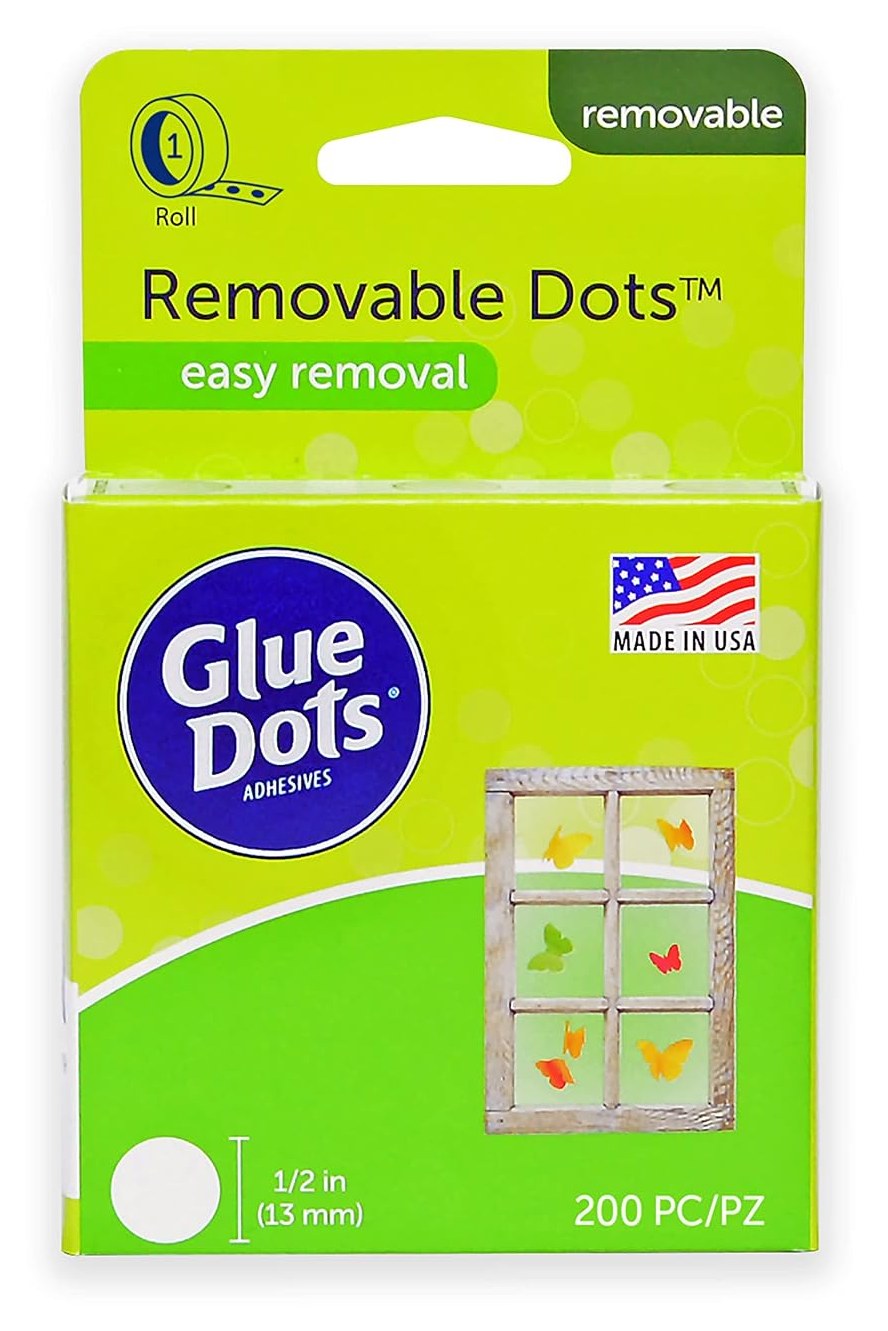
Secure a lid, label or small prop with half-inch dots that release cleanly when the client wants the product back.
As for where the roles appear, brand career pages are the most direct source, because retailers with in-house studios post their own openings. Fashion job boards and creative recruiters carry many of the rest, along with temp-to-perm work. Industry newsletters and photographer networks fill the gaps. Notably, many New York listings show pay, because the New York State pay transparency law requires a compensation range in job ads. It applies to employers with four or more employees. As a result, New York listings are a useful source of salary data, even if you work elsewhere. Save the ones that interest you, and track the posted ranges over a full season.
Before you apply
Before you send anything, compare the listing with your book, and fill the gaps with tests where you can. Studios usually want product range, so a book of only sweaters will struggle against one that also shows bags and bottles. Many in-house listings also mention retouching notes, sample tracking and keeping supplies stocked. The COS listing, for instance, asked its stylist to approve retouched images and add notes for retouchers. These tasks sound minor at first. In practice, though, the stylist often keeps the product story consistent from the set to the site. So mention that work in your application, because it shows that you understand the whole production pipeline.
Notes for working stylists: pulls, pricing, clients and career, sent occasionally.
Occasional letters. Unsubscribe anytime.
Working with photographers and art directors
On a product shoot, the photographer controls the light and the art director controls the brief. Your role sits between them, because you shape exactly what the light hits. The most useful habit is to ask early about the crop and the angle. A product shot from directly above needs a different fold than one shot from forty-five degrees. Likewise, a campaign hero image tolerates more styling than a catalog image, which must show the product honestly. Watch the tethered screen, not the table, since the lens sees things your eye skips. Then say what you plan to move before you move it, so nobody loses a careful lighting setup.
Trust on set builds slowly, and it rests on small, repeatable habits. Arrive with your kit packed and labeled, so you never borrow from the studio. Track every piece that comes onto the table, and flag problems early, such as a scratch or the wrong color. Meanwhile, respect the photographer’s pace, since a still-life day involves long pauses while lights move. Those pauses are your time to prep the next product. A fine-mist bottle helps here, because it relaxes small creases and refreshes flowers between frames. However, keep water well away from leather, suede and silk. Over a season, these habits matter more than any single image. Photographers remember the stylist who made the day easier, and they rebook that name.
Flat-lay technique for professionals
Flat lay styling for e-commerce is about making a garment look worn without any body inside it. Start with a fully steamed and lint-rolled piece, because creases photograph harder from above than you expect. Then build shape from underneath with tissue or thin card, so the shoulders and chest read as three-dimensional. Next, set the silhouette to the brand’s guide, which usually fixes sleeve angles and hem flare. After that, secure the small details. Removable glue dots hold a label flat, stop a sleeve from sliding and fix a sunglass arm at the right angle. Even so, test them on an inside seam first, especially with silk, suede and coated leather.
Pinning for flat lays
Pinning is the other half of flat-lay work, and it is where most of the speed comes from. A pinned garment holds its shape across a whole shot list, so you style it once and adjust in seconds. That matters on volume days, when the studio expects dozens of products before lunch. It also matters for consistency, because a pinned silhouette repeats from one color to the next. Many studios keep a covered, pinnable table for exactly this reason. Before you start, ask the sample team which pieces can take pins at all. Some samples go straight back to a showroom, and a visible hole becomes your cost to explain.
When pins are allowed, the method is simple and precise. Pins go through the garment into the pinnable surface underneath, such as foam board or a padded table. Long T-pins are the usual choice, since the wide head is easy to grip and pull quickly. Use rust-resistant pins only, because a single rust mark can ruin a sample. Also, pin through seams and inside edges where the holes will not show. Delicate fabrics need finer pins or none at all, so check with the sample team before you touch silk or fine knits. Then count your pins out at the end, so none travel back to the showroom inside a garment.
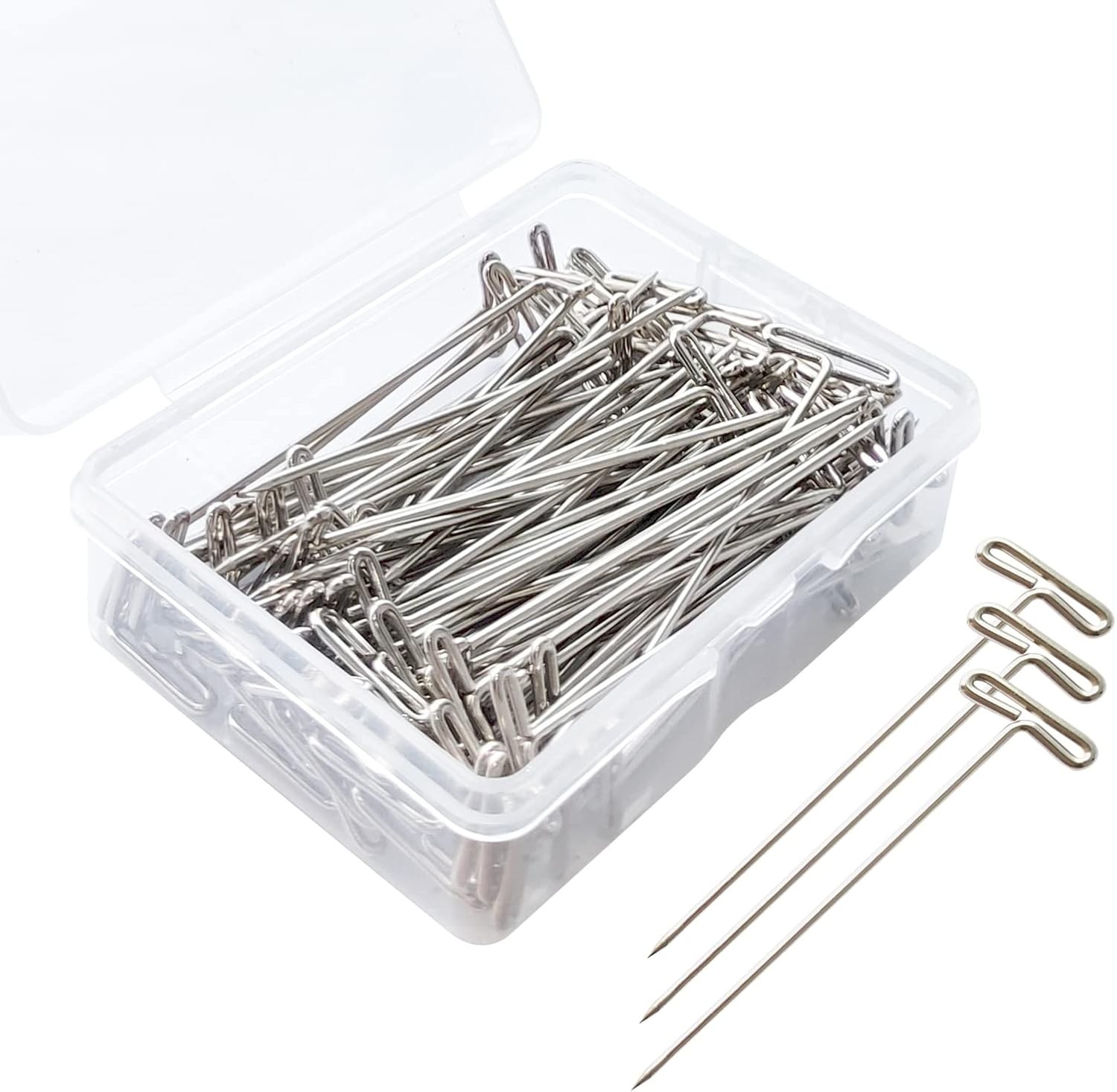
Pin garments into shape on foam board, shaping sleeves and hems so the flat-lay holds through every frame.
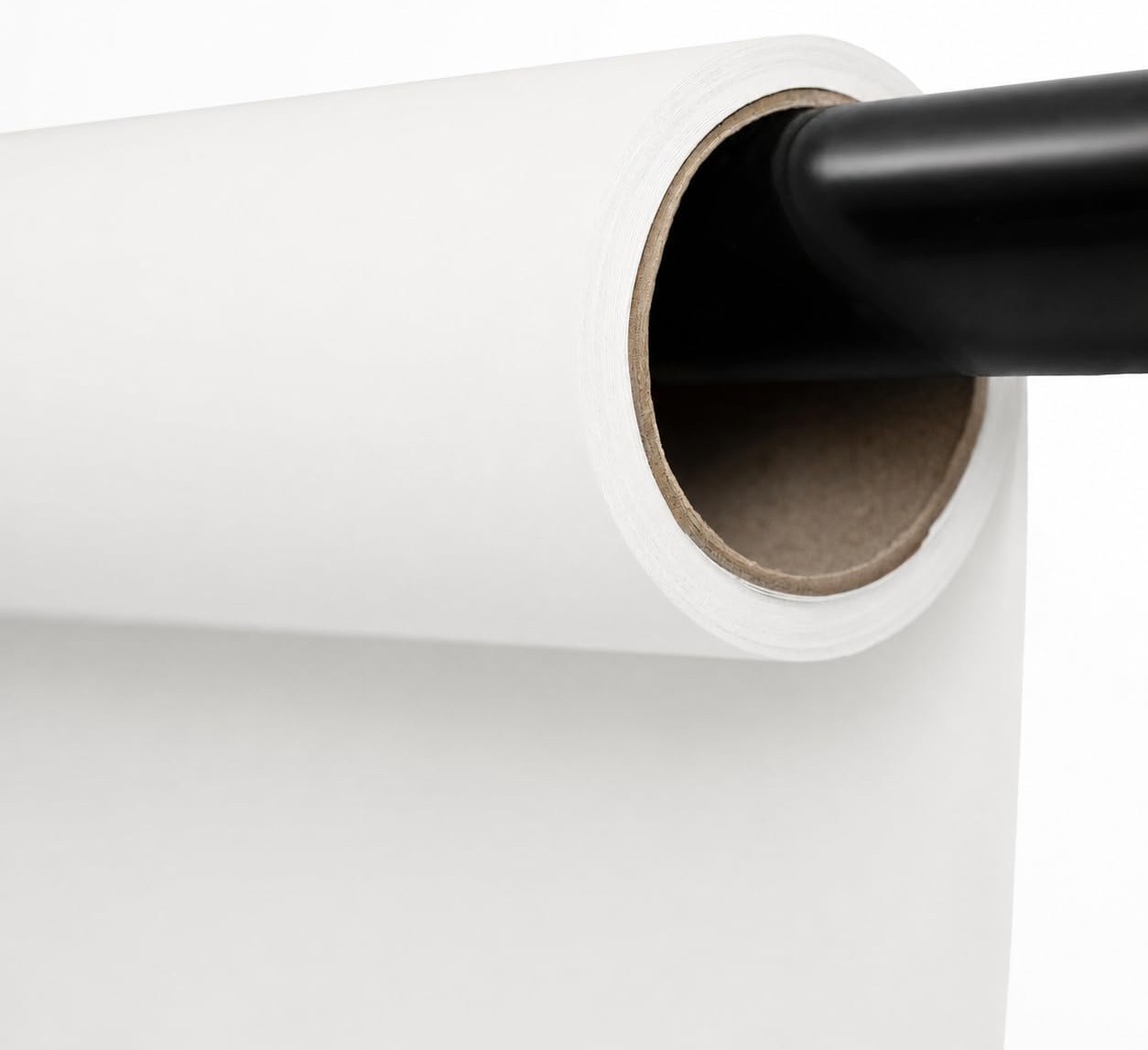
Roll out a clean sweep for overhead and tabletop work, then tear away a soiled length and keep shooting.
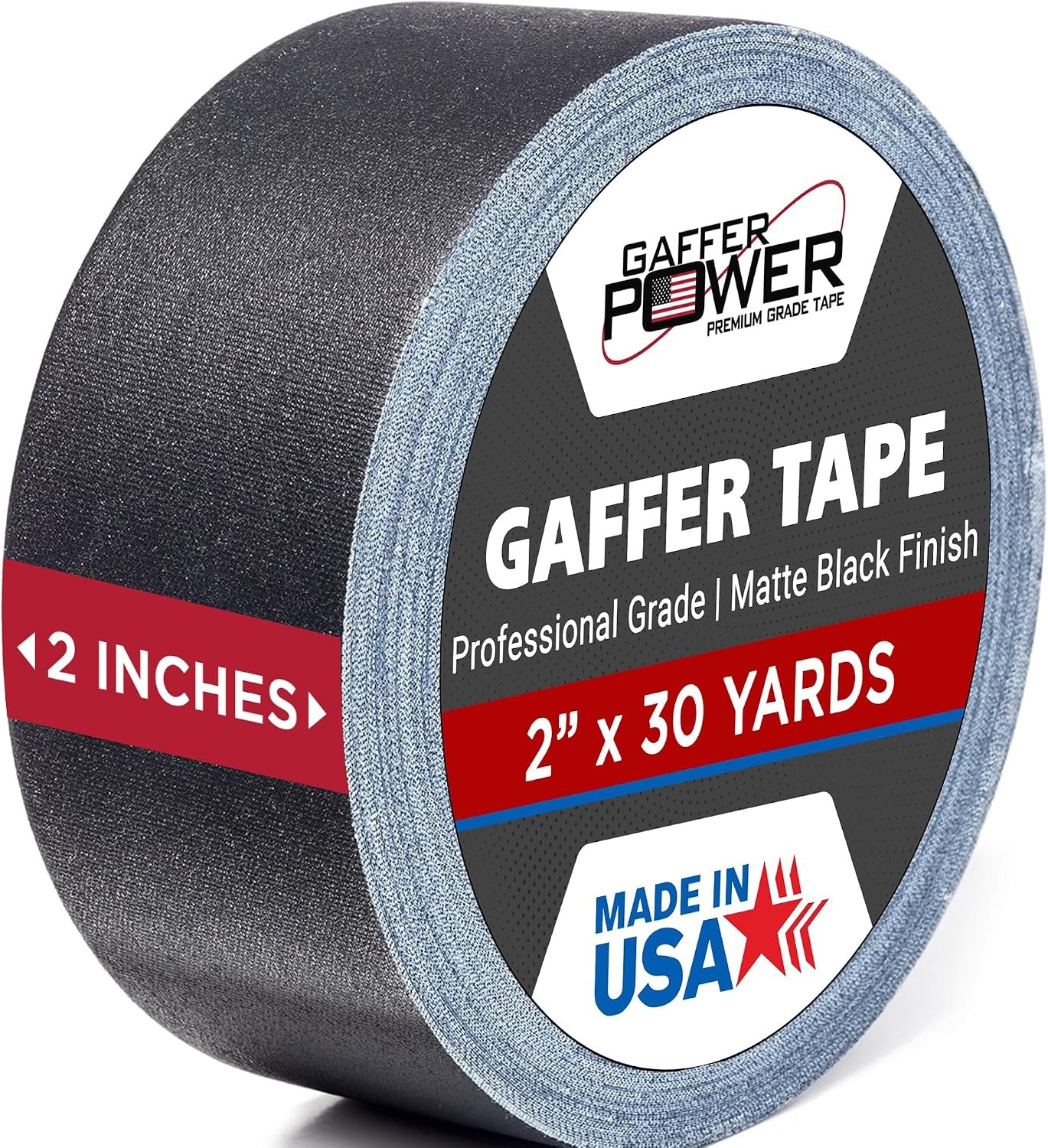
Tape down backdrop edges, cables and boards with matte black tape that keeps reflections out of the frame.
Choosing the backdrop
The backdrop is the last piece of the flat-lay setup, and it quietly shapes every image the studio produces. Most e-commerce studios shoot on white or a soft neutral, because the background needs to match across thousands of images. Paper is cheap and clean, though it tears and marks with traffic. Vinyl, by contrast, wipes clean, survives pins and props, and lies flat on a table. For freelance stylists, a roll of matte vinyl is a practical investment for tests and small jobs at home. It also gives your book a consistent look, which art directors notice. Choose a matte finish, since gloss reflects the light and fights the photographer. Test it under the set lights before the first product arrives, because a backdrop can read differently once the strobes fire.
Rates, estimates and paperwork
Studios rarely post freelance rates, so the most reliable public figures come from published estimates. Wonderful Machine, a photography consultancy, shares many of its real estimates through the trade blog A Photo Editor. Its 2024 hair-care estimate on A Photo Editor listed a prop stylist at $1,200 a day and a prop assistant at $500. The same estimate carried a wardrobe stylist at $1,100 a day. Meanwhile, a 2020 food and still-life estimate listed a prop stylist at $700 a day and an assistant at $300. These are single jobs, not a rate card. Still, they show the range, and they show that clients budget styling as its own line item.

The same estimates also show the days around the shoot, which is where many new stylists lose money. For instance, the 2020 estimate added two days to shop and prep, plus a day to return props, on top of the shoot days. Similarly, the 2024 estimate carried props and materials as a separate budget line. In other words, prep, returns and purchases sit apart from your fee, and clients expect to see them. So when you are quoting a product shoot, count every day you will work, not only the day on set. Then confirm in writing who pays for props. If you fold prep into the shoot rate, you simply give that time away.
Contracts and tax
Paperwork protects that fee, and New York City has the clearest local rules. Under the Freelance Isn’t Free Act, work worth $800 or more needs a written contract. That threshold also counts all work for the same client within any 120 days. The contract must state the work, the pay and the payment date. If the contract sets no date, payment is due within 30 days after you finish the work. Elsewhere, the same habits still help, because a short agreement settles most disputes before they start. Freelance income also carries self-employment tax. According to IRS guidance on self-employment tax, the rate is 15.3 percent once net earnings reach $400.
Small consumables add up across a season, so track them as carefully as your day rate. Tape, dots, pins and putty run out quickly on volume work. Some clients reimburse a kit fee, while others expect you to carry the cost. Either way, keep receipts and note which job each purchase served, because it makes billing and tax time far easier. Then plan for the quiet weeks. Product work is steady, but it is rarely full every week. For context, the BLS reports a median annual wage of $44,660 for photographers in May 2025. So set your rate with slow weeks in mind, because tired hands make expensive mistakes on set.
A quieter corner of styling
Still-life work rarely makes headlines, and it rarely puts your name on a magazine cover. Yet it can build a career that holds up through slow seasons, because brands always need product images. It also teaches skills that transfer: how to read light, how to match a house style and how to work fast without losing care. Many stylists move between segments over the years, from editorial to product and back again. Others settle into still life because they like the calm order of the day. Both paths are valid. What matters is that you treat the work as a craft, keep the book current and price your time honestly.
Tools and library

The tools above handle the set, but the business side needs its own planning. A day rate looks generous until you subtract prep days, returns, kit costs, tax and the quiet weeks between bookings. That is why it helps to run the numbers before you quote, not after the invoice. Start with what you need to earn in a year, then divide by the days you can realistically book. Next, add the costs that clients will not cover, and check the result against published estimates. If the figure feels high, test it with your best clients first, because they know your value. Over time, that calculation becomes the base of a lasting practice.
From the Artist Library
The career guide in the Artist Library was written for makeup artists, yet its chapters on pricing, contracts, agencies and the first five clients translate directly to styling work. Read it alongside your rate sheet and loan paperwork, and it will help you ask sharper questions before your next booking.
Questions worth asking
What is the difference between a still-life stylist and a prop stylist?
A still-life stylist prepares and arranges the products themselves, such as garments, jewelry or cosmetics. A prop stylist sources and builds the surrounding set, including surfaces, backgrounds and objects. On smaller shoots, one person often does both jobs, so confirm the scope and the prop budget before you accept the booking.
Do I need a degree to become a still-life stylist?
Most freelance work depends on your portfolio and your references rather than a degree. Some senior in-house listings do ask for a bachelor’s degree alongside years of on-set experience. In practice, assisting an established stylist and testing with photographers are the most common ways to build the book that studios want to see.
How much do still-life stylists charge per day?
There is no public rate card, so published estimates are the best guide. Wonderful Machine estimates on A Photo Editor have listed prop stylists at roughly seven hundred to twelve hundred dollars a day. Stylists usually bill prep, shopping and return days separately, and props sit in their own budget line.
What should a still-life styling portfolio include?
Show at least three kinds of work: a clean e-commerce series on white, a tabletop series with props, and one editorial image with a clear idea. Group images by category, add short captions on the brief, and lead with the work that matches the studios you want to book.
Is still-life styling a good way into the styling business?
For many stylists, yes, because the work is steady and the skills transfer. You learn light, speed and house style, and you meet photographers who book other jobs. However, it rarely brings public credit, so plan your book and your client list with care from the start of your career.
