The Artist · Styling Practice
The call sheet lands on a Thursday, and the talent wears a 16 on top and an 18 below. You email four showrooms, and three answer with the same polite line: they only hold sample size. That reply says more about the sample system than about your pull. In fact, much of what working stylists do day to day happens in the gap between the clothes brands lend and the bodies you actually dress. This guide is for stylists in editorial, commercial, celebrity and personal work who need a plan when the rack stops at a US 4. It covers fit briefs, brand outreach, buy-and-return, tailoring for fit, custom pieces and the budget conversation with production. Each step treats the client’s body as the brief, never as the obstacle.
The short answer
When brands only lend sample size, you build the wardrobe through four routes instead of one. First, take full measurements and write a fit brief. Next, approach size-inclusive brands with specific requests and realistic lead times. Then buy from retailers with clear return policies, keep tags on, and budget to keep anything that goes on camera. Finally, use tailoring, clipping and custom pieces to close the gap. Agree a purchase and alteration line with production before the first pull, so the cost never lands on your card alone.
In this guide
- Why sample size still decides who gets dressed
- Build a fit brief before you pull anything
- Size-inclusive brand outreach that gets a yes
- Buy-and-return without burning the relationship
- Tailoring for fit, and when clipping is enough
- Custom pieces and made-to-order
- Budgeting with production for real bodies
- The rack is not the brief
- Questions worth asking
Why sample size still decides who gets dressed
Start with the numbers, because they explain the replies you keep getting. Vogue Business counted 9,038 looks across the Spring/Summer 2026 shows in New York, London, Milan and Paris, according to the AFP report in The Star. Of those looks, 97.1 percent went on models in US sizes 0 to 4. Only 0.9 percent went on plus-size models, defined as US 14 and up. The same report notes that show clothes typically exist in one size, and adapting them for larger models takes extra time. So when a showroom offers you the runway piece, it usually means one garment in one narrow size. That is the sample size system working as designed. It also means the problem sits upstream of your pull letter, long before your client’s measurements reach anyone’s inbox.
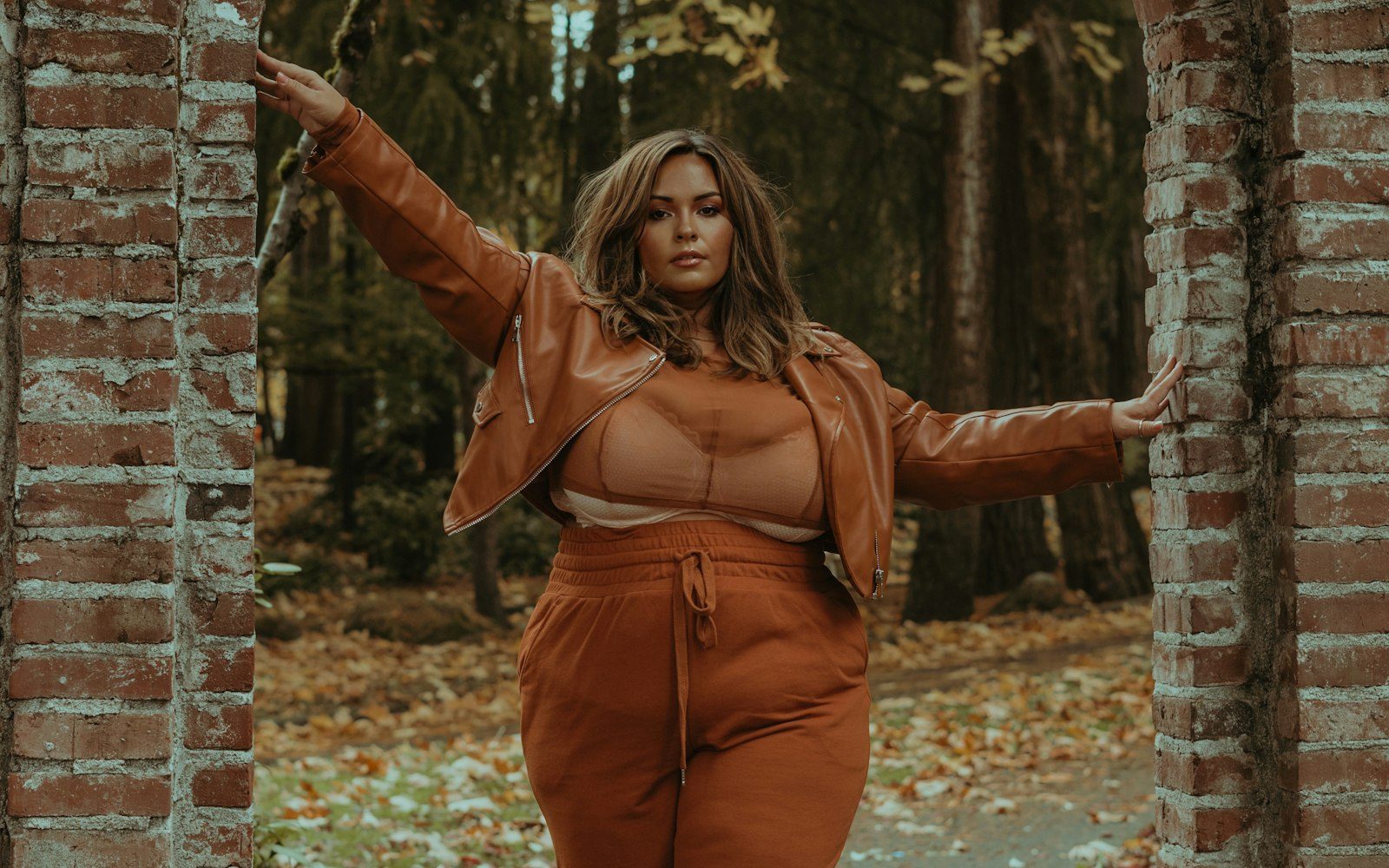
Meanwhile, the bodies you dress look very different. Federal data shows the gap clearly. The CDC body measurement statistics put the average US woman’s waist at 38.5 inches, from measurements taken in 2021 to 2023. Similarly, a 2016 Washington State University study, covered in TODAY’s report on the Washington State University study, put the average American woman between a Misses 16 and 18. In other words, the typical client sits several sizes above the typical loan. Stylists and models have pushed back for years. In 2020, the i-D report on the sample sizes petition described a call to move the standard from sizes 0 to 4 up to 6 to 8. Still, the standard has barely moved. For planning, assume the rack will not fit most clients, and build the job around that fact.
Build a fit brief before you pull anything
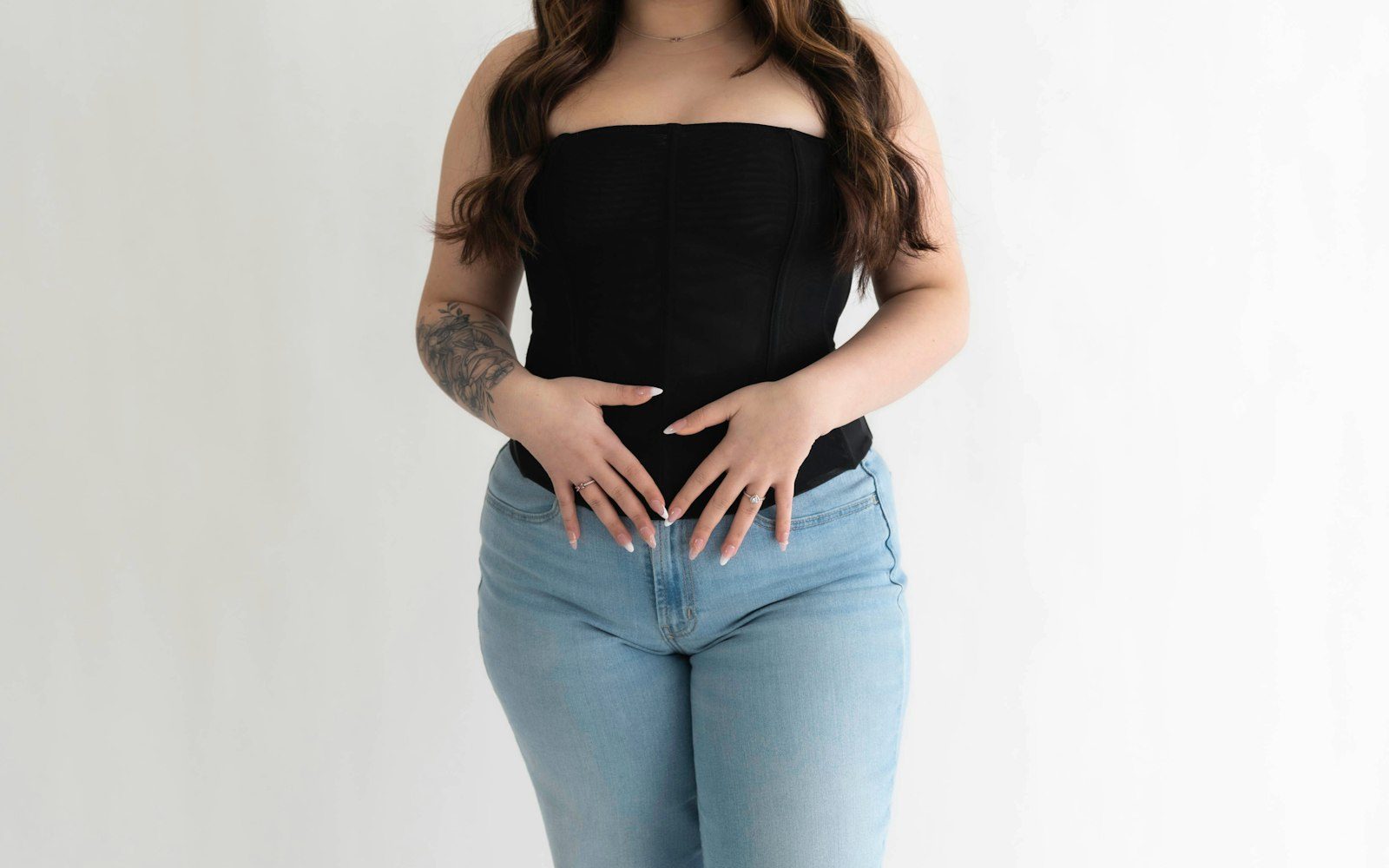
Before any outreach, gather measurements you can trust. Comp cards and old fit notes can be out of date, and talent rarely shares numbers casually. So ask for a short fit call or a measuring session, ideally with a tailor or your assistant present. Record bust, underbust, waist, high hip, full hip, thigh, upper arm, shoulder width, rise and inseam. Then add the details sizing charts miss, like torso length and whether the client prefers a defined waist. Write it all into a one-page fit brief with current sizes in two or three brands the client already wears. That page becomes your outreach tool. It lets a PR contact check real garment measurements instead of guessing from a size label, and it saves you a round of emails with every brand.
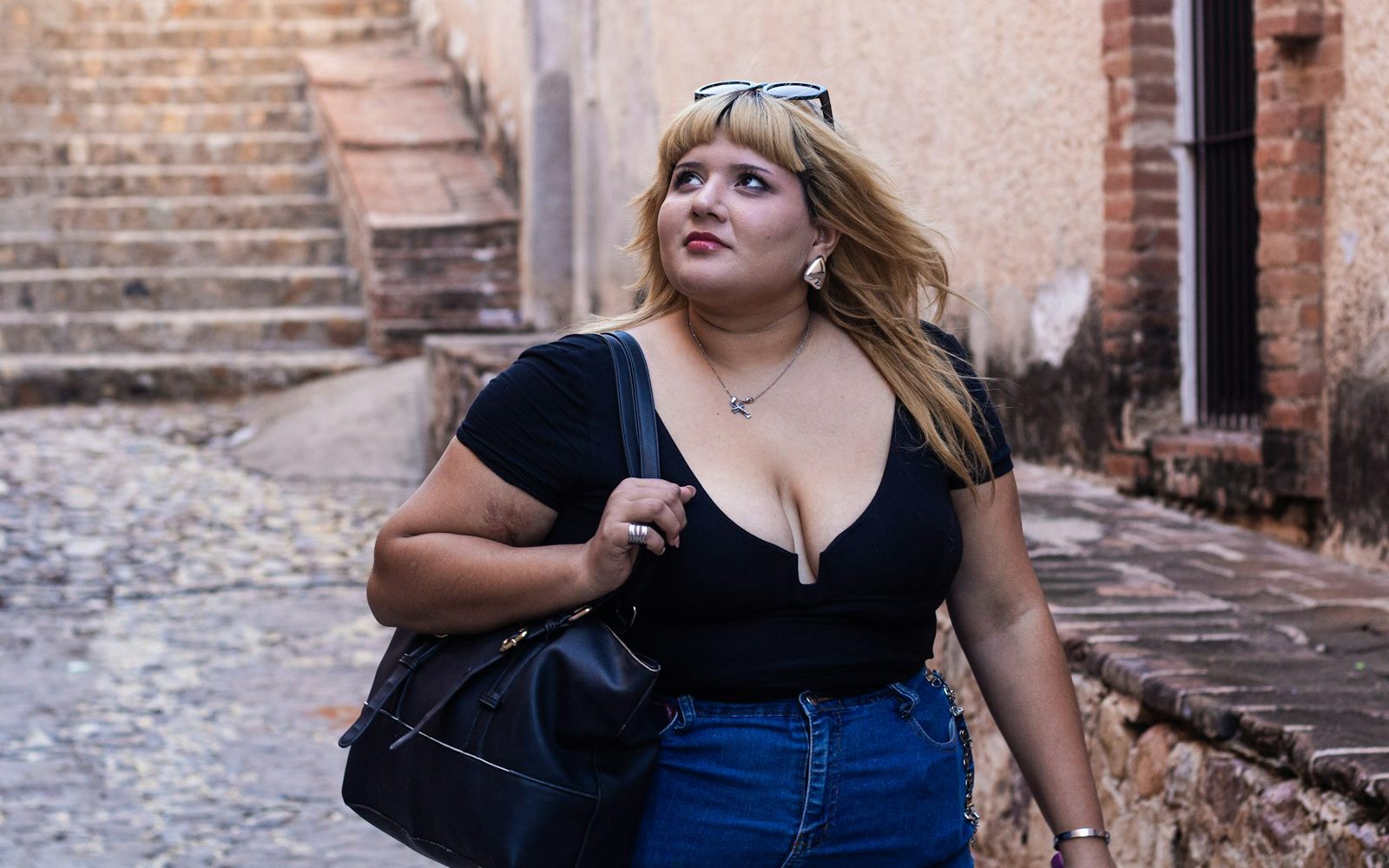
Language matters as much as the numbers. Talk about garments, not bodies: the jacket runs narrow in the shoulder, the dress needs more room at the hip. That framing keeps the fitting calm, and it keeps the client on your side when something does not close. Also ask what the client avoids and why, because comfort shapes how they move on camera. Some people dislike exposed arms on set; others want firm structure at the waist and hip. Note those preferences next to the measurements, then share only what the brand needs. Talent privacy still applies, so send garment measurements rather than personal notes. Finally, date the brief and update it before every job. Bodies change across a season, and a three-month-old fit brief can cost you a fitting day you cannot spare.
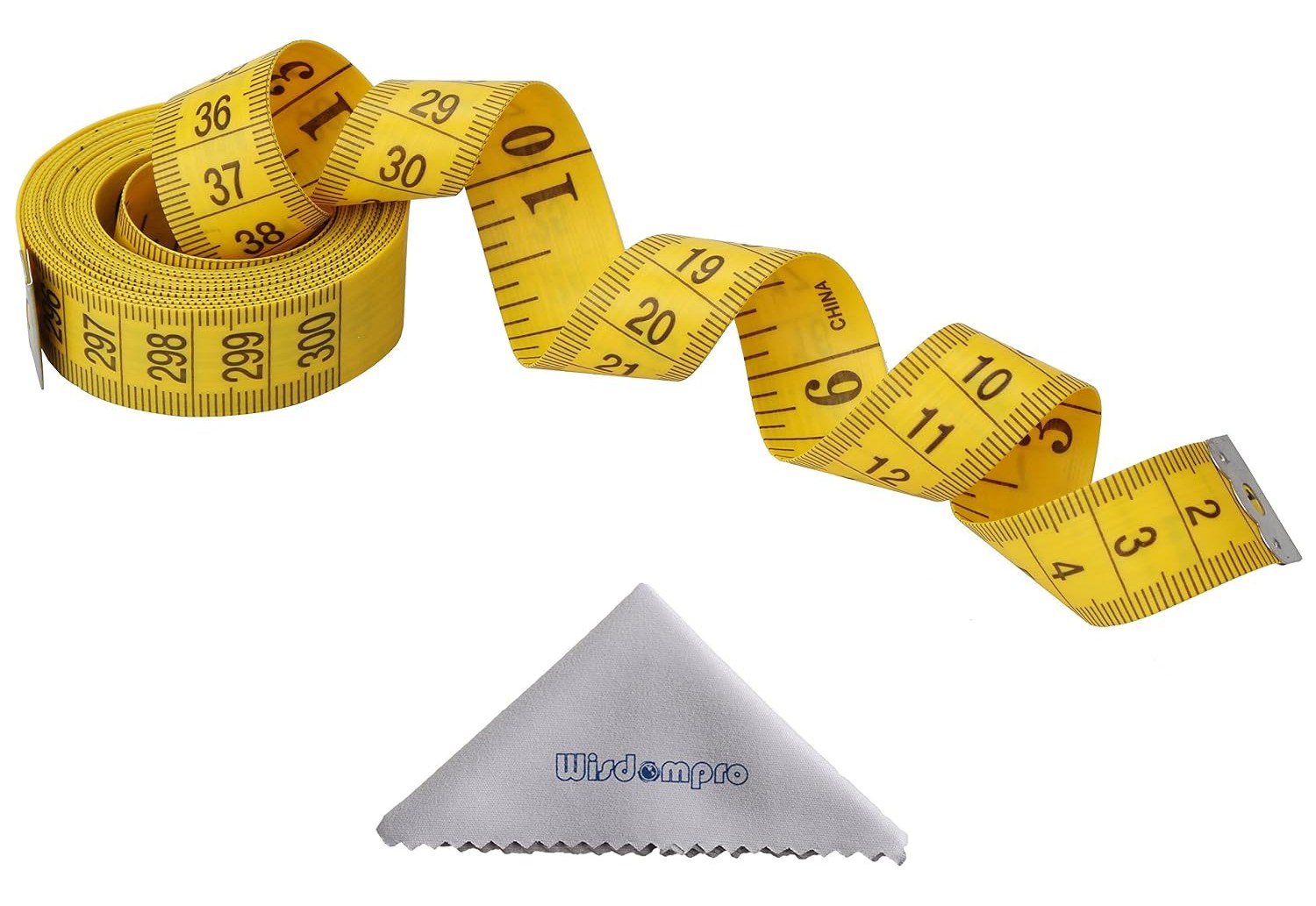
The extra length covers hip, bust and full-length measurements on any body without pinching the tape together.
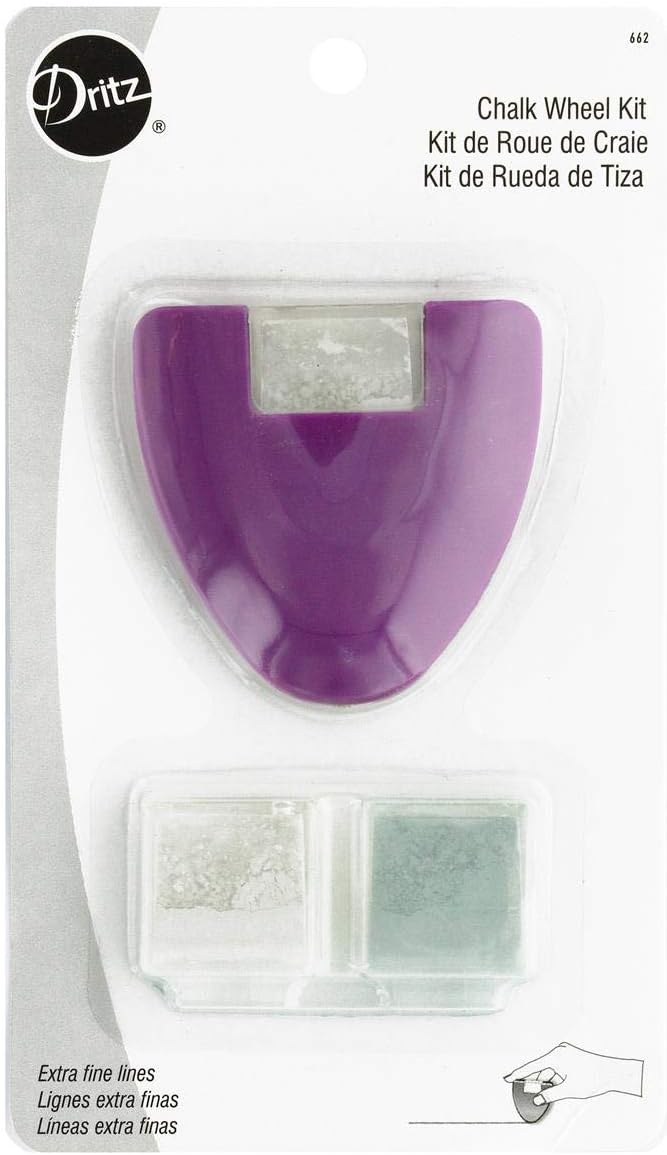
Mark hems and take-ins at the fitting so the tailor works from clear lines rather than verbal notes.
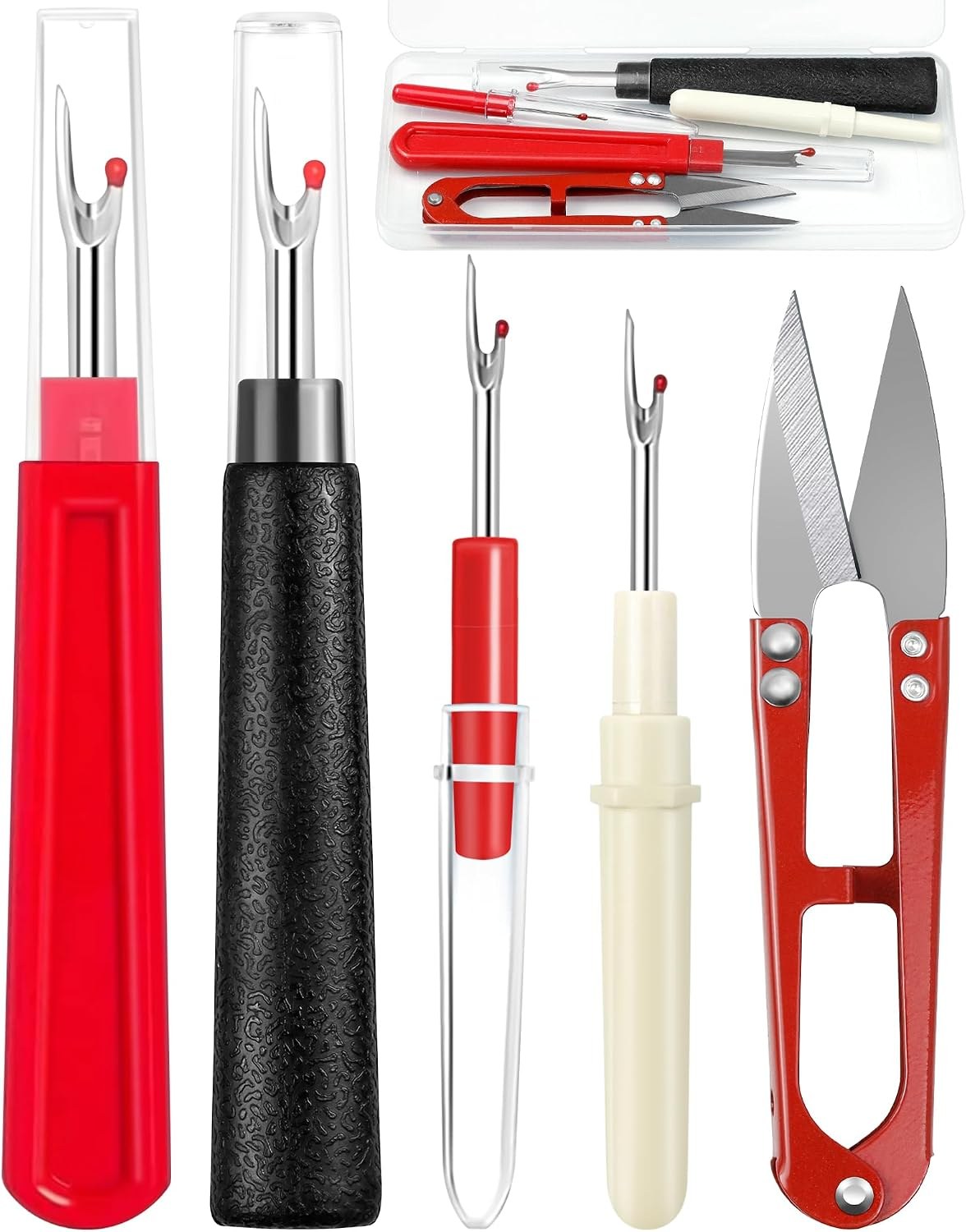
Open a basted seam or remove a tag carefully when a piece needs quick adjustment before the client arrives.
Tier the job before outreach
With the brief ready, sort the job into tiers before you contact anyone. The first tier holds pieces you need on loan, such as a specific designer look the client or the creative director has requested. A second tier covers pieces you can buy and return, usually from department stores with clear policies. The third is everything you will alter, clip or commission. Mapping it this way shows production early where the money goes. It also stops you spending three days chasing one gown when a buy-and-tailor option would work. For each tier, list a backup. Then set a decision date: if a loan has not confirmed by that date, you move to the next tier without waiting. That rule protects your prep time, your budget and your nerves.
Size-inclusive brand outreach that gets a yes
Choose your brands with care, because a no costs you time you do not have. In a 2017 Bustle interview with stylist Meaghan O’Connor, she described picking labels realistically and skipping those known to decline. She told Bustle that brands often pass without explanation, citing time or resources. Rather than argue with a label’s chosen muse, she works with designers who already cut in larger sizes. That approach still holds. Before you write, check each brand’s size range on its own site, then ask whether those sizes exist as samples or only as stock. A label can sell larger sizes and still keep its press samples small. Knowing the difference lets you ask the right question the first time, and it protects your reputation for clear, specific requests.
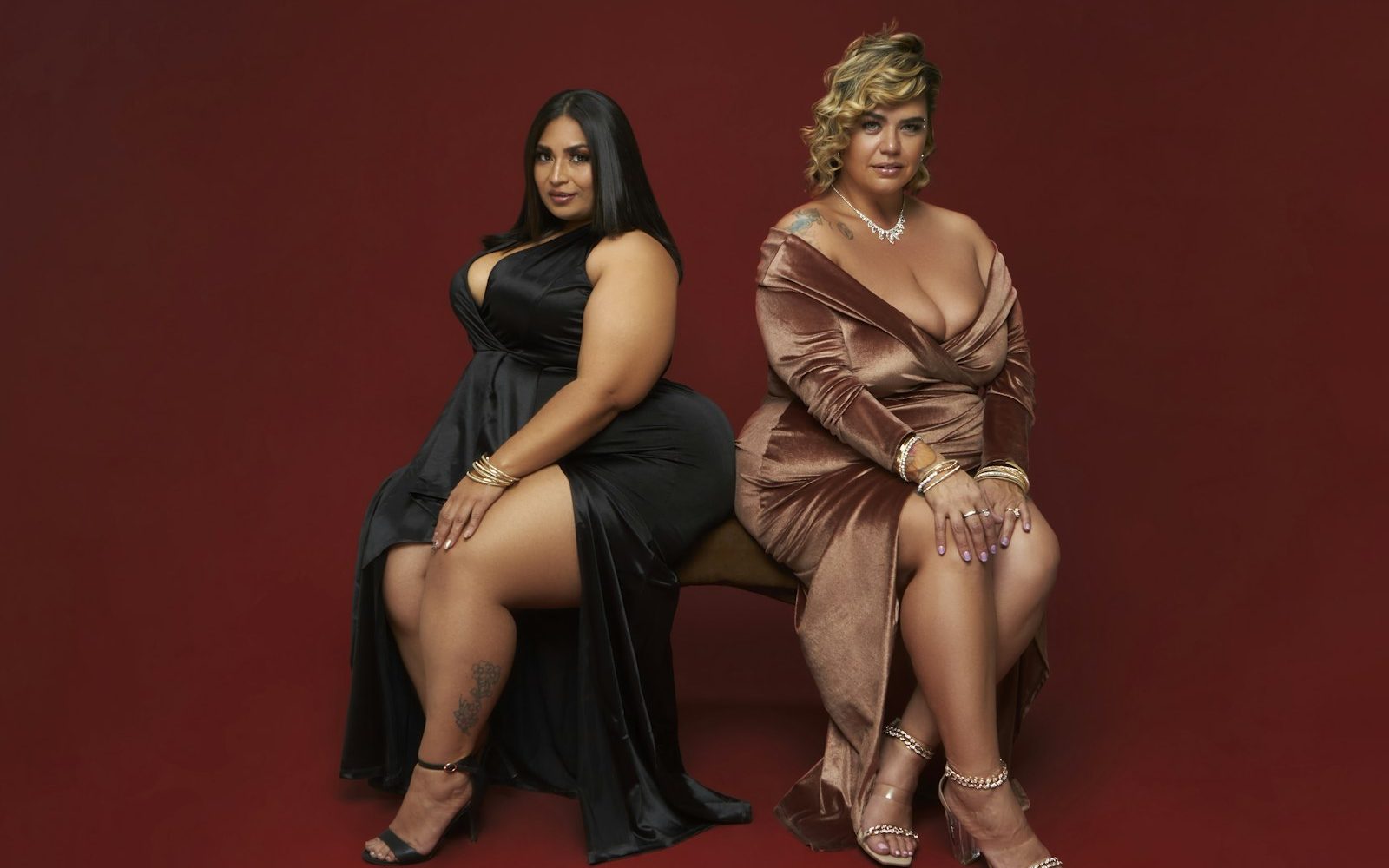
Then widen the list beyond the runway. Universal Standard, for example, lists sizes 00 to 40 on its own site. Glossy reported in its 2019 NYFW briefing on size inclusion that Tanya Taylor began showing straight and extended sizes side by side online. Extended sizes, the same briefing said, made up 40 percent of its online sales. Brands like these have commercial reasons to see their larger sizes on camera. So write to them as partners. Include the fit brief, the shoot date, the usage and the credit line you can offer. If you are new to requesting loans from PR, keep the note short and specific, and name the exact styles and sizes. Ask, too, whether the brand will lend from production stock when no larger sample exists.
Lead times for larger sizes
Timing changes the odds. Larger sizes may sit in a warehouse rather than a showroom, so a brand may need a week or more to pull them. Build that lead time into your request, and say plainly when you need pieces in hand. Follow up once, politely, then move to your backup. Keep a simple record of every brand you contact: who replied, which sizes they hold, how fast they shipped and whether pieces arrived in good condition. Over a year, that record becomes your own size-inclusive brand list, built from real outcomes rather than marketing claims. Share it with your assistants. It will also show you which publicists value the work, which is useful when a bigger job comes in and you need a fast yes.
Buy-and-return without burning the relationship
When loans fall through, many stylists buy from retailers and return what they do not use. It works, but retailers watch returns closely. The National Retail Federation 2025 returns report estimated that shoppers would return 15.8 percent of the year’s sales, and 19.3 percent of online sales. The same release lists wardrobing and bracketing, or ordering several sizes of one item, among the costly returns behaviors it tracks. It also estimates that 9 percent of all returns are fraudulent. So expect scrutiny. A stylist’s account with a dozen dresses in three sizes can look like that pattern, even when the intent is honest. Because of this, keep your buys organized, documented and clearly tied to a named job and client.
Read each retailer’s policy before you buy, not after. The Nordstrom return policy, for example, sets no time limit on returns, but the store handles them case by case and may decline some. Its policy also asks that special-occasion and designer pieces come back in their original condition, with packaging and tags attached. Those terms suit a fitting, because a client can try a gown and you can return it untouched. They do not suit a shoot. Once a garment goes on camera, your client has worn it for work. The honest rule is simple: buy to fit, but budget to keep. Anything that appears in final images belongs on the production’s purchase line, and you return only pieces that never left the fitting room.
Keep the paperwork clean
That rule needs paperwork to hold. Keep receipts in one folder per job, and photograph tags and condition when each piece arrives. Track return deadlines in your prep calendar, even when a store sets none, because your own cash stays tied up until the refund clears. Also use a dedicated card for job purchases. It keeps your personal spending separate and makes reconciliation faster at wrap. Tell production before the shoot which pieces you expect to return and which they will own. That conversation avoids an awkward invoice later. None of this is unique to larger clients, either. A returns problem looks the same whether the piece came in a sample size or a 22. Clean records protect your account with the retailer and your standing with the client.
Plan the return run
Returns also take time you should plan for, not squeeze in. Block a half day after each shoot to sort pieces into keep, return and alteration piles. Check each garment against its arrival photos, then repack it with tags and original packaging. For in-store returns, group them by retailer and go early, when staff have time to process a large stack. For online buys, print labels the day you sort, and photograph each sealed box before it ships. Then log the tracking numbers next to the receipts. When a refund runs late, you will have everything ready for a calm, factual follow-up. This routine sounds tedious, and it is. Still, it is what keeps a buy-and-return practice sustainable across a busy season.
Tailoring for fit, and when clipping is enough
Sometimes a piece comes close, and the gap is only a few inches. In that case, the camera angle decides your method. For a front-facing still, clipping and pinning at the back can take in or smooth a garment that runs slightly large. However, clips cannot add room. When a piece is too small, you need fabric, which means letting out seams, opening a back panel or adding a gusset. Check the seam allowance first. Ready-to-wear seams often leave little to release, while some higher-end pieces carry more. Then decide who does the work. A trusted tailor who knows set timelines is worth more than a cheaper shop, because a missed pickup can cost you the whole shoot day.
Notes for working stylists: pulls, pricing, clients and career, sent occasionally.
Occasional letters. Unsubscribe anytime.

Never alter a loaned piece without written permission. Most brands expect samples back exactly as they left, and a released seam can turn a loan into a purchase. If you think alteration might help, ask the PR contact before the piece ships, and keep their reply in the job folder. For purchased pieces, you have more freedom, but altered garments usually cannot go back to the store. So decide early which buys you will tailor, and move them to the keep line. During the shoot, small reversible tailoring fixes on set can handle the last half inch: hem tape, a bra extender, or a discreet panel of elastic at the back closure. Plan these in your kit list rather than improvising them under pressure.
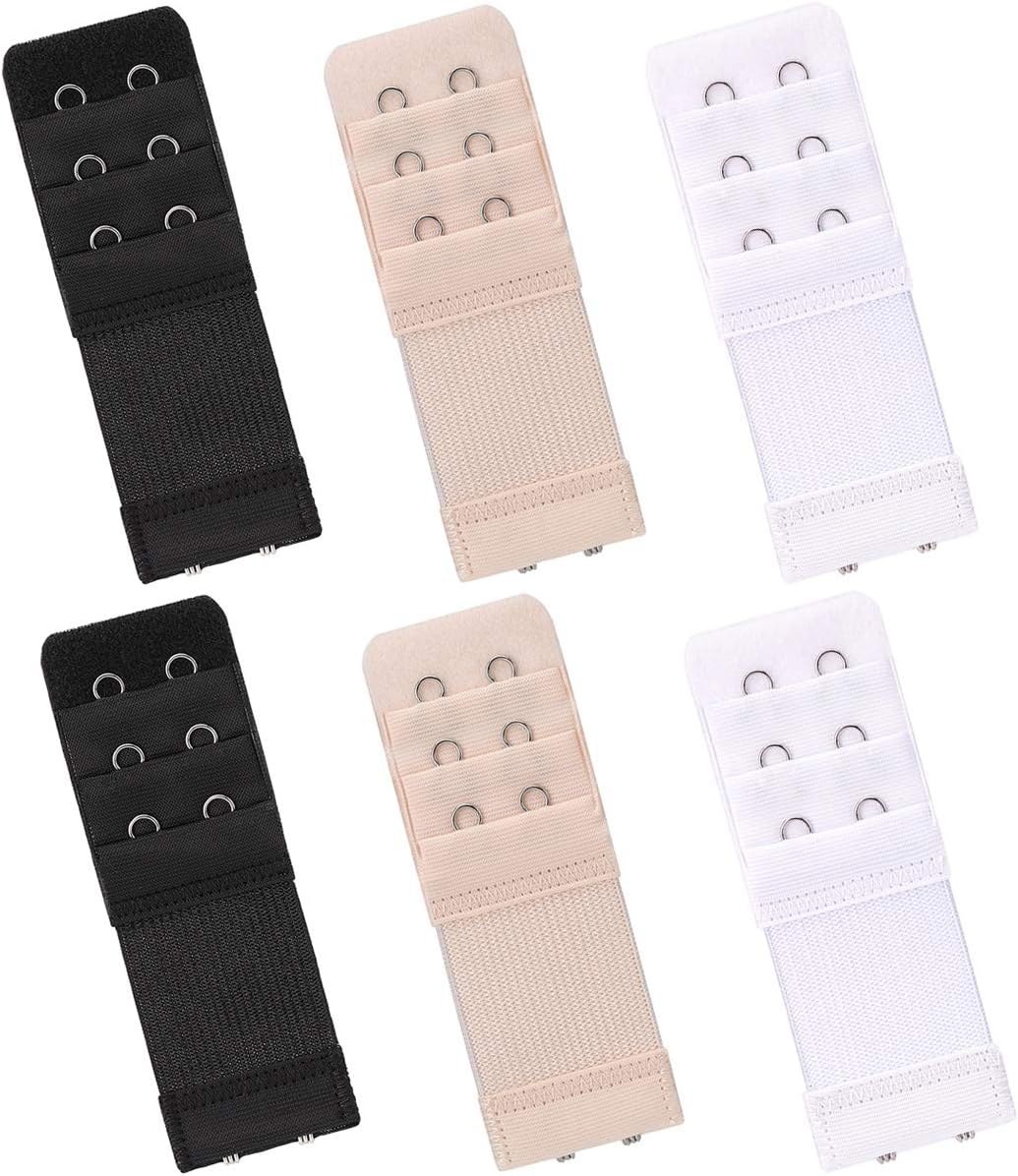
Add an inch at the band in 2- or 3-hook widths, so the client wears her own bra comfortably under fitted pieces.
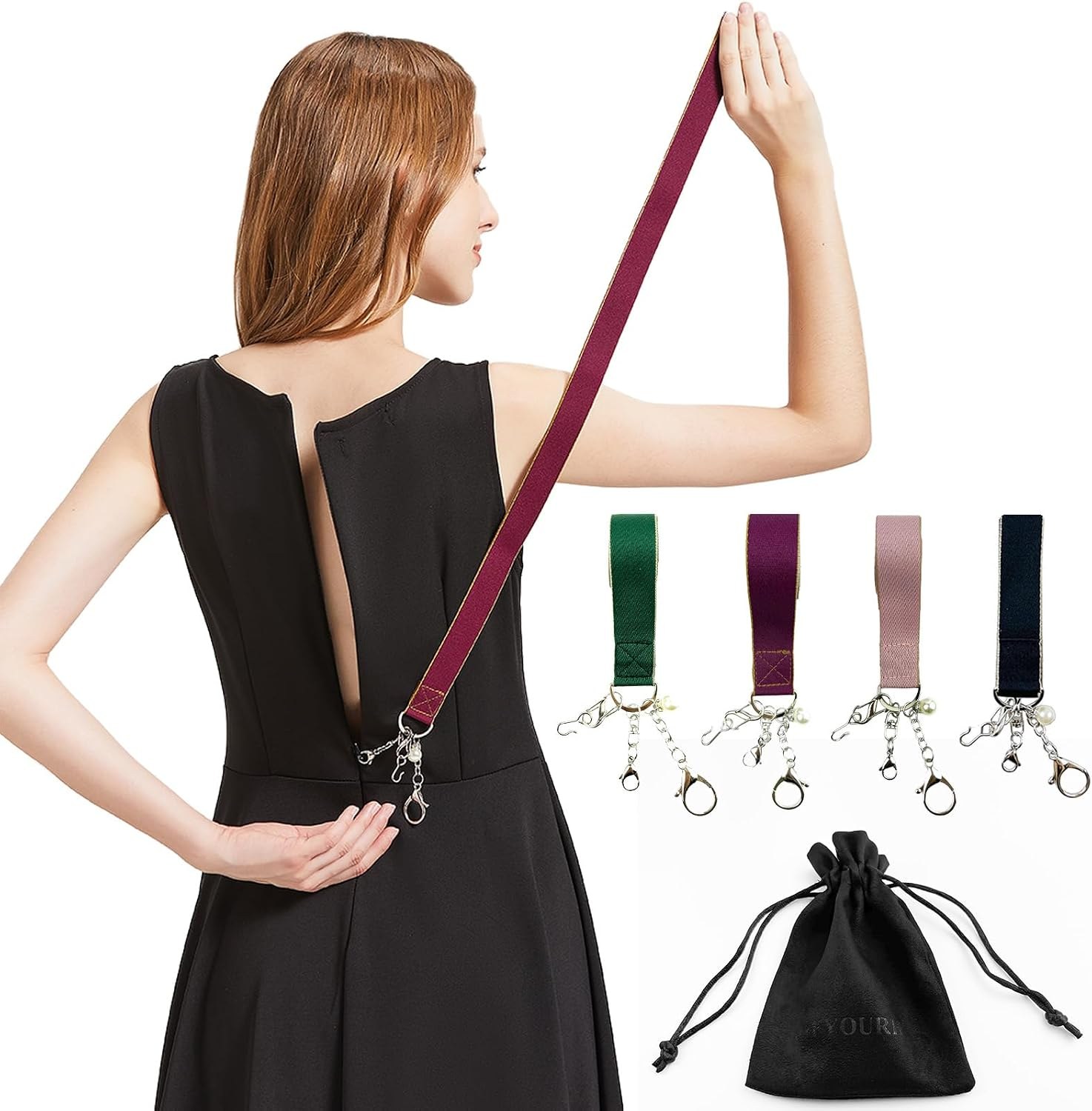
Help a client close a back zipper without assistance, which keeps dignity intact in a shared dressing room.
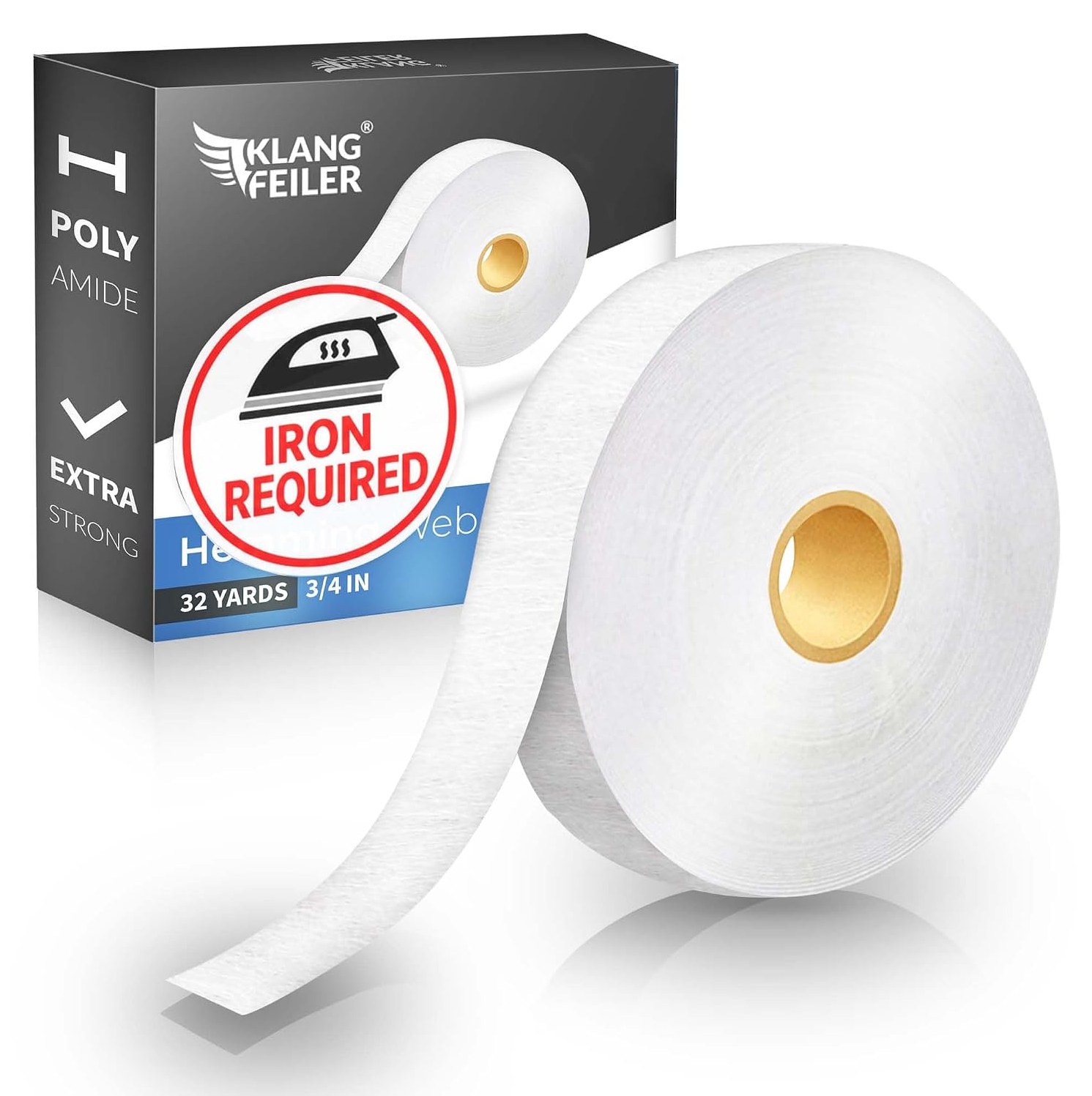
Take up a hem with heat when there is no time for a tailor, and keep the original length intact.
Building tailoring into the timeline
Tailoring also deserves a line in your timeline. A simple hem might take a day, while letting out a bodice can take several, especially in busy seasons. Book your tailor when you book the job, not when the clothes arrive. Then schedule two fittings where you can: one to pin, one to confirm. Send the tailor your fit brief and photos of the client in the piece. Ask for honest advice about what the fabric will allow, because some materials show old stitch lines after release. Keep the conversation practical and respectful of the client’s privacy. Finally, record every alteration and its cost per garment. Those notes make your final invoice easier to defend and help you estimate the next job accurately.
Custom pieces and made-to-order
When nothing on the market fits the brief, custom work becomes the cleanest route. Made-to-order brands are one option. Refinery29’s 2021 report on made-to-order clothing described customers choosing details such as hem length, sleeve length and straps, then receiving garments cut to their measurements. The same piece named eShakti, which offers customizable clothing in sizes 0 to 36. Its writers also flagged the trade-off: delivery can take a few weeks, plus shipping time. For stylists, that lead time decides everything. Made-to-order suits a campaign booked a month out, or a personal client’s event wardrobe. It rarely suits a three-day editorial turnaround. So ask about the timeline first, then about the fabric, the finish and the return terms.
Commissioning an atelier
Commissioning an independent designer or atelier is the other path. It takes more coordination, yet it can produce the strongest image on the job. Start with a sketch or reference board, the fit brief and a firm deadline that includes at least one fitting. Agree in writing who pays, who owns the finished piece and how the designer receives credit. Some designers will build a look in exchange for credit and images; others will charge a full fee. Either way, ask about deposits and what happens if the shoot moves. Also confirm whether the designer may use the images in their own marketing. Clear terms keep a creative collaboration from turning into a dispute after the shoot, when everyone is tired.
Custom work also changes your role on the job. You become part producer, tracking fittings, shipping and approvals on top of the styling itself. Charge for that time, because it is real work. One option is to fold custom coordination into your prep days, then list it separately so clients see the effort. When a client wants custom pieces for a series of events, consider a small capsule built around one fitting block. Shared measurements, one fabric story and a single designer can reduce the number of fittings. That approach respects the client’s schedule and keeps quality consistent from one appearance to the next. It also gives you a body of work that shows you can dress any size with the same care.
Budgeting with production for real bodies
All of these routes cost money that a pure loan job does not. So raise the budget before you accept the booking. Break the estimate into clear lines: wardrobe purchases you expect to keep, purchases you expect to return, alterations, custom fees, couriers and a contingency for buys that cannot go back. Show the producer why each line exists. When the talent sits outside the sample range, a loan-only budget is not realistic, and saying so early is professional rather than difficult. In practice, most producers would rather see an honest estimate than a surprise at wrap. If the budget will not stretch, agree on fewer looks rather than covering the gap yourself. Your card should never become the job’s financing.
Personal clients need the same clarity, framed differently. A private client pays for your judgment and your time, and usually for the clothes as well. Start by auditing a private client’s closet before you shop, because the best-fitting pieces often already hang there and only need tailoring. Then set a shopping budget, a tailoring budget and a clear policy on returns. Explain that you buy in more than one size when a brand runs inconsistently, and that you return the rest within the store’s window. Put those terms in your service agreement. That way, the client understands the process, the retailer sees an orderly account, and you never carry a large balance on your own card while waiting for refunds.
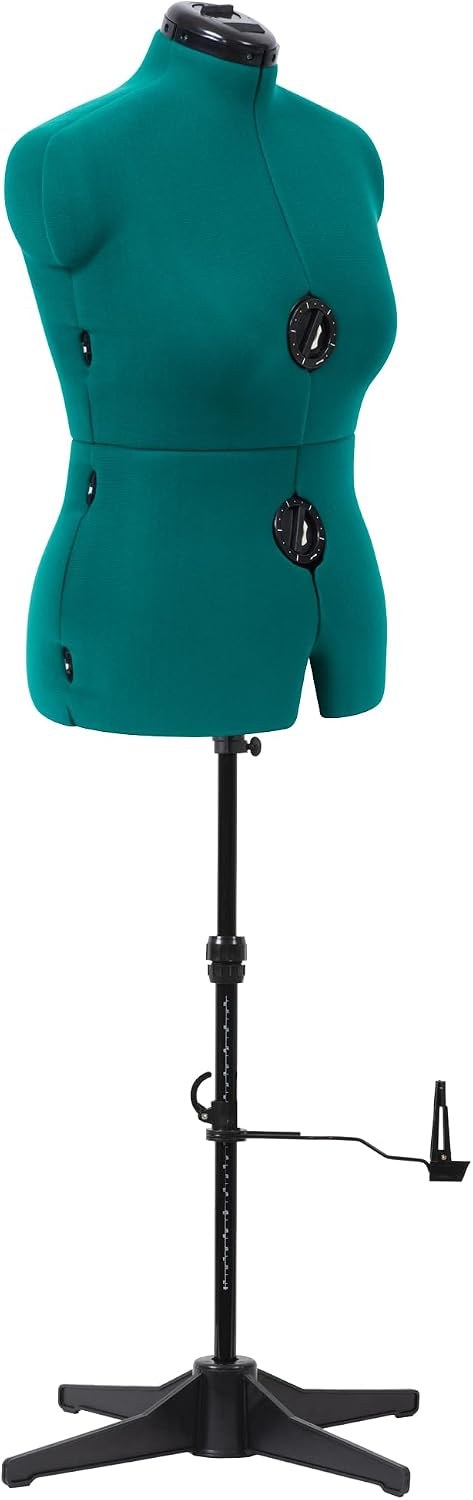
Set the dials to the client's bust, waist and hip, then pin alterations and check drape between fittings.
Keep pins in one place on the fitting table, so none end up in a garment or the client's shoes.
Hold pattern pieces or fabric flat while you trace adjustments for a custom piece without pinning into delicate cloth.
When a dress form pays off
A dress form earns its place once you work regularly with larger clients. Set it to the client’s fit brief, and you can pin, steam and assess garments between fittings without asking for extra time. It also helps when you judge a buy before the client sees it, which saves wasted fittings. Beyond tools, the strongest budget argument is your own record. Show production the hours a buy-and-tailor plan saved on your last job, or the courier costs a size-inclusive brand covered. Numbers like these turn a budget request into a business case. Over time, they also show clients that dressing every body well is a standard part of how you work, not a special favor you grant.
The rack is not the brief
Fashion’s sample system will change slowly, if the last decade is any guide. Meanwhile, your clients arrive in every size, and they deserve the same care a model in a sample size receives. That is the quiet standard worth holding. The tools are not glamorous: a dated fit brief, a realistic brand list, clean receipts, a tailor you trust and a budget conversation held early. Together, though, they let you say yes to talent that other stylists turn away. That matters commercially, because most of the market sits outside the runway range. It matters personally, too. A client who feels considered in a fitting stands differently on set, and the camera notices. Your work starts long before the clothes arrive.
Measure the year
It also helps to measure what changes over a year of this work. Count how many brands said yes, how many lent from production stock and how many jobs needed custom pieces. Note which retailers handled returns smoothly and which tailors met every deadline. Those numbers show you where to invest your relationships next season. They also tell you which part of the process still costs you unpaid hours, so you can price it properly or delegate it. In practice, the work grows easier once the system exists, because each job adds to the brand list and the fit library. The tools below support that system on set and in the studio, from the first measurement to the final fitting.
Tools and library

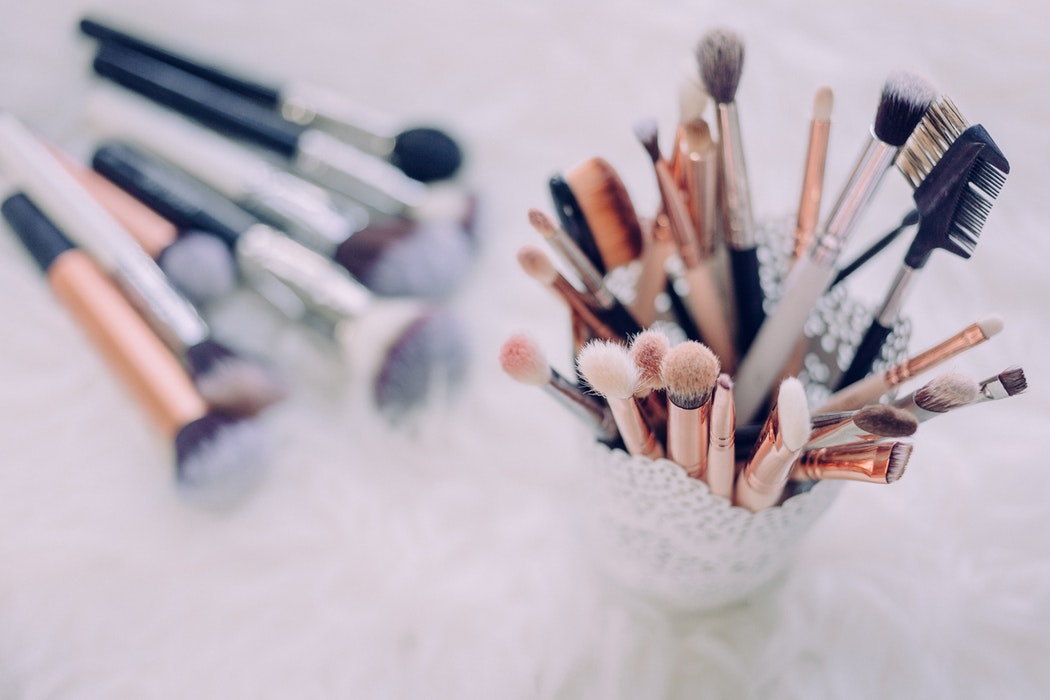
Tools only carry part of the load, however. The other part is the business underneath: how you estimate, how you bill prep and alteration time, and how you protect your cash when purchases and refunds overlap. Dressing clients outside the sample range makes that business side more visible, because every extra route adds a cost someone must approve. So treat each job as a small case study. Record the plan, the budget, what worked and what you would change. Over a few seasons, those notes become a real operating manual for your practice. If you want structured support with rates, contracts and a growing styling career, the Artist Library collects practical guides written for working artists, and the next one may spare you a difficult conversation with production.
From the Artist Library
The career guide in the Artist Library was written for makeup artists, yet its chapters on pricing, contracts, agencies and the first five clients translate directly to styling work. Read it alongside your rate sheet and loan paperwork, and it will help you ask sharper questions before your next booking.
Questions worth asking
What does sample size mean in fashion?
It usually means the narrow size range designers use for runway and press samples, typically US 0 to 4. Vogue Business data reported by AFP found that 97.1 percent of Spring/Summer 2026 runway looks went on models in that range. Larger sizes, when they exist, may sit in stock rather than in the showroom.
Can I alter a sample a brand has lent me?
Only with written permission from the brand’s PR contact. Most brands expect loans back exactly as they left, and a released seam or cut hem can turn a loan into a purchase. Ask before the piece ships, keep the reply in your job folder, and use reversible fixes on set instead.
Is buy-and-return ethical for stylists?
It can be, when you follow each retailer’s policy and never return pieces that appeared on camera. Buy to fit, keep tags attached, and move anything you shoot onto the production’s purchase line. Clear receipts, condition photos and a dedicated job card keep your accounts in good standing with every retailer you use.
How do I find brands that lend in larger sizes?
Start with brands that sell an extended range on their own sites, including labels that run into the 30s and 40s. Then ask whether they hold press samples in those sizes or lend from production stock. Keep a record of who replies, which sizes they hold and how quickly pieces arrive.
Who pays for purchases and tailoring on a shoot?
Production should, through lines you agree in your estimate before the booking. List purchases to keep, purchases to return, alterations, custom fees and a contingency. If the budget cannot cover the plan, agree on fewer looks. Personal clients pay for clothes and tailoring under the terms in your service agreement.
How far ahead should I plan custom pieces?
Plan around the maker’s lead time, which can run to several weeks for made-to-order labels, plus shipping. Book at least one fitting before the deadline, agree who owns the finished piece, and confirm credit and image use in writing. Short editorial turnarounds rarely leave enough time for custom work.
