
The Artist · Credits and Portfolio
The issue lands on the newsstand, and you find the story on page 84. The clothes are yours, because you pulled them, fitted them and pinned them at two in the morning. However, the credit line names someone else, or nobody at all. For stylists, this moment is common, and it can quietly erode a career. The work behind a styling credit is real whether or not your name prints, yet clients book from what they can see. That is why the work behind a styling credit has to be matched by a system for proof. This guide covers how stylists secure credits in advance, how to request tear sheets and files, and how to document jobs that never carried your name. It then walks through building a styling book you are allowed to show.
The short answer
Tear sheets are the published pages that carry your styling work, and they remain the clearest proof of a credit. Secure the credit in writing before the shoot, then request the page or PDF on release. For uncredited jobs, keep call sheets, invoices and approved behind-the-scenes images as a paper trail. Finally, confirm permission before showing any photograph, because the photographer usually owns it.
In this guide
- What tear sheets prove, and why they still matter
- Securing the credit before the shoot
- Requesting pages, PDFs and digital files
- When your name isn’t on the photo
- Permission to show the work
- Building the styling book in print
- Keeping tear sheets and credits current
- The book as a record of judgment
- Questions worth asking
What tear sheets prove, and why they still matter
A tear sheet, in the dictionary sense, is a page torn from a publication and kept as proof. Today the term also covers a clean PDF of a printed spread, or a capture of an online editorial. In practice, the value is the context rather than the image itself. A page shows the masthead, the issue, the page number and the printed credit together. As a result, it proves that a publication or brand chose your work and paid to run it. A loose photograph cannot do that, because anyone could have taken it. Producers, agents and brand teams know the difference. They also know that a test shoot, however strong, shows potential rather than trust. So your book needs both kinds of evidence, clearly labeled, and you need a habit of collecting each one as it happens.
Still, published pages are not the whole picture for a working stylist. Much paid work never prints with a credit at all. For example, e-commerce sessions, look books, catalog days and many advertising campaigns run without crew names. Meanwhile, assistants on celebrity and editorial jobs often do substantial work under the lead stylist’s name. None of that makes the work less real. It simply means your proof has to come from other documents. Therefore, this guide treats your book as a record with three layers. Layer one is published and credited work. Next comes paid work you can document but not always show publicly. Finally, test and personal work that fills gaps in range. A strong book uses all three honestly, and it never presents one layer as another.
Securing the credit before the shoot
The easiest credit to secure is the one you raise before anyone builds a call sheet. When a job comes in, ask how crew credits will run, and get the answer in writing. An email reply from the producer or editor is enough to start. Then repeat the agreed wording in your deal memo or invoice terms. If you work in New York City, the NYC Freelance Isn’t Free Act already requires a written contract for jobs worth $800 or more. That rule also counts repeat work for one client over 120 days. The required terms cover the work, the pay and the payment date. However, nothing stops you from adding a line on credit and portfolio use while that contract is open.
Also be specific about how your credit should read, because small errors follow you for years. Give your professional name exactly as you want it printed, with your website or handle if the outlet runs them. Moreover, clarify your role. A masthead may say fashion editor, stylist or fashion director, and an ad may list wardrobe. If you led the styling, ask that your title reflect that. If you assisted, ask whether assistant credits run, and accept the honest version. Meanwhile, remember that assisting for credits is a legitimate path, not a lesser one. So ask the lead stylist, politely and early, whether team credits will run. Then, after the shoot, send a short recap email confirming the credit wording. That message becomes part of your record if anything goes wrong at print.
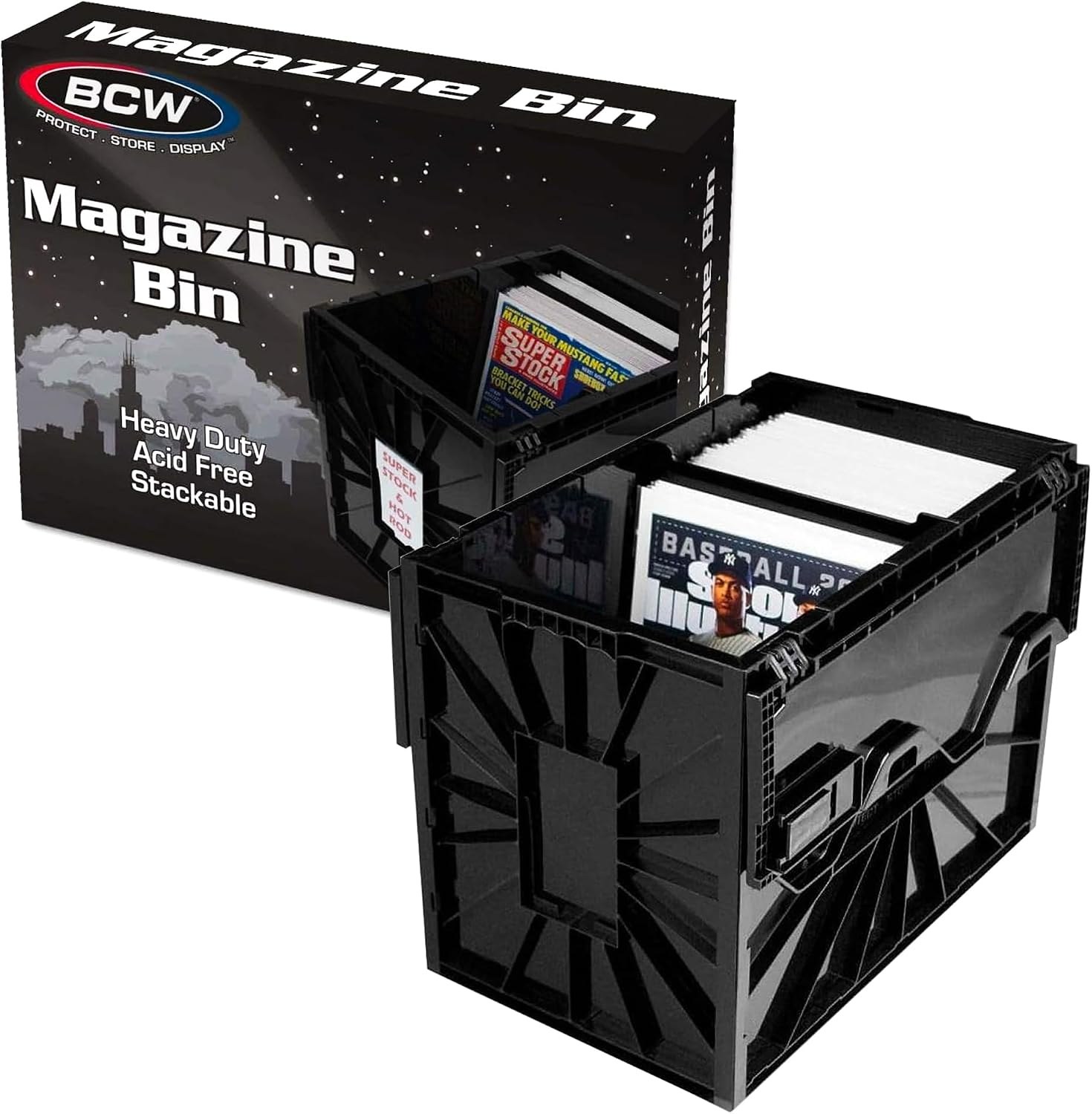
Store each issue that carries your credit upright and covered, so tear sheets stay clean for years.
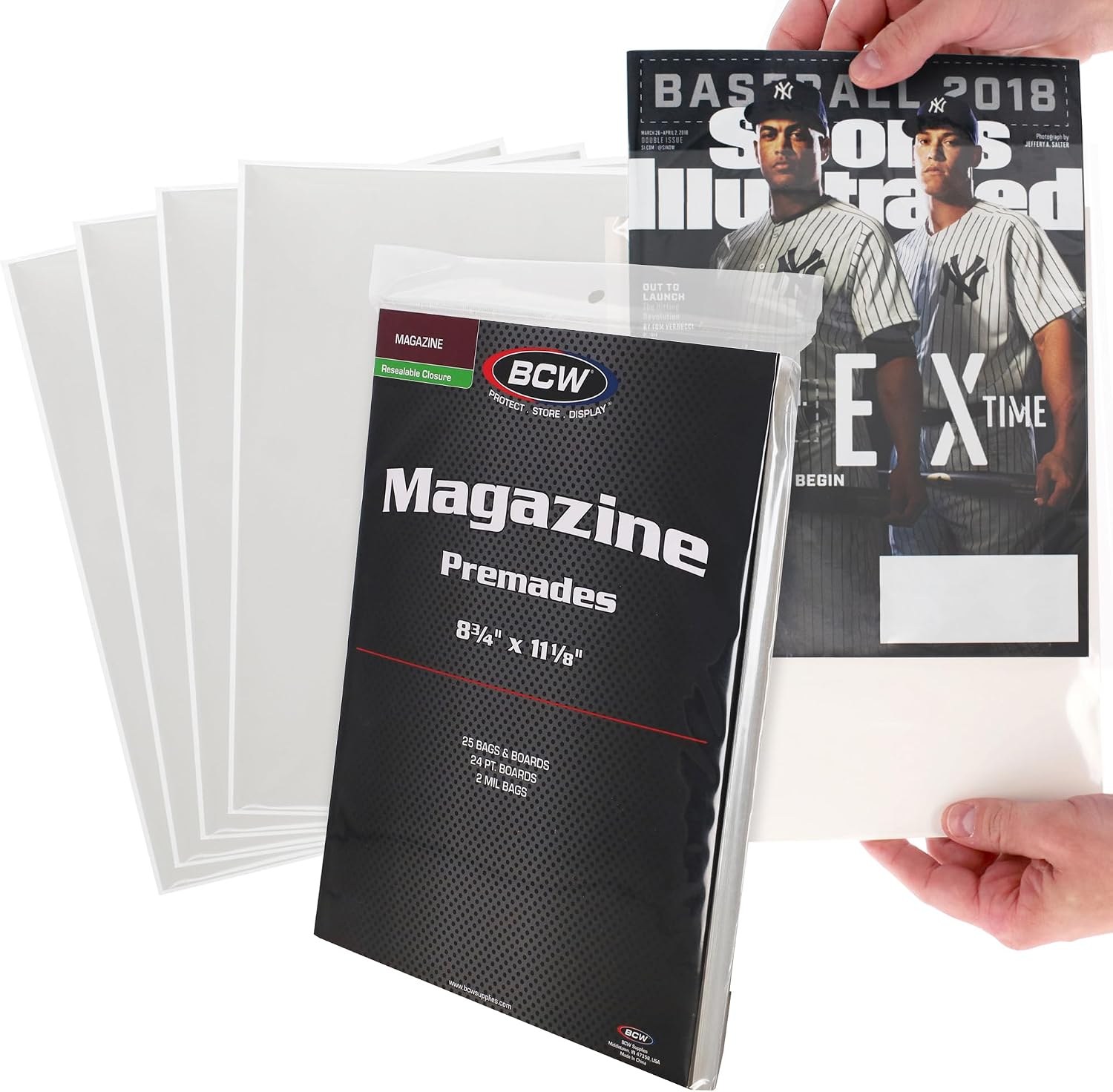
Slide each issue into a bag with a backing board, keeping covers and spreads from bending in storage.
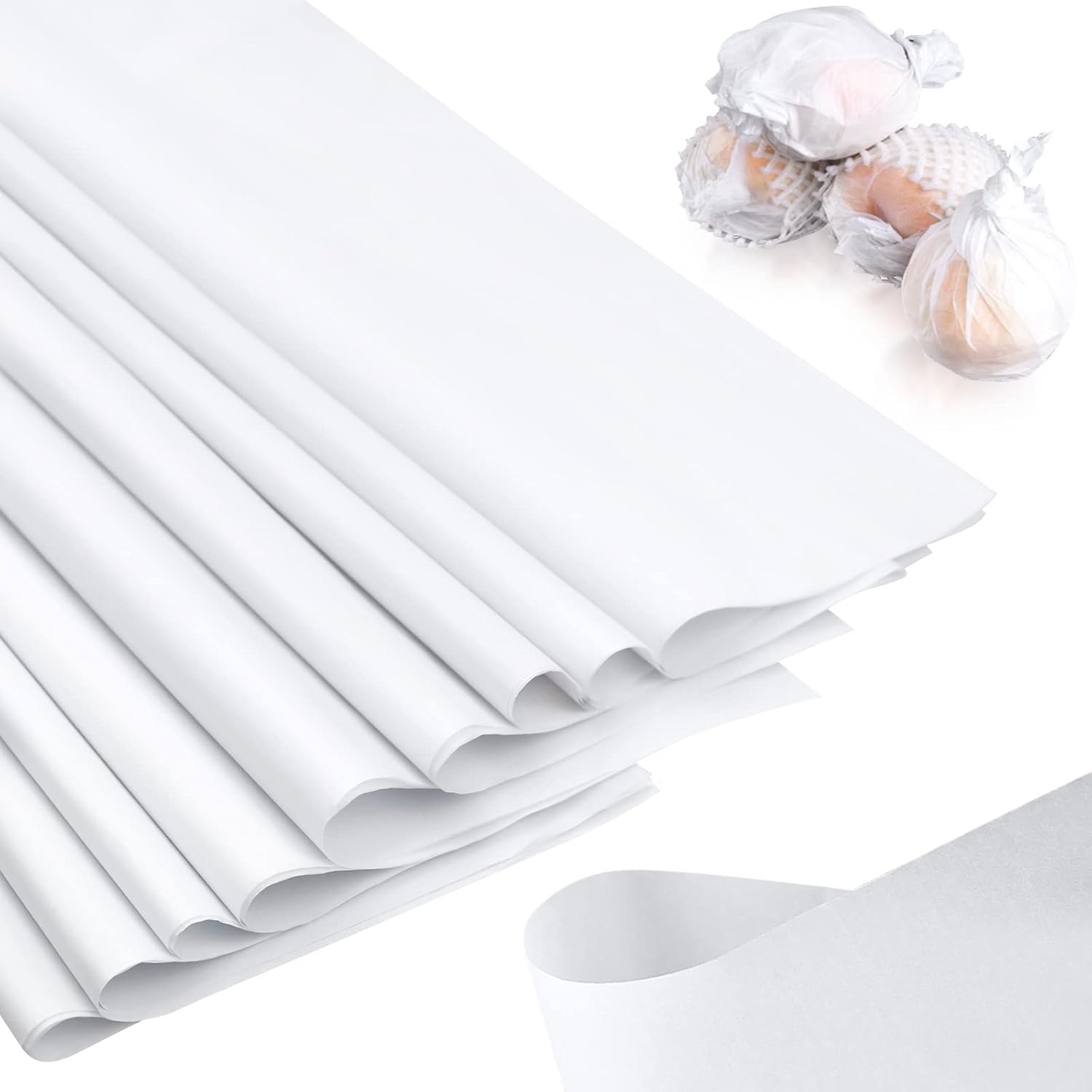
Lay acid-free tissue between pages you pull out, so ink from one spread does not transfer onto another.
Requesting pages, PDFs and digital files
Once a story or campaign releases, request the material promptly, while people still remember the job. Start with the photographer, because they usually receive final selects and often the layout. Next, ask the publication’s photo or fashion department for a PDF of the spread. For brand work, the in-house producer or marketing coordinator is usually the right contact. Keep each request brief, name the issue or campaign, and say how you plan to use the files. For instance, you might ask for the printed pages as a PDF for your portfolio and website. Because people are busy, a clear, specific request gets answered faster than a vague one. If you hear nothing, follow up once after a week or two. Then let it rest, and buy the issue yourself if it is in print.
Print copies deserve the same care as digital files. Therefore, buy at least two copies of any issue that carries your work. Keep one intact and use the other for scanning or removing pages. Online editorials need a different habit, since pages change or disappear without notice. The Internet Archive’s Save Page Now tool captures a single page on demand. That gives you a dated, public record of the credit as it appeared. It captures only the page you submit, so save each story page separately. Also take your own full-page screenshot, including the URL and date, and file it with the job. In other words, collect proof the day a story goes live, rather than months later, when the page may have changed.
Scanning printed pages
When you scan or photograph printed pages, capture the whole page rather than a crop of the image. The page number, the running header and the credit block all do work for you. Similarly, scan the cover and the masthead once per issue, because they establish the date and the title. Use flat, even light and a neutral background if you photograph pages instead of scanning them. Then name each file in a consistent way, with the year, publication, issue and story. For example, a pattern of year, title, month and page sorts cleanly in any folder. Keep a master copy at full resolution and export lighter versions for email and the web. As a result, you can rebuild a PDF book in an afternoon, rather than hunting through downloads before a meeting.
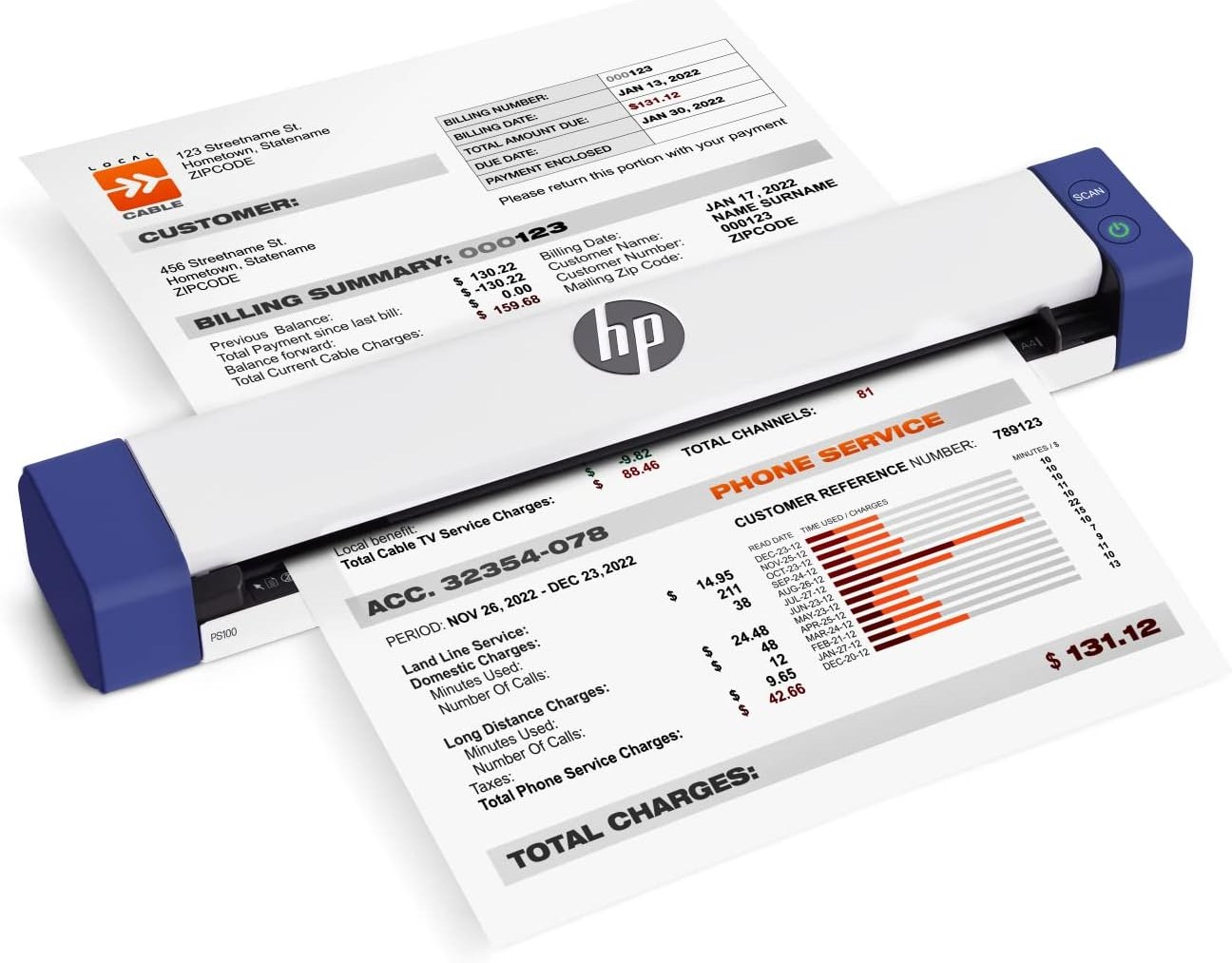
Scan printed pages the week they run, so the credit lives in your files even if the issue goes missing.
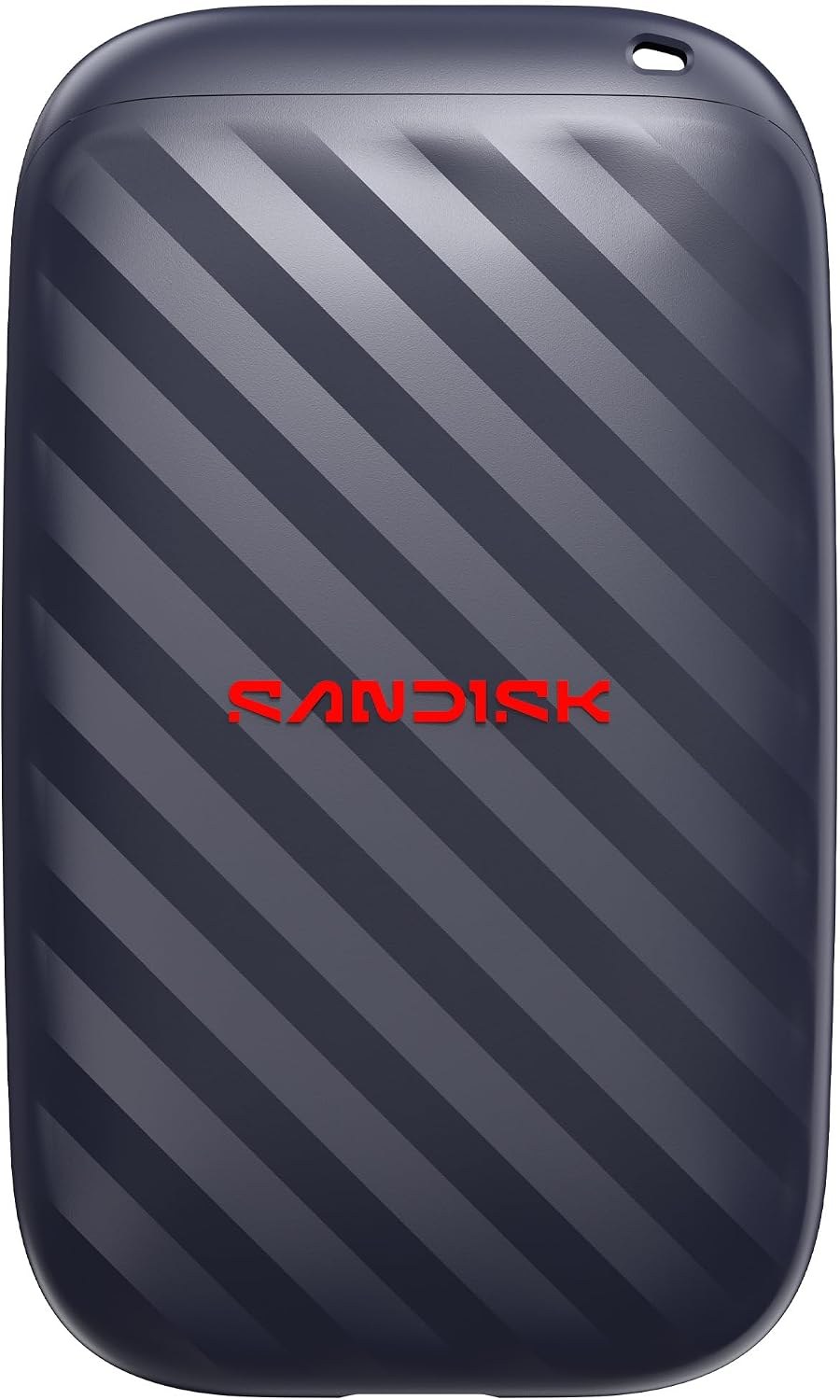
Keep a second copy of scans, PDFs and publisher files off your laptop, sorted by publication and date.
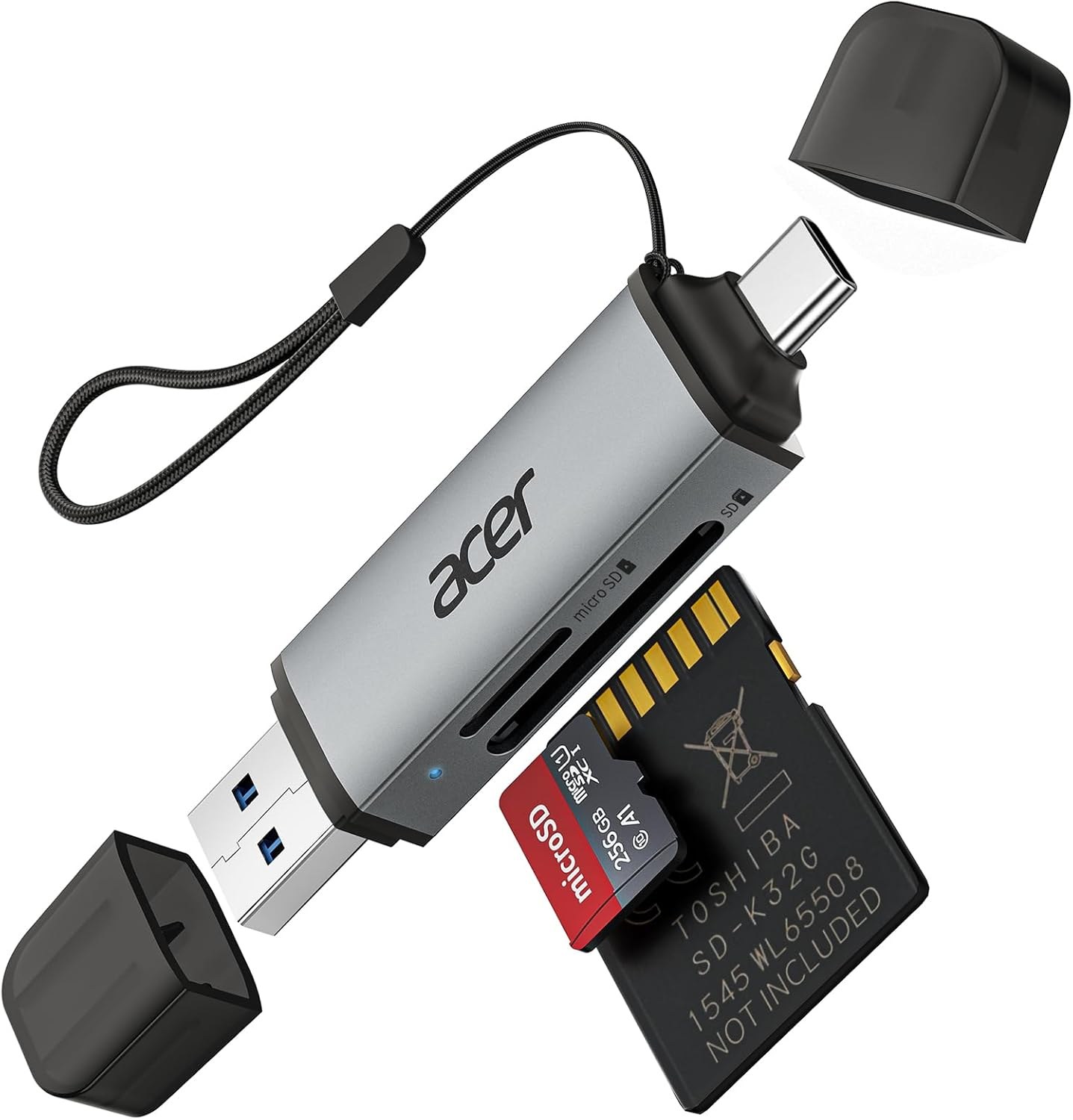
Pull files from a photographer's card or your own camera straight onto your laptop through USB-C.
A good scan also protects the relationship with the photographer, since it shows their work at its best. That matters because you will rely on the same people for the next request. So when you share a tear sheet online, credit the photographer and the full team in the caption. Furthermore, tag the publication or brand where the platform allows it. This habit costs nothing, and it signals that you understand how the image came to exist. It also makes the photographer more likely to send files promptly next time. In contrast, a stylist who crops out credits or posts unreleased selects quickly earns a reputation for it. Producers talk to one another, and so do photo agents. Treat every shared page as a small act of professional courtesy, and the files tend to keep coming.

When your name isn’t on the photo
Uncredited work is a normal part of a styling career, not a sign that you did something wrong. Brand campaigns often credit only the brand. E-commerce sessions rarely credit anyone, even when you dressed hundreds of looks. Meanwhile, celebrity styling may surface under the lead stylist’s name or no name at all. Your task, then, is to document the job well enough that a future client can trust your account of it. That trust depends on accuracy. Describe what you did in plain terms, and never stretch your role. For instance, write that you styled e-commerce on-figure sessions for a named retailer, if your contract allows naming them. Alternatively, describe the category, such as a national denim brand, when a confidentiality clause applies. Either way, the description should match the documents you keep.

The paper trail for an uncredited job is usually already in your inbox. Keep the call sheet, because it lists the date, the client, the crew and your role. Keep the booking email and the deal memo, too. Then keep your invoice and proof of payment, since together they show that a real client paid for real work. These records also serve your taxes, so file them carefully. The IRS guidance on how long to keep records sets three years as the general period for most returns. However, longer periods apply in some situations. For portfolio purposes, there is little reason to discard these files at all. A simple folder per job, named the same way as your scans, keeps everything findable.
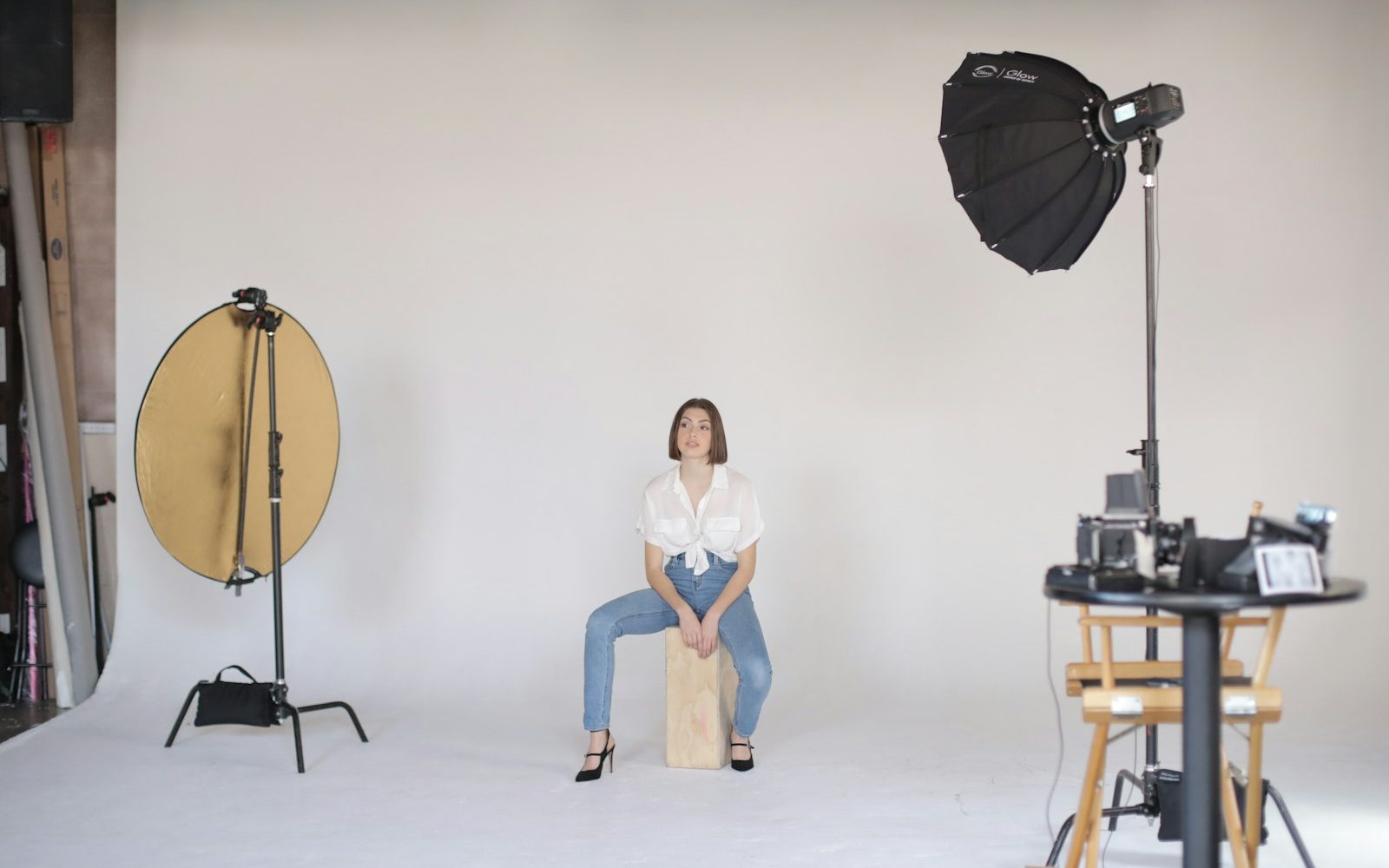
Behind-the-scenes images
Behind-the-scenes images help, but they carry their own rules. Before you shoot anything on set, check the production’s policy, because a campaign may forbid phones near unreleased product. If you have permission, focus on your work rather than the hero image. For example, show a rack you built, a fitting in progress or a clamped back seam. That kind of image proves your hand in the process without copying the photographer’s frame. The ASMP Member Code of Conduct warns photographers against claiming another person’s setup as their own. That principle applies to stylists, too. So never post a phone capture of the lit set as if it were the final photograph. Instead, label behind-the-scenes images as process, and keep the final campaign for after release, with credit.
Permission to show the work
A credit is not the same as permission, and this is where many stylists get caught. Under 17 U.S.C. § 201, copyright belongs first to the author of a work. For a photograph, that is usually the photographer. When a work qualifies as a work made for hire, the commissioning party or employer owns it instead. The definition in 17 U.S.C. § 101 limits commissioned works for hire to listed categories and a signed written agreement. Either way, the owner is rarely the stylist. Then 17 U.S.C. § 106 gives the owner the exclusive right to reproduce the image and display it publicly. In practice, posting a photograph on your website touches both rights.
Notes for working stylists: pulls, pricing, clients and career, sent occasionally.
Occasional letters. Unsubscribe anytime.
So what can you show? The cleanest answer is written permission from the owner, ideally gathered before the shoot. Ask the photographer for a self-promotion license covering your portfolio, website and social accounts. For brand work, ask the client, since they may hold rights the photographer does not. You may hear that portfolio use counts as fair use. However, the U.S. Copyright Office Fair Use Index notes that courts decide fair use case by case. Because of that, relying on it is a gamble rather than a plan. A second layer also applies, since models and talent have their own rights. The Cornell LII entry on the right of publicity explains that state laws protect against unauthorized commercial use of a person’s likeness.

Embargoes and confidentiality
Timing matters as much as permission. Campaigns and editorials can carry embargoes, so you cannot show the work until the client or publication releases it. Meanwhile, some jobs carry confidentiality clauses that last longer than the campaign itself. Read those clauses before you sign, and ask for a portfolio carve-out if one is missing. A typical request is simple. You ask to show the final released images in your book and online, with credit, after the public release date. The request is reasonable, and it is easier to agree before signing than after. If a client refuses, respect it, and document the job privately instead. Then you can still describe the work in a meeting, with the call sheet and invoice as backing. That honest version keeps you safe and keeps the client.
Building the styling book in print
The print book still matters for in-person meetings with editors, agents and brand teams. It slows the conversation down, and it lets a client see how your stories hold together. Start with a tight edit, because one strong story outweighs several thin ones. Lead with the work that matches the clients you want next, rather than the work you are proudest of. For example, a stylist chasing commercial bookings might open with a clean campaign before a conceptual editorial. Then sequence each story as a narrative, with an opening frame, the key looks and a closing image. Place tear sheets beside or after the photographer’s selects, so the client sees the published proof. Finally, keep the book current, and remove older work once newer stories cover the same ground.

Arrange tear sheets and prints in clear sleeves, then reorder pages for each client meeting.
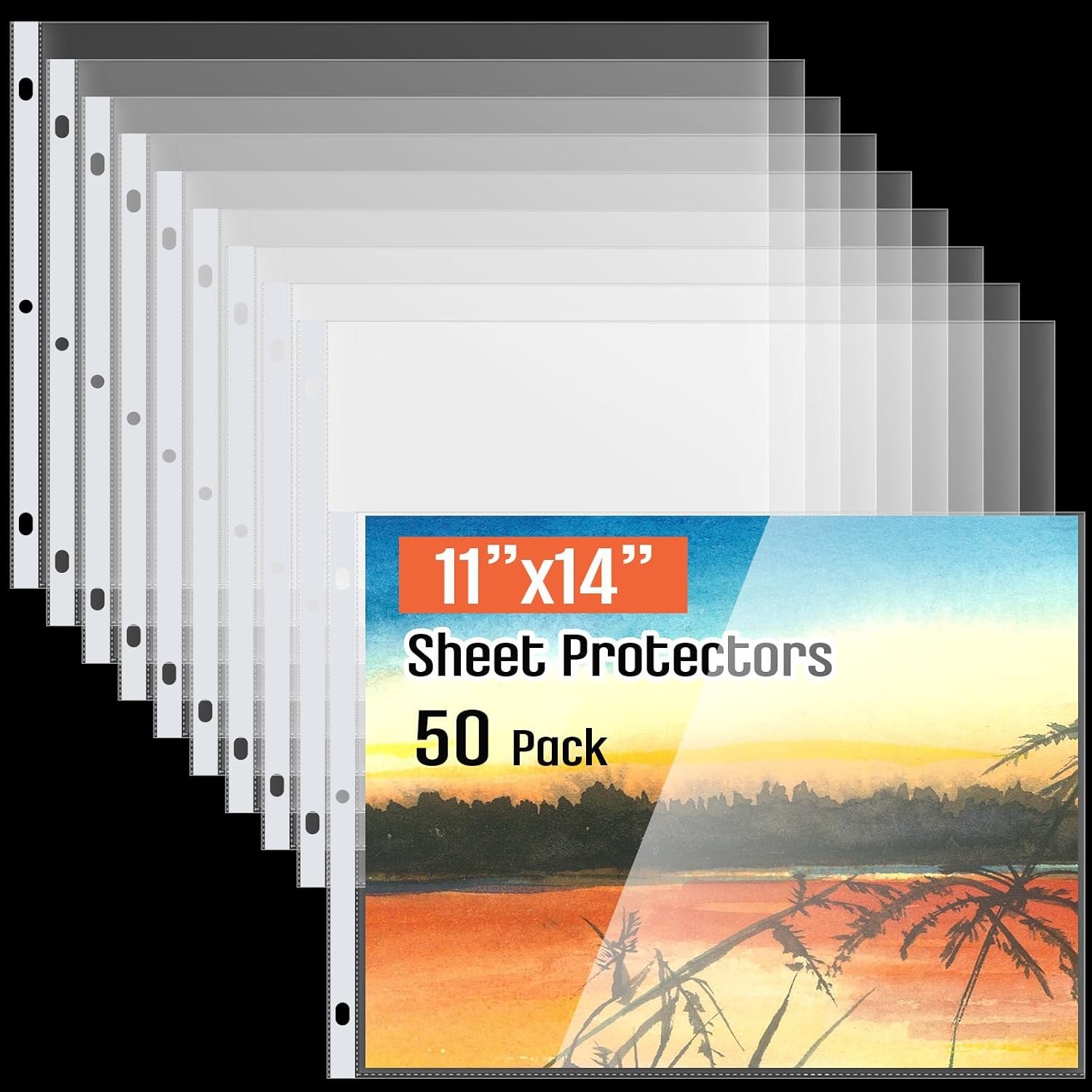
Replace scuffed sleeves before a meeting, so every tear sheet looks clean when a client turns the page.
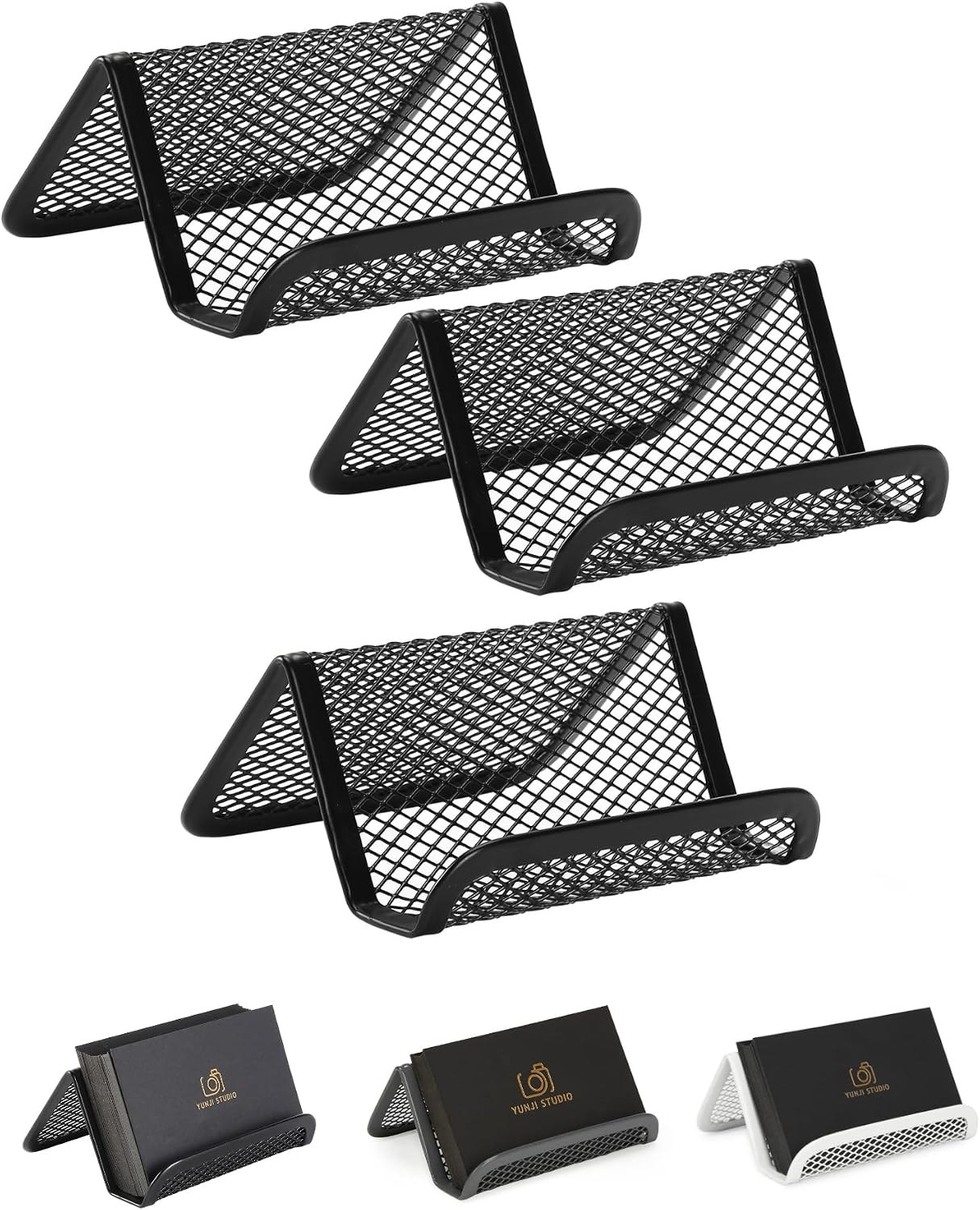
Keep cards beside your book at go-sees, so a client leaves with your name and contact details.
The physical format should stay quiet, because the work carries the meeting. Choose a single page size and orientation, and print everything to fit it consistently. A landscape book suits double-page spreads, while a portrait book suits single editorial pages. Next, print on one paper stock, so color and contrast read evenly from page to page. Archival sleeves protect printed tear sheets, which yellow and crease with handling. Also add a small, discreet caption to each story, listing the client, publication and photographer. That caption answers the questions a client would otherwise ask, and it shows respect for the team. A screw-post binding lets you swap pages easily as the book changes. As a result, you can tailor the sequence for each meeting without reprinting the entire book.

The digital book
Most first impressions now happen through a PDF or a website, so the digital book deserves equal care. Build a PDF that opens quickly on a phone, with one story per section and a short credit line on each. Then keep a website that mirrors the same edit, organized by category rather than by date. For instance, separate editorial, campaign, e-commerce and still life, because clients search for the work they need. Also add a private page or password-protected PDF for documented work you cannot show publicly. Your test work belongs here too, clearly labeled as test. Planning pulls for test shoots takes as much rigor as a paid job, and the results can fill a real gap. Similarly, product work for your book can show precision that fashion stories may not reveal.
Test shoots deserve a clear purpose, because they cost time, favors and often money. Before you plan one, look at your book and name the gap. Perhaps you have strong womenswear but no menswear, or plenty of studio work but nothing on location. Then build a test that answers that single gap, with a photographer and team who share the goal. Agree in writing that everyone may use the images for self-promotion, with credit. Meanwhile, look at how adjacent artists approach the same problem. Our guide on how makeup artists build a portfolio covers a parallel process, and the logic of naming gaps carries across. Still, a stylist’s book has its own priorities, because clients judge fit, sourcing and range, not technique alone. So keep your tests focused on those qualities.

Keeping tear sheets and credits current
An archive only helps if you maintain it, and the easiest way is a simple log. Use a spreadsheet with one row per job. Record the date, client, publication, issue, page, photographer and your exact credit. Then add columns for whether you requested tear sheets, whether they arrived and what permission you hold. Also note any embargo date, so you know when the work becomes showable. For uncredited jobs, link to the folder with the call sheet, invoice and approved process images. This log takes a few minutes after each job. However, it saves hours before a pitch, because you can filter by category and build a targeted PDF quickly. In addition, it helps at tax time, since the same rows match your invoices and receipts.
Follow-up is the other half of the system. Set a reminder for each release date, then send your request that week. If a photographer or editor sends files, thank them and share the work with full credit. Over time, that rhythm builds trust with the people who control your proof. Meanwhile, review the whole book every few months with fresh eyes. Ask whether each story still reflects the clients you want, and whether newer work does the job better. Remove anything that no longer represents your standard, even if it once mattered a great deal. Then update the PDF, the website and the print book together, so they tell one consistent story. A book that stays current signals a career in motion, and clients notice that steadiness.
The book as a record of judgment
It is easy to treat the styling book as a scrapbook of proud moments. Yet clients read it differently. They look for judgment, meaning what you chose, how you edited and whether you understood the brief. A credit tells them someone trusted you once. The sequence tells them how you think. That is why the quiet admin matters so much. The emails about credit wording, the saved pages and the folders of call sheets all protect the record of that judgment. None of it is glamorous, and some weeks it feels like one more task on a full plate. Still, a stylist who keeps that record can walk into any meeting calmly. You know what you did, you can prove it and you have permission to show it.
Tools and library


The tools above keep the physical side of the archive in order, but the archive also sits inside a business. Every credit you secure feeds the rate you can charge next, because published work moves you into a different conversation with clients. Likewise, every documented uncredited job supports a fair day rate, even when the images stay private. The same records support your invoices, your contracts and your conversations about usage. In other words, the styling book and the business are one system, and each part strengthens the other. If you want a fuller structure for that business side, the resource below gathers the planning, pricing and client tools in one place. It is written for working artists who want steadier bookings without the noise, and it pairs well with the habits in this guide.
From the Artist Library
The career guide in the Artist Library was written for makeup artists, yet its chapters on pricing, contracts, agencies and the first five clients translate directly to styling work. Read it alongside your rate sheet and loan paperwork, and it will help you ask sharper questions before your next booking.
Questions worth asking
What is a tear sheet for a stylist?
A tear sheet is a published page that shows your styling work in context, with the masthead, page number and printed credit. It can be a physical page or a clean PDF of the spread. It proves a publication or brand chose and ran your work, which a loose photograph cannot do.
How do I ask for tear sheets after a shoot?
Ask the photographer first, then the publication’s photo or fashion department, or the brand’s in-house producer. Name the issue or campaign and explain that you want the pages for your portfolio and website. Send one polite follow-up after a week or two, and buy the printed issue yourself.
Can I put uncredited work in my styling book?
Yes, when you describe your role accurately and hold permission to show the images. If you cannot show them, document the job privately with the call sheet, booking email and invoice. You can then describe the work in meetings, backed by records, without breaching any confidentiality clause.
Do I need permission to post photos I styled?
Usually, yes. Copyright in a photograph normally belongs to the photographer, or to the client when the work qualifies as a work made for hire. Ask for a written self-promotion license before the shoot. Models also have rights in their likeness, which state laws protect against unauthorized commercial use.
Should my styling book be print or digital?
You need both. A PDF and a website handle most first impressions, so keep them fast and organized by category. A print book still matters for in-person meetings with editors, agents and brand teams. Keep all three on the same edit, and update them together after each new release.
How long should I keep call sheets and invoices?
For taxes, the IRS sets three years as the general period for most returns, with longer periods in some cases. For your portfolio, keep them indefinitely. Call sheets, booking emails and invoices form the paper trail that proves uncredited work, and a simple folder per job keeps them easy to find.
