
The Artist · Business and Tax
It is February, and a shoebox of receipts sits on your desk next to a rolling rack of returns. Somewhere in that box are the black trousers you bought for set, the steamer you replaced in October, and three flights to a catalog job in Miami. Every stylist eventually asks the same question: can you write off clothes when clothes are the whole job? The answer is narrower than most forum threads suggest, and it depends on a test the IRS has applied for decades. This guide is for working stylists, and it covers the clothing rule, pulls, kit, travel, the home office and records. It sits alongside our wider look at a stylist’s working life, and it draws only on IRS publications and one court decision.
The short answer
Usually, no. You can write off clothes only when the IRS two-part test is met: the clothing is required for the work, and it is not suitable for everyday wear. A blazer you wear on set fails, even if you never wear it elsewhere. Self-employed stylists can, however, deduct ordinary and necessary business costs on Schedule C, including kit supplies, business travel and records-backed mileage. This is general information, not tax advice; a qualified tax professional should review your own return.
In this guide
- Can stylists write off clothes? The IRS clothing test
- Schedule C or W-2: which kind of stylist you are
- Pulls are not income, and they are not your expense
- The kit deduction: tools, supplies and equipment
- Clothes bought for a shoot versus clothes you wear
- The travel deduction: tax home, mileage and meals
- The home office and storage rules
- Records that hold up
- The clothes are not the deduction; the business is
- Questions worth asking
Can stylists write off clothes? The IRS clothing test
The IRS states its clothing rule plainly. The 2017 edition of IRS Publication 529 allowed the cost and upkeep of work clothes only when two requirements were met. First, you had to wear them as a condition of the work. Second, the clothes could not be suitable for everyday wear. It also warned that distinctive clothing is not enough, and neither is never wearing the pieces away from work. Instead, the clothing must not be able to take the place of your regular wardrobe. The current edition still uses the same idea for performing artists. For example, it allows theatrical clothing and accessories only when they are not suitable for everyday wear. So whether you can write off clothes turns on the garment itself, not on your habits.

A federal appeals court made that point in a case close to fashion work. In Pevsner v. Commissioner (5th Cir. 1980), the taxpayer managed an Yves Saint Laurent boutique and deducted the label clothing her employer required her to wear. The Tax Court allowed the deduction because she never wore the clothes outside work. However, the Fifth Circuit reversed that decision. It applied an objective test, asking whether the clothing suited general wear, rather than whether it suited her own lifestyle. That reasoning still frames the question for stylists today. Your set uniform of black trousers, flat boots and a good shirt is practical. Still, it is ordinary clothing, so it almost certainly fails. In practice, costumes and protective gear sit closer to the line than anything from a designer rail.

Schedule C or W-2: which kind of stylist you are
Before any deduction, settle how you are paid, because the rules split sharply here. If you invoice clients and receive Forms 1099-NEC, you report income and expenses on Schedule C. By contrast, a staff role, such as an in-house e-commerce job, usually comes with a W-2. For employees, the current edition of IRS Publication 529 says you can no longer claim unreimbursed employee expenses. The exceptions are narrow, such as Armed Forces reservists, qualified performing artists and certain government officials. As a result, a salaried stylist usually cannot deduct work costs, even legitimate ones. If you hold a staff job and freelance on weekends, you may have both kinds of income. Then only the freelance side generally carries deductible business expenses on Schedule C.
For the self-employed side, the core standard comes from IRS Publication 334, Tax Guide for Small Business. It says a business expense must be both ordinary and necessary. An ordinary expense is common and accepted in your field. A necessary expense is helpful and appropriate for your business, though it does not need to be indispensable. Older guides often point to Publication 535 for business expenses. However, the IRS page About Publication 535 says the publication has been discontinued, with 2022 as its last revision. Its general deduction material now sits mainly in Publication 334, while depreciation points to Publication 946. So when a blog cites Pub 535, check the current replacement first.
Pulls are not income, and they are not your expense
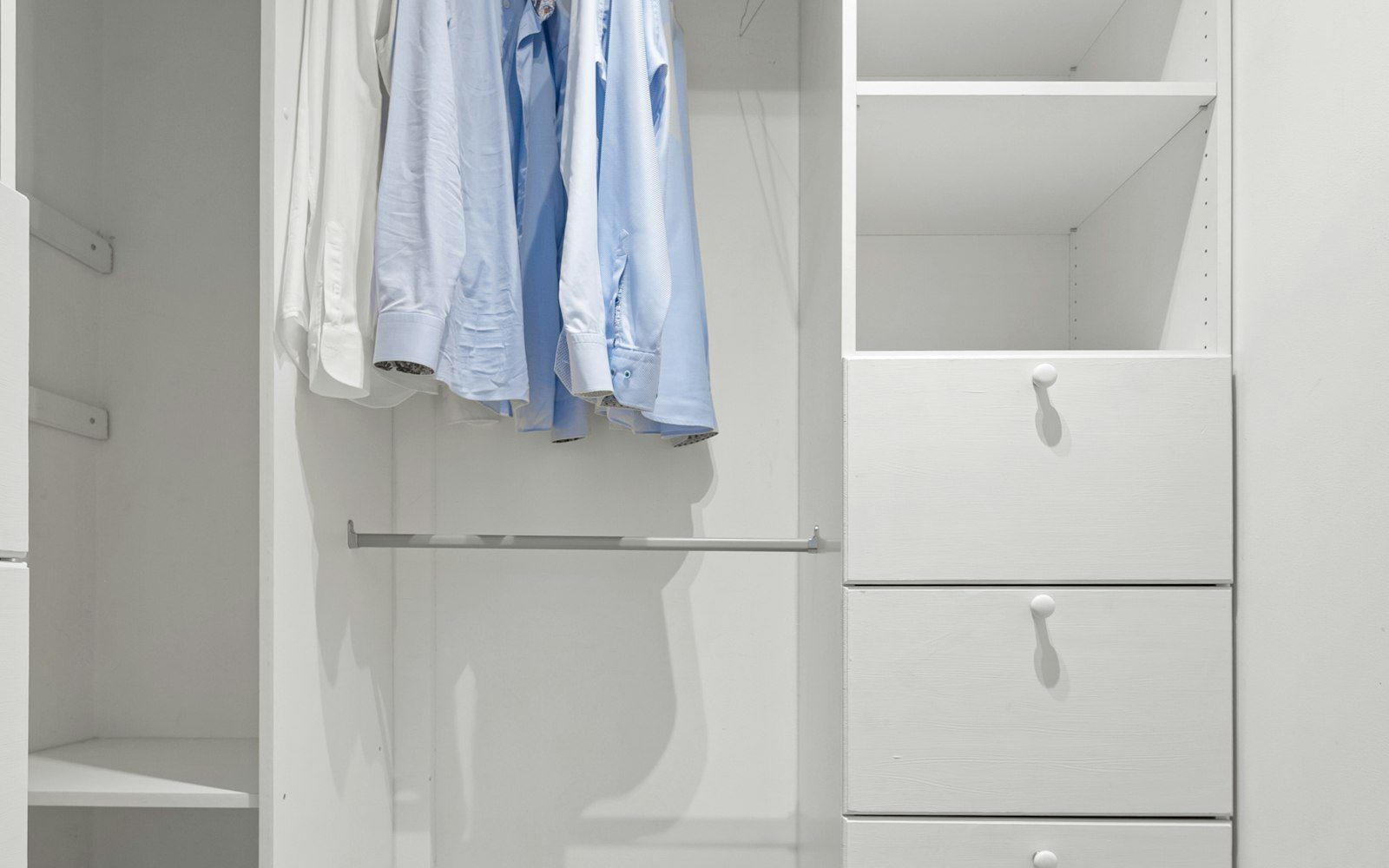
Pulls confuse the tax picture because so much value passes through your hands. A showroom may lend you a rack worth more than your annual income, yet none of it belongs to you. Because you return the garments, a pull is a loan, not a purchase. Logically, then, you cannot deduct borrowed clothing, and the loan itself does not create income for you. What matters is the money you actually spend or receive, such as your fee, couriers, tailoring and card charges. In practice, the useful habit is to separate the paper trail. Keep pull letters and return receipts with the job file, and keep your own costs in your expense records. Then the two never blur when you sit down with a preparer.

Card holds work the same way until a charge goes through. While a brand holds an amount against your card, nothing has left your account, so there is nothing to deduct. If a garment comes back damaged and the brand charges you, that payment is a real cost of doing the job. Many stylists who cannot write off clothes they wear still treat such charges as business expenses, although the right treatment depends on your facts and any reimbursement. For example, if the client repays you, the reimbursement and the cost need to be matched in your books. Our guide to loss and damage costs covers how to agree in writing who pays before a pull leaves the showroom. Above all, keep the invoice, the damage report and any client email together in one file.

Pieces you keep are a different matter
Gifts and trades are different, and here the IRS is specific. Sometimes a brand offers you pieces to keep instead of a fee, or in addition to one. Publication 334 treats an exchange of property or services as bartering. Under that rule, you include the fair market value of property or services you receive in exchange for something else in your gross receipts, at the time you receive them. So a jacket you keep as payment for styling a lookbook is not free in tax terms. It may count as income at its fair value. On the other hand, a garment you borrow and return is not a trade at all. Consequently, add a column to your job log marked kept or returned, so the year-end review stays quick.
The kit deduction: tools, supplies and equipment
Your kit is where Schedule C works in your favor, because kit costs are plainly ordinary in the trade. Fashion tape, clamps, safety pins, lint rollers, shoe sole protectors and garment bags all serve the job directly. The Instructions for Schedule C put supplies on line 22. However, they also note that you generally deduct materials and supplies only to the extent you actually used and consumed them. For most stylists, consumables get used within the year, so the timing rarely causes trouble. Larger items behave differently. A steamer, rolling rack or portable mirror lasts for years, so it can fall under depreciation rules instead. If you are unsure which items belong in which group, our list of tools that count as kit is a useful starting inventory to sort against.

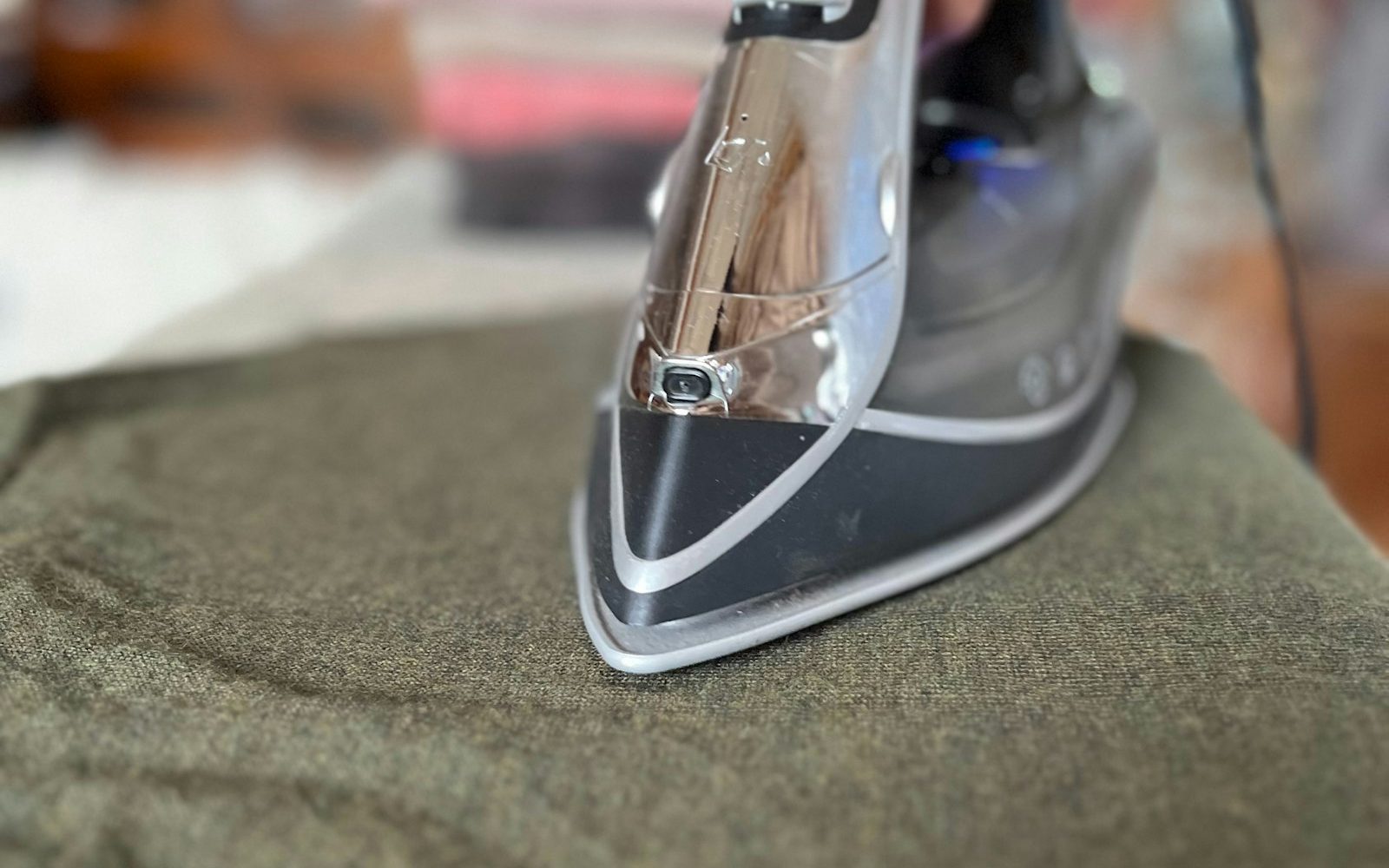
A compact steamer you carry to every booking is a kit item; log the receipt with the job file.
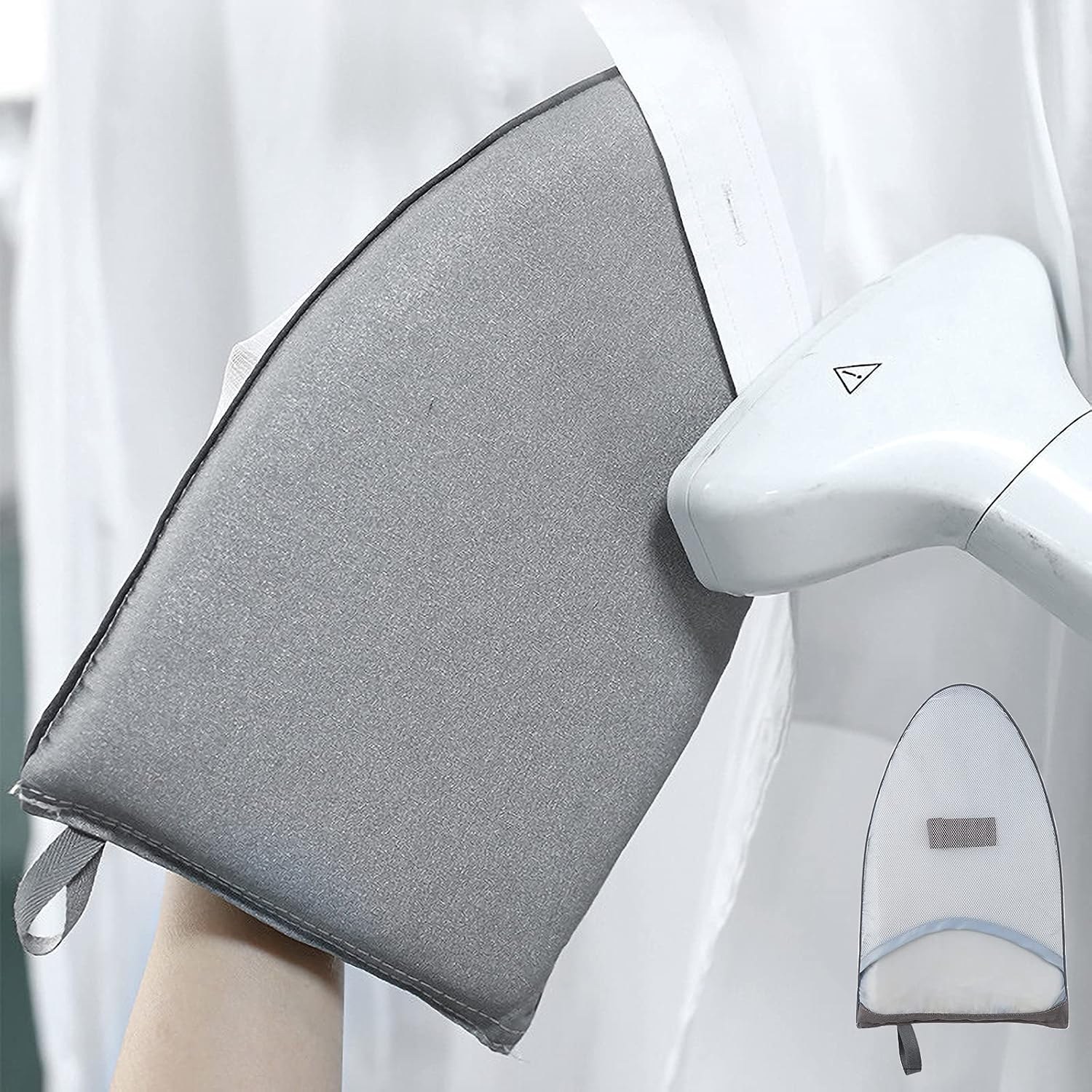
Protect your hands while steaming on set, and file the receipt alongside the steamer as working supplies.
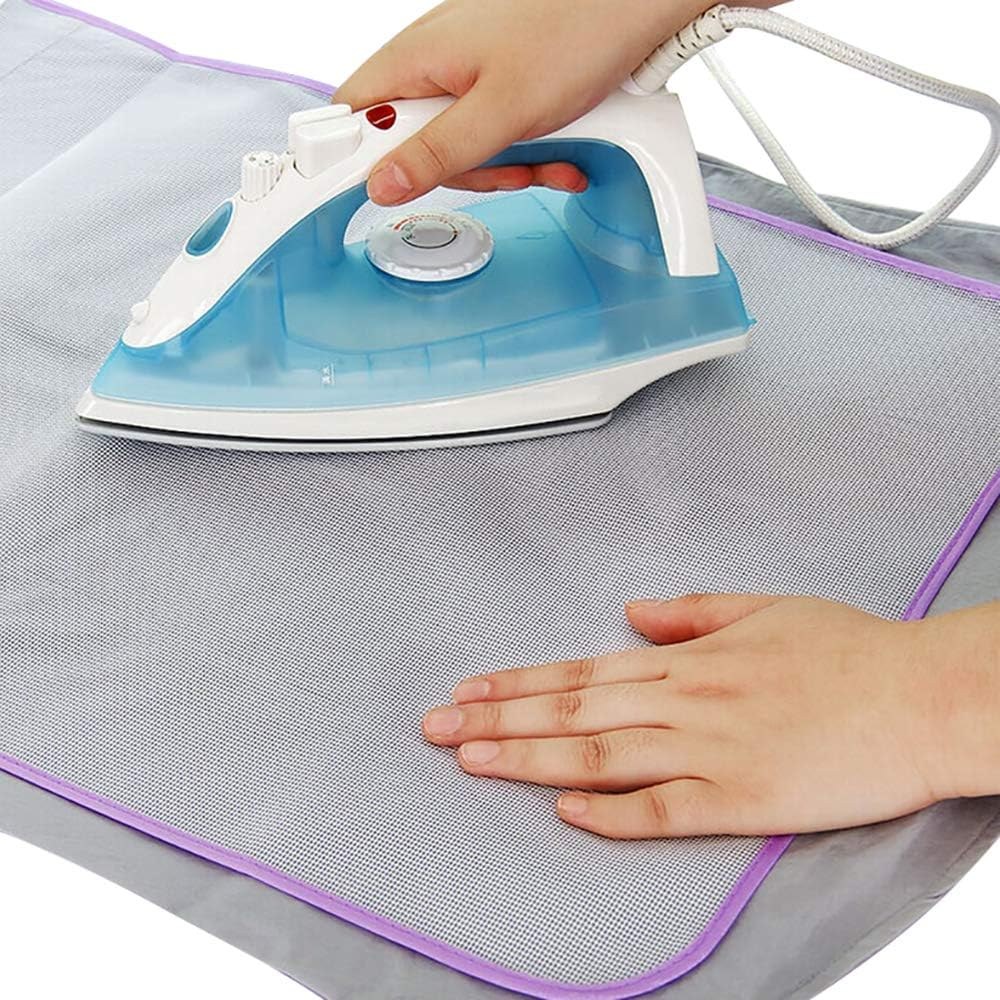
Press delicate samples through mesh to avoid shine and scorching, a small supply worth logging with your kit.
The simpler path for equipment
For equipment, the IRS offers a simpler path than full depreciation in many cases. Both Publication 334 and the Schedule C instructions describe a de minimis safe harbor for tangible property. If you elect it and do not have an applicable financial statement, you may deduct amounts up to $2,500 per item or invoice. You report those amounts as other expenses in Part V of Schedule C. Meanwhile, more expensive items can go through depreciation or the section 179 deduction, which Publication 334 also explains. Because the election has requirements, it is worth confirming with your preparer before you file. In short, the steamer, the rack and the replacement clamps usually belong in your books, while your own trousers usually do not.

Billing affects how cleanly kit shows up on the return. If you charge a kit fee, that fee is income, and the kit you buy is an expense. Keeping them on separate lines helps you see whether the fee covers what you spend. That is one reason many stylists prefer invoicing kit fees separately from the creative day rate. A separate line also makes your Forms 1099-NEC easier to reconcile, because the client total matches your invoice record. Similarly, if a client reimburses a specific purchase, note the reimbursement against the receipt. Otherwise, you may count the same money twice, once as income you forgot and once as a cost you claimed. A spreadsheet and a weekly logging habit are enough.

Clothes bought for a shoot versus clothes you wear
Stylists face a twist that most clothing articles ignore. Sometimes you buy garments not to wear yourself but to put on talent for a client shoot. For instance, a catalog job may need basics you cannot pull, so you buy them and bill the client. That purchase differs from your own wardrobe, because it serves the client’s production rather than your appearance. Even so, the tax treatment depends on what happens next. When you bill the client and hand over the garments, the purchase and the reimbursement should match in your books. A store return, by contrast, means the refund cancels the cost. If you keep pieces for future jobs, they may look more like inventory or kit stock. Because the outcome turns on these facts, write a one-line note on each receipt explaining which job it served.
Notes for working stylists: pulls, pricing, clients and career, sent occasionally.
Occasional letters. Unsubscribe anytime.
A word on the limits of this guide, because the stakes are your own return. Everything here summarizes IRS publications for the 2025 tax year, which are the latest editions available as this guide is written. Publications change each year, and so do rates such as the standard mileage rate. In addition, state income tax rules may differ from federal treatment, and New York, California and other states each set their own forms. A qualified tax professional can review your facts, your elections and any state rules that apply. This guide is general information, not tax advice, and Cossèt Môi is not a tax preparer. Use it to organize your questions and your records before that conversation. Good preparation also tends to shorten the meeting and lower the fee.
The travel deduction: tax home, mileage and meals
Travel rules start with a phrase that matters more than any receipt: your tax home. IRS Publication 463, Travel, Gift, and Car Expenses defines your tax home generally as your regular or main place of business, not necessarily where your family lives. You are traveling away from home when your duties keep you well beyond that area for longer than a normal workday, and you need to sleep or rest. For a stylist based in Brooklyn, a two-day lookbook job in Los Angeles fits that description. Deductible travel costs can then include airfare, local taxis, lodging, dry cleaning, business calls and tips. Publication 463 also notes that people with no regular place of business who live nowhere in particular cannot deduct travel at all.
Local driving follows separate rules. Publication 334 treats the trip between your home and your main or regular workplace as personal commuting. However, it lists trips from one workplace to another, client visits and travel to a temporary workplace as local business transportation. For a freelance stylist, a showroom pickup, a studio day and a returns run can each count, depending on your setup. If your home office is your principal place of business, the publication also allows round trips from home to clients. For 2025, the Schedule C instructions set the standard mileage rate at 70 cents a mile, with parking and tolls added. You must choose the standard mileage rate in the first year you use the car for business. Because rates change, check the current figure each year rather than reusing an old one.

Meals and the 50% limit
Meals carry their own limit, and stylists often overstate them. Under Publication 463 and the Schedule C instructions, you can generally deduct only 50% of business meal costs, and the meal cannot be lavish or extravagant. Meals on an overnight trip away from your tax home can qualify, as can a meal with a client where business is discussed. On the other hand, if the production feeds you on set, you paid nothing, so there is nothing to claim. Publication 463 also explains an exception that affects contractors. If you adequately account to a client who reimburses your meals, the 50% limit shifts to the client instead of you. Then, if you do not seek reimbursement, the limit applies to you. Either way, keep the receipt and a note of who you met and why, written on the day.
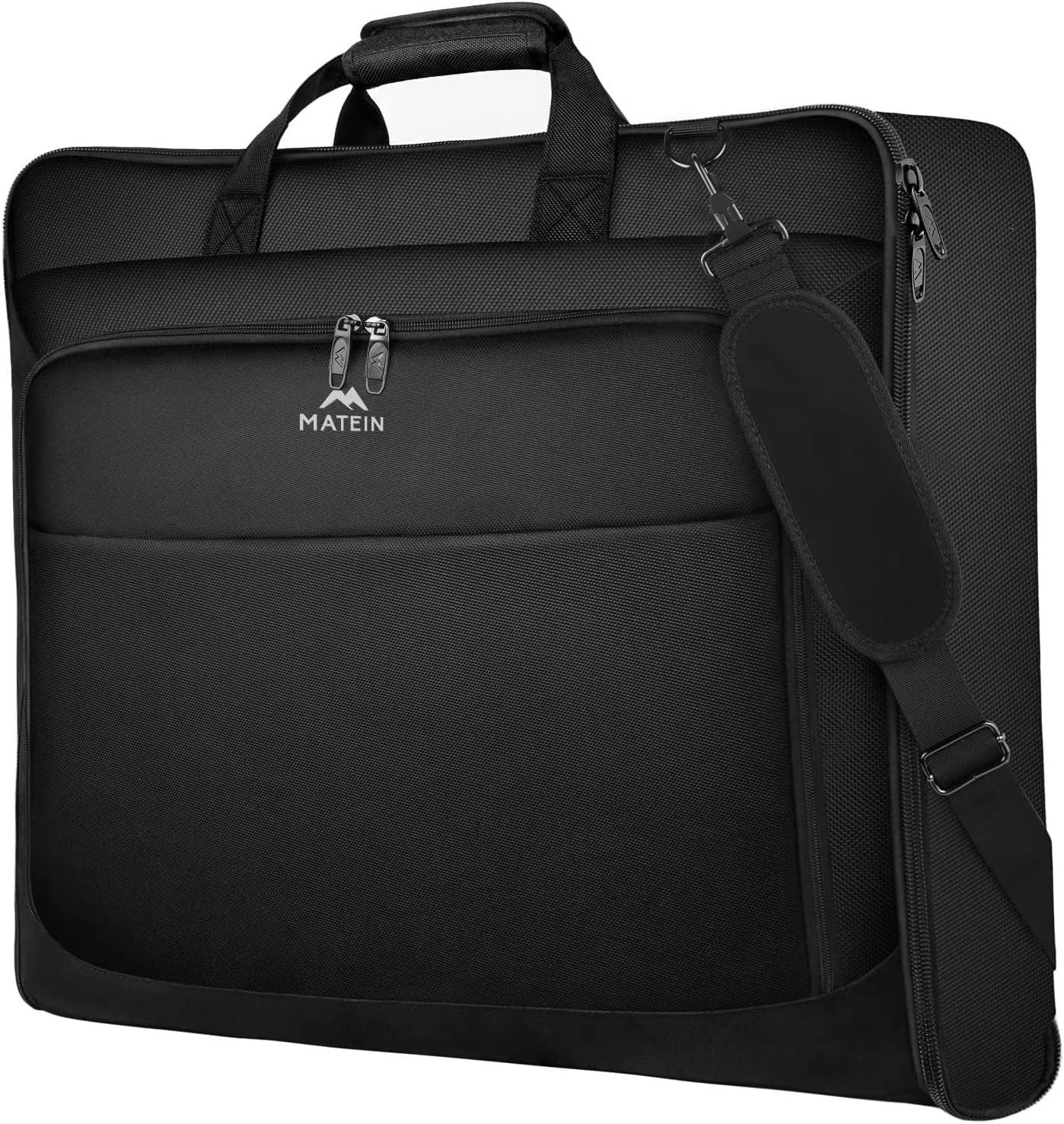
Keep samples in the cabin on overnight bookings; keep the bag receipt with your travel records for that trip.
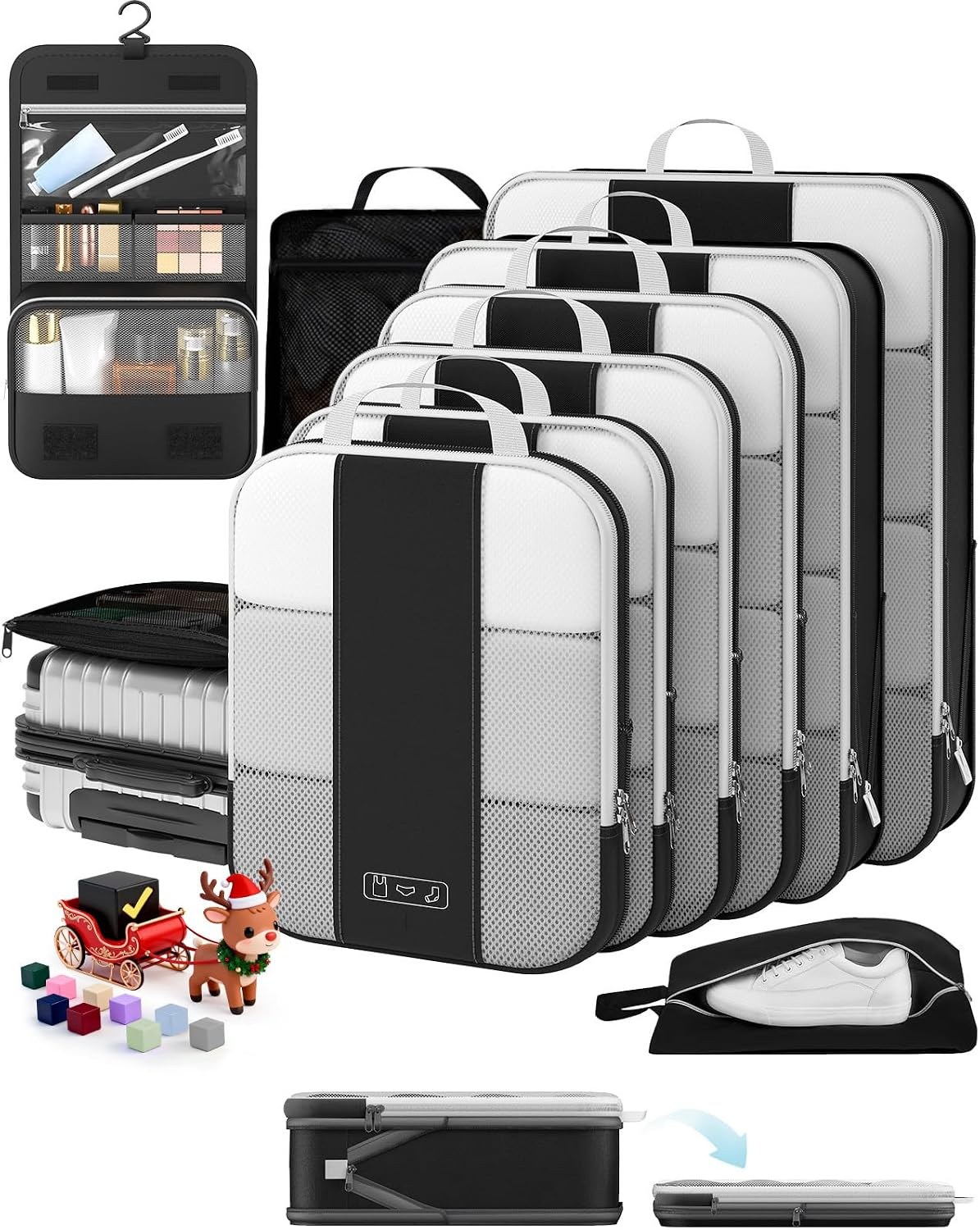
Sort accessories, steamer and paperwork into separate cubes so business items stay apart from personal packing.

Weigh kit bags before the airport, so overweight fees do not surprise you on a tight booking budget.
The home office and storage rules
Many stylists run the business from a corner of their apartment, so the home office question comes up every year. IRS Publication 587, Business Use of Your Home sets two core tests. First, you must use a specific area exclusively for business, so a sofa that doubles as a fitting area generally fails. Second, you must use the space regularly, and the publication says incidental or occasional use is not regular use. The office can qualify as a principal place of business if you use it for administrative or management work. That applies when you have no other fixed location where you do substantial admin. For a freelancer who invoices, plans pulls and builds mood boards at home, that test can fit.
Storage is where stylists hope for an exception, and the exception is narrow. Publication 587 lets you skip the exclusive use test for storage of inventory or product samples, but only when every condition applies. You must sell products at wholesale or retail, keep inventory at home, have no other fixed business location and use a separately identifiable storage space regularly. Most stylists sell a service, not products, so a closet of pulls awaiting return does not usually meet that standard. Meanwhile, the simplified method offers an easier calculation when your space does qualify. Publication 587 and the Schedule C instructions set it at $5 per square foot, limited to 300 square feet. The alternative uses Form 8829 and actual expenses, such as a share of rent and utilities. In practice, run both methods, or ask your preparer to, before choosing.

Records that hold up
Every deduction above depends on records, and IRS guidance is detailed here. IRS Publication 583, Starting a Business and Keeping Records says your records should show the amount paid and that the payment was for a business purpose. It lists canceled checks, account statements, credit card slips and invoices as supporting documents. Importantly, proof of payment alone does not prove a deduction, so keep the itemized receipt as well as the card statement. The publication also recommends a business checking account kept separate from your personal one. For stylists, that single step does more than any app, because it keeps kit runs apart from personal shopping. Then, when you review the year, every charge in the business account already has a reason to be there. Mixed accounts, by contrast, force you to defend each line from memory.
Travel records have their own standard. Publication 463 says you generally need documentary evidence such as receipts, canceled checks or bills. However, it allows an exception for expenses other than lodging that are under $75. Lodging always needs a receipt, whatever the amount. The same publication values timely records, made at or near the time of the expense. A log kept weekly counts as timely, which suits a stylist’s schedule far better than a daily ritual. As for how long to keep everything, Publication 583 says records generally stay until the period of limitations expires, which is usually three years. Longer periods apply in some cases, and asset records stay until the period ends for the year you dispose of the item.
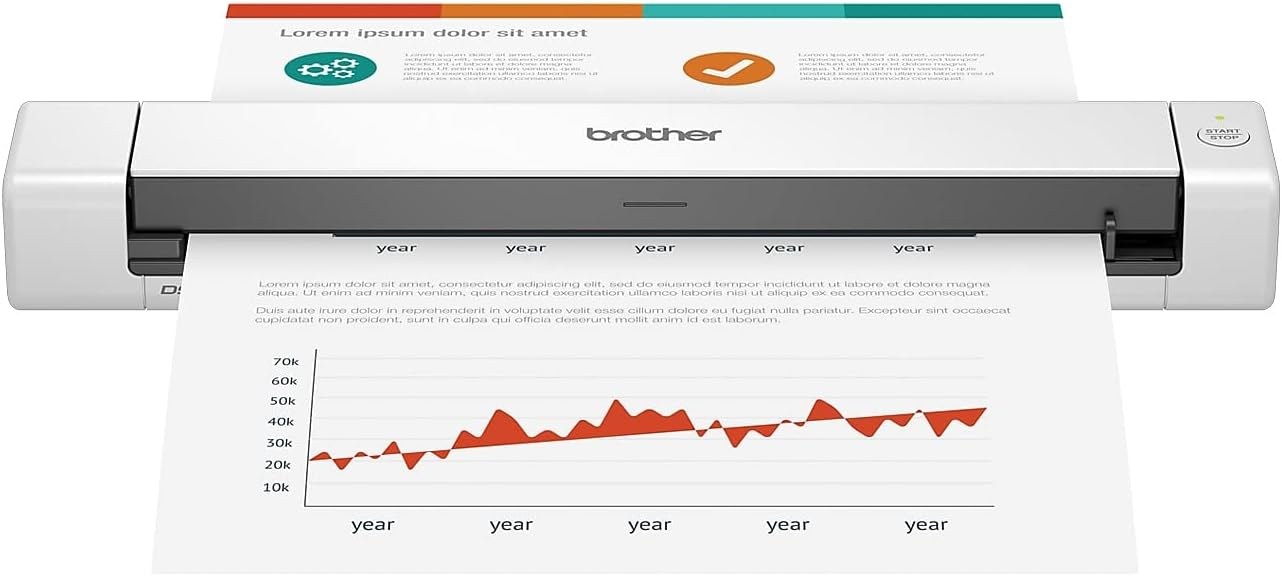
Scan receipts and invoices on the day you get them, so faded thermal paper never costs you a deduction.
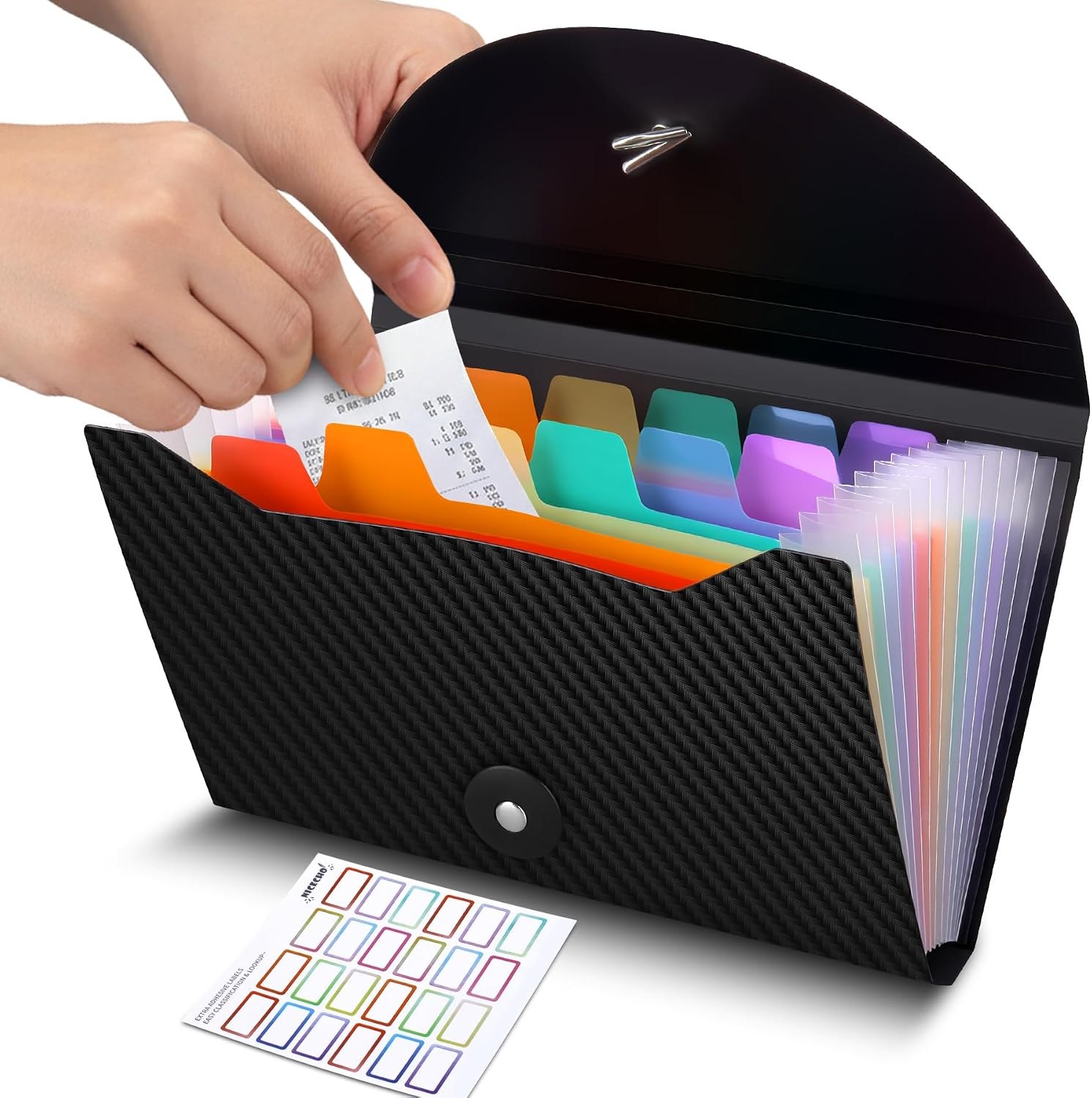
Sort paper receipts by month or category until you scan them, keeping meals, travel and kit apart.
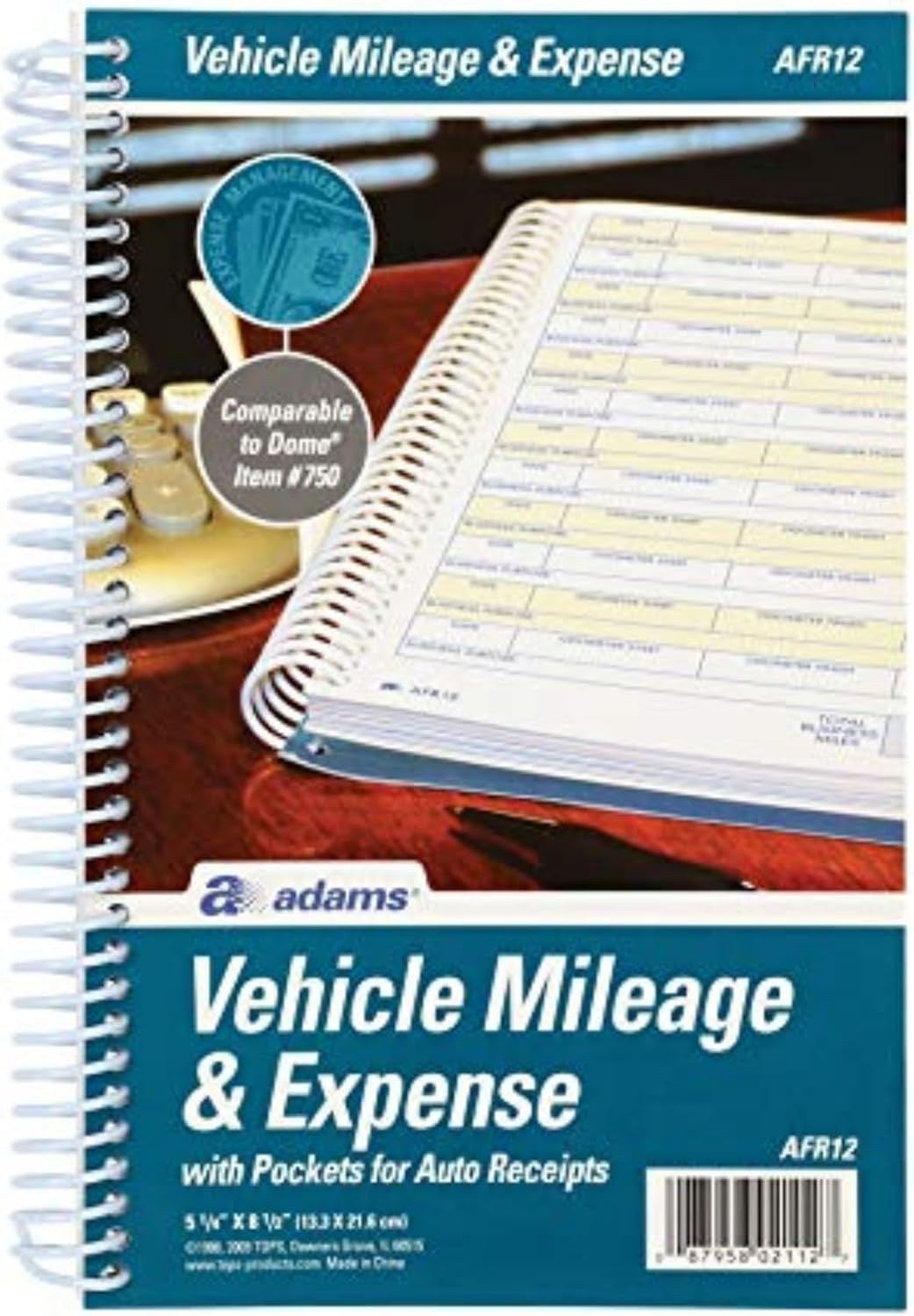
Record date, destination, purpose and miles for each drive, which is the log your mileage claim rests on.
A four-part record system
A workable system for a stylist needs only four parts, and it fits a busy season. First, run all business spending through one card and one account. Second, photograph or scan each receipt on the day, then file it in a folder named for the job. Third, keep a mileage log with dates, start and end points, and the purpose of each trip. Fourth, keep a job sheet that lists the fee, the kit fee, any reimbursements and whether any garment stayed with you. Together, those four records answer almost every question a preparer or examiner will ask. In other words, the records that protect a deduction are the same records that protect your margins, so the effort pays twice.
The clothes are not the deduction; the business is
It can feel strange that the most visible part of the job is the part the tax code ignores. You spend your days with clothing, yet you rarely write off clothes you wear. Still, the rule has a kind of logic once you accept it. The IRS is not judging your taste or your effort. It simply refuses to subsidize a wardrobe that could replace anyone’s everyday clothes. Meanwhile, almost everything else that makes the work possible can count when you document it well. That includes the kit, the steamer, the flights, the mileage, the scanner and the small office. So the useful mindset shifts from what can I claim to what does the business actually spend. That question leads to honest numbers, calmer tax seasons and a clearer view of what each job really earns once its costs are counted.

Turning records into rates
Even so, records only help if they feed real decisions about pricing and workload. Many stylists track costs carefully and still undercharge, because the numbers never reach the rate card. For example, a catalog day with heavy returns, three courier runs and a damage charge may earn less than a smaller editorial day. Without records, that difference stays invisible. With them, you can raise a kit fee, add a prep day or decline the job, and explain the reason to a client calmly. In that sense, tax records are also business intelligence. They show which clients respect your time and which treat your card as a float. The Artist Library tools below start from that same idea, turning real costs into rates you can defend.
Tools and library



The business side of styling rarely gets taught, yet it decides how long a career lasts. Good taste books the first job, while steady systems keep the tenth one profitable. Tax deductions are only one piece of that system, alongside pricing, contracts, pull logistics and client care. If you want the wider framework in one place, the career guide in our Artist Library gathers those pieces for working stylists and other independent artists. It covers how to set rates, how to structure the paperwork that protects you, and how to plan a year with seasonal swings in mind. Similarly, it treats burnout and cash flow as real business problems rather than personal failings. Use it alongside a qualified tax professional, not instead of one. Then each tax season becomes a check on a business you already understand well.
From the Artist Library
The career guide in the Artist Library was written for makeup artists, yet its chapters on pricing, contracts, agencies and the first five clients translate directly to styling work. Read it alongside your rate sheet and loan paperwork, and it will help you ask sharper questions before your next booking.
Questions worth asking
Can stylists write off clothes they wear on set?
Usually not. The IRS test asks whether the clothing is required for the work and unsuitable for everyday wear. Black trousers, boots and shirts you wear on set could replace an ordinary wardrobe, so they generally fail. Costumes or protective gear sit closer to the line, and a tax professional can review unusual cases.
Do I report pulled garments as income?
Borrowed garments that you return are loans, not payments, so they are not income and not a deduction. However, IRS Publication 334 says the fair market value of property you receive in exchange for services counts as gross receipts. A piece you keep as payment for styling may therefore be taxable income.
Can a W-2 stylist deduct kit and travel?
Generally no. IRS Publication 529 says employees can no longer claim unreimbursed employee expenses, apart from narrow categories such as qualified performing artists and Armed Forces reservists. If you also freelance, the freelance side usually reports its own income and expenses on Schedule C, where kit and travel costs can count.
What is the kit deduction on Schedule C?
There is no separate kit line. Consumable supplies such as tape, clamps and pins go on the supplies line, deducted as you use them. Equipment such as steamers and racks may fall under the de minimis safe harbor, up to a set amount per item, or under depreciation rules your preparer can confirm.
Is my apartment storage for pulls a home office?
Rarely. IRS Publication 587 requires exclusive and regular business use for a home office. The storage exception applies only to people who sell products at wholesale or retail and meet several other conditions. A closet of pulls awaiting return usually does not qualify, though a dedicated admin office might.
How long should a stylist keep tax records?
IRS Publication 583 says to keep records until the period of limitations expires, which is generally three years. Longer periods apply in some cases, such as significant unreported income. Keep records for equipment until the period ends for the year you sell or dispose of it, and keep lodging receipts regardless of amount.
