
The Artist · Career Paths
The enrollment page promises a credential, a badge and a new title after your name. Meanwhile, you already have three friends who pay you to edit their closets, and you wonder whether any of it counts without paper. That tension sits at the center of every personal stylist certification decision. Before you spend money, it helps to see the field clearly, because the different kinds of stylists train and get hired in very different ways. An editorial stylist builds a career through assisting and tear sheets. By contrast, a personal stylist builds one through private clients and referrals. An image consultant, meanwhile, often works inside a formal association framework. So this guide covers licensing, the AICI certification levels, school training and the three career paths, so you can choose the route that matches the work you want.
The short answer
Beauty licenses cover hands-on work such as hair, skin and nails, not wardrobe advice, so personal stylist certification is voluntary. It signals training, not legal permission. Certification matters most if you plan to work as an image consultant, where the AICI ladder of CIC, CIP and CIM sets a recognized standard. For personal stylists and personal shoppers, a portfolio, client results and referrals usually carry more weight. Still, a structured course can fill real gaps in color, fit and business practice.
In this guide
- Is there a license for personal styling?
- What personal stylist certification actually signals
- AICI certification: the three levels, from CIC to CIM
- Training options: school certificates, short courses and assisting
- Personal stylist, image consultant or personal shopper: where the paths split
- When personal stylist certification is worth the money
- A decision checklist before you enroll
- The credential is the smaller part of the career
- Questions worth asking

Is there a license for personal styling?
Start with the legal question, because it shapes everything else. In general, licensing boards focus on work done on the body, not advice about clothes. For example, the New York Department of State appearance enhancement licenses cover cosmetology, esthetics, nail specialty, natural hair styling and waxing. Each one involves hair, skin, nails or makeup. None of them covers choosing a jacket, editing a closet or shopping with a client. In practice, that means wardrobe styling sits outside appearance enhancement licensing in New York. However, the line moves the moment you touch a client’s hair or apply makeup for pay. Those services fall under licensed categories, so check your own state board before you bundle them into a package. Rules differ by state, and the board, not a course provider, has the final word.
Even without a styling license, you still run a business, and businesses carry their own paperwork. The SBA guide to licenses and permits notes that most small businesses need some combination of licenses and permits. It also points out that states regulate a broader range of activity than the federal government does. So your city or county may ask for a general business license, and your Secretary of State sets the rules for registering a company. Taxes follow the same logic. According to the IRS self-employment tax page, the rate is 15.3 percent once net self-employment earnings reach $400. That obligation applies whether you hold a certificate or not, so budget for it from your first paying client onward.

What personal stylist certification actually signals
Because no license exists, a personal stylist certification works as a private credential. Schools, academies and professional associations issue them, and each one sets its own standard. Some certificates mark the end of a weekend workshop. Others, like the higher association levels, require years of documented client work and outside review. As a result, the word certified covers a very wide range of effort. Clients rarely know the difference, and most never ask. What they notice instead is how you dress them, how you run a fitting and whether the clothes still work six months later. A credential can open a conversation with a nervous first client. Still, it will not carry a relationship on its own, and it cannot replace the portfolio that proves your eye in real closets.

AICI certification: the three levels, from CIC to CIM
The Association of Image Consultants International, known as AICI, runs the best-known certification ladder in the field. The Vault profile of color analysts lists its three levels as certified image consultant, certified image professional and certified image master. In short, they appear after a name as AICI CIC, CIP and CIM. The same profile adds a practical note: analysts who run their own companies may need a business license from a city or state. That point matches the licensing picture above. Meanwhile, AICI’s own documents show how steep the ladder becomes. Each level after the first depends on the one before it, and each asks for more proof of paid work, education and professional contribution.
CIP: documented, paid client work
The AICI CIP application handbook, dated February 2024, describes the second level in detail. Applicants confirm that they have held the CIC for at least one year. They also confirm at least two years of full-time image work, or four years part-time, with fee-paying clients. Then the portfolio must reach a minimum of 350 points across several scored sections. In addition, candidates collect three peer evaluations and ten evaluations from paying clients. An external reviewer makes the final decision, and the handbook states plainly that acceptance is not guaranteed. Once you pay the application fee, you have one year to send the full portfolio. After approval, renewal runs every three years and requires at least 2.4 continuing education units, plus a renewal fee that differs for members and non-members.
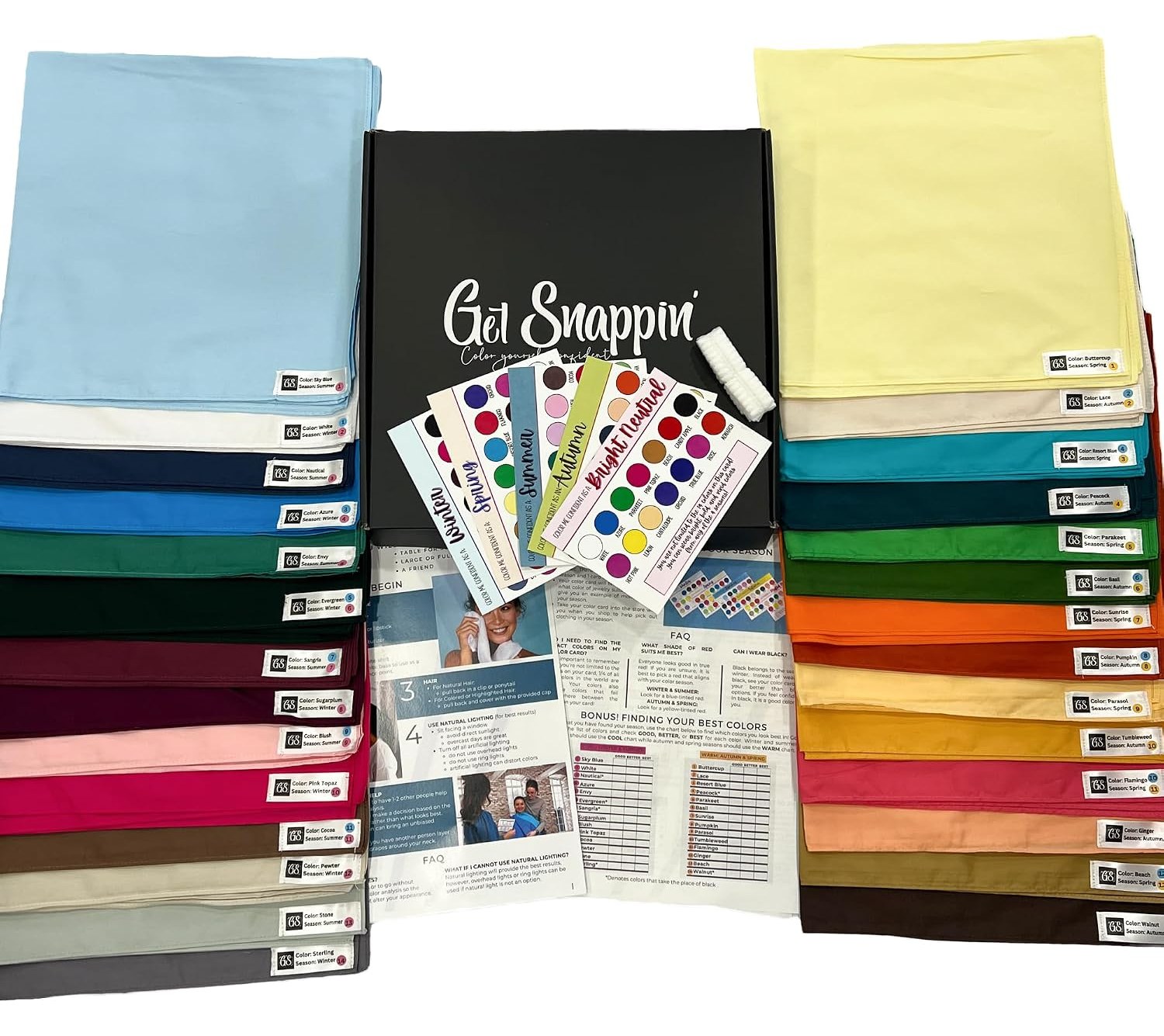
Run a seasonal draping session with consistent fabric drapes, then record results for your certification client log.
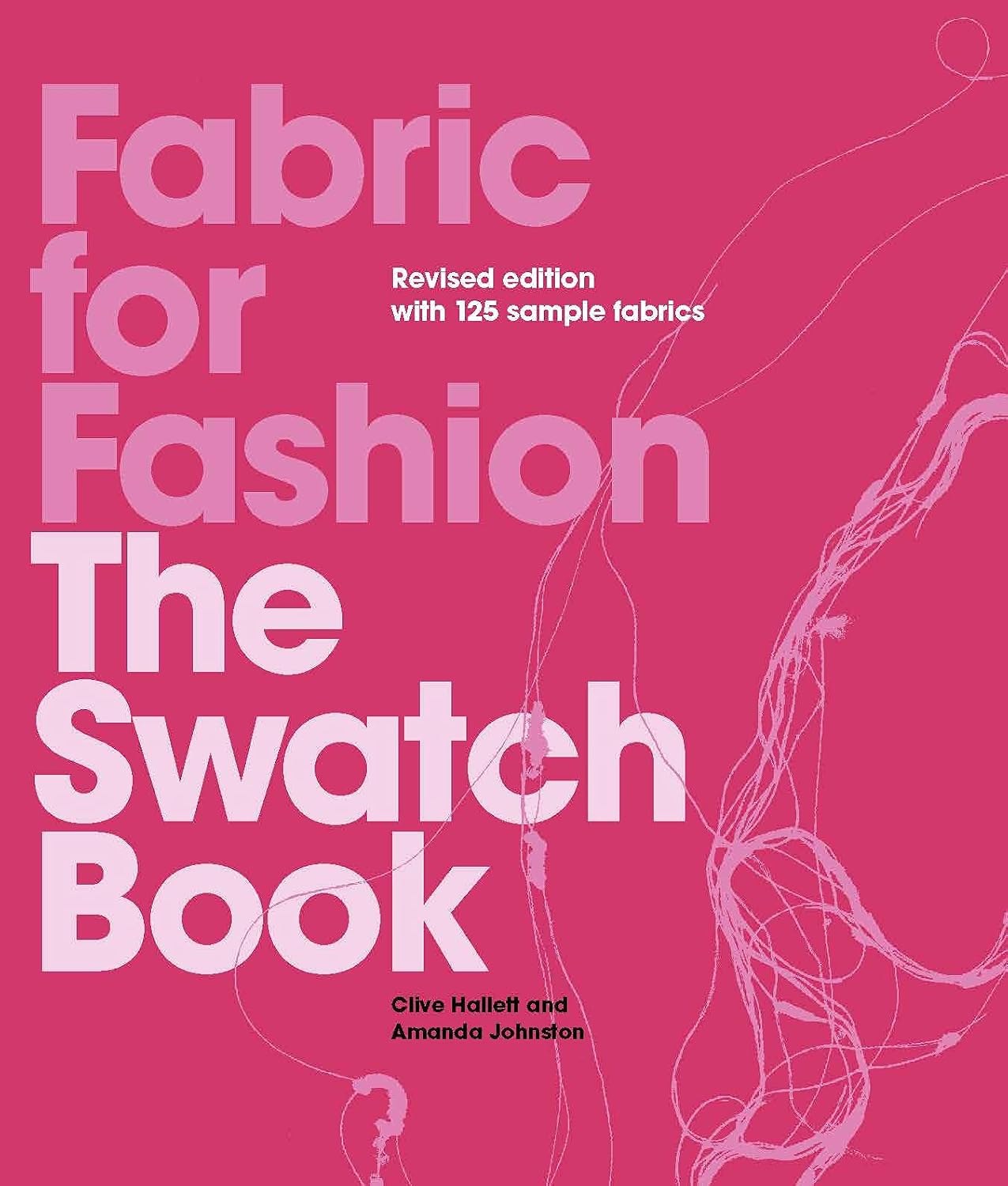
Show clients real fiber and weave swatches when you explain why a fabric suits their lifestyle and coloring.
Let the client watch the drapes change her complexion up close, which makes the session easier to trust.
CIM: a long horizon
The top level asks for a sustained career, not a course. According to the AICI CIM application, revised in October 2023, candidates must have held the CIP for at least five years. They also need at least 2,500 billable hours of image consulting work. On top of that, they need 50 or more hours of professional education in the five years before applying. The checklist further asks for an existing CIM who serves as mentor, plus proof of high-level leadership roles. Two or three independent reviewers then assess the portfolio. Finally, the candidate gives a presentation and sits an interview before a CIM panel, and must score 95 percent there. Put simply, the CIM rewards a long, documented career rather than a burst of study.
What we could not verify about the CIC
The entry level deserves a candid note. AICI’s web pages blocked our automated access when we prepared this guide, so we could not read the CIC page or its handbook directly. Therefore, we are not describing CIC exam content, format, fees or pass rules here. What we could confirm comes from the CIP and CIM documents. Both treat the CIC as the required first step, and the CIP checklist asks applicants to confirm they kept up the CEUs needed to maintain it. Beyond that, we would rather say nothing than repeat claims we could not check. If the CIC interests you as your first personal stylist certification, read the current handbook on the AICI site before paying anything. Also ask the certification office, by email, how long the process usually takes and what it costs members versus non-members.

Training options: school certificates, short courses and assisting
Outside AICI, most structured training comes from colleges and private academies. The Fashion Institute of Technology in New York offers a noncredit image consulting program. Its FIT Foundations in Professional Image Consulting Skills Certificate page lists courses in facial analysis, color concepts, body analysis and clothing fit, and accessories. It also includes a course on designing and structuring services, such as closet analysis and personal shopping. FIT says it has offered image consultant training since 1995. Notably, the program covers the client-facing work personal stylists do every week. For that reason, it suits someone who wants foundations in color and fit before taking private clients. Still, read the course list closely, because a certificate teaches method, while clients judge you on results you deliver in their own closets.

FIT also runs a separate track aimed at production styling. The FIT Fashion Styling Fundamentals Certificate covers industry vocabulary, the genres of styling, building a kit and executing test shoots. It also teaches on-figure and off-figure styling, and the page says it prepares students to enter the industry through assisting. That emphasis tells you a lot. In practice, this track leans toward editorial, commercial and e-commerce work rather than private clients. So match the program to the path. If you want to dress private clients, choose training built on color, fit and consultation. If you want sets, pulls and shoots, choose training built on kit, fit pinning and test shoots. Mixing the two is possible, yet each path rewards a different kind of proof.

Assisting and short courses
Formal courses are not the only way in. For many stylists, assisting an established stylist teaches more about the business than any classroom. You see how a senior stylist runs intake, handles a difficult client and prices a season of work. Of course, assisting has its own costs. The hours are long, pay can be modest and the work is often physical. Similarly, short online courses can teach a narrow skill, such as color analysis, without the commitment of a full certificate. The sensible approach is often a blend. You might take one structured course for foundations, then assist or shadow for practice. Meanwhile, you can build a small book of private clients at an honest introductory rate. That mix gives you knowledge, method and proof at the same time, which no single credential provides alone.
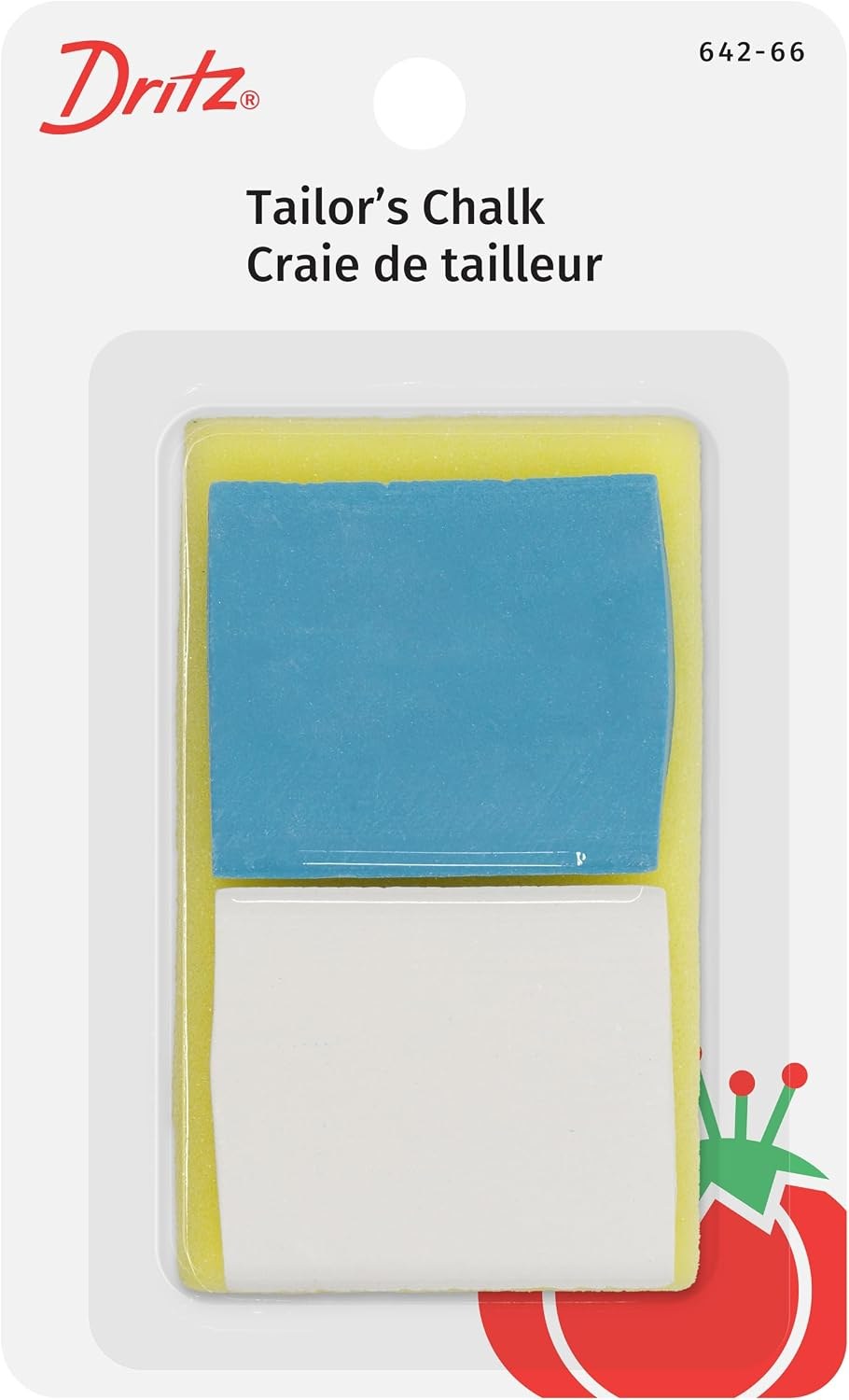
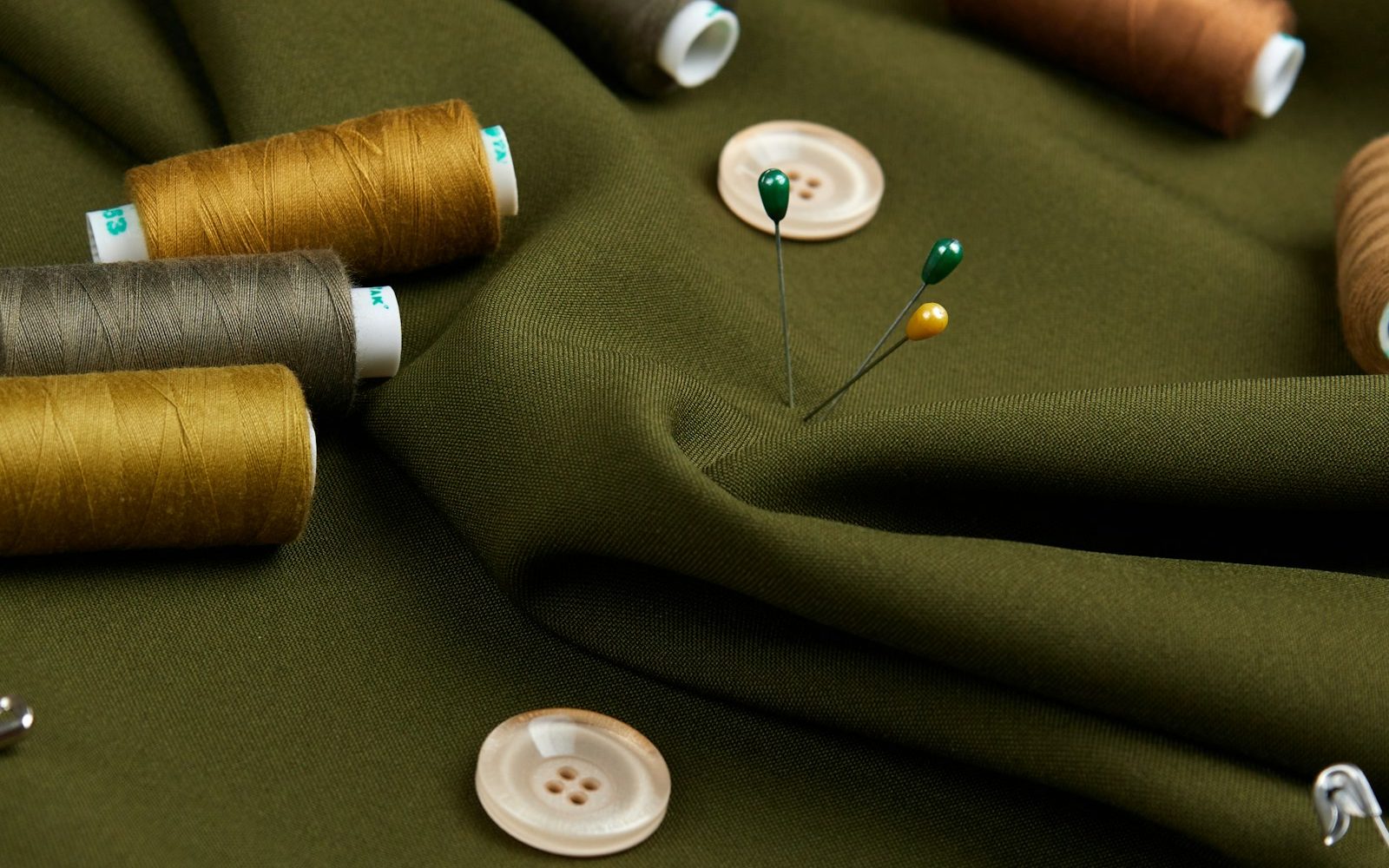
Mark hems and adjustments in fittings with white chalk on dark cloth and blue on light cloth.
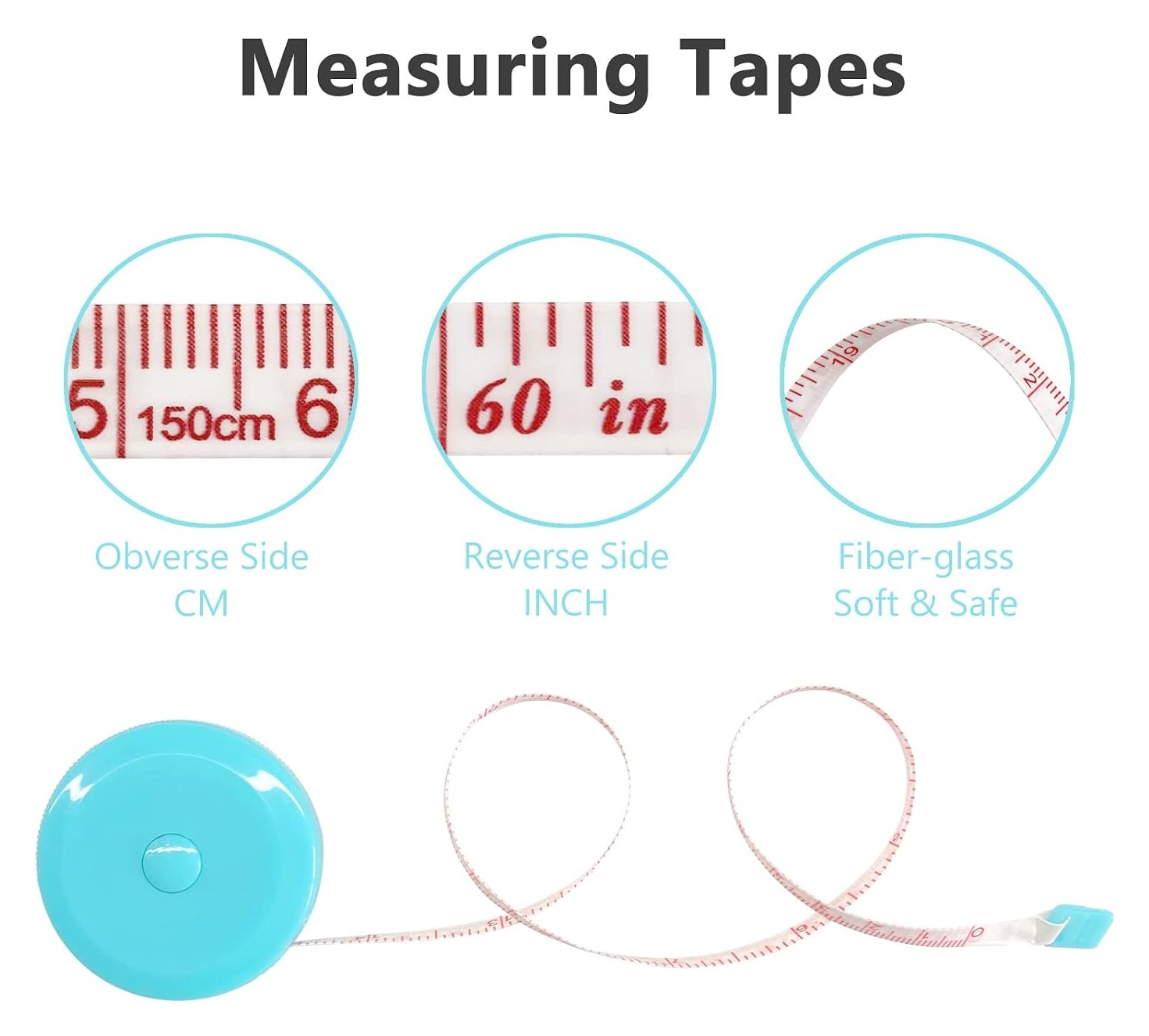
Keep one tape in your kit, one in class and one with the lead stylist you assist.

Put a cushion on every fitting station, so pins stay contained during busy client sessions and training days.
A good measuring and marking kit pays for itself quickly, because fit is where most private clients feel the difference. Indeed, nearly every training program spends time on proportion and alteration notes for that reason. When you mark a hem or a sleeve for a tailor, you show a client that you see detail they miss. That moment often converts a one-time session into a seasonal relationship. Also, keep the kit consistent. Use the same tape, chalk and notes format for every fitting, then photograph the marks before the garment leaves. Those photos protect you if a tailor misreads an instruction. They also become teaching material for your own portfolio, showing before, marked and after states. Over time, that record says more about your skill than a wall of certificates could.
Personal stylist, image consultant or personal shopper: where the paths split
This guide will not repeat the shopper, stylist and consultant comparison we have already published, which covers the day-to-day differences in depth. Instead, the focus here stays on training and credentials for each route. The three titles overlap, and many people combine them. Yet each path has a different center of gravity, and that center decides how much any credential is worth. A personal stylist sells taste and results inside a client’s life. An image consultant sells a method, often to professionals or organizations, and frequently explains it in workshops. A personal shopper, meanwhile, often works inside a store and sells that store’s inventory. So the same certificate might carry real weight on one path and almost none on another. The sections below take each route in turn.

The personal stylist path
Private styling usually starts with closets. Many stylists open with a paid closet audit, then move clients into shopping sessions and seasonal capsules. Later, some add remote styling clients, which widens the market beyond the stylist’s own city. Across all of these services, the client buys a visible change. For that reason, a personal stylist certification sits low on the list of what wins work. Referrals, before-and-after photos and a clear service menu tend to matter more. That said, a course can still help a newer stylist. It can supply a consultation structure, a color method and the confidence to charge properly. Then the question becomes cost against return. If a program costs more than several months of likely client income, consider starting smaller and adding training as your client list grows.
Notes for working stylists: pulls, pricing, clients and career, sent occasionally.
Occasional letters. Unsubscribe anytime.
The image consultant path
Image consulting is where certification carries the most weight. The AICI framework was built for this path, and its levels reward documented consulting hours, education and professional contribution. Image consultants often work beyond wardrobe. They may advise on color, grooming choices, body language and how a client presents in meetings or on camera. Some also teach group sessions for companies, schools or professional associations. In that setting, a recognized credential can help, because the buyer may not be the person being styled. A training manager or event organizer wants evidence that your method holds up. Even so, the credential works best alongside proof. Bring sample workshop outlines, client evaluations and a clear description of outcomes. Without those, letters alone rarely close a booking, however steep the ladder behind them.

The personal shopper path
Personal shopping often begins as an employed role inside a store rather than a private business. The BLS does not track personal shoppers as a separate occupation. However, the closest profile, the BLS Occupational Outlook Handbook profile of retail sales workers, says these roles typically need no formal education. Most workers learn on the job over a few days to a few months. The same profile puts median pay for retail salespersons at $17.03 per hour in May 2025. As a result, a styling certificate is rarely a hiring requirement on this path. Instead, employers look for customer relationships, product knowledge and the ability to build a personal clientele. Later, some shoppers take that book of clients and turn it into an independent styling business.

When personal stylist certification is worth the money
A credential earns its cost in a few clear situations. First, it helps if you plan to move into image consulting, where buyers may expect a recognized standard. Second, it helps when you switch careers and have no industry network, because a structured program gives you peers and instructors. Third, it helps when your weak spot is technical, such as color analysis or fit, and you learn best with guided practice. In each case, the value comes from specific skills or access, not the certificate itself. So judge any personal stylist certification by its syllabus, instructors and graduates. Ask to see a sample session. Also, ask former students what changed in their business afterward. Their answers will tell you more than the program’s own marketing ever will.
The opposite case matters just as much. If you already have paying clients, a portfolio and steady referrals, a basic certificate may add little. Your time might go further on pricing, client care or a new service. Also, weigh the ongoing costs. Association credentials such as the AICI CIP require continuing education and renewal fees every three years, and that adds up over a career. Then there is the time cost. Higher levels ask for years of documentation, evaluations and portfolio work, which competes with billable hours. None of this makes certification a poor choice. Rather, it makes certification a business decision like any other, with a cost, a timeline and an expected return you can estimate honestly before you enroll.
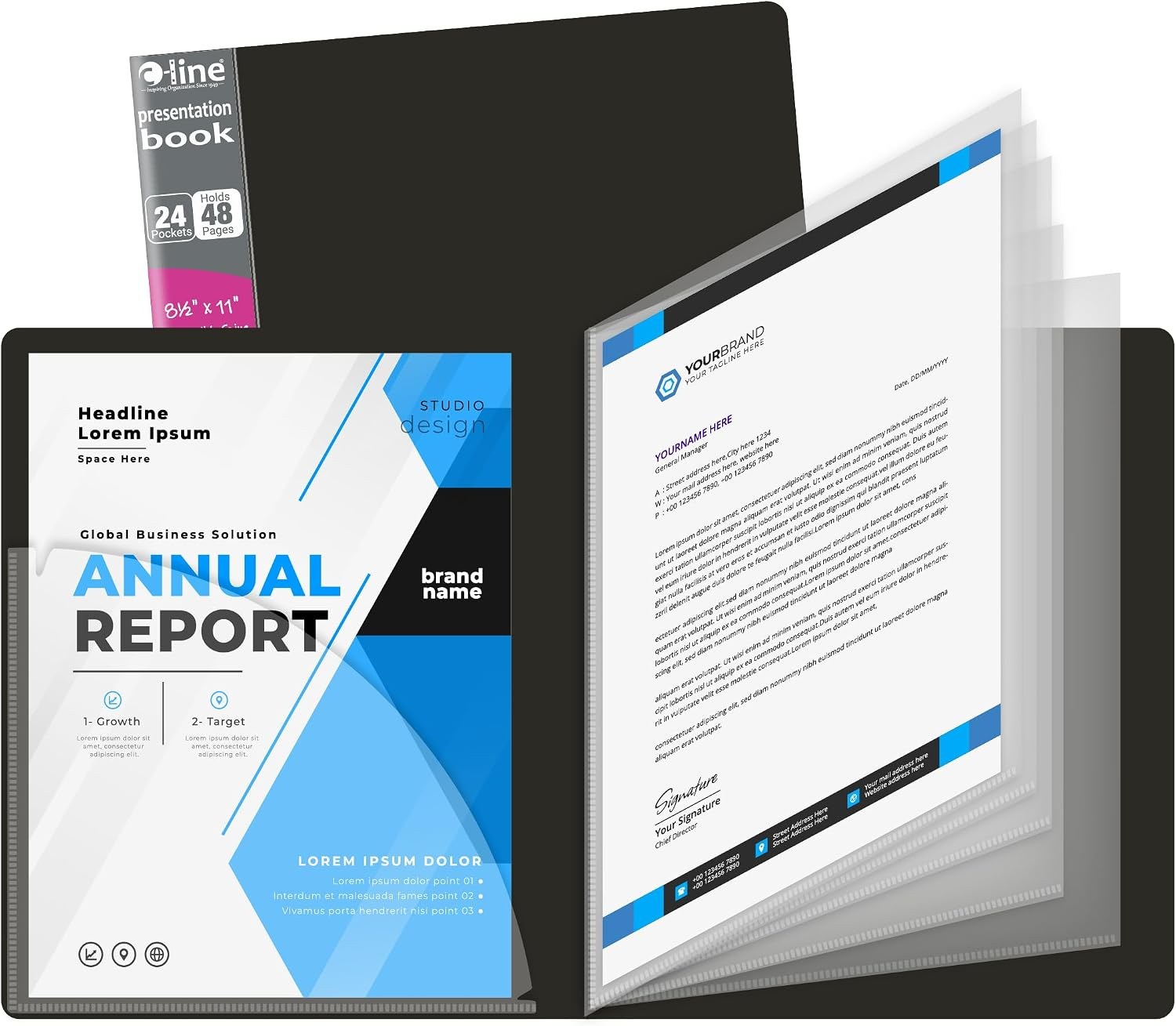
Slide before-and-after looks, mood boards and client notes into sheet protectors for consultations with prospective clients.

Bring intake forms, a notepad and your certificate copy to consultations in one tidy folder that closes.
Log each client session, hours and outcomes as you build the documented experience certification levels ask for.
The presentation portfolio
A presentation portfolio sounds old-fashioned, yet it still works in a first consultation. Printed lookbooks let a new client see your eye without scrolling past other content on a phone. They also give the meeting a calm, deliberate pace. In addition, a printed book forces you to edit. You choose ten or twelve strong examples instead of showing everything. That edit becomes useful elsewhere, too, because the same selection can anchor your website, a proposal or an association portfolio later. So keep the book current. Swap in new client work each season, with permission, and remove pieces that no longer reflect your style. Over time, the book becomes a quiet record of how your taste and method have matured, which is exactly what clients are paying for.

A decision checklist before you enroll
When a program starts to look appealing, slow the decision down with a few direct questions. These questions work for an association credential, a college certificate or a short online course. They also keep the focus on the career you want rather than the credential itself. Write your answers down, then compare them with the program’s syllabus line by line. If the answers stay vague, the program probably is not the right next step yet. On the other hand, if the answers point to a specific gap the program fills, enrolling can be a clear, sensible choice. Either way, you make the call from your own plan, not from an enrollment deadline. The short list below covers the questions that matter most for a working stylist.
- Which path am I on: personal stylist, image consultant or personal shopper?
- Which skill gap will this program close, in plain words?
- Does the syllabus teach business practice, or only technique?
- What will it cost in fees, renewal and lost billable time?
- Can I talk to two graduates who now work in my chosen path?
Once you have answers, set a review date. Six months after finishing any program, look at your client list, your rates and your confidence in consultations. Then ask whether the training changed those numbers or simply changed your bio. That review keeps future spending honest. It also helps you decide whether to climb further, for instance from a college certificate toward an association credential. Some stylists find that one good course was enough, and they return to client work full-time. Others discover they enjoy teaching and method, which points them toward image consulting. Both outcomes count as success, because each one comes from evidence about your own practice rather than from pressure to collect credentials for their own sake.
The credential is the smaller part of the career
Certification questions often carry a quieter worry underneath: am I allowed to do this work? For wardrobe styling, the legal answer is usually yes, subject to ordinary business rules. The professional answer depends on your clients, not a certificate. Even so, training has value when you choose it on purpose. A focused course can sharpen your color work or give you a consultation structure you trust. Similarly, an association path can suit someone who wants to teach, consult for organizations and build a long, documented career. The mistake lies only in buying a credential to quiet doubt. Doubt fades with practice, careful records and clients who come back. Those are slower to collect than a badge, yet they last far longer and they belong entirely to you.

Building the plan
So treat the decision as part of a larger plan. First, name your path and the clients you want to serve. Next, list the skills and proof that path rewards. Then choose training only where it closes a specific gap. Along the way, keep honest records of hours, clients, feedback and income. Those records support your pricing, your marketing and, if you ever want them, association applications. Also, give yourself room to change course. Many stylists start in one lane and drift into another as they learn what they enjoy. The work rewards patience more than speed. A steady practice built on real results will outlast any trend in credentials, and it will give you a far clearer answer to the certification question than any sales page could.
Tools and library



Tools like these keep the practical side of styling in view, because a career depends on numbers as much as taste. Pricing, in particular, decides whether a certificate ever pays for itself. If you know your costs, your target income and the hours you can bill, you can judge any course against real figures. That clarity also helps when you weigh assisting, retail work or private clients, since each path pays in a different rhythm. Beyond pricing, the business side covers contracts, intake, record keeping and taxes. Those subjects rarely appear on a styling syllabus, yet they shape daily life more than any single technique. The guide below gathers that business material in one place, so you can build a styling practice that holds steady through busy seasons and quiet ones alike.
From the Artist Library
The career guide in the Artist Library was written for makeup artists, yet its chapters on pricing, contracts, agencies and the first five clients translate directly to styling work. Read it alongside your rate sheet and loan paperwork, and it will help you ask sharper questions before your next booking.
Questions worth asking
Do you need a license to be a personal stylist in the US?
In New York, for example, the state’s appearance enhancement licenses cover cosmetology, esthetics, nails and waxing, not wardrobe styling. Check your own state board, though. However, if you style hair or apply makeup for pay, those services fall under licensed categories. You may also need a general business license from your city, county or state.
What are the AICI certification levels?
AICI offers three levels: Certified Image Consultant, Certified Image Professional and Certified Image Master. Each level depends on the one before it. The higher levels ask for documented paid client work, peer and client evaluations, continuing education and outside review. The top level also includes a presentation and a panel interview.
How long does it take to reach the AICI CIM level?
It takes years. The CIM application asks candidates to hold the CIP for at least five years first. The CIP itself asks applicants to hold the CIC for at least one year. Candidates also need 2,500 billable hours, ongoing education, leadership experience and a mentor who already holds the CIM.
Is a styling course worth it if I already have clients?
It depends on the gap you want to close. If you already have paying clients, a portfolio and steady referrals, a general certificate may add little. A focused course still makes sense when it teaches a specific skill, such as color analysis or fit, that your current clients would notice.
Do personal shoppers need a certification?
Usually not. Many personal shoppers start in employed retail roles, where employers train on the job and value customer relationships and product knowledge. A styling certificate rarely appears as a hiring requirement. Business training becomes more useful later, when a shopper leaves the store to build an independent client list.
Which certification suits an image consultant best?
The AICI ladder is the best-known framework built for image consulting. It rewards documented consulting hours, education and professional contribution. College programs, such as noncredit image consulting certificates, can supply foundations in color, body analysis and fit first. Many consultants combine a school course with association credentials over time.
