The Artist · Styling Careers
The fitting starts at ten, but your day began hours earlier with a steamer, a rolling rack and a list of looks still sitting in two showrooms. That is the job of a celebrity stylist assistant in one sentence: the clothes arrive, fit, travel and go home because you tracked every piece. If you already know what stylists actually do, this post covers the layer underneath. It walks through prep, pulls, fittings, returns, confidentiality, hours and pay, then how assistants find the work and move up. It is written for working and aspiring stylists, not for shoppers. Where a figure appears, it comes from a named source you can open yourself. Where no reliable figure exists, we say so plainly instead of guessing. That restraint matters, because this corner of fashion runs on rumor.
The short answer
A celebrity stylist assistant handles the logistics behind a stylist’s vision. In practice, that means requesting and collecting pulls, logging every sample, prepping racks, steaming and running fittings, then returning everything on time and in condition. Assistants also keep client details private, sometimes under a written nondisclosure agreement. Hours follow the client’s calendar, so early calls and late events are normal. Pay is modest: Indeed’s stylist assistant salary data puts the US average at $17.85 an hour. Most people find the work through referrals and reliable assisting, then move up by taking on their own clients.
In this guide
- What a celebrity stylist assistant actually does
- Prep and pulls: the work before anyone sees the clothes
- Fittings: where an assistant earns trust
- Returns, damage and the paper trail
- NDAs, discretion and what you can post
- Hours, pay and what the numbers say
- How to assist a stylist and get the first booking
- The path up: from assistant stylist to your own clients
- What assisting gives you that school cannot
- Questions worth asking
What a celebrity stylist assistant actually does
Start with the honest version. In Nylon’s 2022 feature on assistant stylists, New York assistant stylist Chloé Lucan described racing across Midtown with garment bags to reach stores and showrooms before they closed. She also described coordinating pickups, steaming, unpacking on set and handling fittings. Then came the paperwork: contracts and financial spreadsheets. Her own verdict was that the work is not really glamorous, even if set days feel close to it. That matches what working assistants tend to say in private, too. The stylist owns the creative call and the client relationship. Meanwhile, the assistant owns the movement of things: garments, accessories, receipts, schedules and people. When that movement runs quietly, nobody notices it. When it fails, everyone does, starting with the stylist who trusted you.
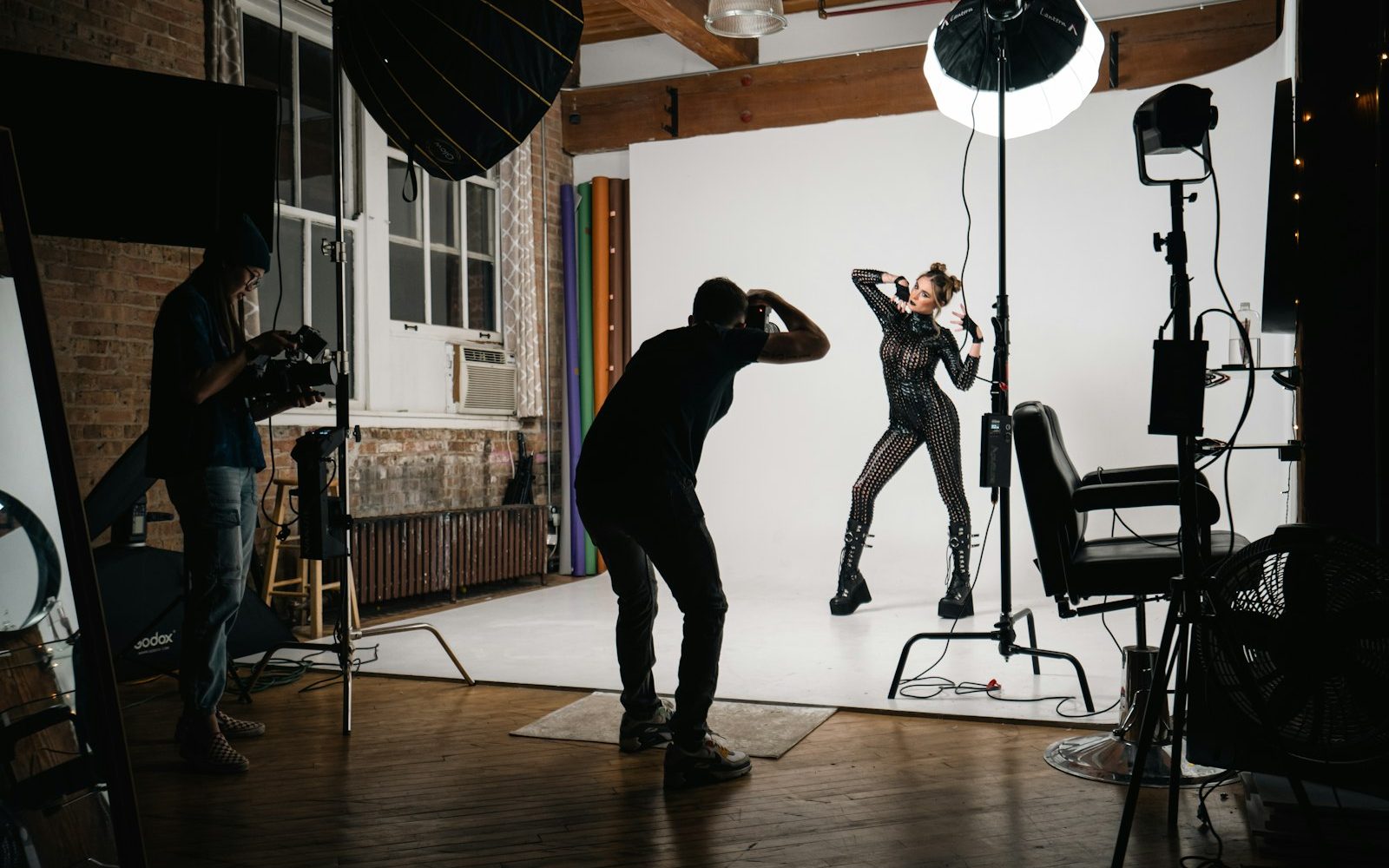
Teams vary in size, so titles vary too. Some stylists run several assistants and interns, while a smaller operation relies on one person who does everything. Gladeo’s fashion assistant career profile lists the core tasks clearly: organizing racks, samples and accessories, steaming garments, dressing talent, tracking sample movement, scheduling fittings and supporting shoots and events. None of that sounds dramatic on paper. However, each task carries a cost when it slips. A missed pickup can mean a look never reaches the fitting. Likewise, an unlogged earring can become a bill. So the work rewards a specific temperament in any styling assistant: calm under time pressure, organized without being rigid, and comfortable doing invisible work for someone else’s name. A celebrity stylist assistant adds one more trait to that list, which is steady discretion.
How a booking unfolds
Most celebrity jobs follow a rough sequence, even when the timeline compresses. First, the stylist receives the brief: an event, a press tour, a shoot or a performance. Next comes research and the request list, which the assistant often turns into emails, spreadsheets and calendar holds. Pulls follow, then a prep day for unpacking, logging and steaming. After that, the fitting decides what stays, what needs tailoring and what goes back early. The event or shoot day brings its own kit, timings and backups. Finally, returns close the loop, ideally inside the window each showroom or agency agreed. In practice, these stages overlap across several clients at once. That overlap explains why organization, rather than taste alone, is usually what keeps an assistant booked from one season to the next.
Prep and pulls: the work before anyone sees the clothes
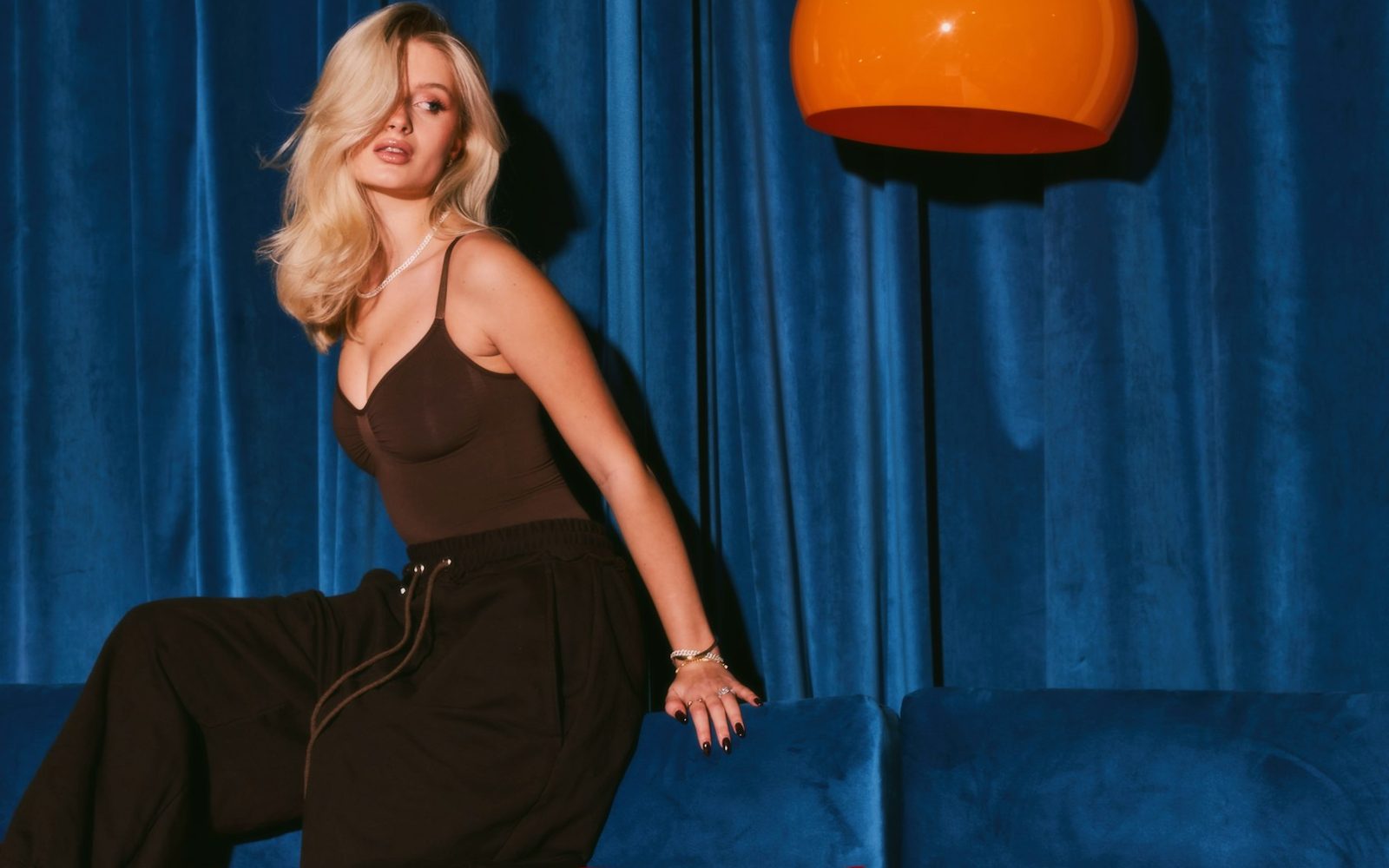
Pulls are the heart of the assistant’s week. The stylist decides what to request; however, the assistant often drafts the emails, tracks replies and plans the pickup route. If you want the full mechanics, our guide to how showroom pulls work covers letters, PR agencies and loan terms in depth, so we will stay with the assistant’s side here. That side is mostly coordination. You confirm what a showroom agreed to lend, in which sizes and for how long. Then you arrive on time, check each piece against the paperwork and note any existing flaws before you sign. Back at the studio, every garment, shoe and piece of jewelry goes onto a master list. That list becomes the single record everyone relies on, from fittings to returns.
Logging deserves more care than most new assistants give it. A useful sample log records the brand, the source, the item description, the size, any existing damage and the agreed return date. Many assistants also photograph each piece on arrival, because a time-stamped photo settles questions that memory cannot. Meanwhile, the rack itself needs a system. Grouping garments by source makes returns faster, while grouping by look makes fittings smoother, so experienced assistants often tag for both. Keep receipts, courier labels and showroom forms together in one folder for each job. It sounds fussy, yet this habit protects the stylist’s relationships with lenders. It also protects you, since the person who handled a sample is usually the first person anyone asks about it.
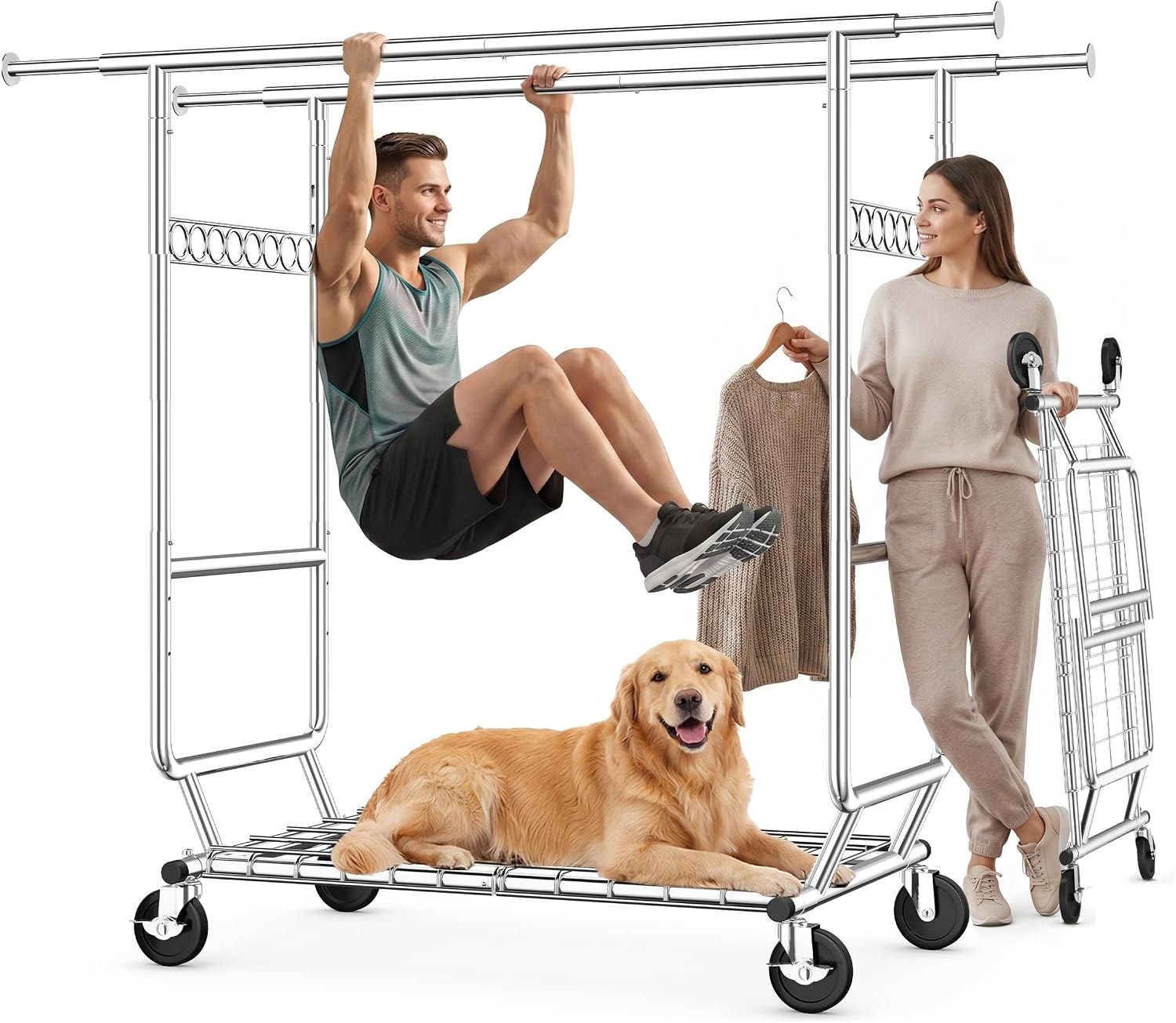
Lock the wheels on set and roll it between rooms when prep moves, with every look hung in order.
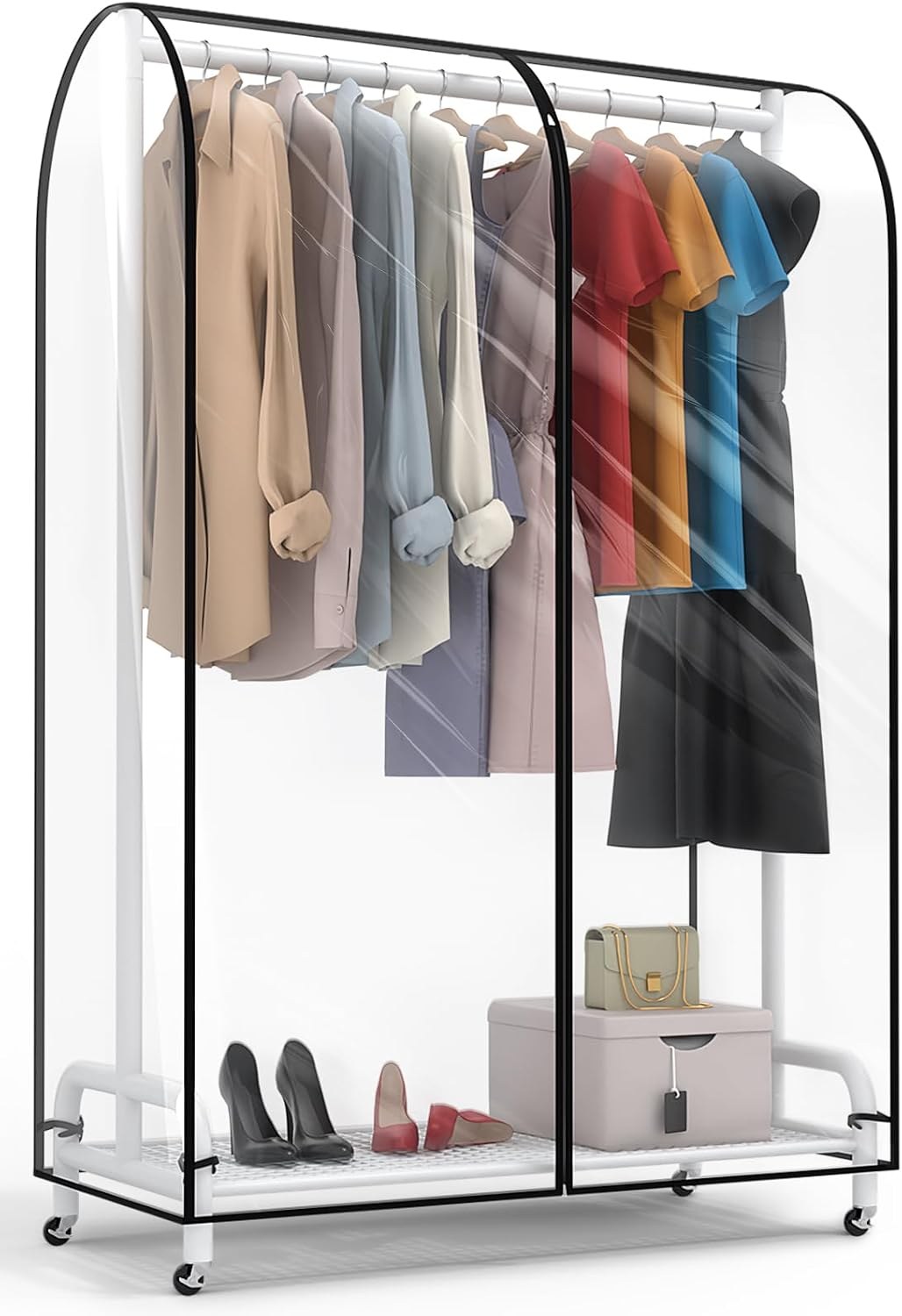
Zip the rack under a clear cover overnight, so samples stay clean and the lead can still check looks.
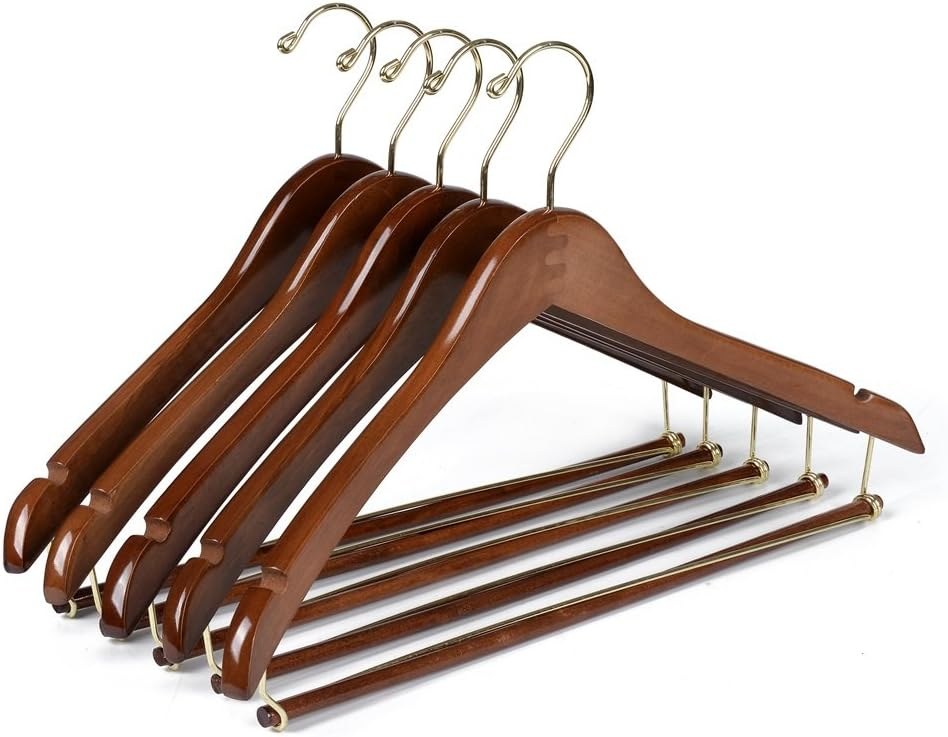
Matched wooden hangers keep shoulders shaped and make a pulled rack read as organized the moment the lead arrives.
What prep days involve
Prep days rarely look like progress from the outside. You unpack, check, steam, log, tag and hang, often alone, sometimes late into the evening. That solitude has value, though, because prep is where you learn a stylist’s preferences without anyone watching. You notice which designers they reach for first. Over time, you see how they build a look around one anchor piece, and you learn which details they will never compromise on. Also, keep a running note of fit observations as you go: a waistband that runs small, a hem that will need tape, a zipper that sticks. When the fitting starts, those notes save time in front of talent. Over months, that quiet attention turns into the judgment that stylists eventually trust with real decisions.
Fittings: where an assistant earns trust
A celebrity fitting is a small, high-pressure room. The talent may have limited time, a publicist may be present, and the stylist needs every option ready in seconds. Your job is to make that speed possible. Before anyone arrives, lay out looks in the planned order with shoes, jewelry and undergarments staged beside each one. Keep a steamer warm, pins and clips within reach, and the sample log open. During the fitting, watch the stylist rather than the talent, because a glance often signals the next look. Then record every decision immediately: what fits, what needs a tailor, what goes back. That written record matters later, since memories of a busy fitting tend to differ by the next morning.
Discretion starts in the fitting room as well. Talent may be tired, nervous or simply private, and the people around them notice who stays calm. So speak when the stylist invites it, keep your phone away, and never photograph a client without clear permission. Alterations are another quiet responsibility. Some stylists work with a regular tailor, while others ask assistants to handle quick fixes with tape, clamps or a needle. Before you alter anything, check the loan terms, because a loan may not allow permanent changes, and the paperwork tells you which. When in doubt, ask the stylist rather than guess. Finally, pack the fitting room the way you found it, with every piece checked against the log before anyone leaves the building.
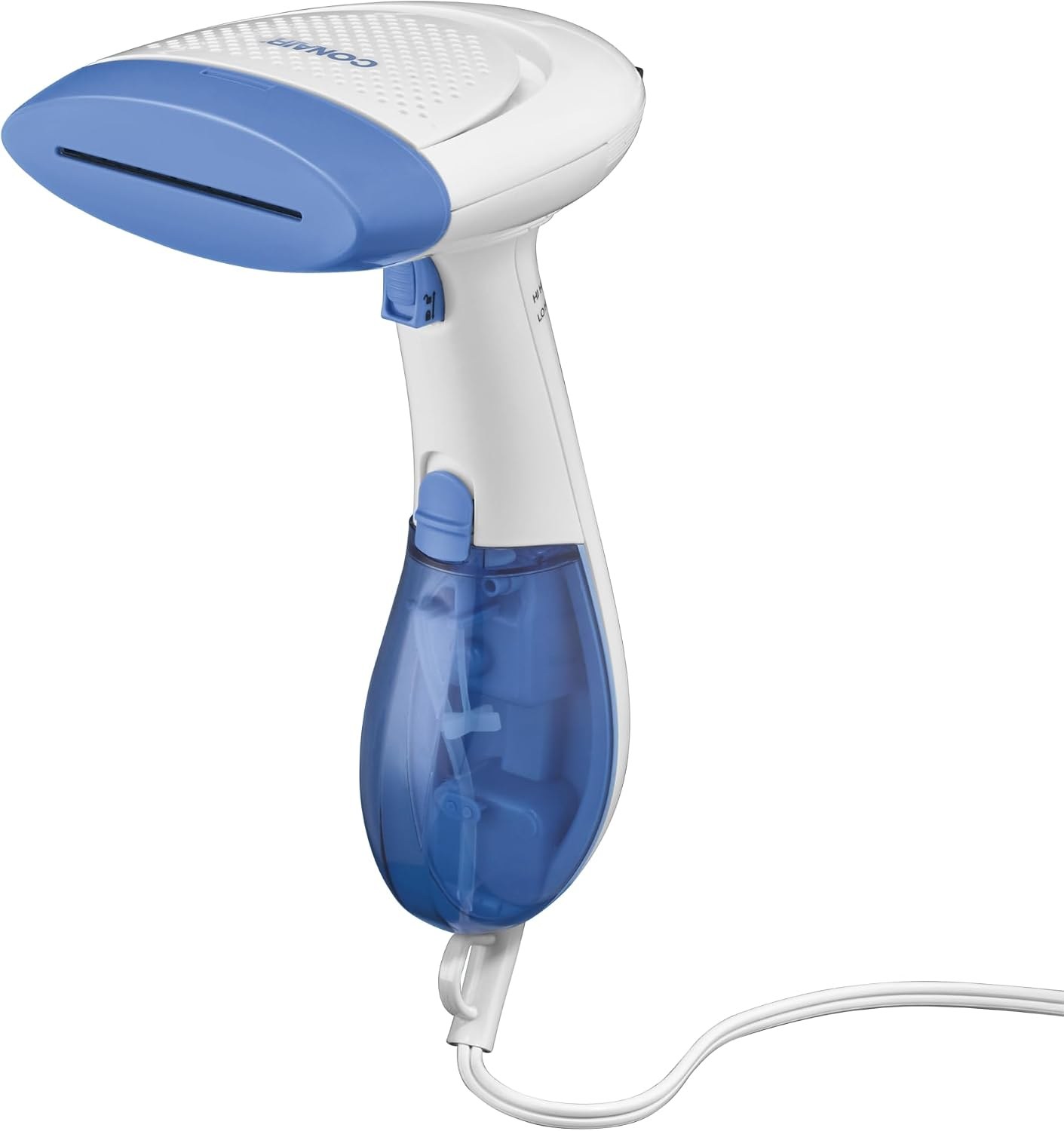
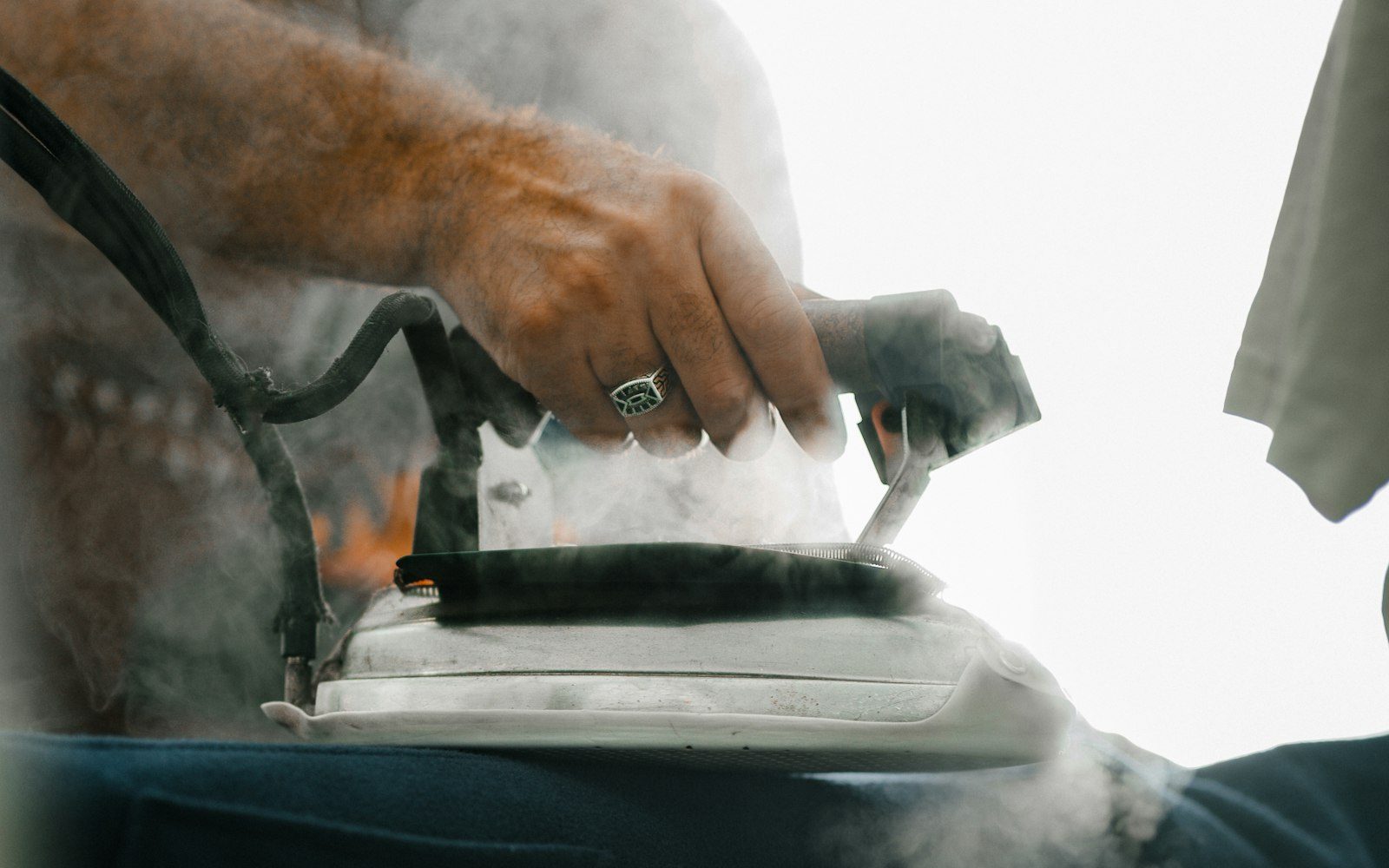
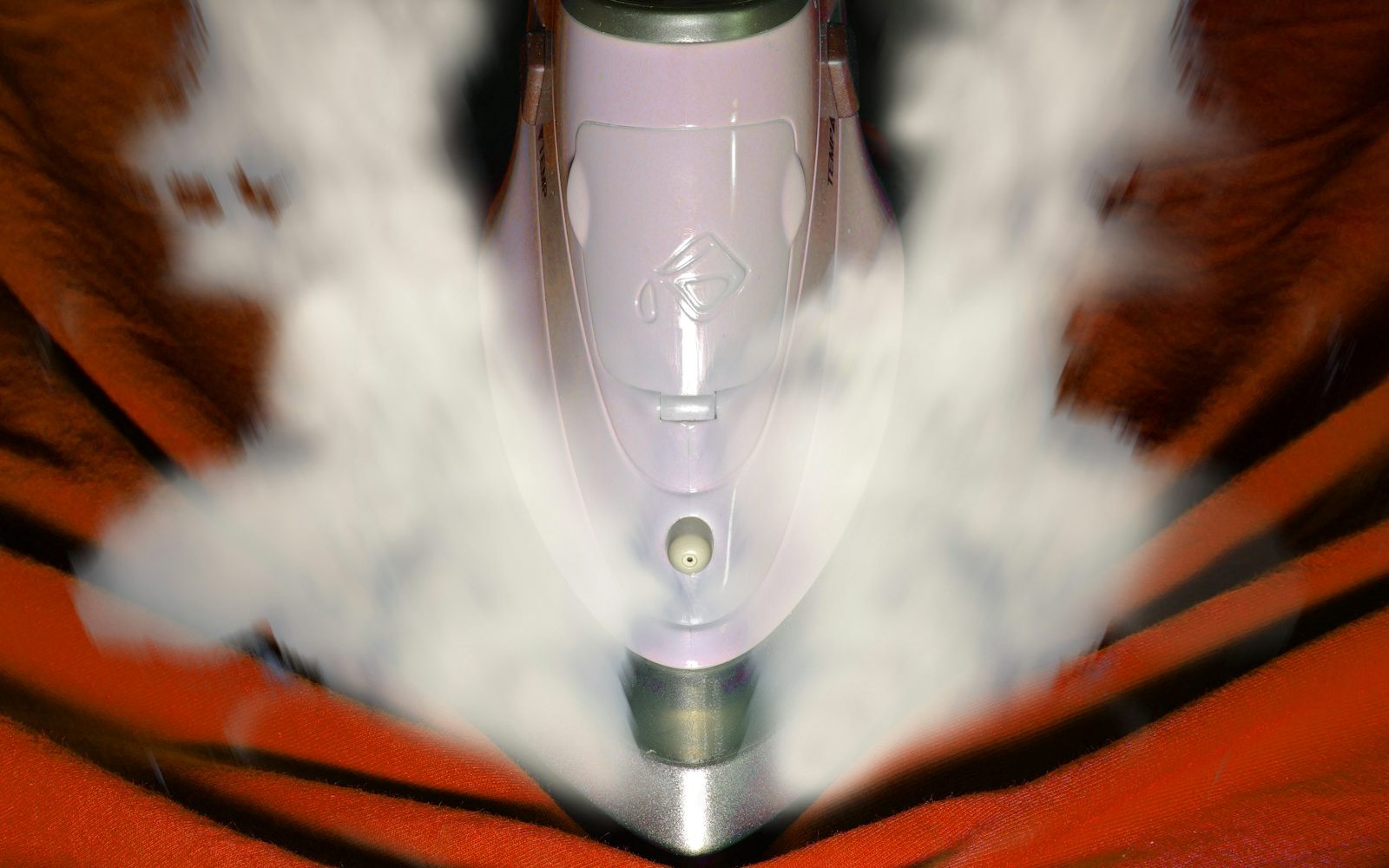
Steam each look on the hanger before the fitting starts, then touch up between changes as the lead directs.
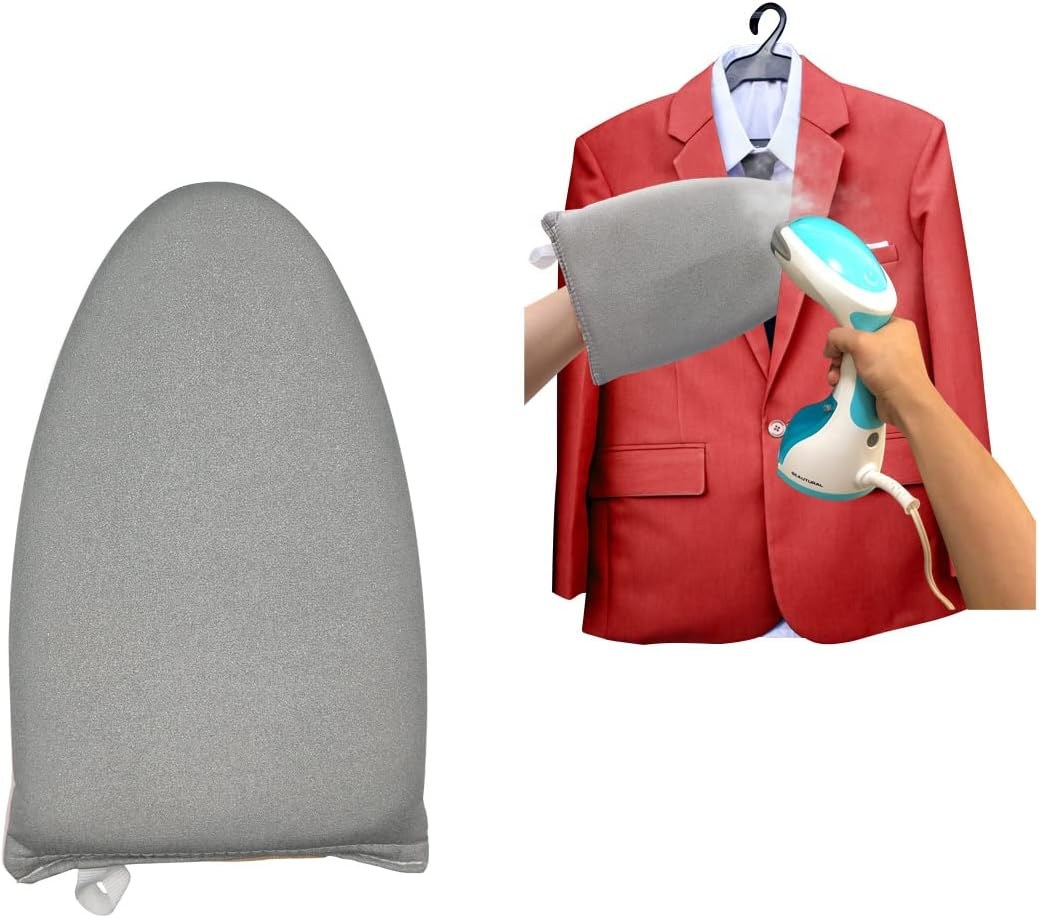
Hold fabric taut while you steam without burning your fingers, which keeps work quick during back-to-back changes.

Keep a mini roller in your apron for lint, hair and dust before the talent steps in front of camera.
Event days
Event days stretch the fitting work across a longer, less predictable timeline. You may travel with the look, dress talent in a hotel suite, then stand by with a kit for emergencies until the car leaves. Meanwhile, the stylist may be juggling a second client across town, so you often become the only member of the styling team in the room. That responsibility is real, and it tests judgment more than technique. Keep backups for the likeliest failures: a second pair of shoes, spare undergarments, fashion tape, a lint roller and a sewing kit. Also, keep the stylist updated with short, factual messages rather than long ones. After the event, collect every piece yourself if you can. Busy rooms after a big night are where small items tend to wander.

Returns, damage and the paper trail
Returns are where an assistant’s reputation is actually decided. Lenders remember who sent pieces back clean, complete and on time, and they remember who did not. Our separate guide to returns-day duties covers routes, condition checks and courier choices in detail. For an assistant, though, the core habits are simple. First, check every piece against the sample log before it leaves the studio. Next, steam or brush garments, restore original packaging where possible, and photograph each item again. Then get a signature or an emailed confirmation at drop-off, and file it with the job folder. If something came back damaged, tell the stylist immediately, with photos, rather than hoping the showroom will not notice. Honesty here protects relationships that took years to build.
Damage and loss are the part of the job nobody advertises. A heel snaps on a red carpet, makeup marks a neckline, or a ring simply disappears from a busy dressing room. The stylist usually carries the relationship and the liability, but the assistant often handles the first conversation and the documentation. So keep that documentation calm and specific. Note what happened, when, who was present and what condition the piece was in before. Then let the stylist decide on next steps with the lender. Avoid offering your own personal guarantees unless the stylist asks you to. Meanwhile, learn what the loan paperwork says about holds, deposits and repairs, because that knowledge makes you more useful in exactly these moments. Stylists remember who stayed calm during a difficult week.
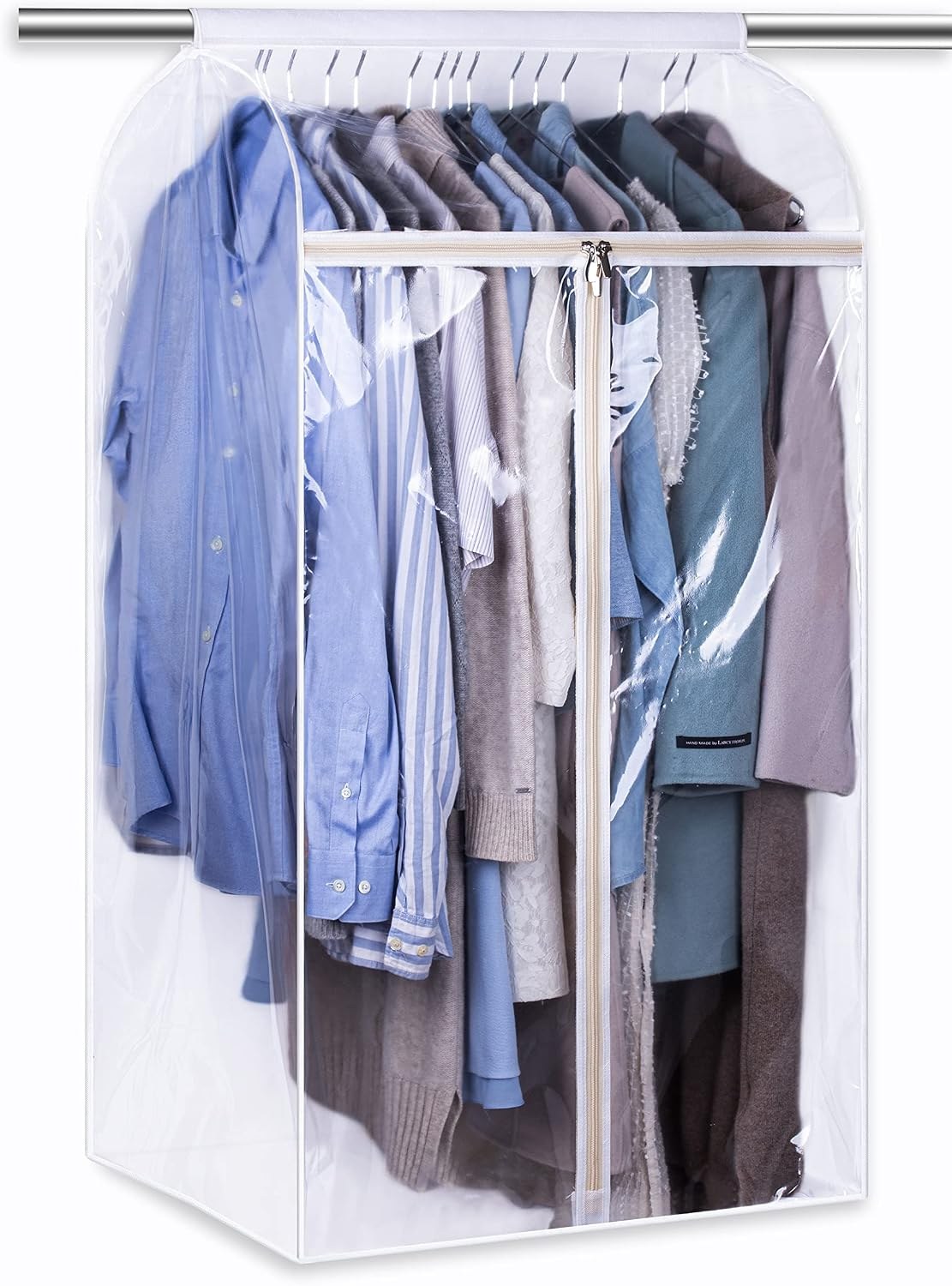
Bag each returned look in a breathable cover, so it reaches the showroom in the condition it left.
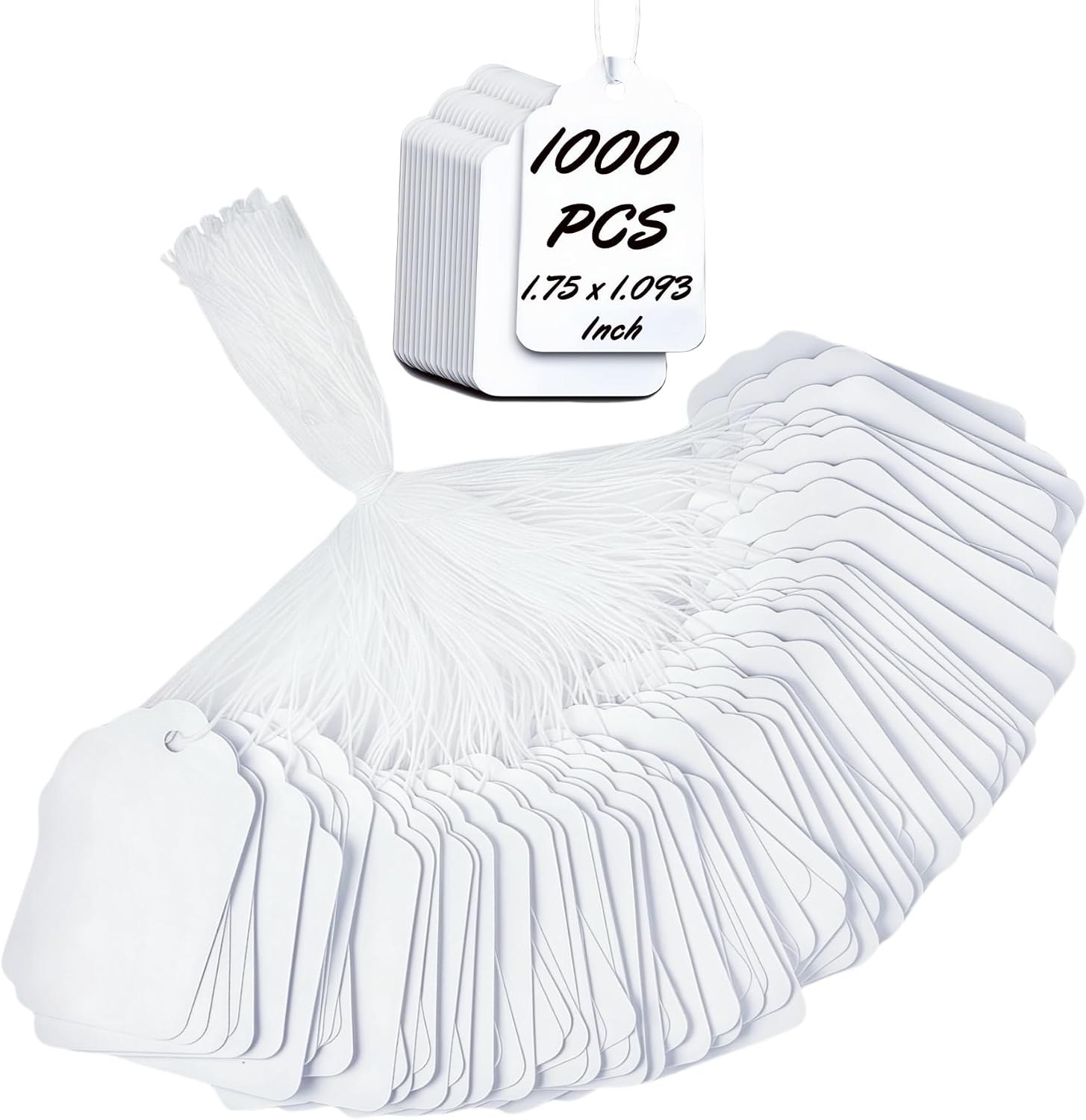
Tag each piece with the brand and pull sheet line, so returns match the paperwork without guesswork.
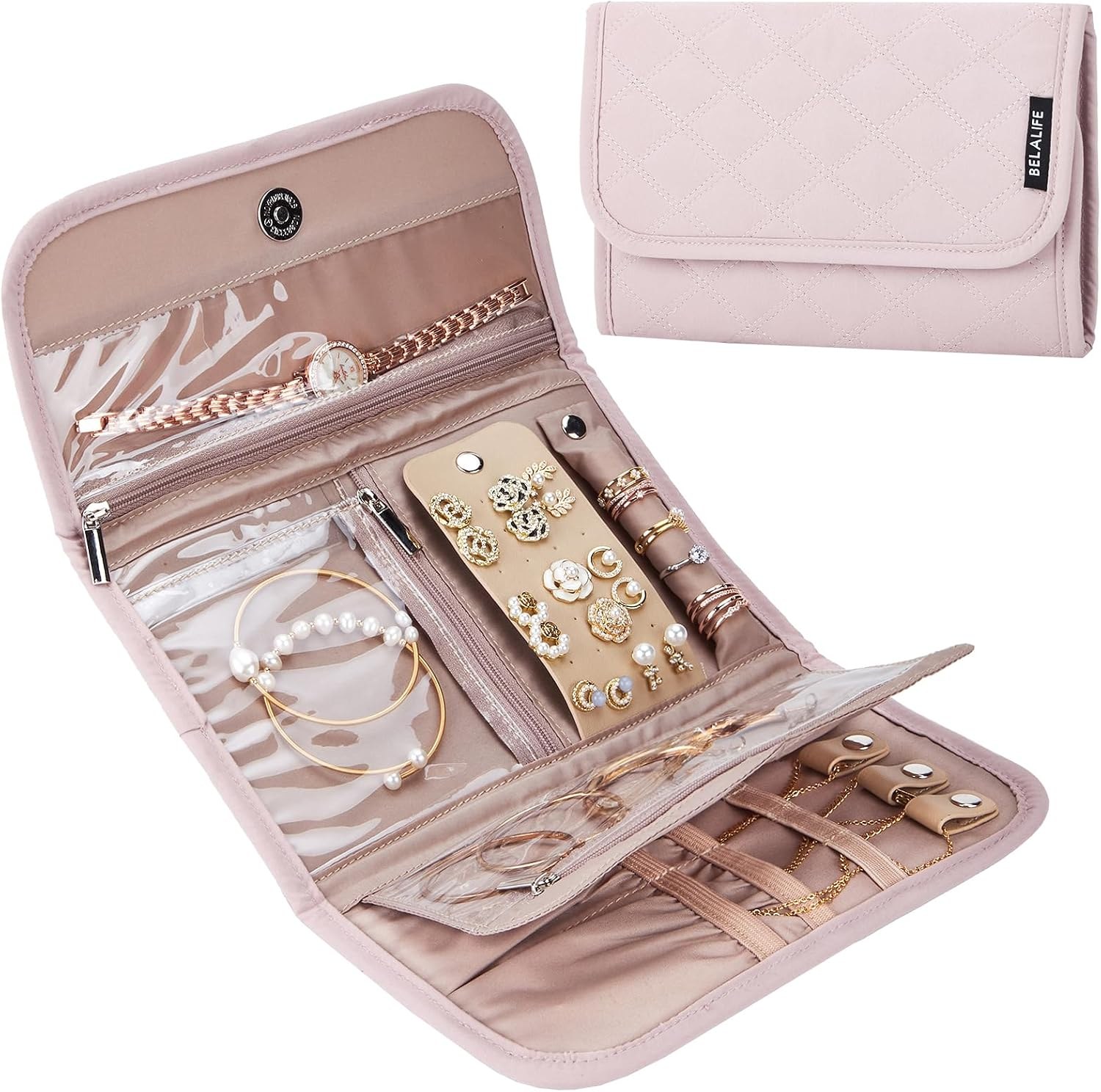
Roll borrowed jewelry into separate compartments for the return trip, so nothing tangles or slips out in transit.
What returns teach about the business
Returns also teach you the economics of the stylist’s business. Every late return costs goodwill, and sometimes money. Every damaged piece can cost a future loan from that house. As a result, efficient returns are not administrative chores; they are a quiet form of client service to the brands that make styling possible. Track return dates on a shared calendar with reminders a few days before each deadline. Also, batch drop-offs by neighborhood to save time and car fares. When a showroom extends a loan, confirm the new date in writing. These habits may seem small, yet they show a stylist that you think like a business partner rather than a runner. In turn, that reputation travels with you to every future booking and every future team.
NDAs, discretion and what you can post
Confidentiality is part of the job, whether or not anyone hands you a contract. If a team asks you to sign a nondisclosure agreement, read what it covers: schedules, homes, health, relationships and unreleased looks are common subjects. Read it before you sign, and ask what it says about social media, portfolio use and how long it lasts. Keeping a copy is reasonable, too. Still, there are legal limits on what such clauses can do. For example, the federal Speak Out Act (Public Law 117-224), enacted in December 2022, limits the judicial enforceability of predispute nondisclosure and nondisparagement clauses in disputes involving sexual assault or sexual harassment. That does not make NDAs meaningless. However, no agreement should keep you silent about abuse. For anything specific, ask an employment attorney.
Notes for working stylists: pulls, pricing, clients and career, sent occasionally.
Occasional letters. Unsubscribe anytime.
Discretion also shapes how you build your own credit. Your name may not appear in the photo credit, and celebrity work is often the hardest to show publicly. So start a private record now: job dates, the stylist, the publication or event, and what you did. Ask the stylist early, and in writing, what you may share and when. Some stylists allow tagged posts after publication, while others prefer no mention at all. Our guide to getting credited as an assistant explains how to turn that record into a usable book without breaking trust. Meanwhile, avoid behind-the-scenes posts unless permission is explicit, because a single leaked look can end a working relationship. Respecting those boundaries is part of how stylists decide who comes back for the next booking.
Hours, pay and what the numbers say
The hours follow the client, not the clock. Fittings fit around rehearsals and press, events run late, and early shoots can start before sunrise. Award seasons and fashion weeks can compress weeks of work into days. None of that is unusual for a celebrity stylist assistant, but it is worth naming plainly, because the strain is real. In the same Nylon feature, Lucan said that early on she went all in, which left little room for a personal life. Therefore, protect what you can. Agree on call times and overtime expectations before a job starts, especially on multi-day bookings. Keep one day each week clear when the calendar allows. Also, track your actual hours, because that record will matter when you discuss rates or move to your own clients.

Stylist assistant pay is where reliable data runs thin, so treat every figure carefully. Indeed’s stylist assistant salary page reports a US average of $17.85 an hour, based on about 1,200 salaries from its job postings over 36 months and updated in November 2026. It lists $21.96 an hour in New York and $19.27 in Los Angeles. However, that job title may include salon or retail roles, so celebrity assisting can sit above or below those numbers. In the Nylon reporting, costume designer Anthony Tran noted that assistant stylists earn very little. Day rates for freelance assistants vary by stylist, market and job type, and we found no public survey we could verify. So ask other assistants directly, compare notes, and keep your own records.
Employee, freelancer or intern
Your legal status changes what you are owed. Some assistants work as employees of a stylist’s company, while others book as freelancers on individual jobs. The IRS guidance on independent contractors and employees looks at three kinds of evidence: behavioral control, financial control and the type of relationship. No single factor decides it. Minimum wage applies to employees, and it varies by place. The California Department of Industrial Relations minimum wage FAQ lists a 2026 state minimum of $16.90 an hour, and some cities set higher local rates. In New York City, the NYC Commission on Human Rights pay transparency page says job ads must include a good-faith pay range, a rule in force since November 1, 2022. Therefore, read any posting closely before you apply.

Unpaid internships deserve a separate, frank note. The Department of Labor’s Fact Sheet 71 explains the primary beneficiary test that courts use to decide whether an intern at a for-profit employer is actually an employee. The test weighs seven factors, including ties to formal education and whether the intern displaces paid staff. In 2020, Glossy’s confessions of a fashion intern shared an anonymous New York account of unpaid work for a stylist and magazine editor, including collecting watches for a shoot while holding another job to cover rent. Her experience is not every intern’s. Still, it shows how quickly learning becomes free labor. So ask what you will learn, how long the arrangement lasts and whether school credit applies.
How to assist a stylist and get the first booking
Assistant work often travels by referral, which is frustrating when you know nobody. Still, there are workable entry points into fashion assistant jobs. Gladeo’s profile suggests starting with internships, retail work, fashion events and entry-level roles such as styling or studio assistant, then building a simple portfolio. That advice holds for celebrity work as well. Begin with commercial, editorial or e-commerce assisting, where teams book more often and mistakes cost less. Then ask each stylist you assist whether they know someone who needs help. Keep a short résumé listing the stylists, job types and skills you can prove, such as returns, sample logs or tailoring. Finally, show up early, finish the boring tasks without prompting and leave every room tidier than you found it.
Outreach works best when it is specific and brief. Write to stylists whose work you can describe in detail, mention one recent project and explain which tasks you can handle on day one. Attach a short résumé rather than a long portfolio. Then follow up once, politely, and move on if you hear nothing. Meanwhile, keep building adjacent skills. Makeup assisting teaches the same set discipline, and it introduces you to people who book celebrity teams. Our guide to assisting a key makeup artist covers that side of the industry. Also, learn basic tailoring, garment care and spreadsheet work, because those skills make you useful immediately. Busy stylists rarely have time to train someone from scratch, so arrive with a working kit and steady habits already in place.

The path up: from assistant stylist to your own clients
Moving up rarely happens on a schedule. Lucan’s own route, as Nylon reported it, ran from product development at 3.1 Phillip Lim into assisting, and later to styling editorials and campaigns of her own. She credited the stylists she assisted with training her to grow and to run her own projects. That pattern, learning inside a working team before stepping out, is the closest thing this career has to a ladder. In practice, the shift often begins with small jobs a stylist passes along: a lookbook, a catalog, a smaller client. Accept those jobs carefully, because they test whether you can handle the creative side as well as logistics. Meanwhile, keep assisting while your own bookings grow, since steady assisting income makes the transition far less precarious.
Leaving a stylist well matters as much as joining one. Give generous notice, finish your current jobs, and hand over your logs, contacts and systems to whoever replaces you. Avoid poaching the stylist’s clients or lenders, even when they approach you first, because the industry is small and memories are long. Instead, ask the stylist whether they would support your move, and which credits you may use. Former assistants and their stylists can stay connected for years, trading referrals in both directions. Also, keep assisting occasionally if the relationship allows; it keeps your skills sharp and your network active. Finally, price your own days before your first independent job, using your recorded hours and real costs. That preparation turns a nervous first quote into a confident one.

What assisting gives you that school cannot
Working as a celebrity stylist assistant is demanding, often underpaid and largely invisible. It is also one of the few places where you can watch high-stakes styling decisions up close, week after week, with real consequences. You learn how lenders think, how talent responds under pressure and how a stylist protects a vision when time runs short. Those lessons do not fit in a course syllabus. Still, the cost is real, and it is fair to weigh it. Set a horizon for yourself, perhaps a season or a year, and review honestly what you are learning and earning. If the balance tips too far, change stylists or step toward your own work. Either choice is legitimate. What matters is a career that lasts, not one exhausting season that ends it.
Tools and library


The tools above are the practical side of assisting: the steamer, the rack, the bags and the small kit that keeps a fitting moving. The business side asks for different tools. Eventually, you will need to price your own days, track usage, manage holds and keep records that hold up at tax time. Those habits start while you assist, because the notes you keep now become the baseline for every rate you quote later. It is easy to wait too long to think like a business, then scramble when the first independent booking arrives. Instead, treat each job as rehearsal for running your own. Record your hours, costs and outcomes. Then, when the moment comes, you will step out with numbers instead of guesses, and with a clear sense of what your work is worth.
From the Artist Library
The career guide in the Artist Library was written for makeup artists, yet its chapters on pricing, contracts, agencies and the first five clients translate directly to styling work. Read it alongside your rate sheet and loan paperwork, and it will help you ask sharper questions before your next booking.
Questions worth asking
What does a celebrity stylist assistant do day to day?
The role centers on logistics: requesting and collecting pulls, logging samples, prepping racks, steaming, running fittings, packing event kits and completing returns. Assistants also handle emails, schedules and paperwork, and they keep client details private. The stylist makes the creative decisions, while the assistant keeps every garment and appointment moving on time.
How much does a stylist assistant make?
Indeed’s salary data, updated in November 2026, reports a US average of $17.85 an hour for stylist assistants, with higher averages in New York and Los Angeles. That title can include salon and retail roles, so celebrity assisting may differ. Freelance day rates vary widely, and we found no verified public survey that tracks them.
Do I need fashion school to assist a stylist?
Not necessarily. Gladeo’s fashion assistant profile lists a high school diploma or equivalent as the baseline, with certificates or degrees as helpful extras. It also points to internships, retail experience and fashion events as practical starting points. Stylists tend to value reliability, organization, garment care and discretion, which steady assisting work can prove.
Will I have to sign an NDA?
Some celebrity teams ask assistants to sign nondisclosure agreements covering schedules, homes, relationships and unreleased looks. Read any agreement before signing, keep a copy and ask how it treats social media and portfolio use. Federal law limits enforcement of predispute clauses in sexual harassment and assault disputes. For specific questions, consult an employment attorney.
Is an unpaid styling internship legal?
It depends on the facts. For for-profit employers, the Department of Labor applies a primary beneficiary test with seven factors, including ties to formal education and whether the intern displaces paid staff. If the arrangement looks like ordinary work without real learning, the intern may count as an employee owed minimum wage.
How long do people assist before styling on their own?
There is no standard timeline, and we found no reliable data on it. Moves often happen gradually, with assistants taking small jobs a stylist passes along while still assisting. Track your bookings, skills and income, then decide when your own work can carry you without assisting income as a backstop.
