
A 21-day skin makeover can begin somewhere unexpected: your gut. At Cossèt Môi, we have long written about skin, beauty and self-care. Over that time, research has increasingly looked inward. Scientists now study how the bacteria in your digestive tract may influence your skin.
This is a growing field, not a finished one. So this guide shares what the research suggests. It is also clear about what it does not yet show. It is also the thinking behind our 21-Day Skin & Gut Health Reset.
The gut-skin axis: what it is
Your gut and your skin are in constant conversation. Researchers call this link the gut-skin axis. It involves your immune system, your nervous system and the substances your gut bacteria produce.
The numbers are striking. A 2016 study in PLOS Biology estimated the bacteria in a reference adult. Sender, Fuchs and Milo put the figure at around 38 trillion. That is roughly the same as the number of human cells in the body.
A 2018 review in Frontiers in Microbiology describes the gut microbiome as one of the main regulators of this axis. Salem and colleagues focus on three common conditions: acne, atopic dermatitis (eczema) and psoriasis. Research links imbalances in gut bacteria with each of them. However, these are associations, and the authors call for more research.
Short-chain fatty acids and inflammation
When gut bacteria ferment dietary fibre, they produce short-chain fatty acids, including butyrate. According to Harvard’s Nutrition Source, certain fibres act as prebiotics, or food for gut bacteria. The Salem review also notes that these fatty acids, particularly butyrate, can calm immune responses.
The practical takeaway is gentle. Eating a wider range of fibre-rich plants feeds the bacteria that make these compounds. That is good for your gut, and it may support your skin over time.
How quickly can the gut change?
Faster than many people expect. In a 2014 study in Nature, David and colleagues found that diet rapidly altered the gut microbiome. Changes appeared within days of a new diet. That study used short, extreme diets, so everyday results will vary.
There is no evidence-based magic number of days. Instead, 21 days is a practical length for building new habits. What matters most is continuing them afterwards.
Why the 21-day skin makeover pairs gut and skin care
Topical skincare can do a great deal. A good sunscreen protects, and a well-chosen moisturiser supports your skin barrier. Many women, however, find that results fade when they stop a routine.
The Reset addresses food and skincare together. First, it focuses on gut-friendly foods and a gentle routine. Then, it introduces active ingredients gradually, because actives such as retinoids can irritate skin when started too quickly.
In other words, the Reset does not replace skincare. Rather, it pairs daily food habits with a skincare routine that builds week by week.
What the three weeks focus on
| Week | Focus |
|---|---|
| Week one (days 1 to 7) | Gut foundations and gentle skincare. More variety of fibre-rich plants and fermented foods. Skincare stays simple: cleanse, moisturise and protect. |
| Week two (days 8 to 14) | Balance and gradual actives. Oily fish and other omega-3 sources join the plan. You then add active ingredients, such as vitamin C, slowly and in sequence. |
| Week three (days 15 to 21) | Renewal and lasting habits. Next, you bring in stronger actives, such as retinol, with care. The focus then turns to which habits you will keep. |
Every skin is different. Do you have a skin condition or take medication? Then speak with your doctor or dermatologist before starting new actives.
Nine foods for the gut and skin
These nine foods appear often in the Reset. Each fits a balanced plate, and some have early research behind them. We note the strength of the evidence for each one.
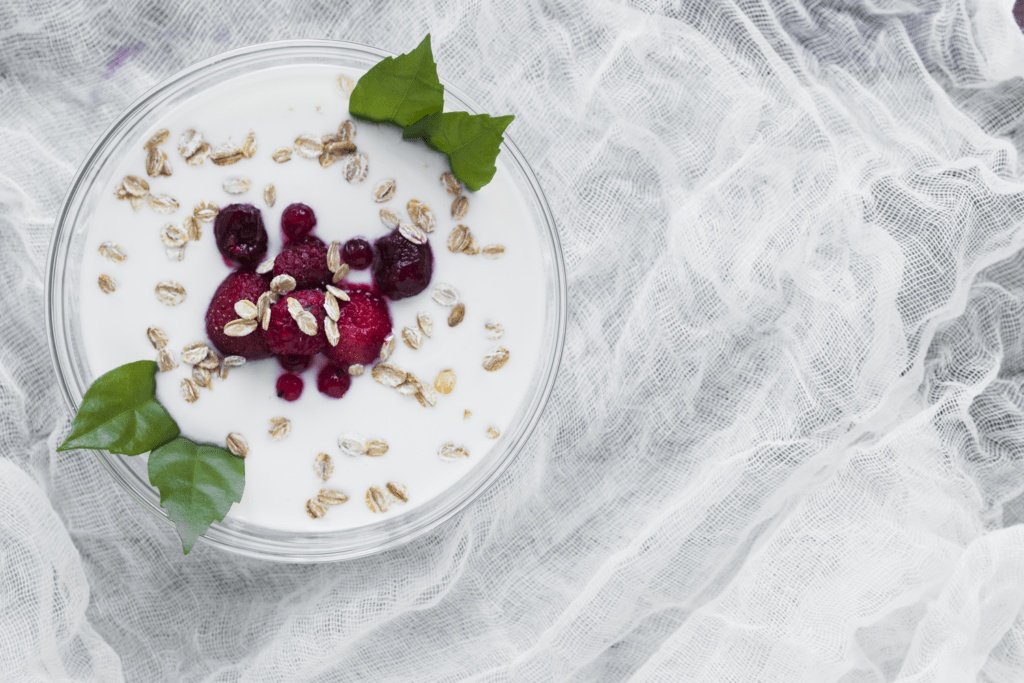
Oats
Oats contain beta-glucan, a fermentable fibre that Harvard’s Nutrition Source describes as a prebiotic. Steel-cut oats are also a low-glycemic choice. According to the AAD, small studies suggest a low-glycemic diet may reduce acne. One example is a 12-week trial in young men by Smith and colleagues.
Oily fish
Salmon, sardines and mackerel provide omega-3 fatty acids. In a small 10-week trial, Jung and colleagues found that omega-3 supplements reduced acne lesions. That trial tested supplements rather than food, so it supports acne only.
Blueberries
Blueberries are rich in plant compounds called polyphenols. In one small study, Vendrame and colleagues found that a daily wild-blueberry drink increased Bifidobacteria over six weeks. More research is needed.
Avocado
Avocado is a source of fibre and healthy fats. It also makes plant-rich meals more satisfying, which helps you stick with them.
Broccoli
Broccoli is a fibre-rich vegetable that fits easily into the half-plate approach. Lightly steamed, it pairs well with oily fish and whole grains.
Green tea
Green tea polyphenols are being studied for their effects on gut bacteria. For now, enjoy it as a calm, caffeinated alternative to sugary drinks.
Turmeric and black pepper
Curcumin, from turmeric, is poorly absorbed on its own. In a small 1998 study, Shoba and colleagues found that piperine, from black pepper, raised curcumin levels about twentyfold. That study used supplement doses. Also, NCCIH notes that liver damage has been reported with some high-absorption curcumin products. So enjoy turmeric in cooking, and ask your doctor before taking supplements.
Kefir
Kefir is a fermented milk drink made with live cultures. According to NCCIH, there is preliminary evidence that some probiotic strains might help eczema symptoms. Goat’s milk kefir is an option if cow’s milk does not suit you.
Miso
Miso is a fermented soybean paste. Unpasteurised miso may contain live microbes, so stir it in after removing the pan from the heat.
The skincare that works alongside it
During a 21-day skin makeover, your skincare should support rather than overwhelm. So keep the routine simple at first. Cleanse gently, moisturise, and wear broad-spectrum SPF 30 or higher every day, as the AAD recommends.
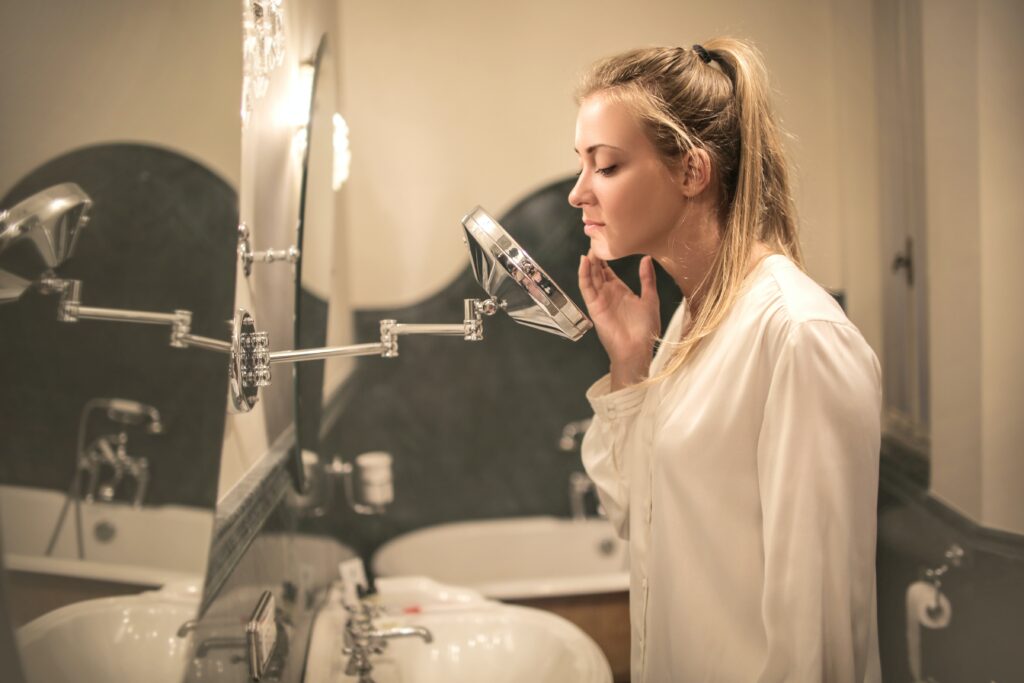
Once your skin feels calm, introduce one active at a time. That way, if irritation appears, you will know the cause.
If you would like a rich, comforting moisturiser, Augustinus Bader The Rich Cream is a luxury option.
The supplement layer: food first
Food comes first. Even so, some women consider supplements, and the evidence varies by type.
Collagen peptides
Collagen is one of the better-studied options. A 2023 meta-analysis in Nutrients by Pu and colleagues pooled 26 trials. Overall, hydrolysed collagen improved skin hydration and elasticity compared with placebo. The clearer benefits appeared after about eight weeks or more.
Similarly, a 2014 trial by Proksch and colleagues tested 2.5 g or 5 g of collagen peptides daily. After eight weeks, skin elasticity improved in both groups compared with placebo. However, that trial used a specific branded peptide. In addition, the meta-analysis authors noted a risk of bias across trials.
Probiotics
Probiotic research is still early. As noted above, NCCIH describes preliminary evidence for some strains in eczema. For acne, the evidence is limited. If you would like to try one, Seed DS-01 Daily Synbiotic combines probiotics and prebiotics in one capsule.
Always check with your doctor before starting a supplement, especially if you are pregnant, breastfeeding or taking medication.
What to expect by day 21
Every woman’s experience is different, and we do not promise specific results. The aim of 21 days is to build habits that feel natural enough to keep.
Those habits might include more plants at every meal, a calmer skincare routine and daily sunscreen. Some women also notice they enjoy cooking more. Over time, steady habits like these support both gut and skin.
That is what a genuine makeover looks like. It is not a dramatic before and after, but a new baseline.
Frequently asked questions
Do I have to follow a strict diet for 21 days?
No. The Reset offers a full food plan for each day. Still, it is a framework rather than a rigid rule. The goal is to add gut-friendly foods, not to remove everything else.
I have IBS, histamine intolerance or coeliac disease. Is this for me?
The Reset includes low-FODMAP, low-histamine and gluten-free alternatives each day. Even so, please check with your doctor or dietitian first if you have a medical condition.
I already use good skincare. Will this add anything?
The Reset complements your existing routine rather than replacing it. It adds daily food habits and a gradual approach to actives.
What budget do I need for the skincare products?
Each product recommendation in the Reset comes in three price tiers. You choose the tier that suits you, step by step.
How long does it take to see a change in skin?
It varies. Gut bacteria can shift within days of a change in diet. Yet collagen trials show clearer skin benefits after about eight weeks. Patience and consistency matter most.
Some links on this page are affiliate links. Cossèt Môi may earn a small commission at no cost to you. This content is for general information only and is not medical advice. Please consult your healthcare provider before starting any new supplement or dietary programme.
