
Your skin after 50 has a story, and it deserves a ritual that honors it. Good skincare for mature skin is not about chasing an earlier version of you. Instead, it is about comfort, light and ease in the face you have now. This guide gathers what dermatologists recommend, from menopause and barrier care to sunscreen and retinoids. It then moves into makeup that sits softly and lets your skin glow. Think of it as one chapter of your full makeover, step by step. Please note that this article is general information, not medical advice. For your own skin, speak with a board-certified dermatologist or your doctor.
The best skincare for mature skin is gentle, steady and protective. Cleanse with a mild, fragrance-free cleanser, then moisturize while your skin is still damp. Every morning, wear a broad-spectrum sunscreen of SPF 30 or higher. At night, add a retinoid slowly, a few evenings a week, and build up as your skin allows. Menopause can make skin drier and thinner, so richer creams often feel better after 50. For makeup, choose hydrating primers, light foundations, cream blush and soft definition at the brows and lashes.
What mature skin means after 50
Mature skin is simply skin that has lived a while. Here at Cossèt Môi, we use the phrase for skin after 50, when change becomes easier to see. Every face moves through this season in its own way. Genes, sun, climate and daily habits all shape the result. For that reason, two women of the same age can have very different skin. Some notice dryness first, while others notice softer contours or new spots. None of this is a problem to solve. Rather, it is information that helps you choose well. Once you understand what is changing, you can care for your skin with intention. Then the ritual becomes gentle, steady and kind, instead of anxious and rushed.

Changes you may notice
Most women notice a few shifts across their fifties and beyond. These changes often arrive slowly, so they can be easy to miss at first. Meanwhile, they tend to cluster in a few familiar areas. Knowing them helps you read your skin with less worry and more curiosity. The American Academy of Dermatology lists several of them in its guidance on menopause. They include dryness, easy bruising, slower healing and skin that feels more easily irritated. Some women also see age spots, new breakouts or softer skin along the jaw. Because each change has a gentle answer, you rarely need a long list of products. Instead, a few steady habits carry most of the weight, as the sections below explain.
- Dryness: skin that feels tight after cleansing or flaky by evening.
- Thinner skin: a finer texture that bruises and marks more easily.
- Softer contours: slack skin along the jaw and fine lines that settle in.
- Sun marks: age spots and uneven tone from years of daylight.
- Sensitivity: products that once felt fine may now sting or redden.
Menopause and your skin
Menopause is one of the biggest influences on skin after 50. According to the Cleveland Clinic, the average age of menopause in the United States is 52. It defines menopause as 12 months in a row without a period. Around this time, falling estrogen changes how skin holds water and collagen. The American Academy of Dermatology puts a number on it. In its guide to skin care during menopause, it reports that skin loses about 30% of its collagen in the first five years. After that, women lose about 2% each year for the next 20 years. That is why skin often feels thinner and drier in this chapter.

What dermatologists suggest
Fortunately, the dermatologists’ advice for this stage is simple and kind. First, the AAD suggests washing with a mild cleanser instead of soap. Next, it recommends moisturizer after bathing and again whenever your skin feels dry. It also points to fragrance-free formulas, because fragrance can irritate skin that has grown more reactive. In addition, it suggests products with retinol or peptides for lines and texture. For breakouts, which can return during menopause, a cleanser with salicylic acid may help. Above all, it advises sunscreen every day and a yearly skin check with a dermatologist. None of these steps is dramatic. Together, however, they form a gentle daily ritual that supports your skin through every season of change.
Skin that feels new to you
Many women describe their skin after menopause as unfamiliar. A cream that worked for years may suddenly feel too light. Similarly, a cleanser you loved may leave your face tight or pink. This is normal, and it is a signal rather than a failure. Your skin is asking for more comfort and fewer active steps. So, before you add anything new, edit what you already own. Keep the gentle pieces, and set aside anything that stings, foams harshly or smells strongly. Then rebuild slowly, one change every couple of weeks. That pace lets you see what truly helps. It also protects your barrier, which is the true foundation of everything that follows in this guide.
You may also like


Barrier care: cleanse gently, moisturize generously
Your skin barrier is the thin outer layer that keeps water in and irritants out. After 50, it often needs more support, because skin tends to feel drier. Consequently, barrier care sits at the heart of skincare for mature skin. The AAD’s tips for dry skin offer a clear starting point. It suggests keeping showers and baths to five to ten minutes, in warm rather than hot water. Then, it advises applying moisturizer while your skin is still damp. It also notes that ointments and creams add more moisture than lotions. Finally, it recommends products labeled fragrance-free, and a humidifier in the bedroom during dry months.

Cleansing without stripping
Cleansing is where barrier care begins, so it deserves a soft touch. In the evening, use a creamy or milky cleanser that leaves your skin comfortable. In the morning, many women over 50 find that lukewarm water alone is enough. Meanwhile, massage the cleanser in slowly with your fingertips for about half a minute. Rinse with lukewarm water, and then pat your face dry with a clean, soft towel. Avoid rough cloths, gritty scrubs and hot water, which can leave skin tight. If you exfoliate, choose a mild product and use it only once or twice a week. Then follow straight away with moisturizer, because freshly cleansed skin loses water quickly.
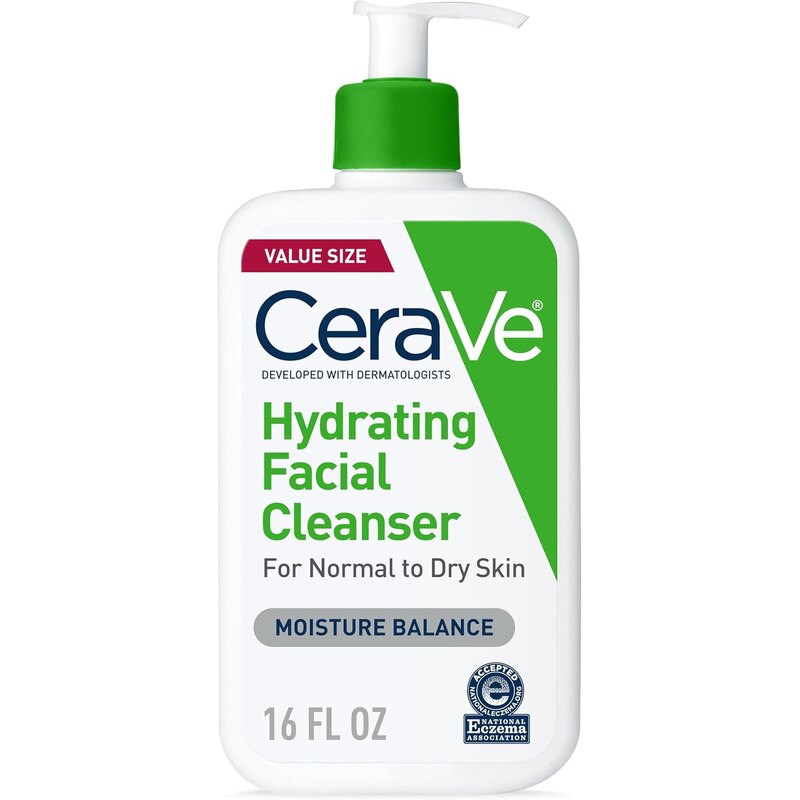
Ceramides and hyaluronic acid in a soft, fragrance-free wash that cleans without stripping.
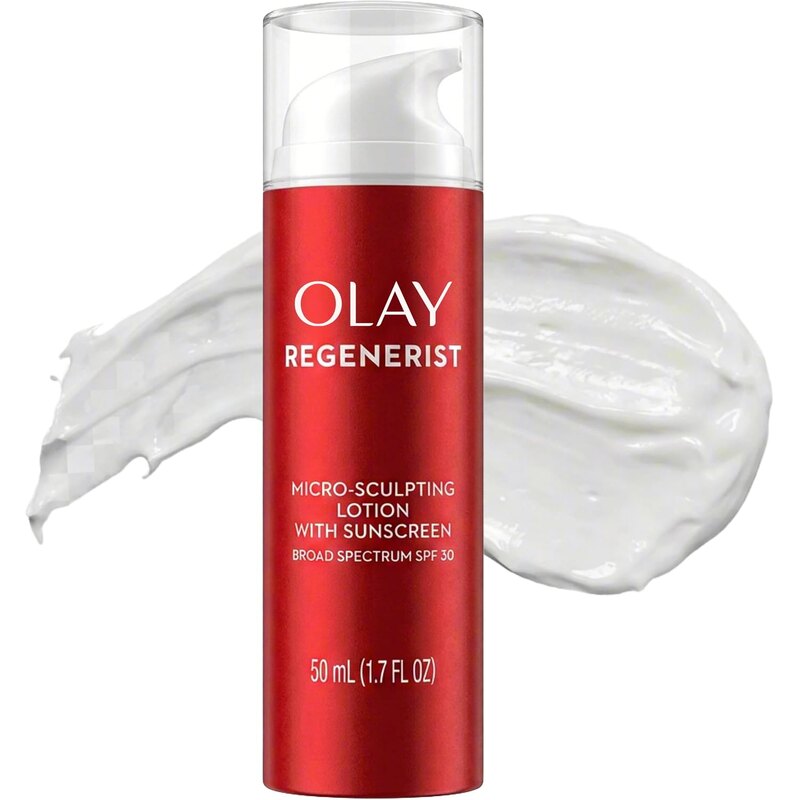
A rich cream to press onto damp skin, so dry, mature skin stays supple through the day.
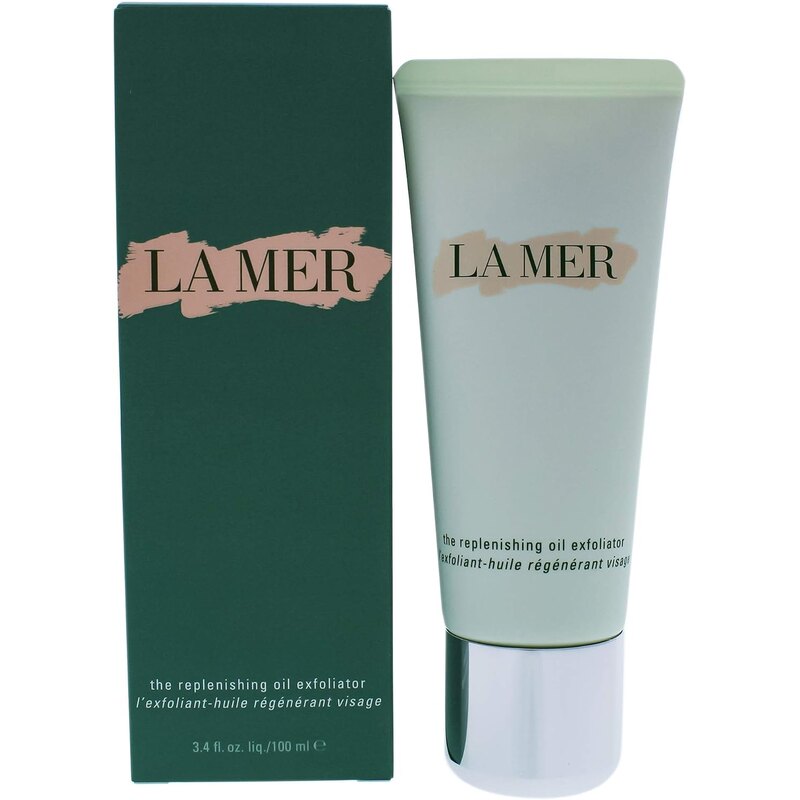
A gentle oil-based polish for the weekly ritual, always followed by moisturizer.
After cleansing, moisture is the step that changes how your skin feels all day. For mature skin, richer textures usually work better than light gels. Look for a cream with humectants such as glycerin or hyaluronic acid, which draw water in. Then look for ingredients such as ceramides, squalane or shea, which help hold that water in place. Apply your moisturizer to damp skin, pressing it in rather than rubbing hard. Also, carry it down over your neck and chest, which are often forgotten. In dry weather, you may want a second layer at night. Over time, this simple habit can make your skin feel softer, easier and more comfortable from morning to evening.
Sun protection, every single morning
If you choose only one daily habit, choose sunscreen. The evidence for it is unusually strong. In a 2013 trial in the Annals of Internal Medicine, Hughes and colleagues followed 903 adults in Australia for four and a half years. Those who used broad-spectrum sunscreen daily showed no detectable increase in skin aging. Moreover, their skin aging was 24% less than in the group who used sunscreen only when they chose. Although the volunteers were all under 55 when the trial began, its lesson suits every age. Daily protection keeps working, so it is never too late to begin. It also protects your health, which matters even more.

How to choose and wear sunscreen
Skin cancer is common, which is another reason to protect your skin daily. According to the AAD’s skin cancer statistics, about one in five Americans will develop skin cancer in their lifetime. The academy also estimates that about 9,500 people in the US are diagnosed every day. For daily wear, the AAD recommends a sunscreen with SPF 30 or higher. In addition, it should say broad spectrum, which means it protects against both types of UV rays. On sensitive skin, a mineral formula with zinc oxide or titanium dioxide often feels gentler. Apply it as the last step of your morning skincare, before makeup, and reapply when you spend time outdoors.
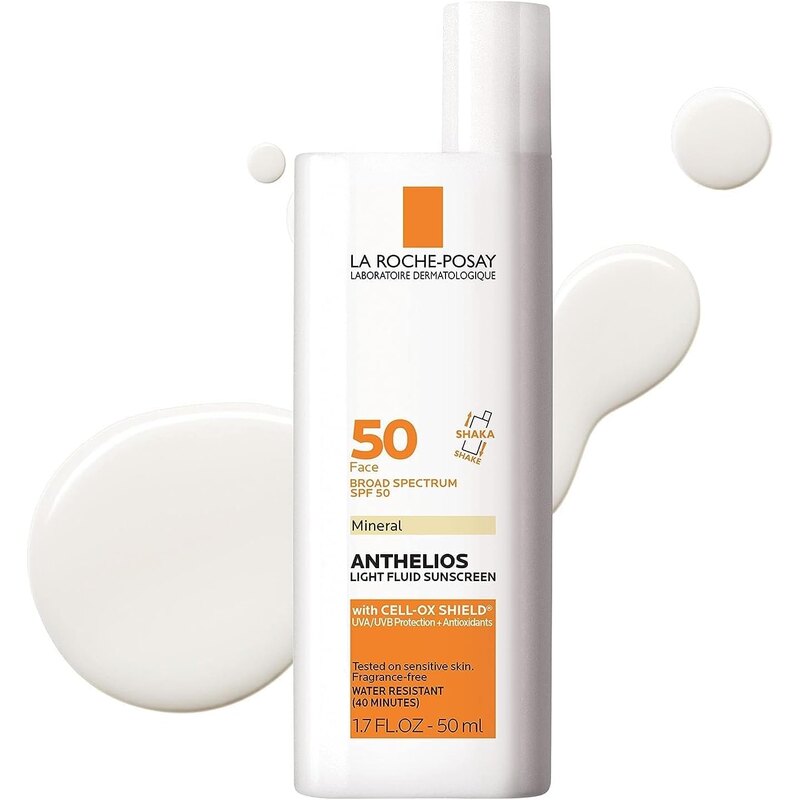
A light mineral fluid with zinc oxide and titanium dioxide, kind to sensitive skin.
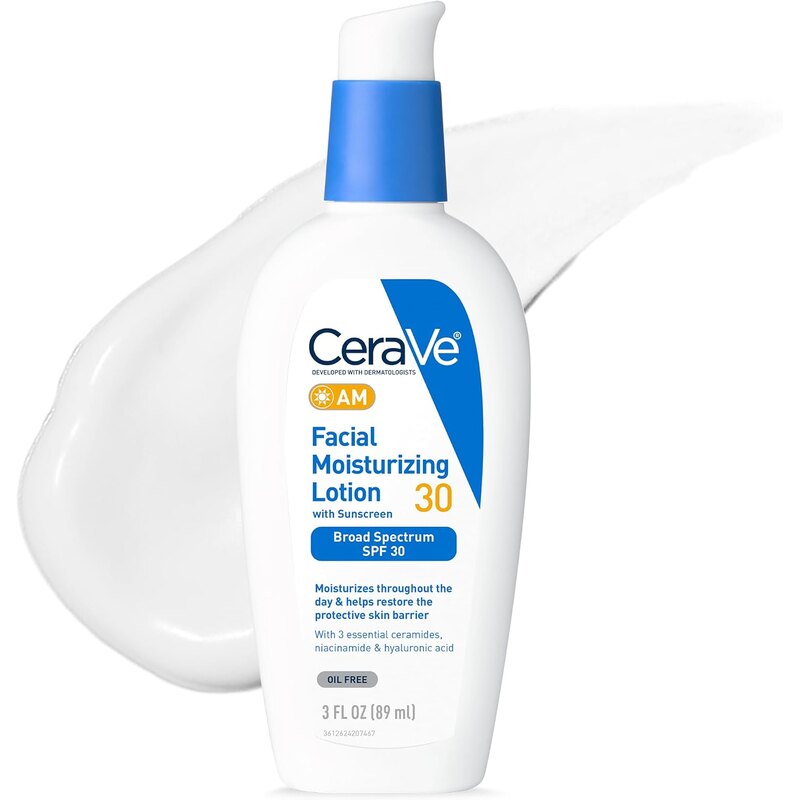
Moisture and broad-spectrum protection in a single morning step.
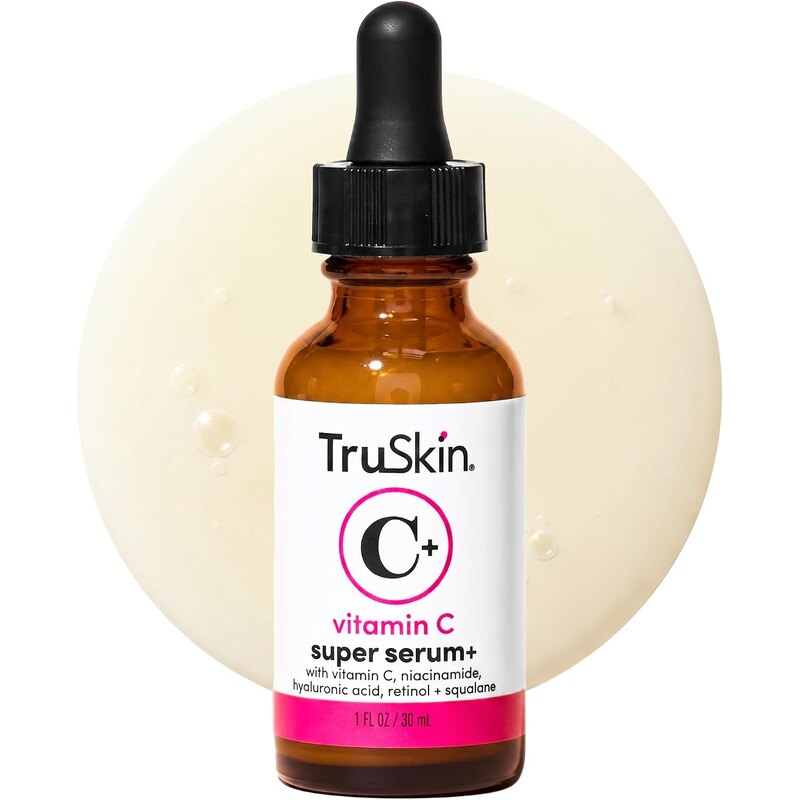
A morning vitamin C serum to layer under sunscreen for a brighter tone.
Sunscreen works best as part of a wider habit of shade. So, add a wide-brimmed hat and good sunglasses whenever you walk, garden or travel. Seek shade in the middle of the day, when the sun is strongest. Also remember the places that sunscreen often misses. These include your ears, the back of your neck, your chest and the backs of your hands. Since your lips can burn too, a lip balm with SPF is worth keeping close. Meanwhile, the AAD also recommends a skin cancer screening with a dermatologist. A yearly visit lets an expert check any new or changing spots. That way, protection becomes care rather than worry, and you can enjoy the sun with steady confidence.
You may also like


Skincare for mature skin: retinoids, vitamin C and peptides
Once your barrier feels comfortable and sunscreen is a habit, you can add active ingredients. These are the steps that target texture, tone and fine lines. Of all of them, retinoids have the strongest research behind them. For example, a 2007 study in Archives of Dermatology by Kafi and colleagues tested 0.4% retinol lotion on 36 older adults. Their average age was 87. After 24 weeks, retinol-treated skin showed significantly fewer fine wrinkles than untreated skin. It also showed signs of new collagen. In other words, skin keeps responding to good care well into later life. That makes thoughtful skincare for mature skin worth beginning at any age.
Starting a retinoid gently
Retinoids can irritate at first, so the way you start matters. In the AAD’s guide to retinoids and retinol, dermatologists advise choosing the least intense formula you can find. Next, they suggest using it every other night to start and building up slowly. They also advise using retinoids only at night, because they can make skin more sensitive to sun. For that reason, daily sunscreen becomes even more important once you begin. If your skin feels dry, apply moisturizer first, or mix the retinoid into your night cream. Then give it time, because results build over months rather than days. Patience is part of the ritual.
Vitamin C and hyaluronic acid
Vitamin C and hyaluronic acid are friendly companions to a retinoid. Vitamin C is an antioxidant, and many women use it in the morning beneath sunscreen. It can help skin look brighter, although it may sting very sensitive skin. If it does, try a gentler form or use it every other day. Hyaluronic acid, meanwhile, is a humectant that draws water into the surface of the skin. It feels light, so it layers easily under a richer cream. Apply it to damp skin, and then seal it in with moisturizer. Together, these two steps add brightness and comfort without much risk. They also leave your nights free for the retinoid, which works best alone.
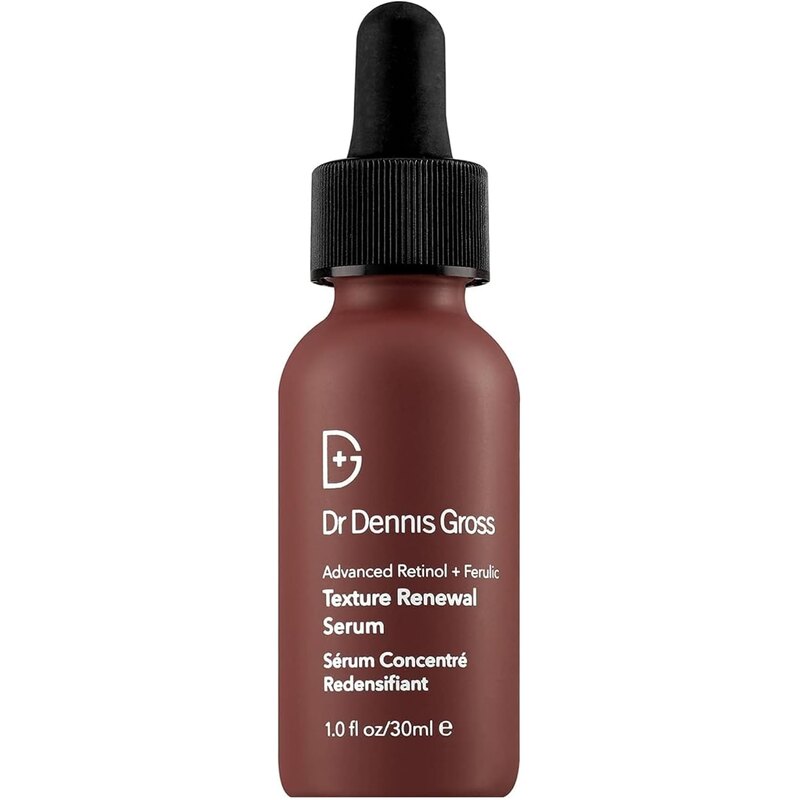
A gentle retinol for night use, introduced every other evening at first.
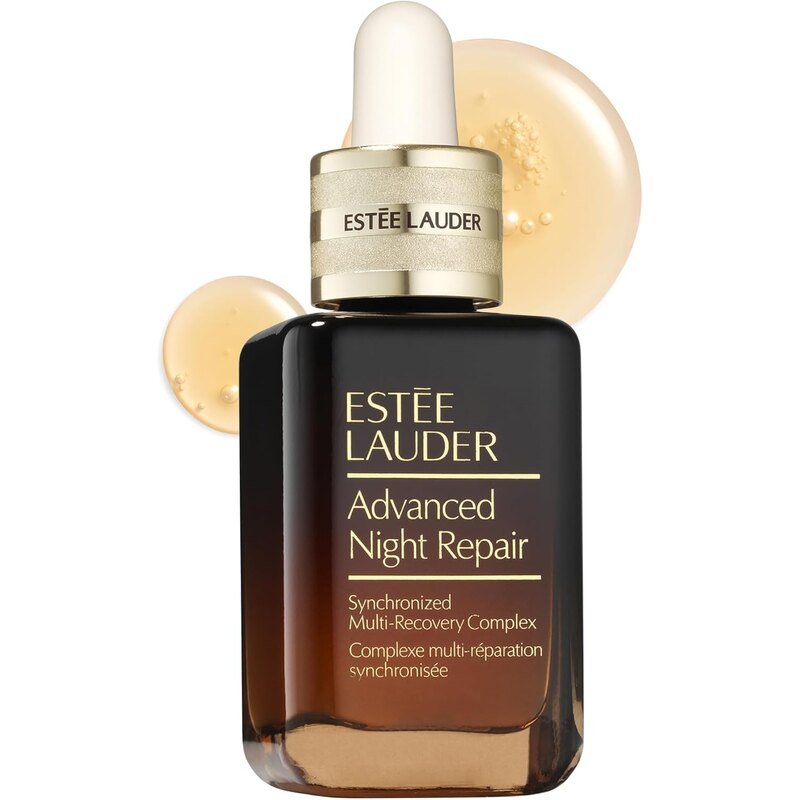
The night serum layered before cream, while skin rests and renews.
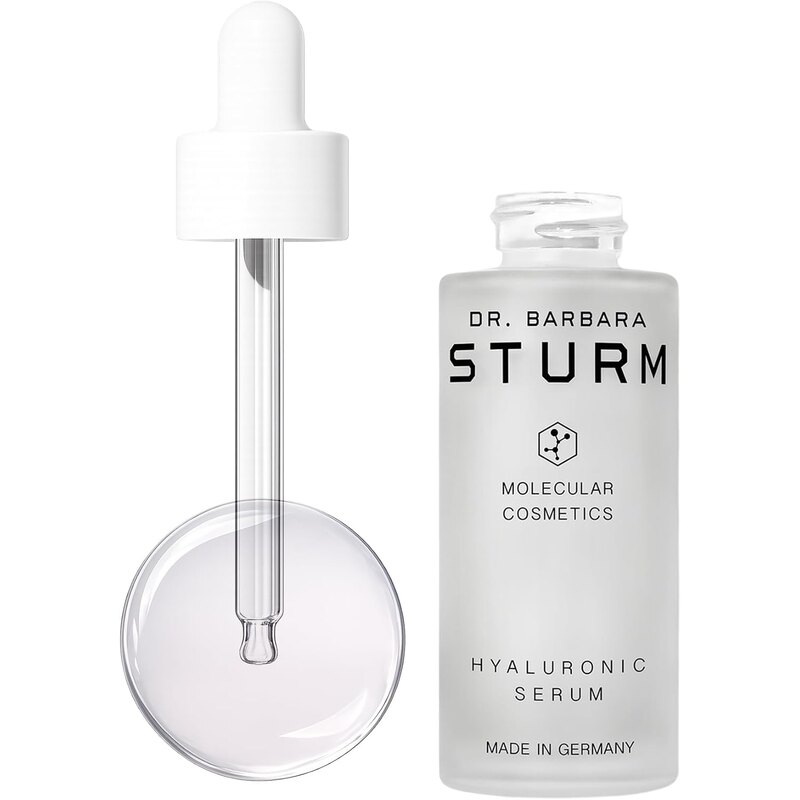
Smoothed onto damp skin and sealed with cream, for plump, comfortable skin.
Peptides are a gentler option for women whose skin dislikes retinoids. They are short chains of amino acids, the building blocks of proteins such as collagen. The AAD lists products with retinol or peptides among its suggestions for skin during menopause. Peptide creams and serums tend to feel soft and rarely cause irritation. Because of that, they suit sensitive skin and pair well with a retinoid on alternate nights. Still, keep your expectations realistic, because the evidence for peptides is lighter than for retinoids. Think of them as a comfortable support rather than the main event. As always, introduce one new product at a time, so you know exactly what your skin enjoys.
A skin care routine for women over 50
Good skincare for mature skin is short enough to keep every day. Most women need only four or five steps, morning and night. The order matters more than the number. As a rule, apply the thinnest textures first and the richest last. In the morning, the routine protects you from the day ahead. In the evening, it repairs and restores while you sleep. Notably, sunscreen belongs only to the morning, and retinoids only to the night. Everything else can adapt to your skin and your season. The table below sets out a simple template. Treat it as a starting point, and then adjust it with your dermatologist as your skin changes.
| Step | Morning | Evening |
|---|---|---|
| Cleanse | Lukewarm water or a mild cleanser | Creamy, fragrance-free cleanser |
| Treat | Vitamin C serum, if your skin enjoys it | Retinoid, every other night to start |
| Hydrate | Hyaluronic acid on damp skin | Hyaluronic acid or a peptide serum |
| Moisturize | Light cream, carried down to the neck | Richer night cream |
| Protect | Broad-spectrum SPF 30 or higher | Not needed at night |
| Extras | Lip balm with SPF and a hat | Humidifier in dry months |
Once the routine feels natural, let it flex with the seasons. In winter, you might choose a richer cream and skip vitamin C on very dry days. In summer, by contrast, a lighter moisturizer under sunscreen may feel better. Likewise, travel, illness or stress can all make skin more reactive. On those days, simply drop back to the basics of cleanser, moisturizer and sunscreen. Your skin will thank you for the pause. Then, when it feels settled again, return to your actives one at a time. This kind of steady, flexible care is what makes a routine last. Above all, it keeps the ritual pleasant, which is the real secret of any habit that endures.
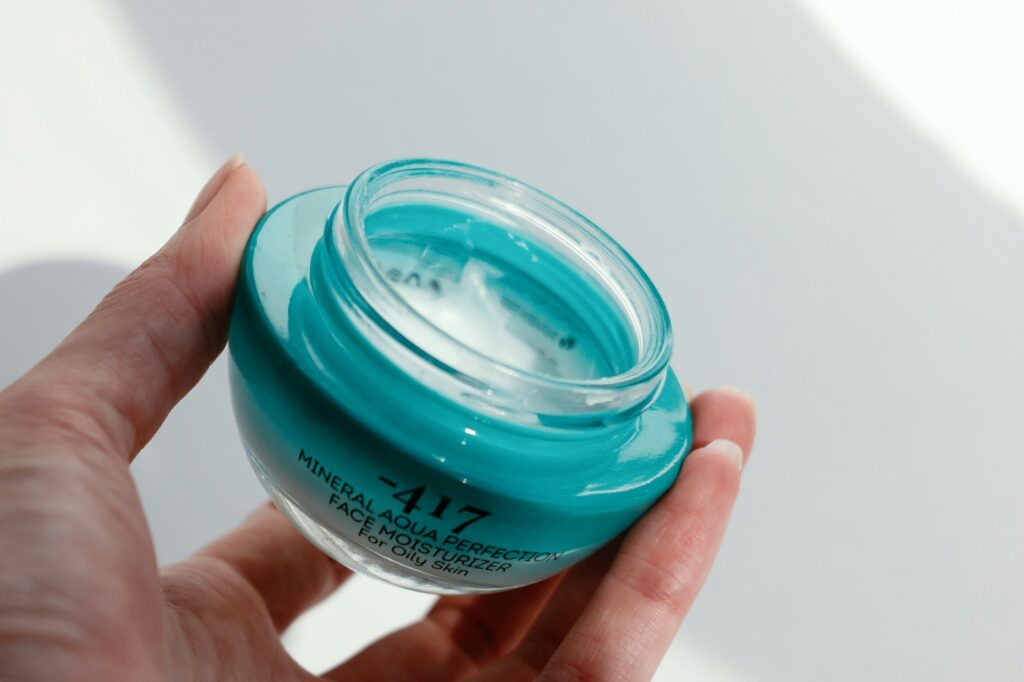
Your neck, chest and hands
The face gets most of the attention, yet the neck, chest and hands tell the same story. These areas see plenty of sun, and their skin is often thinner. For that reason, bring each step of your routine down past the jaw. Cleanse gently, moisturize generously and apply sunscreen to all three every morning. At night, many women also carry a little retinoid onto the chest and the backs of the hands. Start more slowly there, because these areas can be more sensitive than the face. Meanwhile, keep a rich hand cream by the sink and another by the bed. That small habit adds comfort to every day and makes the whole ritual feel complete.
Join the waitlist for the 21-Day Skin & Gut Health Reset, a gentle daily ritual for skin and gut, from within. We will write to you when it is ready.
Occasional letters. Unsubscribe anytime.
Beauty from within: sleep, food and ritual
Skin reflects how you live as well as what you apply. Sleep, food, movement and stress all show up on your face in time. So, a gentle approach to skincare looks inward too. A growing field of research explores the links between gut health and skin, and we follow it closely. Meanwhile, simple habits remain the most reliable place to begin. Drink water through the day, eat plenty of colorful plants, and keep regular hours for rest. If you would like a guided, from-within ritual, the 21-Day Reset centers on skin and gut together. It is a daily ritual you can join the waitlist for today.

Rest, movement and ease
Sleep is when your body does much of its repair work. For many women in menopause, however, sleep can become lighter or broken. Hot flashes, night sweats and busy minds all play a part. If your sleep has changed, talk with your doctor, because there may be help available. In the meantime, a cool, dark bedroom and a steady bedtime can make a real difference. Gentle movement helps too, whether you walk, swim, dance or garden. Likewise, a few minutes of slow breathing before bed can settle a racing mind. None of these habits is complicated. Yet together they give your skin the rested, cared-for look that no single product can supply.
When to see a dermatologist
Home care carries you a long way, but a board-certified dermatologist adds a valuable second view. The AAD suggests seeing a dermatologist before you buy any treatment for age spots. After an examination, a dermatologist can recommend an option that suits your skin. Similarly, the academy advises a visit if a rash lasts or a skin condition worsens. A dermatologist can also discuss options such as prescription retinoids, exfoliation or microdermabrasion. Each of these treatments has its own benefits, risks and recovery time. So, ask plenty of questions and take time to decide. Above all, book a skin cancer screening, and mention any spot that is new, changing or simply different from the rest.
Makeup for mature skin
Makeup after 50 is less about coverage and more about light. As skin becomes drier and finer, heavy formulas can settle into lines and look flat. Lighter, more hydrating textures, by contrast, move with your face and catch the light. That shift is good news, because it usually means fewer products and a quicker routine. If it has been a while, this is a lovely moment to update your makeup routine. Begin with your skincare, since makeup always sits best on comfortable, moisturized skin. Then, choose a few soft, flexible pieces that suit how you live. The steps below cover prep, base, color, brows and lashes, in that order.

Prep and primer
Good makeup for mature skin starts several minutes before the first product. After your moisturizer and sunscreen, give your skin a moment to settle. Meanwhile, you can make your coffee or choose your earrings. This pause lets each layer sink in, so your base will not slide. Next, consider a hydrating or smoothing primer if your skin feels dry or textured. A small amount is enough, pressed in with your fingertips. Focus it where you need it most, such as around the nose or across the forehead. Avoid heavily mattifying primers, which can make dry skin look tight. The goal is a soft, even canvas, rather than a mask, so keep every step light.
Foundation and concealer
For foundation, think sheer and luminous rather than full and matte. A skin tint or light liquid foundation lets your own skin show through. Apply it with fingertips or a damp sponge, starting at the center of the face and blending outward. Use less than you think, and add more only where you need it. Similarly, a light-reflecting concealer can brighten the inner corners of the eyes and the sides of the nose. Pat it in gently rather than swiping, so it stays thin. If you use powder, keep it to the center of the face and use a soft brush. Finally, check your face in daylight, which shows you exactly what others will see.

A smoothing, hydrating primer that gives foundation a soft canvas to settle on.
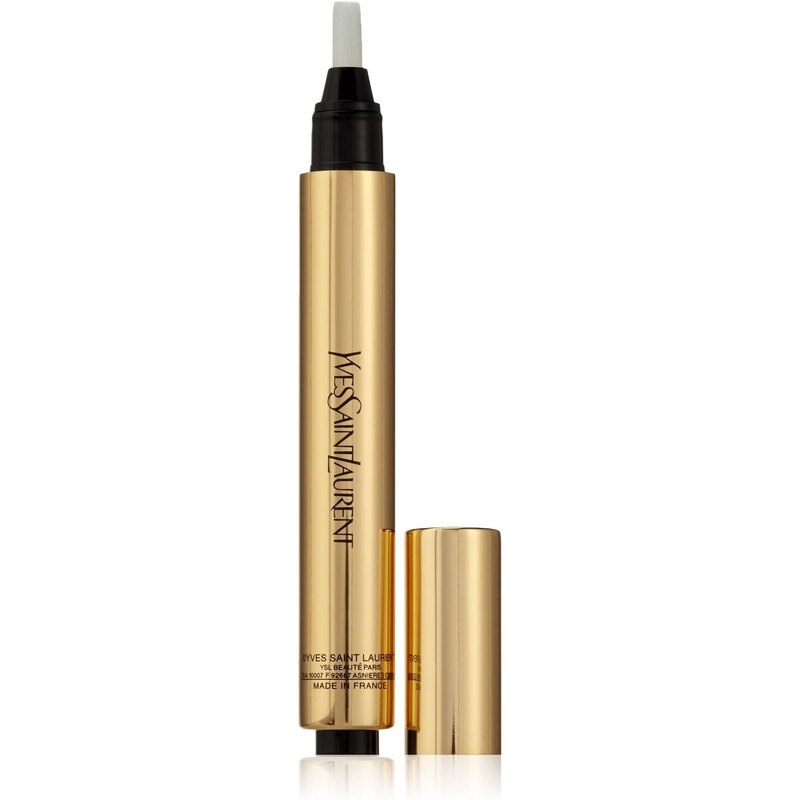
A light-reflecting pen patted thinly at the inner eyes and beside the nose.
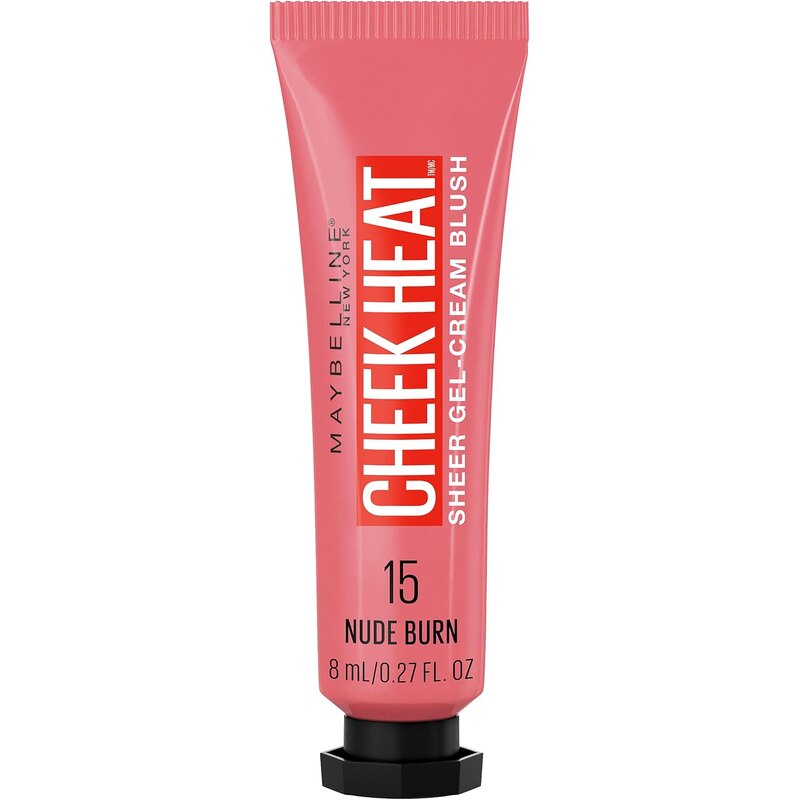
A sheer gel-cream color that melts into skin rather than sitting on top.
Color is where makeup for mature skin can feel most joyful. Cream and gel blushes melt into the skin and look fresh rather than dusty. Smile gently, and then tap a little color onto the upper part of each cheek. Blend it up toward your temples, which lifts the face in a natural way. For lips, choose a moisturizing formula, because lips also become drier with time. Soft roses, berries and warm pinks flatter most women over 50. A lip liner close to your natural lip color helps keep color in place. Meanwhile, a touch of balm in the center adds light. Altogether, these few strokes of color bring warmth back to the whole face within a minute.

Brows, lashes and eyes
Brows frame the face, and they often grow finer or lighter after 50. For that reason, a little definition can make a big difference. Fill gaps with a pencil or powder close to your hair color, using short, hair-like strokes. Then brush them up and set them with a clear or tinted gel. For shape and grooming ideas, see our guide to brow shaping after 50. Next, curl your lashes gently before mascara, which opens the eyes beautifully. Choose a soft brown or black mascara and focus it on the upper lashes. Finally, a matte or satin eyeshadow in a soft neutral adds depth without settling into creases.
Deeper skin tones
Women with deeper skin tones deserve a few extra notes. In the AAD’s retinoid guidance, one dermatologist explains that irritation can trigger dark marks in skin of color. She adds that starting slowly and using moisturizer helps reduce that risk. So, take an especially gentle approach with retinoids and exfoliating acids. Likewise, daily sunscreen helps keep tone even, so choose one that blends without a white cast. Tinted mineral formulas are often a lovely option. In makeup, look for foundations with true undertones, whether warm, neutral or red. Then test along the jaw in daylight. Finally, rich berry, plum and terracotta shades on cheeks and lips look radiant on deeper skin at every age.
The research, in brief
The average age of menopause comes from the Cleveland Clinic. Collagen figures and menopause skin advice come from the American Academy of Dermatology. Dry skin tips and retinoid guidance come from the AAD as well. The sunscreen trial is Hughes, Williams, Baker and Green in the Annals of Internal Medicine (2013). The retinol study is Kafi and colleagues in Archives of Dermatology (2007). Skin cancer figures and sunscreen guidance come from the AAD. This article is general information, not medical advice. Checked November 2026.
Sources: tips for dry skin · AAD’s skin cancer statistics · Kafi and colleagues · retinoids and retinol.
All of this research points toward the same gentle truth. Skin after 50 still responds beautifully to steady, thoughtful care. Skincare for mature skin does not need a crowded shelf or a complicated routine. Instead, you need a mild cleanser, a comforting moisturizer, daily sunscreen and, if you wish, a retinoid at night. Then, a few soft makeup pieces finish the picture. Everything else is optional and personal. So, choose the textures and rituals that make you feel good, and let the rest go. Return to this guide whenever your skin changes, as it will with seasons and years. Meanwhile, the gallery below gathers a few more pieces worth exploring for skin and makeup.
Recommended
Your skin, in its most luminous chapter
Skincare for mature skin is, at heart, a form of respect. Each morning, you protect what you have built over decades. Each evening, you give your skin a little time to rest and renew. Over the years, those small acts add up to something lovely. Your face begins to look cared for, which is different from looking unchanged. It looks lived in, rested and lit from within. Meanwhile, makeup becomes a pleasure again rather than a cover. You reach for light, color and softness, and you leave the rest behind. That is the heart of aging gracefully, Cossèt Môi style. It is gentle, it is personal, and it belongs entirely to you.




These three tools continue one simple idea: beauty is a ritual you choose rather than a problem to solve. The ring quiz is a gentle way to understand your personal style. Meanwhile, the 21-Day ritual turns your attention inward, toward skin and gut, at a pace you can keep. The Makeover Bible, in turn, gathers hair and skin rituals into one guided reference you can return to. None of them asks you to change who you are. Instead, each offers one clear next step, which is how lasting change begins. So, choose the one that matches where you are today. Then come back for the next one whenever you feel ready.
Skincare is what you give your skin from the outside. The 21-Day Skin & Gut Health Reset is a gentle daily ritual for skin and gut, from within. Join the waitlist, and we will write to you when it is ready.
Join the waitlistQuestions worth asking
What is the best skincare for mature skin?
The best routine is gentle and steady. Use a mild, fragrance-free cleanser and moisturize while your skin is still damp. Every morning, wear a broad-spectrum sunscreen of SPF 30 or higher. At night, add a retinoid slowly, every other night at first. Richer creams often feel better after 50, especially during and after menopause.
What is mature skin?
Mature skin usually describes skin after 50, when changes become easier to see. It often feels drier and thinner, bruises more easily and shows softer contours, fine lines or sun marks. Menopause speeds some of these changes, because falling estrogen affects collagen and moisture. Every woman’s skin matures differently, shaped by genes, sun and daily habits.
How does menopause change your skin?
Falling estrogen during menopause affects collagen and moisture. The American Academy of Dermatology reports that skin loses about 30% of its collagen in the first five years of menopause. As a result, many women notice dryness, thinner skin, sensitivity and sometimes breakouts. Gentle cleansing, rich moisturizer and daily sunscreen help most.
Is retinol safe for skin over 50?
For most women, yes, when you start gently. Dermatologists advise a low-strength formula every other night at first, applied only in the evening. Use sunscreen daily, because retinoids make skin more sensitive to sun. If your skin is very sensitive, or you have a skin condition, ask a board-certified dermatologist before starting.
What makeup is best for mature skin?
Hydrating, light-reflecting textures usually work best. Choose a smoothing primer, a sheer or luminous foundation and a light concealer patted in thinly. Cream or gel blush looks fresher than powder on drier skin. Define brows with soft strokes, curl your lashes and choose moisturizing lip colors in rose, berry or warm pink.
How can I age gracefully with my skin?
Aging gracefully begins with steady, kind care rather than chasing change. Protect your skin with sunscreen every morning, keep your barrier comfortable and add a retinoid if your skin enjoys it. Sleep well, move often and eat plenty of plants. Above all, choose rituals that make you feel good in the face you have now.