
There comes a morning when the mirror shows a face you love, wearing makeup from another year. The products still work. Yet the result looks a little heavier than the woman you are now. That gentle mismatch is the signal to update your makeup routine. Rather than a worry, it is an invitation to edit. In our guide to a complete personal makeover, makeup is the step you see first each day. So it deserves its own gentle attention. Here you will find the signs of a dated routine and how to begin with skin. After that come base, texture, brows and color. Finally, we cover shelf life, clean tools, the 40s and 50s, and expert help.
To update your makeup routine, begin with skin care and daily broad-spectrum sunscreen, then choose a lighter base and swap heavy powders for cream textures. Groom brows softly, test lip and cheek colors in daylight, and replace mascara two to four months after purchase, as the FDA notes manufacturers advise. Finally, wash brushes regularly and review the routine each season.
Signs it is time to update your makeup routine
A routine rarely dates all at once. Instead, it drifts, one habit at a time, while your skin, hair and life keep moving. The first sign is often texture. For example, foundation that once looked smooth may now settle into fine lines by noon. Powder may look dusty rather than soft. Another sign is color. A lipstick chosen a decade ago can feel too dark or too frosted today. Likewise, a brow shape from an earlier era can set an expression you no longer feel. None of these signs means anything is wrong with your face. They simply show that the routine has stopped keeping pace with you. That is easy to change.
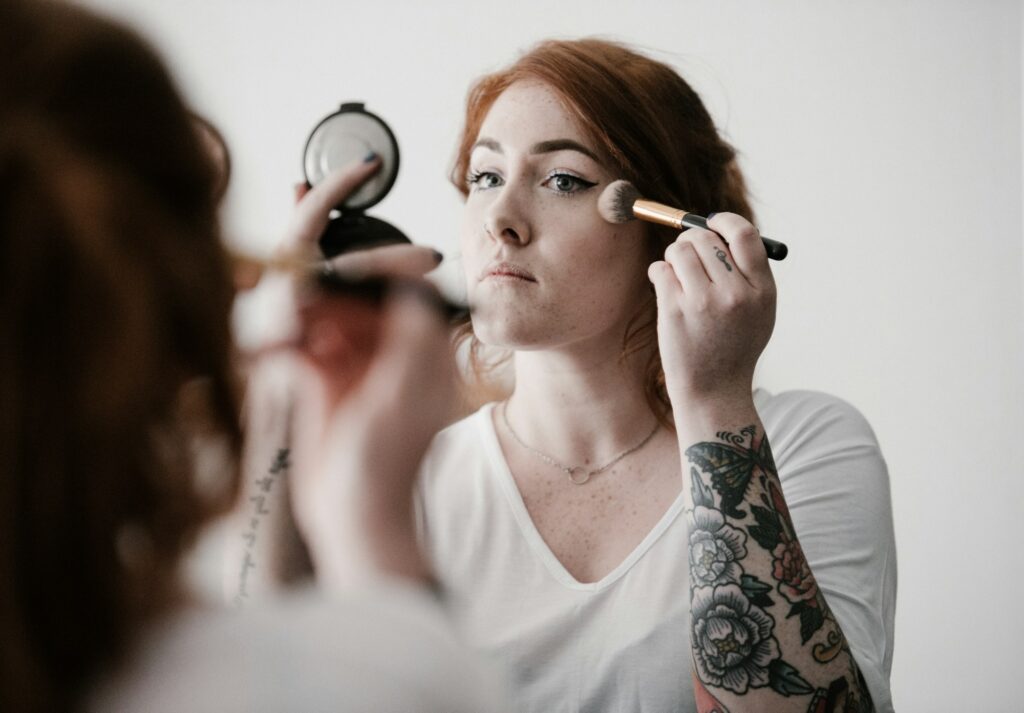
Other signs are practical rather than visual. Perhaps you own three similar bronzers but no cream blush at all. Perhaps your mascara has been open since last winter, or your sponges have never been washed. Some women notice that makeup takes longer than it used to, yet the result feels less like them. Others simply feel bored, which is a valid reason too. In each case, the response is the same. First, take everything out and look at it in daylight. Then ask how each product makes you feel today. That honest look is the start of a modern makeup routine. Moreover, it costs nothing, and it often shows that you need fewer products, not more.
A simple self-check
Before you buy anything new, live with your current routine for one ordinary week. Notice what you reach for daily and what stays in the drawer. Also notice how your face looks at noon and again in the evening. A base that looks fresh at eight may look tired by four. Write a few words after each day, nothing more. Then, at the end of the week, answer the questions below with the same honesty. The aim is not judgment. Rather, the aim is clarity, so that every later choice has a reason behind it. As a result, a makeup refresh becomes a gentle edit rather than a shopping trip.
- Does your base still look like skin by mid-afternoon?
- Do your lip and cheek colors suit you in natural light?
- Has any product changed in color, texture or smell?
- When did you last wash your brushes and sponges?
- Does the routine fit the time you actually have each morning?
Begin with skin, the canvas beneath it all
Every modern makeup routine starts before the first brush. Skin that is clean, gentle and well moisturized holds makeup more evenly, so you need less of it. Skin also changes over the years, and care should change with it. For mature skin, for instance, the American Academy of Dermatology suggests washing with a mild cleanser instead of soap. Soap, it notes, can be too drying. The same guidance suggests applying moisturizer after bathing and whenever skin feels dry. It adds that a moisturizer with hyaluronic acid or glycerin can be especially helpful. In practice, give that moisturizer a few minutes to settle before any base goes on. Your makeup will sit more smoothly as a result.
Sunscreen belongs in the same first step. The American Academy of Dermatology recommends a broad-spectrum sunscreen with an SPF of 30 or higher. The academy also notes in its skin cancer statistics that one in five Americans will develop skin cancer. Daily use matters for appearance too. In a 2013 randomized trial in the Annals of Internal Medicine, Hughes and colleagues followed 903 adults in Australia. Over the trial, skin aging was 24 percent less in the daily sunscreen group than in the occasional-use group. So apply sunscreen after moisturizer, every morning, and let makeup follow. Many tinted bases now include SPF, yet a separate layer of sunscreen gives you fuller coverage. Reapply when you spend long hours outdoors.
You may also like
Care from within
Skin care on the surface is only half the picture. How you sleep, eat and rest shows up on your face as well, often before any product does. That inner side of beauty is the heart of the 21-Day Reset for skin and gut. It is a gentle daily ritual, from within. It sits naturally beside a new makeup routine, because both ask for attention rather than excess. If that feeling appeals to you, join the waitlist, and we will write to you when it is ready. Meanwhile, the sections below return to the vanity itself. They begin with the base, since that is where most routines show their age first.
A lighter, more modern base
The most visible update is often the simplest one. Instead of heavy foundation, many women now choose a lighter base that lets real skin show through. A skin tint, a sheer foundation or a tinted moisturizer can even out tone without hiding texture. Then concealer goes only where you want it, such as around the nose or under the eyes. This approach looks fresher in daylight and moves with your face as you talk. It is often the easiest way to update your makeup routine. In addition, it takes less time each morning. If you still prefer fuller coverage for evenings, keep it. Simply apply it in thinner layers and build only where needed.

A lighter base also asks for a fresh shade match. Skin shifts with the seasons, with sun and with time. So last year’s shade may now look too warm or too pale. To check, swipe three shades along your jawline and walk to a window. The right one disappears into your skin and your neck. Undertone matters as much as depth here. Our guide to cool and warm undertones walks through the simple tests. For formulas and finishes, our notes on choosing foundation for your skin type add useful detail. After that, test your choice for a full day before you commit. Check it again at dusk, in softer light.
You may also like


Concealer, placed with care
Concealer deserves the same attention, since it often works harder than foundation in a modern routine. A creamy, flexible formula usually sits better than a thick, dry one, especially under the eyes. Likewise, a shade that matches your skin, or sits one step lighter, looks most natural. Apply a small amount with a fingertip or a small brush, then tap the edges until they vanish. Where you place it matters too. For instance, a dot at the inner and outer corners of the eye can brighten the whole area. As a result, the face looks rested, even when the base itself stays light and sheer. Set it only if it creases.
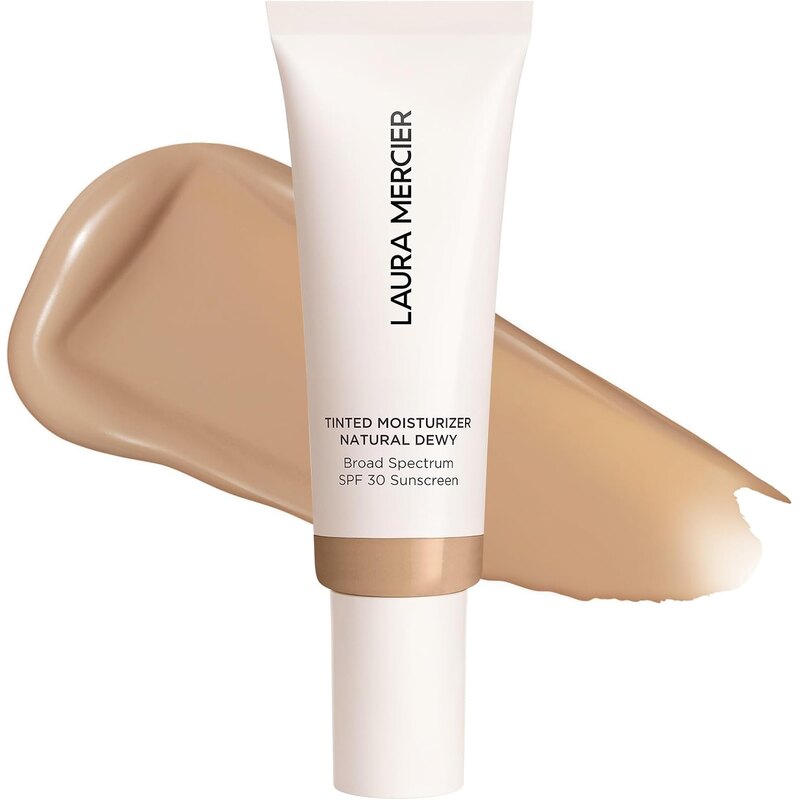
A sheer tint with broad-spectrum SPF 30 that evens tone and lets skin show through.
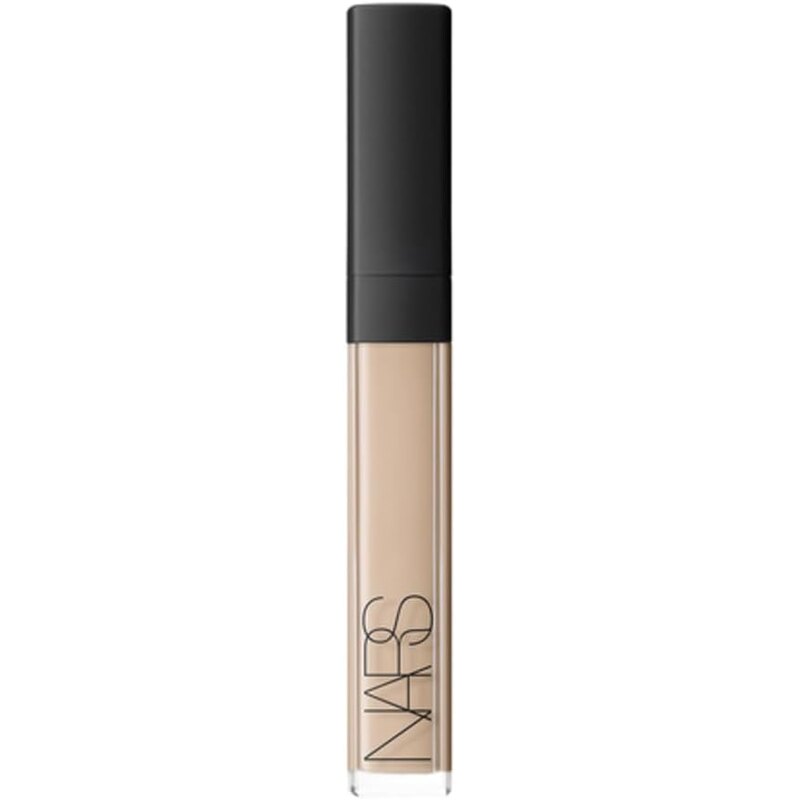
A creamy, flexible concealer for the few spots that need it, never a thick layer.
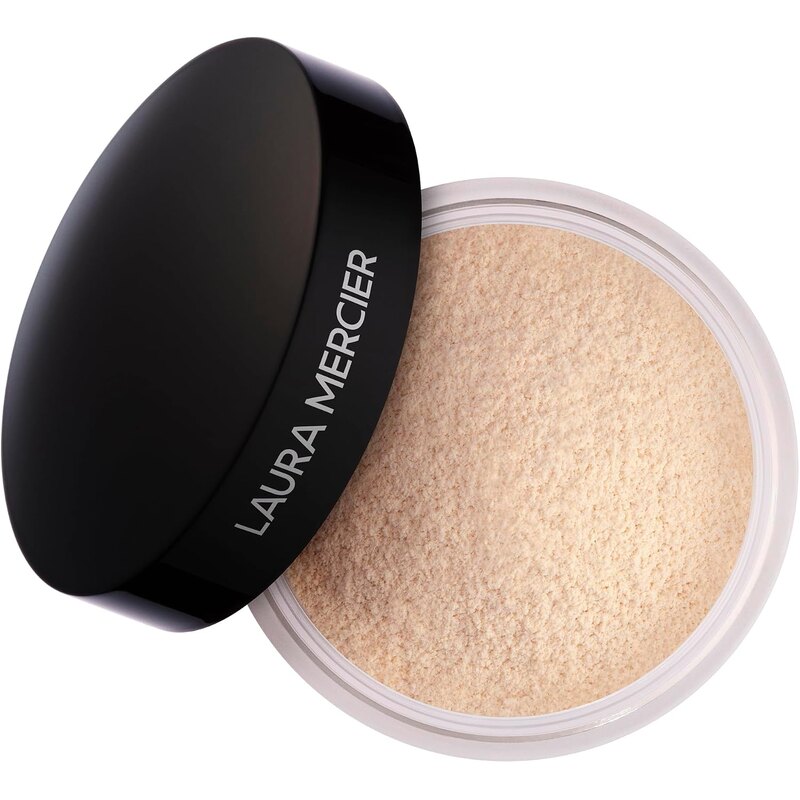
A finely milled powder pressed only where skin shines, so the rest stays fresh.
Technique completes the update. In fact, it matters as much as the formula. Warm the base between your fingers before you apply it, since body heat helps it melt into skin. Start at the center of the face, where most of us want evenness, and blend outward toward the hairline. Meanwhile, keep the outer edges of the face almost bare, which gives the look a natural dimension. If you use a brush or sponge, press and roll rather than drag. Then pause for a minute and look again in daylight. Often you will find that less product looks better than you expected. Finally, if you set the base, powder only the areas that shine and leave the rest soft.
Why cream textures feel more current
Few changes refresh a face as quickly as moving from powder to cream. If you update your makeup routine in only one way, this may be it. Cream blush, cream bronzer and cream eyeshadow blend into skin rather than sitting on top of it. As a result, they give a soft, lit-from-within finish that reads as healthy rather than made up. They also tend to suit drier skin, which many women notice more as the years pass. Powder can catch on dry patches and fine lines, while a cream moves with the skin. In addition, creams are forgiving to apply. A few taps with the fingertips are enough, and you need no special brush or careful technique to begin.

To apply cream blush, smile gently and tap a small amount onto the upper part of the cheek. Then blend it up and back toward the temple with your fingertips. Placing it a little higher than the old apple-of-the-cheek habit tends to look more lifted and modern. Next, build color in thin layers rather than one heavy dot, because a sheer layer is easier to adjust. The same approach works for cream eyeshadow. Sweep one soft shade across the lid with a fingertip, and you are done. It takes only a few seconds. Meanwhile, oily skin can take a light dusting of translucent powder over the cream. It helps the color last.
Where powder still belongs
None of this means powder has no place in a modern makeup routine. A finely milled translucent powder still helps where skin tends to shine. Think of the center of the forehead and around the nose. Pressed powder in a compact is also useful for a quick touch-up during the day. The difference lies in how much and where. Instead of powdering the whole face, press a little only where you need it. A soft brush or a velvet puff works well. Likewise, choose a powder blush only if your skin is oily or if the formula is very fine. That way, powder supports the look rather than flattening it.
You may also like
Softer, fuller brows
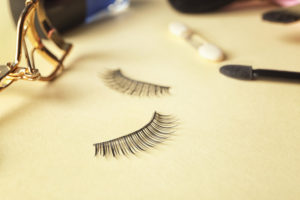
Brows frame the face more than any other feature, so their shape changes your expression. Many routines still carry a brow from an earlier decade. Often it is thin, sharply arched or filled in a solid block. Today the look is fuller, softer and closer to the brow you were born with. Hairs are brushed upward and set in place. Any filling looks like individual hairs rather than a painted line. This shift can make a face look open and fresh in an instant. If your brows need more than a light refresh, our guide to the brow makeover covers shaping in detail. Then return here for color and tools.

The tools for a modern brow are simple. A clear or tinted brow gel lifts and holds the hairs. Meanwhile, a fine pencil lets you draw short, hair-like strokes only where the brow looks sparse. Choose a shade close to your natural brow color, or slightly softer if your hair has lightened. Start filling from the middle of the brow, not the front, because a heavy front edge looks harsh. Then brush through with a spoolie to blend each stroke. If your brows have thinned over the years, be patient with them. Pluck less and let the shape grow back for a season. Then allow a brow professional to guide the next step.
Refreshing color for cheeks, lips and eyes
Color is where a routine often shows its age most clearly. Shades that suited you years ago may now feel too dark, too frosted or too far from your natural coloring. To refresh them, test every shade in daylight, near a window, rather than under bathroom lights. Also hold each color near your face, not on the back of your hand. For lips, many women move from heavy matte or frosted finishes toward satin or creamy textures. Those finishes reflect light softly and feel comfortable through the day. In addition, a shade close to your natural lip color, or a little deeper, often looks most current. Keep a sheer balm for bare days.
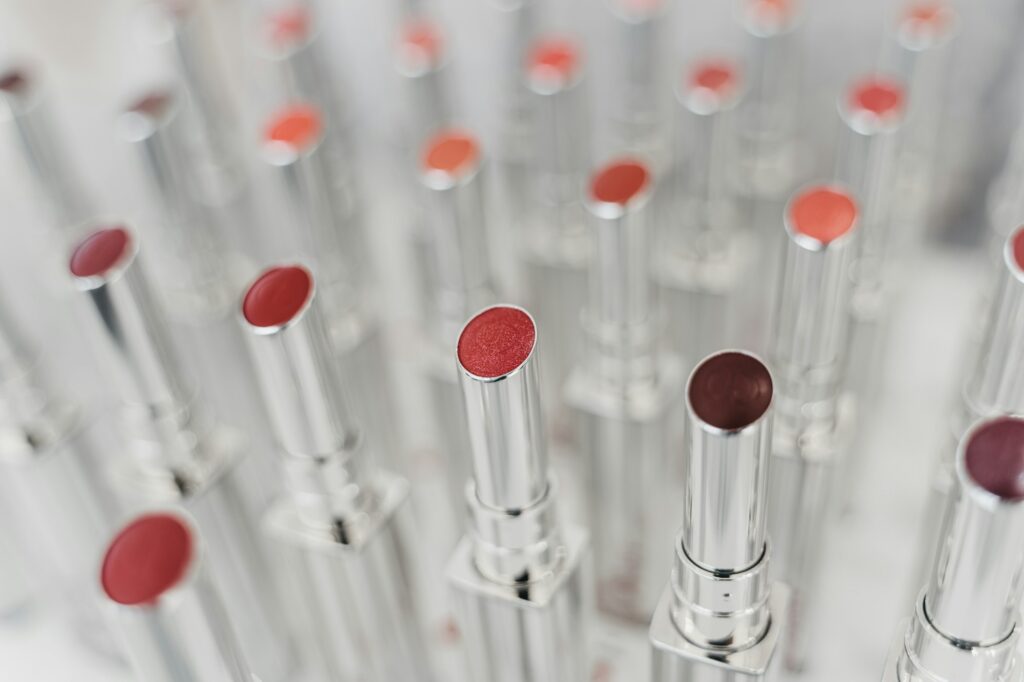
Eyes follow the same principle of softness. Matte or satin shadows in a few muted tones tend to look fresh and modern. A soft liner, smudged close to the upper lash line, can define the eye without a hard edge. Similarly, mascara focused on the upper lashes opens the eye, while a lighter touch below avoids shadows. Then choose one focal point for the face, either the eyes or the lips, and keep the other soft. That single choice keeps a look balanced and gentle. Above all, color should support your expression rather than compete with it. So start subtle and build only when the moment calls for more. Evening can carry a little extra depth.
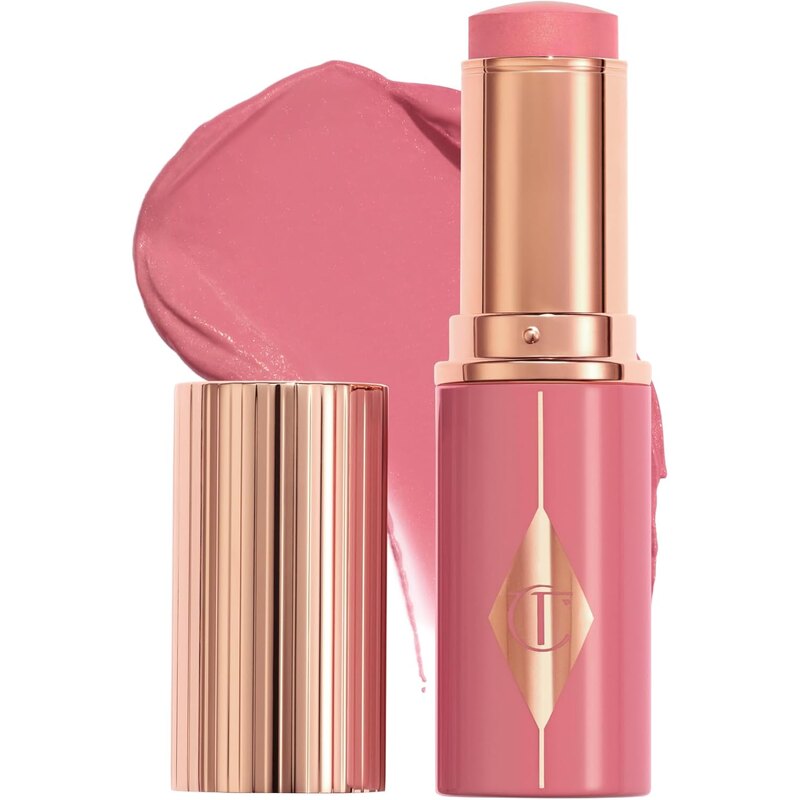
A soft cream flush tapped on with fingertips for color that looks like your own.
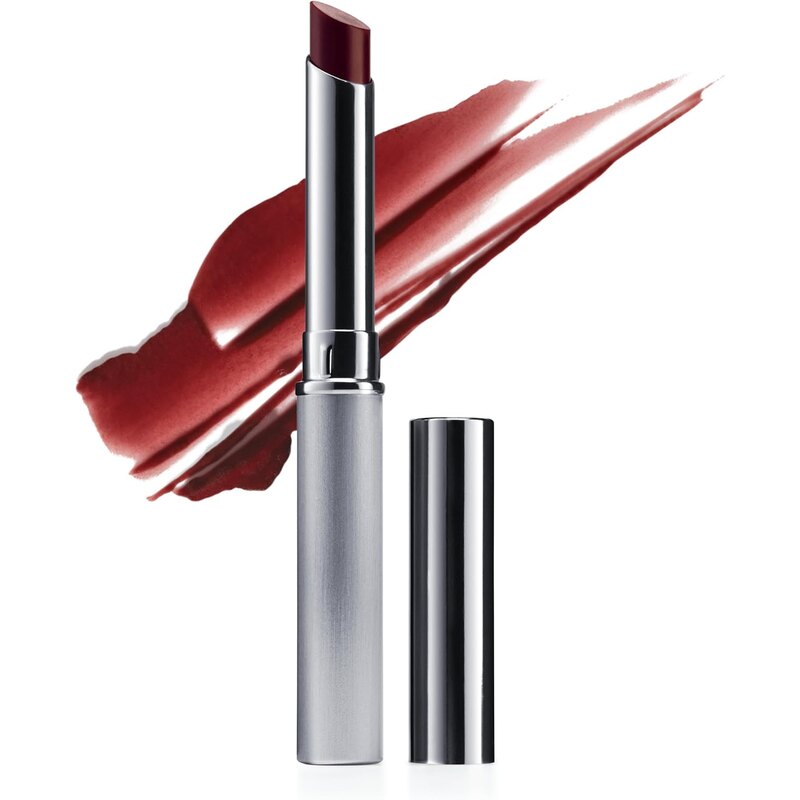
A sheer berry balm that adapts to your own lip color for an easy refresh.
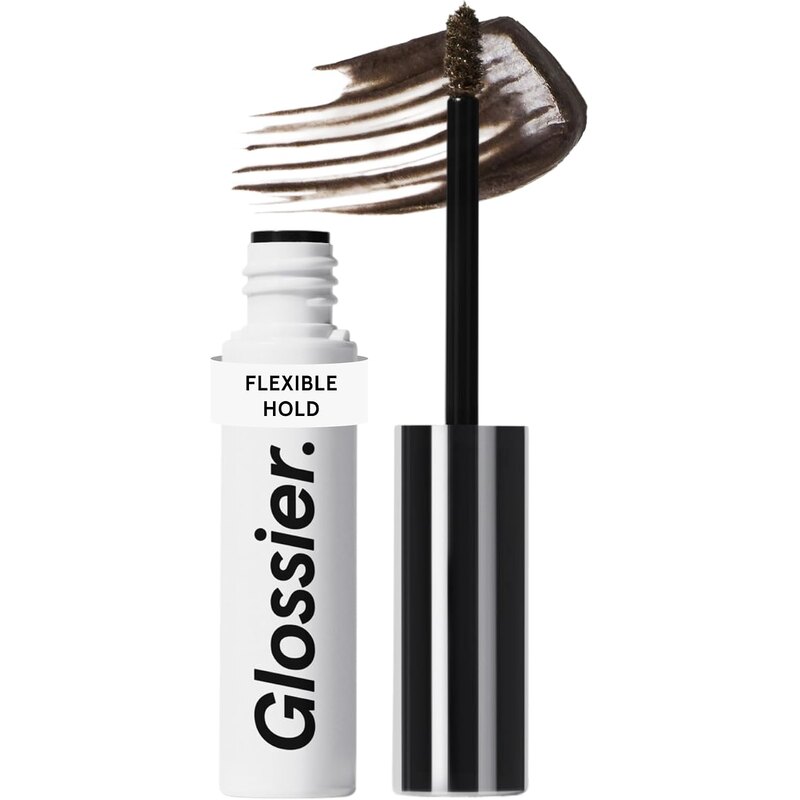
A tinted gel that lifts and holds brows for a softer, fuller look.
Edit the color drawer
Once you know which shades flatter you, edit the color drawer with the same care. Keep one everyday lip, one deeper evening lip and one blush that works with both. Then add one eyeshadow palette, or simply two shades, that you truly reach for. Anything you have not worn in a year can usually go. That is doubly true if it has changed in color or smell. This small collection may surprise you. Because every product works with the others, getting ready becomes quicker and more certain. Moreover, a smaller drawer makes gaps obvious, so future purchases have a clear purpose. Over time, the edited collection starts to feel like a signature rather than a pile of samples.
Join the waitlist for the 21-Day Skin & Gut Health Reset, a gentle daily ritual for skin and gut, from within. We will write to you when it is ready.
Occasional letters. Unsubscribe anytime.
When to replace makeup: a shelf-life guide
Makeup does not last forever, yet many products carry no visible date at all. According to the US Food and Drug Administration, no US law or regulation requires cosmetics to have specific shelf lives. Nor does any law require expiration dates on labels. Setting a shelf life is left to the manufacturer. However, the FDA notes that eye-area cosmetics tend to have shorter shelf lives than other products. It also states that manufacturers usually recommend discarding mascara two to four months after purchase. In other words, your senses and a little record-keeping matter more than a printed date. The table below gathers the practical signs in one place. Keep it near your vanity.
The FDA’s guidance also explains why products change. Heat, sunlight and air can alter color and texture over time. They may also change how a product smells. So store makeup somewhere cool and dry, and never leave it in a hot car. The agency also advises against adding water, or worse, saliva, to moisten a dried product. Likewise, it warns against sharing makeup, since you may be sharing an infection. These steps are simple, yet they protect both your skin and your products. Most of all, treat any change in color, texture or smell as a signal to let go. Then note what you replaced and when. Next season, that note will save you time.
| Product | Sign it is time to replace | Simple habit |
|---|---|---|
| Mascara | Two to four months after purchase, as manufacturers usually advise | Write the opening month on the tube |
| Liquid eyeliner | Dried, clumpy or changed in smell | Never add water or saliva |
| Foundation and concealer | Separated, darker or a different smell | Keep caps closed and away from heat |
| Cream blush and bronzer | Changed texture, color or scent | Use clean fingers or a clean brush |
| Lipstick and lip gloss | Off smell or a grainy texture | Never share lip products |
| Powders | A hard film on top or a changed smell | Store dry and closed |
| Sponges | Torn, stained or no longer springy | Wash after each use |
A seasonal decluttering ritual
A seasonal decluttering ritual keeps all of this effortless. Choose one gentle afternoon at the start of each season, and lay every product on a clean towel. First, smell and look at each one in daylight. Next, release anything that has changed, along with anything you have not worn in a year. Then wipe down the drawer or bag before anything goes back in. A small sticker with the month you opened a product helps with the next review. As a result, you always know what you own and how fresh it is. Moreover, the ritual becomes a small pleasure, much like refreshing flowers on a table. It also keeps spending gentle and deliberate.
Clean tools, soothed skin
Brushes and sponges touch your face every day, so they deserve regular care. Any plan to update your makeup routine should include them. The research is clear on why. In a 2020 study in the Journal of Applied Microbiology, Bashir and Lambert examined used makeup products. They found that about 79 to 90 percent of all used products were contaminated with bacteria. The products included lipsticks, lip glosses, eyeliners, mascaras and beauty sponges. In the same study, 93 percent of the beauty sponges had not been cleaned. Moreover, 64 percent had been dropped on the floor and then used again. These figures are not a reason for alarm. Instead, they make a gentle case for clean tools.
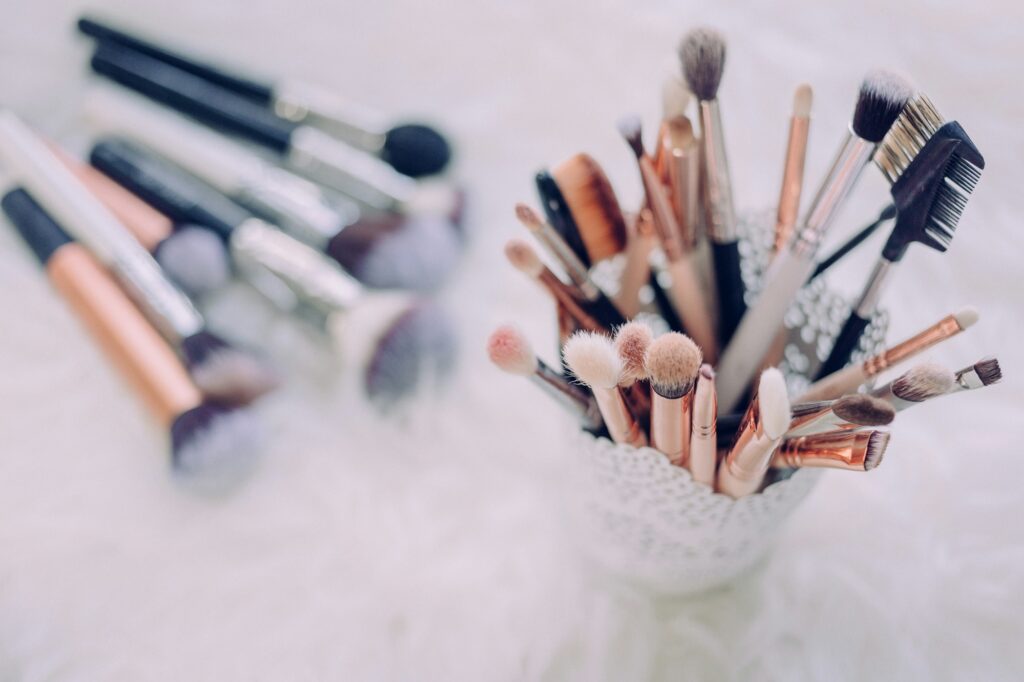
Cleveland Clinic dermatologist Dr. Melissa Piliang offers a clear rhythm for cleaning makeup brushes. Brushes used with liquid or cream products should be washed once a week. Brushes used for powder and blush can be washed once a month. Meanwhile, brushes used around the eyes should be washed every two weeks. She also notes that sponges need special attention. In our own routine, we wash brushes in lukewarm water with a gentle cleanser. Then we rinse until the water runs clear and squeeze out the excess with a towel. Finally, we reshape each brush head and let it dry flat or bristles down, never upright. Water then cannot loosen the glue.
A weekly brush ritual
A weekly reset turns this into a ritual rather than a chore. For example, choose one evening, perhaps Sunday, and gather every brush and sponge you used that week. Fill a small bowl with lukewarm water and add a few drops of gentle cleanser. Work each brush gently in the palm of your hand, then rinse and repeat until the water stays clear. Meanwhile, wash sponges by squeezing them under running water until no color remains. Lay everything on a clean towel near an open window to dry overnight. By morning, your tools will feel soft again, and your base will go on more evenly. That small reward makes the habit easy to keep.
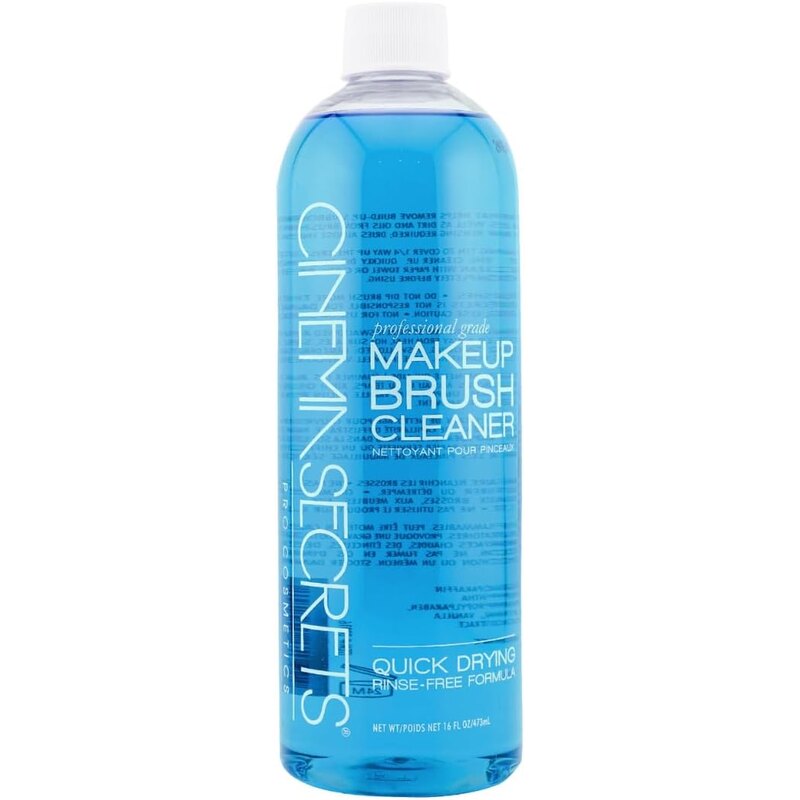
A fast brush cleaner for the weekly clean that keeps tools fresh on skin.
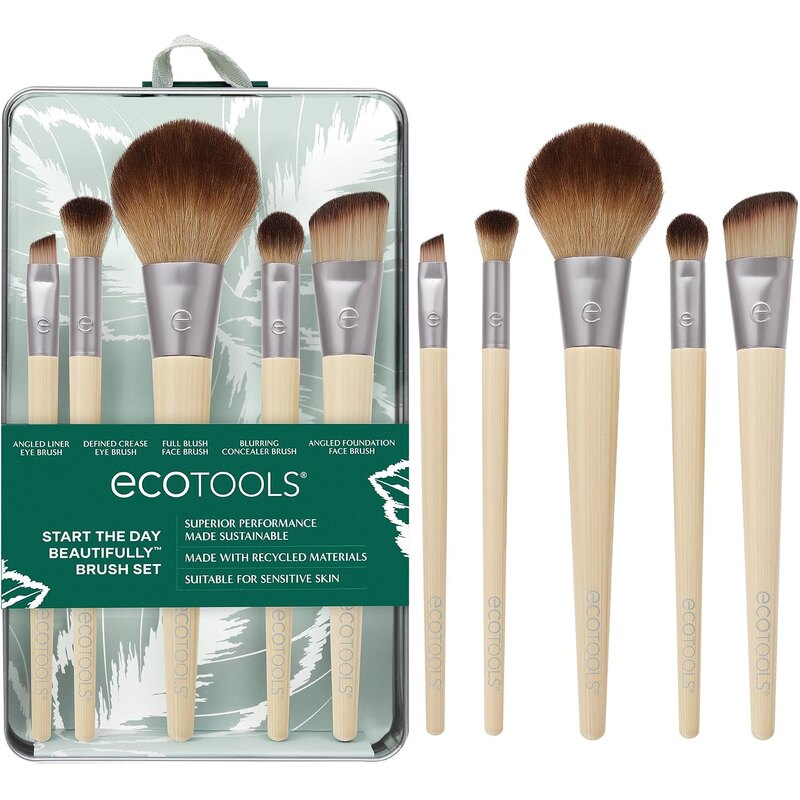
Soft synthetic face brushes for base, blush and powder, kept in one place.
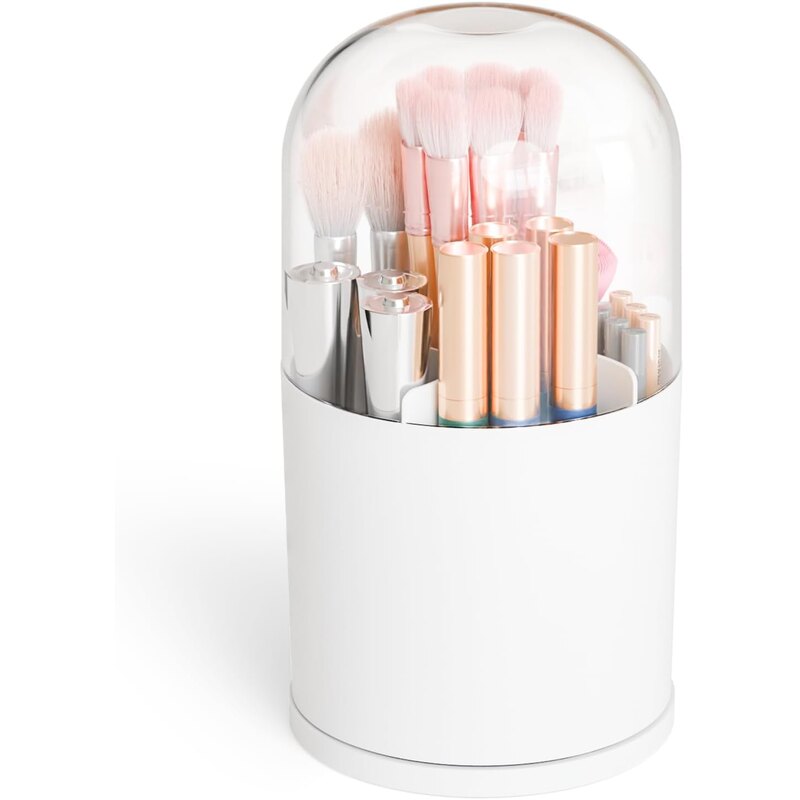
A clear lidded holder that keeps clean brushes covered between uses.
Storage completes the care. Keep clean brushes in an open cup or a covered case. Loose in a makeup bag, they collect dust and powder. Likewise, keep sponges somewhere airy so they dry fully between uses. Damp sponges are the hardest tools to keep fresh. Replace a sponge once it tears, stains or loses its spring. Good brushes, on the other hand, can last for years with care. In addition, wash your hands before you begin your makeup, and close every product after use. These small steps take seconds. Yet together they protect your skin and extend the life of your tools. They also make the whole routine feel more intentional, from the first brush to the last.
How to update your makeup routine in your 40s and 50s
Each decade invites its own small edits. In your 40s, skin often becomes a little drier, and the light it reflects can soften. So this is a natural time to move toward hydrating bases, cream blush and satin lips. It is also a good moment to reconsider concealer. A lighter, more flexible formula usually looks better under the eyes than a thick one. Meanwhile, brows may need a little more filling, and lashes may benefit from a curler before mascara. None of these changes is dramatic. Together, however, they keep your makeup in step with your face. That is the whole point of a modern routine, at any age. Try one change at a time.
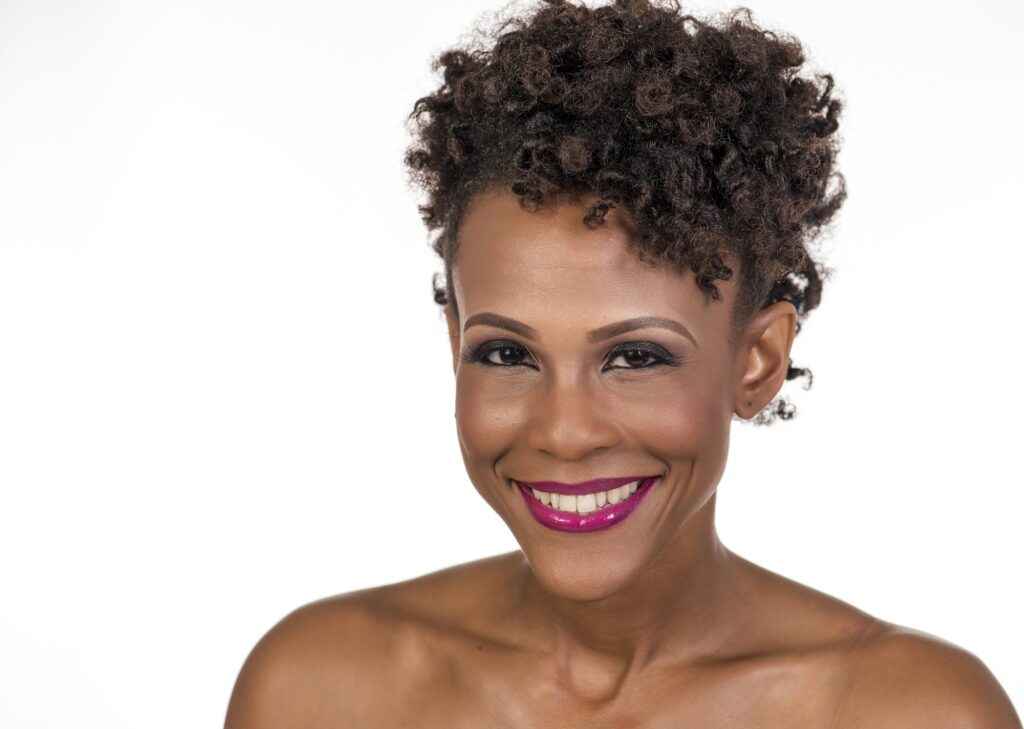
In your 50s and beyond, the same principles deepen. Moisture becomes the foundation of every look, so allow skin care time to settle before makeup goes on. Cream products, placed a little higher on the face, tend to look fresh and lifted. Likewise, a soft brown or gray liner can define the eyes more gently than black. Lips often look their best with a liner close to your natural lip color and a creamy shade on top. If your hair has turned silver or softened in color, revisit brow and lip shades too. Our guide to makeup for mature skin goes deeper into each of these steps. Take from it only what feels right.
A chapter of choice
Above all, this is a chapter for choosing what makes you feel like yourself. Some women love a bolder lip as they grow older, while others prefer an almost bare face. Both choices are right when they come from you. So when you update your makeup routine at this stage, begin with comfort and light rather than coverage. Then test each change for a week before deciding. A routine you enjoy is one you will keep. Moreover, the time you save on a simpler base can return to slower rituals. A longer skincare evening or a morning walk are two. That balance often feels as good as any new product.
When to ask a makeup artist
Sometimes a fresh pair of eyes is the fastest way forward. A single lesson with a professional makeup artist can show you shades and techniques you might never try alone. To make the most of it, bring your own makeup bag. Ask the artist to work with what you own first, then to suggest one or two changes. A useful request is to have them make up only one side of your face while you watch. Then you complete the other side yourself, with their guidance. As a result, you leave with a skill rather than a single look. That is often more valuable than any purchase. It also makes every later purchase wiser.
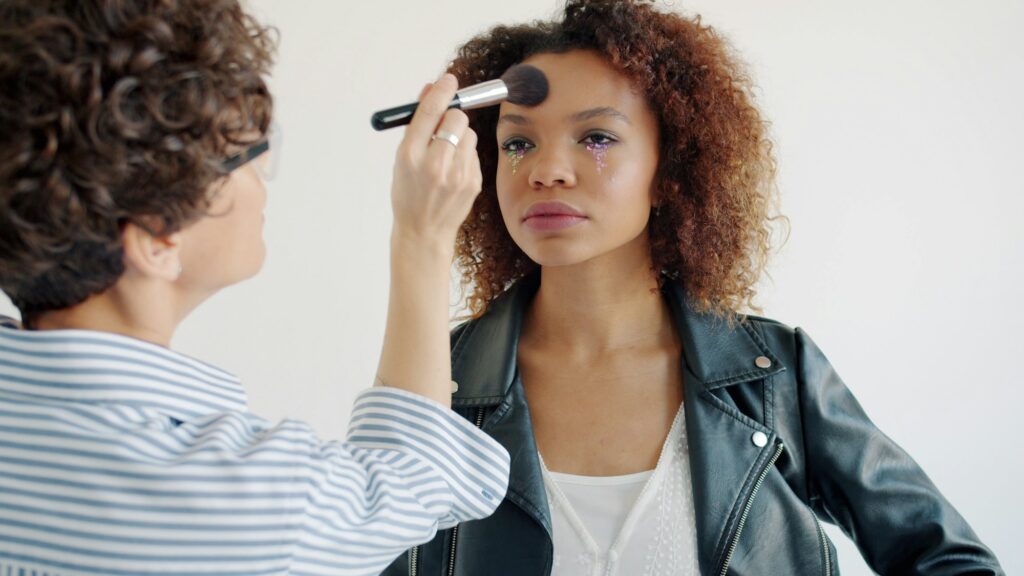
Before the appointment, think about the life you dress your face for. Describe a usual weekday, a typical evening out and any events coming up. In addition, mention what you love about your current routine and what feels dated. During the lesson, take photos of each step in good light, and write down the shades used. Afterward, practice the new routine for a few days while it is fresh in your mind. If something feels awkward, simplify it rather than abandon it. Likewise, keep notes of what works, so the next review is easier. Over time, this kind of guidance builds confidence that lasts well beyond one appointment. Book a refresher once a year, if you enjoy it.
The research, in brief
Every figure in this guide comes from a named source. Shelf-life guidance comes from the US Food and Drug Administration‘s cosmetics shelf-life page. That includes mascara replacement two to four months after purchase, storage and sharing. The contamination figures come from Bashir and Lambert’s 2020 study in the Journal of Applied Microbiology. Sunscreen and menopause skin care guidance comes from the American Academy of Dermatology, including its skin cancer statistics. The 24 percent figure comes from Hughes and colleagues’ 2013 randomized trial in the Annals of Internal Medicine. Brush-cleaning intervals come from Cleveland Clinic dermatologist Dr. Melissa Piliang. Technique notes reflect our own editorial practice. Checked November 2026.
Sources: a broad-spectrum sunscreen with an SPF of 30 or higher · skin cancer statistics · 24 percent less in the daily sunscreen group · about 79 to 90 percent of all used products were contaminated with bacteria.
Recommended
A routine that looks like you today
Updating a makeup routine is not about chasing trends or erasing years. Rather, it is about letting your makeup catch up with the woman you have become. The work begins with an honest look at your vanity in daylight. Then it continues through skin, base, texture, brows and color, one small decision at a time. Along the way, you learn which products carry your days and which ones never did. The routine grows lighter, and so do your mornings. If you take only one step this week, wash your brushes and try a cream blush. Notice how fresh your face looks with so little effort. That feeling is the start.
One small step at a time
From there, the rest can unfold at its own pace. Perhaps next month you will re-match your foundation, or try a softer brow gel. Perhaps a lesson with an artist will open a new way of seeing your face. Each change is a small act of care, and each one builds on the last. Meanwhile, the seasonal review keeps everything fresh, so the routine never drifts too far again. When you update your makeup routine this way, it stops being a chore and becomes a ritual. Above all, it becomes yours. Return to this guide whenever a new season or chapter asks for a fresh look. We will be here.



Each tool above follows the same idea: that beauty is a ritual you choose rather than a problem to solve. The ring quiz is a gentle way to understand your own taste. It suits a proposal or anniversary especially well. Meanwhile, the 21-Day ritual turns attention inward, toward skin and gut, at a pace you can keep. And the Makeover Bible gathers hair and skin rituals into one guided reference you can return to. Each offers one clear next step, which is how lasting change begins. So choose the one that matches where you are today, alongside your refreshed makeup bag. Then come back for the next when you are ready, because the journey has no deadline.
Makeup is what you wear on the surface. The 21-Day Skin & Gut Health Reset is a gentle daily ritual for skin and gut, from within. Join the waitlist, and we will write to you when it is ready.
Join the waitlistQuestions worth asking
How do I update my makeup routine?
Start with skin care and daily broad-spectrum sunscreen. Then choose a lighter base and swap heavy powders for cream textures. Groom brows softly and test lip and cheek colors in daylight. Release products that have changed in color, texture or smell. Wash brushes regularly, and review the routine at the start of each season.
How do I know if my makeup looks outdated?
Common signs include foundation that settles into lines by midday and powder that looks dusty. Lip colors may feel too dark or frosted, and brows may look thin or sharply drawn. A routine that takes longer yet feels less like you is another sign. None of these means anything is wrong with your face.
When should I replace makeup?
There is no US law requiring cosmetics to carry expiration dates, according to the FDA. The agency notes that manufacturers usually recommend discarding mascara two to four months after purchase. Eye-area products have shorter shelf lives. Replace anything that changes in color, texture or smell.
How often should I clean my makeup brushes?
Cleveland Clinic dermatologist Dr. Melissa Piliang advises washing liquid and cream brushes once a week. Eye brushes need washing every two weeks, and powder or blush brushes once a month. Sponges need special attention, so wash them often and replace them when they tear or stain.
What makeup works best for women over 40?
Many women over 40 prefer hydrating bases and flexible concealer. Cream blush placed a little higher on the cheek looks fresh, as do satin or creamy lip colors. Softer, fuller brows and a gentle brown or gray liner also look fresh. Begin with moisturizer and sunscreen so every product sits more evenly.
Is cream or powder makeup better for mature skin?
Cream textures often suit drier or mature skin. They move with the face and give a soft, lit-from-within finish. Powder can catch on dry patches and fine lines. Keep a finely milled translucent powder for areas that shine. Press it on lightly rather than covering the whole face.
