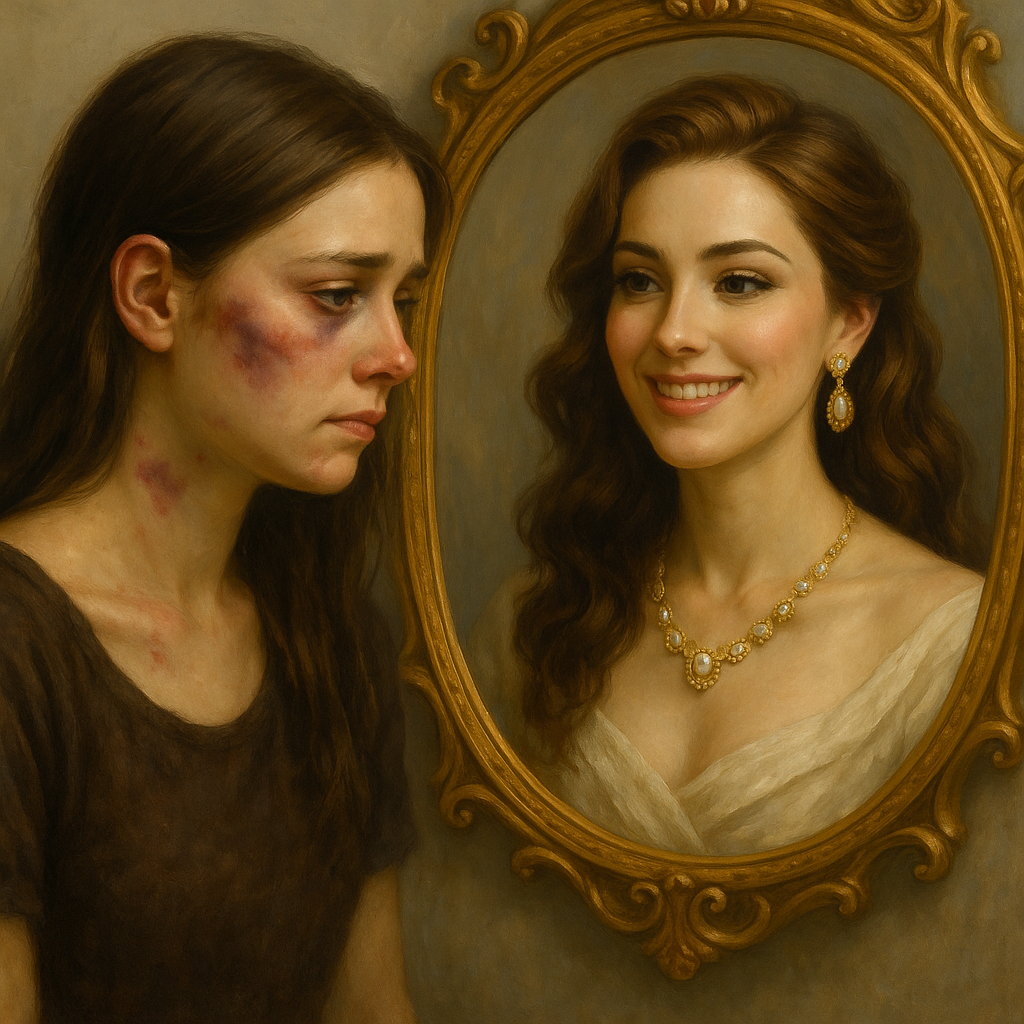
Trauma and beauty meet in the mirror more often than we admit. A new lipstick after a breakup, or a dramatic haircut after a hard year, can feel like taking back control. Sometimes it is exactly that. Yet for women carrying old pain, a makeover can also become a mask. This guide explores the difference, gently, and suggests where real healing may begin.
A gentle note before you begin. This article is for general wellbeing and is not medical or psychological advice. If you are in crisis or thinking about suicide, call or text 988, or chat at 988lifeline.org. The 988 Suicide & Crisis Lifeline is free, confidential and open 24 hours a day in the US.
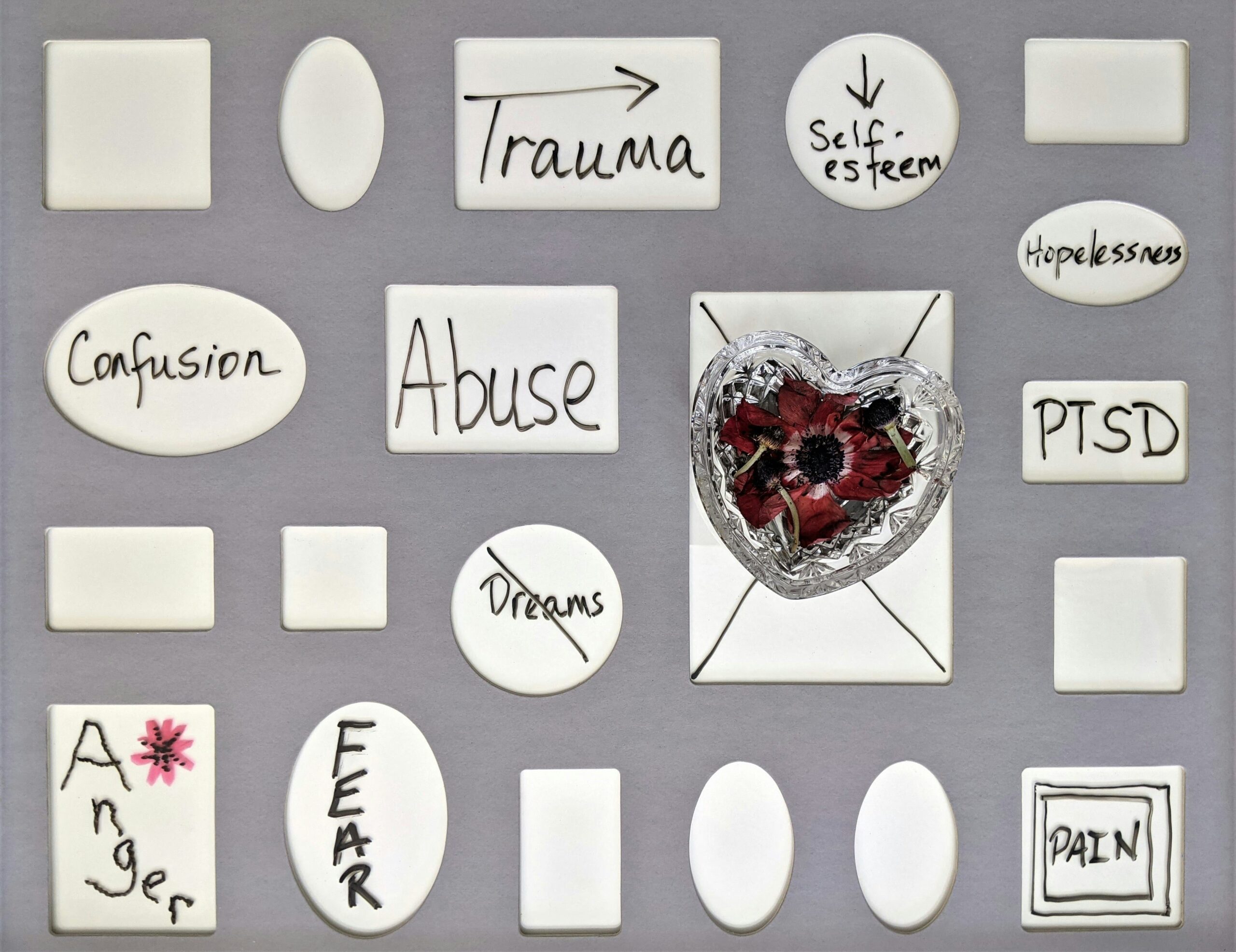
Trauma and beauty: how the past shapes the mirror
The American Psychological Association describes trauma as a deeply disturbing experience. Its effects can last, shaping how a person feels, thinks and behaves. That effect can reach self-image too. After a painful relationship or a difficult childhood, the inner critic often grows louder.
Psychiatrist Bessel van der Kolk explores this idea in his book The Body Keeps the Score. He argues that trauma reshapes both body and brain. He also describes many paths towards recovery, from therapy to yoga.
There is hope in the research as well. According to the National Institute of Mental Health, many reactions after a traumatic event are common. For most people, those reactions lessen over time. For others, support makes a real difference. The federal agency SAMHSA publishes a detailed guide to trauma-informed care for that reason.
When beauty becomes armour
Beauty routines can offer calm when life feels chaotic. That is healthy. However, the picture changes when appearance becomes the only place we feel safe. Then a ritual can quietly turn into a shield.
These gentle questions may help you notice which side you are on:
- Armour may look like this: you feel anxious leaving the house without makeup, or your mood depends on compliments.
- Healing may look like this: you enjoy your rituals, yet you can also enjoy a bare-faced day.
- Armour can also feel like relief that fades: each new look brings relief for a day, and then the old feeling returns.
- Healing can also feel like nourishment: you see self-care as care rather than repair.
Neither list is a diagnosis. Instead, think of them as a mirror held kindly.
Narcissistic abuse and the never-enough makeover
Relationships with constant criticism, blame and moving goalposts can leave a lasting mark. Many survivors describe feeling that nothing they do is ever enough. As a result, the search for the perfect look can become one more attempt to earn approval.
Clinical psychologist Ramani Durvasula writes about these relationships in Should I Stay or Should I Go? Her book explains what to watch for and offers guidance for recovery, whether you stay or leave.
The healing shift is subtle but powerful. You begin to see yourself as worthy before, during and after any makeover. Then beauty becomes a pleasure, not a test.
Stress, the body and the skin
Emotional strain does not always stay in the mind. Doctors who work in psychodermatology study how stress and the skin interact.
A 2017 review in Clinics in Dermatology looked at post-traumatic stress and skin. Its authors note that lasting changes in the body’s stress systems can affect immune function. In turn, they write, this can worsen stress-sensitive conditions such as psoriasis, hives and eczema. Similarly, a 2025 review in Frontiers in Medicine describes psychological stress as an important contributor to psoriasis flares.
This does not mean trauma causes every skin problem. It does suggest that caring for your stress is part of caring for your skin. If a skin condition troubles you, a board-certified dermatologist is the right first call.
Why the makeover high fades
Many women know the feeling. The new look is wonderful for a week, and then the glow fades. Neuroscience offers one possible reason.
Dr. Anna Lembke is a Stanford psychiatrist and the author of Dopamine Nation. In a 2021 interview with Stanford Medicine, she explained the pattern:
“Feel-good substances and behaviors increase dopamine release in the brain’s reward pathways.”
She added that the brain then corrects for it:
“The brain responds to this increase by decreasing dopamine transmission — not just back down to its natural baseline rate, but below that baseline.”
Lembke was speaking about pleasure and compulsion in general, not about makeovers. Still, the idea is useful here. If we ask a new look to fix how we feel inside, the lift may not last. Therefore, self-acceptance tends to work best as the foundation, with beauty as the expression.
Gentle rituals that may support healing
There is no single path, and what helps one woman may not suit another. The ideas below are invitations, not prescriptions.
- Trauma-informed therapy. A qualified, trauma-informed therapist can help you work through what happened at your own pace.
- Mindfulness. According to NIH’s National Center for Complementary and Integrative Health, mindfulness-based approaches may help with anxiety. However, the centre also notes that much of the research is preliminary.
- Floatation. Early studies suggest a float session may ease anxiety for a short time. One small 2018 study in PLOS ONE found this effect, and its authors call for larger trials.
- Self-affirmation. A 2025 meta-analysis in American Psychologist found that self-affirmation exercises gave small but real benefits for wellbeing. In these studies, people often reflected on the values that matter most to them.
- Self-compassion. Psychologist Kristin Neff describes self-compassion as turning compassion inward. Try speaking to yourself as you would to a dear friend.
- Journalling. A few lines each evening can help you notice triggers and small victories. Nicole LePera’s workbook How to Meet Your Self offers prompts for self-discovery.
- Connection. Support groups and trusted friends offer something no product can: being seen as you are.
- Gentle beauty rituals. Apply each product as a thank-you to your body, not as a correction. For why rituals feel calming, see the science of makeovers.
Books for a quieter kind of makeover
If reading is where you find comfort, these books are thoughtful companions. We describe them in our own words.
- The Body Keeps the Score by Bessel van der Kolk explores how trauma affects body and brain.
- Should I Stay or Should I Go? by Ramani Durvasula is a practical guide to narcissistic relationships.
- How to Meet Your Self by Nicole LePera is an interactive workbook for self-healing.
- Self-Compassion by Kristin Neff explores how to soften self-criticism.
- The Gifts of Imperfection by Brené Brown offers guideposts for wholehearted living.
Claim your worth, inside and out
Beauty and healing are linked, though not in the way glossy advertising suggests. No ritual can create self-worth on its own. Even so, loving rituals can reflect the healing you are doing within.
When you feel ready, begin with support, kindness and connection. Then let each beauty ritual celebrate the woman you are becoming. For a calm, step-by-step plan, read Complete Makeover: 7 Steps to a Gorgeous New You.
Frequently asked questions
Can a makeover help you heal from trauma?
A makeover can be a meaningful gesture of self-care. However, it works best alongside inner support, such as therapy, rest and connection. On its own, it rarely changes how you feel underneath.
Why do I feel worse after a big change in my look?
The lift from something new often fades. If the change was meant to fix a deeper hurt, that fade can feel sharper. It is a common experience, and it is not a failure.
Where can I find help right now?
In the US, call or text 988, or chat at 988lifeline.org. You can also ask your doctor for a referral to a trauma-informed therapist.
Wellness disclaimer: Cossèt Môi shares general wellbeing information. We are not a medical or mental health service, and nothing here replaces care from a qualified professional. If you are in crisis, call or text 988, or chat at 988lifeline.org. In an emergency, call 911.
