
Of all the types of diets you could follow, the right one feeds the woman you are becoming. Food shows up in the mirror slowly, through skin, hair, nails and the light in your eyes. That is why food sits inside the ten-step complete makeover, alongside hair, wardrobe and sleep. This guide walks through the main eating patterns, from Mediterranean and vegan to keto, paleo and carnivore. For each one, you will see what research links it to. You will also see what it may lack and who should take care. Please read it as general information, not medical or nutrition advice. A doctor or registered dietitian should guide any big change to the way you eat.
There are many types of diets, but most belong to a few families: plant-based (vegan, vegetarian, pescatarian, flexitarian), heart-focused (Mediterranean, DASH, MIND), low-carb (keto, paleo, carnivore), timing-based (intermittent fasting) and medical (low-FODMAP, gluten-free, elimination). For a makeover, the building blocks matter more than the label. Skin, hair and nails rely on enough protein, iron, zinc, vitamin B12, vitamin C and healthy fats, plus plenty of plants and fewer refined carbohydrates.
How does diet affect a makeover?
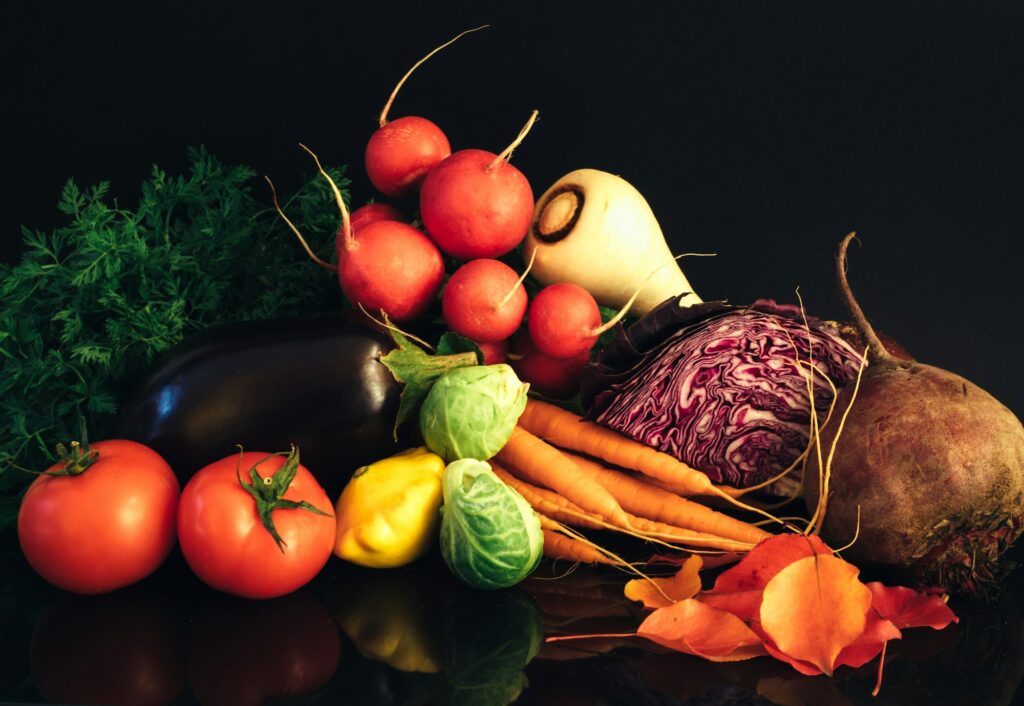
Diet shapes a makeover from the inside, and skin is often where you notice it first. Acne is the most studied example. According to the American Academy of Dermatology’s statistics, acne affects up to 50 million Americans each year. Adult acne affects up to 15% of women. Its page on diet and acne links high-glycemic foods to more breakouts in small studies. White bread and sugary drinks are typical examples. In a 2007 randomized trial, young men on a low-glycemic-load diet saw lesion counts fall further over 12 weeks. However, the evidence is still young. The AAD also reports a possible link with cow’s milk, including skim milk.
Beyond breakouts, food may influence how skin looks over time. In a 2007 study of 4,025 American women aged 40 to 74, higher vitamin C intake went with less wrinkling and dryness. Similarly, more linoleic acid, a fat found in nuts and seeds, was linked to less dryness. Because the study was observational and funded by a skincare company, it shows association rather than proof. Even so, it points in a familiar direction: colorful plants and good fats. Of course, no plate replaces daily sunscreen, so food works alongside it. If you are in your fifties or beyond, our guide to skin after 50 covers care at this stage.
Hair, nails, energy and the gut
Hair tells a similar story, only more slowly. The AAD lists too little biotin, iron, protein or zinc among the causes of noticeable hair loss. It also notes that hair can regrow once the body gets enough. On the other hand, large doses of vitamin A or selenium can cause hair loss too. In other words, balance matters more than excess. Because hair grows slowly, a change in diet often shows in your hair long after it begins. Nails reward the same patience. So a food-led makeover belongs on a longer arc, such as a 90-day beauty timeline, not a few rushed days.
Finally, food shapes the parts of a makeover no one photographs: energy, mood and digestion. When iron or vitamin B12 runs low, fatigue often follows, and a tired face shows it. Meanwhile, the gut responds to what you eat with real speed. In a 2014 Nature study, switching volunteers to an all-animal or all-plant diet changed their gut bacteria within days. That responsiveness is encouraging, because small, steady choices register. Still, most Americans have room to grow. A 2022 CDC report found that only 12.3% of US adults met fruit recommendations in 2019. Just 10% met vegetable recommendations. The sections below show how each diet handles these building blocks.
The main types of diets at a glance
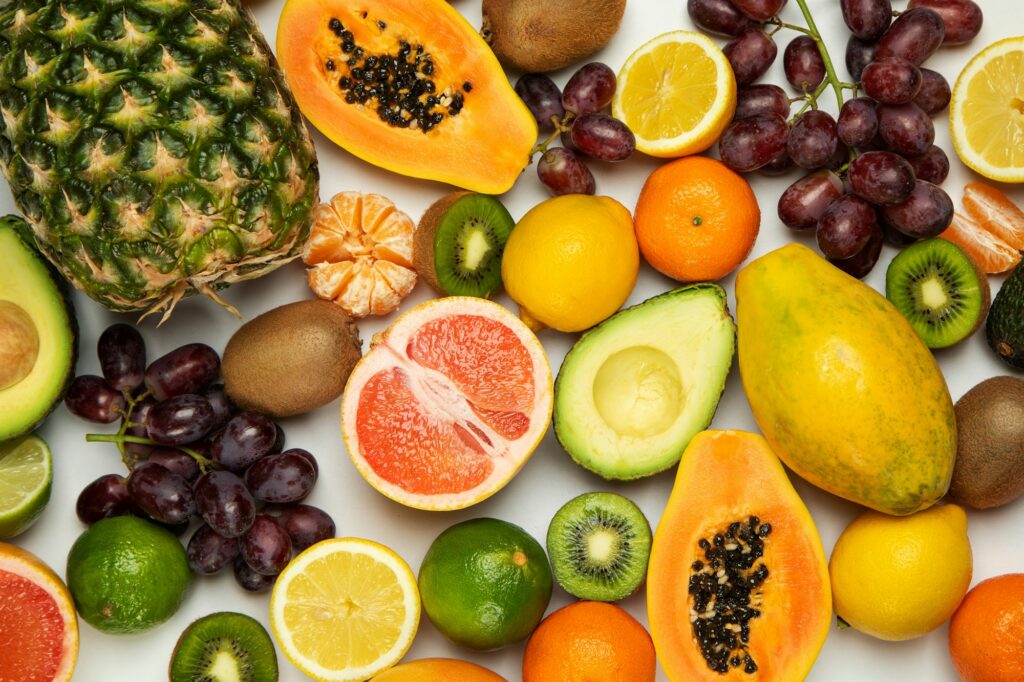
Most types of diets fall into five families. Plant-based patterns remove some or all animal foods. Heart-focused patterns, such as Mediterranean and DASH, are defined more by what they add than by what they cut. Low-carbohydrate patterns, from keto to carnivore, shrink starches and sugars. Timing-based patterns change when you eat rather than what you eat. Medical diets, such as low-FODMAP and gluten-free, exist to manage specific conditions. Each family affects skin, hair and energy through the nutrients it adds or removes. The table below sums up what research and medical bodies say. Treat it as a map rather than a ranking. No single pattern suits every woman, every body or every season of life.
| Diet | What it is | What research links it to | Worth knowing |
|---|---|---|---|
| Vegan | All plant foods; no meat, fish, dairy or eggs | Lower risk of heart disease, type 2 diabetes, high blood pressure and obesity | Needs a reliable source of vitamin B12; watch iron, zinc and omega-3 |
| Vegetarian (lacto-ovo) | Plants plus dairy and eggs | Similar benefits to vegan eating | Easier to balance; plan iron and zinc |
| Pescatarian | Vegetarian plus fish and seafood | Supplies long-chain omega-3 fats, zinc and B12 | Vary the fish you choose |
| Flexitarian | Mostly plants, meat or fish now and then | Emerging evidence for weight, blood pressure and diabetes risk | Research is still limited |
| Mediterranean | Vegetables, legumes, whole grains, olive oil, fish | Lower cardiovascular risk; healthy aging | Gentle and flexible; no strict portions |
| DASH and MIND | Produce, whole grains, low-fat dairy, less sodium; MIND adds greens and berries | Lower blood pressure (DASH); lower Alzheimer’s rates in one cohort (MIND) | MIND evidence is observational |
| Keto and low-carb | Very low carbohydrate, high fat | Short-term weight loss and blood sugar benefits | Fiber, B vitamins, iron, zinc and LDL need watching |
| Paleo | Meat, fish, eggs, vegetables, fruit, nuts; no grains, dairy or legumes | Short-term benefits in small trials | Calcium, vitamin D and fiber can fall short |
| Carnivore | Animal foods only | Self-reported satisfaction in one survey | Very little research; LDL was elevated |
| Intermittent fasting | Eating within a time window or on fewer calories some days | Not clearly better for weight than other approaches | Not for pregnancy, diabetes or disordered eating |
| Low-FODMAP and elimination | Temporary removal of trigger foods, then reintroduction | Relief for most people with diagnosed IBS | Best done with a dietitian |
| Gluten-free | No wheat, rye or barley | The treatment for celiac disease | Test for celiac disease before cutting gluten |
As you read the table, look at the last column first. It shows where each pattern asks for care, and those notes often matter most for skin, hair and energy. The middle columns describe the strongest evidence available today, which varies widely. Some patterns rest on decades of trials, while others rest on a single survey. Then notice where the families overlap. Almost every well-studied pattern is generous with vegetables, fruit, legumes and good fats.
Vegan and vegetarian diets: what plants do for skin and hair
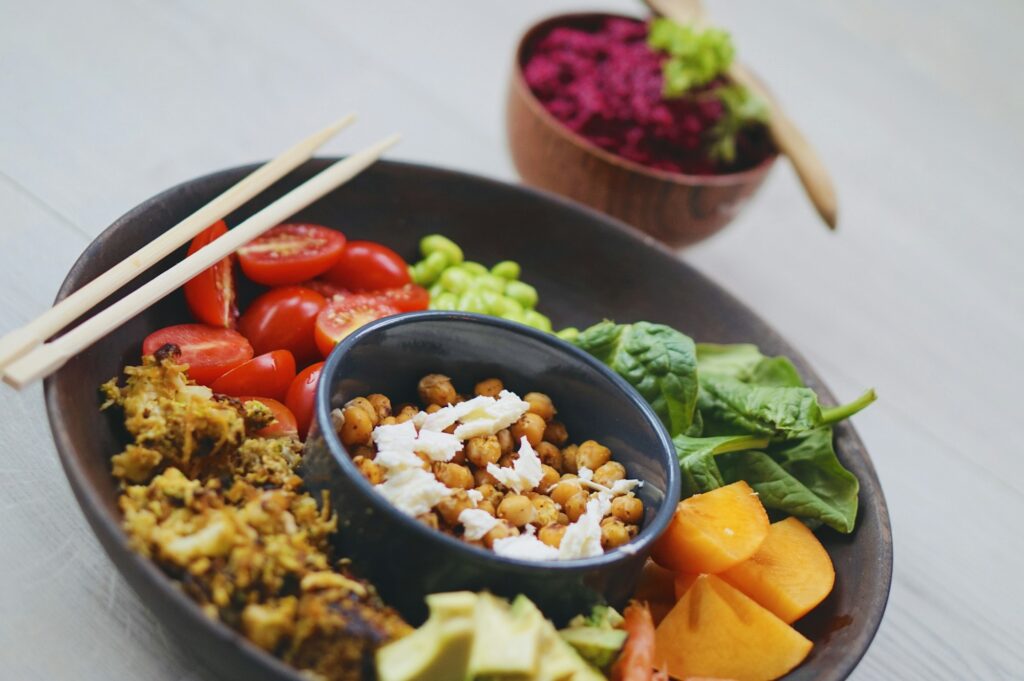
A vegan diet removes all animal foods, including meat, fish, dairy and eggs. A vegetarian diet removes meat and fish but usually keeps dairy and eggs, a pattern called lacto-ovo vegetarian. Both have strong institutional support. In its 2016 position paper, the Academy of Nutrition and Dietetics takes a clear view. Appropriately planned vegetarian and vegan diets, it states, are healthful and nutritionally adequate. They also suit all stages of life. The paper links them to lower risk of heart disease, type 2 diabetes and high blood pressure. Certain cancers and obesity appear on that list too. For a makeover, that plant density brings fiber, vitamin C and many plant compounds to the table. The key word, however, is planned.
You may also like


What a plant-based plate may lack
Planning matters most for a few nutrients that support hair, energy and nails. Vitamin B12 occurs naturally almost only in animal foods. So the Academy advises vegans to use fortified foods or supplements. Iron from plants, called nonheme iron, is absorbed less easily than the heme iron in meat. For that reason, the NIH Office of Dietary Supplements suggests vegetarians may need nearly twice as much iron. Pairing beans or lentils with vitamin C, such as peppers or citrus, helps absorption. Zinc and long-chain omega-3 fats also need attention. Because hair shedding can follow low iron, protein or zinc, these details matter to your makeover. A registered dietitian can check your levels and tailor your plate.
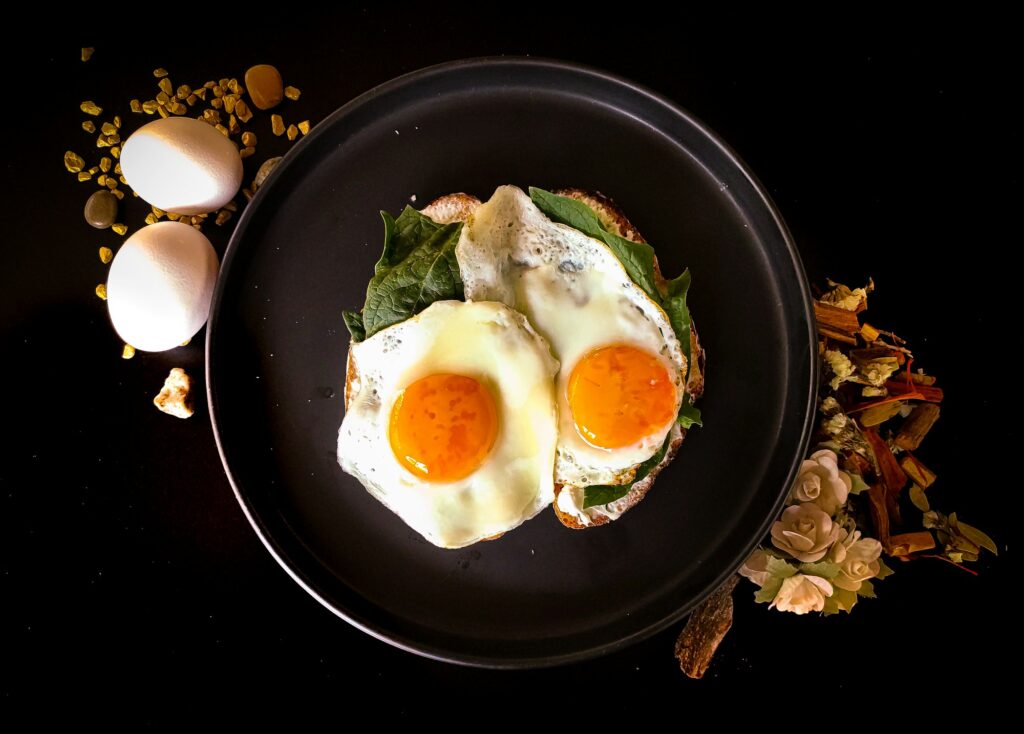
Eggs and dairy make a vegetarian diet easier to balance. Eggs bring protein and vitamin B12, while yogurt and cheese bring calcium and protein. Interestingly, the AAD notes that no studies tie yogurt or cheese to more breakouts. Some studies, though, link milk itself to acne. So if your skin seems to react, milk is the place to look first, with your dermatologist’s guidance. A vegetarian rhythm can also feel easier to sustain than a strict vegan one. Either way, the pattern rewards variety: lentils one night, tofu the next, a vegetable frittata at the weekend. Variety covers more nutrients, and it keeps the table interesting enough to last for years.

Wash and spin greens the day you bring them home, so salads come together fast.
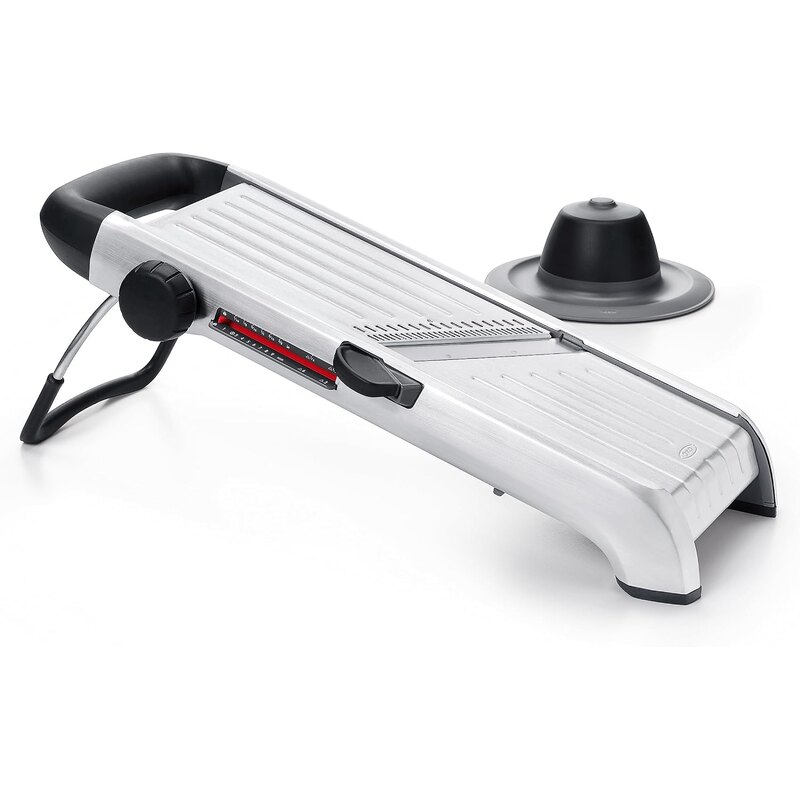
Fine, even slices that make raw vegetables quick and appealing.
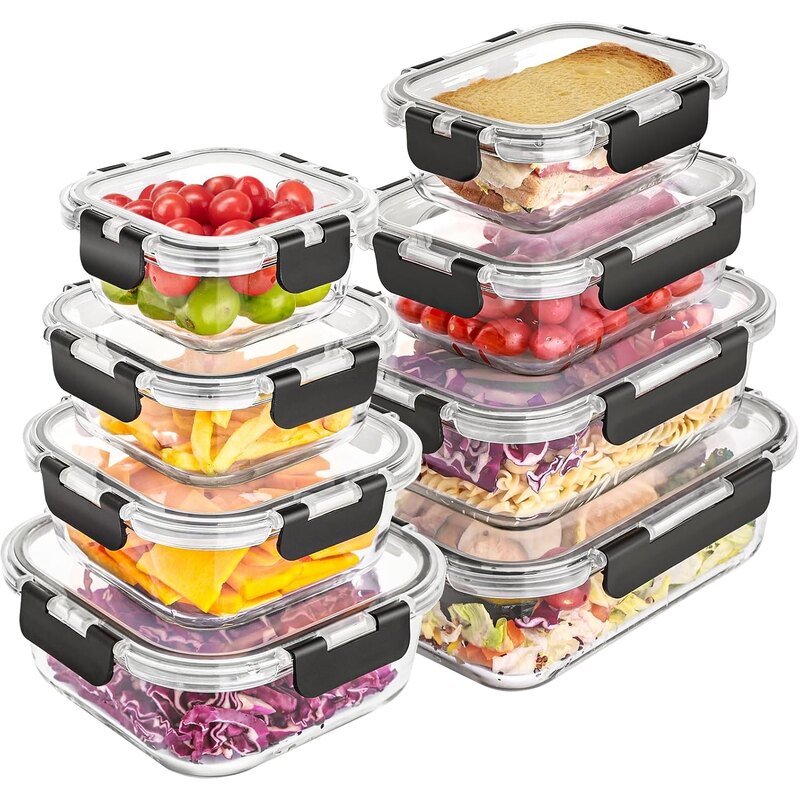
Glass containers for the weekend pot of lentils and roasted vegetables.
A plant-forward kitchen
A plant-forward kitchen runs on a few good tools and a weekly rhythm. Wash and spin your greens as soon as you bring them home. Then a salad takes minutes rather than effort. Cook one pot of beans or lentils at the weekend. Use it in soups, bowls and salads through the week. Roast a full tray of vegetables at a time, because leftovers make a quick lunch. In addition, keep fortified plant milk, nuts and seeds within reach for breakfast. Small habits like these keep vegetables at the center of the plate. They also help you cover vitamin C, fiber and plant protein every day. That is where skin and hair begin to benefit.
Pescatarian and flexitarian diets: plants with a little more
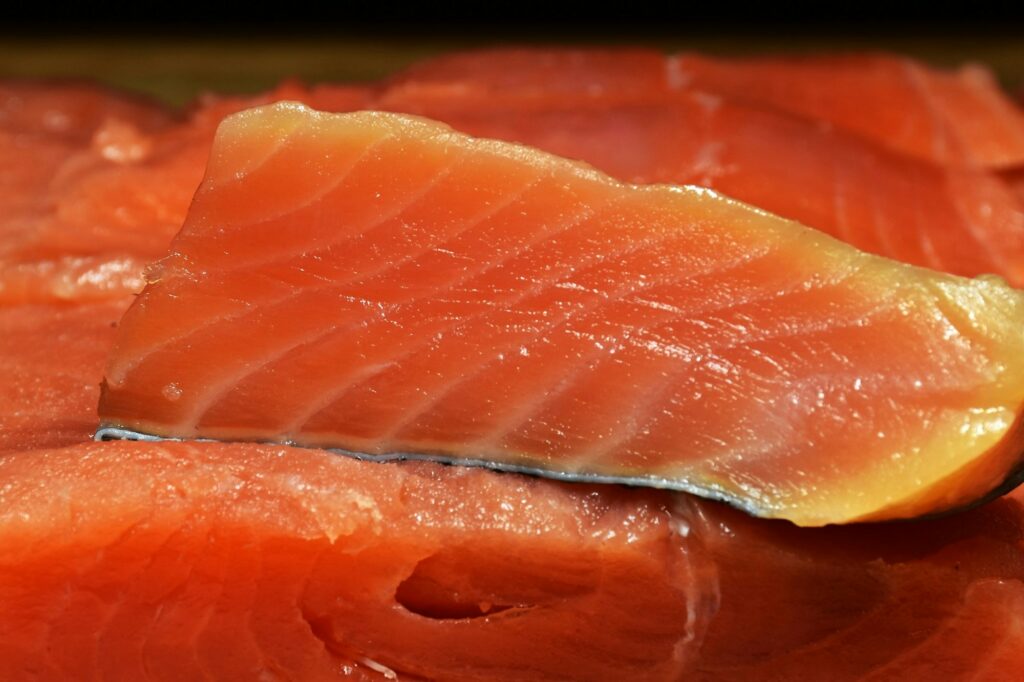
A pescatarian diet is vegetarian plus fish and seafood. For skin and hair, the appeal is simple. Oily fish such as salmon, sardines and trout supply EPA and DHA. These long-chain omega-3 fats are missing from plant foods. Shellfish, particularly oysters, are among the richest food sources of zinc, according to the NIH fact sheet on zinc. Fish also brings complete protein and vitamin B12, which closes two of the gaps a vegan plate can leave. In practice, that makes pescatarian eating one of the easier plant-forward patterns to balance. If you choose it, vary the fish you buy, from salmon and trout to mussels and sardines. A broad plate covers more nutrients. It also keeps dinner interesting for longer.
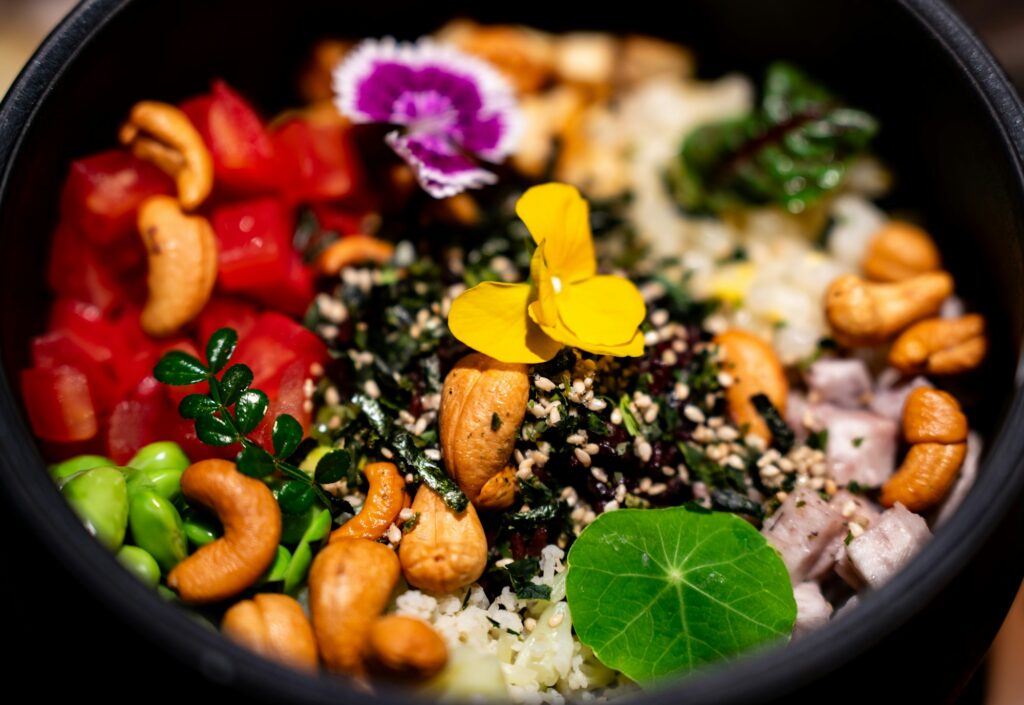
A flexitarian diet is mostly vegetarian, with meat or fish now and then. It suits women who love the idea of plants but not the rules. A 2017 review in Frontiers in Nutrition gathered 25 studies of this semi-vegetarian pattern. It found emerging evidence of benefits for body weight, metabolic health, blood pressure and type 2 diabetes risk. The research is still thin, however. Even so, the logic holds for a makeover. You keep the fiber and color of a plant-based plate. Meanwhile, an occasional steak, roast chicken or fillet of fish tops up iron, zinc and B12. For many women, this is the most livable of the plant-forward types of diets, and the easiest to share at a table.
You may also like


The Mediterranean diet: olive oil, fish and a long table
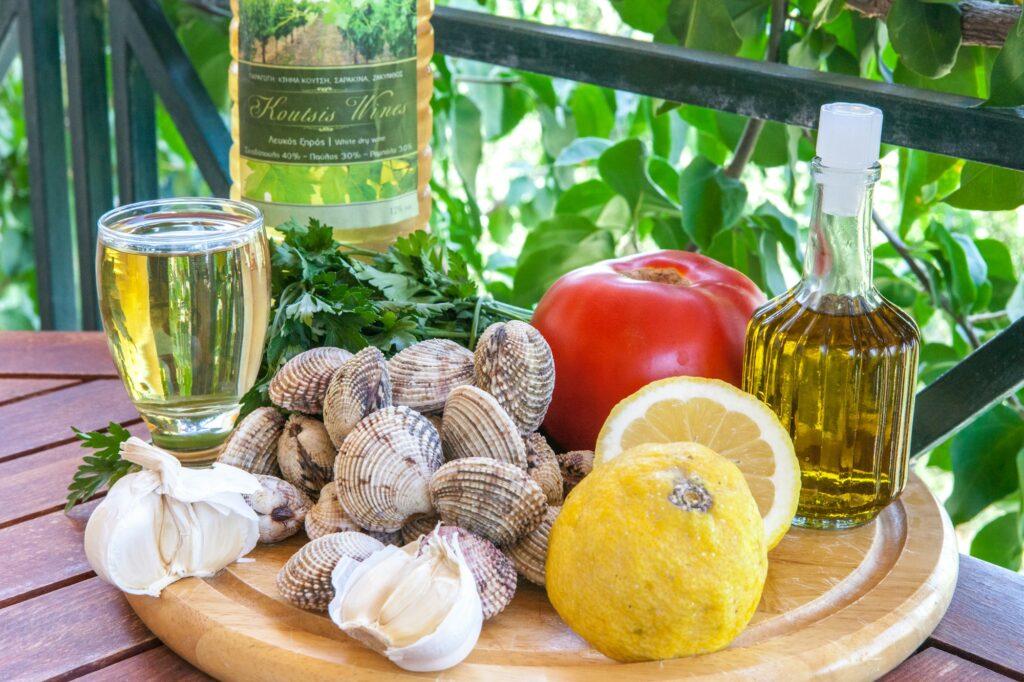
The Mediterranean diet is less a set of rules than a way of eating. Harvard’s Nutrition Source describes it as mostly plant-based. Vegetables, fruits, whole grains, beans, nuts, herbs and olive oil lead, with fish as the main animal protein. Poultry, eggs and dairy appear in smaller amounts, and red meat only a few times a month. The research behind it is broad. One study followed nearly 26,000 women for 12 years. Those who ate this way had 25% less risk of cardiovascular disease. In the PREDIMED trial, the diet with extra olive oil or nuts reduced stroke deaths by roughly 30%. Notably, fat made up 39 to 42% of daily calories in that trial.
For a makeover, the Mediterranean pattern offers almost the whole nutrient list at once. Olive oil, nuts and fish bring healthy fats. The linoleic acid in nuts has been linked to less skin dryness. Tomatoes, peppers and citrus bring vitamin C. The body needs it to make collagen, according to the NIH fact sheet on vitamin C. Legumes and fish bring protein and zinc for hair. Harvard also cites the Nurses’ Health Study. There, women with a Mediterranean-style pattern were 46% more likely to age healthfully. That finding speaks to the whole body, not only the face. Still, the pattern is gentle rather than strict, which helps it last for years.
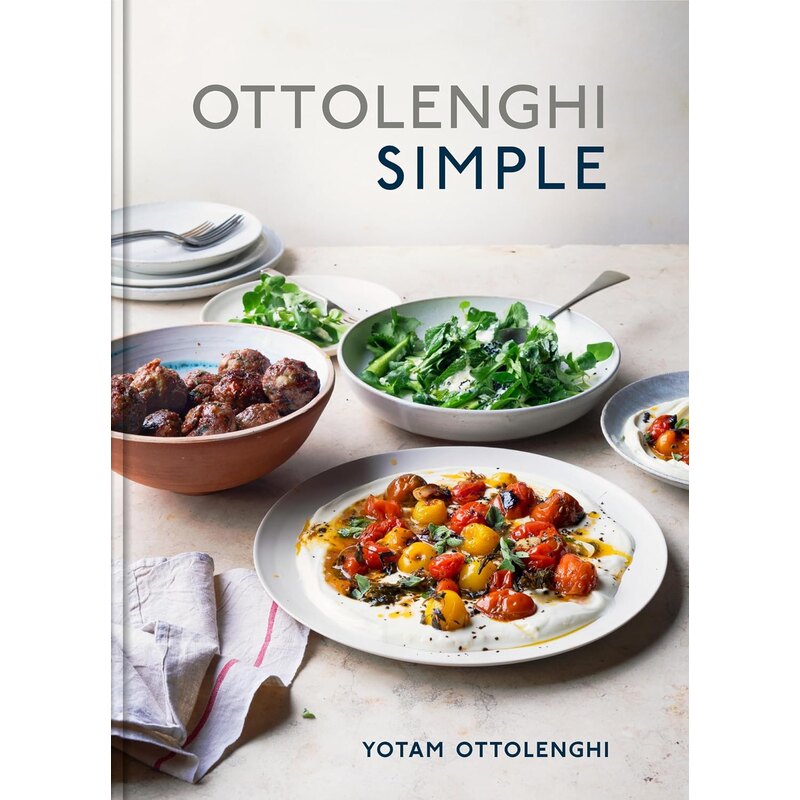
Vegetable-forward, olive oil-rich recipes that bring the Mediterranean rhythm home.

A drip-free glass cruet for the olive oil you cook and finish with every day.
A white enameled pot for beans, stews and braised vegetables.
Bringing the Mediterranean table home
Bringing the Mediterranean table home is mostly about rhythm. Start with a good olive oil and use it daily, for cooking and for finishing. Next, build two or three meals a week around beans or lentils, and two around fish. Then let vegetables take up half the plate, roasted, grilled or raw with lemon. Keep a bowl of fruit on the counter for dessert. Bread can stay, ideally whole grain. Wine is optional, and Harvard’s guidance keeps it to one glass a day for women at most. Above all, slow down. Eat at a table, with a linen napkin and good company when you can. The ritual is part of the pattern, and part of the makeover too.
DASH and MIND: patterns for blood pressure and the brain
DASH stands for Dietary Approaches to Stop Hypertension, and it was designed in a clinical trial. The National Heart, Lung, and Blood Institute describes it as rich in vegetables, fruits, whole grains and low-fat dairy. Fish, poultry, beans and nuts round it out. It limits saturated fat, sugary drinks and sweets. Sodium stays at 2,300 mg a day, or 1,500 mg for a stronger effect. The original 1997 trial in the New England Journal of Medicine enrolled 459 adults. In those with high blood pressure, DASH lowered systolic pressure by 11.4 mm Hg more than a typical diet. That result arrived in only eight weeks, with weight and sodium held steady.
You may also like


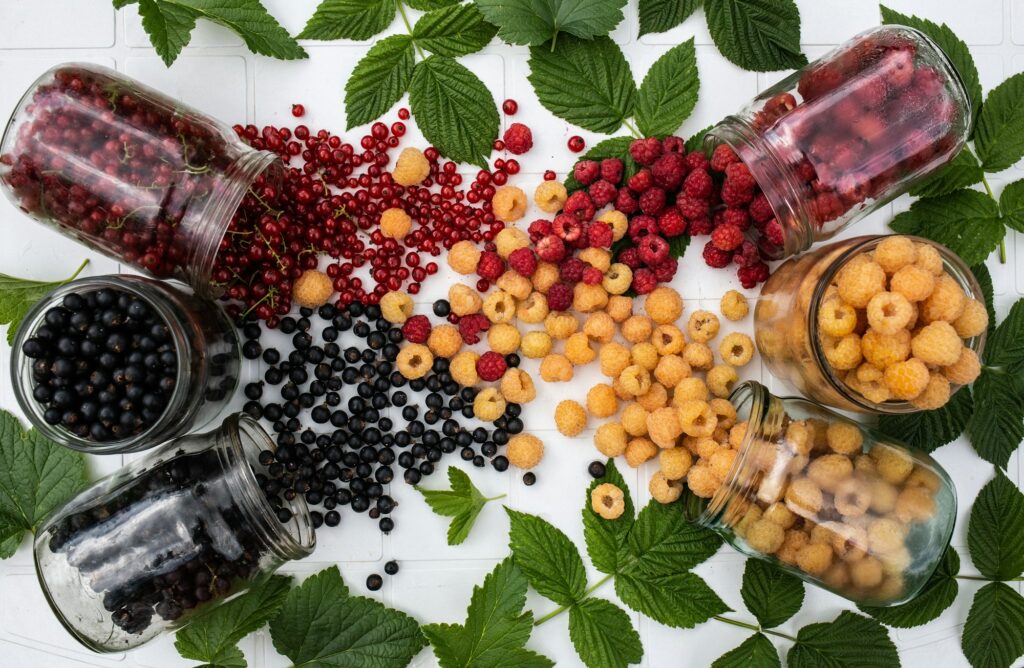
MIND blends the Mediterranean and DASH patterns, with extra emphasis on leafy greens, berries, nuts, beans and olive oil. Researchers at Rush University designed it to support the brain. In a 2015 study of 923 older adults followed for about four and a half years, the results were striking. Those with the highest MIND scores had a 53% lower rate of Alzheimer’s disease. Even moderate adherence was linked to a 35% lower rate. Because the study was observational, it shows association rather than cause. For a makeover, both patterns share a useful trait: they are generous with produce and modest with salt. Both also fit easily into a Mediterranean kitchen, so you can borrow from all three.
Keto and low-carb diets: what cutting carbohydrates changes
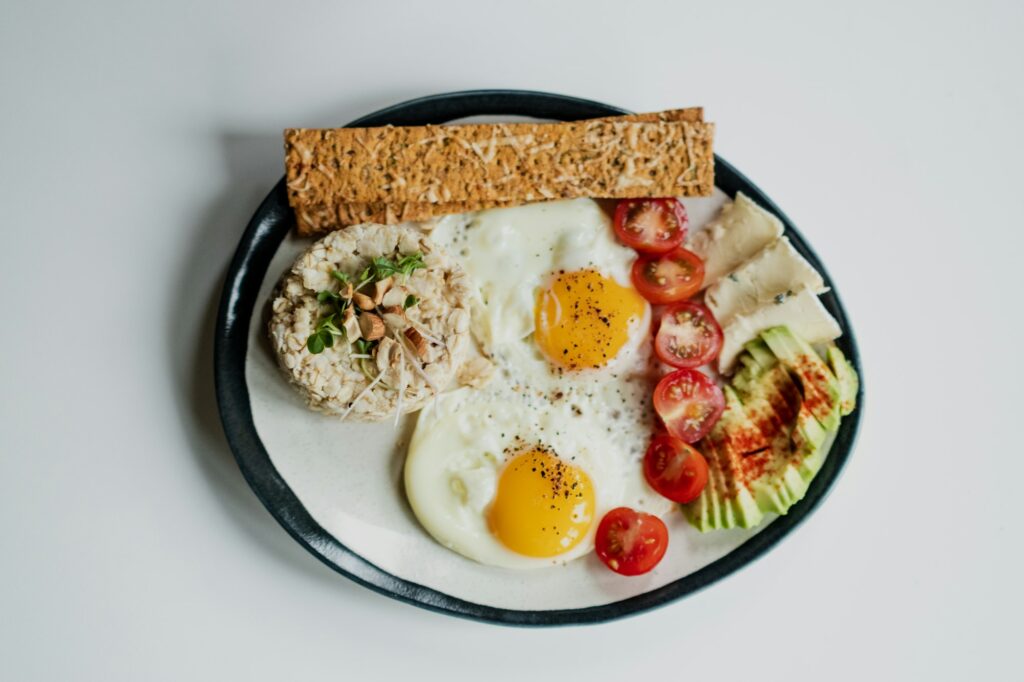
A ketogenic diet cuts carbohydrates to under 50 grams a day, sometimes as low as 20. The body then burns fat for fuel. Harvard’s review of the ketogenic diet notes that typical plans draw 70 to 80% of calories from fat. The diet began in 1920 as a treatment for children with epilepsy whose medication did not work. Today it is mostly used for weight loss. Harvard reports short-term benefits for some people, including weight loss and better blood sugar and blood pressure. However, after a year, results are not significantly different from conventional diets. A broader low-carb diet is gentler, trimming starches and sugar without chasing ketosis.
Low-carb eating has one clear link to skin. It removes most high-glycemic foods. So it may help skin that breaks out after sugar and white bread, as the AAD’s diet page suggests. On the other hand, strict keto can leave gaps. Harvard warns of possible shortfalls in fiber, B vitamins, iron, magnesium and zinc, along with constipation. Its heavy saturated fat may also raise LDL cholesterol. The first days often bring fatigue, headaches and brain fog. For hair, missing nutrients are the main concern, given the AAD’s link between low zinc or iron and shedding. If you try keto, build it on vegetables, fish, eggs, nuts and olive oil, and work with your doctor.
Join the waitlist for the 21-Day Skin & Gut Health Reset, a gentle ritual of care for skin and gut, from within. You will be the first to hear when it is ready.
Occasional letters. Unsubscribe anytime.
The paleo diet: meat, fish, vegetables and nothing processed

The paleo diet imitates how people may have eaten in the Paleolithic era. According to Harvard’s review of the paleo diet, it centers on lean meats, fish, eggs, vegetables and fruit. Nuts, seeds and olive oil complete it. It excludes grains, dairy, legumes, white potatoes, refined sugar, added salt and most processed foods. Small trials found benefits for weight, waist size, blood pressure and cholesterol, but they lasted six months or less. In a two-year trial in postmenopausal women, both the paleo and the standard-diet groups lost weight. For a makeover, the strength of paleo is its focus on whole food and protein. A roast chicken with a tray of vegetables is classic paleo, and protein supports hair.
The concerns come from what paleo leaves out. Without dairy, calcium and vitamin D can fall short. In one small study Harvard cites, calcium intake dropped 53% in three weeks. Removing whole grains and legumes also cuts fiber, which your gut bacteria rely on. Harvard adds that high red meat intake is linked to higher risks of heart disease and diabetes. As a result, it concludes that strong recommendations for paleo cannot yet be made. A softer approach keeps what works: plenty of vegetables, fish and lean meat, and fewer processed foods. Then it welcomes back beans, yogurt and whole grains. That middle path keeps the freshness of the paleo plate without its gaps.
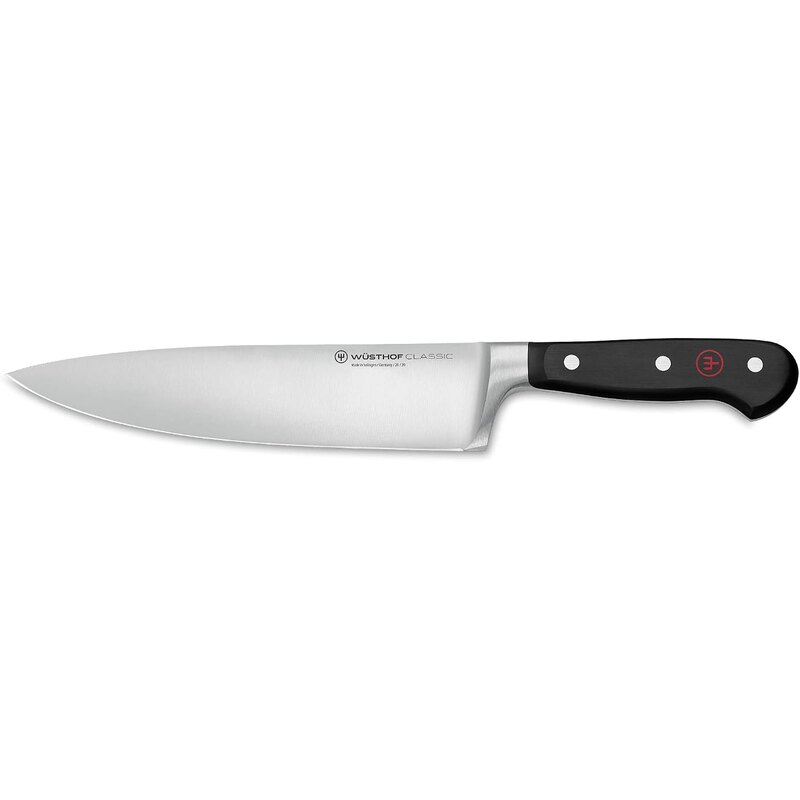
A forged chef’s knife for carving roast chicken, steak and a pile of vegetables.
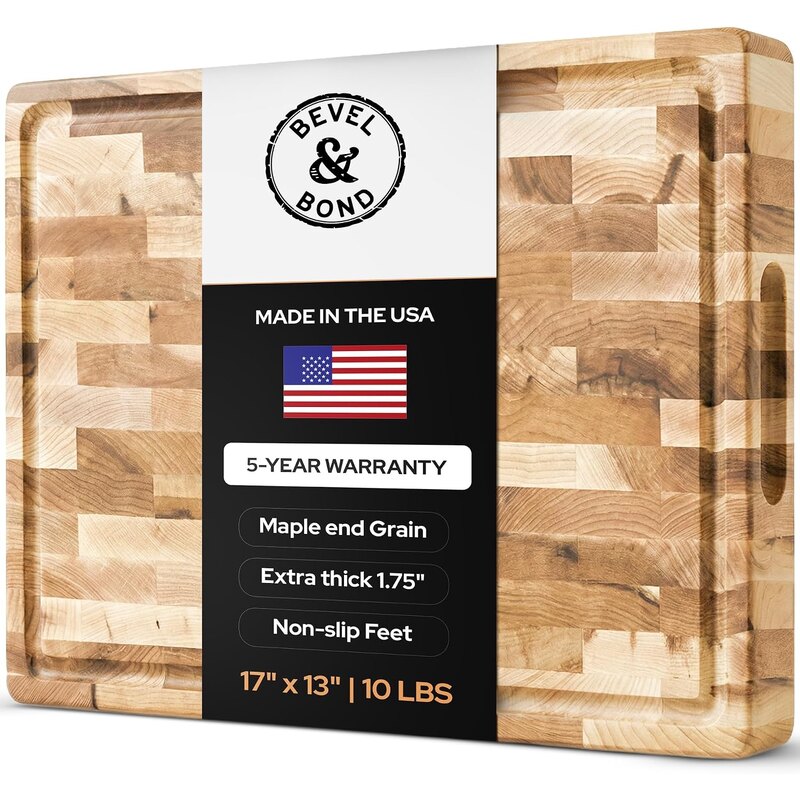
A large maple board with a juice groove for carving and prep.

A 12-inch skillet for a proper sear on fish, steak and vegetables.
The carnivore diet: what is known, and what is not
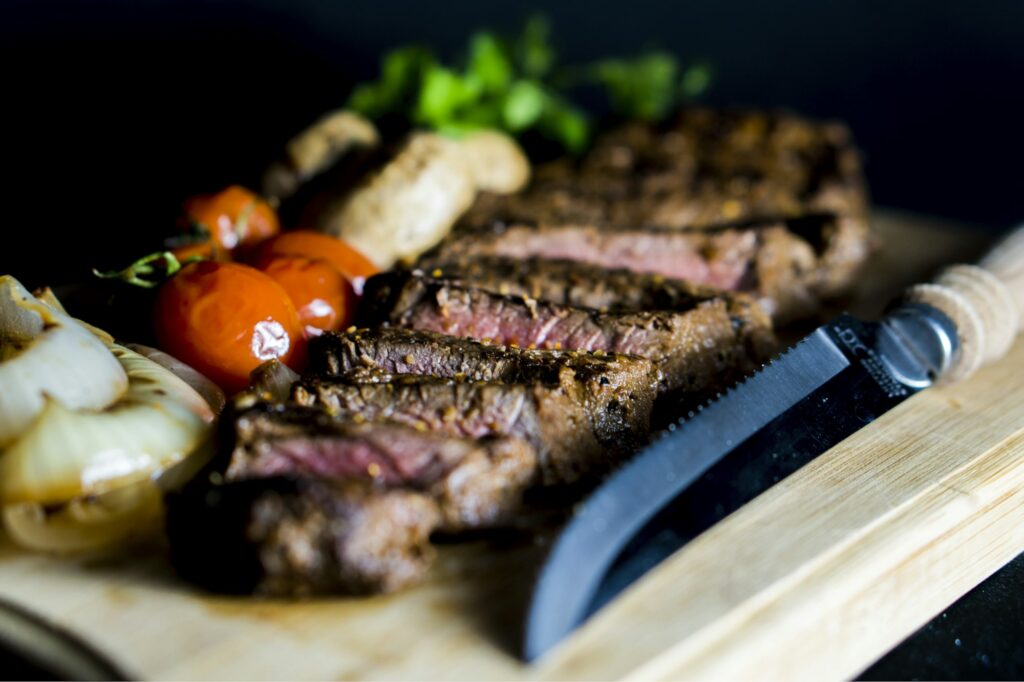
The carnivore diet takes low-carb to its limit. It means meat, fish, eggs and sometimes dairy, with little plant food. Research is scarce. The largest study so far is a 2021 survey in Current Developments in Nutrition. It included 2,029 adults who had eaten this way for six months or more. Most ate red meat daily, and fewer than 10% ate vegetables, fruits or grains more than monthly. Respondents reported high satisfaction and few side effects. However, their LDL cholesterol was markedly elevated, at 172 mg/dL. Because the study relied on self-reports from a social media survey, the authors called for further research. In short, the long-term effects remain unknown.
For a makeover, the carnivore pattern is rich in what hair relies on. Think protein, heme iron, zinc and vitamin B12. A seared steak delivers all four. Yet the pattern is very low in fiber and vitamin C, the nutrient your body needs to make collagen. The 2014 Nature study offers a hint about the gut. There, an all-animal diet quickly shifted gut bacteria toward bile-tolerant species and away from those that ferment plant fibers. What that means for skin over years is unknown. If you love red meat, there is a gentler way to enjoy it. Pair a smaller steak with a big salad, roasted vegetables and fruit, and you keep both sets of benefits.
Intermittent fasting: when you eat, not what

Intermittent fasting changes the timing of meals rather than their content. Harvard’s review of intermittent fasting describes three common forms. Time-restricted eating limits food to a daily window, such as eight hours. The 5:2 approach keeps two days a week to about 400 to 500 calories. Alternate-day fasting rotates normal days with very light ones. The research is mixed. In the 2020 TREAT trial in JAMA Internal Medicine, 116 adults took part for 12 weeks. Some ate within an eight-hour window, while others ate three meals a day. Time-restricted eating was not more effective for weight loss than eating throughout the day. Harvard likewise finds fasting has not proven clearly superior.
For a makeover, the questions are energy, mood and nutrient intake. A shorter eating window can make it harder to fit in enough protein and produce. So each meal needs to count. In the TREAT trial, the fasting group also lost some lean mass, which matters for strength and posture. Harvard advises against fasting for people with diabetes or a history of disordered eating. It also advises against it during pregnancy or breastfeeding, and for growing teenagers. On the other hand, some women simply prefer a longer overnight pause, closing the kitchen after dinner. That gentle version asks little of you. As always, a conversation with your doctor comes first, especially if you take medication.
Low-FODMAP, gluten-free and elimination diets: medical tools
Some types of diets exist to manage a diagnosis rather than to shape a lifestyle. The low-FODMAP diet was developed at Monash University for irritable bowel syndrome. FODMAPs are fermentable sugars that are not fully digested or absorbed. In sensitive guts, they can cause bloating and discomfort. According to Monash University, IBS symptoms improve in three out of four people who follow the diet. It begins with a strict period of two to six weeks, followed by a gradual reintroduction of foods. Monash is clear that it is meant for people with medically diagnosed IBS, ideally with a dietitian. The strict stage is temporary by design, and it is not a beauty diet.
A gluten-free diet is essential for celiac disease, an immune disorder in which gluten damages the small intestine. The NIDDK estimates that about 2 million Americans have celiac disease, many of them undiagnosed. The Celiac Disease Foundation notes that the only treatment is lifelong, strict avoidance of wheat, rye and barley. Celiac disease can show on the skin, too. The foundation lists dermatitis herpetiformis, an itchy rash, among related conditions. So if your skin, gut and energy all feel off, ask your doctor about testing before you cut gluten. Restricting first can mask the signs your doctor needs to see.
Elimination diets
Elimination diets, including popular 30-day programs, remove suspected trigger foods and then add them back one at a time. Cleveland Clinic describes a removal period of about four to eight weeks, with a food journal throughout. The reintroduction is the important part, since rushing it hides which foods matter. Cleveland Clinic also advises doing this only with a medical professional. Cutting food groups without guidance can leave you short on key nutrients, and it can mask an underlying condition. For a makeover, an elimination diet can help if one food seems to trouble your skin or digestion. Even so, it is a short diagnostic tool, not a way of life.
Join the waitlist for the 21-Day Skin & Gut Health Reset, a gentle ritual of care for skin and gut, from within. You will be the first to hear when it is ready.
Occasional letters. Unsubscribe anytime.
The makeover nutrients, and where to find them
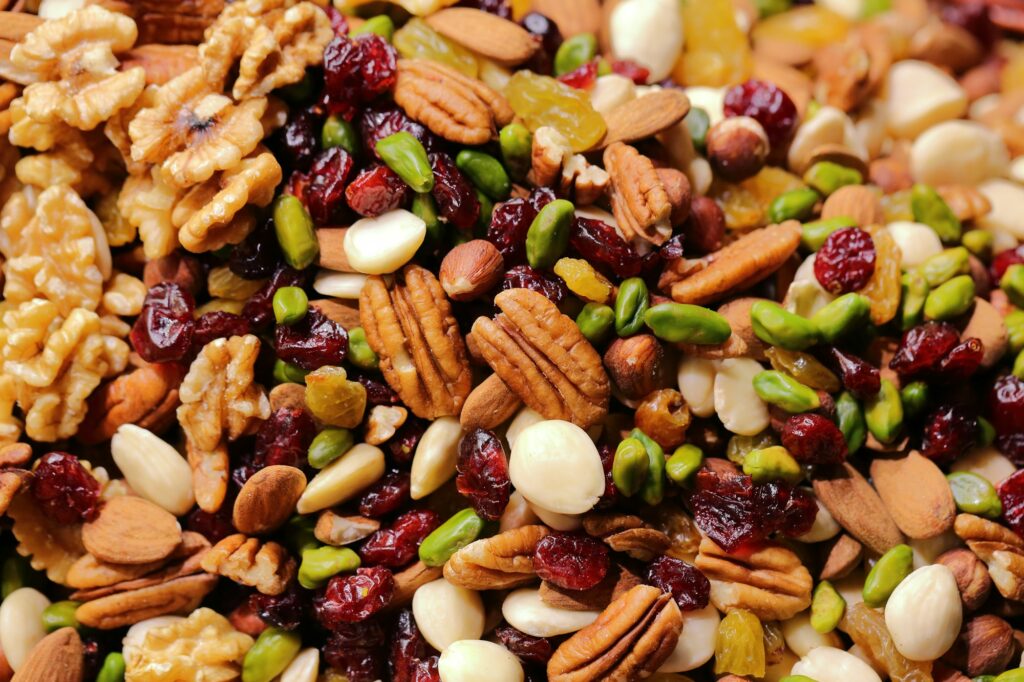
Whatever pattern you choose, skin, hair and nails draw on the same short list of nutrients. Protein provides the building blocks of hair and nails. Iron carries oxygen and supports energy. Zinc and biotin play roles in hair. That is why the AAD lists low intake among the causes of hair loss. Vitamin B12 supports energy and healthy blood, according to the NIH fact sheet on vitamin B12. Vitamin C helps the body make collagen and absorb plant iron. Linoleic acid was linked to less skin dryness in the 2007 study above. Fiber feeds your gut bacteria. The table below maps each nutrient to part of a makeover. It also lists foods that supply it across different types of diets.
| Area of the makeover | Nutrients that matter | Foods that supply them |
|---|---|---|
| Skin comfort and glow | Vitamin C, linoleic acid, omega-3 fats | Citrus, bell peppers, kiwi, strawberries, walnuts, sunflower seeds, salmon |
| Skin clarity | Low-glycemic carbohydrates, fiber | Beans, lentils, oats, vegetables, berries |
| Hair strength and fullness | Protein, iron, zinc | Eggs, fish, poultry, beef, lentils, tofu, pumpkin seeds, oysters |
| Hair and nails | Biotin, vitamin B12 | Eggs, salmon, dairy, fortified cereals |
| Energy | Iron, vitamin B12, vitamin C for absorption | Red meat, shellfish, beans with peppers or citrus |
| Gut | Fiber, fermented foods | Vegetables, legumes, whole grains, yogurt, kefir, kimchi |
| Mood and brain | Omega-3 fats, leafy greens, berries | Salmon, sardines, spinach, kale, blueberries |
| Bones and posture | Calcium, vitamin D, protein | Yogurt, cheese, fortified plant milk, sardines |
Notice how often the same foods appear. Eggs, fish, beans, leafy greens, citrus and nuts each serve several parts of a makeover at once. That overlap explains why very different types of diets can all work well. They simply keep these foods in rotation. It also explains the risk of strict plans. When a pattern removes a whole food group, the nutrients it carried need a new home. For example, a vegan plate needs fortified B12. A carnivore plate needs a plan for vitamin C and fiber. Supplements can fill gaps, but they work best when a doctor has checked your levels. Remember, too, that excess vitamin A or selenium can harm hair.
Your gut, your skin and the plate
The gut has become the newest chapter in the story of diet and skin. Its bacteria respond to what you eat, and they interact with the immune system. In a 2021 Stanford study published in Cell, 36 healthy adults followed either a high-fiber or a high-fermented-food diet. The fermented-food group ate foods such as yogurt, kefir and kimchi. Their gut microbial diversity steadily rose, and inflammatory markers fell. Surprisingly, the high-fiber group did not gain diversity. Their bacteria did, however, become better at breaking down fiber. The lesson is not to abandon fiber. Rather, it suggests that variety, including fermented foods, may support a more balanced system.
For skin, the gut connection is promising but still being mapped. Our guide to how the gut and skin connect explores that research in depth. In daily life, the practical steps are simple. Eat a wide range of plants, add a fermented food most days, and keep refined sugar modest. For a guided way in, the 21-Day Skin & Gut Health Reset is a skin-and-gut ritual from within. Its waitlist is open to join. It is designed to feel like an act of care rather than a diet. Whichever path you take, consistency matters more than intensity. Small choices, repeated, are what your skin eventually reflects.
How to choose among the types of diets
Choosing a diet begins with your life, not a trend. Start with your health. If you have a medical condition, take medication or are pregnant, speak with your doctor first. Next, consider what you love to eat, because a pattern you enjoy is one you will keep. Then think about your makeover goals. If your skin breaks out, lower-glycemic eating and attention to milk may be worth discussing with a dermatologist. When hair is shedding, ask your doctor to check iron, zinc and B12. For more energy, ask about iron and B12 as well, since low levels are linked to fatigue. Afterward, a registered dietitian can turn all of this into a plan that fits you.
Above all, be patient. Hair grows slowly, and skin changes over weeks rather than days. So give any change a full season before you judge it. Keep simple notes, or take photos in the same light each month. Change one thing at a time, so you can see what helps. And remember that food is one step among ten. It works best alongside sleep, movement, sunscreen and the rituals that make you feel like yourself. Many women find a gentle pattern easiest to live with. Picture plants and good fats, with fish, eggs or meat as they like. That is not a rule. It is simply a place to begin.
The research, in brief
Acne figures come from the American Academy of Dermatology‘s statistics page. Diet and acne findings come from the AAD’s diet page and a 2007 randomized trial by Smith and colleagues. Skin-aging links come from Cosgrove and colleagues, 2007, using NHANES I data. Hair loss and nutrients follow the AAD’s list of hair loss causes. Fruit and vegetable intake comes from the CDC‘s MMWR report of January 2022, with 2019 data. Gut findings come from David and colleagues in Nature (2014) and Wastyk and colleagues in Cell (2021).
Vegetarian and vegan diets follow the Academy of Nutrition and Dietetics position paper (2016). Flexitarian findings follow Derbyshire’s 2017 review in Frontiers in Nutrition. Mediterranean, ketogenic, paleo and fasting summaries come from Harvard‘s Nutrition Source. DASH draws on the NHLBI and the 1997 DASH trial in the New England Journal of Medicine. MIND draws on Morris and colleagues in Alzheimer’s & Dementia (2015).
Carnivore findings come from Lennerz and colleagues (2021). Time-restricted eating follows the TREAT trial in JAMA Internal Medicine (2020). Low-FODMAP information comes from Monash University. Celiac disease draws on the NIDDK and the Celiac Disease Foundation. Elimination diets follow Cleveland Clinic, and nutrient roles follow the NIH Office of Dietary Supplements. Checked November 2026.
Sources: diet and acne · 2007 randomized trial · 2007 study of 4,025 American women · too little biotin, iron, protein or zinc · 2014 Nature study · 2016 position paper · NIH Office of Dietary Supplements · NIH fact sheet on zinc · 2017 review in Frontiers in Nutrition · NIH fact sheet on vitamin C · National Heart, Lung, and Blood Institute · 2015 study of 923 older adults · Harvard’s review of the ketogenic diet · Harvard’s review of the paleo diet · 2021 survey in Current Developments in Nutrition · Harvard’s review of intermittent fasting · 2020 TREAT trial in JAMA Internal Medicine · NIDDK · NIH fact sheet on vitamin B12 · 2021 Stanford study published in Cell.
Recommended
A plate that feeds the makeover
Every diet in this guide tells a different story, yet the strongest ones share a plot. They fill the plate with vegetables, fruit, legumes and good fats. They supply enough protein, iron, zinc and B12 for hair and energy. And they ask for patience, because skin and hair change on their own slow clock. You do not need to adopt a label to benefit. Borrow olive oil from the Mediterranean and berries from MIND. Add fish from the pescatarian table and a good steak now and then. Choose what you love, check what you may lack and let the change unfold over a season. Then notice how your reflection begins to answer.


Each of the three tools above offers a gentle next step, whichever pattern you choose for your plate. The ring quiz is a gentle way to understand your own taste. It helps most when an anniversary or proposal is near. Meanwhile, the 21-Day ritual turns your attention inward, toward skin and gut, at a pace you can keep. And the Makeover Bible gathers hair and skin rituals into one guided reference that you can return to often. Each one meets you where you are, rather than where a trend says you should be. So choose the one that fits this season of your life. Then come back for the next when you feel ready, because a makeover has no deadline.
The 21-Day Skin & Gut Health Reset is a skin-and-gut ritual from within, created for women who want to feel radiant and at ease. Join the waitlist to be the first to hear more.
Join the waitlistQuestions worth asking
What are the main types of diets?
Most diets belong to five families. These are plant-based, heart-focused (Mediterranean, DASH, MIND), low-carb (keto, paleo, carnivore), timing-based and medical. Vegan, vegetarian, pescatarian and flexitarian are plant-based. Intermittent fasting is timing-based, while low-FODMAP and gluten-free are medical. Each changes which nutrients reach your skin and hair. The best fit depends on your health, tastes and doctor’s advice.
Which diet is best for your skin?
No single diet is best for everyone’s skin. Research links low-glycemic eating to fewer acne lesions in some people. Higher vitamin C and linoleic acid intake are linked to less wrinkling and dryness. Patterns rich in vegetables, fruit, legumes, fish, nuts and olive oil, such as the Mediterranean diet, supply these nutrients. A dermatologist can help with specific concerns.
Can a diet cause hair loss?
Yes. The American Academy of Dermatology lists too little biotin, iron, protein or zinc among causes of hair loss. Hair can regrow once the body gets enough. Very high doses of vitamin A or selenium can also cause hair loss. If you notice shedding, ask your doctor to check your levels.
Is the keto diet good for your skin?
Keto removes most high-glycemic foods, which small studies link to acne, so some people notice clearer skin. However, strict keto can fall short on fiber, B vitamins, iron, magnesium and zinc. It may also raise LDL cholesterol. If you try it, build it on vegetables, fish, eggs, nuts and olive oil, with your doctor’s guidance.
Do vegans need supplements?
The Academy of Nutrition and Dietetics says vegans need a reliable source of vitamin B12. Fortified foods or a supplement both work. Iron, zinc, calcium, vitamin D and omega-3 fats also deserve attention on a plant-based plate. A registered dietitian can review your diet and suggest what, if anything, you need to add.
Does what you eat really show on your face?
Often, yes, though slowly. Studies link diet to acne, skin dryness and hair shedding. Low iron or B12 can also bring fatigue that shows in your face. Skin and hair change over weeks and months, so give any new way of eating a full season. Pair it with sleep, sunscreen and care.
