
Brows are the frame you wear every day, and a small change to them can reshape the whole face. A softer arch opens the eyes. A fuller line looks rested and sure. Yet most of us shape our brows from habit, not from intention. This guide shows you how to shape your eyebrows with care, starting with three simple measurements. Brows are one of the ten steps of a complete makeover, and they sit at the center of the detail work. Here you will find mapping, shapes, grooming, filling and color. After that come lamination, microblading, regrowth and the brows that change with age.
To shape your eyebrows, map three points first: the start in line with the side of your nose, the arch above the outer edge of your iris, and the tail on a line from your nostril past the outer corner of your eye. Brush the hairs up, trim only the longest, and tweeze strays from below the brow, never the top line. Then fill sparse areas with light strokes in a shade close to your hair.
Why your brows frame everything
Brows do more work than any other feature on the face. They frame the eyes, balance the jaw and carry most of your expression. When they lift, you look curious or delighted. When they settle, you look rested. Because they sit so high and so central, even a few hairs can change how a face reads. That is why a brow makeover often feels larger than it is. In fact, many women notice the difference before anyone else does. They look rested in photographs, and their makeup seems to sit better. Moreover, brows connect the upper and lower face, so a well-shaped pair makes the whole face look intentional. The work is small, yet the effect is generous.
Brows are also deeply personal. Some women love a bold, brushed-up brow, while others prefer a soft, feathered line. Your brows reflect your heritage, your age and your style, so there is no single right shape. Instead, there is a shape that suits your bone structure and the way you like to look. Finding it takes a little patience. First, you study what you already have. Then you decide what to keep, what to soften and what to encourage. Over the following weeks, you let the shape grow into place. Above all, the goal is not a new face. Rather, it is your own face, framed with more intention and more care than before.
How to shape your eyebrows: map before you remove
Every good brow begins with a map. Before you pick up tweezers, you need to know where your brow should start, peak and end. A slim pencil or a makeup brush handle works well as a guide. Stand at a mirror in daylight, with your hair pulled back and your face relaxed. Then mark three points with a soft, light pencil. These marks are gentle suggestions rather than rules, since faces are rarely symmetrical. Still, they give you a clear frame to work within. Once the dots are in place, step back and look at the whole face. If the shape feels balanced from a distance, you are ready to begin. If not, adjust the dots slightly first.
| Point | Where to hold the pencil | What it marks |
|---|---|---|
| Start | Straight up from the side of your nostril | Where the brow begins near the nose |
| Arch | From the nostril through the outer edge of your iris, looking straight ahead | The highest point of the brow |
| Tail | From the nostril past the outer corner of your eye | Where the brow ends |
| Tail height | Level with or just above the start | Keeps the line from drooping |
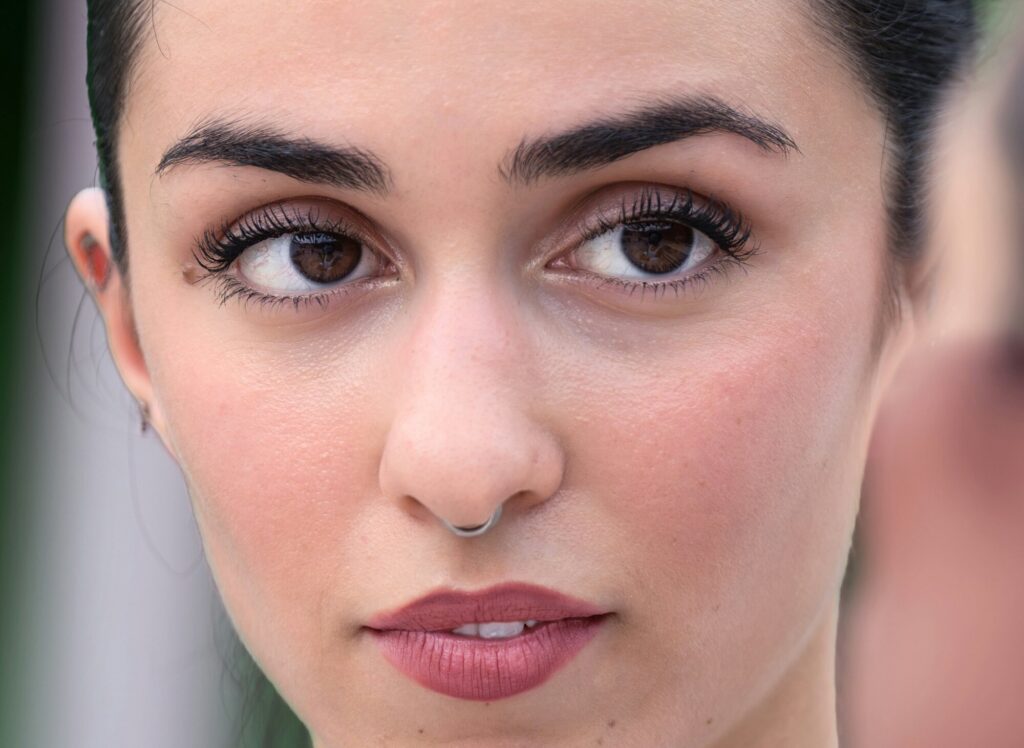
With the map drawn, the next step is to read it honestly. Look at where your natural hairs already fall. Often, the brow is closer to the map than you expect, and only a few strays need to go. Meanwhile, some women find gaps at the start or tail, which call for filling rather than removal. In addition, check the distance between the brows. As a general guide, they sit about one eye width apart, measured at the inner corners. Brows set too close can look tense, while brows set too far apart can widen the nose. Learning how to shape your eyebrows is mostly learning restraint. So remove less than you think, then look again the next morning.
Working with asymmetry
Almost every face has one brow that sits higher or arches more than the other. This is normal, and chasing exact symmetry usually leads to over-plucking. Instead, aim for brows that look like sisters rather than twins. Match the start, the arch position and the tail height as closely as you can. Then accept small differences in thickness or angle. Usually, filling the lower brow slightly at the arch brings the two into balance. Likewise, a lighter touch on the fuller side can soften a strong difference. Photographs help here as well. Take a straight-on picture in daylight, then study it at arm’s length. The camera often shows what a mirror hides, especially in the tails.
Eyebrow shapes, from straight to arched
Most eyebrow shapes fall into a few families, and each one creates a different mood. A straight brow runs nearly level from start to tail, with only a gentle lift. It reads as gentle, modern and youthful in spirit. A soft arch rises gradually to a rounded peak, which suits most faces and feels softly feminine. A high arch climbs more sharply, so it lends drama and lift to the eye. Meanwhile, a rounded brow curves evenly like a gentle bow, softening angular features. An S-shaped brow, also called a feathered or bold curve, rises and then dips at the tail. Each shape can be strong or delicate, depending on its thickness and color.
Your natural brow already leans toward one of these families. Before choosing a new shape, therefore, notice the one you were born with. Working with it is easier and looks more natural than fighting it. For example, a woman with naturally straight brows can add a slight lift at the arch. However, carving a high, dramatic peak into a straight brow often looks drawn on. Thickness matters as much as shape. Fuller brows suit strong features and dark hair, while finer brows suit delicate features. Yet these are tendencies, not rules. So try a new shape with pencil first, wear it for a week and see how it feels before you remove a single hair.
You may also like
Eyebrow shape for face shape
Your face shape is a useful guide when you decide how to shape your eyebrows. The idea is balance. A brow can add length to a round face, soften a square jaw or open a narrow forehead. If you are not sure of your own shape, our face shape guide walks you through it with a mirror and a soft tape. Once you know it, the table below offers a gentle starting point. Still, treat it as a suggestion rather than a formula. Bone structure, eye shape and the space between your eyes and brows all matter too. Consequently, two women with oval faces may suit quite different brows, and both may look lovely.
| Face shape | Brow shape that often balances it | Why it works |
|---|---|---|
| Oval | Soft arch | Keeps the natural balance of the face |
| Round | Higher, more defined arch | Adds length and lift |
| Square | Rounded or soft curve | Softens a strong jaw |
| Heart | Rounded, low arch | Balances a wider forehead |
| Long | Straight or flat | Draws the eye across the face |
| Diamond | Curved, with a soft peak | Softens wide cheekbones |
Face shape also guides the length of the tail. On a round face, for instance, a tail that ends a little early keeps the face from looking wider. On a long face, by contrast, a slightly longer tail draws the eye outward. The start of the brow matters too. Brows that begin a touch farther apart can make close-set eyes look more open. Similarly, brows that begin slightly closer can balance wide-set eyes. Brow height is the last detail. A brow that sits low over the eye looks intense, whereas a higher brow looks open and bright. So adjust gradually, since every change in the start, arch or tail shifts the whole expression of your face.
You may also like

Tweezing, threading and waxing
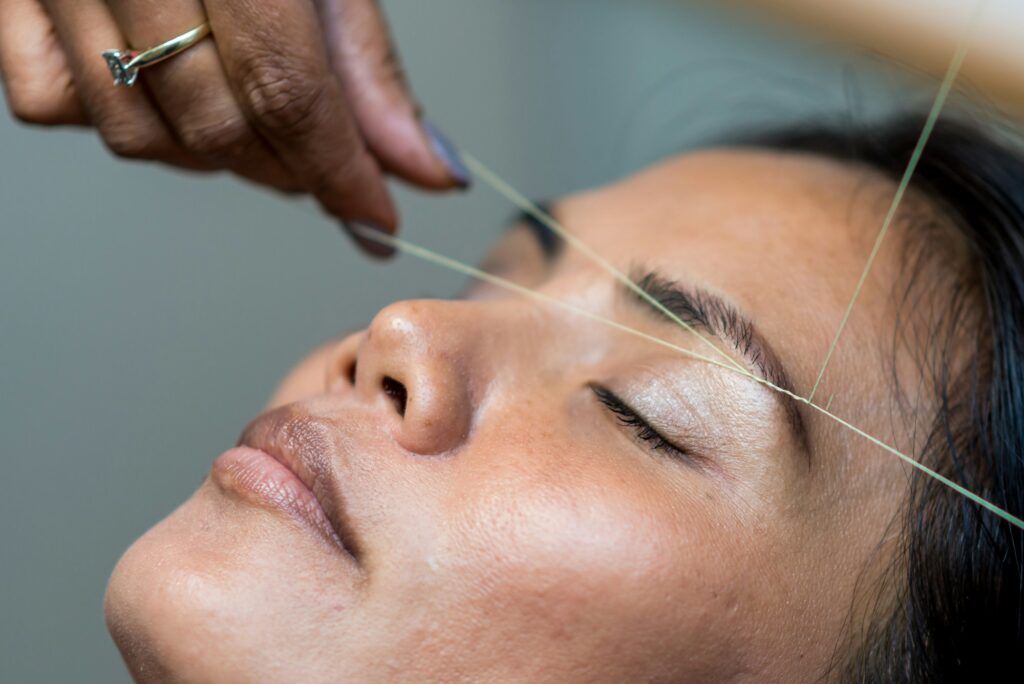
Once your map is set, you can choose how to remove the hairs outside it. Tweezing is the most precise method and the easiest to do at home. It lifts one hair at a time, so you control every decision. Threading, by contrast, uses a twisted cotton thread to remove a short row of hairs at once. It is fast and exact, and many women love the clean line it creates. Waxing removes larger areas in a single pull, which suits thick or fast-growing brows. However, wax also lifts the top layer of skin, so it may not suit sensitive skin. For a broader look at every option, see our guide to methods of hair removal.
Whichever method you choose, a few habits protect the shape. Always brush the hairs up and into place first, so you see the true line. Next, tweeze in good daylight, after a warm shower, when the skin is soft. Pull each hair in the direction it grows, close to the root, with a single smooth motion. Then pause after every few hairs and step back from the mirror. Work mostly from below the brow and between the brows. Above all, leave the top line alone, because it defines the shape you see from across a room. Finally, trim only the longest hairs, and only after brushing them up. A small pair of brow scissors does this neatly.
How often to tidy
Brows grow back at their own pace, so tidying works best as a gentle routine rather than a weekly event. Many women tweeze a few strays every week or two, which keeps the line clean without overdoing it. Others prefer a professional session every few weeks, then light upkeep at home. In either case, resist the urge to tweeze when you feel rushed or tired. That is often when a brow loses too much. Instead, keep a small kit by a window, with tweezers, scissors and a spoolie. Then tidy in daylight once your skin is clean and gentle. The tools below are the three that do most of the work, and good ones last for years.
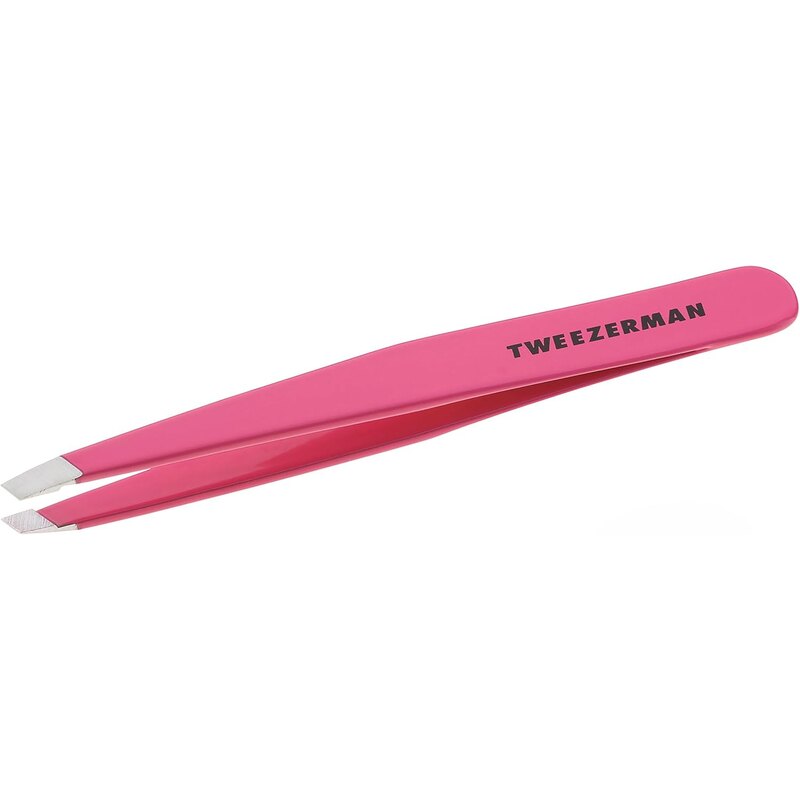
Aligned slanted tips that catch single short hairs below the brow line.
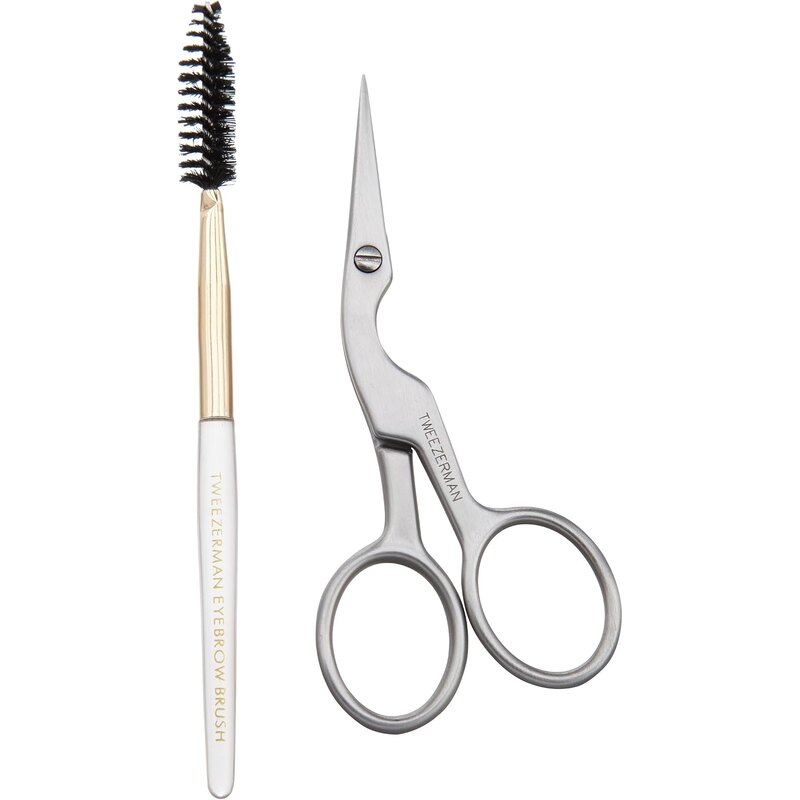
Fine curved blades to trim only the longest hairs once they are brushed up.
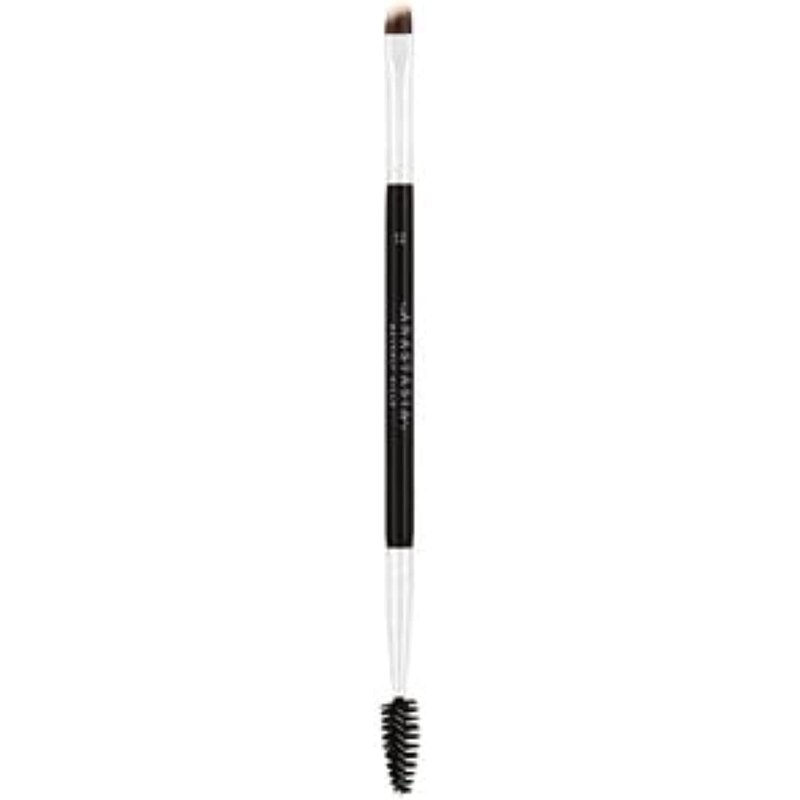
An angled side for color and a spoolie for blending the hairs into place.
Good tools change the experience of grooming more than most women expect. For instance, a pair of tweezers with a fine, well-aligned slant grips a single short hair without pinching the skin. Sharp brow scissors trim a hair cleanly rather than bending it. Meanwhile, a soft spoolie lifts every hair into place, so you see exactly what to remove and what to keep. Together, these three turn a hurried chore into a gentle, focused ritual. Keep them clean, too. Wipe the tips with alcohol after each use, and store them in a case so the points stay aligned. Over time, you will reach for fewer tools, because the right ones simply work every time you use them.
Filling: pencil, powder or gel
Filling gives a brow its finished look, even when the shape is already good. It softens gaps, defines the tail and balances two brows that differ slightly. The three main textures each create a different finish. A fine pencil draws individual, hair-like strokes, so it suits sparse areas and fair brows. Powder, applied with a slanted brush, gives a soft, diffused fill that looks natural on most women. Tinted gel, meanwhile, coats the hairs with color and holds them in place at the same time. Many women combine two, such as pencil at the tail and gel through the body. If your whole routine feels dated, our guide to help you refresh your makeup covers the full face.
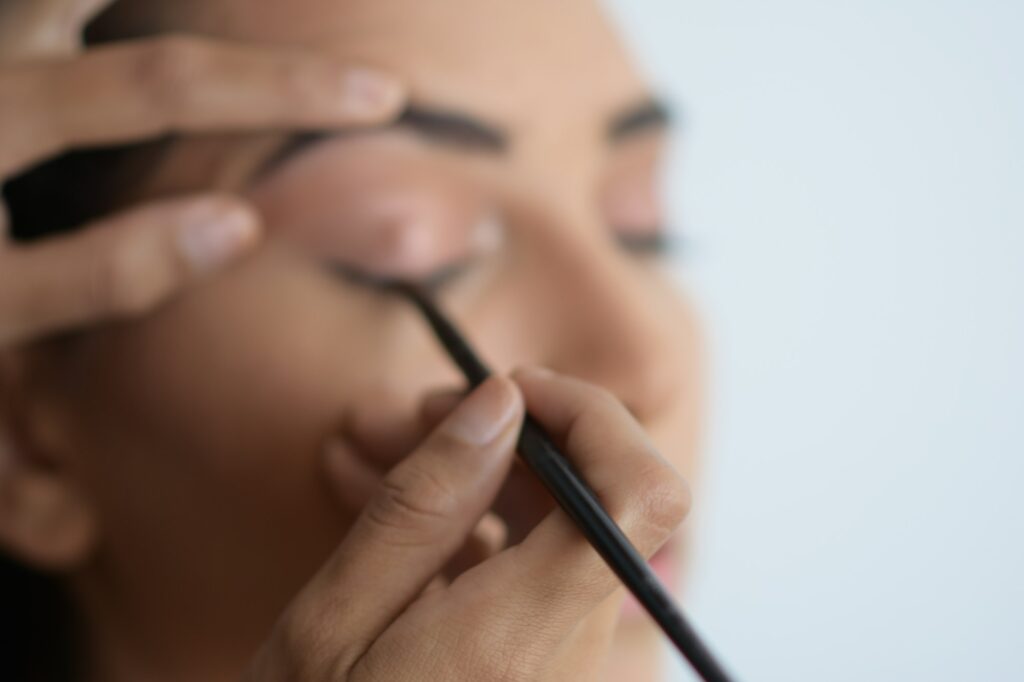
Shade matters as much as texture. As a general rule, choose a color one shade lighter than your hair if your hair is dark. If your hair is fair, choose one shade deeper instead. For gray or silver hair, a soft taupe or cool gray usually looks more natural than brown. Next, apply the product with light, upward strokes that follow the direction of growth. Start in the middle of the brow, then work outward to the tail. Use whatever is left on the brush for the start, which should always be the softest part. Finally, brush through with a clean spoolie to blend any harsh lines. The result should look like hair, not makeup, from across the room.
You may also like


A five-minute morning brow
On most mornings, a simple routine is all a brow needs. First, brush the hairs upward and slightly outward with a clean spoolie. Then fill any sparse areas with a pencil, using short, feathery strokes. Next, add a little powder through the body of the brow if you want more depth. After that, set everything with a clear or tinted gel, brushing upward once more. Finally, step back from the mirror and look at both brows together. If one looks heavier, soften it with the spoolie rather than adding to the other. In about five minutes, your brows look groomed and finished. Before long, the routine becomes as automatic as brushing your hair each morning.
Choosing a texture for your skin
Texture choice also depends on your skin and your day. Oily skin can make pencil and powder fade by the afternoon, so a waterproof formula or a setting gel helps. Dry skin, on the other hand, may show flakes under powder, so a creamy pencil works better. For long days and evenings out, layer powder over pencil, then seal with gel. Meanwhile, on slow weekends, a tinted gel alone may be enough. It is worth keeping two or three textures, since your brows will not need the same thing every day. The three below cover most needs, from a natural morning to a polished evening, and each suits a slightly different brow and skin type.
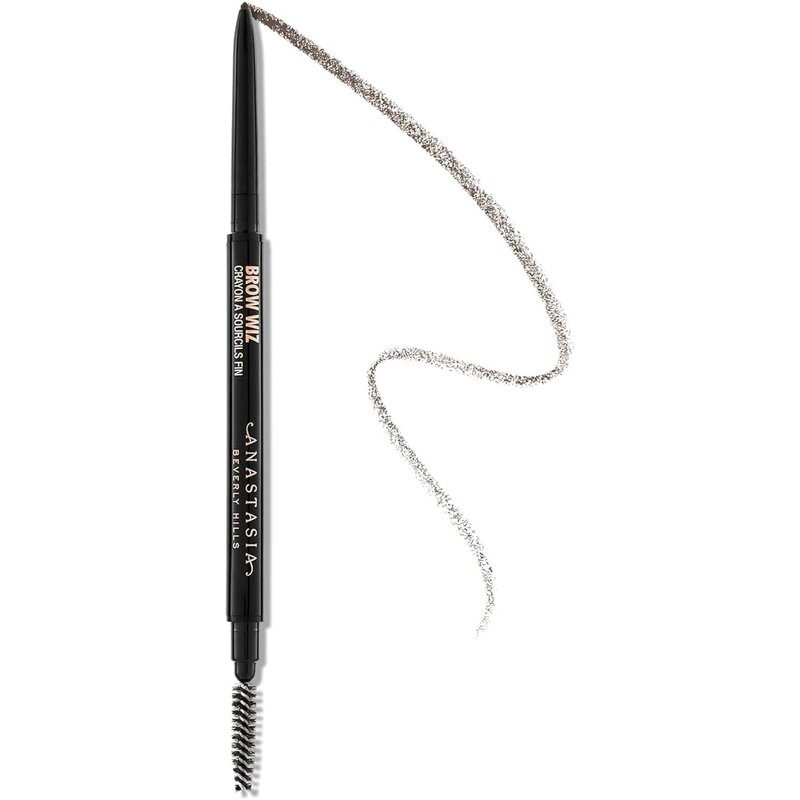
An ultra-fine tip for single strokes where brows are sparse.
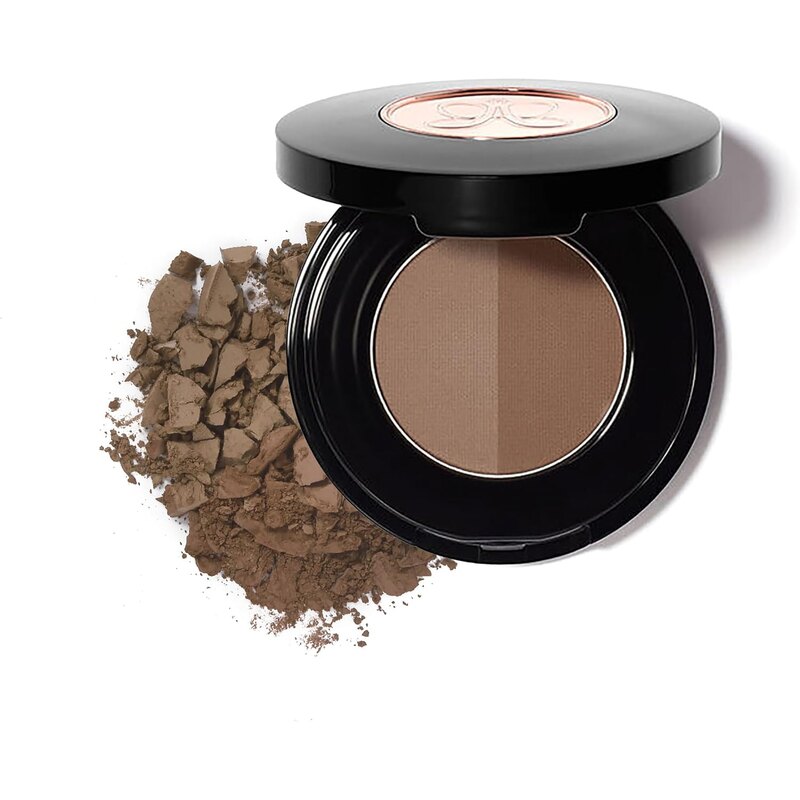
Two blendable shades for a soft, diffused fill through the body of the brow.
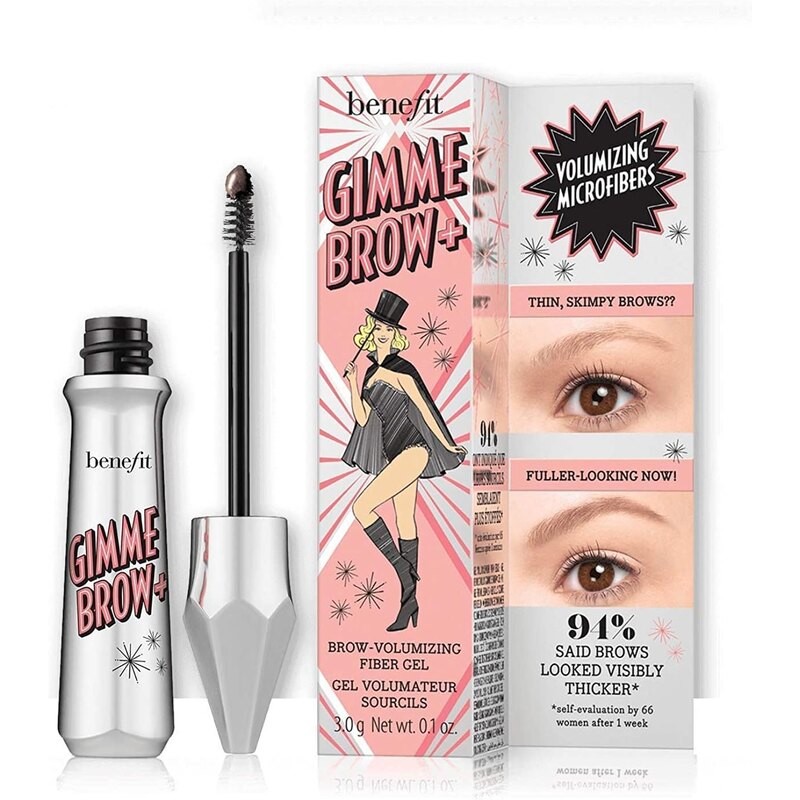
Tints, thickens and sets the hairs in one sweep for a five-minute morning.
Applying these well takes a little practice, so give yourself a few mornings. Start with less product than you think you need, because building color is easier than removing it. Use a light hand at the start of the brow and a firmer one at the tail. In addition, check your brows in natural light before you leave the house, since bathroom bulbs often hide heavy patches. If you wear glasses, check them with your frames on as well. The top of a frame should follow the brow rather than cut across it. Over a week or two, you will find the right amount of product, and the routine will feel effortless rather than precise or effortful.
Brow color and tinting
Color changes a brow as much as shape does. A brow that is too light can disappear, especially under bright hair or strong makeup. A brow that is too dark can look harsh against fair skin or softened hair. As a result, many women choose a professional tint to add depth for several weeks at a time. Brow tints are applied by a technician, who matches the shade to your hair and skin. The process usually takes only a few minutes. Afterward, the hairs look fuller and more defined, even without makeup. Tinting suits fair brows, graying brows and anyone who wants a polished look on bare-faced days, such as at the beach.
Safety deserves real attention here, because the brows sit so close to the eyes. The US Food and Drug Administration warns that permanent eyelash and eyebrow tints and dyes have been known to cause serious eye injuries, including blindness. The agency also notes that silver nitrate, the color additive it permits for brows and lashes, is for professional use only. For that reason, home dye kits are a poor choice for the brow area. Instead, book a trained technician and ask what product they use. In addition, ask for a patch test a day or two beforehand. Then tell them about any allergies, sensitivity or recent reactions to hair dye.
Join the waitlist for the 21-Day Skin & Gut Health Reset, a gentle daily ritual for skin and gut, from within. We will write to you when it is ready.
Occasional letters. Unsubscribe anytime.
Brow lamination and microblading
Brow lamination
Brow lamination is a salon treatment that reshapes the brow hairs themselves. A technician applies a softening solution, brushes the hairs upward into a fuller shape, then sets them with a second solution. The result is a brushed-up, feathered brow that looks dense and groomed. It suits women with unruly, downward-growing or sparse hairs, since it makes every hair count. Results soften gradually as new hairs grow in, so the look lasts several weeks. Because the solutions are chemical, the same care applies as with tinting. Ask for a patch test, and avoid lamination on irritated or broken skin. Between visits, a nourishing brow oil or conditioner helps keep laminated hairs soft.
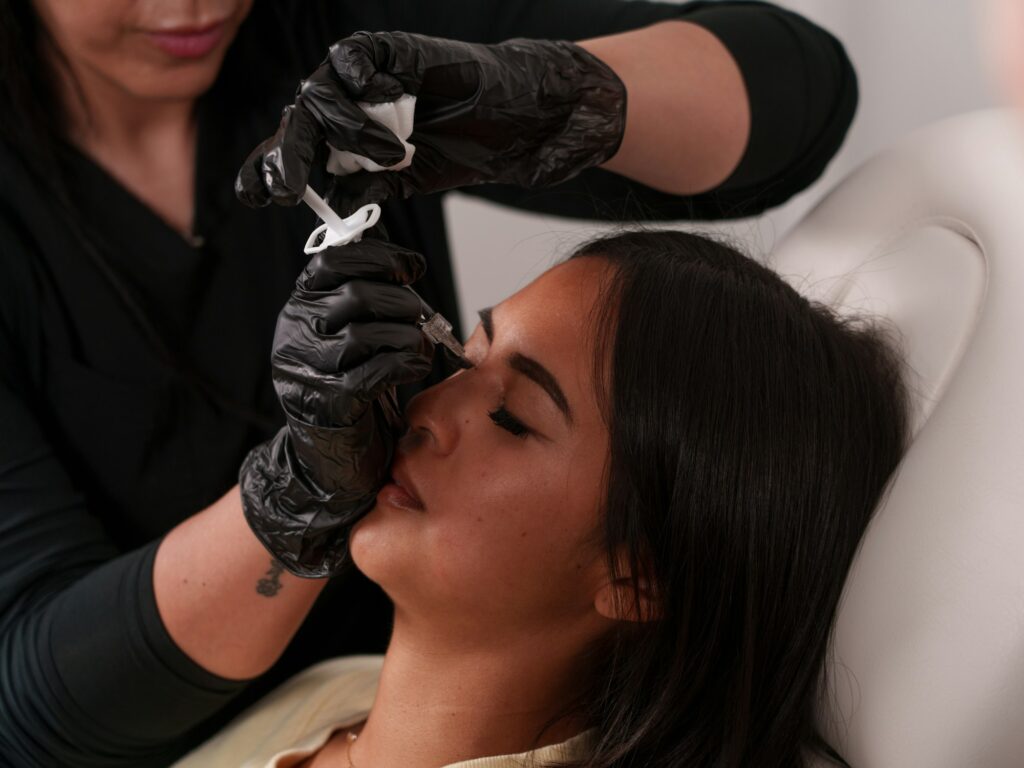
Microblading basics
Microblading is a form of semi-permanent makeup. A technician uses a fine blade of tiny needles to place pigment in the skin as hair-like strokes. According to the FDA’s page on tattoos and permanent makeup, permanent makeup is a type of tattoo. The agency adds that no color additives are approved for injection into the skin. It also records that in 2003 and 2004 it learned of more than 150 reports of adverse reactions to certain permanent makeup ink shades. Infections, allergic reactions and removal problems all appear on its list of risks. So microblading is a real commitment, and it deserves careful research before you book.
Tattoos of every kind are now common in the United States. In a 2023 Pew Research Center survey of 8,480 adults, 32 percent said they have at least one tattoo. Women were more likely than men to have one, at 38 percent versus 27 percent. Even so, a brow tattoo sits on your face, so the choice of artist matters greatly. Look for a licensed technician who works in a clean, single-use setting. Ask to see healed work rather than fresh photographs, since healed strokes look softer. Then ask about aftercare and touch-ups. Finally, begin with a shape slightly smaller than you want, because adding later is far easier than taking away.
Growing back over-plucked brows
Many women spend years with thin brows from an old trend, then decide to grow them back. It is possible in many cases, although it asks for patience. First, put the tweezers away entirely, except for hairs far below the brow. Next, let everything grow for several months, even the strays that seem out of place. Brow hairs grow in cycles, so new ones appear slowly and unevenly. Meanwhile, use pencil and powder to fill the gaps and hold your new shape. A professional can help with this stage. They can also tell you which hairs to keep when the time comes to tidy. Above all, try not to judge the result too early.
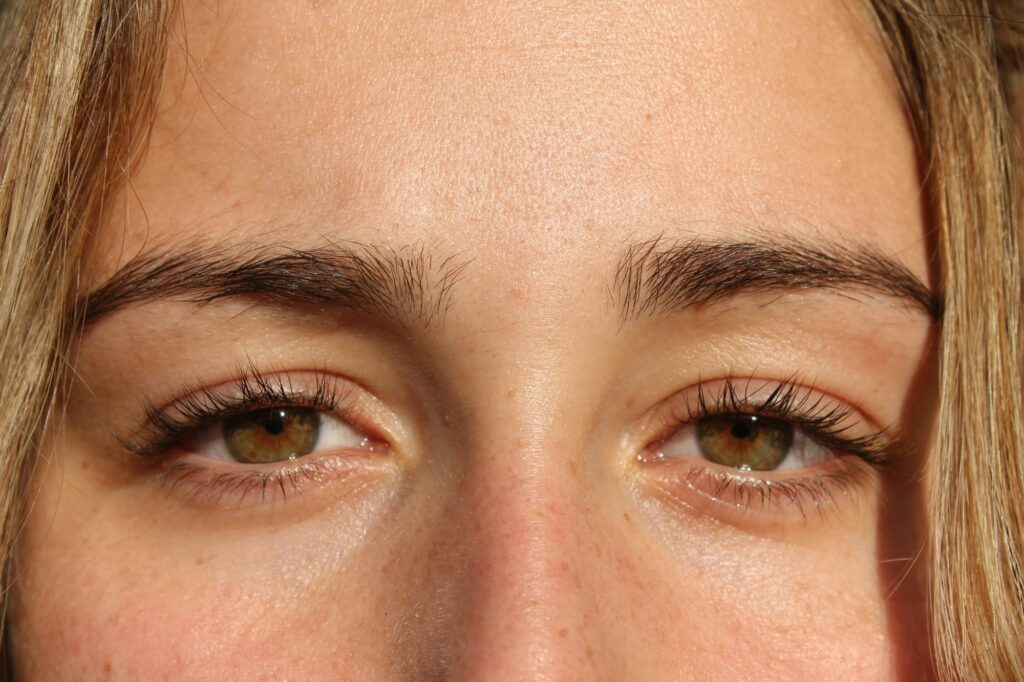
When thinning has another cause
Sometimes, brows thin for reasons that have little to do with tweezers. This section is general information, not medical advice. Cleveland Clinic notes that loss of brow hair, called madarosis, is usually reversible. However, it also explains that losing hair on the outer third of the brows is usually a sign of hypothyroidism. For that reason, the clinic advises visiting a healthcare provider for any new hair loss. So if your brows thin suddenly, or only on the outer edges, see your doctor or a board-certified dermatologist. Meanwhile, care for the hair you have. Brush gently, avoid harsh removers, and let the skin rest between treatments.
Daily care helps the waiting feel easier. Each evening, remove brow makeup gently with an oil or balm cleanser rather than rubbing. Then brush the hairs into place so they grow in the right direction. A light conditioning brow serum can keep hairs soft while they grow. However, results vary, and no serum replaces time. Along the way, nourish yourself from within as well. Sleep, steady meals and a gentle routine support every part of a makeover, including skin and hair. That inner care is the heart of the from-within ritual, our 21-Day Skin & Gut Health Reset. It is a daily practice for skin and gut, so join the waitlist to hear when it is ready.
Brows that thin and gray with age
Brows change with age, just as hair does, and that change can be beautiful. Hairs often grow finer, sparser or more wiry, and color softens toward silver. A study in Medical Science Monitor in 2014 examined 1,545 patients in Istanbul. The researchers found no eyebrow whitening in anyone aged 40 or younger. Instead, whitening began in the 41 to 50 age group and became more frequent in each older group. In other words, graying brows are a normal part of the years after 40. The question is simply how you want to wear them. Some women love silver brows, while others prefer to add soft color.
After 50, knowing how to shape your eyebrows is mostly about softness. First, choose softer shades. Taupe, ash or soft gray usually flatters better than warm brown once hair turns silver. Next, favor pencil strokes and tinted gel over heavy powder, which can settle into fine lines. In addition, keep the arch soft and avoid thinning the tail further, since a fuller brow looks fresh and confident. If wiry gray hairs stand out, trim them rather than pulling them. A professional tint can also restore depth for several weeks at a time. Above all, aim for brows that match the strength of your features today, rather than the brows you wore decades ago.
Lift without effort
Brows can also bring a gentle lift to the eye area. For example, brushing the hairs upward at the start of the brow opens the face at once. A slightly higher, softer arch draws the eye up and out. Meanwhile, a clean line beneath the brow lets the lid look brighter. A matte, skin-toned concealer brushed just under the arch sharpens the shape without looking obvious. However, avoid shimmer directly under the brow, which can emphasize texture. These are small, subtle gestures, yet together they make the face look rested and alert. The finishing pieces below hold that shape through the day and help keep mature brows soft, glossy and well cared for.
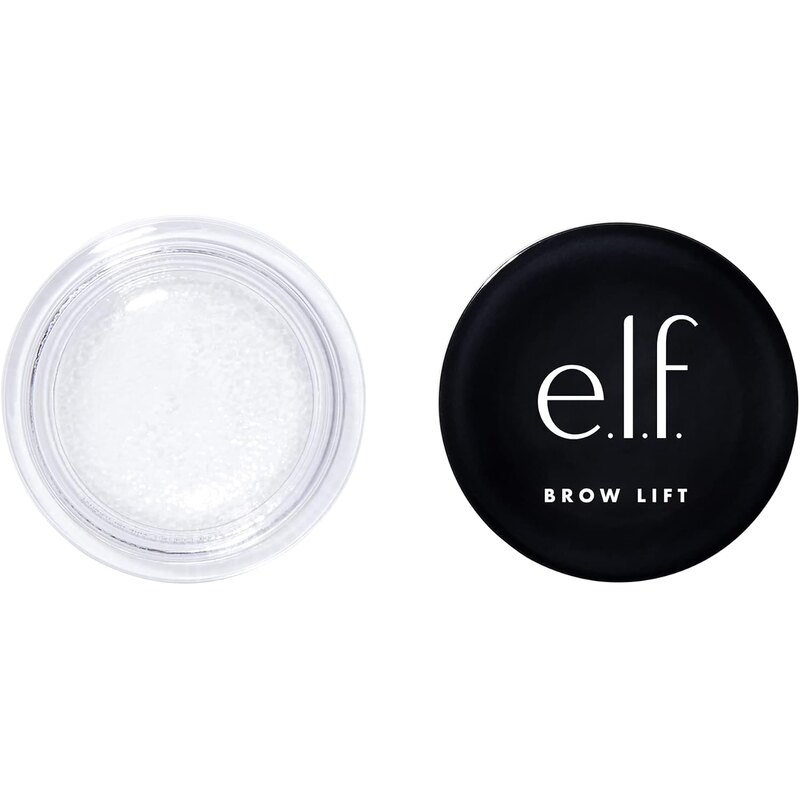
A clear wax that holds brushed-up brows all day with no shine.
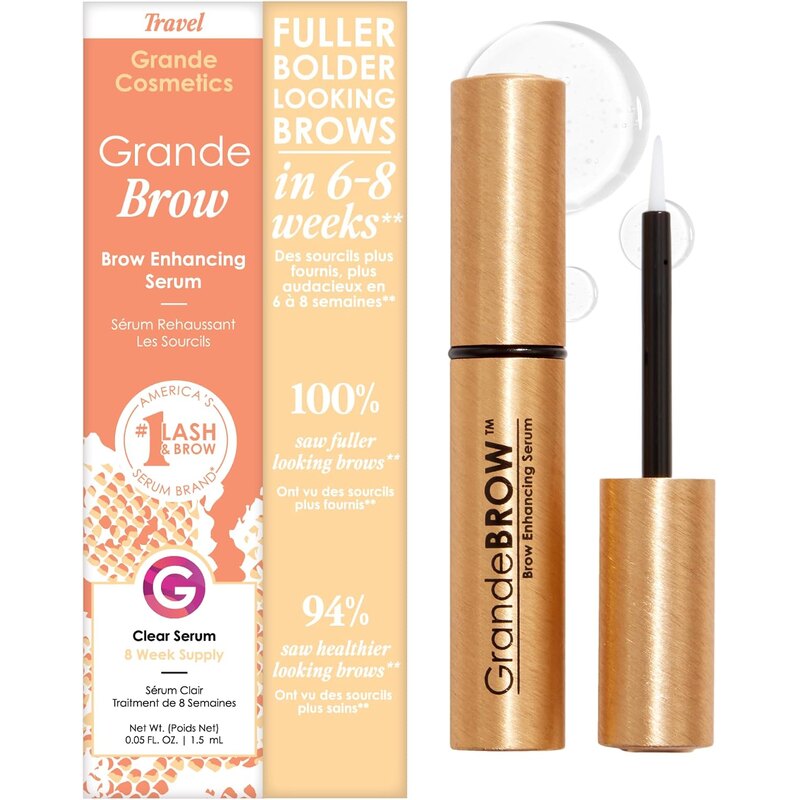
A cosmetic serum that keeps brow hairs soft and conditioned while you let them grow back.
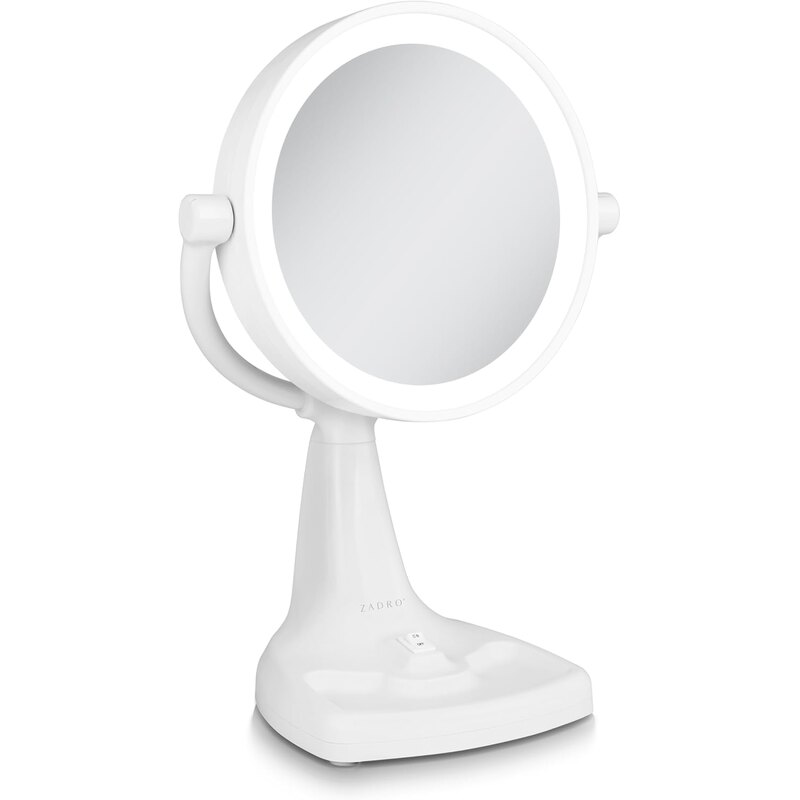
A white lighted mirror with 10x magnification for fine and silver hairs.
Finishing products are where a brow routine becomes a pleasure. A clear setting gel holds every hair in place without any shine or stiffness. A conditioning serum, used at night, keeps hairs soft and supple as they grow. Meanwhile, a lighted magnifying mirror makes daily grooming far easier, especially when fine silver hairs blend into the skin. Together, these pieces support the shape you have built rather than replace it. Use them gently and consistently, because brows respond to steady care more than to any single product. Over a season, the brows settle into their new shape. By then, the morning routine takes only minutes and feels like a small, private ritual.
Join the waitlist for the 21-Day Skin & Gut Health Reset, a gentle daily ritual for skin and gut, from within. We will write to you when it is ready.
Occasional letters. Unsubscribe anytime.
Professional services and a maintenance rhythm
A good brow specialist can save you months of trial and error. They read your bone structure, map your brows precisely and remove only what needs to go. Most women benefit from at least one professional shaping, even if they maintain at home afterward. When you book, bring photographs of brows you love, as you would for a haircut. In addition, bring a picture of your brows at their fullest, if you have one. Then ask the specialist to explain each decision as they work. That way, you learn how to shape your eyebrows yourself between visits. Many specialists also offer tinting and lamination, so one appointment can cover several steps.
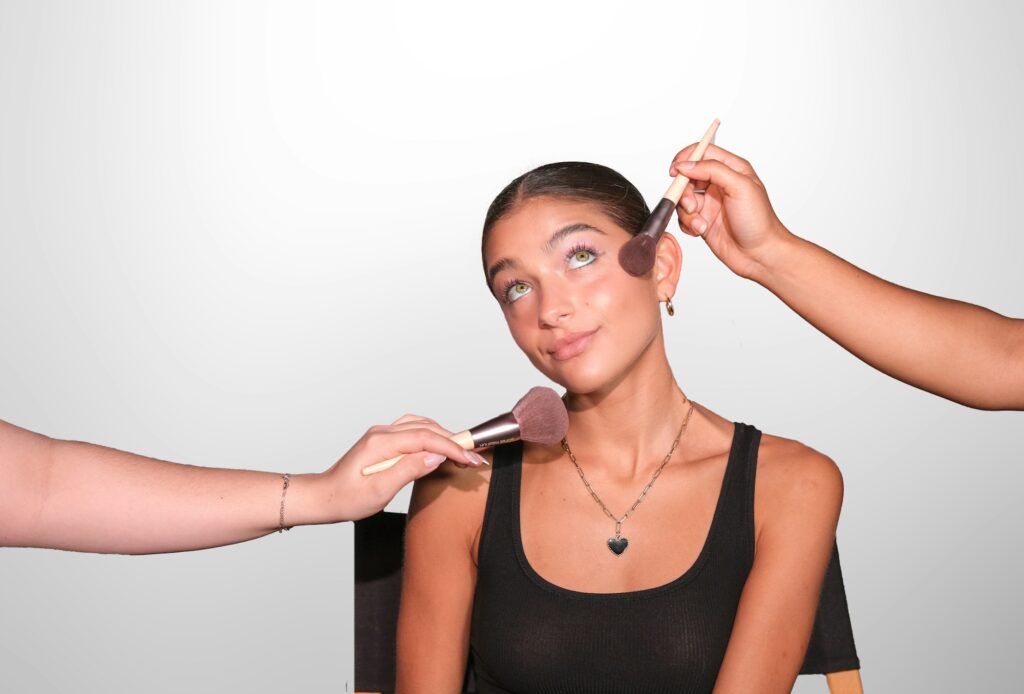
Once the shape is set, a simple rhythm keeps it in place. At home, tidy a few strays every week or two, and brush and fill daily. Professionally, many women return every few weeks for shaping, while tints and lamination follow their own timelines. Meanwhile, plan brow appointments around important dates. Book any shaping a week or so before an event, so redness has time to settle. Tints and lamination, likewise, are best done a few days ahead. Microblading needs far longer to heal, so schedule it well in advance. Our pillar guide suggests leaving brows and nails for the final stretch before a milestone. That timing gives your new frame its freshest, brightest start.
Questions to ask a brow specialist
- Which brow shape do you see for my face, and why?
- Should I leave any hairs alone while my brows grow?
- Which product do you use for tinting, and can I have a patch test first?
- How should I care for my brows after lamination or a tint?
- What shade of pencil or powder would you choose for my hair and skin?
- For microblading, may I see healed work and your license?
Answers to these questions tell you a great deal about a specialist. A thoughtful technician will explain the shape in terms of your features, not a trend. Similarly, they will talk about safety without being asked, from patch tests to clean tools. If someone rushes you, pushes a dramatic change or dismisses your questions, it is fine to walk away. After all, your brows will grow back slowly, so trust matters more than speed. Once you find the right person, keep them. Over time, they come to know your brows as well as a good hairdresser knows your hair. Consequently, each visit becomes easier, quicker and more precisely tuned to you.
The research, in brief
Every figure in this guide comes from a named source. The tattoo figures come from the Pew Research Center’s 2023 survey of 8,480 US adults. Permanent makeup safety, the 2003 and 2004 adverse reaction reports, and the status of color additives come from the US Food and Drug Administration‘s page on tattoos and permanent makeup. Tint and dye warnings come from the FDA’s eye cosmetic safety guidance. The link between brow loss and hypothyroidism comes from Cleveland Clinic‘s overview of madarosis. Finally, the age pattern of eyebrow whitening comes from Kantarcı and colleagues in Medical Science Monitor, 2014. Mapping points and shape suggestions are editorial guidance, not clinical standards. Checked November 2026.
Sources: FDA’s page on tattoos and permanent makeup · Medical Science Monitor in 2014.
Recommended
A frame that feels like you
A brow makeover is not about following a trend or copying a face you admire. Rather, it is about finding the frame that suits your face today and caring for it well. The work begins with a pencil, a mirror and three small dots. Then it continues through gentle grooming, the right shade and a little patience while hairs grow. Along the way, you learn which shape feels most like you. To begin learning how to shape your eyebrows, map them in daylight this week and simply look. Do not remove anything yet. Notice what already works, and let that guide every choice that follows, from the first tidy to your next professional appointment.



Each tool above follows the same idea: that beauty is a ritual you choose rather than a problem to solve. The ring quiz is a gentle way to understand your own taste, especially if a proposal or anniversary is near. Meanwhile, the 21-Day ritual turns attention inward, toward skin and gut, at a pace you can keep. And the Makeover Bible gathers hair and skin rituals into one guided reference you can return to. Each offers one clear next step, which is how lasting change begins. So choose the one that matches where you are today, alongside your brow routine. Then come back for the next when you are ready, because there is no deadline.
The 21-Day Skin & Gut Health Reset is a gentle daily ritual that cares for skin and gut from within. It brings the same intention you give your brows to the way you nourish yourself. Join the waitlist to hear first.
Join the waitlistQuestions worth asking
How do I shape my eyebrows at home?
Map three points with a pencil: the start above the side of your nostril, the arch above the outer edge of your iris, and the tail on a line past the outer corner of your eye. Brush the hairs up, trim the longest, and tweeze strays from below in daylight. Leave the top line alone.
What eyebrow shape suits my face shape?
As a starting point, a soft arch suits oval faces, a higher arch adds length to round faces, and a rounded curve softens square jaws. Heart-shaped faces often suit a low, rounded arch, while long faces suit straighter brows. Always work with your natural brow and try new shapes in pencil first.
Is brow lamination safe?
Brow lamination uses chemical solutions to soften and reshape the hairs, so it should be done by a trained technician. Ask for a patch test beforehand, avoid treatment on irritated or broken skin, and tell the technician about any allergies. Between visits, a conditioning brow oil helps keep the hairs soft.
Is microblading a tattoo?
Yes. The FDA describes permanent makeup as a type of tattoo, and it notes that no color additives are approved for injection into the skin. Infections, allergic reactions and removal problems are among the risks it lists. Choose a licensed technician, ask to see healed work and begin with a modest shape.
How long do over-plucked eyebrows take to grow back?
It varies from person to person, and many women wait several months before the brow fills in. Stop tweezing except for hairs far below the brow, fill gaps with pencil meanwhile, and be patient. If brows thin suddenly or only at the outer edges, see a doctor or board-certified dermatologist.
What brow color should I choose if my hair is gray?
Soft taupe, ash or cool gray usually looks more natural than warm brown once hair turns silver. Choose pencil strokes or tinted gel rather than heavy powder, which can settle into fine lines. A professional tint can also add soft depth for several weeks between appointments.
