
Knowing how to choose a new haircut begins long before the first snip. It starts with a feeling, often a small one, that the way you wear your hair no longer matches the woman you are now. That feeling deserves attention rather than haste. In our makeover in ten steps, hair is the change you notice first in the mirror each morning, so it earns its own guide. Here, cut and color sit together, because they work as one. First come face shape, texture and lifestyle. Then you will find color for your undertone and the choice to go silver. After that come thinning hair after 40, a clear brief for your stylist, a grow-out plan and gentle aftercare.
Learning how to choose a new haircut starts with your life and your styling time. Then consider face shape, hair texture and density. Choose color for your skin undertone, and for an easier start stay within about three shades of your natural color, as the American Academy of Dermatology suggests. Bring edited photos, brief your stylist clearly, plan the grow-out and keep a steady maintenance rhythm.
How to choose a new haircut for the life you live
The first lesson in how to choose a new haircut is simple: look at your week before any photo. A haircut has to live through your real mornings, not an imagined version of them. So ask a few honest questions. How long do you want to spend styling each day? Do you swim, run or travel often? Do you wear your hair up for work, or always down? Meanwhile, think about how you feel when your hair is off your face. Some women feel free with a short crop. Others feel most like themselves with length to tuck and twist. Neither choice is wrong. Instead, the best cut is one you will enjoy on an ordinary Tuesday.

Next, consider how often you want to sit in the salon chair. Short, precise shapes look sharpest when they are trimmed often. Longer layers, on the other hand, forgive a missed appointment far more gracefully. Color follows the same logic. A soft, blended shade grows out gently, while a bold contrast shows its roots sooner. Therefore, honest answers about time and budget guide you toward a cut that suits your days. It also helps to name the feeling you want. Perhaps it is polish, ease, softness or a touch of daring. Write that word down. It becomes the thread that ties every later choice together, from the shape of the cut to the depth of the color.
Collect images, then edit them
Most women gather photos before a change, and that habit is useful. However, the edit matters more than the collection. Choose five to eight images of hair you love, then look for what they share. Perhaps every picture shows movement at the jaw, soft face-framing pieces or a warm, glossy color. That shared detail is your real request. In addition, gather one or two pictures of hair you do not want. They often tell a stylist more than the favorites do. Finally, choose photos of women whose hair texture resembles yours. A sleek bob on fine, straight hair behaves differently on thick waves. That difference is worth knowing early, before any length is gone.
Choosing a haircut for face shape
Face shape is a helpful guide, though never a strict rule. It simply describes the outline of your face, from forehead to jaw. Once you know it, you can choose where a cut adds width, length or softness. If you are unsure of yours, our notes on how to find your face shape walk you through it with a mirror. Meanwhile, remember that hair moves, and so do you. A cut that frames your face beautifully in a photo may feel different when you laugh or turn. So treat these notes as the start of a conversation, not a set of limits. Your stylist will also read your features, posture and hairline.

Shapes and the cuts that flatter them
- Oval: most shapes sit well, from a chin-length bob to long layers, so choose by texture and lifestyle.
- Round: length below the chin, a side part and soft layers that begin at the jaw add gentle length.
- Square: soft waves, wispy face-framing layers and a longer bob soften a strong jawline.
- Heart: fullness at the jaw, such as a chin-length bob or curtain fringe, balances a wider forehead.
- Long: a fringe and volume at the sides, rather than height on top, create a softer balance.
Beyond the outline, a few features deserve attention. A fringe draws the eye straight to your eyes and brows, so it pairs well with a fresh brow shape. If you are considering one, our guide to shaping your eyebrows helps the two work together. Similarly, the length of your neck changes how a short cut reads. A long neck can carry a crop with ease. A shorter neck, meanwhile, often loves a bob that ends just below the jaw. Glasses matter as well. Heavy frames already draw a strong line, so a softer cut may balance them. Above all, bring your glasses to the appointment, because your stylist should see the full picture.
You may also like


Texture, density and how your hair moves
Texture describes each strand, from fine to coarse. Density describes how many strands you have. Together, they decide how a cut behaves once you leave the salon. Fine, dense hair can hold a blunt bob beautifully, for example, while fine, sparse hair often prefers fewer layers. Coarse, curly hair needs room to expand, so a stylist usually cuts it with its spring in mind. Meanwhile, your wave pattern changes everything. A curl can look much shorter once dry, so many stylists cut curls dry, one ringlet at a time. Before your appointment, notice how your hair behaves on a humid day and on a dry one. That knowledge is worth sharing with your stylist.

Straight hair shows every line, so precision becomes the beauty of the cut. A blunt edge, a sleek one-length bob or long hair with a clean perimeter all read as polished. Wavy hair, meanwhile, loves layers that release its natural movement. Curly and coily hair asks for shape rather than length alone. A rounded silhouette, carved by a stylist who works with curls, lets each coil sit where it wants to. In addition, texture changes over the years. Hormones, medication and age can all make hair finer, drier or curlier than before. So the cut that suited you at 30 may need a softer approach now. That shift is simply part of your story, and it can be lovely.
You may also like


Tools for the new shape
Tools matter more after a change than many women expect. A new shape often needs a new way of drying, combing or setting it. For instance, a wide-tooth comb protects curls and wet hair from snagging. A round brush with natural bristles helps smooth a bob and lifts the crown. Meanwhile, a good dryer with a concentrator nozzle lets you direct the air along each section, which keeps the finish glossy. Ask your stylist to show you how they dry your new cut, and watch closely. Then practice once at home within the first week, while the technique is fresh. The three tools below form a gentle starting set for your first month with the new shape.
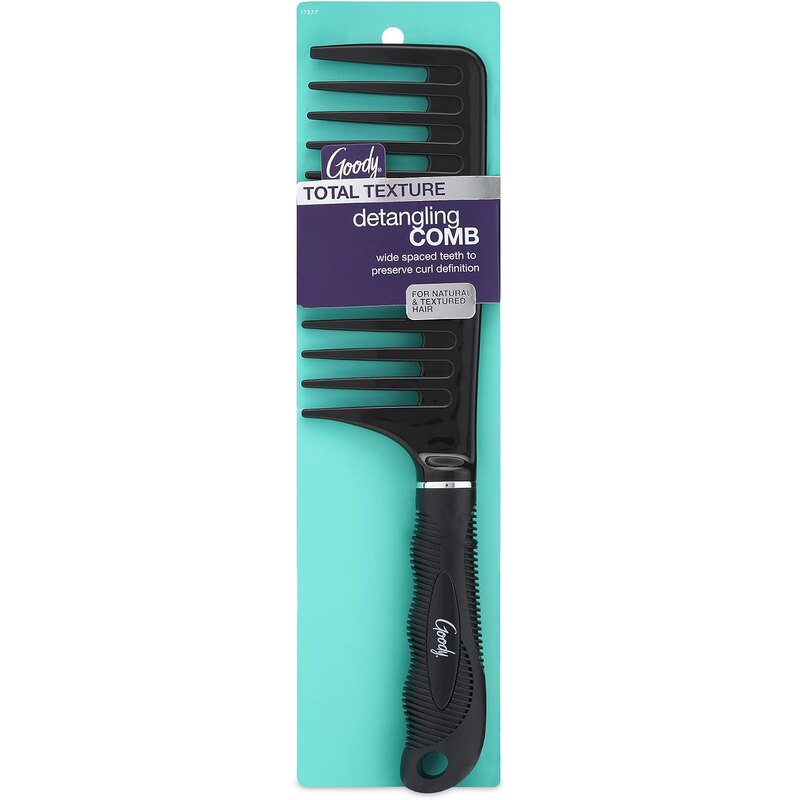
Wide teeth that ease through wet hair and curls without snagging a fresh cut.
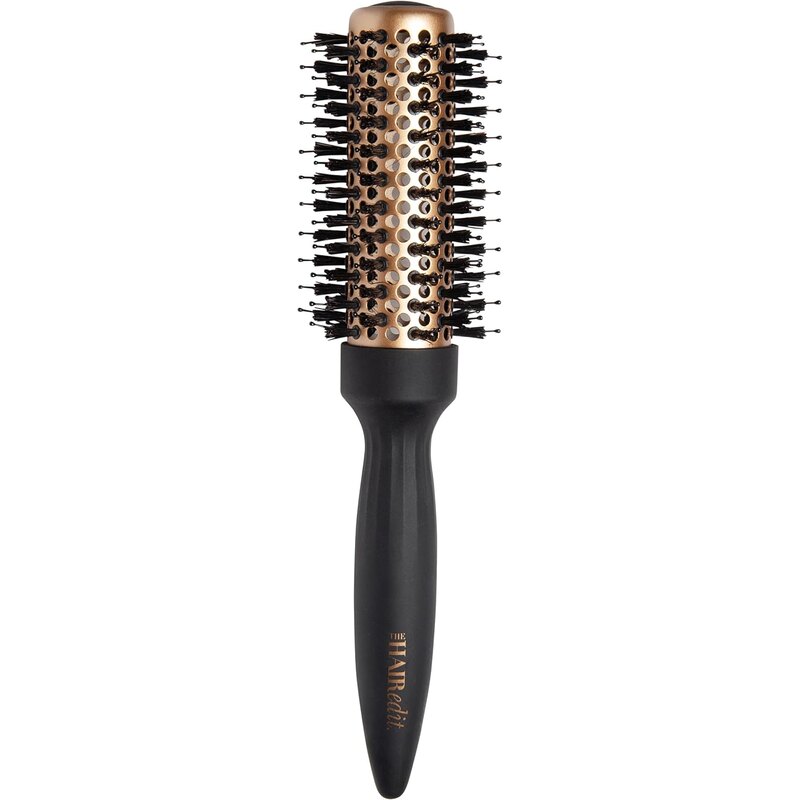
Boar and nylon bristles that smooth a bob and lift the crown while you blow-dry.
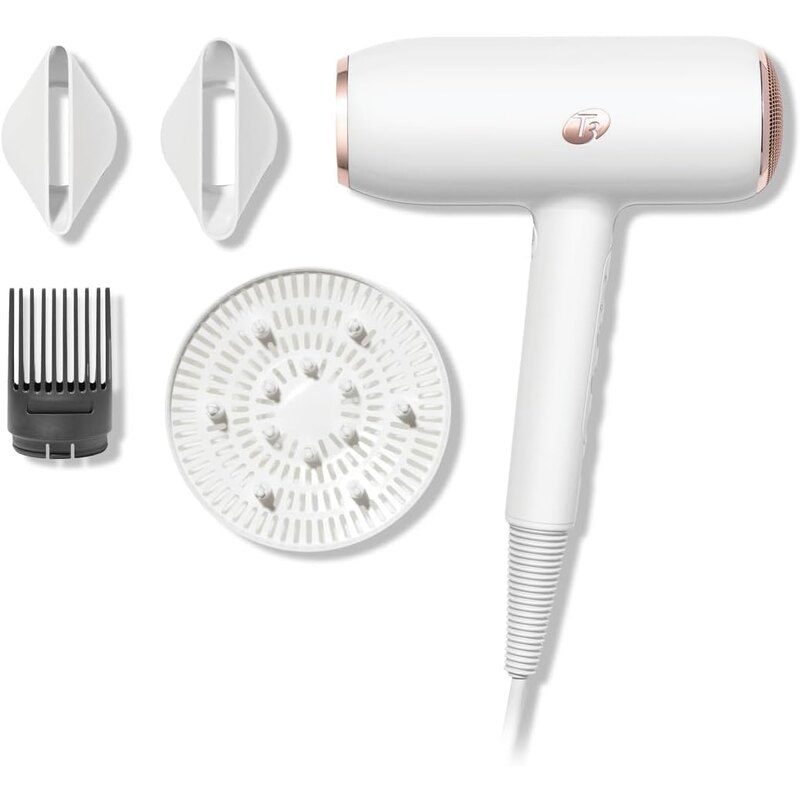
A light professional dryer with a concentrator, so the salon finish carries home.
Once you have the tools, give yourself time to learn the cut. The first wash at home rarely looks like the salon blow-dry, and that is normal. Instead of judging the shape on the first day, wear it for two weeks. Try it air-dried, then smoothed, then set in loose waves. Each version shows you something different about how the cut falls. Meanwhile, keep notes on what you love and what feels awkward. Perhaps a layer flips at the collar, or the fringe needs a little more length. These notes become your brief for the next visit. As a result, the second cut is often the one that truly feels like yours, settled and easy.
How to choose hair color for your skin tone
Color changes your whole face, not only your hair. The right shade brightens the eyes, warms the cheeks and makes makeup feel easier. So before you choose a shade, learn your skin undertone. Undertones are usually warm, cool or neutral, and they stay the same even when your skin tans. One easy test is to look at the veins on your inner wrist in daylight. Greenish veins often suggest warmth, while bluish or purple veins suggest cool tones. Then hold gold and silver jewelry near your face. Whichever metal makes your skin look clearer is a useful clue. Neutral undertones, meanwhile, usually suit both metals, so you can choose more freely.
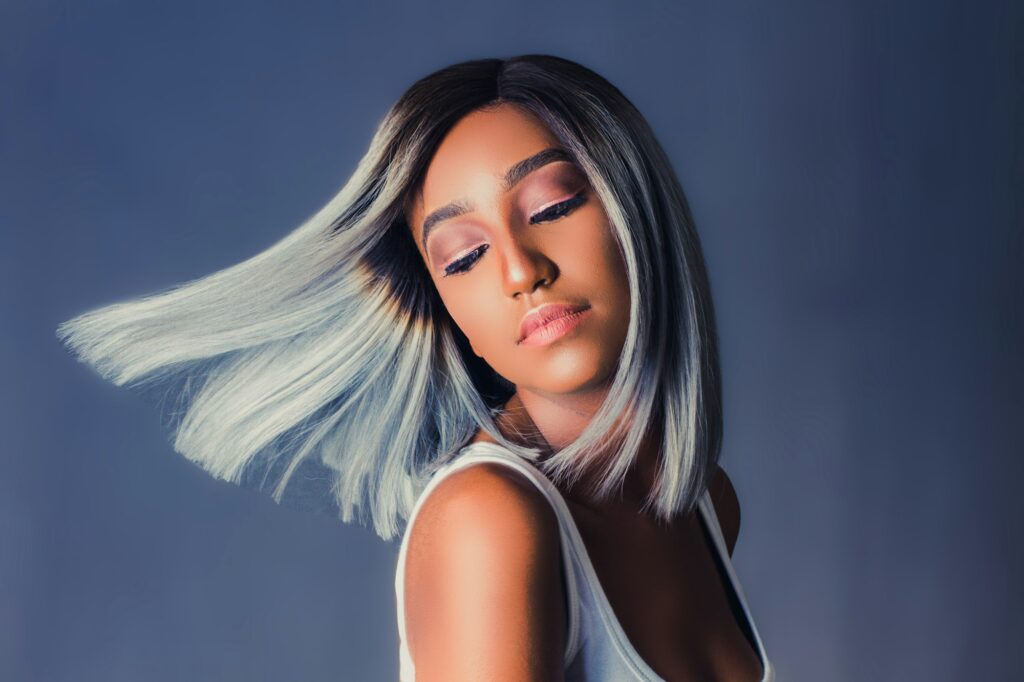
Next comes the depth of the shade. The American Academy of Dermatology suggests that you choose a dye within three shades of your natural color. The academy also notes that dyeing hair darker is typically better than going lighter. This advice protects the hair, because lightening requires stronger chemistry. It also keeps the result in harmony with your brows and skin. If you long for a dramatic change, you can still reach it gently. For instance, a colorist can lighten in stages across several visits. Highlights or a soft balayage, meanwhile, place lighter color only where the sun would naturally touch. That approach keeps the change graceful as it grows.
| Undertone | Shades that often flatter | Shades to approach with care |
|---|---|---|
| Warm | Honey, golden blonde, copper, caramel, warm chestnut | Very ashy blonde, blue-black |
| Cool | Ash blonde, platinum, cool brunette, blue-black | Brassy gold, bright orange copper |
| Neutral | Soft bronde, mushroom brunette, natural black | Extreme ash or extreme warmth |
| Silver or gray | Pewter, icy silver, soft white with fine lowlights | Flat, single-tone coverage |
Eyes, brows and skin depth
Your eyes and brows also guide the choice. Very light hair beside dark brows can look striking, which may be exactly the point. However, if you want softness, ask for a shade within reach of your brow color. Skin depth matters too. Deep skin often glows beside rich brunettes, warm caramel ribbons or glossy blue-black. Fair skin, meanwhile, may brighten beside soft golds or pale ash. Medium skin carries a wide range, from honey to cool mocha. Above all, test the idea before you commit. Try a tinted gloss, or a wig in a similar shade, and look at it in daylight. Your instinct in that moment is usually right, so trust it and share it with your colorist.
You may also like


Gray blending and going silver
Gray hair arrives on its own timetable, and that timetable varies widely. In a 2012 worldwide survey in the British Journal of Dermatology, Panhard and colleagues assessed 4,192 volunteers. Between ages 45 and 65, 74 percent had some gray hair, with an average coverage of 27 percent. The study also tested the old rule that half of people are half gray by 50. Instead, it found a range of 6 to 23 percent, depending on origin and natural hair color. People of Asian and African descent also showed less gray at similar ages. So your own path is personal, and you can choose exactly how and when to meet it.

Gray blending is the gentle middle path. Rather than covering every silver strand, a colorist weaves fine highlights and lowlights through your natural color. As a result, the gray reads as dimension rather than regrowth. Roots grow in softly, so appointments can stretch further apart. Blending suits women who want less upkeep but are not yet ready for full silver. It also works well as a bridge, because each visit can let a little more of your own gray show through. Ask for a colorist who enjoys this work, and bring photos of blended silver you admire. Meanwhile, a toning gloss can keep the mix bright and clear between your color visits.
Choosing to go fully silver
Going fully silver is a choice of real confidence, and it can look extraordinary. There are three common paths. First, you can grow it out slowly with regular trims, which takes patience but no extra chemistry. Second, you can cut short and let the silver arrive quickly. Third, a colorist can blend heavily to soften the line while it grows. Each path is valid. Meanwhile, silver hair loves a sharp, intentional cut, because shape keeps it looking polished. It also reflects light, so a good gloss and a violet-toned shampoo keep it clear and bright. Many women find their makeup shifts too, toward rosier lips and more defined brows that frame the face.
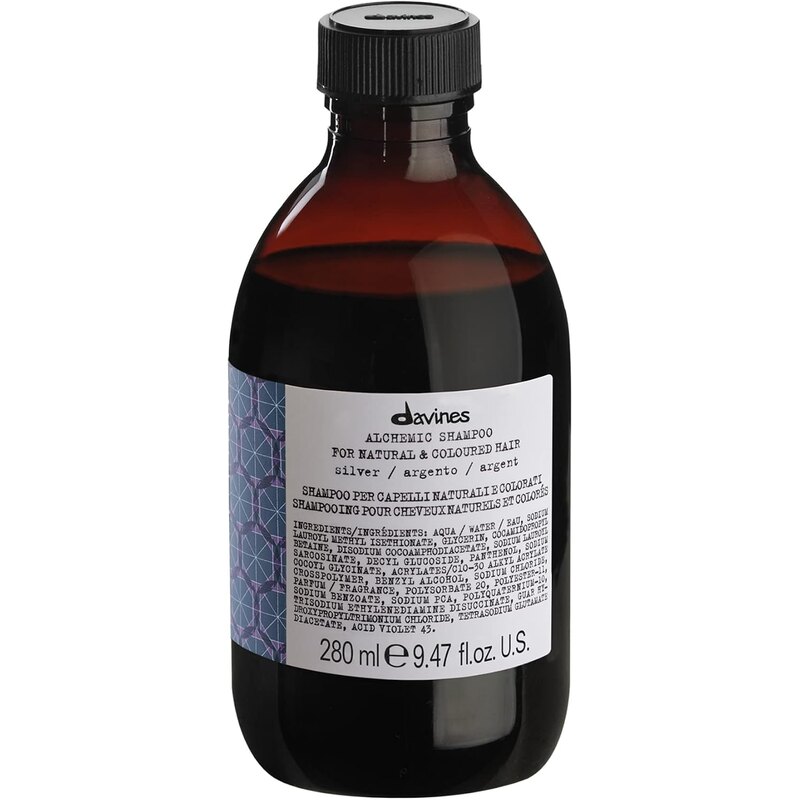
Keeps gray, silver and platinum clear and bright between appointments.
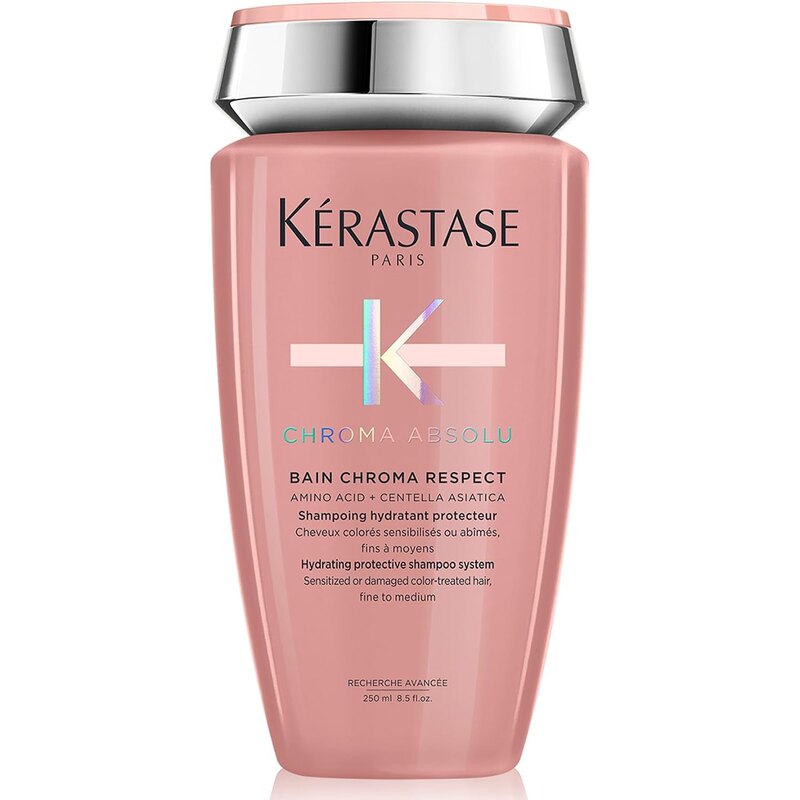
A sulfate-free wash that protects the shade you paid for between visits.
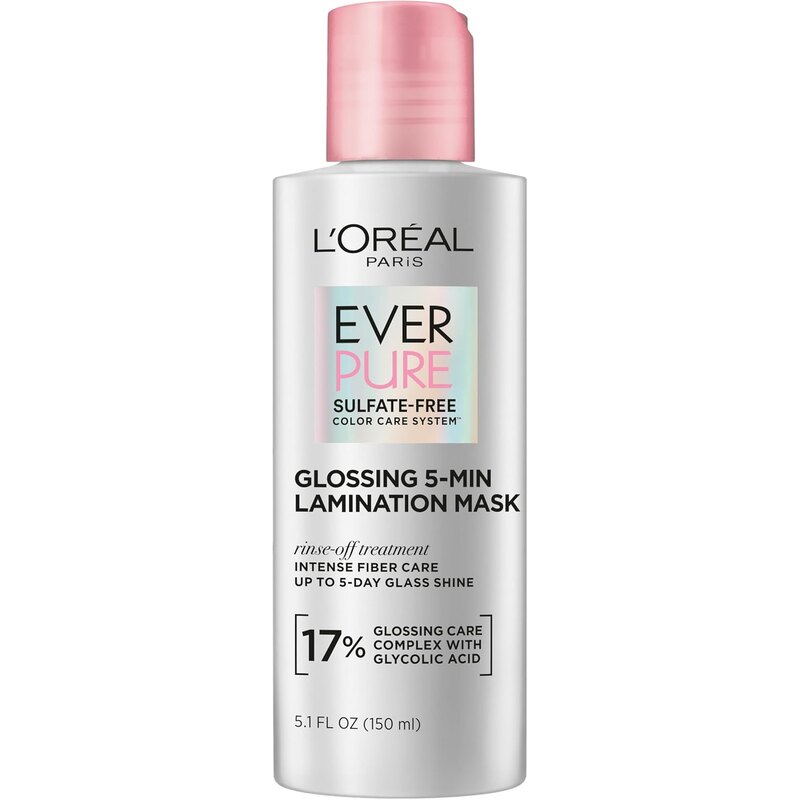
A five-minute gloss that brings back shine and softens brassiness at home.
Whichever path you choose, give silver hair a little extra care. It often feels coarser or drier than your earlier color, because the strand itself can change texture. A rich conditioner and a weekly mask help it feel soft again. Heat styling, meanwhile, can dull silver over time, so keep tools at a moderate setting and use a protectant. Water also plays a part. Hard water and pool water can leave a dull film, so a clarifying wash every few weeks restores shine. Finally, think about color near your face. Clear jewel tones, crisp white and emerald often look beautiful beside silver. The effect feels fresh and deliberate, and it suits every season of the year.
Join the waitlist for the 21-Day Skin & Gut Health Reset, a gentle daily ritual for skin and gut, from within. We will write to you when it is ready.
Occasional letters. Unsubscribe anytime.
Cuts and color for thinning hair after 40
Many women notice their hair changing in midlife. The ponytail feels slimmer, or the part looks a little wider in bright light. According to the American Academy of Dermatology, female pattern hair loss usually begins in a woman’s 40s, 50s or 60s, and it is more common after menopause. It also grows more common with age. A 2015 review in Anais Brasileiros de Dermatologia, by Ramos and Miot, cites an English study that found it in 38 percent of women over 70. This guide offers general information, not medical advice. If you notice a change, a board-certified dermatologist can find the cause and talk you through your options with care.
It also helps to know what is normal. The AAD notes that it is normal to shed between 50 and 100 hairs a day. Heavier shedding can follow a stressful event, an illness, childbirth or a large weight loss. In those cases, the hair tends to regain its fullness within six to nine months as the body readjusts. Meanwhile, some styling habits deserve care. The AAD warns that hair worn tightly pulled back, again and again, can lead to permanent hair loss. So a softer ponytail, a silk scrunchie and a new spot for your clip are small, kind choices. Your cut and color can then do the rest of the work.
Cuts that create fullness
A haircut is a beautiful tool when hair feels finer. Blunt ends make the perimeter look thicker, because every strand ends at the same line. That is why a chin-to-collarbone bob suits so many women after 40. Long, thin layers, by contrast, can make fine hair look sparse at the ends. A few soft face-framing pieces add movement without removing weight. Meanwhile, moving your part, even slightly, can soften the look of a wider line at the crown. Ask your stylist for gentle internal texture rather than heavy thinning. Keep the length where your hair still looks full. Then let a light volumizing mousse and a round-brush dry finish the effect.
Color that adds depth
Color can add the look of density, too. Dimensional shades, with soft lowlights and highlights, create shadow and light that read as fullness. Meanwhile, a root color close to your skin tone makes the scalp less visible along the part. That is why a softer shade often blends a wide part better than very dark hair on fair skin. Be gentle with lightening, however, since fragile hair needs fewer chemical steps. The FDA advises a patch test every time before you dye your hair, even with a shade you have used before. It also suggests waiting at least 14 days after bleaching, relaxing or perming before you use a dye.
How to brief your stylist
A clear brief is the most useful thing you bring to the salon. Knowing how to choose a new haircut is half the work, and explaining it well is the other half. Start by booking a consultation, either as a separate visit or at the start of your appointment. Arrive with your hair styled the way you usually wear it, so your stylist sees your real routine. Bring your edited photos, including the ones you dislike. Then describe your week, your styling time and how often you want to return. Meanwhile, mention your history honestly. Recent color, keratin treatments, henna and box dye all change how hair responds, so share them first.
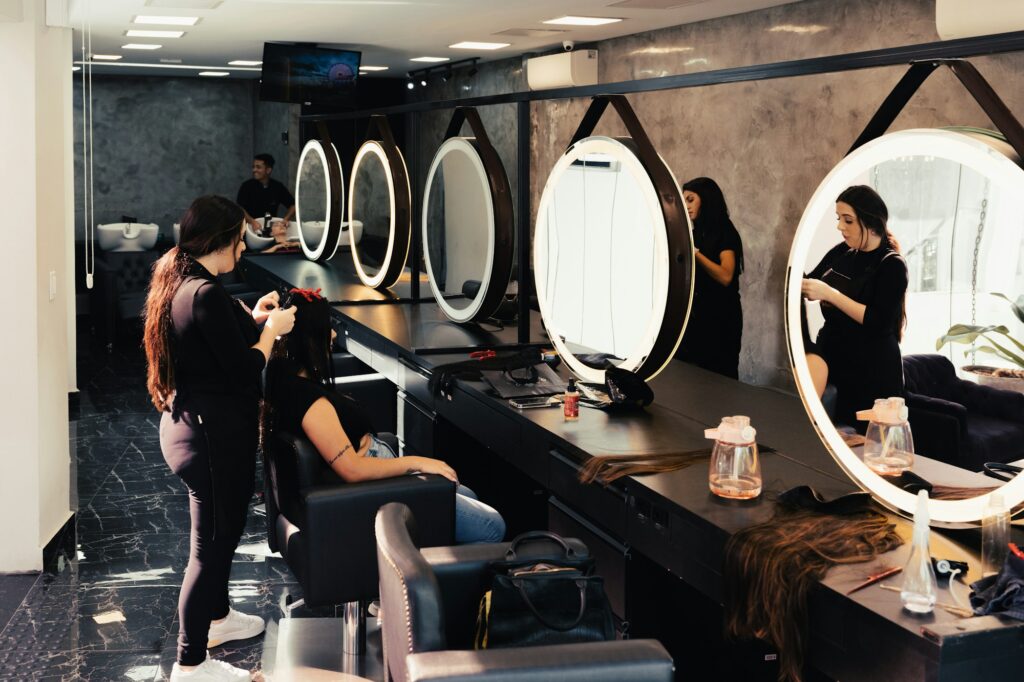
A little trim means different things to different people, so show length with your hands instead. Point to where you want the shortest layer to fall, and where the ends should land. Similarly, words like ash, warm or natural can vary widely between colorists. Your photos solve most of this, which is why the edit matters so much. Before the first cut, ask your stylist to repeat the plan back to you. Then agree on the length together, while the hair is still dry. That moment of shared understanding is gentle and simple. It is worth every minute it takes, because it protects the result you have been imagining for weeks.
A brief in seven points
- The feeling you want, in one word.
- Five to eight photos you love, and two you do not.
- Your daily styling time, in minutes.
- How often you want to return for trims or color.
- Any color and treatment history from the past two years.
- The shortest length you will accept, shown with your hands.
- Your plan for the grow-out, if the change is large.
After the appointment, a short follow-up helps you both. Most stylists welcome a message within the first two weeks if something feels off. Perhaps a layer sits oddly, or the tone looks warmer than you expected. A small adjustment is usually simple, and it builds trust. In addition, take a photo of the finished cut in daylight and save it with the date. That record is useful at your next visit, because it shows your stylist exactly where you began. Over time, these photos tell the story of your hair through every season. Many women find that a steady relationship with one stylist brings the most personal results of all.
A grow-out plan and maintenance rhythm
Part of knowing how to choose a new haircut is planning the grow-out before you need it. If you are moving from short to long, the middle months ask the most patience. Regular small trims keep the shape intentional while the length catches up. Meanwhile, accessories become friends. Clips, headbands and a sleek low knot carry an in-between stage gracefully. Color has its own grow-out as well. A blended or rooted shade fades softly, while a solid, high-contrast color shows a clear line. So, if you are unsure about a bold choice, start with a version that grows out kindly. You can always go further at the next appointment, once you know you love it.

Hair care also connects to the rest of your routine. Healthy hair grows from a healthy scalp, and many women find that an easier, more nourishing rhythm shows in their skin as well. That idea sits at the heart of our ritual for skin and gut, from within, which treats beauty as daily care rather than a quick fix. In the same spirit, plan your hair appointments ahead, as part of the year rather than as emergencies. Add them to your calendar in a single sitting. Then the rhythm runs on its own. As a result, each visit feels like a moment of care rather than one more errand to squeeze in.
The maintenance rhythm at a glance
| Service | Typical rhythm | Why |
|---|---|---|
| Short crop or pixie | Every 4 to 6 weeks | The shape softens quickly |
| Bob or lob | Every 6 to 8 weeks | Keeps the line clean |
| Long layers | Every 10 to 12 weeks | Trims protect the ends |
| Curly cut | Every 8 to 12 weeks | Shape follows the curl pattern |
| Fringe trim | Every 2 to 4 weeks | Often a short visit |
| Root color or gray coverage | Every 4 to 6 weeks | Regrowth shows at the part |
| Gray blending or balayage | Every 10 to 16 weeks | Grows out softly |
| Gloss or toner | Every 4 to 8 weeks | Refreshes shine and tone |
Treat these rhythms as a starting point rather than a rule. Your own hair will tell you when it is ready. For example, fine hair often loses its shape sooner than thick hair, so a bob may want a trim at six weeks instead of eight. Similarly, fast-growing roots on dark hair show earlier than roots on light hair. Meanwhile, a gray blend can stretch longer than any single-tone color, which is part of its appeal. Ask your stylist which interval suits your cut, then book two visits ahead. In addition, keep one small note on your phone with the date, the service and the shade. That single line makes every future appointment easier for you both.
Aftercare for your new cut and color
The first few washes after color matter most. Wait as long as your colorist suggests before shampooing, then use lukewarm water and a gentle, color-safe formula. Our notes on caring for color-treated hair cover the rest of the routine in detail. Meanwhile, protect your hair outdoors. The AAD notes that the sun can make hair weak, dry and faded, so a wide-brimmed hat helps on long days outside. Heat matters too. Keep hot tools at a moderate setting, and always use a heat protectant first. Finally, sleep on silk or smooth satin, which glides under your hair as you rest. These three small items below make that routine easy to keep.

White mulberry silk that lets color and a fresh cut glide rather than rub overnight.
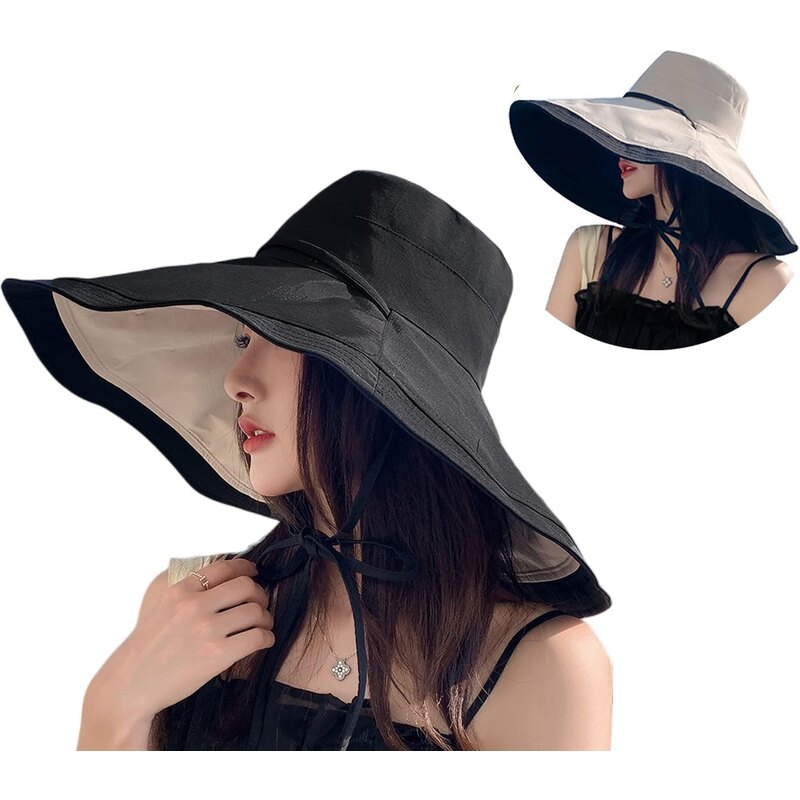
A wide black brim that shades new color from the sun on long days out.
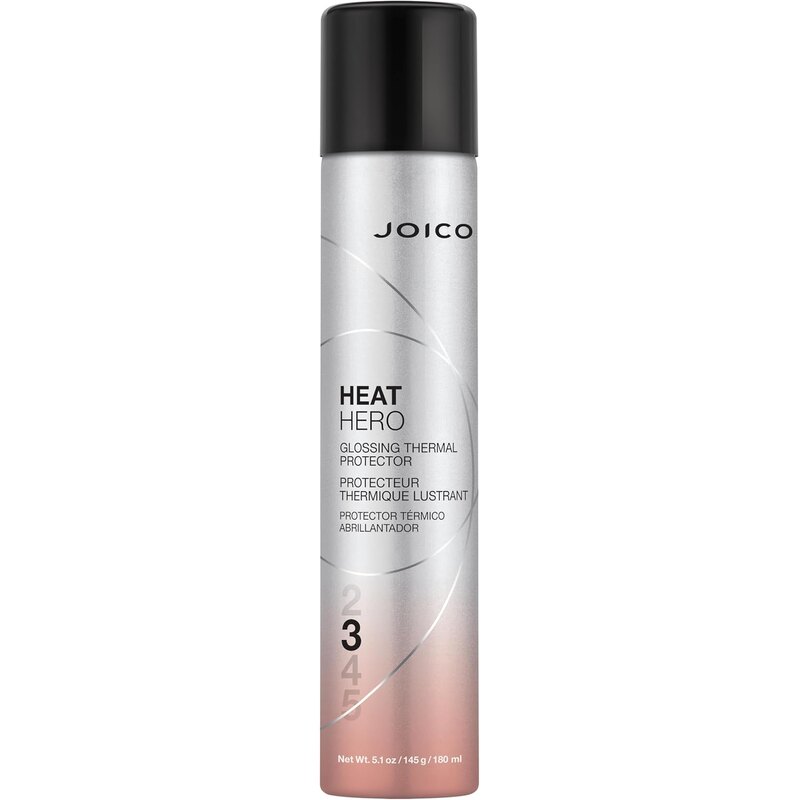
A light thermal spray to mist on before every blow-dry or iron.
Lastly, revisit the photo you took on the first day. Look at it beside your hair a month later, in the same window light. Notice what has softened, what has faded and what you still love. Those observations shape your next appointment, so jot them down while they are clear. In addition, note any change in how your hair feels, such as dryness at the ends or a flatter crown. Small adjustments, made early, keep the cut feeling fresh. Over a year, this simple habit builds a rhythm that suits you. Your hair becomes less of a question each morning and more of a ritual you trust, wherever the day takes you.
The research, in brief
Every figure in this guide comes from a named source. The gray hair figures come from Panhard and colleagues’ 2012 worldwide survey in the British Journal of Dermatology. The prevalence of female pattern hair loss after 70 comes from Ramos and Miot’s 2015 review in Anais Brasileiros de Dermatologia. Guidance on midlife hair loss, daily shedding, tight hairstyles, sun exposure and choosing a dye within three shades comes from the American Academy of Dermatology. Patch testing and the wait between chemical services follow the US Food and Drug Administration. The face shape notes, color pairings and maintenance rhythms in the tables are starting points from our own editorial practice, not a standard. Checked November 2026.
Sources: Panhard and colleagues assessed 4,192 volunteers · female pattern hair loss · Ramos and Miot · shed between 50 and 100 hairs a day · hair worn tightly pulled back.
Recommended
A cut and color that feel like you
In the end, how to choose a new haircut is less about following a rule and more about listening to yourself. Your life, your texture, your undertone and your hopes all have a voice in the decision. When you honor them together, the result feels natural from the first morning. So begin with one small step this week. Gather your photos, edit them to the few you love, and name the feeling you want. Then book a consultation and bring that brief with you. Whether you choose a soft trim, a bold crop or your first silver strands, the change is yours to shape. And it can grow with you, season after season.



Each tool above follows the same idea: that beauty is a ritual you choose rather than a problem to solve. The ring quiz is a gentle way to understand your own taste, especially if a proposal or anniversary is near. Meanwhile, the 21-Day ritual turns attention inward, toward skin and gut, at a pace you can keep. And the Makeover Bible gathers hair and skin rituals into one guided reference you can return to. Each offers one clear next step, which is how lasting change begins. So choose the one that matches where you are today, alongside your new cut and color. Then come back for the next when you are ready, because the journey has no deadline.
A new cut and color change what you see in the mirror. The 21-Day Skin & Gut Health Reset is a gentle daily ritual for skin and gut, from within. Join the waitlist, and we will write to you when it is ready.
Join the waitlistQuestions worth asking
How do I choose a new haircut?
Start with your week: how long you want to style, how often you will visit the salon and how you like to wear your hair. Then consider face shape, texture and density. Edit your inspiration photos to the five to eight you love most, and bring them to a consultation with your stylist.
What haircut should I get for my face shape?
Oval faces carry most shapes. Round faces suit length below the chin and a side part. Square faces soften with waves and face-framing layers. Heart shapes balance with fullness at the jaw, and long faces suit a fringe with width at the sides. Treat these as starting points for your stylist.
How do I choose hair color for my skin tone?
Find your undertone first. Warm undertones often suit honey, golden and copper shades, while cool undertones suit ash, platinum and cool brunettes. The American Academy of Dermatology suggests staying within three shades of your natural color, and notes that going darker is typically better than going lighter for the health of the hair.
Should I change my haircut and color at the same time?
You can, and many women enjoy one complete change. Plan the color first, because it can affect how the hair behaves and how the ends look. If you are making a big change, ask your stylist whether to split it across two visits, which gives you time to live with each step.
How do I transition to gray hair?
There are three common paths. You can grow it out slowly with regular trims, cut short so the silver arrives quickly, or ask a colorist for gray blending, which weaves highlights and lowlights through your natural color. Blending softens the line while it grows and keeps upkeep low.
What haircut makes thin hair look fuller?
Blunt ends make the perimeter look thicker, which is why a chin-to-collarbone bob suits many women with finer hair. Keep layers few and soft, move your part slightly and choose dimensional color. If you notice new thinning, a board-certified dermatologist can find the cause.
