
An overnight face mask works while you sleep. You smooth it on as the last step of your evening routine, and it rests on your skin until morning. By sunrise, skin often looks softer, fuller and more rested. That small ritual also belongs to a wider change. Skincare is one of the steps in a complete makeover in ten steps, and night is when much of that care does its work. In this guide, you will learn what an overnight mask is and how to use one. You will also learn how to layer it, how often to apply it and when to skip it. Then you will find our picks for every skin type, plus lips and eyes.
An overnight face mask is a leave-on gel or cream that you apply as the last step of your night routine and sleep in. It seals in moisture and gives ingredients hours to work. Choose a rich cream for dry skin, a light gel for oily skin, a cica formula for sensitive skin and a peptide or retinoid mask for mature skin. Most women use one two or three nights a week.
What is an overnight face mask?

An overnight face mask is a leave-on treatment that you sleep in. In Korea, it is often called a sleeping pack, and the two names mean the same thing. Most are light gels or soft creams. They form a thin, breathable layer over the rest of your night routine. That layer slows the loss of water from your skin, so the serum underneath keeps working. Timing helps, too. In a 1998 study in the Journal of Investigative Dermatology, Yosipovitch and colleagues measured skin barrier function every two hours in 16 volunteers. Their results suggest that skin is more permeable in the evening and at night than in the morning. In other words, night is a natural moment for care.
| Type | What it is | When it suits you |
|---|---|---|
| Overnight mask or sleeping pack | Leave-on gel or cream, the last step at night | Most skin types, two or three nights a week |
| Night cream | Everyday evening moisturizer | Every night, as a base layer |
| Rinse-off mask | Clay, cream or gel removed after minutes | A quick treatment before an event |
| Wrapping mask | Film that sets overnight and peels off in the morning | Occasional nights for a plump, glassy look |
| Lip or eye mask | Rich balm or gel for thin, delicate skin | Lips and the eye area, often nightly |
Sleep itself matters as much as the jar. In a 2015 study in Clinical and Experimental Dermatology, Oyetakin-White and colleagues studied 60 women who were either good or poor sleepers. Seventy-two hours after a mild barrier test, the good sleepers showed 30% greater barrier recovery. They also rated their own appearance more highly than the poor sleepers did. So an overnight mask works best as part of a real night of rest. A rinse-off mask asks for a timer and a sink. By contrast, an overnight mask asks only for a clean pillowcase and a few hours of sleep. The table above shows how the main types differ.
How to use an overnight mask, step by step

Begin with clean skin. The American Academy of Dermatology suggests that you wet your face with lukewarm water and use your fingertips to apply cleanser. Then pat dry with a soft towel rather than rubbing. Next, apply your usual toner and serum, followed by moisturizer if your skin runs dry. The mask goes on last, because it is the layer that seals the others in. A pea-sized to almond-sized amount covers the whole face. Spread it in a thin, even layer and avoid the eye area unless the label allows it. Finally, wait a few minutes before you lie down. That short pause lets your overnight face mask settle into the skin.
- Cleanse with lukewarm water, then pat your skin dry.
- Apply toner, serum and, for dry skin, a moisturizer.
- Smooth on a thin layer of the overnight mask.
- Wait about ten minutes before your head meets the pillow.
- Rinse with lukewarm water in the morning, then apply sunscreen.
Layering, pillow transfer and how often to mask
| Your skin | How often | Ingredients to look for |
|---|---|---|
| Dry | Three or four nights a week | Ceramides, squalane, shea butter |
| Dehydrated | Two or three nights | Hyaluronic acid, glycerin, aloe |
| Oily or combination | Two nights | Light gels, niacinamide |
| Acne-prone | Two nights | Oil-free gels; acids on separate nights |
| Sensitive | One or two nights, after a patch test | Centella, panthenol, fragrance-free formulas |
| Mature | Two or three nights | Peptides, retinoids introduced slowly |
| Exfoliating masks | One or two nights | AHA or PHA, never with another acid |
A few habits keep the ritual comfortable. First, layer from the thinnest texture to the thickest, so the mask always sits on top. Next, keep the layer thin. A heavy film transfers to your pillowcase and wastes product, while a thin one absorbs. Many women keep a fresh silk pillowcase for mask nights. If you use a retinoid or an exfoliating acid, choose a plain hydrating mask on those nights rather than a second active. As for frequency, most masks suit two or three nights a week. Gentle hydrating gels are often fine nightly, so check the label. The table above offers a starting point. Then watch how your skin responds, and adjust the rhythm with the seasons.
You may also like


The best overnight moisture masks for dry skin
Dry skin makes too little oil, so it struggles to hold on to water through the night. It often feels tight after cleansing and looks dull by evening. For this skin, the best overnight moisture mask is rich and cushioning. Look for ceramides, squalane, shea butter or plant oils that soften rough patches. The American Academy of Dermatology lists hyaluronic acid, lanolin and petrolatum among the ingredients that help dry skin. On very dry nights, apply the mask over your moisturizer, so the two layers work together. Then give it a few minutes to sink in before bed, and your pillow stays clean. The three picks below are creamy, nourishing formulas for skin that wants comfort.
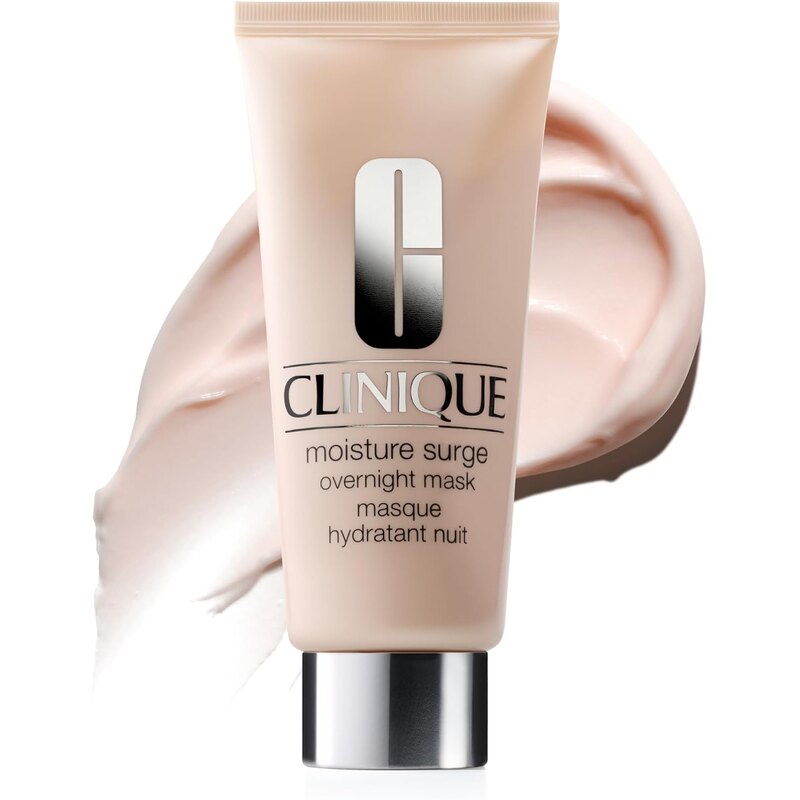
An oil-free cream mask with aloe that leaves dry skin cushioned by morning.
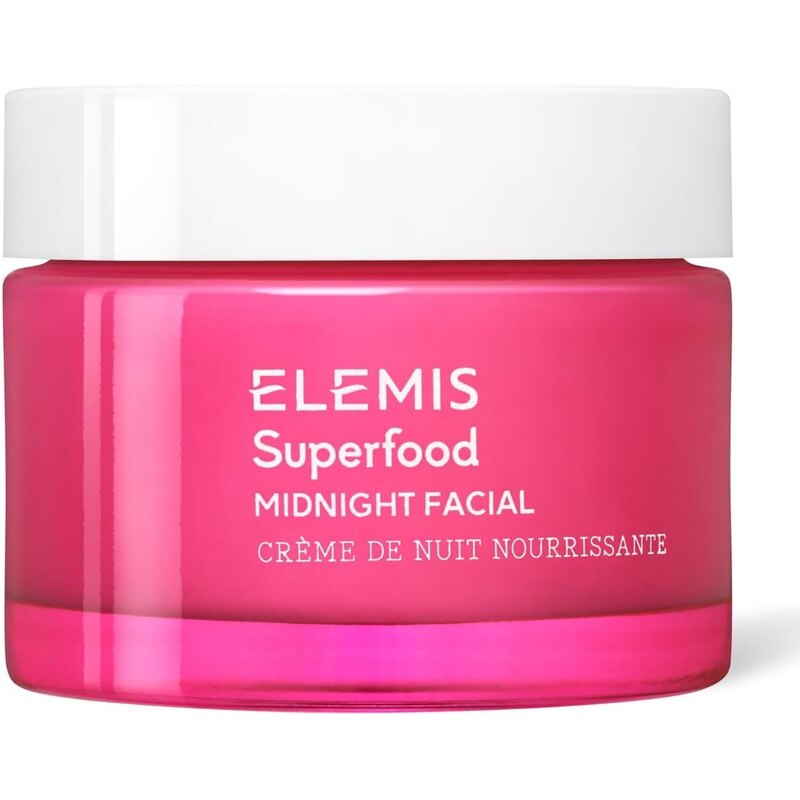
A rich night cream with prebiotics and oils for skin that feels tight at bedtime.
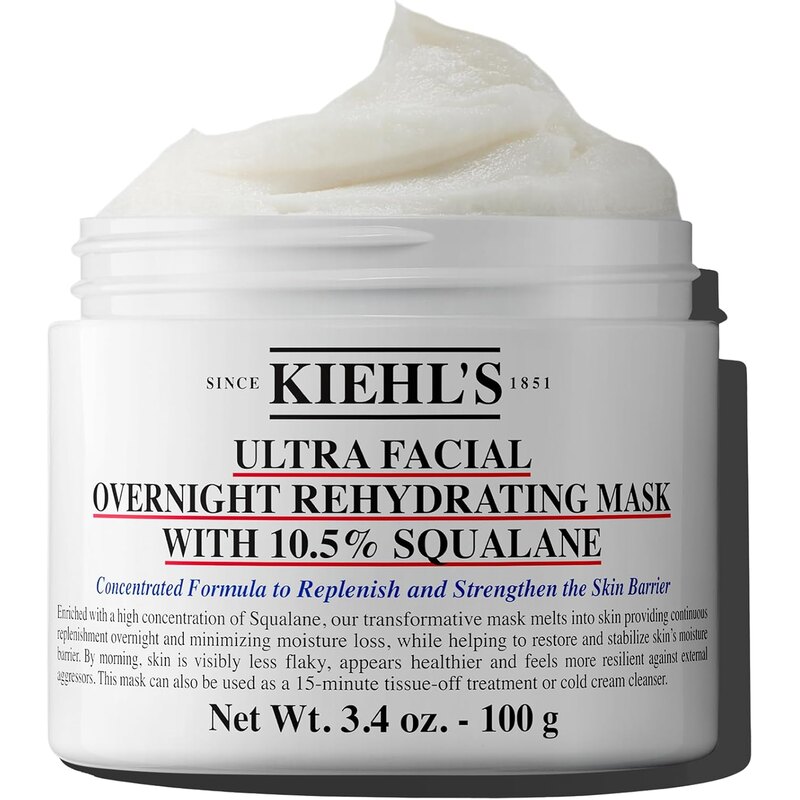
A creamy mask that keeps moisture locked in through the night.
The best overnight hydrating masks for dehydrated skin
Dry and dehydrated skin are not quite the same. Dry skin lacks oil, while dehydrated skin lacks water, and any skin type can feel it. You may notice fine lines that soften after a glass of water, or makeup that settles by noon. Indoor heating, flights and long days in the sun all play a part. Here, a light overnight hydrating mask often works better than a heavy cream. Gels with hyaluronic acid, glycerin or aloe draw water into the skin and hold it there. Because they feel weightless, they suit combination skin as well. Apply a thin layer, and you will wake to skin that looks plump and fresh. The three picks below are cooling, water-rich gels.
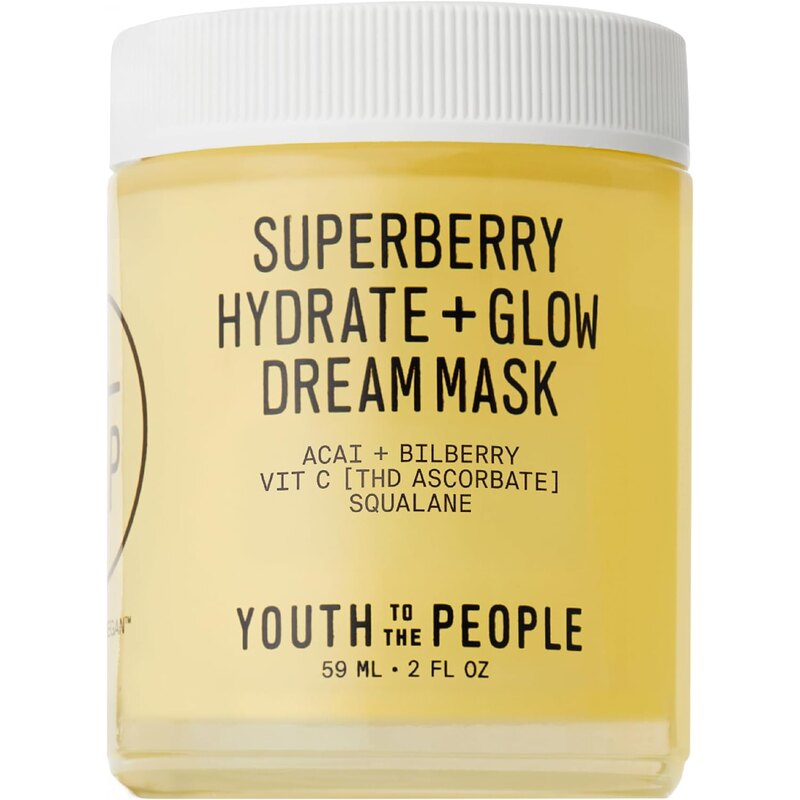
Antioxidant-rich berries in a soft overnight cream for a fresher morning face.
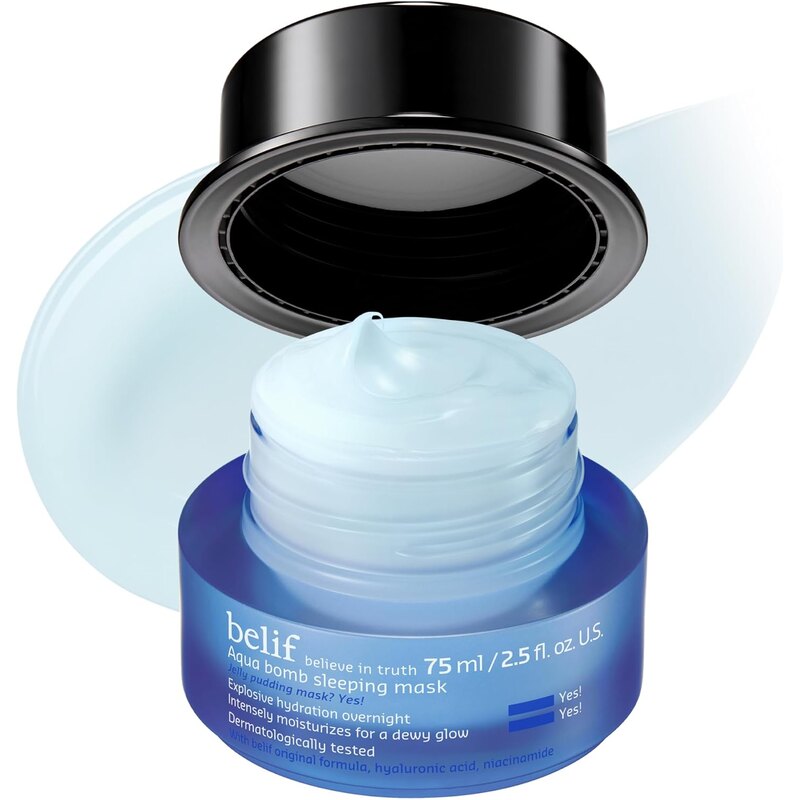
A cooling, water-rich gel that sinks in quickly and leaves skin dewy.
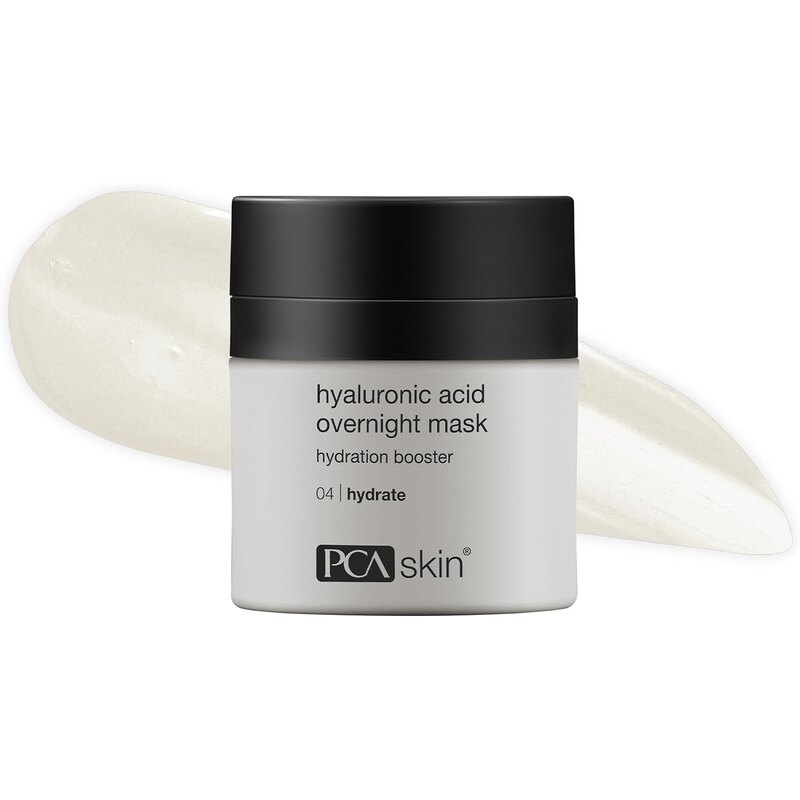
Layers of hyaluronic acid that draw water into thirsty skin overnight.
Barrier-loving masks for very dry skin

Very dry skin often needs help with its barrier, the outer layer that keeps water in and irritants out. When that layer is stressed, skin can sting, flake or feel rough to the touch. Barrier-loving masks rebuild comfort with ceramides, fatty acids, rice ferments and soothing botanicals. They feel richer than a gel yet lighter than a balm. For this reason, many women use them through winter and then switch to a gel in summer. Furthermore, a facial roller or gentle fingertip massage can help you spread a thick texture evenly. Press the mask in with your palms, then leave it to work. The three picks below are nourishing, barrier-minded formulas for skin that feels thirsty.
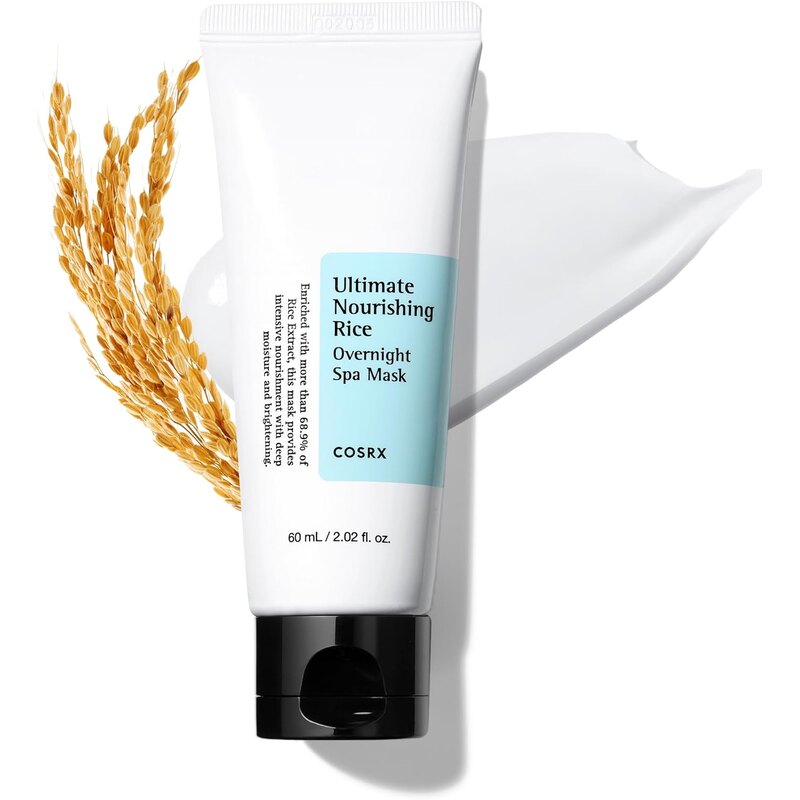
Rice extract and niacinamide to soften and support a tired barrier.
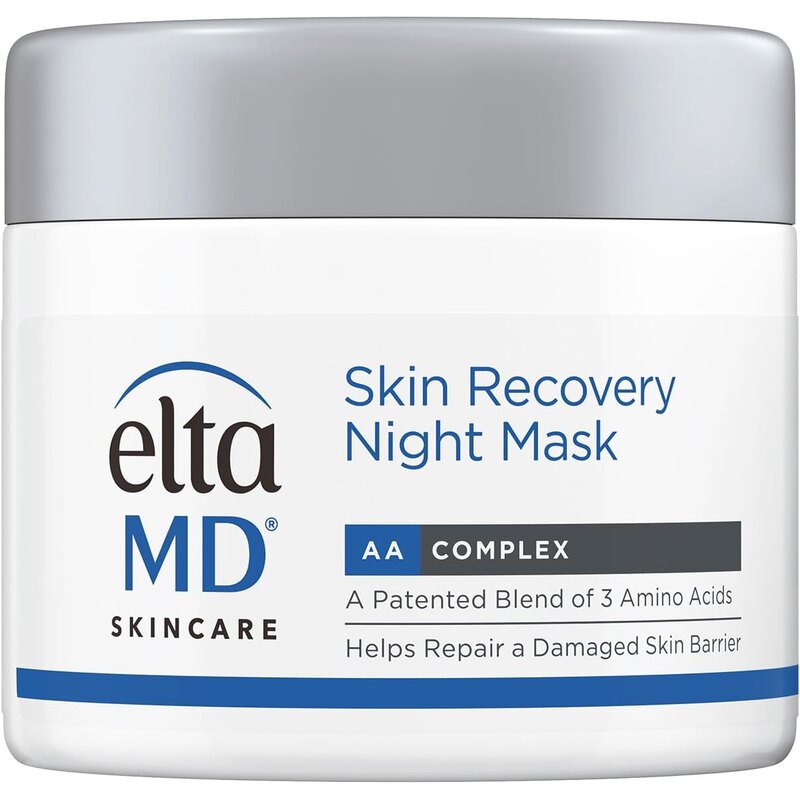
A gentle night mask for skin that feels reactive or stripped.
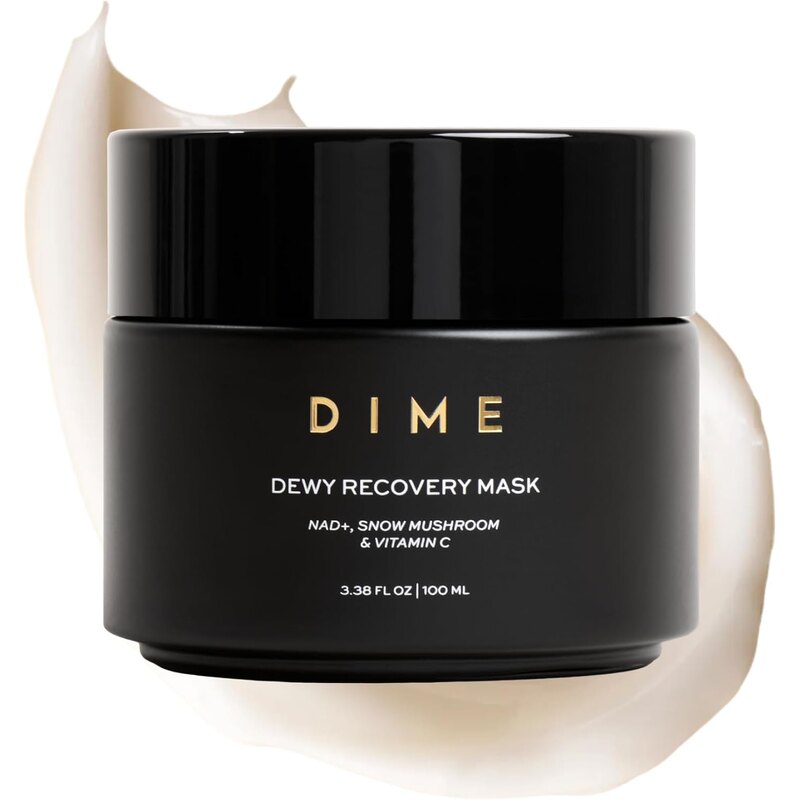
A dewy overnight layer that helps the barrier recover while you sleep.
A few habits make any moisture mask work harder. To begin, keep your evening cleanse gentle, because foaming cleansers can strip dry skin before you even start. Next, apply the mask to slightly damp skin. The AAD notes that moisturizer works best when skin is still damp after washing. Meanwhile, a bedroom humidifier helps in heated rooms, where the air can feel very dry. Hot showers feel lovely, yet they draw oil from the skin, so keep them warm rather than hot. In the morning, rinse with lukewarm water and follow with a moisturizer and sunscreen. Over a few weeks, dry skin often feels softer and looks brighter. That steady comfort is the real reward of a weekly ritual.
The best overnight masks for oily and acne-prone skin
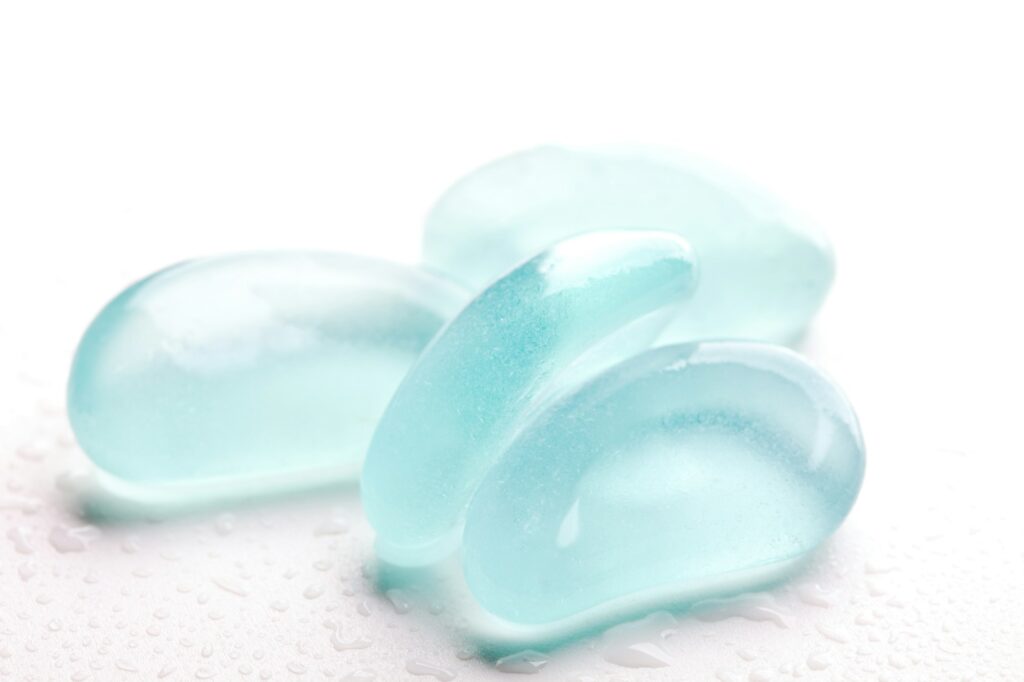
Oily skin still needs water. In fact, skin that is stripped too often can feel tight and look shinier by midday. The best overnight mask for oily skin is a light, oil-free gel that hydrates without weight. Look for niacinamide, which helps balance the look of shine, and hyaluronic acid for bounce. Water-based gels sink in quickly, so there is little left to transfer to your pillow. Combination skin can also use a gel all over, then add a richer mask only to dry cheeks. Moreover, a gel mask feels cool and fresh on warm summer nights. The three picks below are fresh, weightless gels for oily and combination skin.
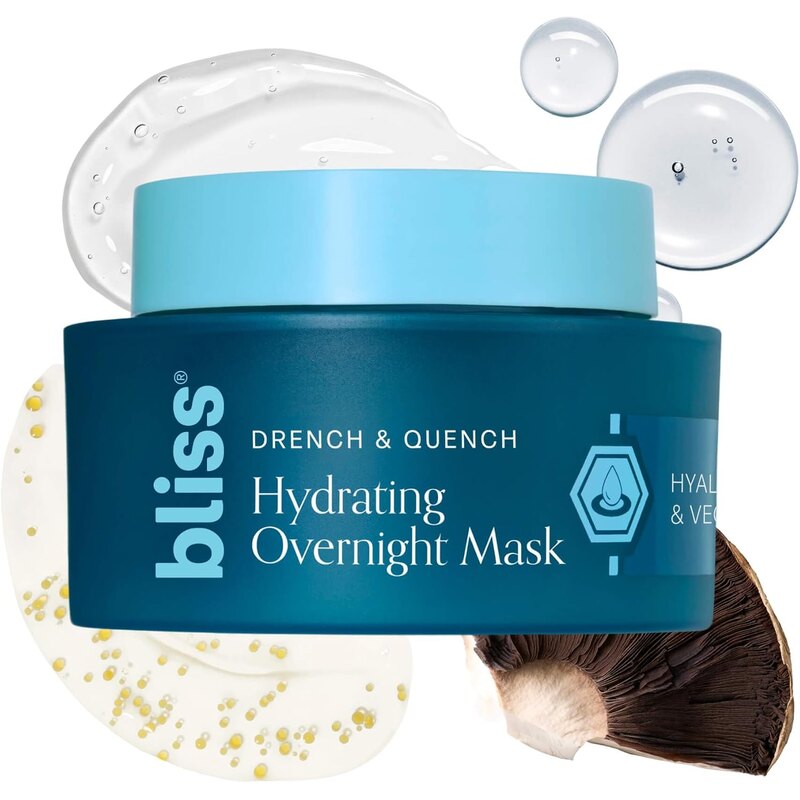
A light jelly that hydrates without weight, kind to oily and combination skin.
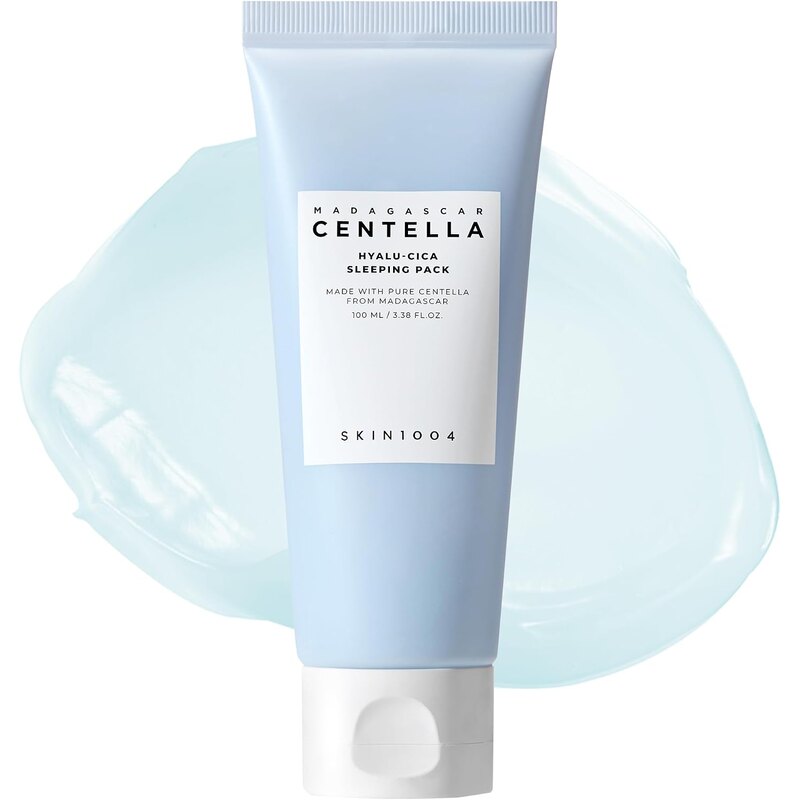
A fresh gel that hydrates and soothes in one step.
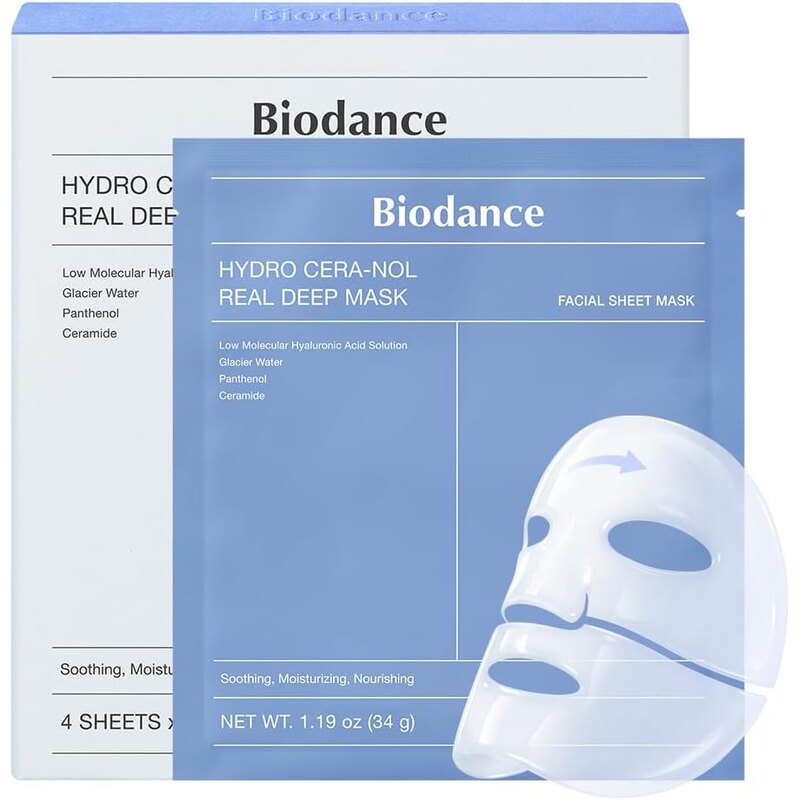
A hydrogel mask that turns clear as it absorbs, left on overnight.
The best overnight mask for acne-prone skin
Acne is very common, so you are far from alone. According to the American Academy of Dermatology, acne affects up to 50 million Americans each year, and adult acne affects up to 15% of women. For acne-prone skin, an overnight mask should be light and oil-free. Some contain gentle acids or soothing ingredients that help skin look clearer by morning. Others are hydrocolloid patches, which sit on a single spot while you sleep. Avoid heavy oils and thick balms, which can feel congesting. Instead, reach for a clear, fresh gel. Above all, keep acids to separate nights from any acne treatment your dermatologist prescribed, so skin stays comfortable. The three picks below suit blemish-prone skin.
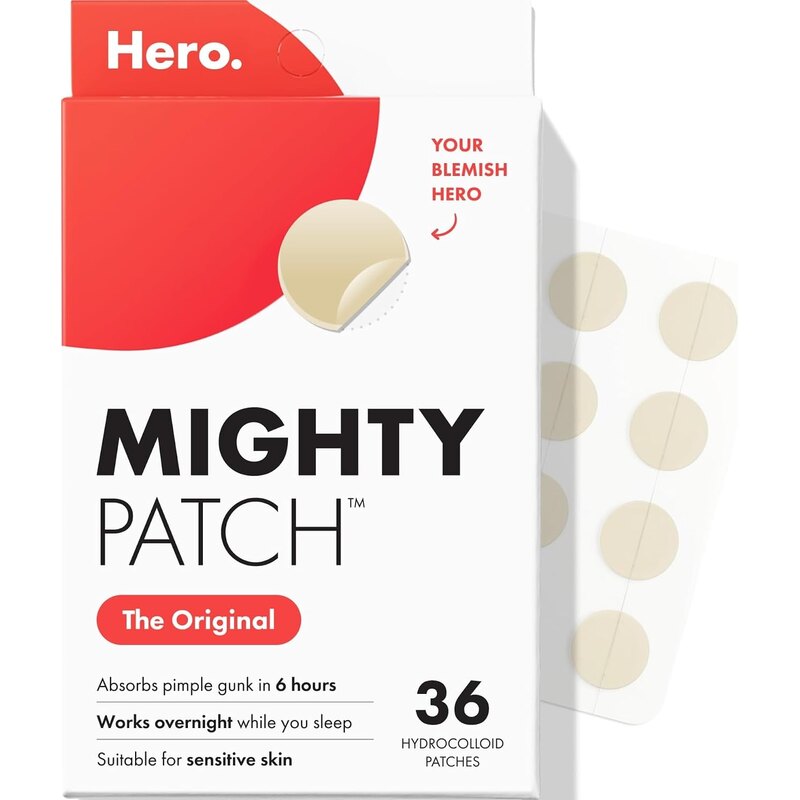
Hydrocolloid patches that protect a blemish and draw it out overnight.
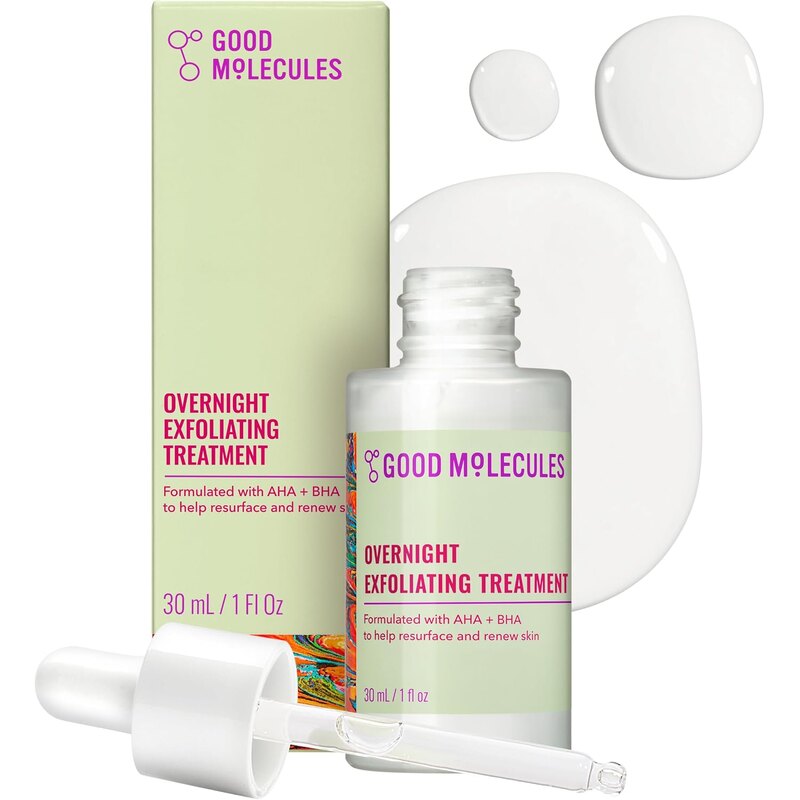
A gentle acid treatment that keeps pores clear a few nights a week.
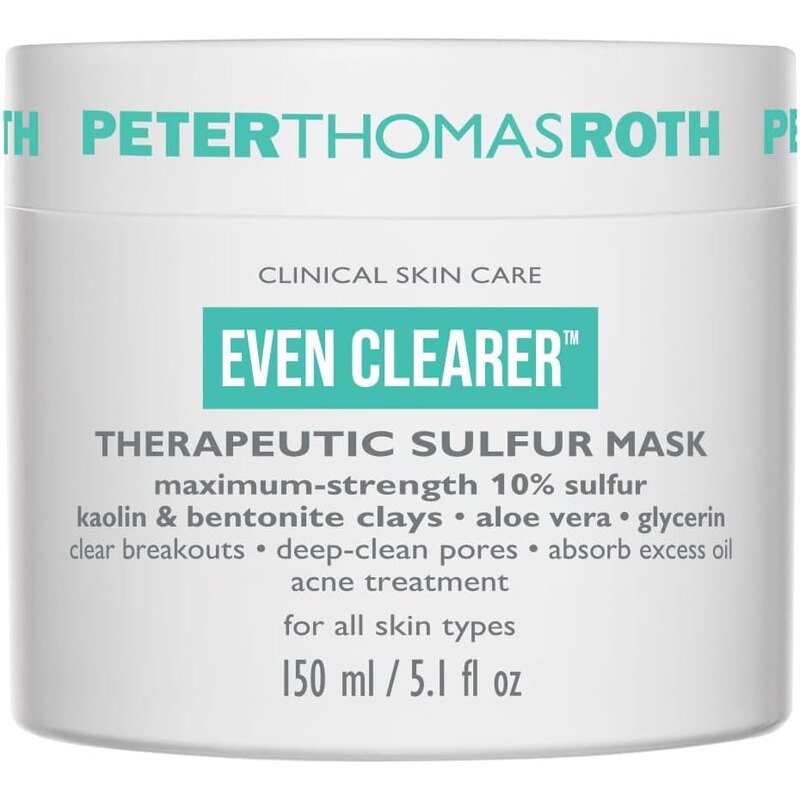
A sulfur mask that helps clear congestion on blemish-prone skin.
A clear routine matters as much as the mask. First, wash your face at night, because makeup and sunscreen left on overnight can feel heavy. Next, change your pillowcase often, since it collects oil and product. Furthermore, keep your hands and phone away from your face during the day. When a breakout appears, resist the urge to pick at it, however tempting. A hydrocolloid patch is a helpful barrier between your fingers and your skin. If acne is painful, persistent or leaves marks, a board-certified dermatologist can suggest treatment. Meanwhile, keep your mask nights simple and consistent. Over time, skin that is hydrated and never stripped tends to look clearer, smoother and more even.
You may also like


The best overnight face mask for sensitive skin
Sensitive skin is more common than many women think. A 2019 review in Frontiers in Medicine found that about 60% to 70% of women report some degree of sensitive skin. The author, Farage, worked for a personal care company. Sensitive skin may sting, itch or turn pink after a new product. For this reason, the best overnight face mask for sensitive skin is short on ingredients and long on comfort. Simple formulas leave less to react to. Look for centella asiatica, often called cica, along with panthenol, ceramides and oat. Choose fragrance-free formulas where you can. Above all, introduce one new product at a time. The three picks below are cica masks that comfort reactive skin.
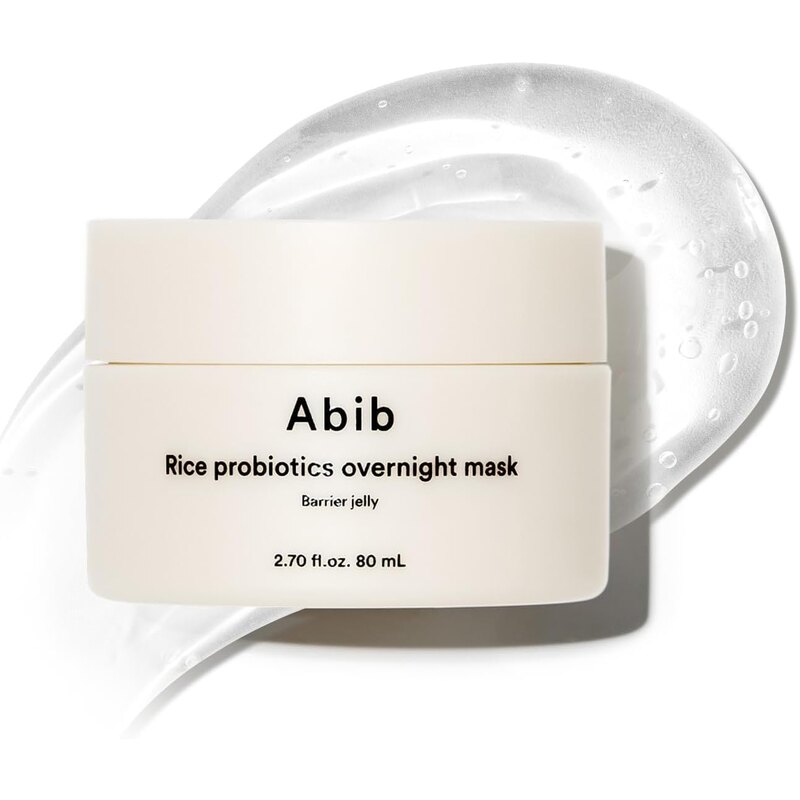
A bouncy jelly with rice and probiotics for a stressed, red-prone barrier.
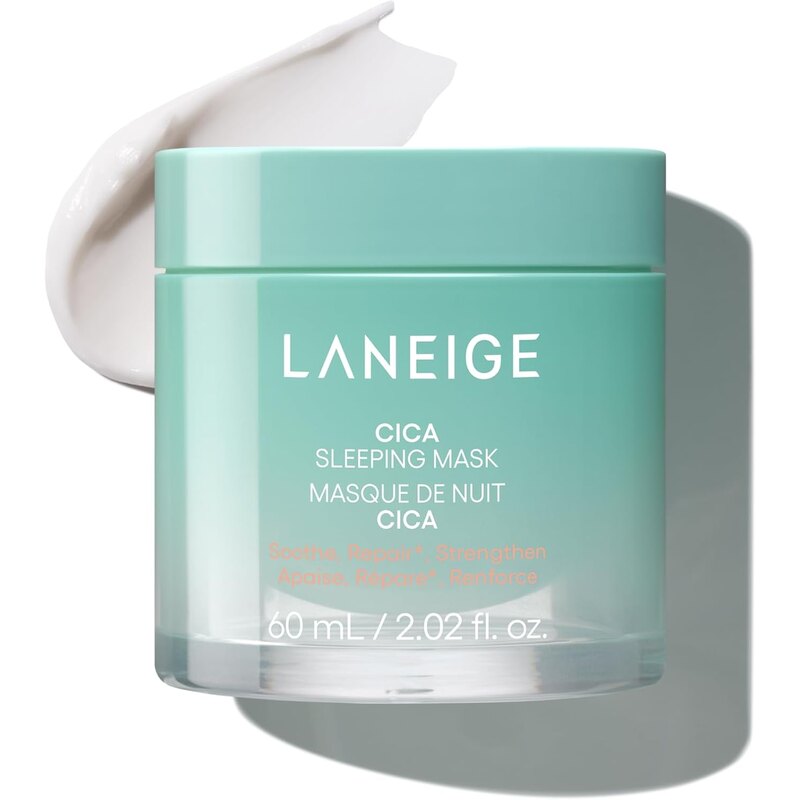
Centella in a light sleeping mask that soothes skin after a long day.
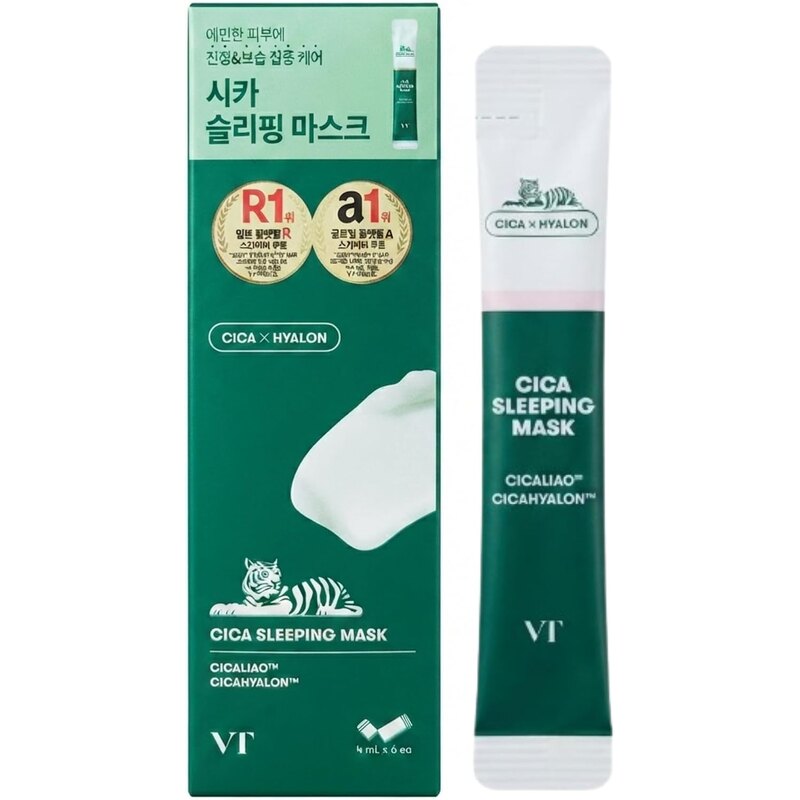
A hydrating cica mask that leaves sensitive skin settled by morning.
Patch test first, then mask with confidence
Before you sleep in a new mask, test it. The American Academy of Dermatology suggests that you apply a new product to a test spot twice daily for seven to 10 days. A quarter-sized spot on the inner arm or the bend of the elbow works well. If your skin reacts, wash the product off and stop using it. If nothing happens, you can move to your face with more confidence. In addition, keep the rest of your routine simple on mask nights. A gentle cleanser and a plain moisturizer are enough. That way, you can see clearly how your skin feels the next morning. The three picks below are soft, fragrance-light formulas for skin that reacts easily.
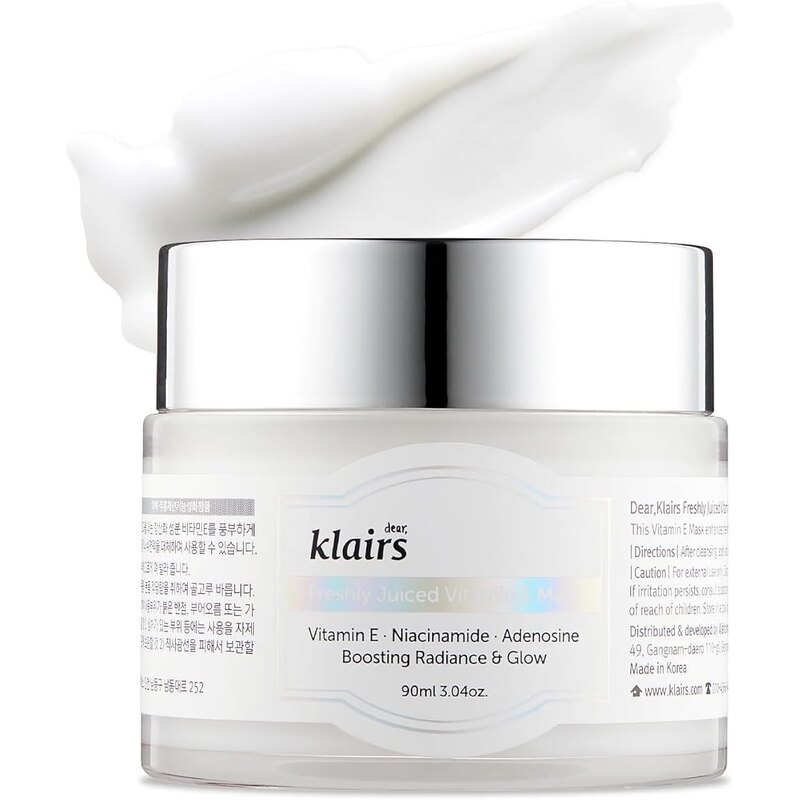
A soft vitamin E mask that is gentle enough for sensitive skin.
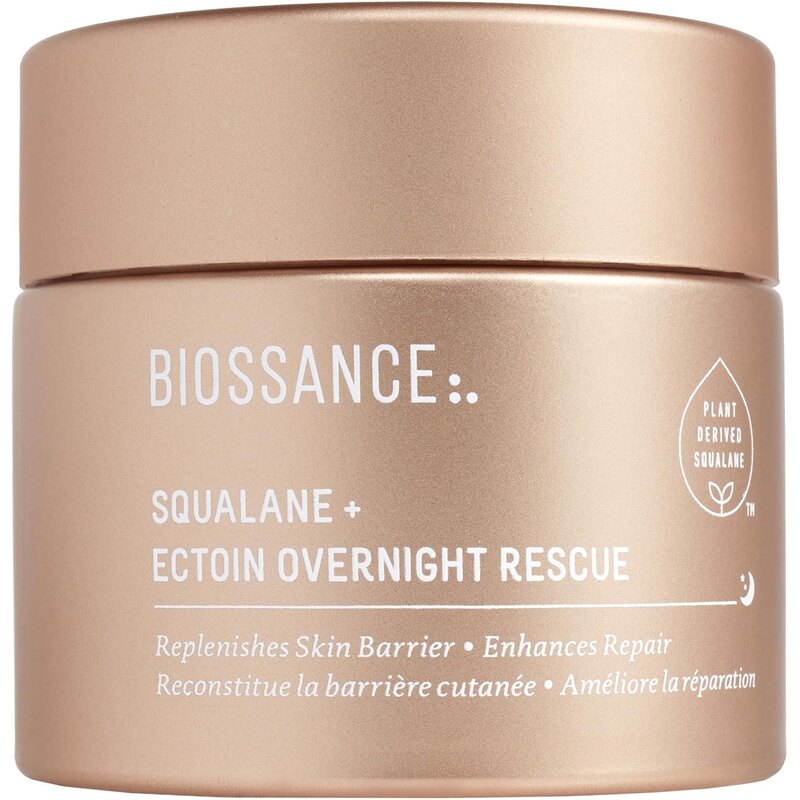
Squalane and ectoin to comfort skin that feels raw or reactive.
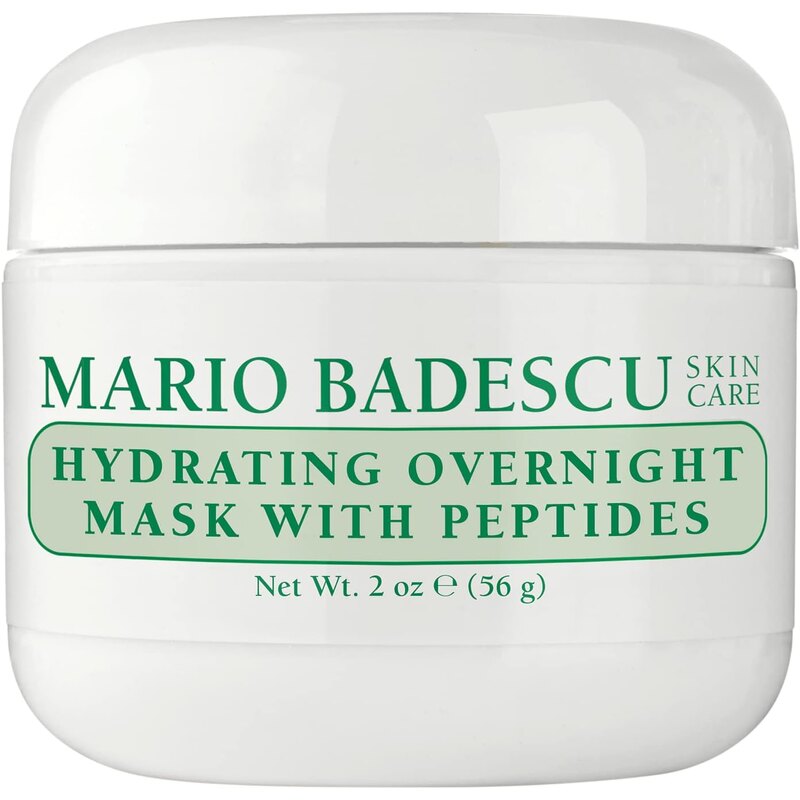
A simple peptide mask for all skin types, easy to start with.
Sensitive skin also responds to the world around it. Wind, cold, hot showers and harsh cleansers can all leave it feeling raw. On those days, a soothing overnight mask is a kind way to end the evening. Keep the layer thin, and skip any exfoliating mask until your skin feels settled again. Similarly, avoid layering several new products at once, because it becomes hard to tell which one helped. Cool water in the morning feels refreshing and kind. If redness, burning or swelling persists, see a dermatologist rather than switching products again and again. With patience, sensitive skin often becomes more resilient. Then the nightly mask feels like comfort rather than a risk.
The best overnight masks for mature skin
After 50, skin tends to feel drier and to recover more slowly. As a result, the best overnight masks for mature skin combine moisture with ingredients that support firmness. Retinoids are the most studied. The American Academy of Dermatology advises that you use a retinoid every other night to start, at night rather than by day, with daily sun protection. The AAD also notes that retinoids should not be used during pregnancy. A retinoid mask suits women who already tolerate one. If you are new to retinoids, begin with a gentle formula and a thin layer. Our guide to skincare after 50 covers the wider routine. The three picks below include retinoid formulas for mature skin.
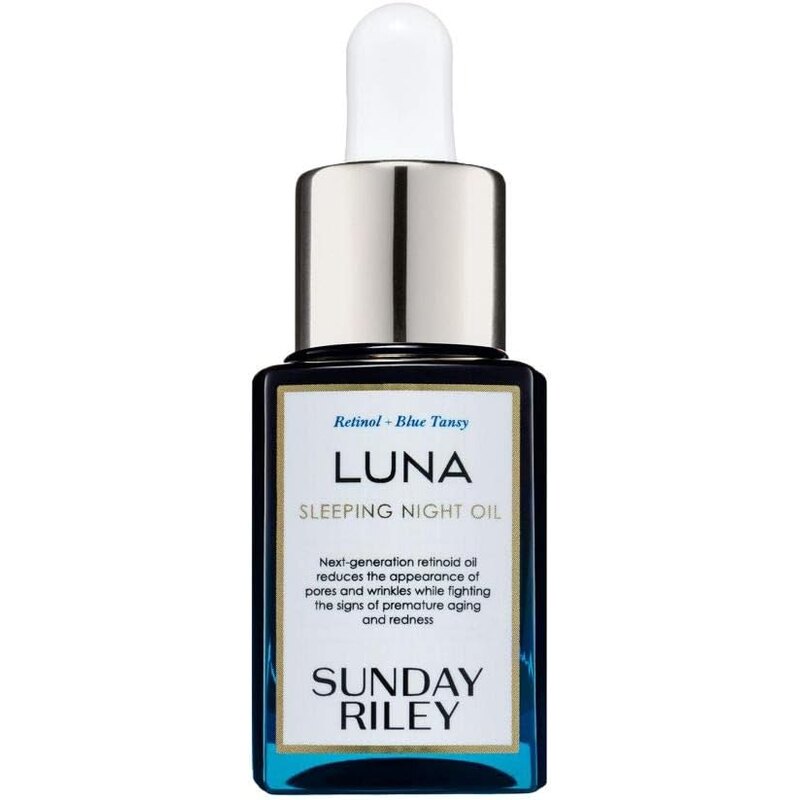
A blue night oil with retinoid for smoother texture over time.
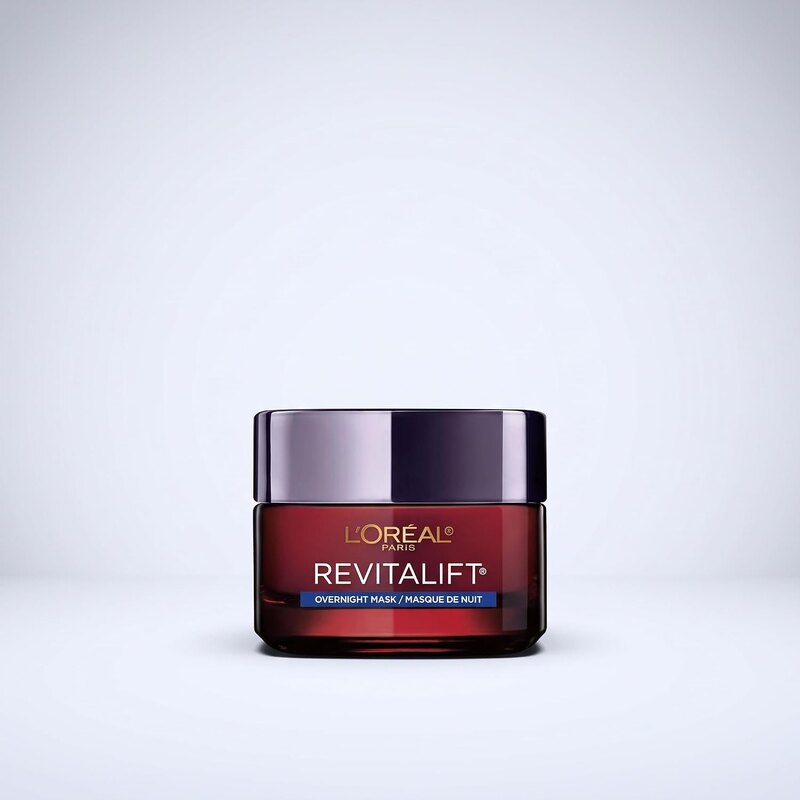
A pro-retinol night mask that softens the look of fine lines.
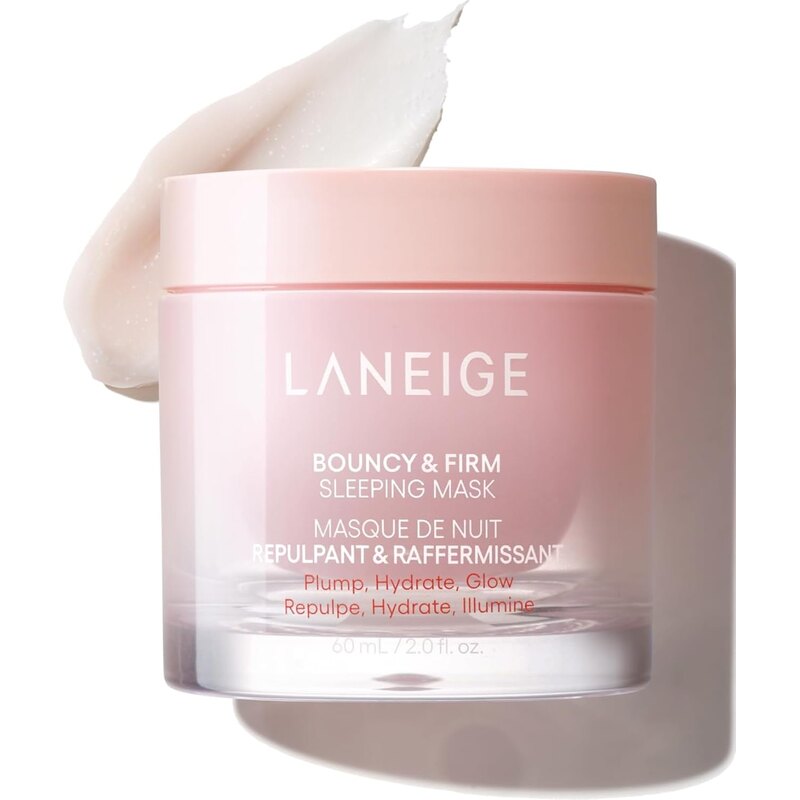
A springy sleeping mask that leaves skin plump and supple.
Firming and plumping masks for wrinkles
Not every mature skin wants a retinoid every night. On the other nights, a firming mask can carry the routine. Peptides, collagen-style gels and rich botanical extracts help skin look smoother and fuller by morning. Wrapping masks form a soft film that sets while you sleep, then peel away to reveal a glassy finish. Meanwhile, black tea, ginseng and other antioxidants bring a fresh, rested look. For many women, the routine alternates between a retinoid night and a hydrating night. That rhythm keeps skin comfortable while it adjusts. Lastly, press the mask gently up the neck and chest, where skin is thin. The three picks below are firming, plumping masks for wrinkles and fine lines.
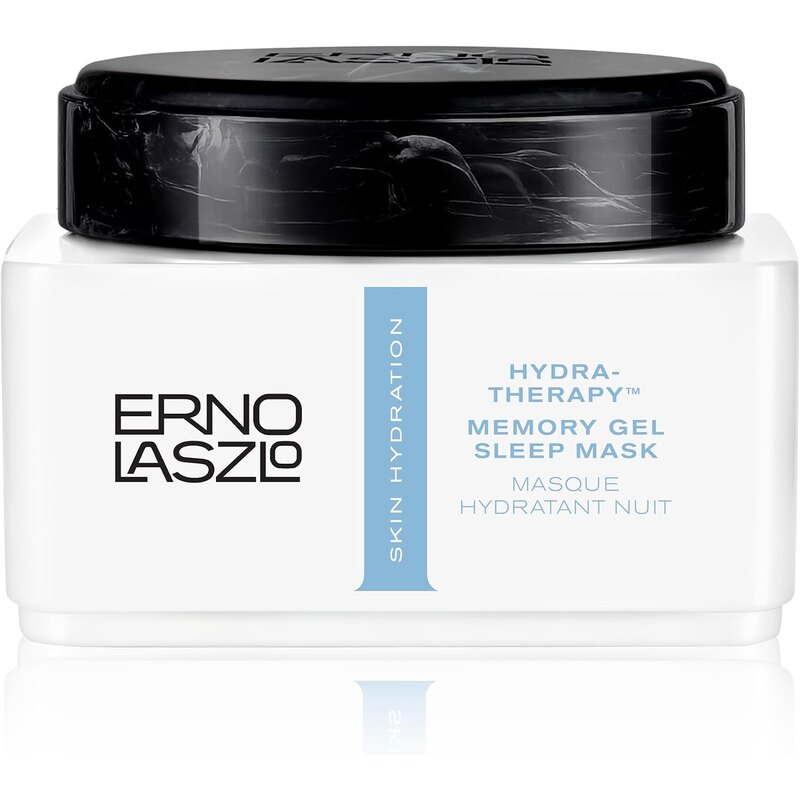
A memory gel that hydrates and firms the look of skin overnight.
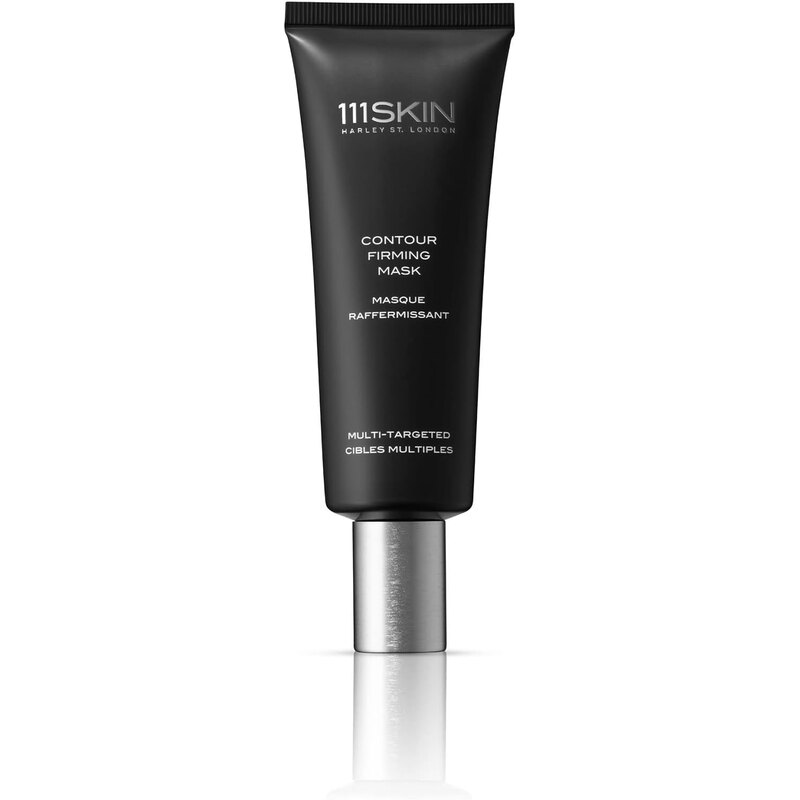
A firming mask for the jaw and cheeks, worn while you sleep.
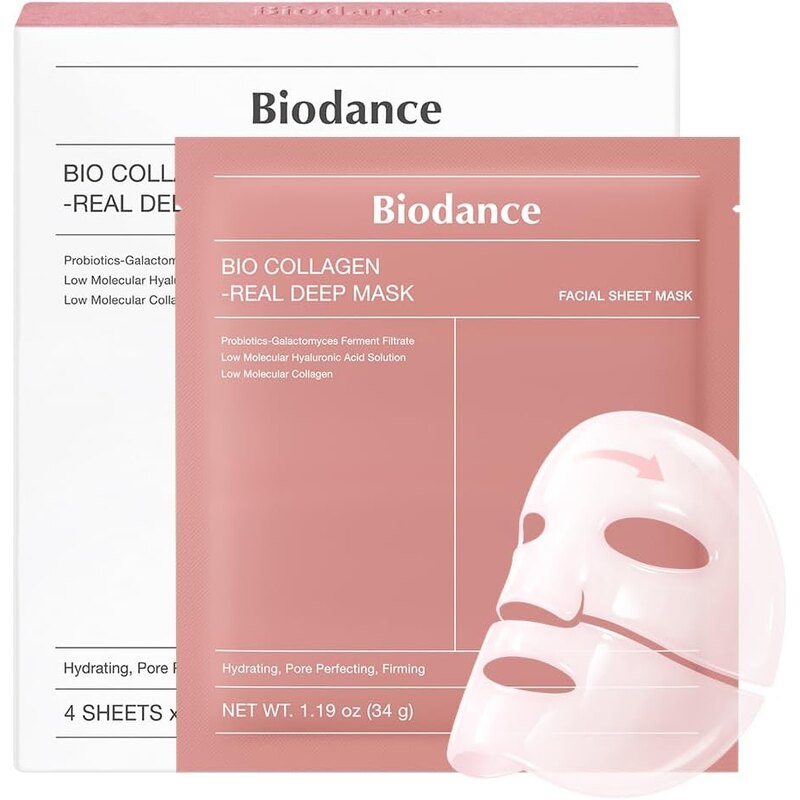
A collagen hydrogel mask for a plumper, rested-looking face.

Mature skin rewards patience. Visible changes take time, so give any new mask several weeks before you judge it. Meanwhile, protect your progress with sunscreen every morning, because sun exposure undoes much of the night’s work. Skin also changes with the years and the seasons, so review your routine every few months. Many women find that care from within shows on the skin too. That idea sits at the heart of the 21-Day Skin & Gut Health Reset, a ritual from within. It treats beauty as gentle, daily care rather than a quick fix. In that spirit, an overnight face mask becomes one small, regular act of care. Over time, those small acts add up.
Join the waitlist for the 21-Day Skin & Gut Health Reset, a gentle ritual of care for skin and gut, from within. You will be the first to hear when it is ready.
Occasional letters. Unsubscribe anytime.
The best overnight masks for glowing skin and dark spots

Glow is really light bouncing off smooth, hydrated skin. When the surface is dry or uneven, it scatters that light, and skin looks dull. A brightening overnight mask helps in two ways. First, it hydrates, which plumps the surface. Second, it may carry vitamin C, fruit extracts or niacinamide to help skin look more even. Glow also begins from within, and our guide to gut health and skin explores that link. Consequently, many women use a glow mask before a big event, such as a dinner or a wedding. Apply it the night before, then let your skin speak for itself. The three picks below are radiance masks for a fresh, luminous morning.
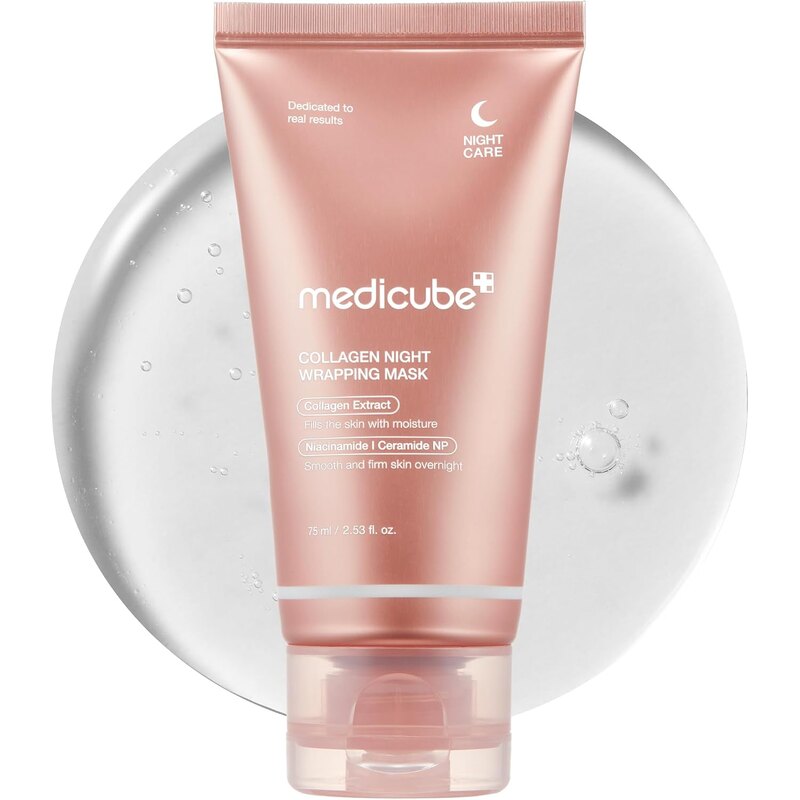
An overnight wrapping mask that peels off to reveal softer skin.
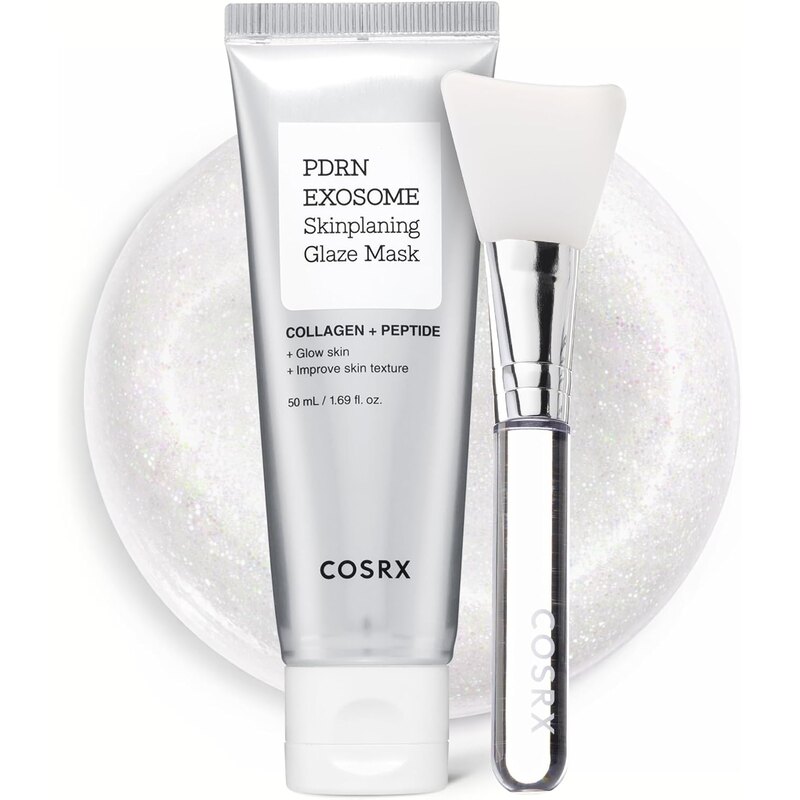
A glow-focused mask for a luminous, glassy finish by morning.
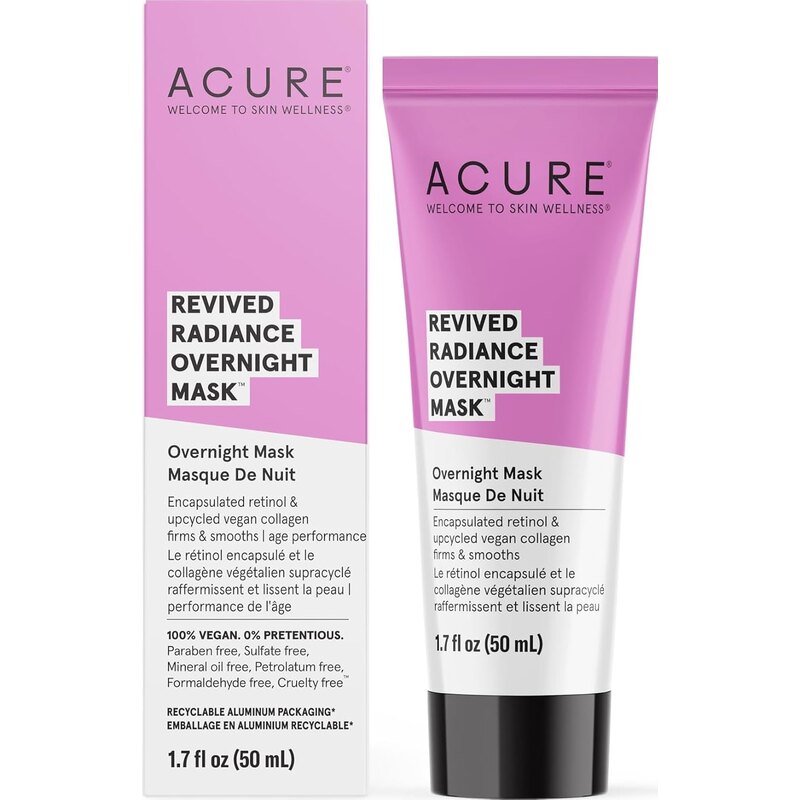
A brightening overnight cream for dull, tired-looking skin.
The best overnight mask for dark spots
Dark spots and uneven tone take patience. Sun, past breakouts and hormonal changes can all leave marks that linger. Overnight masks with tranexamic acid, kojic acid, niacinamide or vitamin C help the skin look more even over time. However, no mask replaces sunscreen, which protects the spots you are already treating. Darker skin tones deserve extra care, because irritation itself can leave dark marks, as the AAD notes. So start slowly and stop if skin stings. Consistency matters far more than strength. Our guide to finding your warm or cool skin tone also helps you choose colors that flatter your complexion. The three picks below are brightening masks for dark spots and uneven tone.
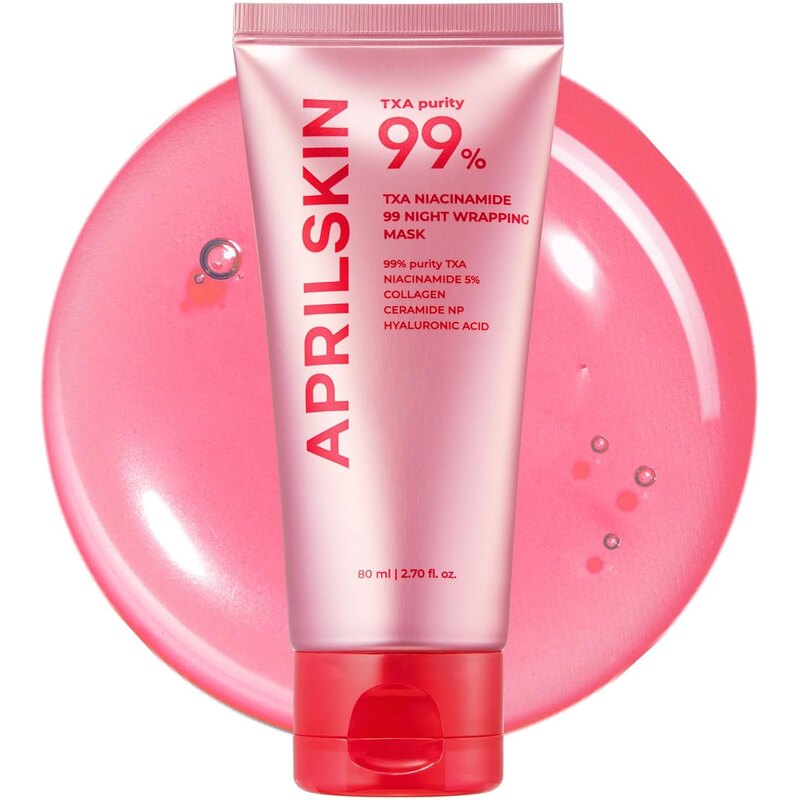
Tranexamic acid and niacinamide to even the look of dark spots.
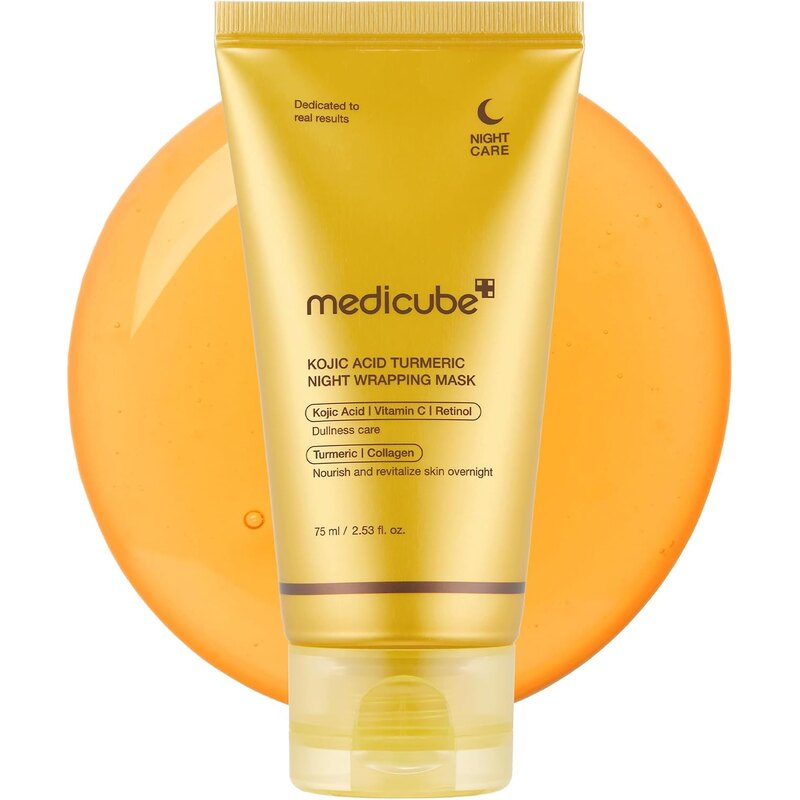
Kojic acid and turmeric for a brighter, more even look.
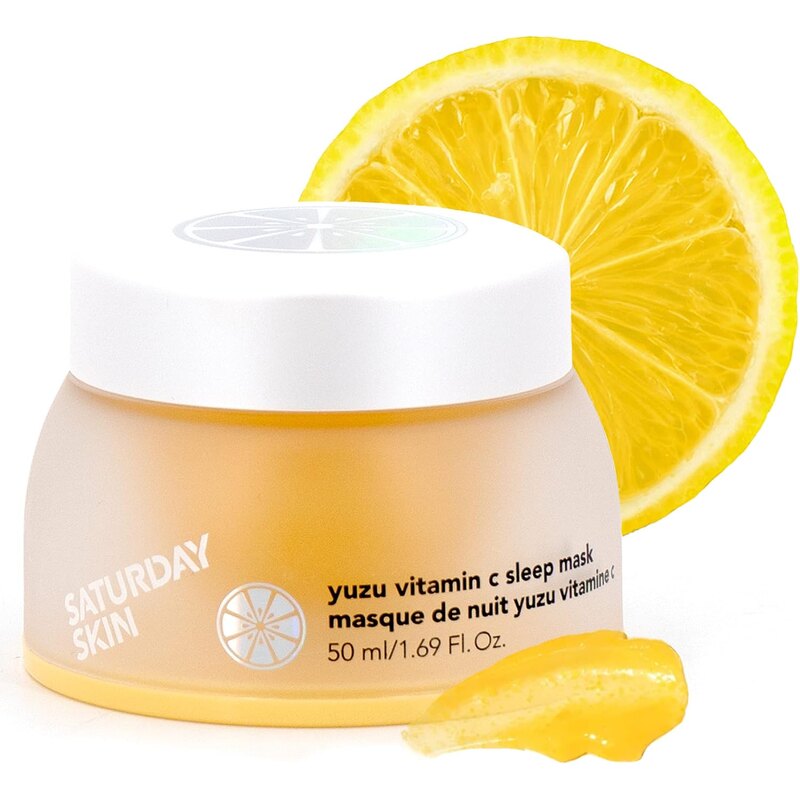
A vitamin C jelly that brightens while you sleep.
Exfoliating overnight masks

Exfoliating masks work while you sleep, so a little goes a long way. Most rely on gentle acids, such as lactic, glycolic or mandelic acid, which loosen dull surface cells. In the morning, skin looks smoother and brighter. Even so, they ask for care. The American Academy of Dermatology warns that exfoliating while using retinoids or benzoyl peroxide may worsen dry skin or cause breakouts. The AAD also advises darker skin tones to avoid strong exfoliation. So use an acid mask one or two nights a week, never alongside another acid. Begin with the mildest formula and a thin layer. The three picks below are leave-on exfoliating treatments for smooth, bright skin.
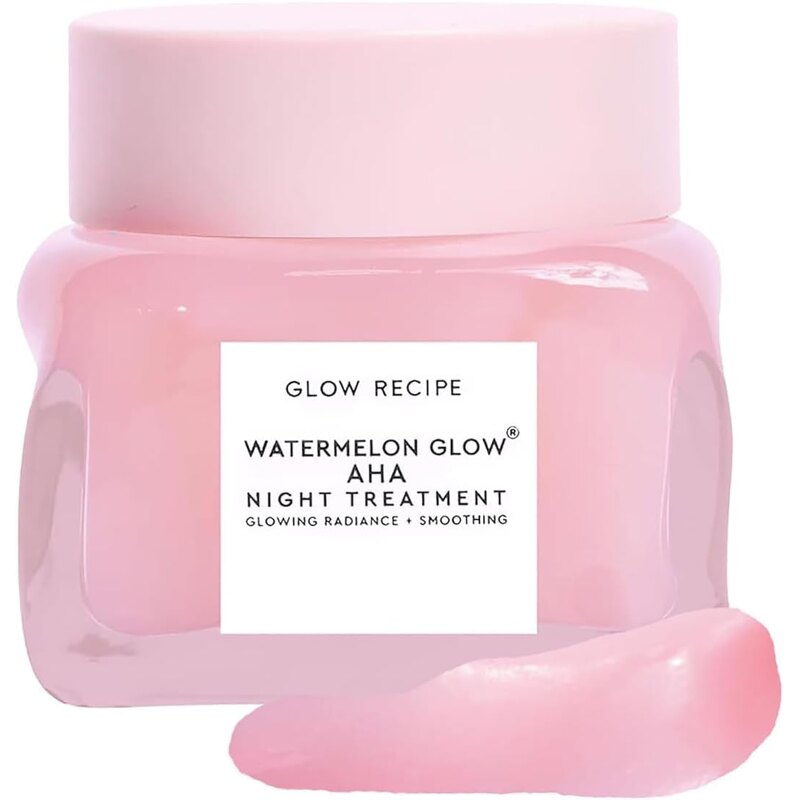
A gentle resurfacing treatment for smoother, brighter texture.
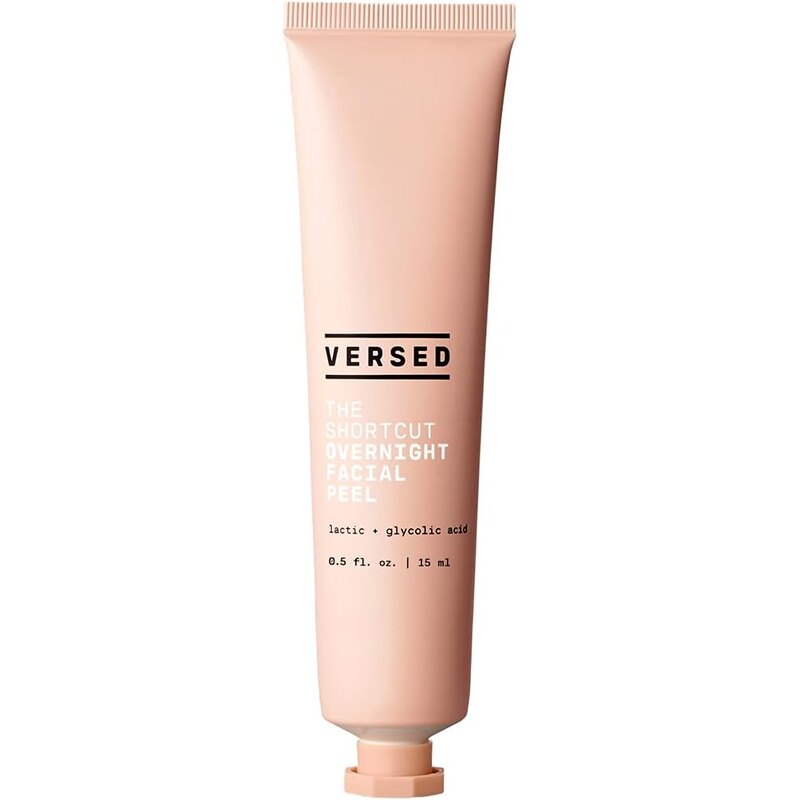
A leave-on exfoliant that refines texture a few nights a week.
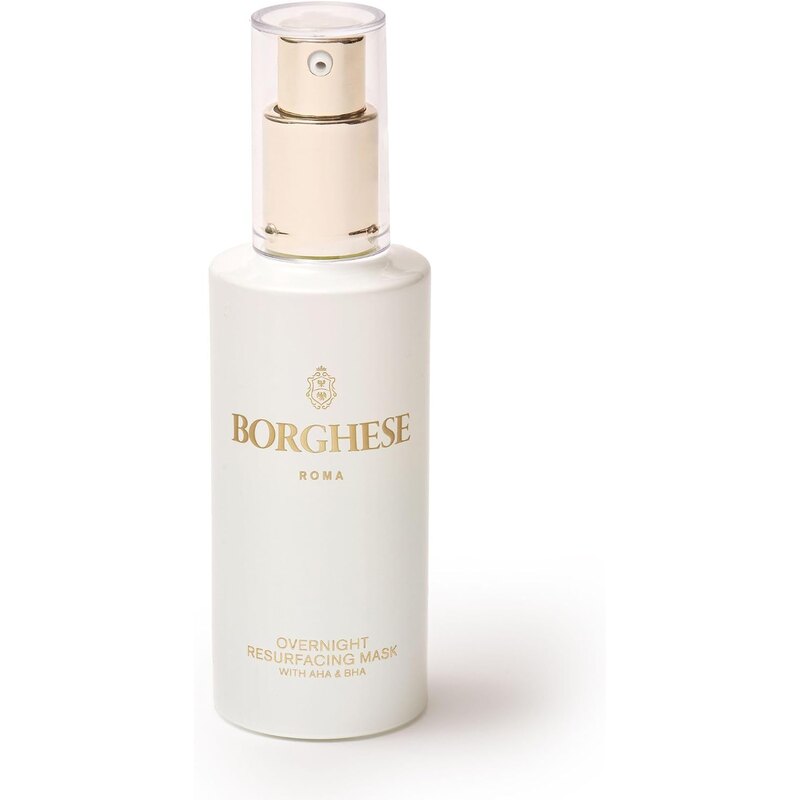
An exfoliating overnight mask that leaves skin smooth and clear.
After an exfoliating night, treat your skin kindly. Rinse with lukewarm water in the morning, then apply a plain moisturizer and a broad-spectrum sunscreen. A wide-brimmed hat adds extra shade on bright days. Similarly, skip scrubs, peels and retinoids for the next night or two. Give the skin time to rest, and keep the routine simple until it feels comfortable again. If your skin feels tight or looks pink, choose a hydrating mask until it settles. Many women follow a simple rhythm of acid nights, hydrating nights and rest nights. That balance brings steady glow without irritation. Over time, you will learn exactly how much your skin enjoys, and when it asks for a rest.
Overnight lip masks and eye masks
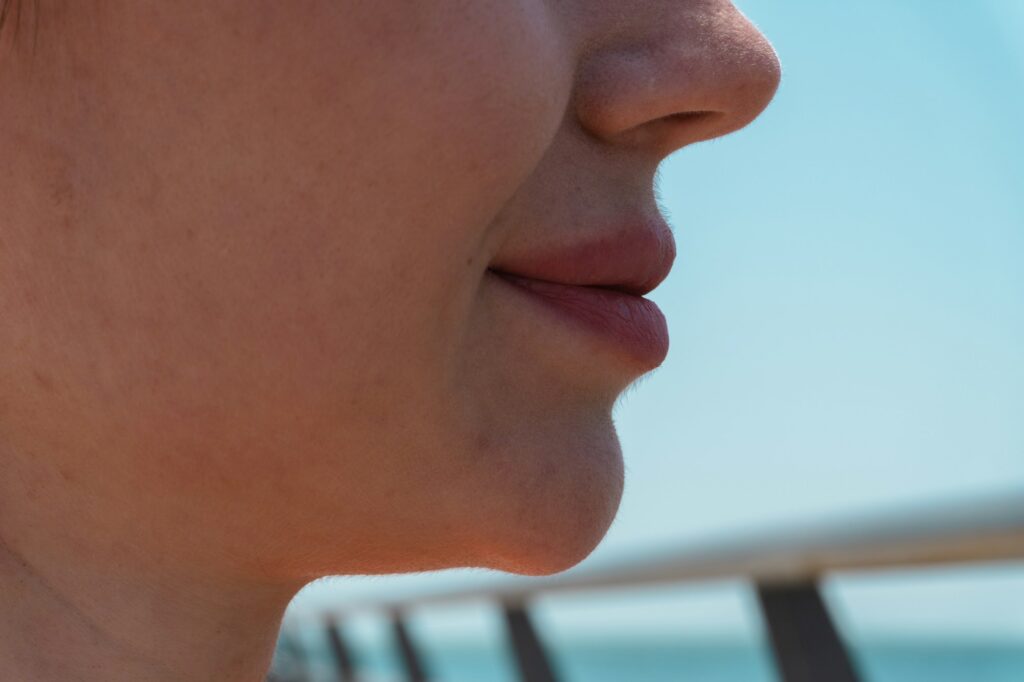
Lips are thin and delicate, and they often feel dry before the rest of the face. Heated rooms and winter air make that dryness more noticeable. A lip sleeping mask is a thick, cushioning balm that stays put while you sleep. The American Academy of Dermatology suggests lip balm or petroleum jelly for dry lips, and a switch if a balm stings. Look for shea butter, ceramides, waxes and plant oils. Fruit-scented balms add a little pleasure, too. Apply a generous layer just before bed, after your face mask. In the morning, wipe away what remains, and your lips will feel soft and smooth. The three picks below are rich lip sleeping masks.
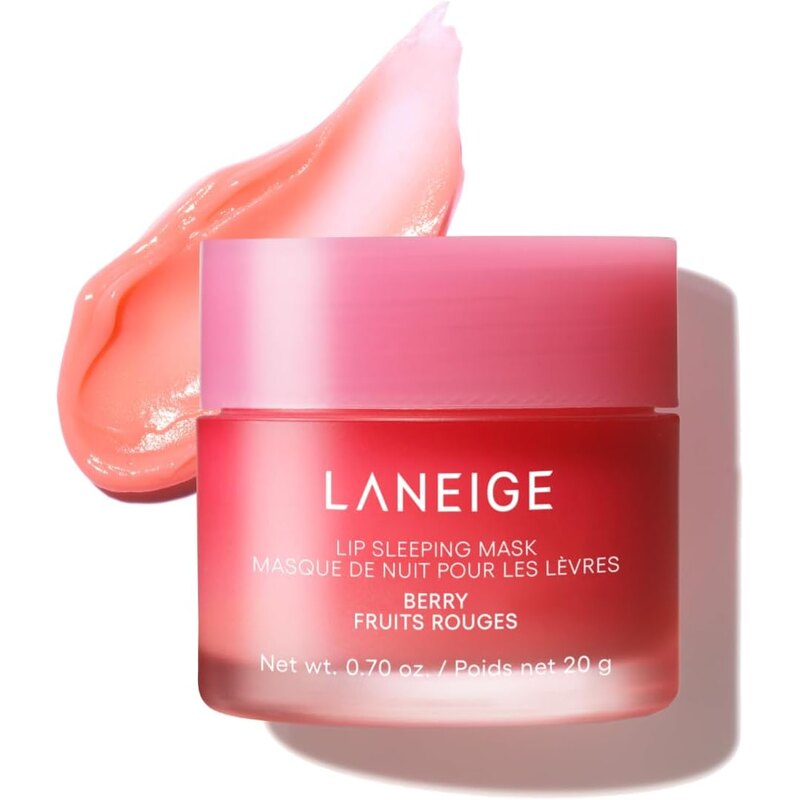
The classic berry lip mask for soft, smooth lips by morning.
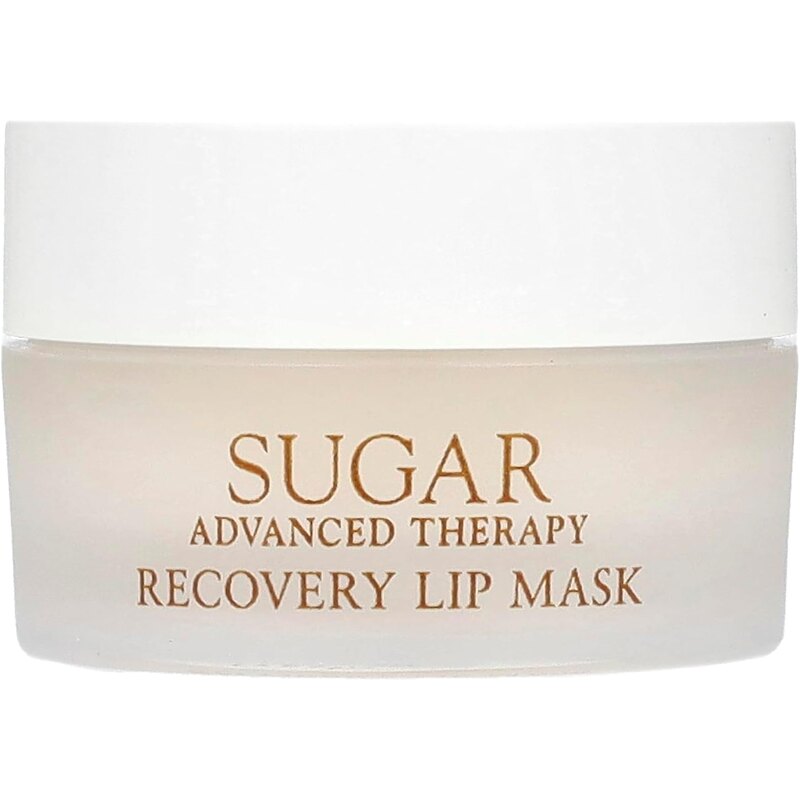
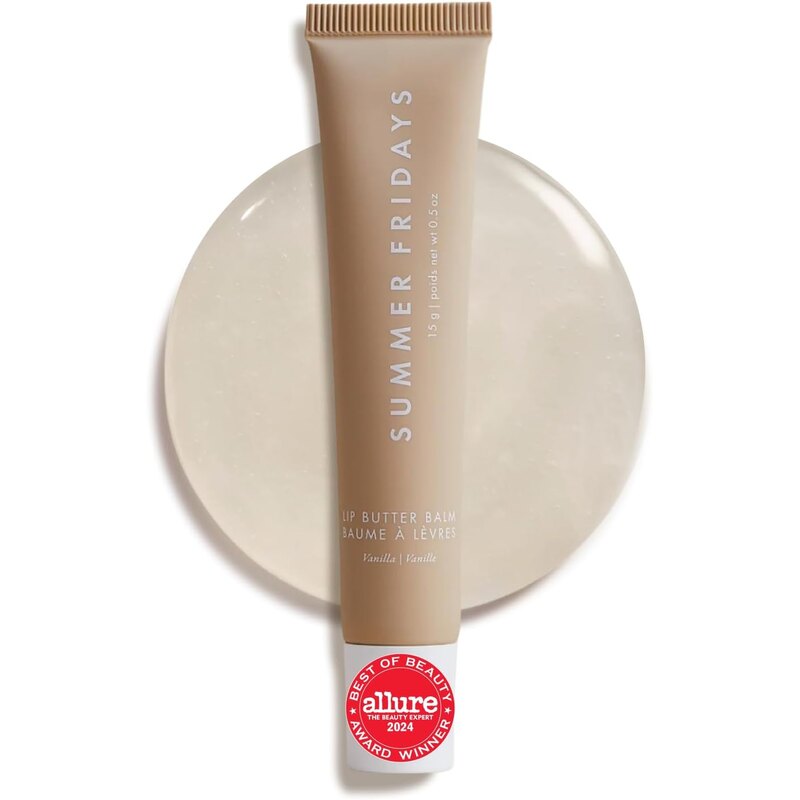
A cushiony balm that doubles as an overnight lip mask.
Lip masks for very dry and chapped lips
When lips are cracked, comfort comes first. A richer lip mask with ointment textures, ceramides or honey forms a protective seal through the night. Many of these formulas also include gentle exfoliants that soften flakes, so lipstick glides on smoothly the next day. Apply one every night until your lips recover, then two or three nights a week. However, avoid licking your lips, which dries them further. Likewise, skip lip plumpers and strong flavors while lips are sore. If cracks at the corners persist, see a dermatologist. Meanwhile, keep a small pot on the nightstand, so the ritual is easy to remember. The three picks below are nourishing masks for very dry lips.
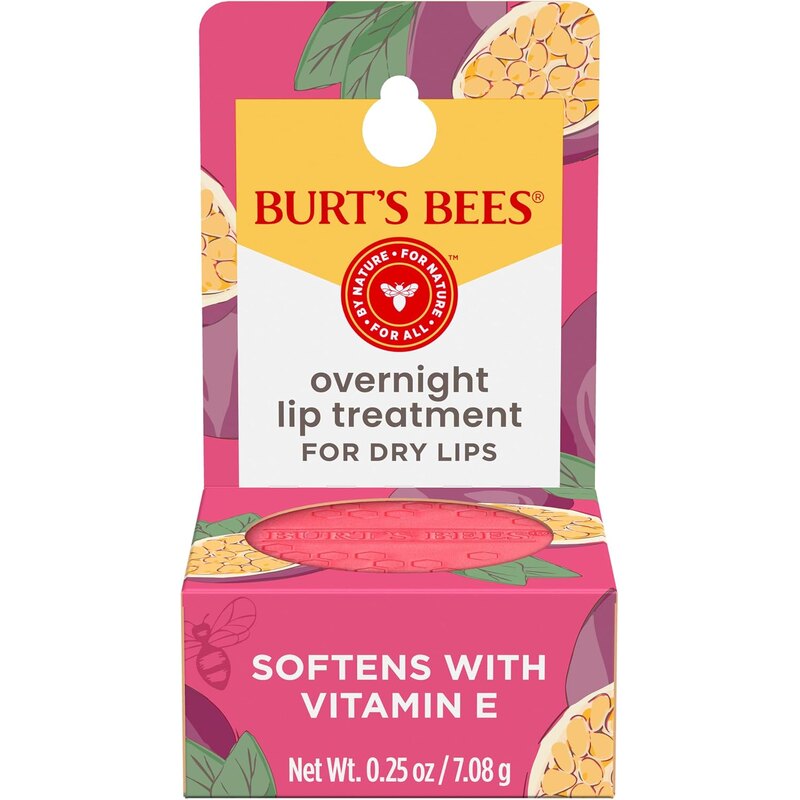
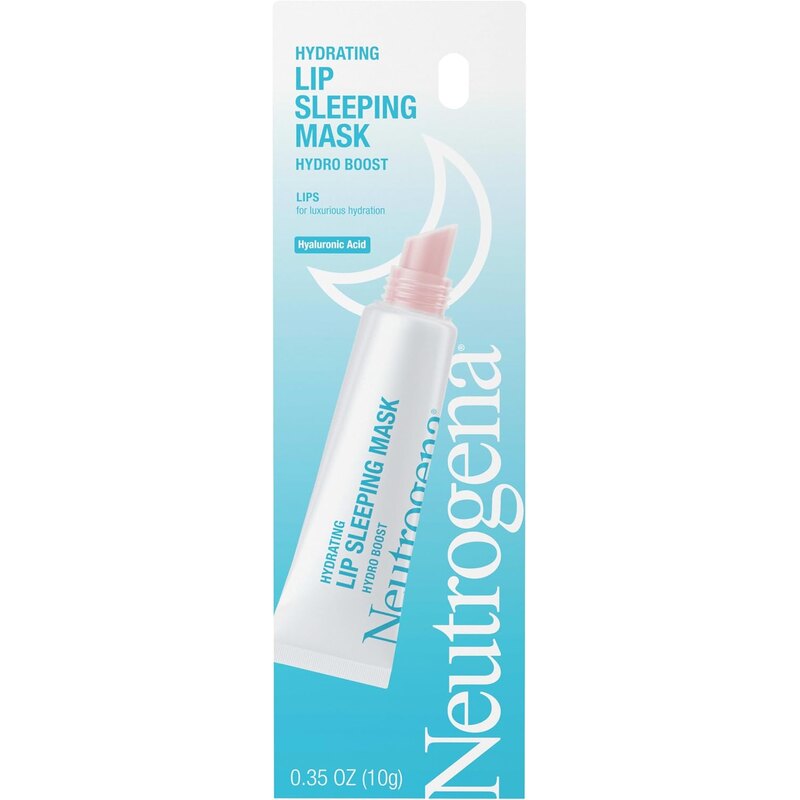
A clear hydrating mask that keeps lips supple overnight.
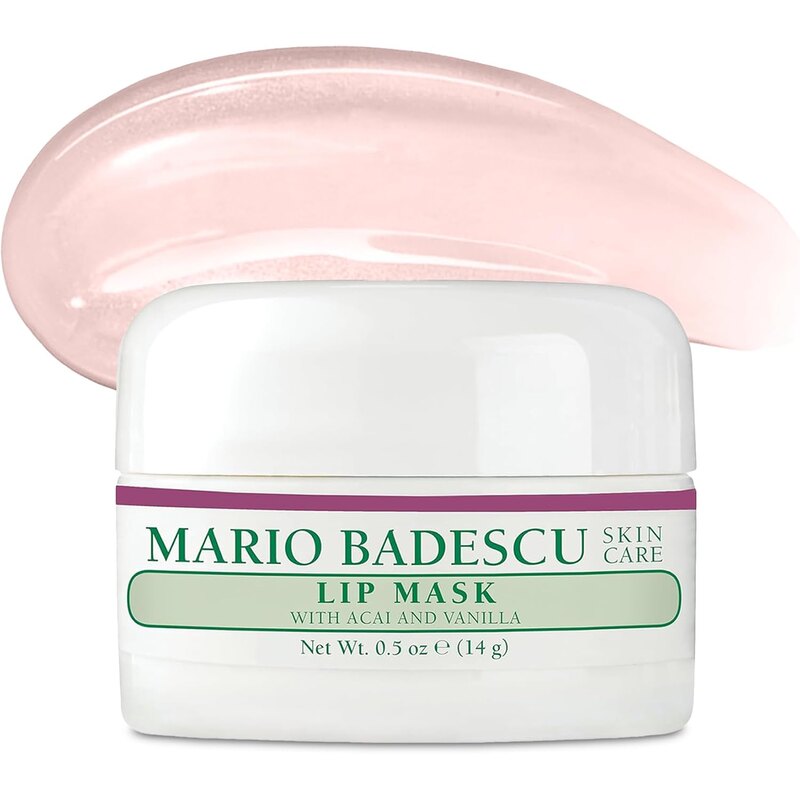
Overnight eye masks
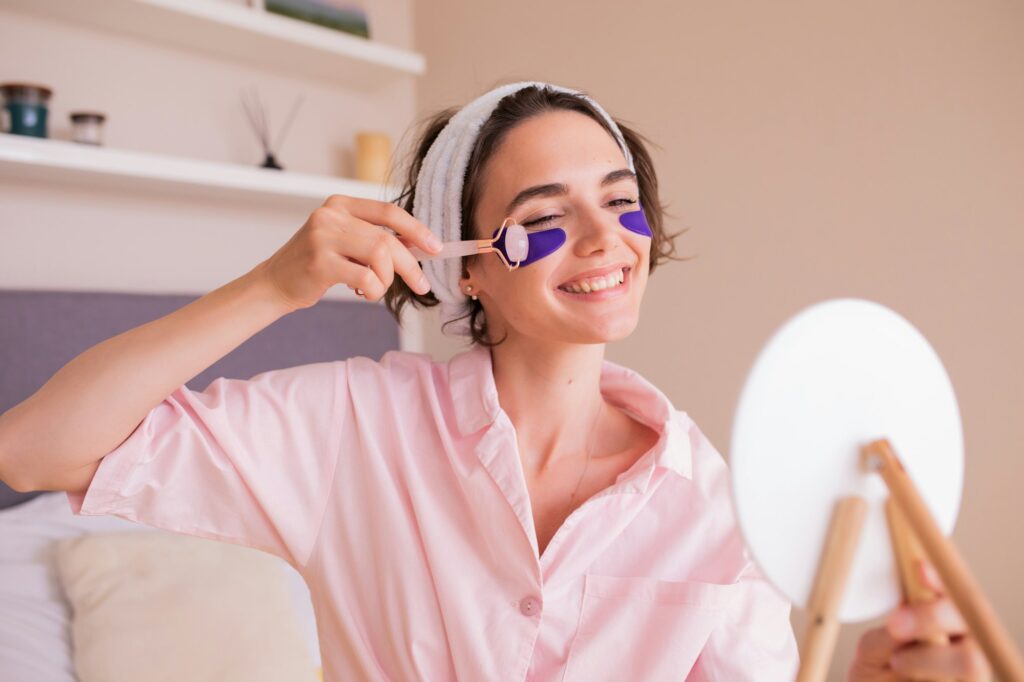
The skin around the eyes is thin and delicate, so it shows a short night first. Overnight eye masks are richer than a daytime eye cream, yet gentle enough for this area. Look for peptides, caffeine, hyaluronic acid and soothing botanicals. Apply a small amount with your ring finger, tapping from the inner corner outward along the orbital bone. Keep the product away from the lash line, so it does not drift into the eyes. Some women also use a hydrogel patch for a few minutes before bed. In the morning, the eye area looks smoother and more rested. The three picks below are overnight eye treatments for tired, dry or puffy eyes.
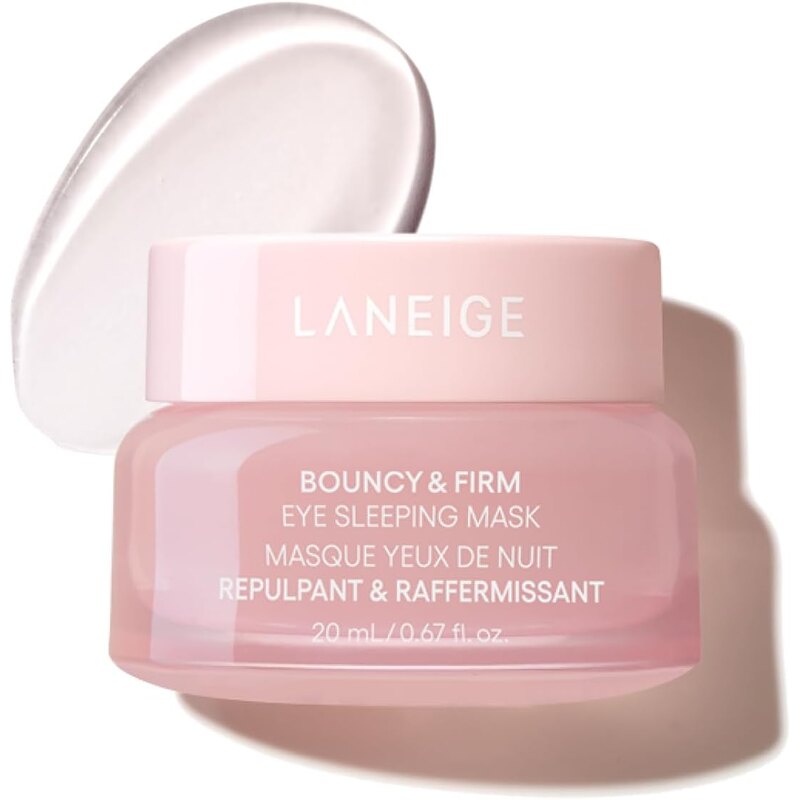
A sleeping mask made for the delicate skin around the eyes.
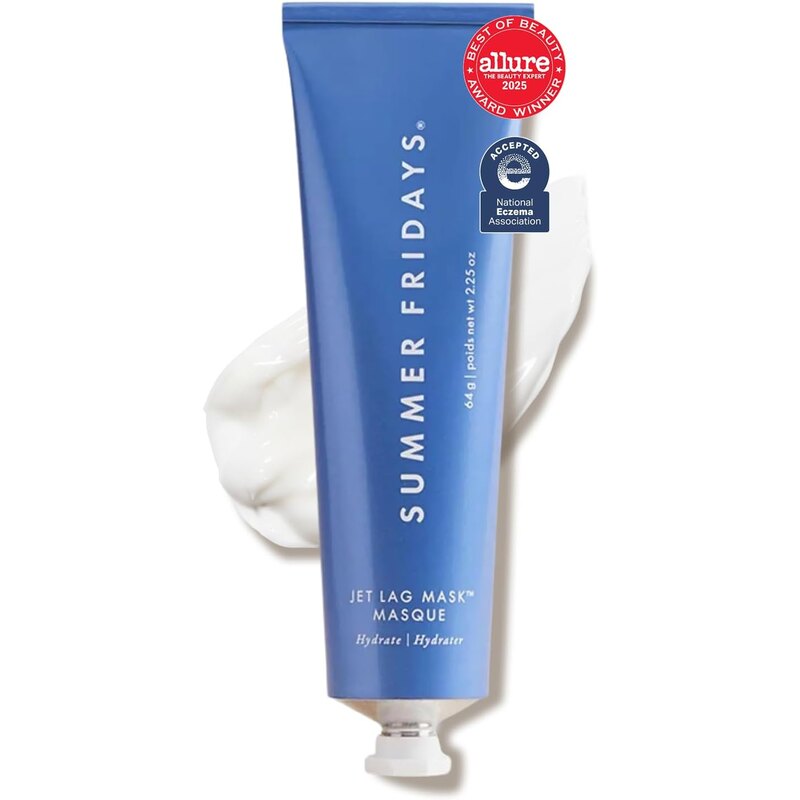
A hydrating mask for tired skin after a long day or flight.
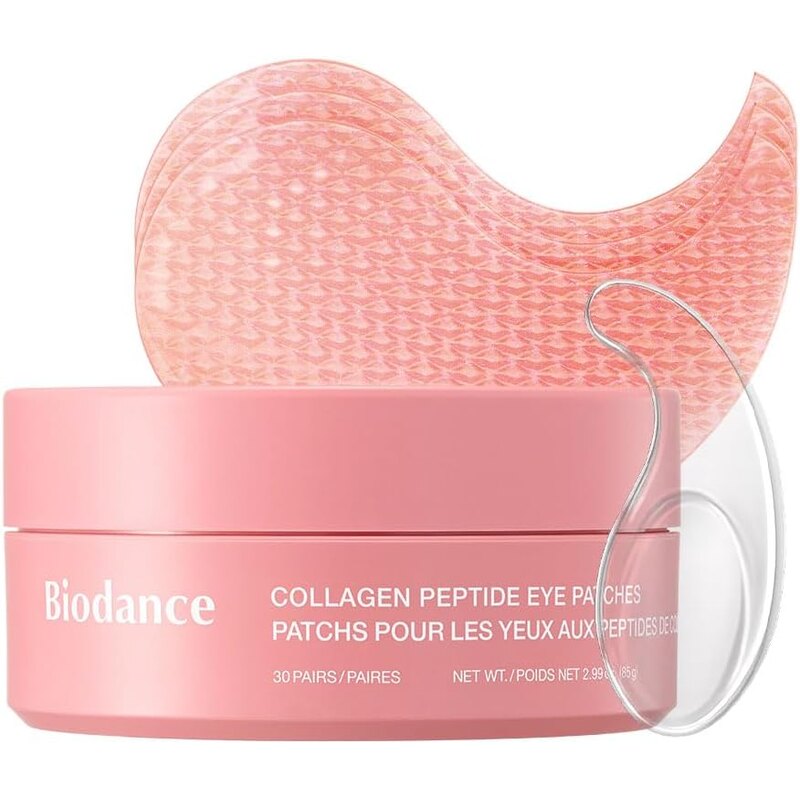
Hydrogel patches that hydrate and refresh the under-eye area.
Rested eyes also make your morning makeup easier. Concealer and eyeshadow sit more smoothly on hydrated skin, and fine lines look softer. So an overnight eye mask is the first step of a fresh makeup routine. If your routine has not changed in years, our guide to updating your makeup routine shows how to modernize it. Meanwhile, a soft silk pillowcase feels gentle against the eye area. A cool rinse in the morning feels refreshing on tired eyes. In addition, a hydrating eye mask pairs well with a light concealer. Above all, protect the eye area from the sun with sunglasses. Together, these small habits keep your eyes looking bright and open.
Luxury overnight masks and the best drugstore picks

Luxury overnight masks turn the evening into a small ceremony. They often combine rare botanicals, fine textures and beautiful jars. Some draw on spa traditions, such as saffron, diamond powder or ginseng. Others bring clinical ingredients into a rich, sensorial formula. As a result, the ritual feels closer to a facial than a step in a routine. Choose one for a special occasion or for nights when you want to slow down. A luxury mask also makes a thoughtful gift for someone who loves skincare. Apply it with clean hands and take a moment to breathe in the scent. The three picks below are indulgent overnight masks for evenings that deserve a little more.
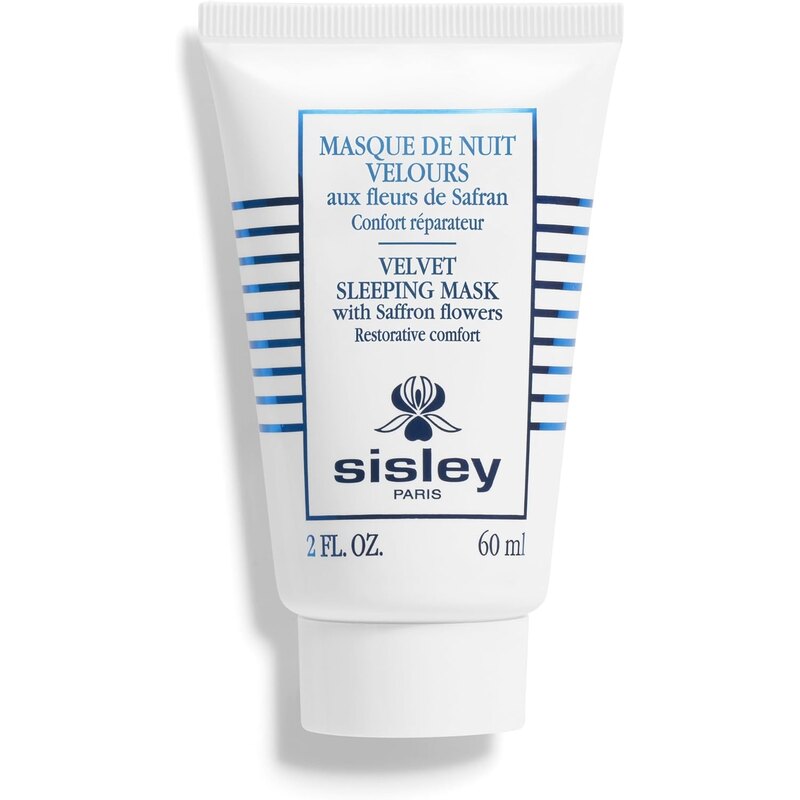
A velvety mask with saffron flowers for skin that needs comfort.
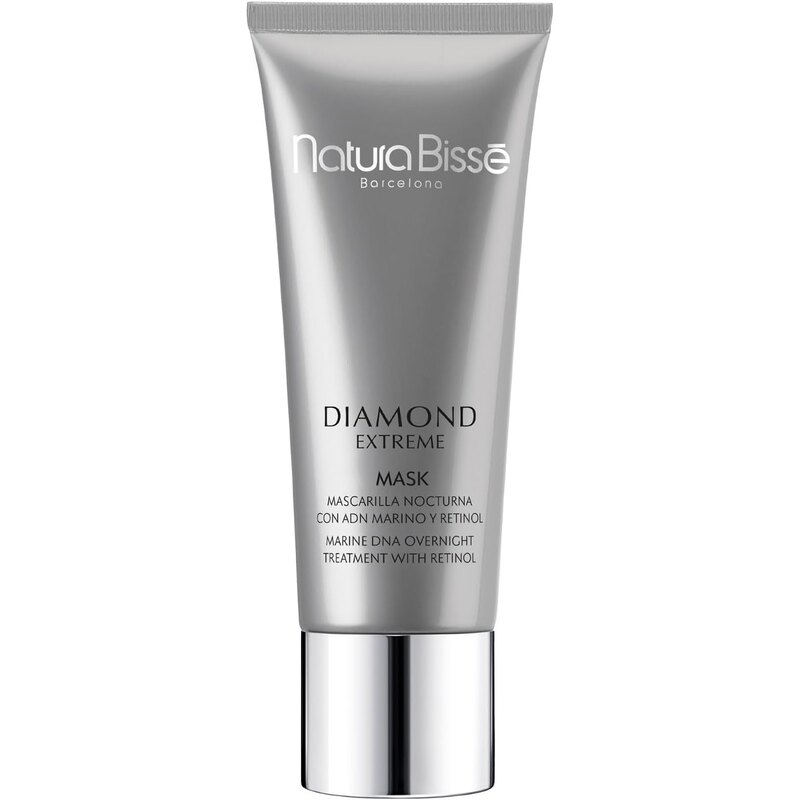
A luxurious overnight treatment for radiance and softness.
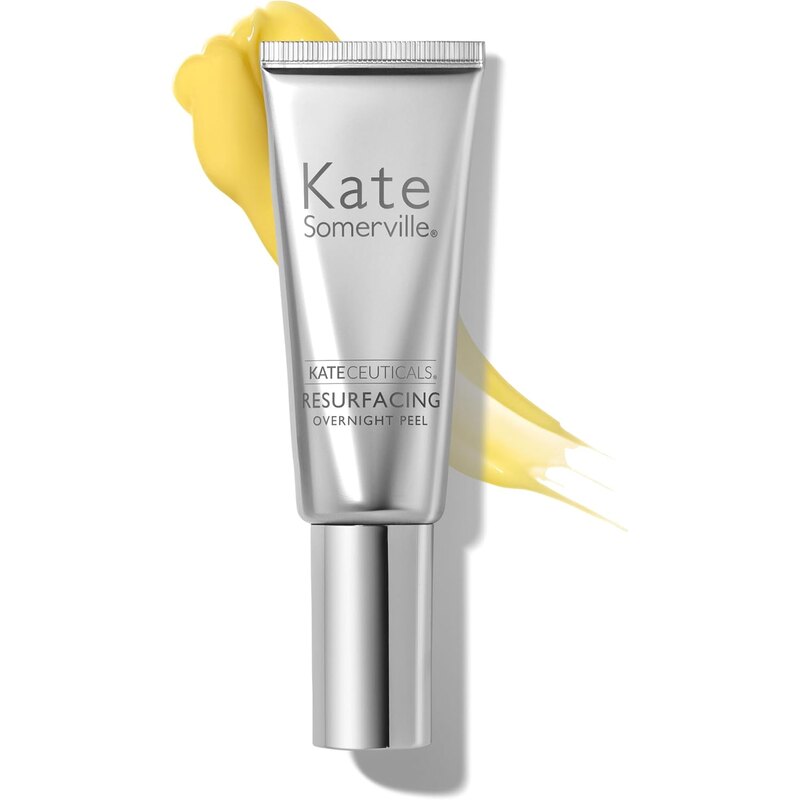
A resurfacing overnight peel for smoother, brighter skin.
The best drugstore overnight masks
A beautiful night routine does not depend on a rare jar. Several of the most loved overnight masks are drugstore classics that are easy to find and easy to reorder. Many share the same hero ingredients as luxury formulas, including hyaluronic acid, retinol and gentle acids. They suit women who mask often and want a dependable favorite. Moreover, they are a sensible way to learn what your skin enjoys before you invest further. Start with one formula for a few weeks, then note how your skin looks each morning. Keep what works, and simply let the rest go. The three picks below are drugstore favorites that deliver steady results night after night.
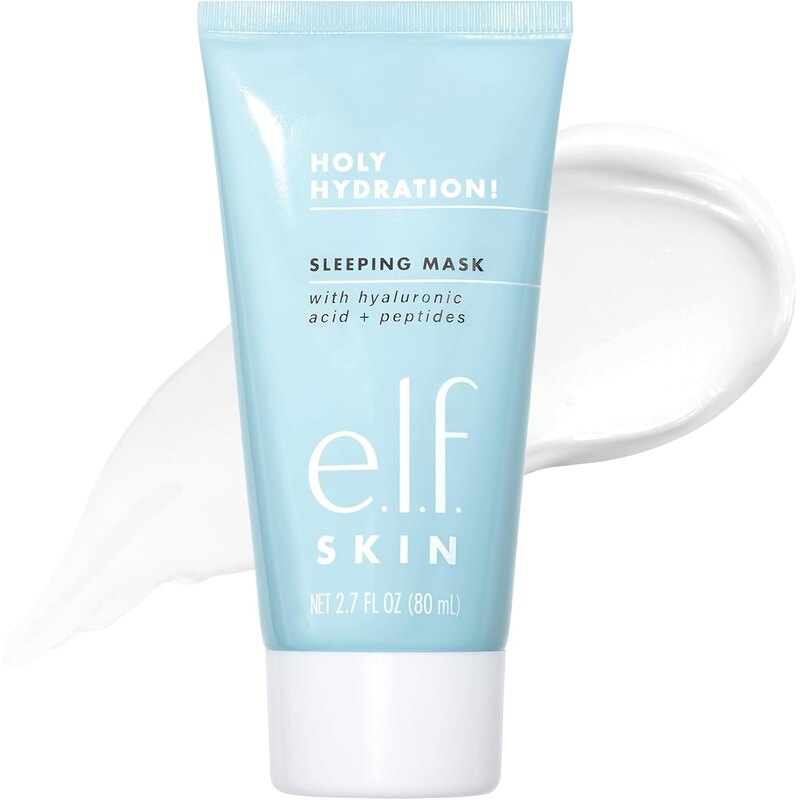
A plumping, moisturizing sleeping mask for everyday use.
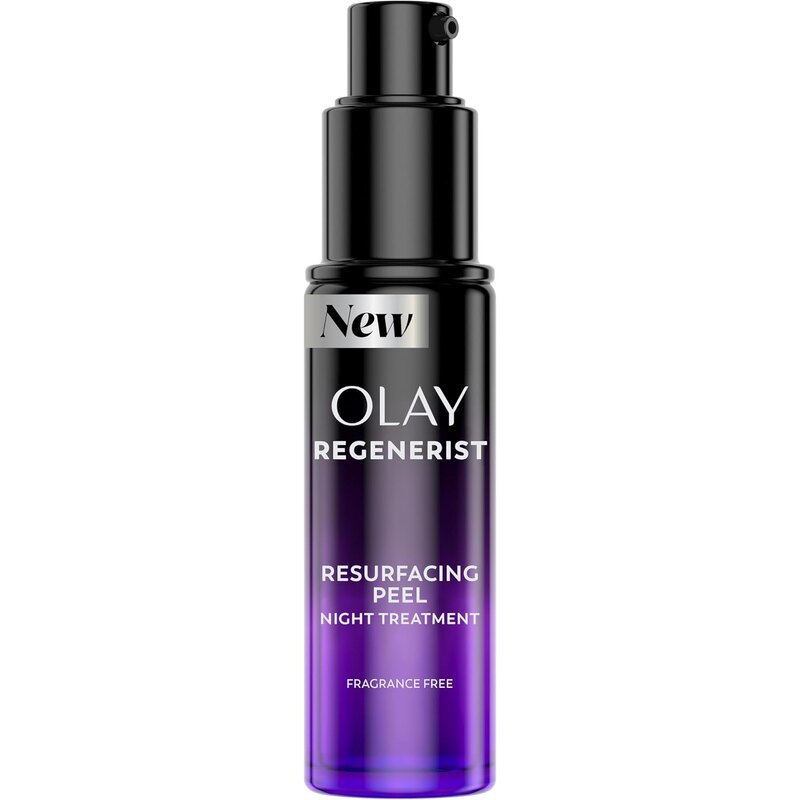
A drugstore resurfacing mask for smoother texture.
Whatever you choose, a few rules keep every mask at its best. Close the jar tightly and store it away from heat and direct sun. Use a clean spatula rather than your fingers, so the formula stays fresh. Furthermore, note the date you opened it and check the label for how long it keeps. When a mask changes color or smell, replace it. A single mask rarely suits every season, so many women keep a light gel for summer and a richer cream for winter. Finally, give each new product a fair trial of several weeks. In time, you will build a small wardrobe of masks that suits every mood of your skin.
Who should skip which overnight masks

Most women can enjoy an overnight face mask, yet a few should choose carefully. If you are pregnant or breastfeeding, skip retinoid masks and ask your doctor about other actives. If you use a prescription retinoid or acne medicine, avoid exfoliating masks on the same nights. Sensitive and rosacea-prone skin often does better with short, fragrance-free formulas. Oily and acne-prone skin should avoid thick, oily balms. Likewise, wrapping masks can tug on very dry or fragile skin. Rinse-off clay masks are a different product, so never sleep in one. If you have eczema, an active rash or broken skin, ask a dermatologist first. When in doubt, choose the gentlest overnight face mask you can find.
The research, in brief
Skin permeability at night comes from Yosipovitch and colleagues, 1998, in the Journal of Investigative Dermatology. Sleep and barrier recovery come from Oyetakin-White and colleagues, 2015, in Clinical and Experimental Dermatology. Sensitive skin prevalence comes from Farage’s 2019 review in Frontiers in Medicine. Acne figures come from the American Academy of Dermatology. Advice on face washing, dry skin, patch testing, retinoids and exfoliation follows the AAD. This article is general information and not medical advice. Checked November 2026.
Recommended
Beauty sleep, made a ritual
An overnight mask asks very little of you. A thin layer, a clean pillowcase and a full night of rest do most of the work. Choose the texture your skin enjoys, whether a rich cream, a cooling gel or a soothing cica formula. Then match the rhythm to your needs, from two nights a week to most nights in winter. Add a lip mask and an eye mask when you want more. Keep acids and retinoids on separate nights, and wear sunscreen every morning. Above all, enjoy the ritual. The minutes before sleep belong to you alone, so make them count. With a good mask, they become a small promise to wake up looking rested.



Each of the three tools above offers a gentle next step, whatever your skin type or season. The ring quiz is an easy way to understand your own taste. It helps most when an anniversary or proposal is near. Meanwhile, the 21-Day ritual turns your attention inward, toward skin and gut, at a pace you can keep. And the Makeover Bible gathers skin and hair rituals into one guided reference that you can return to often. Each one meets you where you are, rather than where a trend says you should be. So choose the one that fits this season of your life. Then come back for the next when you feel ready, because a makeover has no deadline.
The 21-Day Skin & Gut Health Reset is a skin-and-gut ritual from within, created for women who want to feel radiant and at ease. Join the waitlist to be the first to hear more.
Join the waitlistQuestions worth asking
Can you leave a face mask on overnight?
Only if it is made for it. Overnight masks and sleeping packs are designed to stay on until morning. Rinse-off masks, especially clay and peel formulas, are not, and sleeping in one can dry or irritate the skin. Check the label for “overnight”, “sleeping” or “leave-on” before you go to bed in any mask.
Do you wash off an overnight mask in the morning?
Yes. Rinse with lukewarm water or use a gentle cleanser in the morning, then apply your moisturizer and sunscreen. Most of the mask will have absorbed overnight, so only a thin film remains. Lip masks can simply be wiped away. Follow the label if a brand gives different directions.
How often should you use an overnight face mask?
Most women use one two or three nights a week. Dry skin may enjoy three or four nights, while gentle hydrating gels are often fine nightly. Use exfoliating or retinoid masks one or two nights a week, never with another acid. Watch how your skin responds and adjust with the seasons.
What is the best overnight mask for dry skin?
The best overnight moisture mask for dry skin is rich and cushioning, with ceramides, squalane, shea butter or plant oils. Apply it over a moisturizer on very dry nights, and put it on while skin is slightly damp. Dehydrated skin often prefers a lighter gel with hyaluronic acid or glycerin.
Are overnight masks good for acne-prone skin?
They can be, if you choose well. Pick a light, oil-free gel, or a mask with gentle acids used on separate nights from any acne treatment. Hydrocolloid patches also work overnight on single spots. Avoid thick, oily balms, and see a dermatologist if acne is painful or leaves marks.
What is the best overnight mask for mature skin?
Mature skin does well with masks that combine moisture with peptides or retinoids. Start a retinoid every other night, at night only, and wear sunscreen every morning. On the other nights, a firming or hydrating mask keeps skin comfortable. Avoid retinoids during pregnancy, and give any new mask several weeks.
