
The idea that gut health and skin move together can feel new. Yet dermatologists first wrote about it almost a century ago. Today, researchers study how the bacteria in your digestive tract talk to your immune system. They also ask how that conversation may show on your face. This guide gathers what the research suggests, and it stays honest about what it does not yet show. It belongs to our series on how to give yourself a makeover, where skin is one step among ten. Here, the focus turns inward. You will find the science in plain terms and the foods researchers study most. You will also find a gentle way to bring both into your days.
This article is for general information. It is not medical advice. Please speak with your doctor or a board-certified dermatologist first. Do this before you change your diet, start a supplement or treat a skin condition.
Gut health and skin connect through the gut-skin axis, a two-way link between your digestive tract, your immune system and your skin. Reviews tie imbalances in gut bacteria to acne, eczema and psoriasis, although most findings are associations rather than proof. Diet can shift gut bacteria within days, so the most sensible steps are gentle ones: eat a wide variety of plants and fiber, include fermented foods you enjoy, wear SPF 30 or higher daily and protect your sleep. Then give any change several weeks before you judge it.
Gut health and skin: where the conversation begins
In 2011, researchers Whitney Bowe and Alan Logan revisited an old idea in the journal Gut Pathogens. Their paper traces the gut-brain-skin theory to two dermatologists, John H. Stokes and Donald M. Pillsbury. Those two proposed it more than seventy years earlier. Stokes and Pillsbury suspected that emotional states might change the bacteria in the gut. In turn, they thought those changes could feed inflammation that shows in the skin.
For decades, the idea rested in old journals. Then modern tools for reading the microbiome arrived, and researchers returned to it. According to Bowe and Logan, recent studies have supported many aspects of that early theory. Still, the full picture remains a work in progress, and honest writers say so.

So what does this mean for you, standing at the bathroom mirror? First, it means your skin reflects more than the products on your shelf. Food, sleep and stress all play a part, alongside cleansing and sunscreen. Second, it means the most useful changes are often modest. A wider range of plants, a few fermented foods and earlier nights cost little. Yet they support your body in ways that may, over time, show on the surface. Finally, it means patience. Skin renews itself slowly, and the gut responds to habits rather than single meals. For that reason, this guide treats gut health and skin as one ritual rather than two separate projects. Each part supports the other.
A skin makeover, from the inside out
The phrase skin makeover usually brings to mind a new serum or a series of facials. Those have their place, and later sections cover a sensible routine. However, a gut makeover asks a different question. It asks what to feed the trillions of microbes inside you, rather than what to add to your face. The answer is rarely dramatic. It looks like oats at breakfast, beans in a soup and a bowl of yogurt with berries. It also looks like a walk after dinner and a regular bedtime. None of this replaces dermatology. Rather, it gives your skin steady support from within, while your routine cares for it from the outside. Together, the two form one gentle practice.
The gut-skin axis, in plain terms
Your gut holds a vast community of bacteria. In a 2016 paper in PLoS Biology, Sender, Fuchs and Milo estimated about 38 trillion bacteria in a reference adult. They also estimated about 30 trillion human cells. In other words, your bacteria roughly equal your own cells in number. Older textbooks had claimed a ratio of ten to one. Most of these microbes live in the colon. There, they break down fiber your body cannot digest alone. Along the way, they produce compounds that reach your bloodstream and your immune system. That traffic explains why researchers now look at the gut when they study the skin. It also explains why food may matter to your complexion.

A 2018 review in Frontiers in Microbiology takes up this question. It describes the gut microbiota as one of the main regulators of the gut-skin axis. Salem and colleagues focus on three common conditions: acne, atopic dermatitis and psoriasis. For each, they describe research that ties an imbalance in gut bacteria to the condition. For example, they note lower levels of a bacterium called Faecalibacterium prausnitzii in some people with eczema and psoriasis. However, these are associations. They do not prove that gut bacteria cause a skin condition. Indeed, the authors conclude that future research should improve our understanding of the mechanisms. That caution runs through every honest account of this young field.
Short-chain fatty acids and mood
One of the clearest threads in this research involves short-chain fatty acids. According to Harvard’s Nutrition Source, certain fibers act as prebiotics, or food for gut bacteria. The bacteria then ferment those fibers into short-chain fatty acids. The Salem review adds a further point about butyrate, one of these fatty acids. It says these compounds can suppress immune responses by slowing the growth of inflammatory cells. That finding matters, because inflammation plays a role in acne, eczema and psoriasis. Even so, the review calls for more research into these mechanisms. So the practical lesson stays gentle. Feed your gut bacteria a variety of fiber, and let any benefits build slowly across the months ahead.
You may also like


How quickly the gut responds to food
Your gut bacteria respond to food faster than many people expect. In a 2014 study in Nature, David and colleagues tested short-term diets. Volunteers ate meals made entirely of animal foods or entirely of plant foods. The diets changed the structure of the microbial community, and those changes overwhelmed the usual differences between individuals. The authors concluded that the gut microbiome can rapidly respond to altered diet. Yet the study used extreme, short diets, so everyday results will differ. Also, a quick shift in bacteria does not mean a quick change in skin. Skin cells turn over on their own slower rhythm. Therefore, the gut may answer within days, while your reflection takes far longer to follow.

This raises a fair question about timelines. Many programs promise results in a set number of days. However, no study shows a magic number of days for gut health and skin. Instead, the research points to something simpler and more forgiving. Habits shape the microbiome, and the microbiome drifts back when habits fade. So the best plan is one you can keep long after any countdown ends. Think in seasons rather than sprints. A routine that fits your real mornings will serve your skin far longer than a rigid plan. After all, you will keep a ritual you enjoy. By contrast, you will likely abandon one that feels like a punishment within weeks.
You may also like


Why steady habits matter more than speed
The gut adapts to what you eat most often. For that reason, small daily choices carry more weight than one ideal week. A bowl of oats, a handful of nuts and a side of greens may seem modest. Over months, though, they shape which bacteria thrive. The same logic applies to skin care. A cleanser and sunscreen used every day do more than an occasional treatment. With this in mind, choose two or three changes you enjoy, rather than ten you resent. Then repeat them until they feel ordinary. Once they do, add one more. This slow layering suits both your gut and your skin. Better still, it tends to last, because nothing about it feels forced.
Fiber, plants and a varied plate
Fiber is the simplest place to begin. According to Harvard’s Nutrition Source, children and adults need at least 25 to 35 grams of fiber a day. Many people eat far less. Fiber comes in different forms, and each feeds different bacteria. For instance, Harvard lists beta-glucans as a prebiotic. These are highly fermentable fibers found in oats and barley. Beans, lentils, vegetables, fruit, nuts and whole grains add other types. So rather than chasing one super ingredient, aim for range. In addition, raise your intake gradually and drink water as you go. Harvard notes that a sudden jump can cause bloating and cramping. A slow increase, by contrast, lets your gut adjust.
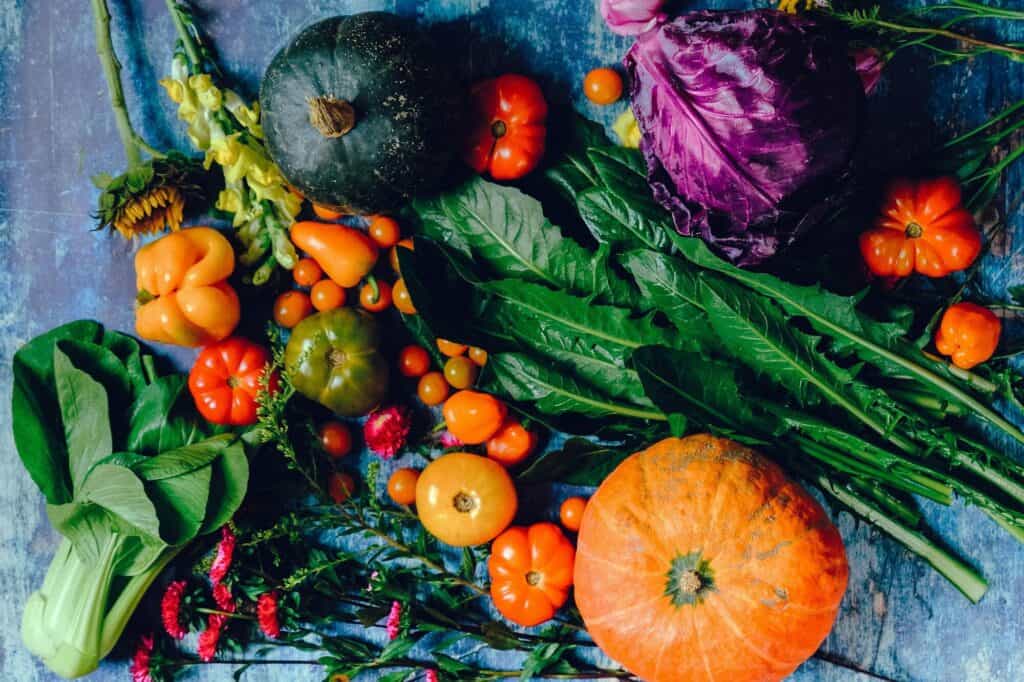
Variety may matter as much as quantity. The American Gut Project gathered stool samples and diet surveys from more than 11,000 participants. Most of them lived in the United States. In a 2018 paper in mSystems, McDonald and colleagues compared two groups. One ate more than 30 types of plants a week, and the other ate 10 or fewer. The two groups differed in their gut bacteria. Notably, the higher-plant group carried more of several bacteria thought to ferment fiber into short-chain fatty acids. Still, this was an observational comparison, not a trial. Even so, it offers a pleasant goal for gut health and skin. Count the plants you eat in a week, and let the number grow.
Simple ways to widen the plate
Widening your plate does not require new recipes every night. Instead, it asks for small additions to meals you already love. Consider a few easy swaps. Stir a spoonful of mixed seeds into yogurt. Toss a second vegetable into a pasta sauce. Choose a mixed-bean salad instead of a single bean. Keep frozen berries for mornings when fresh fruit runs out. Then add fresh herbs at the end of cooking, since parsley, basil and dill each count as a plant. Over a week, these touches add up quickly. Meanwhile, keep a short list on the fridge and tick each new plant. Many women find the counting itself becomes a small pleasure, and a gentle game.
Fermented foods and probiotics
Fermented foods have drawn new attention from researchers. In 2021, a Stanford team published a trial in Cell, led by Wastyk and the Sonnenburg lab. The 17-week randomized study enrolled healthy adults. One group of 18 ate a high-fiber diet, while another group of 18 ate more fermented foods. The high-fermented-food diet steadily increased microbiota diversity and decreased inflammatory markers. In contrast, diversity stayed stable in the high-fiber group. The authors suggested that fermented foods may help counter the lower diversity common in industrialized societies. They pointed to higher inflammation, too. The study was small and did not measure skin. Even so, it gives fermented foods a thoughtful place on the table.

Familiar fermented foods include yogurt, kefir, kimchi, sauerkraut and miso. Look for labels that mention live and active cultures, and then choose the ones you genuinely enjoy eating. Notably, the American Academy of Dermatology reports that no studies have linked yogurt or cheese to more breakouts. Probiotic supplements are a separate matter. The National Center for Complementary and Integrative Health describes one review in adults. It found preliminary evidence that some strains might help atopic dermatitis. NCCIH also notes that most probiotic supplements do not need FDA approval before sale. Therefore, food is the easier starting point. Supplements, meanwhile, deserve a conversation with your doctor first. The three pieces below keep the focus on food.

Glass jar, ceramic weights and an airlock lid for sauerkraut at home.
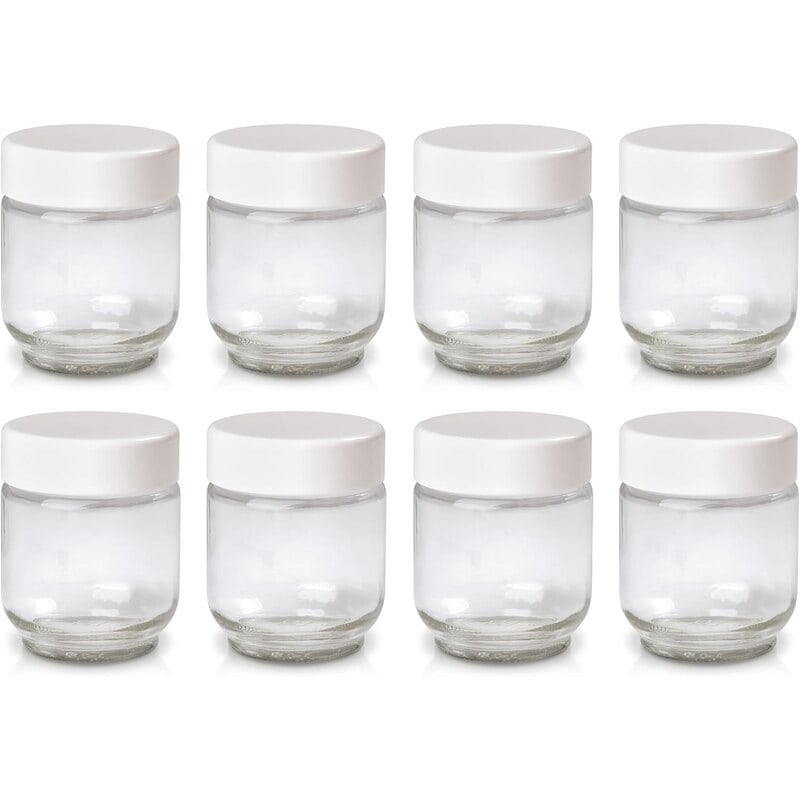
Small glass jars for yogurt made at home, ready for berries.

Koji, kombucha, miso and pickles, taught as food and craft.
Bringing fermented foods to the table
If fermented foods are new to you, begin with small portions. A few spoonfuls of kimchi beside rice, or a small glass of kefir, is plenty at first. Then notice how you feel, and build slowly from there. Pair fermented foods with fiber, since the two work well together on the plate. For example, top oats with yogurt and berries. Alternatively, serve miso soup with greens and tofu. Stir in the miso at the very end, just before you serve the bowl. Also, enjoy the ritual of it. A jar of homemade sauerkraut on the counter feels like a small promise. In time, gut care becomes something you look forward to each day.
You may also like


Omega-3s, berries and the glycemic question
Beyond the microbiome, a few foods have their own research on skin. The American Academy of Dermatology says findings from small studies suggest that a low-glycemic diet may reduce acne. One example is a 2007 trial in the American Journal of Clinical Nutrition. Smith and colleagues followed 43 young men with acne for 12 weeks. In the low-glycemic group, lesion counts fell by an average of 23.5. In the control group, they fell by 12.0. However, the low-glycemic group also lost weight, so the authors called for further studies. Still, choosing whole grains over refined starches remains a sensible habit for most women.
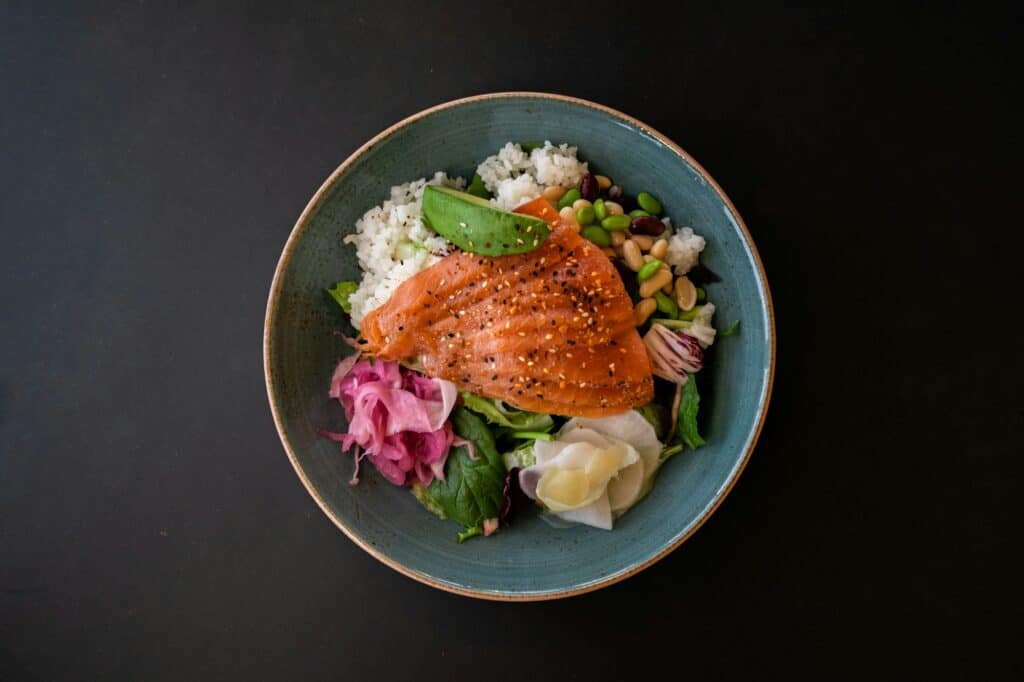
Dairy raises a related question. The AAD reports that studies have tied all types of cow’s milk to acne. It describes one study in which women drank two or more glasses of skim milk a day. Those women were 44% more likely to have acne. Omega-3 fats offer a more encouraging story. In a 2014 trial in Acta Dermato-Venereologica, Jung and colleagues studied 45 people with mild to moderate acne. After 10 weeks, the group taking 2,000 mg of EPA and DHA daily had significantly fewer acne lesions. That trial tested supplements, not food, and it studied acne only. Even so, oily fish such as salmon and sardines remain a fine addition to the week.
Polyphenols, from berries to the spice drawer
Polyphenols are plant compounds found in berries, tea, cocoa and spices. Your gut bacteria break many of them down. In 2011, Vendrame and colleagues published a study in the Journal of Agricultural and Food Chemistry. They found that six weeks of a wild blueberry drink increased Bifidobacterium in the gut. Turmeric invites more care. In a 1998 study in Planta Medica, Shoba and colleagues tested piperine, from black pepper. It raised curcumin’s bioavailability by 2000% in volunteers. Those were supplement doses, though. In addition, NCCIH warns that highly bioavailable curcumin formulations may harm the liver. So enjoy turmeric in your cooking, and ask your doctor before any supplement.
Collagen and the supplement question
Collagen supplements are among the most studied options for skin. In a 2023 meta-analysis in Nutrients, Pu and colleagues pooled 26 randomized controlled trials with 1,721 participants. Overall, hydrolyzed collagen significantly improved skin hydration and elasticity compared with placebo. The effect on hydration varied with the collagen source and with how long people took it. However, the authors also identified several biases in the included trials. They concluded that further large trials are necessary to confirm the findings. That is a fair summary of where the science stands. The results look promising, and the evidence keeps improving, yet nothing here is settled. Keep that balance in mind before you buy anything.

One trial shows what these studies look like in practice. In a 2014 study in Skin Pharmacology and Physiology, Proksch and colleagues enrolled 69 women aged 35 to 55. Each took 2.5 g or 5 g of collagen peptides once a day for eight weeks. A third group took a placebo. At the end, skin elasticity in both collagen groups had improved significantly compared with placebo. Moisture showed a positive trend in a subgroup, although it did not reach statistical significance. Notably, the trial used one specific branded peptide, so results may not apply to every product. Meanwhile, the timescale matters. Changes took weeks to measure, which is typical for anything that works on skin from within.
Skin and gut, from within: a gentle daily ritual. Join the waitlist and we will write to you when the 21-Day Skin & Gut Health Reset opens.
Occasional letters. Unsubscribe anytime.
Food first, then a conversation
Supplements can feel like a shortcut, yet they deserve the same scrutiny as any skin treatment. Start with food, because a varied plate brings fiber, polyphenols and protein together. Then, if you still want to try a supplement, speak with your doctor or a registered dietitian. This matters most if you are pregnant, breastfeeding, managing a health condition or taking medication. Bring the label to that appointment, since doses and ingredients vary widely between brands. Also, introduce one supplement at a time, so you can tell what helps and what does not. Finally, give it time. Most skin studies measure results after eight weeks or more, rather than after a few days.
The skincare that works alongside it
For gut health and skin alike, inner care works best beside a gentle outer routine. Keep that routine simple, especially while you change other habits. Cleanse gently, moisturize and protect your skin every morning. The American Academy of Dermatology recommends sunscreen that is broad-spectrum, water-resistant and SPF 30 or higher. It also advises reapplying every two hours outdoors, and after swimming or sweating. No food can stand in for daily sun protection. Similarly, no supplement can undo a harsh cleanser. So think of your routine as the frame, and your plate as the picture inside it. Each one makes the other easier to see. Together, they give your skin the steadiest support.
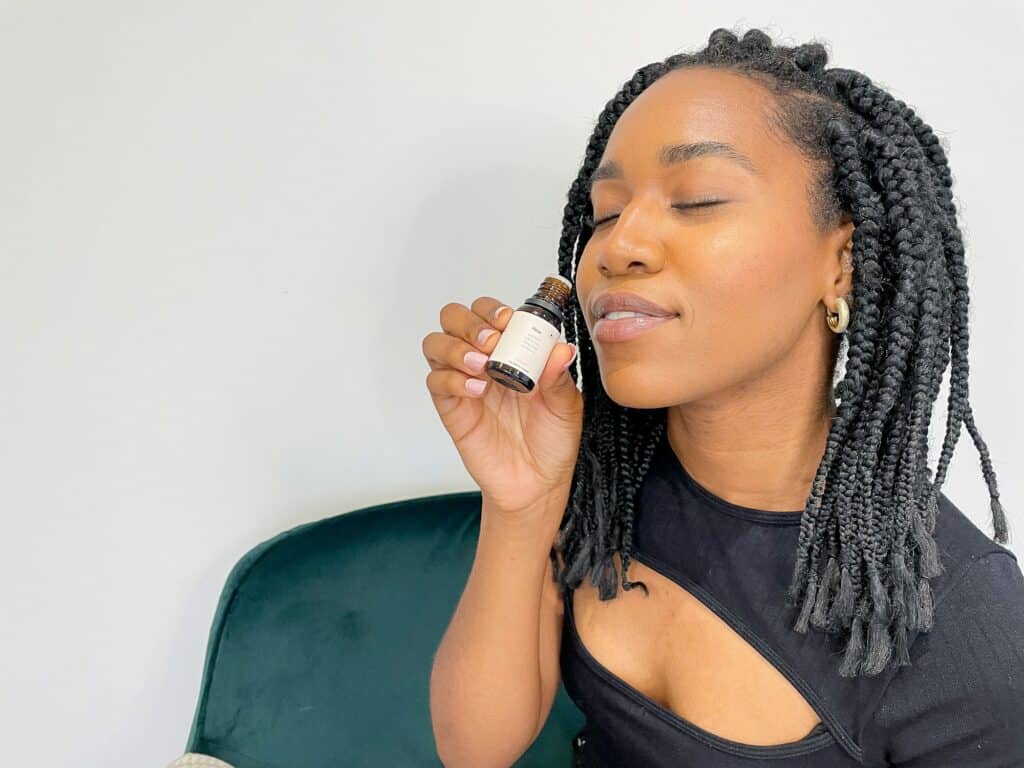
Once your skin feels comfortable, add new products one at a time. Wait a few weeks before adding the next. That way, you can tell which product helps and which one irritates. This matters most with strong actives, such as retinoids and exfoliating acids. Also, patch test anything new on a small area first. If your skin turns red, stings or flakes, step back and simplify again. Remember that your skin changes with the seasons, too. A lighter lotion may suit summer, while winter often asks for a richer cream. If you are fifty or older, our guide to skincare for mature skin covers textures and routines. The three pieces below suit a gentle daily routine.
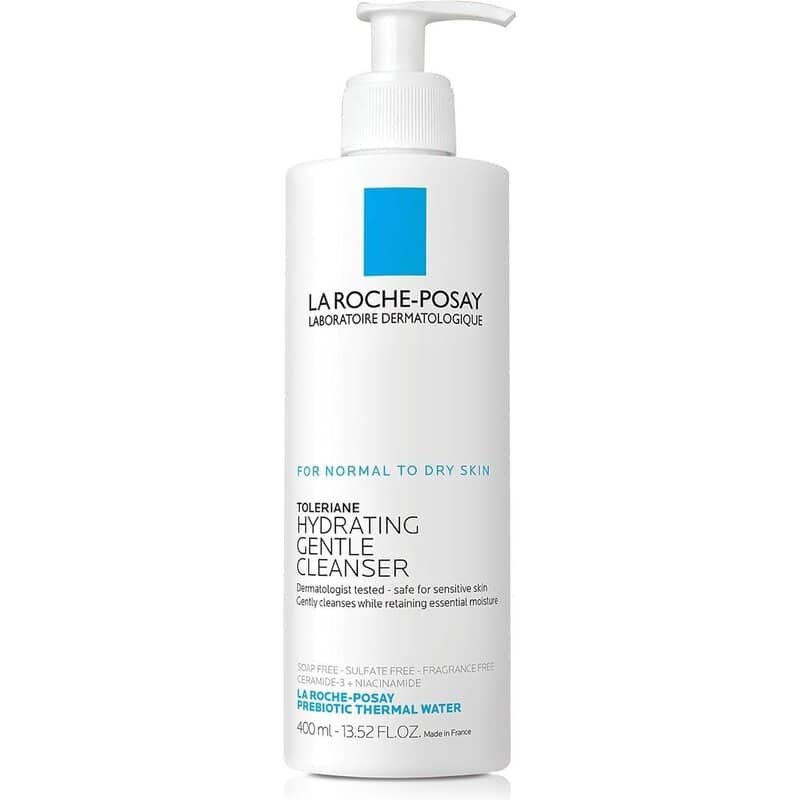
A soft, fragrance-free cleanse that leaves skin comfortable.
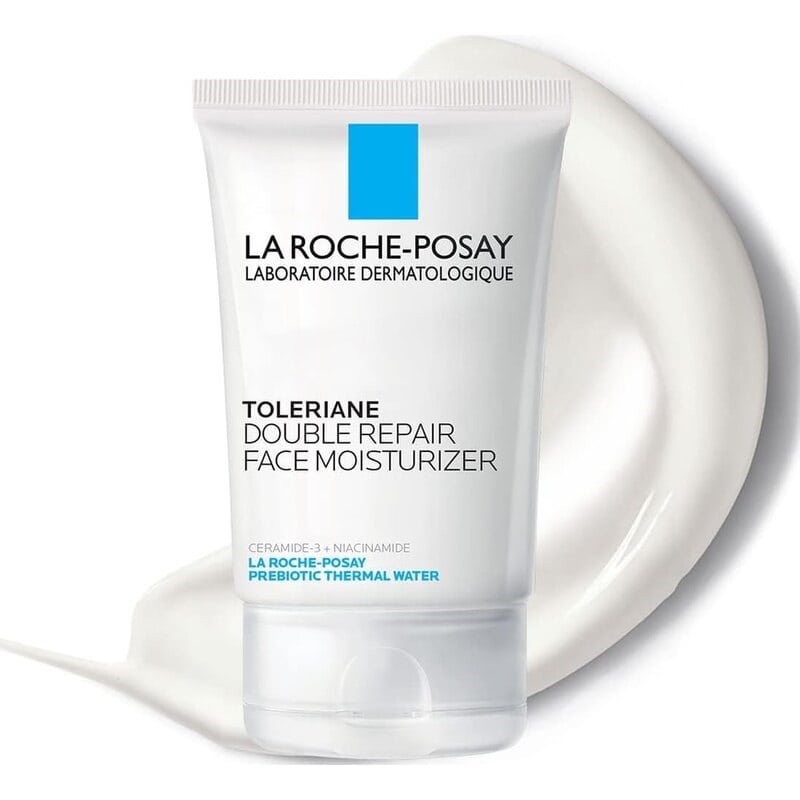
Ceramides, glycerin and niacinamide for a gentle, cushioned barrier.
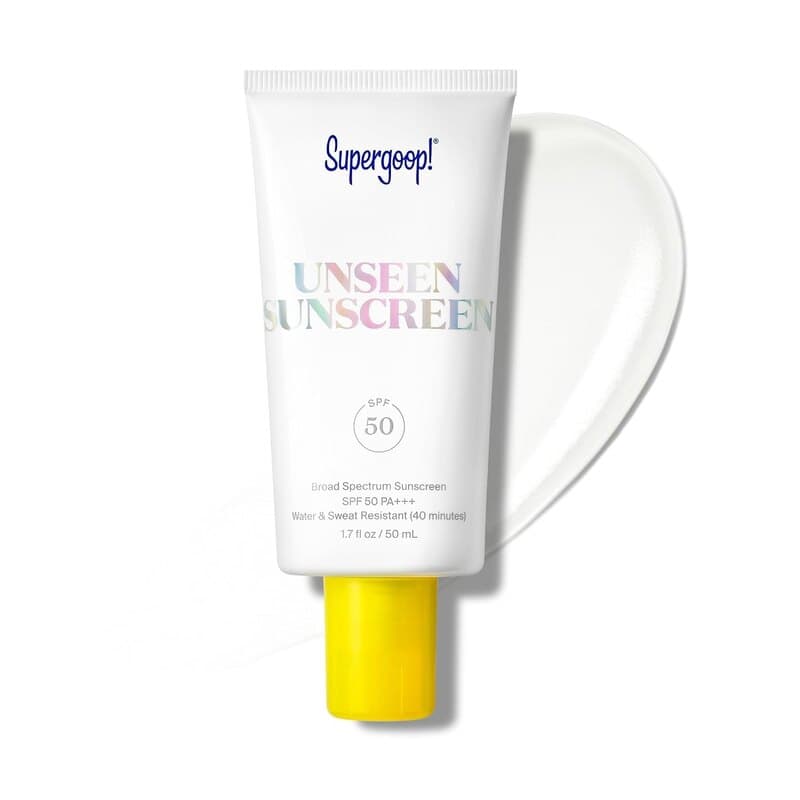
A clear, weightless broad-spectrum finish for every morning.
Skin after 50 and through menopause
Midlife brings its own changes, and they deserve gentle attention rather than alarm. The American Academy of Dermatology cites studies on this stage. They show that women’s skin loses about 30% of its collagen during the first five years of menopause. After that, the AAD says women lose about 2% a year for the next 20 years. Skin also holds less water, so it can feel drier. In response, the AAD suggests a mild cleanser instead of soap. It also suggests moisturizer after bathing and through the day. Products with hyaluronic acid or glycerin can help. Above all, it recommends daily broad-spectrum sunscreen with SPF 30 or higher, even in winter.
Stress, sleep and the gut-brain-skin connection
Stress belongs in this conversation as well. Recall the early theory from Stokes and Pillsbury, as Bowe and Logan describe it in their 2011 review. The two dermatologists hypothesized that emotional states might alter the normal gut flora. In turn, they proposed, the gut could become more permeable and contribute to inflammation throughout the body. Bowe and Logan write that the gut microbiota may influence inflammation, blood sugar control and even mood. They suggest this may matter for acne. Of course, this remains an area of active study rather than settled fact. Still, it gives one more reason to treat rest and ease as part of skin care. Your evenings matter as much as your mornings.

Sleep is the easiest place to start. The Centers for Disease Control and Prevention recommends seven or more hours of sleep a night. That advice covers adults aged 18 to 60. Yet sleep is often the first thing women give up when life fills. So protect it the way you protect an important meeting. Keep a steady bedtime, dim the lights an hour before and leave screens outside the bedroom. In addition, a short evening ritual tells the body the day is over. For some women, that means a cup of herbal tea. For others, it means learning how to dry brush before a warm shower. The pieces below suit that hour.

Black mulberry silk that keeps the room dark and the skin rested.

Chamomile sachets in a tin, for the hour before bed.

A long pearwood handle and soft natural bristle, made in Germany.
Softening the day
Daytime stress deserves the same care, even when you cannot remove its source. A ten-minute walk after lunch can soften a hard day. So can a few slow breaths before a meeting, or a phone call with a friend. Meanwhile, notice how your skin behaves during busy weeks. Many women see flares when deadlines pile up, then more settled skin on holiday. Rather than blaming yourself, treat those patterns as useful information. They show where a little more rest or kindness might help. Over time, these small acts of care support your mood, your sleep and, quite possibly, your gut. As a result, your skin benefits from all three together, in its own time.
Skin and gut, from within: a gentle daily ritual. Join the waitlist and we will write to you when the 21-Day Skin & Gut Health Reset opens.
Occasional letters. Unsubscribe anytime.
How strong is the evidence? A quick reference
Not every claim about gut health and skin carries the same weight. Some findings come from large reviews of many trials. Others come from a single small study, or from laboratory work that has not yet reached people. To help you weigh them, the table below gathers the main ideas from this guide. It notes what the research suggests and how strong that evidence looks today. We rate each one plainly as strong, moderate or early. None of these ratings promises a result for your own skin, because every body responds differently. Instead, use the table to decide where to begin. It also shows where to wait patiently for better data.
| Topic | What the research suggests | Strength today |
|---|---|---|
| Gut-skin axis | Gut imbalances are associated with acne, eczema and psoriasis | Early: mostly associations |
| Diet and gut bacteria | Short-term diet changes shift gut bacteria quickly | Moderate: shown in people |
| Plant variety | More than 30 plants a week links to different gut bacteria | Early: observational |
| Fermented foods | Raised gut diversity and lowered inflammatory markers | Early: one small trial |
| Probiotic supplements | Some strains might help adult eczema | Early: preliminary |
| Low-glycemic eating | May reduce acne lesions | Early: small studies |
| Omega-3 supplements | Reduced acne lesions over 10 weeks | Early: one small trial |
| Collagen peptides | Improved hydration and elasticity over weeks | Moderate: meta-analysis with bias concerns |
| Daily sunscreen | Protects skin from sun damage | Strong: AAD guidance |
Read the table from the bottom up, and a pattern appears. The strongest advice is also the most familiar: daily sunscreen and gentle care. Next come habits with promising but early research, such as plant variety and fermented foods. These cost little and carry few risks for most people, so they make easy first steps. Supplements sit further along the path. Their evidence is more mixed, and they can interact with medication. With this in mind, build your ritual in that order. Begin with sunscreen, sleep and a varied plate. Then add fermented foods you enjoy. Finally, discuss any supplement with your doctor before you start it. That order keeps the ritual both gentle and safe.
A skin makeover as a daily ritual
A skin makeover that starts in the gut is less a program than a way of living. It shows up in the breakfast you make and the walk you take. It also shows up in the hour you turn off the lights. Because it rests on ordinary habits, it can feel almost too simple at first. Yet simple habits are exactly the ones that last. Perhaps you would like a guided daily ritual for skin and gut, from within. If so, join the 21-Day Skin & Gut Health Reset waitlist. It is a gentle ritual made to fit a real life. We will write to you when it opens. Until then, the habits above are a gentle beginning.

Rituals also need a little structure to survive busy weeks. Anchor each new habit to something you already do. For example, take your sunscreen to the kitchen and apply it while the kettle boils. Similarly, set out tomorrow’s oats before you brush your teeth. Then review your progress once a month, ideally with photos taken in the same morning light. A birthday, wedding or new chapter may be coming. In that case, a 90-day makeover plan shows how to pace appointments around it. Above all, be kind to yourself on the days you miss. A ritual bends without breaking. So you simply begin again tomorrow, with no need for guilt.
When to see a dermatologist or doctor
Food and routine support your skin, yet they do not replace medical care. See a board-certified dermatologist if acne leaves marks or if eczema keeps you awake. The same applies if a rash spreads or lasts for weeks. Likewise, see a dermatologist promptly about any mole or spot that changes in size, shape or color. Digestive symptoms deserve attention too. Ongoing bloating, pain, changes in bowel habits or unplanned weight loss call for a visit to your doctor. Do not change your diet sharply to treat these on your own. Instead, bring your questions and a short food diary to the appointment. That record often helps your doctor see patterns sooner and more clearly.

The research, in brief
Every figure in this guide comes from a named source. Bacteria numbers come from Sender, Fuchs and Milo (PLoS Biology, 2016). The gut-skin axis follows Salem and colleagues (Frontiers in Microbiology, 2018). Diet and the microbiome draw on David (Nature, 2014), McDonald (mSystems, 2018) and Wastyk (Cell, 2021). Fiber and prebiotics follow Harvard‘s Nutrition Source. Acne and diet follow the American Academy of Dermatology, Smith (2007) and Jung (2014). Polyphenols draw on Vendrame (2011) and Shoba (1998), with safety notes from NCCIH. Collagen follows Pu (2023) and Proksch (2014). Sun protection and menopause follow the AAD, and sleep the CDC. The gut-brain-skin theory follows Bowe and Logan (2011). Checked November 2026.
Sources: Gut Pathogens · PLoS Biology · Nature · mSystems · Cell · American Journal of Clinical Nutrition · Acta Dermato-Venereologica · Journal of Agricultural and Food Chemistry · Planta Medica · NCCIH · Nutrients · Skin Pharmacology and Physiology · American Academy of Dermatology · American Academy of Dermatology.
Recommended
Beauty that begins within
A skin makeover that begins in the gut rarely looks dramatic from one week to the next. Instead, it unfolds the way good health usually does, slowly and almost without notice. One morning you realize that breakfast now includes three kinds of fruit. Later, you notice that you sleep through the night more often. Then, months on, a friend asks what you have changed, and you struggle to name one thing. That is the real power of ritual. It turns care into something you simply do, without effort or fuss. So begin with one habit this week, perhaps more plants or an earlier bedtime. Then let your skin follow in its own time.



Each tool above offers a different way into the same idea. Beauty is a ritual you choose, not a problem to solve. The ring quiz is a gentle way to understand your own style, especially near a proposal or an anniversary. The 21-Day ritual turns attention inward, toward skin and gut, at a pace that fits a real life. Meanwhile, the Makeover Bible gathers hair and skin rituals into one guided reference you can return to. None of them asks you to start over. Instead, each offers one clear next step, which is how lasting change begins. Choose the one that suits the season you are in, and return for the others later.
A daily ritual for skin and gut, from within. Gentle, unhurried and made to fit a real life. Join the waitlist for the 21-Day Skin & Gut Health Reset, and we will write to you first.
Join the waitlistQuestions worth asking
How does gut health affect skin?
Through the gut-skin axis. Gut bacteria influence your immune system and produce compounds, such as short-chain fatty acids, that can ease inflammation. Reviews tie gut imbalances to acne, eczema and psoriasis. Most findings are associations, though, so researchers are still working out how strong the link is and how it works.
What is a gut makeover for skin?
A gut makeover for skin means changing everyday habits to support your gut bacteria, with healthier skin as one hoped-for result. In practice, it means more fiber and plant variety, fermented foods you enjoy, steady sleep and less stress, alongside a gentle skincare routine with daily sunscreen.
How long does it take to see a change in skin?
It varies. Gut bacteria can shift within days of a diet change, according to a 2014 study in Nature. Skin is slower. In collagen trials, measurable changes appeared after about eight weeks. Give any new habit at least two to three months, and compare photos taken in the same light.
Do probiotics help skin?
The evidence is early. NCCIH reports preliminary evidence that some probiotic strains might help adults with atopic dermatitis, though a review in children found no consistent benefit. Most probiotic supplements do not need FDA approval before sale. Fermented foods are a gentler start, and supplements are worth discussing with your doctor first.
What foods are good for gut health and skin?
A varied, plant-rich plate is the best-supported choice. Oats, barley, beans, vegetables, fruit, nuts and seeds feed gut bacteria. Yogurt, kefir, kimchi and miso add live cultures. Oily fish provides omega-3 fats, and berries add polyphenols. Aim for range rather than any single food.
Is changing my diet for my skin safe for everyone?
Gentle changes, such as more vegetables and fiber, suit most people. However, check with your doctor or a registered dietitian first if you have a digestive condition, food allergies, diabetes or kidney disease, or if you are pregnant. Never stop a prescribed treatment in favor of diet alone.