
Some colors seem to light you from within, while others sit on your skin like a borrowed coat. The difference is rarely the shade itself. More often, it is the way that shade meets your undertone. Knowing whether you have a warm or cool skin tone turns color from guesswork into a gentle, private language. It guides your lipstick, the metal at your ear and the blouse near your face. It also sits at the heart of the complete makeover, because every later choice rests on it. So take a few unhurried minutes, find some daylight, and let your own skin answer.
To find out whether you have a warm or cool skin tone, look at your bare face in natural daylight and try a few simple tests. Gold jewelry and soft ivory tend to flatter warm undertones, which lean golden, peach or olive. Silver and crisp white tend to flatter cool undertones, which lean pink, rosy or blue-red. If both look equally good, your undertone is probably neutral. Undertone stays steady through life, even as your depth of color shifts with sun and the seasons.
Skin tone and undertone: two different things
People often use “skin tone” and “undertone” as if they meant the same thing. In fact, they describe two separate qualities. Skin tone is the depth of your color, from very fair to deep. Undertone, by contrast, is the hue that sits beneath that surface. Science supports this split in a gentle way. Del Bino and colleagues published a 2018 review in the International Journal of Molecular Sciences. It explains that skin color comes mainly from melanin. Carotenoids and hemoglobin from tiny blood vessels add a smaller share. The same review describes two kinds of melanin: a brown-black eumelanin and a yellow-red pheomelanin. That blend helps explain why two women of the same depth can carry different hues.
Depth: your surface tone
Depth is the part of your coloring that most people notice first. Researchers measure it with an instrument and a figure called the individual typology angle. Using that figure, the 2018 review groups skin into six types: very light, light, intermediate, tan, brown and dark. Your depth can also move a little through the year. A summer outdoors may deepen it, while a long winter may soften it again. For that reason, your foundation shade can change with the seasons. Your undertone, however, tends to hold steady. That steadiness is why it makes such a reliable guide. Once you know it, it serves you for decades, whatever your depth happens to be that month.
Undertone: the color beneath
Undertone is a word from beauty and color, rather than a medical term. Even so, it describes something you can see with a little practice. Color experts usually group undertones into four families. Each family simply describes where your skin leans when you look closely in good light. None of them is better than another, and every one of them can look radiant. Think of the families as starting points rather than strict boxes. Many women sit near a border, and that is entirely natural. The four families below give you a vocabulary, so you can describe your own skin with confidence. Then the tests in the next section will help you decide where you belong.
- Cool: skin that leans pink, rosy or blue-red, especially across the cheeks.
- Warm: skin that leans golden, peach or honey, with a sunny cast.
- Neutral: a balance of warm and cool, with no strong pull either way.
- Olive: a soft green or gray-gold cast, often found in medium and deeper skin.

How to tell if you have a warm or cool skin tone
Before any test, set the stage with care, because light changes everything. Choose a window with indirect daylight, and avoid direct sun. Next, wash your face and wait a little while, so any flush from cleansing can settle. Remove makeup, tinted moisturizer and self-tan, since each adds its own hue. If you color your hair, pull it back or cover it with a white towel. In addition, wear a plain white or gray top, so a bright color does not reflect onto your skin. These steps make any warm or cool skin tone test more reliable. Keep a small mirror and a notebook nearby. Try each test below in turn, and write down your first impression before you second-guess it.
The jewelry test
The jewelry test is the gentlest place to begin. Hold a gold piece against your jaw, then a silver or platinum piece in the same spot. Watch your skin rather than the metal. One may make your complexion look brighter and more even, while the other may seem to drain it. If gold flatters you, you likely lean warm. If silver brings you to life, you probably lean cool. When both look equally lovely, you may well be neutral. Notice, too, that this test asks which metal flatters you, not which one you prefer. Your favorite may differ from your most flattering, and that is fine, because style is always yours to choose.
The white fabric test
Next, try two white fabrics. Hold a piece of bright, pure white beneath your chin, then a piece of soft ivory or warm off-white. A towel and a cotton napkin often work well. Look at the skin around your eyes and mouth, rather than the fabric itself. If crisp white makes you look clear and fresh, you may lean cool. If ivory looks kinder, and bright white seems harsh, you may lean warm. Meanwhile, if neither changes much, you are probably neutral. This test also helps you shop later, because it shows which white to choose for shirts and knits. You will wear white near your face often, so the answer pays you back.

The vein test, and its limits
The vein test is the one most people have heard of. Look at the veins on the inside of your wrist in daylight. Bluish or purple veins are often read as cool, and greenish veins as warm. If you cannot tell, you may be neutral. Still, this test deserves a light touch. A 1996 study by Kienle and colleagues in Applied Optics looked at why veins appear blue at all. It found that skin’s scattering of light shapes their color. Blood oxygen, vessel depth and the way the eye perceives color matter too. So treat the vein test as one clue among several, never as a verdict. Your other tests matter more.
You may also like


What your eyes and hair suggest
Your natural eye and hair color can add another clue. Hair with golden, copper or red glints often travels with a warm undertone. Hair with ash or blue-black tones often travels with a cool one. Eyes can hint at the same lean. Amber flecks or a golden ring in hazel or brown eyes may point warm. Gray-blue or icy flecks may point cool. However, these patterns are loose, and many women break them beautifully. A woman with brown eyes can be entirely cool, and a blonde can be warm. For that reason, use your natural coloring to confirm what the jewelry and fabric tests already suggest. If it disagrees, trust the tests you did in daylight.
The sun question
A common question asks whether you burn or tan, and then reads the answer as undertone. In truth, that question measures something else. Dermatologists use the Fitzpatrick scale to describe how skin responds to the sun. According to the Cleveland Clinic, the scale was created in 1975 and runs from type 1 to type 6. A lower number means you are more likely to burn. The same article states plainly that there is no such thing as a healthy tan. So the way you burn or tan describes your skin’s sun response, rather than its hue. Keep that answer for your sunscreen choices, and rely on the other tests for color.
| Test | Leans warm if | Leans cool if |
|---|---|---|
| Jewelry | Gold brightens your face | Silver or platinum brightens your face |
| White fabric | Soft ivory looks kinder | Crisp pure white looks fresher |
| Wrist veins | Veins look greenish (a loose clue) | Veins look blue or purple (a loose clue) |
| Eyes and hair | Golden, copper or amber glints | Ash, blue-black or gray-blue glints |
| Bare skin in daylight | Golden, peach or honey cast | Pink, rosy or blue-red cast |
Neutral and olive undertones
If your results came back mixed, you are not alone, and nothing went wrong. A neutral undertone simply means that warm and cool sit in balance. In practice, that balance gives you a wide palette. You can usually wear both gold and silver, and both ivory and bright white. Still, neutral does not mean every shade works equally well. Very saturated extremes, such as neon orange or icy lilac, may overwhelm a balanced complexion. Instead, look for shades with a little softness, such as dusty rose, jade, soft navy or warm taupe. Then let your eye and hair color guide the final choice, because they often tip the balance one way.
Olive undertone
Olive skin has its own character, and it deserves its own space. It usually shows a soft green, gray or muted gold cast beneath the surface. As a result, many foundations look too pink or too orange on olive skin. The vein test can also mislead here, because olive skin often reads as neutral or warm. Olive undertones appear across many depths, from light to deep. They appear in women of every heritage. So look closely at your own skin, rather than at any label. If pink-based shades look chalky on you and orange-based shades look muddy, olive is worth considering. Foundation shades labeled olive, or neutral with a green note, are often the kindest match.
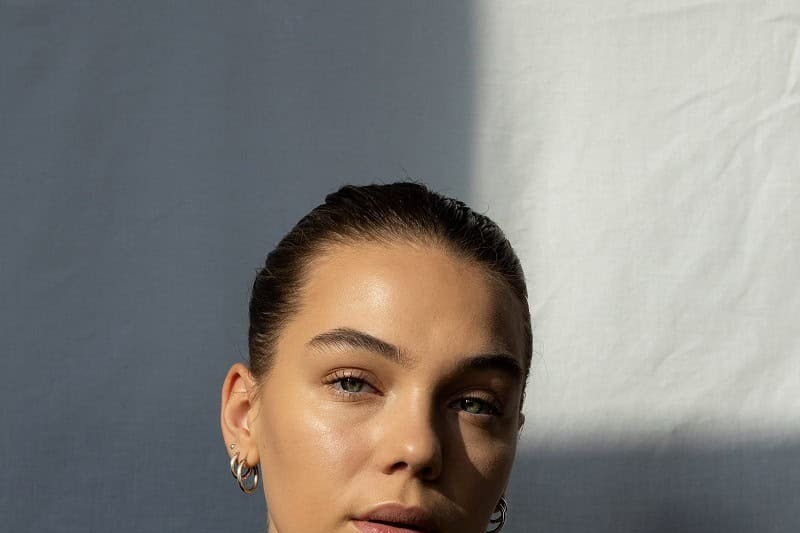
Metals for neutral and olive skin
Jewelry tells a lovely story on olive skin. Yellow gold often glows against it. Yet antique or brushed gold can look even richer, because its softer finish echoes the skin’s muted cast. Bronze and oxidized silver also sit gracefully on olive tones. Similarly, gemstones in deep green, garnet and smoky quartz tend to harmonize. On neutral skin, mixed metals are a natural choice. A gold chain worn with a silver watch can look intentional rather than accidental. In fact, layering both metals is one of the easiest ways to wear a neutral undertone well. The gallery below gathers three pieces for a balanced or olive complexion, each chosen for its finish.
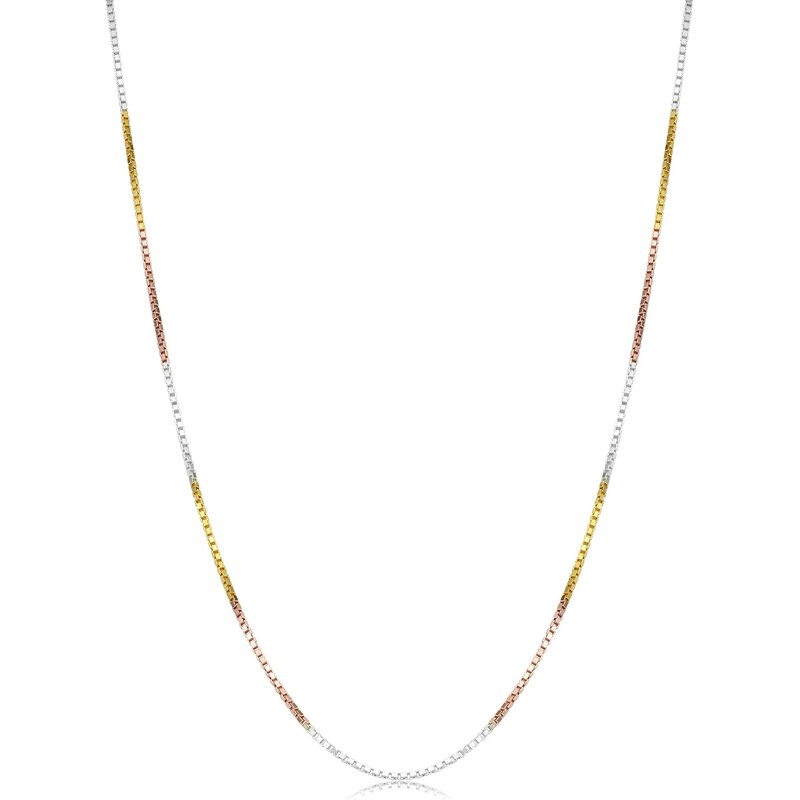
Yellow, white and rose links together, easy on neutral and olive skin.
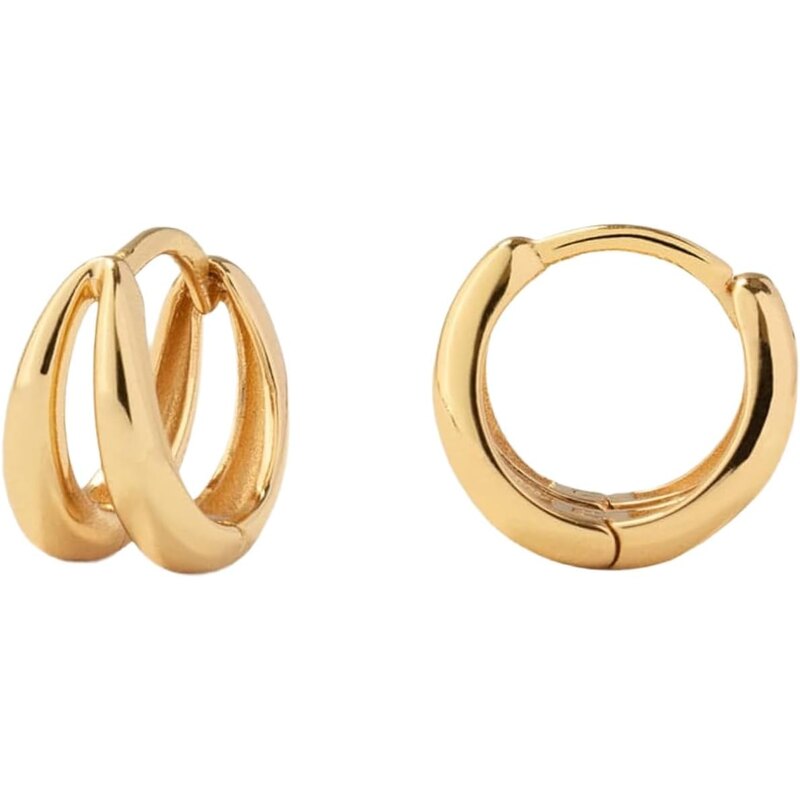
A softly finished gold huggie that suits a muted, olive cast.
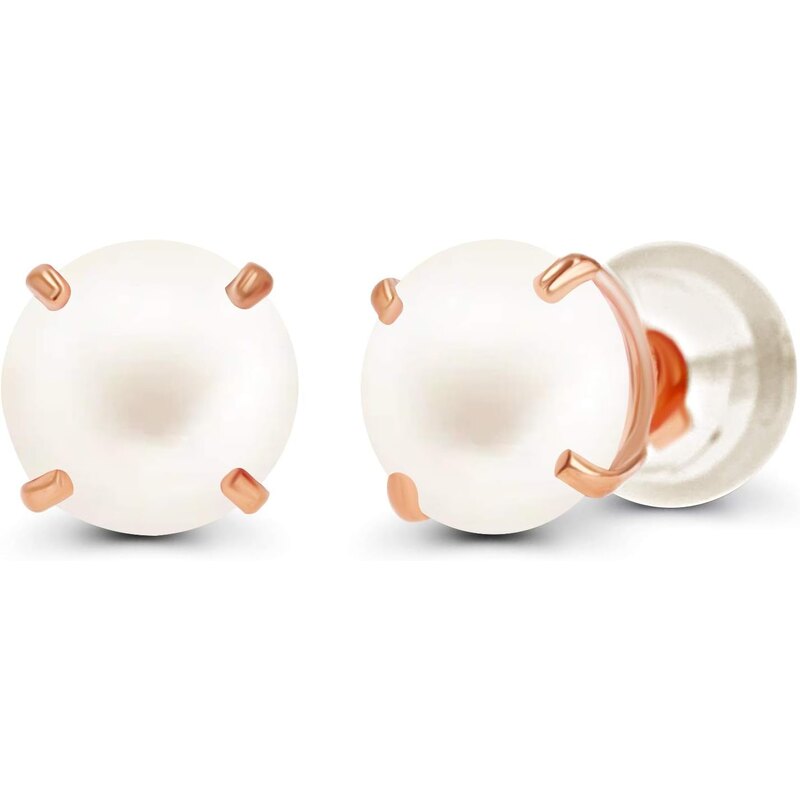
Small rose gold studs that read fresh on cool and neutral skin.
Whatever your family, the metal you wear closest to your face matters most. Earrings and necklaces sit within the light of your complexion. As a result, they shape how your skin reads in a mirror. Rings and bracelets, by contrast, sit farther away, so you can wear them more freely. That is why many women keep one flattering metal for the face and enjoy the other on their hands. Rose gold is worth a note of its own. Its pink warmth often flatters cool and neutral skin. It can look soft and modern on warm skin too. Once you know your undertone, you stop asking which metal is fashionable and ask which metal is yours.
You may also like
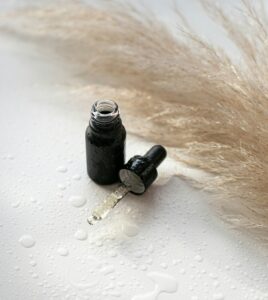

Undertone on fair, medium and deep skin
Depth and undertone move independently, and this matters most at either end of the range. Fair skin can be warm, cool or neutral. A fair, cool complexion often flushes pink and looks luminous in silver. A fair warm skin tone, sometimes called warm ivory, carries a golden or peach glow instead. Light warm skin tone usually looks best in cream-gold metals and warm pinks. Medium skin spans every family too, and it is often where olive and neutral undertones appear. Foundation ranges name these shades in their own ways, from warm beige to cool sand. So read the letters on the label, often W, C or N, rather than the poetic name alone.
Deep skin and its undertones
Deep skin is often described thinly in color advice, yet it holds some of the richest undertones of all. A deep, cool complexion may show a blue-red or plum cast. It can look extraordinary in sapphire, magenta and silver. By contrast, a deep, warm complexion may glow with red-gold or copper notes. It shines in saffron, emerald and yellow gold. Many deep complexions are neutral, with a balance of red and gold. The tests still apply, although the jewelry and fabric tests usually work best. Veins can be harder to see on deep skin, so that clue matters less. Above all, test foundation along the jaw and neck, because deep skin often varies in color across the face.
A description, not a rule
There is one more truth worth holding onto here. A warm or cool skin tone is a description, not a rule. You are free to wear any color you love. Knowing your undertone simply shows you how to wear a shade well. If a cool woman adores orange, she might choose a red-orange coral rather than a golden pumpkin. If a warm woman loves blue, she might choose teal or peacock instead of icy powder blue. A neutral woman can borrow from both sides with ease. In each case, the color stays, and only its temperature shifts. This approach keeps your style personal. Meanwhile, your undertone works softly in the background.
You may also like
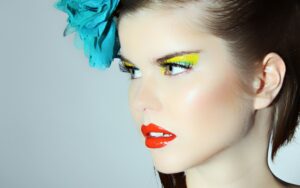

Colors for a warm skin tone, and for a cool one
Color is where a warm or cool skin tone becomes most useful in daily life. Every shade has a temperature, just as your skin does. Warm shades carry yellow or golden notes, while cool shades carry blue notes. When the temperature of a color echoes your undertone, your skin tends to look clear and rested. When it clashes, you may notice shadows that were not there before. The guidance below works best for the colors you wear closest to your face. That includes tops, scarves, collars and knitwear. Lower down, such as on trousers, skirts and shoes, you have far more freedom. So if you love a shade that does not suit your undertone, simply wear it below the waist.
Colors for a warm skin tone
Warm skin glows in colors with a golden heart. Think of camel, olive and moss green, warm teal, coral, terracotta and tomato red. Ivory and soft white tend to look kinder than stark white. For a dark neutral, warm navy or deep chocolate can feel softer than pure black near the face. Brushed gold and silk with a soft sheen also suit warm skin. Meanwhile, earth-rich jewel tones, such as amber, topaz and emerald, look especially beautiful. If you lean warm and love black, try it with a gold necklace or a warm lip. That small touch brings the warmth back to your face, so the black frames you rather than overpowering you.
Colors for a cool skin tone
Cool skin comes alive in colors with blue beneath them. Think of sapphire, cobalt, true navy, emerald, plum, raspberry, fuchsia and blue-based red. Crisp white and charcoal sit beautifully near a cool face, and so does pure black. Icy pastels, such as lavender, powder blue and soft pink, also flatter many cool complexions. On the other hand, mustard, orange and golden olive may cast a sallow shadow. When you do wear a warm shade, choose its cooler cousin. For example, raspberry pink often works where coral does not. Similarly, pine green works where olive does not. Silver jewelry, pearls and white gold complete a cool palette with very little effort.

Colors for a neutral undertone
Neutral skin can wear the widest palette, so the aim is balance rather than restriction. Soft, slightly muted shades tend to look best, because they echo your own balance. Consider dusty rose, jade, soft teal, mauve, stone gray, soft navy and true red. Both ivory and bright white can work, and so can both gold and silver. If a shade feels slightly off, look at its intensity before its temperature. Very bright or very icy shades may feel too strong, while their softer versions feel right. Your capsule pieces can then mix freely. In fact, our guide to building a capsule wardrobe shows how a small, well-chosen palette turns into many outfits.
Join the waitlist for the 21-Day Skin and Gut Health Reset, a daily ritual for radiance that begins within. Leave your email and you will hear about it first.
Occasional letters. Unsubscribe anytime.
Scarves and knits near the face
Near the face, scarves and knits do more work than almost any other piece. A silk square folded at the collar brings a flattering color right up to your jaw. A fine cashmere sweater in your best shade does the same through every cold month. Warm undertones suit camel, coral and soft gold. Cool undertones look lovely in sapphire, raspberry and pure white. For neutral and olive skin, jade, dusty rose and soft navy are lovely places to start. In addition, consider fabric finish, because a soft sheen reflects light onto the skin. Choose the shade first, then the fabric. The gallery that follows gathers three such pieces, each one bringing color close to your face.
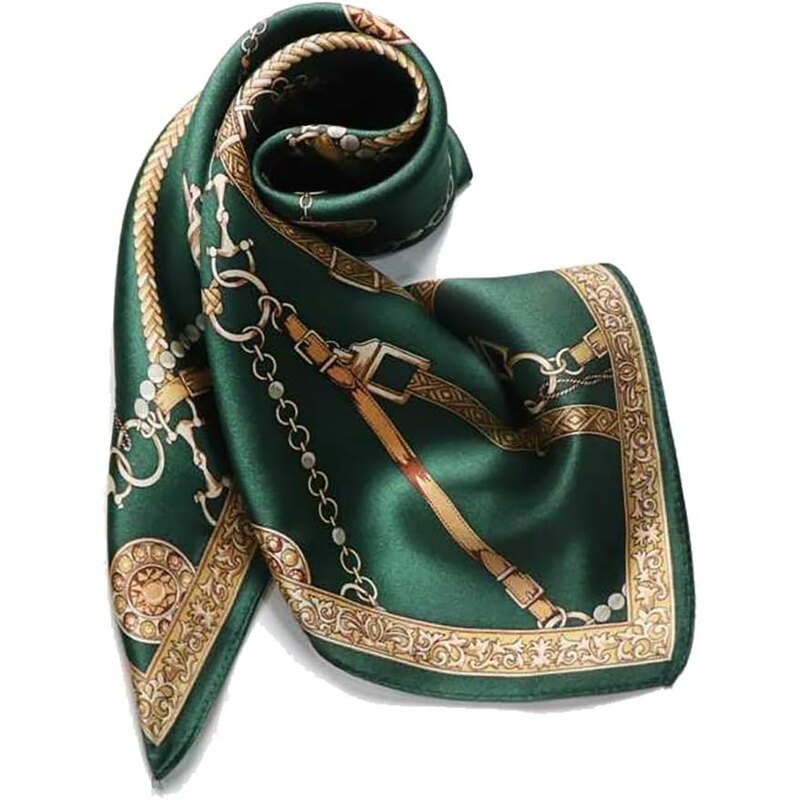
Pure silk in a deep jewel green to carry color near the face.

Pure cashmere in shades made for warm and for cool skin.
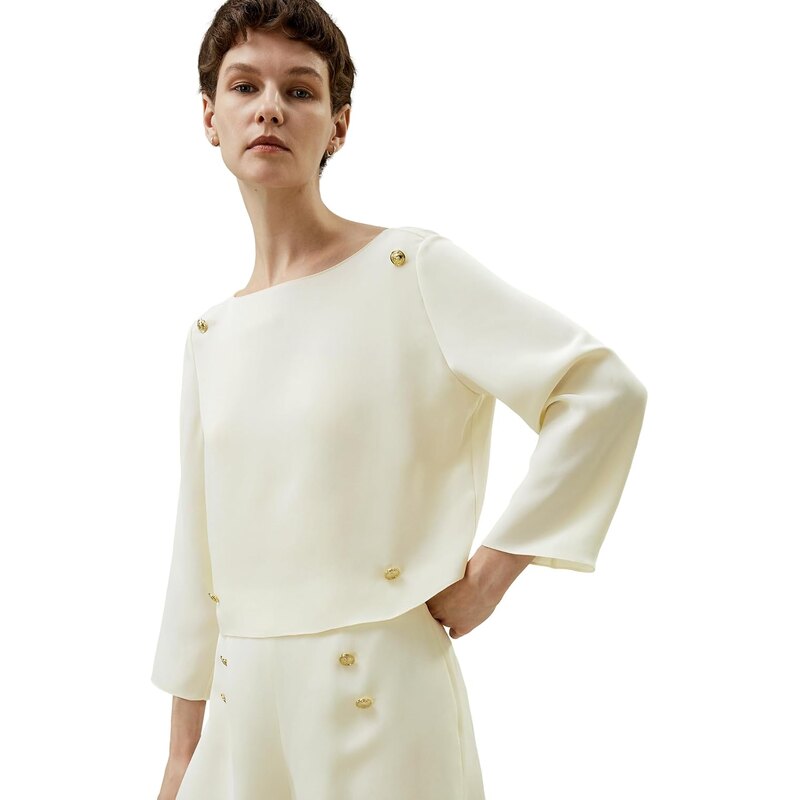
Crisp white silk near the face, the white fabric test made wearable.
Once you know your best colors, shopping becomes easier and more deliberate. Before you buy a top, hold it under your chin in daylight, ideally near a window in the store. Look at your face first, and the fabric second. If your skin looks clear and your eyes look bright, the color suits you. If you notice shadows under the eyes, or a gray cast around the mouth, set it back. Over time, you will recognize your shades at a glance. As a result, your closet will hold fewer pieces that never quite feel right. Instead, it will hold colors that work together, so getting dressed each morning takes moments rather than minutes.
Makeup by undertone: foundation, blush and lips
Makeup is where a small mismatch shows most clearly, so undertone matters greatly here. Start with foundation, because it covers the most skin. Many brands now label their shades with a letter or a word: warm, cool, neutral or olive. First, find your depth, then choose the undertone within it. Test two or three shades side by side along your jawline, not on your hand. Next, walk to a window and look in daylight, since store lighting often flatters every shade. The right one disappears into your skin, with no line at the jaw. If none of them vanishes, ask for a sample and wear it for a full day before you decide.
You may also like

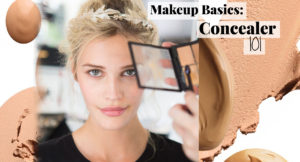
Blush, bronzer and highlight
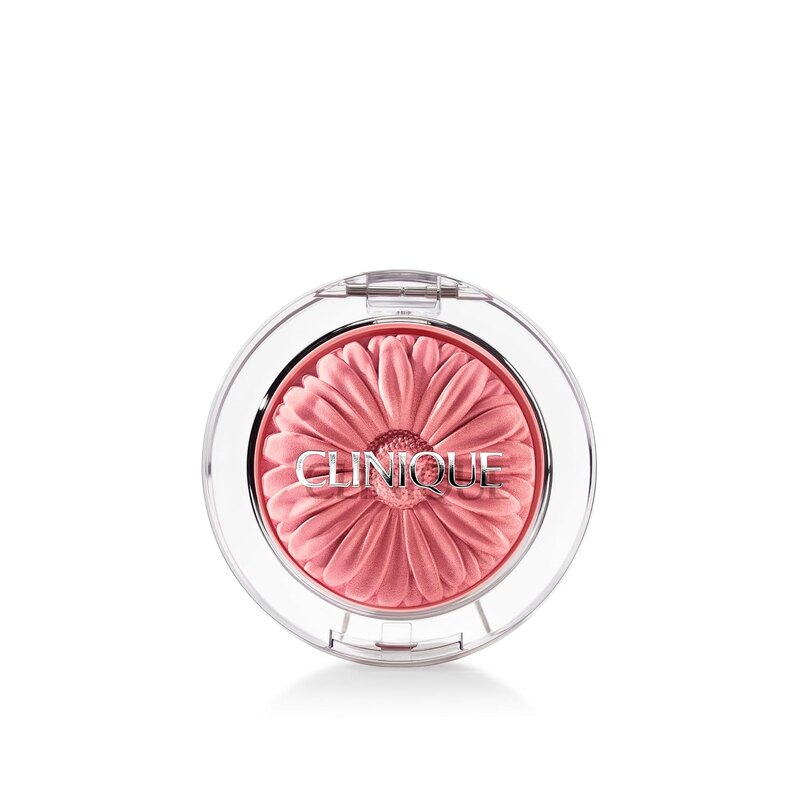
Blush follows your undertone in the same way. Warm skin often glows with peach, apricot and coral blush. Cool skin tends to look fresh with rose, berry and soft pink. Neutral skin can wear a dusty rose or a soft mauve that sits between the two. Bronzer also has a temperature. On cool skin, choose a soft, slightly ashy bronzer, because an orange one can look muddy. On warm skin, a golden bronzer can look like sunlight. Highlighter follows the same logic, with gold or peach for warm skin and pearl or pink for cool skin. Our guide to a modern makeup routine shows how to layer these with a light hand.

Lipstick and the classic red
Lipstick may be the most personal color choice of all. Warm undertones often love coral, terracotta, brick and orange-based red. Cool undertones tend to suit berry, plum, fuchsia and blue-based red. Neutral undertones can wear a true red, which sits between the two. Nude lipstick follows the same pattern. A peach or caramel nude flatters warm skin. A rose or mauve nude flatters cool skin. Above all, the classic red deserves its own attention, because it changes so much from woman to woman. Our dedicated piece on choosing a classic red lipstick walks through each shade in detail. Before you decide, try a shade on your lips, not your wrist. Daylight, again, gives the truest answer.
Eyes and liner
Eye makeup gives you a little more freedom, because it sits farther from the center of your complexion. Even so, temperature still helps. Warm undertones look lovely in bronze, copper, olive and warm brown shadows. Cool undertones shine in taupe, slate, plum and silver. Neutral undertones can move easily between the two families. Eyeliner follows suit, with brown or bronze for warm skin and charcoal or navy for cool skin. Mascara in black flatters almost everyone, though a soft brown can look gentler on very fair, warm skin. Finally, think of your makeup as a set. When foundation, blush and lips share one temperature, the whole face reads as gentle and unified.
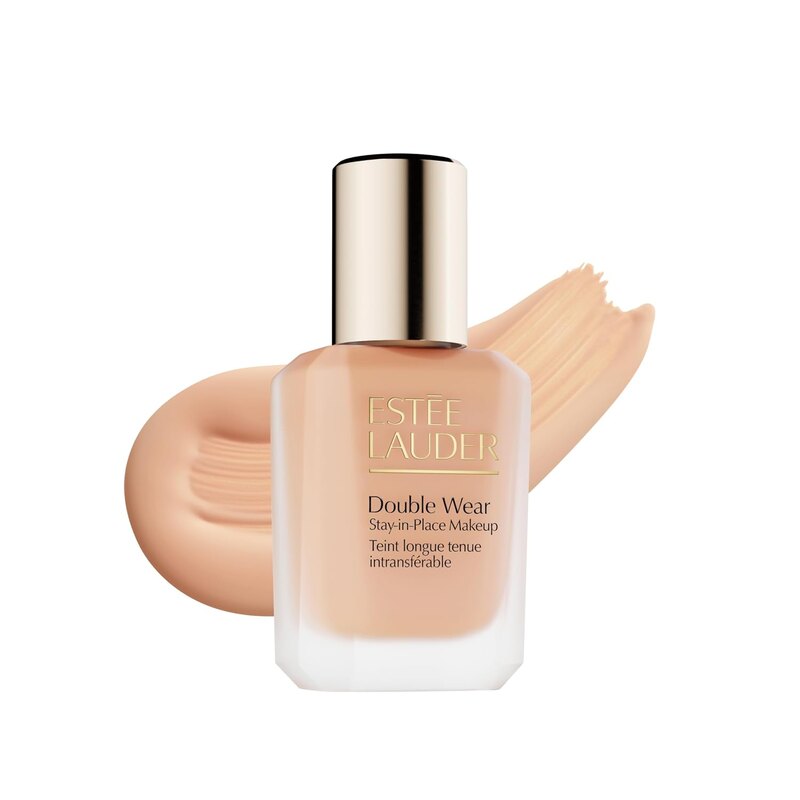
Shades labeled by undertone, so you can read the code.
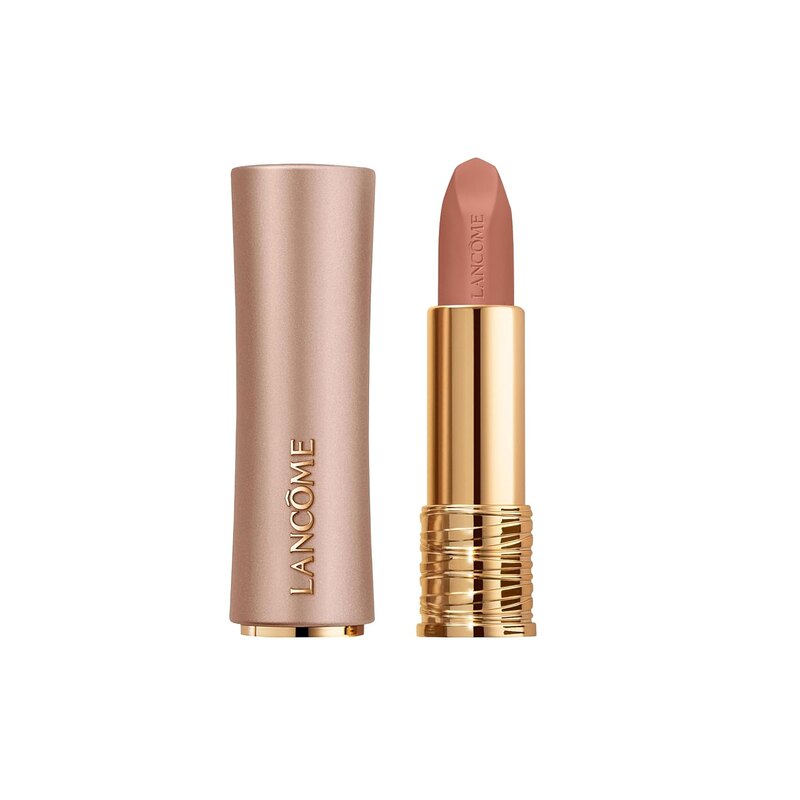
A soft-matte rose nude chosen by undertone.
Buying complexion shades
One gentle reminder belongs here, because it saves both money and frustration. Buy complexion products in person when you can, or choose brands that offer samples and easy returns. Swatches on a screen can look very different from the same shade in your own daylight. In addition, a foundation can look a little different once it settles on your skin. So wear a new shade through a morning before you judge it. When you find a match, note the shade name and number somewhere safe. That small note makes repurchasing simple. It also helps when you travel, because you can simply ask for a known shade. Daylight remains the most honest test.
Hair color and your undertone
Hair color sits right beside your face, so it can warm or cool your whole complexion at once. Colorists often call golden, copper and honey tones warm. Ash, platinum and blue-black tones, by contrast, read as cool. In general, a hair color that shares your undertone looks the most natural. A warm woman might choose honey highlights or a rich copper. A cool woman might prefer ash blonde, cool brown or a glossy blue-black. Neutral women can move between both, often with soft beige or mushroom shades. Even so, contrast can also be striking, provided you choose it on purpose. Our guide to choosing hair color for your undertone covers cuts and shades together.
Before you book, bring a few photos of colors you love on women with similar coloring. Ask your colorist to look at your skin in daylight, too, rather than under the salon’s lights alone. A semi-permanent gloss is a gentle way to test a new temperature before you commit. It fades gradually, so you can see how the shade feels through daily life. Meanwhile, remember that your eyebrows should stay in harmony with your new color. A brow tint one or two shades from your hair usually looks most natural. If you are moving far from your natural shade, plan the change in stages. That pace protects your hair and lets you adjust to a new reflection.
How undertone reads as skin and hair mature
Your undertone tends to stay with you for life, yet the way it reads can change. Gray hair is the most visible shift, and it arrives on very different timelines. In 2012, Panhard and colleagues surveyed 4,192 volunteers worldwide for the British Journal of Dermatology. They tested an old rule of thumb. That rule claims half of all people have half gray hair by fifty. Instead, only 6 to 23 percent reached that point at fifty. The figure varied with heritage and natural hair color. Between ages 45 and 65, 74 percent had some gray, with an average coverage of 27 percent. Gray, in other words, often arrives later than many expect.
Join the waitlist for the 21-Day Skin and Gut Health Reset, a daily ritual for radiance that begins within. Leave your email and you will hear about it first.
Occasional letters. Unsubscribe anytime.
As hair silvers, the color near your face naturally becomes cooler. So some warm women add a little warmth elsewhere to keep their glow. A coral lip, a golden scarf or warm gold earrings can do that beautifully. Cool women often find silver hair a lovely echo of their palette. Jewel tones and white gold then feel even more natural. If you color your hair, you may choose a softer shade over time. A very dark color can feel harsh against maturing skin. Many women move toward highlights or a gloss that blends gray rather than hiding it. Whether you have a warm or cool skin tone, keep testing colors in daylight. What flatters you can gently evolve.

Sun care for every undertone
Skin care supports every color choice, at every age. The American Academy of Dermatology recommends a broad-spectrum sunscreen with SPF 30 or higher. It also suggests a water-resistant formula. That habit matters for every undertone and every depth. According to the AAD’s skin cancer statistics, one in five Americans will develop skin cancer in their lifetime. The same page notes that skin cancer in darker skin is often diagnosed at a later stage. So a daily sunscreen is a gift to your future self, whatever your coloring. Choose a texture you enjoy, so you wear it daily. Even, rested skin also lets your undertone show clearly, which makes every color choice easier to read.
Glow from within
Radiance, in the end, begins beneath the surface. Rest, water, color on your plate and a gentle routine all show in your skin over time. Our 21-Day Skin and Gut Health Reset gives that inner work a gentle shape, with a daily skin and gut ritual to return to. It treats glow as something that grows from within, rather than something you paint on. You can join the waitlist now and hear about it first. Meanwhile, the simple habits above will already help your natural coloring look its clearest. Small habits, kept daily, matter most. Pair them with your best colors, and you will notice how little effort a confident face really needs.
The research, in brief
Skin color science comes from Del Bino, Duval and Bernerd’s 2018 review in the International Journal of Molecular Sciences. The vein finding comes from Kienle and colleagues in Applied Optics (1996). The Fitzpatrick scale and the note on tanning come from the Cleveland Clinic. Gray hair figures come from Panhard, Lozano and Loussouarn in the British Journal of Dermatology (2012). Sunscreen guidance and skin cancer figures come from the American Academy of Dermatology. Undertone itself is a beauty term rather than a medical one. The tests above are practical guides, not diagnoses. Checked November 2026.
Sources: Applied Optics · British Journal of Dermatology · AAD’s skin cancer statistics.
All of this knowledge serves one simple purpose: to help you feel at home in your own coloring. Once you know your undertone, you can shop with intention and edit your closet with less doubt. You no longer need to rely on luck in a fitting room. Instead, you can read each shade the way a colorist would, by its temperature and its softness. That skill grows with practice, so return to the tests whenever your hair, your season or your style changes. Over time, the answers become instinct. Keep your notes from the tests close at hand. The gallery below gathers a few more pieces worth exploring, chosen for their color.
Recommended
Your colors, chosen with intention
Finding out whether you have a warm or cool skin tone is less about rules and more about recognition. One morning, you hold a shade beneath your chin and your face simply brightens. That moment is worth noticing, because it tells you something true about yourself. From there, the choices grow easier. You reach for the gold or the silver without thinking. The ivory or the white becomes a gentle, confident choice. Over time, you buy fewer things, yet you wear each one more often. Above all, you stop dressing against your own coloring and start dressing with it. That shift is small, but it carries through every season and every chapter of your life.



These three tools continue one idea: beauty is a ritual you choose rather than a problem to solve. The ring quiz is a gentle way to understand your style. It pairs naturally with knowing your best metal. The 21-Day ritual turns attention inward, toward skin and gut, at a pace you can keep. Meanwhile, the Makeover Bible gathers hair and skin rituals into one guided reference you can return to. None of them asks you to change who you are. Instead, each offers one clear next step, which is how lasting change begins. Choose the one that matches where you are today. Then come back for the next when you feel ready.
The 21-Day Skin and Gut Health Reset is a daily skin and gut ritual for women who want their glow to grow from within. Gentle, unhurried and made to fit your life. Join the waitlist to hear about it first.
Join the waitlistQuestions worth asking
Am I warm or cool toned?
Look at your bare face in daylight and try the jewelry and white fabric tests. If gold and ivory flatter you, you likely lean warm. Silver and crisp white usually signal a cool lean. When both look equally good, you are probably neutral. Use the vein test only as a loose extra clue.
What is a warm skin tone?
A warm skin tone has a golden, peach or honey undertone beneath its surface color. It appears on every depth, from fair warm ivory to deep copper. Warm skin usually looks radiant in yellow gold, ivory, coral, camel, olive green and warm teal, and in makeup with peach or golden notes.
What is a cool skin tone?
A cool skin tone has a pink, rosy or blue-red undertone. Like warm skin, it appears at every depth, from very fair to deep. Cool skin usually looks fresh in silver, white gold, crisp white, sapphire, emerald, plum and blue-based red, and in makeup with rose or berry notes.
Is olive skin warm or cool?
Olive skin usually sits in its own family, with a soft green, gray or muted gold cast. It often reads as neutral or slightly warm, so many pink-based foundations look chalky on it. Foundations labeled olive, or neutral with a green note, are often the kindest match. Antique gold and bronze tend to flatter it.
Can your undertone change with age?
Your undertone tends to stay steady through life, while your depth of color can shift with sun and the seasons. What changes is how it reads. As hair grays, the color near your face becomes cooler, so some women adjust their hair color, lipstick or jewelry to keep the overall balance they love.
What is the difference between cool vs warm skin tone in makeup?
Warm skin usually suits foundations labeled warm or golden, with peach blush, golden bronzer and coral or brick lips. Cool skin usually suits foundations labeled cool or rosy, with pink or berry blush, a soft ashy bronzer and berry or blue-based red lips. Always test foundation along the jaw in daylight.