A beautiful routine can carry your values as well as your taste. That idea sits at the heart of vegan beauty. It means formulas made without animal ingredients, ideally from brands that never test on animals. Ten years ago, this felt like a compromise. Today, it reaches the most refined counters, from silk-finish foundations to rare botanical perfumes. Choosing it is no longer a sacrifice of texture or color. Instead, it is a way of paying closer attention to what you wear on your skin. This guide brings every category together: skincare, makeup, hair, fragrance and nails. Each section explains what to look for, then links to a deeper guide with verified brands.
Vegan beauty means skincare, makeup, hair care, fragrance and nail products made without animal-derived ingredients such as beeswax, carmine, lanolin, keratin or animal collagen. It is different from cruelty-free, which means no animal testing. The most reliable proof is a certification: Leaping Bunny for cruelty-free, The Vegan Society trademark for vegan, or PETA’s database for both. Start with the products you use daily, read ingredient lists, and replace each item as it runs out.
What is vegan beauty?
At its simplest, vegan beauty describes what is inside a product. A vegan formula contains nothing taken from an animal and nothing an animal made. That rules out beeswax, honey, lanolin, carmine and animal collagen, among others. It also rules out less obvious ingredients, such as guanine from fish scales or keratin from horns and feathers. In their place, formulators use plant waxes, mineral pigments, plant oils and lab-made actives. Many of these alternatives perform beautifully. For example, candelilla wax gives a lipstick structure, while squalane from olives softens skin. The result can feel every bit as luxurious as a traditional formula. Often, in fact, nobody can tell the difference by touch.
However, the word vegan on a label is not regulated in the US. A brand can print it on the strength of its own review. That is why certification marks matter so much. They let an independent organization confirm the claim for you. The Vegan Society, which coined the word in 1944, runs the best-known vegan trademark. PETA’s database, meanwhile, flags companies that are fully vegan. Both are free to search. So before you trust a claim, you can check it in under a minute. This habit sits at the center of every guide in this series. It is also the single most useful skill in conscious beauty, whatever your budget.
Vegan and cruelty-free are different promises
Vegan describes ingredients, while cruelty-free describes testing. A cruelty-free product was not tested on animals, by the brand or by its suppliers. A product can be one without the other. For instance, a cruelty-free balm may still contain beeswax. Equally, a vegan foundation might come from a company that tests somewhere in its supply chain. In the US, the FDA says on its page about cruelty-free claims that there are no legal definitions for these terms. So the most reliable route is a third-party mark. Leaping Bunny covers testing, and The Vegan Society covers ingredients. Our full guide to vegan vs cruelty-free labels explains each mark in depth. Both marks are free to check online.
Why vegan beauty has become a luxury choice
For years, vegan products sat on a separate shelf, with plain packaging and limited shades. That has changed completely. Laws have played a part. According to the European Commission, the EU banned the marketing of animal-tested cosmetics from March 11, 2013. That rule applies to products made in the EU and imported ones alike. In the US, California followed with its own cruelty-free cosmetics law from 2020. Global brands therefore had strong reasons to invest in non-animal methods. At the same time, chemistry moved forward. Plant-based and biotech ingredients now match or replace many animal materials, so the old trade-offs have faded. The result is a far wider choice than ever before.
Taste has shifted as well. Many women now read ingredient lists as closely as they read a menu. They want to know where a pigment came from, and how a cream was tested. Luxury, in that light, includes transparency. A beautiful jar matters less if its contents raise questions. As a result, some of the most admired brands now publish full vegan policies and hold independent certifications. Their formulas are refined, their shades are wide, and their packaging is often refillable. Choosing them feels less like a rule and more like an expression of style. That shift is what turned a niche into a category worth exploring with real pleasure.
You may also like

The animal ingredients to know by name
A handful of names appear again and again in cosmetics. Learning them makes every label easier to read. Carmine, also listed as CI 75470, is a red pigment made from crushed cochineal insects. The FDA requires it to be named on labels, as its guidance on carmine and cochineal extract explains. Beeswax, or cera alba, gives balms and mascaras their structure. Lanolin is an oil from sheep’s wool that softens lips and skin. Guanine adds shimmer and can come from fish scales. Squalene was once pressed from shark livers. However, most modern squalane is made from olives or sugarcane instead. Together, these five names cover most of what you will meet on a label.
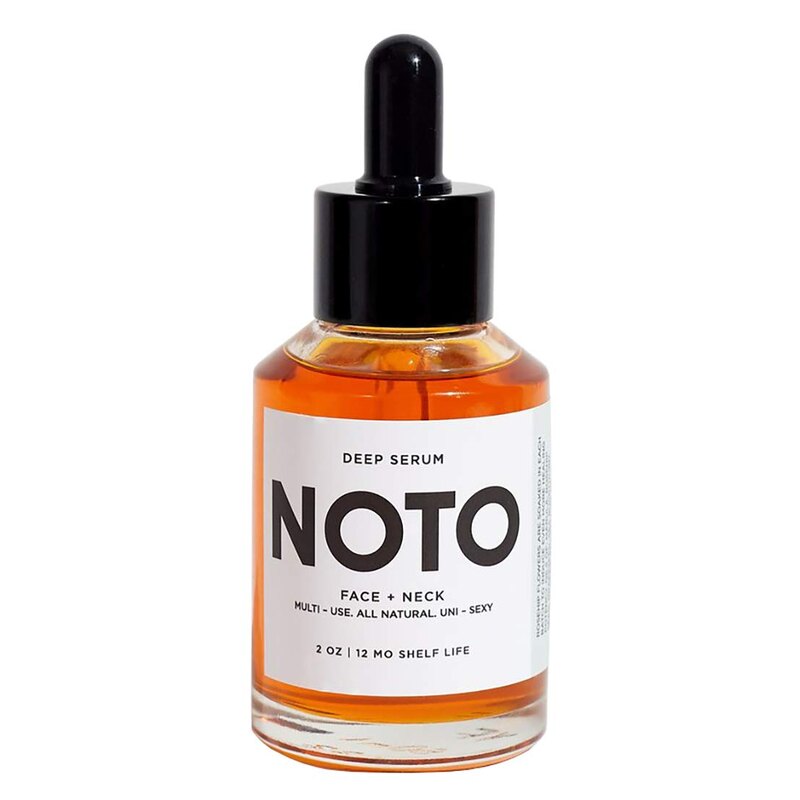
A plant oil serum with rosehip, marula and sea buckthorn.
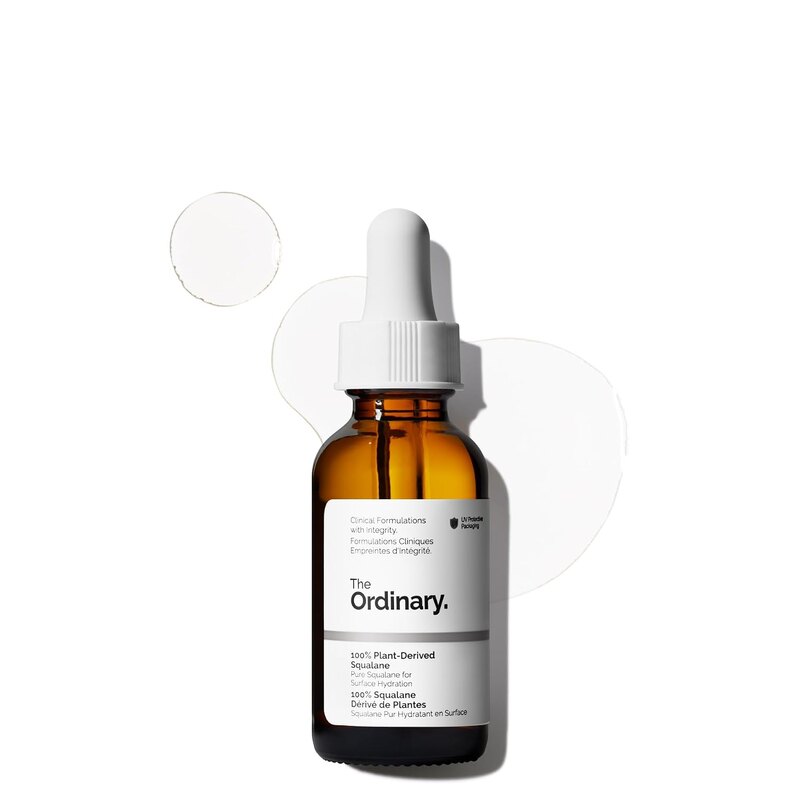
Plant-derived squalane for skin and the ends of hair.
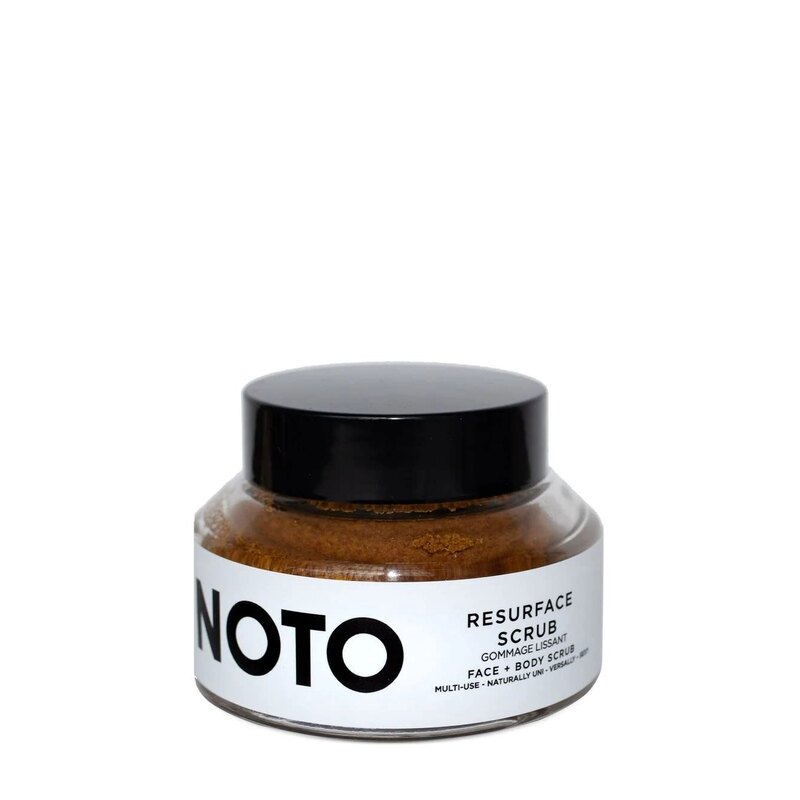
AHAs, walnut, blood orange and aloe in one gentle scrub.
Reading a label with confidence
A second group needs a closer look, because the name alone does not reveal the source. Glycerin and stearic acid can come from plants or animals. Collagen is usually animal-derived unless the brand calls it plant-based or bioengineered. Keratin in hair care can come from horns or feathers. Silk powder comes from silkworm cocoons, and shellac in nail polish is secreted by insects. Perfume adds its own history, with musk, civet, castoreum and ambergris. In each case, a vegan certification removes the doubt. Otherwise, a short note to the brand usually brings an answer. PETA’s animal-derived ingredients list is a helpful reference to keep bookmarked. With practice, the whole list becomes familiar.
Vegan skincare
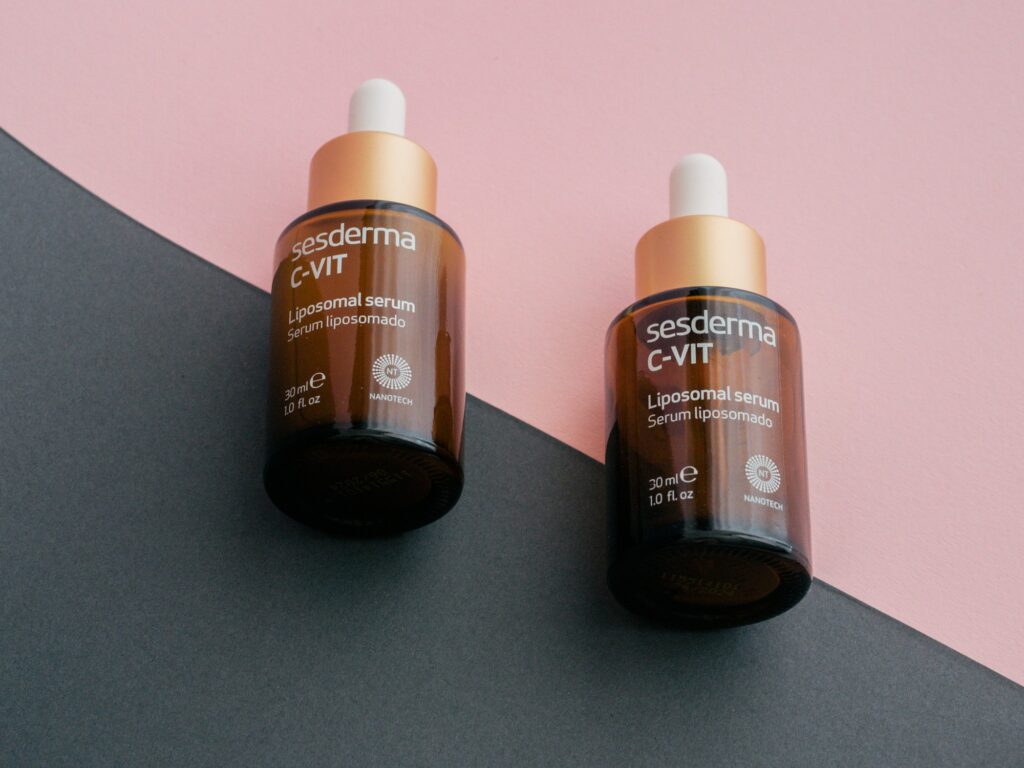
Skincare is where most women begin, because it touches skin every morning and night. A vegan routine looks much like any other: cleanser, serum, moisturizer and sunscreen. The difference lies in the details of each formula. Honey, beeswax, lanolin, snail mucin and animal collagen are the usual ingredients to replace. Fortunately, their plant and lab-made alternatives are now excellent. Squalane from olives softens and protects. Plant-based ceramides support the skin barrier, while bakuchiol offers a gentle option for evening routines. Many luxury houses now build entire lines around these ingredients. Their textures are silky, their scents are subtle, and their results are well documented in their own research. In short, a vegan routine gives up nothing in pleasure.
You may also like
The finest vegan skincare also tends to be transparent about sourcing. Look for brands that list every ingredient, explain where key actives come from, and hold a certification. That combination gives you both the pleasure of a beautiful formula and the reassurance of a verified claim. Mature skin, in particular, benefits from rich plant oils and barrier support. Our guide to skincare for mature skin covers that stage in detail. For carefully chosen brands and formulas, the next step is our edit of luxury vegan skincare. There, every brand is checked against its own site or a certifier. That standard keeps each recommendation honest and easy to check. Quality and proof belong together.
Biotech: the new frontier of animal-free actives
Some of the most interesting vegan ingredients now come from the laboratory rather than the field. Biotechnology lets scientists grow actives using microbes, yeast or plant cells. As a result, ingredients once taken from animals can now be made without them. Squalane can come from fermented sugarcane, for example. Similarly, some brands use bioengineered proteins in place of animal collagen. These methods can also reduce pressure on rare plants and wild harvests. However, claims in this area vary widely in quality. So it helps to read what each brand actually states. Our guide to biotech skincare explains the science and names brands only where they say it themselves. Read those statements closely, then decide.
Vegan makeup
Makeup is where animal ingredients hide most often. Carmine warms lipsticks and blushes. Beeswax gives structure to lip products and mascaras. Guanine and shellac can appear in shimmering or glossy finishes. Fortunately, vegan makeup now spans every category and price point. Plant waxes such as candelilla and carnauba replace beeswax. Mineral and synthetic pigments replace carmine. Even long-wear formulas and full shade ranges are widely available. The key is knowing which brands are vegan across their whole range, and which offer only some vegan products. That distinction matters, because a single brand can carry both kinds of formula side by side on one counter. Knowing that difference saves time at the counter.
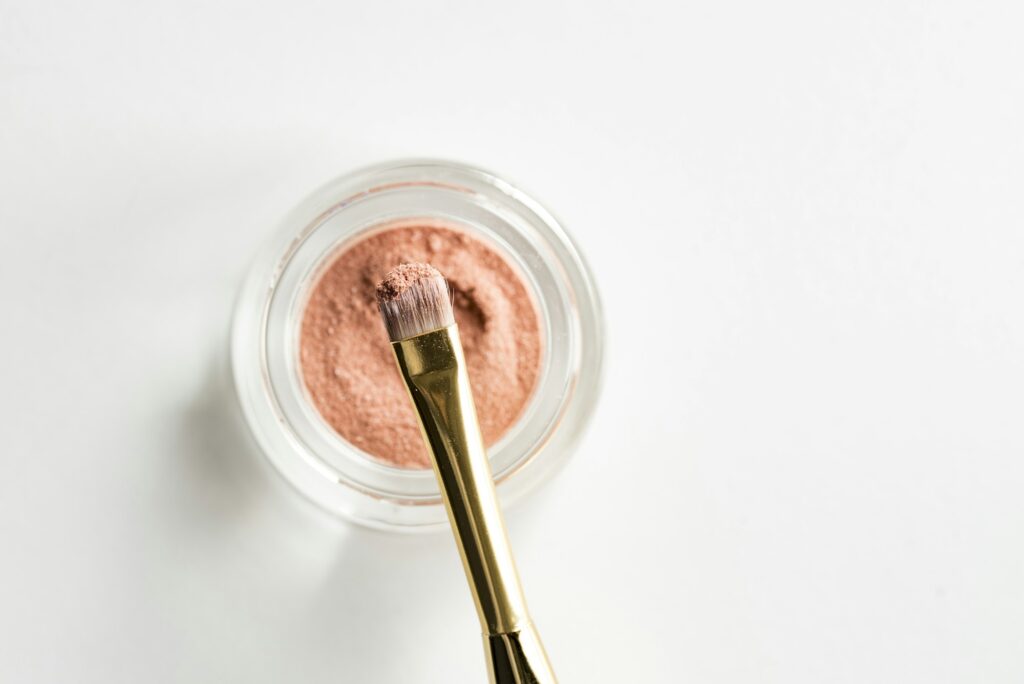
Our list of vegan makeup brands checks each one against its own site or a certifier. The source sits beside every name. It also notes when a brand is only partly vegan. For the refinement of the most exclusive counters, our edit of luxury vegan makeup focuses on high-end houses. And if you want value with taste, our guide to affordable vegan makeup gathers well-made pieces under $25. Each guide follows the same standard of proof. Together, they cover every budget without lowering the bar on ingredients or testing. Wherever you begin, the same rules apply. Every brand is checked, and nothing is assumed. Each list is updated as statuses change.
Vegan hair care
Hair care raises its own set of questions. Keratin, a protein from horns, hooves and feathers, often appears in smoothing treatments. Silk proteins add shine, and lanolin can soften conditioners. Honey and beeswax turn up in masks and styling balms. Each now has a strong plant or lab-made alternative. Plant proteins from wheat, rice or quinoa are common in vegan formulas. Meanwhile, botanical oils add gloss without weight. Many salon brands now offer vegan ranges, and some are vegan across every product. As with skincare, the label alone may not tell the full story. A certification or a clear brand policy is worth seeking out before you commit. Silver and color-treated hair, in particular, reward a gentle formula.

A vegan routine for hair can also be gentle on color. Many vegan shampoos are sulfate-free, which colorists often prefer for treated hair. Our guide to caring for colored hair offers broader advice on that subject. For vegan shampoos, conditioners and stylers, see our guide to vegan hair products. It includes salon-quality options and links the source for every brand. Whether your hair is fine, curly, color-treated or silver, there is now a vegan formula designed for it. The pleasure of a glossy, healthy finish no longer depends on animal ingredients, which feels like progress worth enjoying. A good formula simply makes daily care more enjoyable. Your hair will tell you the difference within weeks.
The 21-Day Skin & Gut Health Reset is a daily ritual for skin, from within. Join the waitlist to hear first when it opens.
Occasional letters. Unsubscribe anytime.
Vegan perfume
Fragrance has the longest history of animal materials in beauty. Musk once came from the musk deer. Civet came from a gland of the civet cat, and castoreum from beavers. Ambergris forms in sperm whales. For centuries, these materials gave perfume its depth and warmth. Today, most fine fragrance uses synthetic versions instead. Modern musks, in particular, are almost entirely made in the laboratory. Yet a vegan perfume must also avoid beeswax absolutes, honey notes from real honey, and certain dyes. Therefore, a clear statement from the perfumer remains the best guide. Some independent houses build their whole identity around vegan, cruelty-free fragrance, with full transparency on every note. That transparency is part of their appeal.
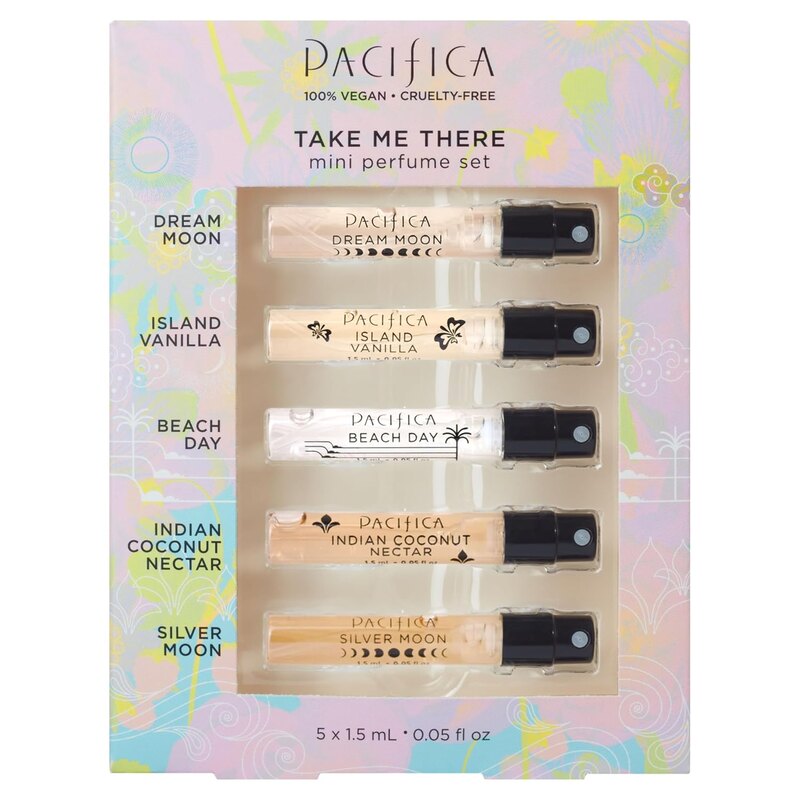
Five vegan scents in travel sizes, for finding a favorite.
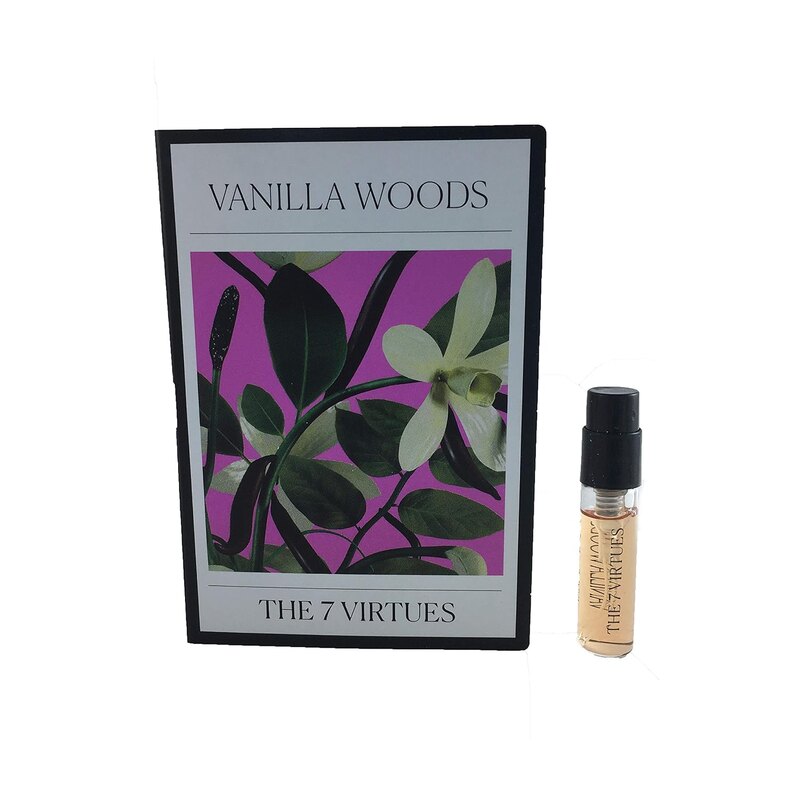
Vanilla wrapped in soft woods, a warm and easy signature.
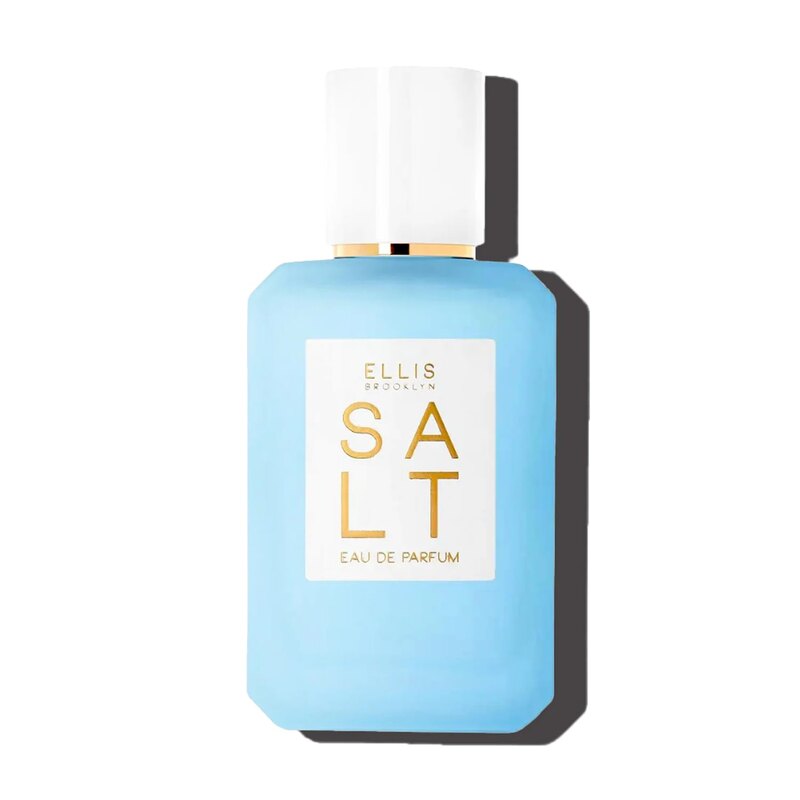
A clean, salty floral that wears close to the skin.
Choosing a vegan scent
Choosing a vegan perfume works much like choosing any signature scent. Start with the families you love, such as floral, woody, citrus or amber. Then look for houses that state their vegan and cruelty-free status clearly. Our guide to finding a signature scent explains notes, families and how to test a fragrance on skin. For verified houses, see our edit of vegan perfume, which also explains the animal materials perfumers once relied on. A beautiful fragrance should feel like a second skin. Knowing exactly what is in it, and how it was made, only adds to that sense of intimacy. Choose slowly, and wear each candidate for a full day.
Vegan nail polish
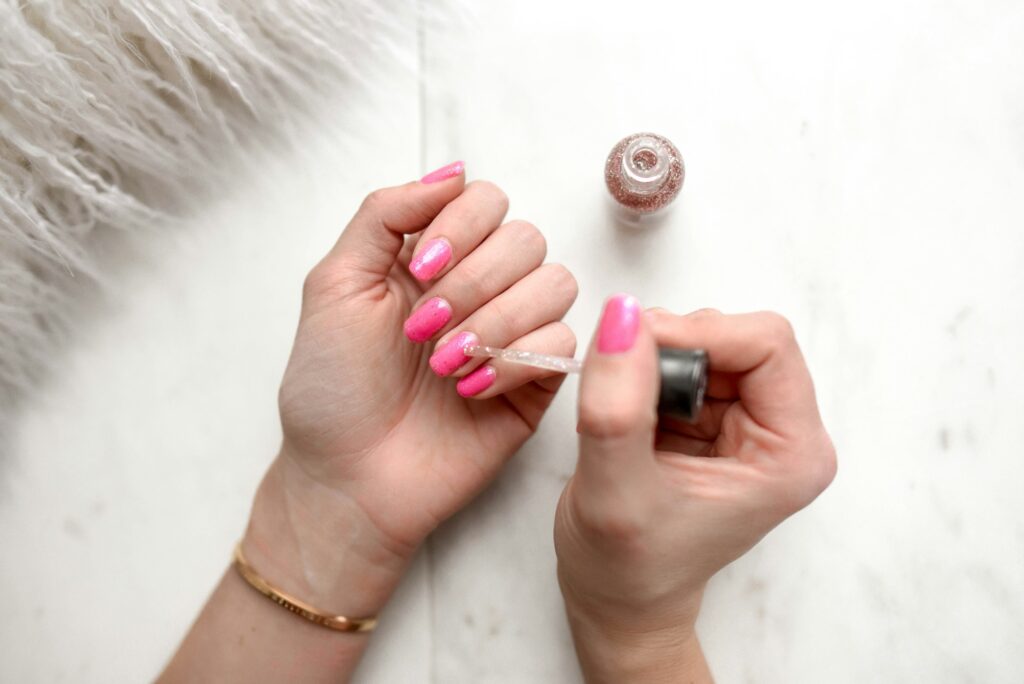
Nail polish may seem simple, yet it can contain animal ingredients too. Guanine, from fish scales, sometimes creates a pearly shimmer. Shellac, an insect resin, can add gloss. Carmine may tint red and pink shades. Fortunately, many polish brands are now fully vegan, often with formulas that also leave out several harsh solvents. The finish and wear of these polishes have improved greatly. As a result, a salon-quality manicure at home no longer requires any compromise. Our guide to an at-home manicure and pedicure covers technique. For verified brands and shades, see our edit of vegan nail polish, which links every source. A polished hand, after all, is a small and lasting pleasure.
Vegan eating and your skin
Many women who choose vegan beauty also explore plant-based eating. The two often grow from the same values. However, diet and skin are linked in modest, gradual ways rather than dramatic ones. A plant-rich plate supplies vitamin C, healthy fats and antioxidants, which skin needs. At the same time, a vegan diet needs care with vitamin B12, iron, zinc and omega-3 fats. A doctor or registered dietitian should guide any big change. Our overview of the main types of diets covers vegan eating, with research linked throughout. It explains what each pattern offers your skin, hair and energy, and where to take care. Food and skincare then work side by side.
Beyond food, values often extend to what you wear. Fabrics, leather alternatives and the life of a garment all raise similar questions. Our look at sustainable fashion brands explores that wider world. Of course, none of this needs to happen at once. Most women find that one change leads naturally to the next. A vegan lipstick prompts a closer look at skincare. Then a new serum sparks curiosity about ingredients in general. Over time, the whole routine starts to reflect a coherent set of choices. That coherence, more than any single product, is what makes the practice feel so rewarding. Each choice simply makes the next one easier and more natural.
How to start a vegan beauty routine
The gentlest way to begin is to replace products as they run out. That way, nothing is wasted and your budget stays steady. Start with the items you use every day, such as cleanser, moisturizer and a lip color. These have the greatest effect on your routine. Next, move to makeup basics, such as foundation, mascara and blush. Finally, explore the pieces you buy less often, including fragrance, nail polish and hair treatments. At each step, check the brand’s own policy and one certifier. Within a season or two, most of your shelf will reflect your choices. The process itself, meanwhile, becomes an enjoyable ritual of discovery. Nothing about it needs to feel rushed.
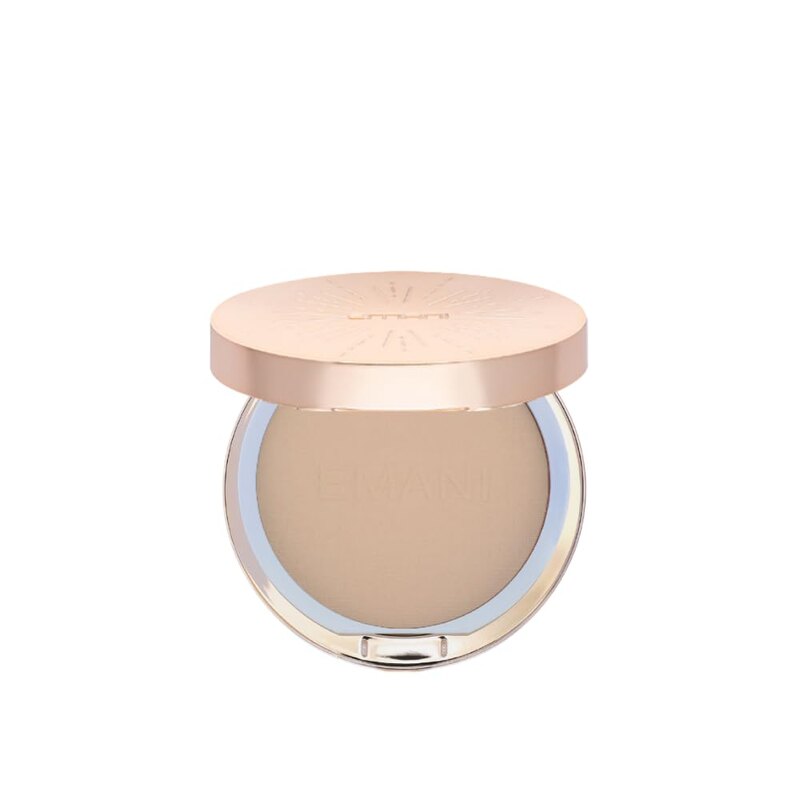
A buildable mineral powder made for sensitive skin.
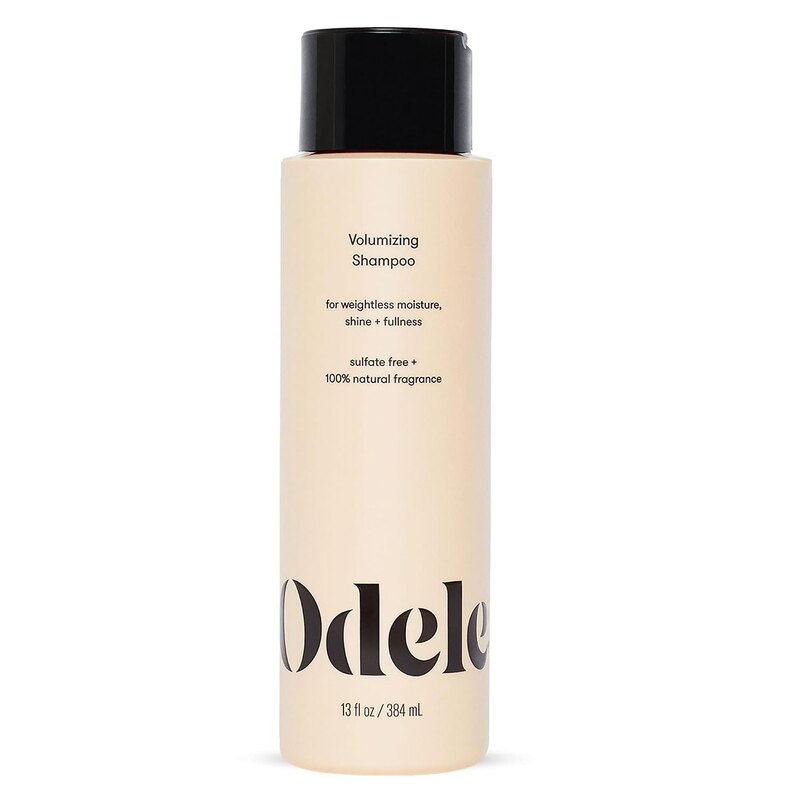
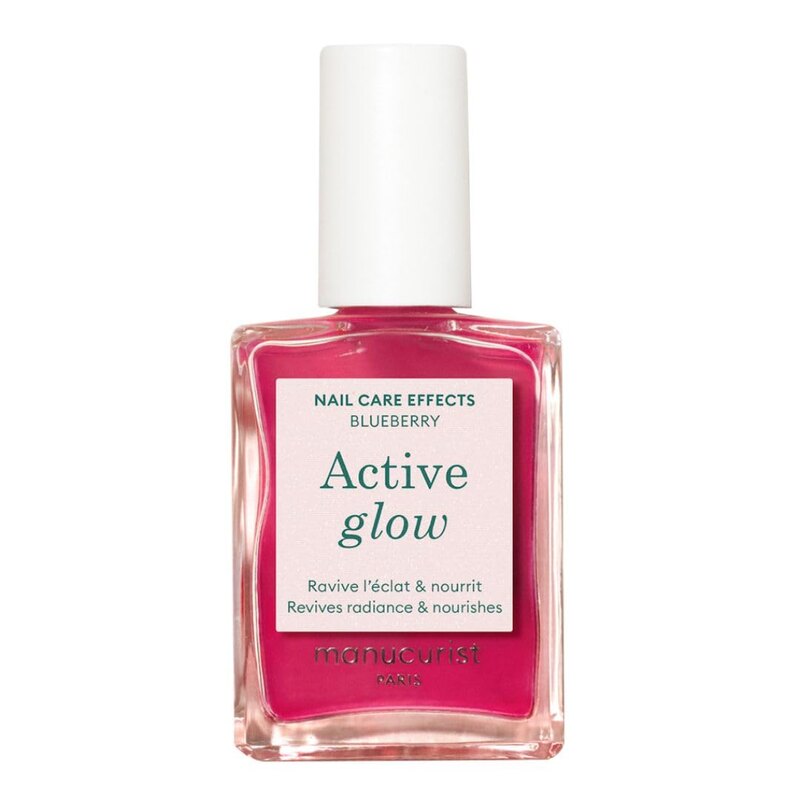
A sheer, strengthening polish with a plant-based formula.
A simple checklist
A short checklist keeps the process easy. First, read the ingredient list for carmine, beeswax, lanolin, guanine, keratin and animal collagen. Second, look for a vegan statement on the brand’s site. Third, confirm a certification: The Vegan Society for ingredients, Leaping Bunny for testing, or PETA for both. Fourth, check the parent company if that matters to you. Fifth, keep notes on the formulas you love, so repurchasing becomes simple. This routine takes only a few minutes per product. Yet over time, it builds a collection you understand completely. That understanding is a form of luxury that no price tag can offer on its own. Keep the checklist on your phone for easy reference.
The research, in brief
Every claim in this guide links to its source. Definitions draw on The Vegan Society, the Leaping Bunny Standard and PETA’s databases. Legal points come from the FDA and the European Commission. Ingredient definitions come from PETA’s animal-derived ingredients list and the FDA’s carmine guidance. Diet information links to our overview of eating patterns, which cites peer-reviewed research and public health sources. Because a brand’s certification status can change, our brand guides record the date of each check. We recommend confirming a brand’s current listing before you buy. That small step keeps your routine aligned with your values, season after season. Checked November 2026. Every guide in this series follows the same approach.
Vegan beauty labels at a glance
Labels can feel crowded, so a simple reference helps. The table below sets out the claims you will see most often and what each one actually covers. Some are certified by an independent organization. Others rest on a brand’s own word, which can still be reliable when the brand explains its policy. Notably, none of these claims is defined by US law. That is why the certifier column matters most. When a claim matters to you, look for the mark, then confirm it with a quick search. Keep this table in mind as you read each category guide. It applies equally to skincare, makeup, hair, fragrance and nails, whatever the price. That is the real reward of the practice.
| Claim | What it covers | Who checks it |
|---|---|---|
| Vegan | No animal-derived ingredients | The Vegan Society trademark; PETA vegan flag |
| Cruelty-free | No animal testing by the brand or its suppliers | Leaping Bunny; PETA |
| Carmine-free | No insect-derived red pigment | The ingredient list (FDA requires carmine to be named) |
| Clean or natural | No fixed meaning in US cosmetics | The brand alone |
Recommended
A routine that reflects you
In the end, vegan beauty is less about restriction and more about attention. It asks what is in a jar and how it was made. Curiosity is rewarded with formulas that feel as refined as any you have known. It also offers something less tangible: a routine that matches your values without asking you to give up pleasure. Each product becomes a small, chosen companion rather than an impulse. Each label becomes a story you can read. Over time, that attention changes how a routine feels. It becomes less about keeping up and more about knowing exactly what you love, and why you love it. Begin wherever feels most natural to you.
From here, choose the category that calls to you first. Perhaps it is skincare, because you use it every day. Or perhaps it is a new lipstick, a signature perfume or a glossy polish. Each guide in this series follows the same standard, with every brand checked and every source linked. Return to this page whenever you want the full map. If you want that care to reach your skin from within, the tools below offer a gentle next step. Beauty, at its best, is a ritual of attention. Vegan beauty simply extends that attention a little further, to the source of everything you wear. There is no wrong place to start.


Three ways to continue
Each of the three tools above offers a different way to continue. A few questions in the Ring Style Quiz read your taste in fine jewelry. Guided rituals for hair and skin fill the Makeover Bible. The 21-Day Reset, meanwhile, turns attention inward, to skin and gut together. It is a daily ritual that works from within, and it pairs naturally with a vegan routine. You can join its waitlist below without any commitment. Whichever you choose, the idea stays the same as in this guide. Small, informed choices add up to a routine that feels entirely yours. Begin with one, and let the rest unfold in its own time.
A daily ritual for skin and gut, working from within. Join the waitlist to hear first when the next Reset opens.
Join the waitlistQuestions worth asking
What does vegan beauty mean?
Vegan beauty means skincare, makeup, hair care, fragrance and nail products made without animal-derived ingredients, such as beeswax, honey, carmine, lanolin, keratin or animal collagen. It describes ingredients, not testing.
Is vegan beauty the same as cruelty-free?
No. Vegan describes ingredients, while cruelty-free means the product and its ingredients were not tested on animals. Many brands are both, but you should check each claim. Leaping Bunny certifies cruelty-free status, and The Vegan Society trademark certifies vegan products.
How do I know if a beauty product is vegan?
Read the ingredient list for animal-derived ingredients, check the brand’s own vegan policy, and confirm it with The Vegan Society’s product search or PETA’s database. In the US, the word vegan on a label is not regulated, so a certification is the strongest proof.
Are vegan beauty products better for your skin?
Not automatically. Vegan describes where ingredients come from, not how well a formula suits your skin. Many vegan formulas perform beautifully, but the right product still depends on your skin type and needs.
Is vegan makeup available at luxury brands?
Yes. Several high-end brands now offer fully vegan or largely vegan ranges. Our guide to luxury vegan makeup lists brands whose status is confirmed on their own site or by a certifier.
What is the easiest way to start a vegan beauty routine?
Replace products one at a time as they run out, starting with the items you use every day. Check each new product’s ingredient list and certification. Within a season or two, most of your routine will be vegan without waste or expense.
