
Some of the most refined skincare ingredients no longer come from fields or animals. They come from fermentation tanks and plant cells grown in the laboratory. Biotech skincare uses these methods to create actives such as squalane, hyaluronic acid and plant-derived compounds. Often, the results are purer, more consistent and entirely animal-free. This guide is part of our guide to vegan beauty. It explains how biotechnology works in beauty, what peer-reviewed research says, and which vegan brands describe their own biotech formulas. Every brand claim is linked to its source, so you can read exactly what each company states for itself. Science, in this case, serves gentleness. The source is always worth knowing.
Biotech skincare uses biotechnology, such as fermentation, plant cell culture and engineered microbes, to make cosmetic ingredients. Common examples include hyaluronic acid made by microbial fermentation, squalane made from sugarcane by yeast fermentation, and actives grown from plant cells. These methods can replace animal-derived and wild-harvested ingredients. Vegan brands such as Biossance, which states its squalane comes from fermented sugarcane, and OSEA, which describes an algae-derived bio-retinol, use biotech ingredients in their formulas.
What is biotech skincare?

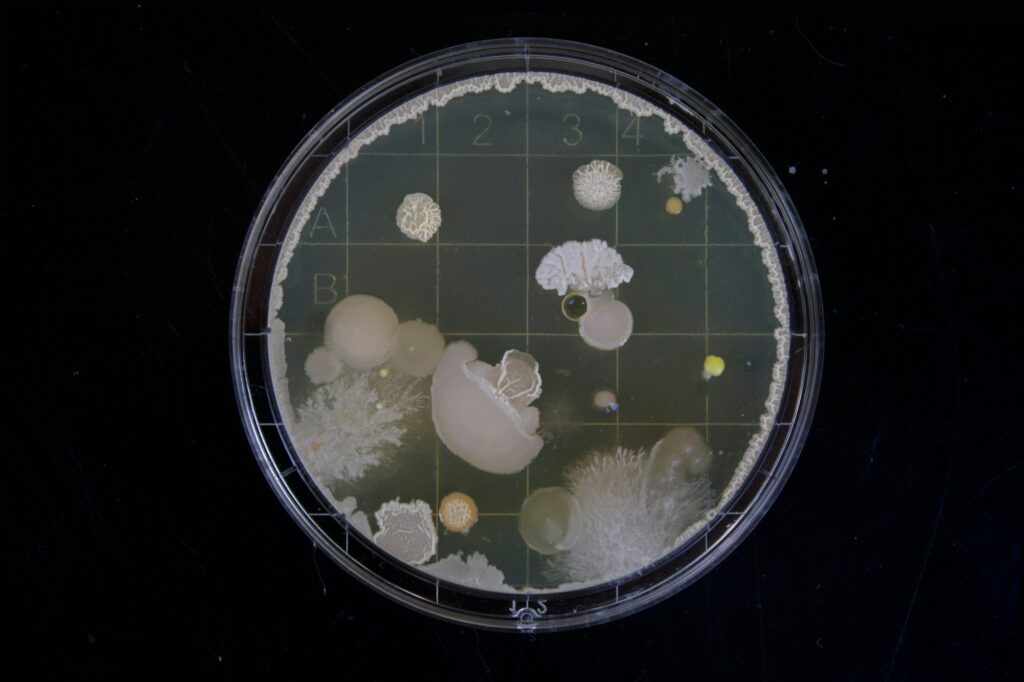
Biotech skincare uses living systems to make ingredients. Instead of extracting an active from an animal or a rare plant, scientists grow it. Microbes, yeast and plant cells become tiny factories. Fed with simple sugars, they produce the compound a formulator needs. According to a review of biotechnology applied to cosmetics in the journal Cosmetics, these methods are now used widely across the industry. The approach resembles brewing more than mining. As a result, biotech ingredients can be produced consistently, in controlled conditions, with less dependence on harvests, seasons or animal sources. That makes them especially valuable in vegan formulas. Purity often follows precision. Read each claim, then decide. Skin responds to steady care.
The word biotech can sound clinical, yet the idea is old. Fermentation has been used for thousands of years to make bread, wine and yogurt. Modern biotechnology simply refines that process with precise control and carefully chosen strains. Plant cell culture, meanwhile, grows plant cells in a nutrient medium rather than in soil. Each method yields ingredients that can be identical to their natural counterparts. In many cases, they are purer, since they contain fewer contaminants. For a woman who wants effective, animal-free skincare, biotech offers an elegant answer. It combines the precision of science with the gentleness that many botanical formulas aim for. The method matters as much as the result.
A short history of biotech in beauty
Biotechnology entered beauty gradually. For decades, ingredients such as lactic acid and certain vitamins have been made by fermentation behind the scenes. Hyaluronic acid followed, moving from animal extraction to microbial production. More recently, sugarcane-derived squalane and plant cell cultures have become familiar names on labels. Each step reflected the same goals: purity, consistency and independence from limited natural sources. Today, biotech skincare is no longer a niche. It runs through many mainstream and luxury formulas alike. Understanding that history helps put new claims in context. Most biotech ingredients build on decades of established science rather than appearing suddenly from nowhere. Precision makes every batch reliable. Animal-free and effective can go together.
Fermentation: how many actives are made
Fermentation is the workhorse of biotech beauty. In this process, microbes convert simple sugars into useful compounds. A review in the journal Molecules on the cosmetic importance of fermented raw materials lists examples such as squalane, hyaluronic acid, lactic acid and bacterial cellulose. These ingredients appear in many familiar formulas. Fermentation can also transform plant extracts, which some researchers describe as making them more compatible with skin. The review notes that bioferments, ingredients made by fermenting natural materials with selected microbes, are valued for their biocompatibility. Their consistency makes them easy for formulators to work with across many products. Every brand claim here is linked. Curiosity serves you well. Old craft meets new precision.

Hyaluronic acid is a striking example. Once extracted largely from animal tissue, it is now mostly made by microbes. A comprehensive review of biotechnological hyaluronic acid production explains that bacteria are commonly used in industrial fermentation, and that engineered strains can improve yields. The result is a highly pure ingredient that draws water into the skin. Because it no longer depends on animal sources, biotech hyaluronic acid suits vegan formulas well. It has become one of the most common hydrating actives in modern skincare. Many serums and moisturizers now rely on it, often alongside ceramides and other barrier-supporting ingredients. Animal-free can also mean high-performance. Clear sourcing builds trust. Results take a few weeks to show.
You may also like


Squalane from sugarcane
Squalane shows how biotech can replace an animal ingredient entirely. Its precursor, squalene, was historically sourced from shark livers, as PETA’s animal-derived ingredients list notes. Today, squalane can come from olives or from fermented sugarcane. Biossance, a brand PETA lists as vegan, describes on its site how its squalane is made from sugarcane through yeast fermentation. The fermentation review cited above also lists squalane among fermentation-derived ingredients. The result is a light, skin-friendly oil that moisturizes without feeling greasy. It shows how biotechnology can deliver a familiar texture with an entirely animal-free source. Your skin is the final judge. Specific claims are easier to trust. A short routine works best. Sunscreen completes every routine.
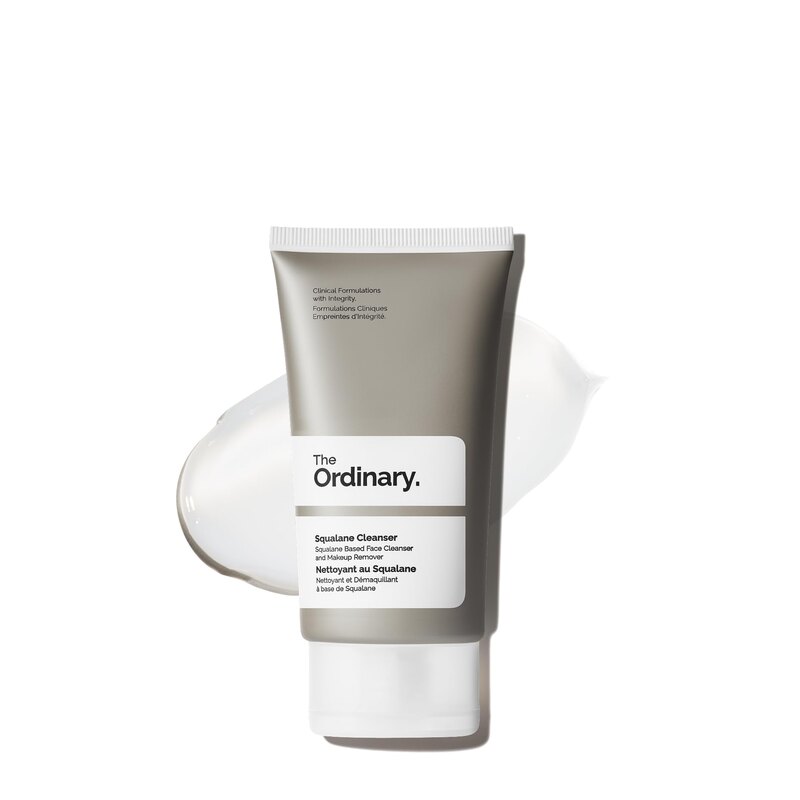
A balm-to-oil cleanser that melts away makeup with squalane.
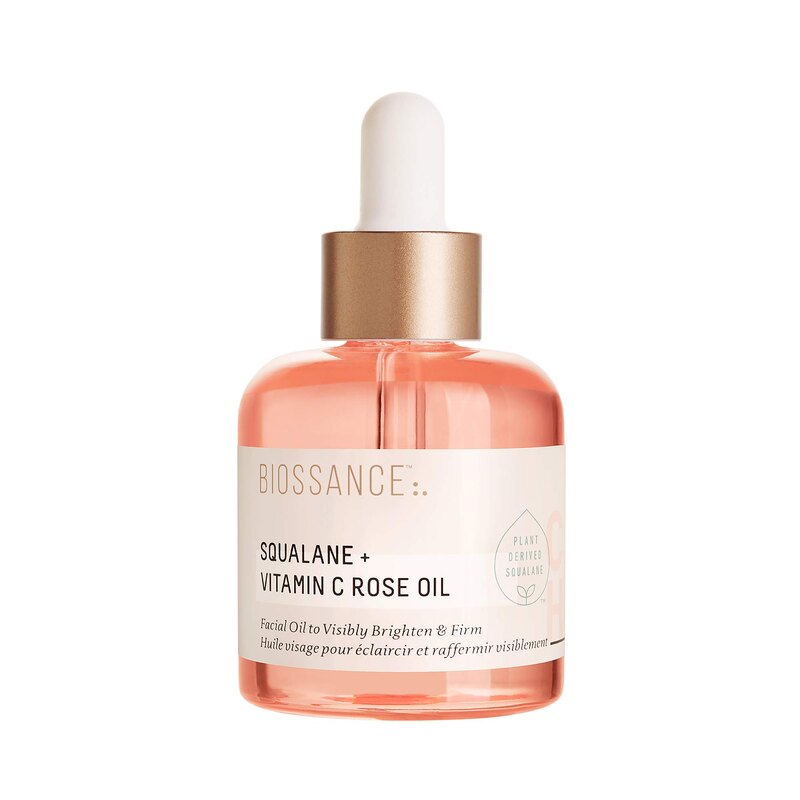
Sugarcane squalane with vitamin C in a rose-scented oil.
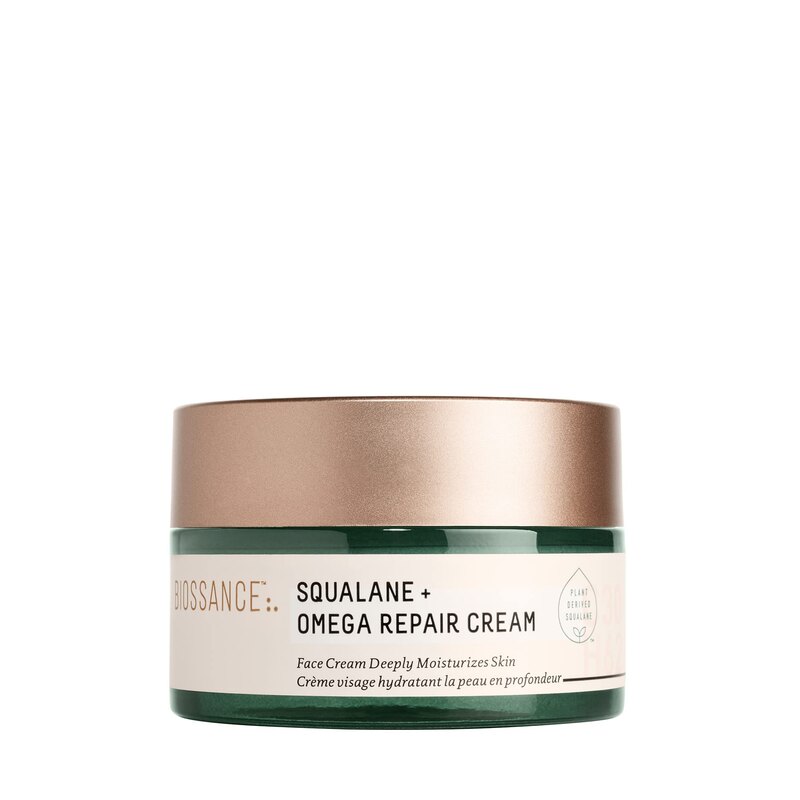
A rich cream with squalane and plant omegas for dry skin.
Biotech ingredients at a glance
A simple reference makes biotech labels easier to read. The table below lists common biotech skincare ingredients, how they are made and what they replace. Each method appears in the peer-reviewed reviews cited in this guide. Notably, the same ingredient can come from several sources, so a label may not reveal which method a brand used. When the source matters to you, the brand’s own description is the best guide. Many brands now explain their sourcing in detail. That openness makes it easier to choose biotech skincare with confidence, knowing both what an ingredient does and where it truly comes from. Each step has a purpose. Simplicity helps sensitive skin. Modern care can be kind care.
| Ingredient | How biotech makes it | What it can replace |
|---|---|---|
| Hyaluronic acid | Microbial fermentation | Animal-tissue extraction |
| Squalane | Yeast fermentation of sugarcane | Shark-liver squalene |
| Plant actives | Plant cell culture | Wild-harvested rare plants |
| Bioengineered proteins | Recombinant fermentation | Animal collagen |
Plant cell cultures

Plant cell culture grows plant cells in the laboratory rather than harvesting whole plants. A review of plant cell cultures as a source of cosmetic actives describes them as standardized, contaminant-free and scalable. This matters for rare or slow-growing plants. Harvesting them in the wild can strain ecosystems. Growing their cells in controlled conditions avoids that pressure while yielding consistent extracts. Some brands use plant stem cell extracts in serums and creams. As with any ingredient, the evidence for each specific extract varies. Still, the method itself offers a clear advantage for consistency and for protecting fragile natural sources. That is real progress. Begin with one product. Enjoy the discovery. Patience pays off.
Plant cell culture also reduces the variables that affect natural harvests. Weather, soil and season can all change the strength of a botanical extract. In the laboratory, conditions stay constant, so each batch behaves predictably. That predictability helps formulators create stable products. It also reduces the land and water a single ingredient requires, at least in principle. However, sustainability claims depend on the full production process, including energy use. So it is worth reading what each brand actually states rather than assuming. The best brands explain their sourcing clearly, which lets you judge each claim on its own merits rather than on general promises. Knowledge makes choosing easy. The label alone rarely tells the story.
You may also like


Why biotech and vegan beauty fit together
Biotech and vegan beauty share a common goal: effective ingredients without animal sources. Many traditional actives came from animals, including collagen, squalene and hyaluronic acid. Biotechnology can now produce animal-free versions of each. Bioengineered proteins, sometimes described as vegan collagen, are one emerging example. Pacifica, which PETA lists as vegan, describes some products as containing vegan collagen on its product listings. As a result, vegan brands can offer textures and actives that once required animal ingredients. Our guide to vegan vs cruelty-free labels explains how to confirm a brand’s status before you buy. Brand statements are linked for easy reading. Emerging science deserves open curiosity. Evidence matters more than adjectives. Context helps every claim make sense.
Biotech is not automatically vegan, however. Some fermentation processes use animal-derived nutrients, and some brands combine biotech actives with animal ingredients elsewhere in a formula. So a biotech claim alone does not confirm vegan status. The safest approach is the same as for any product. Check the brand’s own vegan statement, then confirm it with a certifier such as PETA or The Vegan Society. Brands featured in this guide are vegan according to PETA or their own sites. That combination of biotech innovation and verified vegan status gives you modern, effective skincare with complete clarity about where every ingredient comes from. A routine should feel simple to follow. Night care can be gentle and effective.
Beauty brands combining biotechnology and clean ingredients
Several vegan brands describe biotech ingredients in their formulas. Biossance, vegan per PETA, builds much of its range around sugarcane-derived squalane, which it states is made by fermentation. OSEA, also vegan per PETA, describes its Dream Night Cream as containing an algae-derived bio-retinol, according to its product listing. The Ordinary, vegan per PETA, uses hyaluronic acid, which research shows is mostly made by microbial fermentation today. Many of these brands also describe themselves as clean, meaning they avoid certain ingredients. However, “clean” has no legal definition. So read each brand’s own list of what it excludes and why it chose its ingredients. Choose by need, then by brand. Barrier support matters at every age.
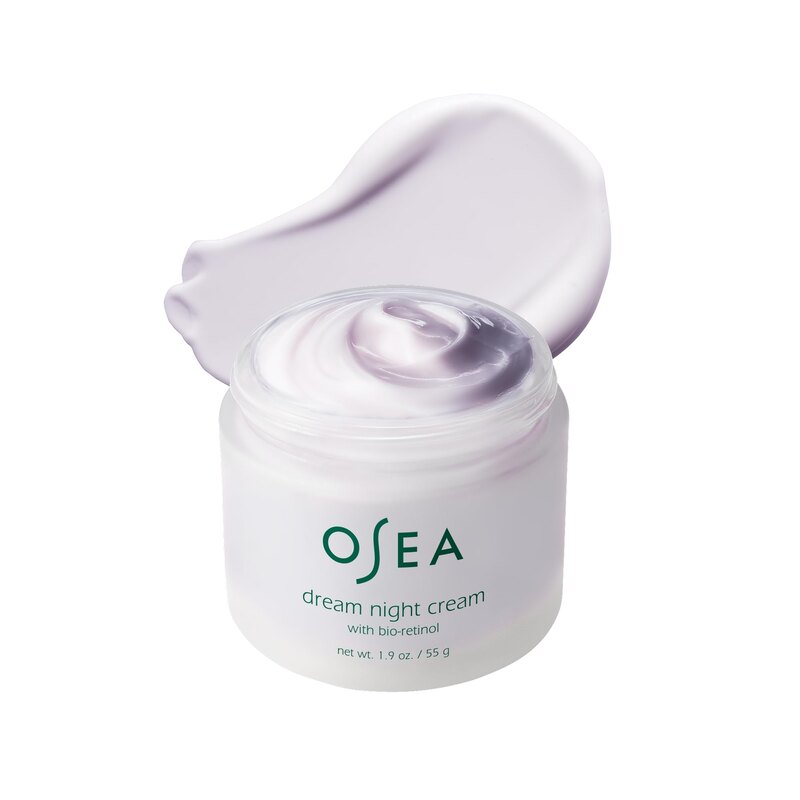
A night cream with an algae-derived bio-retinol, per the brand.
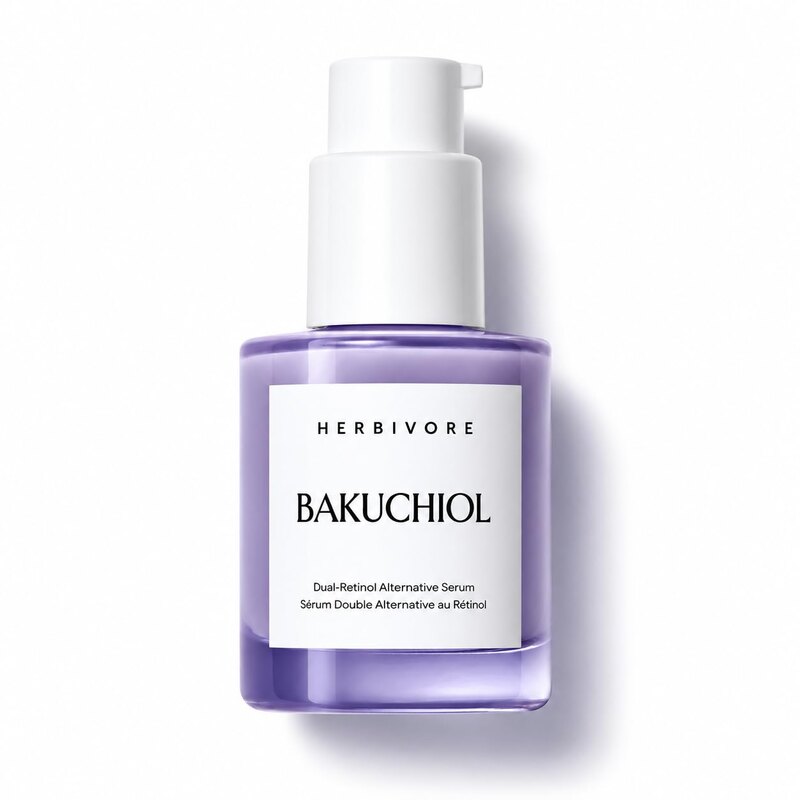
A plant-based serum the brand offers as a retinol alternative.
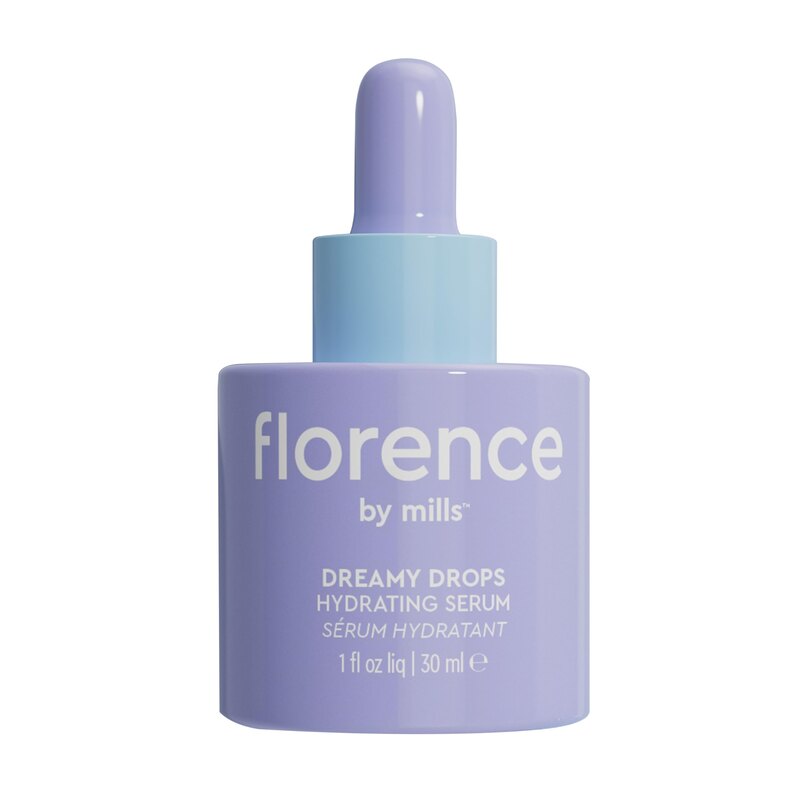
A light hydrating serum from a brand PETA lists as vegan.
Brands using lab-engineered proteins
Lab-engineered proteins are one of the newest areas of biotech beauty. They include bioengineered collagen and other proteins made by fermentation rather than taken from animals. A review of biotechnology in cosmetics describes how recombinant technology can produce such ingredients. Several brands now market vegan collagen, often in serums and makeup. When a brand makes this claim, look for a clear description of the source on its own site. Our rule is to name a brand only when it states the claim itself. That way, you can follow each lead directly, rather than relying on a summary of someone else’s marketing. Peer review adds weight to every claim. Innovation can be kind.
What the research says, and does not say

The research on biotech ingredients is strongest for how they are made. Reviews clearly describe fermentation and plant cell culture as reliable methods for producing pure, consistent ingredients. The evidence for what each ingredient does on skin varies more. Hyaluronic acid and squalane are well established as hydrating and moisturizing ingredients. Newer biotech actives may have less independent research behind them. So it is wise to treat bold claims with healthy curiosity. Look for studies the brand cites, and notice whether they are independent or company-funded. Most of all, judge results by how your own skin responds over several weeks of steady use. Read, compare, then decide. Enjoy the results over time.
The 21-Day Skin & Gut Health Reset is a daily ritual for skin, from within. Join the waitlist to hear first when it opens.
Occasional letters. Unsubscribe anytime.
Marketing language can also blur the picture. Words like “breakthrough” or “revolutionary” say little on their own. Meanwhile, sustainability claims, such as reduced land use, usually come from the companies themselves. They may be accurate, yet they are rarely verified independently. That does not make them false. It simply means they deserve to be read as brand statements. In this guide, we present them that way, with the source linked. For a broader look at how to weigh ingredient claims, our guide to natural versus chemical skincare offers a helpful perspective on the same questions. Gentle steps build healthy skin. Small changes add up. Your skin will guide you. Clarity is a luxury.
Reading sustainability claims carefully
Biotech is often described as more sustainable, and sometimes it is. Growing an ingredient in a tank can reduce land use, protect wild plants and avoid animal harvesting. However, production also uses energy, water and feedstocks such as sugar. So the full picture depends on the specific process. Many sustainability figures come from the companies themselves, which makes them useful but not independent. The best brands explain how they measure their impact and what they have improved. When a claim feels vague, look for specifics or ask the brand directly. Clear, measurable statements are easier to trust than broad, sweeping promises. Progress feels good. Clarity serves everyone. Measured claims deserve more trust.
A biotech skincare routine
A biotech-inspired routine looks much like any good routine. Start with a gentle cleanser. The Ordinary’s Squalane Cleanser is a balm that melts makeup away with squalane. Next, apply a hydrating serum, such as florence by mills’ Dreamy Drops. Then add a facial oil, such as Biossance’s Squalane + Vitamin C Rose Oil, or a treatment serum like Herbivore’s Bakuchiol, which the brand offers as a retinol alternative. Follow with a moisturizer. Biossance’s Squalane + Omega Repair Cream suits dry skin, while The Ordinary’s Natural Moisturizing Factors + PhytoCeramides is a rich option. Finish every morning with sunscreen. Keep it simple, and stay consistent. Morning and night, consistency wins. Start with your main concern.
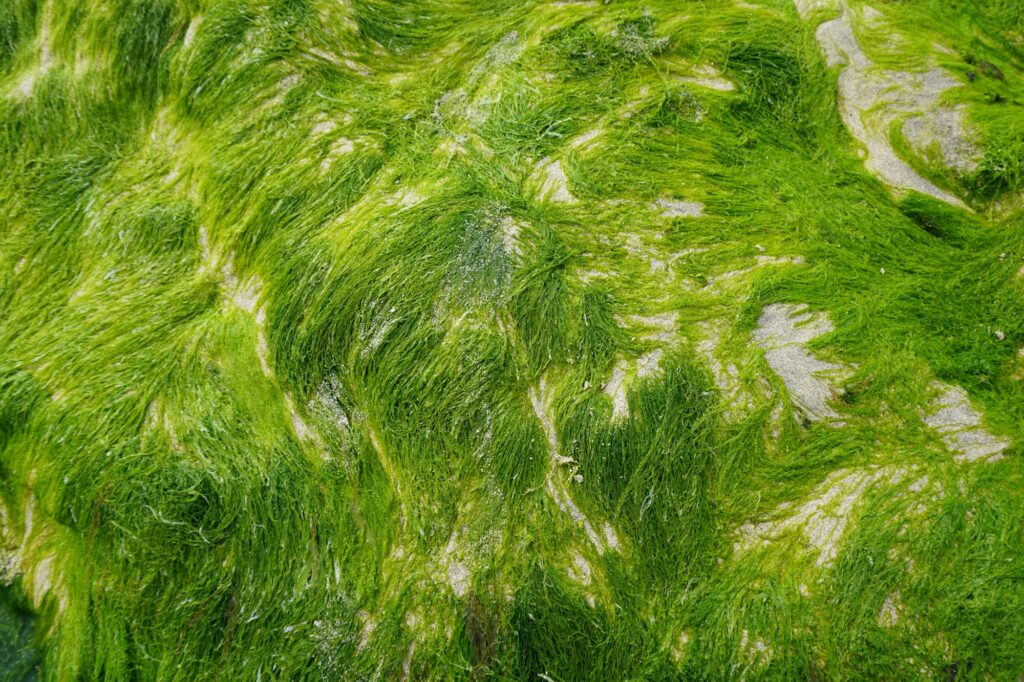
At night, the routine can include more targeted care. OSEA’s Dream Night Cream, with its algae-derived bio-retinol, is one option the brand describes for evening use. Biossance’s Squalane + Marine Algae Eye Cream offers lightweight care for the eye area. For the body, Biossance’s Squalane + Caffeine Toning Body Cream extends the same approach below the neck. Introduce new products one at a time, and patch test each one first. Give each product a few weeks before judging it. If you use retinol alternatives or exfoliants, sunscreen becomes even more important. A dermatologist can help if your skin reacts or if you have a specific concern. Evening care should feel restful.
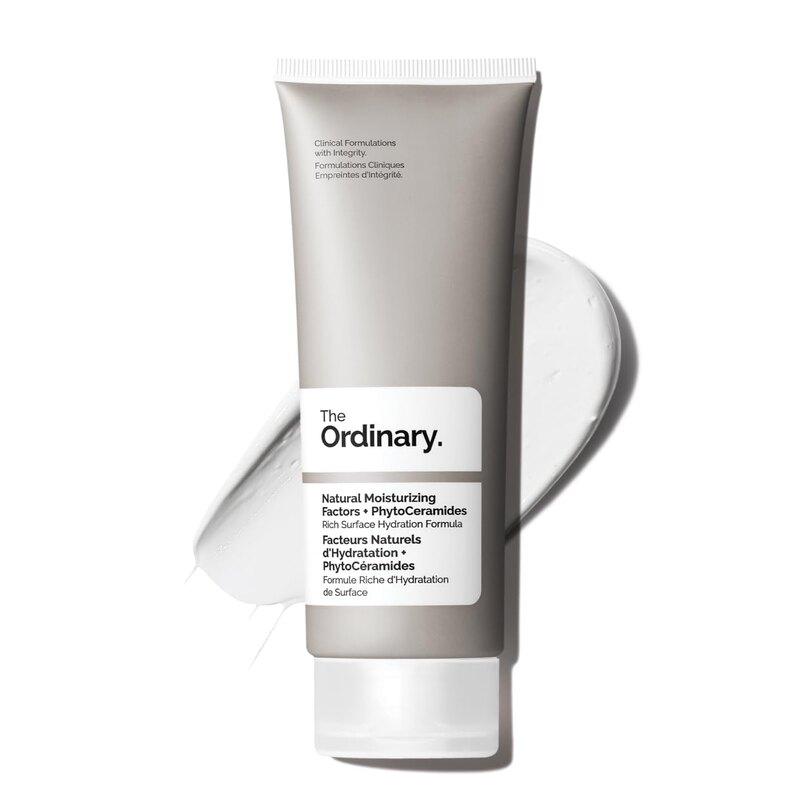
A rich moisturizer with plant-derived ceramides.
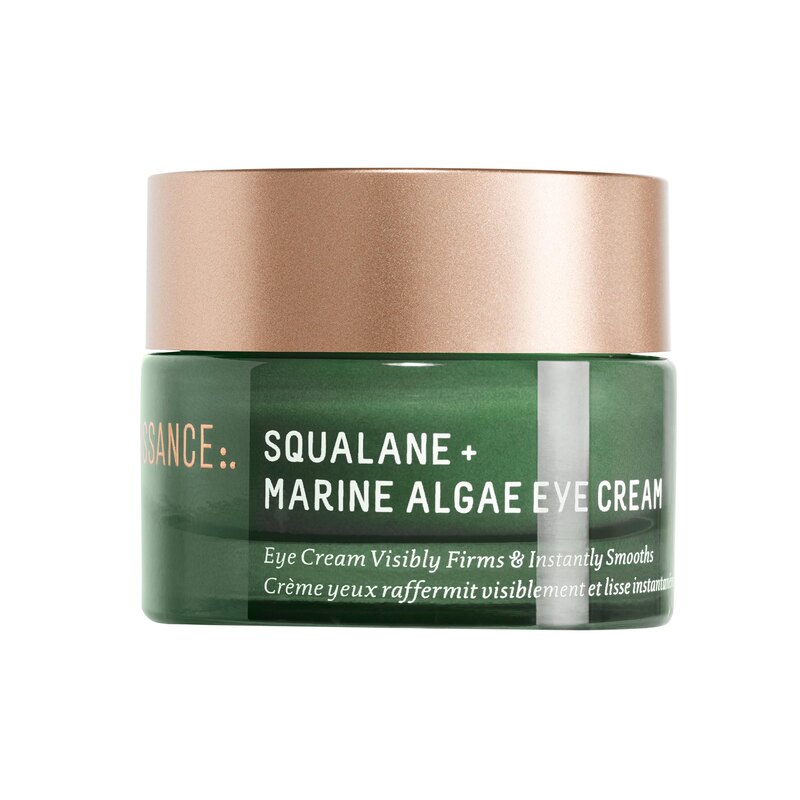
A light eye cream with squalane and marine algae.
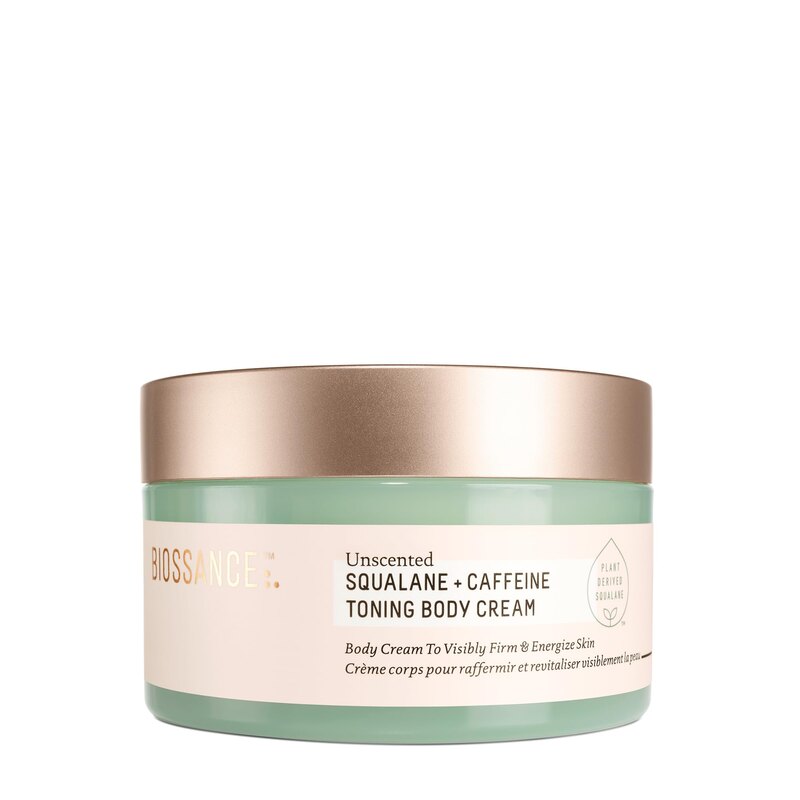
A body cream with squalane and caffeine for smooth skin.
How to choose biotech skincare
Choosing biotech skincare starts with your skin’s needs. For dryness, look for squalane, hyaluronic acid and ceramides, all of which can be made by biotech methods. Texture or signs of aging may call for a retinol alternative, such as bakuchiol or an algae-derived active. Sensitive skin, meanwhile, often prefers simpler formulas with fewer ingredients are often kinder. Next, check the brand’s vegan status, since biotech alone does not guarantee it. Then read what the brand says about its sourcing and production. Clear, specific descriptions are a good sign. Finally, start slowly and pay attention to how your skin responds, adjusting the routine as needed. Patience brings clarity. Fragrance-free is often the safest start.
Biotech skincare for sensitive skin
Sensitive skin often benefits from the purity that biotech can offer. Fermented hyaluronic acid and plant-derived squalane are generally well tolerated by many people. Fewer contaminants and more consistent batches can mean fewer surprises from one bottle to the next. Still, every formula contains more than one ingredient, and fragrance or essential oils can irritate. So choose fragrance-free options when possible, and patch test new products on the inner arm first. Introduce one product at a time, giving each a couple of weeks. If redness or stinging persists, stop using it. A dermatologist can help identify triggers and suggest suitable alternatives. Comfort comes first. Moisture and protection go hand in hand.
Biotech skincare for mature skin

Mature skin often needs more moisture and barrier support. Biotech ingredients such as squalane, hyaluronic acid and plant-derived ceramides suit those needs well. A rich cream with squalane can soften dryness, while a hydrating serum adds water beneath. Retinol alternatives offer a gentler option for evening use. Our guide to skincare for mature skin explains these needs in more depth. Sunscreen remains the most important step at every age. For luxury formulas built around many of these ingredients, see our edit of luxury vegan skincare, where every brand links to its source. Hydration, here, is everything. Care at every age is worth it. Every category is evolving quickly. Sources are dated for transparency.
Biotech beyond skincare
Biotechnology is reaching other parts of beauty too. In makeup, fermented and lab-made ingredients appear in foundations, primers and lip products, often alongside squalane. In hair care, some brands use plant proteins and fermented actives in place of animal keratin or silk. Our guide to vegan hair care covers those alternatives. Fragrance, meanwhile, has relied on lab-made molecules for decades, replacing musk and ambergris. In each category, the same principle applies. Biotech can deliver familiar textures and results without animal sources, provided the brand confirms its vegan status. That consistency makes biotech one of the most useful tools in vegan beauty today. Science can be gentle. Begin wherever feels most useful.
The research, in brief
The science in this guide draws on peer-reviewed reviews. They include a review of fermented cosmetic raw materials in Molecules, a review of biotechnological hyaluronic acid production, and reviews of plant cell cultures and biotechnology in the journal Cosmetics. Ingredient history draws on PETA’s animal-derived ingredients list. Brand descriptions, including Biossance’s sugarcane squalane and OSEA’s bio-retinol, come from the brands themselves and are presented as their statements. Vegan status comes from PETA or each brand’s site, checked in November 2026. Because policies change, check a brand’s current status before you buy. Checked November 2026. Every source is linked for easy reading. The method is the message. Thoughtful choices age well. Read labels slowly.
Recommended
Science, without the animals
In the end, biotech skincare offers something rare: innovation that also reduces reliance on animals and fragile plants. Fermentation and plant cell culture can produce pure, consistent ingredients that feel familiar on the skin. Squalane, hyaluronic acid and plant-derived actives now come from tanks and cell cultures rather than sharks, animal tissue or wild harvests. The vegan brands in this guide put those ingredients to work in thoughtful formulas. Their claims are linked, so you can read them for yourself. With a little curiosity, you can build a routine that is modern, effective and fully aligned with your values. That is worth celebrating. Each product has its moment. Knowledge is the best ingredient.
From here, choose the step that matters most for your skin. Perhaps it is a squalane oil for dryness, or a gentle retinol alternative for evening. Read each brand’s description, and confirm its vegan status before you buy. For the wider picture across makeup, hair and fragrance, return to our vegan beauty guide. And if you want the same care to reach your skin from within, the tools below offer a gentle next step. Good skincare, after all, should feel like progress. Biotech simply adds a new chapter to a very old story of care. Start there, and enjoy it. Care is cumulative. Then let your skin lead.



Three ways to continue
Each of the three tools above offers a different way to continue. A few questions in the Ring Style Quiz read your taste in fine jewelry. Guided rituals for hair and skin fill the Makeover Bible. The 21-Day Reset, meanwhile, turns attention inward, to skin and gut together. It is a daily ritual that works from within, and it pairs naturally with a vegan routine. You can join its waitlist below without any commitment. Whichever you choose, the idea stays the same as in this guide. Small, informed choices add up to a routine that feels entirely yours. Begin with one, and let the rest unfold in its own time.
A daily ritual for skin and gut, working from within. Join the waitlist to hear first when the next Reset opens.
Join the waitlistQuestions worth asking
What is biotech skincare?
Biotech skincare uses biotechnology, such as fermentation and plant cell culture, to make cosmetic ingredients. Examples include hyaluronic acid made by microbes and squalane made from fermented sugarcane.
Is biotech skincare vegan?
Often, but not always. Biotech can replace animal ingredients, yet some processes or formulas still use animal-derived materials. Check the brand’s vegan statement and a certifier such as PETA.
Which brands use lab-engineered proteins from clean biotech sources?
Several brands market bioengineered or vegan collagen. Pacifica, vegan per PETA, describes some products as containing vegan collagen. Check each brand’s own description of the source.
Which beauty brands combine biotechnology with clean ingredients?
Biossance states that its squalane is made from fermented sugarcane, and OSEA describes an algae-derived bio-retinol. Both are vegan per PETA. “Clean” has no legal definition, so read each brand’s ingredient policy.
Is squalane vegan?
Squalane can be vegan when it comes from plants such as olives or from fermented sugarcane. Its precursor, squalene, was historically taken from shark livers, so check the source.
Is biotech hyaluronic acid better?
Research shows hyaluronic acid is now mostly made by microbial fermentation, which yields a pure, animal-free ingredient. How well a product works still depends on the full formula and your skin.