
The Artist · Pulls and Liability
The garment bag comes back with a pulled seam, foundation on a collar and one shoe missing. Before anyone mentions the pictures, the brand’s PR team mentions the invoice. For working stylists, damaged samples are the quiet risk inside every pull. That holds across the five kinds of styling work, because each one depends on borrowed clothes. This guide is written for stylists, from your side of the table. It covers card holds, real brand terms, what the law calls a loan, and who pays when something goes wrong. It also covers the paperwork that protects you before, during and after a shoot.
The short answer
When you sign for a pull, you usually accept responsibility for the pieces until the brand has them back. Most brand policies bill damaged samples and lost pieces at full retail, and some charge more. A card on file or a hold gives the brand a way to collect. Who pays in the end depends on your agreements, first with the brand and then with the client. So read the terms, document condition, and put cost responsibility in writing before the shoot.
In this guide
- The pull is a loan: bailment in plain terms
- How stylist credit card holds actually work
- Reading the pull terms before you sign
- Damaged samples: what counts, and who pays
- Lost samples, couriers and the chain of custody
- Stylist insurance and coverage for other people’s property
- A working system before, during and after the pull
- The quiet cost of borrowed clothes
- Questions worth asking
The pull is a loan: bailment in plain terms
Start with the legal shape of the arrangement, because it explains almost everything brands ask of you. When a showroom hands you a rack of samples, ownership stays with the brand while possession moves to you. Cornell’s Legal Information Institute calls that arrangement a bailment: a transfer of possession without a transfer of ownership. The brand is the bailor, and you, the stylist who signs for the pieces, are the bailee. That framing matters in practice. For example, it explains why a brand can recall a piece mid-loan. It also explains why the paperwork names one person rather than a whole production. The signature tells everyone which bailee holds the risk.
Next comes the question of care. Cornell’s entry on the duties of a bailee says the holder must use ordinary diligence and can answer for gross negligence. Separately, Cornell’s entry on negligence describes carelessness as failing to act as a reasonable person would in similar circumstances. It lists duty, breach, harm and causation as the parts a claim needs. In plain terms, nobody expects you to guarantee a silk gown against every accident. Still, leaving a rack in an unlocked van overnight looks very different from a seam that gives way during a careful fitting. Your habits on set become your evidence later, so treat them that way from the first pickup.
A note before going further
A short, honest caveat belongs here. This article explains general concepts for working stylists; it is not legal advice, and state law varies. If a charge is large or a dispute turns hostile, a lawyer licensed in your state is the right call. Meanwhile, remember that the signed document usually matters more than general doctrine. Cornell’s overview of a contract notes that even informal agreements may bind the parties when the basic elements are present. An email thread or a signed delivery memo can therefore carry real weight. As a result, the terms you accept at pickup tend to decide who pays long before anyone argues about negligence. Read them as carefully as a call sheet, and keep a copy of each one.
How stylist credit card holds actually work
Most brands secure a pull in one of two ways. Some keep your card details on file and charge later if something goes wrong. For example, the AKINGS stylist pull policy asks for no deposit. Instead, it wants your card details and ID to cover late, missing or damaged items. Other brands place an authorization hold at pickup, which freezes part of your credit limit until the pieces come back. The difference sounds technical; however, it changes your week. A card on file costs nothing until an invoice arrives, while a hold reduces what you can spend right away. Several pulls for one big shoot can stack holds against a single limit before the client pays you.
The Federal Trade Commission explains these blocks in its article When a Company Declines Your Credit or Debit Card. Although the FTC writes about hotels and rental cars, the mechanics carry over to any business that places a hold. A block for an estimated total can cause your card to decline elsewhere. Settle on the same card, and the final charge usually replaces the block within a day or two. Pay another way, however, and the FTC says the block may last up to 15 days. For stylists, the lesson is simple. Ask the PR team how long their hold lasts and when they release it. Then note the answer in your pull log.
Protecting your cash flow during a heavy pull week
A little structure keeps holds from colliding with rent. First, consider running pulls through one business card, so a hold never blocks groceries. Second, build the hold into your prep timeline: if a brand releases funds only after inspection, the block may outlast the shoot by days. Third, ask the client or production whether they will place the hold on their own card for a large pull. If they agree, that one request moves the risk to the party who commissioned the look. In addition, keep every confirmation email in one folder per job. When an invoice arrives weeks later, you will want the hold amount, release date and approver in one place.
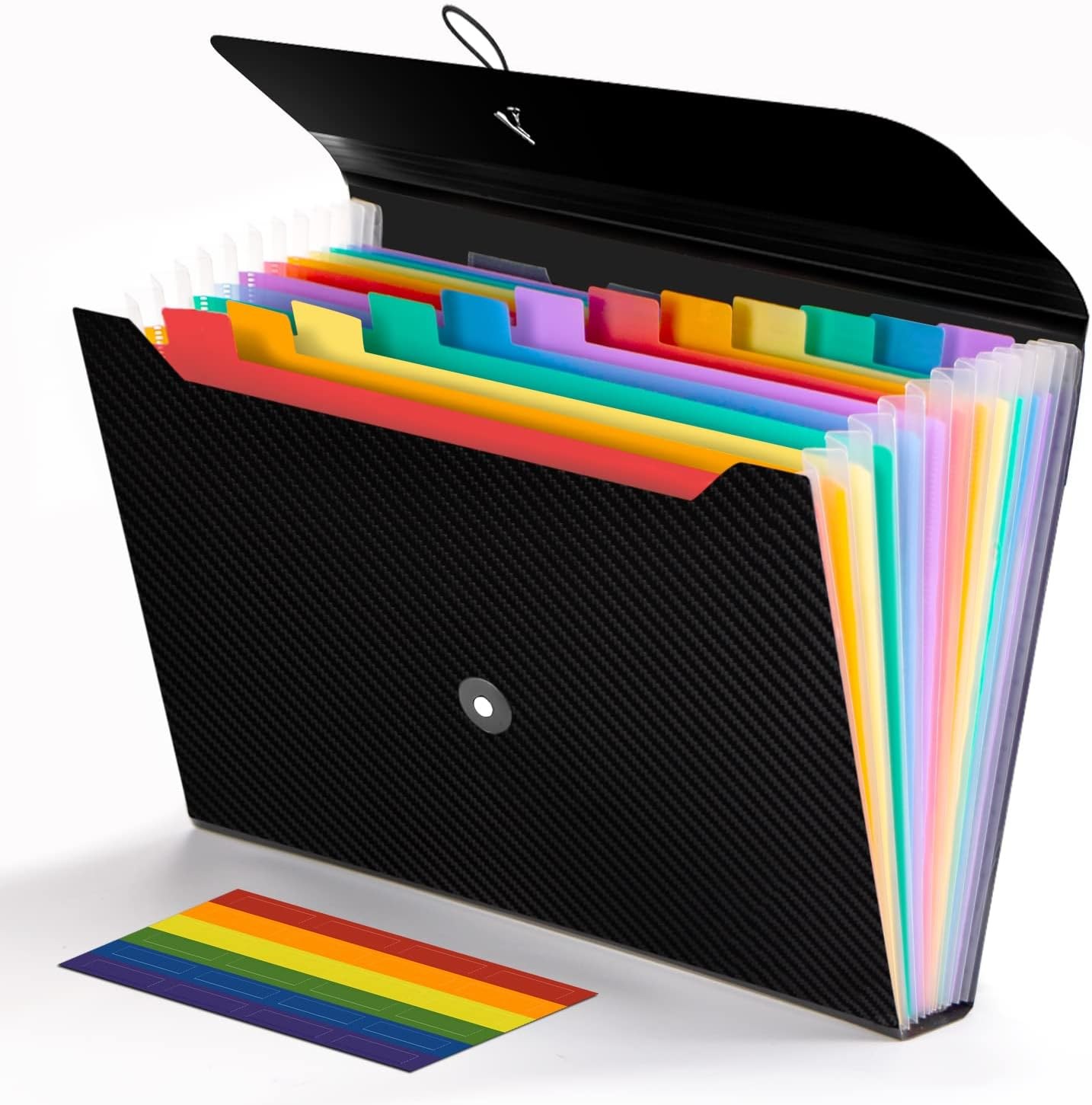
Give each pull its own labeled pocket so memos, loan agreements and hold receipts sit together when a statement arrives.
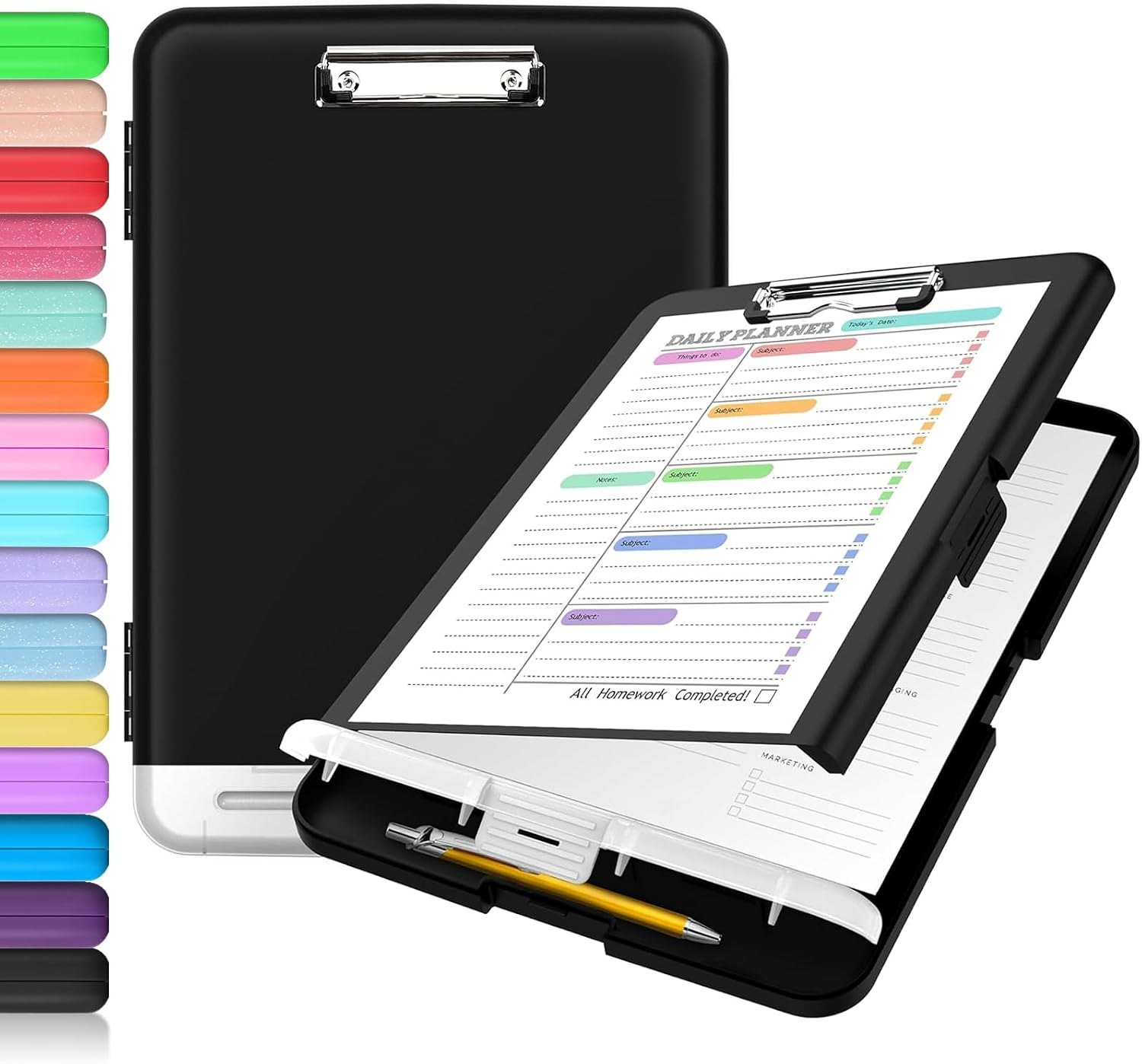
Carry the day's pull sheet and signed memos in one hard case, so nothing loose goes missing between showroom and set.
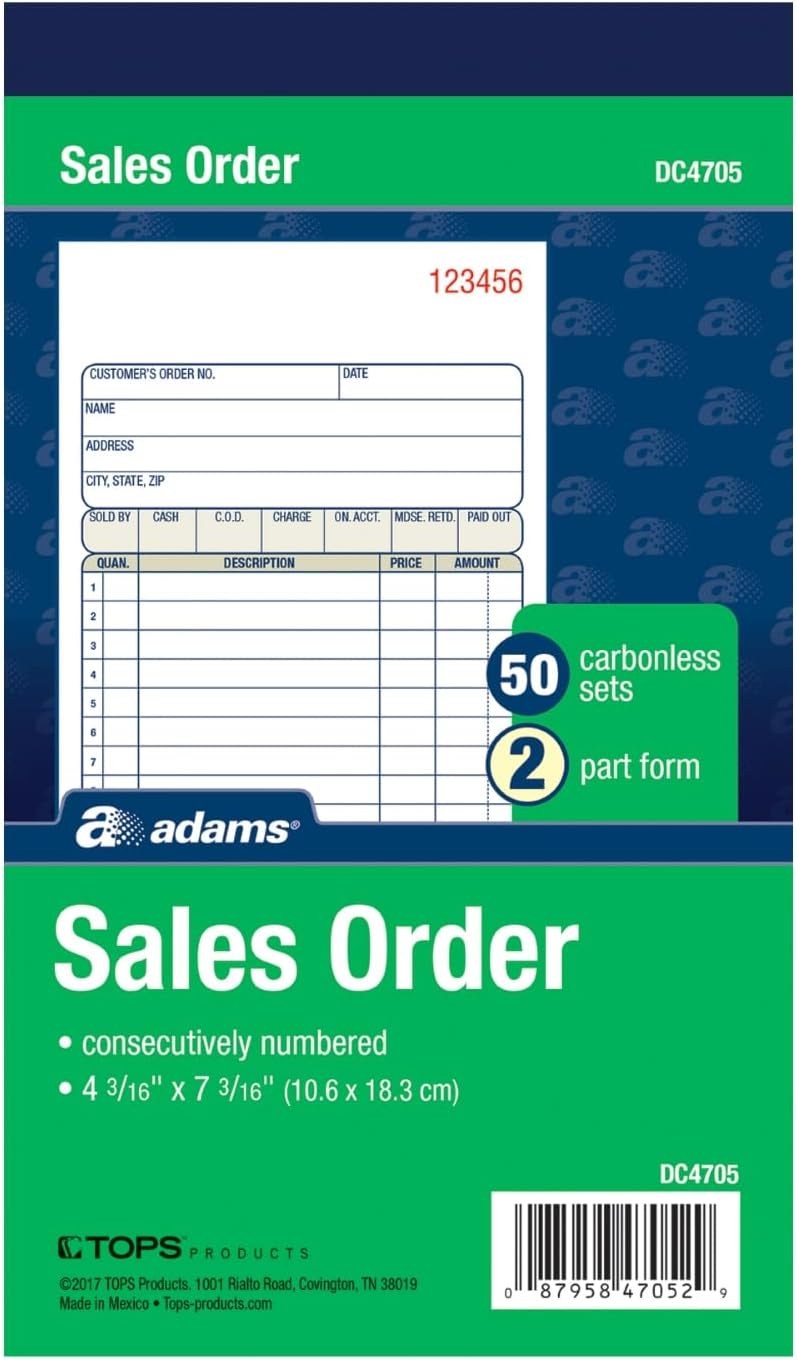
Write a dated handover slip for every courier pickup, keep the carbon copy, and the hold dispute starts with proof.
Reading the pull terms before you sign
Brand terms differ, so read each one rather than assuming an industry rule. The Amiri sample pull policy shows a strict approach. Pulls need written approval from the brand’s communications team before collection. Samples stay the brand’s property, and the person who signs takes responsibility for their care while holding them. Lost or damaged items go out on an invoice at full retail, using the values on the delivery memo. It also allows a full-value invoice when pieces miss the return date or stay missing 48 hours after notice. Garments must return in original condition with labels and tags intact, dry-cleaned when necessary. Notice how much depends on that delivery memo, because it sets the price of every mistake you might make.
Some brands go further. The Lovett sample loan policy is dated August 2026. It releases samples only after you sign an agreement listing each piece and its declared retail value. Minor, repairable damage costs the actual repair. A lost or unrepairable piece, however, costs twice declared retail plus sales tax. The policy calls that figure a floor. If an item runs seven or more days late, the brand may treat it as lost. The loan also stays open until every item returns. Separately, the policy lets the brand bill retail per item when a stylist fails to credit it in their own posts. That last clause is easy to miss, so read the credit terms as closely as the damage terms.
Fees that apply even when nothing goes wrong
Fees can also apply even when nothing goes wrong. The AKINGS terms charge a nonrefundable 20% service fee on every pull. Items that miss the promised date add a late fee of 10% per day. Lost or damaged pieces go to invoice at full retail. Event looks must come back dry cleaned, with labels and tags in mint condition and pockets empty. Because each brand sets its own figures, a pull spread across five labels can carry five different sets of rules. As a result, a simple summary sheet helps: brand, contact, return date, late fee, damage basis, cleaning rule and credit requirement. Then, on returns day, you read your own notes instead of hunting through emails while a courier waits.
When a policy sets the charge in advance, it starts to resemble what lawyers call liquidated damages. Cornell’s entry on liquidated damages describes a preset sum or formula that a party agrees to pay on breach. Parties typically use one where real losses are hard to prove. The same entry notes that courts refuse to enforce such clauses when they work as a penalty rather than an estimate of loss. Whether a given multiple crosses that line is for a court in your state to decide. Still, the concept helps you read terms with a clear head. A charge tied to repair cost or retail value reads as compensation. A large fixed multiple, by contrast, deserves a closer look before you sign.
Damaged samples: what counts, and who pays
On set, damage rarely looks dramatic. More often, it is makeup on a neckline, deodorant on a lining, a pin hole in silk or a scuffed heel. Policies that demand original condition, like Amiri’s, treat even a removed tag as a problem. Alterations sit in the same category, because a sample that someone hemmed no longer matches the sample the brand lent. So treat damaged samples as anything the brand cannot send straight out to the next stylist. In practice, that means no cutting, no stitching through the fabric and no tape on suede without asking first. When a fit truly needs a change, get the PR contact’s approval in writing before anyone picks up a needle.

Following the chain of agreements
Who pays follows a chain of agreements. First, the brand invoices whoever signed for the pull, which is usually you. Next, whether you can pass it on depends on your agreement with whoever booked you. If your deal memo says the production covers loss and damage to wardrobe, you have a basis to rebill. If it says nothing, you may carry the cost yourself. That is why the clauses in a beauty-artist contract are worth studying. Their liability, kit and cancellation language translates directly to styling. A line covering damaged samples, written before the shoot, turns a tense conversation into a routine invoice. In addition, name who holds wardrobe overnight between shoot days.
Notes for working stylists: pulls, pricing, clients and career, sent occasionally.
Occasional letters. Unsubscribe anytime.
Once damage happens, how you respond affects what you owe. Cornell’s summary of breach of contract remedies says damages aim to undo the financial effect of a breach. It adds that punitive damages are generally unavailable. The injured party must also take reasonable steps to limit its losses. In practice, the quickest route is often transparency. Tell the PR contact the same day, send photos, and offer a repair estimate from a specialist the brand approves. Some policies draw a clear line between repair and replacement; Lovett, for example, bills actual repair cost for minor faults. Owning the problem early also protects the relationship, which matters more over a career than any single invoice ever will.
Lost samples, couriers and the chain of custody
Loss is harder than damage, because there is often nothing to repair. A shoe goes missing, a messenger never reaches the showroom, or a piece leaves on an assistant’s arm. Lovett keeps a loan open until every item comes back. Amiri’s terms point the same way, since the signer stays responsible. For that reason, proof of return matters as much as the return itself. Use a courier that issues signed delivery records, photograph the packed bag, and ask a named person at the showroom to countersign the return sheet. The steps in a returns-day checklist go further. Still, the core idea is simple: no piece leaves your hands without a record.
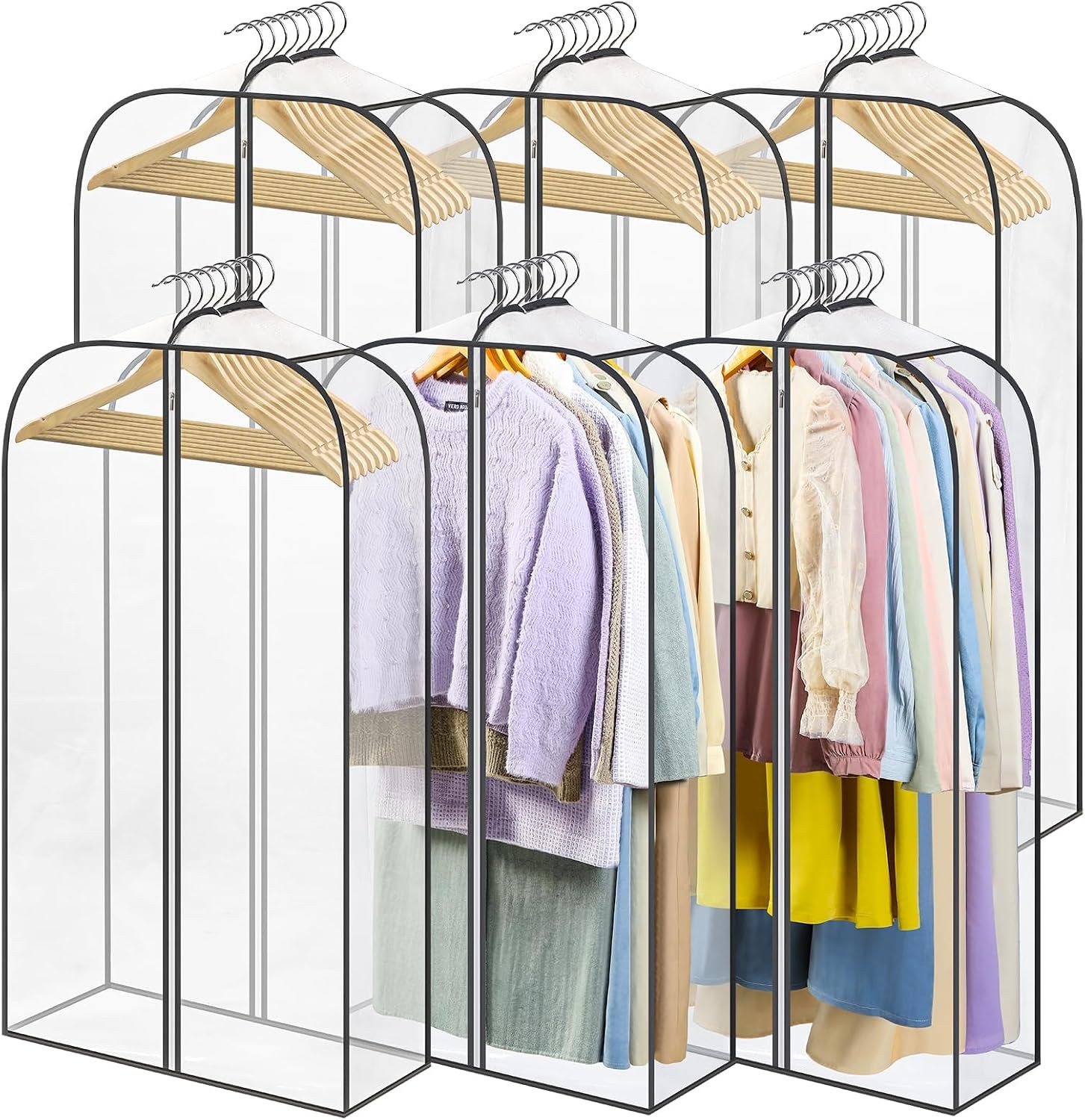
The clear front lets couriers, assistants and showroom staff confirm each look at handover without unzipping a bag.
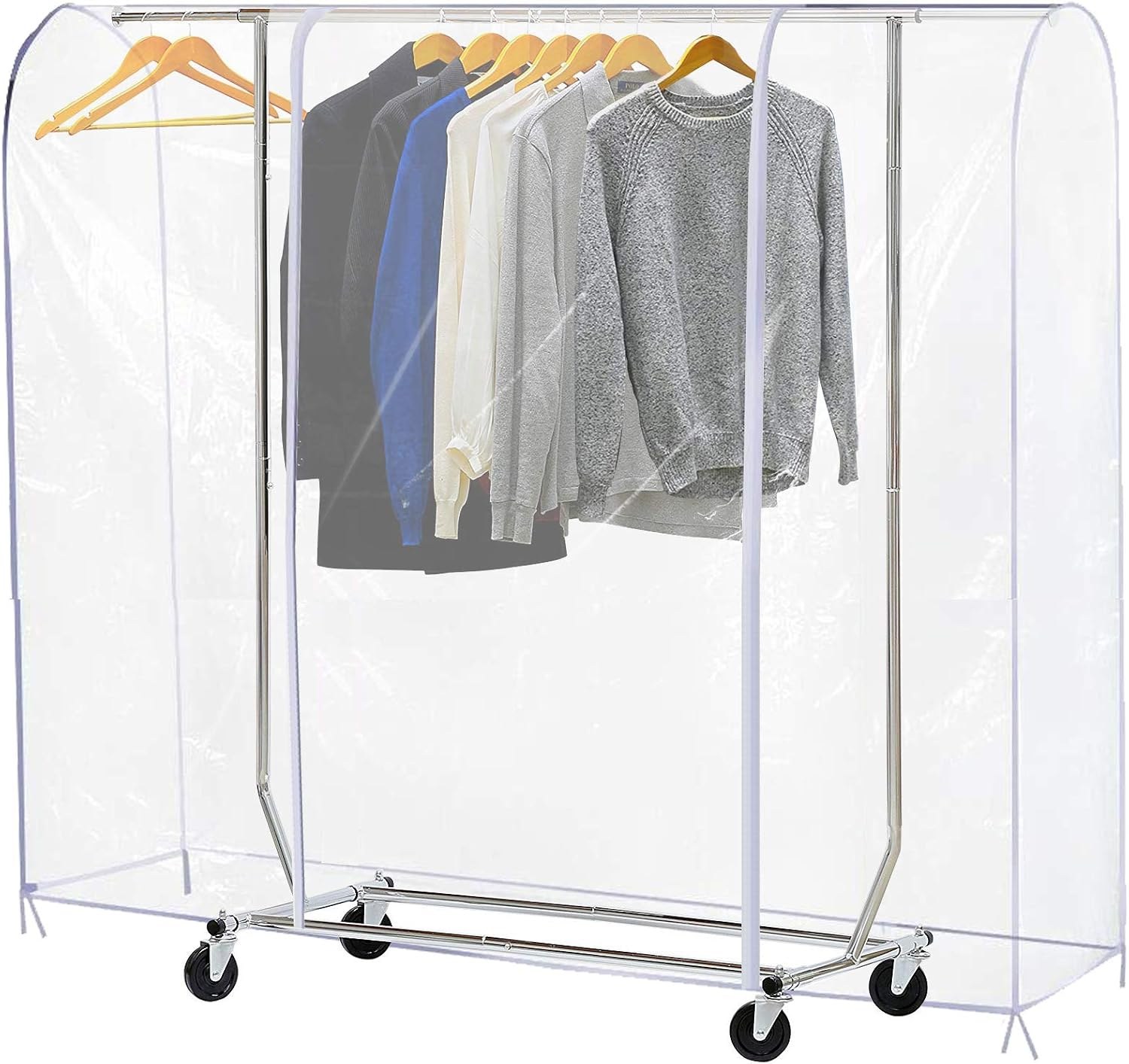
Cover the loaded rack between pickup and shoot so samples stay clean and every piece stays visible during check-in.
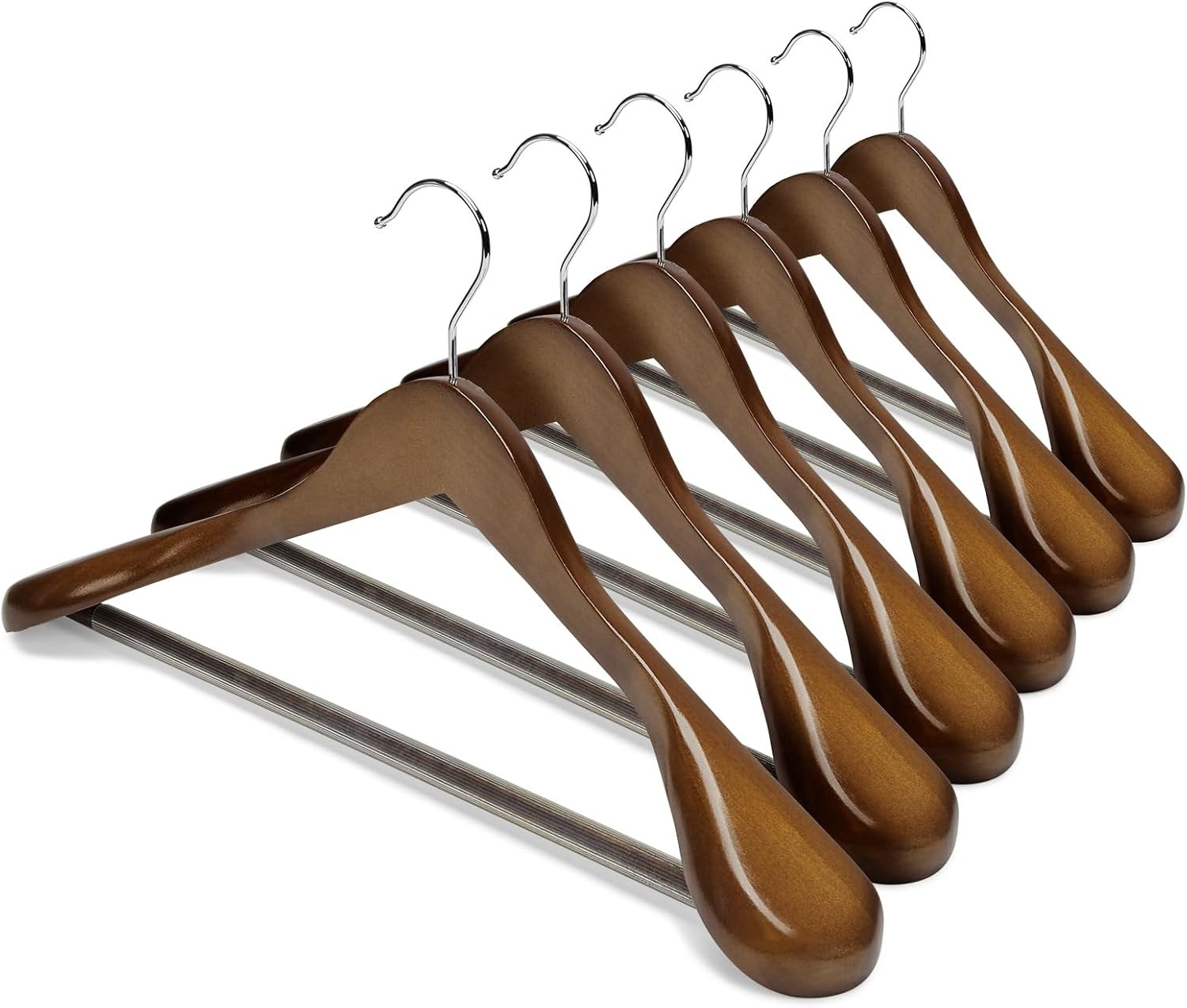
Rehang tailoring on matched wooden hangers before return, so shoulders keep their shape and the showroom sees care.
Keeping loaned pieces safe on set
On set, the risks multiply because more hands touch the rack. A simple sign-out sheet solves much of it. List every piece with brand, color, size and value, then note who took it and when it returned. Keep the rack in a lockable room when you break for lunch, and never leave bags in a vehicle overnight. If talent wants to leave in a look, settle it with the brand before the day, not at wrap. Your assistants need the same rules you follow, so brief them at call time. Meanwhile, keep shoes paired and boxed, and keep jewelry in labeled pouches. Small items tend to vanish first. A ten-second count at each change of look saves hours of searching and, sometimes, a replacement invoice.
Disputes over lost pulls can reach court. The Brooklyn Sports and Entertainment Law Blog covers one in Fashion on Loan: The Legal Framework Behind Celebrity Looks. It describes a 2022 New York case. There, Dover Street Market New York alleged that stylists never returned or paid for 49 loaned pieces. Their claimed value exceeded $34,000. As of that May 2025 article, the case remained pre-trial, so treat it as an allegation rather than a finding. The same article notes how often fashion loans rest on informal arrangements and unclear liability. That pattern should sound familiar. The answer is not fear but paperwork. A signed memo, a dated condition record and a return receipt protect you even when everyone acts in good faith.
Stylist insurance and coverage for other people’s property
Insurance can absorb some of this risk, though only the right kind. The Insurance Information Institute’s guide Understanding Inland Marine Insurance says this category covers goods moving over land. It also covers property temporarily held by a third party. It describes bailee’s customer coverage as protection for clients’ property left in your care. A stylist holding samples sits in a similar position, so raise the term with a broker. However, do not assume an existing policy covers borrowed wardrobe. Coverage terms vary, so ask whether the policy covers property in your care, in your car and in transit. Get the answer in writing. Bring a realistic figure for the highest value you expect to hold at once.
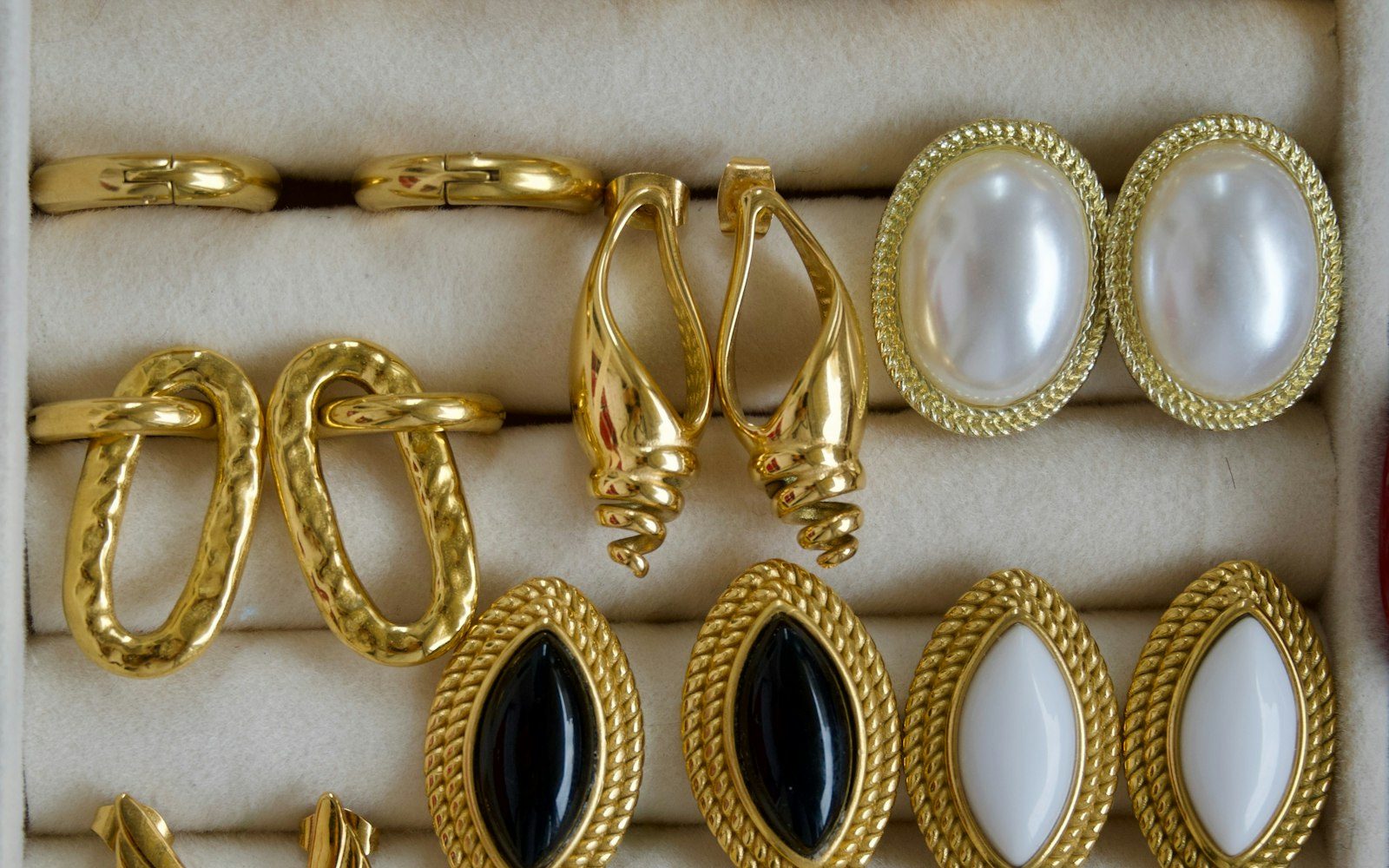
A production may also carry its own insurance. Ask the producer whether that coverage includes pulled samples, and request the answer by email before pickup. If they confirm, you can point the brand toward the production’s insurer when a claim arises. If they cannot confirm, price the risk into your rate or ask them to sign for the highest-value pieces. Meanwhile, keep premiums, unrecoverable fees and repair invoices in a separate file. Your accountant can then review them alongside other business expenses at tax time, without rebuilding the record in April. None of this is glamorous. Still, it turns a potential four-figure loss into a known cost of doing business.
A working system before, during and after the pull
Good protection starts with the request. When writing a pull letter, state the shoot dates, the client, the usage and who will sign for the pieces. If the production has agreed to cover loss and damage, say so in the letter and copy the producer. That one sentence gives the brand a second responsible party and shows you understand the stakes. Then ask for the delivery memo in advance. That way, you read the values and fees at a desk, not a showroom counter. Check that the declared values match the pieces you requested. If a figure looks wrong, raise it before you sign, because afterward that number becomes the basis for every charge.
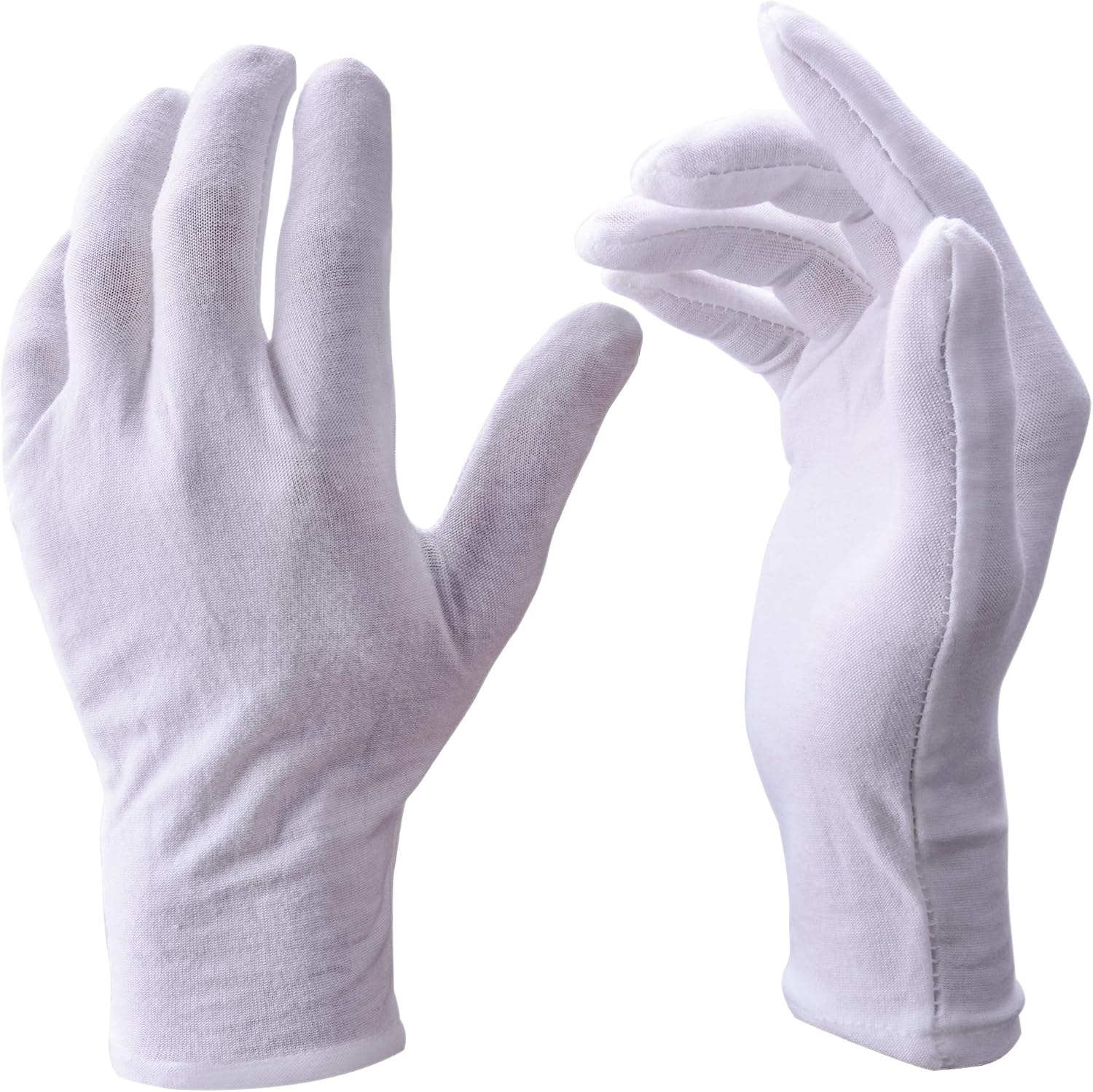
Hand gloves to anyone touching light fabrics, beading or fine jewelry so fingerprints and makeup never reach the sample.
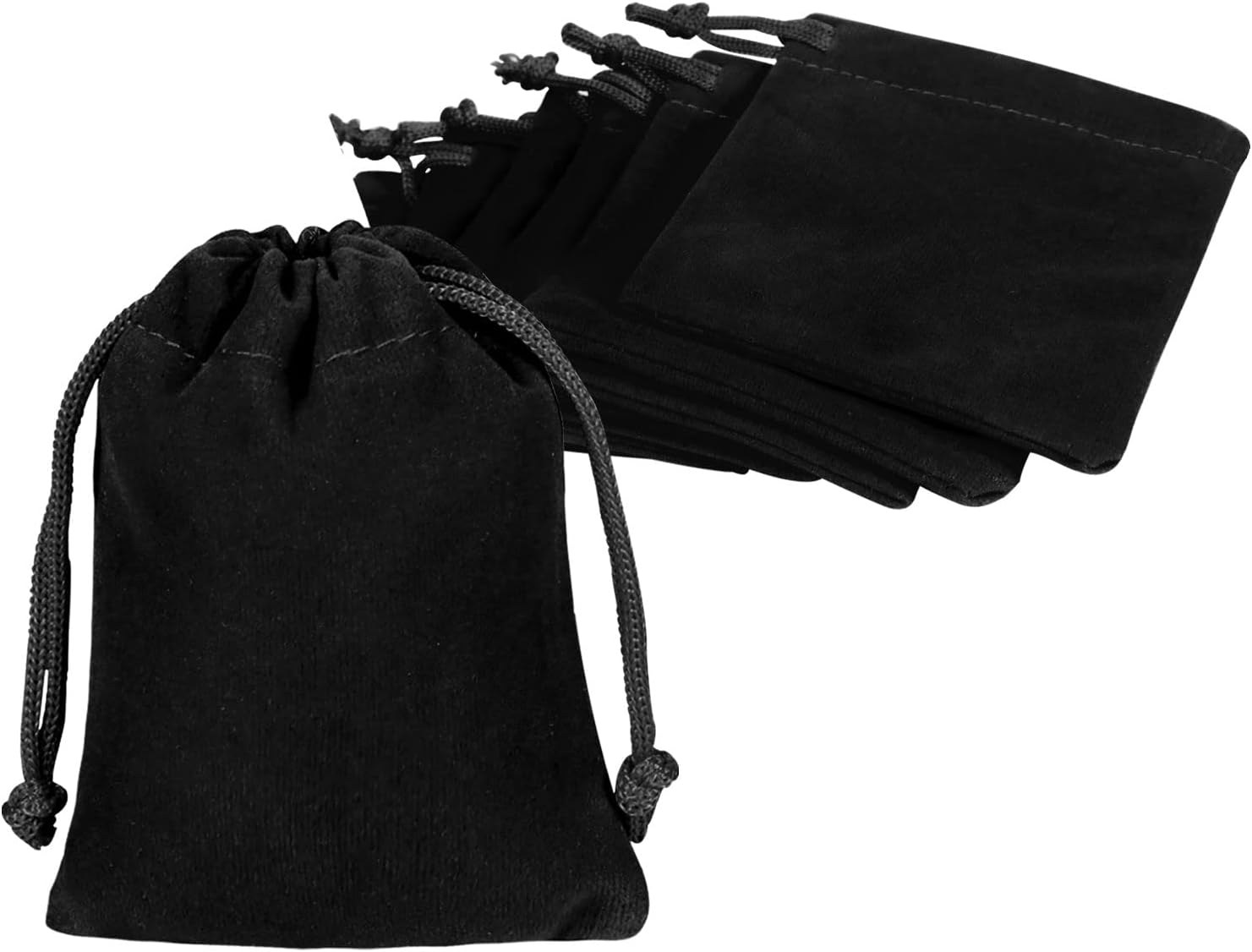
Bag each borrowed jewelry piece separately and label the pouch, so returns match the loan agreement line by line.
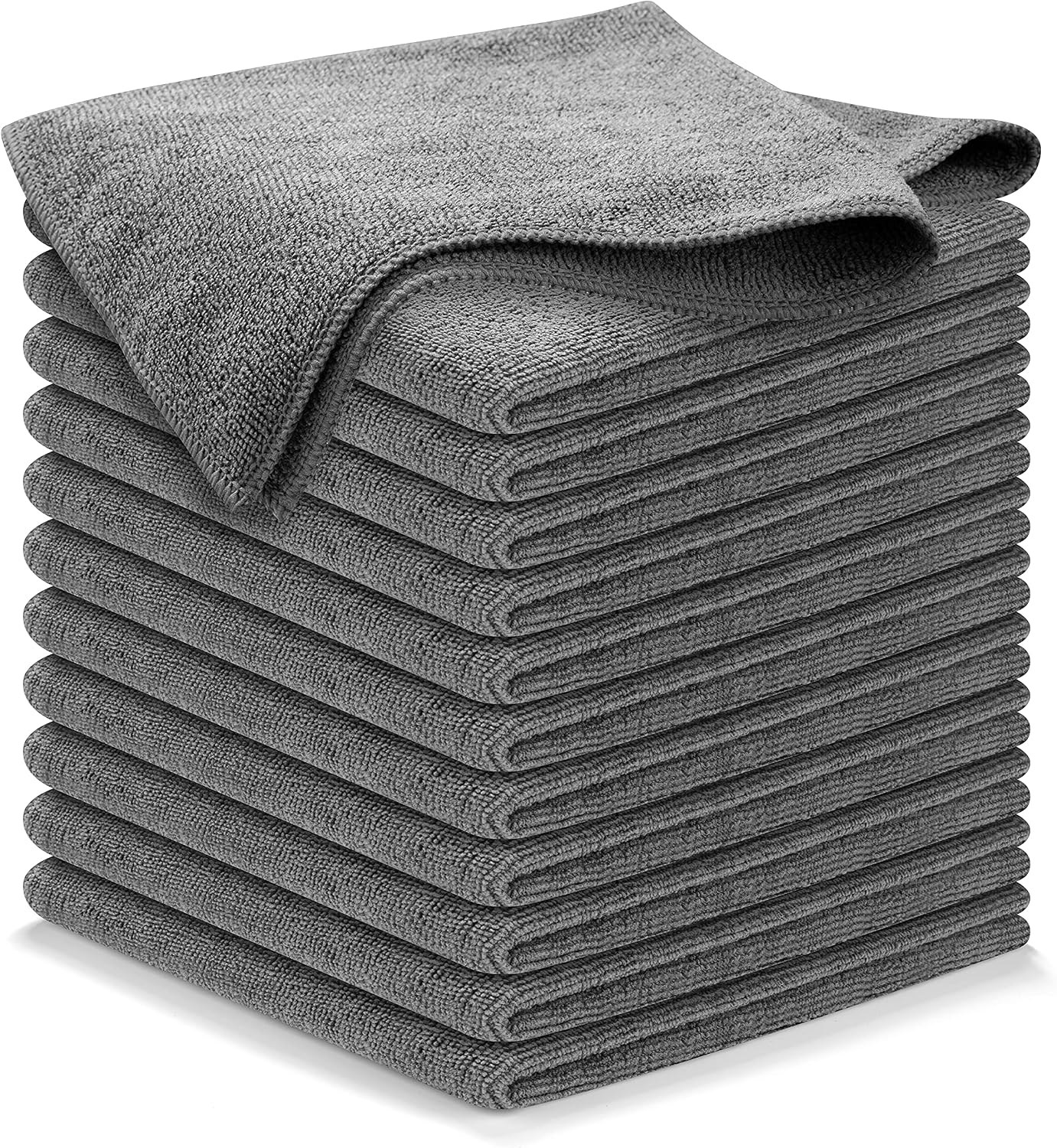
Wipe down hardware, sunglasses and jewelry before the return count, so the showroom receives pieces without smudges.
At pickup, slow down for ten minutes. Photograph every piece front and back, plus close-ups of existing pulls, marks or loose beads. Include the delivery memo in one frame. Email those photos to the PR contact before you leave, which creates a timestamped record you both share. During the shoot, keep the same discipline. Use garment bags between looks, dress shields where the brand allows them, and a clean surface for jewelry. Ask makeup to finish before talent steps into light colors, and keep a scarf or hood ready for over-the-head pieces. These habits are small. Even so, they mark the difference between a dispute you can answer and one you simply have to pay. Photograph labels, tags and any existing marks while the courier or showroom contact is still present.
When a charge looks wrong
Sometimes a charge looks wrong: a piece you returned, a hold that never released, or a fee the terms never mentioned. Start with the brand, calmly and in writing, and attach your return receipt and condition photos. If that fails, the Consumer Financial Protection Bureau explains how to dispute a credit card charge. You call the issuer and then send a written billing error notice within 60 days of the statement that first showed the charge. The issuer must acknowledge your dispute within 30 days unless it resolves the matter sooner. That guidance addresses personal cards, so check your issuer’s own terms if you pull on a business card. Keep copies of every letter, and log each call with the date.
A formal dispute should come last, because the brand relationship usually outlives any single charge. PR teams remember who returned pieces clean and on time, and who argued every invoice. So, when an error is clearly yours, pay it promptly and say so. When it is clearly theirs, present your records and ask for a correction rather than a concession. When the truth sits somewhere between, propose a split, such as the repair cost without the late fee. These conversations get easier when your paperwork is tidy, since the facts carry the argument for you. Over time, a reputation for care becomes part of what you offer. Brands lend more readily to stylists whose damaged samples are rare and whose explanations come with records.
The quiet cost of borrowed clothes
Borrowed clothes make the work possible, and they also make it fragile. Every pull rests on trust running both ways. The brand trusts you with pieces it cannot easily replace. You trust that its terms will be fair when something goes wrong. Most of the time, that trust holds. However, the stylists who last tend to treat paperwork as part of the craft. They read terms, photograph condition, track holds and agree on cost before the shoot. None of that dulls the creative side of the job. If anything, it frees attention for the work itself, because the money questions already have answers. The pressure is real, and it belongs in your planning rather than your late-night worry.

When an invoice feels personal
It also helps to name the emotional cost plainly. A large invoice after a long shoot can feel personal, especially when you did everything you reasonably could. It is not a verdict on your talent. Instead, it is a business problem with a business process. Check the terms, gather the records, talk to the right person and, if needed, call a lawyer. Then adjust the system so the same gap does not open twice. Over a few years, those adjustments add up to a practice brands trust and productions want to book. That practice, more than any single look, keeps the racks arriving. Build it one pull at a time, and give yourself credit for the parts of the job that never make the photo.
Tools and library

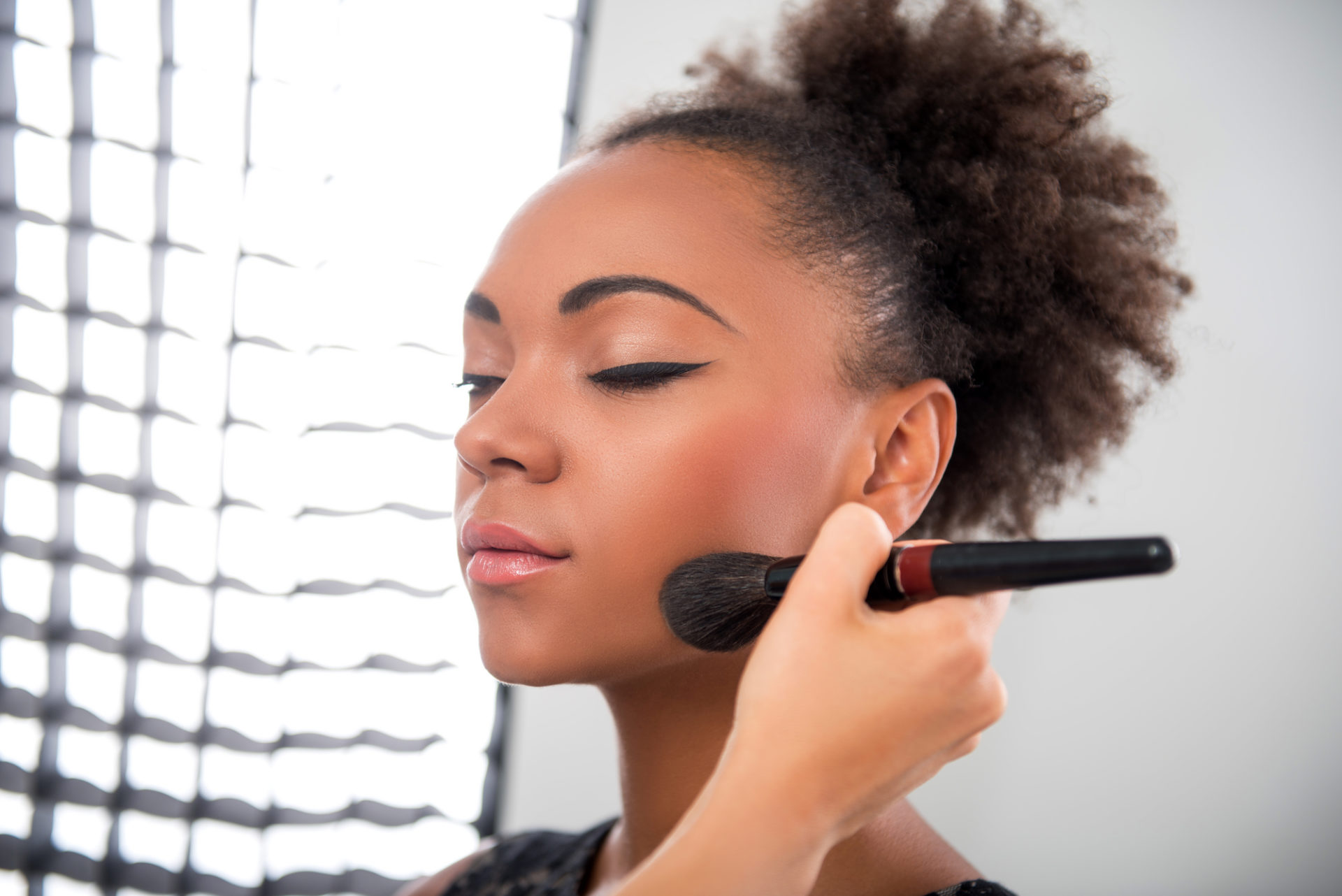
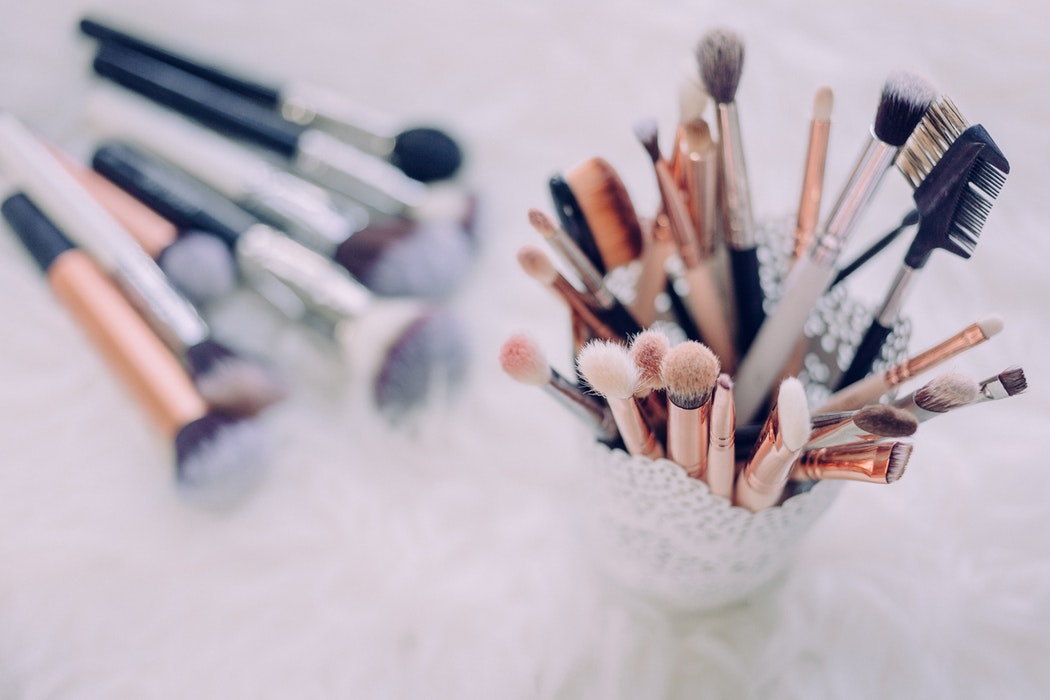
The tools above cover the physical side of protecting a pull, from garment bags to gloves to the folder that holds your memos. The harder part is the business side. That means pricing risk into a day rate, writing deal memos that assign responsibility, and keeping clean records. Those skills rarely appear in a styling course, yet they decide whether a career feels sustainable or precarious. In the end, a stylist who handles damaged samples with calm paperwork earns a different kind of reputation, one that brings repeat bookings and easier pulls. If you want to build that foundation in a structured way, the resource below gathers the working systems behind an independent creative career.
From the Artist Library
The career guide in the Artist Library was written for makeup artists, yet its chapters on pricing, contracts, agencies and the first five clients translate directly to styling work. Read it alongside your rate sheet and loan paperwork, and it will help you ask sharper questions before your next booking.
Questions worth asking
Who pays for damaged samples on a styling job?
The brand usually invoices the person who signed for the pull, which is often the stylist. Whether you can pass that cost on depends on your agreement with the client or production. If your deal memo assigns wardrobe loss and damage to the production, you have a basis to rebill. Otherwise, you may carry the cost yourself.
Why do brands want a credit card for a pull?
A card gives the brand a way to collect if pieces come back late, damaged or not at all. Some brands keep card details and a copy of your ID on file and charge later. Others place an authorization hold at pickup, which reduces your available credit until the brand releases it.
How long does a credit card hold last?
It depends on the business and your card issuer. The FTC says a block paid off on the same card usually clears within a day or two. Paying another way may stretch it to 15 days. Ask each brand when it releases holds, and record the answer in your pull log.
What is bailment, and does it apply to pulls?
Bailment is a transfer of possession without a transfer of ownership. When a brand lends samples, it keeps ownership while you hold them, and as the holder you owe ordinary care. The signed loan terms usually matter most, so read them closely. This is general information for stylists, not legal advice.
Does stylist insurance cover borrowed clothes?
Not automatically. Inland marine insurance, including bailee’s customer coverage, can protect other people’s property in your care, but policies vary. Ask a broker whether your coverage includes pulled samples, what the limit is, and whether transit counts. Get the answer in writing before you hold high-value pieces for a shoot.
What should I do if a brand charges me for an item I returned?
Contact the brand in writing first and attach your return receipt, courier record and condition photos. If that fails, send your card issuer a written billing error notice. The deadline is 60 days from the statement showing the charge. Keep copies of everything you send.
