The Artist · E-commerce Styling
It is nine in the morning, the rail holds forty looks, and the first model is already in hair and makeup. Nobody on this set will ask for a mood. Instead, they will ask whether the waistband sits straight, whether the hem reads the same as yesterday, and whether you can move to the next look in four minutes. That is the daily reality of the ecommerce stylist, and it rewards a different kind of skill than editorial work. This guide is for stylists weighing studio jobs or freelance studio days. It sits beside the main styling career paths and goes deep on one of them: the shot list, the three shooting formats, clipping and pinning, pace, and how brands actually list these roles.
The short answer
An ecommerce stylist dresses products for the photographs on a product page, usually on a model, a ghost mannequin or a flat surface. The work runs on a shot list and a brand style guide. You clip and pin each sample so it reads as the true size and shape, then you repeat that result look after look. Studios measure output by daily shot counts, so speed matters. Still, consistency and honest fit matter more than flair.
In this guide
- What an ecommerce stylist does on a studio day
- Reading the shot list before the first look
- On-figure, ghost mannequin and flat: three formats, three jobs
- Clipping and pinning: making a sample read true
- Pace and consistency on a high-volume set
- How ecommerce stylist jobs are listed, and how to read them
- The quiet craft behind the product page
- Questions worth asking
What an ecommerce stylist does on a studio day
Start with how the employers describe the job, because their wording is precise. For example, the Anthropologie Ecommerce Senior Stylist listing asks for on-model styling of apparel and accessories. It also lists sample tracking, shoot readiness and styling on high-volume sets while you hold quality steady. In other words, the role is part creative and part operations. You outfit the product, but you also keep the product moving. Meanwhile, the same brand’s Editorial Senior Stylist posting mentions daily shot count goals and managing on-figure stylists. So the senior track is about leadership and throughput as much as taste. That is useful to know before you apply, because it tells you which skills belong at the top of your resume.
The numbers behind that pace are worth seeing plainly. A current Fashion Nova Stylist listing sets a target of 70 products a day on your set. It also asks you to shoot priority items first, which means the shot list is a ranking, not a wish list. At a larger scale, a PVH styling manager role at Tommy Studios describes a studio delivering over 225,000 image assets a year. That listing also counts more than 300 freelancers working with the studio team. Volume like this changes how you think. Each decision you make on the first look of a season will repeat thousands of times, so small habits carry real weight.
Reading the shot list before the first look
The shot list is the spine of the day, so read it before you touch a garment. Many studios hold it inside an internal system rather than on paper. For instance, the Gap Inc. On-Figure Assistant Stylist role asks you to review shot lists, styling notes and brand feedback inside studio systems. It also asks you to track shot progress and product movement there. As a result, an assistant who learns the software fast becomes useful fast. Look for the order of looks, the angles per product and notes from merchandising. Then flag problems early. A missing belt at nine is a small fix, while a missing belt at four is a reshoot. Keep a tape measure on you as well, since Profoto’s styling tools list suggests one for the size details shoppers read.
GDMINLO Soft Tape Measure — dual scale for sample checks
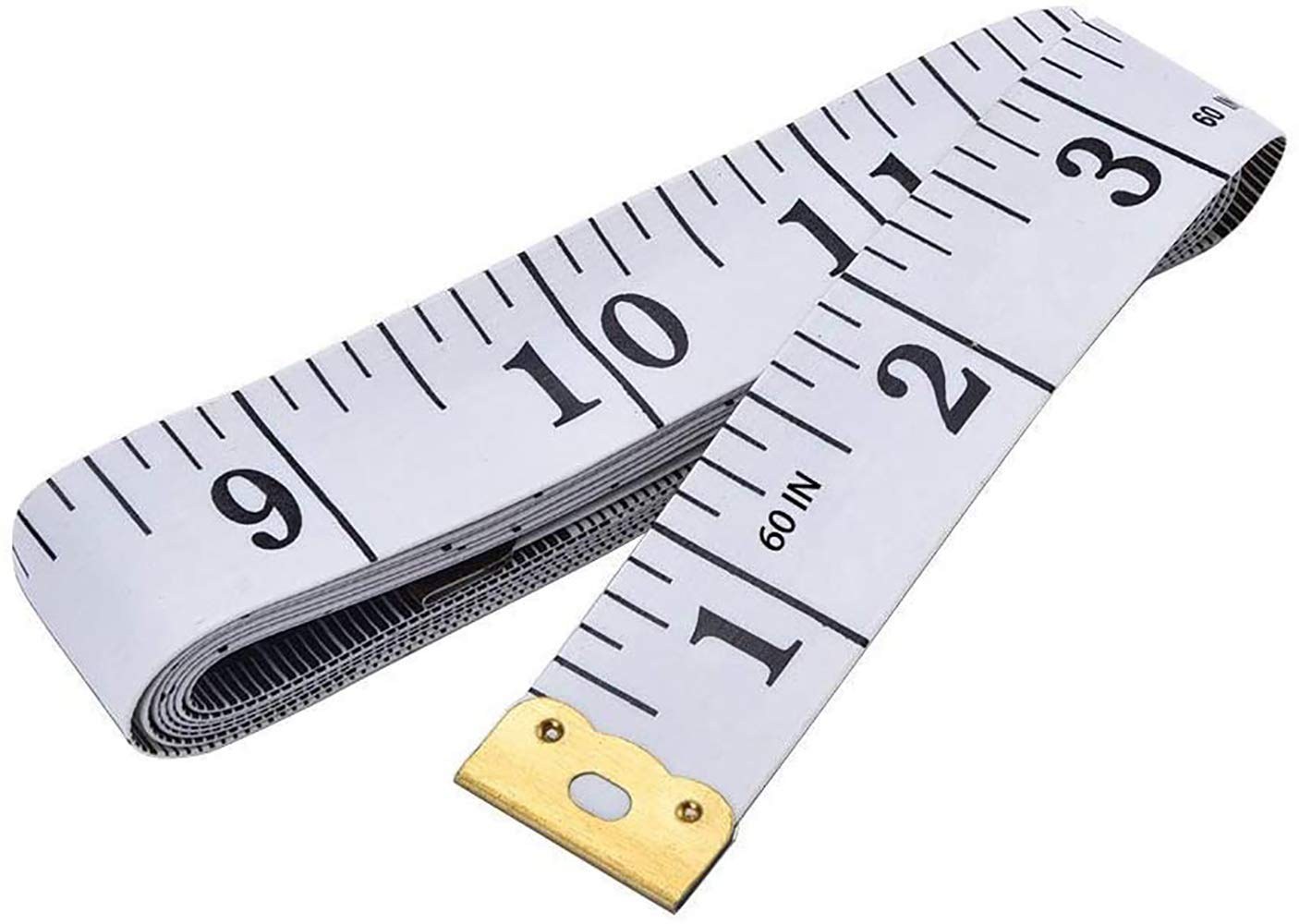
During the shot list review, a quick measurement confirms whether each sample can work on the booked model. The GDMINLO Soft Tape Measure is a soft tape with a double scale in inches and centimeters. Because it is soft, it follows the body and the garment, so you can compare waist and shoulder figures directly. In practice, the dual scale helps on e-commerce sets, where samples arrive from brands that size in centimeters. Then note any gap on the shot list, so the team knows which looks need clipping. It suits stylists who run high-volume days with several models. Also keep a spare in each kit bag, since tapes tend to wander off set.
On-figure, ghost mannequin and flat: three formats, three jobs
On-figure styling
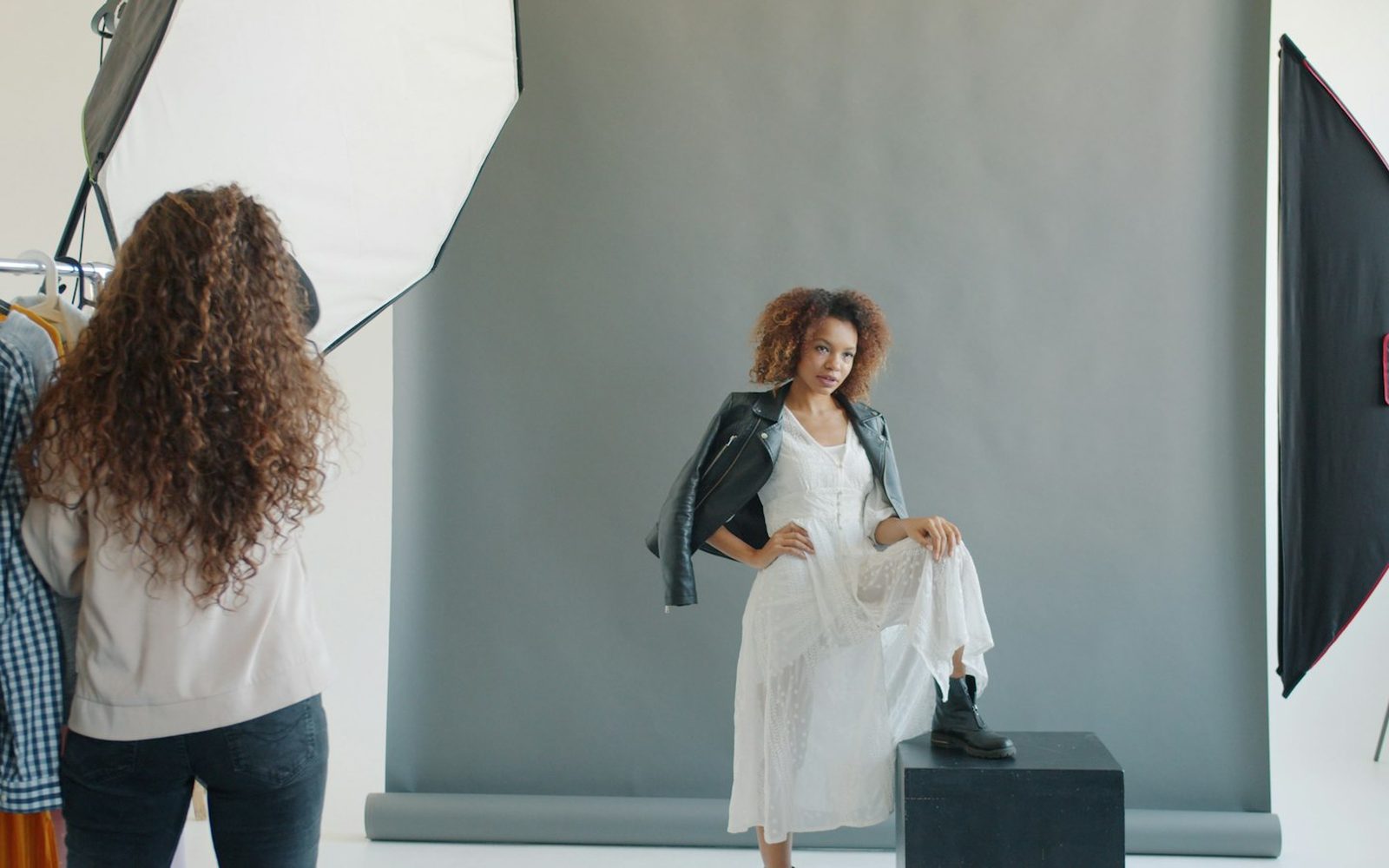
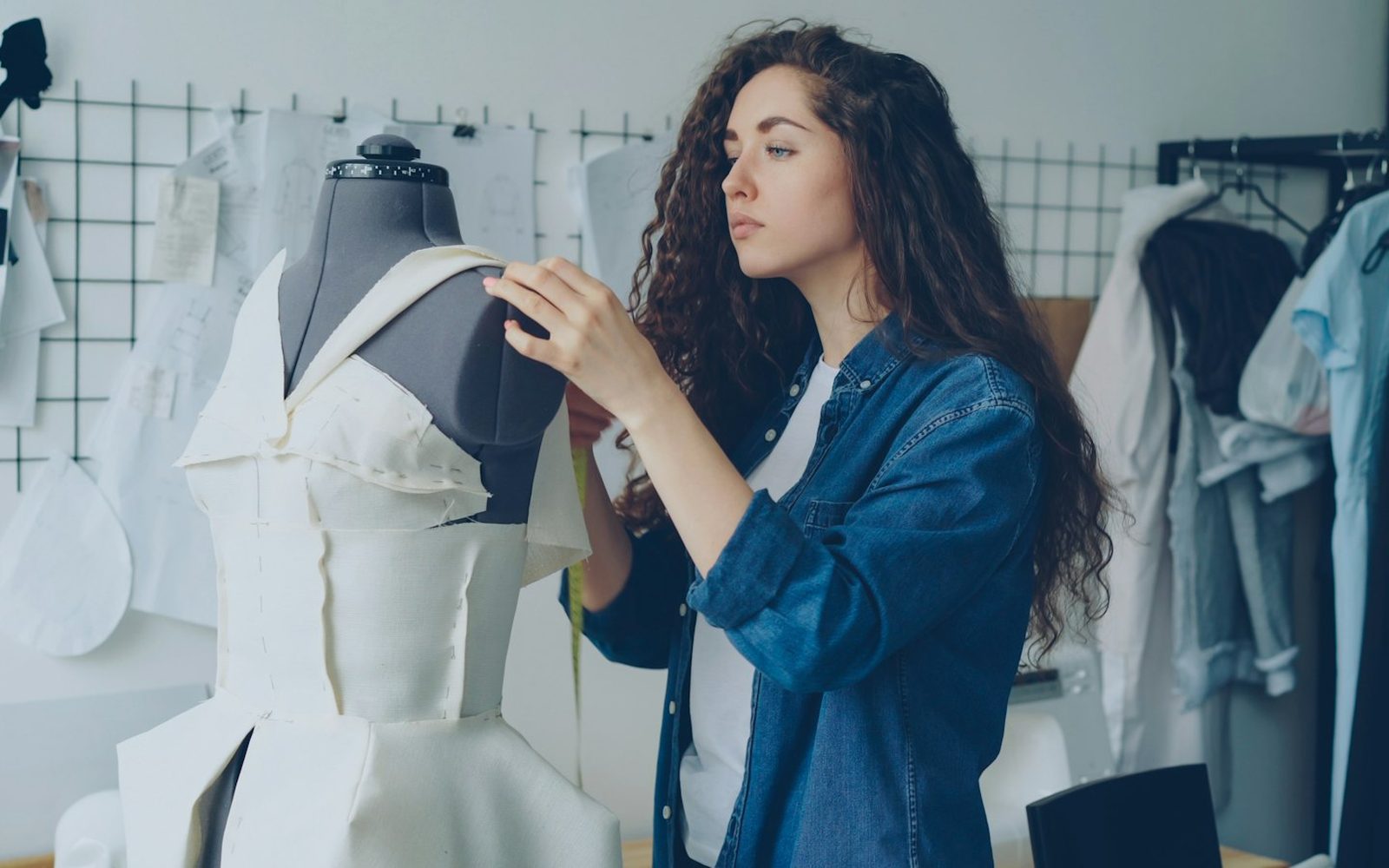
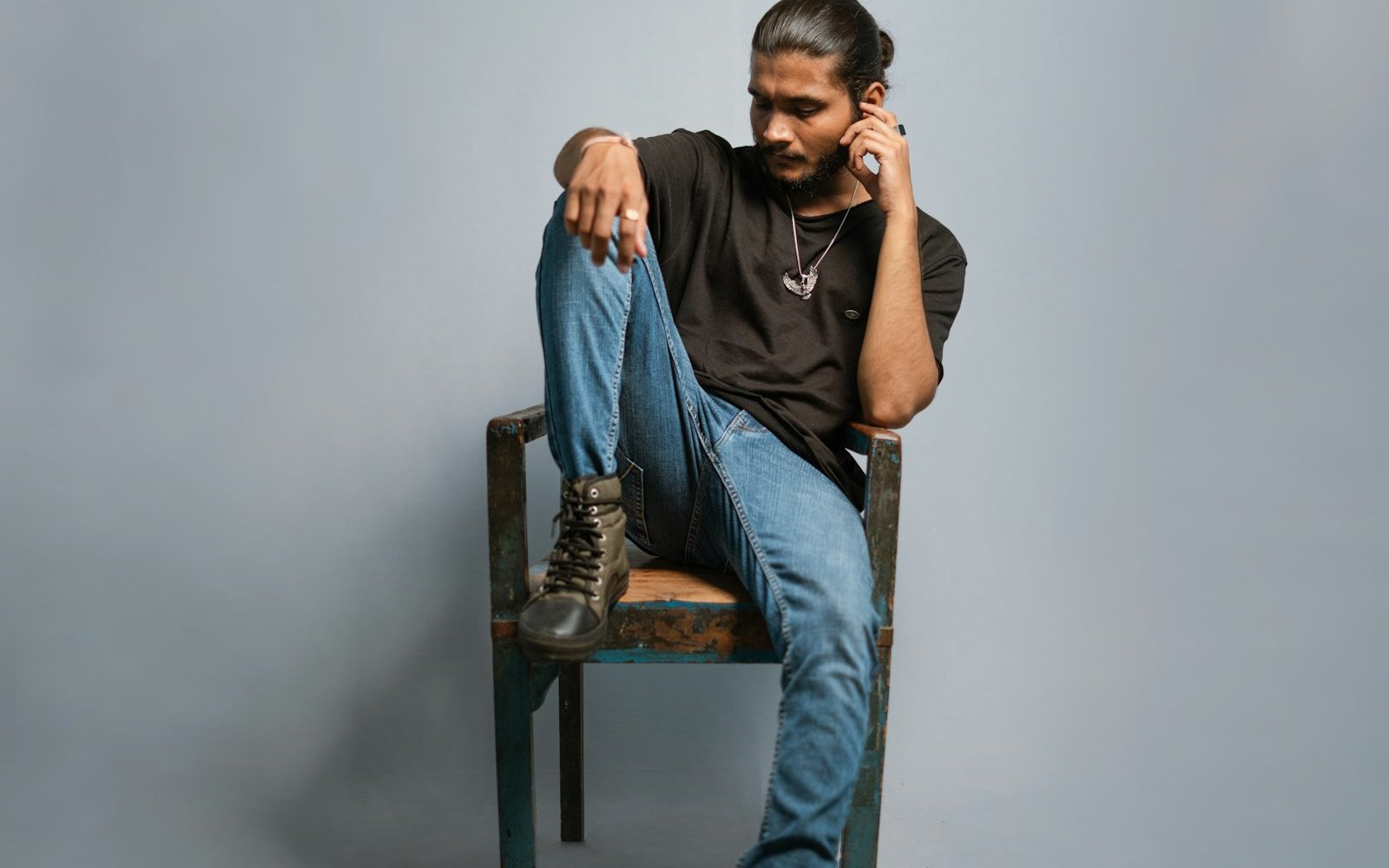
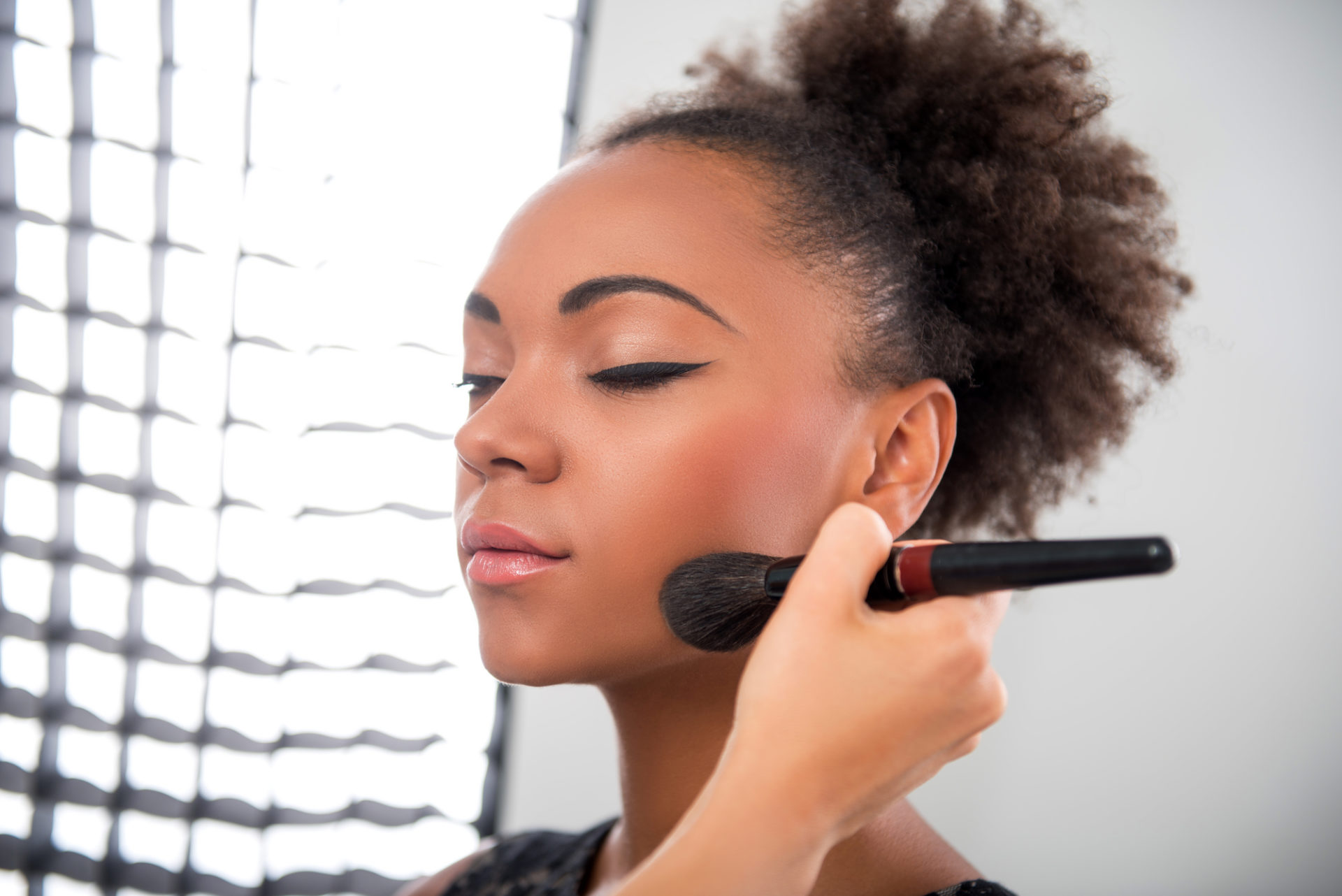
On-figure styling means dressing a live model, and it is the format many job titles name. You dress the model, check the front, turn them, check the back, and then watch the monitor between frames. The garment moves every time the model moves, so you stay close to set all day. Meanwhile, you coordinate with the hair and makeup artist, the photographer and the digital tech. Knowing how makeup reads on camera helps here, since a strong lip or a heavy contour can pull focus from a neutral knit. Fit is the central problem. Samples often arrive in one size, and models vary, so you shape each piece from behind. That is where clipping and pinning begin.
Coofficer Extra Large Binder Clips — back-clipping for fitted lines
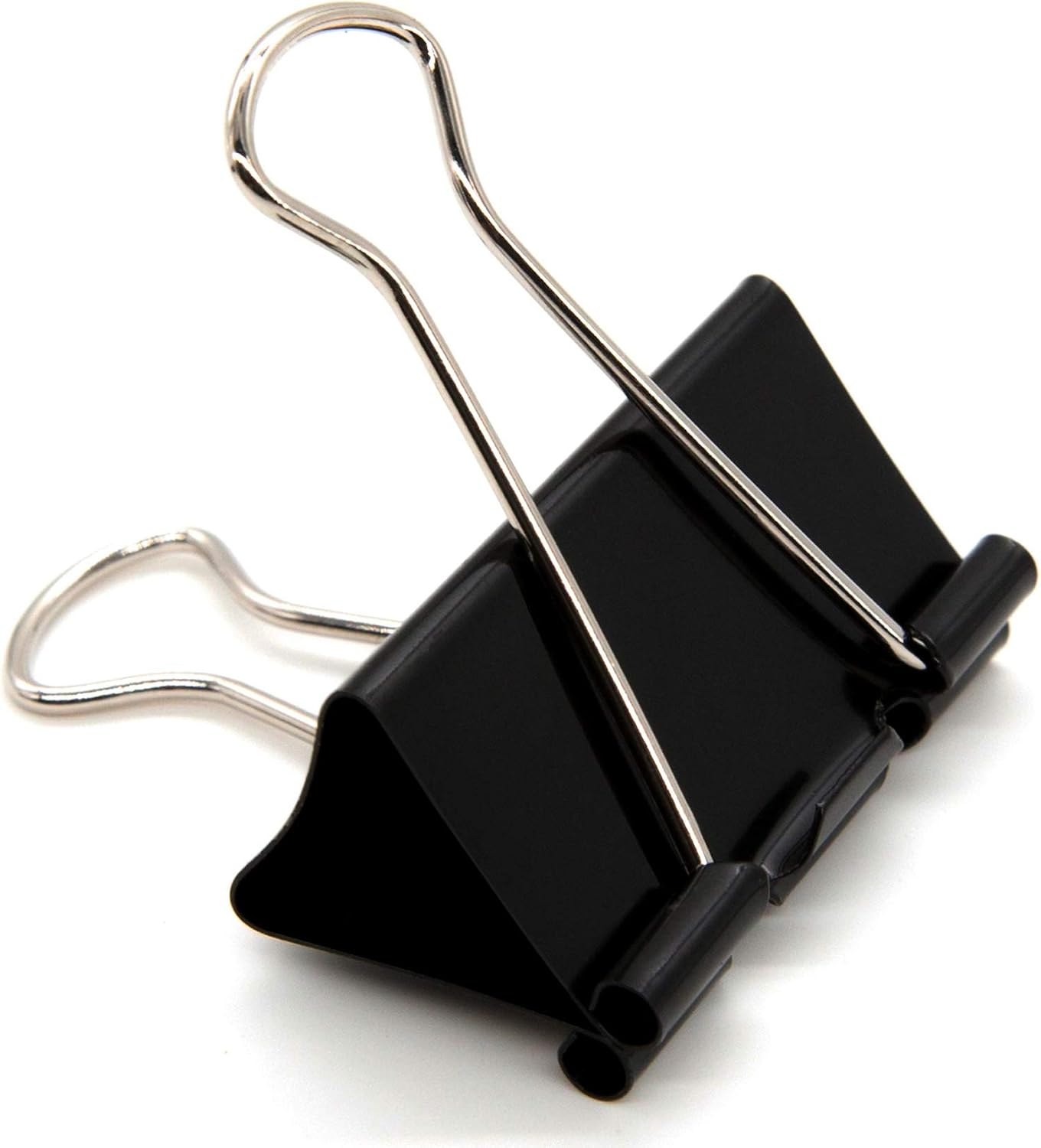
Before any pin goes in, large binder clips handle most back-clipping on set. These Coofficer Extra Large Binder Clips come in a pack of 24, each 2 inches wide. Because they are large, they grip a folded center-back seam firmly enough to hold a fitted line through a session. In practice, clip at the waist and the shoulder blades, then check the front through the camera. Twenty-four clips cover several looks at once, so an assistant can prep the next outfit while you shoot. Also wrap the jaws with tissue on delicate fabrics, since metal edges can mark a sample. As a result, fit improves without a single stitch.
Pace on a model set also depends on preparation done before the model arrives. Profoto’s advice on e-commerce photos with models suggests keeping the rail close to the set and grouping clothing by outfit and model. It also recommends a style guide that sets the shots, poses and lighting for each product, so quality holds when crews change. In addition, build a small station beside the camera with pins, clips and tape within reach. Put the next look on a separate hook in shot-list order. Then, when the photographer calls the last frame, you can begin changing the model at once. None of this is glamorous. Still, it decides whether you finish the list by wrap or stay late every night.
Ghost mannequin styling
Ghost mannequin work produces the hollow, three-dimensional garment you see on many product pages. According to Pixelz’s guide to ghost mannequin photography, the image combines several photos. One shows the garment on a mannequin or model. Another shows the inside of the garment, hung on foam board under the same lighting. Retouching then joins them so the inner neckline appears where the body was. For you, that means two styling passes per product. The outer shot needs clean shoulders and a straight placket. Then the interior shot needs the label area flat and the neckline open. Because the retoucher must match both frames, any change in position between them costs editing time later.
White Mannequin Torso Set — menswear and womenswear forms
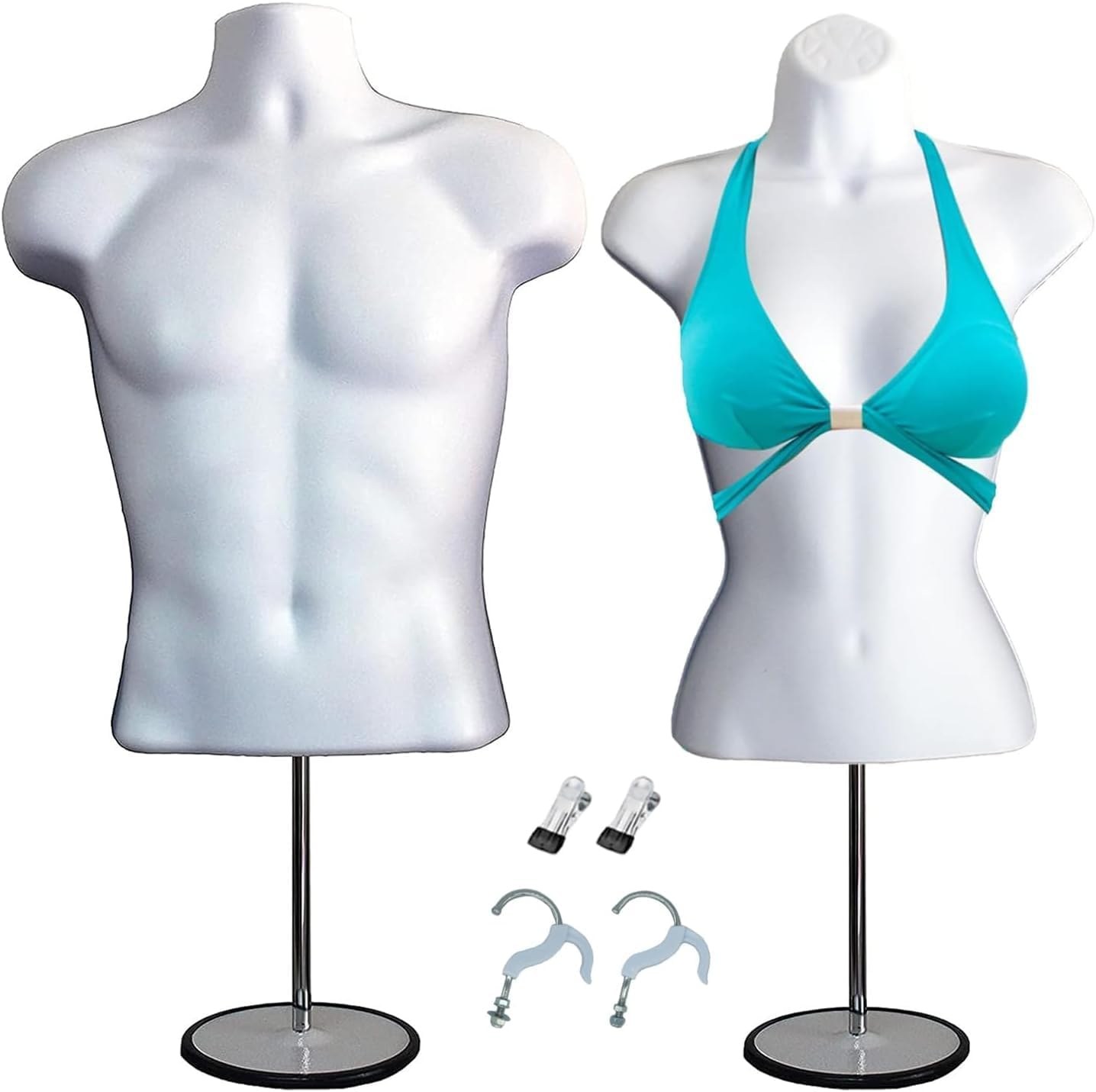
To hold position between frames, a stable display form is the base of ghost mannequin work. This White Mannequin Torso Set pairs a male and a female white display torso, each on a stand. Because the set includes both, you can shoot menswear and womenswear on one day without changing kit. In practice, dress the torso, shoot the front, then shoot the inside view for the retoucher. Keep the stand fixed and mark its floor position with tape, so nothing moves between frames. It suits e-commerce stylists and small brands that shoot in-house. However, confirm the sample sizes first, since a display torso has fixed proportions.
Flat and off-figure styling
Flat lays and hanging shots are the third format, and they run fastest of all. Some studios call them off-figure, laydown or style-out shots. Here, you build shape with paper rather than with a body. Profoto’s list of tools every fashion stylist needs suggests tissue or crepe paper to pad sleeves and pant legs for volume. It pairs the tissue with pins and clips for a more fitted look. So you stuff the sleeve, shape the cuff and pin the back flat to the board. This format sits close to still-life product styling, which has its own path and its own portfolio logic. Even so, many apparel studios fold it into the same stylist’s day.
Some products need to float rather than lie flat. For that, the same Profoto article calls fishing line one of the most underrated tools in a kit. It explains that most cameras cannot pick up the fine, clear line. You tie it to a sleeve, a strap or a bag handle, then fix it to a stand or the ceiling grid. The garment then hangs with its natural drape, as if worn by someone who is not there. The article also suggests white tack for straps and thick fabric, since it hardly shows in the final image. Moreover, keep a spare spool on set, because a tired knot can drop a garment between frames and cost you a full reset.
Acejoz Clear Fishing Wire — invisible line for suspended looks
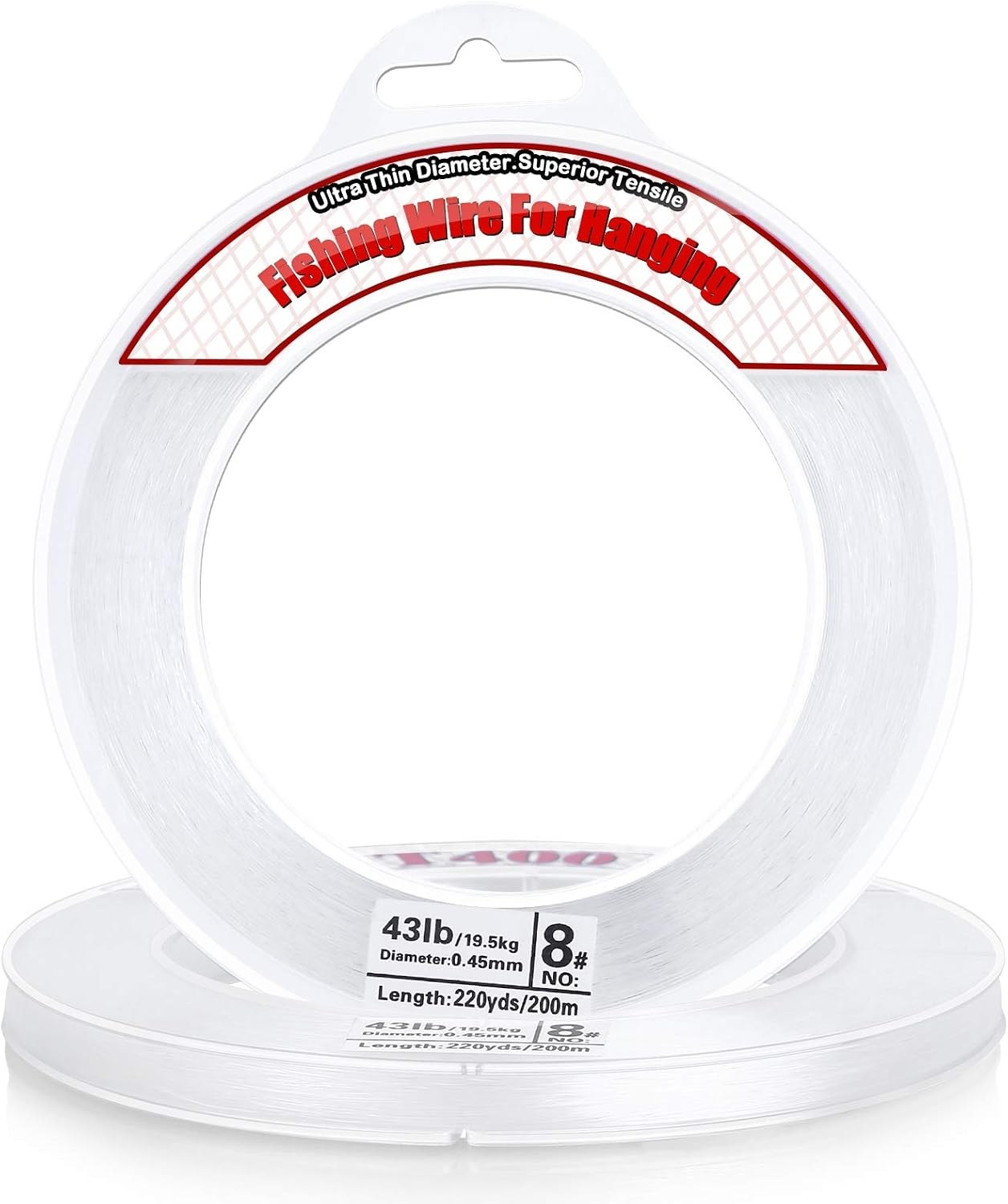
For suspended garments and floating accessories, clear line carries the weight while staying out of the frame. Acejoz Clear Fishing Wire is a clear monofilament line on a 656-foot spool. Because the spool is long, one purchase covers many shoot days and plenty of spare lengths. In practice, tie it to a hanger loop or a strap, then run it to a boom or ceiling grid. Then check the line under the key light, since a reflective glint is easier to fix before the shot. It suits e-commerce and still life stylists who build floating or hanging images. Also cut fresh lengths for each setup, so a weakened knot never drops a sample.
Whichever format you work in, the goal stays the same: a sample that looks like what the customer will receive. That is the ethical core of e-commerce styling. Editorial images can exaggerate, because readers know they are looking at an idea. Product photos, by contrast, act as a promise. If you pinch a waist two sizes smaller than the garment, the image sells a fit that does not exist. The customer then orders, tries it on and sends it back. So the best studio stylists shape a sample toward its true proportions, not past them. They correct for a sample that does not fit the model, but they never invent a silhouette the product cannot deliver.
White Tissue Paper, 200 Sheets — shape for sleeves and bags
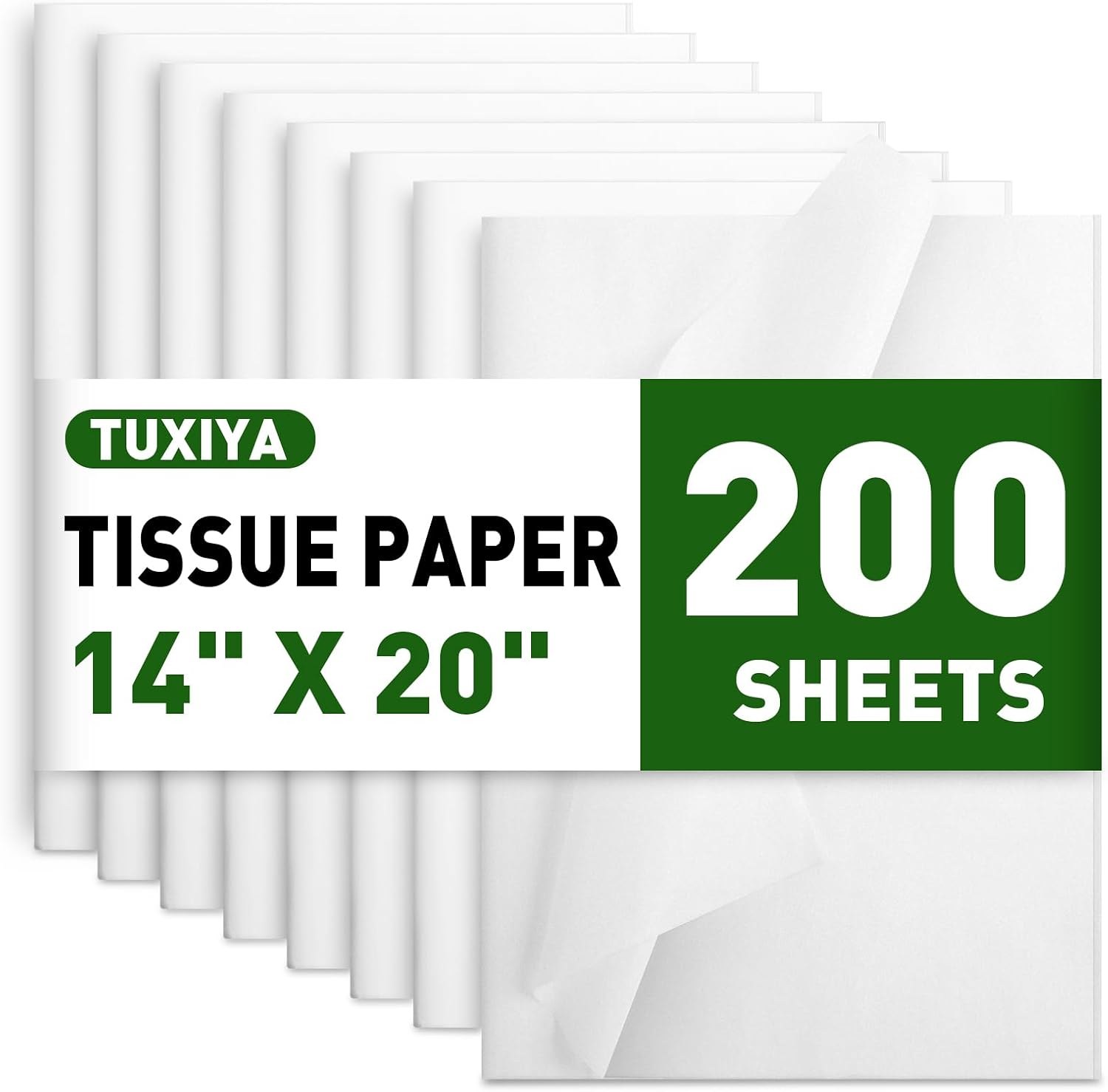
For shape inside a garment, tissue gives volume without adding weight or marks. The White Tissue Paper, 200 Sheets pack holds sheets that measure 14 by 20 inches. Because the paper is white, it stays invisible behind pale fabric and reads cleanly in a retouch. In practice, stuff sleeves, bag bodies and shoe toes so they hold the shape the product has on a body. Then remove the paper before folding the sample for return. Two hundred sheets suit a full e-commerce day, while bags and footwear can use more. Also crumple each sheet loosely, since a tight ball creates lumps that the camera will catch.
Clipping and pinning: making a sample read true
Clipping and pinning are the core hand skills of studio work. Profoto’s answer to whether pins can hold garments in place favors fine dressmaking pins over tape. It says they help adjust fit and secure sleeves. It also says they avoid sticky residue. Finally, it notes that pins tucked inside the garment reduce retouching later. That last point matters most to the studio. Every visible pin or clip becomes a retouching task, which costs time after the shoot. So hide your work on the far side of the fabric. On a front view, that means the back seams. Then, on a back view, you move the excess to the sides instead.
Start by reading the fabric before you pin it. Profoto’s tools list suggests clips for heavier or sheer fabrics that pins cannot hold. That rule works well in practice. Denim, wool coating and leather need a clip, while fine jersey and silk take a pin. Gather the excess evenly along both back side seams rather than in one fold down the center. A single deep fold drags the front off grain and twists the side seams. Then check the front on the monitor, not only by eye from the set. Finally, release and reset the clips between frames if the model shifts, because a tight clip stays tight even when the pose changes.
Notes for working stylists: pulls, pricing, clients and career, sent occasionally.
Occasional letters. Unsubscribe anytime.
Tools on the body
Speed comes from keeping your tools on your body rather than on a table. A wrist pin cushion and a lanyard of clips keep both hands free, so you never turn away from the model mid-fit. In addition, sort clips by size before the day starts, so you reach for the right one without looking. Small habits like these save a few seconds per look. Across 70 looks, those seconds add up to a calmer afternoon. Likewise, keep a pair of scissors for loose threads and stray labels. The Profoto list recommends exactly that, and it says to use those scissors on fabric only. Paper and tape dull the blades quickly.
Rolybag Wrist Pin Cushion — pins within reach, hands free
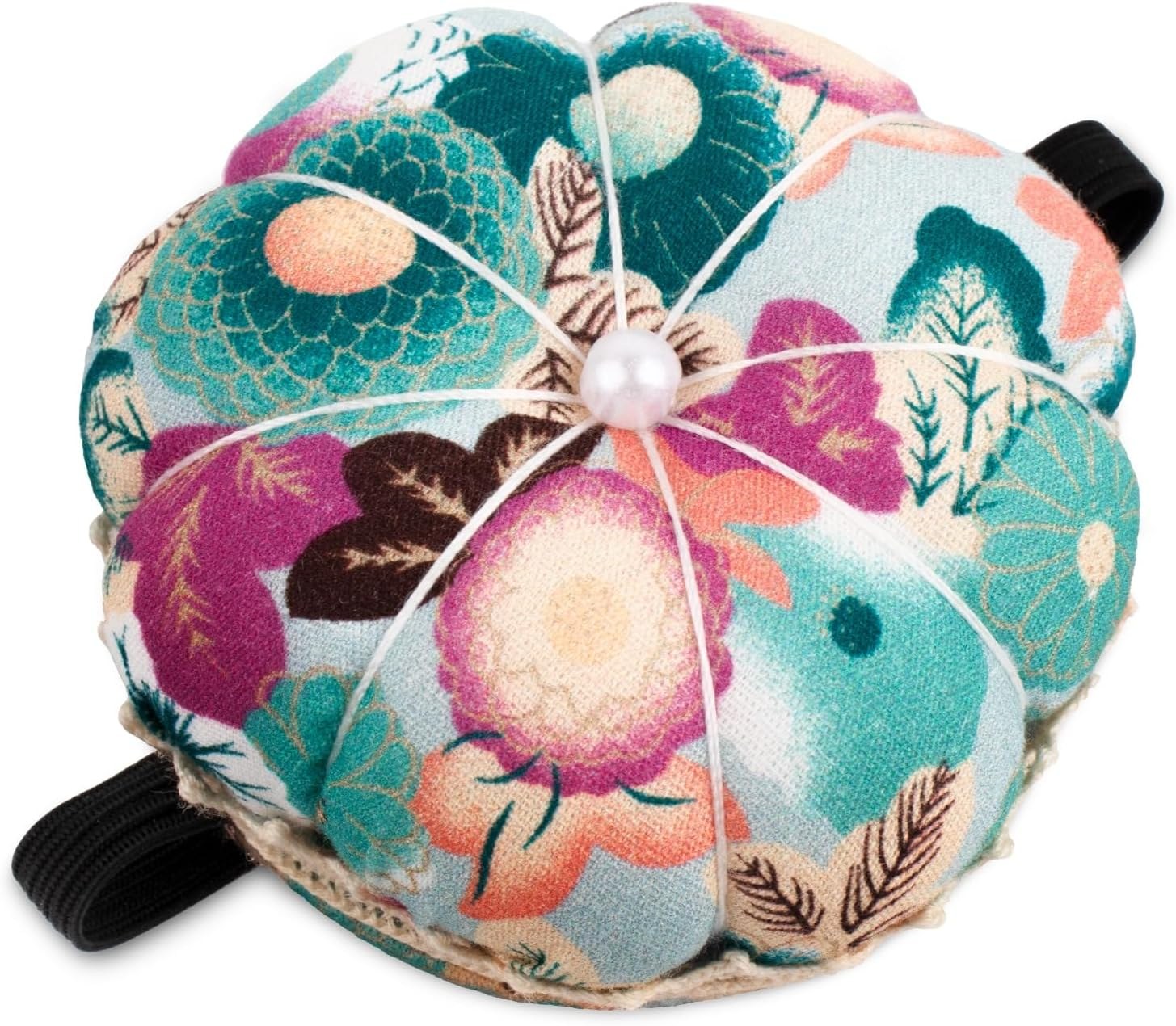
With pins on your wrist, both hands stay free for the garment. The Rolybag Wrist Pin Cushion is a pin cushion on an elastic band. Because it moves with you, you can pin a hem or a collar without hunting for a tin. In practice, it suits fast e-commerce days, where the stylist pins dozens of looks between frames. It also makes counting easier, since every pin starts and ends in one place. Then empty and count the cushion at wrap, so no pin travels home inside a sample. Also keep a second one for your assistant, so you never share a cushion across the rail. That small habit keeps the count accurate.
Care for the samples is part of the job too. Studio samples often go back to the brand, to a showroom or to a sale, so damage costs someone money. For example, the Fashion Nova Assistant Stylist role includes returning racks and working with sample coordinators to send internal samples back. Therefore, pin through seam allowances where you can and avoid delicate silk faces. Remove every pin before a garment leaves the set, and count them back into the cushion if you must. Meanwhile, record any damage you find when the sample arrives. A short note at check-in protects you if someone later asks how a pull came back marked.
Dritz Glass Head Pins — heat-tolerant pins for fine fabrics
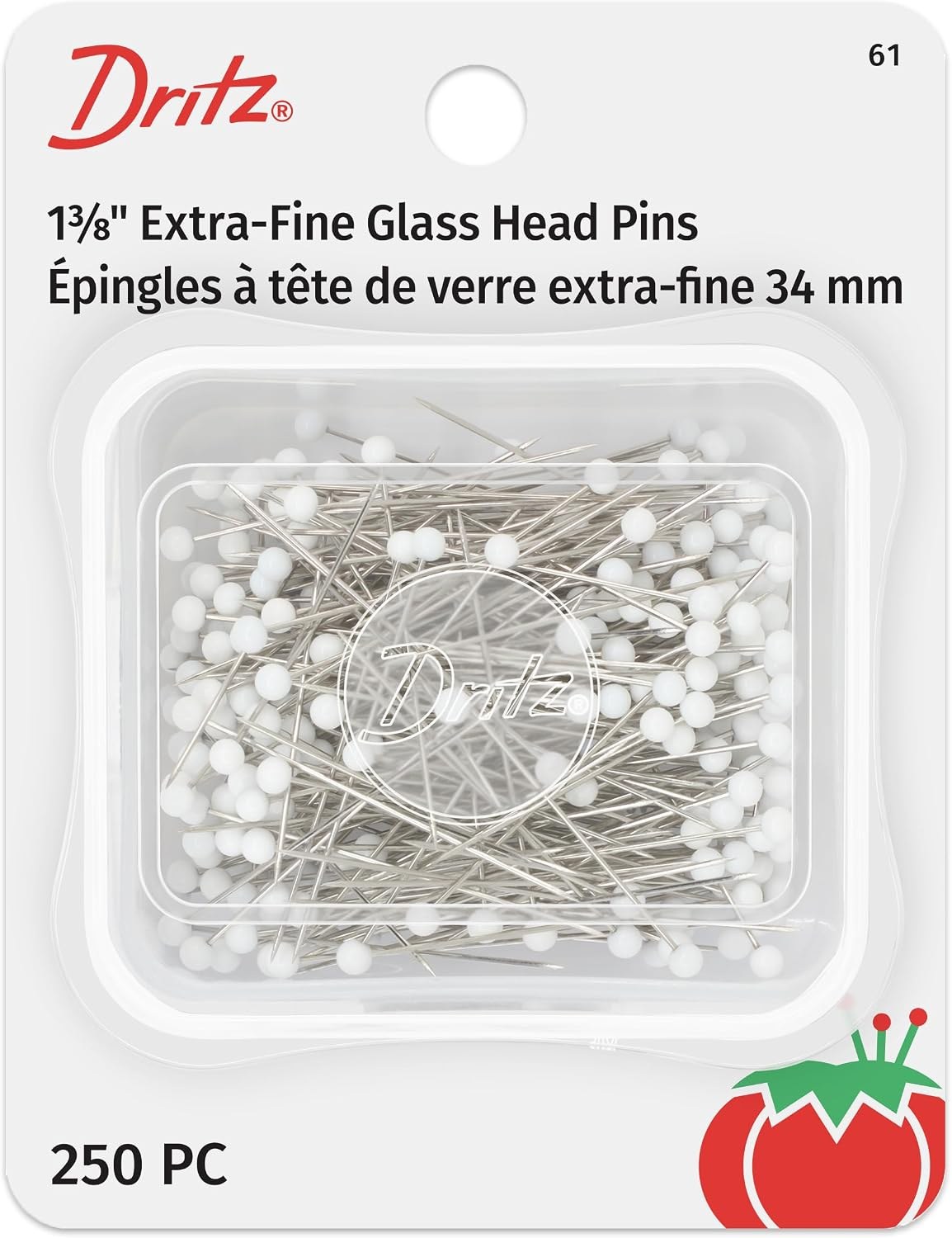
Where clips would show, fine pins hold a sample in shape from the inside. These Dritz Glass Head Pins, Extra Fine measure 1-3/8 inches, and their glass heads tolerate steam and iron heat. Because the heads hold up to heat, you can steam a pinned garment without stopping to remove anything. In practice, pin along seams and inside darts, where any hole hides in the existing stitching. It suits ghost mannequin and on-figure work on lightweight fabrics. However, test first on an inside seam of silk or satin, since some weaves show every hole. Then count the pins back at wrap, so none return with the sample.
Pace and consistency on a high-volume set
Pace is the part of studio work that nobody teaches well. The listings make clear that studios measure it through shot counts, product targets and daily productivity goals. Yet every ecommerce stylist also owes care to each frame. Holding both at once is the real skill. Start with the sequence. Group looks that share a model, a shoe or a styling rule, so you change as little as possible between frames. Then style the next look on a second form while the current one shoots. Also, keep an honest running count against the list. If you fall behind by midday, tell the lead early, because a clear warning lets the team reorder priorities.
Consistency across a season is harder than consistency across a day. Crews rotate, models change and freelancers come and go. That is why studios rely on the style guide, reference images and the previous season’s approved shots. Before a new season starts, pull a few approved images per category and keep them on a tablet beside set. Then compare your first look against them before you move on to the rest of the rail. The Profoto model-shoot guidance also stresses consistent camera height and framing. Even so, the stylist controls everything inside that frame. If tuck depth, cuff length and collar shape drift, the grid looks uneven, and merchandising will notice.
Steaming at speed
Steaming sits at the center of that pace, and it is easy to underestimate. The Gap Inc. assistant listing names steaming and touch-ups during active shoots among its daily duties. Similarly, the Fashion Nova assistant role asks for knowledge of proper garment steaming. Steam the full rail before the model arrives, then touch up at the camera. Keep the head moving and work from the inside where you can, so you do not leave water marks. Silk and some synthetics need low heat and distance. In addition, let each piece cool on the hanger for a minute before dressing, because warm fabric creases again quickly. After steaming, a lint roller catches the dust that dark fabrics show under studio light.
SALAV Full-Size Garment Steamer — pace for a busy rail
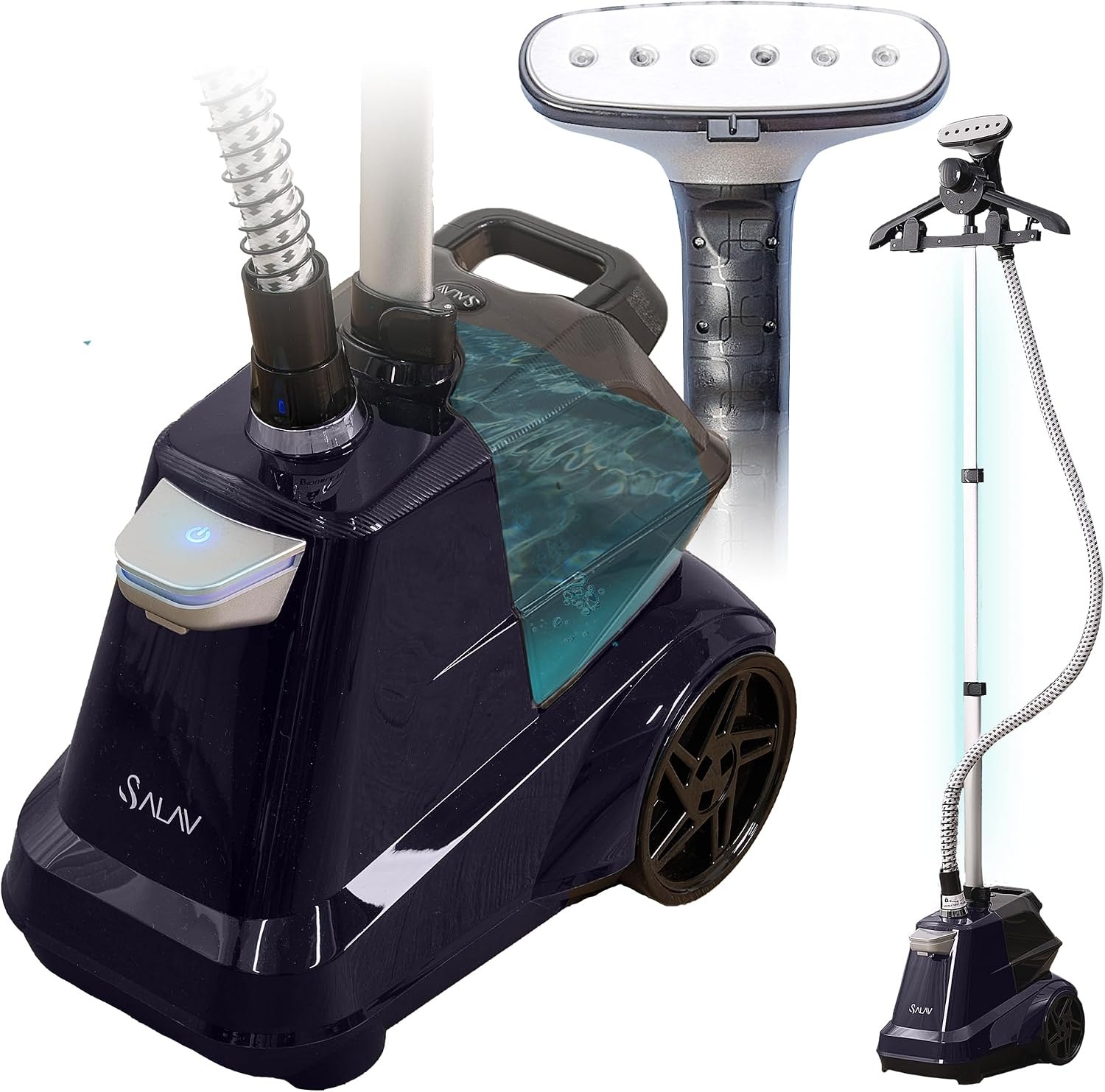
On a high-volume set, a full-size steamer keeps pace with a rail that never stops moving. The SALAV Commercial Full-Size Garment Steamer is an upright, heavy-duty steamer with a hanger pole. Because the garment hangs at working height, you can work on the front and back without lifting it. In practice, it suits e-commerce days with dozens of looks, where a handheld unit cannot keep up. Then assign one assistant to the steamer, so steaming and dressing run side by side. Also keep a handheld steamer nearby for touch-ups on the model. As a result, every look reaches the camera at the same standard, frame after frame.
The physical cost of this work is real, and it is fair to say so. Studio stylists stand most of the day, bend to hems and reach to collars over and over. Hands take the brunt of pinning and clipping, and backs take the rest. So wear supportive shoes, use a low stool for hems, and switch hands where you can. Meanwhile, take the scheduled breaks even when the list feels behind. A tired stylist makes small errors, and small errors become reshoots. None of this is weakness. It is maintenance, much like steaming the rail. Also, notice whether a studio builds rest into its schedule, because that tells you how it treats its people.
How ecommerce stylist jobs are listed, and how to read them
Job titles vary more than the work does, so search widely. You will see on-figure stylist, on-model stylist, content stylist and ecomm senior stylist. Assistant roles often sit under the same studio, as with the Gap Inc. listing above. Experience requirements also vary by level. Fashion Nova’s stylist role asks for two to four years, ideally in a fast-paced e-commerce setting. Anthropologie’s senior ecomm role asks for five years as a stylist, including two in an ecomm studio. Read the duties closely, too. Sample tracking or returns in a listing means the job includes closet operations. Mentoring freelancers means the studio leans on a freelance bench, which is a useful way in.
Your portfolio should mirror the formats the listing names. For instance, the Fashion Nova Content Stylist posting asks for a portfolio across on-model, still-life, product, lifestyle and editorial photography. That is a wide brief. So build a studio section that looks like real product pages: front, back, side and detail of the same garment, in one consistent style. Then add a second section with ghost mannequin and flat work. Keep editorial work, but put it after the studio section for these applications. Hiring managers want proof that you can repeat a result, not just create one. Also, label each image by format, so a reviewer can find the match they need.
Where the listings live
Listings expire quickly, so treat them as evidence of what studios want, not as a permanent map. Several roles that appeared in searches for this guide had already closed. Therefore, check each brand’s own careers site rather than reposts on job boards, which often lag. Set alerts on the employer sites you would most like to join, and save a copy of each listing, since the page may vanish before your interview. Before you weigh an offer, compare in-house versus freelance pay for your market. For your own kit, the studio supplies the large equipment, while you bring hand tools. A well-organized kit of steamers, clamps and fashion tape shows you are ready. An ecommerce stylist with a tidy kit reads as reliable.
The quiet craft behind the product page
E-commerce styling rarely earns a credit line, and most customers will never think about who pinned the jacket. Still, the work shapes how shoppers judge a garment before they buy it. That is a real responsibility. The best ecommerce stylist holds a high standard on the seventieth look of the day, not just the first. Good studio stylists shape samples honestly, protect the brand’s grid and keep the set calm. Over time, those habits build a reputation that travels between studios. Some stylists stay in-house for years and rise to run a team. Others use studio work to fund a freelance editorial career. Either path is valid. In both, the discipline you learn on a high-volume set stays useful for decades.
Tools and library

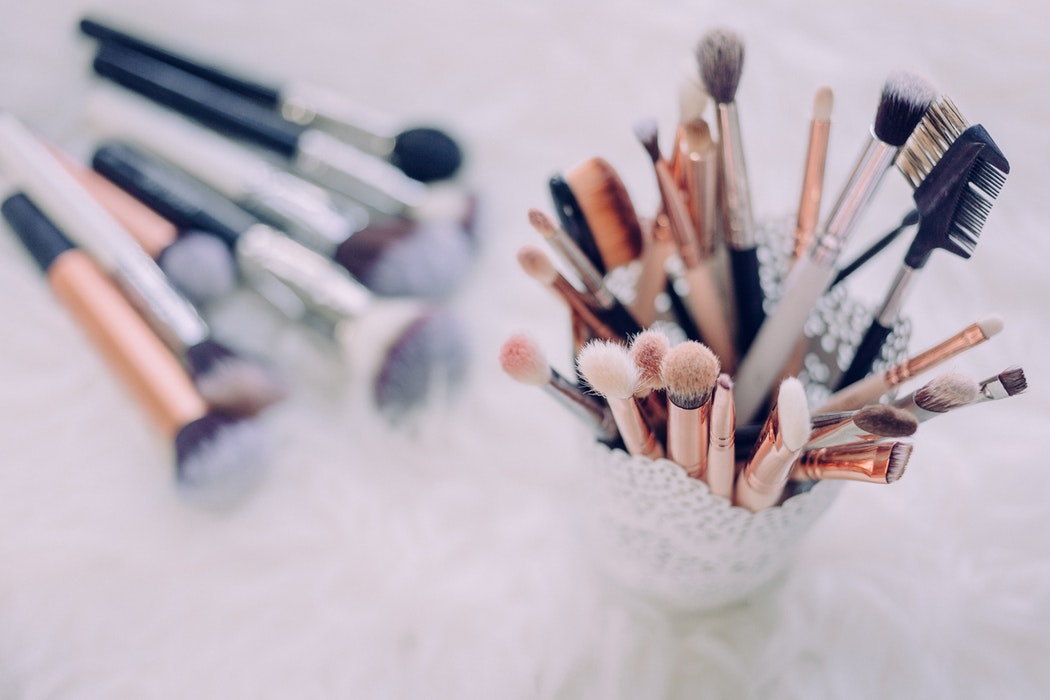
Those hand tools are the visible part of the job, yet the business side decides how long you can sustain it. Studio stylists who last tend to treat their work as a small practice. They track bookings, keep a dated record of the brands they have worked with, and note each studio’s rules for the next visit. They also review their rates and kit costs once a season, rather than when money runs short. That record makes it easier to weigh a salaried offer against a strong freelance year. If you want a structured place to start, the career guide below gathers planning tools for working artists building something that lasts.
From the Artist Library
The career guide in the Artist Library was written for makeup artists, yet its chapters on pricing, contracts, agencies and the first five clients translate directly to styling work. Read it alongside your rate sheet and loan paperwork, and it will help you ask sharper questions before your next booking.
Questions worth asking
What does an ecommerce stylist do?
An e-commerce stylist dresses products for the photos on a product page. That means styling garments on models, ghost mannequins or flat surfaces. The stylist follows a shot list and brand style guide, clips and pins samples to read true to size, and keeps every look consistent across a long, high-volume studio day.
What is the difference between on-figure and ghost mannequin styling?
On-figure styling dresses a live model, so the garment moves and needs adjusting between frames. Ghost mannequin styling dresses a form, then a separate interior shot is joined in retouching. As a result, the final image shows a hollow garment with its shape intact and no visible body or mannequin inside it.
Why do stylists clip and pin clothes on set?
Samples often arrive in one size, and models and forms vary. Clipping and pinning take in excess fabric from the side the camera cannot see, so the garment reads as its true shape. Pins suit fine fabrics, while clips hold heavier or sheer fabrics. Good stylists never pin a garment into a fit it lacks.
How many products does an e-commerce stylist shoot in a day?
It depends on the studio, the format and the product category. For example, one current listing from a large online brand sets a target of 70 products a day on a single set. Detail-heavy categories such as tailoring or outerwear usually move slower, while flat lays and accessories tend to move faster.
How much experience do in-house e-commerce stylist jobs require?
Requirements vary by level and brand. Current listings range from about two years for assistant and stylist roles to five years or more for senior roles, often with at least two years in an e-commerce studio. Many stylists build that experience through freelance studio days before applying for salaried positions.
What should an e-commerce styling portfolio include?
Show the formats the studio shoots. Include front, back, side and detail images of the same garment on a model, plus ghost mannequin and flat work in one consistent style. Place editorial work after the studio section. Hiring teams want proof that you can repeat a clean result, not only create a single strong image.
