The Artist · Career
Behind most busy makeup artists stands an assistant. She preps skin, cleans brushes, tracks the timeline and keeps the room calm while the lead works. Knowing how to become a makeup artist assistant is one of the most practical ways into the profession. This guide is part of the hub for professional makeup artists. It covers what assistants do, where they work, what to carry and how to move up.
It is written for new artists, students and career changers who want real experience alongside working professionals.
The short answer
To become a makeup artist assistant, build solid basic skills, put together a small clean kit and a simple portfolio, then contact working artists directly. Offer reliable help on bridal, editorial or production days. Most assistants start with prep, hygiene and organization, then take on more makeup as the lead trusts them.
In this guide
- What a makeup artist assistant does
- Where assistants work
- Skills leads look for
- How to become a makeup artist assistant
- What an assistant carries
- On the day: etiquette and timing
- Pay and progression
- Assisting toward film and television
- From assistant to lead artist
- Start with one good day
- Questions worth asking
What a makeup artist assistant does
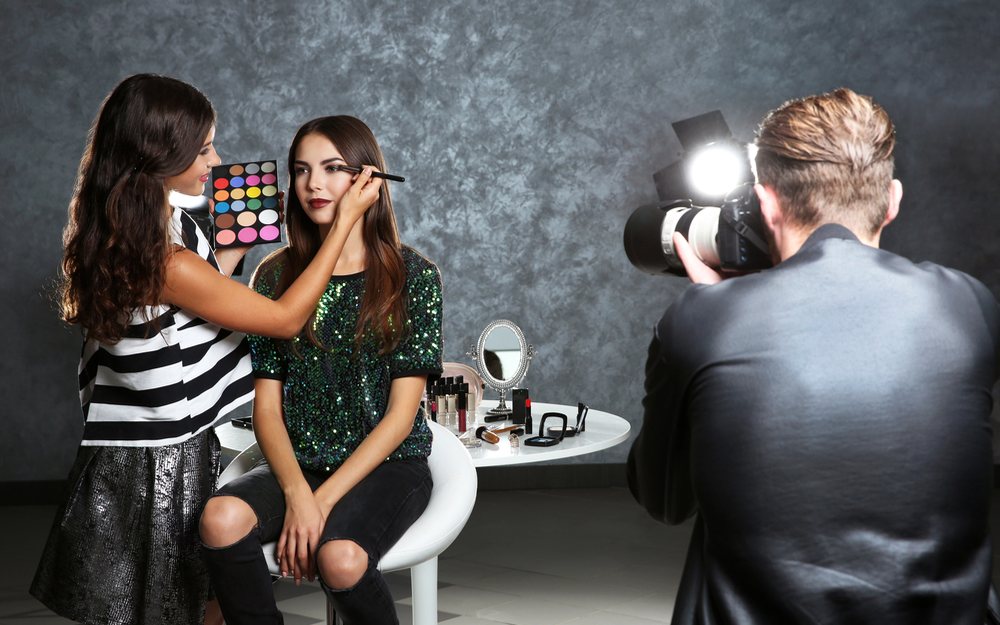
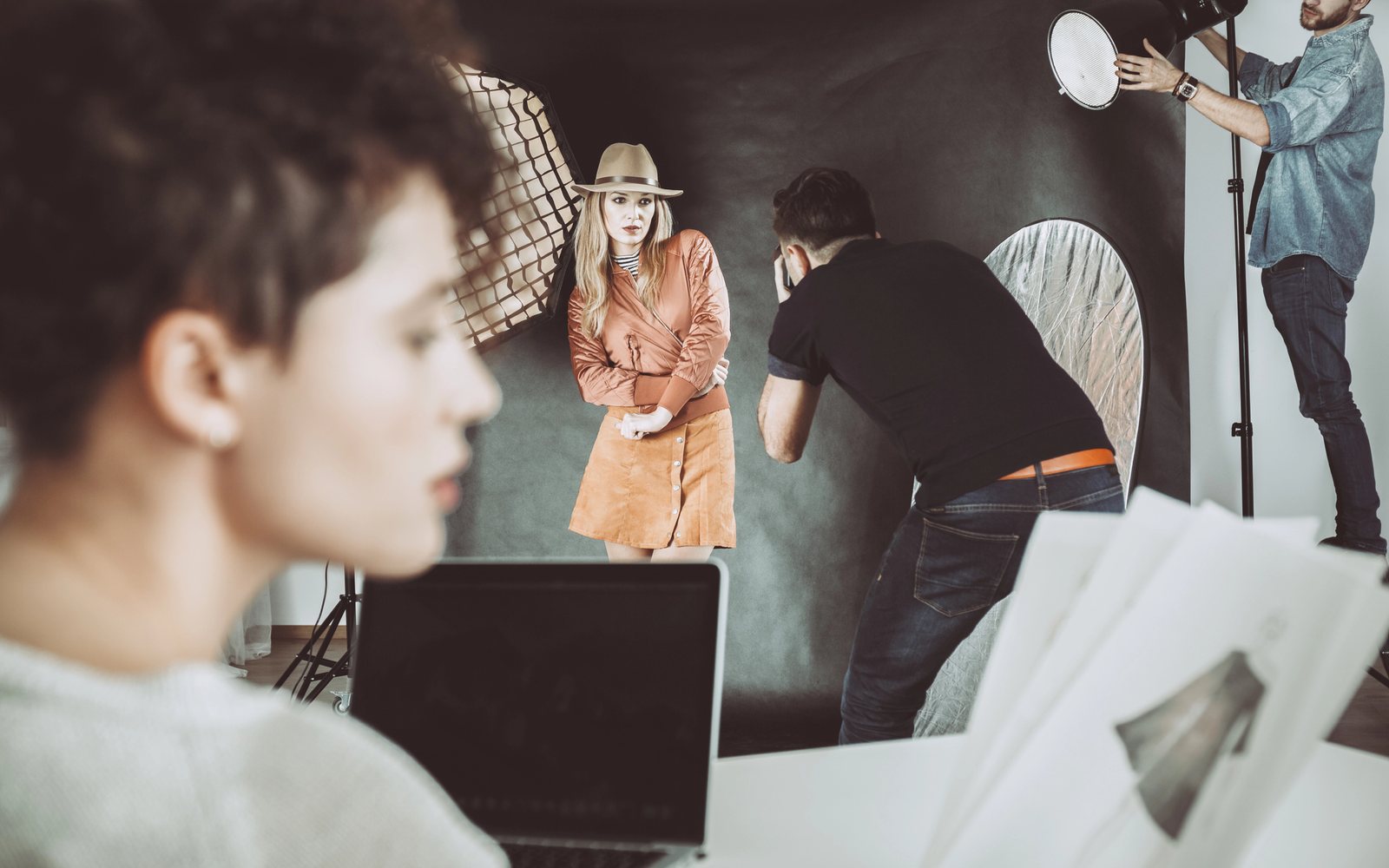
An assistant supports a lead artist so that the whole team works faster and more calmly. The exact role depends on the job. On a wedding morning, an assistant may prep skin, apply lashes and do simpler looks for the wedding party. At a photo shoot, she may set up the station, keep products organized and watch the monitor for shine. On a film set, an assistant may handle continuity photos, background actors and touch-ups between takes. In every case, the assistant protects the lead’s time. That means anticipating what the lead needs next, before she has to ask. Good assistants become trusted partners, and many leads book the same assistant for years.
- Set up and break down the station.
- Prep skin: cleanse, moisturize and prime.
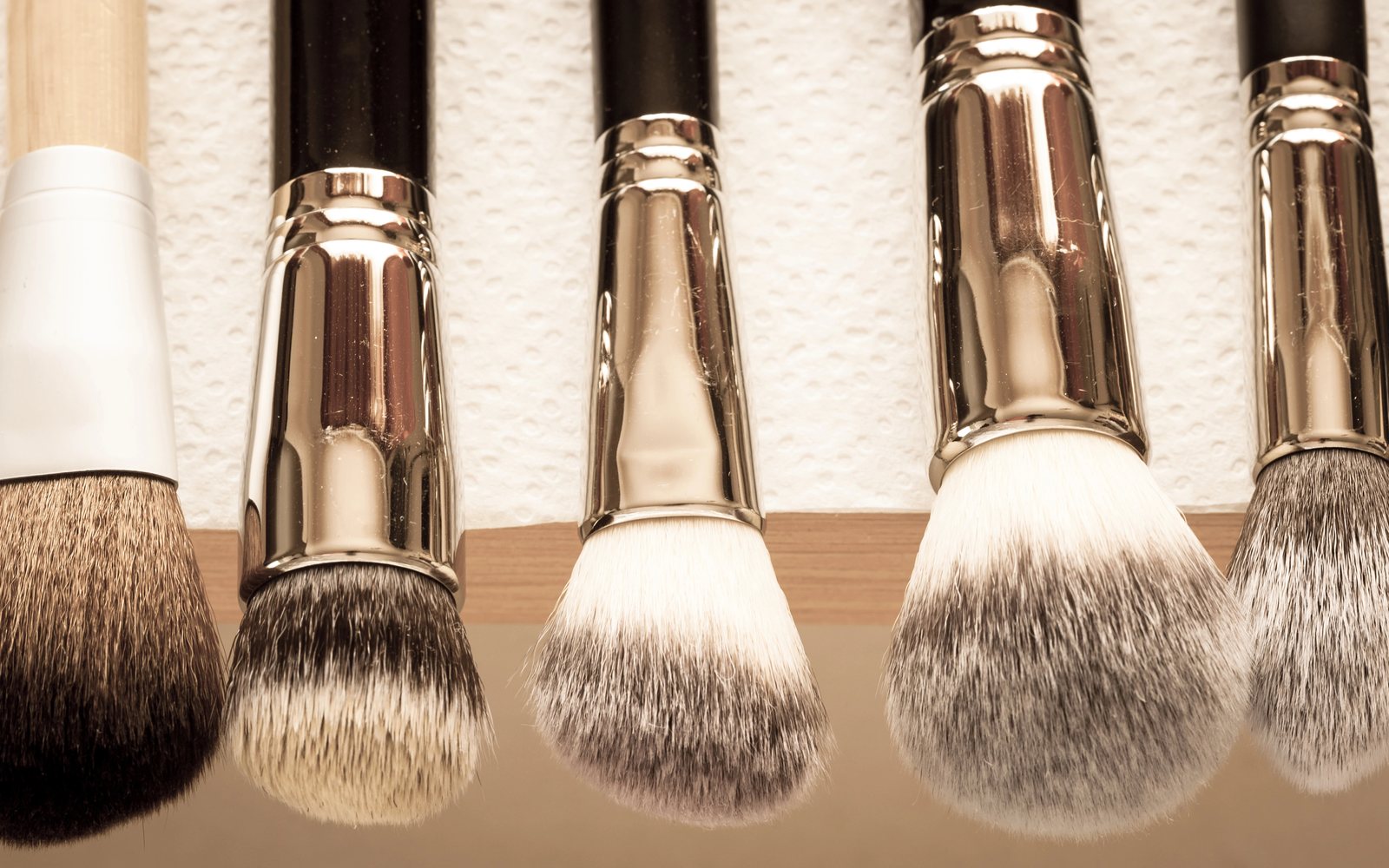
- Clean brushes and disinfect tools between clients.
- Apply lashes and do simpler looks when asked.
- Track the timeline and keep the lead on schedule.
- Take continuity photos and handle touch-ups.
The role is also a training ground. Assistants watch experienced artists solve problems in real time, with real clients and real deadlines. They learn how to read a room, handle a nervous bride and work quietly around a crew. Meanwhile, they see the business side: how leads quote, book and invoice. None of this appears in a classroom, and it is hard to learn alone. For that reason, many established artists say that assisting taught them more than school did. Our list of lessons working artists learn early covers many of the same themes. In short, assisting is paid experience with a mentor attached. It also lets you test whether the work suits you before you invest in a full kit.
Where assistants work
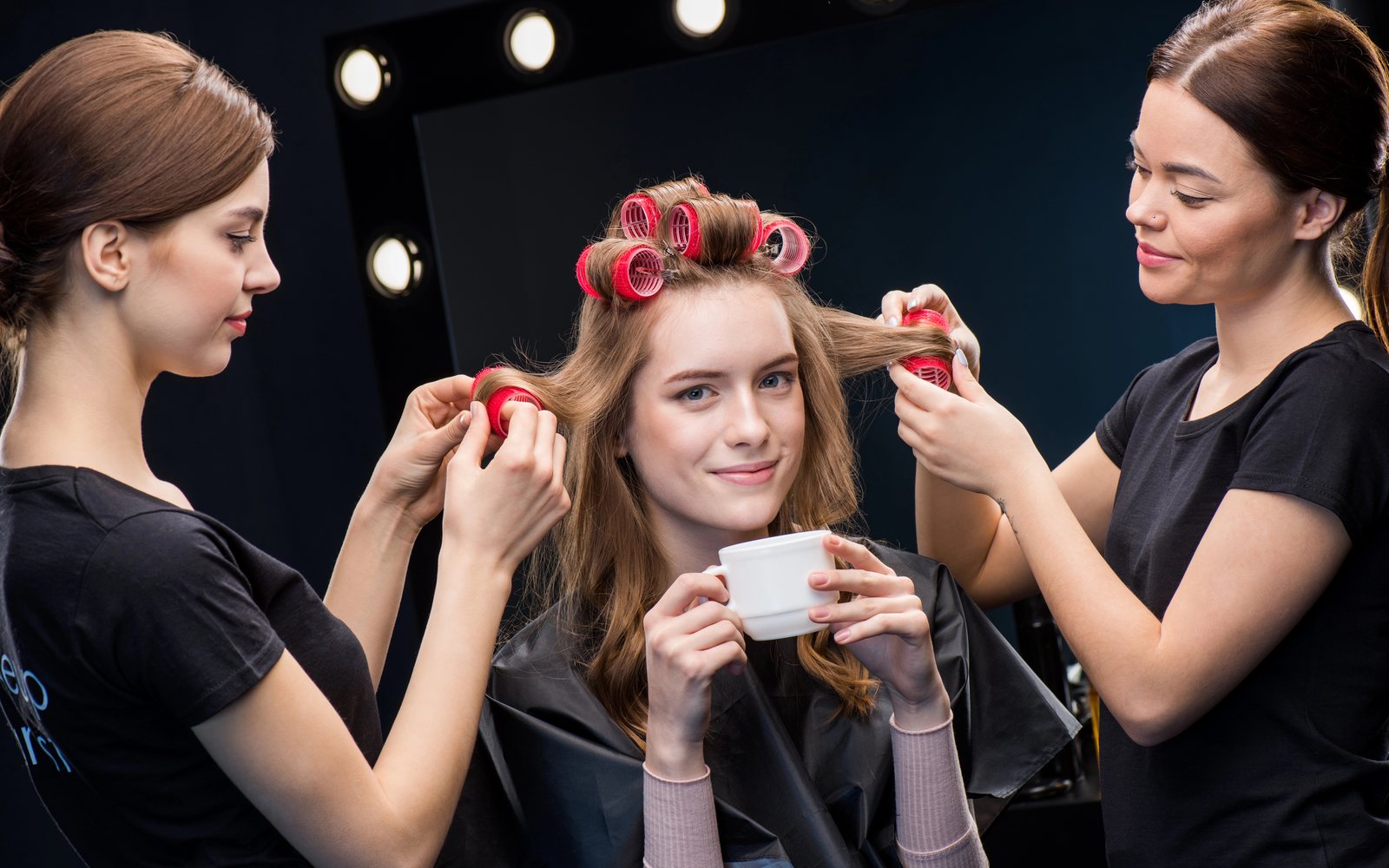
Assistants work across every branch of makeup, but the day looks different in each. Bridal is the most common starting point, because wedding parties often need more than one artist. Editorial and fashion work needs fast, flexible hands backstage and on shoots. Film and television productions hire additional artists on busy days, especially for crowd scenes. Meanwhile, celebrity and red-carpet artists often travel with a trusted assistant. Salons and makeup counters also hire assistants, although the role there is closer to retail. The table below compares the main settings.
| Setting | Typical assistant tasks | What you learn |
|---|---|---|
| Bridal | Skin prep, lashes, bridesmaid looks, timeline | Speed, client care, long-wear products |
| Editorial and fashion | Station setup, backstage looks, touch-ups | Trend work, speed under pressure |
| Film and television | Background, continuity, touch-ups on set | Set etiquette, continuity, camera makeup |
| Celebrity and events | Kit management, touch-ups, travel logistics | Discretion, timing, high-profile clients |
| Salon and counter | Client prep, demos, retail | Products, client volume, sales |
Choose your first setting based on where you want to end up. If you hope to work in film, look for productions and effects workshops, even on small independent projects. If bridal appeals, contact established bridal teams in your area before wedding season starts. Meanwhile, fashion assistants often start with student shows, local designers and photographers building their portfolios. Each branch has its own network, and the people you assist will introduce you to the next job. In practice, many assistants try two or three settings before choosing one. That variety also makes you more useful to leads who work across branches. It also shows you which kind of day you enjoy most, which is worth knowing early.
You may also like
Bridal Makeup Business: Trials, Bookings and Building a Team

You may also like
Breaking Into Film and TV Makeup: IATSE Local 798 and Local 706
Skills leads look for
Leads hire assistants they can trust with their clients and their reputation. Technical skill matters, but reliability matters more. An assistant who arrives early, stays calm and follows instructions will be booked again. Meanwhile, one who is brilliant but late will not. The skills below are the ones leads mention most often.
Clean, consistent basics
You do not need to be a master artist to assist, but your basics must be clean and consistent. That means even skin prep, neat lash application and a natural, long-wearing finish. Practice on as many faces as you can, including different skin tones, ages and textures. Meanwhile, learn the products your target leads use, so you can work with their kit without hesitation. Above all, practice speed: assistants often have fifteen or twenty minutes per face on busy days. Our guide to color theory for makeup artists helps with matching and correcting.
Hygiene and organization
Hygiene is often the first job a lead hands over, so it must be flawless. Learn to clean brushes quickly between clients, disinfect tools and decant products. Our guide to makeup artist hygiene sets out a full routine. Meanwhile, keep the station tidy, with products in the same place every time. A lead should be able to reach for any item without looking.
People skills and discretion
Assistants spend much of the day with clients, so manners matter. Speak calmly, listen carefully and never contradict the lead in front of a client. On weddings, you will meet nervous brides, opinionated mothers and late bridesmaids. On sets, you will work around actors who need quiet before a scene. For that reason, read the room and keep conversation light. Above all, be discreet: never post client photos or set details without permission.
How to become a makeup artist assistant
There is no single route, but most assistants follow similar steps. First, build your basic skills through training, practice or both. Then put together a small, clean kit and a simple portfolio. Next, research leads whose work you admire and contact them directly. When you do get a day, arrive early, work hard and ask what you could do better. Learning how to become a makeup artist assistant is really learning how to be useful to a busy professional. Our ranking of the best makeup schools compares training options if you want formal study first. Whichever route you take, the steps below are how to become a makeup artist assistant in practice.
- Build basic skills through a course, practice or both.
- Assemble a small, clean assistant kit.
- Create a simple portfolio of clean, natural work.
- Research leads in your target branch and area.
- Send short, specific messages with your portfolio link.
- Show up early, follow instructions and ask for feedback.
Reaching out to leads
Your first message matters. Keep it short, polite and specific. Say who you are, which branch interests you and why you admire the lead’s work. Then explain what you can offer, such as skin prep, lashes or hygiene, and include a portfolio link. Meanwhile, avoid long life stories and attachments; busy artists read messages between clients. Follow up once after a week or two, then move on if you do not hear back. In addition, connect with leads at trade shows, classes and industry events, where a face-to-face introduction carries weight. Finally, be patient: many first bookings come months after the first message, when a lead suddenly needs help. A short, warm thank-you after any reply, even a refusal, keeps the door open.
Your portfolio for assisting can be simpler than a lead artist’s. Leads want to see clean, natural work that shows your basics are sound. Include fresh skin, neat brows, well-placed lashes and a soft, wearable eye. Meanwhile, avoid heavy filters and editing, because leads want to see your real skill. Ten to fifteen strong images are enough, presented on a simple site or a tidy social profile. Add one or two behind-the-scenes images of you working, so leads can picture you on their team. Update the portfolio as you assist, with permission, adding the best looks you helped to create. Keep the captions brief and honest about your role in each look.
What an assistant carries
Most leads supply the main kit, so an assistant’s own kit is small and practical. It covers hygiene, organization, continuity and the small emergencies that happen on every job. A wardrobe malfunction, a stain on a dress or loose hair can all fall to the assistant. For that reason, experienced assistants carry a compact emergency bag alongside their brushes. Meanwhile, ask each lead what she expects you to bring, because preferences vary. The products below cover continuity, organization and hair. All of them fit in a small set bag.

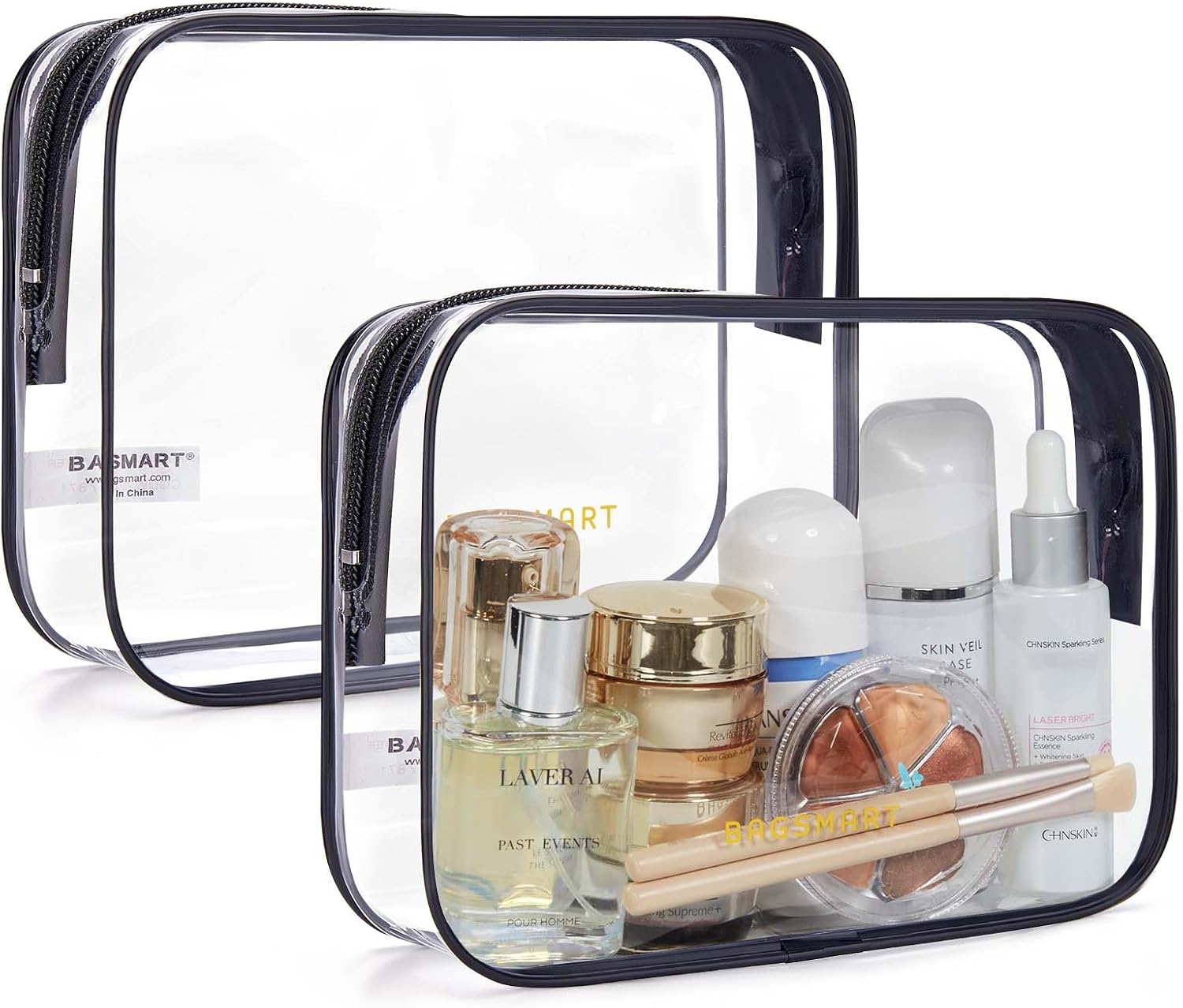
See-through bags that keep touch-up kits sorted and visible.
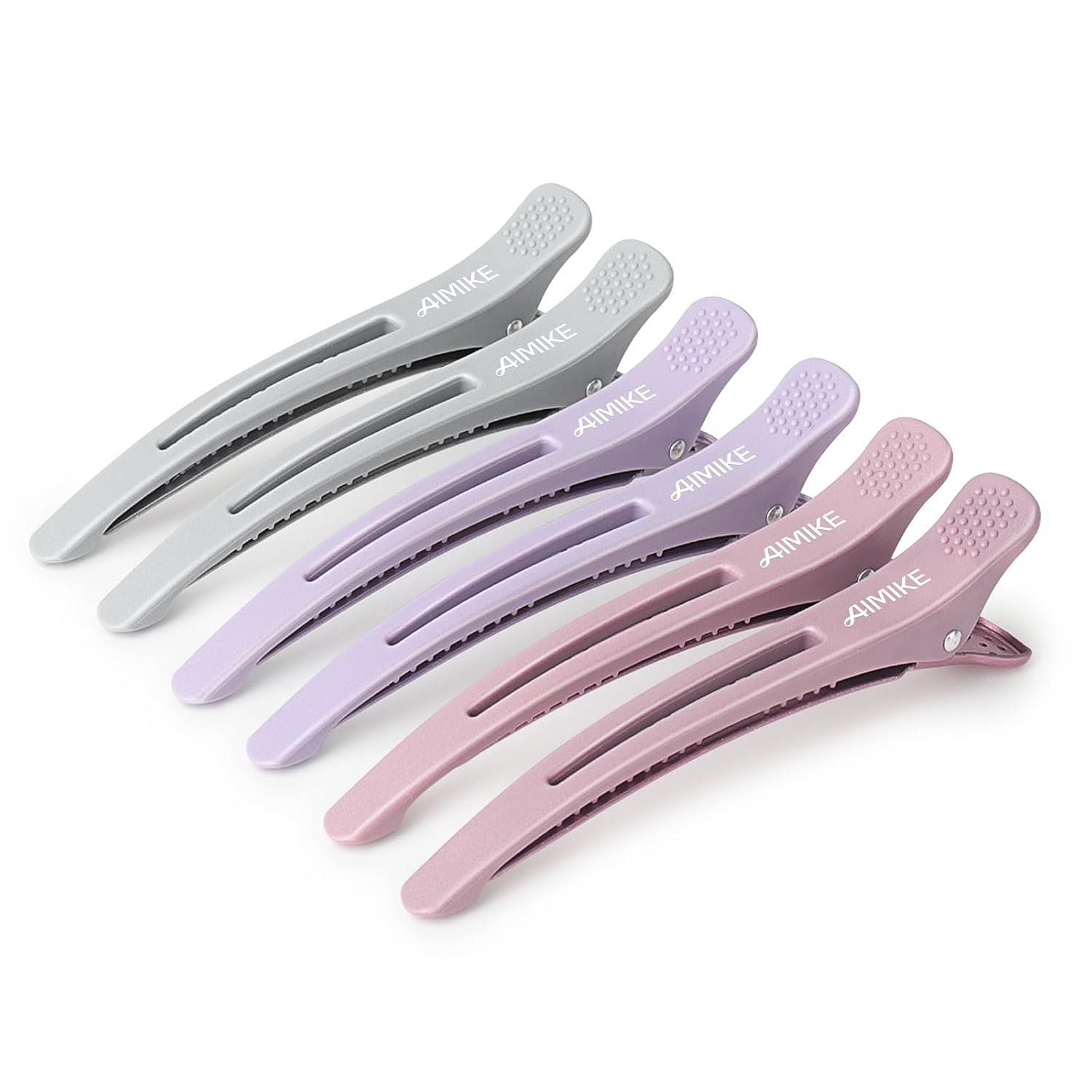
Hold hair away from the face without leaving marks.
Continuity
Continuity is a skill every assistant should learn early. On film and television sets, a character must look the same in every shot, even when scenes are filmed weeks apart. For that reason, assistants photograph each look from the front and both sides, and note products and placement. Many artists keep instant prints in a continuity book, because they are quick to check on set. Meanwhile, bridal teams use the same habit to keep bridesmaids consistent across a long morning. Label every photo with the name, scene or time, and keep the book organized by day. Our guide to on-camera makeup explains why consistency matters so much on screen. Above all, never delete continuity photos until the production has wrapped. Back them up at the end of each day as well.

Lifts powder, hair and lint from dark clothing before photos.

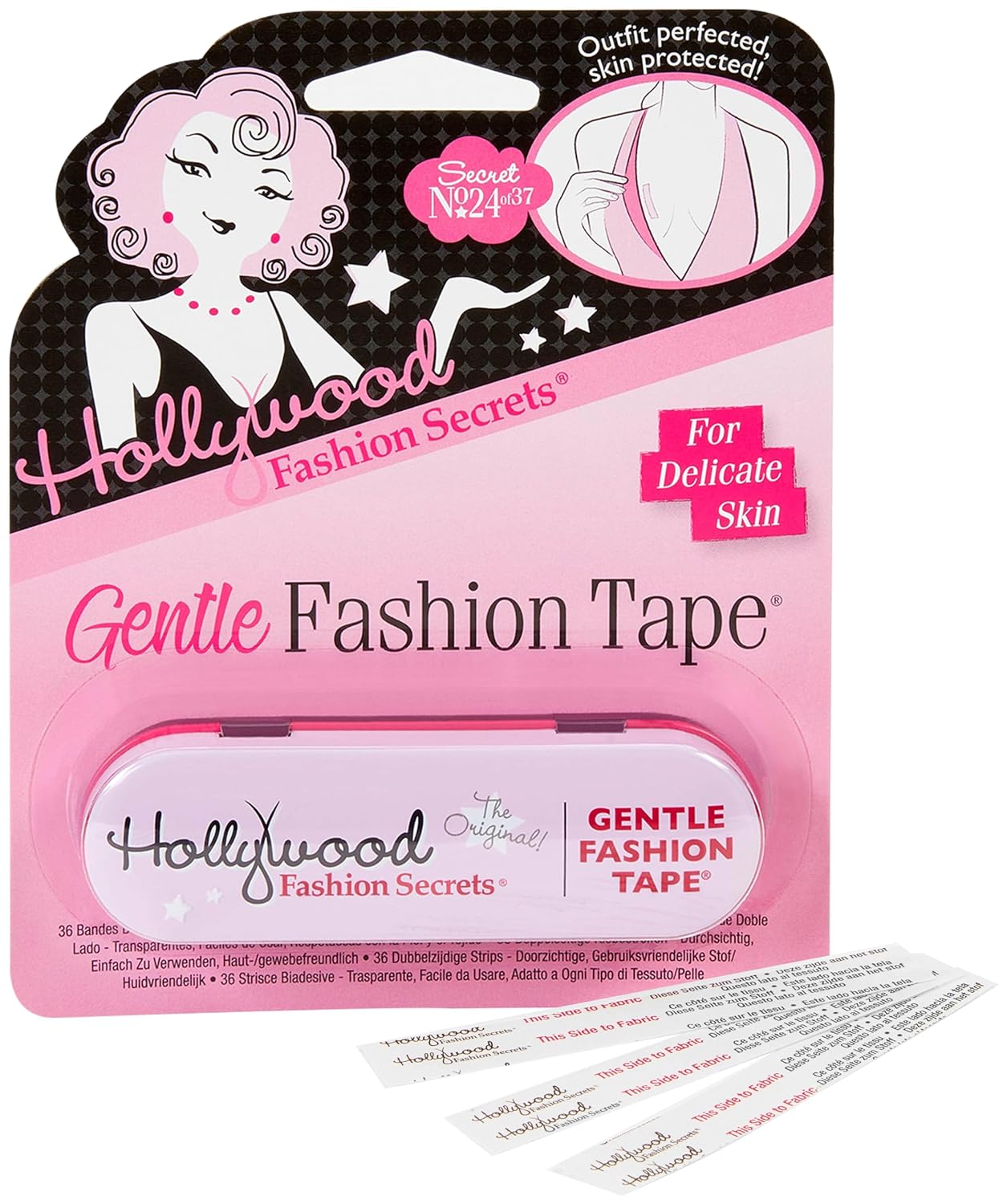
Secures necklines and straps for photos and long days.
Your emergency bag protects the lead’s work and the client’s day. Makeup on a collar, powder on a black suit or a strap that will not stay put can spoil photographs as easily as a makeup mistake. For that reason, experienced assistants check clothing as carefully as faces before the photographer starts. Keep the bag in the same place on every job, so you can reach it without thinking. Meanwhile, restock it after each booking, because the most useful items run out first. Many assistants also carry safety pins, a small sewing kit and blotting papers. In short, the assistant who solves small problems quietly is the one leads remember. That reputation spreads quickly through a local network of artists.
On the day: etiquette and timing
A good assisting day starts before you arrive. Confirm the call time, address, parking and dress code the day before. Plan to arrive at least fifteen minutes early, so you can help set up without rushing. Dress in simple black or neutral clothing with comfortable shoes, unless the lead says otherwise. Meanwhile, bring water and a snack, because breaks can be short on busy days. When you arrive, ask the lead how she wants the station set up, and follow her system exactly. Above all, put your phone away, except for continuity photos. Your focus tells the lead that her clients are in safe hands. If you are unsure about anything, ask quietly before the first client arrives.
Makeup Artist Apron — for keeping tools at hand
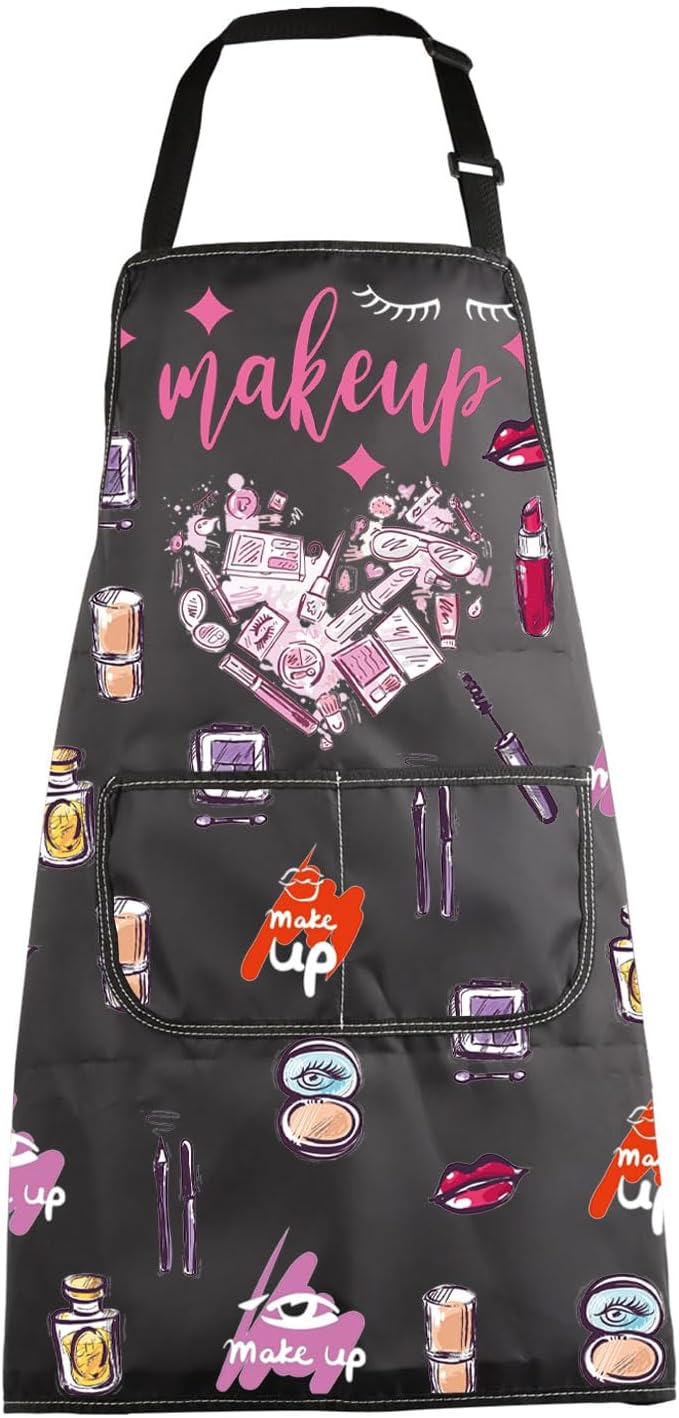
A black apron with several pockets for brushes, sponges and small tools. It keeps the essentials within reach while you move between clients, and it protects your clothes from powder and foundation during long assisting days.
Timing is the assistant’s quiet responsibility. On weddings, the lead focuses on the bride while the assistant tracks the schedule for everyone else. Know how long each look takes and warn the lead early if the day is slipping. Meanwhile, keep the next client ready: seated, prepped and with hair pinned back. On sets, listen for the assistant director’s calls and be ready for touch-ups the moment the camera stops. In addition, never leave the lead without telling her where you are going. Small habits like these make you easy to work with, and leads remember who made their day easier. Those are the assistants they call first when the next busy date arrives.
Skin prep is often your first hands-on task, so treat it seriously. A headband keeps hair off the face and protects the client’s style while you cleanse and moisturize. Then apply the lead’s chosen primer and leave the skin ready for foundation. Meanwhile, watch for redness, dryness or breakouts, and mention them quietly to the lead. Ask the client about allergies before applying anything, even if the lead has already asked. In addition, keep a few fresh headbands in your kit, so each client has her own. Good prep makes the lead’s work faster and the finish smoother, and leads notice it at once. Many leads judge a new assistant by her prep alone.
Spa Headband — for clean, hair-free prep

A soft microfiber headband with an adjustable closure that holds hair back during skin prep and makeup. It protects a client’s hairstyle from product and keeps the face clear, and it washes easily between bookings.
Pay and progression
Assistant pay varies widely by branch, city and experience. Some assistants are paid a day rate, some an hourly rate and some a share of the booking. Bridal leads often pay per face or per day, while productions pay according to their budgets or union agreements. Meanwhile, unpaid “trial” days are common, but be careful: repeated unpaid work is not a sustainable arrangement. Agree the rate, hours and expenses in writing before each booking. Our guide to makeup artist contracts explains the terms to agree. In addition, keep records of every booking for your taxes. Note mileage, parking and supplies too, because they add up over a busy season. Many assistants work as independent contractors, so set money aside for tax from every payment.
| Measure | Figure |
|---|---|
| Theatrical and performance makeup artists, median annual wage (May 2025) | $97,150 |
That federal figure describes established theatrical and performance makeup artists, not assistants. It reflects a small, mostly union workforce in film, television and theater, concentrated in major production centers. For that reason, treat it as a sign of where the career can lead, not as a starting rate. Assistants usually earn far less while they build skills and contacts. Meanwhile, the path from assistant to lead is the main way to grow income in this work. Our guide to how much to charge for makeup helps you set rates once you begin taking your own clients. In short, assisting is an investment that pays off as you progress. Knowing how to become a makeup artist assistant is the first step; knowing when to move on is the next.
Assisting toward film and television
For artists aiming at film and television, assisting is often part of the route into a union. In New York, IATSE Local 798 represents makeup artists and hair stylists. Its requirements to join ask for proof of at least 180 paid days of work in the craft over the last four consecutive years. That work can be on union or non-union film, television, commercials, theater or video. However, the document also lists work that does not count, including weddings, editorial and photo shoots, fashion shows and salon work. For that reason, bridal and fashion assisting builds skills but not qualifying days for Local 798. Meanwhile, paid production work, even on small independent projects, may count.
The same document makes another point clear: joining Local 798 does not guarantee employment, and the local is not a hiring hall. Members are hired day by day by productions, so relationships with department heads still matter. For that reason, assistants who want screen work should keep careful records of every paid production day, with pay stubs and call sheets. Meanwhile, Los Angeles has its own local, Local 706, with separate rules. Requirements can change between years, so always read the current documents on each local’s site. Our guide to IATSE Local 798 and Local 706 covers both in more detail. Start a simple spreadsheet of production days now, even if union work feels far away.


You may also like
Makeup Artist Set Bags, Kit Cases and Chairs: A Buying Guide
You may also like
Makeup Artist Hygiene: Sanitation Standards for Every Client
From assistant to lead artist
Most assistants eventually want their own clients, and the move usually happens gradually. First, leads trust you with more of the work: bridesmaids, then mothers, then occasionally the bride. Next, they may refer overflow bookings to you, or ask you to run a second team on busy dates. Meanwhile, you build your own portfolio, website and reviews alongside your assisting work. Be open with the leads you assist about your plans, and never take their clients. A good reputation in a local network is worth far more than a single stolen booking. Our guide to building a bridal makeup business covers the next stage. It explains trials, bookings and how to build a team of your own.
Some artists keep assisting even after they have their own clients. Assisting a celebrated lead on a major job can teach new techniques and open new networks. Meanwhile, quiet weeks in your own calendar can be filled with assisting days. For that reason, keep your relationships with leads strong as you grow. In addition, return the favor: when you need help, book assistants yourself, and teach them as you were taught. The best teams in the industry are built this way, through years of mutual trust. In short, the assistant you are today shapes the lead artist you become. Treat every assisting day as part of that longer story.
Start with one good day
Every career in makeup is built one day at a time, and assisting is one of the best ways to start. You learn from working professionals, see real clients and real problems, and build a network that will feed your work for years. Start by sharpening your basics and building a small, clean kit. Then send a few thoughtful messages to leads you admire. When you get your first day, arrive early, listen carefully and leave the station cleaner than you found it. Meanwhile, keep notes of everything you learn. In time, one good day leads to the next, and that is how to become a makeup artist assistant whom leads book again and again.
Tools and library

The three tools above support the next steps of your career. The calculator helps you set fair rates once you start taking your own clients, including travel, prep and supplies. Meanwhile, the quiz helps you decide which branch suits you best, from bridal to film and fashion. The library gathers the career guide, notebooks and workbooks, including pages for client notes and continuity records. Start with the quiz if you are still choosing a direction. If you are already assisting and planning your own bookings, start with the calculator. Either way, revisit all three as your experience and your network grow. They are free to use, and each one links to the guide below.
From the Artist Library
From assistant to lead: the guide covers pricing, contracts, agencies, kit economics and the first five clients, in plain terms.
Questions worth asking
How do you become a makeup artist assistant?
Build clean basic skills, put together a small kit and a simple portfolio, then contact working artists directly and offer reliable help on bridal, editorial or production days.
What does a makeup assistant do?
Sets up the station, preps skin, cleans brushes, applies lashes and simpler looks, tracks the timeline and handles continuity photos and touch-ups.
Do you need a license to assist a makeup artist?
It depends on your state and the setting. Check your state board of cosmetology before charging for makeup services.
Do makeup assistants get paid?
Usually, by day, hour or share of the booking. Agree the rate, hours and expenses in writing before each job, and avoid repeated unpaid work.
Does bridal assisting count toward Local 798?
No. Local 798 lists weddings, editorial shoots and fashion shows as non-qualifying; its 180 paid days must be film, television, commercials, theater or video.
How long do people assist before going solo?
It varies. Many artists assist while building their own clients, and some keep assisting top leads even after their own business is established.
