The Artist · Career
For many clients, your Instagram profile is the first place they see your work, often before your website. A bride, a photographer or a producer scrolls for a few seconds and decides whether to message you. Instagram for makeup artists is therefore less about followers than about turning the right visitors into inquiries. This guide, part of the full guide for working makeup artists, covers the bio, the grid, Reels, captions, tagging and the path from a direct message to a booking.
It replaces our older list of Instagram tips with a complete, practical guide for artists working in the US.
The short answer
Use Instagram as a portfolio with a booking path. Write a bio that says who you serve, where and how to book, with one link to a booking page. Post your best finished work, mixed with Reels of process and carousels of before and after. Credit every collaborator, answer messages quickly and move serious inquiries to email or a booking form.
In this guide
- Your makeup artist Instagram bio
- Instagram for makeup artists: a grid that books work
- Reels and carousels for makeup artists
- Instagram captions for makeup artists
- How to tag and credit on Instagram
- From direct message to booking
- Growing with the community
- A portfolio with a front door
- Questions worth asking
Your makeup artist Instagram bio
The bio is the most important part of your profile, because it tells a visitor in seconds whether you are the artist they need. A strong makeup artist Instagram bio answers four questions: what you do, for whom, where and how to book. Start with the name field. Many artists add their specialty after their name, such as bridal makeup artist or film and TV makeup, so the profile reads clearly at a glance. Next, use the bio lines for specifics: your style, your city and travel area, and your booking window. Finally, end with one clear next step and a single link. In short, write for the client you want, not for other artists. Good Instagram for makeup artists starts here.
Makeup artist Instagram bio ideas
These templates show the structure. Replace the brackets with your own details:
- [Name] · Bridal makeup artist. Soft, long-wearing looks. [City] and travel. Booking [year]. Inquiries below.
- [Name] · Film and TV makeup. Beauty, continuity and effects. Based in [City]. Credits and contact below.
- [Name] · Editorial and campaign makeup. Represented by [agency] or contact below. Clean skin, modern color.
- [Name] · Makeup for events and photo shoots. [City]. Rates, availability and booking at the link.
Your Instagram name and handle
Keep your handle simple and consistent with your website and email, so clients can find you everywhere. Avoid numbers and long strings of underscores. If your name is taken, add a short word such as makeup or mua rather than a random number.
Story highlights work as the second half of your bio. Use them to answer the questions clients ask most, so they arrive at your inbox already informed. Useful highlights include your bridal work, trials and how they work, client reviews, your kit and hygiene standards, and how to book. Give each one a simple cover in your brand colors, and keep the set short, ideally four to six. Meanwhile, update them as your work changes, because an old highlight can undo a strong grid. Above all, make sure the booking highlight matches your link and your website exactly. Consistency across every touchpoint is what makes a small business look established.
Instagram for makeup artists: a grid that books work
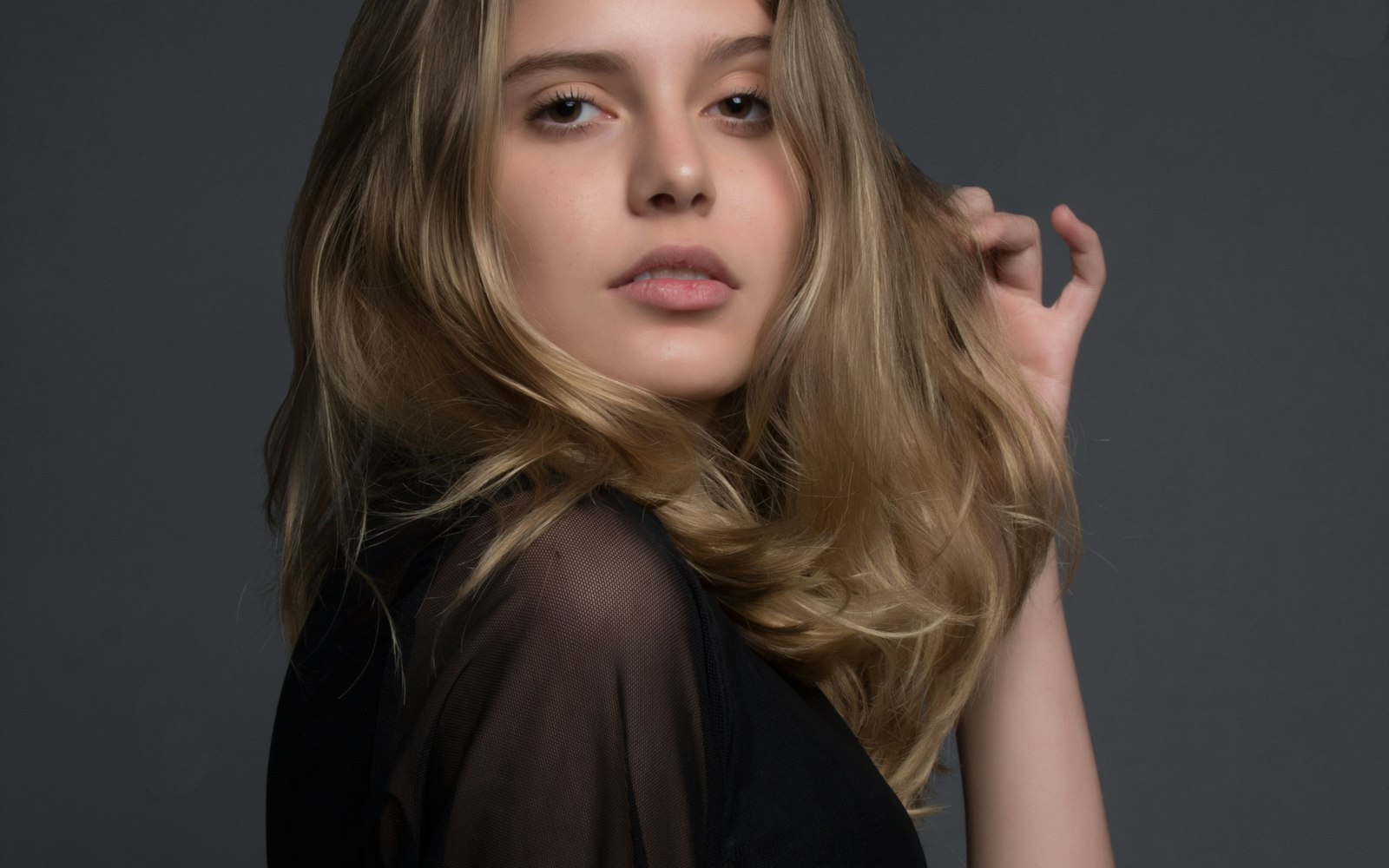
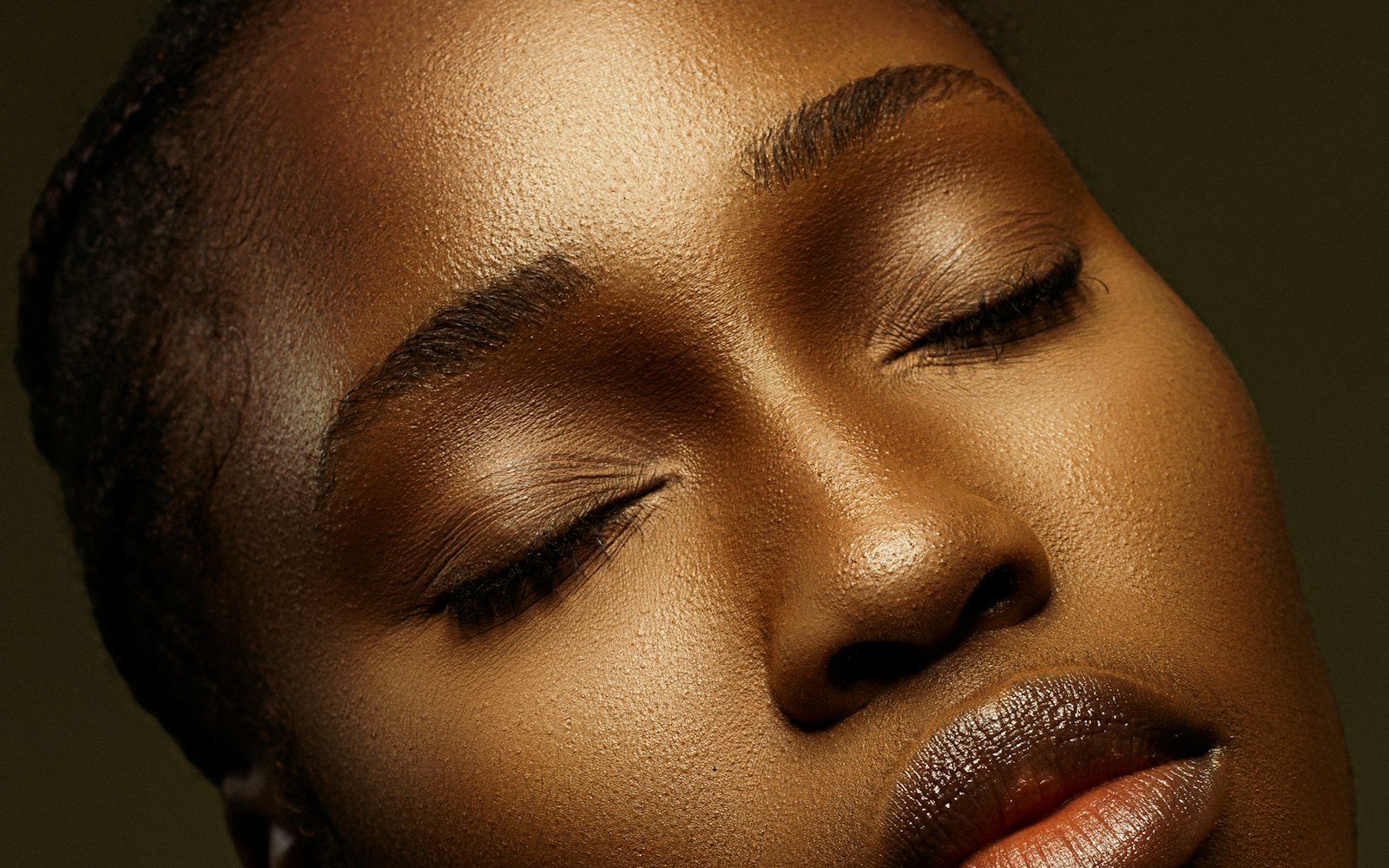
Your grid is a portfolio first and a feed second. Visitors judge you on the first nine to twelve images, so those should be your strongest, clearest work in the specialty you want to be booked for. Rotate formats so the grid stays varied: finished looks, process, before and after, close-up details, client words and behind-the-scenes moments. Keep the light and editing consistent, because a coherent grid looks professional even when the looks are very different. Show real skin and real texture. Clients, especially brides, want to know what they will actually look like. For the image side of the work, our guide to portfolio images that book work covers shooting and editing in detail.

You may also like
Makeup Artist Portfolio: How to Build One That Books Work

You may also like
How Much to Charge for Makeup Services
Posting cadence matters less than consistency. A steady schedule you can keep through busy wedding months is better than a burst of daily posts followed by silence. Many working artists post a few times a week and share Stories on most working days, because Stories let them show work in progress without crowding the grid. Batch your content: after each job or test shoot, select the best images and draft captions in one sitting. Then schedule them across the following weeks. Meanwhile, keep a simple log of what you post and which posts bring messages. Over a season, that log tells you what your clients respond to, and it is far more useful than general advice about timing.
Reels and carousels for makeup artists
Reels show something photographs cannot: your process. A short video of a transformation, a skin prep routine or a lash application lets viewers see how you work, which builds trust before they meet you. Keep Reels short and focused on one idea. Film in good light, keep the camera steady and let the work speak. Carousels, meanwhile, suit before and after sequences, step-by-step looks and practical information such as how trials work. Because a carousel holds several images, it can tell a small story: the brief, the process and the result. Both formats are worth using, but neither replaces strong finished images on the grid. In Instagram for makeup artists, video supports the portfolio rather than replacing it.
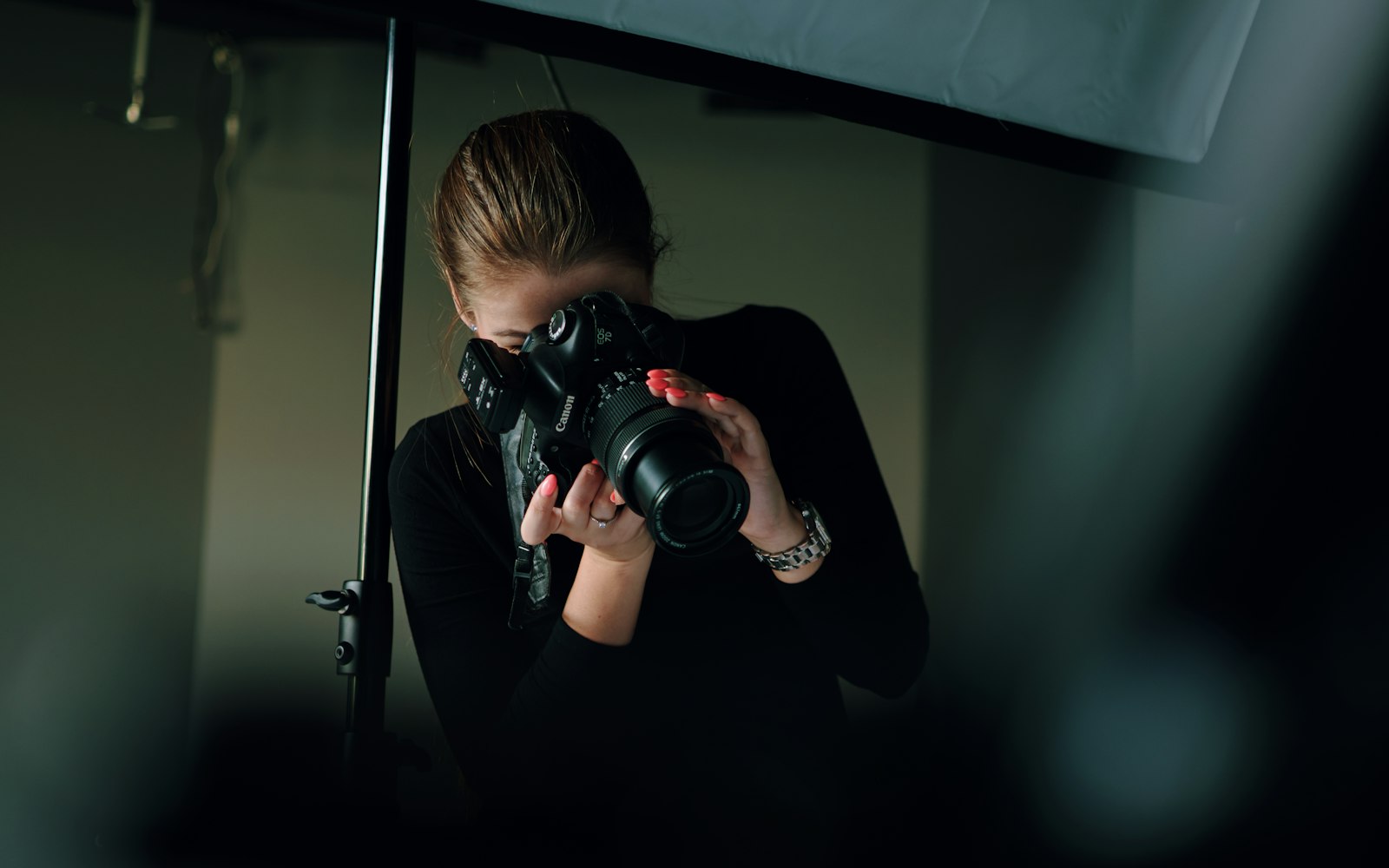
Filming on the job
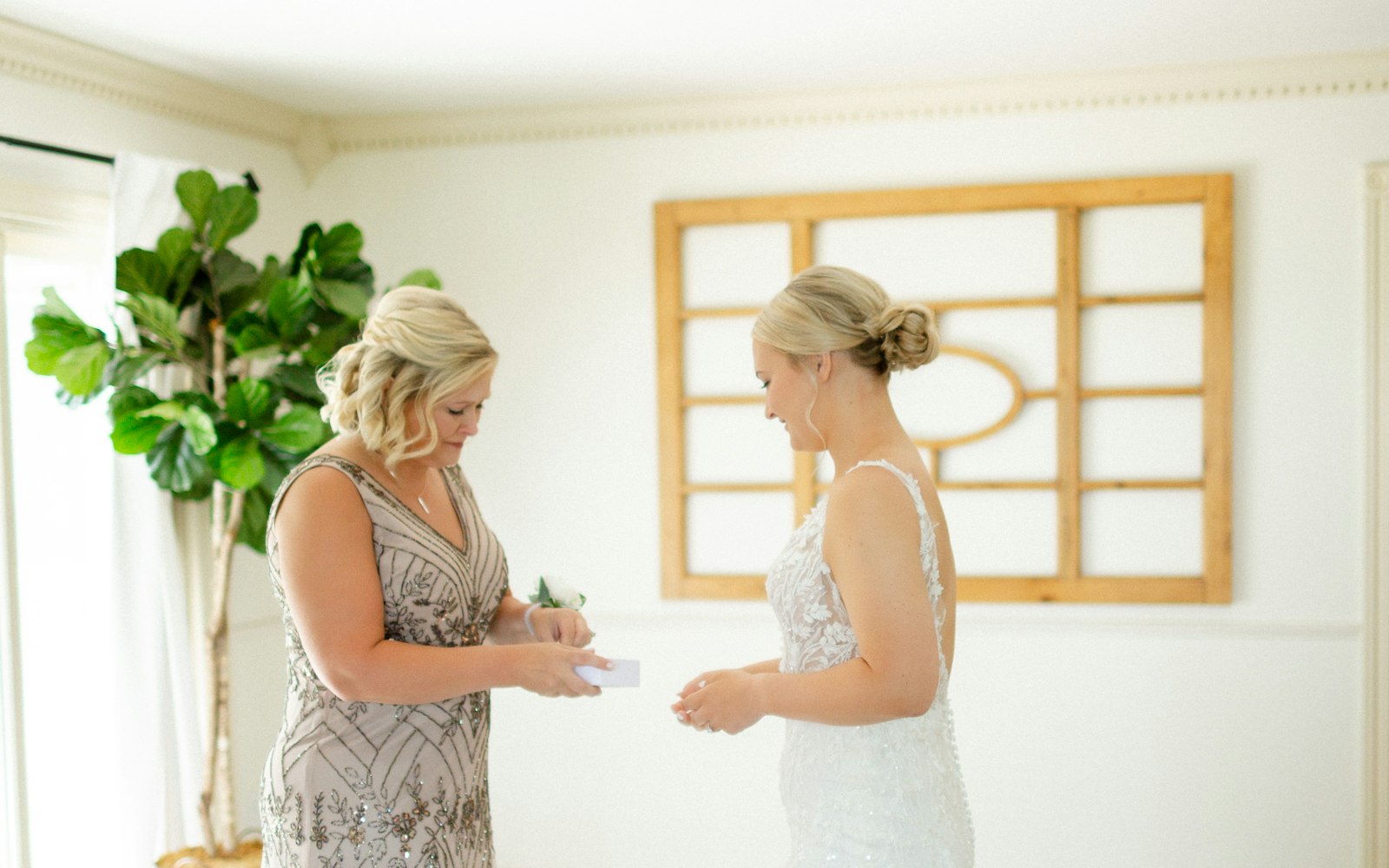
Always ask the client before filming or photographing, and respect a no. Brides in particular may not want their wedding morning online until after the day. When you do film, keep it brief and unobtrusive. The client is paying for makeup, not for content.
Instagram captions for makeup artists
Captions turn a pretty picture into a reason to book. A simple formula works for most posts: what the look is, who it was for, one detail about how you achieved it and one next step. For example, a bridal caption might name the look, mention long-wearing skin prep for an outdoor ceremony, credit the photographer and invite inquiries for next season. Keep the tone calm and specific, and avoid filling captions with emojis or hype. Use a few relevant hashtags, such as your specialty and city, rather than long blocks of generic tags. In addition, answer the questions clients ask in your captions over time, from trial timing to travel areas, because each answer saves a message later. Finally, end with a light call to action, such as inquire via the link in the bio.
Caption ideas
- Soft bridal skin for an outdoor ceremony, built to last from the first look to the last dance. Booking next season now.
- Before and after: color correcting redness, then a light foundation so the skin still looks like skin.
- Process Reel: lash placement for a natural lift, step by step.
- Kind words from a recent bride, shared with her permission.
Captions also carry your credits, and credits matter in a collaborative industry. Name the photographer, the hair stylist, the model and any stylist or venue in every post where they contributed. Doing so is professional courtesy, and it puts your work in front of their followers too. It also signals to future collaborators that you are generous and easy to work with. For that reason, keep a note of everyone’s handle during each shoot, so you can credit correctly when you post. If a collaborator prefers not to be named, respect that and leave them out. Clear, accurate credits are one of the simplest habits that separate a professional account from a hobby account.
How to tag and credit on Instagram
There are three main ways to credit people on Instagram, and makeup artists use all of them. First, tag collaborators in the image itself, so their handle appears when viewers tap the photo. Second, mention them in the caption with an @ before their handle. Third, for close collaborations, use a collaborative post. According to the Instagram Help Centre, the creator of a post can invite another account as a collaborator. If they accept, their username is added and the post is shared with their followers and appears on their profile. For shoots with photographers, this is often the most useful option, because the work reaches both audiences at once. Agree in advance who will post and when.
How clients can tag and message you
Clients often ask how to mention or message a makeup artist on Instagram. Make it easy. In your bio and highlights, ask clients to tag your handle in their photos and mention you in captions. For messages, tell them what to include: date, location, number of people and the service they want. Clear instructions turn vague messages into useful inquiries. A pinned post or highlight with these details helps too, because many clients read it before writing. It also reduces the back-and-forth that slows a booking down.
You may also like
Bridal Makeup Business: Trials, Bookings and Building a Team

You may also like
18 Makeup Artists to Follow on Instagram
Tagging works in the other direction too. When clients, photographers or planners tag you, share the best of those posts to your Stories and thank them. Reposting a client’s image with their permission is social proof, and it shows your work in real situations rather than only in polished shoots. Meanwhile, keep an eye on your tagged photos, because they appear on your profile for anyone to see. If a tagged image shows poor light or another artist’s work, review it promptly. Check your settings, too, so tags and mentions work the way you want. A little attention here keeps your public profile consistent with the work you want to be booked for.
From direct message to booking
Instagram for makeup artists only pays when messages become bookings. The simplest system has three steps. First, reply quickly and warmly, ideally within a day, and thank the client for reaching out. Second, move the conversation to a booking form or email, where you can collect the details and send your rates. Third, confirm with a written agreement and a deposit, as you would for any booking. Keeping bookings out of direct messages protects both sides, because details are easy to lose in a chat thread. Our guide to how working artists set prices explains how to build your rates, and our bridal business guide covers contracts and deposits.
A reply template
Thank you for getting in touch. I would love to hear more. Could you share your date, location, number of people and the services you need? You can also complete the short form at the link in my bio, and I will send availability and rates within a day.

Growing with the community
Growth on Instagram comes mostly from relationships, not tricks. Comment thoughtfully on the work of photographers, planners and other artists you admire. Collaborate on test shoots with photographers whose style suits yours, and share the results generously. Meanwhile, follow and learn from established artists. Our list of makeup artists to follow on Instagram is a good place to start. Avoid buying followers or joining engagement groups. They inflate numbers without bringing clients, and they can make a profile look less credible to the people who matter. In the end, a smaller audience of local clients and collaborators is worth far more than a large audience that never books. Build slowly and keep it real.
You may also like
Color Theory for Makeup Artists: Undertones, Correcting and Light

You may also like
What Is Makeup Artistry? The Craft, the Career and the Mindset
Measuring what matters
It also helps to measure what matters. If you use a professional account, review which posts lead to profile visits, link taps and messages, rather than only likes. Over a few months, you will see which formats and subjects bring the clients you want. Then make more of that work, and less of what only attracts other artists. Equally, notice when inquiries come from other channels, such as referrals or your website, and ask new clients how they found you. Instagram is one part of a wider system, and it works best when it points clearly to your website and booking process. Treat it as a shop window, not the whole shop.
Protecting your time
Finally, protect your time. Instagram can absorb hours that belong to clients, training and rest. Set a fixed window each week for planning, posting and replying, and keep notifications off outside it. Clients value a prompt, professional reply far more than constant presence, and a sustainable routine keeps the account going through the busiest months. If a week gets away from you, skip it calmly and return to the plan. Your best clients will still be there, and a rested artist makes better work for the grid anyway.
A portfolio with a front door
The most effective Instagram for makeup artists is simple: a clear bio, a strong grid, honest process content, generous credits and a fast path to booking. None of it requires a large following. It requires consistency and a clear idea of the client you want. Start by rewriting your bio this week, then plan your next nine posts around your best work. After that, set up a booking form and a reply template, so every message has somewhere to go. Above all, remember that Instagram is a front door to your business, not the business itself. Keep it welcoming, current and easy to walk through, and review it every season.
Tools and library

The three tools above support the business behind your profile. The calculator gives you a confident rate to send when an Instagram inquiry arrives, so you never improvise prices in a chat. Meanwhile, the quiz helps you choose the specialty your grid should lead with, which shapes every post you make. The library gathers the career guide, notebooks and workbooks, including pages for content planning and client records. Start with the calculator if messages are already arriving, because a ready rate makes every reply faster. If you are still building your profile, start with the quiz. Either way, revisit all three each season, so your prices, focus and plans keep pace with your work and your audience.
From the Artist Library
Your profile brings inquiries. The guide covers what happens next: pricing, contracts, agencies, kit economics and the first five clients, in plain terms.
Questions worth asking
What should a makeup artist put in their Instagram bio?
Your specialty, the clients you serve, your city and travel area, your booking window and one clear next step, with a single link to a booking page or website.
How do I tag a makeup artist on Instagram?
Tag their handle on the photo itself, mention them in the caption with an @ before the handle, or invite them as a collaborator on the post.
How do I message a makeup artist on Instagram?
Send a direct message with your date, location, number of people and the services you need, or use the booking link in their bio.
How often should makeup artists post on Instagram?
Consistency matters more than frequency. Choose a schedule you can keep through busy months, and use Stories for work in progress.
Should makeup artists use Reels?
Yes. Short process Reels build trust alongside strong finished images.
What is a good Instagram name for a makeup artist?
Your name plus a short word such as makeup or mua, matching your website and email.

7 comments
Amazing i have started working on it
Hey #cossetmoi thanks for bringing this into light.
Myself Mua @Governess_glams as in Komal Rajpoot from Ranchi Jharkhand
@kimediee
Thank you so much for the tips…they are indeed helpful
Makeup done by professionals gives you flawless look. They know the techniques like fx, airbrush etc
Thank you so much for the tips..as i was struggling with this since long…
This article is a saver for me…!
My instagram handle is @swatikapoormua
Comments are closed.