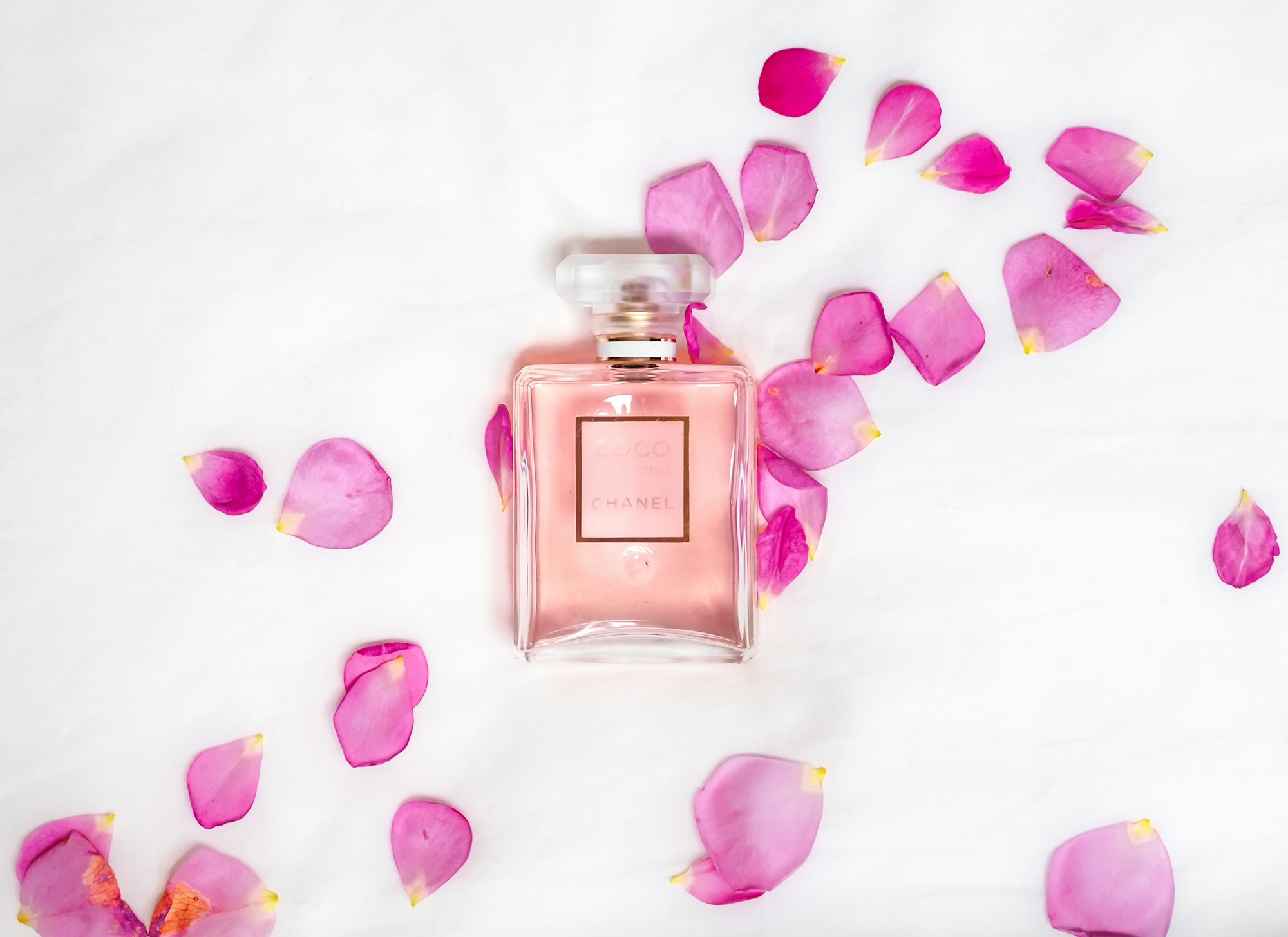
A signature scent is the part of your style that people remember after you leave the room. It lingers on a scarf, in a hallway, on the collar of a coat. For that reason, choosing one deserves time and attention. In the full Cossèt Môi makeover, fragrance is the finishing touch. Often, it is also the most personal one. This guide moves slowly through the choice. First come the fragrance families and perfume notes. Next come concentrations, testing on skin and sensitive skin. Finally, you will learn how to make perfume last and how to store it. We close with a question many women ask: is one scent enough?
A signature scent is one fragrance you wear often enough that it feels like part of you. To choose one, start with the fragrance family you already love, test two or three perfumes on your skin rather than on paper, and wear each for a full day. Then pick the concentration that suits your life, apply it to moisturized skin and store it away from light and heat.
What is a signature scent?
A signature scent is simply a fragrance you return to again and again. Over time, it becomes part of how people know you. It does not need to be rare or costly. Instead, it needs to feel like you on a good day. Some women find theirs at twenty and keep it for life. Others choose a new one for each chapter, such as a new city, a marriage or a milestone birthday. Both approaches are right, because the point is recognition. When you wear one perfume often, it attaches itself to your memories. It also settles into the memories of people close to you. Later, a single breath of it can bring back a whole season.
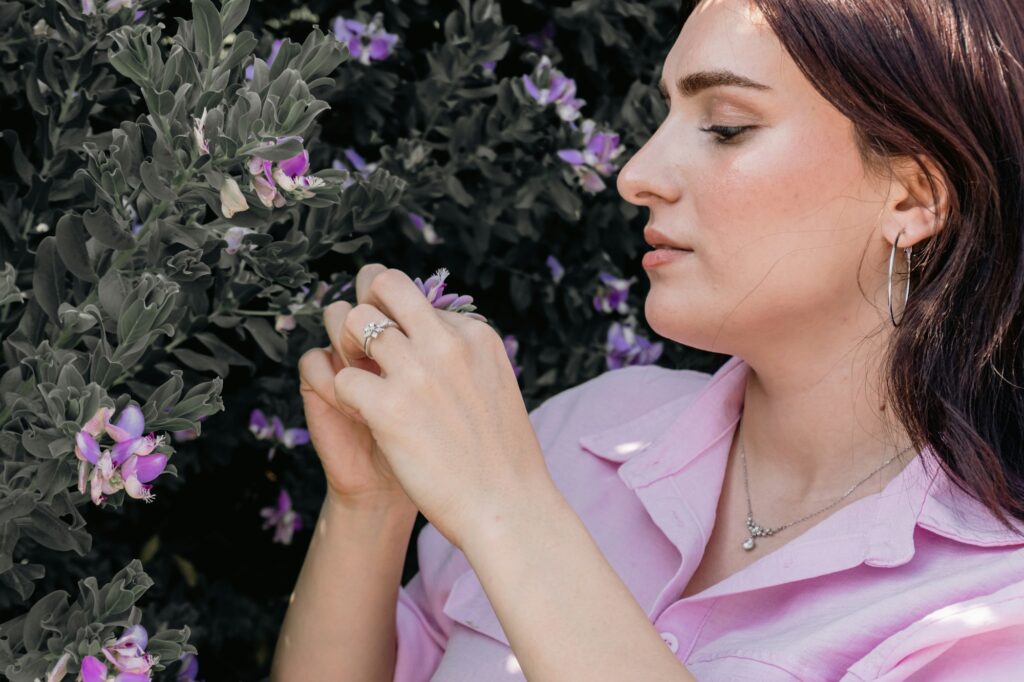
The nose is also far more capable than most of us assume. Consider one well-known study. In a 2014 paper in Science, Bushdid and colleagues tested how people tell odor mixtures apart. They estimated that we can discriminate at least one trillion of them. Later researchers debated the exact figure, yet the broad idea stands. Your sense of smell can hold an enormous range of impressions. So a fragrance is never just a pleasant extra. Rather, it is a language with countless words, and you are choosing your own phrase. That is why the search can feel personal and slow. It is also why a well-chosen perfume can feel like coming home.
The fragrance families, simply explained
Perfumers sort fragrances into families, much as a bookseller sorts novels by genre. Knowing the families gives you a map. With it, you can explain what you love and find more of it. Sylvaine Delacourte spent fifteen years as director of creation at Guerlain. In her published perfume guide, she describes six classic families. They are hesperidic, floral, chypre, oriental or amber, woody and fougère. Hesperidic simply means citrus, so think lemon, bergamot, orange and grapefruit. Florals are the widest group, built around rose, jasmine and other flowers. Chypres pair bright citrus with moss and patchouli, and they are always woody. Meanwhile, ambers wrap you in vanilla, tonka bean and resins.
The table below gathers the families in one place, with the feeling each one tends to create. Use it as a starting point rather than a rule. After all, many modern perfumes sit between two families. A floral may rest on a woody base, for example. Likewise, a citrus may carry amber warmth. Delacourte also notes that leather and gourmand facets can appear within these families. So a perfume may hold a hint of suede or a soft sweetness without joining a new group. Read the descriptions slowly and notice which ones you already reach for. Then look at the candles and soaps you love at home. Very often, they share one family, and that is where your search begins.
| Family | Typical notes | The feeling it creates |
|---|---|---|
| Hesperidic (citrus) | Lemon, bergamot, orange, grapefruit | Bright, clean, awake |
| Floral | Rose, jasmine, white flowers, powdery flowers | Romantic, open, generous |
| Chypre | Bergamot, rose, patchouli, oakmoss, labdanum | Poised, polished, mysterious |
| Oriental or amber | Vanilla, tonka bean, resins, patchouli | Warm, enveloping, sensual |
| Woody | Sandalwood, cedar, vetiver | Grounded, serene, structured |
| Fougère | Lavender, bergamot, geranium, moss, tonka | Aromatic, crisp, classic |
Finding your family at home
Before you visit a fragrance counter, spend a few minutes with your own life. First, list three smells you have always loved, such as cut oranges, fresh laundry or a garden after rain. Next, note any perfume you once owned and still miss. After that, think about the rooms where you feel most at ease. A woman who loves linen and sea air often leans toward citrus or fresh florals. By contrast, a woman who loves candlelight and cashmere may lean toward amber or woods. These clues are not science, yet they are honest. As a result, you arrive at the counter with a direction. The choice then feels easy rather than crowded with options.
You may also like


Once you know your family, keep the search small. Choose two or three perfumes within it, and resist the urge to try a dozen at once. Too many at a time blurs the impressions, and every scent begins to smell the same. Instead, ask for samples, or buy a small discovery set, so you can test at home at your own pace. Many houses now offer sets of miniature bottles for this reason. In addition, an elegant atomizer lets you carry a favorite in your bag. That way, you never risk a full bottle on the go. The gallery below gathers three ways to begin. They range from curated discovery sets to a refillable travel spray.
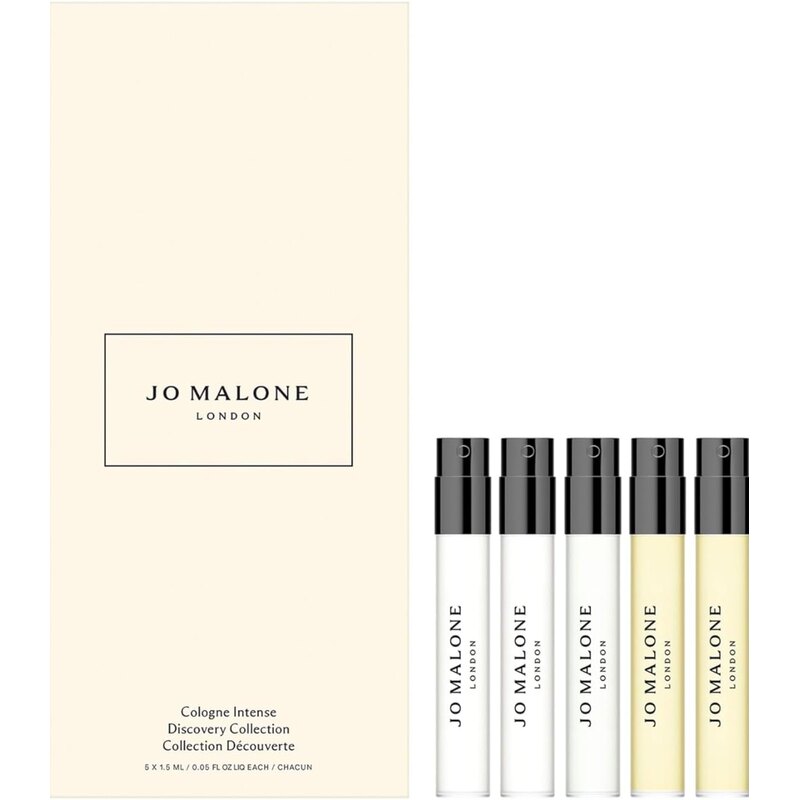
Miniature vials to wear over several days before you choose a full bottle.
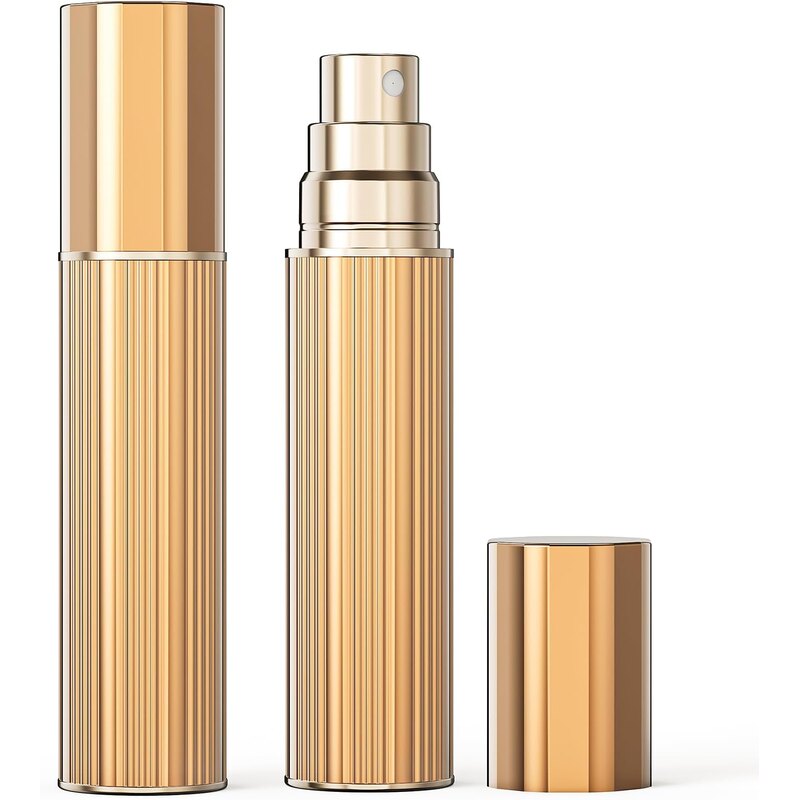
A gold refillable atomizer for a favorite or a sample decant on the go.
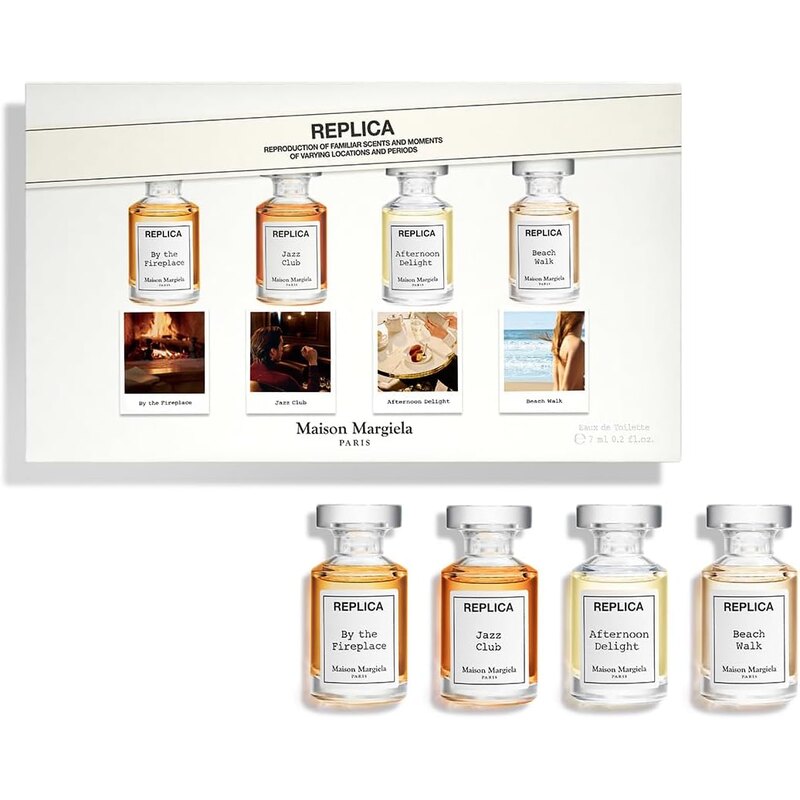
Small bottles from a different house, so you compare families side by side.
Keeping a scent journal
Exploring slowly also teaches you the language of your own taste. As you test, write a few words about each perfume in a notebook or on your phone. For example, note the first impression and how it felt after an hour. Then note how it smelled at night. Within a week or two, patterns appear. Perhaps you love the opening of one scent but not its finish. Perhaps a fragrance you dismissed at first grows on you by evening. These notes become a private guide, and they make every future choice easier. Moreover, they help a fragrance advisor understand you quickly. You can describe exactly what you enjoyed and what you would rather leave behind.

Perfume notes: top, heart and base
Every perfume unfolds over time, and perfumers describe that unfolding as a pyramid of notes. At the top sit the lightest materials, such as citrus and fresh herbs. They greet you first and fade soonest. In the middle sits the heart, often floral or spicy, which shapes the main character. At the base sit the heaviest materials, such as woods, musks, vanilla and resins. They evaporate slowly and stay with you longest. Delacourte explains this in her guide to the olfactive pyramid. Top notes have high volatility, she writes, while heart notes have medium and base notes low. She adds that the layers interlock rather than leave in strict order.

This matters when you choose, because the first spray tells only part of the story. A perfume can open with a burst of grapefruit, then settle into jasmine and finish on soft sandalwood. If you judge it in the first minute, you meet only the grapefruit. So give every perfume time. Smell it again after twenty minutes, and then again after a few hours. Often, the heart and base are what you will live with all day. Likewise, the base is what lingers on your scarf the next morning. When you read perfume notes on a box or website, look closely at the base. It usually tells you how the fragrance will feel by evening.
Eau de parfum vs eau de toilette
The words on the bottle describe concentration, which means how much perfume oil is blended with alcohol. Extrait, or parfum, is usually the richest form. Eau de parfum comes next, then eau de toilette, then cologne and lighter waters. However, there is no strict rule behind the labels. Delacourte explains why in her article on concentration and longevity. She gives extrait as roughly 20 to 40 percent. Yet she calls the figures for the lighter waters theoretical. She also notes that brands may choose whatever name they wish. As a result, one house’s eau de toilette can feel stronger than another house’s eau de parfum. So treat the label as a hint, not a promise.
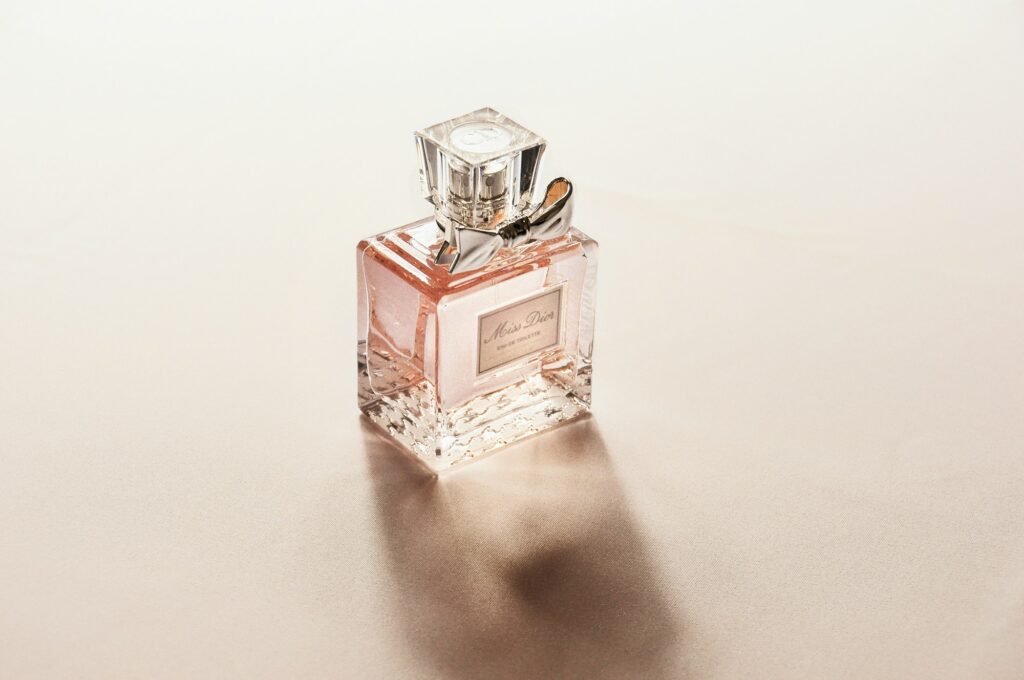
So how should you choose between eau de parfum vs eau de toilette? Think about how and where you will wear it. An eau de toilette tends to feel lighter and brighter. That suits warm days, offices and close quarters. An eau de parfum usually feels rounder and fuller. So it often suits evenings, cooler months and women who like their scent close all day. Delacourte also stresses that a higher concentration does not guarantee a longer-lasting scent. Instead, longevity depends above all on how the perfumer built the formula. Therefore, test both versions of a perfume you love if both exist. Very often, they are composed differently, and you may simply prefer one of the two.
Oils, mists and extraits
Beyond the classic sprays, perfume also comes as oils, solid balms and light body mists. Oils and balms sit close to the skin. So they suit women who prefer a private scent that only an embrace reveals. In contrast, body mists are light and fleeting. They feel pleasant after a bath or on a hot afternoon. Extraits deserve a gentle hand. Because they are rich, one or two touches are usually enough. Indeed, Delacourte warns that over-concentrated extraits can cling to the skin. Whatever form you choose, apply less than you think. A signature scent should invite people closer. It should never announce you from across the room, and restraint is part of its elegance.
You may also like


How to choose a perfume: testing on skin
Paper blotters are useful for a first sniff. Yet they cannot tell you how a perfume will smell on you. Delacourte addresses this in her article on why perfume changes on skin. Her advice is plain: “Test on skin, never solely on a blotter.” Indeed, paper has no warmth and no pH, so it shows a perfume in a neutral light. Your skin, however, adds its own character. According to the same guide, dry skin lets perfume slide away quickly. Oily skin, by contrast, holds scent longer. Hormones, stress and diet can shift it too. That is why a scent can smell lovely on a friend and quite different on you.
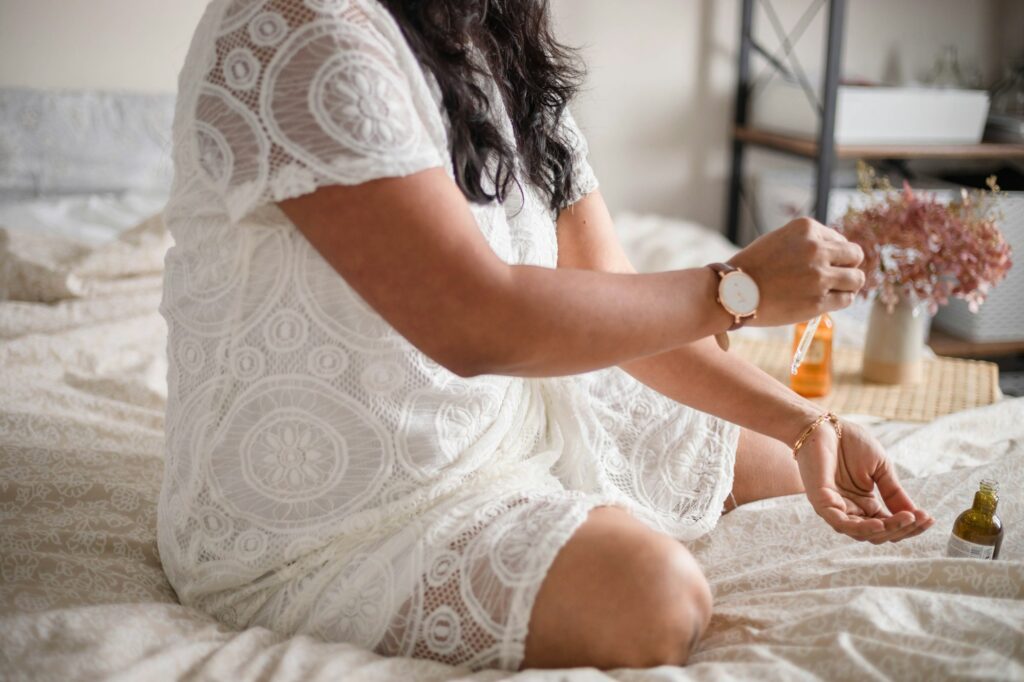
A gentle testing ritual helps you choose well. First, start with clean, unscented skin on a day when you feel rested. Next, apply one perfume to the inside of each wrist, and no more than two at a time. Then leave the store and walk for at least half an hour. Delacourte suggests this pause so the heart notes can settle. After that, notice how each one makes you feel, not only how it smells. Finally, if one still pleases you by evening, wear it to bed. Delacourte calls sleeping in a scent the finest advice she can offer. In the morning, you will know whether it belongs in your life or simply in your memory.
Living with samples
Samples make this ritual far easier, because you can repeat it at home over several days. Wear one perfume on a workday, at dinner and on a slow weekend morning. Then ask yourself a few honest questions. For instance, did you reach for it again without thinking? Next, did someone you love mention it? Finally, did it feel like your clothes, or like a costume? These answers matter more than any review. Also, notice the weather, because heat lifts a fragrance and cold air holds it close. In time, one perfume will stand apart. When it does, you have found a strong candidate for your signature scent. The gallery below gathers three ways to wear it well.
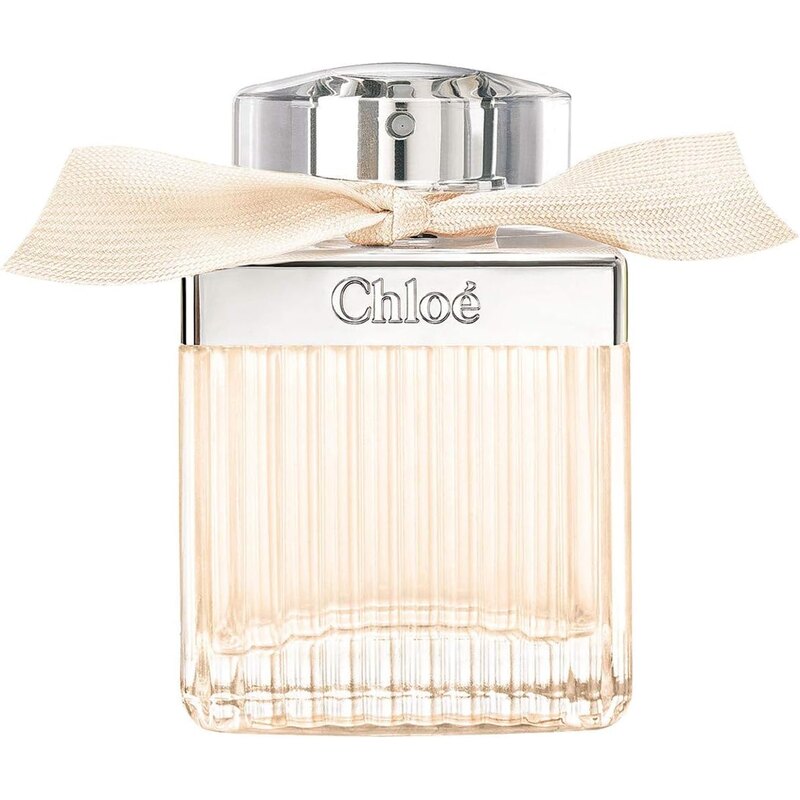
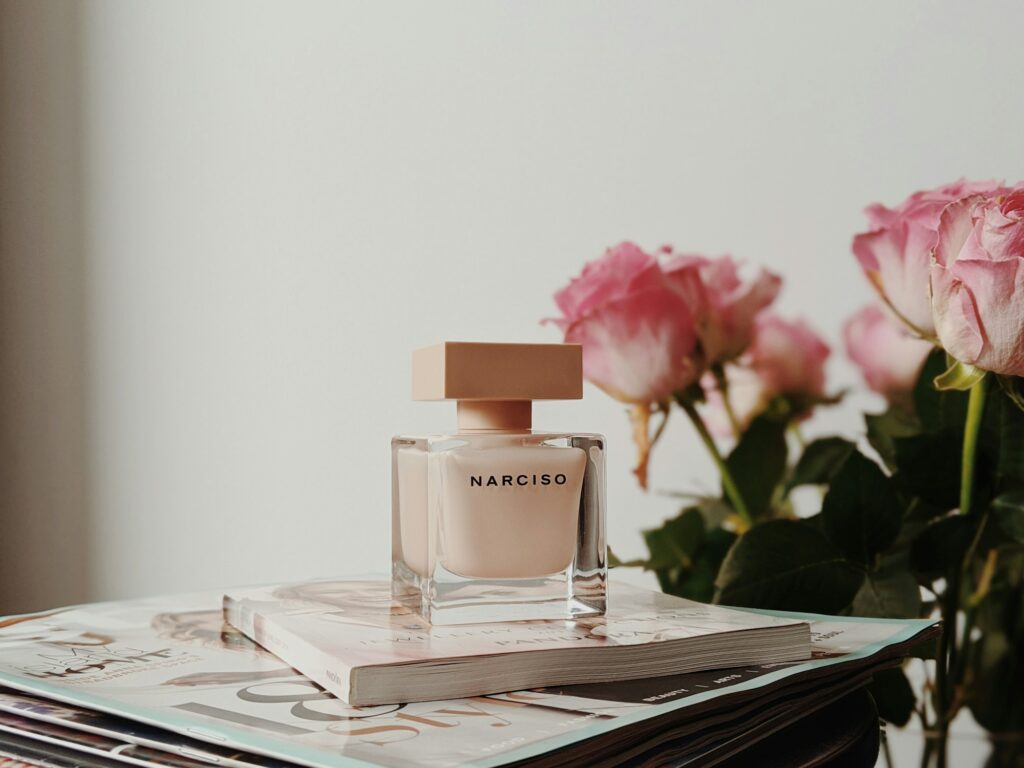
A soft rose floral in the richer eau de parfum strength, a classic candidate.
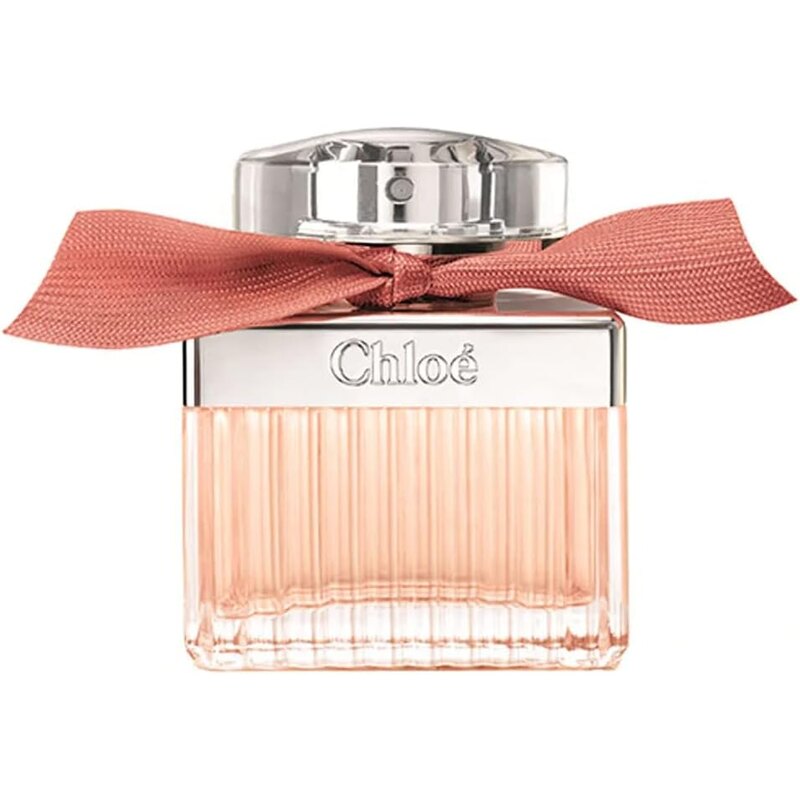
A lighter rose in eau de toilette, to feel the difference in strength for yourself.
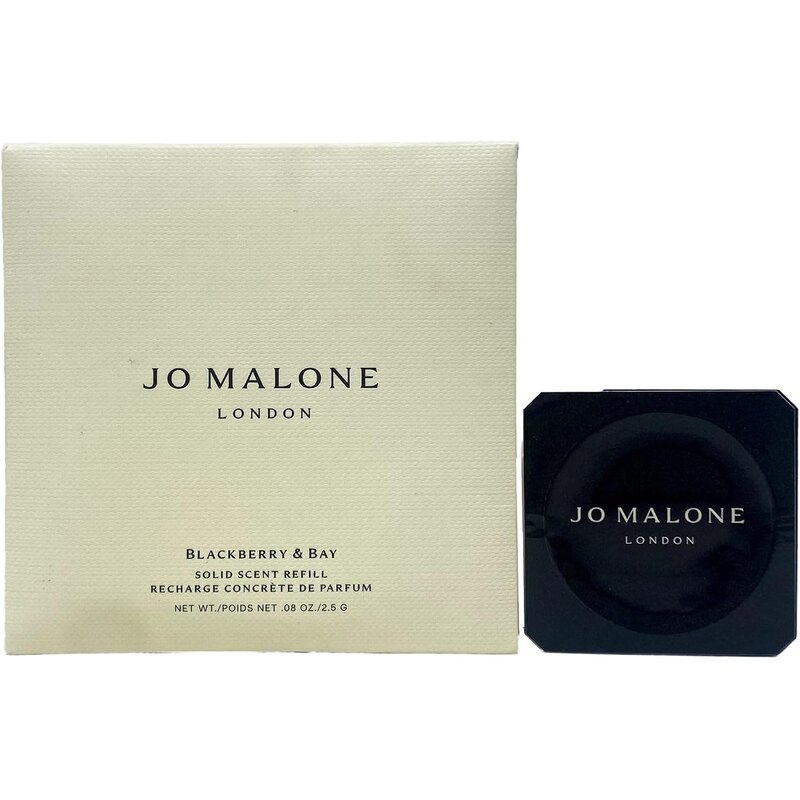
A solid scent pressed onto pulse points for a private, close-to-skin wear.
Even after you choose, keep a little curiosity alive. Your nose adapts to a familiar perfume, so you may stop noticing it while others still do. Delacourte calls this habituation, or olfactory fatigue, in her note on why you stop smelling your own perfume. Her advice is gentle. Rather than adding more sprays, take a short break from your usual scent. For a few days, wear a light citrus cologne, or scent a scarf instead of your skin. Then, when you return to your favorite, it feels new again. This small habit also protects the people around you from heavy sillage. Sillage is the trail a perfume leaves in the air as you move.
Join the waitlist for the 21-Day Skin & Gut Health Reset, a gentle daily ritual for skin and gut, from within. We will write to you when it is ready.
Occasional letters. Unsubscribe anytime.
Fragrance and sensitive skin
Fragrance can irritate some skin, and it helps to know how common that is. In 2019, Alinaghi and colleagues published a meta-analysis in Contact Dermatitis. It pooled patch tests from 20,107 people in the general population. About 3.5 percent of them showed contact allergy to fragrance mix I. Meanwhile, the US Food and Drug Administration explains a labeling point. Fragrance ingredients may be listed simply as Fragrance on a cosmetic label. So if your skin reacts easily, spray perfume onto clothing or a scarf instead of skin. Also, patch test new scents on a small area first. If redness or itching appears, speak with a dermatologist before you continue.
Fragrance-free skin care matters too, especially if you also wear perfume. The American Academy of Dermatology advises people with atopic dermatitis to choose products labeled fragrance free. It also explains that unscented products may still hold fragrance that has been covered up. In addition, the fragrance industry sets its own safety rules. The International Fragrance Association calls its IFRA Standards a globally recognized risk management system. They govern the safe use of fragrance ingredients. Together, these facts point to one gentle practice. Keep your skin care simple and fragrance free. Then let your perfume be the single, deliberate scent you wear. That way, you can enjoy it with confidence every day.
How to make perfume last
Where and how you apply perfume shapes how long it stays. Start with moisturized skin, because perfume holds poorly on dry skin. Delacourte makes this point in her tips for making perfume last. An unscented body lotion works well, since it adds no competing note. Next, apply scent to warm places. Try the inside of the wrists, the base of the throat and behind the knees. However, do not rub your wrists together afterward. She warns that rubbing breaks the scent, so simply let it dry. Also, avoid spraying perfume directly onto your hair, because alcohol can dry it. Instead, mist your brush and comb it through. Your hair will then carry a soft trail.
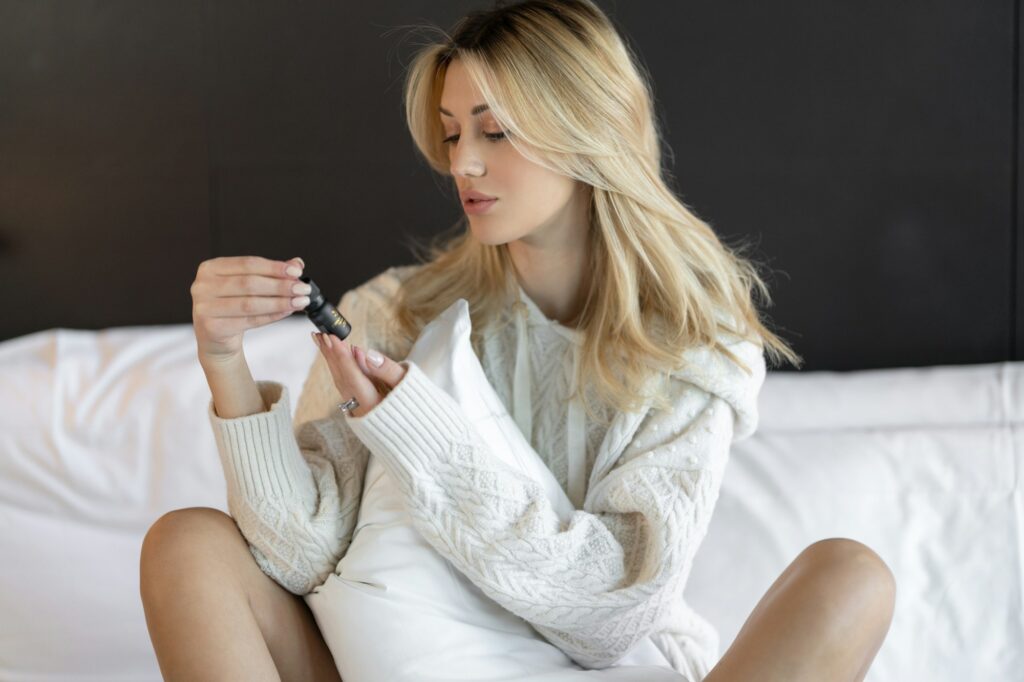
Clothing holds fragrance beautifully, and it often holds it longer than skin. Natural fibers work best. Delacourte names cotton, wool, cashmere, linen and silk as fabrics that carry scent faithfully. So a light mist on a scarf or a coat lining can last for days. Still, test a hidden area first, since some perfumes can mark delicate fabrics. Another lovely habit is to scent your surroundings. For example, tuck a scented sachet into a drawer of sweaters. Alternatively, spray a little on a handkerchief you carry. These small gestures let your signature scent travel with you all day. Better still, they work softly and without any need to reapply during the day.
Layering with care
Layering means wearing two or more scented products together to build depth. It can be lovely, yet it works best with a light touch. First, choose one star, which is your perfume. Then add only supporting layers, such as a body oil, lotion or hair mist from the same line. Because they share the same notes, they extend the scent rather than compete with it. Alternatively, pair your perfume with a simple single-note oil, such as sandalwood or vanilla, to warm the base. However, avoid mixing two strong perfumes from different families. The result often feels muddled. Above all, step back after layering and ask whether it still smells like you.
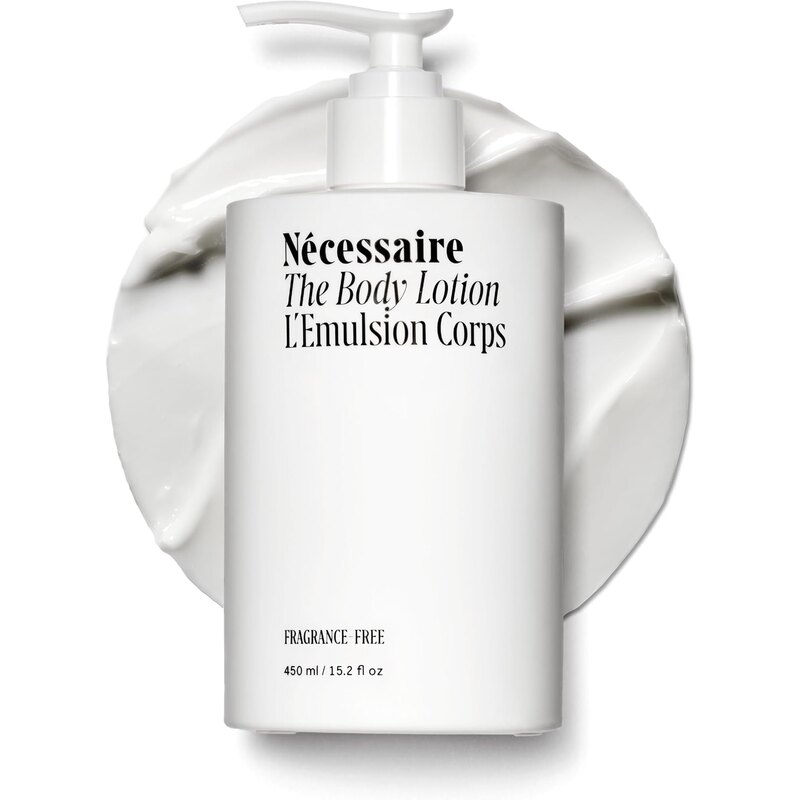
Unscented moisture first, so perfume has something to hold on to.
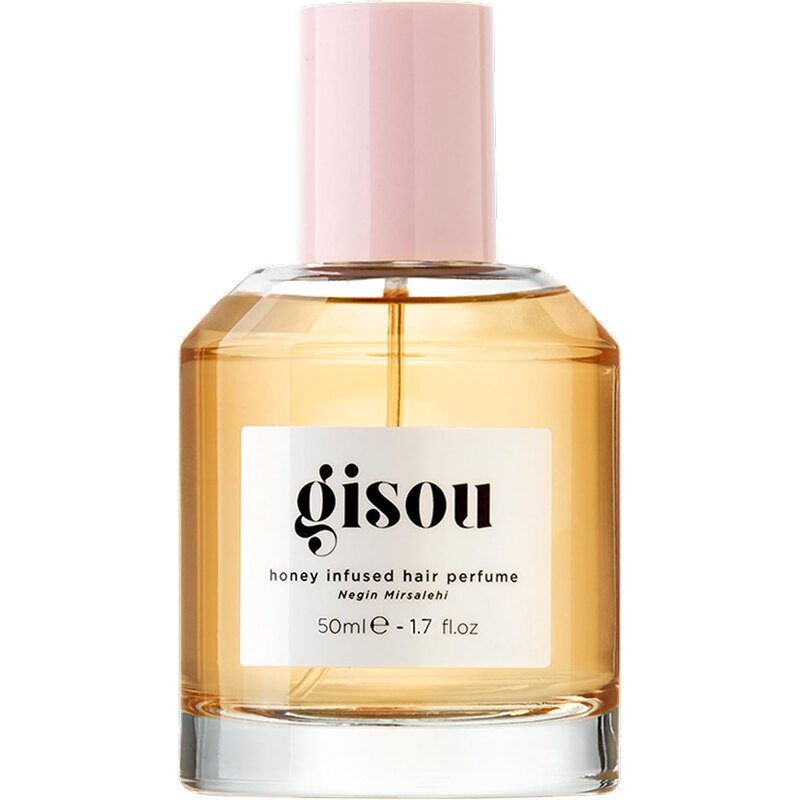
A light hair mist, kinder to hair than spraying perfume straight on.
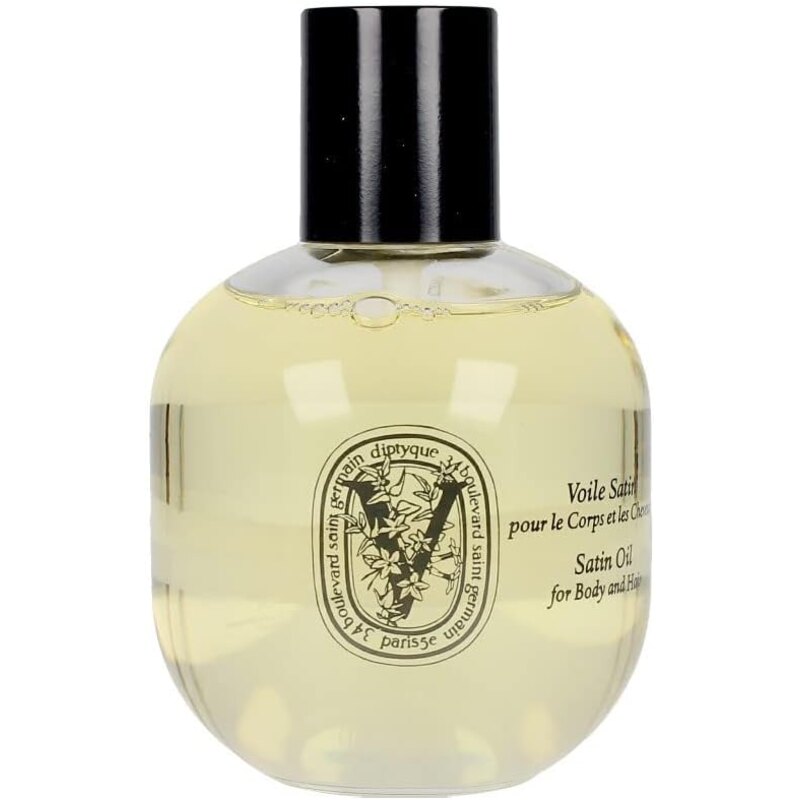
A silky oil that adds a soft base layer under your chosen scent.
Timing also changes how a perfume performs. Apply it a few minutes before you dress. That way, the alcohol settles before fabric touches your skin. For evenings, a single extra touch at the throat is usually enough. Meanwhile, in summer, heat makes perfume project more strongly, so use fewer sprays. In winter, cold air keeps scent closer to the body, which means you may wear a little more. Moreover, the rooms you spend time in matter. In a small office, one spray is often plenty. Outdoors or at a large gathering, two may feel right. Let the setting guide you. In turn, your fragrance will always feel intentional rather than loud.
How to store perfume so it lasts
A beautiful bottle deserves a thoughtful home. Light, heat and air are the three forces that change a perfume over time. Delacourte names them in her guide to preserving perfume. She is direct about one common habit. In her words, “The bathroom is a hostile environment for storing your perfume.” Steam and daylight there can alter the formula. Instead, she suggests the coolest and darkest room, which is often the bedroom. A closed drawer, a wardrobe shelf or the original box all work well. Also, keep the cap closed tightly after each use. These simple habits protect the top notes, which are always the first to change. Your bottle will thank you for the care.
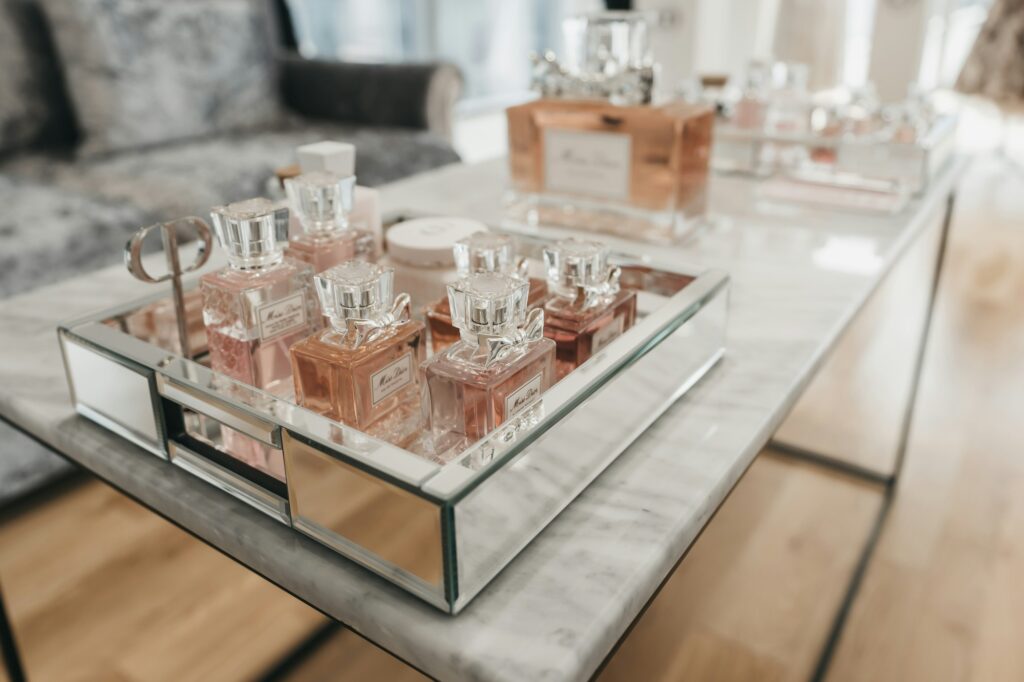
Perfume does not last forever, so enjoy it rather than saving it for an occasion that never comes. Delacourte notes that an opened perfume generally keeps for one to two years. For that reason, a large bottle is not always the better choice. If you wear several scents in rotation, smaller bottles may serve you more gracefully. Likewise, decant a little into a travel atomizer for your bag. Heat and movement there can affect a full bottle. Watch for signs of change as well. If the color darkens, the perfume has likely aged. The same is true if the opening smells sharp or flat. At that point, finish it gently and choose its successor.
One signature scent or a fragrance wardrobe?
Some women wear one perfume for decades, and it becomes inseparable from their presence. Others prefer a small fragrance wardrobe, much like a well-edited closet. Both are elegant choices. A single signature scent offers recognition and ease, since you never need to decide. A wardrobe of three or four perfumes, by contrast, lets you dress for the season or the evening. If you enjoy that idea, build it the way you would build capsule wardrobe essentials. Begin with one daytime scent you love. Then add a warmer evening perfume and perhaps a bright citrus for summer. Keep them related, so together they still feel like one person. In time, the wardrobe becomes your signature.
Scent also marks the chapters of a life. A new perfume can mark a move, a promotion or a birthday that ends in zero. Indeed, a new look and a new scent often feel meaningful together. We explore that link in why a new look feels good. If a big moment is ahead, consider choosing a fragrance as part of the milestone makeover. It can sit alongside hair, skin and wardrobe. Then, years later, one breath of it will return you to that moment. Moreover, your preferences may shift with time. Many women find that warmer ambers or softer florals suit them later in life. So revisit your choice whenever it no longer feels like you.
Scent as part of a wider ritual
Fragrance is one way to feel at home in yourself, and care from within is another. Both reward patience. A perfume settles into your skin slowly, and so does any lasting change in how you feel. That inner care is the heart of our skin and gut ritual. It is a gentle daily practice for skin and gut, from within. It sits naturally beside a signature fragrance, because both ask for attention rather than excess. Join the waitlist, and we will write to you when it is ready. Meanwhile, keep your perfume ritual simple. Choose with care, wear it often and store it well. Then let it become part of your story.
The research, in brief
Every figure and expert claim in this guide comes from a named source. Bushdid and colleagues estimated, in Science in 2014, that people can discriminate at least one trillion odor mixtures. Alinaghi and colleagues reported about 3.5 percent contact allergy to fragrance mix I. Their 2019 meta-analysis appeared in Contact Dermatitis. Labeling of fragrance ingredients follows the US Food and Drug Administration. Fragrance-free guidance follows the American Academy of Dermatology. The description of the IFRA Standards comes from the International Fragrance Association. Finally, the families, note pyramid, concentrations, testing, application and storage advice come from one published guide. Its author is perfumer Sylvaine Delacourte, former director of creation at Guerlain. Checked November 2026.
Sources: Science · Contact Dermatitis.
Recommended
A scent that feels like you
Finding a signature scent is less about a famous bottle and more about attention. First, you learn your family and read the notes. Then you test on your own skin and live with a perfume before you commit. Along the way, you discover what soothes you, what lifts you and what feels like home. After that, you wear it often, store it kindly and let it gather memories. If you take only one step this week, ask for two samples in the family you already love. Wear each one for a full day. Then write three words about how it made you feel. That small ritual is where your own fragrance story begins.

Each tool above follows the same idea. Beauty and style are rituals you choose rather than problems to solve. The ring quiz is a gentle way to understand your own taste. It suits you especially if a proposal or anniversary is near. Meanwhile, the 21-Day ritual turns attention inward, toward skin and gut, at a pace you can keep. And the Makeover Bible gathers hair and skin rituals into one guided reference you can return to. Each offers one clear next step, which is how lasting change begins. So choose the one that matches where you are today, alongside your fragrance. Then come back for the next when you are ready, because the journey has no deadline.
The 21-Day Skin & Gut Health Reset is a gentle daily ritual that cares for skin and gut, from within. It asks for attention rather than excess. Join the waitlist, and we will write to you when it is ready.
Join the waitlistQuestions worth asking
How do I find my signature scent?
Start with the fragrance family you already love, such as citrus, floral, chypre, amber, woody or fougère. Test two or three perfumes from that family on your skin, not only on paper. Wear each for a full day and night, take notes, and choose the one you reach for without thinking.
What are fragrance families?
Fragrance families group perfumes by their main character. Perfumer Sylvaine Delacourte describes six classic families: hesperidic or citrus, floral, chypre, oriental or amber, woody and fougère. Knowing your favorite family gives you a map, so you can describe what you love and find similar perfumes with confidence.
What is the difference between eau de parfum and eau de toilette?
Both describe concentration, meaning how much perfume oil is blended with alcohol. Eau de parfum is usually richer and fuller, while eau de toilette feels lighter and brighter. There is no strict standard behind the names, and a higher concentration does not guarantee longer wear, so test both versions on your skin.
What are top, heart and base notes in perfume?
They describe how a perfume unfolds. Top notes, such as citrus, are the most volatile and fade first. Heart notes, often floral or spicy, form the main character. Base notes, such as woods, vanilla and musk, evaporate slowly and linger longest. The layers interlock rather than leave in strict order.
How can I make my perfume last longer?
Apply perfume to moisturized skin, since it holds poorly on dry skin. Spray warm areas such as the wrists and throat, and do not rub your wrists together. A light mist on natural fabrics like wool, cotton or silk also lasts well. Store the bottle away from light, heat and bathroom steam.
How long does perfume last once opened?
Perfumer Sylvaine Delacourte notes that an opened perfume generally keeps for one to two years. Light, heat and air change it fastest, so store the bottle closed, in its box or a drawer, in a cool, dark room. A darker color or a sharp, flat opening suggests it has aged.
