The Artist · Craft
Airbrush makeup promises a fine, even finish that lasts through long days, close-ups and dancing. In skilled hands, it delivers. In unskilled hands, it can look flat, patchy or heavy. For working artists, the airbrush is a tool to master, not a shortcut. This guide, part of the hub for professional makeup artists, covers how airbrush systems work, how to choose a machine and foundation, how to apply it well and when to use it instead of brushes and sponges.
It is written for professional and training artists in the US who are deciding whether to add airbrush to their kit.
The short answer
Airbrush makeup uses a small spray gun, powered by a compressor, to apply a fine mist of liquid foundation, blush or color. It suits bridal, film and body work because it builds sheer, even layers that last well. Professionals choose a dual-action or single-action airbrush and a quiet compressor, use foundations made for airbrush, work at low pressure in thin passes and clean the gun thoroughly after every client.
In this guide
- What airbrush makeup is
- How airbrush systems work
- Airbrush makeup vs traditional application
- Choosing an airbrush makeup machine and kit
- Airbrush makeup foundation types
- Airbrush makeup for beginners: technique
- Blush, contour and highlight with airbrush
- Airbrush makeup for weddings
- Body makeup, tattoo cover and effects
- Is airbrush right for you?
- Questions worth asking
What airbrush makeup is
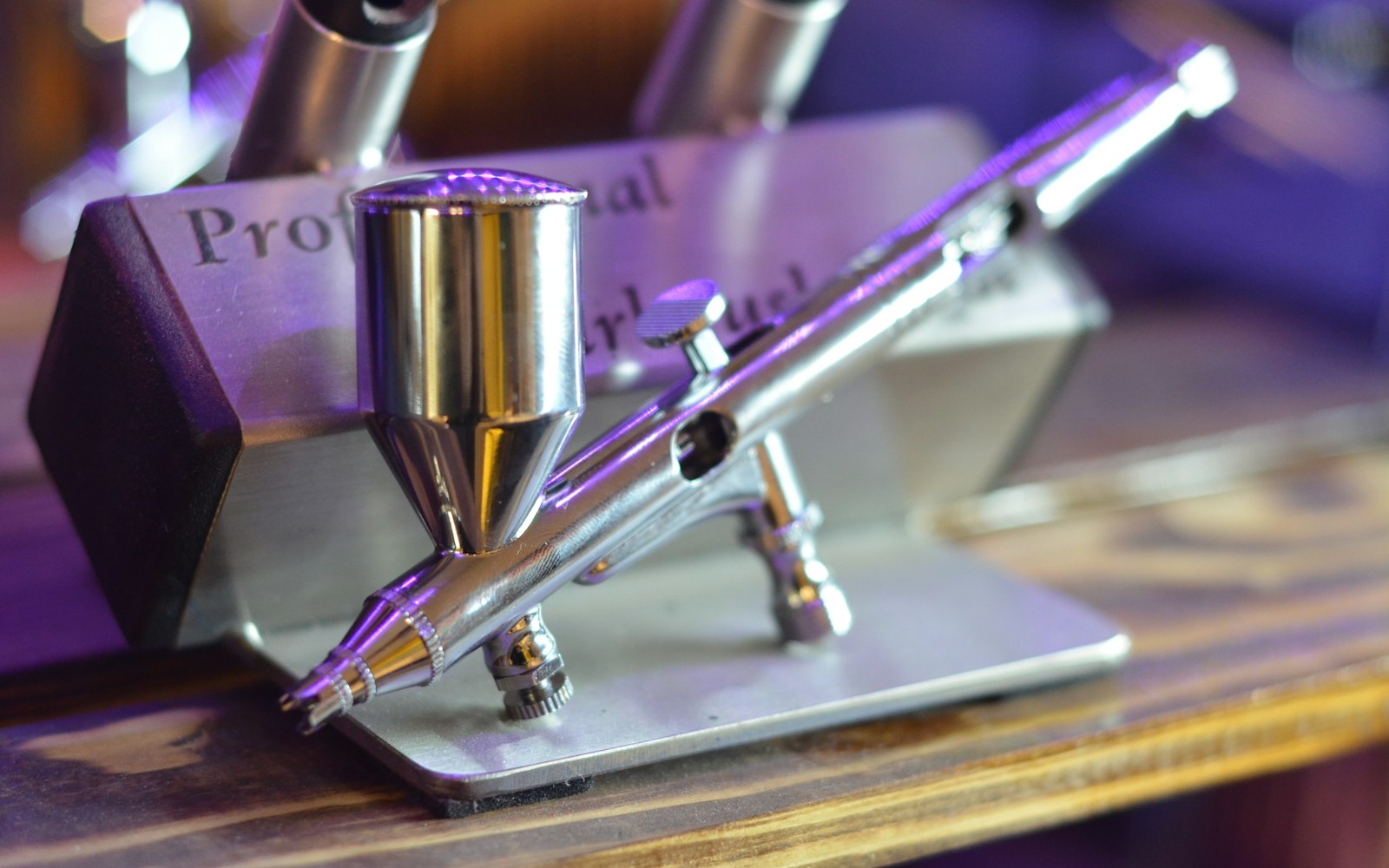
Airbrush makeup is makeup applied with an airbrush: a small spray gun connected by a hose to an air compressor. Liquid product goes into a cup or bottle on the gun, and compressed air turns it into a fine mist that lands on the skin in tiny droplets. The droplets are small and evenly spread. As a result, the finish can look smooth and skin-like, with no brush marks or sponge texture. Artists use it for foundation, blush, contour, highlight, brows, body makeup and tattoo cover. It is also widely used for body art and effects, where large areas must be colored quickly and evenly. In short, airbrush is a delivery method. The skill lies in the product, the pressure, the distance and the hand.
Airbrush has a strong reputation in bridal and screen work, and for good reason. A well-applied airbrush base is light and builds coverage gradually. It often lasts longer than traditional application, which matters on long wedding days and film shoots. It is also hygienic in one important way: nothing touches the skin except the product. However, airbrush is not automatically better. It can look flat if applied too heavily, and it is harder to adjust quickly than a brush. The equipment also needs careful cleaning and maintenance. For that reason, most professionals treat airbrush as one tool among several. They choose it when it suits the skin, the look and the schedule, and use traditional tools when those suit better.
How airbrush systems work
Every airbrush system has three parts: the airbrush itself, the compressor and the hose that connects them. The compressor supplies a steady stream of air at low pressure. When you press the trigger, air flows through the gun and draws product out of the cup. The air then breaks it into a fine spray. The nozzle and needle control how much product comes out and how fine the spray is. Meanwhile, distance controls how wide and how dense each pass will be. Small changes make a big difference, so practice on paper and on your own arm before working on a client. Most makeup systems are designed to run at much lower pressure than airbrushes used for painting models or cars.
Single-action and dual-action
A single-action airbrush releases air and product together when you press the trigger, which makes it simpler to learn. A dual-action airbrush controls air by pressing down and product by pulling back, which gives finer control once you have practiced. Most professionals eventually prefer dual-action.
Gravity feed and siphon feed
On a gravity-feed airbrush, the cup sits on top and gravity helps the product flow, which suits the small amounts used in makeup. Siphon-feed airbrushes draw product from a bottle below, which suits larger body work.
Pressure is the setting artists adjust most. Lower pressure gives a softer, finer mist with less overspray, which suits faces, especially around the eyes. Higher pressure covers larger areas faster, which suits bodies and legs. Many makeup compressors have a dial or several fixed settings for exactly this reason. Always follow the manufacturer’s guidance for your system and your products, because foundations differ in thickness. Meanwhile, keep the compressor on a stable surface away from the client’s face, and check that the hose is not kinked or worn. Noise matters too. A quiet compressor keeps the room calm, which is especially important on a wedding morning. In short, understand your machine before you understand your technique.

You may also like
On-Camera Makeup: HD Makeup for Film, TV and Photography

You may also like
How to Become a Bridal Makeup Artist
Airbrush makeup vs traditional application
Artists and clients often ask whether airbrush is better than traditional application. The honest answer is that each has strengths. Airbrush builds sheer, even layers and lasts well, which suits long days, warm venues and high-resolution cameras. Traditional application with brushes and sponges gives more control over coverage and texture and is quicker to adjust. Some skin types suit one method better than the other. Very dry or textured skin may need the hydration and press of a sponge. Oily skin, on the other hand, often holds airbrush well. Many artists combine both: airbrush for the base and body, brushes for eyes, brows, lips and precise correction. The table below summarizes the main differences.
| Airbrush | Traditional | |
|---|---|---|
| Finish | Fine, even mist; light layers | Varies with tool; can press or buff |
| Coverage | Builds sheer to full gradually | Easy to target heavy coverage |
| Wear | Often long-lasting with the right formula | Depends on formula and setting |
| Speed | Fast once set up; setup and cleaning take time | Fast to start; no cleaning of a gun |
| Control | Needs practice for precise work | Precise with the right brush |
| Best for | Bridal, screen, body and tattoo cover | Textured skin, quick changes, detail |
Clients sometimes request airbrush because they have heard it lasts all day or looks like real skin. Both claims can be true, but only with the right skin preparation, formula and technique. For that reason, explain the options honestly during the consultation and the trial. Show the client both methods if you are unsure which will suit them. Meanwhile, price airbrush according to the extra equipment, products and cleaning time it requires. Our guide to how working artists set prices explains how to build those costs into your rates. Above all, choose the method for the client, not for the marketing. A beautiful traditional base will always outshine a poor airbrush base.
Choosing an airbrush makeup machine and kit
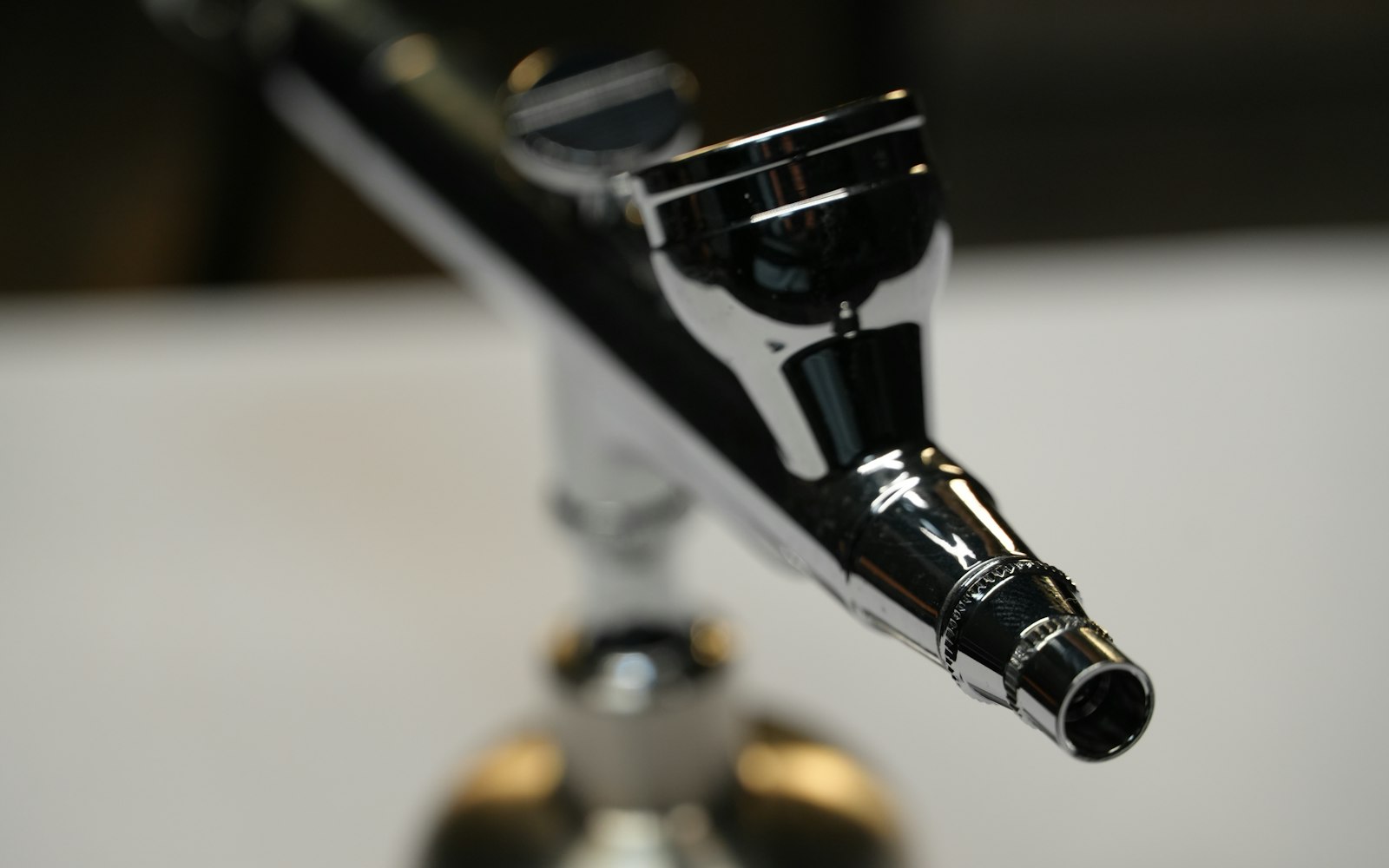
An airbrush makeup kit usually includes an airbrush, a compressor, a hose and a starter set of foundations. Consumer kits are designed for simplicity, while professional systems offer more control, durability and choice of products. When choosing, look at the airbrush first: its action, its cup size, its nozzle and how easily it comes apart for cleaning. Then look at the compressor: its noise and its pressure settings. Check whether it has a cooling fan for long use and whether it is portable enough for location work. Finally, check that replacement parts and compatible products are easy to buy. Many artists start with a well-regarded professional airbrush and compressor, then choose foundations separately, rather than relying on one brand’s closed system.
Iwata Eclipse HP-CS Airbrush Set — a professional gun and compressor
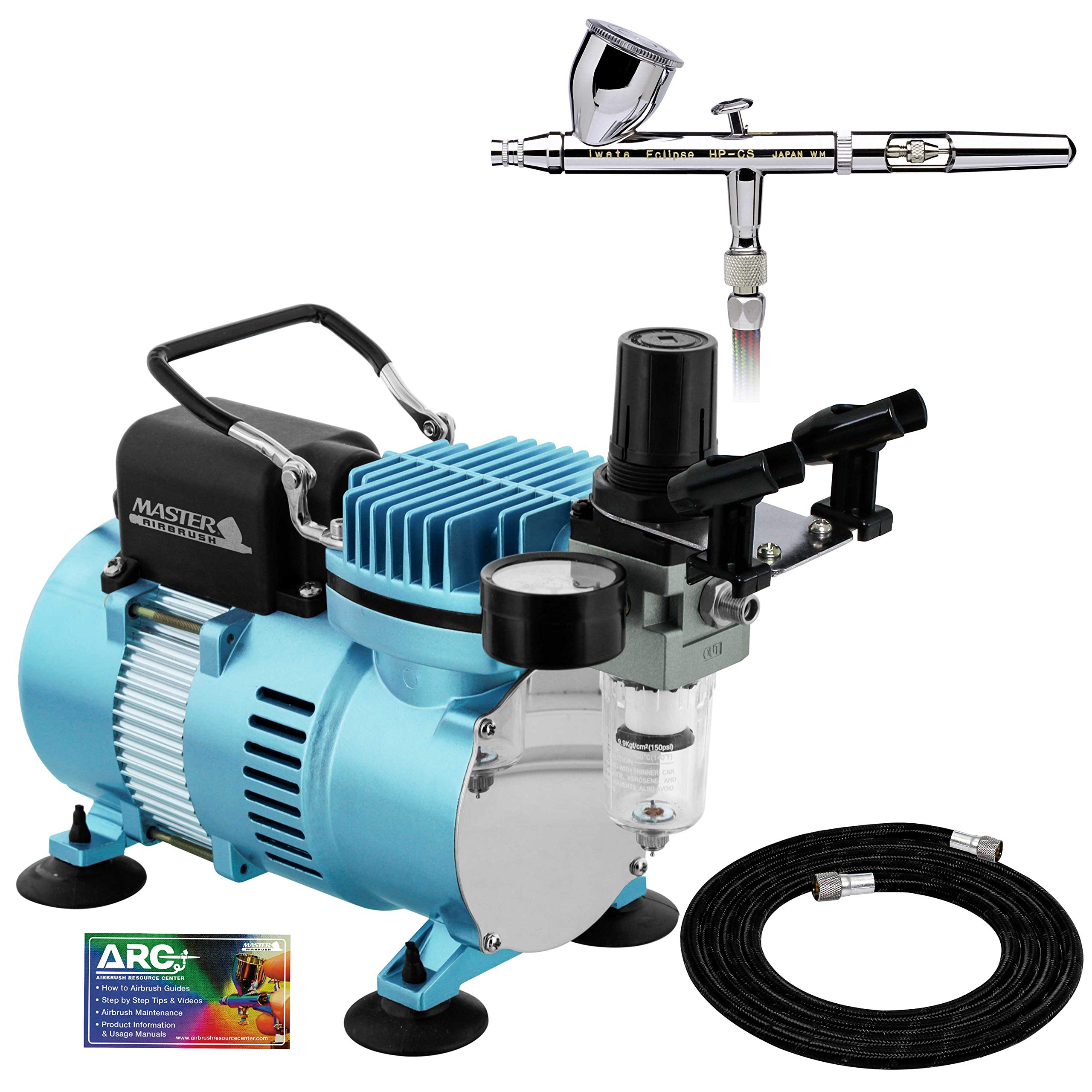
A set pairing Iwata’s gravity-feed, dual-action Eclipse HP-CS airbrush with the Cool Runner II dual-fan compressor. It suits artists who want fine control from a dual-action gun and a dual-fan compressor. The gravity-feed cup suits the small amounts of foundation used on faces, and the set gives you a single, matched system to learn on before you add a second airbrush for body work.
Upgrading over time
You do not need the most expensive system to start. Many artists begin with a reliable mid-range airbrush and compressor, learn the technique thoroughly and upgrade once airbrush becomes a regular part of their bookings. When you do upgrade, the compressor is often the first change, because a quieter, more consistent unit makes long wedding mornings easier. Meanwhile, keep spare needles, nozzles and a second hose in your kit, since a single damaged part can stop a whole job. Track what you spend on equipment, too, because those costs belong in your airbrush pricing.
A good machine is only half the system. The foundation you spray matters just as much, because airbrush products are thinner than traditional foundations and behave differently on the skin. Most airbrush foundations fall into a few families: water-based, silicone-based and alcohol-based. Each has a different feel, wear and removal method, so the right choice depends on the client and the job. Meanwhile, check that the foundation is designed for your type of airbrush, because some closed systems only accept their own cartridges. Buy a small range of shades and learn to mix them, rather than buying every shade. Above all, test every product on your own skin and under the light you will work in before using it on a client.
Airbrush makeup foundation types
Choosing the right airbrush makeup foundation starts with the skin and the setting. Water-based foundations feel light and suit dry and normal skin, but may wear faster in heat. Silicone-based foundations are long-wearing and water-resistant, which suits weddings, warm venues and long shoots. They need a dedicated remover. Alcohol-based products are the most durable and are mostly used for body art, special effects and tattoo cover, where they must survive sweat and contact. For that reason, many artists carry a silicone-based range for faces and an alcohol-based range for bodies and effects. Our guide to color theory for makeup artists explains how to match and mix shades, which applies just as much to airbrush.
Skin preparation
Airbrush sits on top of the skin, so preparation shows. Cleanse, hydrate and prime, and let each layer settle. Dry patches and peeling skin show clearly under a fine mist, so treat them first.
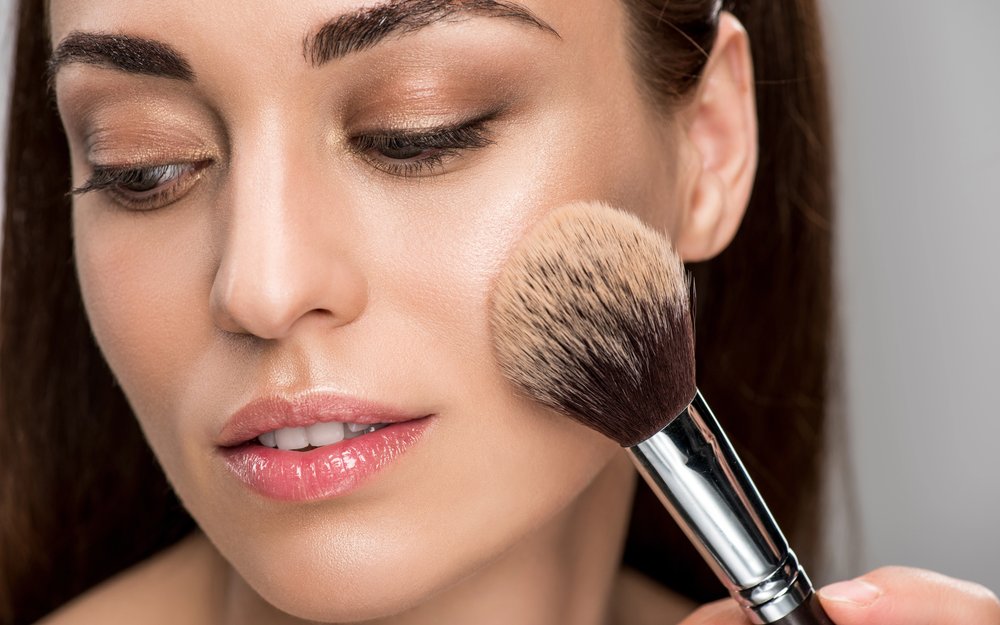
A professional airbrush kit also needs cleaning tools and a reliable foundation range. A pro kit with several shades lets you match and mix on location, while a dedicated airbrush foundation suits weddings and screen work. Meanwhile, a proper cleaning kit, with brushes, needles and a cleaning pot, keeps the airbrush working and hygienic. Many problems that artists blame on the airbrush, such as spitting and uneven spray, are really cleaning problems. Clean between clients, deep clean at the end of every day and replace worn parts promptly. In practice, a well-maintained airbrush lasts for years. The three products below cover a kit, a foundation and cleaning. Each earns its place in a working kit.
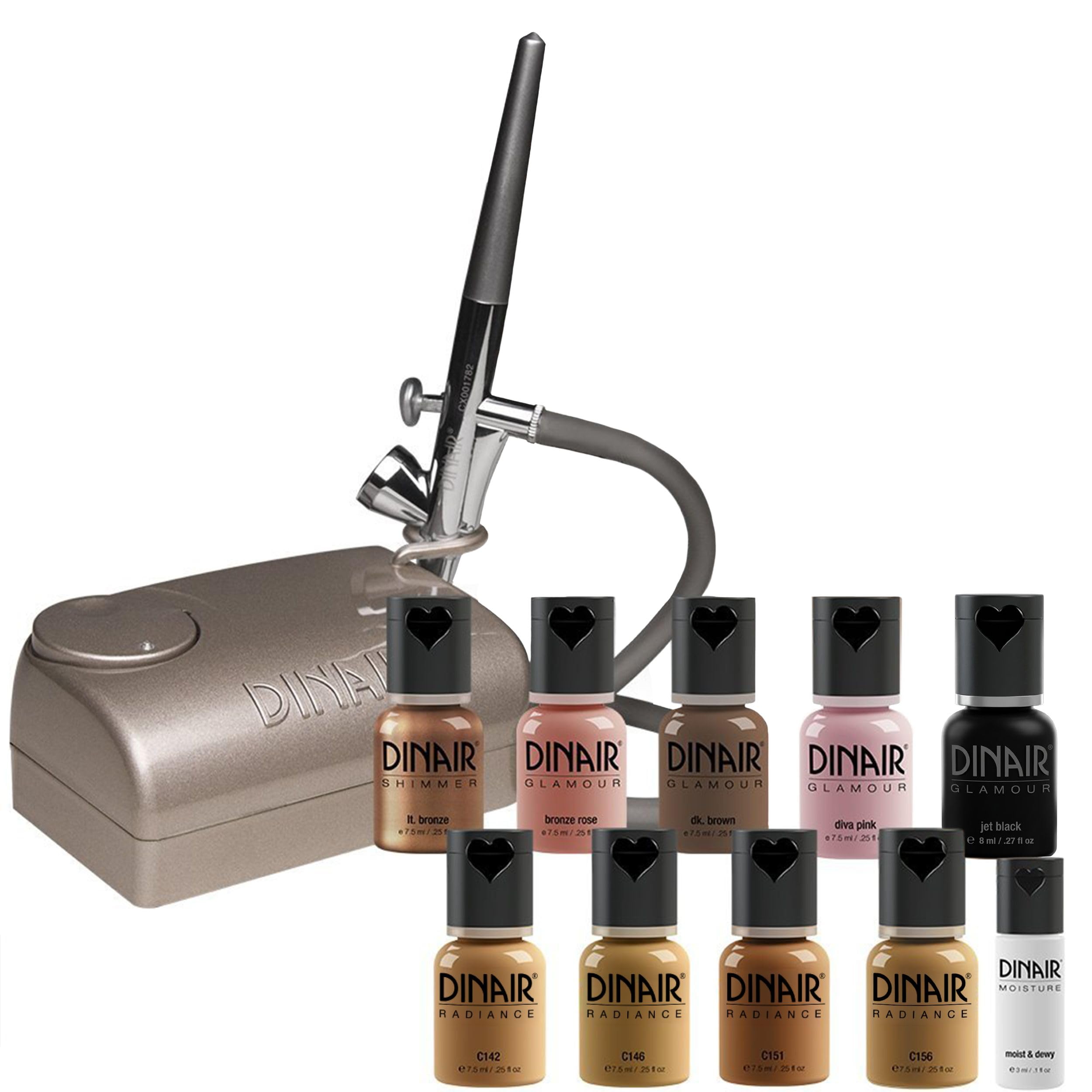
A complete airbrush system; this listing is the Tan shade set.
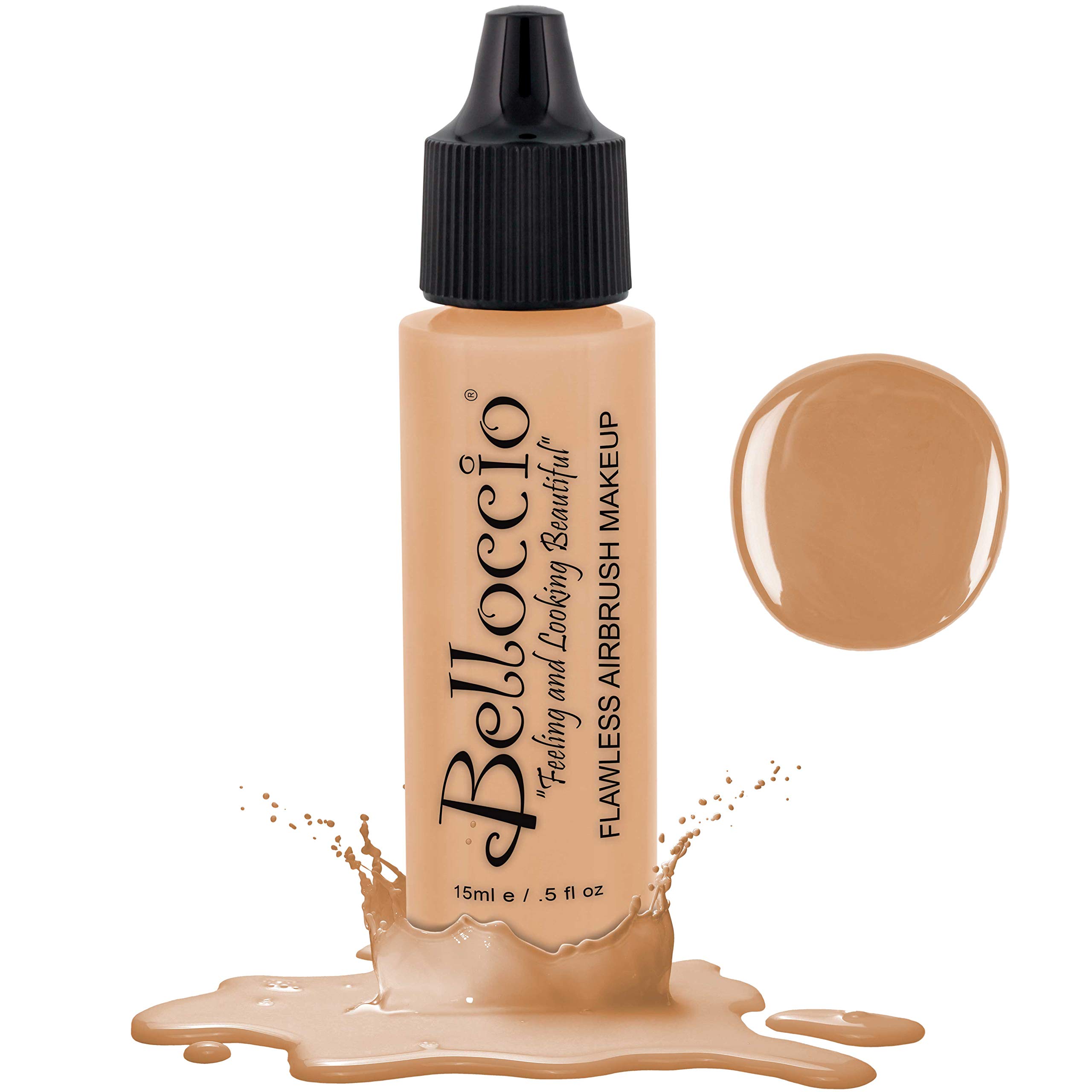
A foundation formulated for airbrush application.
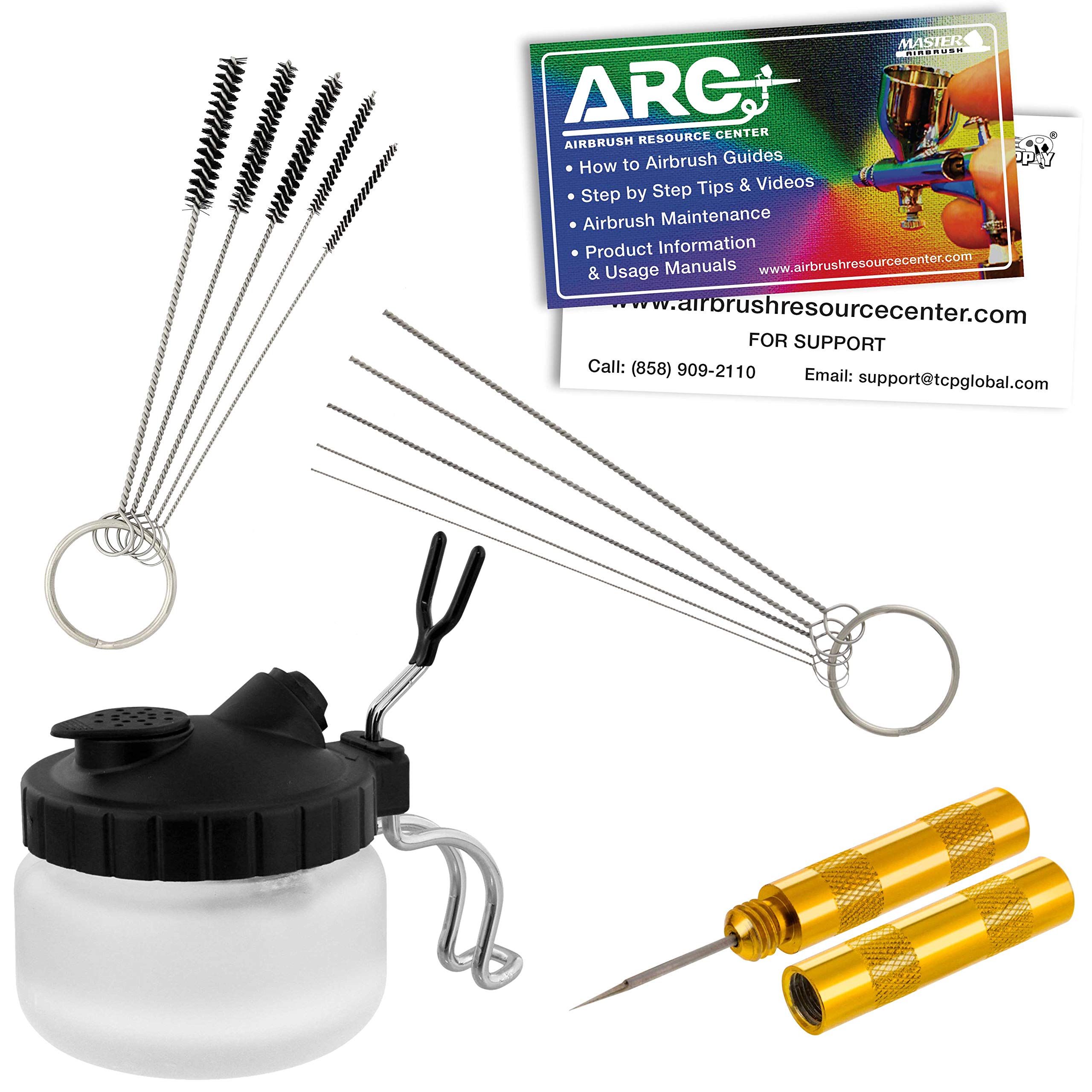
Brushes, needles and a cleaning pot for daily care.
Airbrush makeup for beginners: technique
Airbrush technique is about control: distance, angle, pressure and movement. Start with the gun several inches from the skin, closer for detail and farther for wide coverage, and move it in small, continuous circles or sweeping passes, never stopping in one spot. Keep the spray moving even as you release the trigger, so product does not pool. Build coverage in several thin layers rather than one heavy one, letting each settle for a moment. Meanwhile, ask the client to close their eyes and hold their breath briefly when you work near the eyes and nose, and use lower pressure there. Finally, check your work in good light from several angles, and refine details with a brush where needed.
- Prep the skin and let primer settle.
- Load a few drops of foundation into the cup.
- Test the spray on the back of your hand.
- Apply in thin, moving passes, keeping a steady distance.
- Build coverage only where needed.
- Add blush, contour and highlight with lower pressure.
- Finish eyes, brows and lips with traditional tools.
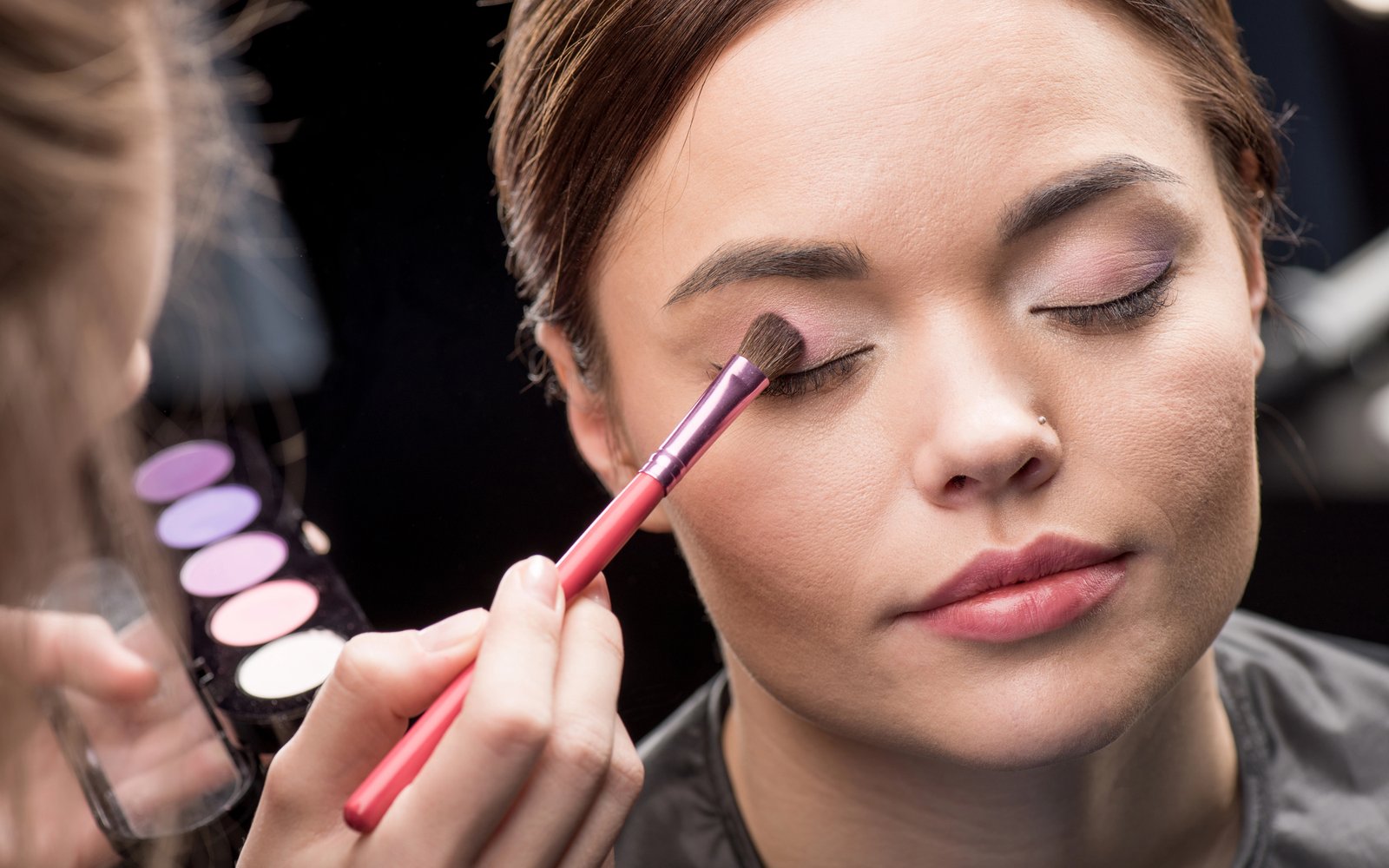
Common mistakes are easy to avoid once you know them. Spraying too close creates spots and runs, while spraying too far creates a dry, dusty finish and waste. Stopping the gun while spraying leaves a dense patch. Too much product in one pass looks flat and mask-like. Meanwhile, a gun that spits or sprays unevenly usually needs cleaning or has a damaged needle. Practice on a mannequin head, on paper and on your own arm until your passes are smooth and consistent. Then practice on friends with different skin types before your first paid airbrush client. In practice, a few weeks of regular practice make a dramatic difference.
Blush, contour and highlight with airbrush
Airbrush is not only for foundation. With lower pressure and a lighter touch, it can place blush, contour and highlight with a softness that is hard to achieve with powder. Load a small amount of color, test the spray on your hand and build slowly, because airbrushed color intensifies quickly. Meanwhile, use your free hand or a card as a shield to keep color off areas where you do not want it, such as the hairline or the eye area. Many artists airbrush the base and blush, then finish contour and highlight with brushes for more control. In short, airbrush rewards restraint: two light passes look better than one heavy one.
Working across skin tones
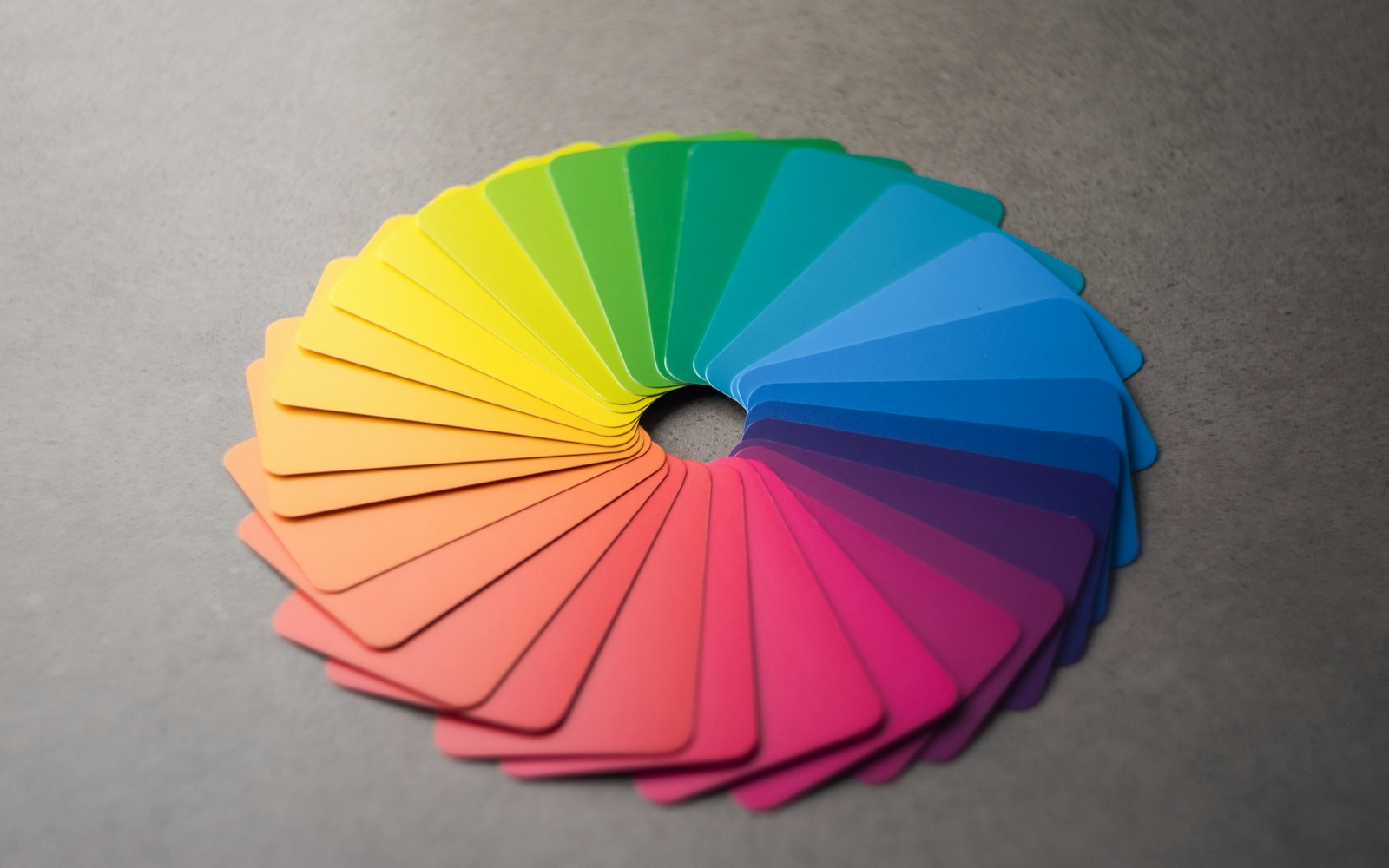
Airbrush works on every skin tone, but shade matching needs extra care because the finish is so thin. On deep skin, choose foundations with enough pigment to avoid an ashy cast, and add warmth or depth with a second shade if needed. On fair skin, start very sheer, because even a slightly wrong shade shows quickly. Meanwhile, mixing shades in the cup is easy with airbrush, so keep a small range of light, medium and deep tones plus a few adjusters. Our guide to color theory explains undertone matching in more depth. Above all, check every match in daylight before you finish. Write the final mix on the client card for next time.
Airbrush makeup for weddings
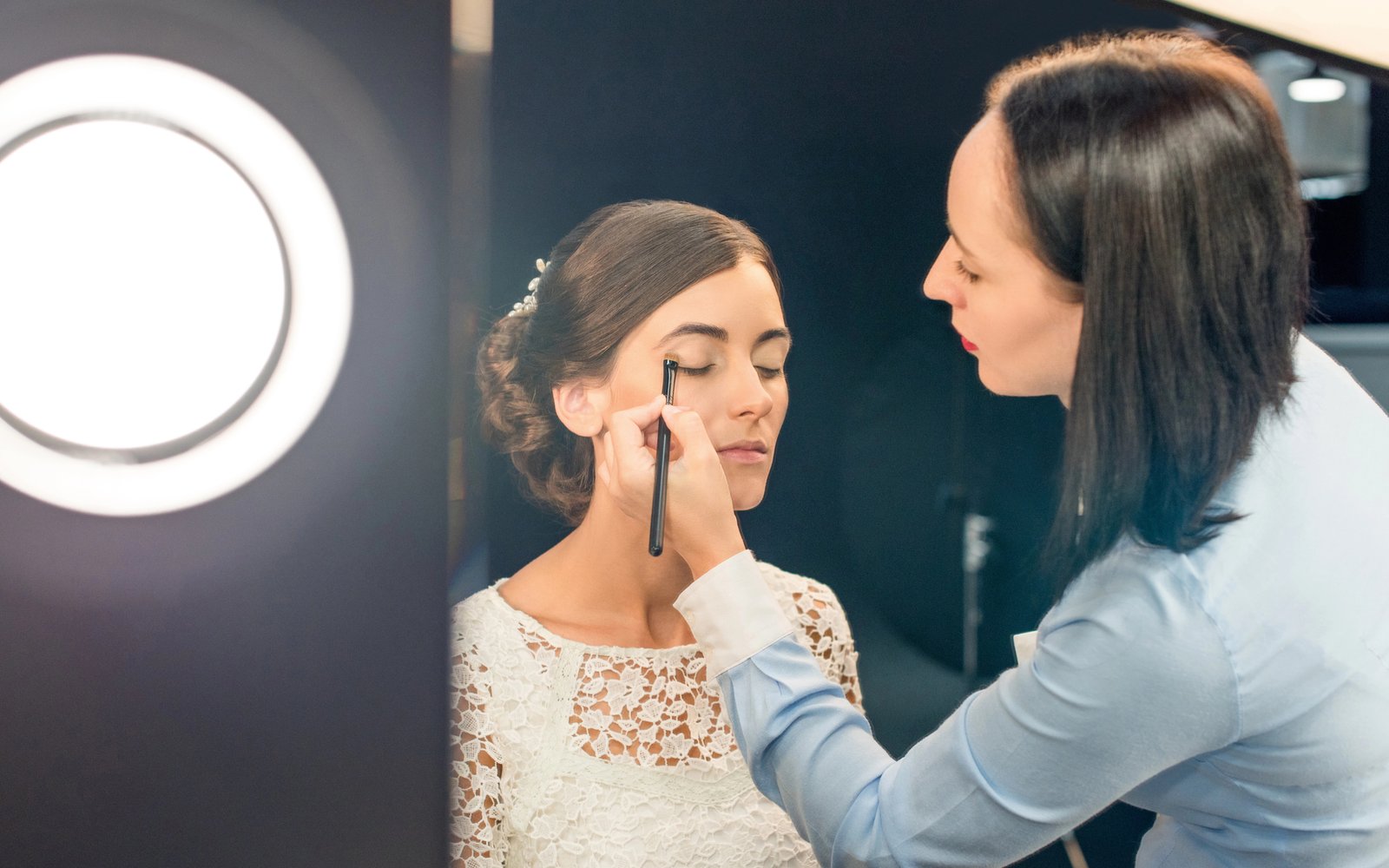
Bridal is where airbrush is most often requested. Brides want makeup that lasts from the first look to the last dance, survives tears and looks natural in photographs and in person. A silicone-based airbrush base, well prepared and lightly set, can do all of that. However, bridal clients vary widely, and some skin types look better with traditional application. For that reason, the trial is essential. Try airbrush during the trial, photograph it in daylight and with flash and ask the bride to wear it for several hours. Our guide to becoming a bridal makeup artist covers trials and bridal technique in more depth. Keep notes of the shades and pressures you used, so the wedding day matches the trial exactly.

You may also like
Bridal Makeup Business: Trials, Bookings and Building a Team
You may also like
Color Theory for Makeup Artists: Undertones, Correcting and Light
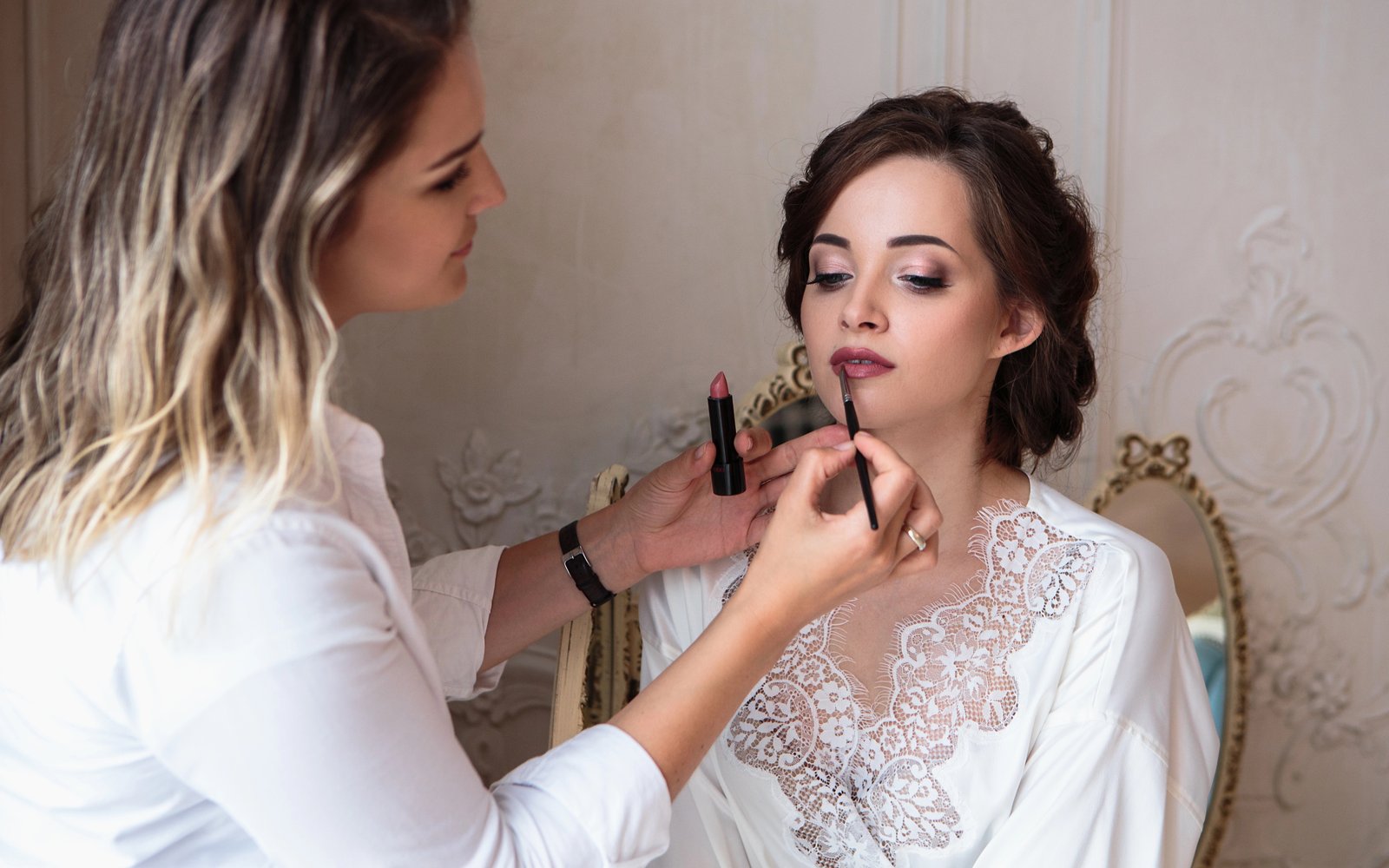
On the wedding morning, airbrush has practical advantages and challenges. It is quick once set up, which helps with large bridal parties, and it gives a consistent finish across many faces. However, setup and cleaning take time, and the compressor needs a power outlet and a stable surface. Plan your station accordingly, and check the venue in advance if you can. Meanwhile, clean the gun thoroughly between every client, both for hygiene and to avoid mixing shades. Many bridal artists offer airbrush as an add-on, priced to reflect the equipment and time. Our bridal business guide explains packages and pricing. Bring an extension cord and a spare hose to every wedding, because venues rarely have an outlet exactly where you need it.
Body makeup, tattoo cover and effects
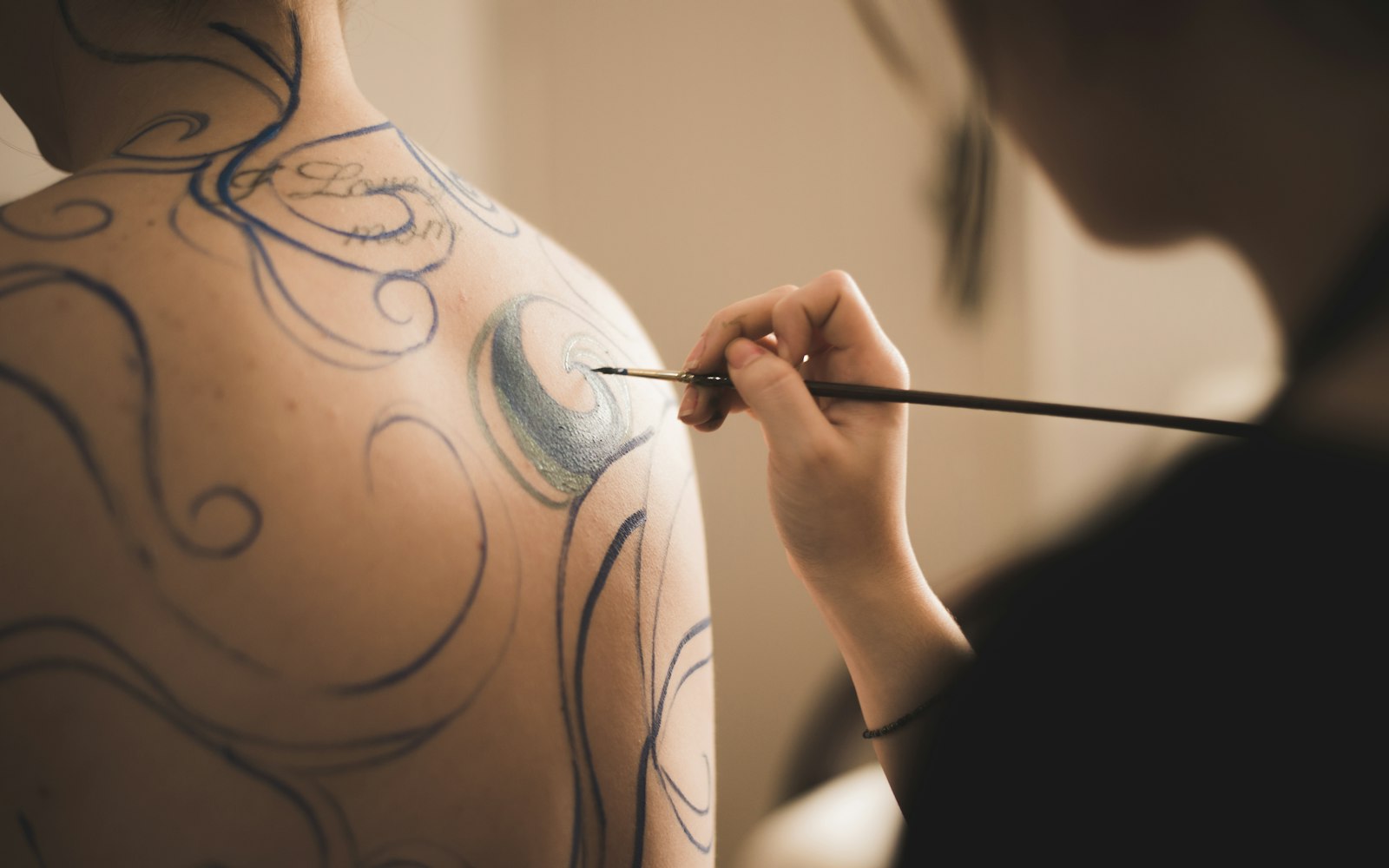
Airbrush is especially valuable for large areas. Body makeup for shoots and stage, tattoo cover for film and weddings and body art all benefit from its speed and even coverage. For tattoo cover, artists often neutralize the ink with a corrector first. Then they build skin tone in thin layers and add natural variation, so the area does not look flat. Alcohol-based products are common for this work because they resist rubbing and sweat. Meanwhile, airbrush is widely used in special effects for bruising, aging and creature work. Our guide to special effects wound makeup covers the effects side of the craft. For body work, plan the order of areas in advance, so the model is not standing for longer than necessary.
Safety around sprays
Spraying puts product in the air, so protect the eyes, nose and mouth, and work in a well-ventilated space. The FDA notes, about spray tanning with DHA, that consumers should protect their eyes and mucous membranes and prevent inhalation. The same caution makes sense for any spray work near the face. Patch test new products in advance; the FDA advises testing makeup 24 to 48 hours ahead on a small area of skin.
Hygiene is one of airbrush’s strengths, but only if the equipment is clean. Clean the cup, nozzle and needle between every client with the cleaner suited to your foundation, and deep clean at the end of each day. Never share foundation from a client’s cup with another client. Pour fresh product for each person. Meanwhile, store the airbrush dry and covered, and replace needles and nozzles when they are damaged, because worn parts spray unevenly. Keep the compressor and hose clean and dust-free as well. A clean, well-maintained station also reassures clients, who notice every detail on an important day. In short, care for the equipment is part of the service.
Is airbrush right for you?
Airbrush makeup is a valuable skill for bridal, screen and body work, but it is not essential for every artist. If your work is mainly editorial or quick-turnaround events, traditional tools may serve you better. If you work long wedding days, film sets or body projects, airbrush can save time and improve wear. Start by learning the basics on a quality system, practicing until your passes are smooth and testing products on many skin types. Then offer airbrush as an option, explained honestly, and priced to reflect the equipment and time. Above all, remember that the finish depends on the artist more than the machine. Our guide to on-camera makeup explains how airbrush and traditional bases read on screen.
Tools and library


The three tools above support the business around your airbrush work. The calculator helps you price airbrush add-ons, including equipment, product and cleaning time. Meanwhile, the quiz helps you decide whether bridal, screen or body work, where airbrush matters most, suits you best. The library gathers the career guide, notebooks and workbooks, including kit and client record pages where you can note shades and pressures. Start with the calculator if you are adding airbrush to your services. If you are still choosing a specialty, start with the quiz. Either way, revisit all three as your kit and your bookings grow. Together, they keep the business side as polished as the finish.
From the Artist Library
Equipment is an investment. The guide covers pricing, contracts, agencies, kit economics and the first five clients, in plain terms.
Questions worth asking
What is airbrush makeup?
Makeup applied as a fine mist with a small spray gun powered by a compressor. It builds sheer, even layers and is common in bridal, screen and body work.
Is airbrush makeup better than traditional makeup?
Neither is always better. Airbrush lasts well and looks even; traditional tools give more control and suit textured skin. Many artists use both.
What do I need for an airbrush makeup kit?
An airbrush, a quiet compressor, a hose, airbrush foundations in a range of shades and a cleaning kit. Professionals often buy the gun and compressor separately.
Is airbrush makeup good for weddings?
Often, yes, because it lasts well and photographs evenly. Test it at the trial, in daylight and with flash, before the wedding day.
How far should you hold an airbrush from the face?
Several inches away, closer for detail and farther for wide coverage, moving constantly and using lower pressure near the eyes. Follow your machine and product guidance.
Is airbrush makeup safe?
Use products made for skin and airbrush, patch test in advance, work in a ventilated space and protect the eyes, nose and mouth from spray.
