
What is makeup artistry? At its simplest, it is the skilled use of makeup to change how a face reads, for a client, a camera or an audience. In practice, it is also a trade, a set of career paths and a way of thinking about work. This guide, part of the full hub for professional makeup artists, explains the craft, its branches and the mindset that keeps artists working.
It is written for artists in the United States who are deciding whether to train, choosing a specialty or looking at their work with fresh eyes.
The short answer
Makeup artistry is the professional craft of applying makeup, and sometimes prosthetics, to enhance or transform appearance for a person, a camera or a stage. Its main branches are beauty and retail, bridal, editorial and fashion, film and television, special effects and theater. Each uses the same core skills, such as color, skin and light, in a different setting.
In this guide
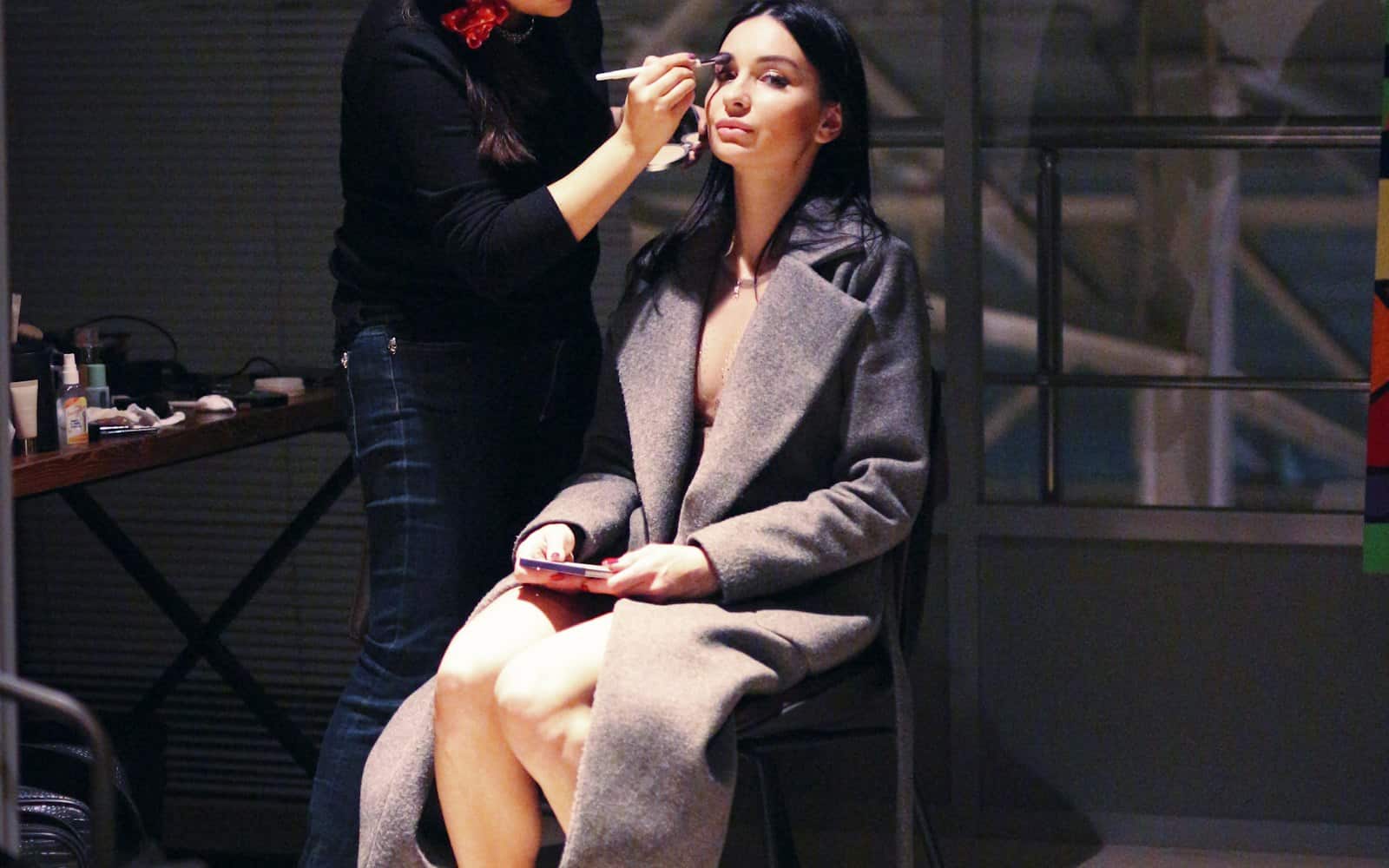
What is makeup artistry?
So what is makeup artistry, beyond the short answer? It is the craft of reading a face and deciding what it needs. Every application starts with questions. Who will see this face, under what light, for how long, and through what lens? A bride is seen in person and in photographs for twelve hours. An actor is seen in close-up on a large screen.
A dancer is seen from the back row of a theater. Consequently, the same foundation, lipstick or contour is used very differently in each case. In addition, the artist works on another person, which brings hygiene, consent, timing and conversation into the craft. That combination of technical skill and judgment is what separates makeup artistry from simply wearing makeup well.
Is makeup art?
Makeup is art in the sense that it uses color, form and light to create an effect, and the best artists develop a recognizable eye. It is also applied art, made for a purpose and judged by whether it works. A look that photographs beautifully but melts in an hour has failed the client. Most working artists hold both ideas at once: they care about beauty, and they care just as much about reliability. That balance is worth keeping in mind as you read the branches below, because each one weighs art and reliability differently. Editorial work leans toward ideas, while bridal and film work lean toward consistency. Meanwhile, theater and special effects reward invention under strict practical limits.
The branches of makeup artistry
Makeup artistry divides into several branches. They share core skills, but each has its own clients, pace, pay and culture. Many artists work across two or three branches, especially early in their careers. Even so, most eventually lead with one, because clients look for specialists. The overview below covers the six main branches in the US. For each one, it notes who the client is, what the work demands and where to go next on Cossèt Môi. As you read, notice which settings appeal to you: a quiet bridal suite, a fast backstage, a film set before dawn or a theater on opening night. Your answer is often a better guide to a specialty than any list of skills.
Beauty and retail
Beauty artists work at brand counters, in salons and for private clients. The work is fast, social and product-led. It is often where artists learn to work on many skin types quickly, and where many first build a client list.
Bridal
Bridal artists work with brides and wedding parties, usually on location. The craft demands long-wearing makeup, calm under pressure and a gift for reassurance. Our guide to becoming a bridal makeup artist covers training, pricing and finding clients.

Editorial and fashion
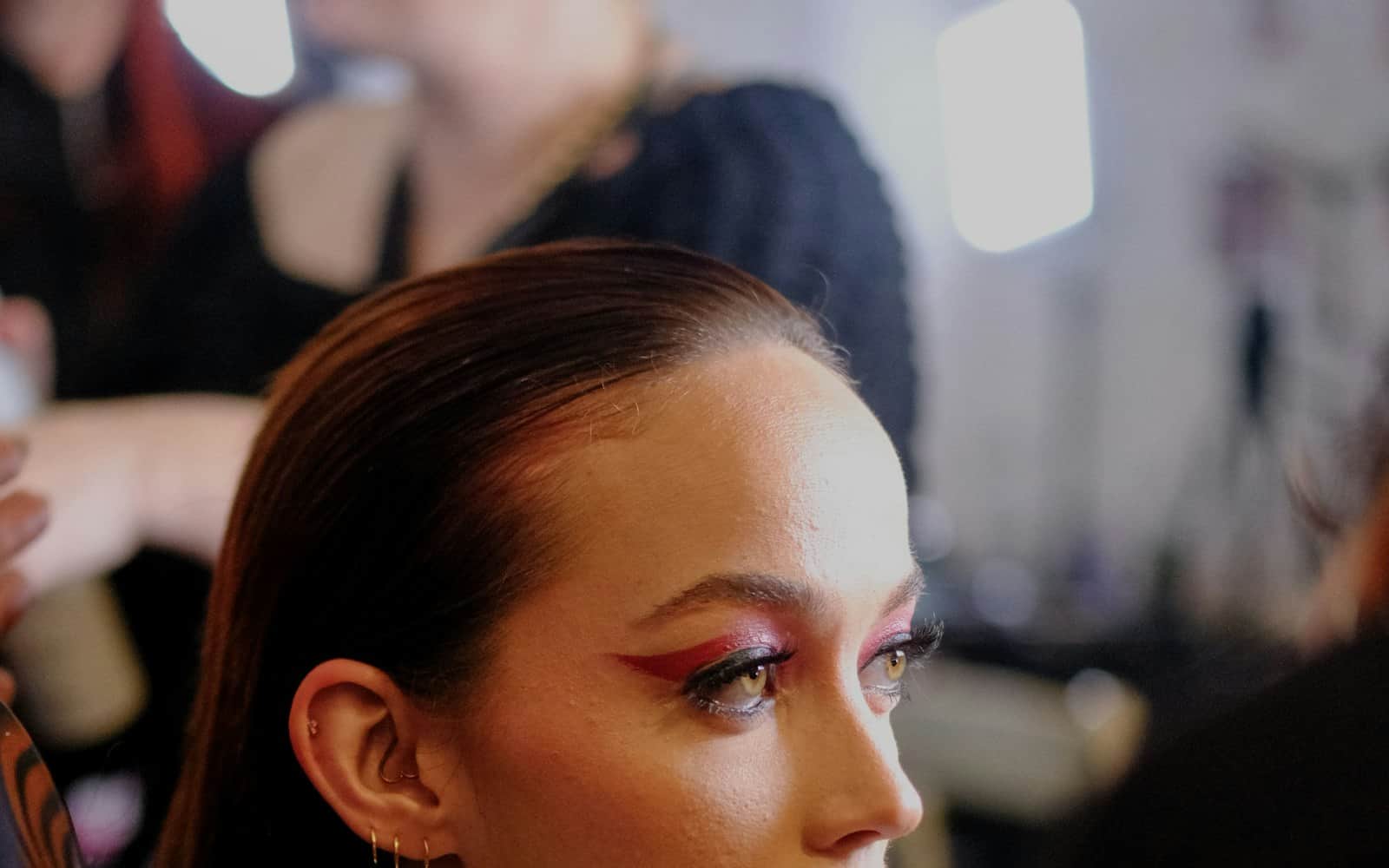
Editorial artists work on magazine shoots, campaigns and runway shows. The work rewards ideas, speed and a sharp eye for trends. Backstage at a show, a team may finish dozens of faces to one design. For examples of the form at its highest level, read our profile of Pat McGrath’s runway work.

You may also like
How to Become a Bridal Makeup Artist
You may also like
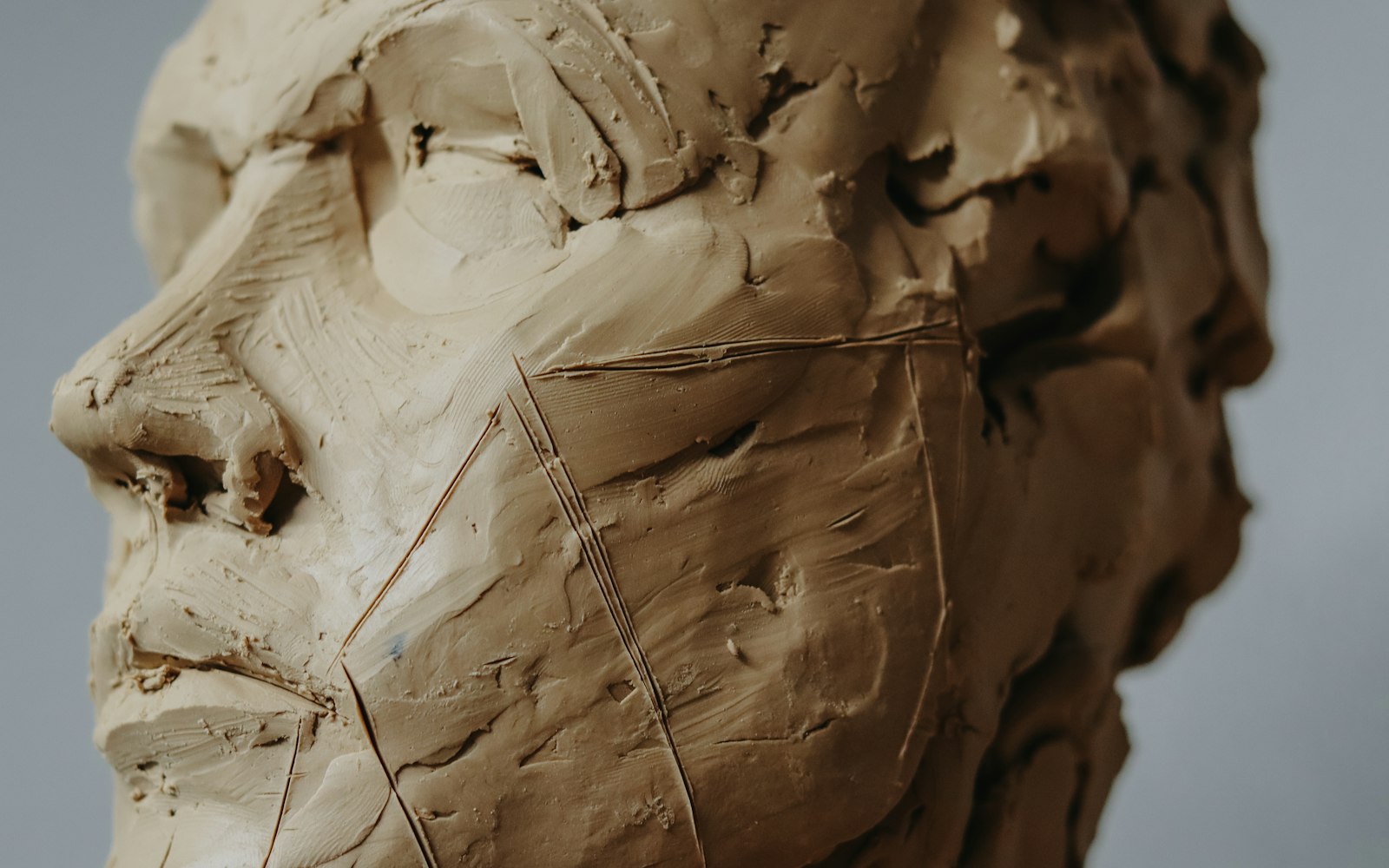
Special Effects Makeup Artist: How to Build an SFX Career in the US
Editorial work is also where many artists build their reputations, even when it pays less than other branches. Published images carry weight with agencies, brands and private clients alike. As a result, some artists balance well-paid bridal or commercial work with editorial projects that build their portfolios. The guide to getting published in fashion magazines explains how submissions work. Fashion week work, meanwhile, usually comes through a key artist who hires a team. Assisting on a show team is one of the fastest ways to learn speed, hygiene and discipline under pressure. It also introduces you to the senior artists who hire for future seasons. Many of today’s key artists started exactly that way.

Film and television
Screen artists design and maintain makeup across long shooting days, often out of sequence. Continuity is central: a look must match from one scene to the next, even when they are shot weeks apart. In major US production centers, much of this work is unionized. Our list of memorable movie makeup transformations shows the craft at its most ambitious.

Special effects
Special effects artists sculpt, mold and apply prosthetics, create wounds and age characters. The work combines makeup with sculpture and chemistry. Our guide to a special effects career covers training and the route into film work.
Theater
Theater artists design makeup that reads from a distance under strong stage light, and that survives sweat, quick changes and eight shows a week. Performers often apply their own makeup, so theater artists also design looks and teach them.

The skills behind the craft
Whatever the branch, makeup artistry rests on the same core skills. The first is color: understanding undertones, how pigments mix and how color shifts under different light. The second is skin: preparing it, matching it and knowing how products behave on dry, oily, mature and textured skin. Next comes structure, meaning how light and shadow shape a face. Then there is hygiene, which protects clients and is a legal requirement in licensed settings.
Finally, there are the people skills: listening, explaining and keeping a client calm. Clients rarely notice these skills directly. Instead, they notice that they look like themselves, only more so, and that they felt looked after. In short, the visible result depends on a great deal of invisible work.
A professional kit supports those skills, but it does not replace them. Our professional makeup kit checklist sets out what working artists carry and why.

How makeup artists learn the craft
Ask ten working artists what is makeup artistry and how they learned it, and you will hear ten different routes. There is no single route into the craft. Some artists train at a dedicated makeup school, some complete a cosmetology or esthetics program, and some learn by assisting working artists. Many combine all three. Our ranking of the best makeup schools compares programs and states its ranking basis. Licensing is the part to check first.
The Bureau of Labor Statistics notes that all states require cosmetologists to be licensed. However, the rules for makeup work vary from state to state, so check your state board before charging clients. Beyond formal training, books, practice on many faces and honest feedback from senior artists do most of the teaching. Our list of books for makeup artists is a good place to begin reading.
Assisting deserves special mention. Working beside an established artist teaches pace, set etiquette and client handling in a way no classroom can. It also builds the relationships that lead to work. Many working artists say the most useful lessons came from watching others closely, then practicing on every willing face they could find. Above all, treat learning as continuous. Products, techniques and camera technology keep changing, so the best artists keep studying throughout their careers. A useful habit is to set one learning goal each season, such as a new skin technique or a specialty course. Over a few years, those small goals add up to real range, and range is what keeps an artist booked when trends shift.

You may also like
The 120 Best Makeup Schools in the World
You may also like
Makeup Artist Portfolio: How to Build One That Books Work
What makeup artists earn
Pay is part of the picture too, and it varies widely by branch. Federal data covers only part of the field, because it measures employees rather than freelancers. Even so, it gives a useful reference point for screen and stage work, where employment is more common. Most bridal, beauty and editorial artists are self-employed, so their income depends on rates, bookings and costs rather than a salary. For that reason, our guide to pricing makeup services is more useful for freelancers than any national median. Use the figures below as context, not as a promise of what any branch will pay. Location, union membership and reputation all move the numbers considerably.
| Measure | Figure |
|---|---|
| Theatrical and performance makeup artists, median annual wage (May 2025) | $97,150 |
| Barbers, hairstylists and cosmetologists, median annual wage (2025) | $35,880 |
Sources
Bureau of Labor Statistics
The gap between those two figures is worth understanding. The theatrical median reflects a small, mostly union screen and stage workforce in major production centers. Meanwhile, most freelance beauty and bridal artists earn something closer to the cosmetology figure, especially early on. Neither number tells you what you will earn, because freelance income depends on how you price, how often you work and what you spend. However, the data does show why so many artists aim for screen work, and why that route is competitive. It also shows why business skills matter in every branch. An artist who prices well and keeps costs low can out-earn a more talented artist who does neither.
The makeup artist mindset
Any full answer to what is makeup artistry has to include the habits behind the work. Skill gets you hired once. The makeup artist mindset is what gets you hired again. Successful makeup artists tend to share a handful of habits, and none of them is about talent. They are about how you approach the work, the client and your own development over years.
Below are the habits that matter most, drawn from the craft itself rather than from general self-help. Each one can be practiced, which is the encouraging part. Nobody starts with all of them, and most artists build them slowly, job by job. If one feels like a weakness, start there, because it is usually where the next booking is being lost.
Curiosity and continuous learning
The craft changes constantly. New formulas, camera sensors and trends all change what works. Artists who stay curious keep up, while those who stop learning slowly fall behind. Psychologist Carol Dweck calls this a growth mindset: the belief that ability develops through effort and practice.
Adaptability
Plans change on every job. The light moves, a client changes their mind or a shoot runs late. Adaptable artists adjust calmly, because they expect change rather than resisting it.
Confidence without ego
Clients need to trust you, so quiet confidence matters. At the same time, makeup is a service. The best artists listen first and keep their own taste in proportion.
Handling pressure and feedback
Makeup work often happens against the clock, in front of others. Learn to stay steady, and treat criticism as information. A photographer who asks for less shine is telling you about the camera, not judging your worth.

A business mindset
Most makeup artists run small businesses, whether or not they think of it that way. That means pricing properly, tracking costs, answering inquiries quickly and building a clear personal brand. Our guides to building a personal brand as an artist and using Instagram as a makeup artist cover two of the most useful areas. Meanwhile, organization does a great deal of quiet work. Clear calendars, tidy kits and written confirmations prevent most of the problems that cost artists clients. In addition, a strong makeup artist portfolio turns your skill into bookings. Finally, look after yourself. Long days on your feet take a physical toll, so rest, posture and boundaries are part of a sustainable career.
Three books worth reading
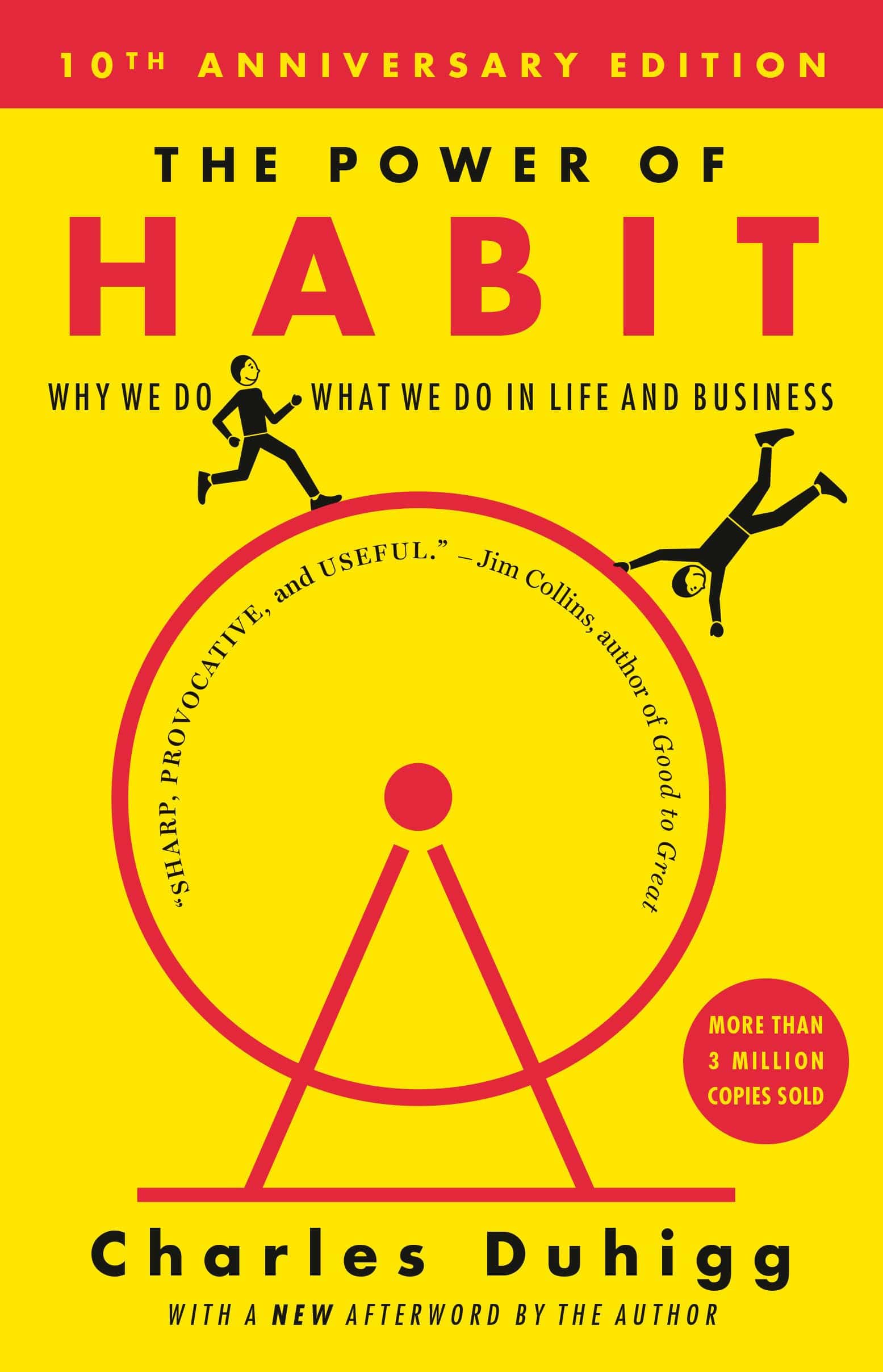
Reading helps with all of this. Three books in particular come up again and again in conversations about the habits behind long careers. None of them is about makeup, which is part of their value: they help you think about work, habits and time from outside the industry. Mindset explains why some people keep improving while others stall, and what you can do about it. The Power of Habit shows how routines form and how to change them, which is useful for anyone building a kit routine or a business system. Eat That Frog is a short, practical book about doing important tasks first. Read one at a time, and try one idea from each before moving on.
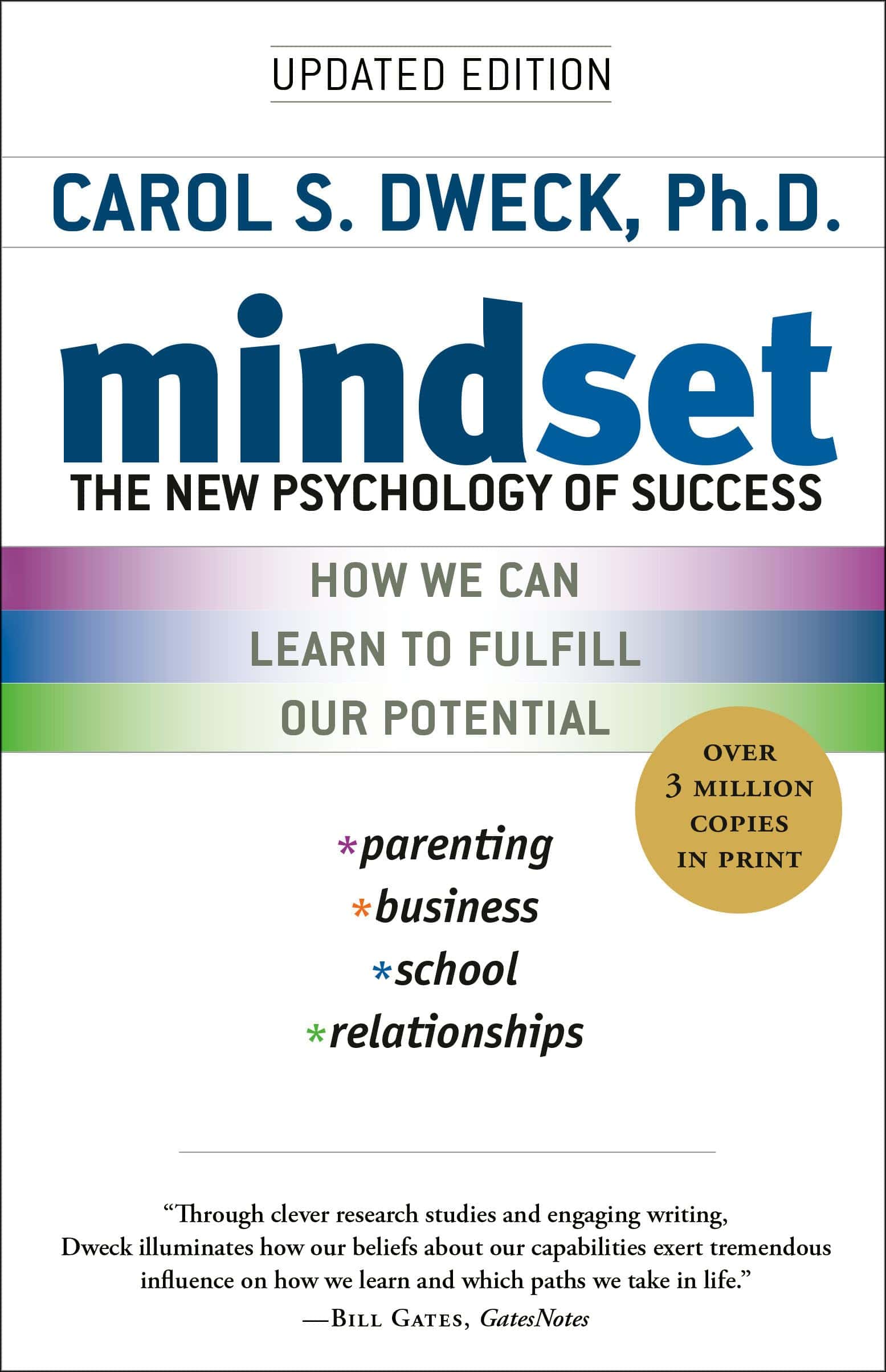
The research behind the growth mindset.
Books are a starting point, but community does more. Makeup artistry can be lonely work, especially for freelancers who move from job to job without a team. For that reason, a makeup artist community, whether online or local, is worth building early. Other artists recommend you for jobs they cannot take, share rates and warn you about difficult clients. They also offer something harder to find: people who understand the work. Look for local artist meetups, assist on group jobs and stay in touch with classmates from training. In addition, give back when you can. Mentoring newer artists sharpens your own skills and strengthens your reputation. Over time, that network becomes one of the most valuable things in your kit.

Finding inspiration and your own style
Makeup artist inspiration comes from everywhere: paintings, films, street style, nature and the work of other artists. The key is to collect widely and copy narrowly. Study the artists you admire, then ask what they are doing and why, rather than reproducing their looks. Our list of makeup artists worth following on Instagram is a useful starting point. Over time, the choices you keep making become your style. That style is what clients book you for, so protect it, and let it evolve slowly as your skills grow. Keep a reference folder of images that move you, and review it before shoots.

You may also like
Movie Makeup Transformations and the Artists Behind Them

You may also like
The Best Makeup Books for Makeup Artists
It also helps to remember what clients see from the other side of the chair. Our article on what your makeup artist wishes you knew shows the job from that angle. Many of its points, such as arriving with clean skin and sharing honest preferences, are really about communication. Good artists make that communication easy. They ask clear questions, explain what they are doing and check in during the application. As a result, clients relax, and relaxed clients are easier to work on and more likely to book again. In other words, the mindset and the craft are not separate. The way you think about the work shows up directly in the face in front of you.
A craft worth taking seriously
What is makeup artistry, in the end? It is a craft built on color, skin and light, a group of careers with very different rhythms, and a way of working that rewards curiosity, calm and care. No branch is easy, and none is the only path to a good career. If you are starting out, try the settings that interest you before committing, and notice which one makes you want to keep going on a long day.
Then train properly, assist generously and build a body of work in that branch. Above all, treat the work with respect, because clients can feel the difference. Makeup artistry is a craft that rewards patience: skill compounds, reputations grow slowly, and the artists who last are usually the ones who kept learning.
Tools and library

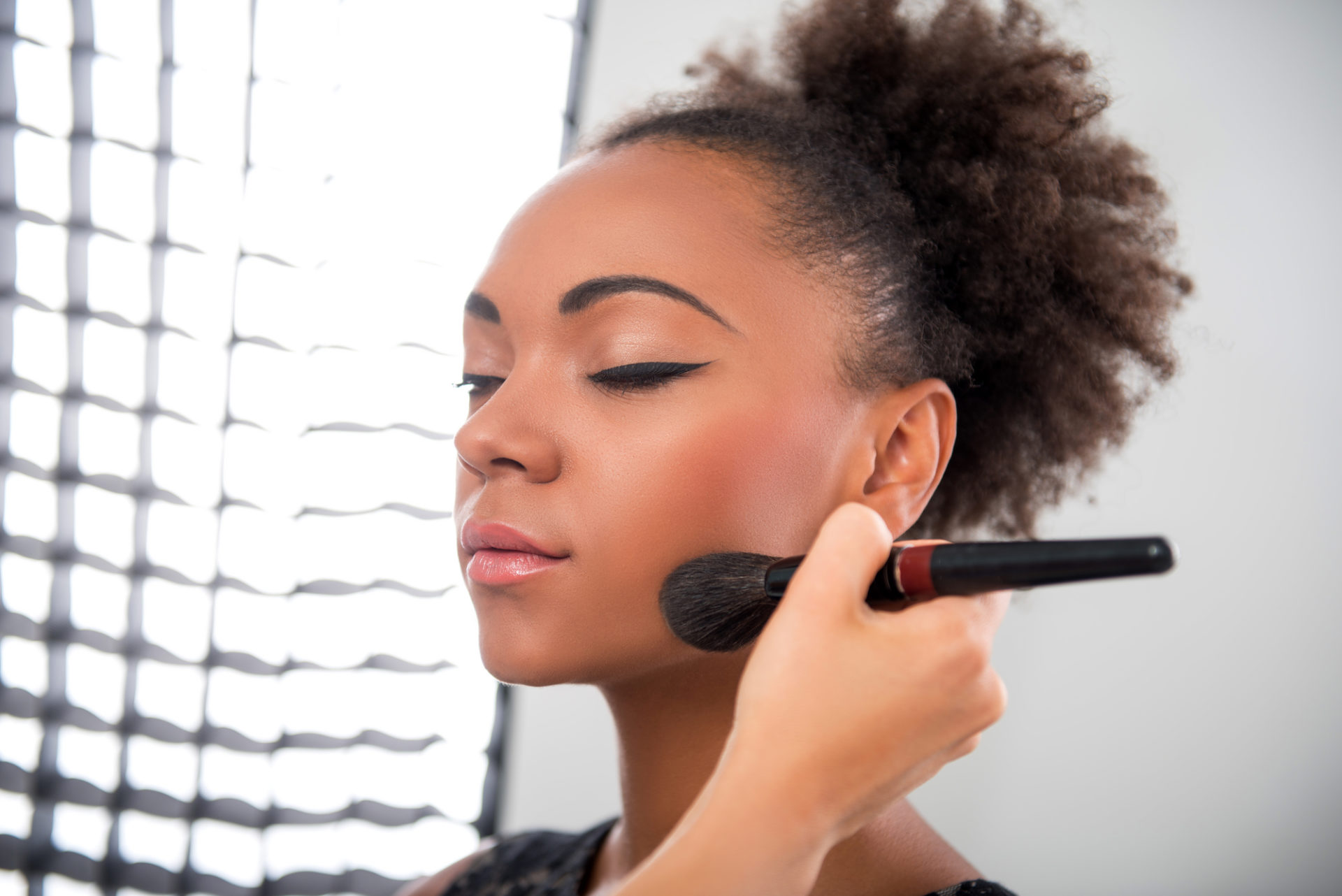
The three tools above support different stages of a career in makeup artistry. The quiz helps you match your temperament to a branch, which is a useful first step if you are still deciding. Meanwhile, the calculator turns your costs and income goals into a day rate, which matters as soon as paid work begins. The library gathers the career guide, notebooks and workbooks in one place, including pages for planning training and tracking clients. Start with whichever matches the question you are facing now. If you are unsure where to begin, take the quiz first, because the branch you choose shapes your training, your kit and your portfolio. Then return to the other two as your work grows.
From the Artist Library
From choosing a branch to pricing, contracts, agencies and the first five clients, the guide covers the working side of makeup artistry in plain terms.
Questions worth asking
What is makeup artistry?
It is the professional craft of applying makeup, and sometimes prosthetics, to enhance or transform appearance for a client, a camera or an audience.
What are the main types of makeup artistry?
The main branches are beauty and retail, bridal, editorial and fashion, film and television, special effects and theater. Many artists work in two or three.
Do you need a license to be a makeup artist in the US?
It depends on the state. All states license cosmetologists, according to the BLS, but rules for makeup work vary, so check your state board before charging clients.
Is makeup artistry a good career?
It can be, but income varies widely. Screen work is often unionized and better paid, while most bridal and beauty artists are self-employed and depend on pricing and bookings.
What skills does a makeup artist need?
Color theory, skin preparation, an understanding of light and structure, strict hygiene and strong people skills. Business skills matter just as much for freelancers.
What is the makeup artist mindset?
A set of working habits: curiosity, adaptability, quiet confidence, steadiness under pressure and a business mindset. All of them can be practiced.