A special effects makeup artist is the person who makes a stab wound look fresh at take twelve. The same artist ages an actor forty years before lunch. The work is part sculpture, part chemistry and part endurance. It is also one of the few makeup careers with a clear ladder, from workshop to set to department head. This guide is part of the Makeup Artist’s Guide, and it covers the craft, the history and the US route in.
It is written for artists who already know beauty makeup and want to move into character, injury and prosthetic work. Every figure is sourced, and every product was checked in October 2026.
The short answer
A special effects makeup artist changes how a performer looks, rather than enhancing it. The work covers wounds, bruises, aging, prosthetics and creatures for film, TV and theatre. In the US, most artists train at a specialist school or workshop, assist experienced artists, and build a portfolio of character work. Union film work runs through IATSE Local 706 in Hollywood and Local 798 in New York.
In this guide
- What SFX makeup means
- What a special effects makeup artist does on a production
- A short history of special effects makeup
- The materials of the trade
- How to become a special effects makeup artist in the US
- Unions: IATSE Local 706 and Local 798
- What special effects makeup artists earn
- The long apprenticeship
- Questions worth asking
What SFX makeup means
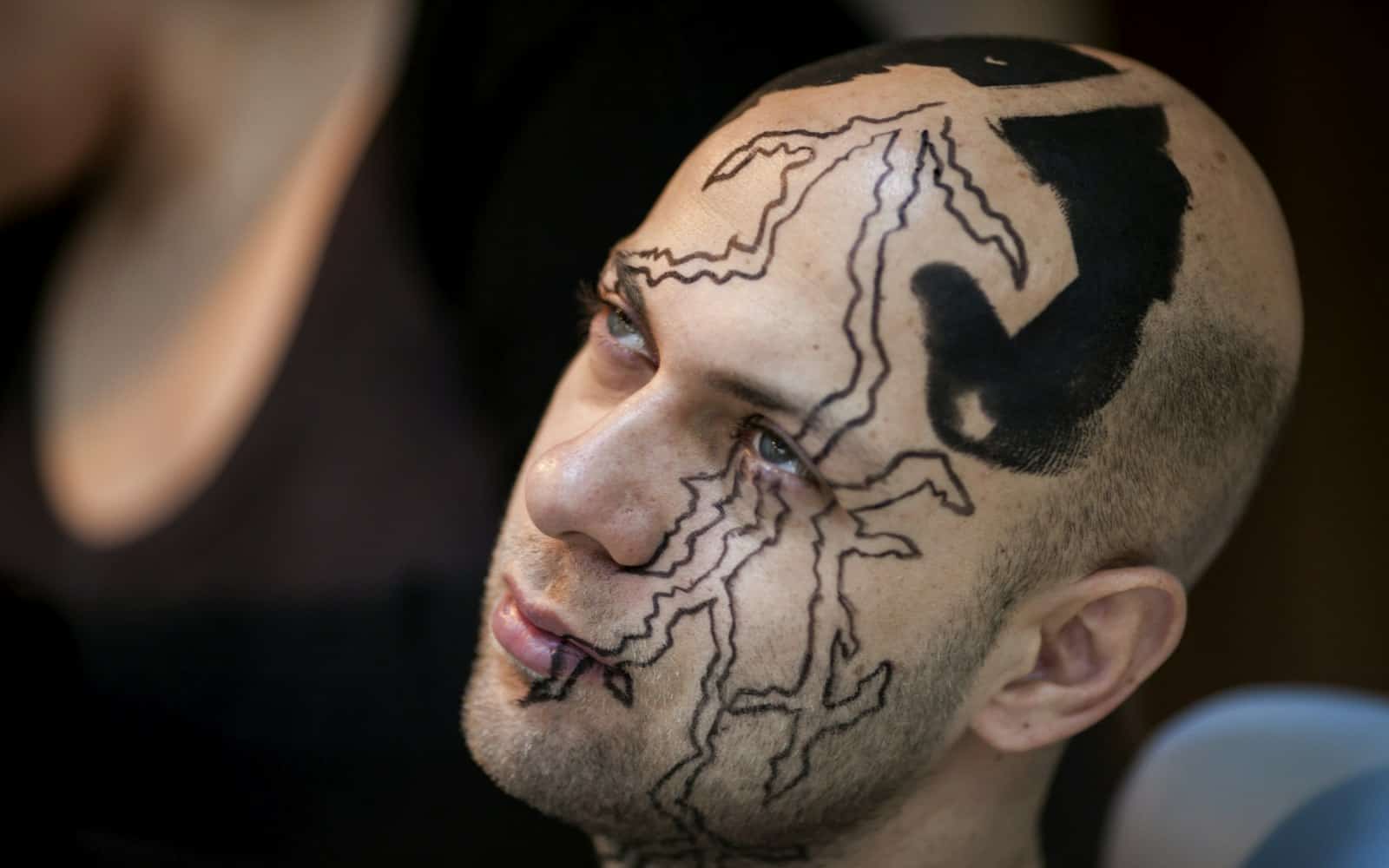
SFX stands for special effects. In makeup, it means any work that changes a face or body rather than flattering it. A beauty artist evens skin and defines features. By contrast, a special effects makeup artist adds what was never there: a scar, a burn, a broken nose, a second face. The category is broad. It runs from a simple bruise painted in cream color to a full silicone head that takes weeks to build. Most professionals sort it into five areas. First, injuries, such as cuts, bruises and burns. Second, aging. Third, prosthetics, meaning pieces sculpted, molded and glued on. Fourth, character and creature work. Fifth, body work such as tattoo cover and body painting.
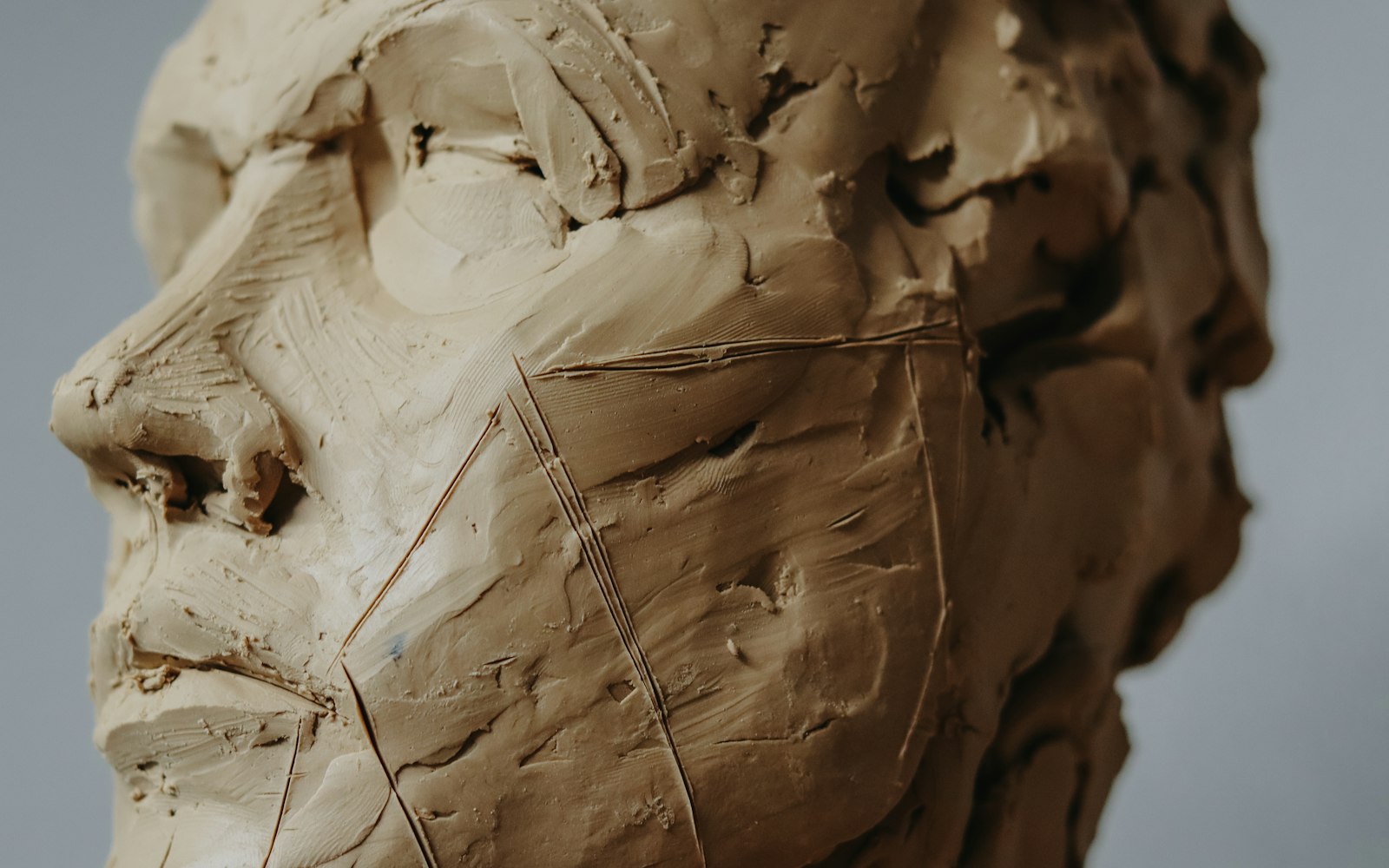
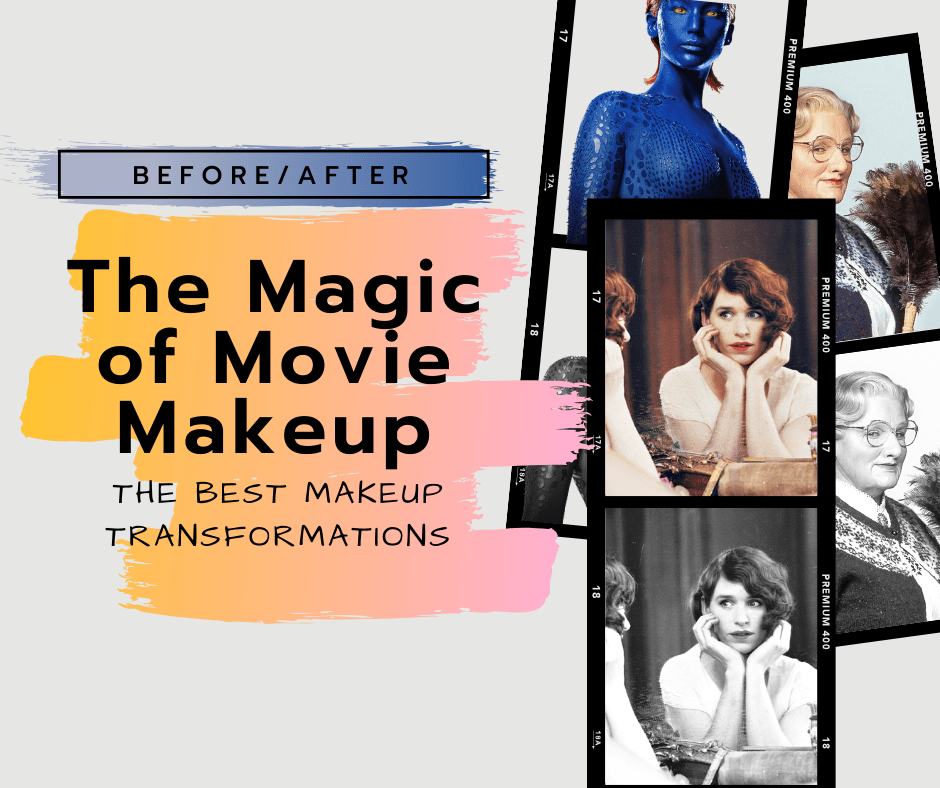
The difference from beauty makeup is not only the result. It is also the process. Special effects work starts long before the actor sits down. It begins with design drawings, a life cast of the performer and sculpting in clay. Then come molds, casting in silicone or foam latex, and painting. Only after all that does the application happen. For famous examples of the finished result, see our list of famous movie makeup transformations, which names the films and the transformations behind them. Meanwhile, the simplest SFX jobs need no lab at all, just wax, color and a steady hand.
Lab work and set work
Because the field is so wide, most artists specialize over time. Some become lab technicians who sculpt and cast but rarely go to set. Others become on-set artists who apply and maintain the pieces through long shooting days. A smaller group designs the whole look and leads a team. In practice, early careers mix all three, since small productions cannot afford separate people. That mix is useful. It teaches you how a piece is made, which makes you better at applying it, and how it behaves under lights, which makes you better at making it. Above all, it shows you which part of the work you want to do for the next twenty years.
What a special effects makeup artist does on a production
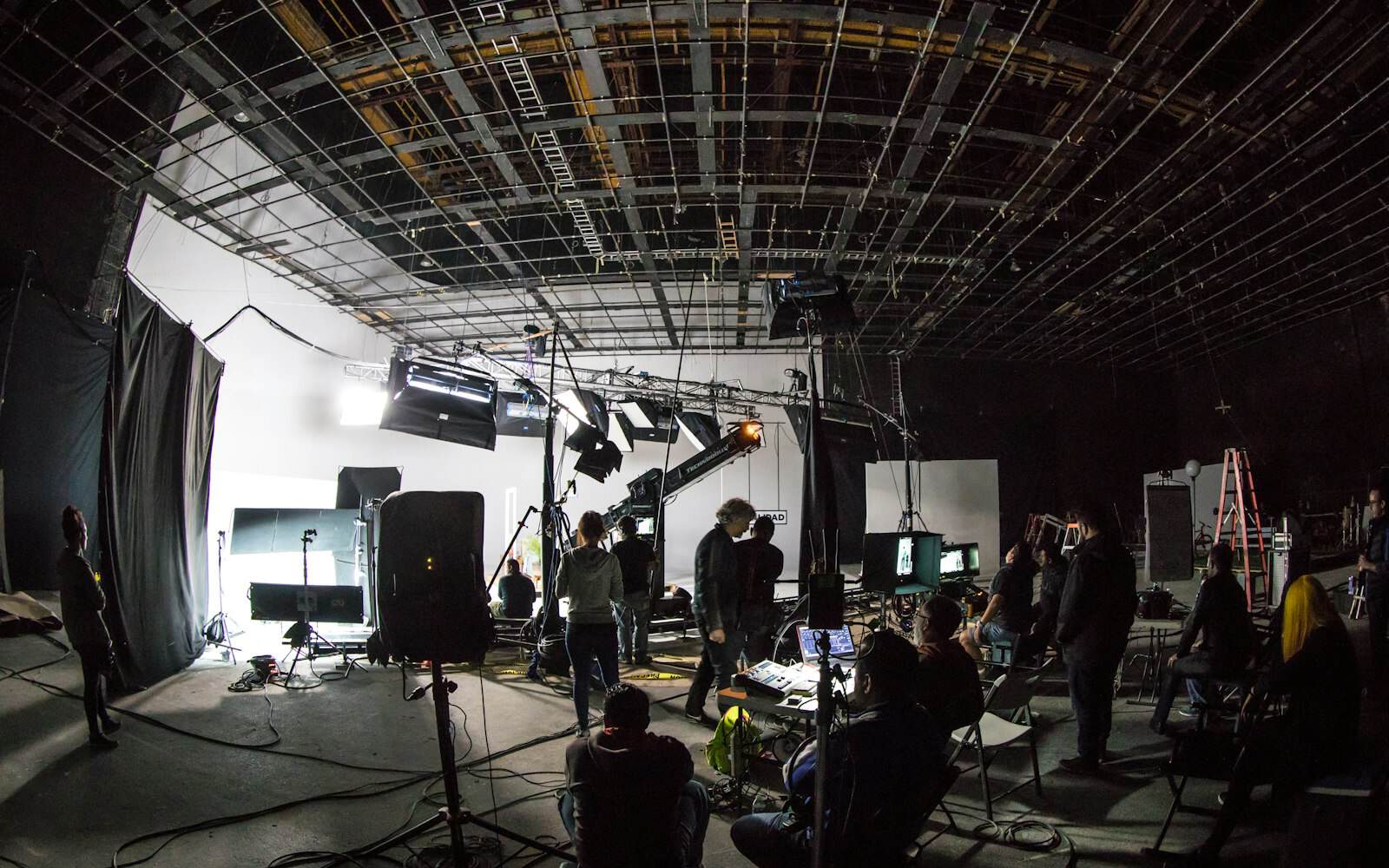
On a film or series, makeup sits inside a department with a clear structure. A department head designs the looks and manages the budget. A key artist runs the trailer day to day. Additional artists cover background performers and busy days. Special effects work may sit inside that department or come from an outside shop that builds the pieces and sends artists to apply them.
Continuity and safety
The days are long and the work is repetitive in the best sense. A wound applied at six in the morning must look identical at six in the evening, and identical again three weeks later when the scene is reshot. Consequently, continuity is half the job. Artists photograph every look from several angles, note every product and keep the pieces labeled by scene.
They also stand by on set with a kit, ready to repair an edge that lifts under sweat or heat. Meanwhile, safety matters more than in beauty work. Adhesives, solvents and some pigments need ventilation, patch tests and careful removal at the end of the day. An artist who protects the performer’s skin is an artist who gets asked back.
You may also like
50 Most Impressive Movie Makeup Transformations

You may also like
A Guide for Makeup Artists to Get Published in Fashion Magazines
Theatre and live events
Theatre and live events use special effects makeup too, but differently. On stage, the work must read from the back row and survive a whole performance without touch-ups. As a result, theatre favors bold color, durable application and pieces the performer can remove quickly between shows. Haunted attractions and theme parks add volume: dozens of performers made up every night, often by a small team working fast. These jobs are a common first step, because they offer paid practice on real faces.
Similarly, independent films and student shorts give new artists screen credits and footage for a reel. None of these routes is glamorous. Still, each one teaches speed, durability and the habit of fixing problems before the director sees them. Better still, the people running those productions often move on to larger ones, and they remember who was reliable.
A short history of special effects makeup
Hollywood’s first great special effects makeup came from Universal Studios. Jack Pierce created the makeup Boris Karloff wore in Frankenstein in 1931, along with other classic monster looks for the studio, according to his Wikipedia biography. Later, Dick Smith pushed the craft toward realism. His credits include The Godfather and The Exorcist, and he won the Academy Award for Amadeus in 1985, followed by an honorary Academy Award in 2012.
The Oscar years
For decades, makeup artists had no Oscar category of their own. The Academy created one in 1981, after complaints that the makeup in The Elephant Man had gone unrecognized, as the history of the Academy Award for Best Makeup and Hairstyling records. Rick Baker won in that first year, for An American Werewolf in London, and went on to a record seven wins. Ve Neill won three, for Beetlejuice, Mrs. Doubtfire and Ed Wood. Their careers show the two paths the field still offers. Baker built creatures in his own shop. Neill applied and designed character makeup for some of the best-known films of the period. Both started by learning every stage of the process themselves.
Today the tools have changed, but the foundations have not. Silicone has largely replaced foam latex for many facial pieces, because it moves and reads more like skin. Digital sculpting and 3D printing now speed up some lab work. Meanwhile, digital effects can extend or replace makeup in post-production. Even so, productions still rely on practical makeup for close-ups, because performers react to what they see in the mirror and the camera records real light on a real surface. That is why studios keep hiring special effects makeup artists, and why the core skills of sculpting, molding and application still matter. Therefore, learn the fundamentals first, and add digital tools once you understand what they are replacing.
The materials of the trade
A working special effects kit has two halves. One half lives in the lab: clay, mold materials, silicone and foam. The other half travels to set: adhesives, removers, sealers, colors and blood. You can start with the second half alone, and many artists do.
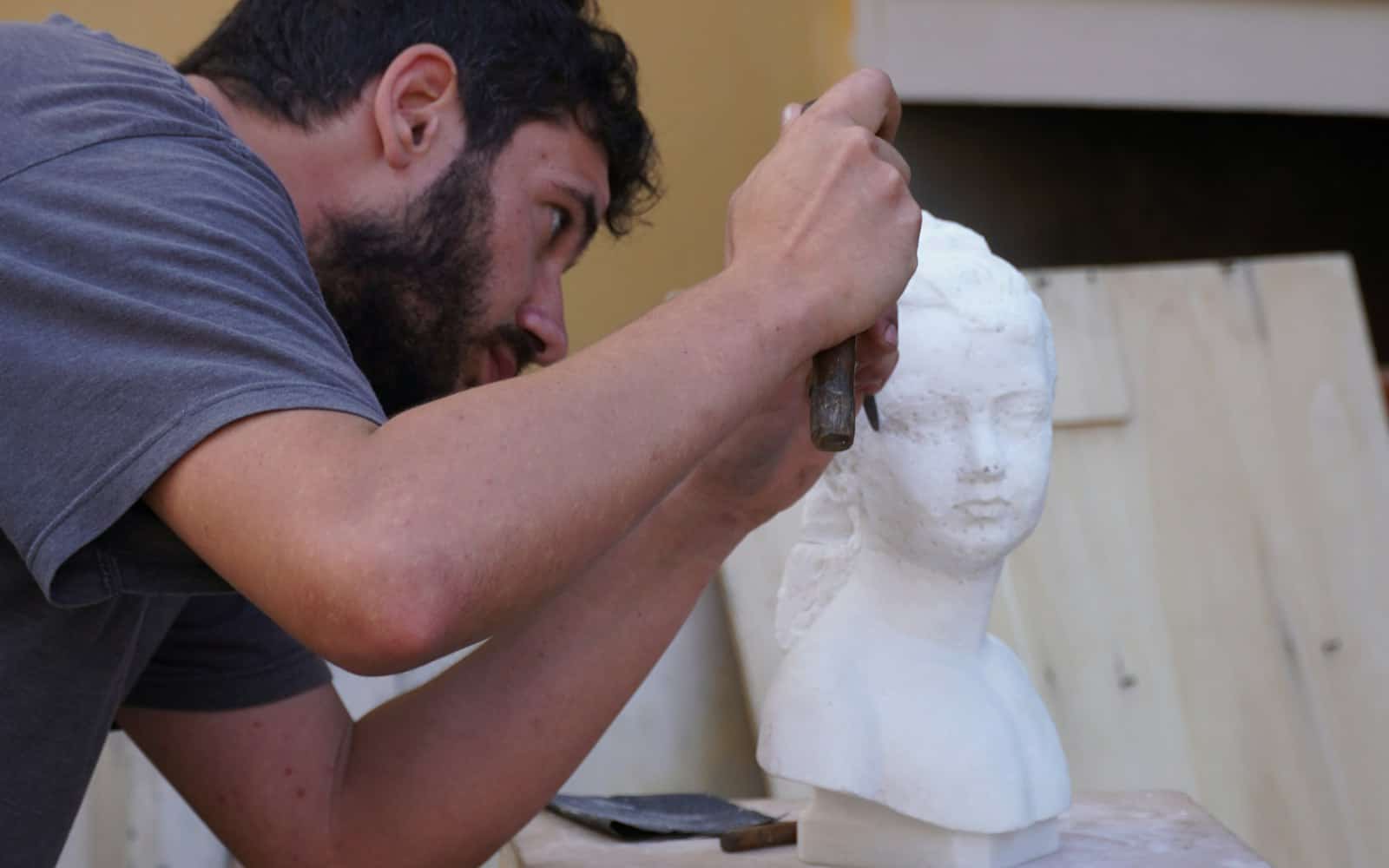
Prosthetics
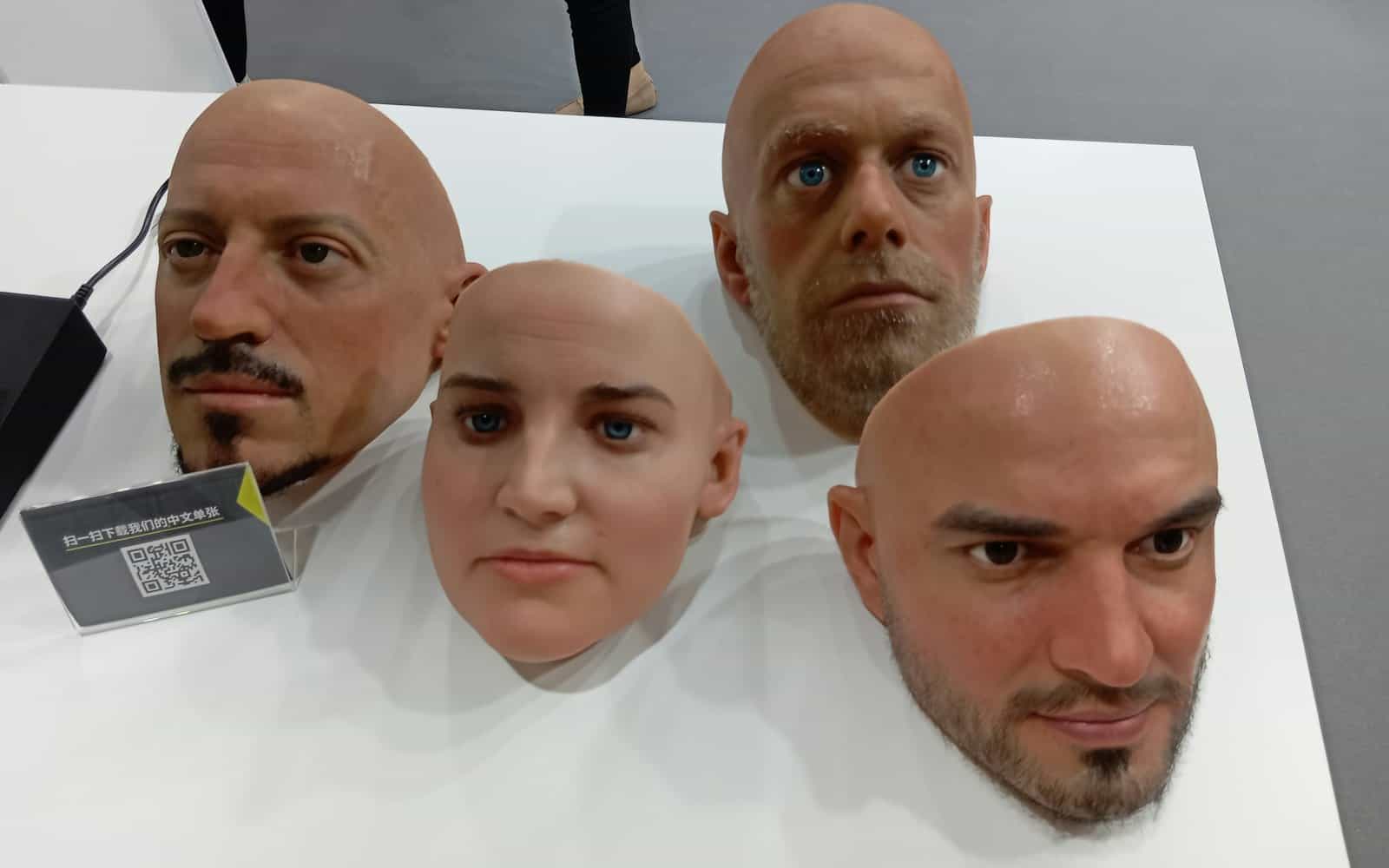
A prosthetic is any piece sculpted, molded and glued to the skin. Small transfers and appliances cover scars, cuts and noses. Larger pieces cover the face or head. The common materials are silicone, foam latex and gelatin, each with different movement, cost and skin compatibility. For a deeper technical reference, the textbook below is a standard starting point.
Wounds, bruises and aging
Injury work is where most artists begin, because it needs little equipment. Modeling wax builds raised wounds. Cream color wheels paint bruises in their stages, from fresh red to yellowing green. Stretch-and-stipple techniques age the skin, while blood products finish the effect.
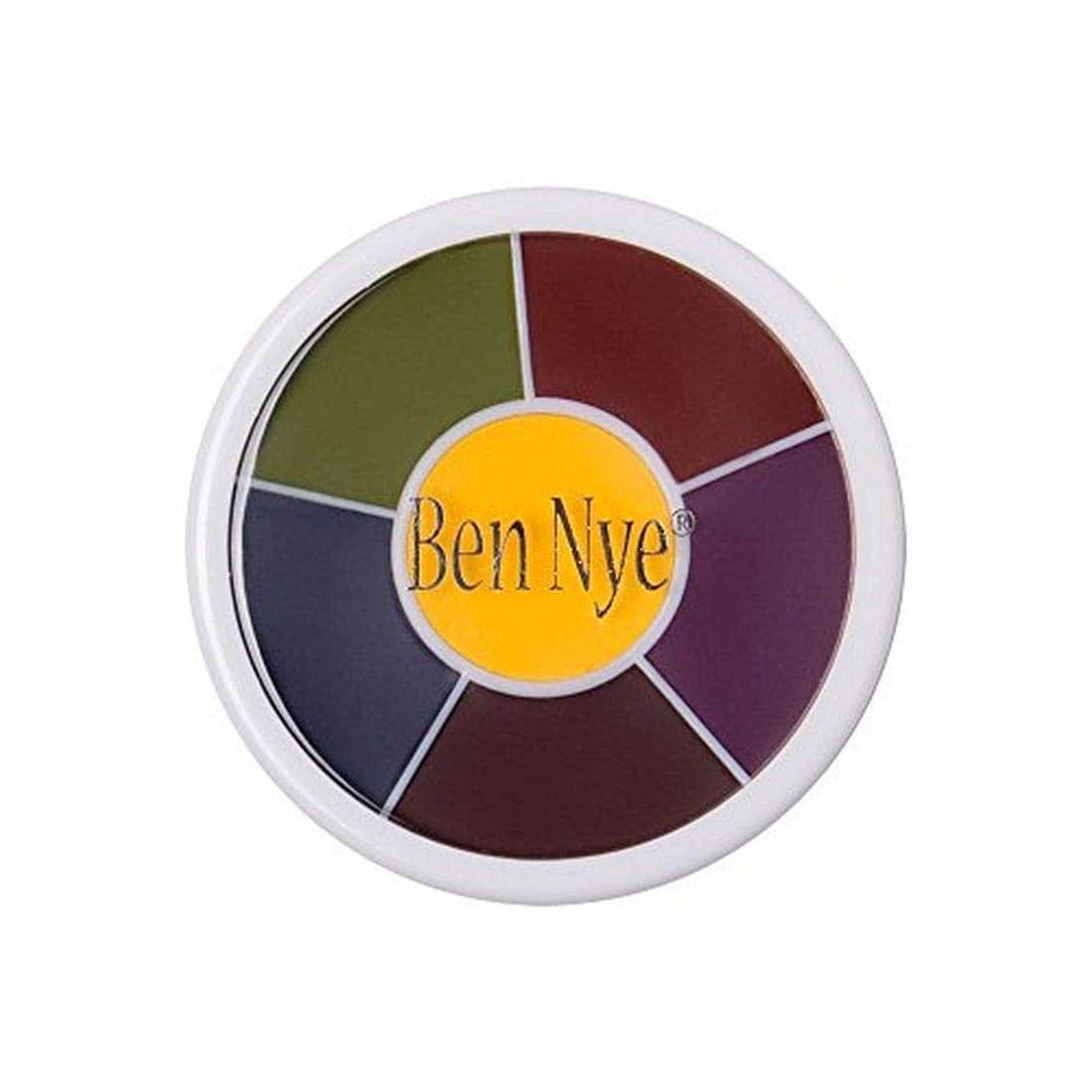
Cream shades for every stage of a bruise, in one wheel.
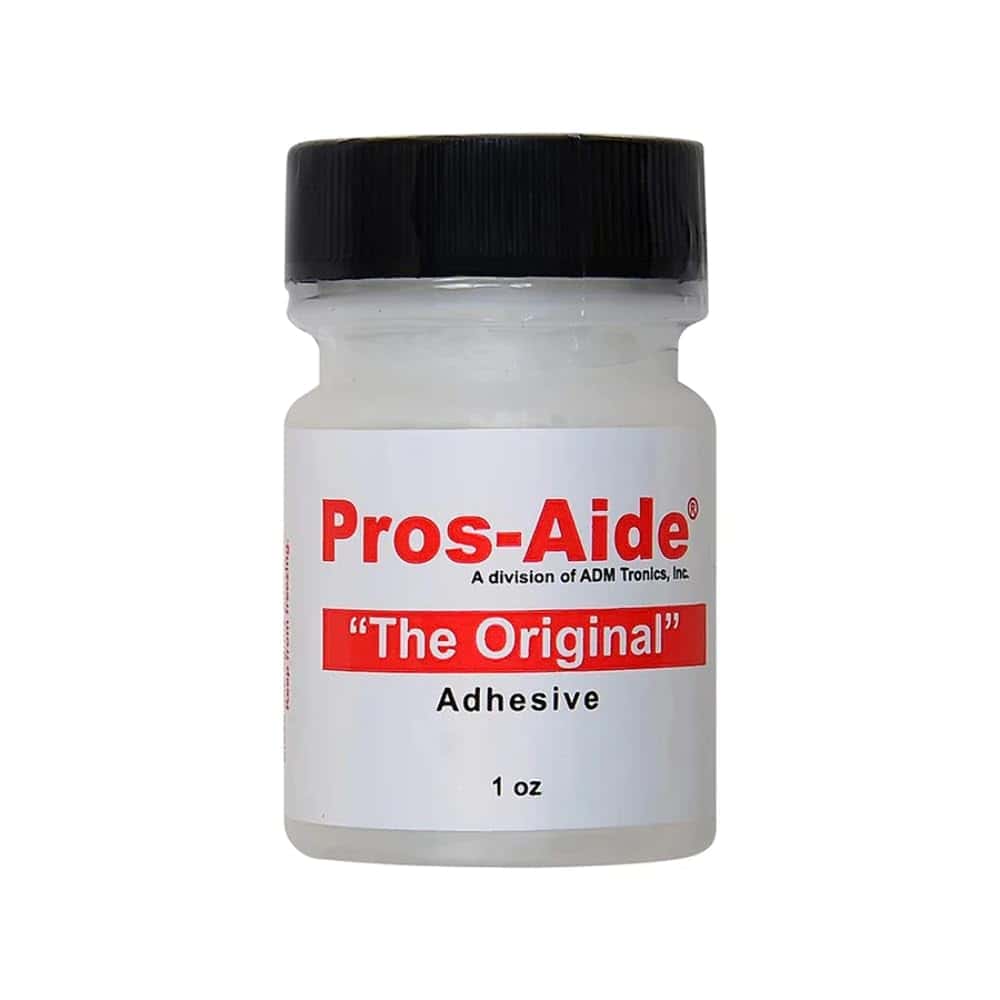
Goes on white and dries clear, for attaching pieces.
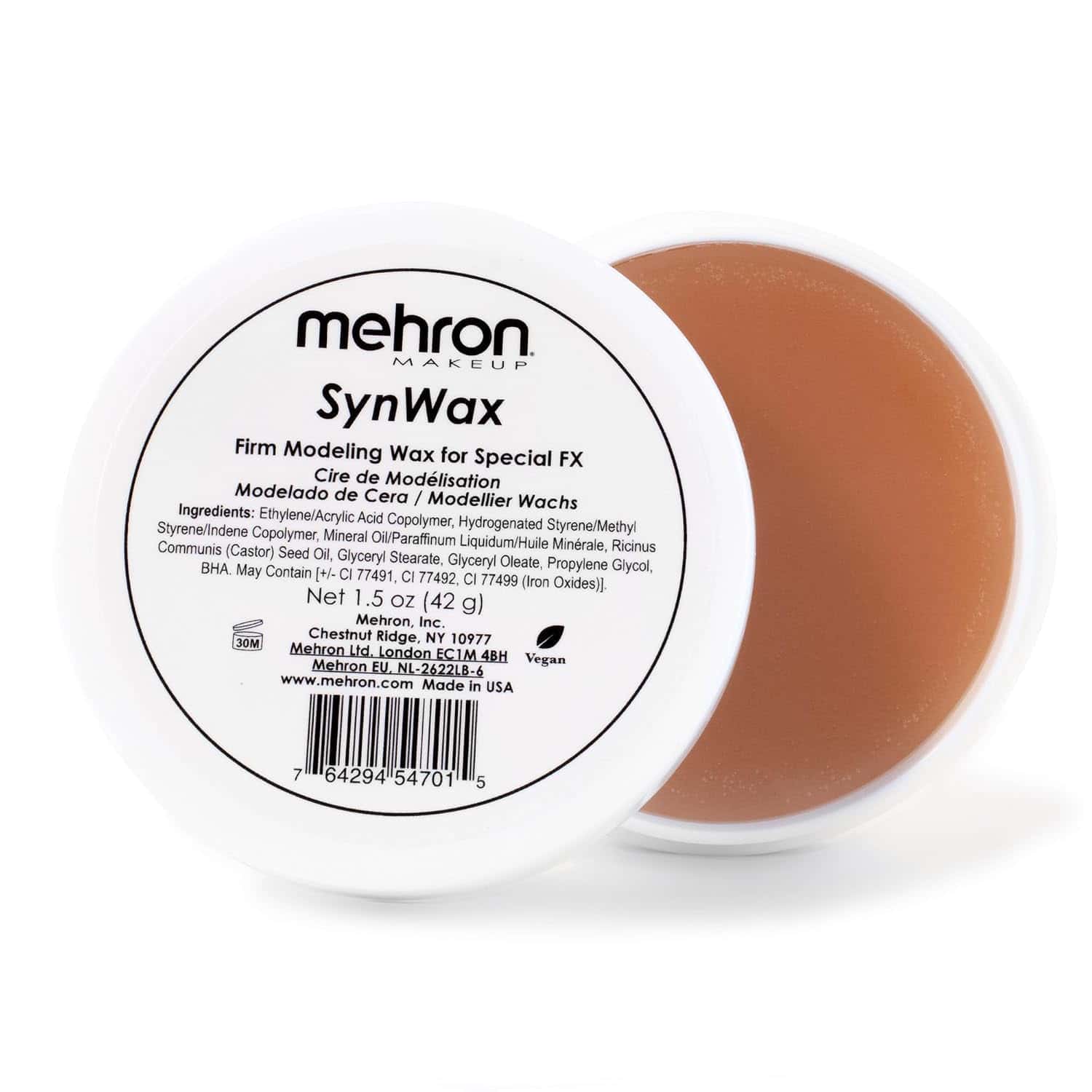
Builds raised wounds and scars directly on the skin.
Whatever you buy, test it before it touches a performer. Patch-test adhesives and colors on the inside of the arm, and keep the matching remover in the same kit bag. In addition, record every product used on every look, with batch numbers where possible. That record protects the performer if a reaction appears, and it protects you if a scene has to be recreated weeks later. Likewise, store silicone and adhesives away from heat, since both change behavior when they get warm. Experienced artists also carry spares of everything that touches skin, because a set rarely waits for a store run. Above all, buy fewer, better products and learn them thoroughly before you add more.
How to become a special effects makeup artist in the US
There is no license for special effects makeup on its own, and no single required qualification. Instead, the career is built from three things: training, assisting and a portfolio. Most successful artists do all three at once.
Training
Specialist schools teach the full process, from life casting to application. Our ranked list of makeup schools has a section on film and special effects programs. It notes that Tom Savini’s program at Douglas Education Center is the only one attached to a US college, and that Stan Winston School teaches online. Los Angeles schools such as Cinema Makeup School also offer dedicated special effects tracks. Short workshops are useful once you know the basics, because they teach one technique in depth. When you compare programs, ask how many hours students spend on their own sculpts and molds, not only watching demonstrations. Ask, too, whether the tutors still work on productions, and whether graduates have joined shops or crews.
Special Makeup Effects for Stage and Screen — the prosthetics textbook
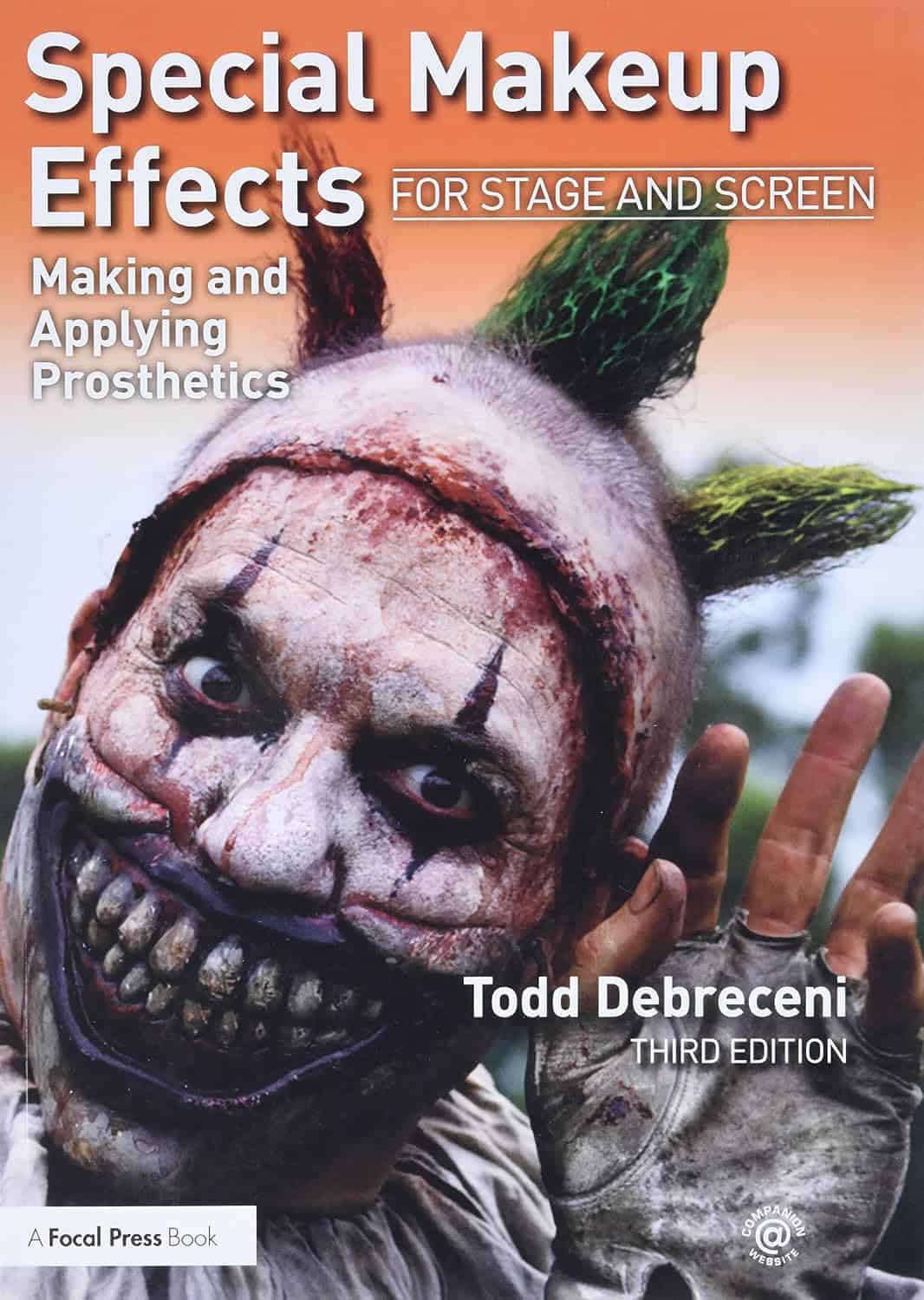
Todd Debreceni’s Special Makeup Effects for Stage and Screen is subtitled Making and Applying Prosthetics, and that is exactly its scope. It walks through the lab process in order: design, life casting, sculpting, molding, casting and application. For an artist moving from beauty into special effects, it fills the gap between watching demonstrations and doing the work yourself. It does not replace hands-on training, because no book can teach you how silicone feels when it is ready to demold. However, it gives you the vocabulary and the sequence, so a workshop or an assisting job makes sense faster. Keep it in the studio rather than the set bag, and come back to it when a technique fails.
Assisting
Assisting is where most special effects careers really begin. Shops need help with mold work, seaming, painting and cleaning. Sets need extra hands on heavy days. The pay is modest, but the education is direct, and the people you assist become your first references. To find assisting work, start with the shops and artists whose work you admire, and ask what help they need on their next build.
Offer a specific skill, such as seaming, mold prep or painting, rather than a general request. In addition, keep your schedule open for last-minute calls, because heavy shooting days often appear with a day’s notice. Finally, follow up after every job with a short thank-you and photos of the finished work, with permission.
Portfolio
A special effects portfolio shows process as well as results. Include design sketches, the sculpt, the mold and the finished application, photographed under clear light. For general guidance on shooting and editing a book, see our notes on building a makeup portfolio. Then add a short reel of work on camera, since film employers want to see how your pieces move. Finally, keep the portfolio narrow. Ten strong special effects pieces say more than forty mixed beauty looks.
It also helps to understand who hires at each stage. Early on, independent filmmakers, theatre companies, haunted attractions and photographers book artists directly. Later, makeup department heads and effects shops hire from the people they already know, which is why assisting matters so much. Consequently, the best investment in your first years is reliability: arriving early, keeping a clean kit and repairing pieces without fuss. In addition, keep a simple list of every production, with the date, the role and a contact who can vouch for you. That list becomes your proof of experience when union membership becomes possible. It also keeps your rates honest, because you can see which work actually paid.
Unions: IATSE Local 706 and Local 798
Most scripted film and television in the major US production centers is made under union agreements. For makeup artists, two locals matter most. In Hollywood, IATSE Local 706, the Make-Up Artists and Hair Stylists Guild, represents makeup and hair crews. In New York, IATSE Local 798 does the same and publishes its own application route on its site.
Each local sets its own requirements, so read the application pages directly rather than relying on summaries. Requirements can also change between years, so check the date on any page you rely on. In general, membership follows documented work on qualifying productions. Therefore, start keeping call sheets, pay stubs and deal memos from your first paid job. Non-union features, commercials and music videos are the usual way to build those days. Meanwhile, the union world rewards the same habits as the non-union one: reliability, clean work and calm under pressure. Many artists spend several years working non-union before they qualify. Plan for that, and treat each job as part of the record you will eventually submit.

You may also like
How to Build a Stellar Makeup Portfolio

You may also like
The Best Makeup Books for Makeup Artists
What special effects makeup artists earn
Federal data does not track special effects makeup on its own. The closest category is theatrical and performance makeup artists, which includes most film and television makeup work.
| Measure (May 2025) | Theatrical and performance makeup artists |
|---|---|
| Employment counted | 2,340 |
| Median annual wage | $97,150 |
| Mean annual wage | $102,240 |
| 10th percentile | $23,360 |
| 90th percentile | $167,470 |
Sources
Bureau of Labor Statistics
- BLS OEWS profile 39-5091, May 2025. Employment estimate relative standard error: 13.9%.
How to read these figures
Read these numbers carefully. The counted group is small and concentrated in union screen work, where day rates are set by agreement. It excludes most freelance, theatre and haunted-attraction work, where pay varies widely and is often lower. In addition, special effects artists who own a shop earn from building pieces as well as applying them, which the survey does not capture. As a result, the median is a reasonable target for an established union artist, not a starting salary. Early in a special effects makeup artist’s career, income usually comes from a mix of assisting, small productions and seasonal work. The rate calculator in the tools below helps turn your costs into a day rate you can defend.
Location matters as much as specialty. The same federal profile shows California, Florida, Georgia and New York with the largest numbers of employed theatrical makeup artists, and the Los Angeles area alone accounts for about a third of them. Therefore, an artist planning a screen career usually needs to work in, or travel regularly to, one of those markets.
The long apprenticeship
Special effects makeup rewards patience more than talent alone. The artists who last learn every stage of the process, even the ones they later hand to others. They keep a clean kit and a careful record. They protect the performer’s skin as if it were their own. And they stay curious, because materials and techniques keep changing. Many of the best-known names in the history above spent years in other people’s shops before their own work was credited.
That slow start is normal, and it is not a sign that the career is closed to you. If you are starting now, pick one area, practice it until it is reliable, and then add the next. Above all, assist as often as you can. Most of this career is learned standing next to someone better than you, watching how they solve problems at six in the morning.
A first-year plan
A practical first year might look like this. In the first months, learn wounds, bruises and basic aging until each one is fast and repeatable. Next, take one workshop in life casting or prosthetic application, and practice the technique at home until the edges disappear. Meanwhile, assist on whatever productions will have you, from student films to haunted attractions. By the end of the year, you should have ten strong portfolio pieces, a short reel and a list of people who can recommend you. That is the moment to start approaching effects shops and department heads directly. In other words, a special effects makeup artist is built one reliable technique at a time.
Tools and library

Each of the three tools above answers a question this guide raises. The calculator turns your kit costs and target income into a day rate. Meanwhile, the quiz helps confirm whether film and special effects suit your temperament, or whether bridal or editorial work fits better. The library gathers the career guide, notebooks and workbooks in one place. Used together, they turn interest into a plan you can act on this season. Start with the calculator if you already take paid work, because pricing mistakes compound quickly. If you are still deciding, take the quiz first, then come back to the training section above. Either way, revisit the materials list before your next kit order.
From the Artist Library
Special effects is one route among several. The guide covers what training does not: pricing, contracts, agencies, kit economics and the first five clients. Read it alongside your first workshop and you will spend your budget more carefully.
Questions worth asking
What does a special effects makeup artist do?
A special effects makeup artist changes how a performer looks for film, TV, theatre or live events. The work includes wounds, bruises, burns, aging, prosthetics and creatures. It also includes lab work such as sculpting and molding, and on-set work such as application, repairs and continuity.
How do I become a special effects makeup artist?
Train at a specialist school or workshop, assist experienced artists in shops and on sets, and build a portfolio that shows both process and finished work. In the US, union film work runs through IATSE Local 706 in Hollywood and Local 798 in New York, each with its own requirements.
How much do special effects makeup artists make?
Federal data does not track special effects makeup separately. For theatrical and performance makeup artists, the BLS reports a median of $97,150 a year in May 2025. That group is small and mostly union screen work, so freelance and early-career earnings are usually lower.
What is the difference between SFX makeup and regular makeup?
Regular makeup enhances a face. SFX makeup changes it, adding injuries, age, prosthetics or creature features. It also involves a longer process, including design, sculpting, molding and casting before application.
Do you need a license to do special effects makeup?
There is no separate US license for special effects makeup. However, services that touch skin care, hair or lashes can fall under state cosmetology or esthetician licensing, and union film work has its own membership rules. Check your state board and the relevant local.
Who are the most famous special effects makeup artists?
Rick Baker holds the record of seven Academy Awards for makeup, starting with An American Werewolf in London. Ve Neill won three, for Beetlejuice, Mrs. Doubtfire and Ed Wood. Dick Smith won for Amadeus, and Jack Pierce created Frankenstein’s monster for Universal in 1931.