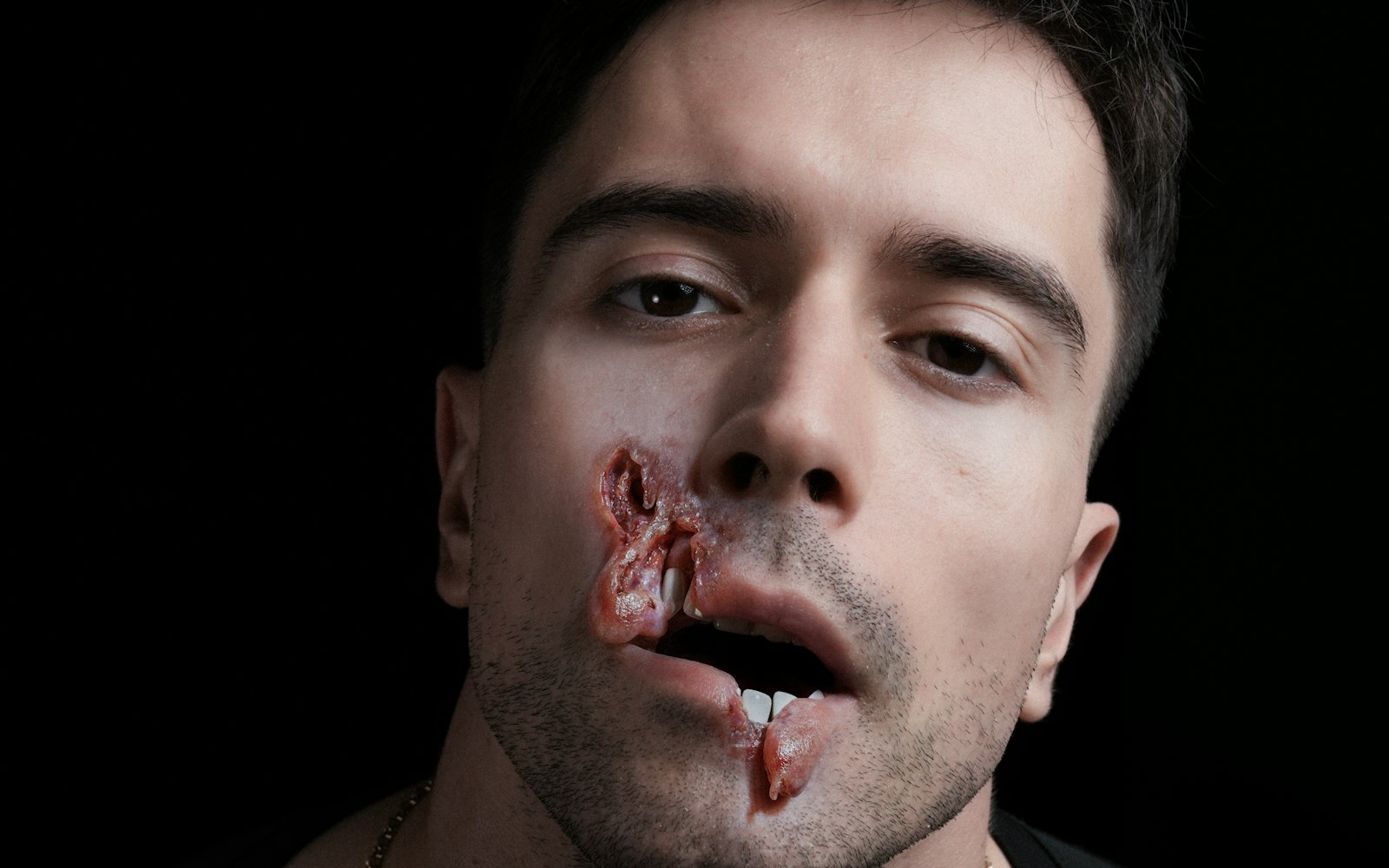
The Artist · Film and SFX
The best movie makeup transformations are remembered by actor, rarely by artist. Audiences recall Gary Oldman as Churchill or Robin Williams as Mrs. Doubtfire. Fewer people could name Kazu Hiro or Greg Cannom, the artists who built those faces. This list puts the credits back. It is part of the guide to the makeup artist career, written for artists who want to study the work, not just admire it.
Every entry below names the credited makeup artists and how the Academy recognized the work. We have not reproduced film stills, because studio images carry rights restrictions. Instead, each film title links to its reference page, where you can see the work.
The short answer
The most influential movie makeup transformations include Rick Baker’s werewolf in An American Werewolf in London, Greg Cannom’s aging in The Curious Case of Benjamin Button, and Kazu Hiro’s Churchill in Darkest Hour. Each won the Academy Award for makeup. The 2025 award went to Mike Hill, Jordan Samuel and Cliona Furey for Frankenstein. The list below covers fifty-two transformations from 1981 to 2025, with every credited artist.
In this guide
- How this list was built
- Movie makeup transformations of the 1980s
- Movie makeup transformations of the 1990s
- Movie makeup transformations of the 2000s
- Movie makeup transformations of the 2010s
- Movie makeup transformations of the 2020s
- What working artists can learn from these transformations
- Questions worth asking
How this list was built
Movie makeup was not recognized with its own Academy Award until 1981. The category was created after complaints that the makeup in The Elephant Man had gone unhonored, according to the history of the Academy Award for Best Makeup and Hairstyling. Every film below is a winner or nominee in that category, which gives each entry a public, checkable credit. We chose the nominees where the makeup changes who the actor appears to be: aging, prosthetic likeness, creature work and character design. Hair-only and period-styling nominations are left out. As a result, some famous transformations from before 1981 are missing, and so are films the Academy overlooked. Credits are listed as the Academy records them. Where an entry says nominated, the award went to another film that year.
Use the list as a study guide rather than a ranking. Each decade opens with a short note on what changed in materials and expectations, and each entry names the artists to look up next. In addition, the entries are short on purpose. The films themselves are the real reference, and most are easy to find. Watch them with the credits open, pause on the close-ups, and look for where an appliance edge meets real skin. Then compare the earliest movie makeup transformations with the most recent ones. The gap shows how much the materials have changed, and how little the principles have.
Movie makeup transformations of the 1980s
The 1980s turned makeup effects into a headline attraction. Foam latex appliances, mechanical heads and transformation sequences shot in plain view replaced the cutaways of earlier decades. In addition, a small group of artists, Rick Baker, Dick Smith, Stan Winston and Michael Westmore among them, trained the generation that followed. Their workshops became schools in all but name. Consequently, many of the credits in later decades trace back to these films. If you study one decade of movie makeup transformations, study this one, because the techniques are visible in every frame. Meanwhile, notice how often the same few workshops supplied the crews. Those shops were the training ground for the next thirty years.
David Naughton in An American Werewolf in London (1981)
The werewolf change in An American Werewolf in London happens in full light and in real time, which was new for the genre. The sequence still appears in makeup classes. As a result, Rick Baker won the Academy Award for makeup.
F. Murray Abraham in Amadeus (1984)
Abraham plays Antonio Salieri in his prime and as an old man looking back. In Amadeus, the aging had to hold up in long close-ups. In the end, Paul LeBlanc and Dick Smith won the Academy Award for makeup.
Eric Stoltz in Mask (1985)
Stoltz plays Rocky Dennis, a teenager with a rare skull condition. In Mask, the makeup had to reshape his face and still let him act through it. Consequently, Michael Westmore and Zoltan Elek won the Academy Award for makeup.
Jeff Goldblum in The Fly (1986)
In The Fly, a scientist changes slowly into something else across the whole film. The makeup works in stages, each one a little further from human. For that work, Chris Walas and Stephan Dupuis won the Academy Award for makeup.
Michael Keaton in Beetlejuice (1988)
Keaton’s title character in Beetlejuice is a design built from paint, texture and hair rather than heavy prosthetics. Afterward, Ve Neill, Steve La Porte and Robert Short won the Academy Award for makeup.
Eddie Murphy in Coming to America (1988)
Murphy and Arsenio Hall each play several characters in Coming to America, most of them unrecognizable. In turn, Rick Baker earned an Academy Award nomination for makeup.
Jessica Tandy in Driving Miss Daisy (1989)
The story of Driving Miss Daisy covers decades, so Tandy and Morgan Freeman age gradually on screen. As a result, Manlio Rocchetti, Lynn Barber and Kevin Haney won the Academy Award for makeup.
You may also like
Special Effects Makeup Artist: How to Build an SFX Career in the US
You may also like
The 120 Best Makeup Schools in the World (2026)
Movie makeup transformations of the 1990s
In the 1990s, makeup moved from monsters toward people. Biopics and comedies asked artists to turn famous actors into other famous people, or into several characters at once. Meanwhile, the materials improved. Thinner appliances and better adhesives let actors perform with more of their own expression. Several names recur throughout the decade, especially Greg Cannom, Ve Neill and Rick Baker. Watch for that pattern. In practice, the same artists solve the same kinds of problems again and again, and their solutions become the standard. Therefore, following an artist’s credits is often more instructive than following a single film. Start with Greg Cannom, whose name appears more often than any other this decade.
Al Pacino in Dick Tracy (1990)
The villains of Dick Tracy were designed to match the exaggerated faces of the original comic strip. Pacino plays one of them. In the end, John Caglione Jr. and Doug Drexler won the Academy Award for makeup.
Johnny Depp in Edward Scissorhands (1990)
Depp’s pale, scarred title character in Edward Scissorhands relies on skin tone, small scars and hair more than on prosthetics. Consequently, Ve Neill and Stan Winston earned an Academy Award nomination for makeup.
Dustin Hoffman in Hook (1991)
Hoffman plays Captain Hook in Hook, with a weathered face and wig built for a long shoot. For that work, Christina Smith, Monty Westmore and Greg Cannom earned an Academy Award nomination for makeup.
Gary Oldman in Bram Stoker’s Dracula (1992)
Oldman appears in several forms in Bram Stoker’s Dracula, including the Count as a very old man. Afterward, Greg Cannom, Michèle Burke and Matthew W. Mungle won the Academy Award for makeup.
Robin Williams in Mrs. Doubtfire (1993)
Williams plays a father disguised as an older British nanny in Mrs. Doubtfire. The disguise had to survive comedy close-ups and physical scenes. In turn, Greg Cannom, Ve Neill and Yolanda Toussieng won the Academy Award for makeup.
Martin Landau in Ed Wood (1994)
Landau plays the actor Bela Lugosi in Ed Wood. The likeness work had to match a face audiences knew from old horror films. As a result, Rick Baker, Ve Neill and Yolanda Toussieng won the Academy Award for makeup.
Eddie Murphy in The Nutty Professor (1996)
Murphy plays the title character in The Nutty Professor, along with several members of his family. In the end, Rick Baker and David LeRoy Anderson won the Academy Award for makeup.
Across the decade, two kinds of transformation dominate: comedy disguise and biographical likeness. They demand different skills. Comedy work must survive movement, sweat and repeated takes, so appliances are designed for durability. Likeness work, by contrast, must survive the scrutiny of audiences who know the real face, so proportion matters more than volume. Many of these films used the same specialists for both, which says something about the range a film artist needs. Similarly, many of the assistants on these productions went on to lead departments in the 2000s. If you are building a career, notice how often the same names reappear a decade later in larger roles.
Movie makeup transformations of the 2000s
The 2000s mixed practical makeup with digital effects more than any decade before. Some productions extended prosthetics digitally, while others kept the work entirely physical. At the same time, biographical films raised the bar for likeness, and several performers won acting awards for roles built partly in the makeup chair. For working artists, the lesson of this decade is collaboration. Makeup departments now plan their work alongside visual effects teams, so each knows where the other begins. In other words, the best results come from deciding early which parts of a face will be real and which will be added later.
Jim Carrey in How the Grinch Stole Christmas (2000)
Carrey plays the Grinch in How the Grinch Stole Christmas, a full-face character design worn across a long shoot. Consequently, Rick Baker and Gail Ryan won the Academy Award for makeup.
Russell Crowe in A Beautiful Mind (2001)
Crowe plays the mathematician John Nash across several decades in A Beautiful Mind, aging gradually on screen. For that work, Greg Cannom and Colleen Callaghan earned an Academy Award nomination for makeup.
Salma Hayek in Frida (2002)
Hayek plays the painter Frida Kahlo in Frida, with the brows, hair and styling of Kahlo’s self-portraits. Afterward, John E. Jackson and Beatrice De Alba won the Academy Award for makeup.
Jim Carrey in Lemony Snicket’s A Series of Unfortunate Events (2004)
Carrey plays Count Olaf in Lemony Snicket’s A Series of Unfortunate Events, along with Olaf’s several disguises. In turn, Valli O’Reilly and Bill Corso won the Academy Award for makeup.
Doug Jones in Pan’s Labyrinth (2006)
Jones plays two creatures in Pan’s Labyrinth, the Faun and the Pale Man, both full-body prosthetic designs. As a result, David Martí and Montse Ribé won the Academy Award for makeup.
Marion Cotillard in La Vie en Rose (2007)
Cotillard plays the singer Édith Piaf across most of her life in La Vie en Rose, from young performer to frail older woman. In the end, Didier Lavergne and Jan Archibald won the Academy Award for makeup.
Eddie Murphy in Norbit (2007)
Murphy plays multiple characters in Norbit, continuing the multi-role approach of his earlier comedies. Consequently, Rick Baker and Kazuhiro Tsuji earned an Academy Award nomination for makeup.
Brad Pitt in The Curious Case of Benjamin Button (2008)
Pitt plays a man who ages in reverse in The Curious Case of Benjamin Button. The film combines makeup with digital work across several life stages. For that work, Greg Cannom won the Academy Award for makeup.
Heath Ledger in The Dark Knight (2008)
Ledger’s Joker in The Dark Knight uses smeared paint and scarring rather than heavy prosthetics, a deliberately rough design. Afterward, John Caglione Jr. and Conor O’Sullivan earned an Academy Award nomination for makeup.
Eric Bana in Star Trek (2009)
Bana plays the Romulan villain Nero in Star Trek, with prosthetic ears, tattoos and a shaved head. In turn, Barney Burman, Mindy Hall and Joel Harlow won the Academy Award for makeup.
Before moving on, it is worth noticing how often a single artist appears across this decade. Rick Baker, Greg Cannom and Kazuhiro Tsuji each worked on several of these films. That repetition is not luck. Studios return to the artists who deliver on time, inside budget and without surprises on the shooting day. For anyone building a film career, that is the real lesson of the credits. Skill opens the first door, and reliability opens every one after it. Many of the books below trace exactly that pattern, through the workshops that trained the next generation of department heads. They are also a reminder that every finished face on this list began as a drawing on paper.
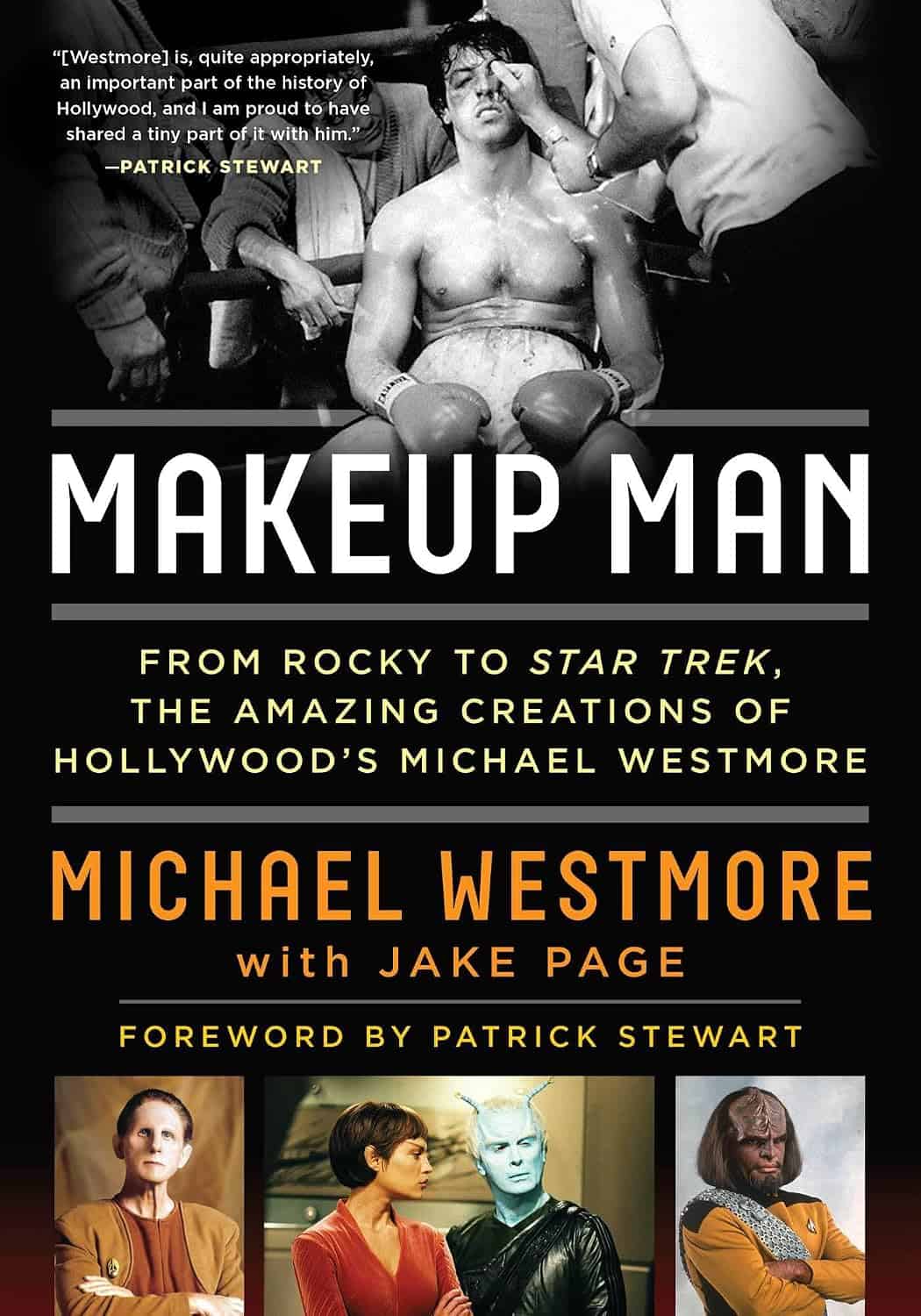
From Rocky to Star Trek, by a credited artist on this list.

Rick Baker’s work from 1950 to 2019, in two volumes.
Books like these are worth the shelf space because they show the process behind the finished face. They include sketches, life casts, sculpts and test makeups that never appear on screen. In addition, they record how long each stage took and what went wrong, which is the information working artists need most. For a wider reading list, see the craft books worth reading. Then compare what you read with the credits on this list. You will start to recognize individual artists’ habits, the same way a painter recognizes another painter’s hand. Above all, keep notes as you read. A short list of techniques worth trying is more useful than a long list of favorite films.
Movie makeup transformations of the 2010s
The 2010s belonged to likeness. Biographical films asked artists to turn well-known actors into well-known public figures, and audiences compared the results with photographs. Silicone appliances, finer hair work and digital capture of the real person’s face made that possible. At the same time, franchise films kept creature and alien work busy. As a result, the decade produced some of the most studied movie makeup transformations of the modern era. For students, the biopics are especially useful, because you can compare the finished makeup with photographs of the real person and see every decision the artist made.
Benicio del Toro in The Wolfman (2010)
Del Toro’s werewolf in The Wolfman deliberately echoes the classic Universal monster designs. As a result, Rick Baker and Dave Elsey won the Academy Award for makeup.
Meryl Streep in The Iron Lady (2011)
Streep plays Margaret Thatcher in The Iron Lady, including scenes of Thatcher in old age. In the end, Mark Coulier and J. Roy Helland won the Academy Award for makeup.
Glenn Close in Albert Nobbs (2011)
Close plays a woman living as a man in nineteenth-century Ireland in Albert Nobbs, a subtle transformation built for close-ups. Consequently, Martial Corneville, Lynn Johnston and Matthew W. Mungle earned an Academy Award nomination for makeup.
Anthony Hopkins in Hitchcock (2012)
Hopkins plays Alfred Hitchcock during the making of Psycho in Hitchcock, a likeness based on one of film’s most recognizable profiles. For that work, Howard Berger, Peter Montagna and Martin Samuel earned an Academy Award nomination for makeup.
Jared Leto in Dallas Buyers Club (2013)
Leto plays Rayon in Dallas Buyers Club, a role built largely with corrective and character makeup rather than prosthetics. Afterward, Adruitha Lee and Robin Mathews won the Academy Award for makeup.
Tilda Swinton in The Grand Budapest Hotel (2014)
Swinton plays Madame D., a very elderly dowager, in The Grand Budapest Hotel. The aging is broad enough for the film’s style and detailed enough for close-ups. In turn, Frances Hannon and Mark Coulier won the Academy Award for makeup.
Steve Carell in Foxcatcher (2014)
Carell plays John du Pont in Foxcatcher, with a prosthetic nose and teeth that changed how he held his face. As a result, Bill Corso and Dennis Liddiard earned an Academy Award nomination for makeup.
Zoe Saldana in Guardians of the Galaxy (2014)
Saldana plays the green-skinned Gamora in Guardians of the Galaxy, a full-body color and appliance design applied daily. In the end, Elizabeth Yianni-Georgiou and David White earned an Academy Award nomination for makeup.
Idris Elba in Star Trek Beyond (2016)
Elba plays the alien villain Krall in Star Trek Beyond, with a design that changes as the character is revealed. Consequently, Joel Harlow and Richard Alonzo earned an Academy Award nomination for makeup.
Gary Oldman in Darkest Hour (2017)
Oldman plays Winston Churchill in Darkest Hour. The likeness is one of the most cited examples of modern silicone makeup. For that work, Kazuhiro Tsuji, David Malinowski and Lucy Sibbick won the Academy Award for makeup.
Christian Bale in Vice (2018)
Bale plays Dick Cheney across several decades in Vice. Afterward, Greg Cannom, Kate Biscoe and Patricia Dehaney won the Academy Award for makeup.
Charlize Theron in Bombshell (2019)
Theron plays the television host Megyn Kelly in Bombshell, a likeness achieved with subtle prosthetics. In turn, Kazu Hiro, Anne Morgan and Vivian Baker won the Academy Award for makeup.
Joaquin Phoenix in Joker (2019)
Phoenix plays Arthur Fleck in Joker, whose clown makeup is applied by the character himself in the story. As a result, Nicki Ledermann and Kay Georgiou earned an Academy Award nomination for makeup.
Renée Zellweger in Judy (2019)
Zellweger plays Judy Garland near the end of her life in Judy. In the end, Jeremy Woodhead earned an Academy Award nomination for makeup.
Look back over the decade and a pattern appears. Most of the winners are likeness transformations, and most of the artists behind them came up through creature and effects work. That route makes sense. Sculpting a believable alien teaches anatomy, proportion and edge blending, which are exactly the skills a convincing Churchill requires. Consequently, many of today’s department heads spent their early years in effects shops rather than beauty trailers. If you want to work at this level, start by reading what a special effects makeup artist does, from training to the unions. Then study these movie makeup transformations side by side with photographs of the real people they portray.
It also helps to track how the job titles changed through these years. Credits increasingly separate makeup design, prosthetic design and hair design, and the Academy renamed the category to include hairstyling. Behind each credit sits a team: lab technicians, application artists and continuity assistants. Most of the names on this list started in those supporting roles. Therefore, read the full credit lists of films you admire, not only the winners’ names. You will find the assistants who became the next decade’s leads, and you will see which shops trained them. That is a practical map of where to look for your own first job. In addition, it shows how long most careers take to reach a credit like these.

You may also like
The Best Makeup Books for Makeup Artists

You may also like
The Fascinating Story of Pat McGrath
Movie makeup transformations of the 2020s
The current decade has widened the range of the award. Recent winners include intimate biographical work, body transformation and a classic monster reimagined. International productions appear more often among the nominees, and five films are now nominated each year rather than three. For artists, that means more recognition for different kinds of work, from subtle likeness to full creature design. Meanwhile, the debate about prosthetic likeness, especially when it changes an actor’s body or ethnicity, has become part of the conversation around these films. Thoughtful design now includes those questions from the start.
Viola Davis in Ma Rainey’s Black Bottom (2020)
Davis plays the blues singer Ma Rainey in Ma Rainey’s Black Bottom, with makeup and hair that defined the character as much as the costume. Consequently, Sergio López-Rivera, Mia Neal and Jamika Wilson won the Academy Award for makeup.
Glenn Close in Hillbilly Elegy (2020)
Close plays the grandmother Mamaw in Hillbilly Elegy, an aging transformation built around a real person. For that work, Eryn Krueger Mekash, Matthew Mungle and Patricia Dehaney earned an Academy Award nomination for makeup.
Jessica Chastain in The Eyes of Tammy Faye (2021)
Chastain plays the televangelist Tammy Faye Bakker across several decades in The Eyes of Tammy Faye. Afterward, Linda Dowds, Stephanie Ingram and Justin Raleigh won the Academy Award for makeup.
Jared Leto in House of Gucci (2021)
Leto plays Paolo Gucci in House of Gucci, with prosthetics that changed his face and hairline. In turn, Göran Lundström, Anna Carin Lock and Frederic Aspiras earned an Academy Award nomination for makeup.
Brendan Fraser in The Whale (2022)
Fraser plays Charlie, a man with severe obesity, in The Whale, through a full-body prosthetic design. As a result, Adrien Morot, Judy Chin and Annemarie Bradley won the Academy Award for makeup.
Colin Farrell in The Batman (2022)
Farrell plays the Penguin in The Batman, a transformation so complete that many viewers did not recognize him. In the end, Naomi Donne, Mike Marino and Mike Fontaine earned an Academy Award nomination for makeup.
Tom Hanks in Elvis (2022)
Hanks plays Colonel Tom Parker in Elvis, opposite Austin Butler as Presley. Consequently, Mark Coulier, Jason Baird and Aldo Signoretti earned an Academy Award nomination for makeup.
Willem Dafoe in Poor Things (2023)
Dafoe plays the scarred scientist Godwin Baxter in Poor Things, opposite Emma Stone. For that work, Nadia Stacey, Mark Coulier and Josh Weston won the Academy Award for makeup.
Bradley Cooper in Maestro (2023)
Cooper plays the conductor Leonard Bernstein across decades in Maestro. Afterward, Kazu Hiro, Kay Georgiou and Lori McCoy-Bell earned an Academy Award nomination for makeup.
Helen Mirren in Golda (2023)
Mirren plays the Israeli prime minister Golda Meir in Golda. In turn, Karen Hartley Thomas, Suzi Battersby and Ashra Kelly-Blue earned an Academy Award nomination for makeup.
Demi Moore and Margaret Qualley in The Substance (2024)
Moore and Qualley share one character’s two bodies in The Substance, which ends in an extended body-horror sequence. As a result, Pierre-Olivier Persin, Stéphanie Guillon and Marilyne Scarselli won the Academy Award for makeup.
Sebastian Stan in A Different Man (2024)
Stan plays an actor with neurofibromatosis in A Different Man, opposite Adam Pearson, who has the condition. In the end, Mike Marino, David Presto and Crystal Jurado earned an Academy Award nomination for makeup.
Jacob Elordi in Frankenstein (2025)
Elordi plays the Creature in Frankenstein, opposite Oscar Isaac as Victor Frankenstein. Consequently, Mike Hill, Jordan Samuel and Cliona Furey won the Academy Award for makeup.
Dwayne Johnson in The Smashing Machine (2025)
Johnson plays the fighter Mark Kerr in The Smashing Machine, a likeness transformation for one of the most recognizable faces in film. For that work, Kazu Hiro, Glen Griffin and Bjoern Rehbein earned an Academy Award nomination for makeup.
The 2025 results show how far the field has traveled since 1981. The winner is a monster, as the first winner was, yet the techniques behind it would have been unthinkable then. Meanwhile, the nominees range from a real fighter’s face to an international drama, which shows how broad the category has become. For working artists, the message is encouraging. There is room for many specialties, and the skills learned on small productions still lead to work like this. In short, every name on this list started where you are now, with a kit, a sculpt and a first job someone was willing to give them. Keep that in mind on the slow weeks.
What working artists can learn from these transformations
Four lessons run through every decade of this list. First, design comes before materials. The strongest transformations start as drawings and reference photographs, not as products. Second, restraint usually wins. Many of the most convincing likeness makeups add less than audiences assume. Third, the work is collaborative. Hair, costume, lighting and camera all shape how a makeup reads on screen. Fourth, careers are built over decades. The same names recur because studios trust artists who deliver. For practical next steps, start with the materials, the training routes and the union paths covered in our special effects guide, then study these films with the credits in hand. Above all, watch for the artists, not only the actors, because that is where the craft is visible.
Tools and library

Each of the three tools above serves a different stage of a film career. The calculator turns your kit costs and target income into a day rate, which matters from your first paid job. Meanwhile, the quiz helps you decide whether film and effects work suits you better than bridal or editorial work. The library gathers the career guide, notebooks and workbooks in one place. Used together, they turn admiration for these films into a plan for your own work. Start with the quiz if you are still choosing a direction, and with the calculator if you already take bookings. Then come back to this list whenever you need a reference for a likeness or aging job.
From the Artist Library
The artists on this list built careers over decades. The guide covers the business side they rarely talk about: pricing, contracts, agencies, kit economics and the first five clients.
Questions worth asking
What is the best movie makeup transformation of all time?
There is no single answer, but Academy recognition is a useful guide. Rick Baker’s werewolf in An American Werewolf in London won the first competitive award in 1981, and Kazu Hiro’s Churchill in Darkest Hour and Greg Cannom’s aging in The Curious Case of Benjamin Button are among the most studied modern examples.
Who won the Academy Award for makeup in 2025?
Mike Hill, Jordan Samuel and Cliona Furey won for Frankenstein (2025) at the 98th Academy Awards. The other nominees were Kokuho, Sinners, The Smashing Machine and The Ugly Stepsister.
Who is the most awarded movie makeup artist?
Rick Baker holds the record with seven Academy Awards for makeup from eleven nominations, starting with An American Werewolf in London.
When did the Academy start giving an award for makeup?
The competitive category was created in 1981, after complaints that the makeup in The Elephant Man had not been honored. It was later renamed the Academy Award for Best Makeup and Hairstyling.
How long does a movie makeup transformation take?
It varies widely by film and design, and production accounts differ. Full prosthetic makeups typically take hours in the chair each shooting day, plus weeks or months of design, sculpting and molding beforehand.
How do I become a movie makeup artist?
Most film makeup artists train at a specialist school or workshop, assist experienced artists, and build a portfolio of character and effects work. In the US, union film work runs through IATSE Local 706 in Hollywood and Local 798 in New York.
