
The Artist · Interviews
She was a department manager at a travel agency when a promotion forced a choice: stay, or start again in makeup. Netta Szekely chose makeup, took a course and walked into the first MAC store in Israel. She went on to train other artists and to work as a senior artist for the brand, backstage and in the studio. This interview is part of the career hub for professional makeup artists. It pairs her own answers with what she is doing now and what working artists can take from her path.
The short answer
Netta Szekely is a Tel Aviv makeup artist who rose from a MAC store counter to senior artistry and training roles with the brand. Today she describes herself as an editorial and bridal makeup artist, educator, content creator and creative makeup director. Her backstage prep blend inspired MAC’s Fix+ Magic Radiance, launched in 2020.
In this guide
- Who Netta Szekely is today
- The interview: how Netta Szekely built a career at MAC
- From a backstage mix to a MAC product
- Mixing color the way a senior artist does
- Reading a season: color and simplicity
- What working artists can take from Netta Szekely’s path
- Persistence, curiosity and a critical eye
- Questions worth asking

Who Netta Szekely is today
On her Instagram profile, checked in October 2026, Netta Szekely describes herself as an editorial and bridal makeup artist, educator, content creator and creative makeup director. She is based in Tel Aviv. The account had about 126,000 followers at that time. Her feed mixes three kinds of work: finished editorial faces, short tutorials for everyday makeup and product notes for other artists. That mix matters, because it shows how a senior artist can build several income streams from one skill set. Meanwhile, her editorial images, a few of which appear in this interview, lean on color, graphic shapes and well-prepared skin. For artists who follow her, the account works like an open notebook of techniques rather than a gallery of finished looks.
Her online course page at Now You Know adds more detail. There, she says she has worked in the beauty industry for about 20 years, from international fashion weeks to masterclasses. She lists work with designers including Moschino, Carolina Herrera and Oscar de la Renta. She also describes her role as a MAC Global Senior Artist, which gave her an inside view of product development, trends and training. Her course, Makeup Mastery, runs to 23 short lessons and about two hours of video, in English and Spanish. Its modules cover skin prep, base, contouring, color, eyes, eyeliner and lipstick. In other words, it teaches the fundamentals that every senior artist returns to, regardless of trends.
Several income streams from one skill
For working artists, her current mix of roles is the most useful part of the story. Brand artistry, editorial work, bridal clients, teaching and content can all support each other. A brand role gives training and credibility, while editorial work keeps the portfolio fresh. Bridal work brings steady income, and teaching turns years of practice into a product. Content, finally, connects all of it to new clients and students. However, it helps to know where each one leads. That way, the jobs you accept now build toward the career you want in ten years. Our guide to what makeup artistry is as a craft and a career explores those choices in more depth.

The interview: how Netta Szekely built a career at MAC
This conversation took place in late 2019, between work trips and a season of international shows. Her answers are kept as she gave them, lightly edited for clarity. Some details are dated, and we have added what happened next where it matters. The images come from her own Instagram account and show her editorial work.
What was the turning point when you decided to become a makeup artist?
“My turning point was rather late in life, after I went through university and was working as a department manager at a travel agency. I was always intrigued by makeup, but when I was offered a promotion at work, I decided to either take it and forget all dreams of makeup or take a leap of faith and just go for it. I started a makeup course and pretty quickly realized it was it. Shortly after, I quit my job at the agency, and I found out MAC was opening in Israel. MAC was my first job in makeup. I started in the store, then moved into training and then to senior artistry. It changed my life completely, and I still work here to this very day.”

What advice would you give someone at the beginning of a makeup career?
“This industry has since gotten much more difficult than when I started. My advice would be to be persistent, consistent and patient. Learn from everything and everybody. Take every fair opportunity that is offered to you and make the most of it. Be active in pursuing knowledge. Be a nice person and a team player, because many people can do what you do, so your personality is as important as your talent. Finally, develop your style and preferences, as well as a critical eye for what you and others create.”
Her advice is short, but each line maps to a practical habit. Persistence means treating rejection as part of the job, not as a verdict on your work. Learning from everybody means assisting, watching other artists and asking questions on every set. Above all, her point about personality is one that senior artists repeat again and again: teams hire people they want to spend fourteen hours with. If you are starting out, our guide to becoming a makeup artist assistant explains how to get that first place on a team.

Is there something specific about beauty routines in Israel?
“I feel like the world now is smaller than ever. Influences travel fast via runways, social media and celebrities, so generally speaking, we are experiencing a lot at the same time everywhere. Still, makeup is always very culturally related. In Israel, I feel like it is either trying to convince a woman to wear some makeup or persuading her to wear less, with not a lot in the middle. In Europe, I find all women wear some makeup. Whatever we do here in Israel, SPF is crucial.”
Her last line applies to artists everywhere, including clients across the sunniest parts of the United States. Sunscreen and makeup need to work together, or the base will pill, slide or look gray in photographs. For that reason, apply sunscreen as the last step of skin prep and give it a few minutes to settle before foundation. Remind outdoor clients to reapply.
Colorescience No-Show Mineral Sunscreen SPF 50 — a sheer layer under makeup
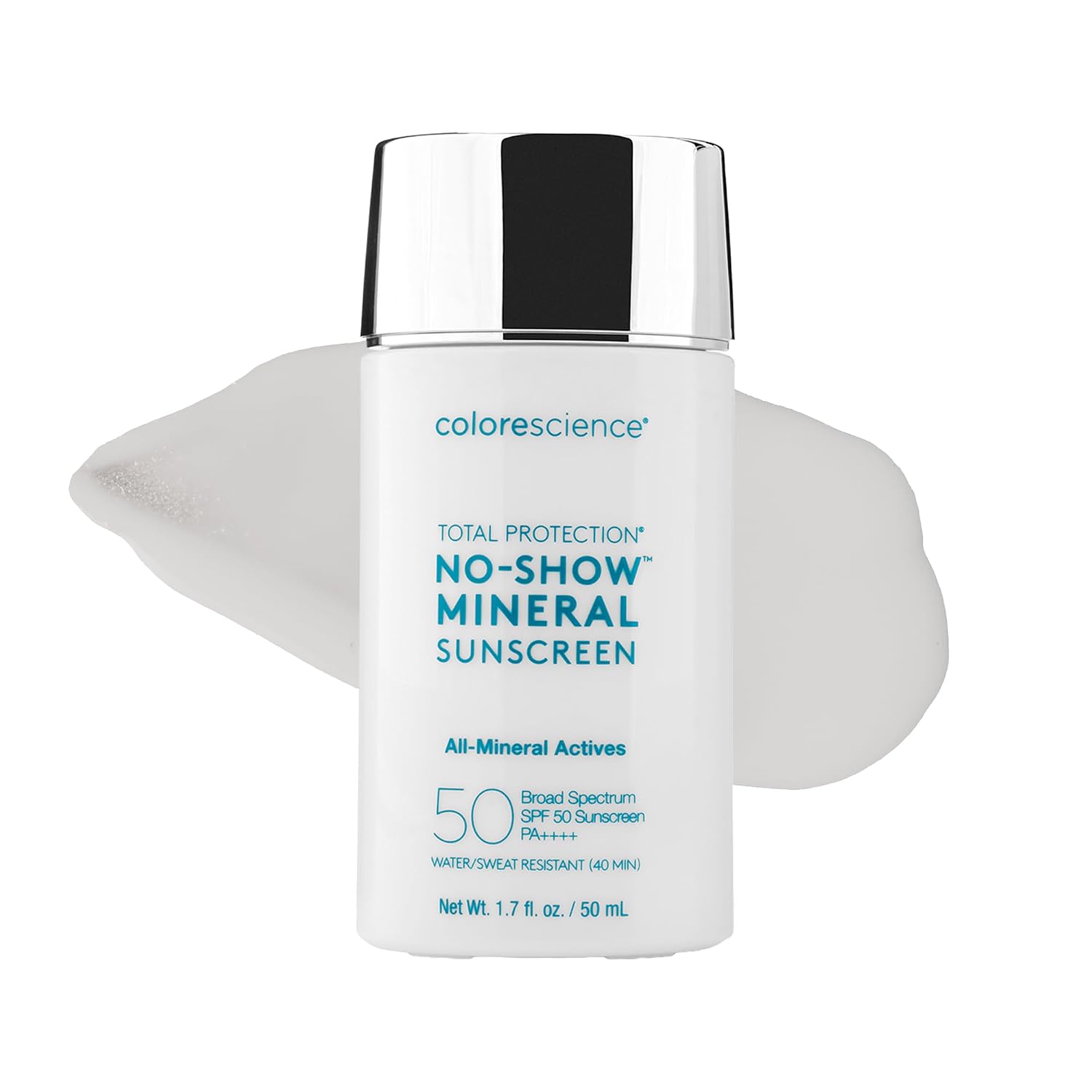
A sheer mineral sunscreen designed to sit under makeup without a heavy white cast. Apply it as the final step of skin prep, then wait a few minutes before foundation so the two layers do not pill. It is a useful option for outdoor weddings and daytime shoots. Patch test it on sensitive clients, and decant a small amount onto a clean palette instead of applying it straight from the tube.
What three products do you always have in your kit?
“First, MAC Pro Lipmix. This is really an insurance that you will always be able to create whatever color you need. They are liquid lipsticks in all primary and secondary colors, matte and super saturated, and exploding with pigment. I use them a lot. Second, my Magic Mix. This is a mix I created years ago from three MAC products I love: Fix+, Softening Lotion and an essential oil. The mix provides the combined benefits of all three: hydration, softening qualities and radiance. I will not start a makeup without it. In just a few months, MAC is coming out with Fix+ Magic Radiance, which is basically inspired by my mix. Third, MAC Pro Mixing Medium Lash. This is a clear mascara formula that I use for holding up the brows. It is the most powerful brow gel you will ever use.”

From a backstage mix to a MAC product
The Magic Mix did become a product. On April 1, 2020, The Zoe Report covered the launch of Fix+ Magic Radiance as the newest addition to MAC’s Fix+ line. The article described a hydrating mist with hyaluronic acid and vitamin C. It was meant for use before makeup as a radiant base, after makeup to set it or sprayed onto a sponge. It also quoted Netta Szekely’s own tips from MAC’s press release, including a quick hydrating treatment made with cotton pads. For artists, the story shows how a working habit can turn into a product when it is consistent, useful and well documented. In other words, the mix existed on her station for years before the bottle ever reached store shelves.
MAC Fix+ Original — the base of her prep mix
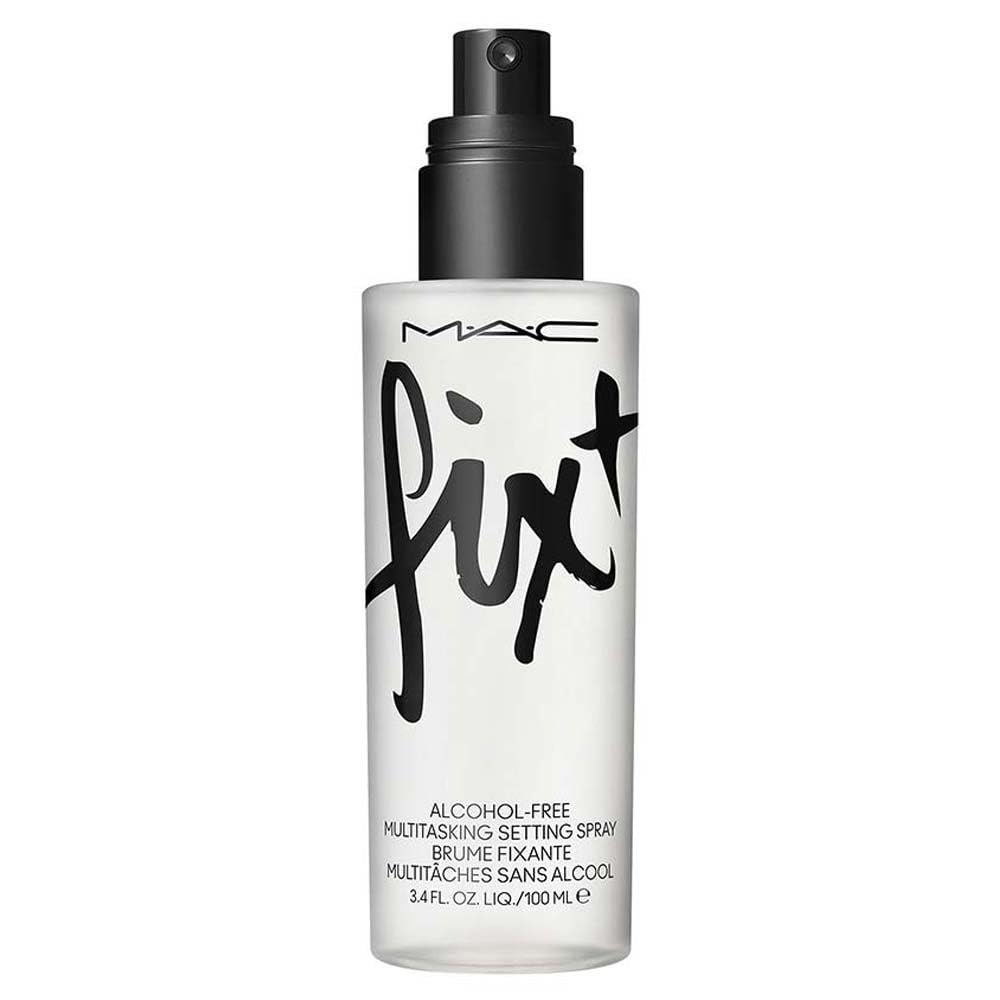
The original Fix+ mist, which Netta Szekely named as the first ingredient of her Magic Mix. Spray it onto clean skin before base for a quick layer of hydration, or onto a damp sponge to soften powder. You can also mist it over finished makeup to take away a powdery look. Hold the bottle at arm’s length and close the client’s eyes before each spray. Wipe the nozzle between clients.
Her cotton pad tip is easy to use at a station. According to The Zoe Report, she suggested soaking cotton pads in the mist and splitting each pad into thinner layers. The halves stay on the skin for two minutes as a hydrating treatment. She also called the mist “amazing on legs.” For a bride or an early call time, two minutes of hydration can change how a base sits for the rest of the day. Meanwhile, the split pads cover more skin with less product. Use fresh pads for every client, and never dip a used pad back into a shared container. Keep a small timer at your station, so the treatment fits the schedule.
Shiseido Facial Cotton — pads that split into thin layers
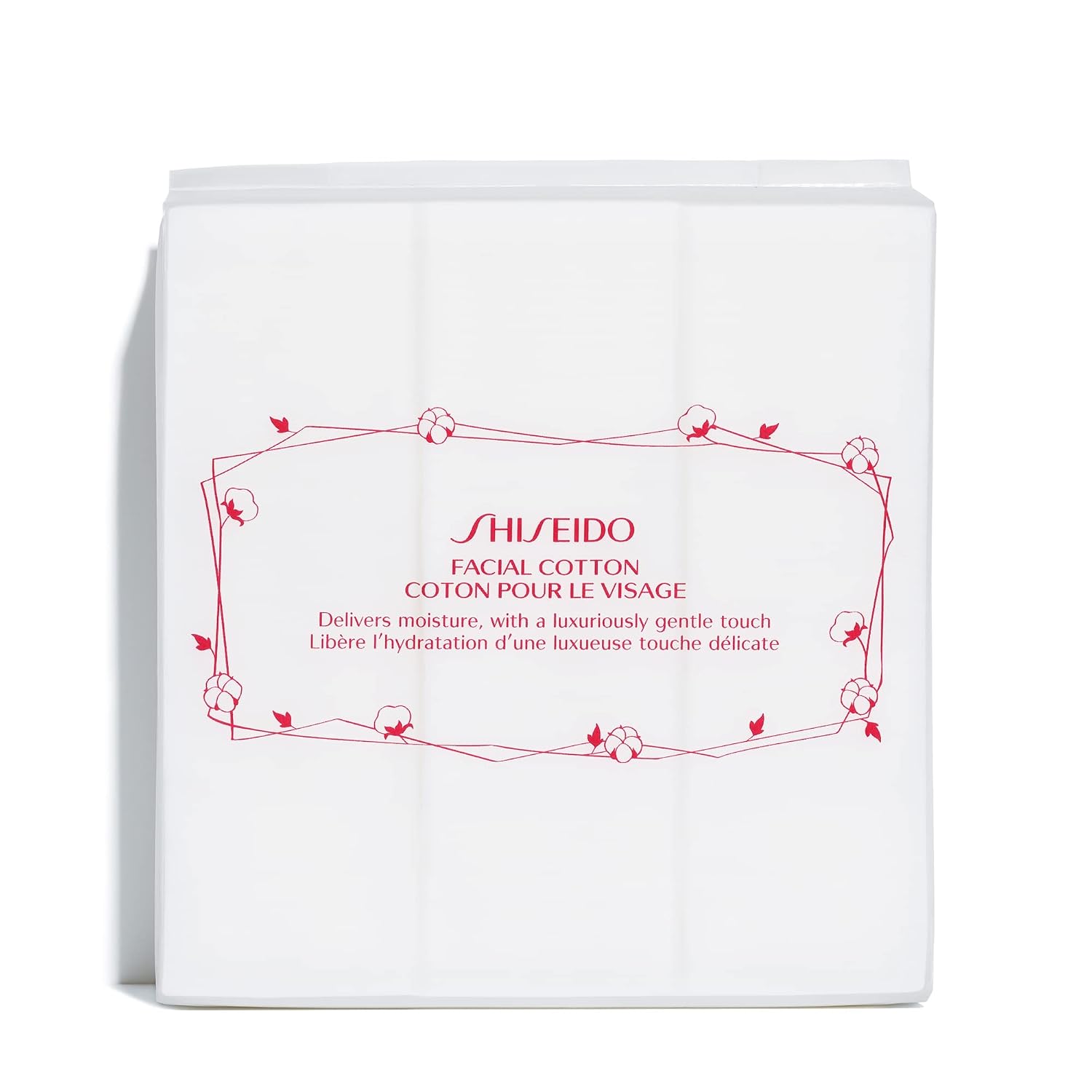
Soft cotton squares that peel apart into thinner sheets, which suits the split-pad treatment she described. Soak each pad in a hydrating mist or toner, split it in two and lay the halves across the cheeks and forehead. Remove them after about two minutes, then press any remaining moisture into the skin. The squares also work for removing makeup between looks. Keep the box closed at the station to protect it from powder and spray.
The broader lesson is about documenting your own methods. Every artist develops shortcuts and blends over time, but few write them down. Keep a simple record of what you mix, in what ratio and for which skin type. Photograph the results, and note how long the finish lasts. Over time, that record becomes training material for assistants, content for your followers and, occasionally, the basis for a product conversation with a brand. Pat McGrath followed a similar path, turning backstage habits into a cosmetics line, as our guide to Pat McGrath makeup looks explains. Above all, a written method is easier to teach and much easier to repeat on busy days.
Radiance without glitter is the thread that links her prep mix to many of her editorial faces. The effect comes from layers: hydration first, then a light-reflecting cream on the high points, then a thin base. Some artists mix a drop of illuminating cream into foundation instead, which spreads the glow evenly. Either way, keep the reflective layer away from the center of the forehead and the sides of the nose, where shine reads as oil in photographs. Meanwhile, check the face under the lighting you will actually use, because daylight, ring lights and flash all treat radiance differently. A little radiance goes much further than most working artists expect.
MAC Strobe Cream, Goldlite — a radiant layer under base
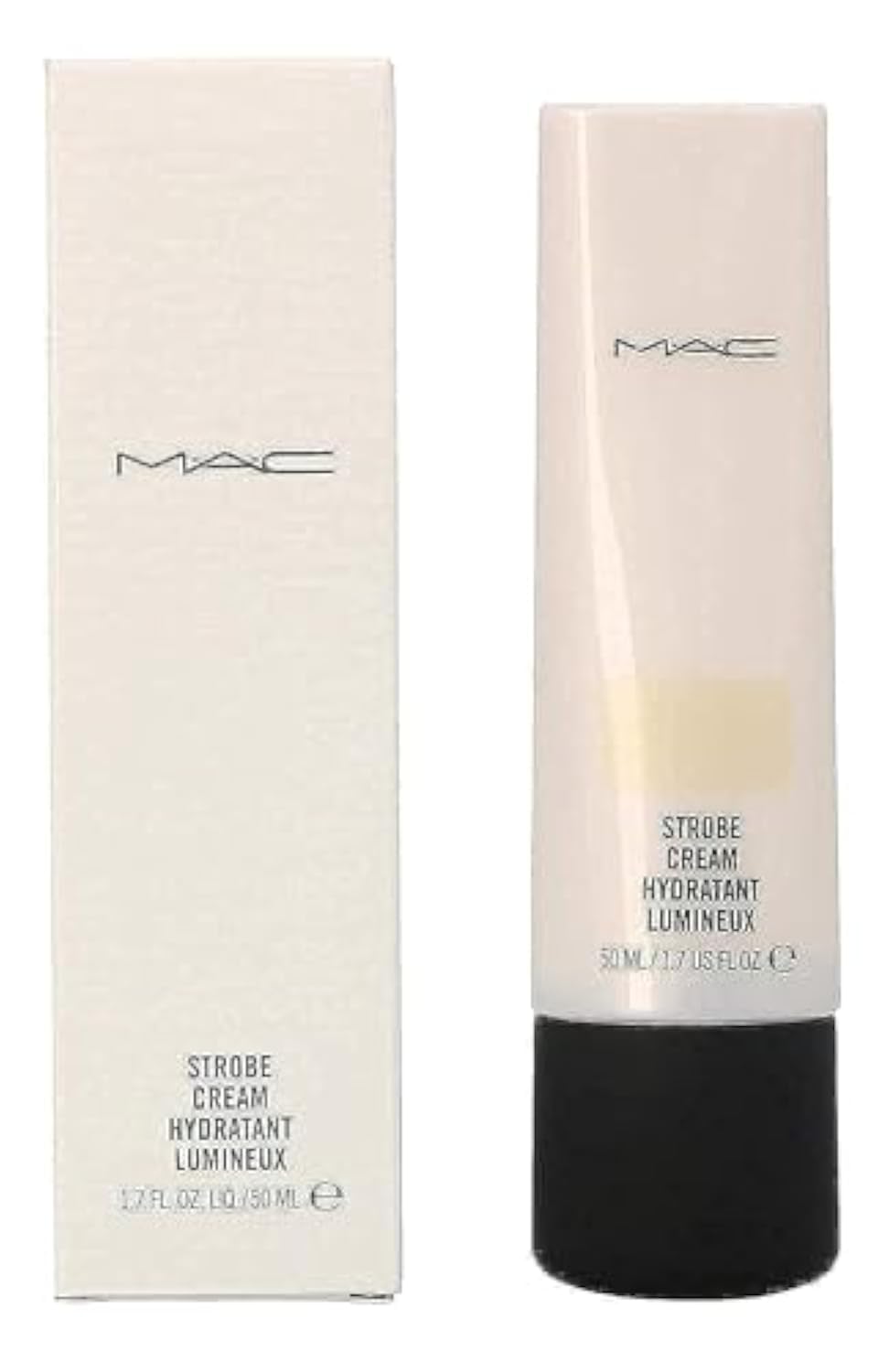
A light-reflecting moisturizer that adds a warm sheen under foundation or on its own. Tap a small amount onto the cheekbones and brow bones after skin prep, or mix a drop into foundation for an even glow. The golden tone suits warmer and deeper skin tones particularly well. Use a spatula to take product from the tube onto a palette. For oily skin, keep it to the highest points of the face only.
Mixing color the way a senior artist does
Her first kit essential, Lipmix, reflects a principle that every senior artist understands: a few strong pigments can make almost any shade. Instead of carrying hundreds of lipsticks, you carry primaries, secondaries, white and a neutral, then mix the color each face needs. It keeps the kit lighter and trains your eye. Our guide to color theory for makeup artists explains the undertone logic behind those shifts.

To mix a custom lip shade, start with the color closest to the target and adjust it in small steps. Add white to soften, a touch of brown or black to deepen, yellow to warm and blue to cool. Mix on a clean steel palette with a spatula, never on the back of your hand, which warms the product unevenly. Test the shade on the client’s lip rather than on the palette, because the natural lip color changes the result. Then write the ratio down, so you can repeat it on a trial day and again on the wedding day. In addition, photograph the mixed shade beside the client’s face under daylight, and keep the photo with the written ratio.
Graftobian HD Lip Palette — for custom lip shades
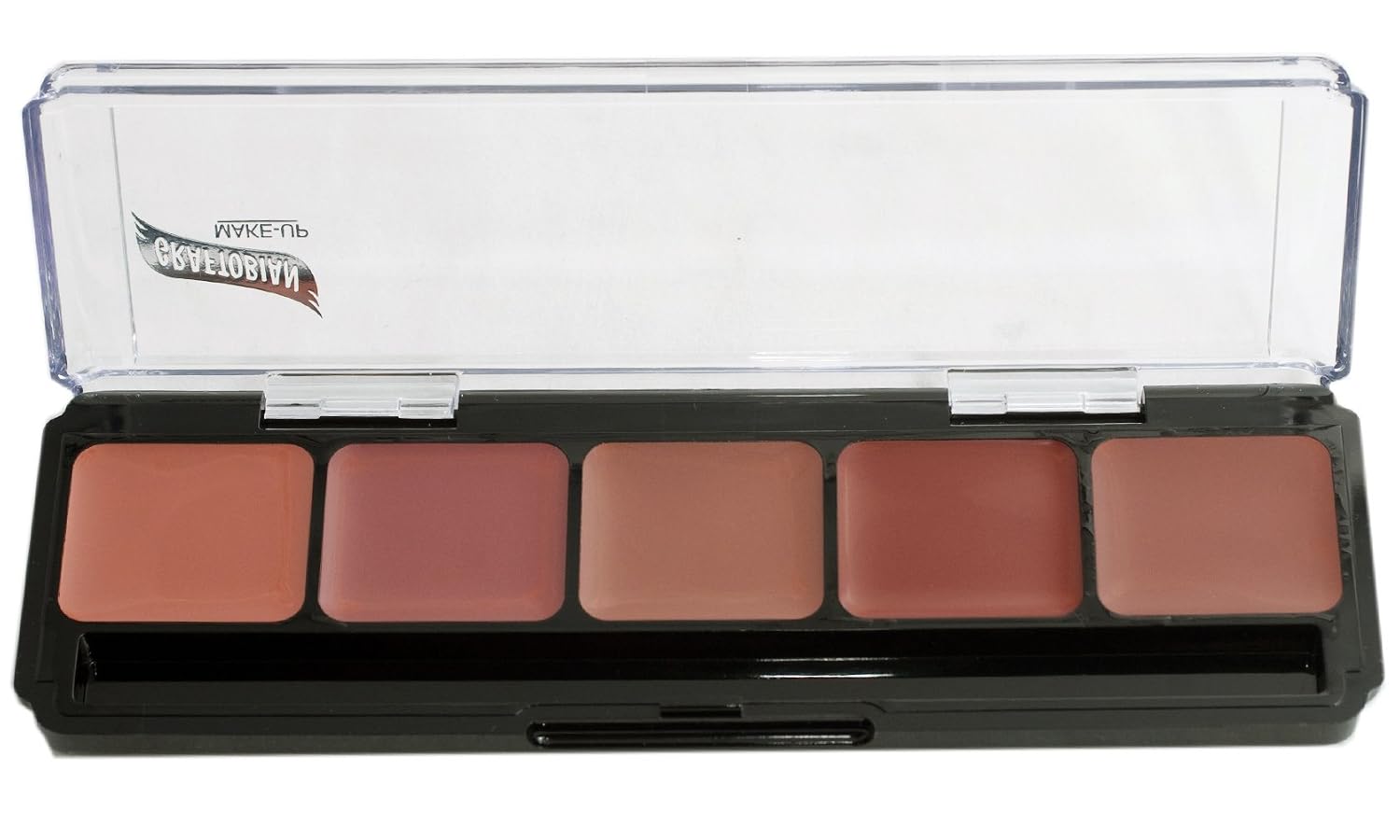
A professional palette of creamy lip colors built for mixing and for high-definition cameras. It covers neutrals, reds and berries, so you can blend a custom shade instead of carrying many separate lipsticks. Scrape a small amount onto a steel palette before mixing, and apply it with a disposable or sanitized brush. Record each custom ratio in a client file. Close the palette between uses to keep powder and spray off the surface.
A dedicated mixing surface is the quiet foundation of this way of working. Steel palettes do not absorb product, they clean easily with alcohol and they keep creams cool. Many artists also use them for foundation, mixing two shades into one or adding a drop of illuminator. For hygiene, clean the palette and spatula between every client and every product. Meanwhile, keep one palette for lips and one for complexion, so pigments do not cross over. Spray both with alcohol and let them dry fully before the next use. On set, label the palette with the actor’s name and the scene, because continuity depends on repeating the same shade for days.
Sinen Stainless Steel Makeup Palette with Spatula — a clean mixing surface
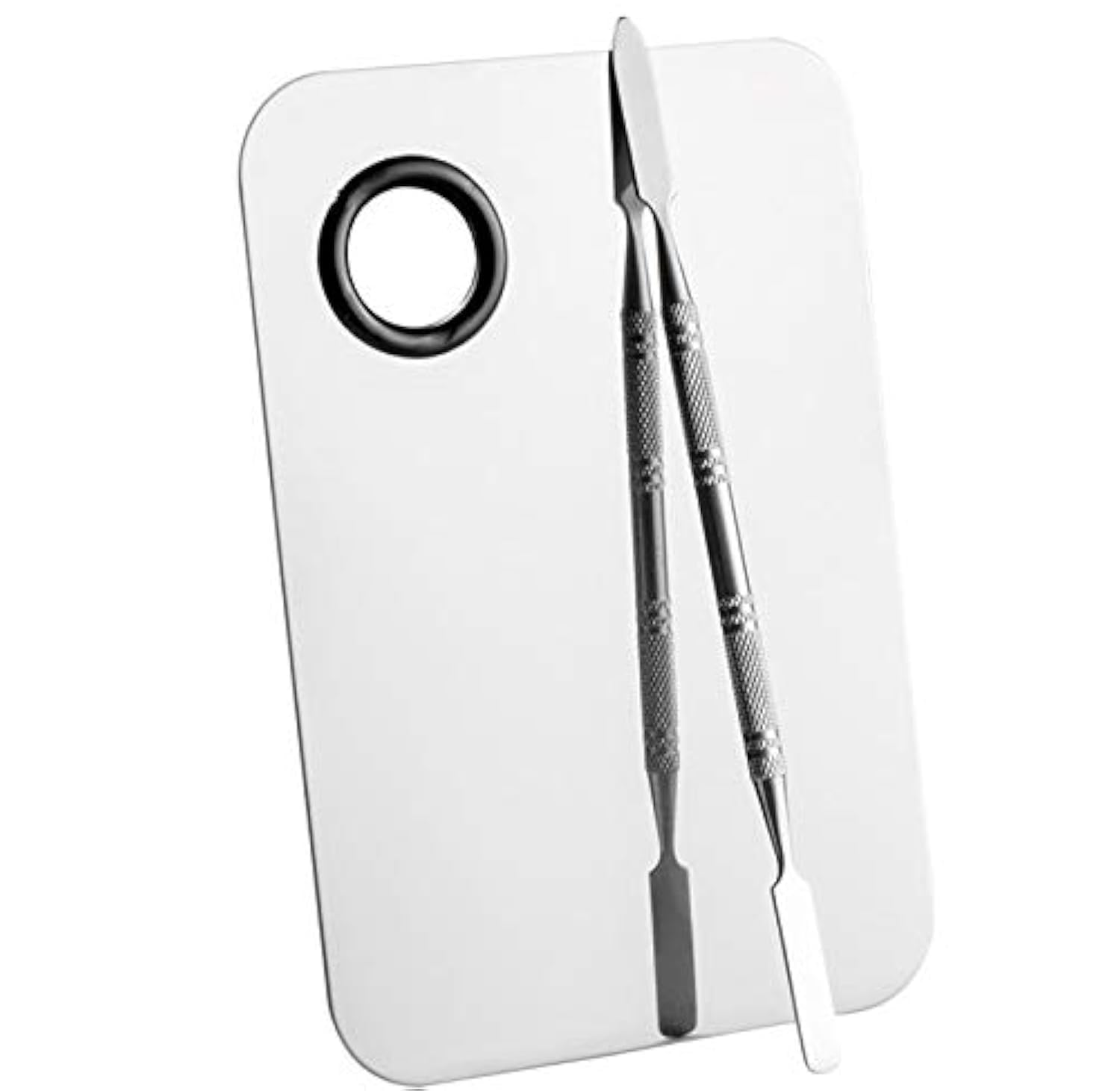
A small steel mixing palette with a matching spatula, sized to hold in one hand while you work. Use it to blend lip shades, mix foundations or warm cream products before application. It cleans quickly with alcohol between clients. The finger ring on the back keeps it steady during long sessions. Keep separate palettes for lips and complexion to avoid mixing pigments by accident.
Brows that hold all day
Her third essential, a clear mascara formula used on brows, solves a very common problem on long days: brows that drop by midday. Brushed-up, feathered brows look fresh and modern, but they need a strong, flexible hold. Start by brushing the brow hairs straight up and slightly outward with a clean spoolie. Then apply a clear gel or glue sparingly, working from the roots toward the tips. Press the hairs into place with the back of the spoolie, then let the gel set for a full minute before adding any color. If you fill sparse areas, use a fine pencil with short strokes after the gel has dried, so the hairs stay separate.

Strong-hold brow products can feel stiff if you use too much, so less is better. Wipe excess product from the wand before it touches the brow. For clients with very fine hair, a lighter gel may look more natural than a glue. Meanwhile, avoid getting the product on the skin under the brows, where it can flake under foundation. For photo shoots, check the brows from the side as well as the front, because brushed-up hairs can catch the light differently. In addition, use disposable spoolies for every client, and never double-dip a spoolie into a shared tube. Finally, carry small brow scissors. A few long hairs can spoil the shape once brushed up, so trim only after the gel has set.
NYX Professional Makeup The Brow Glue — clear, strong brow hold
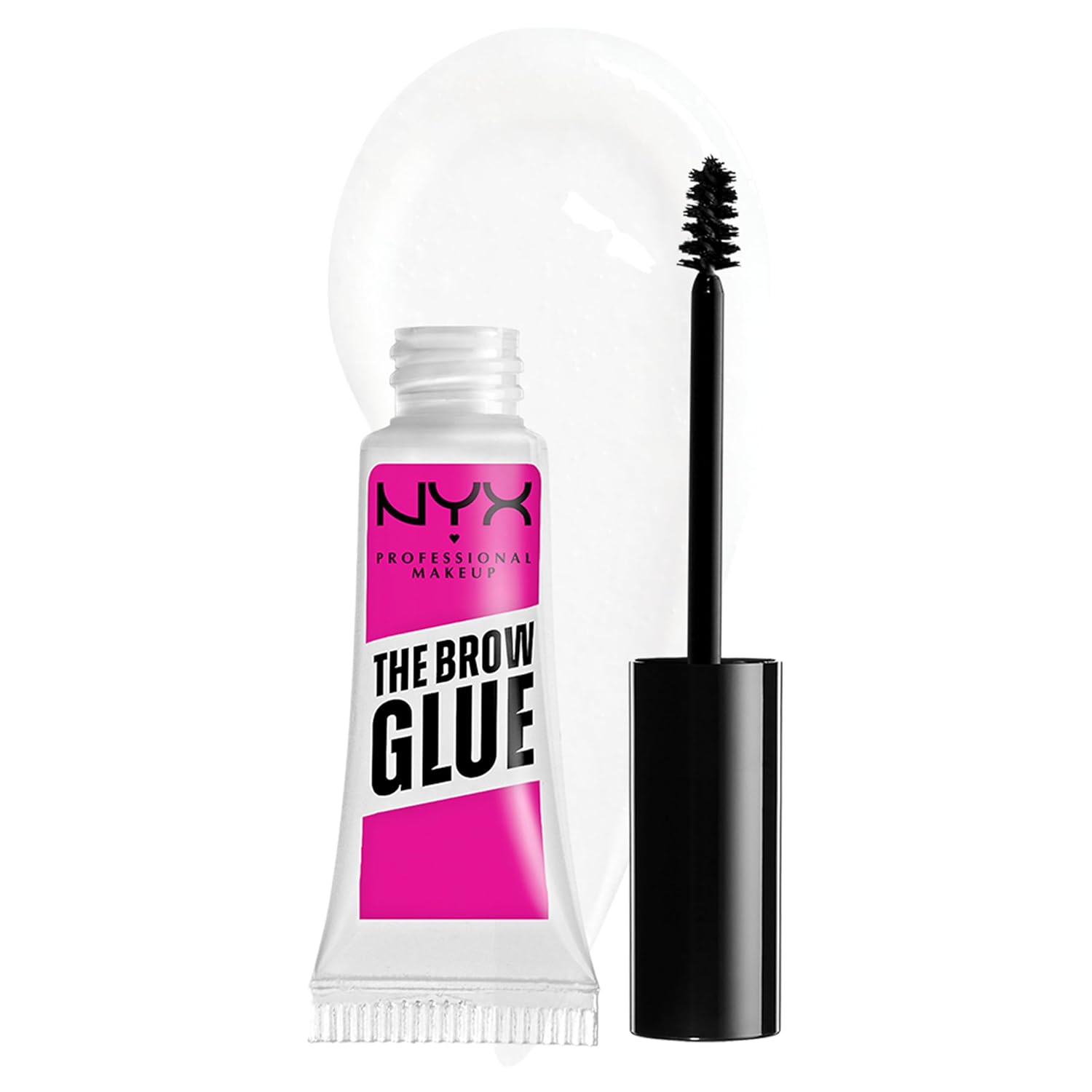
A clear, strong-hold brow gel that keeps brushed-up brows in place through long days. It is a useful stand-in for the clear-mascara trick she described. Wipe most of the product off the wand, brush the hairs up and press them flat with the spoolie. Let it set before adding pencil or powder. Use disposable wands for clients rather than the one in the tube.
Reading a season: color and simplicity
In 2019, we asked her about the coming Spring/Summer 2020 season. Her forecast still shows how a senior artist thinks about trends. “SS20 will be colorful. It was a season of bold colors, strong shapes and extreme textures. Using color has become so comfortable now, on the runway and hopefully on the streets. Color is the new black. Also, natural minimalism is still here, if twenty products that equal nothing can be called minimalistic. It feels like simplicity is a new luxury. It is indeed luxurious to be able to wear less and keep low maintenance.”

Her phrase “simplicity is the new luxury” has aged well. Clients still ask for skin that looks like skin, with one clear focal point. That focal point might be a yellow lid, as in the image above, or a classic red lip on bare, well-prepared skin. The skill lies in restraint: building an even, glowing base with as little product as possible, then committing fully to one feature. For that reason, practice your minimal face as seriously as your full glam. Time it, photograph it and refine it until it takes fifteen minutes and lasts all day. Many clients will book you for that face more often than for any dramatic look.
The red lip as a focal point
A red lip is the simplest way to practice this balance. Netta Szekely’s own course gives the red lip a lesson of its own. Start with a balanced base and soft, groomed brows, then keep the eyes nearly bare. Line the lip precisely with a matching pencil, fill it and blot once, then apply a second thin layer. Clean the edges with a flat brush and a touch of concealer. Meanwhile, choose the red by undertone: blue-based reds brighten teeth and suit cooler skin, while orange-based reds flatter warmer skin. Finally, check the lip on camera, because some reds shift toward pink or orange under certain kinds of studio light.
MAC Retro Matte Lipstick, Ruby Woo — a classic blue-red
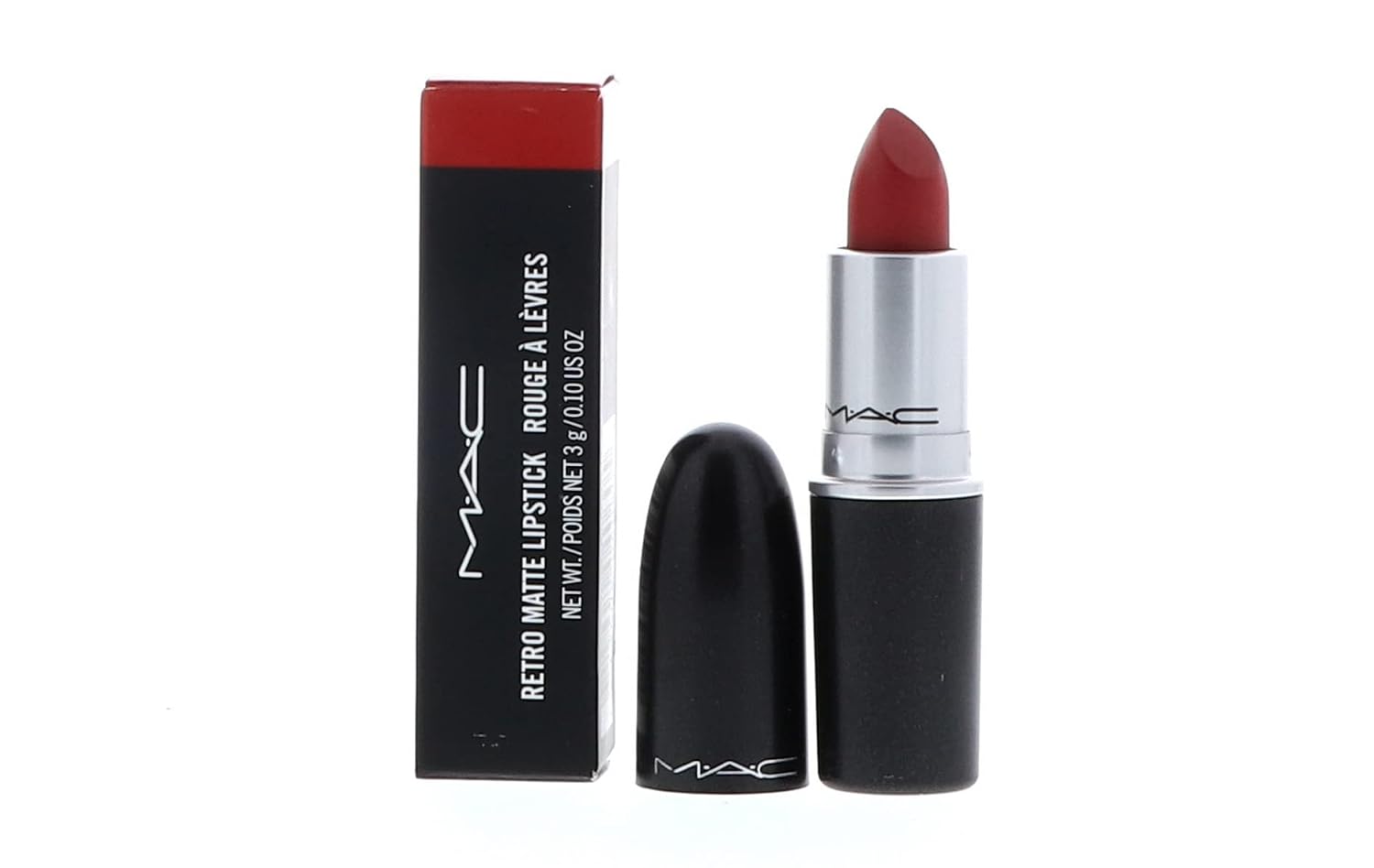
A long-standing matte blue-red that many artists keep as their reference red. Its very matte finish holds well through photographs and long events. Prep the lips with a thin balm first and blot it away, because the formula can feel dry. Apply it from a palette with a lip brush for clients, never straight from the bullet. Pair it with a matching liner for clean edges.
What working artists can take from Netta Szekely’s path
Her career began behind a store counter, and that route remains open today. Brand counters and stores teach speed, product knowledge and how to work with every kind of face in a single shift. From there, artists can move into training, events, editorial assisting or freelance work. Netta Szekely moved from the store into training and then senior artistry, staying with one brand for many years. Others use a counter role as a paid apprenticeship before going independent. Either way, the skills transfer to almost every other kind of makeup work, including bridal and set jobs. If you are weighing that route, our makeup artist career quiz can help you see which paths suit you.
Teaching and reputation
Teaching is the other lesson in her story. After years of training artists for a brand, she now sells her own course directly to students. That shift turns experience into income that does not depend on a calendar of bookings. You do not need a large following to start. A small workshop for local beginners, a bridal skin-prep class or a paid one-on-one lesson can test whether teaching suits you. Meanwhile, record what students ask most often, because those questions become your curriculum. Over time, teaching also sharpens your own technique, since explaining a step forces you to understand it fully.
Finally, her advice about personality deserves repeating. Senior artists hire, recommend and rebook the people who are calm, prepared and kind under pressure. That means arriving early, keeping a clean station, listening more than you talk and treating every assistant and model with respect. It also means being honest about what you do not know yet, and asking before you guess. Talent gets you the first booking, but reputation gets you the next ten. Our list of makeup artists to follow on Instagram shows how other working artists share their process. In addition, keep in touch with the artists you assist, because most work in this industry still arrives through people.
Sources
Sources checked October 2026
Persistence, curiosity and a critical eye
Netta Szekely’s story is not about overnight success. She changed careers after university, started on a store floor and built her way up through training, backstage work and senior artistry. Along the way, a habit she used on every face became a product sold around the world. Her advice stays simple: be persistent, keep learning, be good to work with and develop your own eye. None of that requires a famous mentor or a large budget. It requires showing up, paying attention and writing down what works. Start with one habit from this interview this week. Write down what changes and build from there, one season and one face at a time.
Tools and library

The three tools above support the business side of a career like hers. The calculator helps you price bridal, editorial and teaching work so your time, travel and kit are covered. Meanwhile, the quiz helps you decide whether brand, bridal, editorial or film work suits you best, which shapes the skills worth building first. The library gathers the career guide, notebooks and workbooks, including pages for client records and custom shade ratios. Start with the quiz if you are still choosing a direction. If you are already working, start with the calculator and review your rates for the coming season. Revisit all three as your career grows, because the right tools change with your work.
From the Artist Library
Counters, assisting, editorial and bridal work each follow their own path. The guide covers pricing, portfolios and finding clients, in plain terms.
Questions worth asking
Who is Netta Szekely?
A Tel Aviv makeup artist who rose from MAC’s first store in Israel to senior artistry and now works as an editorial and bridal artist and educator.
What is Netta Szekely’s Instagram?
Her account is @nettart. In October 2026 it had about 126,000 followers.
What is the Magic Mix?
A prep blend she created from MAC Fix+, Softening Lotion and an essential oil, for hydration, softness and radiance. It inspired Fix+ Magic Radiance, covered at launch in April 2020.
What does Netta Szekely keep in her kit?
In our interview she named MAC Pro Lipmix for custom colors, her Magic Mix for prep and a clear mascara formula used as a strong brow gel.
Does Netta Szekely teach makeup?
Yes. Her online course, Makeup Mastery, has 23 lessons and about two hours of video covering skin prep, base, contouring, color, eyes and lips.
How do you become a senior artist at a makeup brand?
Many start at a store counter, then move into training, events and artistry roles over several years.
