
The words vegan and cruelty-free often share a lipstick box. Yet they describe two different promises. One speaks to what is inside the formula. The other speaks to how that formula reached you. Knowing vegan vs cruelty-free is step one in our guide to vegan beauty, since every other choice rests on it. This piece explains what each word means and which marks carry real weight. It also covers what US law does and does not say. Then it lists the animal ingredients worth knowing by name. By the end, you will read a label the way a formulator does. You will do it with ease, and without guesswork.
Vegan means a product contains no animal-derived ingredients, such as beeswax, carmine, lanolin or animal collagen. Cruelty-free means neither the brand nor its suppliers tested the product or its ingredients on animals. A product can be one without the other. In the US, the FDA says there are no legal definitions for these terms, so the most reliable proof is a third-party mark: Leaping Bunny for cruelty-free, The Vegan Society trademark for vegan, or PETA’s database for both.
Vegan vs cruelty-free: the difference in one minute
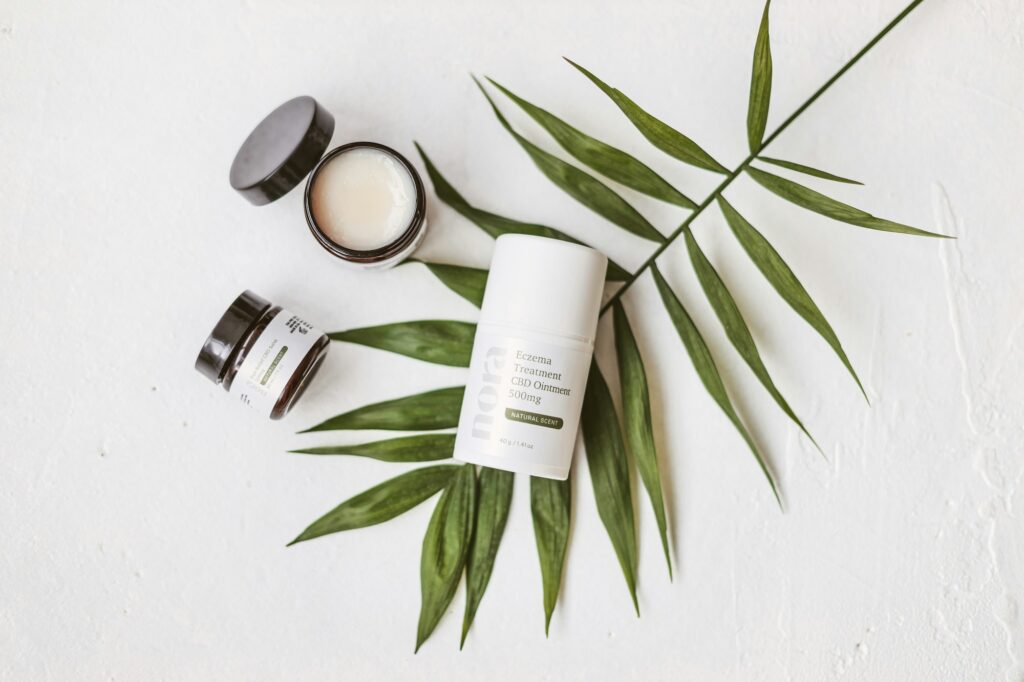
At its simplest, the vegan vs cruelty-free question comes down to ingredients versus testing. A vegan product leaves out anything that came from an animal. That includes obvious materials, such as honey or beeswax. It also includes quieter ones, such as a red pigment made from insects. A cruelty-free product, by contrast, was never tested on animals. That promise covers the brand and the companies that supplied its ingredients. Neither word tells you about the other. Therefore, a balm can be cruelty-free and still contain beeswax. Likewise, a foundation can be free of animal ingredients yet come from a company that allows testing. Each word answers one question, and only one.
For this reason, many women look for both words together. A product that is vegan and cruelty-free answers both questions at once. Nothing from an animal went into it, and no animal was tested to make it. That pairing is the usual meaning of “vegan beauty” in everyday conversation. However, the two claims are checked by different organizations, with different rules. As a result, a brand may hold one certification and not the other. Knowing which mark covers which promise lets you read a label in seconds. It also protects you from vague wording, such as “kind to animals” or “ethically made.” Those phrases carry no defined meaning at all, so they cannot settle anything.
What “vegan” means on a beauty label
The word vegan comes from The Vegan Society, founded in 1944. Its definition of veganism describes a way of living that avoids using animals. It applies to food, clothing and any other purpose, as far as is possible and practicable. In beauty, that idea becomes a simple rule for the formula. A vegan lipstick, serum or shampoo contains nothing taken from an animal. It also contains nothing an animal made, such as honey. In practice, this means checking every pigment, wax, oil and protein in the list. Many familiar names can be plant-derived, synthetic or animal-derived. So the source of each one matters as much as its name. A certified mark removes that doubt.
Notably, the word vegan on a label is not regulated in the US. A brand can print it on the strength of its own review. That is why a third-party trademark matters. The Vegan Society reviews each product application through a dedicated team. Only then does it allow its sunflower mark on packaging. Its trademark search lets you check any registered product by name. Meanwhile, a brand’s own vegan claim is still useful. It helps most when the brand lists its ingredients in full and explains its sourcing. The strongest position, of course, combines both. A clear vegan policy on the brand’s site pairs well with a certification you can verify yourself.
Animal-derived ingredients to know
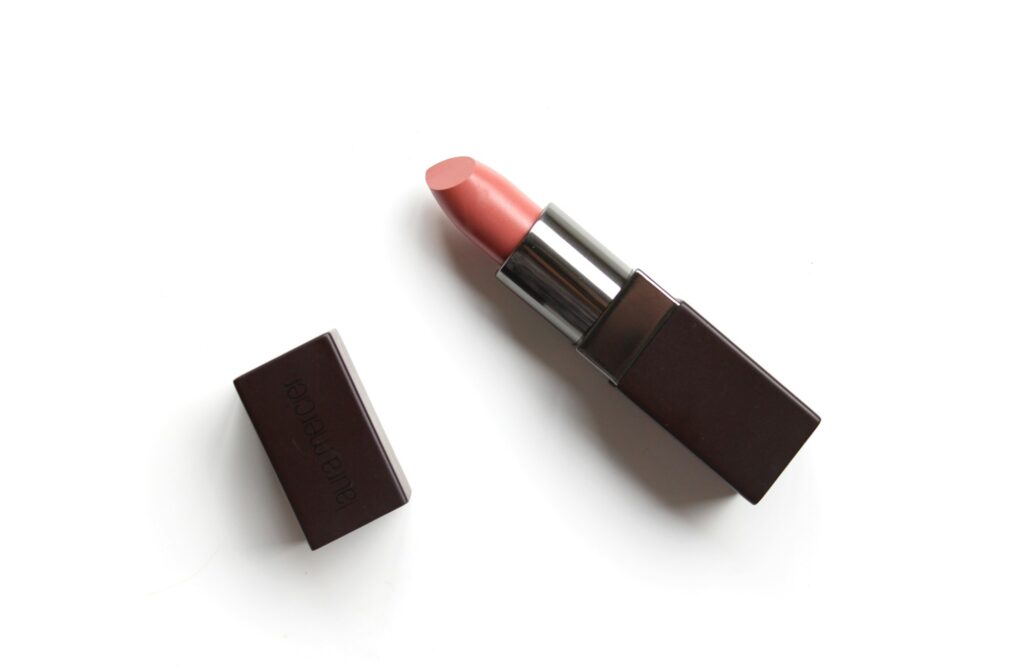
Several animal ingredients appear again and again in cosmetics. PETA’s animal-derived ingredients list is a useful reference for all of them. Carmine is a red dye made from crushed cochineal insects. It often gives lipstick and blush their warmth. Beeswax comes from melted honeycomb and adds structure to balms and mascaras. Lanolin is an oil taken from sheep’s wool, and it softens lip and skin products. Squalene can be pressed from shark livers. However, most squalane in modern skincare now comes from olives or sugarcane. Guanine gives some highlighters their shimmer, and it can come from fish scales. Learn these five names first, since they appear most often. The rest follow easily.
You may also like

A second group is easier to miss. Keratin is a protein used in hair treatments. It can come from horns, hooves, feathers or hair. Collagen usually comes from animal tissue, unless the label says plant-based or bioengineered. Silk powder comes from silkworm cocoons. Shellac is a glossy resin secreted by insects, and it sometimes appears in nail polish. Honey and royal jelly turn up in masks and balms. Finally, perfume has its own history of animal materials. These include musk, civet, castoreum and ambergris. Today, most fine fragrance uses synthetic versions instead. Our guide to vegan perfume explains how to tell them apart on a label. Fragrance labels rarely say more.
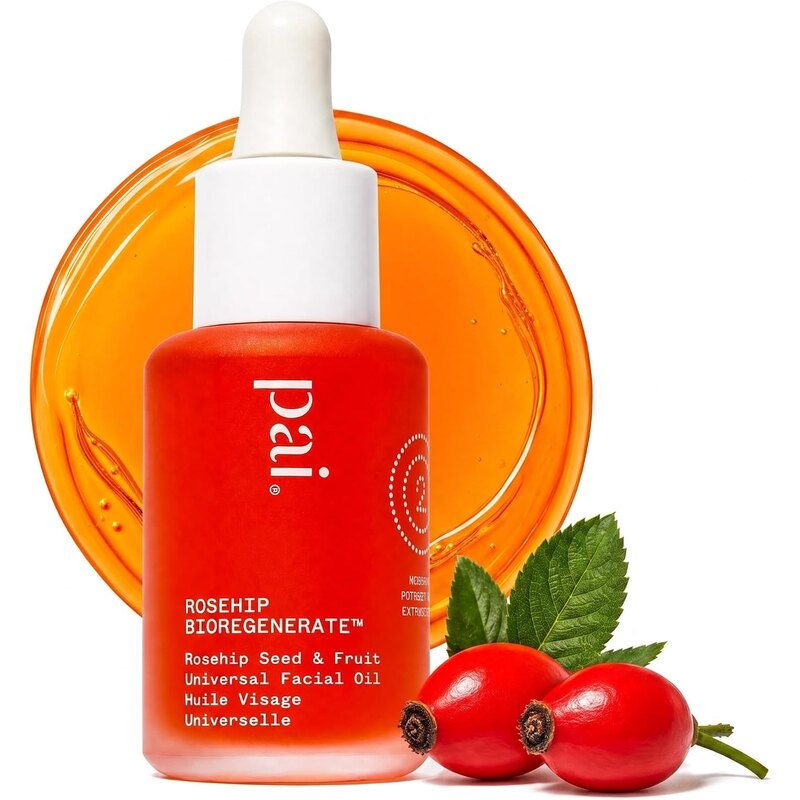
An organic rosehip oil for dry and sensitive skin.
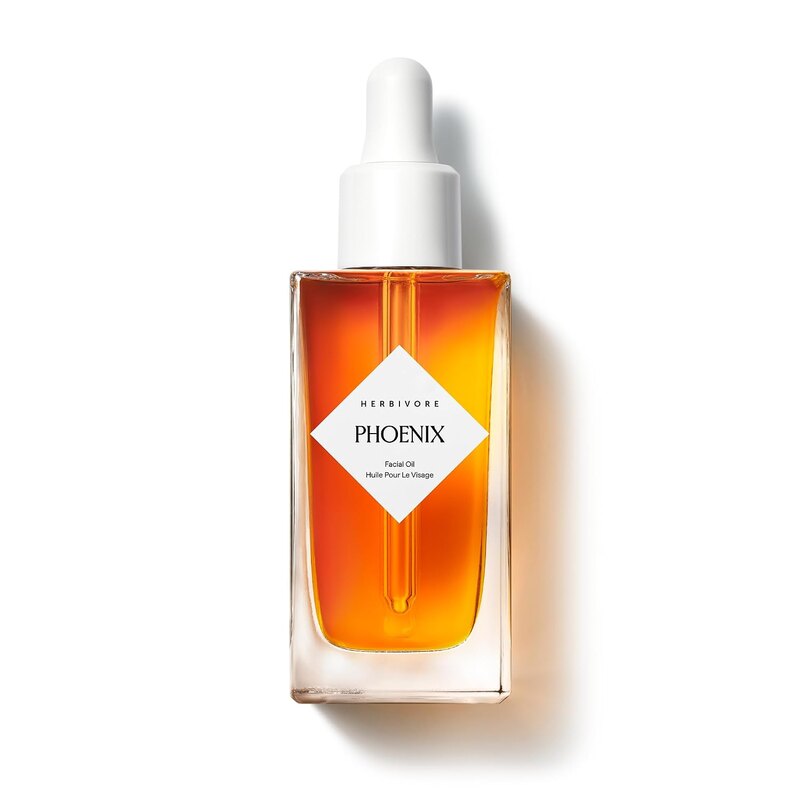
A rich rosehip and plant oil blend for dry skin.
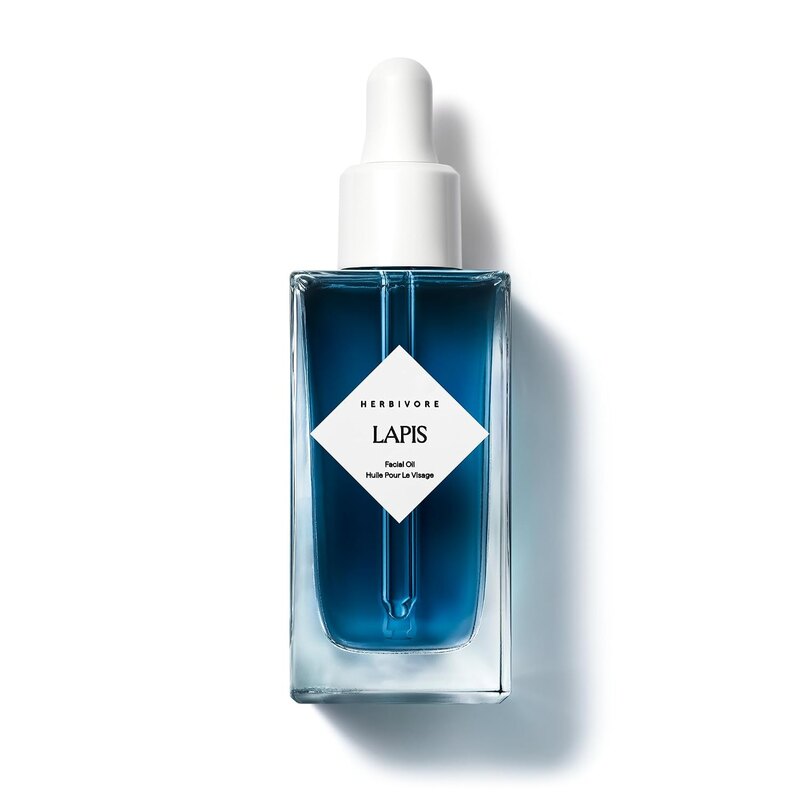
A light blue tansy oil made to balance oily skin.
Making label-reading a habit
Reading for these names becomes second nature surprisingly quickly. In the first week, you might check every box in your bathroom cabinet. After that, the words jump out on their own: carmine, cera alba, lanolin, keratin. Many brands also print a small vegan note beside the ingredient list, which saves time. Even so, the list itself remains the final word. If a name is unfamiliar, the brand’s customer care team can usually confirm its source. That small habit turns shopping into something slower and more deliberate. Instead of trusting a word on the front of a box, you read the back. Over a season, your shelf begins to reflect your values, one replacement at a time.
You may also like
What “cruelty-free” means
Cruelty-free describes testing, not ingredients. A cruelty-free product was not tested on animals during its development. Neither were its ingredients. The word sounds absolute, yet in the US it has no legal definition. The FDA addresses this on its page about cruelty-free and “not tested on animals” claims. It states that there are no legal definitions for these terms. Consequently, a brand can use the phrase without restriction. The same page notes that some companies rely on suppliers or contract laboratories for testing. In that case, a finished product can carry the claim while its ingredients were tested elsewhere. The wording alone, then, cannot tell you the full story. A certifier can.
This is why the most careful definitions look at the whole supply chain. A truly cruelty-free brand does not test finished products on animals. In addition, it does not commission others to test for it. It also checks that its ingredient suppliers do not test either. Finally, it avoids markets where the law requires animal testing. That last point has shifted over the years as regulations changed. As a result, a brand’s status today may differ from its status a decade ago. A current certification is therefore worth more than an old headline or a remembered list. When a brand states its policy on its own site, read the date and the scope closely.
Who tests, and when
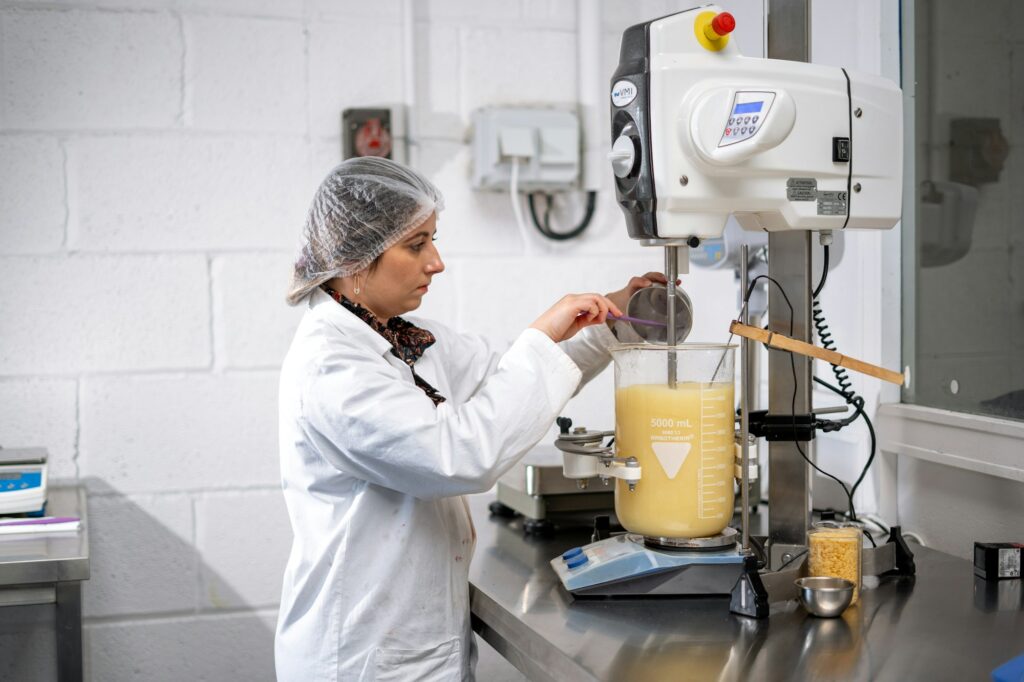
The question of who tests matters as much as whether testing happened at all. A brand might never test its own finished products. Yet it could still buy ingredients from a supplier that does. Certification programs close that gap with a supplier rule. Under the Leaping Bunny Standard, each company sets a fixed cut-off date. After that date, no new animal testing may occur on its products or their ingredients. The company must also run a supplier monitoring system. That system covers the original manufacturer of each ingredient. Suppliers sign declarations, and the company keeps them on file. The program also allows independent audits of that system. Each commitment is renewed every year.
Timing is the other half of the story. A brand chooses its own cut-off date. So older ingredients tested before that date may still appear in its products. Most certification programs accept this. Those past tests cannot be undone, and the goal is to stop new ones. Meanwhile, the date gives the promise a clear boundary. Perhaps you have seen a brand described as “cruelty-free since” a certain year. That year is usually its cut-off date. It is a small detail, yet it tells you something useful. The company has made a specific, checkable commitment. That is very different from a general statement of good intentions, printed on a box with nothing behind it.
The three marks worth trusting
Three names carry most of the weight in vegan and cruelty-free beauty. Each one checks something slightly different, so it helps to know what you are looking at. First, the Leaping Bunny brand guide lists companies certified under its Standard. It is a cruelty-free mark. It covers testing across the supply chain, with the cut-off date and supplier monitoring described above. However, it does not certify that a product is vegan. A Leaping Bunny brand may still use beeswax or carmine. Many do not, of course. Still, the mark itself is about testing, so read it that way and nothing more. The other two marks fill that gap.
Second, PETA’s cruelty-free database lists companies that have pledged not to test on animals. PETA also flags which of those companies are fully vegan. That makes it a quick two-in-one check. Third, The Vegan Society trademark covers vegan status. Its product search confirms whether a specific product is registered. Its criteria also exclude animal testing by the company. Used together, these three resources answer almost every question you might have. Leaping Bunny is the most detailed on testing. The Vegan Society is the most detailed on ingredients. PETA, meanwhile, offers a broad and fast first look at both questions in one place. The table below sets them side by side.
| Mark | What it certifies | Best for | Where to check |
|---|---|---|---|
| Leaping Bunny | No new animal testing by the company or its suppliers after a fixed cut-off date | Cruelty-free status in depth | Leaping Bunny brand guide |
| PETA | A pledge not to test on animals, with a separate flag for fully vegan companies | A fast check of both claims | PETA cruelty-free database |
| The Vegan Society | Products free of animal ingredients, with no animal testing by the company | Vegan status of a specific product | Vegan Society trademark search |
Checking a brand in two minutes
In practice, a simple order works well. Start with the brand’s own site, since a serious brand states its policy clearly and dates it. Next, check one certifier. For a cruelty-free claim, look up the brand on Leaping Bunny or PETA. For a vegan claim, search the product on The Vegan Society or check PETA’s vegan flag. If the brand appears, you can buy with confidence. If it does not, that is not proof of testing. Some small brands simply have not applied yet. However, the claim then rests on the brand’s word alone. Every brand in our list of vegan makeup brands was checked this way, and that is the heart of vegan vs cruelty-free shopping.
What US law says about animal testing
Federal law in the US still leaves much of this to the label and the shopper. As noted, the FDA does not define cruelty-free. However, the Modernization of Cosmetics Regulation Act of 2022, known as MoCRA, added a clear signal. The Congressional Research Service report on MoCRA describes its section 3507. That section states the sense of Congress that animal testing should not be used for cosmetic safety. It adds that such testing should be phased out, with appropriate exceptions. It is a statement of intent, not a ban. Still, it marks a shift in tone. The FDA’s MoCRA overview explains how the wider law works. None of it defines the label.
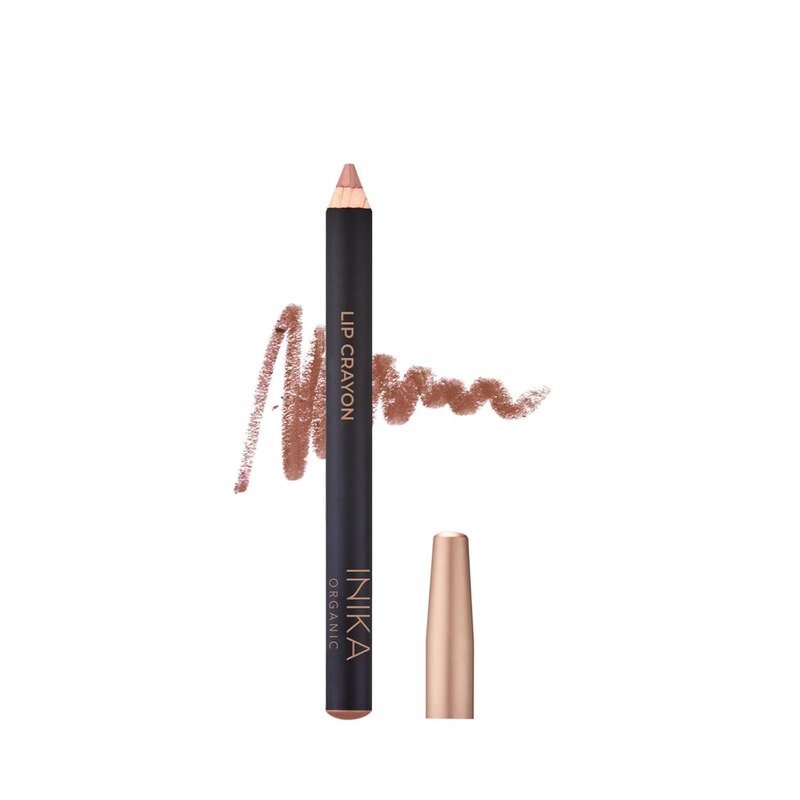
A creamy crayon that lines and fills the lips in one step.
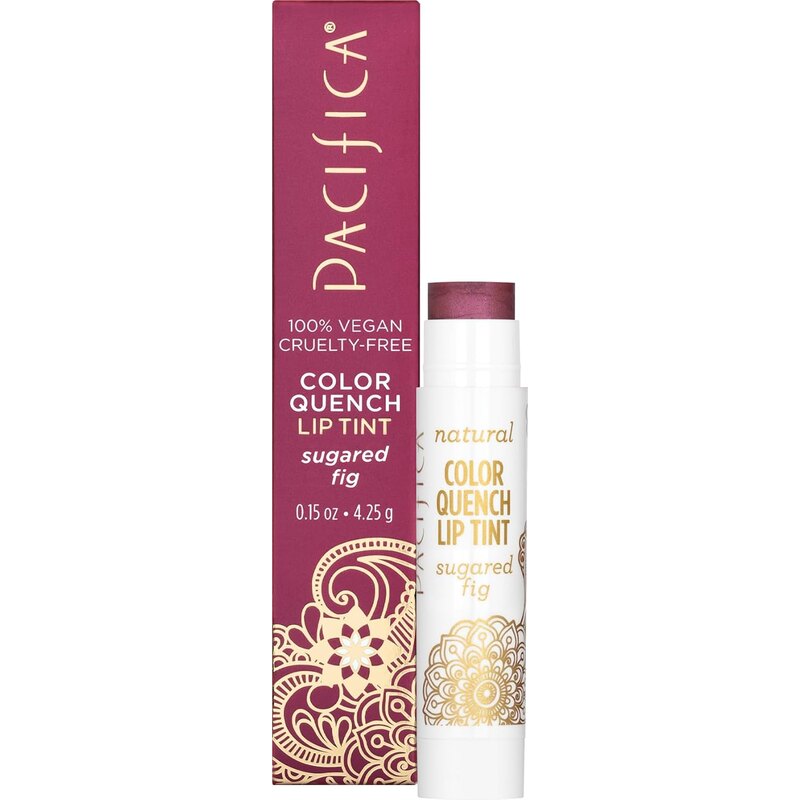
A hydrating balm with a sheer wash of fig color.
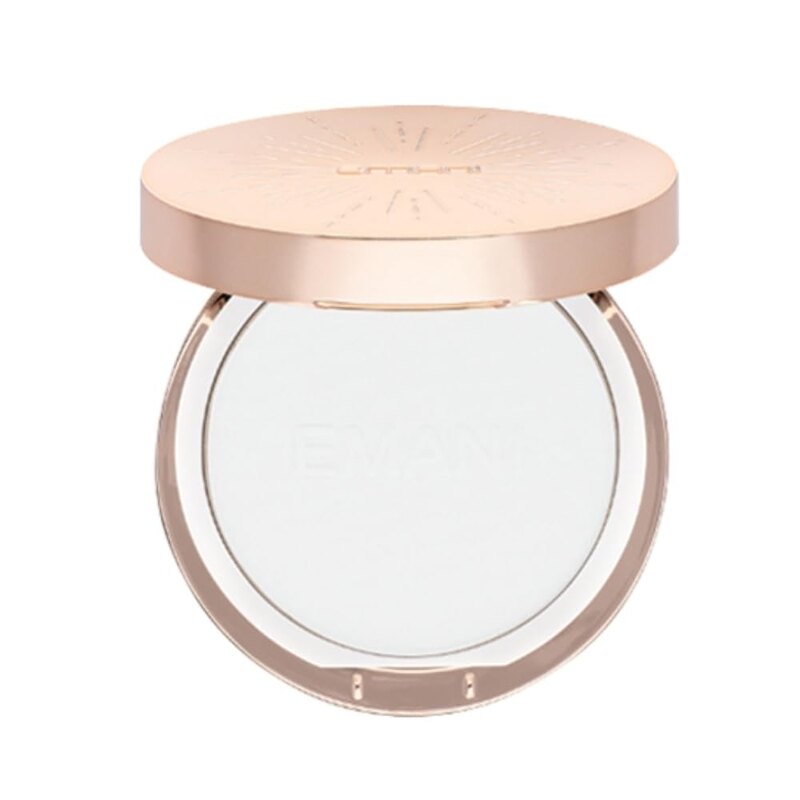
A translucent powder that sets makeup on every skin tone.
States have moved further. California’s Cruelty Free Cosmetics Act was signed in September 2018. From January 1, 2020, it made selling newly animal-tested cosmetics in the state unlawful, with limited exceptions. The text of the act sets a fine of $5,000, plus $1,000 for each day of violation. Meanwhile, the European Union acted on a continental scale. According to the European Commission, its marketing ban became fully applicable on March 11, 2013. It covers products made in the EU and imported ones alike. Even so, a law sets a floor, not a standard. A current certification still tells you more about one brand. Laws also change, while a listing shows today.
The 21-Day Skin & Gut Health Reset is a daily ritual for skin, from within. Join the waitlist to hear first when it opens.
Occasional letters. Unsubscribe anytime.
How to read an ingredient list
An ingredient list looks technical at first, yet a few rules make it readable. In the US, ingredients appear in descending order of amount. So the first few names make up most of the formula. Color additives follow their own rules. The FDA requires carmine and cochineal extract to be named on cosmetic labels. Its compliance guide on cochineal extract and carmine explains the rule. These pigments cannot hide under a general term such as “color added.” Therefore, check any red product for carmine or CI 75470. That one rule makes the most common animal pigment easy to spot. It is often the only animal ingredient in a lipstick, too.
Other ingredients need a little more care. Glycerin, stearic acid and squalane can come from plants or animals. Unfortunately, the label rarely says which. In these cases, look for a vegan note from the brand or a vegan certification. Latin names also deserve a second glance. Cera alba is beeswax, and mel is honey. Similarly, “hydrolyzed silk” or “sericin” signals silk. When a product is certified vegan, these doubts disappear, because the certifier has already checked each source. When it is not, a short message to the brand usually settles the question. Most brands with a genuine vegan policy answer such questions readily. That openness is itself a good sign of how a brand works.
Words that sound reassuring but promise nothing
Some phrases feel meaningful without defining anything. “Clean,” “natural,” “conscious” and “kind” have no legal definition in US cosmetics. Similarly, “not tested on animals” on its own may refer only to the finished product. It may say nothing about the ingredients. A vegan claim with no explanation is also worth checking. None of this means a brand is misleading you. It simply means the words alone cannot answer your question. Natural ingredients, for instance, can still include beeswax or lanolin. Our look at natural versus chemical skincare explores that idea further. So when a claim matters to you, look past the front of the box. The ingredient list and the certifier hold the answer.
Parent companies and the bigger picture
Many beauty brands belong to larger groups, and here the conversation becomes more personal. A brand may be certified cruelty-free while its parent owns other brands that are not. Leaping Bunny, for example, certifies individual companies and their products. It does not certify every brand under one owner. Some shoppers are content to support a certified brand inside a large group. In their view, each purchase rewards the certified practice. Others prefer to buy only from independent brands. Still others choose groups where every brand is certified. All three approaches are valid. What matters is that you know which question you are answering. Then each purchase reflects a decision you made on purpose.
For that reason, our brand guides name a parent company only when an authoritative source does. We never guess at ownership or testing. When the parent’s status matters to you, the certifier’s listing is the best place to look. PETA’s database, for instance, notes when a brand belongs to a company that tests on animals. Meanwhile, the Leaping Bunny guide lists each certified company by name. Reading both gives you a full view in a minute or two. It also keeps the decision where it belongs: with you. Facts, rather than a slogan on a carton, then guide what you buy. That is the whole purpose of a label you can actually trust.
Building a vegan and cruelty-free routine
Once the vegan vs cruelty-free distinction is clear, building a routine becomes simple. It can even become a pleasure. There is no need to replace everything at once. Instead, let each product you finish make room for a better one. Begin with the items you use most, such as cleanser, moisturizer and a daily lip color. Then move to the pieces you buy less often, such as fragrance or a special palette. This slow approach is kinder to your budget and to the planet. Nothing goes to waste, and nothing is rushed. It also gives you time to learn which formulas suit your skin. Patience, in this case, is part of the method.
Each category has its own details. Skincare often turns on collagen, squalane and honey. Our guide to luxury vegan skincare covers those in depth. Makeup tends to hinge on carmine, beeswax and guanine. Hair care raises questions about keratin, silk and lanolin. Our page on vegan hair care explores each of them. Nail polish, in turn, sometimes uses guanine for shimmer or shellac for gloss. Perfume, finally, has the oldest animal materials of all. Every guide links its sources, so you can check each claim yourself. Taken together, they turn this one distinction into a full routine, category by category and shelf by shelf. Start wherever you feel most curious.
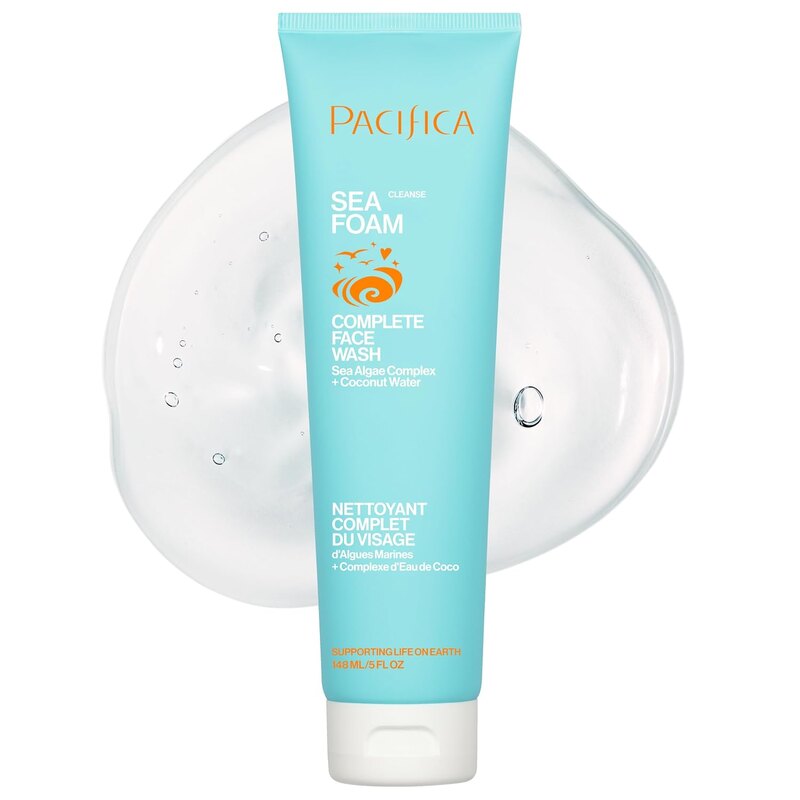
A gentle foaming cleanser with coconut water and sea algae.
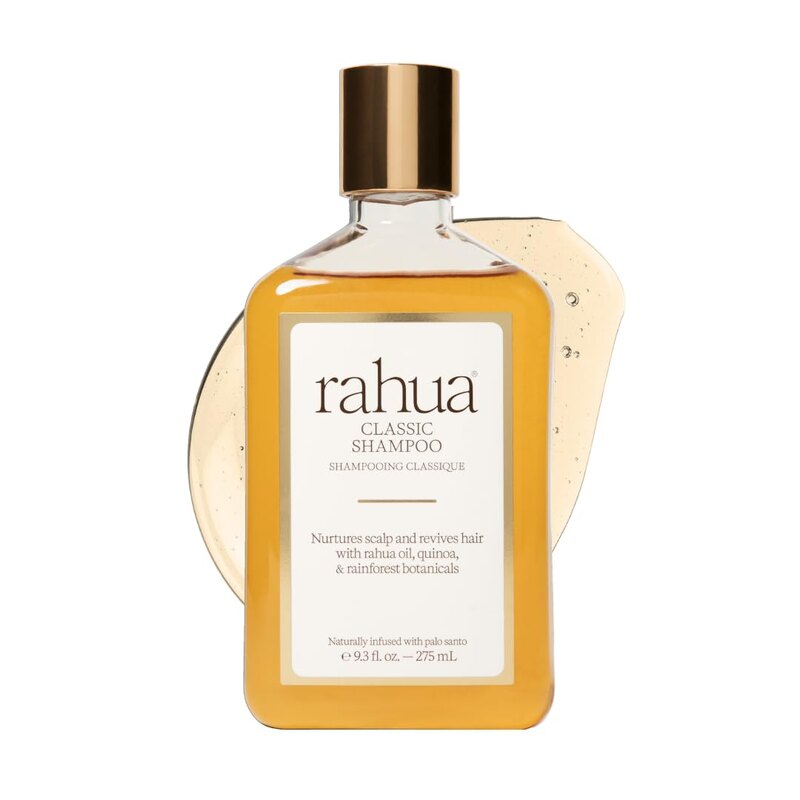
A chip-resistant, quick-dry lacquer in a soft shade.
What changes when you read labels
The most rewarding part of this shift is often unexpected. Many women find that reading labels changes their whole routine. Products stop being impulse purchases. Instead, they become small, chosen companions. You learn which textures you love and which scents feel like you. You also learn which brands earn your trust over time. That attention spills into other parts of life, from food to fabrics. If diet interests you, our overview of the main types of diets covers vegan eating. It links its research throughout. None of it needs to be complete at once. Rather, it becomes a practice, refined one bottle at a time, for the woman you are choosing to be.
The research, in brief
Every claim in this guide links to its source. The definitions of vegan and cruelty-free draw on The Vegan Society, the Leaping Bunny Standard and PETA. The legal points come from the FDA and the Congressional Research Service. They also draw on California’s legislative record and the European Commission. Ingredient definitions come from PETA’s animal-derived ingredients list. The carmine rule comes from the FDA’s labeling guidance. Because certification status can change, check a brand’s current listing before you buy. That one step, taken at the moment of purchase, keeps your routine aligned with your values. It also takes less than a minute on a phone. Above all, the vegan vs cruelty-free check stays current that way. Checked November 2026.
Recommended
A label you can read
In the end, the vegan vs cruelty-free question is less about rules and more about clarity. Vegan tells you what is inside. Cruelty-free tells you how it was made. A certification tells you that someone independent has checked. With those three ideas in hand, the beauty aisle becomes a place of easy decisions. You can choose a lipstick for its color and its values in the same glance. Moreover, you can explain your choice to a friend in a sentence. That confidence is quietly powerful. It turns a crowded shelf into a curated one. Every piece on it is chosen with care and enjoyed without second thoughts. That is luxury in its truest sense.
From here, the next step is personal. You might begin with makeup, where carmine and beeswax are most common. Or you might begin with skincare, which you use every day. Either way, keep the three marks in mind. Then let your routine evolve as each bottle runs out. For the full picture across skin, makeup, hair and fragrance, return to our vegan beauty guide. It brings every category together in one place. If you want that care to reach your skin from within, the tools below offer a gentle next step. Your routine, after all, is one of the most personal things you own. Treat it that way.


Three ways to continue
Each of the three tools above offers a different way to continue. A few questions in the Ring Style Quiz read your taste. Guided rituals for hair and skin fill the Makeover Bible. The 21-Day Reset, meanwhile, turns attention inward, to skin and gut together. It is a daily ritual that works from within, and it pairs naturally with a vegan routine. You can join its waitlist below without any commitment. Whichever you choose, the idea stays the same as in this guide. Small, informed choices add up to a routine that feels entirely yours. Begin with one, return when you are ready, and let the rest unfold in its own time.
A daily ritual for skin and gut, working from within. Join the waitlist to hear first when the next Reset opens.
Join the waitlistQuestions worth asking
What is the difference between vegan and cruelty-free?
Vegan describes ingredients: the product contains nothing taken from or made by an animal. Cruelty-free describes testing: neither the brand nor its suppliers tested the product or its ingredients on animals. A product can be one without the other, so look for both claims, ideally backed by a certification.
Can a product be cruelty-free but not vegan?
Yes. A cruelty-free lip balm can still contain beeswax, and a cruelty-free blush can contain carmine. The Leaping Bunny mark, for example, certifies testing practices, not ingredients. Check for a vegan claim or The Vegan Society trademark as well.
What makeup is vegan?
Makeup is vegan when it contains no animal-derived ingredients, such as carmine, beeswax, lanolin, guanine or animal collagen. Many brands now make fully vegan ranges. Check the brand’s own vegan policy, then confirm it on PETA’s database or The Vegan Society’s product search.
Is “cruelty-free” legally defined in the US?
No. The FDA states that there are no legal definitions for “cruelty-free” or “not tested on animals.” That is why third-party certifications such as Leaping Bunny and PETA’s database are the most reliable proof.
What does carmine-free mean?
Carmine-free means the product does not use carmine, a red pigment made from crushed cochineal insects. The FDA requires carmine and cochineal extract to be named on cosmetic labels, so look for carmine or CI 75470 in the ingredient list.
Which certification is best for vegan and cruelty-free beauty?
Each covers something different. Leaping Bunny is the most detailed on animal testing across the supply chain. The Vegan Society trademark certifies that a product is vegan. PETA’s database offers a quick check of both. Using two of them together gives the clearest answer.
