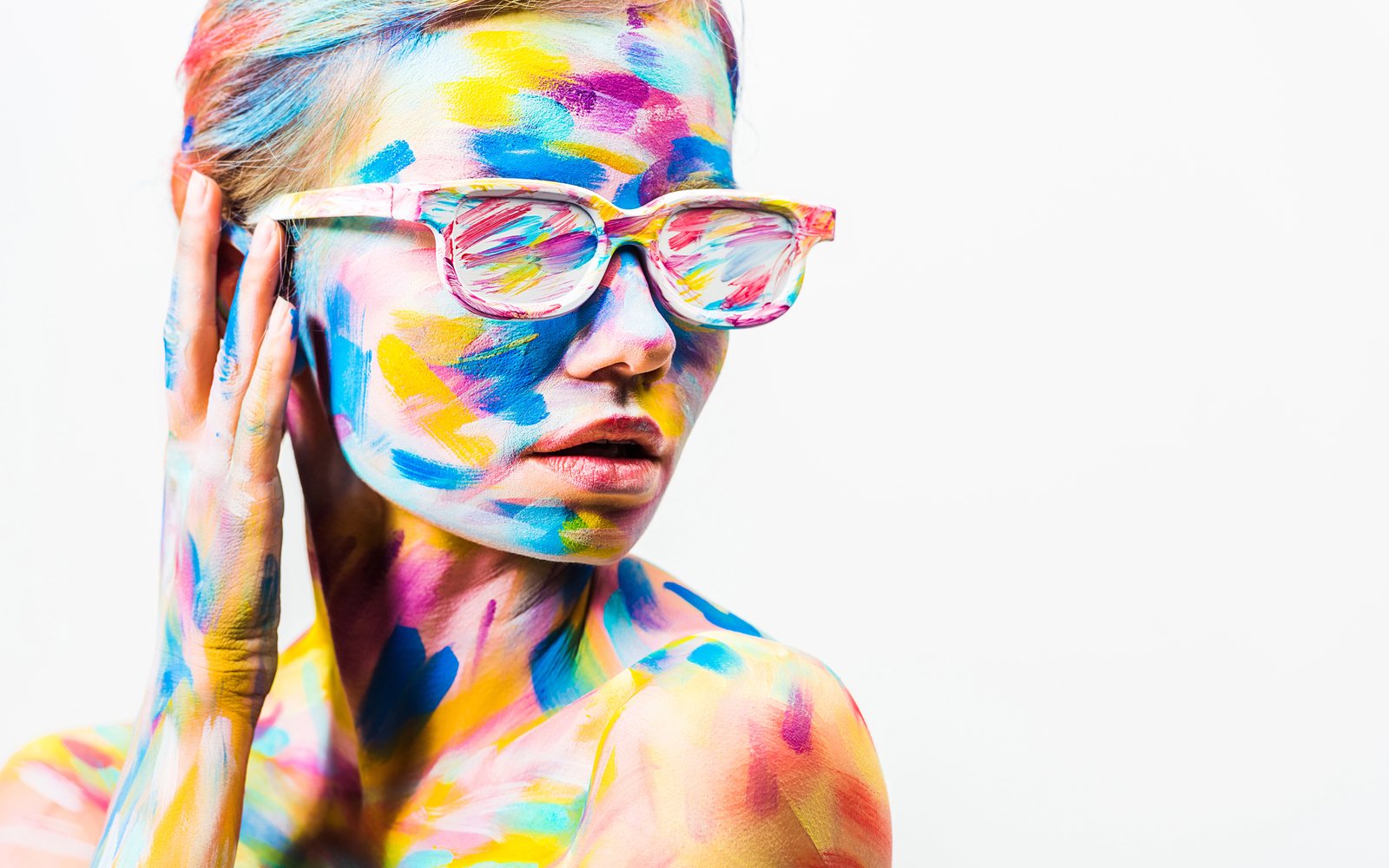
The Artist · Body Art
A model stands on a towel in the middle of the studio, arms out. You are working a gradient of blue across her shoulder blades. Three hours from now she will walk onto a stage, and the paint has to survive heat, movement and lights. Body paint makeup is part painting and part skin care, and the professional version starts with safe products. This guide is part of our hub for professional makeup artists. It covers cosmetic-grade products, FDA color rules, tools, design, sealing and how body painting work is booked and priced.
The short answer
Body paint makeup is cosmetic-grade paint designed for large areas of skin, most often water-activated cakes applied with brushes and sponges. In the United States, the colors must be FDA-approved for cosmetic use, fluorescent and glow colors must stay away from the eyes, and every product should be patch tested first. Never use craft or acrylic paint on skin.
In this guide
What body paint makeup is and where artists use it
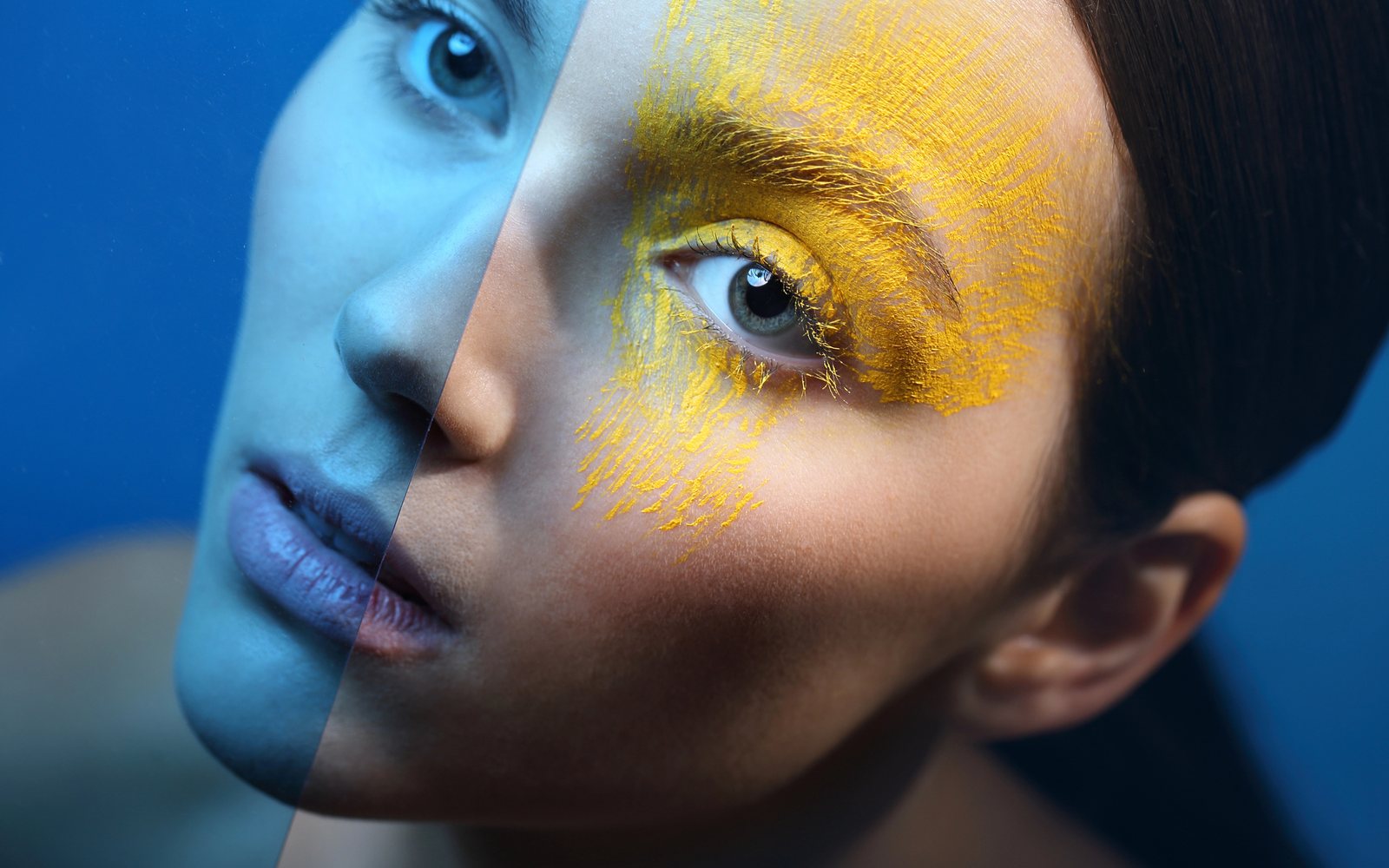
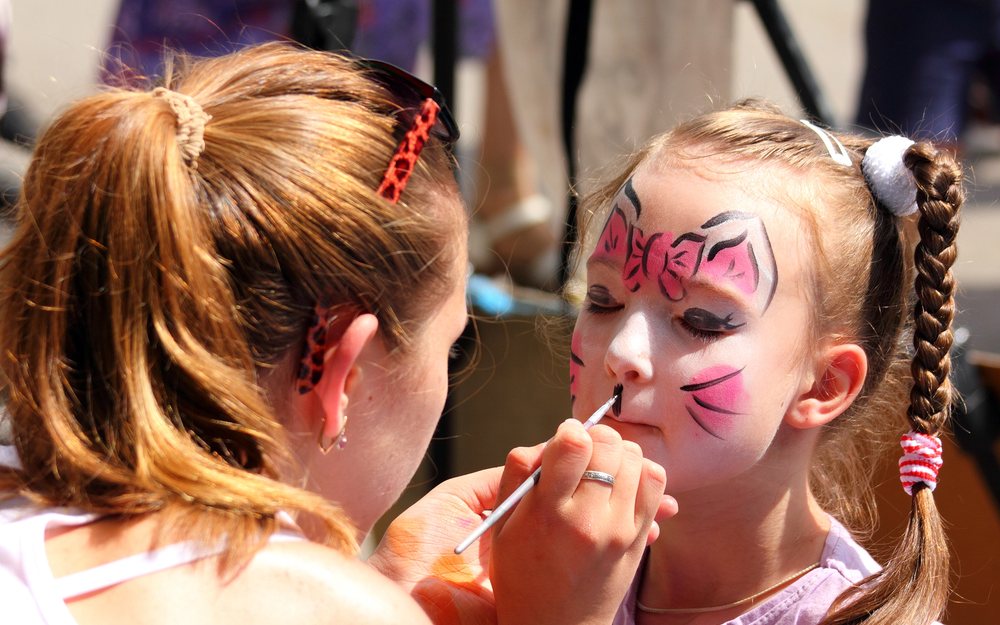
Body paint makeup covers any cosmetic paint applied to large areas of skin as a design rather than as a complexion. It ranges from a butterfly on a child’s cheek at a fair to a full-body illusion for an advertising campaign. Professional artists work across several markets: events and festivals, brand activations, editorial and advertising shoots, theater and dance, music videos and body painting competitions. Face painting for parties and community events is the largest of these by volume. It is often where body painters learn speed and confidence. Meanwhile, editorial and commercial body painting pays more per day but needs a strong portfolio. Most professionals mix the two, and the skills transfer in both directions.
What separates professional body paint from costume-shop products is formulation. Professional paints are designed for skin: they spread thinly over large areas, dry without cracking, layer cleanly and remove with soap and water or a recommended remover. They also use color additives approved for cosmetic use, which matters for both safety and the law. Craft paints, acrylics and markers are not made for skin, even when they are labeled non-toxic. They have no place in a professional kit. In other words, the first rule of body paint makeup is simple: only cosmetic products go on skin. Everything else in this guide builds on that rule.
Is body paint makeup safe? FDA rules on color
The FDA’s guidance on novelty makeup sets out the rules that matter most for body painters. Color additives in face paints and theatrical makeup have to be approved by the FDA for use in cosmetics. The agency advises checking the ingredient list on each product and confirming that every color appears on its Summary of Color Additives. If a color is missing from that list, the FDA says the manufacturer is not following the law. It advises against using the product. For that reason, buy from established brands that publish full ingredient lists. Keep a copy of each list in your kit records.
The eye area has its own rules. According to the same FDA guidance, eight fluorescent colors are approved for cosmetics. However, none of them is allowed for use near the eyes. Luminescent zinc sulfide is the only approved glow-in-the-dark color, and it is also not for use near the eyes. Some approved products carry a label saying they are not for use near the eyes. That label should be followed exactly. For that reason, keep neon and glow colors on the body, the hairline and the lower face. Use standard approved colors around the eyes. Check every product label before a festival or blacklight event, when neon requests are common.
Patch testing and careful removal
Patch testing and careful removal complete the safety routine. The FDA recommends testing a new product on a small area of the arm for several days before using it on the face. That matters especially for people with allergies. It also advises removing makeup as the label directs and never sleeping in it. It also notes that the skin around the eyes is delicate. The guidance mentions face paint recalls in 2005 and 2009 after reports of rashes and irritation. In practice, keep a short health checklist for every client: allergies, skin conditions and sensitivities. Our guide to hygiene standards for makeup artists covers sanitation for event work.
Choosing body paint products
Most professional body paint falls into four families. Water-activated cakes are the most common: you wet a brush or sponge, load the color and apply it in thin layers. They dry quickly, feel light on the skin and remove with soap and water. That makes them ideal for events and long sessions. Cream and grease paints offer stronger coverage and blend well, but they stay tacky until set with powder. Alcohol-activated paints are very durable and suit sweat, water and long shoots. However, they need alcohol to activate and remove. Finally, airbrush paints cover large areas smoothly and quickly. Many artists start with water-activated cakes and add the others as their work grows. Whatever you choose, check the ingredient list before the first use.
Mehron Paradise AQ Basic Palette — water-activated cakes for events and studio work
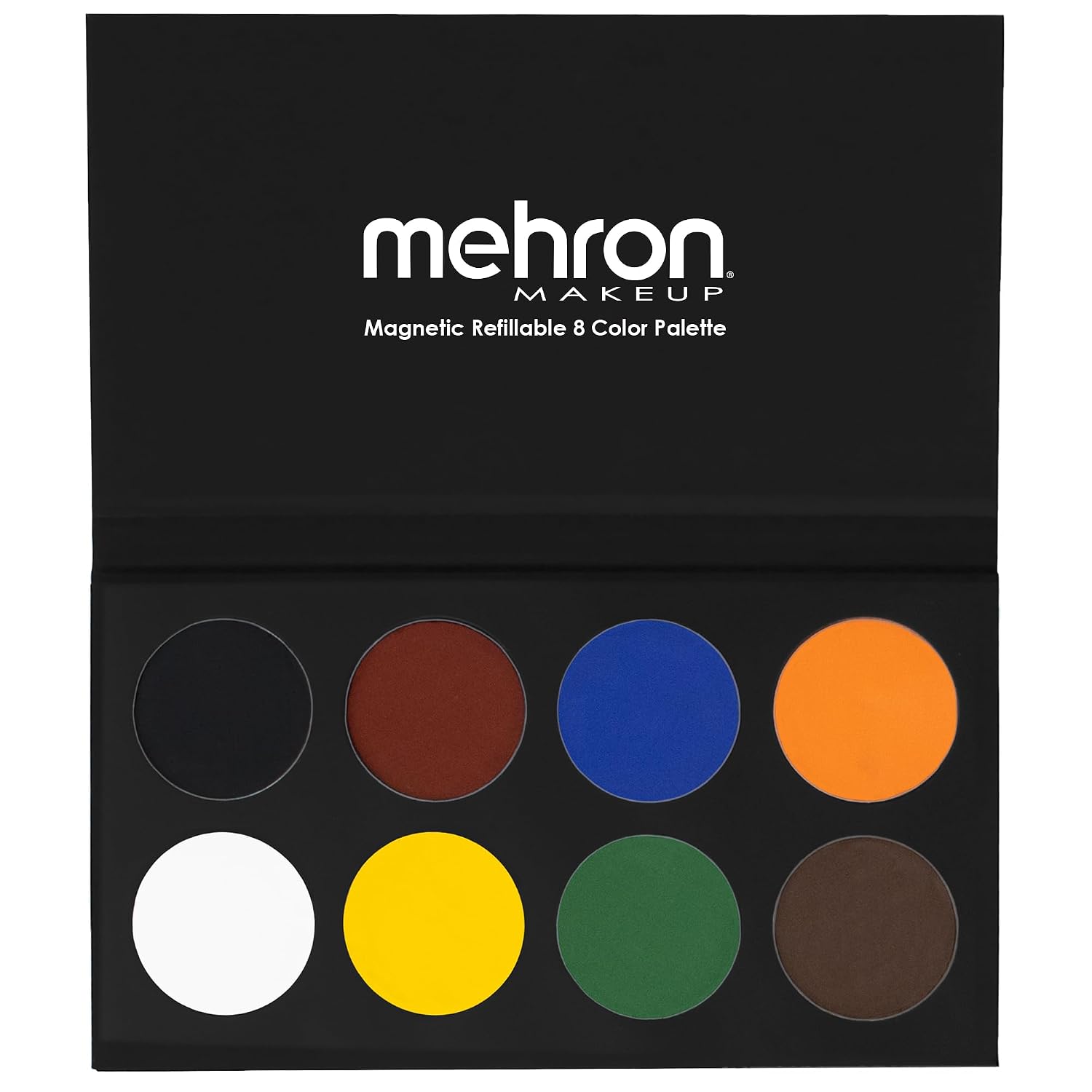
A professional palette of water-activated face and body paint cakes in core colors. Wet a brush or sponge, load the color and build it in thin layers for smooth coverage on large areas. The cakes dry to a soft finish and wash off with soap and water. Check the label for any colors not intended for use near the eyes, and patch test new clients before painting.
As your work grows, a larger set gives you more control over color without constant mixing. For body work, a wider range of skin tones, earth tones and saturated brights lets you match a design brief quickly. It also keeps colors consistent across several models. Look for sets with clear ingredient information from established theatrical brands. Look for colors that layer cleanly without lifting the one underneath. In practice, a set of eighteen or more colors covers most event and editorial briefs. Add single cakes of black and white in larger sizes, because you will use them far faster than any other color. Then build the rest of the kit around the work you are booked for most often.
Looking after your paints keeps them clean and saves money. Label any shade that should not be used near the eyes, and keep each set organized by color family. After every session, wipe the surface of each cake with a clean, damp sponge, so colors do not contaminate each other. Let the cakes dry fully with the lid open before closing them, because trapped moisture can cause mold. Store sets flat, closed and away from heat, and never leave them in a hot car between events. In addition, write the date you opened each palette on the lid. Replace any cake that smells unusual, cracks badly or changes texture, and note the date.
Kryolan 18-Color Face Paint Set — a wider professional range
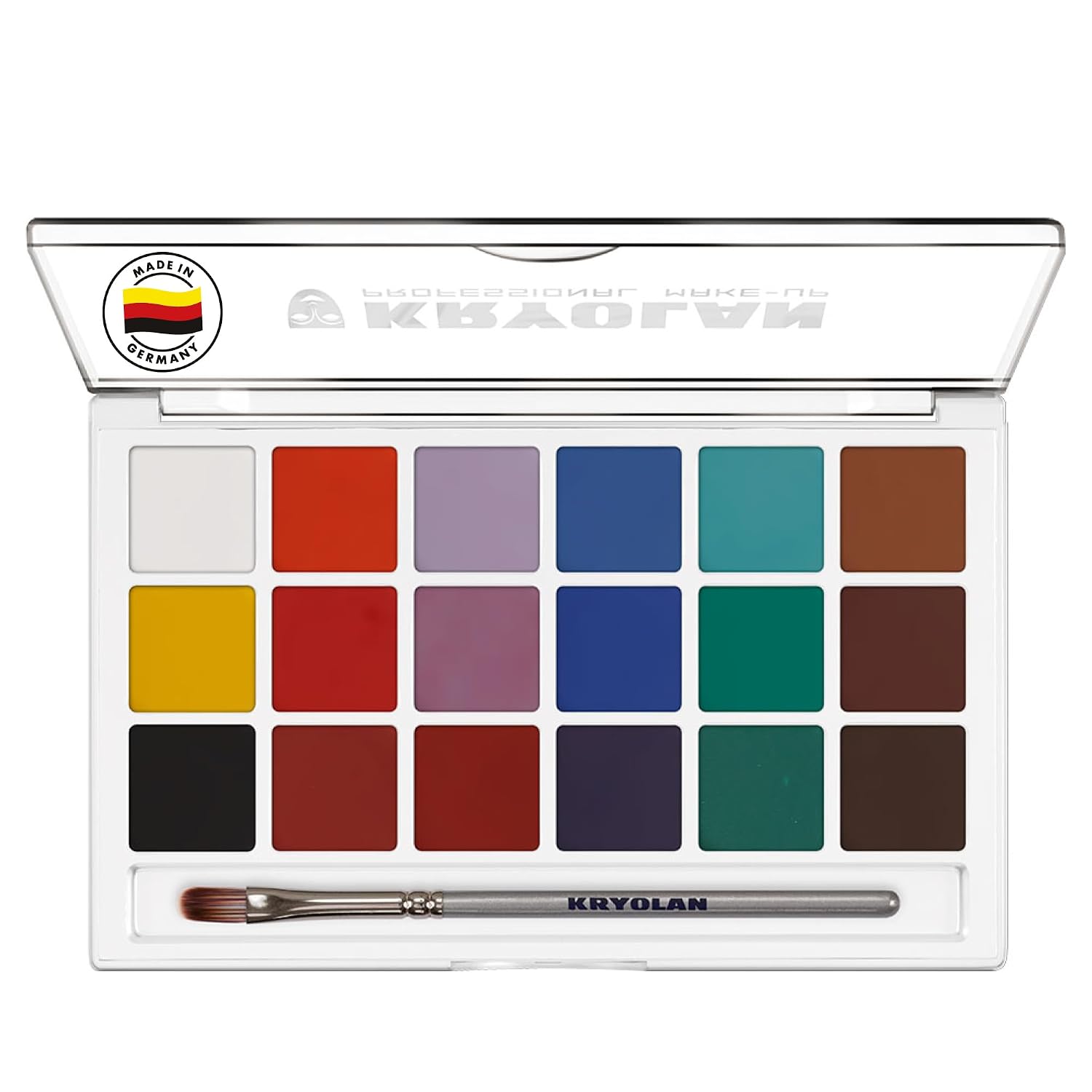
A professional set of eighteen face and body paint colors from a long-established theatrical brand. The range covers brights, darks and neutrals, which suits full designs without constant mixing. Apply with damp brushes and sponges in thin layers, letting each layer dry. Close the set between uses and keep the cakes clean with a damp sponge.
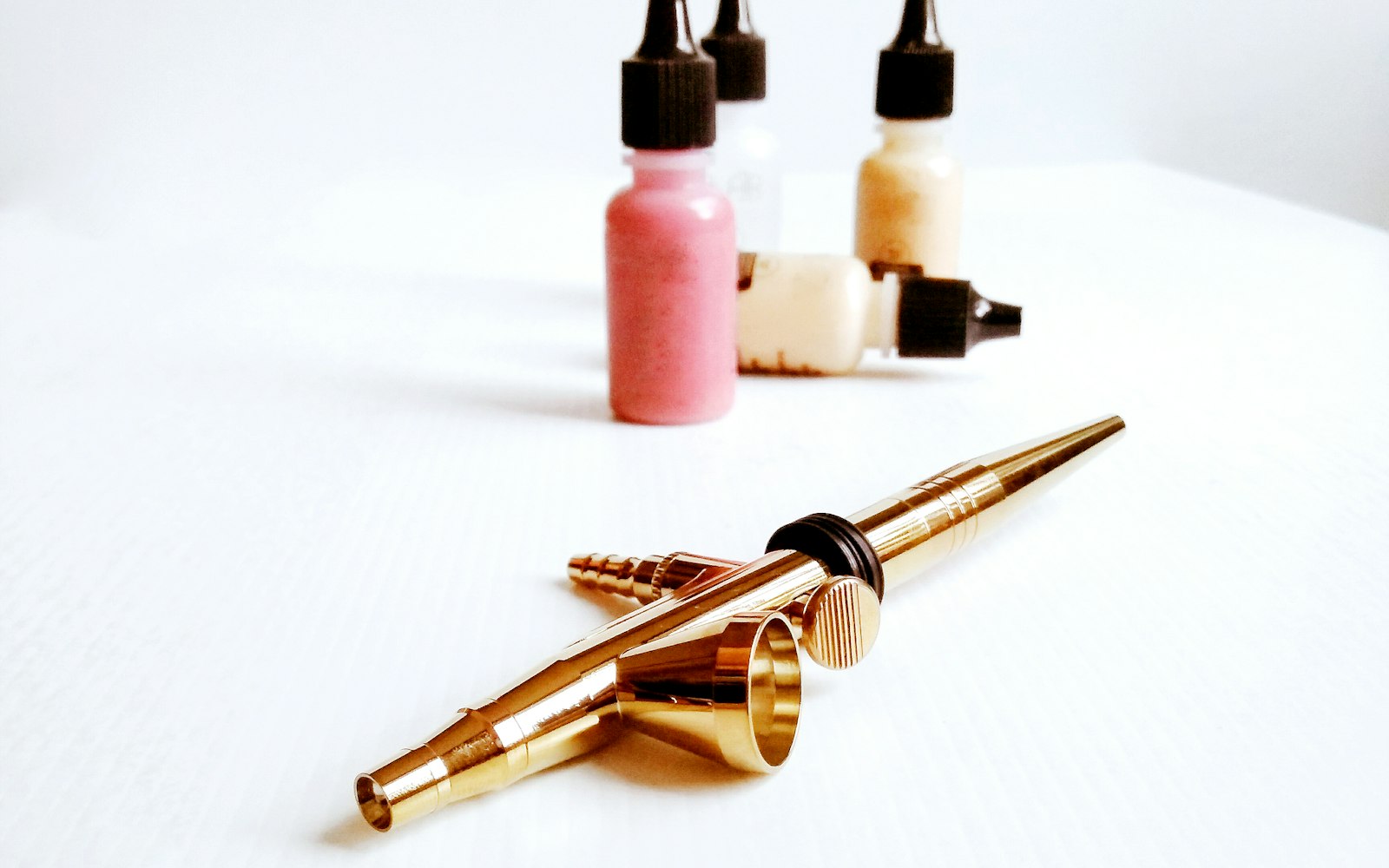
Airbrush is the fastest way to cover large areas of skin with smooth gradients. Many body painters combine it with brush detail. An airbrush system atomizes thin, cosmetic-grade paint into a fine mist, building color in transparent layers. It is ideal for full-body base colors, soft fades between shades and stencil work. However, it needs practice, careful cleaning and good ventilation, and the model must protect their eyes and breathing. Use only paints made for airbrush application on skin, never craft airbrush paints. Our guide to airbrush technique for pros explains machines, paints and cleaning routines in detail. Start with small areas, such as an arm or shoulder, before attempting a full body.
Split cakes and one-stroke palettes changed event painting by putting several colors side by side in a single cake. Load a flat brush across the stripes. One stroke lays down a blended rainbow, a gradient petal or a striped feather. That speed matters at events, where you may paint dozens of faces an hour. For body work, split cakes create quick borders, flowing lines and repeat patterns across a shoulder or arm. Meanwhile, keep a separate flat brush for each split cake, so the colors stay in their stripes. Practice the stroke on paper first, rolling the brush slightly at the end of each stroke for tapered points. Then repeat it on your own arm until the pressure feels natural.
Fusion Body Art Spectrum Palette — rainbow split cakes for one-stroke designs
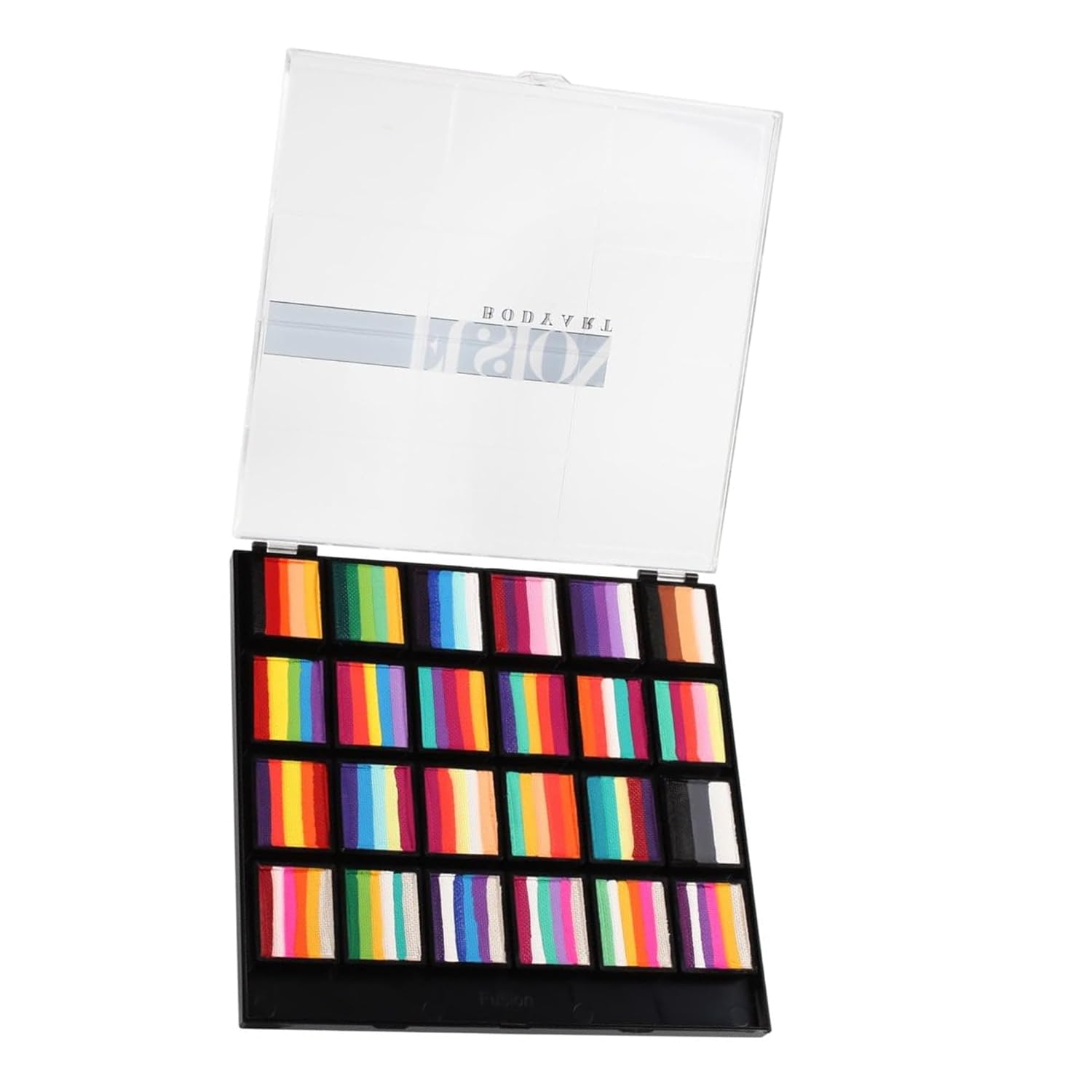
A palette of rainbow split cakes designed for one-stroke face and body painting. Load a flat brush across the colors and paint flowing petals, swirls and gradients in a single pass. It suits festival and event work where speed matters. Keep one flat brush per cake so the colors stay clean.
For detailed, illustrative work, many professionals prefer hydrocolor-style paints with smooth, opaque linework. Black and white do most of the heavy lifting in any body painting kit: black for outlines and shadows, white for highlights and lettering. Look for a black that flows from a fine round brush without dragging and a white that covers in one or two passes. Meanwhile, keep a small spray bottle of clean water to rehydrate cakes and loosen paint on the brush. Keep a few spare rounds in the kit, because fine linework depends on a sharp tip. Test new paints for linework on paper before using them on skin, and note how each one flows.
Wolfe FX Essential Hydrocolor Palette — opaque color and crisp linework
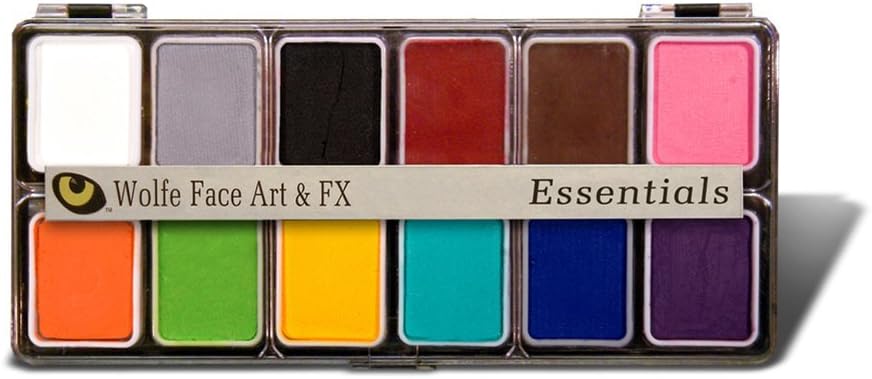
A professional water-activated palette from a brand known for smooth linework and strong coverage. The colors suit outlines, lettering and illustrative designs as well as base coverage. Activate with a little water and build opacity in two thin layers. Check each color’s label for eye-area restrictions.
Brushes, sponges and stencils
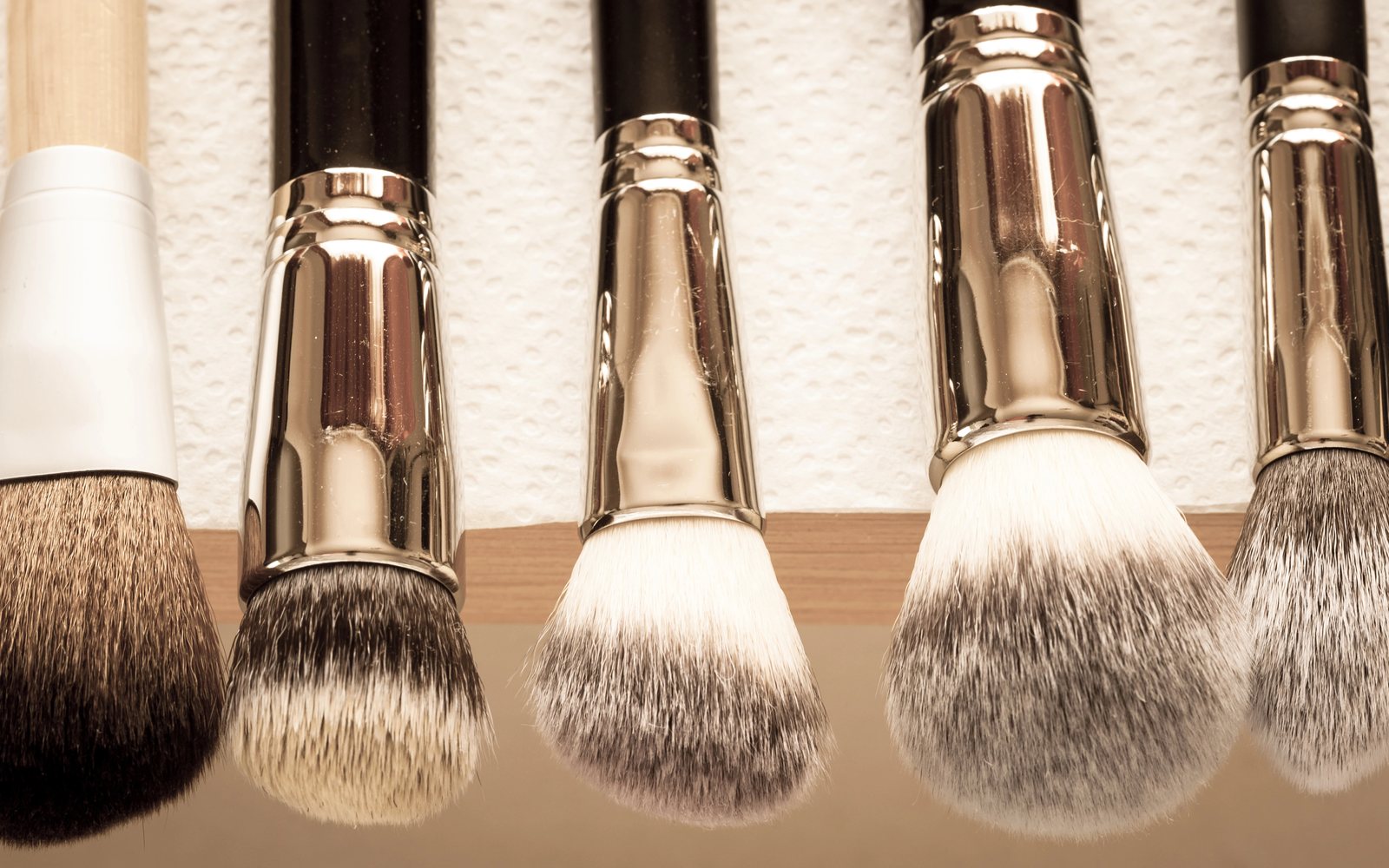
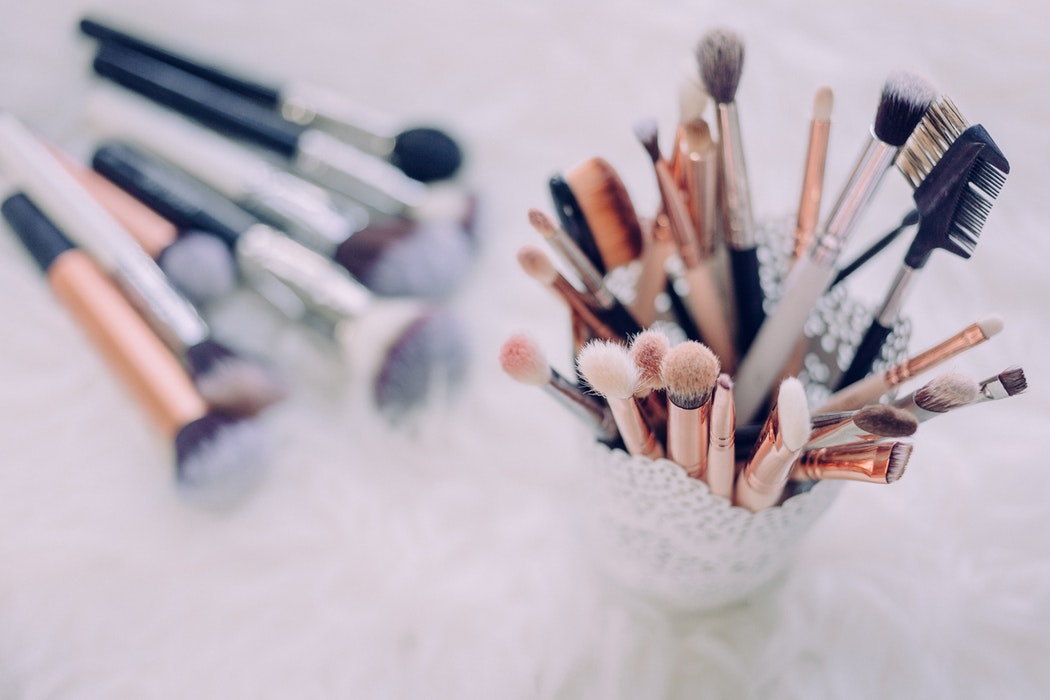
Brushes shape every line in a body painting. A practical kit includes round brushes in several sizes for linework and dots. Add flat brushes for one-stroke designs and a few filbert or angled brushes for petals and shading. Synthetic bristles hold their shape with water-activated paint and clean easily. Keep brushes for body painting separate from your makeup brushes, and wash them between clients with brush soap and water. Store them upright or flat so the tips do not bend. A good brush with a sharp tip makes clean lines effortless, so replace any brush that splits. Label sizes on the handles for speed, and keep the most-used sizes at the front of the roll.
Brush care decides how long a good set lasts. During a session, rinse each brush in clean water whenever you change color, and keep two water cups: one for rinsing and one for clean water. Dried paint at the base of the bristles spreads the hairs and ruins the tip, so never let paint dry on a brush. After the session, wash every brush with brush soap and lukewarm water, reshape the tips with your fingers and dry the brushes flat. Meanwhile, keep a separate roll for clean brushes, so used and clean brushes never touch. Replace brushes that shed or split, because a damaged tip slows you down and spoils fine lines.
Depvision Face Paint Brushes, 12 Pack — rounds and flats for linework
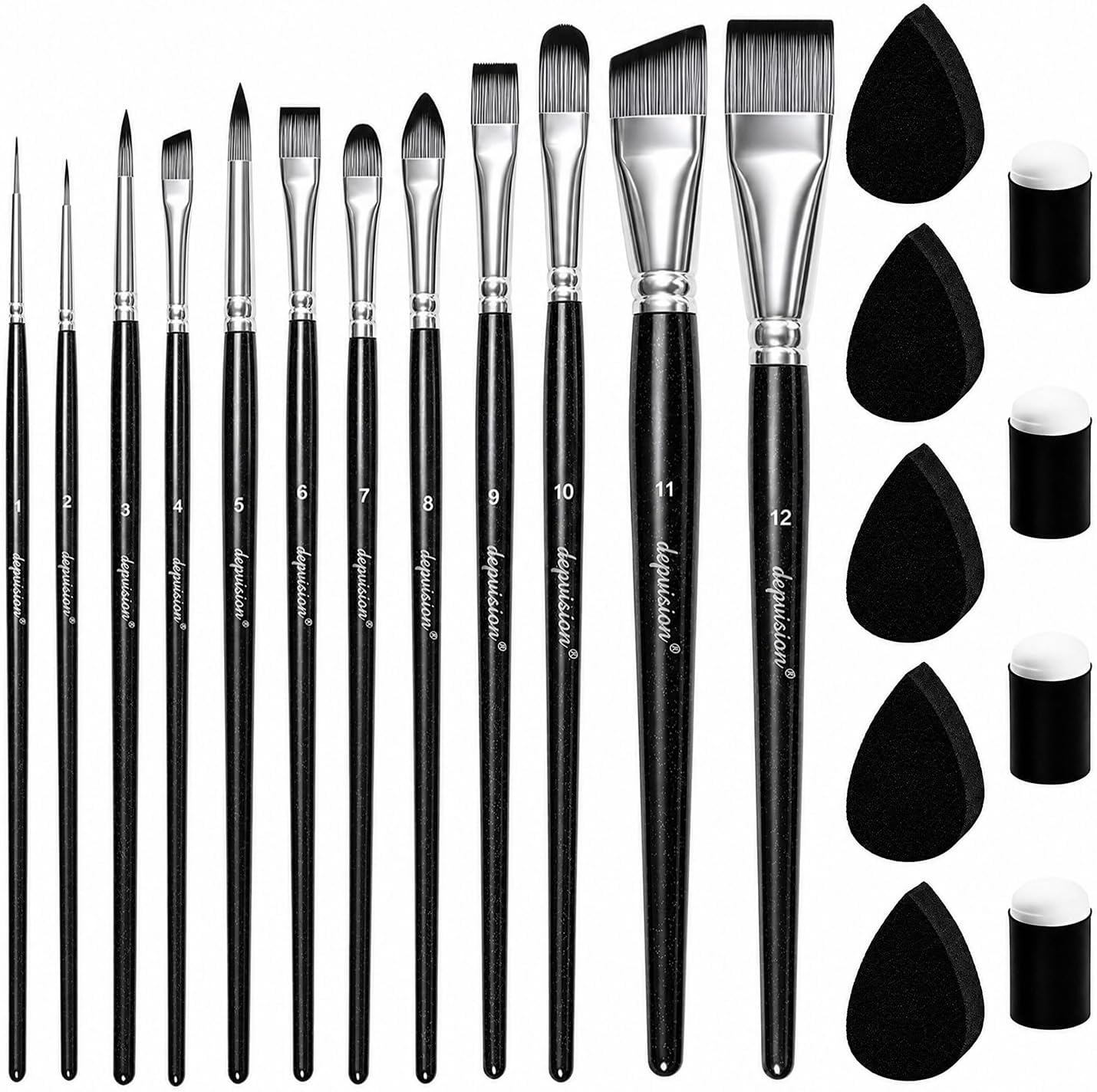
A set of twelve synthetic brushes in round, flat and angled shapes for face and body painting. Use the fine rounds for lines and dots, and the flats for one-stroke designs and fills. Rinse them often during a session and wash with brush soap afterward. Dry them flat so the tips keep their shape.
Sponges lay down base color quickly and evenly over large areas. High-density sponges hold water-activated paint well and leave a smooth finish without streaks. Dampen the sponge, squeeze out the excess water, load the color and dab it on in overlapping strokes. Then smooth it with a light stipple. Cut sponges into halves or petal shapes for blending at the edges of a design. For hygiene, use a fresh sponge for each person at events. In the studio, wash and dry sponges fully between clients, and replace them when they start to crumble. Meanwhile, keep a separate set of sponges for each color family, so a yellow base does not pick up traces of blue.
High-Density Face Paint Sponges, 20 Pack — for smooth base coverage
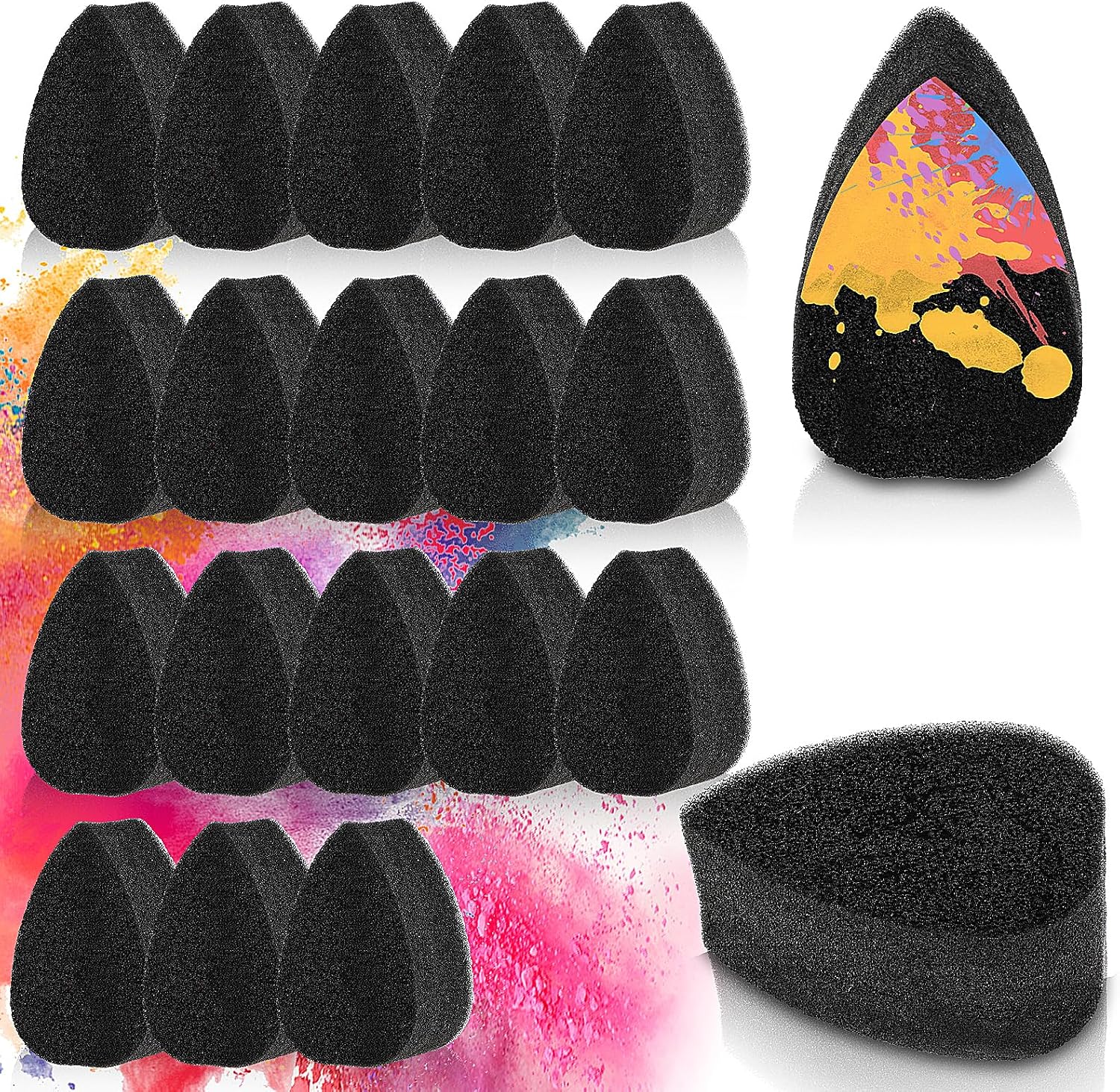
A pack of twenty high-density sponges made for face and body paint. They hold water-activated paint well and spread it evenly over large areas. Cut them into petal shapes for blending at the edges of a design. Use a fresh sponge for each person at events.
Stencils speed up repeat patterns and give clean, graphic shapes that are hard to paint freehand. Hold the stencil flat against the skin. Then sponge or airbrush the color through it in light layers to avoid bleeding under the edges. Lift the stencil straight up and clean it before the next use. Stencils work especially well for scales, lace, geometric patterns and lettering. Meanwhile, combine them with freehand linework, because a design made only from stencils can look flat. For hygiene, wash reusable stencils with soap and water between clients, then let them dry before storing them flat. Keep them in a flat folder so they do not bend or curl.
Reusable Body Paint Stencils, 20 Pack — for repeat patterns and clean shapes
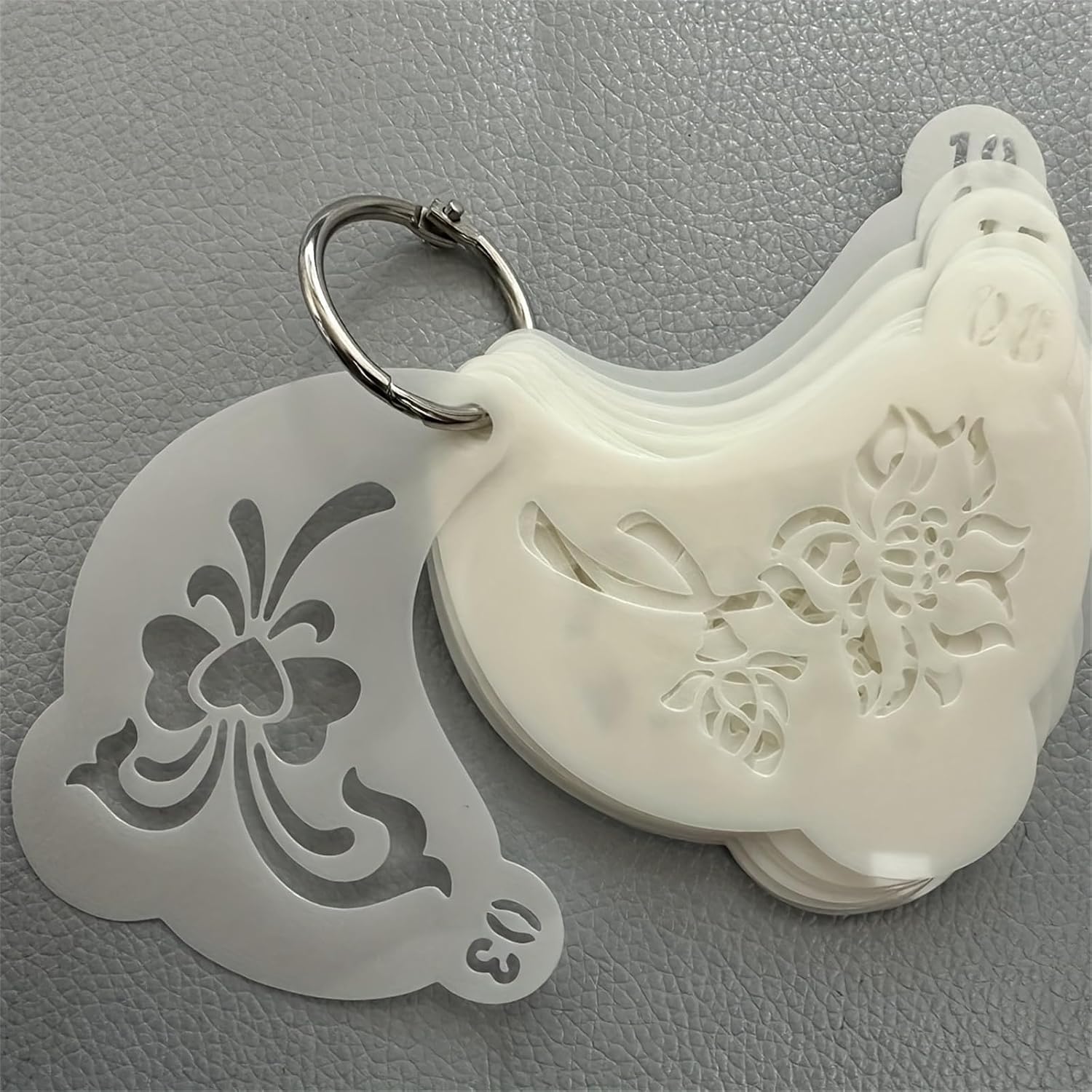
A set of twenty reusable stencils for face and body painting, with festival and party designs. Hold each stencil flat, sponge or airbrush the color through in light layers and lift it straight up. Combine stencil shapes with freehand linework for depth. Wash and dry the stencils between clients.
Designing for the body
A body painting design starts on paper. Sketch the idea over a simple body outline, front and back, and plan where the main focal point will fall. The body is not a flat canvas, so use its landmarks: the collarbones, shoulder blades, spine and the lines of the muscles. Designs that follow the body’s curves look natural in photographs, while designs that ignore them can look pasted on. Meanwhile, plan the base colors first, then the main shapes and finally the detail. Note the order on the sketch, so assistants can follow it on larger jobs. Agree on the design with the client or photographer before the session. Confirm what the model will wear and how much skin will be painted.

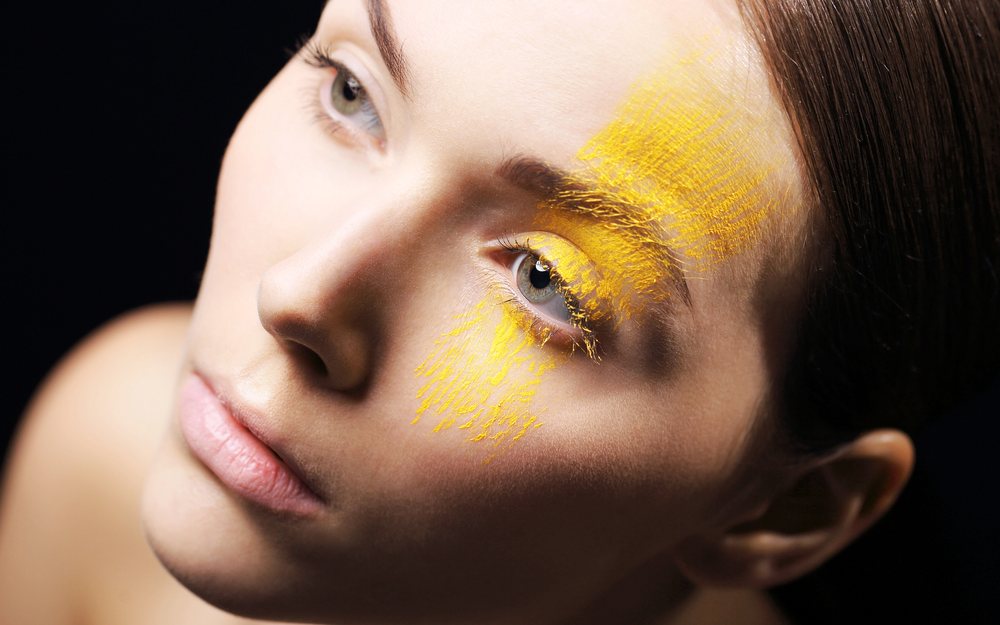
Color and contrast decide whether a design reads from across a room or a stage. Strong contrast between dark outlines and bright fills makes a design clear at a distance. By contrast, soft gradients look beautiful in close-up photography. Use highlight and shadow to suggest form: a lighter tone on the top of a shoulder and a deeper tone beneath it make the painted shape feel three-dimensional. In addition, consider the lighting, because blacklight, stage color and flash all change how paint looks. Test a small swatch under the real lighting whenever possible, and adjust before you paint the full design. For camouflage and illusion work, photograph often from the camera position as you paint. Small adjustments are easier early than late.
Time and comfort
Time and comfort matter as much as the design. A full-body painting can take several hours. Plan breaks, keep the room warm and give the model water and a place to sit. Work from the top down and back to front, so finished areas are not smudged. Meanwhile, agree in advance which areas will be painted and how the model will be covered. Keep a robe and towels nearby. Ask for consent at each stage and respect the model’s comfort and privacy throughout the session. Check in regularly, because standing still for hours is tiring. Finally, photograph the work in good light as soon as it is finished. Body paint is temporary and the photographs are your portfolio.
Sealing, wear and removal
Sealing helps body paint makeup last through heat, sweat and touch. A cosmetic barrier or sealing spray, misted over the dry paint from a short distance, adds a light protective layer. It also reduces transfer onto clothing and props. Apply it in two thin passes, letting the first dry before the second. Ask the model to close their eyes and hold their breath during spraying near the face. Use it only in a well-ventilated space. Meanwhile, remember that sealing improves wear but does not make water-activated paint waterproof. For pool scenes, rain or heavy sweat, discuss alcohol-activated products with the production team. Test the full system on a small area first.
Mehron Barrier Spray — a sealer for longer wear
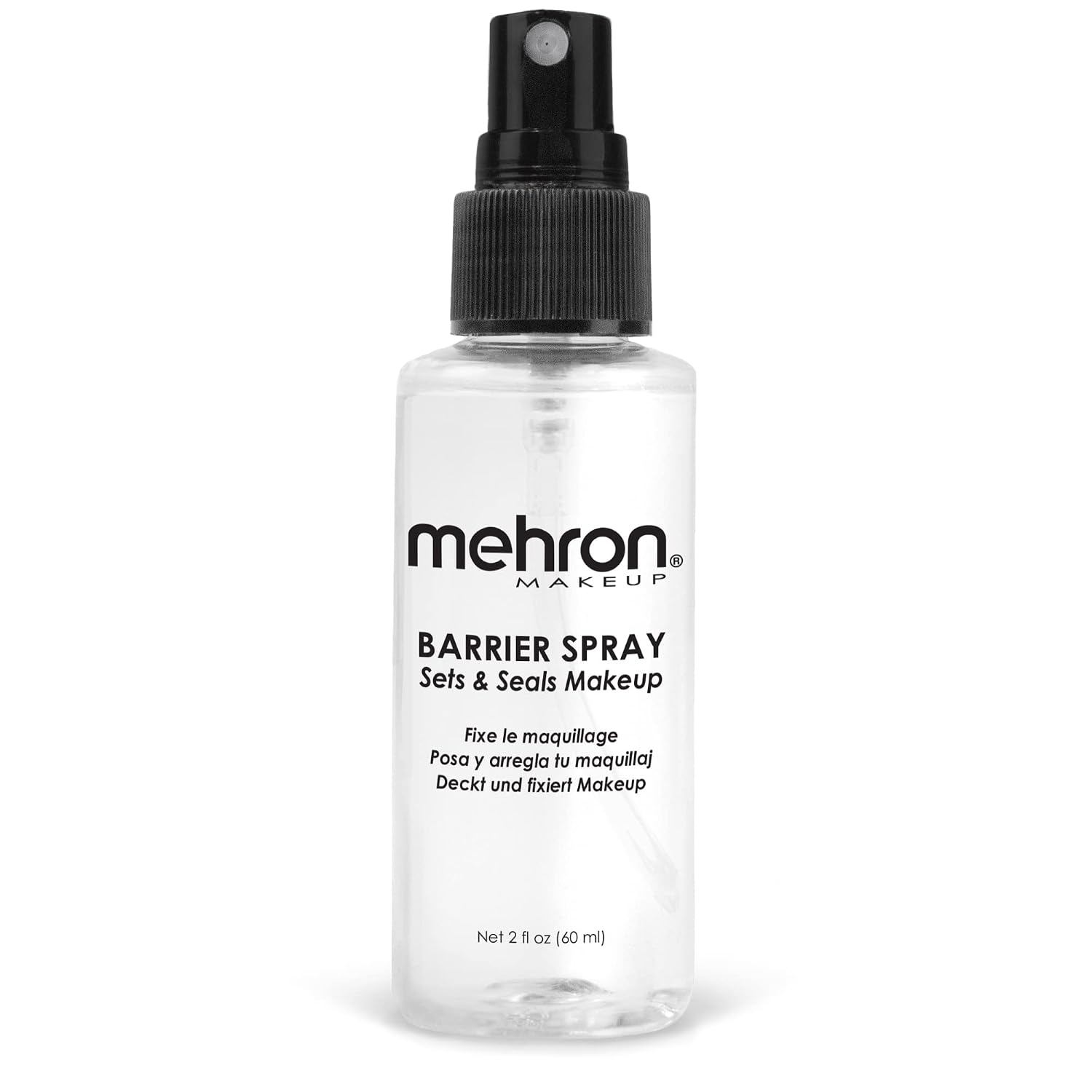
A professional sealing spray that helps face and body paint resist smudging and transfer. Mist it over fully dry paint in two thin passes from a short distance. Ask the model to close their eyes and hold their breath when spraying near the face. Use it in a well-ventilated room.
Removal should be as gentle as application. Water-activated paint usually comes off with mild soap, warm water and a soft cloth. Sealed paint, however, may need an oil-based cleanser first. Never scrub hard, especially around the eyes, where the FDA notes the skin is delicate. Give the model a quiet place to shower or wash, and offer a gentle moisturizer afterward. Meanwhile, clean your kit the same day: rinse brushes, wash sponges and stencils and wipe the surfaces of the cakes. Record any skin reactions in your client notes, and stop using any product that causes irritation. Let the client know which product it was, so they can avoid it in future.
Booking and pricing body painting work
Body painting work comes in several shapes, and each one is priced quite differently. Event and party face painting is usually booked by the hour, often with a minimum booking and a travel fee. Brand activations and festivals may book a team of painters for a full day. Editorial, advertising and music video work is typically quoted as a day rate plus kit fees, with usage rights agreed in writing. Competitions are usually self-funded but build reputation and portfolio. Meanwhile, keep a clear price sheet for each type of work, so you can quote quickly and consistently. Our guide to pricing makeup services explains how to calculate a day rate from your costs. Review the sheet every season and after every large job.
Contracts and paperwork protect both you and your clients. Put the date, hours, number of people, design scope and fee in writing, with a deposit and a cancellation policy. For photo and video work, agree on credits and on how you may use the images in your portfolio. Confirm that the model has signed a release with the photographer. In addition, check that your liability insurance covers body painting and event work, including work with children at parties. For events, ask the organizer about running water, lighting and shade. A professional setup, with clean water, labeled products and a visible hygiene routine, also reassures parents and organizers.
Sources
Sources checked October 2026
Painting skin with care
Body paint makeup rewards artists who treat the skin as carefully as the design. Start with cosmetic-grade products, check every color against the FDA rules and keep neon and glow colors away from the eyes. Build a kit of reliable paints, brushes, sponges and stencils. Practice designs on paper before you paint a single model. Then seal the work, photograph it in good light and remove it gently. Over time, the combination of safe practice and strong design will set your work apart at events, on set and in competition. Every painted body is temporary, so the care you take is what clients remember most. Build that care into every booking.
Tools and library

The three tools above support the business side of body painting. The calculator helps you set hourly event rates and day rates for editorial and commercial work, so long sessions are paid properly. Meanwhile, the quiz helps you decide whether events, editorial, film or bridal work suits you best, which shapes the skills worth building first. The library gathers the career guide, notebooks and workbooks, including pages for design sketches and client records. Start with the quiz if you are still choosing a direction. If you are already booking events, start with the calculator and review your hourly rate. Revisit all three as your career grows, because the right tools change with your work.
From the Artist Library
Events, editorial and set work each follow their own path. The guide covers pricing, portfolios and finding clients, in plain terms.
Questions worth asking
What is body paint makeup?
Cosmetic-grade paint designed for large areas of skin, used for designs at events, on shoots, on stage and in competitions. Water-activated cakes are the most common type.
Is body paint safe for skin?
Professional body paint is designed for skin, but the FDA requires color additives to be approved for cosmetic use. Check ingredient lists and patch test new products.
Can you use acrylic paint on skin?
No. Acrylic and craft paints are not made for skin. Use only cosmetic face and body paints.
Are neon and glow paints safe near the eyes?
No. According to the FDA, none of the eight approved fluorescent colors, and no glow-in-the-dark color, is allowed for use near the eyes.
How do you make body paint last longer?
Apply thin layers, let each dry and mist a cosmetic sealing spray over the finished paint in two light passes.
How do you remove body paint?
Most water-activated paint comes off with mild soap and warm water. Sealed paint may need an oil-based cleanser first. Never scrub hard.
