
Trauma informed beauty begins with one idea. Your rituals should feel safe before they feel transformative. A new lipstick after a breakup, or a bold haircut after a hard year, can feel like taking back control. Sometimes it is exactly that. Yet for women carrying old pain, a makeover can also become a mask. This guide explores the difference gently, from your side of the mirror. It belongs to a gentler, step-by-step makeover, our wider guide to change that feels like your own. Here, the focus is safety, choice and ease. So read slowly, skip what does not serve you, and keep only what helps.
This article is for general information. It is not medical or mental-health advice. If you are in crisis or thinking about suicide, call or text 988, or chat through the 988 Suicide & Crisis Lifeline. It is free, confidential and open 24 hours a day in the US. In an emergency, call 911.
Trauma informed beauty means caring for your appearance in ways that put safety, choice and ease first. It borrows from SAMHSA’s trauma-informed principles: safety, trust, collaboration, peer support and your own voice. In practice, that can mean gentle, familiar products, salon visits where you set the pace, and rituals that feel like kindness rather than repair. Beauty can support healing, yet it is not treatment. Real healing usually involves support, rest and connection, often with a trauma-informed therapist.
Trauma and beauty: how the past meets the mirror
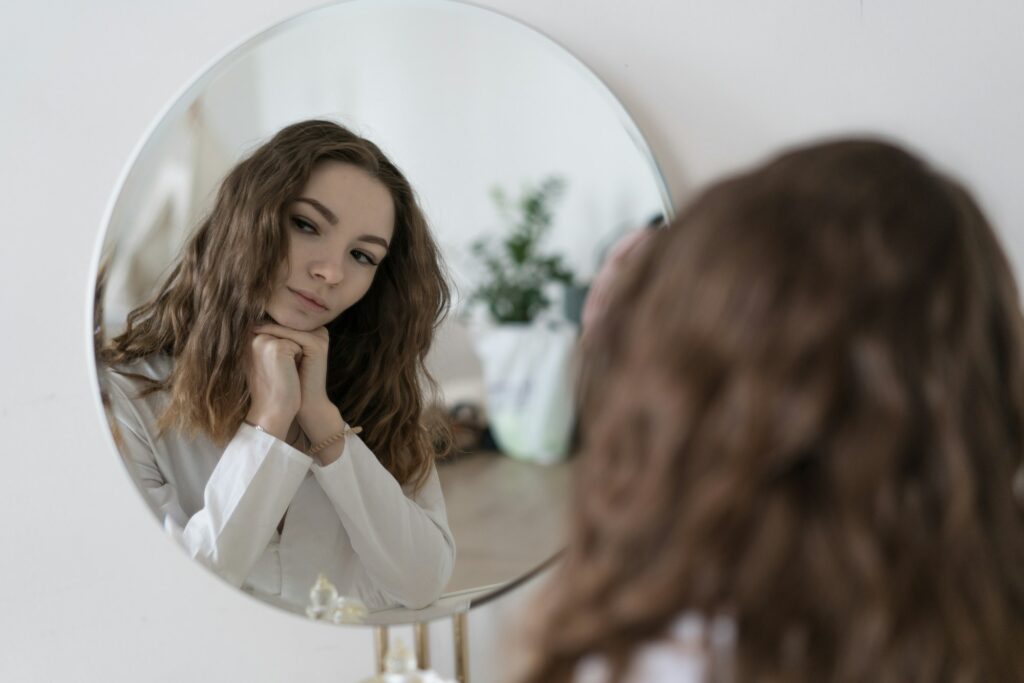
The federal Substance Abuse and Mental Health Services Administration describes trauma with care. SAMHSA explains this on its trauma and violence page. Individual trauma, it says, follows an event, or a series of events, experienced as harmful or life threatening. Importantly, it adds that trauma has lasting effects on a person’s wellbeing. That second part explains why trauma can reach the mirror. After a painful relationship or a difficult childhood, the inner critic often grows louder. As a result, a reflection can start to feel like a verdict rather than a face. If that sounds familiar, please know it is a common human response. It does not mean anything is wrong with you.
Trauma is also more common than many women realize. According to the National Institute of Mental Health, an estimated 3.6% of US adults had post-traumatic stress disorder in the past year. Those figures come from the National Comorbidity Survey Replication, gathered from 2001 to 2003. In that survey, past-year rates were higher for women, at 5.2%, than for men, at 1.8%. The VA’s National Center for PTSD reports a similar pattern over a lifetime. It estimates that about 8 of every 100 women will have PTSD at some point. Even so, most people who live through a traumatic event will not develop PTSD. Those numbers are a reminder, not a label.
Hope in the research
There is real hope in that research. The NIMH guide to PTSD notes that feeling anxious, sad or angry after trauma is common. It also says that most people recover, and that their reactions lessen over time. Meanwhile, psychiatrist Bessel van der Kolk explores the body’s side of this story in his book The Body Keeps the Score. He argues that trauma reshapes both body and brain. In addition, he describes paths toward recovery, including yoga, meditation, drama and sport. For beauty, that matters. If the body holds memory, then the way you touch, dress and tend it can carry meaning too. That idea runs through every section that follows.
What trauma informed beauty means
The phrase trauma informed beauty borrows its spirit from health care. SAMHSA’s page on trauma-informed approaches sets out a handful of principles for services. They include safety, peer support, trust and transparency, collaboration, and empowerment, voice and choice. SAMHSA wrote them for clinics and programs, not for bathroom cabinets or salons. Still, they translate well to the way you care for yourself. In short, safety comes before change, and your choice always leads, every single time. Nothing is done to you; it is done with you, at your pace. Below, a simple table shows how each principle can look in practice. It covers an ordinary routine at home or in a salon chair.
| Principle | What it means | In your own beauty rituals |
|---|---|---|
| Safety | Feeling physically and emotionally safe | Familiar products, a private space and a pace you set |
| Trust and transparency | Knowing what will happen and why | Asking a stylist to explain each step before it starts |
| Peer support | Being seen by people with shared experience | Getting ready with a trusted friend rather than alone |
| Collaboration | Sharing decisions rather than being told | Agreeing on the plan together, with room to change it |
| Voice and choice | Your preferences lead | Saying no, pausing or stopping at any moment |
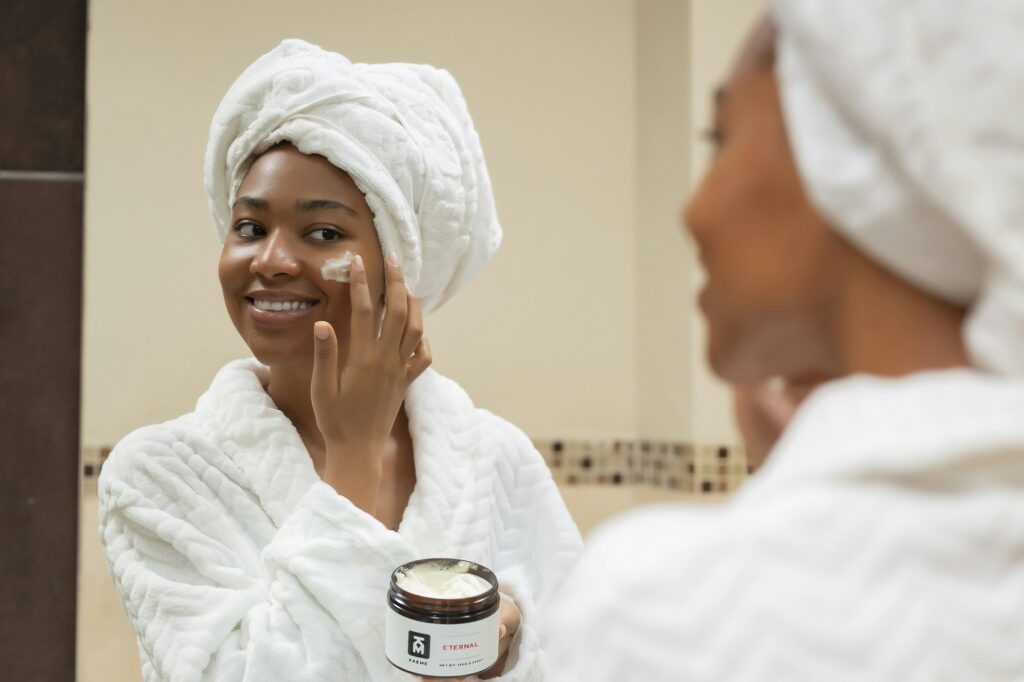
Notice what the table leaves out. There is no mention of fixing, correcting or erasing anything. Instead, trauma informed beauty treats appearance as a place where you practice safety and choice. For example, you might keep a short routine you could do with your eyes closed. Likewise, you might choose textures and scents that soothe rather than startle. You might also decide that some days are bare-faced days, without any sense of failure. Over time, these small choices can rebuild trust between you and your reflection. That is the heart of it. The goal is not a new face. Rather, it is an easier relationship with the face you already have. Everything else in this guide grows from that relationship.
You may also like

When beauty becomes armour, and when it becomes care
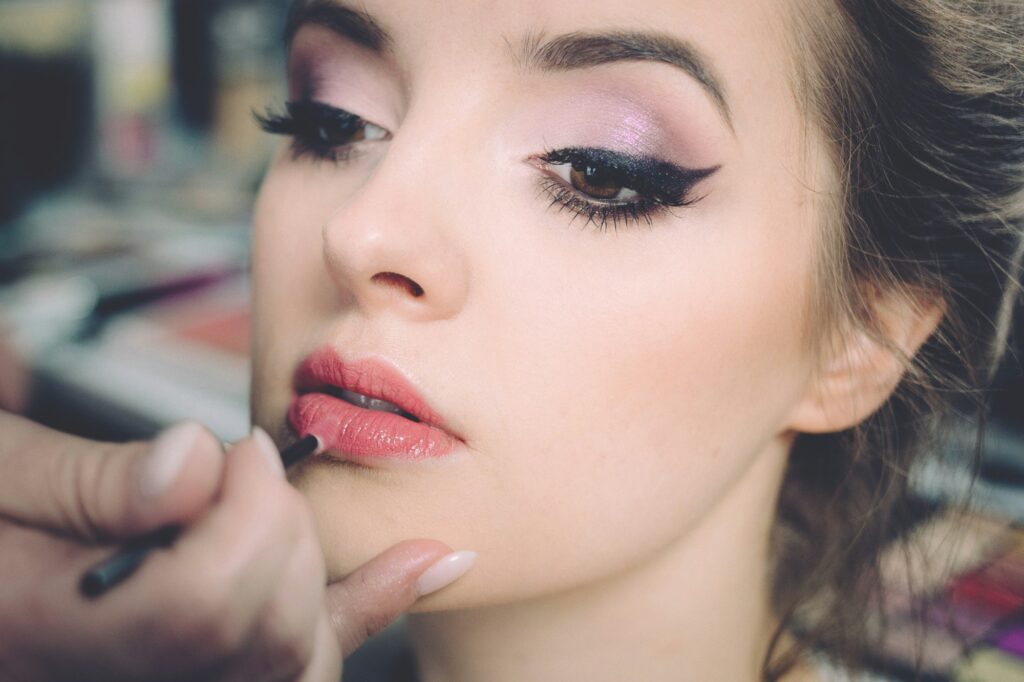
Beauty routines can offer comfort when life feels chaotic, and that is healthy. However, the picture changes when appearance becomes the only place you feel safe. Then a ritual can slowly turn into a shield. The difference is rarely visible from the outside, even to close friends. Two women can wear the same red lip for very different reasons. One wears it as a celebration. The other wears it because she feels unable to leave the house without it. Neither woman is doing anything wrong. Yet only one of them feels free. The gentle questions below may help you notice which side you are on today, without judging yourself for the answer.
- Armour may look like this: you feel anxious leaving the house without makeup, or your mood depends on compliments.
- Care may look like this: you enjoy your rituals, yet you can also enjoy a bare-faced day.
- Armour can feel like relief that fades: each new look brings ease for a day, and then the old feeling returns.
- Care can feel like nourishment: you see self-care as kindness to your body rather than repair.
Neither list is a diagnosis. Instead, think of them as a mirror held kindly. Most women move between both columns, sometimes in the same week. Stress, anniversaries and certain places can pull you back toward armour, and that is understandable. When it happens, try not to strip the armour away by force. After all, it was built for a reason, and it once protected you. A gentler approach is to add one small moment of care beside it. You could wear the full face to work, for instance, then enjoy a slow cleanse at night. Over time, care tends to grow, and the armour loosens on its own, without a fight.
You may also like

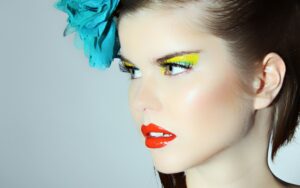
Beauty after bruises: care after harm
Some women arrive at this page after physical harm. If that is you, your safety matters far more than your appearance. The Centers for Disease Control and Prevention reports a sobering figure. More than 1 in 3 US women have experienced violence by an intimate partner. That figure covers contact sexual violence, physical violence or stalking during their lifetimes. It comes from the CDC’s 2023/2024 National Intimate Partner and Sexual Violence Survey. In other words, you are not alone, and help is available right now, today. The National Domestic Violence Hotline answers at 1-800-799-7233, and you can text START to 88788. It is free, confidential and open around the clock, every day.
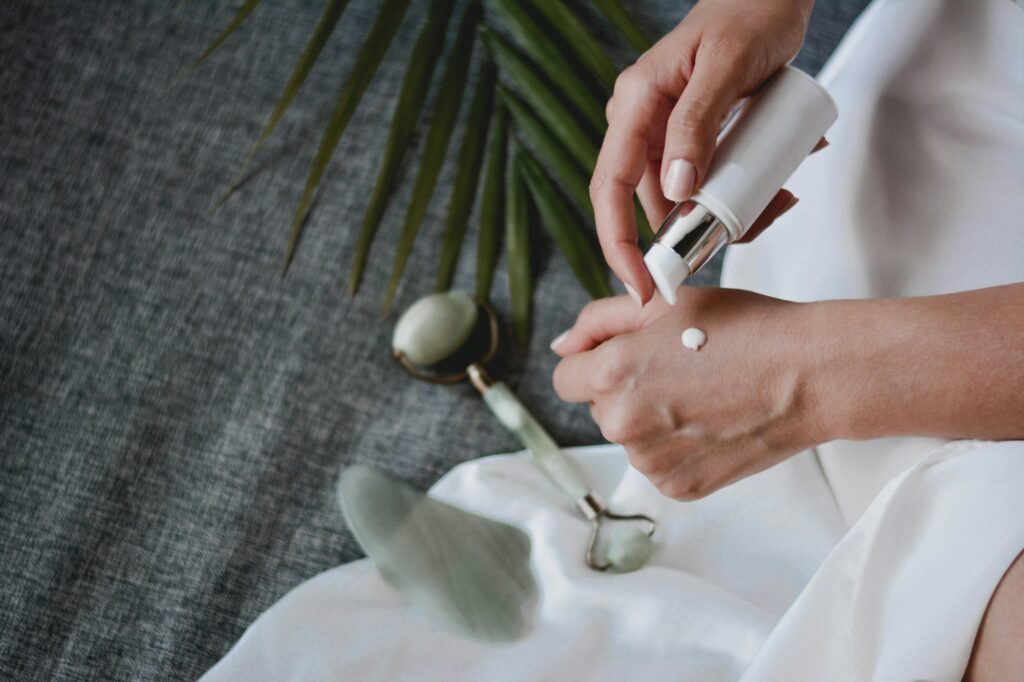
Please let a doctor look at any injury first, especially one near the eyes or head. After that, healing deserves patience rather than pressure. You do not owe anyone a polished face while your body recovers. If you choose to wear makeup, keep it gentle and familiar, and stop if anything stings. Above all, there is no right way to look after harm. Some women want to cover every trace and feel ready for the world again. Others prefer to rest at home and let time do its work. Both choices are valid. What matters is that the choice belongs to you, and that you feel safe while you make it.
Meeting your reflection again
Beauty after bruises often begins later, once the marks have faded and the danger has passed. At that point, a small ritual can help you meet your reflection again. For instance, you might start with a slow cleanse and a moisturizer you love. Then, when you feel ready, you might add one color that feels like you. Some women find that a new haircut marks the start of a new chapter. Others prefer to change nothing at all for a while. Either way, go slowly and notice how each step feels in your body. If old fear returns, the hotline above is there for you, and so is the 988 Lifeline.
Choice first: why a makeover should never be forced
A forced makeover is a familiar trope in films and reality television. A woman is told she needs to change, and the people around her decide how. For a woman with a trauma history, that scene can feel uncomfortably close to real life. Some survivors remember partners who chose their clothes, criticized their weight or controlled their hair. Others remember families who commented on every outfit. So a makeover that someone else directs can reopen old wounds, however kindly it is meant. Consent changes everything. A change you choose freely can feel like reclaiming your body. By contrast, the same change, imposed by someone else, can feel like losing it again. That difference sits at the center of this guide.
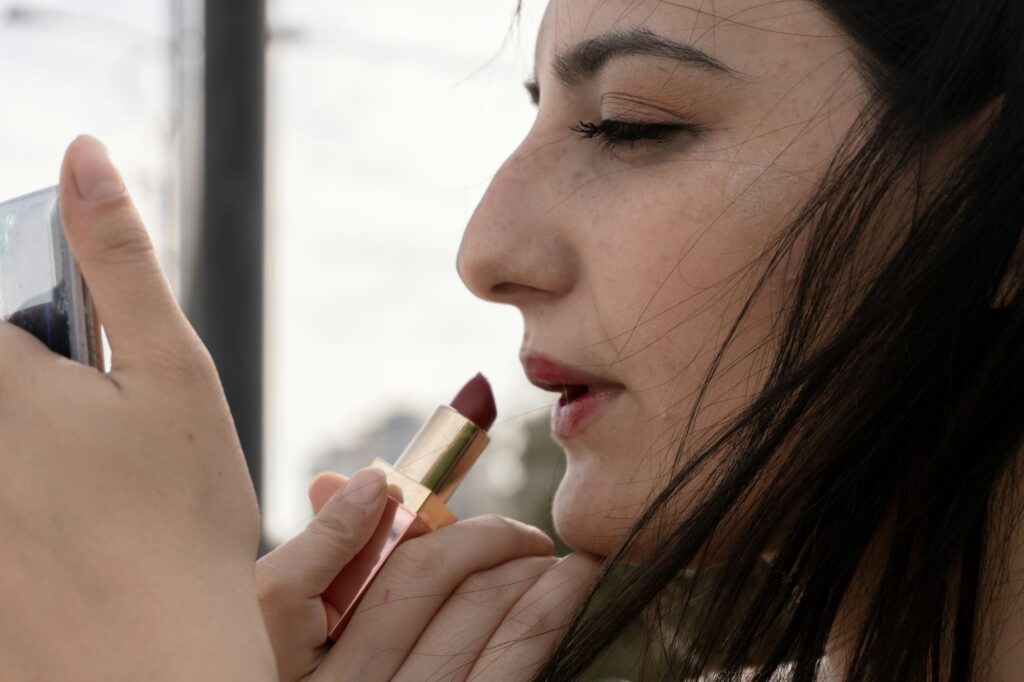
Therefore, the first rule of trauma informed beauty is simple. You decide what changes, when, and by how much. That includes saying no to well-meant gifts, makeover days and surprise appointments. It also includes saying no to yourself when a plan comes from pressure rather than desire. In practice, you might keep a short list of changes you would genuinely enjoy. Then you might choose one, try it and decide whether to continue. Meanwhile, anyone who loves you can support you by asking rather than assuming. A good friend says, “Would you like company?” She never says, “You need a new look.” Your yes and your no both deserve respect.
When nothing is ever enough
Relationships with constant criticism, blame and moving goalposts can leave a lasting mark. Many survivors describe feeling that nothing they do is ever enough. As a result, the search for a flawless look can become one more attempt to earn approval. Clinical psychologist Ramani Durvasula writes about these relationships in Should I Stay or Should I Go?, published by Post Hill Press. Her book explains how to recognize narcissistic traits in a partner. It also offers guidance on recovery, whether you stay or leave, including rebuilding a sense of self. If this section describes your life, consider sharing it with someone you trust. You do not have to untangle it alone.
You may also like


The healing shift is subtle, yet it changes everything. You begin to see yourself as worthy before, during and after any makeover. Then beauty becomes a pleasure rather than a test you keep failing. One way to practice this is to notice the voice that critiques your reflection. Ask whose voice it really is. Often, it belongs to someone from your past rather than to you. Next, answer it the way you would answer a friend who spoke unkindly about herself. At first, this can feel awkward or even false. With repetition, though, it tends to soften. Eventually, the mirror becomes a place for care again, rather than judgment and fear.
Why the makeover high fades
Many women know the feeling well. The new look is wonderful for a week, and then the glow fades. Neuroscience offers one possible reason, and it is reassuring rather than alarming. Dr. Anna Lembke is a Stanford psychiatrist and the author of Dopamine Nation. In an October 2021 interview with Stanford Medicine, she explained how the brain’s reward system responds to pleasure. In her words, “Feel-good substances and behaviors increase dopamine release in the brain’s reward pathways.” She then described what follows, and her explanation is worth reading slowly. It explains why a new haircut or a new dress can feel thrilling, then oddly flat.

Lembke added that the brain corrects for that surge. “The brain responds to this increase by decreasing dopamine transmission — not just back down to its natural baseline rate, but below that baseline.” Notably, she was speaking about pleasure and compulsion in general, not about makeovers. Still, the idea is useful here. If you ask a new look to fix how you feel inside, the lift may not last. Then the urge for the next change can arrive faster. That pattern is not a personal failing; it is simply how reward works. Therefore, self-acceptance tends to work best as the foundation, with beauty as the expression rather than the cure. Space big changes out, and savor what you already have.
Join the waitlist for the 21-Day Skin & Gut Health Reset, a gentle daily ritual for skin and gut, from within. We will write to you when it is ready.
Occasional letters. Unsubscribe anytime.
Stress, skin and trauma informed self-care products
What stress can do to skin
Emotional strain does not always stay in the mind. Dermatologists and psychiatrists who work in psychodermatology study how stress and skin interact. A 2017 review in Clinics in Dermatology by Gupta and colleagues looked at post-traumatic stress and the dermatology patient. The authors describe how lasting changes in the body’s stress systems can affect immune function. In turn, they write, this can worsen stress-reactive skin conditions such as psoriasis, chronic hives and atopic dermatitis. This does not mean trauma causes every skin concern. It does suggest that caring for stress is part of caring for skin. If a skin condition troubles you, a board-certified dermatologist is the right first call, ideally soon.
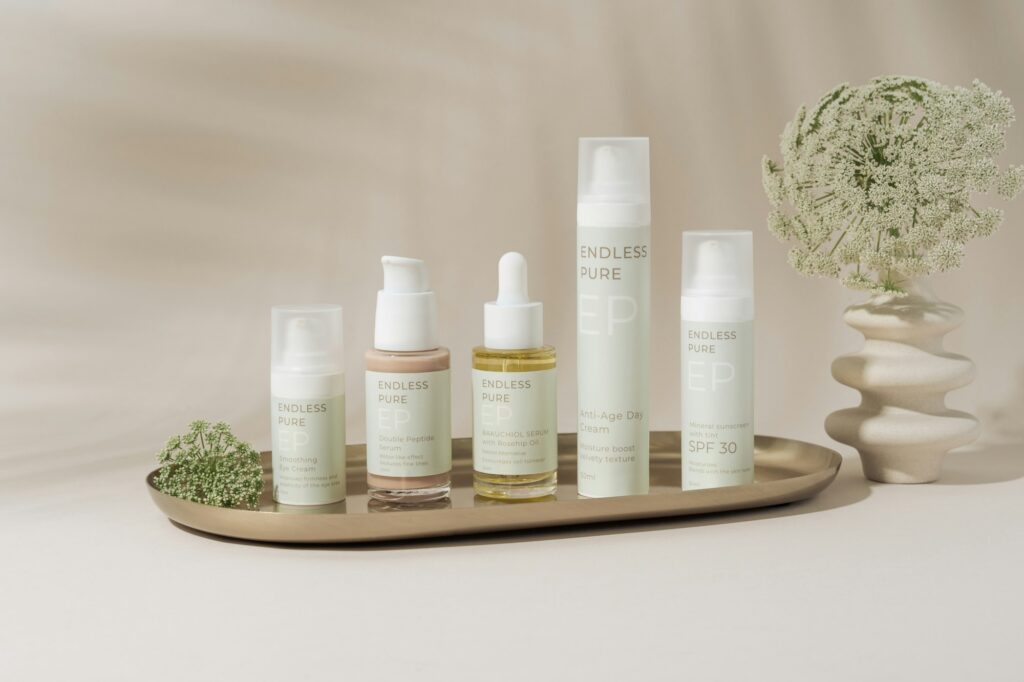
Choosing products with your senses
Trauma informed self-care products are less about ingredients and more about how they feel. Scent is powerful, because a fragrance can carry you back to a place or a person in seconds. So if a scent unsettles you, choose fragrance-free products without apology. Texture matters too. Some women find rich balms comforting, while others prefer light gels that vanish quickly. Packaging can help as well, because a pump or a tube is easier on unsteady hands than a jar. Before you add anything new, test it on a small area. The American Academy of Dermatology suggests a simple test. Apply a new product to a small spot twice daily for seven to 10 days.
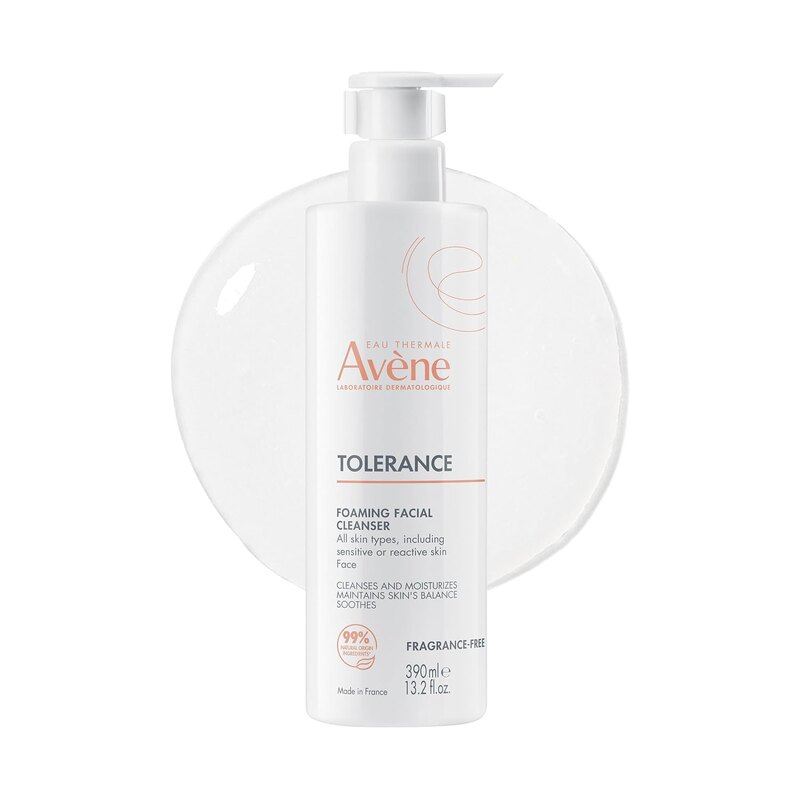
A gentle, fragrance-free cleanse with no scent to unsettle you.
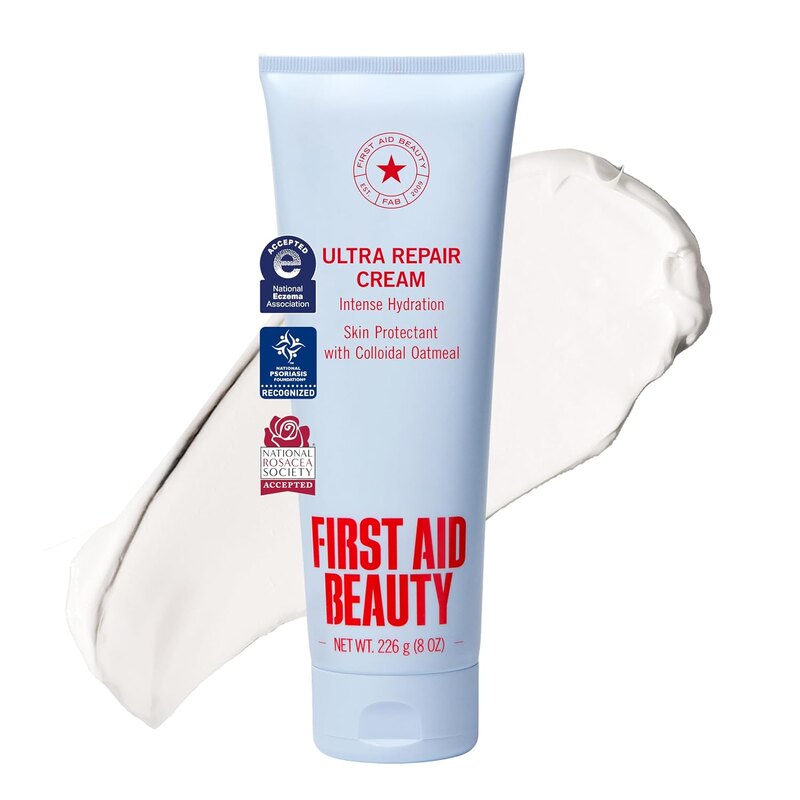
A rich, comforting cream for a routine that feels the same each night.
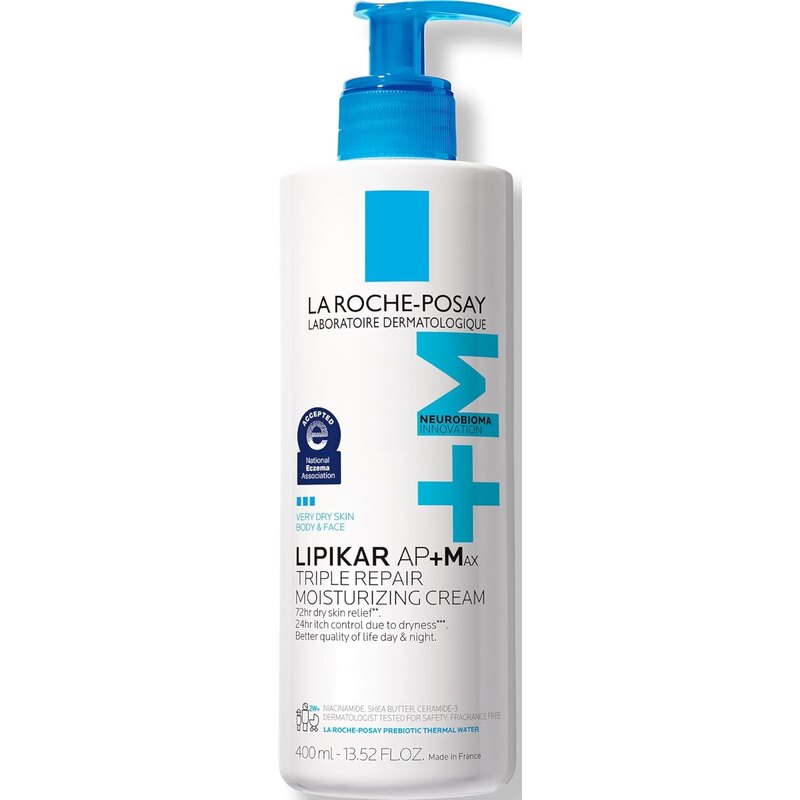
Once you have products you trust, keep the routine short and predictable. Predictability is soothing in itself, because it removes small decisions from a tired mind. You might keep everything on one tray, in the order you use it. Then the steps can run almost on their own, morning and night. Equally, give yourself permission to skip steps on hard days. A splash of water and a moisturizer still count as care. Lighting matters too, so choose soft, warm light over harsh overhead bulbs when you can. Finally, notice how your hands feel on your skin. Slow, gentle pressure can turn a two-minute routine into a moment of real rest and comfort.
Is makeup therapy? Emotional makeup, honestly
You may have heard the phrase “makeup is therapy.” It is a lovely sentiment, yet it needs a gentle correction. Makeup is not therapy, and it cannot replace support from a qualified professional. Even so, research suggests it can lift mood for some women. In a 2024 trial in Dermatology and Therapy, Veçoso and colleagues encouraged women in Brazil to use makeup frequently. The women who received makeup and encouragement showed an 8.3 percentage point drop in a standard depression score. Their self-image scores also rose by 25%. However, the trial was open-label, so participants knew which group they were in. The results are encouraging rather than conclusive, and they deserve a careful reading.
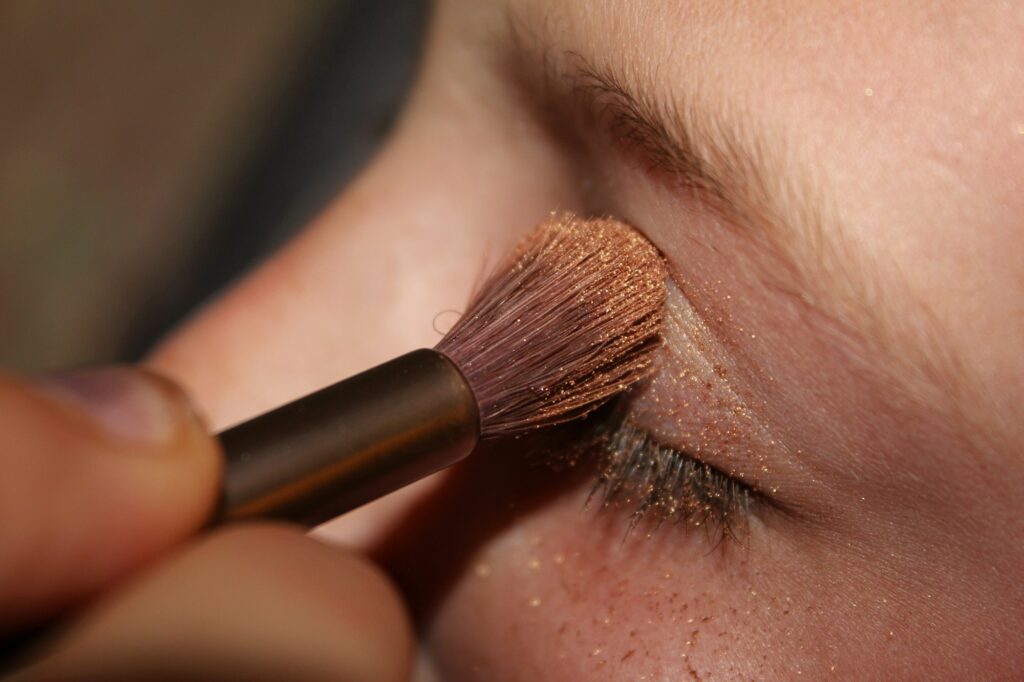
That is where emotional makeup finds its honest place. It is not a cure, yet it can be a small, daily act of attention. Choosing a color asks you to consider how you feel. Applying it asks you to slow down and touch your face with care. In this way, a five-minute routine can become a moment of presence. For some women, that moment is the first kind thing they do for themselves each day. If that is true for you, protect that moment fiercely. Equally, if makeup has started to feel like a requirement, it is fine to step back for a while. The three pieces below invite play rather than polish.
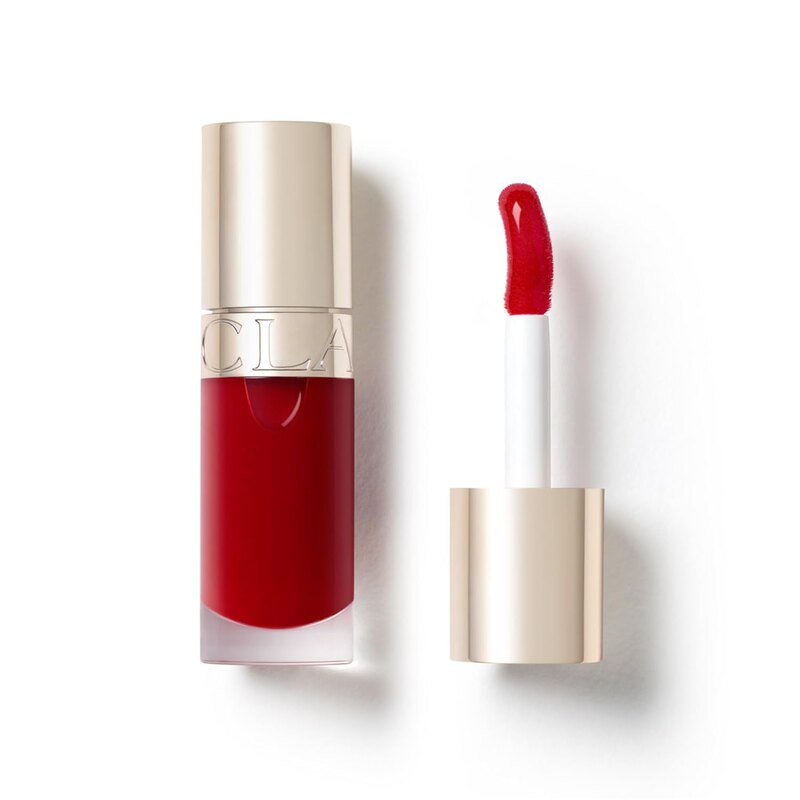
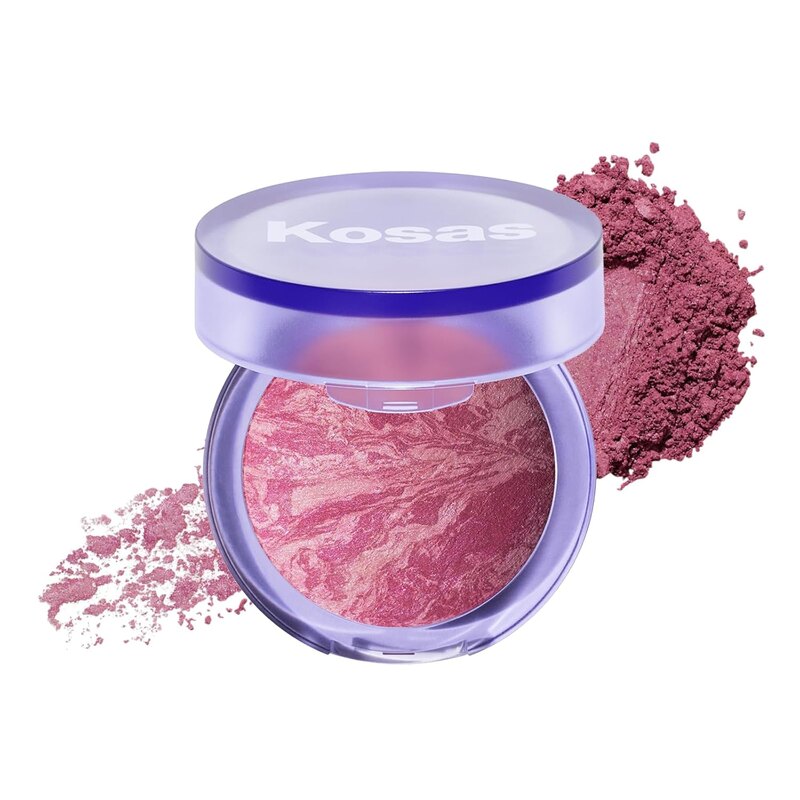
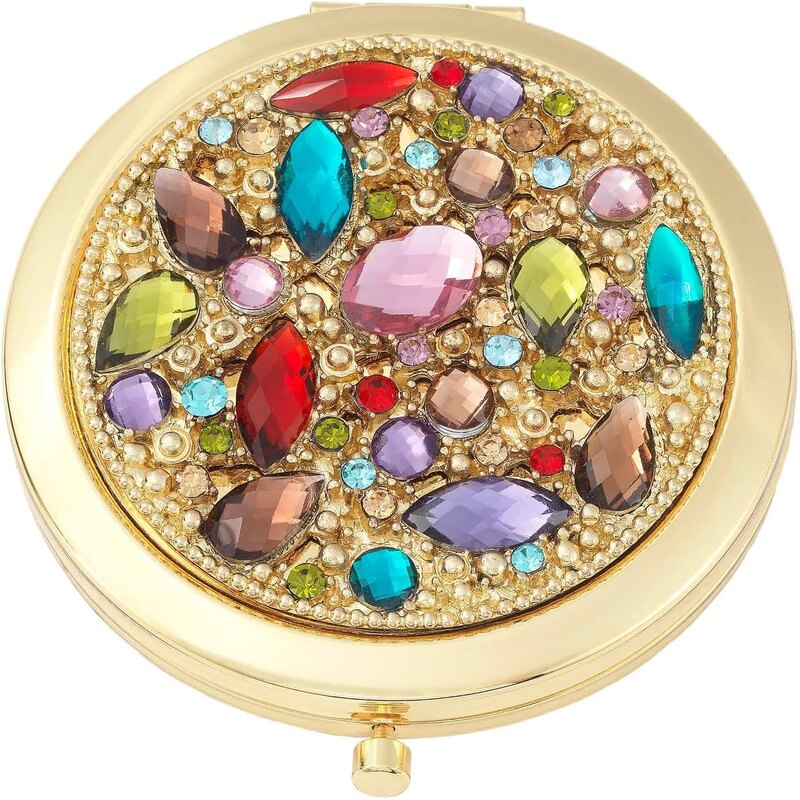
A slim gold compact for meeting your reflection kindly.
The beauty of trauma, and beauty trauma
People sometimes search for the beauty of trauma, and the phrase deserves care. Trauma itself is not beautiful, and no one should be asked to find meaning in harm. Yet many survivors describe a beauty that grows afterward. It shows in hard-won self-knowledge, in tenderness toward others and in the courage to keep living fully. Beauty trauma is real too. Some women carry wounds from years of comments about their weight, skin or hair. Healing those wounds often means reclaiming beauty on your own terms. For example, you might wear the color you were once told was too bold. That small act can feel like a small revolution of its own.
How to ask for a gentle salon visit
Salons can be wonderful places, yet they ask a lot of the body. Someone stands behind you, touches your head and holds sharp tools near your face. For a woman with a trauma history, that closeness can feel overwhelming, even with a gentle stylist. Thankfully, you can shape the visit in advance. Many stylists welcome clear requests, because they want you to feel at ease. Choose an easier time of day if you can, such as a weekday morning. Book with the same person each time, so trust can grow. Then send a short message beforehand explaining what helps you. You never need to share your history to ask for comfort.
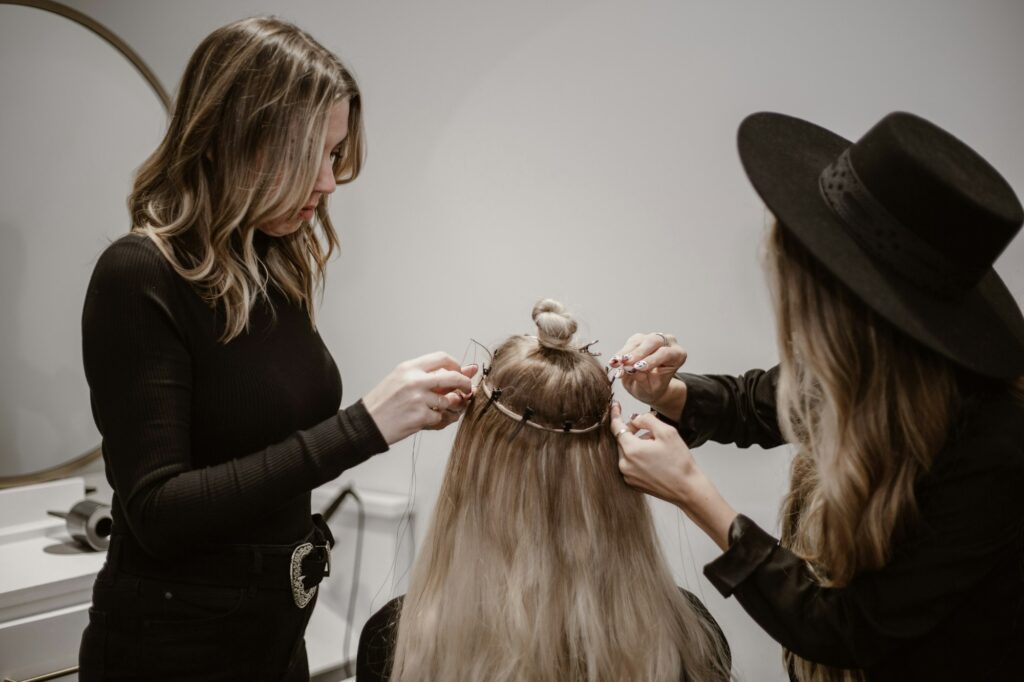
- Ask the stylist to explain each step before touching your hair or face.
- Agree on a simple signal, such as raising a hand, for a pause.
- Request a chair facing the room or a window rather than a wall.
- Ask for low music, or for silence if conversation tires you.
- Bring a friend, headphones or a comforting object if it helps.
- Book a consultation first, so the full appointment holds no surprises.
During the visit, remember that you can stop at any time. You can also change your mind about the plan, even halfway through. A good professional will respect that without fuss. Afterward, give yourself time before rushing back into the day. A short walk or a cup of tea can help your body settle. If a visit felt hard, that is useful information rather than failure. Next time, you might try a shorter appointment, a different stylist or an at-home alternative. Likewise, if a visit felt good, notice exactly what made it so. Those details become your own guide to trauma informed beauty, written by the woman who knows you best.
Gentle rituals that may support healing
There is no single path, and what helps one woman may not suit another. The ideas below are invitations, not prescriptions. First, a qualified, trauma-informed therapist can help you work through what happened at your own pace. Support of that kind is often the foundation for everything else. Mindfulness may help as well. The National Center for Complementary and Integrative Health notes that studies suggest meditation and mindfulness may help reduce PTSD symptoms. However, it also cautions that much of this research has been preliminary or not scientifically rigorous. So treat mindfulness as one gentle tool among many, and stop if it ever feels distressing. Short, guided sessions with your eyes open can feel safer at first.
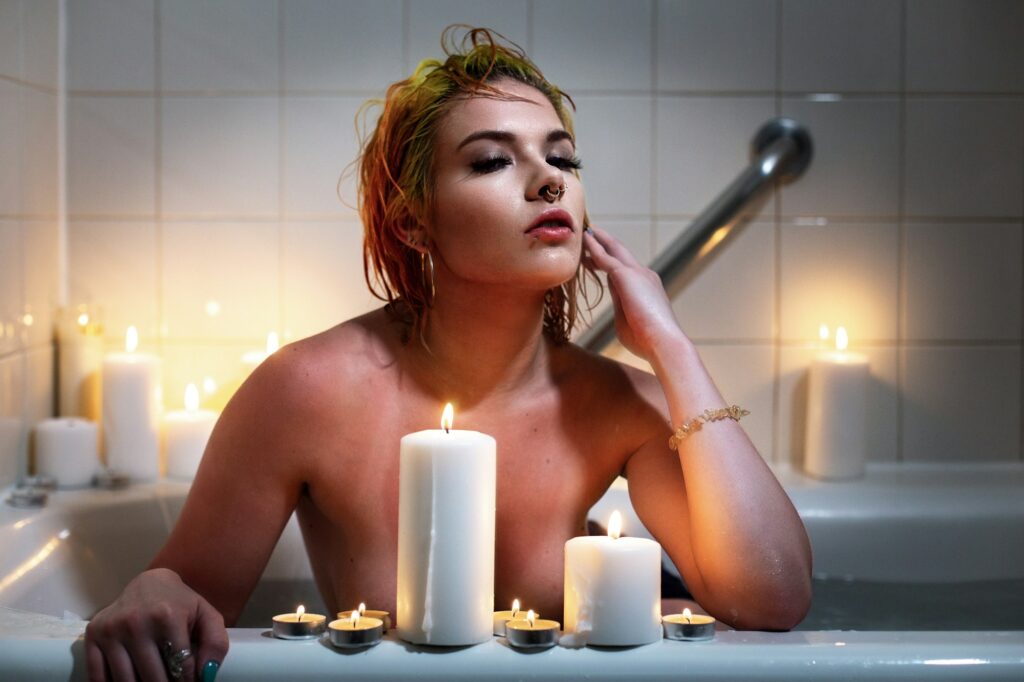
Floatation and self-affirmation
Floatation is another idea some women explore. Early studies suggest a float session may ease anxiety for a short time. In one 2018 study in PLOS ONE, Feinstein and colleagues tested a single one-hour float with 50 adults with anxiety. State anxiety fell after the session, although the study had no control group, so the findings are preliminary. Self-affirmation offers a simpler practice at home. A 2025 meta-analysis in American Psychologist pooled 129 tests from 67 published articles. It found small but significant benefits for wellbeing. In these exercises, people often reflect on the values that matter most to them. You might write a few lines about kindness, family or courage, then reread them on hard days.
Other rituals ask for no evidence at all, only kindness. Journaling a few lines each evening can help you notice triggers and small victories. Connection matters too, because trusted friends and support groups offer something no product can: being seen as you are. Body rituals can help you feel at home in your skin again. For example, dry brushing as a body ritual invites slow, rhythmic touch. Meanwhile, if you wonder why rituals feel soothing at all, the science of makeovers explores the research. Whatever you choose, apply each product as a thank-you to your body rather than a correction. In addition, keep the pace slow enough that you can notice how each step feels.
Care from within
Caring for yourself from within can be part of this, too. Food, sleep and digestion shape how you feel each and every morning. Over time, they show up in your skin as well. For a sourced look at that link, read about the gut-skin connection. If you would like a guided ritual for skin and gut, from within, you can join the 21-Day Reset waitlist. It is a gentle daily ritual, and we will write to you when it is ready. In the meantime, an evening ritual is a lovely place to begin, because it asks for very little. The three pieces below bring softness to the end of a long day.
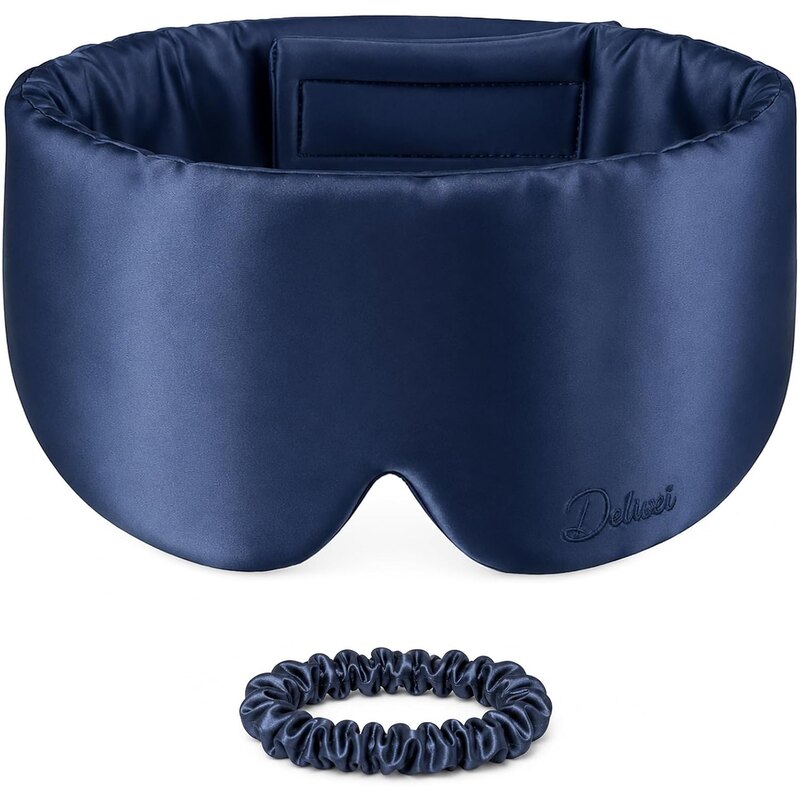
Soft silk and real darkness for a gentler night.

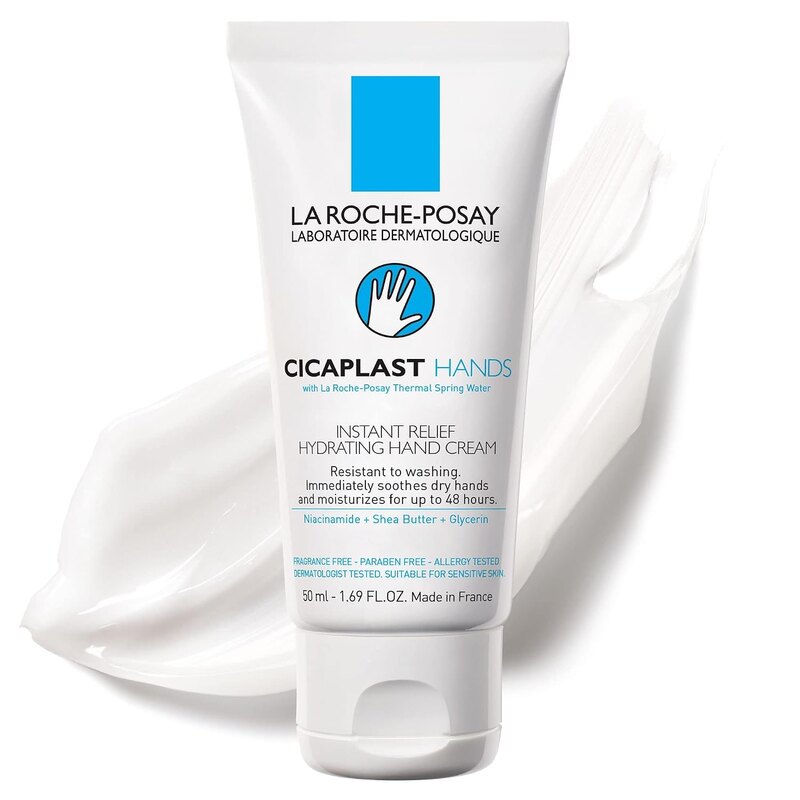
An evening ritual works best when it feels like a soft landing. Dim the lights an hour before bed, and put your phone in another room if you can. Then choose two or three gentle steps. A warm cleanse, a hand cream and a few lines in a journal are plenty. Repeat them in the same order each night, because the body learns that order as a signal of safety. On difficult nights, keep just one step and let that be enough. Over weeks, the ritual becomes a place you return to rather than a task. That steadiness is a form of care in itself, and it asks nothing of the mirror.
The research, in brief
Every figure in this guide comes from a named source. The definition of trauma and the trauma-informed principles come from SAMHSA. PTSD prevalence comes from NIMH, using the National Comorbidity Survey Replication (2001 to 2003). Lifetime figures come from the VA National Center for PTSD. Intimate partner violence figures come from the CDC‘s 2023/2024 National Intimate Partner and Sexual Violence Survey.
Skin and stress follow Gupta and colleagues (2017), and product testing follows the American Academy of Dermatology. The dopamine quotes come from Dr. Anna Lembke’s 2021 Stanford Medicine interview. Makeup and mood follow Veçoso and colleagues (2024), floatation follows Feinstein and colleagues (2018), self-affirmation follows Zhang and colleagues (2025), and mindfulness follows NCCIH. Checked November 2026.
Sources: NIMH guide to PTSD · Clinics in Dermatology · Dermatology and Therapy · PLOS ONE · American Psychologist.
Recommended
Claim your worth, inside and out
Beauty and healing are linked, though not in the way glossy advertising suggests. No ritual can create self-worth on its own. Even so, loving rituals can reflect the healing you are doing within. When you feel ready, begin with support, kindness and connection. Then let each beauty ritual celebrate the woman you are becoming, at a pace that feels safe. Keep what comforts you, release what pressures you, and remember that your choices lead. That is the promise of trauma informed beauty. If you need help at any point, call or text 988, or chat through the 988 Lifeline online. In an emergency, call 911. You deserve care that feels like coming home.

Each tool above offers one gentle next step, chosen by you. The ring quiz is a playful way to understand your own style, with nothing to prove and no right answers. The 21-Day ritual turns attention inward, toward skin and gut, at a pace you can keep. Meanwhile, the Makeover Bible gathers hair and skin rituals into one gentle reference you can return to whenever you like. None of them asks you to change who you are. Instead, each invites you to care for the woman already here. Choose the one that matches how you feel today. Then come back for the next when you are ready, because there is no deadline.
The 21-Day Skin & Gut Health Reset is a gentle daily ritual for skin and gut, from within. It is designed to feel steady and kind, never rushed. Join the waitlist, and we will write to you when it is ready.
Join the waitlistQuestions worth asking
What is trauma informed beauty?
It is an approach to beauty and self-care that puts safety, choice and ease first. It borrows from SAMHSA’s trauma-informed principles, such as safety, trust, collaboration and voice. In practice, it means familiar products, salon visits at your pace and rituals that feel like kindness rather than repair.
Can a makeover help you heal from trauma?
A makeover can be a meaningful gesture of self-care, especially when you choose it freely. However, it works best alongside inner support, such as therapy, rest and connection. On its own, it rarely changes how you feel underneath, and it is never a substitute for professional care.
What are trauma informed self-care products?
There is no official category. In general, they are products that feel easy to use: fragrance-free or gently scented, with comforting textures and easy packaging. Test anything new on a small patch of skin first, and keep the routine short and predictable so it soothes rather than overwhelms.
Is makeup therapy?
No. Makeup is not therapy and cannot replace a qualified professional. Even so, a 2024 trial in Dermatology and Therapy found that encouraging frequent makeup use lowered depression scores in a group of women. Treat makeup as a small act of self-care that can lift your mood.
Why do I feel worse after a big change in my look?
The lift from something new often fades, partly because of how the brain’s reward system works. If the change was meant to fix a deeper hurt, that fade can feel sharper. It is a common experience, and it is not a failure. Gentle, steady care tends to last longer.
Where can I find help right now?
In the US, call or text 988, or chat at 988lifeline.org, for free, confidential support 24 hours a day. For domestic violence, call the National Domestic Violence Hotline at 1-800-799-7233. In an emergency, call 911. You can also ask your doctor for a trauma-informed therapist.