
An inner glow up begins where the mirror stops. You can change your hair, refresh your wardrobe and refine a skincare routine, and still feel unsettled inside. That is because the deepest glow comes from how you treat yourself. In the full Cossèt Môi makeover, the outer changes are only half the story. This guide covers the other half, gently and step by step. First, you will learn what an inner glow-up is and the signs you are ready for a relationship. Next, we look at the patterns you carry and the rituals that help you grow. Finally, you will find journaling prompts, sleep advice and a word on self-compassion.
An inner glow up is the work of becoming whole on your own terms, before you look for love. It means knowing your patterns, enjoying your own company, leaning on friends, sleeping well and speaking to yourself with kindness. You are ready for a relationship when you want a partner to share your life, rather than to complete it.
What is an inner glow up?
An inner glow up is a season of growth that starts on the inside. It is the emotional twin of a makeover. Where a makeover refreshes how you look, an inner glow-up refreshes how you feel about yourself. In practice, it means slowing down and paying attention. You notice what drains you and what lifts you. You also notice the stories you tell yourself about love. Over time, small daily rituals change those stories. As a result, you carry yourself differently. People often describe the change as a glow, even though nothing visible has changed. That glow is self-respect, and it is one of the most attractive qualities a woman can have.
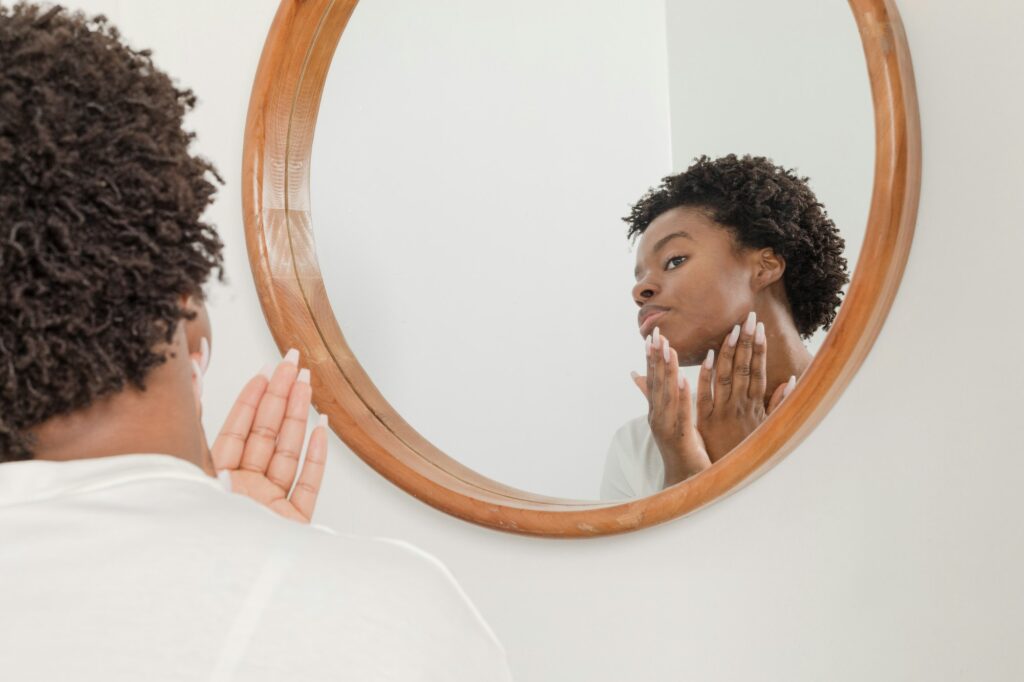
Many women begin an inner glow-up after a breakup or a long single season. Others begin it simply because they want to feel more like themselves. Either way, the goal is not to become someone new. Instead, the goal is to return to who you are when you feel safe and rested. For that reason, this work suits any age and any chapter. A woman of twenty-five and a woman of fifty-five can both begin today. Moreover, the work never really ends. It becomes a way of living rather than a project with a finish line. So think of this guide as a starting point. Take what serves you, leave the rest and return whenever you need it.
| Outer glow-up | Inner glow-up |
|---|---|
| A new haircut or color | A new understanding of your patterns |
| A refreshed wardrobe | Refreshed friendships and boundaries |
| A skincare routine | A reflection ritual inside that routine |
| Better products | Better sleep and a kinder inner voice |
| Results you can see in a week | Results you feel over a season |
Signs you are ready for a relationship
Wanting a relationship and being ready for one are two different things. Wanting is a feeling, and it can arrive on any lonely Sunday. Readiness, however, shows up in how you live. So before you download an app, look gently at your days. Do you enjoy your own company? Can you name what you need without apology? Have you made peace with your last relationship, even if it still stings a little? These questions are not a test. Rather, they are a mirror for your inner glow up. Your honest answers will tell you whether this is a season for dating or a season for yourself. Either answer is a good one.
The following signs suggest that you are ready for a relationship:
- Time alone feels restful, and a weekend without plans feels open rather than empty.
- Talking about your last relationship no longer stirs up anger or longing.
- Your values are clear, and you can name three things you will not compromise on.
- Friendships feed you, so a partner would be an addition, not a rescue.
- Saying no comes without a long explanation, and hearing no does not crush you.
- Sharing your life appeals to you more than handing it to someone to fix.
What readiness really means
If most of these feel true, you may well be ready. If only a few do, that is good news too. It means you now know exactly where to focus. Meanwhile, remember that readiness does not require a flawless past. Nobody arrives at love fully healed. Instead, ready women know their tender spots and look after them. They also choose partners who respect those tender spots. In other words, readiness is self-knowledge plus self-care. Both can be learned, and the rest of this guide shows you how. Start with whichever sign felt furthest away. Then return to the list in a month, and notice what has changed in the weeks between.
You may also like


Start with an honest check
Every inner glow-up starts with an honest look at where you are. This is not about judging yourself. It is about seeing clearly, the way you might study your skin in good daylight. Set aside twenty minutes, pour a cup of tea and sit somewhere bright. Then ask yourself three questions. First, how do I feel most days? Second, what do I keep hoping someone else will give me? Third, what could I begin giving myself instead? Write the answers down, even if they feel small or awkward. After all, small answers are often the most useful ones. They show you where your energy goes each day. Keep your notes private.
The second question is especially revealing. Many women discover that they hope a partner will bring confidence, adventure or a sense of being chosen. Those are lovely things to share. Even so, they are also things you can build for yourself. For example, you can choose yourself by keeping promises you make to yourself. Likewise, you can find adventure by booking the trip you keep postponing. Each time you give yourself what you were waiting for, you grow a little more whole. Then, when love arrives, it adds to a full life. It does not have to carry the whole weight of your happiness, and that is a gift to both of you.
The patterns you carry into every date
We all carry patterns from earlier relationships, and many of them begin in childhood. Researchers call this attachment. In a classic 1987 paper in the Journal of Personality and Social Psychology, Cindy Hazan and Phillip Shaver applied attachment theory to adult love. They described three styles: secure, avoidant and anxious. Their questionnaire studies found these styles in roughly the same proportions in adults as in infants. They also linked attachment style to people’s early relationships with their parents. In short, the way you learned to love as a child can echo in how you date today. Fortunately, an echo is not a sentence. With awareness, you can slowly change the tune.

Knowing your style is not a label to carry forever. Rather, it is a map that shows where you tend to get lost. For instance, an anxious pattern might send you checking your phone after a first date. An avoidant pattern, on the other hand, might make you pull away just as things grow close. Secure attachment sits between the two. It feels steady, warm and open. The encouraging news is that patterns can soften with awareness and practice. So notice your reactions without blame. Ask yourself where a feeling first appeared in your life. Then decide, with kindness, how you want to respond the next time it rises. Patience helps here.
A simple pattern exercise
A simple exercise helps here. Think back over your last three relationships or situationships. For each one, write down how it started, what you felt in the middle and how it ended. Next, look for repeats. Maybe you always fell for someone unavailable. Or maybe you always stayed too long. It is also common to lose your friends and hobbies within a month. Whatever repeats is your pattern, and naming it is the first step to changing it. Afterward, write one sentence about what you would like to do differently. Keep that sentence somewhere you will see it, such as inside your journal or on your phone. Read it every morning.
You may also like


A season for yourself
Sometimes the kindest choice is a short break from dating. A season for yourself gives your nervous system a rest from waiting and wondering. It also frees up hours you may not realize you were spending. Think of the evenings spent texting, the weekends shaped around someone else’s plans and the energy spent decoding mixed signals. During a season for yourself, those hours come back to you. You can choose how long the season lasts. Some women choose thirty days, while others choose ninety. The length matters less than the intention behind it. What matters is that the time belongs to you, and that you protect it. Guard that time well.

Fill those returned evenings with things that make you feel alive. For example, take the dance class, join the book club or finally learn to cook a favorite dish. Then try a solo date. Book a table for one at a lovely restaurant, or spend an afternoon at a museum. At first, it may feel unusual. Soon, though, many women find it freeing. You learn what you enjoy when no one else is choosing. Furthermore, you notice who you become when you are not performing for anyone. That woman is the one you want to bring to your next relationship. She knows her tastes, her pace and her worth, and she glows.
You may also like


Lean on your friendships
An inner glow up is personal, but it is never lonely. Friendships carry us through every season, and they matter more than many of us admit. In a major 2010 review in PLOS Medicine, Julianne Holt-Lunstad and colleagues pooled 148 studies with 308,849 participants. They found a 50% greater likelihood of survival for people with stronger social relationships. That is a striking figure. It reminds us that connection is not a luxury. Instead, it is part of how we stay well, in body as well as mind. Friends, in other words, are part of your health routine. So treat friendship as part of your inner glow-up, not a break from it.

So invest in your friendships during this season. Call the friend you have been meaning to call. Plan a regular dinner, a weekend walk or a monthly brunch. In addition, let your friends see the real you, including the parts still in progress. Good friends often notice our patterns before we do. Therefore, ask one or two trusted friends what they see in your past relationships. Listen without defending yourself, then thank them. Their answers may surprise you. Above all, notice how full your life feels when friendship is at its center. A future partner will join that life, rather than become all of it. Then go ahead and plan the next gathering.
Turn skincare minutes into reflection minutes
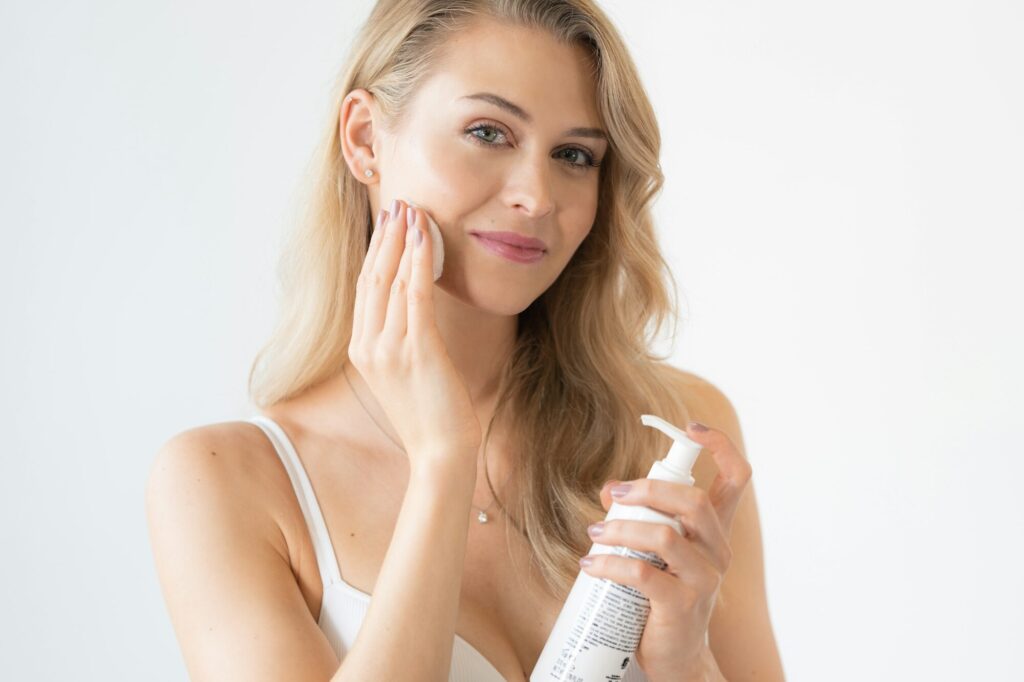
You already have a daily ritual that can carry your inner glow-up: your skincare routine. Each morning and evening, you spend a few minutes caring for your face. With a small shift, those minutes can care for your mind as well. As you cleanse, take three slow breaths. Then, while the serum sinks in, ask yourself how you feel today. Finally, as you massage in moisturizer, name one thing you are grateful for. As a result, a routine you already do becomes a moment of reflection. There is nothing new to add to your day, only a new kind of attention. That is what makes it last. Try it tonight and see.
Setting the scene helps the ritual stick. Light a candle you love, so the room feels like an invitation rather than a chore. Alternatively, burn a stick of fine incense while you write a few lines in your journal. Add a warm cup of tea, and suddenly ten minutes feels like a treat. The point is not to buy your way to self-worth. Instead, the point is to signal to yourself that this time matters. Small luxuries do that beautifully, because they mark the moment as yours. The gallery below gathers three pieces that turn an ordinary evening into a ritual worth keeping, night after night. Choose pieces you truly love to use.
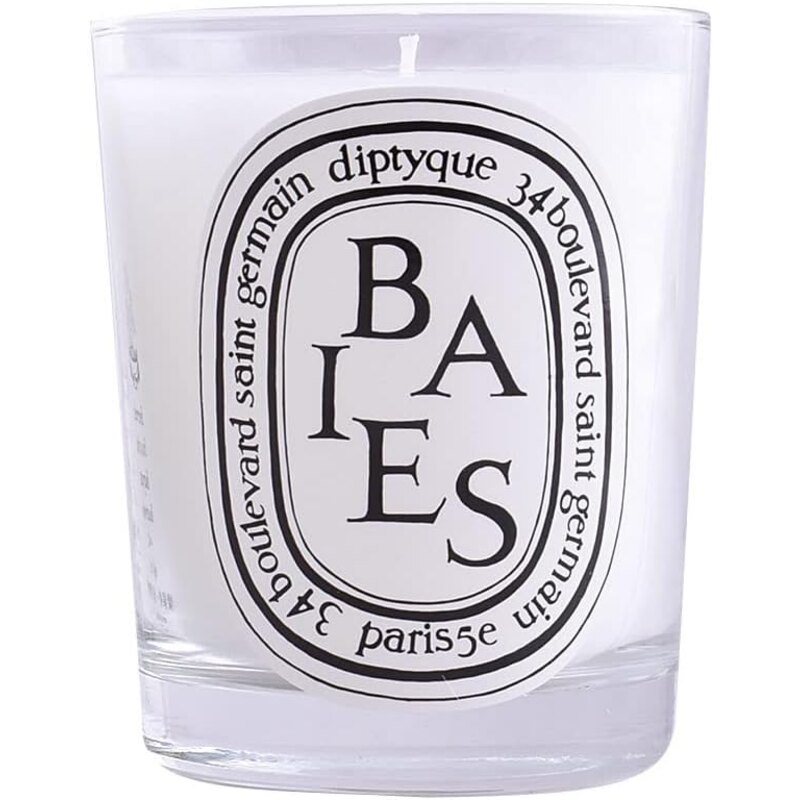
Blackcurrant leaves and Bulgarian rose, for a room that feels like an invitation.
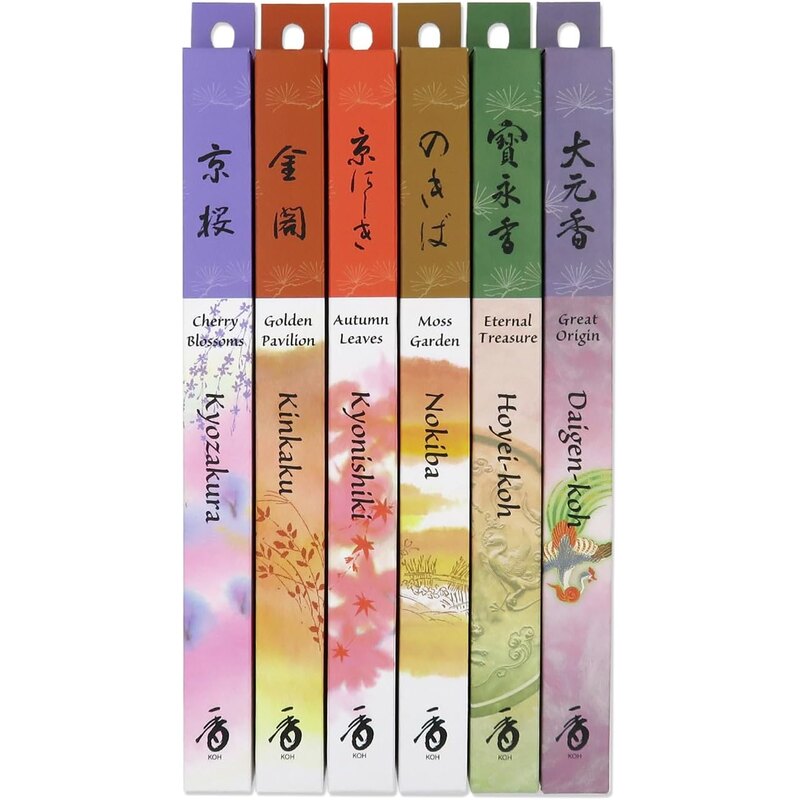
Six Kyoto incense blends to mark ten minutes as your own.
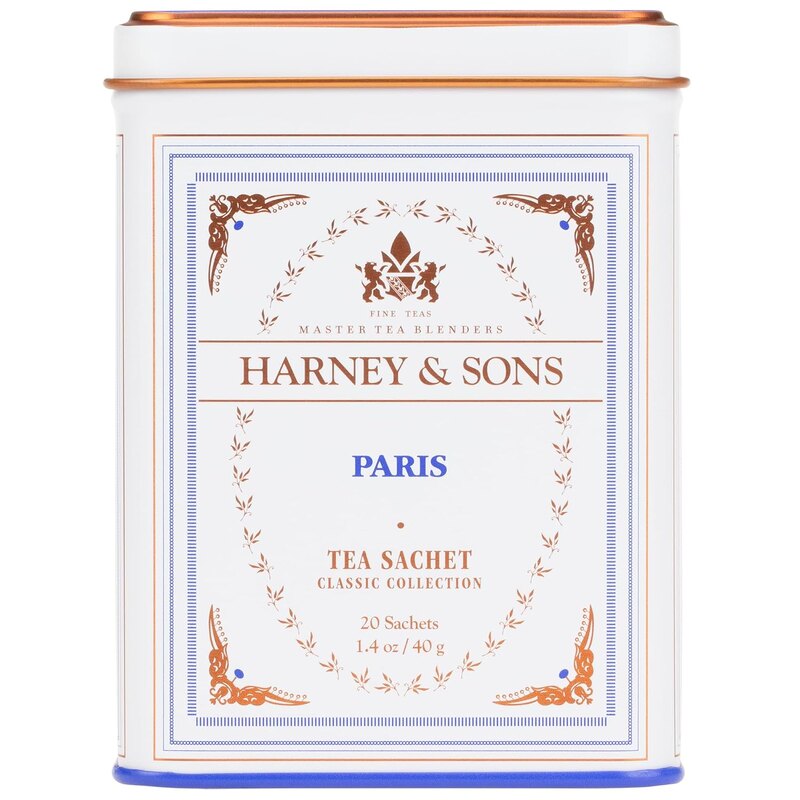
Black tea with vanilla, caramel and bergamot for a slow evening cup.
Keep it short and regular
Once your space feels inviting, keep the ritual short and regular. Ten minutes every evening will do more than an hour once a month. Furthermore, pair the ritual with something you already do, such as removing your makeup. Habit researchers call this stacking, and it makes a new habit far easier to keep. Over a few weeks, you will notice that you look forward to it. You may also notice that you sleep better and wake with a clearer mind. That is the inner glow-up at work. It is gentle and steady, and it grows from repetition rather than willpower. On the evenings you skip, simply begin again tomorrow. Consistency is the real secret.
Join the waitlist for the 21-Day Skin & Gut Health Reset, a gentle daily ritual for skin and gut, from within. We will write to you when it is ready.
Occasional letters. Unsubscribe anytime.
Write it down: journaling for an inner glow up
Journaling is one of the simplest tools for an inner glow up, and the research behind it is encouraging. In a 1986 study in the Journal of Abnormal Psychology, James Pennebaker and Sandra Beall asked students to write about difficult experiences. In the following months, students who wrote about their deepest thoughts and feelings visited the campus health center less often. Pennebaker later reviewed decades of this work in Perspectives on Psychological Science in 2017. Since then, expressive writing has become one of the most studied forms of self-reflection. It costs nothing, and it fits into any evening. Best of all, you need nothing more than paper, a pen and ten minutes.
Why naming a feeling helps
Another line of research looks at naming feelings. In a 2007 brain-imaging study in Psychological Science, Matthew Lieberman and colleagues tested what happens when people put feelings into words. Labeling an emotion reduced activity in the amygdala, a brain region linked to emotional reactions. In other words, writing “I feel rejected” can make the feeling a little easier to hold. That is why a journal is so valuable during an inner glow-up. It turns swirling thoughts into sentences you can read, question and gently rewrite. A beautiful notebook and a pen you love make the habit easier to keep, as the gallery below shows. Try it tonight with one honest sentence.
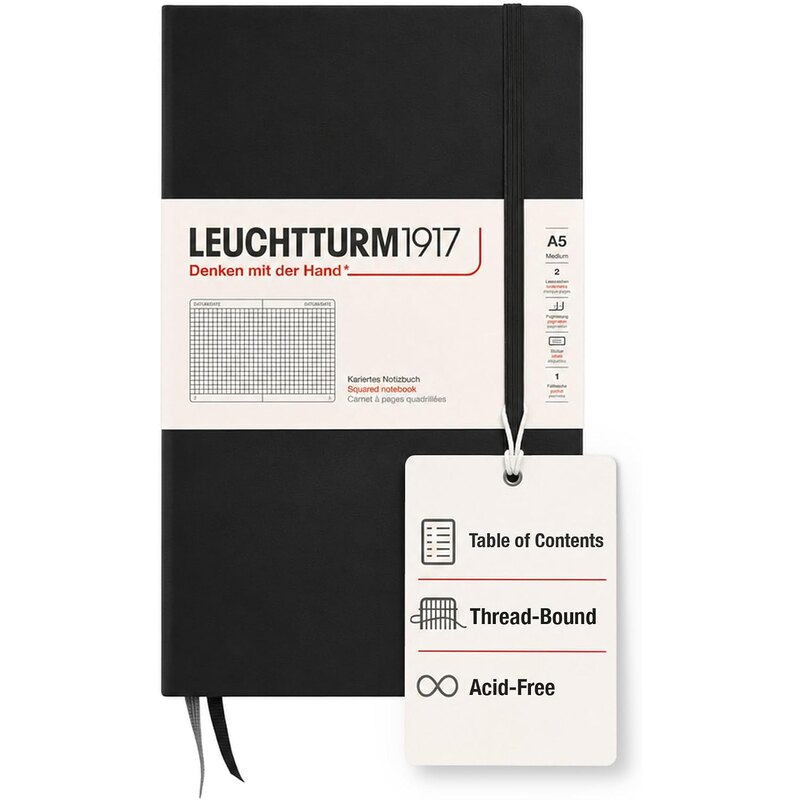
Numbered pages and a table of contents, so you can find old entries.
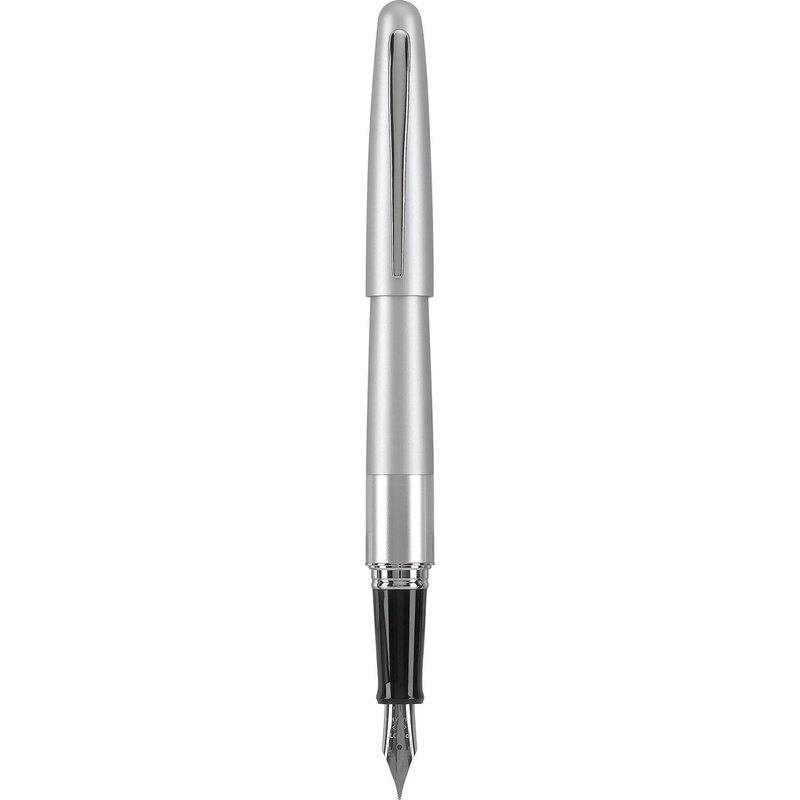
A smooth, weighted pen that makes writing by hand a pleasure.

A readable guide to attachment styles and how they shape adult love.
Start small, because consistency matters more than length. Write one page each evening, or even five lines. Date every entry, so you can watch your progress over the weeks. Write by hand when you can, since the slower pace invites honesty. Moreover, do not edit yourself or worry about spelling. The journal is for you alone. Some evenings, you will write about a frustration at work. Other evenings, you will write about a memory that surfaced in the shower. Both count. Over time, you will see themes appear. Those themes are the raw material of your inner glow-up, and they deserve your attention and care. Keep the journal somewhere you will see it.
Four starter prompts for your inner glow-up
A blank page can feel daunting, so here are four prompts to begin. Choose one each evening, and return to them as often as you like. Answer slowly and honestly. There are no right answers, only true ones. If a prompt feels uncomfortable, stay with it a little longer. Discomfort often means you have found something worth exploring. Then, at the end of each week, read back over what you wrote. Underline any sentence that surprises you. Those underlined sentences often point to the next step in your growth. Over a month, they form a short letter from you to yourself, and it is worth keeping. Keep each answer short and honest.
- What do I need that I keep waiting for someone else to give me? Then write one way you could offer it to yourself this week.
- When did I last feel completely like myself? Describe where you were, who you were with and what you were doing.
- What pattern from my past relationships would I like to leave behind? Then name the first small sign that it is starting again.
- What would a loving partner notice about me? Now write how you can notice those qualities yourself, starting today.
Protect your sleep
Sleep is the most underrated part of any glow-up, inner or outer. Skin repairs itself overnight, and so does your mood. Sleep even shapes how we treat the people we love. In a 2013 paper in Social Psychological and Personality Science, Amie Gordon and Serena Chen studied sleep and relationship conflict. During a 14-day diary study, people reported more conflict with their partners after poor nights of sleep. Then, in a lab study, one partner’s poor sleep lowered both partners’ ability to read each other’s feelings. Conflict resolved best when both were well rested. Rest, it seems, is relational. So guard your bedtime as carefully as you guard your skincare routine.

That research holds a lesson for single women, too. When you are tired, everything feels heavier, including loneliness. A late-night scroll through a former partner’s photos rarely ends well. Therefore, protect your evenings like an appointment. Set a gentle bedtime and dim the lights an hour before it. Leave your phone outside the bedroom if you can. Instead, read a few pages of a novel or write in your journal. Make the bed itself an invitation, with soft linens and a cool, dark room. The gallery below gathers three pieces for better rest and a softer evening ritual that you will want to repeat. Small changes here add up surprisingly quickly.

Mulberry silk that blocks the light and stays gentle on delicate skin.
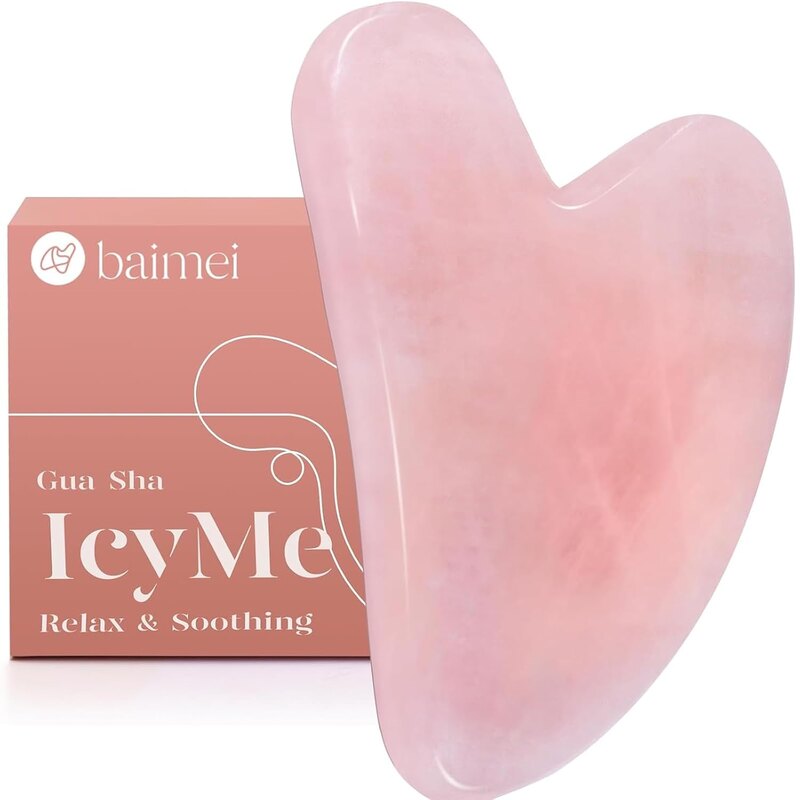
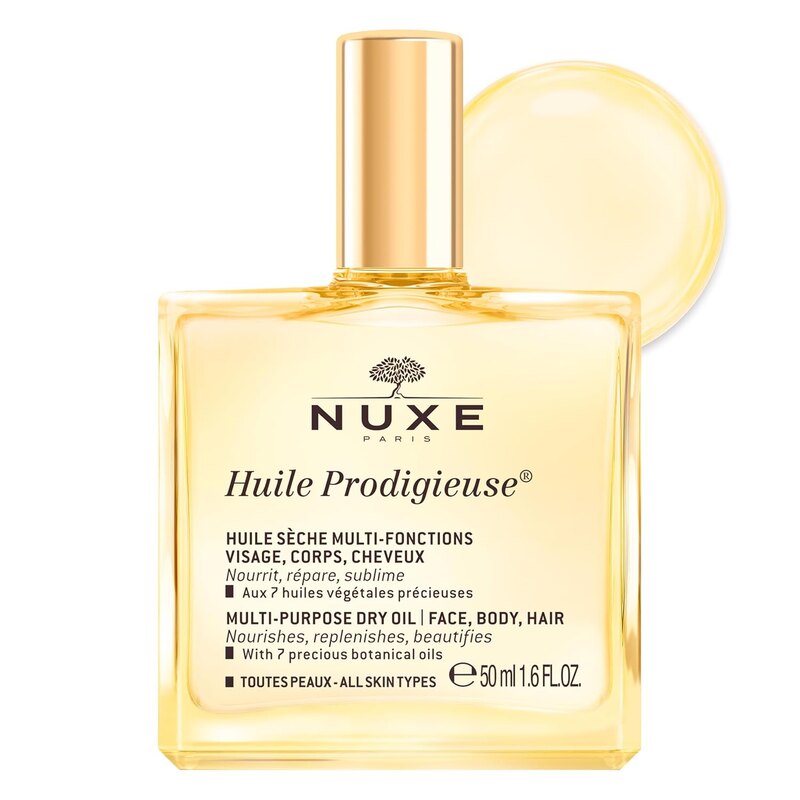
A golden dry oil for skin and hair that sinks in quickly.
Rest as self-respect
Rest is also a form of self-respect. When you choose sleep over one more episode, you tell yourself that your well-being matters. That message adds up over weeks and months. Likewise, a rested woman makes clearer choices about love. She notices red flags sooner and trusts her instincts more. She also has the energy for friendship, movement and joy. So if you change only one habit during your inner glow-up, let it be sleep. Aim for a regular bedtime, even on weekends. Then notice how your mood, your skin and your patience change within a few weeks. Most women see the difference in their faces first. Sleep is free, and it works.
Speak to yourself with kindness
The voice in your head shapes every relationship you will ever have, beginning with the one you have with yourself. Self-compassion means speaking to yourself the way you would speak to a dear friend. It does not mean lowering your standards. Rather, it means meeting your mistakes with warmth instead of harshness. Research suggests this matters for love, too. In a 2013 study in Self and Identity, Kristin Neff and Natasha Beretvas studied couples. Partners described self-compassionate people as more caring and accepting, and as less controlling. Kindness, it turns out, travels outward. Moreover, self-compassion is a skill rather than a fixed trait. Like any skill, it grows with daily practice.
So practice a kinder inner voice every day. When you catch yourself thinking “I always ruin things,” pause. Then rephrase it as you would for a friend: “That was hard, and I am learning.” It may feel strange at first. However, the new voice grows stronger with use. Another simple practice is the hand on the heart. When you feel a wave of hurt, place your hand on your chest and breathe slowly. The gesture signals safety to your body. Over time, self-compassion becomes your default. As a result, you will expect kindness from a partner, because you already offer it to yourself every day. Notice the change within a few weeks.
A guided journal for your inner glow up
Prompts are a lovely start. Even so, a list rarely becomes a habit on its own. That is why we were glad to discover the En journal from Magnificent Japan. En is a Japanese word for the invisible thread of connection between people. The journal turns that idea into a structured, 90-day practice for an inner glow up. It offers one prompt a day across three months, with weekly and monthly reviews. It also suggests a pause from dating, so the season belongs to you. If you would like a companion for the months ahead, you can explore the En journal here. Begin whenever you feel ready, since the practice has no start date.
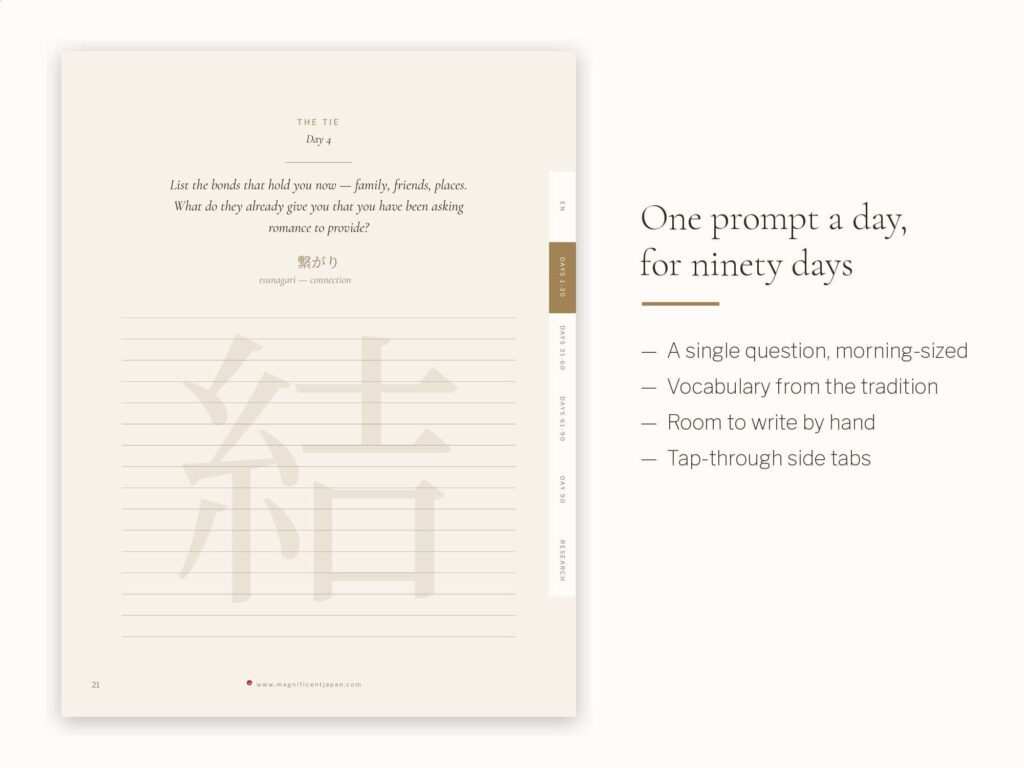
A guided journal works because it removes the hardest part, which is deciding what to write. Each morning or evening, you open to a single page and answer one question. Over ninety days, the questions build on each other. Early pages help you understand your patterns, while later pages help you imagine the relationship you want. Meanwhile, the weekly reviews show you how far you have come. Whether you choose a guided journal or a blank notebook, the practice is the same. You show up for yourself, one page at a time. That steady attention is the heart of every inner glow-up, at any age. Begin with the first page tonight.
The research, in brief
Every figure and research claim in this guide comes from a named source. Hazan and Shaver applied attachment theory to adult love in the Journal of Personality and Social Psychology in 1987. Holt-Lunstad, Smith and Layton reported the 50% survival finding across 148 studies in PLOS Medicine in 2010. Pennebaker and Beall published the expressive writing study in the Journal of Abnormal Psychology in 1986. Lieberman and colleagues reported the affect labeling study in Psychological Science in 2007. Gordon and Chen reported the sleep and conflict studies in Social Psychological and Personality Science in 2013. Finally, Neff and Beretvas reported the self-compassion study in Self and Identity in 2013. Checked November 2026.
Recommended
Your glow-up, from the inside out
An inner glow-up is not a race toward a relationship. Instead, it is a return to yourself. Along the way, you learn the signs that you are ready and the patterns you carry. Your days fill with friendship, rituals and rest. Each evening, a few lines land on the page, and your inner voice grows kinder. Slowly, something shifts. You stop waiting to be chosen and start choosing yourself. That shift shows in your face, your posture and your laugh. If you take only one step this week, write one page tonight. Begin with the first prompt in this guide, and see where it leads you over the coming month.


Each tool above follows the same idea. Beauty and well-being are rituals you choose rather than problems to solve. The ring quiz is a gentle way to understand your own taste. It suits you especially when love feels close. Meanwhile, the 21-Day ritual turns attention inward, toward skin and gut, at a pace you can keep. And the Makeover Bible gathers hair and skin rituals into one guided reference you can return to. Each offers one clear next step, which is how lasting change begins. So choose the one that matches where you are today. Then come back for the next when you are ready, because the journey has no deadline.
The 21-Day Skin & Gut Health Reset is a gentle daily ritual that cares for skin and gut, from within. It asks for attention rather than excess. Join the waitlist, and we will write to you when it is ready.
Join the waitlistQuestions worth asking
What is an inner glow up?
An inner glow up is a season of emotional growth that starts on the inside. It means understanding your patterns, enjoying your own company, investing in friendships, protecting your sleep and speaking to yourself with kindness. The result is a steadier sense of self, which often shows on the outside as a glow.
How do I know if I am ready for a relationship?
You are likely ready when you enjoy time alone, can talk about your last relationship without strong anger or longing, know your values and have friendships that feed you. Above all, you want a partner to share your life rather than to complete it or fix it.
How long should an inner glow-up take?
There is no fixed timeline. Many women choose a focused season of thirty to ninety days, often with a pause from dating. After that, the habits you built, such as journaling, regular sleep and self-compassion, simply become part of how you live.
What are good journal prompts for an inner glow-up?
Start with questions such as: What do I keep waiting for someone else to give me? When did I last feel completely like myself? What pattern would I like to leave behind? What would a loving partner notice about me? Answer one prompt each evening, slowly and honestly.
Should I stop dating while I work on myself?
You do not have to, but a short break can help. A season without dating frees time and energy for friendships, rituals and rest. It also lets you notice who you are when no one else is choosing. Many women find thirty to ninety days a helpful length.
Does attachment style affect relationships?
Research suggests it does. In 1987, Hazan and Shaver applied attachment theory to adult love and described secure, avoidant and anxious styles. Attachment patterns often begin in childhood, but awareness and practice can soften them over time, especially with supportive friendships and a secure partner.