
Your face has a shape, and once you see it clearly, many choices become easier. A haircut, a brow, a pair of frames and an earring all sit in relation to it. So learning how to find your face shape is less about labels and more about seeing yourself with fresh eyes. Within our complete makeover framework, this is an early, gentle step. It informs much of what follows. Here you will find four simple measurements, the seven shapes and the blended shapes most women have. After that come hair, brows, glasses, necklines, earrings and how the face changes with age.
To find your face shape, pull your hair back and measure four lines: forehead width, cheekbone width, jaw width and face length from hairline to chin. Then compare them. Equal width and length with soft curves suggests round. A longer face with a gently narrower jaw suggests oval. Square, oblong, heart, diamond and triangle follow from which line is widest.
Why your face shape is worth knowing
Every face is a composition of lines and curves. Some faces are long and fine, while others are wide and soft. Many sit somewhere between. Knowing your own proportions helps you choose with intention rather than by trial and error. For example, a haircut can echo the curve of your cheek or add length where you want it. Similarly, a pair of frames can repeat your jawline or offer a pleasing contrast. None of this is about changing your face. Instead, it is about framing what is already there, the way a good gallery frames a painting. As a result, shopping becomes easier and appointments go better. The mirror starts to feel like a friend.
There is also a practical benefit, which is confidence in conversation. Once you know your shape, you can brief a stylist, an optician or a brow artist in a few words. That saves time and money, and it protects you from cuts that never suited you. In addition, the idea travels across every part of a makeover. Your neckline, your earrings and even the way you part your hair all relate to the same few lines. So the half hour you spend measuring pays you back for years. Above all, the process is kind. You are not grading yourself. Rather, you are learning the architecture you live in, so every choice feels more like you.
How to find your face shape in four measurements
The method is simple, and you need only three things: a soft tape measure, a mirror and good daylight. First, pull your hair back off your face with a clip or headband. Next, stand square to the mirror with your shoulders relaxed and your chin level. Then take four measurements and write each one down, in inches or centimeters. Finally, compare them, because the relationship between the lines matters more than the numbers themselves. A friend can help hold the tape, which often makes the readings more accurate. If you prefer, you can also work from a straight-on photo taken at eye level. Either way, the steps below explain how to find your face shape without fuss.
| Measurement | Where to measure | What to notice |
|---|---|---|
| Forehead | Across the widest part, about halfway between brows and hairline | Is it wider or narrower than your cheekbones? |
| Cheekbones | From the high point of one cheekbone to the other, just below the outer eye | Is this your widest line? |
| Jawline | From the tip of the chin to the angle below the ear, then double it | Is the jaw angular or softly curved? |
| Face length | From the center of the hairline down to the tip of the chin | Is length clearly greater than width? |

Reading your four numbers
Once you have the numbers, look for the widest line first. When your cheekbones are widest, you may be oval, round or diamond. A wider forehead suggests heart. Should the jaw be widest, consider square or triangle. Next, compare length with width. A face whose length clearly exceeds its widest line reads as oval or oblong. Meanwhile, a face where length and width are close reads as round or square. Then look at the jaw itself. A curved jaw points toward round or oval, while a defined angle points toward square or oblong. These are guides, not verdicts. So if two shapes seem to fit, read both sections below, because you may have a blend.
The mirror trace method
If a tape measure feels fussy, try the mirror trace instead. Stand about an arm’s length from the mirror in daylight, with your hair pulled back. Then close one eye and trace the outline of your face on the glass with a washable eyeliner. Start at the hairline, follow the temples and cheekbones, and finish at the chin. Afterward, step back and study the outline. Notice where it is widest, whether the jaw curves or corners, and how long the shape feels. This method is less precise, yet it is often more intuitive. Many women find that the outline confirms what the numbers already suggested, which makes the result feel trustworthy.
You may also like


The seven face shapes for women
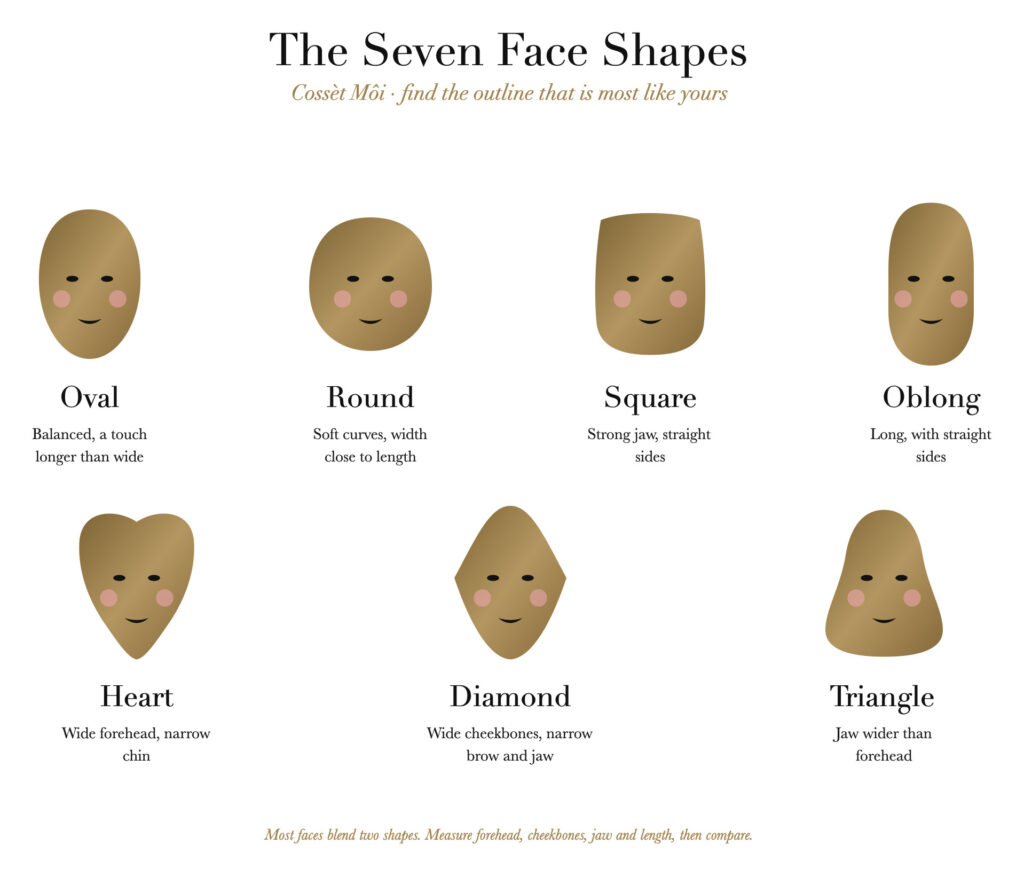
Stylists usually describe seven face shapes for women: oval, round, square, oblong, heart, diamond and triangle. Each name simply describes which line leads and how the jaw finishes. None is better than another, and every one appears on women who look striking. Once you know how to find your face shape, the names give you a shared vocabulary for appointments. The table below summarizes what you will notice and what tends to flatter each shape. After it, a short note on each shape explains the details. As you read, keep your four numbers beside you. Then mark the one or two shapes that feel closest. Most women recognize themselves quickly, although a few need a second look in daylight.
| Shape | What you will notice | What tends to flatter |
|---|---|---|
| Oval | Length a little greater than width; jaw slightly narrower than forehead; soft curves | Most cuts and frames; keep the brow arch soft |
| Round | Width and length close; full cheeks; curved jaw | Length at the crown, side parts, angular frames |
| Square | Forehead, cheeks and jaw similar width; defined jaw angle | Soft layers, round or oval frames, curved brows |
| Oblong | Length clearly greater than width; straight sides | Width at the sides, bangs, deeper frames |
| Heart | Wider forehead; narrower, often pointed chin | Chin-length volume, bottom-heavy frames, drop earrings |
| Diamond | Cheekbones widest; narrower forehead and jaw | Side-swept bangs, rimless or oval frames, studs |
| Triangle | Jaw wider than forehead; strong lower face | Volume at the crown, top-heavy frames, upswept styles |
Oval and round
An oval face shape is a little longer than it is wide, with a jaw slightly narrower than the forehead. The lines are soft, so almost any cut or frame sits easily. Because of that freedom, the main choice is mood rather than correction. Meanwhile, a round face shape has a similar length and width, full cheeks and a gently curved jaw. Round faces often read as warm and youthful at any age. For a sense of length, many women choose a side part, height at the crown or slightly angular frames. However, there is no rule against curves. A round face in a soft, round frame can look charming and deliberate.
Square and oblong
A square face shape has a forehead, cheekbones and jaw of similar width, with a clear angle at the jaw. That structure photographs beautifully, so many women choose to celebrate it. If you prefer a softer frame, layers around the jaw and gently curved brows add movement. By contrast, an oblong face, also called rectangle, is noticeably longer than it is wide, with fairly straight sides. Here, the aim is often to add width. For instance, bangs shorten the length visually, and waves at cheek level add fullness. Deeper frames help too, because they break the vertical line. Both shapes carry strong, elegant lines, which suit tailored clothes and clean jewelry especially well.
You may also like


Heart, diamond and triangle
A heart face shape is widest at the forehead and narrows to a delicate chin. It is often paired with a pretty widow’s peak. Therefore, styles that add fullness near the jaw, such as a chin-length bob, create a lovely balance. A diamond face is widest at the cheekbones, with a narrower forehead and jaw. Side-swept bangs and soft volume at the temples suit it, and so do studs that sit close. Finally, a triangle face, sometimes called pear, has a jaw wider than the forehead. Volume at the crown, upswept styles and frames with a strong brow line lift the eye. Each of these shapes has a natural focal point, which is worth showing.
Blended face shapes: why most faces are a mix
Few faces fit one shape exactly, and that is entirely normal. Many women are a blend, such as oval with a square jaw. Hair also changes the reading. For example, a widow’s peak can suggest heart, while a low hairline can make a long face look oval. In addition, weight, posture and even the angle of a photo shift the outline a little. So treat your result as a starting point rather than a fixed label. If you sit between two shapes, borrow ideas from both. Then keep what you like in the mirror. Over time, your own eye becomes the most reliable guide you have.
A practical way to handle a blend is to name your widest line and your finishing line. The widest line might be the cheekbones. The finishing line is the jaw, which might curve or corner. For instance, a woman with wide cheekbones and a softly angled jaw might call herself oval with a square finish. That description is more useful to a stylist than a single word. Likewise, it helps when you shop online, since fit notes make more sense with your lines in mind. Meanwhile, keep a few photos of cuts and frames you have loved. Patterns appear quickly, and they often confirm your blend better than any chart.
A ritual for the whole of you
Seeing your face clearly is one part of a makeover, and caring for it from within is another. Skin tone, glow and texture all change the way your features read, often more than any cut. That inner care is the heart of the 21-Day Skin & Gut Health Reset, a ritual from within. It is a gentle daily ritual for skin and gut, made to sit beside the choices in this guide. Join the waitlist, and we will write to you when it is ready. Meanwhile, the sections ahead turn to the details that frame a face. Hair, brows, glasses, necklines and earrings follow, one at a time.
You may also like


Haircuts that flatter each face shape
Hair is the largest frame your face has, so it is where your shape matters most. The principle is simple: place volume where you want width, and keep it away where you do not. For a round face, length below the chin and height at the crown add a gentle vertical line. For a square face, soft layers that fall around the jaw add movement. Oblong faces welcome bangs and fullness at cheek level, while heart faces suit volume near the chin. Diamond faces look lovely with side-swept fringe, and triangle faces suit lift at the crown. For more on this choice, our guide on how to choose a new haircut goes further.
Parts and texture
Your part matters nearly as much as your length. A center part emphasizes symmetry, which suits oval and diamond faces especially well. Meanwhile, a deep side part adds an angle, which softens a round face or a square jaw. If your face is long, a part that falls slightly off center can reduce the vertical line. Texture plays a role too. Waves and curls add width, so they flatter oblong and heart shapes naturally. Sleek, straight hair adds length, which suits round faces. In addition, the way you finish your hair at home shapes the result. A good brush, a gentle clip and a smooth tie protect the cut between appointments.
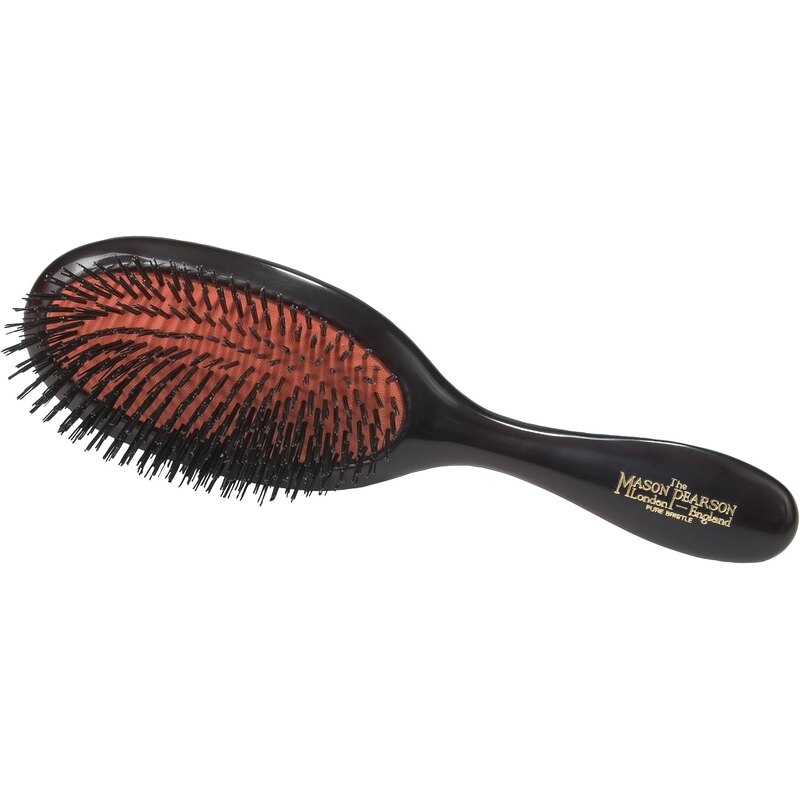
Boar bristles that polish the cut and place volume exactly where your face shape needs it.
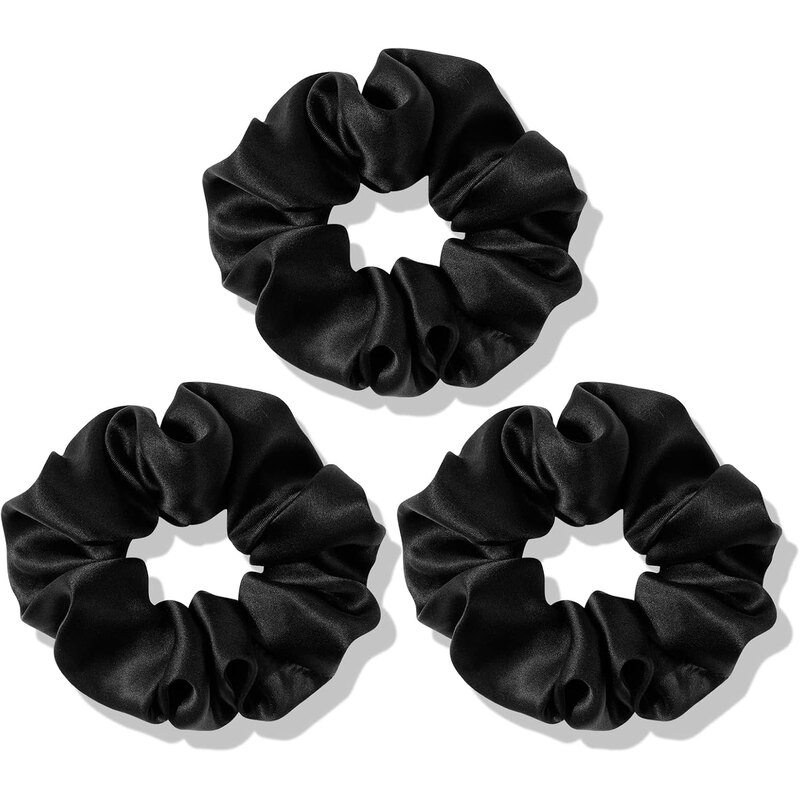
Black silk ties for soft upswept styles that lift the face without a dent.
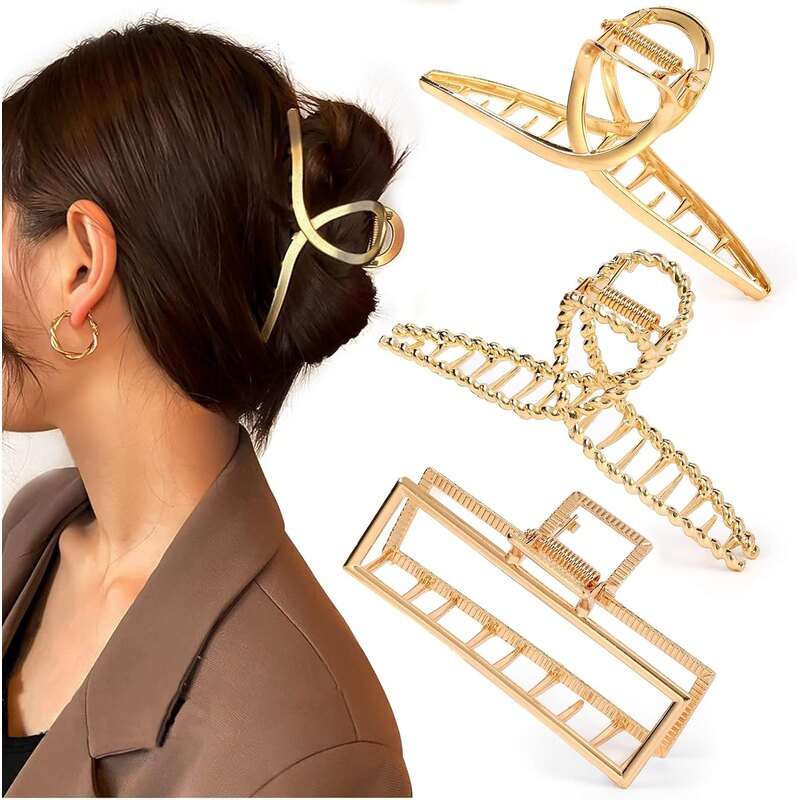
Gold-tone clips that lift hair away so you can see the true outline of your face.
Bring your face shape to your next appointment, along with two or three photos you love. Then ask your stylist where the cut will sit in relation to your jaw, cheekbones and brows. A good stylist will answer in those terms. If you are growing hair out, plan the stages so each one still frames your face. For example, a heart face can move from a chin-length bob to a collarbone cut with layers near the jaw. Similarly, a round face can keep length at the front while the back grows. Above all, give a new cut two weeks before you judge it. Hair settles, and so does your eye, once the first surprise has passed.
Brows for your face shape
Brows sit in the center of your face, so small changes create a large effect. As a rule, the brow can echo your face shape or gently contrast with it. A soft arch suits an oval face and keeps its ease. For a round face, a slightly higher arch adds lift and a sense of length. A square face looks lovely with a curved brow that softens the jaw. Meanwhile, an oblong face suits a flatter, longer brow that draws the eye across. Heart faces suit a rounded arch, and diamond faces suit a brow with a soft peak. For a full walkthrough of shaping, see our eyebrow shape for your face guide.

To map your brows at home, hold a pencil vertically beside your nostril. The point where it meets the brow is a natural starting point. Next, angle the pencil from the nostril across the center of the eye to find the arch. Then angle it from the nostril to the outer corner of the eye to find the end. These three points suit almost every face, so adjust them gently for your shape. Fill sparse areas with fine, hair-like strokes rather than a solid block. In addition, brush the hairs upward with a clear or tinted gel. Finally, step back from the mirror before you add more. Brows read from across a room, not from two inches away.
Join the waitlist for the 21-Day Skin & Gut Health Reset, a gentle daily ritual for skin and gut, from within. We will write to you when it is ready.
Occasional letters. Unsubscribe anytime.
Glasses and sunglasses for your face shape
Frames sit directly on your face, so they shape first impressions. The classic guidance is to choose frames that offer a gentle contrast. For instance, a round face often suits rectangular or slightly angular frames, which add structure. A square face suits round or oval frames, which soften the jaw. Oblong faces look lovely in deeper frames with a strong top line, because they shorten the face visually. Heart faces suit frames that are wider at the bottom, or light rimless styles. Meanwhile, diamond faces suit oval or cat-eye frames that echo the cheekbones. Triangle faces suit frames with a bold brow line. Oval faces, as usual, can wear almost any shape with ease.

Fit and color
Fit matters as much as shape. The frame should be roughly as wide as your face at the temples. Your eyes should sit near the center of each lens. The top line should follow your brow rather than sit far above or below it. Meanwhile, the bridge should rest comfortably without pinching or sliding. Color counts too. Black and deep emerald frames add definition, while fine gold metal reads softer and lighter. Therefore, consider where the frames will live. Reading glasses can be playful, yet daily frames should feel easy with most of your wardrobe. Sunglasses invite more drama, so an oversized shape can work even when your daily frames are delicate. The gallery below gathers three shapes to try.
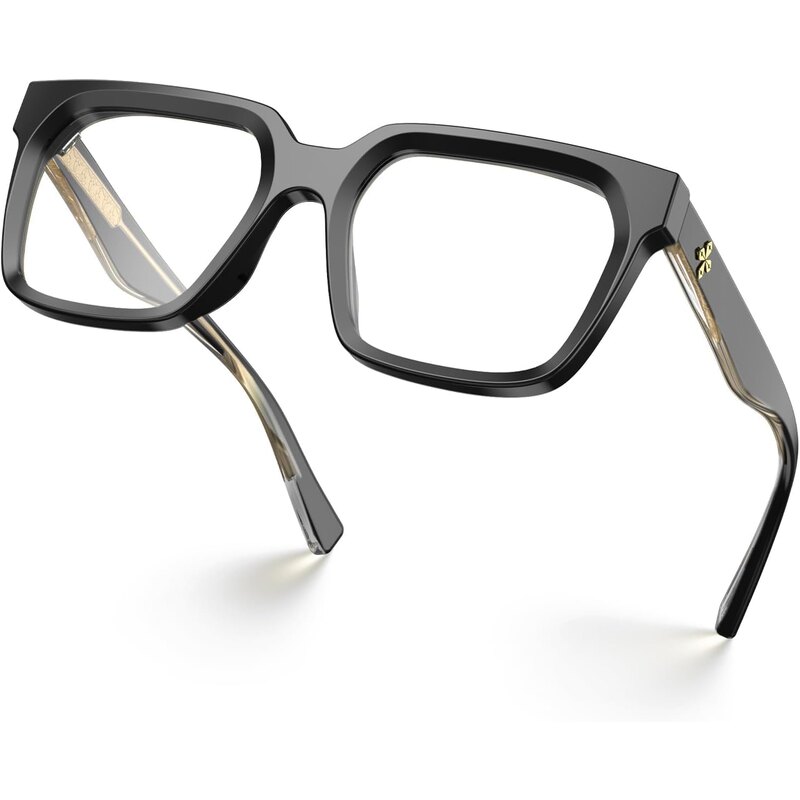
A bold black rectangle that adds structure to a softer, rounder face.
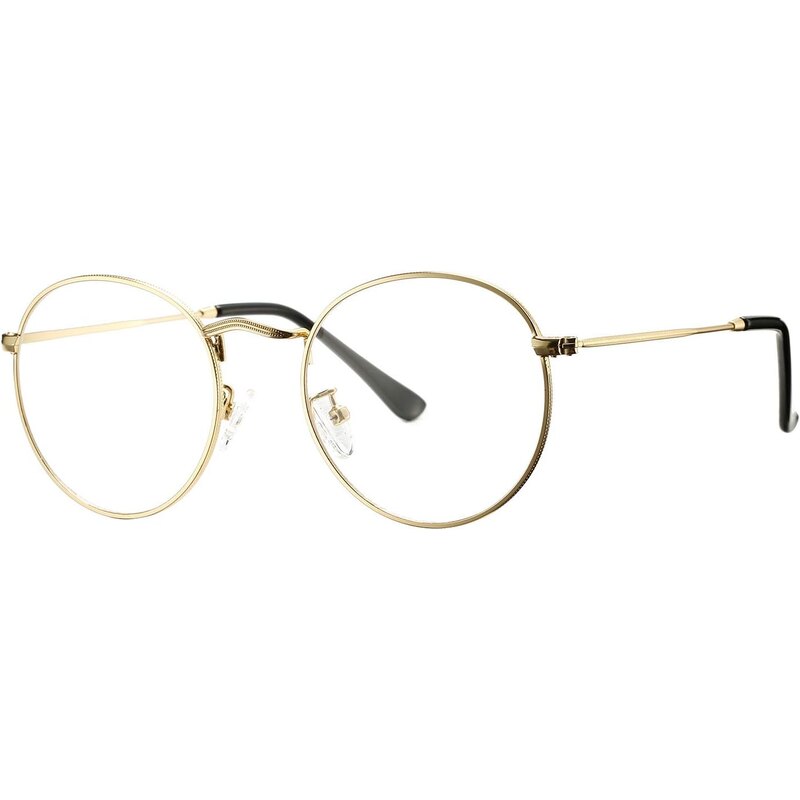
Fine gold rounds that soften a square or diamond jawline.
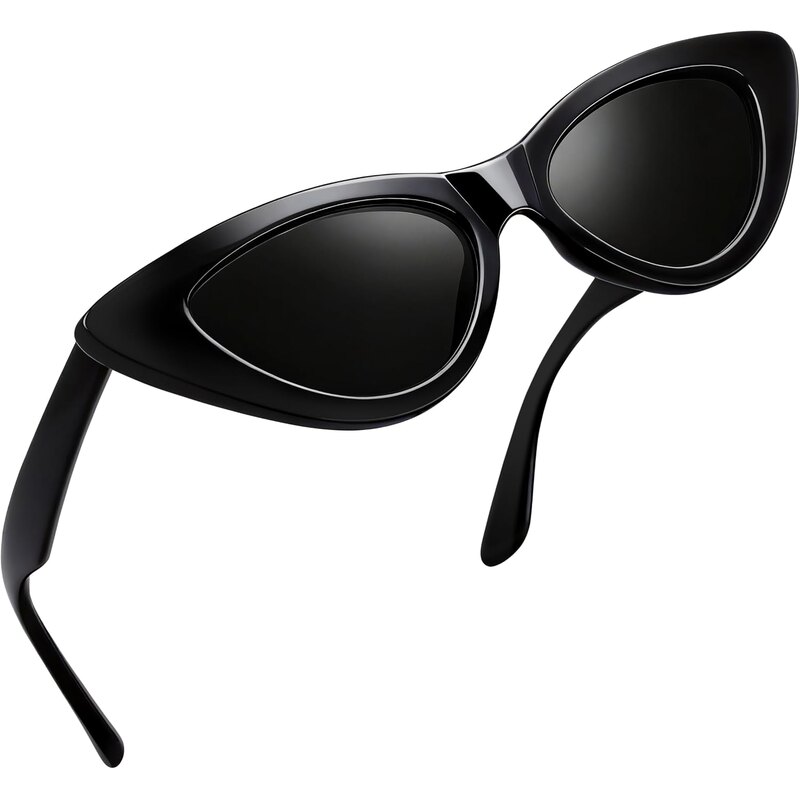
A sharp black cat-eye with UV400 protection that lifts heart, diamond and oval faces.
Before you buy, try frames in daylight, without makeup if possible, and with your hair as you usually wear it. Then take a straight-on photo, because the mirror can flatter or distort. Look at the photo after an hour, not right away. In addition, notice how the frames sit when you smile, since cheeks rise and can lift the lenses. If you wear progressive lenses, ask your optician about the minimum frame depth you need. That detail often narrows the choice for you. Finally, think about your brows. The best frames let them show a little, or follow their line closely. When frames hide the brows entirely, the face can look less expressive than it truly is.
Necklines and earrings for your face shape
Necklines and earrings frame the lower half of your face, so they finish the picture your hair begins. Again, the idea is to echo or contrast. A round face suits V-necks and longer drop earrings, which add a vertical line. A square face suits scoop necks, cowl necks and round hoops, which soften angles. Oblong faces look lovely in boat necks, crew necks and studs or short clusters that add width. Meanwhile, heart faces suit sweetheart and scoop necks, with teardrop earrings that widen near the jaw. Diamond faces suit studs and huggies, and triangle faces suit open collars with earrings that sit high. For building these pieces into a wardrobe, see a capsule wardrobe that works.
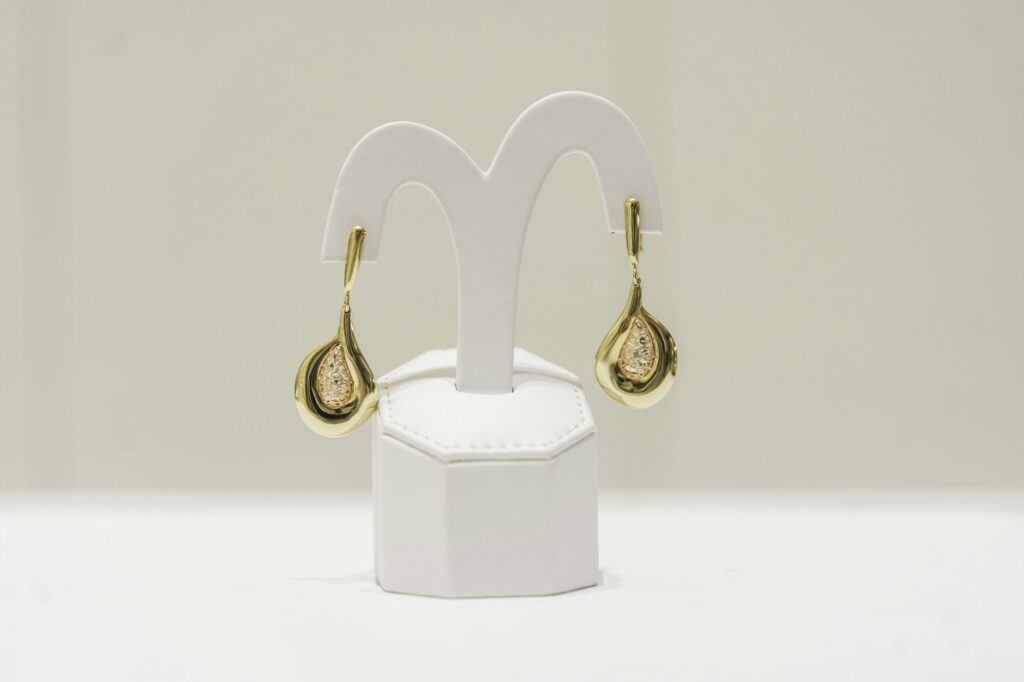
Scale, hair and metal
Scale is the other half of the story. Fine features suit fine jewelry, while strong features can carry bolder pieces. Still, there is room for play. A woman with a delicate heart face may love one sculptural earring for evening, and that is entirely her choice. In addition, think about your hair. Long, loose hair hides earrings, so drops and hoops work best when hair is up or behind the ear. Short cuts show every earring, so studs and huggies become part of the daily look. Metal matters too. Antique gold warms the face and suits most skin tones, especially in daylight. As a result, a small wardrobe of three gold pairs covers most occasions with ease.
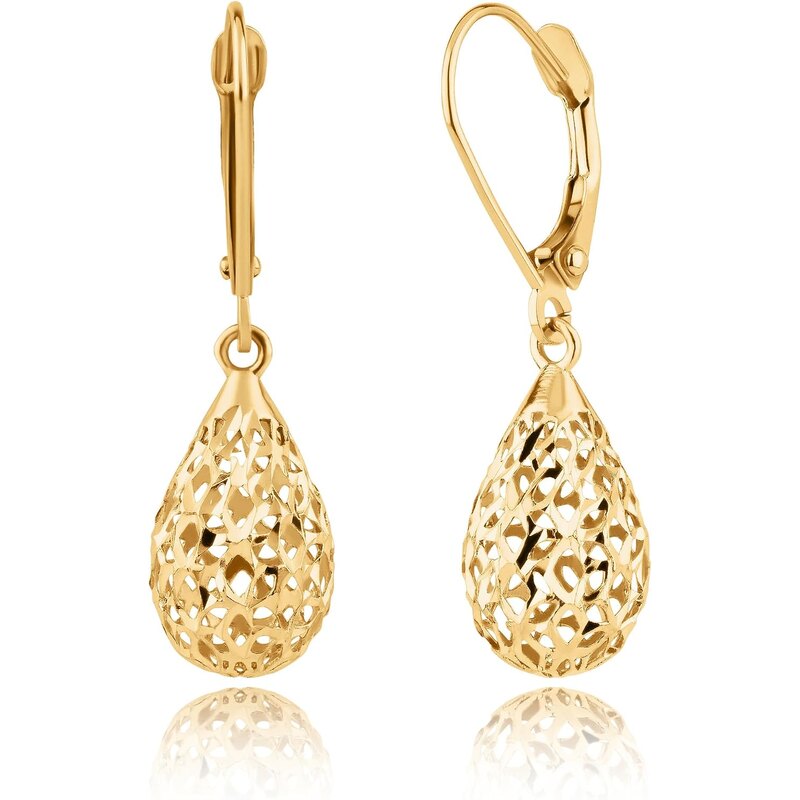
Teardrop drops that draw the eye downward and lengthen round and heart faces.
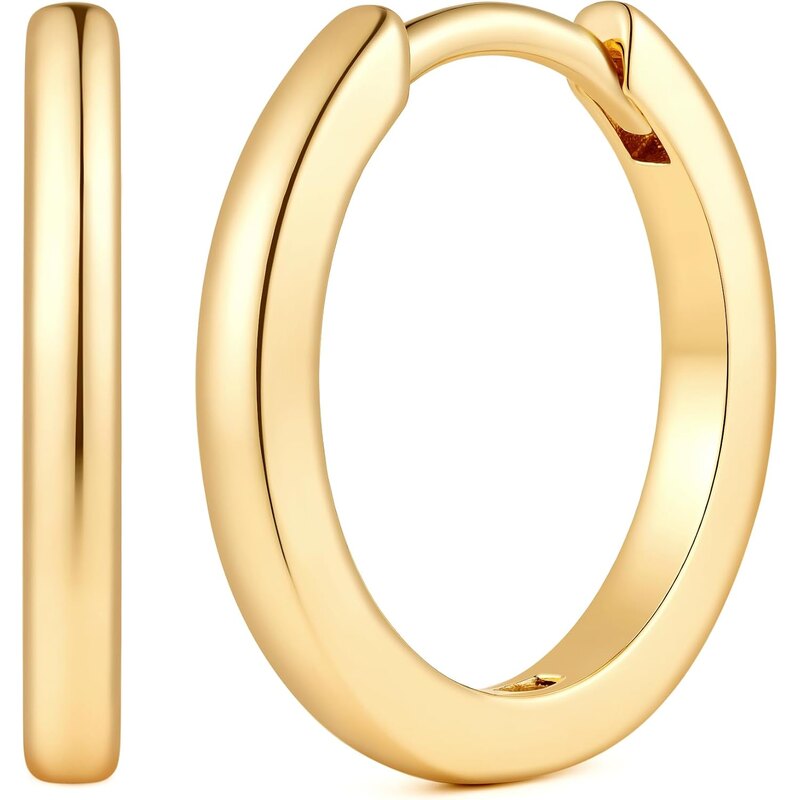
Close-sitting hoops that suit diamond and oblong faces and short haircuts.
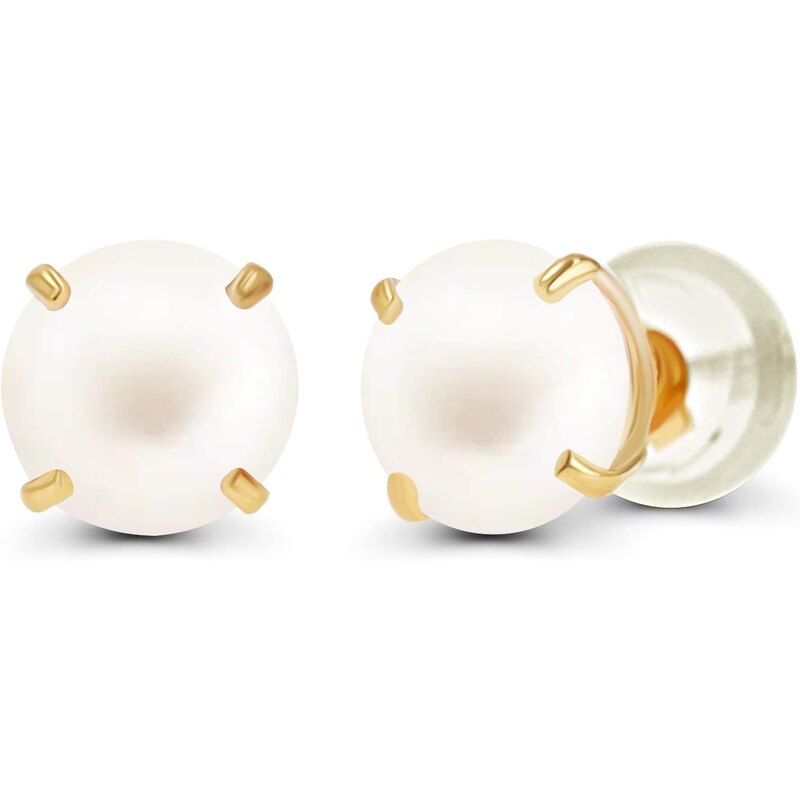
Round pearls in solid gold settings, a gentle finish for oblong, diamond and triangle faces.
Necklaces follow the same logic as necklines. A pendant on a fine chain draws a vertical line, which suits round and square faces. Meanwhile, a short collar or a strand of pearls adds width, which suits oblong and diamond faces. If your face is heart-shaped, a necklace that sits at the collarbone balances a wider forehead. In addition, scarves can work like jewelry. A silk square knotted low creates length, while one tied close to the neck adds softness. Above all, wear what you love. Guidelines help you start, yet your own instinct finishes the look. Over time, you will reach for the same few pieces, which is the sign they suit you.
Contour and blush for your face shape
Makeup can also work with your face shape, although it needs a light hand. Contour adds soft shadow, and highlight adds light, so together they shift where the eye rests. For a round face, a soft contour beneath the cheekbones and at the temples adds definition. For a square face, a little shadow at the corners of the jaw softens the angle. Oblong faces suit a touch of contour along the hairline and under the chin. Meanwhile, heart faces suit shadow at the temples and highlight on the chin. Diamond faces suit highlight at the center of the forehead and chin. In every case, blend until no edge remains, and check the result in daylight.
Blush follows the same principle. On a round face, sweep blush from the apples of the cheeks toward the temples, which adds lift. On an oblong face, place it horizontally across the cheeks, which adds width. For a square face, a round application on the apples softens the structure. Heart and diamond faces suit blush just below the cheekbones, blended upward. In addition, cream textures melt into skin and look natural, especially on mature skin. Powder holds longer, so it suits oily skin and long days. Choose a shade that matches your natural flush after a brisk walk. Then build it slowly, because blush is easier to add than to take away.
How your face shape changes with age
Your face shape is not fixed for life, and that is worth knowing as the years pass. Bone, fat and skin all change gradually. In a 2012 review in Aesthetic Plastic Surgery, Mendelson and Wong described how the facial skeleton remodels over time. They reported that the maxillary angle, at the upper jaw, decreased by about 10 degrees between people under 30 and people over 60. The same review notes that the eye socket widens with age and that parts of the lower jaw lose height and length. Therefore, a face that read as heart or oval at 30 may read as softer or squarer at 60.
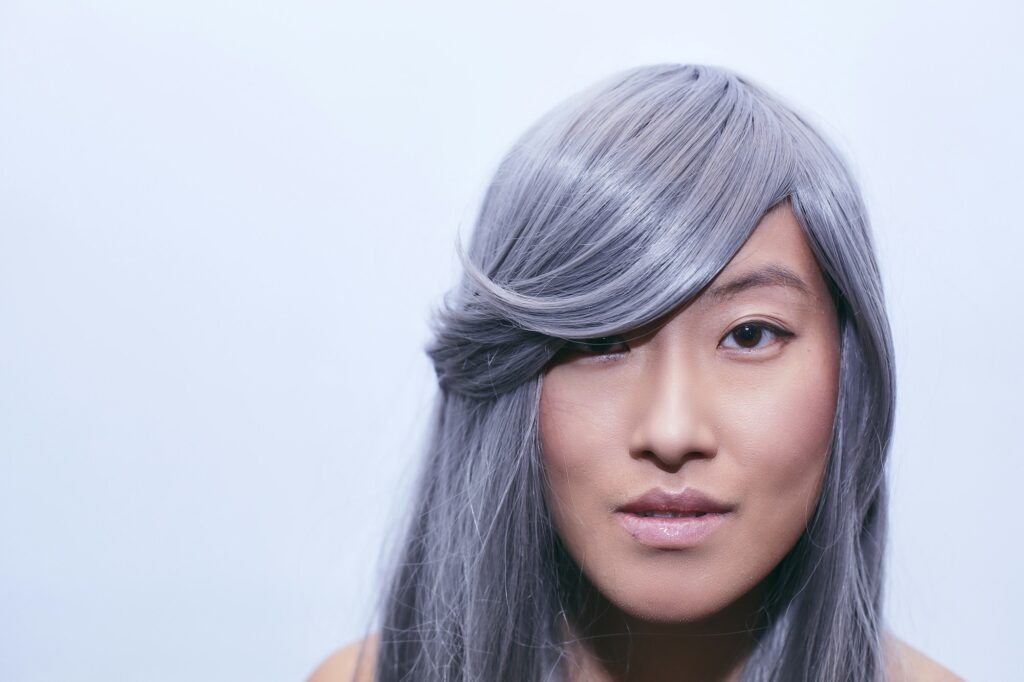
Skin plays its part as well. The American Academy of Dermatology notes, in guidance checked in 2026, that skin changes too. Studies show that women’s skin loses about 30 percent of its collagen in the first five years of menopause. After that, the academy adds, women lose about 2 percent of their collagen each year for 20 years. As a result, the jawline and cheeks can look softer over time. None of this is a reason for worry. Instead, it is a reason to measure again every few years. Your shape may have shifted, and so may the cuts, frames and earrings that suit you best now.
Care that moves with you
Daily care supports the skin that drapes over your face shape. The American Academy of Dermatology recommends a broad-spectrum sunscreen with an SPF of 30 or higher, worn every day. Beyond that, simple habits help. A gentle cleanser, a good moisturizer and enough sleep keep skin comfortable at any age. Meanwhile, your styling can evolve with you. Many women over 50 find that crown volume, softer brows and warmer metals feel newly right. Others love a sharp bob or bold frames for the first time. Either way, revisit how to find your face shape with curiosity. Each decade brings its own elegance.
Making it a ritual
Knowing how to find your face shape is useful once, yet it becomes powerful as a ritual. Choose a gentle moment each season, perhaps on the first weekend of spring or autumn. Pull your hair back, measure the four lines and note them in a small journal. Then look at what you are wearing most. Is your haircut still framing you well? Do your frames and earrings still feel like you? In addition, notice any shifts in your skin or your weight. These small reviews take less than an hour. Over time, they build a clear record of how your face and your taste evolve. That record becomes the steady foundation of every future makeover.
The research, in brief
The facial skeleton figures come from Mendelson and Wong’s 2012 review in Aesthetic Plastic Surgery, via PubMed Central. The collagen figures for menopause come from the American Academy of Dermatology‘s guidance on skin care during menopause. In addition, the sunscreen recommendation follows the academy’s advice on how to select sunscreen. The seven face shapes, the four measurements and the styling suggestions reflect common practice among stylists, opticians and makeup artists. They are not a scientific standard, so treat them as a starting point. Checked November 2026.
Sources: Aesthetic Plastic Surgery · broad-spectrum sunscreen with an SPF of 30 or higher.
Recommended
A face you know by heart
A face shape is not a box to fit into. Rather, it is a map that helps you choose with confidence. Learning how to find your face shape begins with a tape measure, a mirror and daylight. Then it continues through hair, brows, frames, necklines and earrings, one choice at a time. Along the way, you learn which details flatter your lines and which ones never did. The mirror grows friendlier, and so do your appointments. If you take only one step this week, measure the four lines and write them down. Then look at your favorite photo of yourself and notice why it works. That small observation is often the beginning of everything else.



Each tool above follows the same idea: that beauty is a ritual you choose rather than a problem to solve. The ring quiz is a gentle way to understand your own taste, especially if a proposal or an anniversary is near. Meanwhile, the 21-Day ritual turns attention inward, toward skin and gut, at a pace you can keep. And the Makeover Bible gathers hair and skin rituals into one guided reference you can return to. Each offers one clear next step, which is how lasting change begins. So choose the one that matches where you are today, alongside your new understanding of your face. Then come back for the next when you are ready.
Your face shape is the frame. The 21-Day Skin & Gut Health Reset is a gentle daily ritual for skin and gut, from within, for the glow inside it. Join the waitlist, and we will write to you when it is ready.
Join the waitlistQuestions worth asking
How do I find my face shape?
Pull your hair back and measure four lines: forehead width, cheekbone width, jaw width and face length from hairline to chin. Then note which line is widest and whether length clearly exceeds width. Finally, check whether your jaw curves or corners. Those three observations point to oval, round, square, oblong, heart, diamond or triangle.
What are the seven face shapes for women?
Stylists usually describe oval, round, square, oblong or rectangle, heart, diamond and triangle or pear. Each name describes which line is widest and how the jaw finishes. Many women are a blend of two shapes, so treat the names as a shared vocabulary for appointments rather than a fixed label.
What is the most common face shape?
Lists of the most common face shape vary, and they rarely explain their method, so treat any single answer with care. In practice, many women find they are a blend, such as oval with a square jaw. That is why measuring your own four lines is more useful than assuming a common shape.
Can your face shape change with age?
Yes. A 2012 review in Aesthetic Plastic Surgery found that the facial skeleton remodels with age, including a change of about 10 degrees in the upper jaw angle. The American Academy of Dermatology notes that skin loses collagen quickly after menopause, so the jaw and cheeks can soften over time.
What haircut suits my face shape?
Place volume where you want width. Round faces suit length below the chin and height at the crown. Square faces suit soft layers around the jaw. Oblong faces suit bangs and fullness at cheek level. Heart faces suit volume near the chin, and diamond faces suit side-swept fringe.
Which glasses suit my face shape?
Choose frames that gently contrast with your lines. Round faces often suit rectangular frames, while square faces suit round or oval ones. Oblong faces suit deeper frames, and heart faces suit frames wider at the bottom. Diamond faces suit oval or cat-eye shapes, and oval faces can wear almost any frame.