The Artist · Bridal
A wedding morning gives a makeup artist one chance. There is no reshoot and no second take, and the photographs last for decades. That is why learning how to become a bridal makeup artist is as much about calm and logistics as it is about technique. This guide, part of the full pillar guide for makeup artists, covers training, assisting, the portfolio, trials and the wedding day itself.
It is written for artists in the United States who already do makeup well and want to specialize in brides. Pricing gets a short section here, and the business side gets its own guide.
The short answer
To become a bridal makeup artist, train in long-wear and photographic makeup, check your state’s licensing rules, and assist an established bridal lead. Then build a bridal portfolio from tests and real weddings, run trials before every booking, and set prices from your real costs. Most artists assist for at least a season before running their own weddings.
In this guide
- What a bridal makeup artist does
- How to become a bridal makeup artist: training and licensing
- Assisting a bridal lead
- Building a bridal portfolio
- The bridal kit
- Trials: the rehearsal for the day
- Wedding-day logistics
- First bookings and pricing
- A career built one wedding at a time
- Questions worth asking

What a bridal makeup artist does
A bridal makeup artist designs and applies makeup for a bride, and often for her family and wedding party. The work starts months before the wedding with a consultation and a trial. On the day, it runs to a tight schedule set by the photographer, the venue and the ceremony time. In addition, the artist manages a team, touch-ups and the mood of a room full of people who are nervous and excited at once. The makeup itself has to last for twelve hours or more, survive tears and humidity, and photograph well in daylight and flash. Above all, it has to look like the bride on her best day, not like someone else.
Learning how to become a bridal makeup artist means learning all of those skills together. Technique matters, but so do timing, communication and the ability to stay calm when the schedule slips.
How to become a bridal makeup artist: training and licensing
There is no single bridal qualification in the US. Most bridal artists combine a general makeup course with specialist workshops in long-wear application, skin preparation and lashes. Photographic makeup is especially useful, because wedding photographers use flash and bright window light, and both expose heavy texture. Hair skills are worth adding too. Many brides prefer one team for hair and makeup, and artists who offer both are easier to book.
Licensing
Licensing depends on your state and on the services you offer. The Bureau of Labor Statistics notes that all states require cosmetologists to be licensed, and services that touch hair, lashes or skin care usually fall under that license. Some states also regulate paid makeup application on its own, while others do not. Therefore, check your state board before you take your first paid wedding, and again if you travel to another state for work. Insurance matters as well. A general liability policy protects you if a client has a reaction to a product, and many venues ask to see proof of coverage. Keep a copy of both in your kit bag on every wedding day.
Assisting a bridal lead
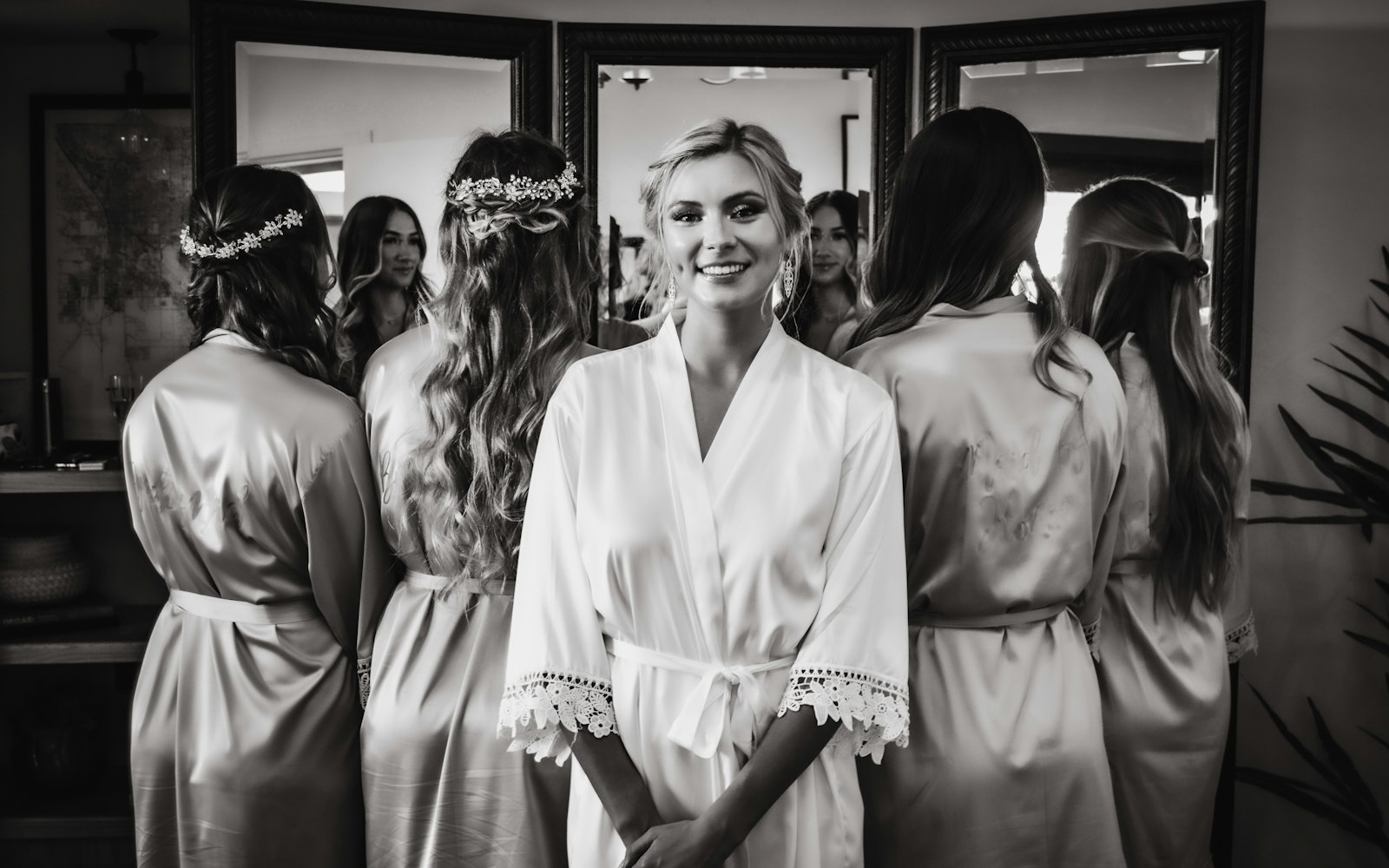
For most people asking how to become a bridal makeup artist, assisting is the fastest way into bridal work. An established artist books more weddings than one person can handle, especially large parties, so they hire assistants. As an assistant, you see how a professional runs a morning, handles a difficult client and keeps to time. You also meet photographers and planners who recommend artists later. Most leads expect assistants to work in their style, with their products, so your own taste comes second for a while. That is a good thing. It teaches you a system you can adapt when you lead your own weddings.
What bridal makeup assistants do
A bridal makeup assistant usually does the wedding party while the lead artist works on the bride. That often means bridesmaids, mothers and flower girls, in a set order and on a fixed schedule. Assistants also prepare skin, apply lashes, clean brushes between clients and keep the station tidy. Later in the day, they may handle touch-ups so the lead can stay with the bride. In practice, the assistant’s job is to make the morning run smoothly, so the lead can focus on the one face that matters most. Reliability counts more than speed at first, although speed comes quickly with practice.
How to find assisting work
Start with bridal artists whose work you admire in your area. Send a short message with a link to your portfolio, your availability and the services you offer. Mention any skills that save them time, such as lashes or hair. Then follow up after a week. Many leads also post calls for assistants before the busy season, so watch their social accounts in late winter.

You may also like
Talks with Destination Wedding Makeup Artists

You may also like
How to Build a Stellar Makeup Portfolio
Assisting also shows you whether bridal work suits you. The mornings start early, the days are long, and most bookings fall on weekends during the busiest months of the year. Some artists love the rhythm. They enjoy the people, the travel and the sense of being part of an important day. Others find it draining and move toward editorial or retail work instead, which is a sensible choice. Meanwhile, assisting gives you the experience you need to price your own weddings sensibly later. You will see how long each face really takes, how much product a party uses and how many touch-ups a day requires. Write those numbers down after every wedding you assist.
Building a bridal portfolio
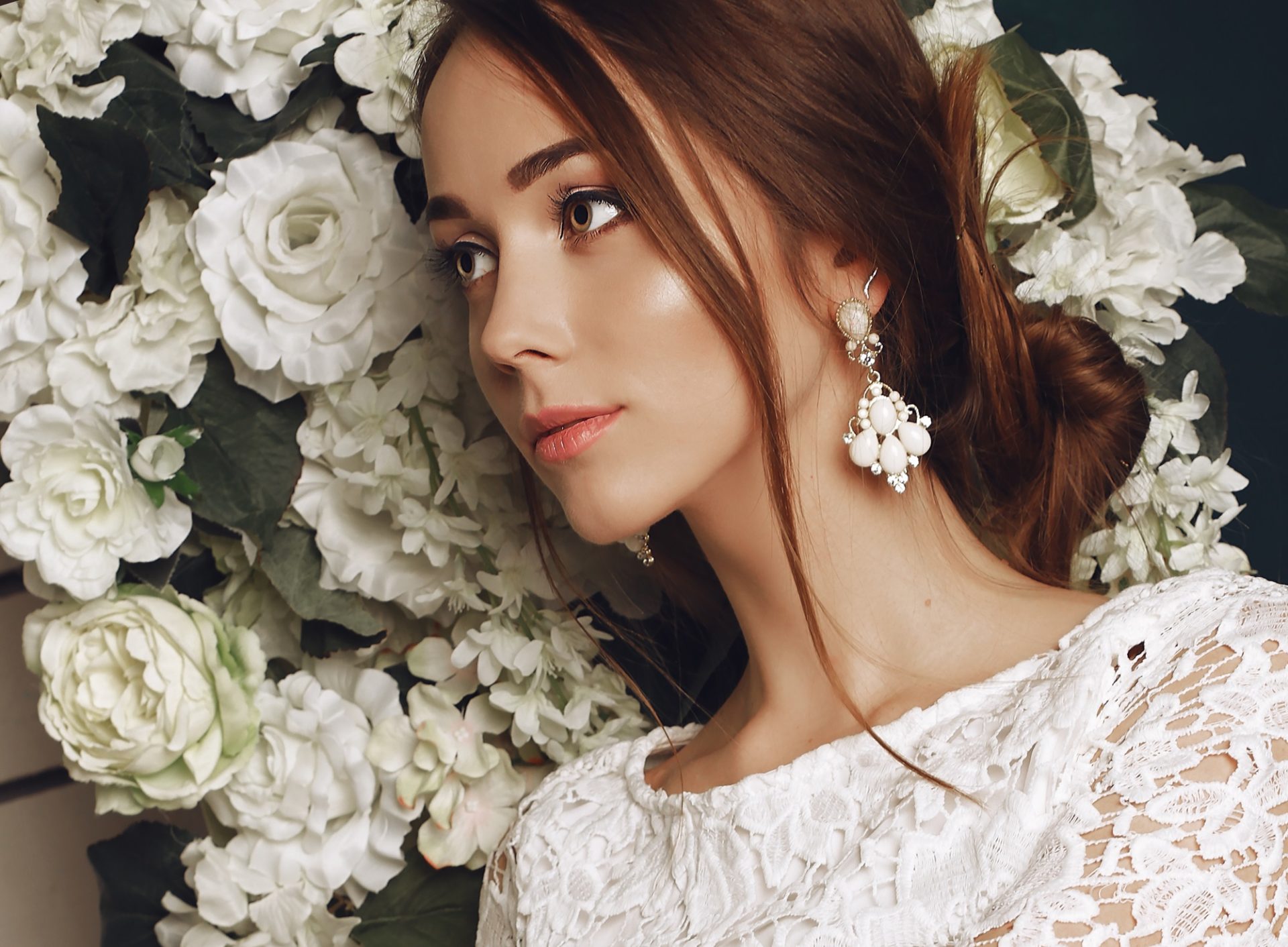
A bridal portfolio needs to show brides who look like your future clients, in light that looks like a real wedding. Studio beauty shots help, but they do not answer the question a bride is asking: will I look like myself, only better? So include close-ups and full-length images, daylight and evening, and a range of skin tones, ages and styles. For general advice on photographers, tests and editing, see our guide to building a makeup portfolio.
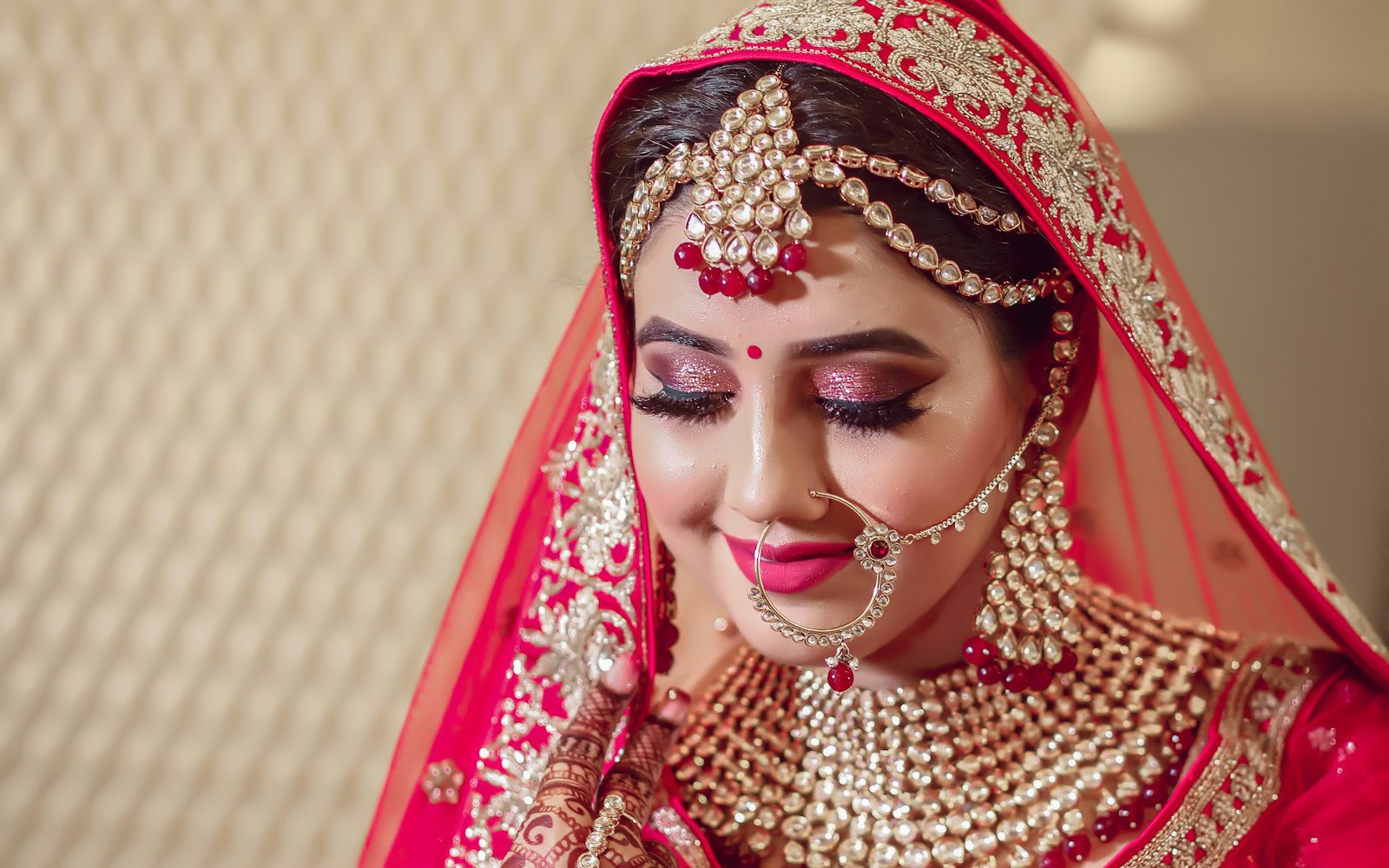
Styled shoots are a common way to start. A photographer, a florist, a dress designer and a makeup artist collaborate on a mock wedding, and everyone gets images for their portfolio. In addition, ask permission at every real wedding you work, and credit the photographer whenever you share their images. Above all, keep the portfolio current. Replace older images as your work improves, and show the styles you want to be booked for. If you want more soft glam brides, show soft glam. If you want more traditional South Asian bridal work, show that, with the jewelry and detail it involves. Brides book the artist whose photographs already look like the wedding they imagine.
The bridal kit
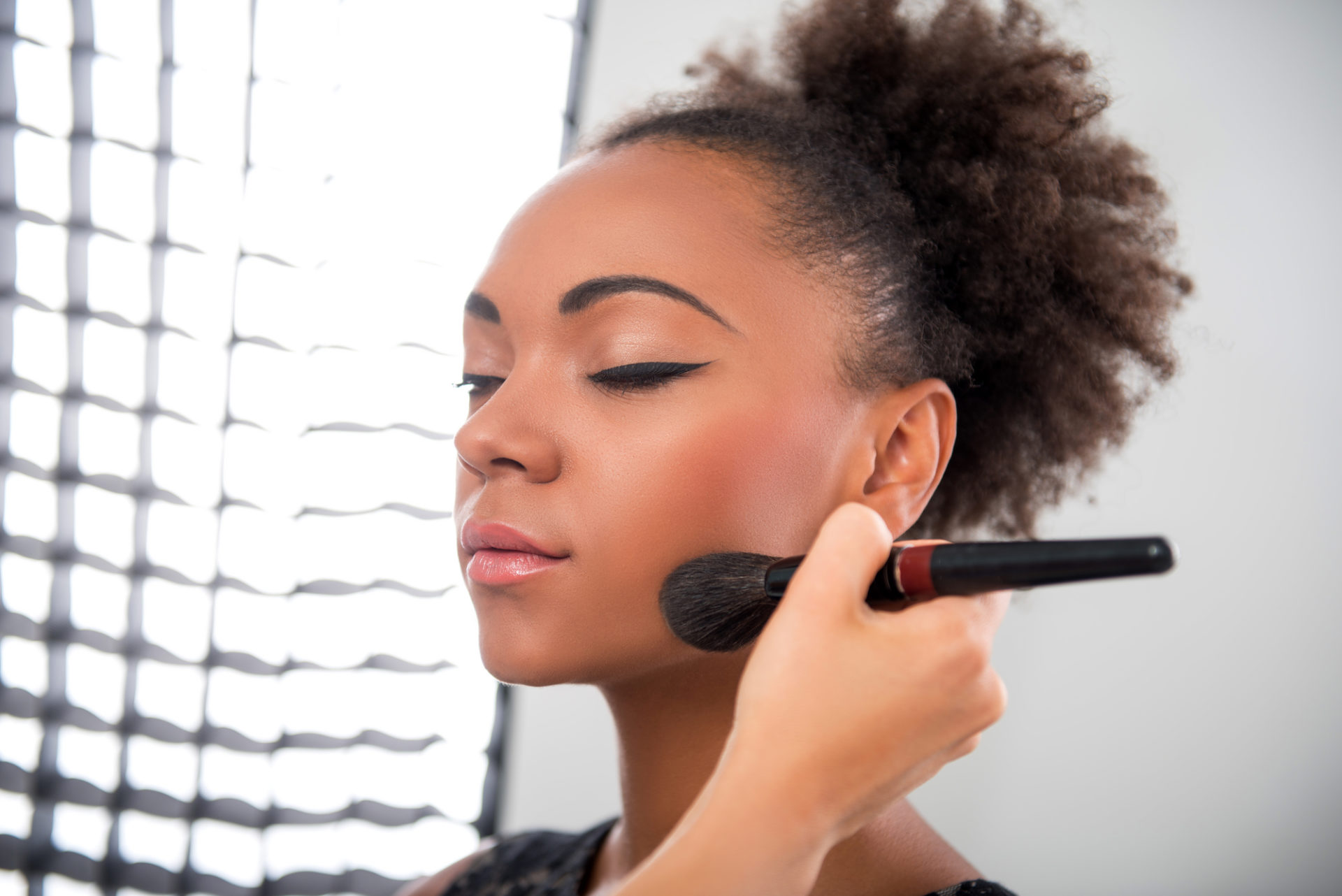
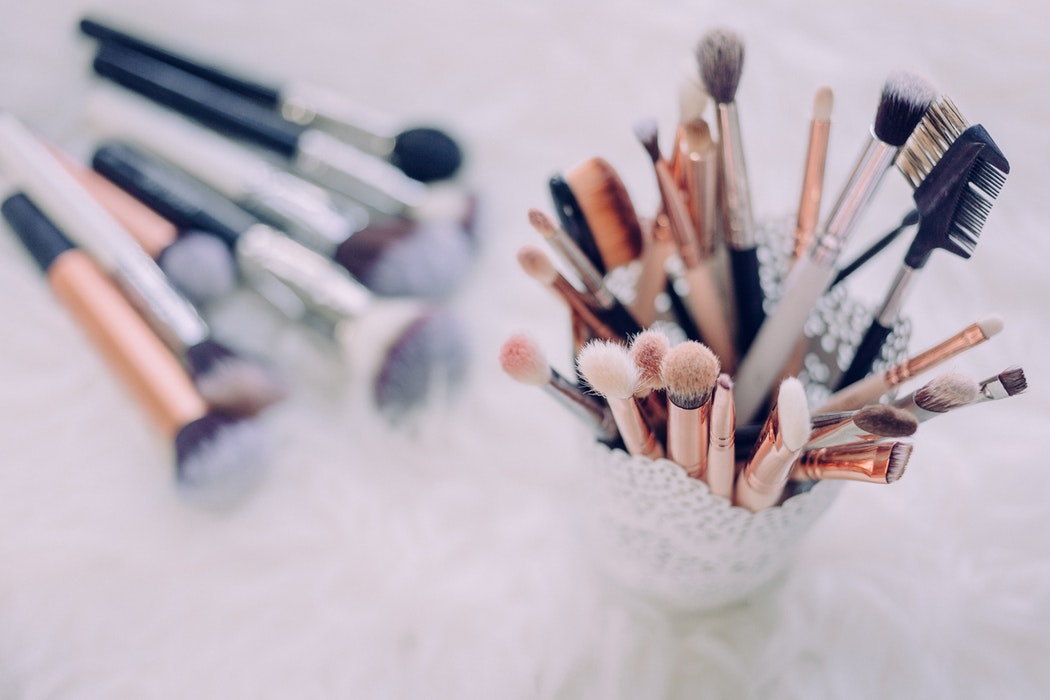
A bridal kit is built for longevity, comfort and speed. Long-wear bases, waterproof mascara, strong lash adhesive and a reliable setting spray matter more than a large range of colors. Hygiene matters too: disposable applicators, sanitized palettes and a clean brush for every client.

It also helps to pack in two halves. The first half is the full kit for the morning. The second is a small touch-up bag that stays with the bride after you leave, or travels with you if you stay for the ceremony. That bag usually holds powder, lip color, blotting papers, lash glue and a small mirror. In addition, keep spares of anything that touches skin, because a wedding morning rarely leaves time for a store run. Finally, test every new product on yourself and in photographs before it reaches a client. Three items appear in almost every bridal kit we see, and they are a reasonable place to start.
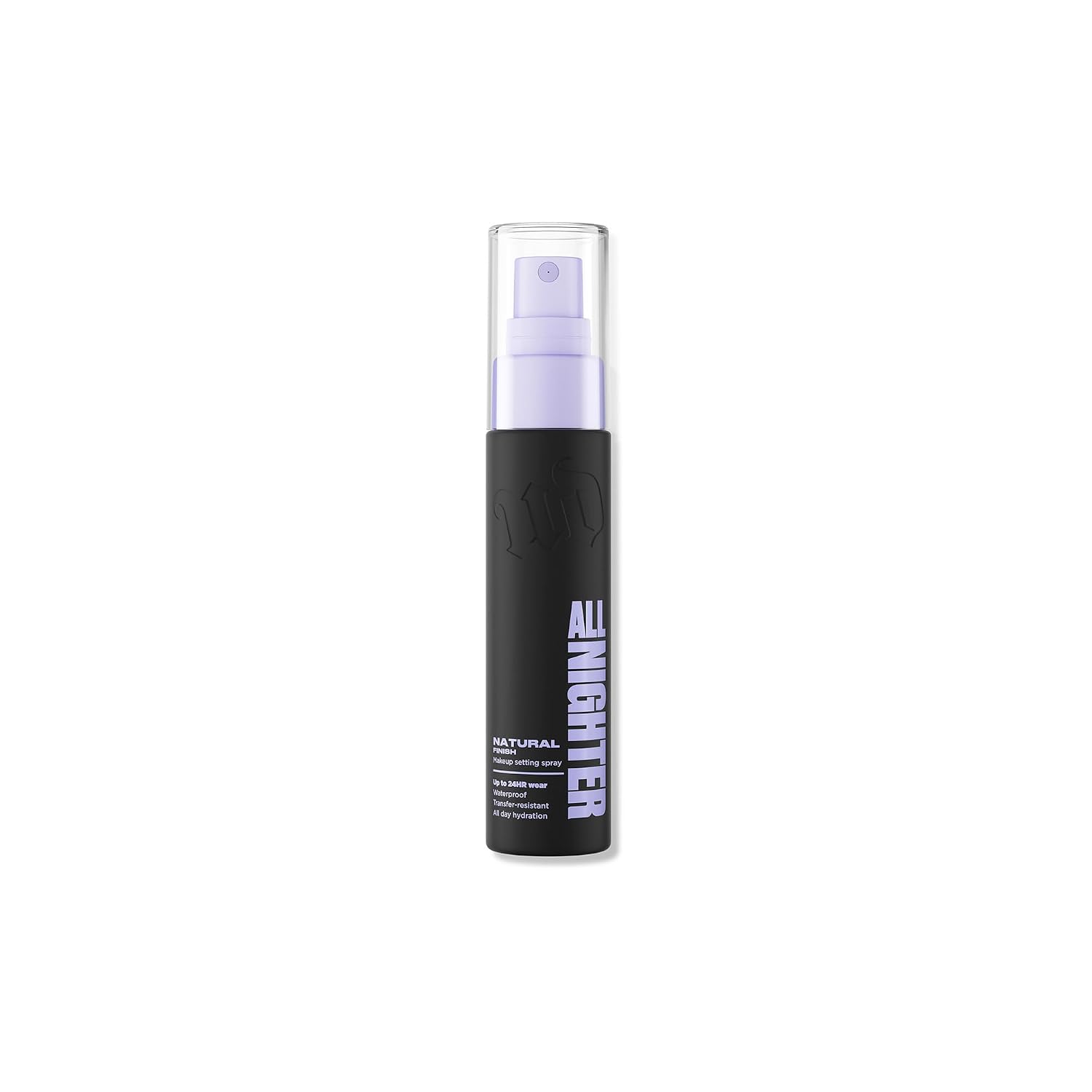
A waterproof setting spray with a natural finish.

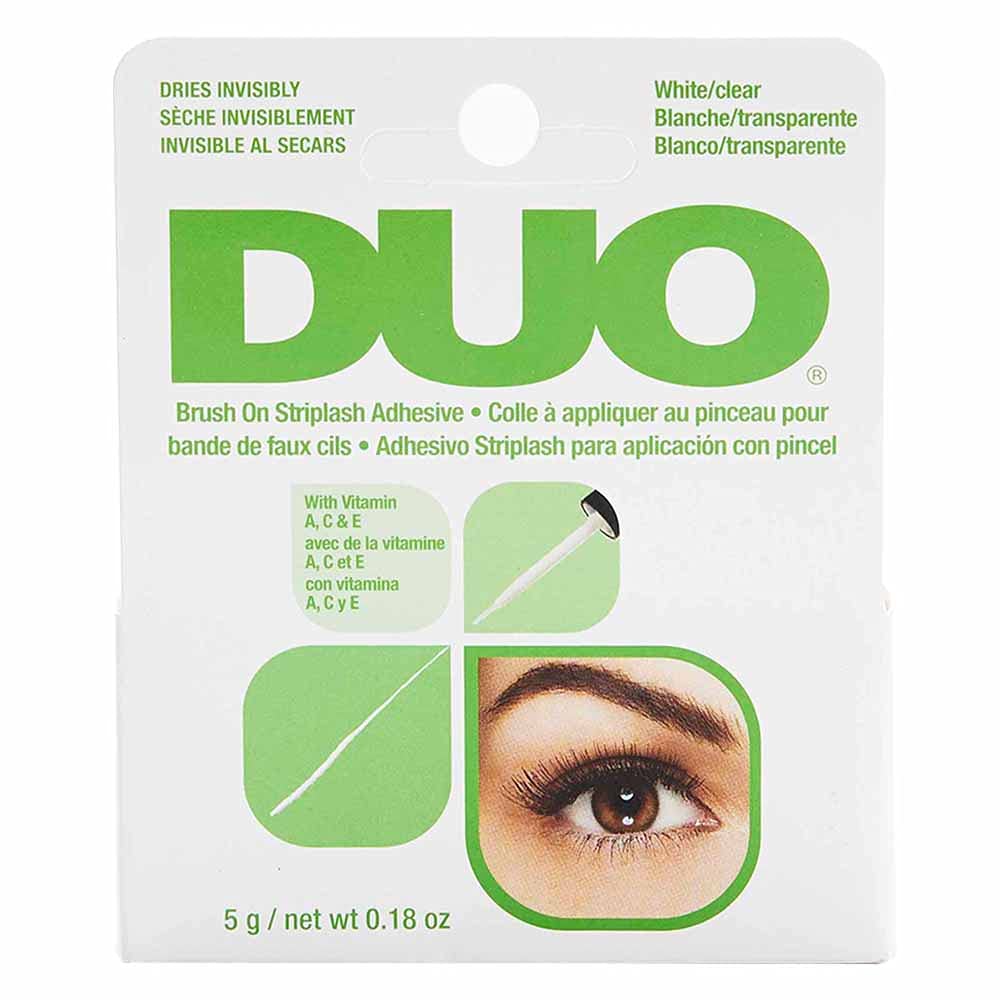
A waterproof strip lash adhesive that dries clear.
Whatever you choose, keep a written list of every product used on each client, with shade names. That list helps you recreate the trial look on the day, and it protects you if a client later reports a reaction. Meanwhile, plan your kit around the number of faces you will do, not around the products you own. A party of eight needs enough lashes, sponges and applicators for everyone, plus spares. Similarly, check expiry dates before every season, because liquid products change once opened. A clean, well-organized kit also reassures the bride, who is watching you more closely than you think. In short, the kit is part of your professional image as well as your toolbox.
Trials: the rehearsal for the day
A trial is a full makeup session weeks or months before the wedding. It is where you and the bride agree on the look, test products on her skin and time the application. Bring reference photos, ask about the dress, the venue and the photographer, and take photographs of the finished look in daylight. Then write down every product and shade. On the morning itself, that record lets you recreate the trial exactly, which is what the bride expects.
Trials also reveal problems early. Some brides react to a product, dislike lashes or change their minds about the style. It is far better to learn that weeks in advance than at seven in the morning on the wedding day. Most artists charge for trials separately and apply them to the booking, because each one takes as long as a wedding-day face. In addition, trials are where you learn whether you and the bride work well together, which matters as much as the makeup itself.
Anyone researching how to become a bridal makeup artist should treat the trial as part of the product, not a favor. Schedule it in good daylight, ideally at a similar time of day to the ceremony. Then send the bride her trial photographs and product list within a day, so she can share them with her photographer and planner.
Wedding-day logistics
Building the timeline
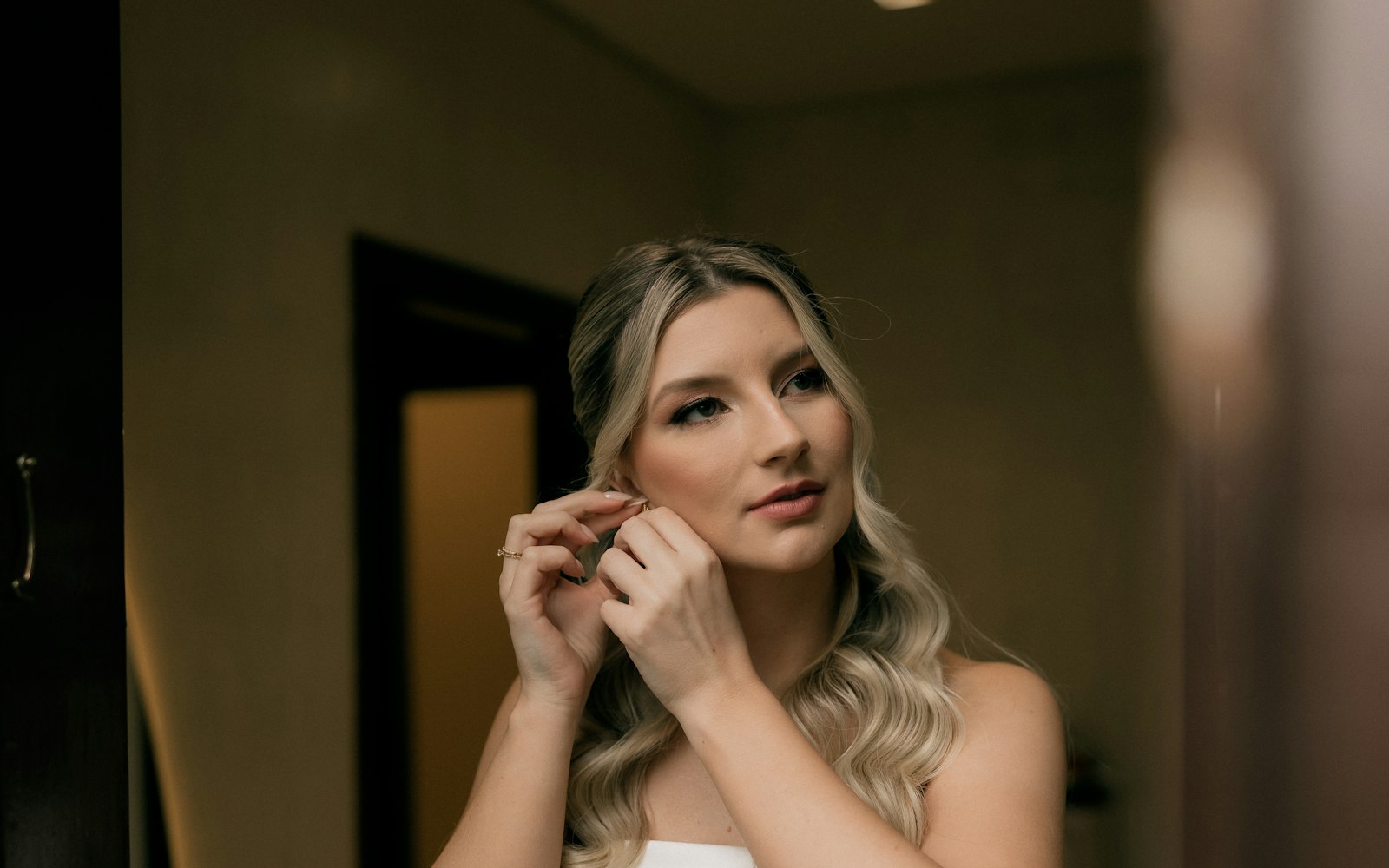
Work backward from the time the photographer wants the bride ready. Allow your real application times from trials and assisting, then add a buffer of at least thirty minutes. Do the bride last, or second to last, so her makeup is freshest for photographs. Share the timeline with the planner or the bride a week before, and confirm the address, parking and setup space.
Working with a team
For larger parties, one artist cannot finish in time. Plan the team so each artist has a clear list of faces and a set finish time. Meanwhile, keep everyone working to the same standard, so the photographs look consistent across the party. Brief your assistants on products, lashes and the bride’s look before the day, not on the morning.
Light, weather and venues
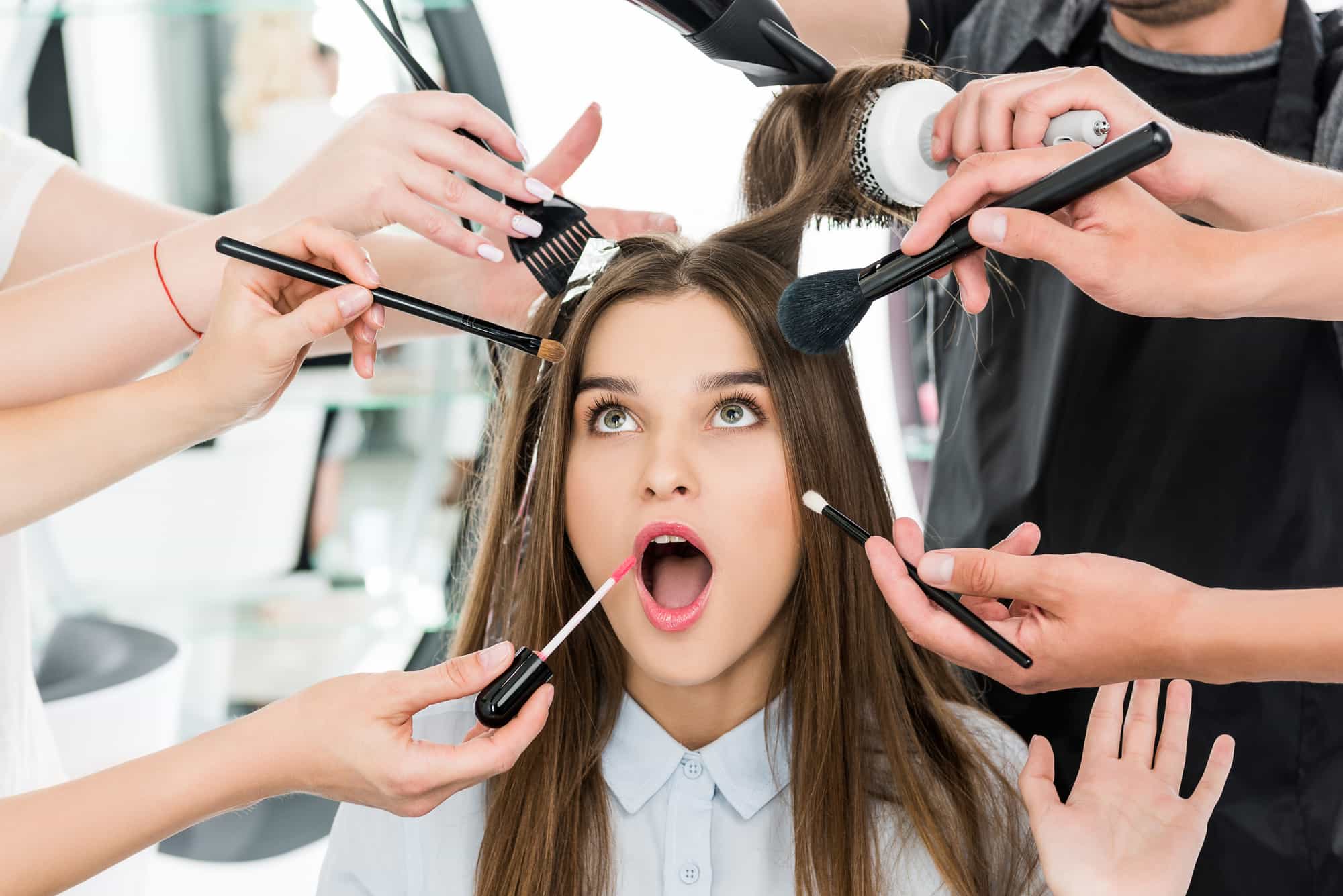
Venues change how makeup reads. A dark hotel suite needs extra light for you to work accurately, so bring a portable lamp with a daylight bulb. Outdoor ceremonies bring sun, wind and heat, which call for stronger setting and blotting papers in the touch-up bag. Meanwhile, humid venues and summer dates test every product’s longevity. Ask about the venue at the trial, and check its getting-ready room in photos if you can. Similarly, plan for cold churches and air-conditioned halls, which dry skin quickly. Finally, note where the photographer plans to take portraits, because window light and flash expose different things. A short conversation about light at the trial saves a stressful morning later, and it shows the bride you have thought ahead.
Touch-ups and the handover
Before you leave, check the bride in the light where the ceremony will take place, and in the photographer’s flash if possible. Hand over the touch-up bag with simple instructions. If you stay for the ceremony, plan touch-ups around the photographer’s schedule rather than your own.
Even with a plan, days slip. Hair runs long, a bridesmaid arrives late, or the photographer arrives early. The artists who build lasting reputations stay calm when that happens. They adjust the order, speed up where they can and keep the bride relaxed. Consequently, the bride remembers how the morning felt as much as how she looked. That feeling is what she describes to friends, and it is where most bridal referrals come from. In other words, your calm is part of the service, and it is worth practicing as deliberately as any technique. Some artists even script the first five minutes of every wedding morning, so the start always feels the same.
First bookings and pricing
Your first paid weddings usually come from people who have seen your work: friends, assisting contacts and photographers. Price them from your real costs, not from what you think brides will pay. Our rate calculator lets you see what bridal artists charge in your own market once your costs, travel and working days are in. Then put every booking in writing, with the trial, the deposit, the timeline and the cancellation terms. If you plan to travel for work, our interviews on working destination weddings cover what changes abroad. Growing those first bookings into a full bridal business, with a team and a calendar a year ahead, is covered in a separate guide in this series.
You may also like
The Makeup Artist’s Guide

You may also like
Instagram Tips and Tricks for Makeup Artists
Most new bridal artists underprice at first. They forget travel time, trials, kit replacement and the weeks of admin each wedding involves. They also forget the unpaid hours of messages, contracts and planning calls before every booking. As a result, a day that looks profitable can lose money once everything is counted. A simple rule helps: if you would resent doing the booking at that price, the price is wrong. Raise your rates as your portfolio and reviews grow, and give notice to returning clients. Finally, keep your pricing clear and written down, so every bride sees the same terms. Brides compare artists closely, and clear terms make you easier to choose. In addition, review your prices against your calendar each autumn, when next year’s inquiries start to arrive.
A career built one wedding at a time
Bridal work rewards consistency more than any single dramatic look. The artists who last are the ones who arrive early, keep to time and leave every bride feeling calm and cared for. Referrals follow, because every wedding puts your work in front of dozens of guests. If you are starting now, the path is simple, even if it takes time: train in long-wear and photographic makeup, check your licensing, assist a lead for a season, build a portfolio, and price from your real costs. That is how to become a bridal makeup artist who is still booked ten years from now. Above all, protect your weekends from burnout. A rested artist does better work, and brides can tell.
A season plan
A simple season plan keeps that balance. Before the busy months, set a maximum number of weddings per weekend and block at least one weekend a month for rest. Next, confirm your assistants and their dates early, because good assistants book up fast. Then restock your kit in one order before the season starts, rather than in emergency runs. During the season, keep a short note after each wedding: what worked, what ran late and what you would change. After the season, review those notes, adjust your prices and update your portfolio with your strongest new images. In other words, treat each season as practice for the next one, and your bookings will grow with your skill.
Tools and library

Each of the three tools above helps at a different stage of a bridal career. The calculator turns your costs, travel and target income into wedding and trial prices you can defend. Meanwhile, the quiz helps confirm whether bridal suits you better than film, editorial or retail work. The library gathers the career guide, notebooks and workbooks in one place, including material on contracts and deposits. Start with the calculator if you already take bookings, because underpricing is the most common early mistake. If you are still deciding, take the quiz first, then come back to the assisting section above. Either way, revisit your prices before every wedding season, and again whenever your costs change.
From the Artist Library
Bridal work is a business as much as a craft. The guide covers pricing, contracts, deposits, kit economics and the first five clients, in plain terms.
Questions worth asking
How do I become a bridal makeup artist?
Train in long-wear and photographic makeup, check your state’s licensing rules, and assist an established bridal artist for at least a season. Then build a bridal portfolio, run trials before every booking and set prices from your real costs.
What do bridal makeup assistants do?
Assistants usually do the wedding party while the lead artist works on the bride. They also prepare skin, apply lashes, clean brushes between clients, keep the station tidy and handle touch-ups so the lead can stay with the bride.
Do you need a license to be a bridal makeup artist?
It depends on your state and services. All states license cosmetologists, according to the Bureau of Labor Statistics, and services involving hair, lashes or skin care usually fall under that license. Some states also regulate makeup alone, so check your state board.
How long does bridal makeup take?
It varies with the look and the artist. Time your own application at trials, then build the timeline from those numbers with a thirty-minute buffer.
Should I offer bridal trials?
Yes. A trial lets you agree on the look, test products on the bride’s skin and time the application. Most artists charge for trials separately and keep a written record of every product and shade used.
How do I get my first bridal clients?
Most first bookings come from people who have seen your work, such as friends, the artists you assist and photographers. A current portfolio helps.
