
The best skincare feels like a small daily luxury: a silky cream, a light oil, a cleanser that leaves skin soft rather than tight. Today, luxury vegan skincare offers every one of those pleasures without animal ingredients. Refined formulas from respected houses now pair botanical actives with clear vegan policies. This guide is part of our guide to vegan beauty, and it focuses on skin. Every brand here was checked against PETA’s database or its own published policy, with the source linked. As a result, you can choose for texture and results, knowing exactly what each jar contains and how it was made. Your skin will tell you what works. The source is always one click away.
Luxury vegan skincare uses no animal-derived ingredients, such as honey, beeswax, lanolin, snail mucin or animal collagen, and comes from brands that do not test on animals. In our November 2026 check, PETA listed Biossance, Youth to the People, True Botanicals, Herbivore, OSEA and INIKA Organic as vegan and cruelty-free. Pai Skincare states that every product carries both The Vegan Society trademark and Leaping Bunny. Build a routine of cleanser, serum or oil, moisturizer and daily sunscreen.
What makes skincare vegan?
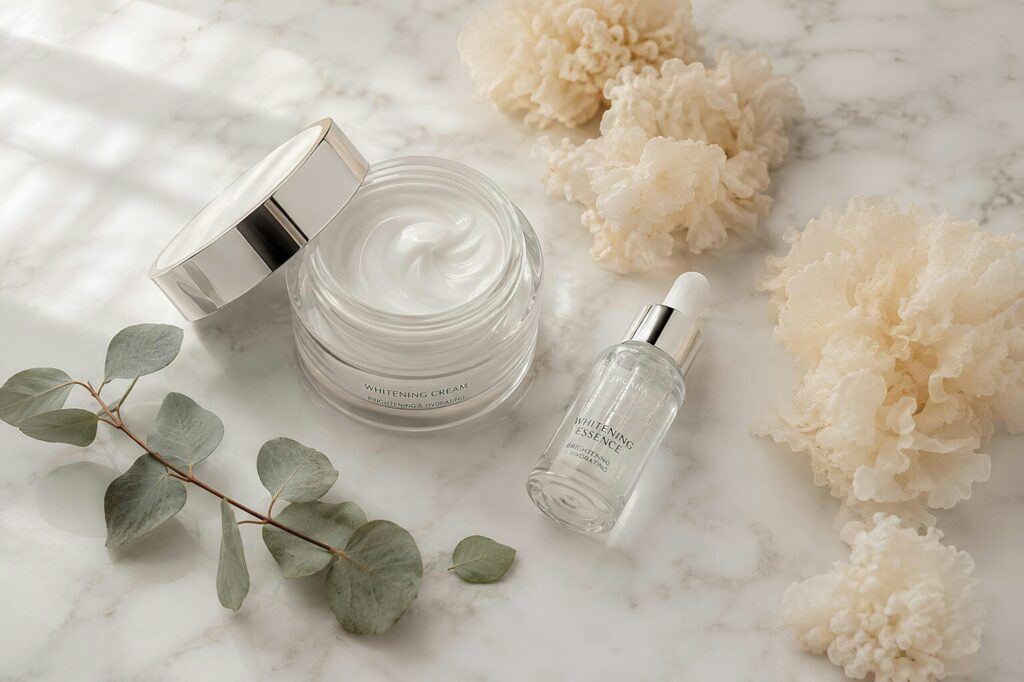
Skincare becomes vegan when every ingredient comes from plants, minerals or the laboratory. Several animal ingredients have long been common in this category. Honey and royal jelly appear in masks and balms, while beeswax thickens creams. Lanolin, from sheep’s wool, softens rich moisturizers. Snail mucin and animal-derived collagen also feature in many formulas. PETA’s animal-derived ingredients list describes each of these. In luxury vegan skincare, plant oils, plant butters and lab-made actives take their place. Squalane can come from sugarcane or olives. Ceramides and peptides can be made without animals. The textures remain rich, silky and refined. Gentle, steady care wins. That makes choosing far simpler. Small changes show over weeks.
Vegan and cruelty-free remain separate promises, however. Vegan describes ingredients, while cruelty-free describes testing. In the US, the FDA states on its page about cruelty-free claims that these terms have no legal definition. So a certifier or a clear brand statement remains the strongest proof. Our guide to vegan vs cruelty-free labels explains every mark. In this guide, every brand states that it is vegan, either in PETA’s database or on its own site. Where only part of a range is vegan, we say so. That way, each choice rests on a source rather than a slogan, and you can check it in seconds. A little product goes a long way.
Why luxury vegan skincare is worth it
Luxury skincare earns its place through texture, ritual and results. Premium houses invest in formulation, so their creams often absorb beautifully and their oils feel weightless. When those formulas are also vegan, you enjoy that refinement without animal ingredients. In addition, luxury brands tend to publish detailed ingredient lists and policies, which makes their claims easier to verify. Many offer refills or recyclable glass, which reduces waste over time. The experience matters too. A beautiful jar, a gentle scent and a silky texture turn a routine into a ritual. For a woman who values both pleasure and clarity, luxury vegan skincare offers both in a single step. Comfort is the best sign.

It also suits a thoughtful, edited approach. Rather than many products, a few excellent ones often serve skin best. A gentle cleanser, one targeted serum or oil, a good moisturizer and daily sunscreen cover most needs. Luxury formulas make each of those steps feel special. Because vegan brands in this guide state their policies clearly, there is no need to read every label twice. Instead, you can focus on what your skin needs: hydration, radiance, comfort or a smoother texture. That focus saves time and money. It also lets you enjoy your routine, morning and night, rather than rushing through it before the day begins. Every step can be enjoyed slowly.
Vegan ingredients to look for
Knowing the vegan alternatives makes any label easier to read. Squalane from sugarcane or olives softens skin and seals in moisture. Plant-derived ceramides and fatty acids support the skin barrier. Hyaluronic acid, which many brands make by fermentation, draws in water. Plant oils such as rosehip, marula, jojoba and argan nourish dry skin. Botanical extracts, including chamomile, green tea and seaweed, appear in many soothing formulas. Meanwhile, candelilla and carnauba waxes replace beeswax in balms. None of these names proves a product is vegan alone. Still, a label built from them is usually easy to trust, especially when the brand confirms its policy. Read the label once, then enjoy the product.
You may also like


Luxury vegan skincare brands we checked
We checked each brand in November 2026. PETA’s cruelty-free database listed Biossance, Youth to the People, True Botanicals, Herbivore, OSEA and INIKA Organic as both cruelty-free and vegan. Biossance is known for squalane derived from sugarcane. Youth to the People builds its formulas around superfood botanicals such as kale and spinach. True Botanicals focuses on plant oils and clean formulation. Herbivore offers face oils and treatments in jewel-toned glass. OSEA draws on seaweed for its face and body care. INIKA Organic, from Australia, makes both skincare and makeup. Each brand is vegan across its range, according to PETA. Good habits protect good formulas. Confidence comes from knowing what you use. Patience brings the best results.
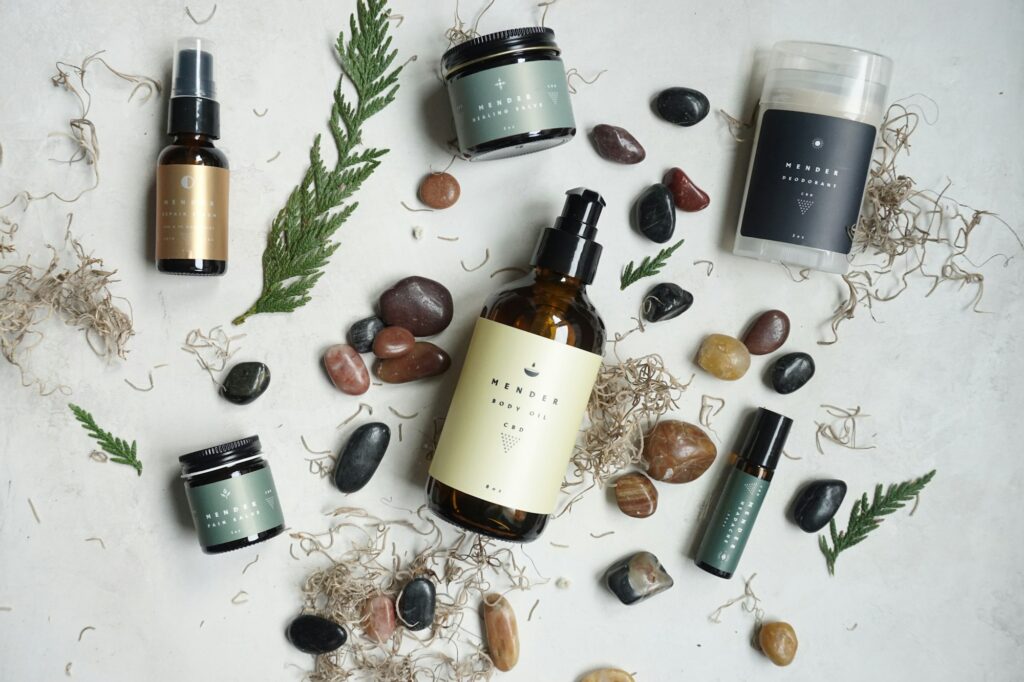
Several more houses state their vegan status on their own sites. Pai Skincare states that every product carries both The Vegan Society trademark and Leaping Bunny certification. Furtuna Skin states that its current products are vegan, and PETA lists it as cruelty-free. KYPRIS lists vegan and cruelty-free among its brand attributes. Tata Harper states that its products are certified either vegan or vegetarian, so check each product. Augustinus Bader states that its serum is vegan and that all its products are cruelty-free. With these partly vegan brands, the product page settles the question. The table below lists every brand with its source, so you can confirm any claim yourself. The right formula earns its place quickly.
The verified list
| Brand | Status | Source |
|---|---|---|
| Augustinus Bader | Cruelty-free, some vegan | Brand statement |
| Biossance | Vegan and cruelty-free | PETA |
| Furtuna Skin | Vegan and cruelty-free | PETA |
| Herbivore | Vegan and cruelty-free | PETA |
| INIKA Organic | Vegan and cruelty-free | PETA |
| KYPRIS | Vegan and cruelty-free | Brand statement |
| OSEA | Vegan and cruelty-free | PETA |
| Pai Skincare | Vegan and cruelty-free | Brand statement |
| Tata Harper | Cruelty-free, vegan or vegetarian | PETA |
| True Botanicals | Vegan and cruelty-free | PETA |
| Youth to the People | Vegan and cruelty-free | PETA |
Cleanse: the gentle first step
A good cleanser removes the day without stripping skin. Youth to the People’s Superfood Cleanser is a gel made with kale, spinach and green tea, according to the brand. It suits most skin types and rinses clean. True Botanicals’ Clear Nourishing Cleanser is designed for oily and acne-prone skin. For dry skin, a cream or oil cleanser often feels more comfortable. Whatever the texture, massage it in for a full minute, then rinse with lukewarm water. Pat skin dry rather than rubbing. In the evening, a double cleanse helps remove sunscreen and makeup. Begin with an oil or balm, then follow with a gentle gel or cream. It is a ritual worth keeping.
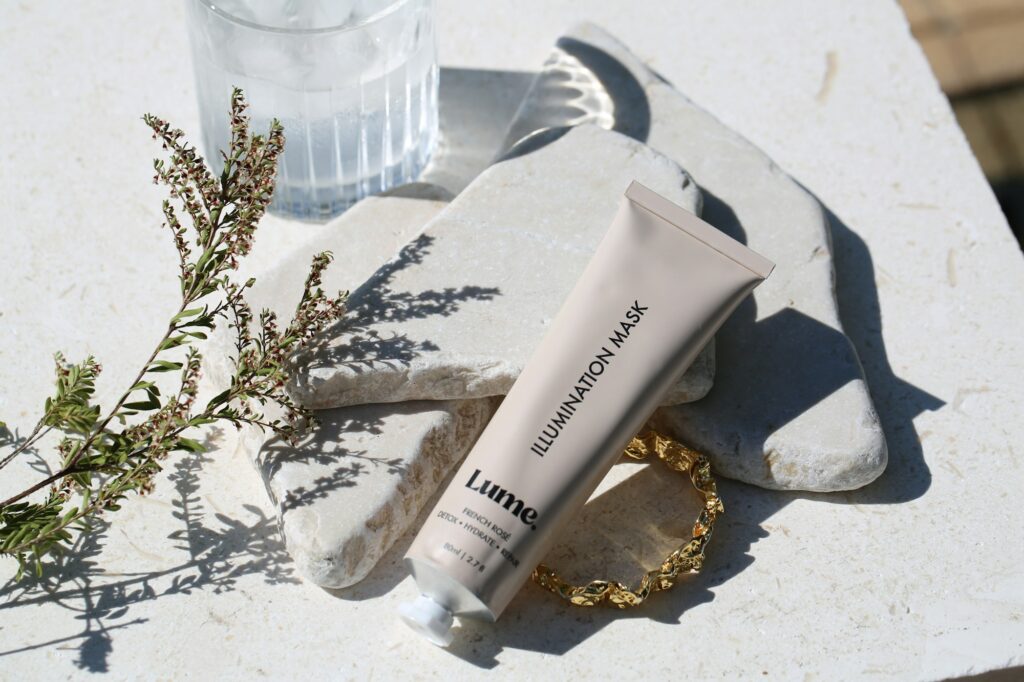
Cleansing habits shape how skin feels for the rest of the routine. Over-cleansing can leave skin tight and dry, so once or twice a day is usually enough. In the morning, many women with dry skin simply rinse with water. Meanwhile, oily skin may welcome a gentle gel both morning and night. Hot water and harsh scrubs can irritate, so keep both mild. A soft cloth can help remove an oil cleanser, though fingers work too. Finally, cleanse before bed, even when tired. Leaving makeup and sunscreen on overnight can clog pores. That one habit does more for skin than almost any single product in a luxury vegan skincare routine. Each choice reflects your values.
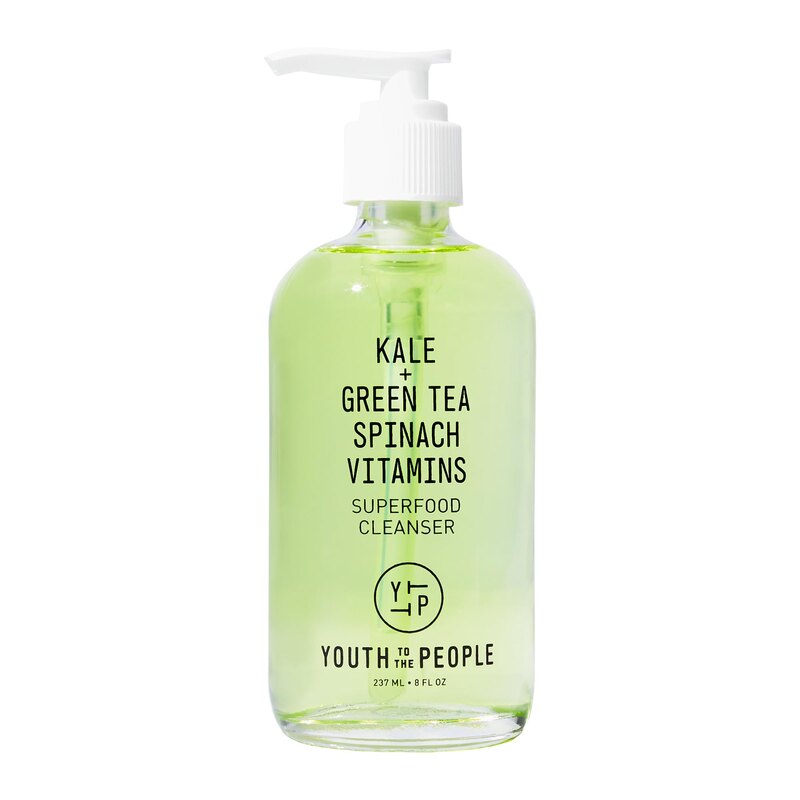
A pH-balanced gel cleanser with kale, spinach and green tea.
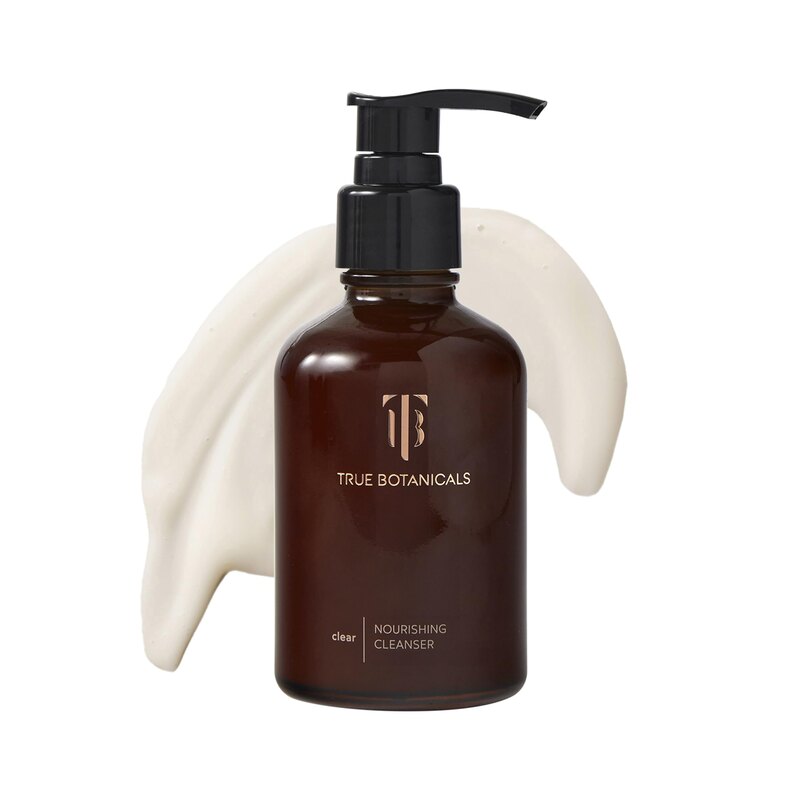
A cleanser made for oily and acne-prone skin.
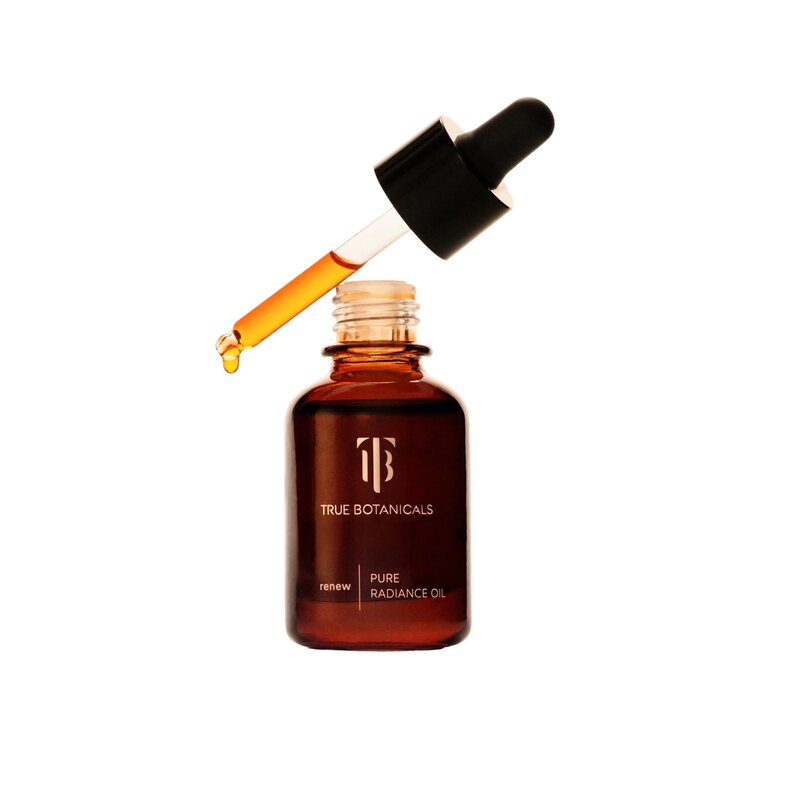
A rosehip-rich oil for radiance and softness.
Treat: serums and face oils
Serums and oils are where many luxury routines become personal. A serum delivers concentrated actives, while an oil softens and seals in moisture. True Botanicals’ Renew Pure Radiance Oil is rich in rosehip, according to the brand. KYPRIS offers Moonlight Catalyst, an overnight serum the brand describes as a gentle alternative to retinoids. Biossance’s squalane oil, derived from sugarcane, suits face and body alike. Herbivore’s jewel-toned oils are another option for dry or combination skin. Apply serums to damp skin first, then oils last, since oils seal in what comes before. A few drops are enough for the whole face and neck, morning or night. Texture often decides what you reach for.
You may also like


Choosing a treatment starts with your main concern. For dryness, a nourishing oil or a hydrating serum makes sense. Uneven tone or texture may respond to a serum with gentle exfoliating or brightening actives. Sensitive skin, meanwhile, often prefers simpler formulas with fewer ingredients are often kinder. Introduce one new treatment at a time, and give it a few weeks before you judge it. Patch test first behind the ear or on the inner arm. If you use strong actives, such as retinoids or acids, sunscreen becomes even more important. A dermatologist can help if you have a specific skin condition or persistent irritation that does not settle. Consistency matters more than novelty.
Moisturize: creams for every skin type
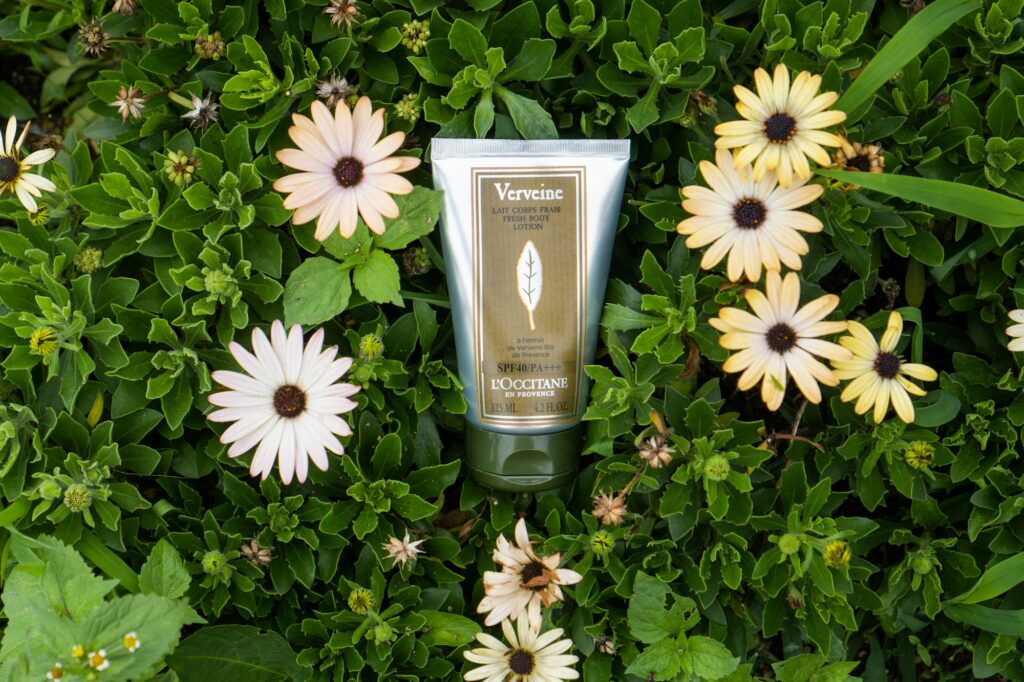
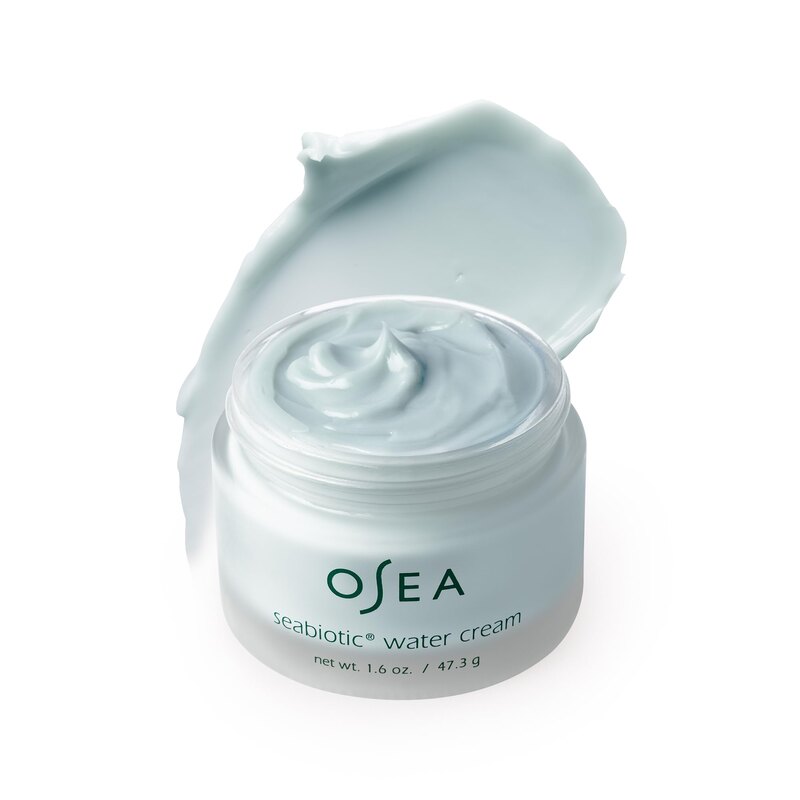
Moisturizer is the step that keeps skin comfortable all day. Youth to the People’s Superfood Air-Whip cream is light and whipped, with hyaluronic acid, according to the brand. OSEA’s Seabiotic Water Cream is a weightless gel cream made with seaweed. Pai Skincare’s The Anthemis is a soothing moisturizer with chamomile and rosehip for sensitive skin. Each of these brands is vegan across its range, per PETA or its own statement. Choose a light gel or lotion for oily skin and a richer cream for dry skin. Apply to slightly damp skin for better absorption, then follow with sunscreen in the morning, every single day. Skin rewards attention. Simplicity is often the most luxurious choice.
Mature skin often needs extra moisture and barrier support. Richer creams, plant oils and gentle formulas help skin feel supple and soothed. Our guide to skincare for mature skin explains these needs in depth. Meanwhile, combination skin may enjoy a lighter cream on the T-zone and a richer one on the cheeks. In winter, many women switch to a heavier moisturizer, then lighten it again in summer. Listening to your skin through the seasons keeps it balanced. Luxury vegan formulas make those adjustments easy, since many brands offer several textures within the same range. Quality shows in how skin feels. Notice how your skin responds each week. Seasons change, and so can your routine.
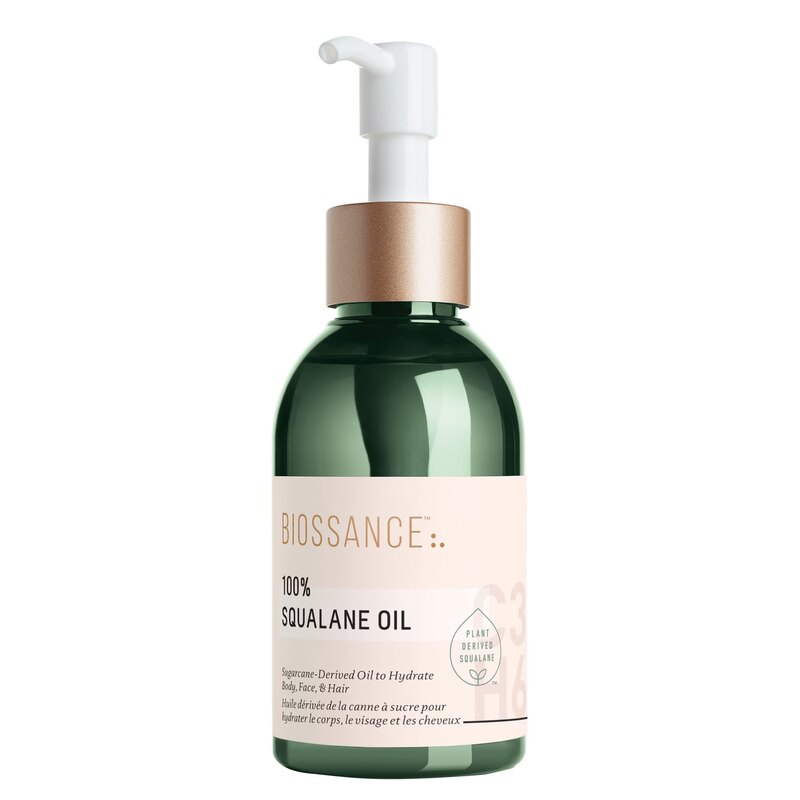
Sugarcane-derived squalane that moisturizes face and body.
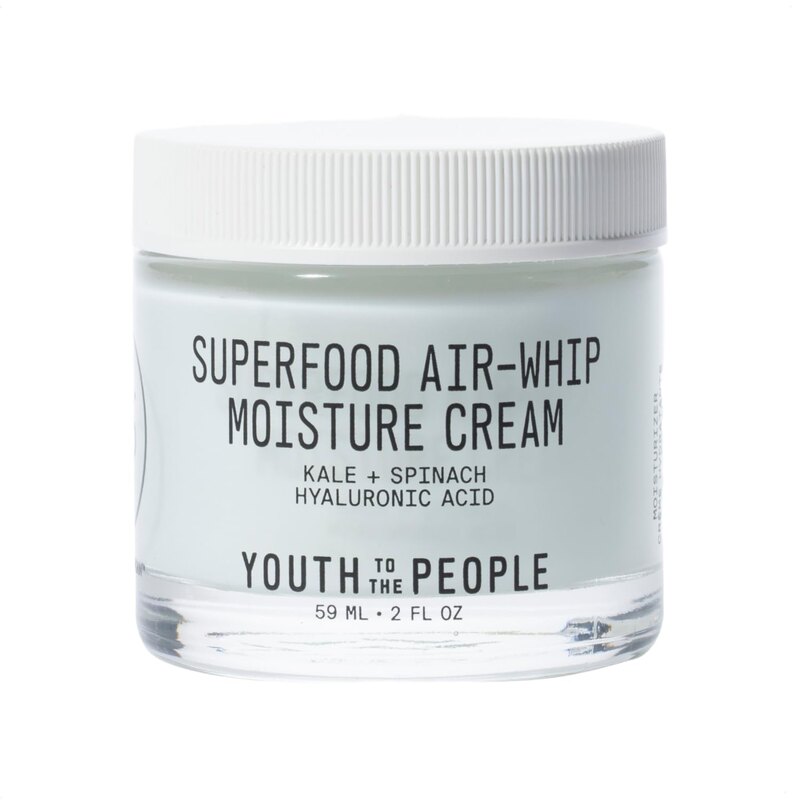
A light, whipped moisturizer with hyaluronic acid.
Protect: daily sunscreen
Sunscreen is the most important step in any routine, vegan or not. It protects skin from UV damage, which drives much of visible aging. Choose a broad-spectrum formula with SPF 30 or higher, as the American Academy of Dermatology recommends in its guidance on selecting sunscreen. Mineral sunscreens use zinc oxide or titanium dioxide, while chemical sunscreens use organic filters. Both can be vegan. Apply generously as the last skincare step each morning. Reapply every two hours outdoors, and after swimming or sweating. Pair it with a hat and shade for the best protection. Protection is the foundation of every routine. Make it as automatic as brushing your teeth. Gentle care adds up over time.
Finding a sunscreen you love makes daily use easy. Texture matters most. A light fluid or gel suits oily skin, while a creamier formula suits dry skin. Tinted sunscreens can double as light coverage. If you wear makeup, let sunscreen settle for a minute before applying foundation. Many vegan brands now offer elegant sunscreens that sit beautifully under makeup. Check each product’s ingredient list and the brand’s vegan statement, since sunscreen is sometimes formulated separately. Above all, consistency matters more than any single formula. A sunscreen you enjoy wearing every day will protect your skin far better than one that stays in a drawer. Light layers suit oily skin best. Less, in this case, is truly more.
The 21-Day Skin & Gut Health Reset is a daily ritual for skin, from within. Join the waitlist to hear first when it opens.
Occasional letters. Unsubscribe anytime.
Luxury vegan skincare by skin type
Dry skin
Dry skin thrives on moisture and protection. A cream or oil cleanser keeps it comfortable, since foaming gels can feel tight. Next, a hydrating serum adds water, and a nourishing oil or rich cream seals it in. Squalane, plant butters and ceramides are especially helpful. Biossance’s squalane oil and True Botanicals’ rosehip-rich oil are two vegan options. At night, a slightly richer cream can help skin recover. A humidifier in winter makes a real difference too. Avoid very hot showers, which strip natural oils. Over a few weeks, these steps usually leave dry skin softer, smoother and far more comfortable throughout the day. Body skin deserves the same attention. Short routines are easier to keep.
Oily and combination skin
Oily skin still needs moisture, just in lighter textures. A gentle gel cleanser removes excess oil without stripping. True Botanicals’ Clear Nourishing Cleanser is designed for oily and acne-prone skin. Follow with a lightweight serum and a gel cream, such as OSEA’s Seabiotic Water Cream. Avoid heavy oils on the T-zone if they feel congesting. Combination skin can mix textures, using a lighter cream in the center and a richer one on the cheeks. Exfoliate gently once or twice a week to keep pores clear. Above all, resist the urge to over-cleanse. Stripping oily skin often makes it produce more oil, not less. Every new product deserves a fair trial. Balance is the goal.
Sensitive skin
Sensitive skin rewards simplicity. Choose formulas with short ingredient lists and little or no fragrance. Pai Skincare, which states that every product is vegan and Leaping Bunny certified, designs much of its range for sensitive skin. Its Anthemis moisturizer uses chamomile and rosehip. Introduce new products one at a time, and patch test each one first. Avoid harsh scrubs, strong acids and very hot water. If redness, stinging or itching persists, see a dermatologist, since some reactions need medical care. With patience, a gentle vegan routine can keep sensitive skin comfortable and balanced, without giving up the pleasure of luxurious textures. Sources make every claim easy to check. That is the real luxury.
Body care, the luxurious extension
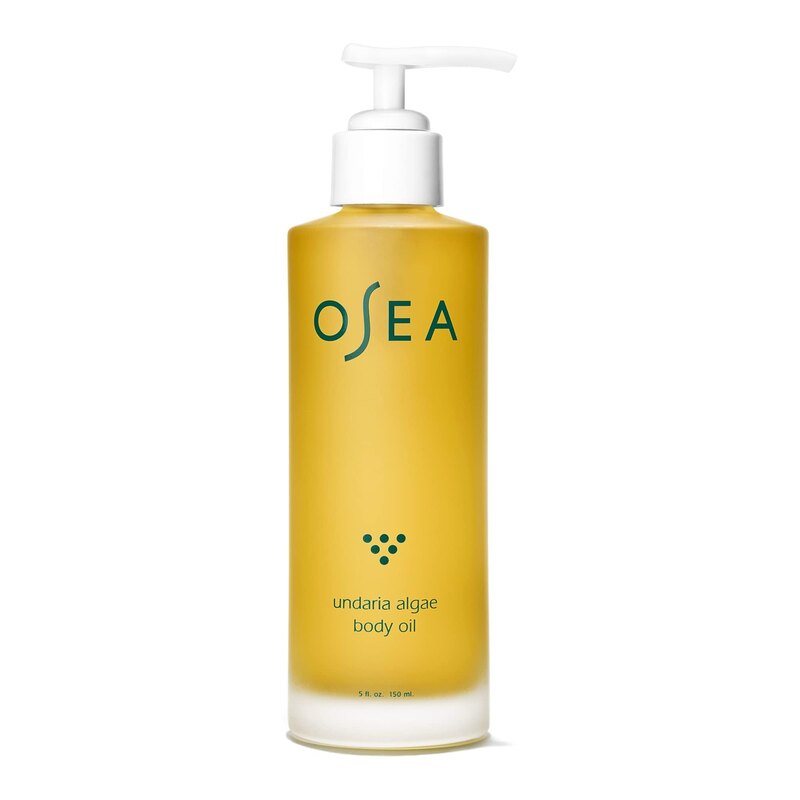
Luxury vegan skincare does not stop at the face. Body oils, creams and scrubs bring the same care to the rest of the skin. OSEA’s Undaria Algae Body Oil is a seaweed-rich oil for soft, supple skin, according to the brand. Biossance’s squalane oil works on the body as well as the face. Apply body oil to damp skin after a bath or shower, when it absorbs best. A gentle scrub once or twice a week can smooth rough areas such as elbows and knees. Our guide to dry brushing explains another body ritual many women enjoy before showering. Begin with one step today. Consistency turns products into results. Your routine should feel like a pleasure.
Body care is also a chance to slow down. A few minutes with a fragrant oil after a bath can feel restorative. Hands and feet deserve attention too, since they show dryness quickly. Keep a rich hand cream by the sink and apply it after washing. At night, a thicker balm on the feet, under cotton socks, softens rough skin. Lips need care as well, especially in winter. Choose vegan balms made with plant waxes rather than beeswax. These small rituals add up to skin that feels cared for everywhere. They also extend the pleasure of luxury vegan skincare beyond the bathroom mirror and into the rest of the day. Each step has a purpose.
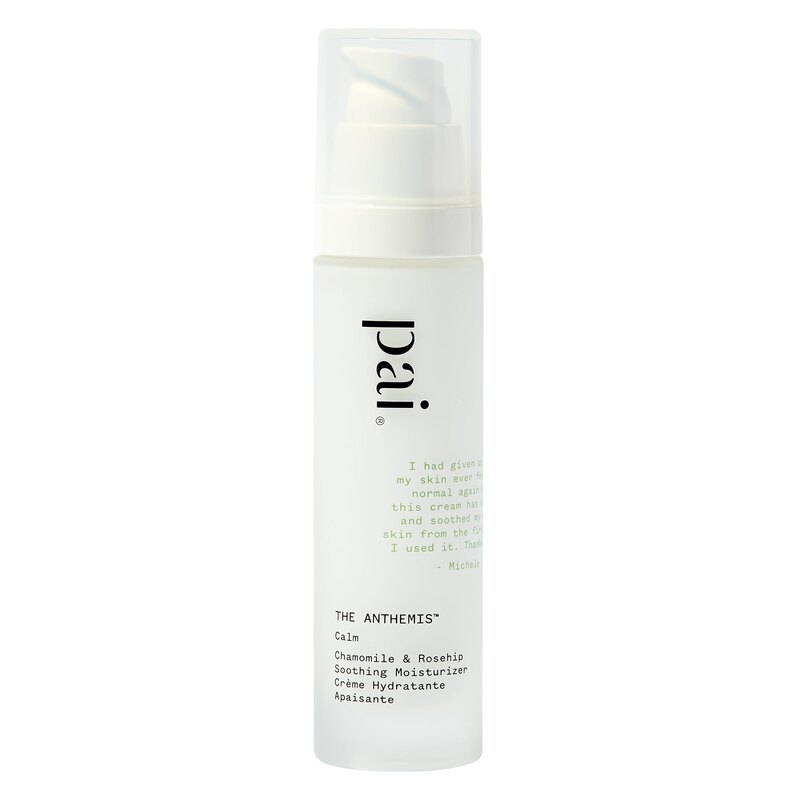
Chamomile and rosehip in a cream for sensitive skin.
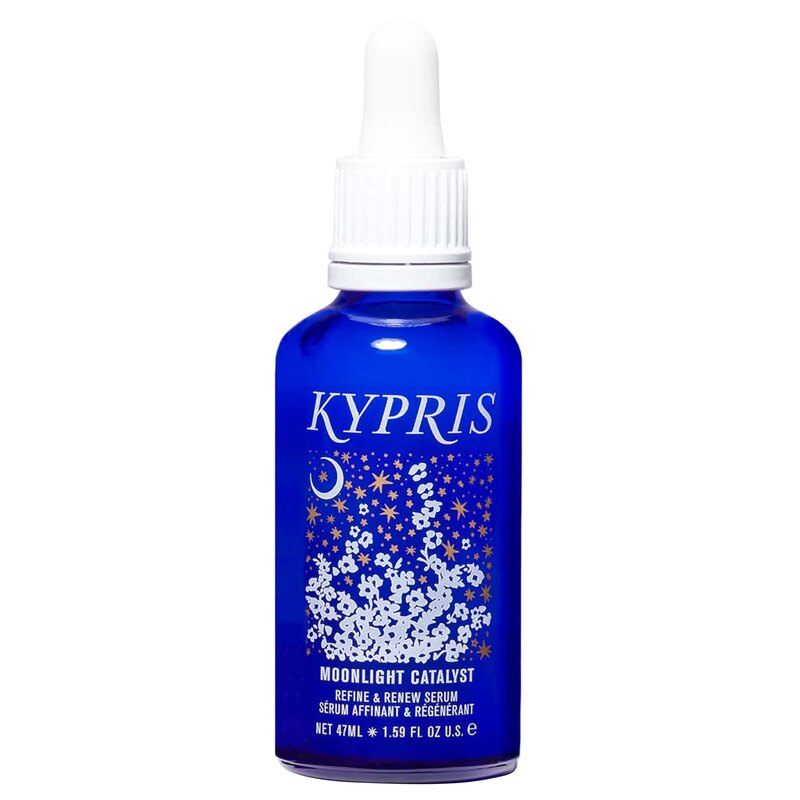
An overnight serum the brand offers as a gentle retinoid alternative.
A simple luxury vegan skincare routine
A good routine needs only a few steps. In the morning, cleanse gently or rinse with water. Next, apply a serum suited to your main concern. Then follow with moisturizer, and finish with broad-spectrum sunscreen. In the evening, cleanse thoroughly, removing sunscreen and makeup. Apply a treatment serum or oil, then a moisturizer or night cream. Once or twice a week, add a mask or gentle exfoliant. That is all most skin needs. Luxury lies less in the number of products and more in their quality and in the care you take with them. A short routine, done well, gives the most visible and lasting results. Comfort is always the best guide.

Building your routine slowly
Switching to vegan skincare works best gradually. Replace products one at a time as they run out, so nothing is wasted. Start with the items you use daily, such as cleanser and moisturizer. Then add a serum or oil, and finally the occasional mask or exfoliant. Introduce one new product every couple of weeks, so you can see how your skin responds. Keep notes on what you love and what you would not repurchase. Over a season or two, your routine becomes fully vegan, edited and effective. The process itself becomes a pleasure, as you discover textures and scents that feel like you and suit your skin. Results follow steady care.
What plant-based skincare offers
Plant-based skincare offers clarity first. When a brand is fully vegan, you know that no animal ingredient sits in the formula. Many women also enjoy the sensory side: botanical scents, natural oils and gentle textures. However, plant-based does not automatically mean better or gentler. Some plant extracts and essential oils can irritate sensitive skin. Equally, many lab-made ingredients are both vegan and well tolerated. So the best approach is to judge each formula on its own merits and on how your skin responds. Our look at natural versus chemical skincare explores this balance further. Choose what your skin enjoys. Small rituals make a big difference. Trust grows with every use. Skin changes, so keep listening.
The research, in brief
Every brand status in this guide comes from PETA’s cruelty-free database or the brand’s own site, each linked in the table. We checked every source in November 2026. Ingredient definitions come from PETA’s animal-derived ingredients list. The legal point that cruelty-free has no definition comes from the FDA. Sunscreen guidance comes from the American Academy of Dermatology. Product descriptions reflect what each brand states about its own formulas. Because policies can change, check the source link before you buy. That simple step keeps your routine aligned with your values. It also takes only a moment of your time. Checked November 2026. Each bottle should earn its place. The best routine is the one you keep.
Recommended
Skin, cared for completely
In the end, luxury vegan skincare is about care in every sense. It cares for your skin with refined, effective formulas. It also cares about what goes into them and how they are made. The brands in this guide make both kinds of care easy to see, with clear policies and sources you can check. Whether your skin is dry, oily, sensitive or mature, there is a vegan routine designed for it. Begin with one product, notice how your skin responds, and build from there. Over time, your routine becomes a ritual you look forward to, morning and night, season after season, year after year. That is worth celebrating. Every jar can carry that intention.
From here, choose the step that matters most for your skin today. Perhaps it is a gentler cleanser, a richer cream or a sunscreen you will actually wear. Keep the table in mind, and check the source when a brand is new to you. For the same approach across makeup, hair and fragrance, return to our vegan beauty guide. And if you want the same care to reach your skin from within, the tools below offer a gentle next step. Your skin, after all, carries you through every day. It deserves formulas chosen with as much care as you give everything else that matters. Then enjoy it. Begin wherever feels right.



Three ways to continue
Each of the three tools above offers a different way to continue. A few questions in the Ring Style Quiz read your taste in fine jewelry. Guided rituals for hair and skin fill the Makeover Bible. The 21-Day Reset, meanwhile, turns attention inward, to skin and gut together. It is a daily ritual that works from within, and it pairs naturally with a vegan routine. You can join its waitlist below without any commitment. Whichever you choose, the idea stays the same as in this guide. Small, informed choices add up to a routine that feels entirely yours. Begin with one, and let the rest unfold in its own time.
A daily ritual for skin and gut, working from within. Join the waitlist to hear first when the next Reset opens.
Join the waitlistQuestions worth asking
What makes skincare vegan?
Skincare is vegan when it contains no animal-derived ingredients, such as honey, beeswax, lanolin, snail mucin or animal collagen. Plant oils, plant butters and lab-made actives take their place.
Which luxury skincare brands are vegan?
In our November 2026 check, PETA listed Biossance, Youth to the People, True Botanicals, Herbivore, OSEA and INIKA Organic as vegan and cruelty-free. Pai Skincare states that every product carries The Vegan Society trademark and Leaping Bunny certification.
What are the benefits of plant-based skincare?
Plant-based skincare gives clarity about ingredients and often a pleasant sensory experience. It is not automatically gentler, since some plant extracts can irritate. Judge each formula on how your skin responds.
Is Tata Harper vegan?
PETA lists Tata Harper as cruelty-free. The brand states that its products are certified either vegan or vegetarian, so check each product page.
Is Augustinus Bader vegan?
Augustinus Bader states that its serum is vegan and that all its products are cruelty-free. Not every product is vegan, so check the product page before you buy.
Do I need sunscreen if I use luxury skincare?
Yes. Daily broad-spectrum sunscreen with SPF 30 or higher is the most important step in any routine. The American Academy of Dermatology recommends it for everyone.