
The Artist · Business
Every makeup artist eventually asks the same question: how much to charge for makeup services without losing clients or losing money. The honest answer is that your price should come from your own numbers, not from what the artist down the street charges. This guide, part of the complete Makeup Artist’s Guide, walks through those numbers one step at a time.
It covers costs, income targets, working days, day rates and per-face prices, then the special cases: bridal, trials, lessons, hair and travel. The figures in the worked example are illustrations, not market rates, because rates vary widely by city and specialty.
The short answer
To decide how much to charge for makeup services, add your yearly target income, your business costs and a tax allowance, then divide by the number of days you can realistically bill. That gives a day rate. Divide the day rate by the faces you can do well in a day to get a per-face price. Then add separate prices for trials, travel, early starts and assistants.
In this guide
- Why most makeup artists underprice
- Step 1: Count your real costs
- Step 2: Set a target income
- Step 3: Count your billable days
- Step 4: Turn it into a day rate and a per-face price
- How much to charge for makeup services: bridal, trials, lessons and hair
- Building a rate card
- When and how to raise your prices
- Deposits, cancellations and terms
- Pricing is a habit, not a single decision
- Questions worth asking

Why most makeup artists underprice
Most artists set their first prices by looking at competitors. That feels safe, but it copies other people’s mistakes along with their numbers. It also ignores the work clients never see: messages, consultations, kit cleaning, restocking, travel and admin. A two-hour booking can easily involve five hours of real work. That is why deciding how much to charge for makeup services starts with time, not with competitors. Meanwhile, freelancers pay costs that employees never think about, from insurance to the employer share of payroll taxes. As a result, a price that looks generous per hour can produce a thin income across a year. The fix is simple, although it takes an hour with a spreadsheet: work from your own costs and goals, then compare with the market.
Step 1: Count your real costs
Start with a full year of business costs. List everything, even the small items, because small items add up across a year of bookings.
Kit and supplies
Kit replacement is usually the largest ongoing cost. Products run out, expire or need replacing for hygiene. Disposables such as sponges, applicators and lashes are used up on every client. For a full list of what professionals carry, see what belongs in a working kit, then estimate what you replace each month and multiply by twelve.
Taxes and other costs
If you work for yourself in the US, you pay self-employment tax on top of income tax. The IRS sets the self-employment tax rate at 15.3%, made up of 12.4% for Social Security and 2.9% for Medicare. In addition, list insurance, phone, website, booking software, education, travel, parking and card-processing fees. Then set aside a share of every payment for tax as it arrives, so the bill never comes as a surprise. An accountant can tell you the right share for your situation. Above all, count your costs honestly. An underestimate here flows straight through to every price you set.

Step 2: Set a target income
Next, decide what you need to earn in a year after costs. This is a personal number, based on your living costs and goals. Federal data offers a reference point, although it measures employees rather than freelancers.
| Measure | Annual figure |
|---|---|
| Theatrical and performance makeup artists, median (May 2025) | $97,150 |
| Theatrical and performance makeup artists, 10th percentile | $23,360 |
| Barbers, hairstylists and cosmetologists, median (2025) | $35,880 |
Sources
Bureau of Labor Statistics
The gap between those figures is the point. The theatrical median reflects a small, mostly union screen workforce, while most freelance bridal and beauty artists earn something closer to the cosmetology figures. Your own target should sit wherever your skills, market and specialty can support it. Similarly, your target should rise as your portfolio grows, so revisit it every year. Meanwhile, be careful not to confuse revenue with income. A busy month with high costs can leave less in your pocket than a quieter month with low ones. Track both, and price for the income you actually want to keep after costs and tax. A monthly check takes ten minutes and prevents most surprises.

You may also like
How to Become a Bridal Makeup Artist

You may also like
How to Build a Stellar Makeup Portfolio
Step 3: Count your billable days
Now estimate how many days a year you can actually bill. Start with the days you are willing to work, then subtract the days that will not pay. Admin, consultations, kit maintenance, education and marketing all take time but rarely bring direct income. Seasonality matters too. Bridal work clusters in busy months, while editorial and commercial work can be irregular. Consequently, most freelance artists bill far fewer days than they work. Be conservative here. Overestimating billable days is the second most common pricing mistake, after underestimating costs. A realistic number, even a modest one, protects you in slow months. In addition, it stops you from discounting in a panic when a quiet week arrives.

Step 4: Turn it into a day rate and a per-face price
With the three numbers in hand, the calculation is simple. Add your target income, your yearly costs and your tax allowance. Then divide by your billable days. The result is your day rate: the minimum you need to earn on each working day. It is the foundation for how much to charge for makeup services of every kind.
| Worked example (illustrative figures only) | Amount |
|---|---|
| Target income after costs | $50,000 |
| Yearly business costs | $8,000 |
| Tax allowance (example share) | $14,500 |
| Total to earn | $72,500 |
| Billable days | 100 |
| Day rate | $725 |
| Faces per full day | 5 |
| Minimum per face | $145 |
Those figures are an example, not a recommendation. Your own will differ, sometimes a lot. Next, divide the day rate by the number of faces you can do well in a full day to get a minimum per-face price. Then compare that minimum with your local market. If the market sits well above your minimum, price toward the market. If it sits below, you may need a different specialty, a different market or a lower cost base. Rather than doing this by hand, you can work out your rate with the calculator, which takes the same inputs and shows the result immediately. Run it again whenever your costs or goals change.
Before you set a price
Know your numbers first. The Cossèt Môi Rate Calculator turns your target income, kit costs and working days into a day rate and a per-face price, using the method above.
A day rate also helps you judge offers quickly. When a client asks for a half day, a long travel job or a discount, compare the offer with your day rate rather than your per-face price. If the offer covers less than your minimum for the time involved, it is a cost, not an opportunity. Occasionally that cost is worth paying, for example for a portfolio piece or a strong new contact. However, decide that deliberately, and set a limit on how many such jobs you take in a season. Over time, the day rate becomes the anchor for every pricing conversation. In other words, it turns pricing from a guess into a decision.
How much to charge for makeup services: bridal, trials, lessons and hair
Different services need different prices, because they use time and kit differently. The day-rate method still applies, but each service has its own adjustments.
Bridal
Bridal work involves consultations, a trial, early starts, travel and a long day on site. Price the bride separately from the wedding party, and include the trial or price it separately. Add early-start and travel fees, and price assistants by the hour or by the face. Our guide on how to become a bridal makeup artist covers the full bridal process.
Trials
A trial takes as long as a wedding-day face, plus consultation time. Charge for it, and decide whether the trial fee is credited to the booking or kept separate.
Lessons
Lessons take longer than a single application, because you explain each step and let the client practice. Price them by the hour, and include a product list or face chart if you provide one.
Hair and makeup

If you offer hair as well, price it as a separate service with its own time, even when you package the two together. That keeps your pricing clear when clients only want one.
Travel
Travel is time you cannot bill elsewhere. Charge for distance beyond a set radius, and for parking, tolls and accommodation on long jobs.

Whatever services you offer, write each price down in one place before you quote anyone. A written list stops you inventing prices on the spot, which usually means underpricing. It also lets you see whether a service actually pays. Lessons, for example, often take longer than expected once preparation is counted. Similarly, small add-ons such as lashes, touch-up kits and early starts can quietly add hours without adding revenue. Give each one a price, even a modest one. Clients rarely object to clear add-on prices, and they appreciate knowing the full cost in advance. Above all, review the list after every season, using what you learned about time and demand.
Building a rate card
A rate card is a simple document that lists your services and prices. It saves time in every inquiry and makes you look professional. Keep it to one page. List your main services, your add-ons, your travel policy and your deposit terms. In effect, it answers how much to charge for makeup services before the client has to ask. Some artists publish prices on their website, while others share a rate card only after an inquiry. Both work, as long as the prices are consistent. Add a line on what each price includes, such as lashes, a touch-up kit or travel within a set radius, so clients compare like with like. Finally, keep a copy of every version you send.

Makeup Artist Income and Expense Tracker — a simple ledger for your numbers
Pricing only works if you know your real numbers, and many artists track them loosely. The Makeup Artist Income and Expense Tracker is a paper ledger with pages for daily income, cash tips, expenses and a year-end tax summary. It suits artists who prefer writing things down to using an app. Used consistently, it gives you the cost and income figures this guide asks for, which makes your next price review much faster. It does not replace an accountant. However, it gives your accountant clean records, which usually saves time and fees. If you already use software, you will not need it.
Whatever format you use, review your rate card at the same time every year. Compare it with your costs, your bookings and your local market. Meanwhile, note which services sold out and which barely sold, because demand is a pricing signal too. If a service books solidly months ahead, it is probably underpriced. If it rarely books, it may be overpriced, or it may simply be the wrong service for your market. Either way, the rate card should change as your business changes. Treat it as a working document, not a fixed list, and date each version so you can see how your prices have moved over the years, and so your accountant can see the changes too.
When and how to raise your prices

Raise prices when your costs rise, when your calendar fills, or when your portfolio and reviews improve. Most artists review prices once a year, before the busy season. Give existing clients notice, and honor confirmed bookings at the old price. New inquiries can see the new rate immediately. Some clients will leave, and that is normal. In practice, a modest rise usually loses fewer clients than artists fear, and the remaining bookings pay better. Finally, raise prices in clear steps rather than tiny annual changes, so the new rate is easy to communicate and remember. Announce the change with a short, calm note rather than an apology, because a confident message reassures clients that the price reflects the work.
You may also like
The Makeup Artist’s Guide

You may also like
The Mindset Behind Every Successful Makeup Artist
Deposits, cancellations and terms
Pricing is only half the protection. The other half is your terms. A deposit secures the date and covers your loss if a client cancels. A written cancellation policy explains what happens to that deposit and any balance. Most artists ask for a non-refundable deposit at booking and the balance before or on the day. Put every term in writing, including travel, early starts, assistants and changes to the party size. Clear terms prevent most disputes, and they make clients more comfortable booking, because they know exactly what to expect. A dedicated guide on contracts, deposits and cancellations is part of this series.
It also helps to decide your policy before you need it. When a client asks to move a date, reduce the party size or pay late, a written policy lets you answer calmly and consistently. Without one, artists tend to make exceptions under pressure, and exceptions erode income quickly. Similarly, decide how you handle very short-notice bookings, which disrupt your plans and deserve a premium, and write that premium into the rate card. In short, the more decisions you make in advance, the fewer you have to make on a stressful morning, and the more consistent your income becomes.
Pricing is a habit, not a single decision
The artists who earn well over a career treat pricing as a habit. They know their costs, track their days and review their rates every year. They also say no to work that does not pay, which leaves room for work that does. If you are setting prices for the first time, start with the four steps above, then check the result against your market. Expect to adjust your first prices within a year, once real bookings show you how long each service takes. That is how to decide how much to charge for makeup services with confidence rather than guesswork. Above all, remember that a fair price protects your clients as well as you, because it keeps you in business to serve them next year.
A yearly pricing review
A short yearly review keeps all of this current. First, total last year’s income, costs and billable days from your records. Next, compare them with the targets you set, and note where reality differed. Then rerun the day-rate calculation with the new figures, and update your rate card and terms. After that, check two or three competitors to confirm your prices still sit sensibly in your market. Finally, tell returning clients about any changes well before the busy season. The whole review takes an afternoon, and it pays for itself many times over. Keep the notes from each review in one folder, because patterns across several years are more useful than any single season. Over time, you will see exactly which services and months carry your business.
Tools and library

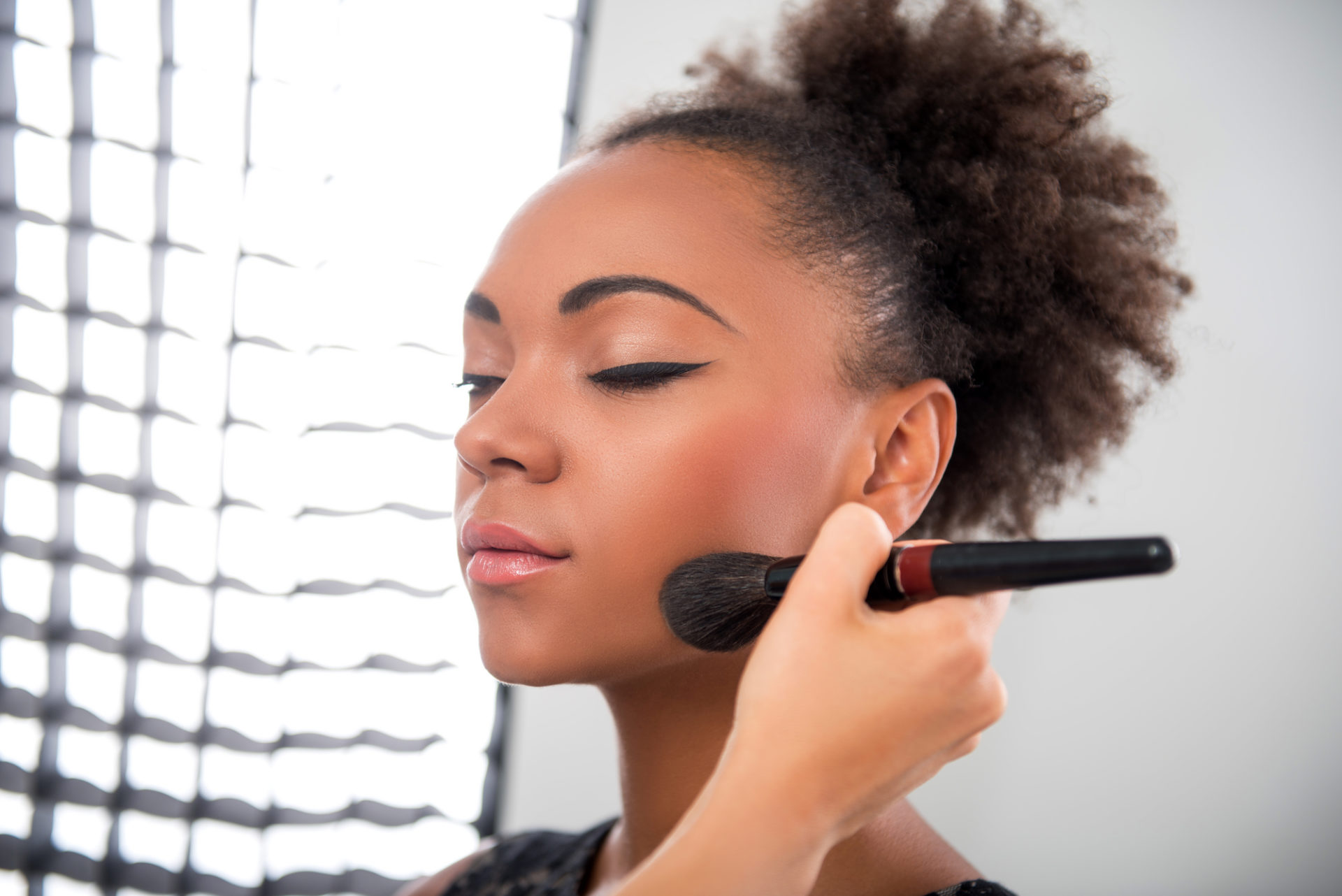
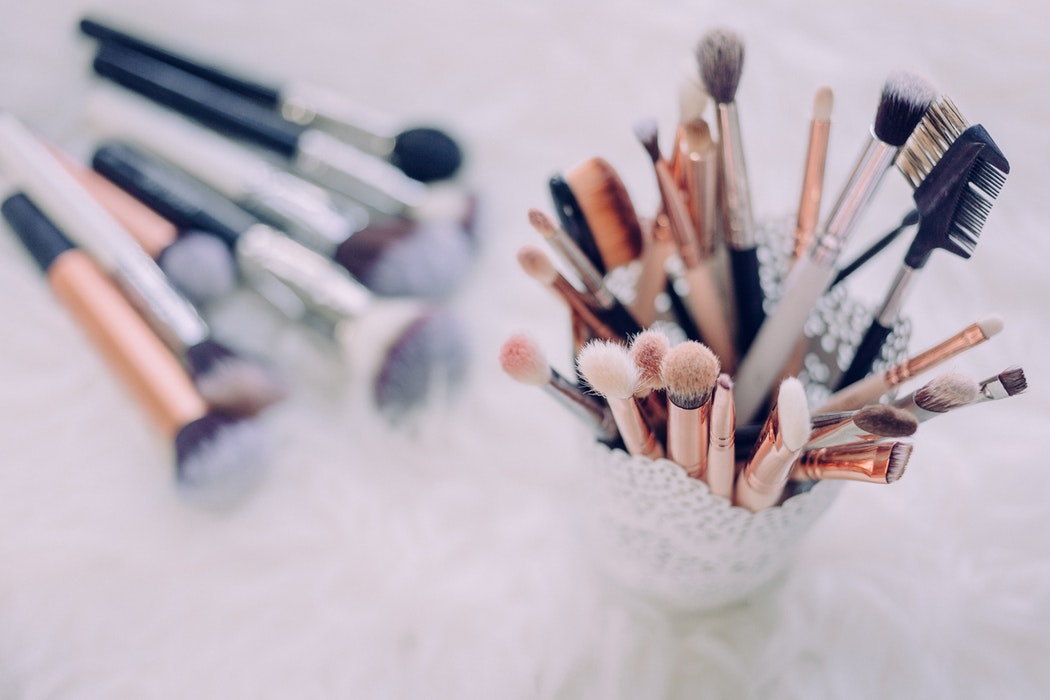
Each of the three tools above supports a different part of pricing. The calculator does the arithmetic in this guide, from target income to per-face price. Meanwhile, the quiz helps you choose a specialty, which shapes both your market and your rates. The library gathers the career guide, notebooks and workbooks, including material on contracts and deposits. Start with the calculator, because your day rate anchors every other decision. Then revisit it every season, and again whenever your costs, your calendar or your goals change. Finally, keep a copy of each year’s result, so you can see your business grow and spot the years that need attention. A single page per year is enough.
From the Artist Library
Pricing is one chapter of a working career. The guide covers pricing, contracts, agencies, kit economics and the first five clients in plain terms.
Questions worth asking
How much should I charge for makeup services?
Add your target income, yearly costs and a tax allowance, divide by your billable days for a day rate, then divide by the faces you can do in a day. Compare the result with your local market.
How much should I charge for bridal makeup?
Price the bride separately from the party, price the trial, and add early-start, travel and assistant fees. Bridal days are long, so bridal prices usually sit above standard appointments.
Should I charge for a makeup trial?
Yes. A trial takes as long as a wedding-day face plus consultation time. State in writing whether the fee is credited to the booking.
How much should I charge for makeup lessons?
Price lessons by the hour, because they take longer than one application, and include any face charts or product lists you provide.
What taxes do freelance makeup artists pay?
In the US, self-employed artists pay 15.3% self-employment tax, according to the IRS, plus income tax. Set aside a share of every payment and ask an accountant for the right amount.
How often should I raise my makeup prices?
Review prices once a year, before the busy season. Give existing clients notice and honor confirmed bookings at the old rate.
