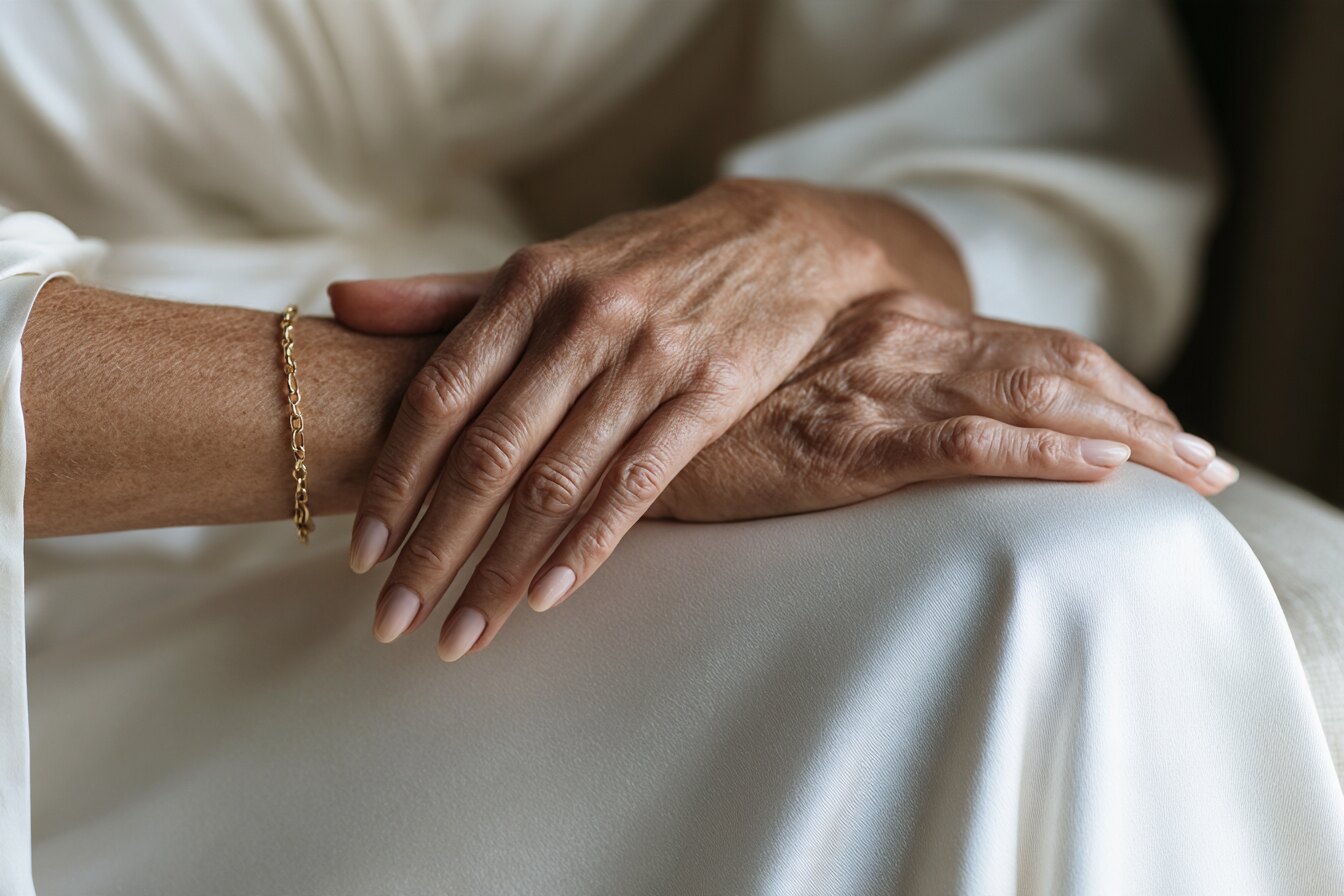
Skin holds less water as we age, and brittle nails are common: the American Academy of Dermatology says about 20 percent of people have them, and women over 60 are more likely to. What helps is protecting your hands from wet work and harsh chemicals, then rehydrating nails and cuticles every night. A dermatologist can check for other causes.
Nail care for mature hands starts with a calm truth: nails and skin change with age, and gentle habits matter more than any single product. This guide, part of our nail features at Cossèt Môi, explains why nails turn brittle or ridged and what dermatologists suggest. It also covers sun protection, polish, shape and salon visits, so your manicure looks refined and your nails stay comfortable and strong.
Why hands and nails change after 50
Hands tell a quiet story. They have held, written, cooked and cared for people for decades, and they show it. As we age, the skin on the hands holds less water, so it becomes drier and can feel rough. The American Academy of Dermatology describes this clearly in its guidance on younger-looking hands. Dryness is the starting point for most nail concerns.
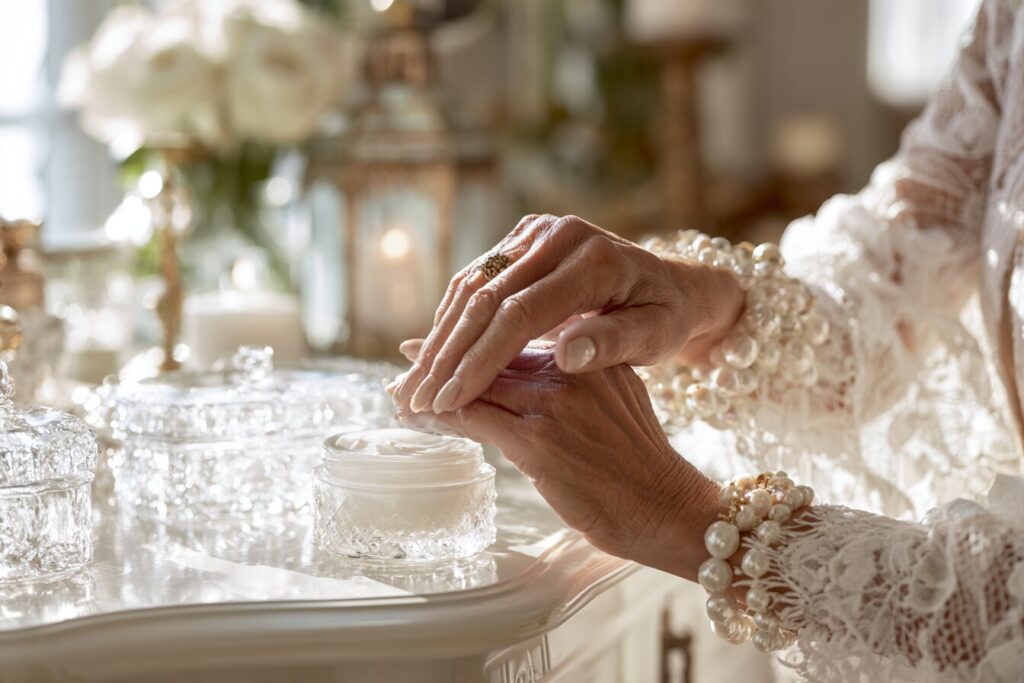
The skin also loses collagen and elastin, the substances that keep it firm and plump. Because of this, mature hands can look thinner, and veins can appear more visible. None of this is a flaw. It is simply a stage of life, and it responds well to attention. A steady routine of moisture and sun protection helps hands look rested and cared for.
Good nail care for mature hands begins with moisture, because nails share the skin’s needs. They are made to flex a little, and dry nails lose that flexibility. Then they peel, split or break more easily. Understanding the link between dry skin and fragile nails makes nail care for mature hands much easier, because one routine supports both.
Brittle nails and ridges: what they are
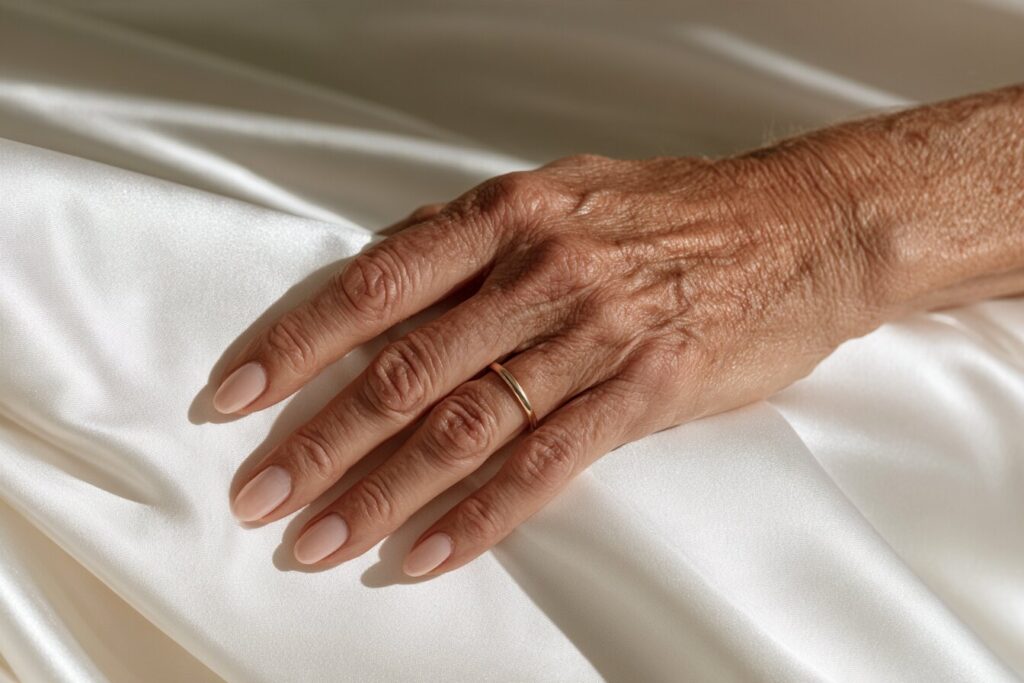
Brittle nails are more common than many women realize. The academy says that about 20 percent of people have brittle nails. It adds that you are more likely to have them if you are a woman over 60, although anyone can develop the condition. So if your nails peel or break, you are in good company.
The signs are easy to spot. According to the academy, you will likely see lines running lengthwise on the nails, which are called ridges. You may also notice that your nails peel or break easily. Many women worry that ridges mean something serious, but they are very often part of ordinary dry, brittle nails.
Causes matter, because treatment begins there. The academy explains that spending lots of time with wet hands, or using harsh chemicals without protective gloves, can cause brittle nails. That means washing up, cleaning, gardening and long baths all play a part. A dermatologist can help you work out what is behind your own brittle nails.
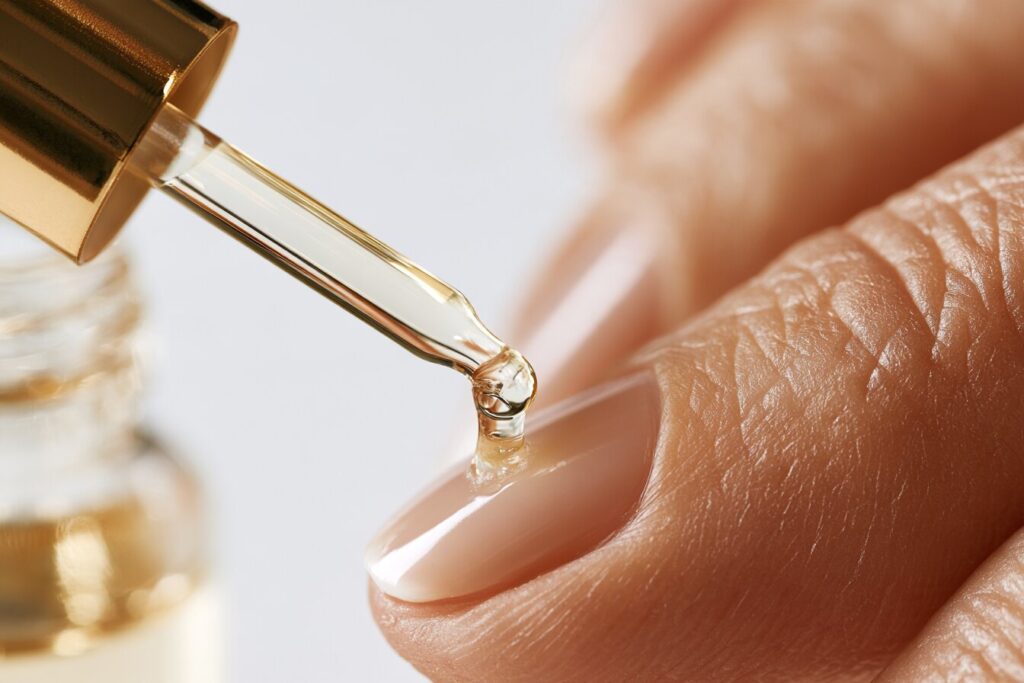
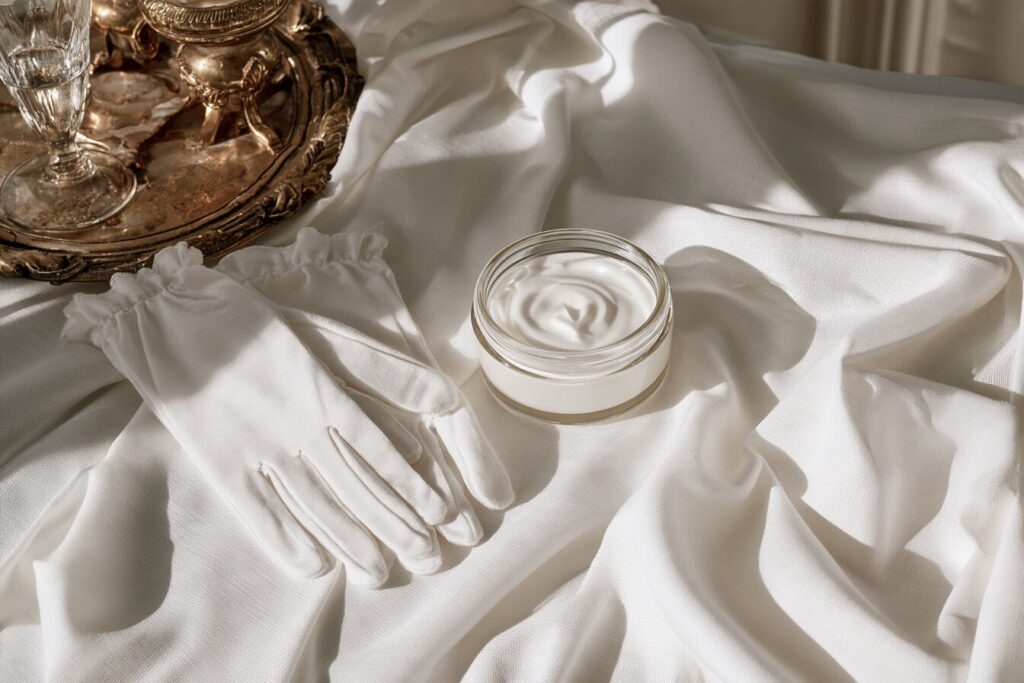
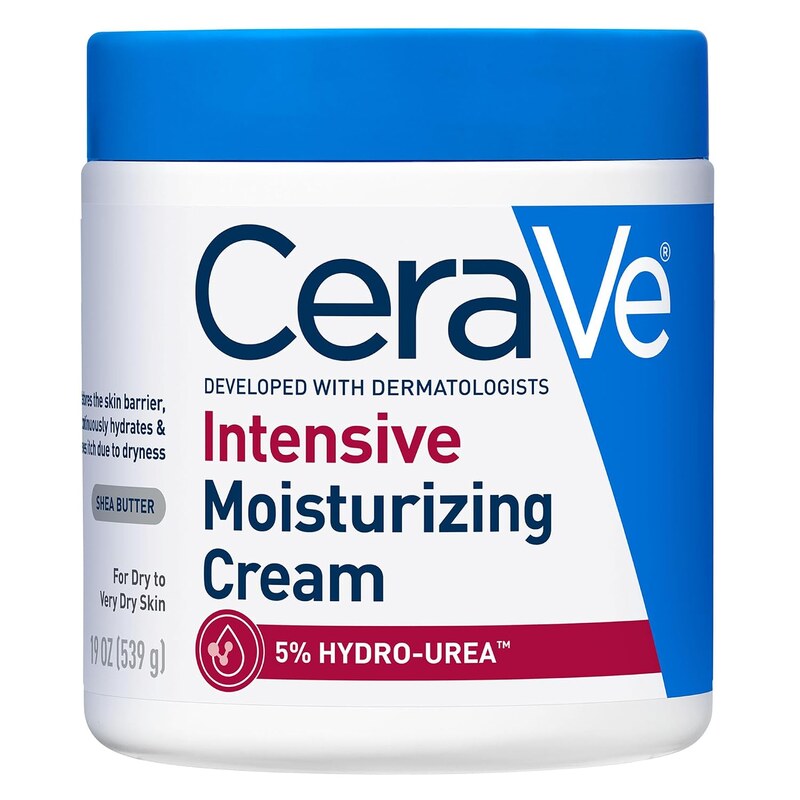
The academy then outlines a simple plan. First, stop doing whatever could be causing the problem. After that, rehydrate your nails, cuticles and the surrounding skin. Your dermatologist may recommend a moisturizer such as urea cream or mineral oil. Most people apply it before bedtime, and many wear a light cotton glove afterward to help absorb it.
A daily routine for mature hands
A good routine is short, and you can do it in a few minutes. In the morning, wash your hands gently and pat them dry. Then apply a hand cream while the skin is still slightly damp, since the academy notes that lotion after washing helps trap water in the skin. Repeat this after each wash during the day, as often as you remember.
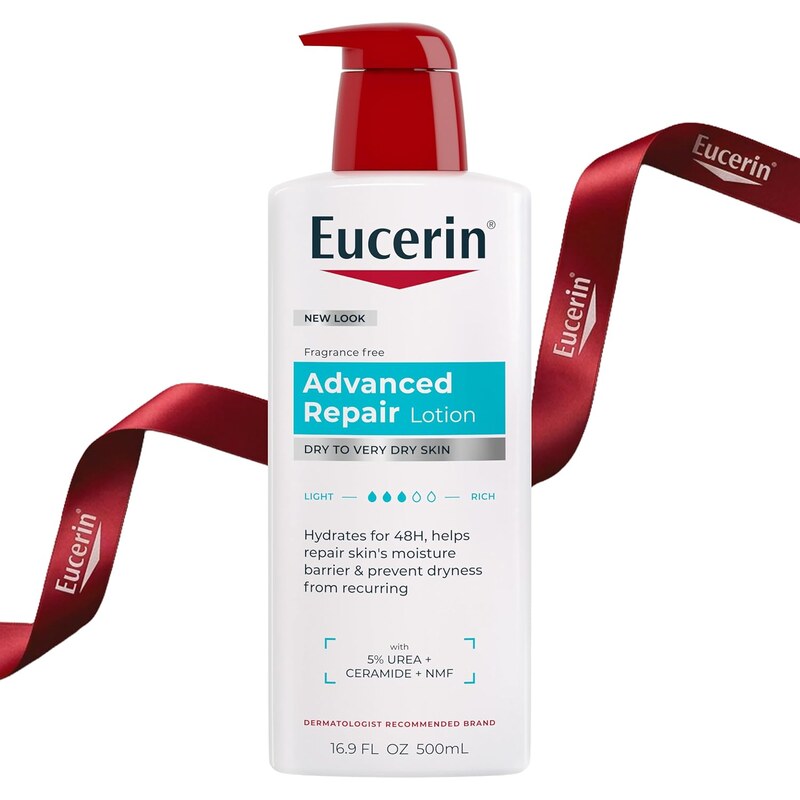
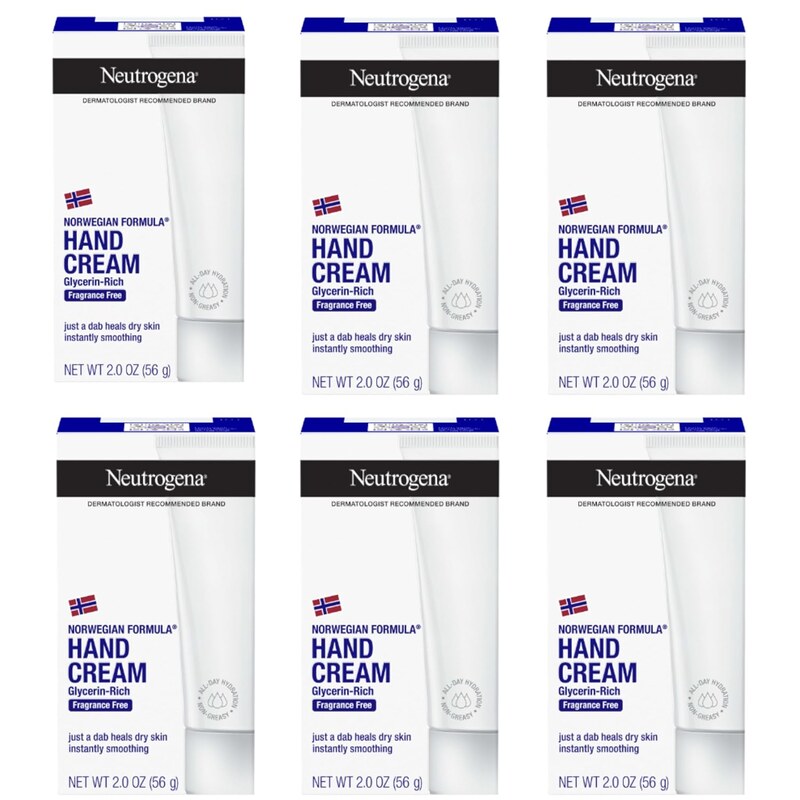
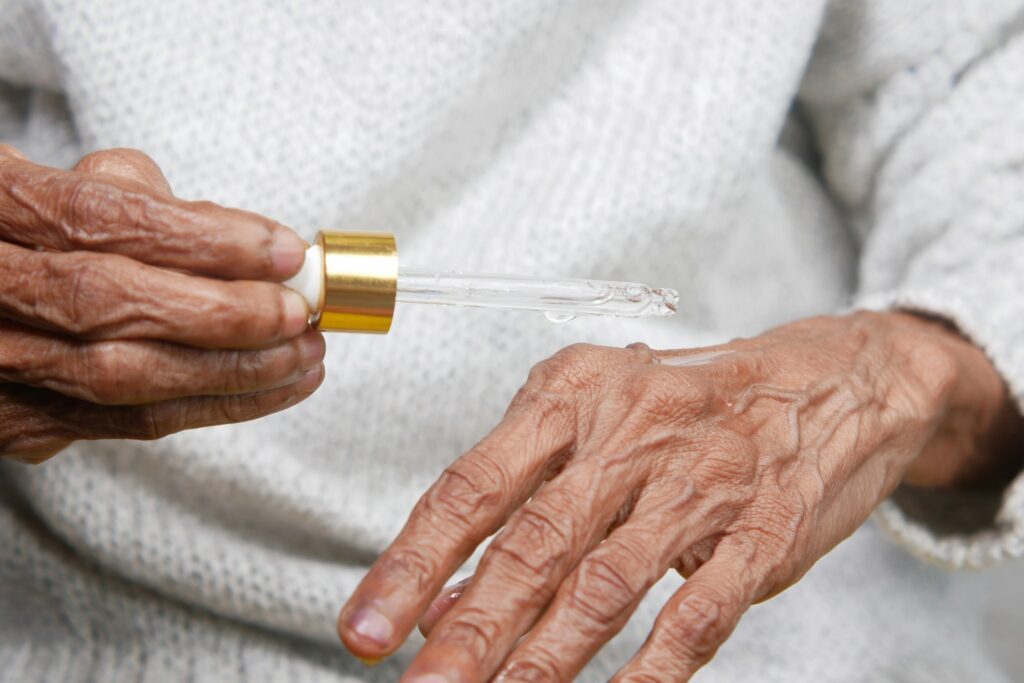
At night, add the step the academy recommends for brittle nails. Press a rich cream or a drop of oil into the nails and cuticles. Then slip on a pair of soft cotton gloves and let the moisture work while you sleep. Within a week or two, most women notice softer cuticles and a smoother nail surface. The picks below cover a urea lotion, a classic hand cream and cotton gloves.
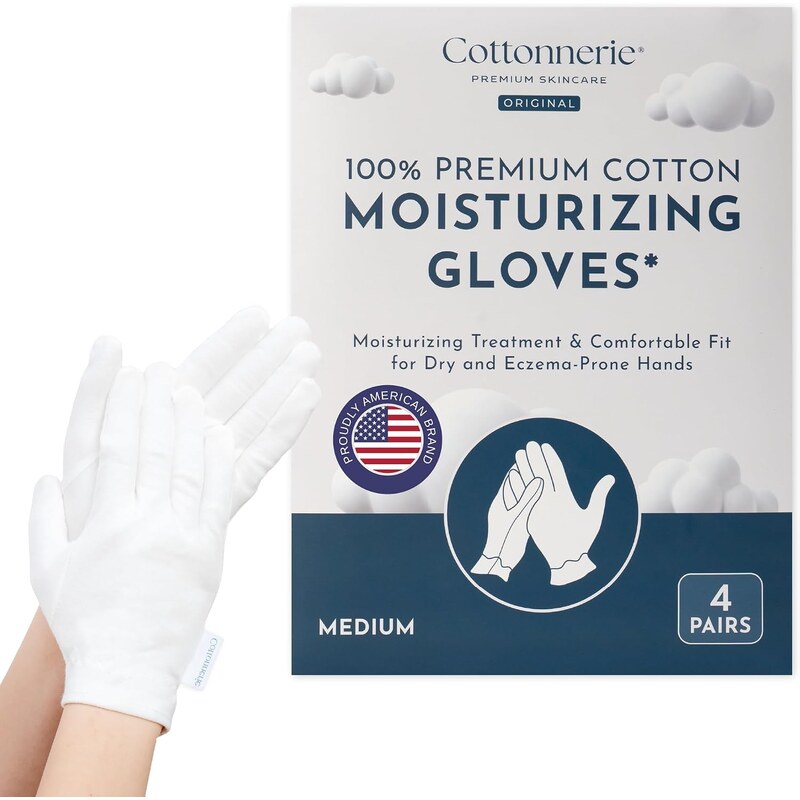
Soft gloves to wear over cream or oil while you sleep.
Water deserves attention too. The academy’s tips for healthy nails say that too much water exposure can weaken nails, causing them to split, peel or break. It recommends wearing gloves for cleaning and washing dishes, and moisturizing after you wash your hands. A pair of soft, lined gloves by the sink is a small purchase that pays back for years.
Filing matters as well. The same tips advise keeping nails free of snags by filing with an emery board, and they say not to bite your nails or remove the cuticle. They also advise against using your nails as tools, such as opening a can. Keep a fine emery board in your bag, so a snag never becomes a split.
A weekly ritual that keeps nails soft
A weekly ritual turns nail care for mature hands into something you look forward to. Choose one calm evening, such as Sunday. Wash your hands with a mild soap, then dry them well. Remove old polish gently, and file any snags with an emery board, always in the same direction. Slow, deliberate steps protect a nail that has become more delicate.

Next, give the skin and cuticles a generous treatment. Massage a rich cream into each hand, working from the wrist toward the fingertips. Press a drop of oil into every cuticle, and rub it gently across the nail surface. This takes only a few minutes, yet it addresses the dryness behind most brittle nails. Many women find the massage itself relaxing.
Finish with a pair of light cotton gloves, as the academy suggests for brittle nails. Read or listen to music for twenty minutes, then leave the gloves on overnight if you wish. In the morning, your hands feel softer and your nails look calmer. Repeat the ritual weekly, and keep the short daily routine in between. Together, they make a steady rhythm that nails respond to.
Sun protection for the hands
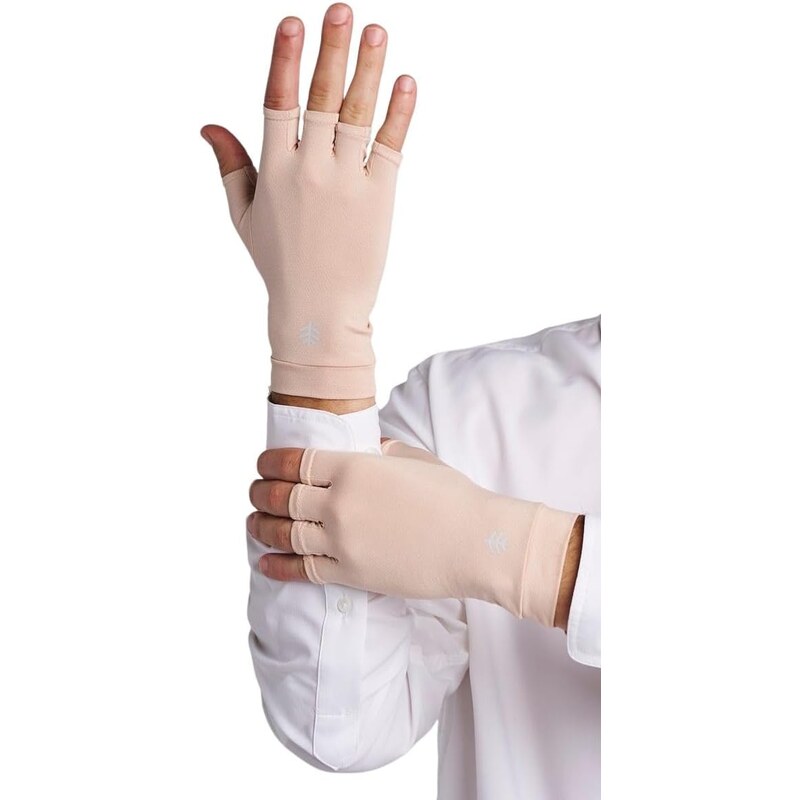
The backs of the hands see more sun than almost any other part of the body. Yet many routines stop at the face. The academy says that applying sunscreen to your hands every day can prevent wrinkly skin. It also notes that many dermatologists recommend a thin, sun-protective glove while driving, since windows let light in.
Choose a broad-spectrum sunscreen you enjoy wearing, because you will use it more often. Keep a small tube in your bag, your car and by the sink. Reapply after washing your hands, as soap removes it. A lightweight cream feels nicer on the hands than a thick one, and it leaves your manicure free of residue.
Gardening and cleaning call for extra care. The academy advises wearing gloves for both, noting that hot water, detergents and yard work can dry the skin, which can age the hands. A cotton-lined glove works well in the garden, and a close-fitting glove suits washing up. The picks below pair UV gloves for the car with two daily sunscreens.
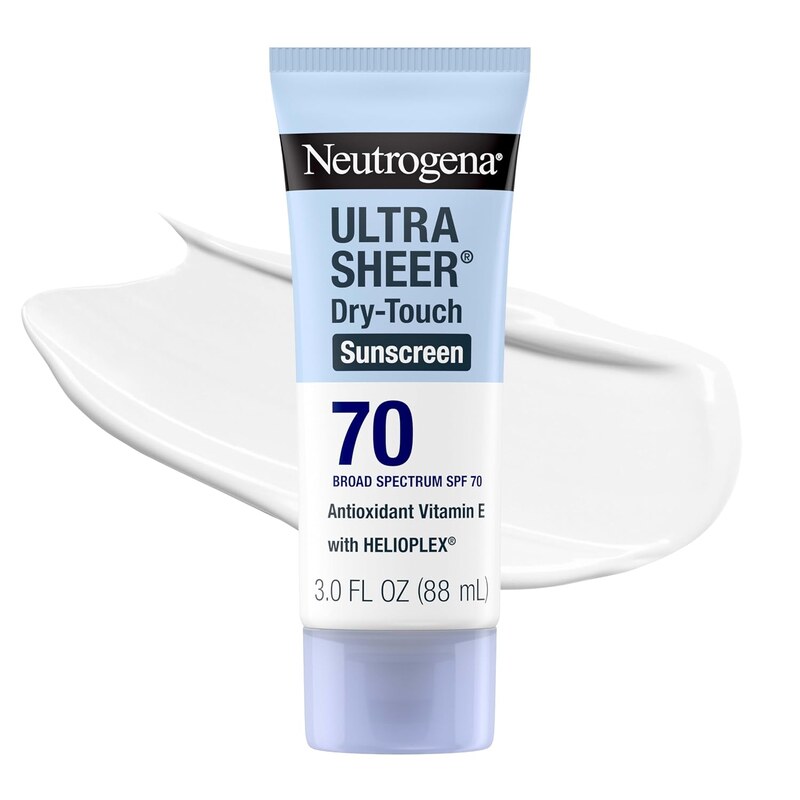
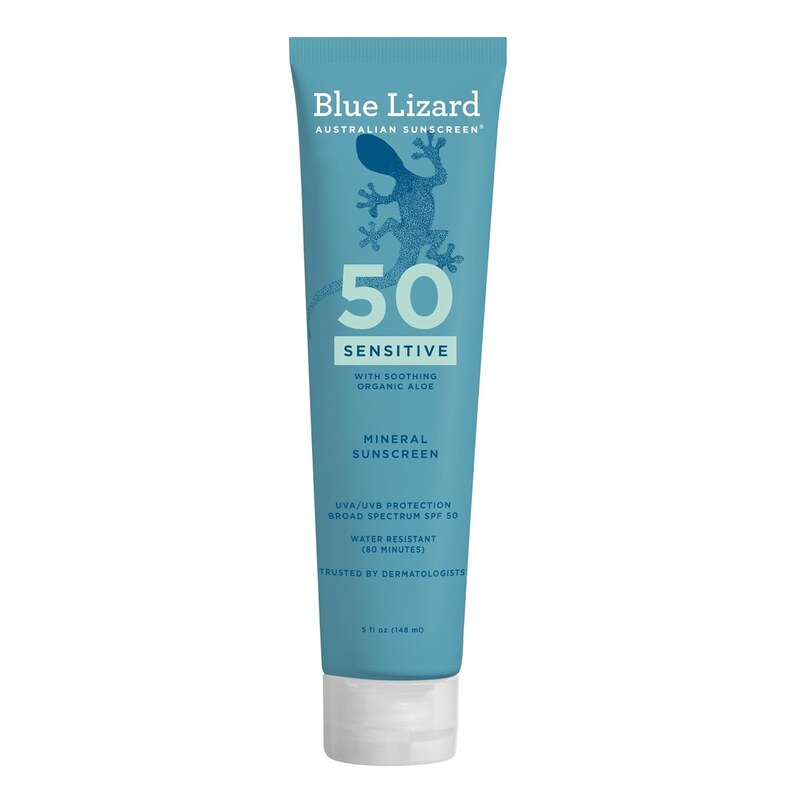
Consistency makes the difference here. A routine you can keep, even in short form, protects your hands far better than a flawless routine you abandon. Place the products where you will see them, and the habit builds naturally. Over a season, you will notice that your hands look calmer, and your manicures sit on healthier skin.
Caring for your hands through the seasons
Winter is the hardest season for hands. Cold air and indoor heating pull moisture from the skin, so dryness shows quickly. Keep a cream beside every sink, and apply it after each wash. Wear gloves outdoors, and choose soft ones that do not rub. Because the academy notes that hot water and detergents dry the skin, keep dishwashing water comfortably warm instead of hot.
Summer brings sun, swimming and travel. Sunscreen on the hands becomes the priority, and the academy’s advice to apply it every day matters most now. Chlorine and salt water also dry the nails, so rinse your hands after a swim and moisturize while the skin is still damp. A pair of light UV gloves helps on long drives, and a hat protects the rest of you.
Spring and autumn are good times to reset. Take a nail polish holiday, refresh your routine, and replace any worn tools. Check your products too, since old creams and polishes lose their quality. A seasonal review keeps nail care for mature hands simple, and it helps you notice small changes early, before they become problems.
What a dermatologist can offer for hands
Home care does a great deal, but some changes respond better to professional treatment. The American Academy of Dermatology describes several in its guidance on hand rejuvenation. Knowing the options helps you ask informed questions, and none of them is necessary. They are simply choices, and your dermatologist can tell you which suit your skin.
For skin that looks wrinkly, like crepe paper, the academy says a dermatologist may recommend a lotion containing retinol or glycolic acid applied before bedtime. A light chemical peel every one to three months is another option, and laser treatment can also diminish age spots. For rough skin, the academy mentions a mild chemical peel, followed by daily moisturizer to maintain the results.
Other concerns have other answers. Visible veins can be treated with laser or sclerotherapy, according to the academy. Loose skin, which comes from the loss of collagen and elastin, may be tightened with radiofrequency, a filler or a laser. Results last longer when you protect your hands from the sun, wear gloves for cleaning and gardening, and moisturize daily. Home care and professional care work best together.
The Cossèt Môi Letter: new beauty features and rituals, sent with care.
Unsubscribe anytime.
Which nail concern needs which care?
Concerns overlap, so it helps to see them side by side. The table below follows the academy’s guidance on brittle nails, gel manicures and healthy nail habits. Read down the first column to find what you notice, then follow across to the care that answers it.
What should you do about each nail concern after 50?
| What you notice | The likely cause | What helps |
|---|---|---|
| Lengthwise ridges | Brittle nails, which affect about 20 percent of people | Rehydrate nails and cuticles at night with urea cream or mineral oil |
| Peeling at the tips | Too much water exposure or harsh chemicals | Wear gloves for cleaning and moisturize after washing your hands |
| Snagging and splitting | Rough edges or using nails as tools | File with an emery board and keep a blunt tool nearby |
| Dry, rough hand skin | Skin that holds less water with age | Moisturize daily and after every wash |
| Nails weakened by polish | Gel and acetone removal | Take a nail polish holiday of one to two weeks or longer |
| Anything unusual or lasting | A cause only a doctor can identify | See a board-certified dermatologist |
Use the table as a starting point, and treat it with common sense. If a concern lasts more than a few weeks, or if it comes with pain, redness or swelling, speak to a professional. Nails can reflect health in ways that a good routine alone cannot address.

Choosing polish, shape and length
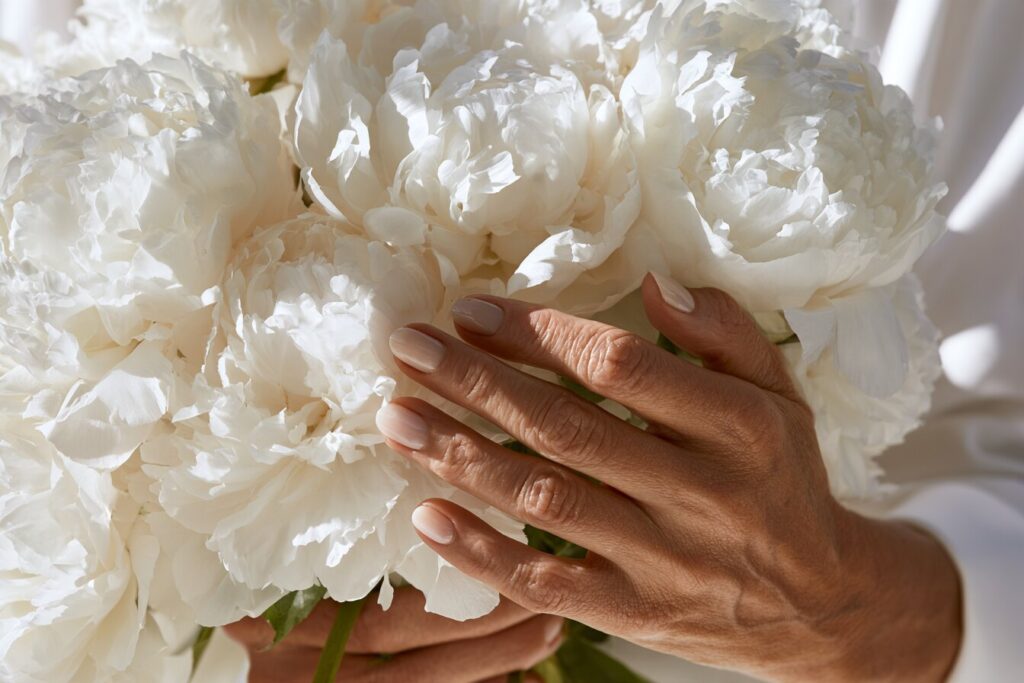
Polish is where nail care for mature hands becomes a pleasure, and it should feel easy. A few simple choices keep a manicure looking elegant and wearable. Sheer pinks, milky roses and soft nudes flatter every skin tone, and they hide regrowth, so a manicure looks fresh for longer. Deep, dark shades show every gap at the cuticle, so they ask for more upkeep.
Shape matters as much as color. Short oval or softly rounded nails are comfortable and elegant, and they catch less on clothing. Long, pointed nails put stress on the free edge, which can split on thin nails. If your nails peel, keep them short while they recover, then grow them slowly once the surface feels strong again.

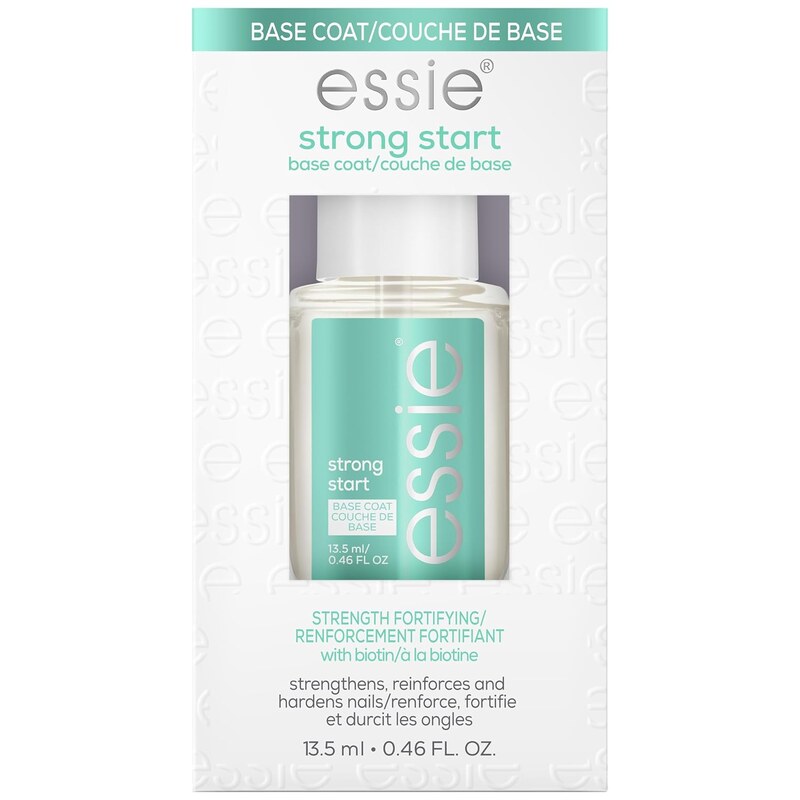
Ridges can be softened with a smoothing base coat. The academy notes that some people need more help than moisturizer alone, such as a special nail enamel. A ridge-filling or strengthening base coat evens the surface under color, so polish glides on and looks smooth. Choose a gentle formula, and apply it in thin layers.

At the salon
A good manicurist can be a real ally. The academy suggests being proactive. Ask whether tools are sterilized, and look to see that the technician cleans and disinfects them after every client. A thoughtful salon will welcome those questions. If the answers are vague, choose another salon.
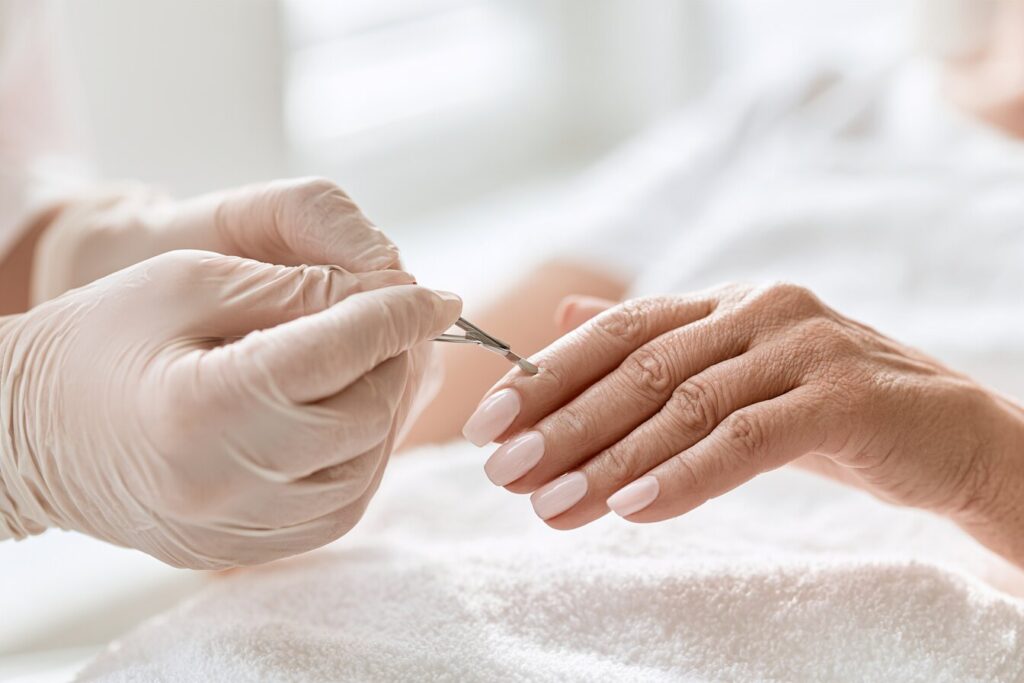
The academy also says never to let your manicurist push or cut your cuticle, because it could lead to inflammation and infection. Ask for gentle shaping and a light hand. If you wear gel, remember the academy’s advice: treat it as an occasion and not a habit. Its guidance suggests gel for special occasions only, with a polish holiday afterward. You can read more in our guide on whether gel manicures are bad for your nails.
For everyday color, traditional polish is gentler. It needs no lamp, and it removes without soaking. Many mature clients prefer it for that reason, along with the quick, calm change of shade. A regular manicure every two to three weeks, with oil in between, keeps nails neat and the cuticles soft.
Tools worth keeping within reach
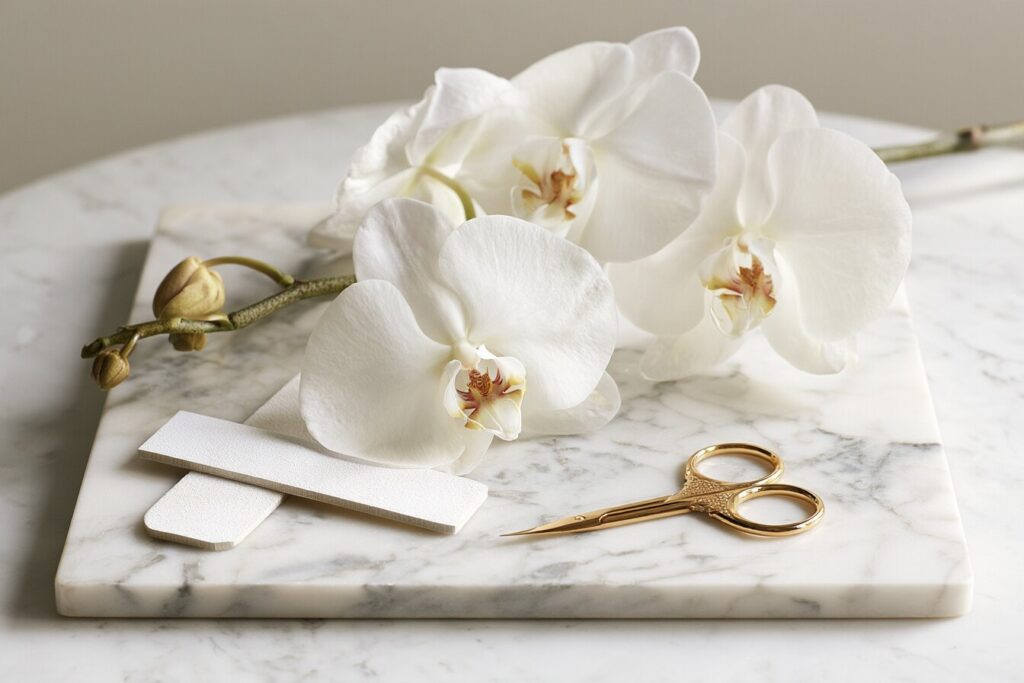
A small, well-chosen kit makes nail care for mature hands effortless. Start with a fine emery board, since the academy recommends filing with one to keep nails free of snags. Add a soft buffer, a pair of nail scissors and a blunt cuticle stick for tidying polish. Keep them together in a small tray, so you reach for the right tool instead of using your nails.
Oil and cream belong in the kit as well. A cuticle oil in a pen or dropper bottle slips into a handbag, and a small tube of hand cream fits a coat pocket. Place a second tube by the bed and a third by the kitchen sink. When products are close at hand, you use them, and the routine becomes automatic.


Finally, keep a pair of gloves for wet work. Soft, lined gloves protect the nails from water and detergent, which the academy links to brittle nails. Replace them when they wear thin. Clean your tools with soap and warm water regularly, and store them dry. Good tools last for years, and they treat your nails with care.
Removing and applying polish gently
Polish removal deserves as much attention as application. Soak a cotton pad in remover, press it on each nail for a few seconds, then wipe gently. Avoid scraping, which thins the surface. If your nails are dry, choose a remover that states it is moisturizing, and wash your hands afterward. Then apply oil, so the nail does not feel tight.
For application, patience and thin layers give the best result. Begin with a base coat, then two thin coats of color, and finish with a top coat. Cap the free edge each time, which helps the polish last. Let each layer set before the next, because thick coats stay soft and smudge. A sheer shade forgives small mistakes, so it suits a quick home manicure.
Take a break from polish regularly. The academy’s advice for gel manicures, a nail polish holiday of one to two weeks or longer, suits any polish wearer with delicate nails. During that time, keep nails short, moisturize often and enjoy their natural shine. Then return to color when the surface feels smooth and firm again.
Strengthening without harm
Strengtheners tempt many of us, because nails that bend easily feel frustrating. The US Food and Drug Administration explains that some nail hardeners contain formaldehyde, and that frequent use of them may make nails brittle. So read the label, and choose a gentle base coat for occasional use. Rest and moisture remain the strongest tools you have.
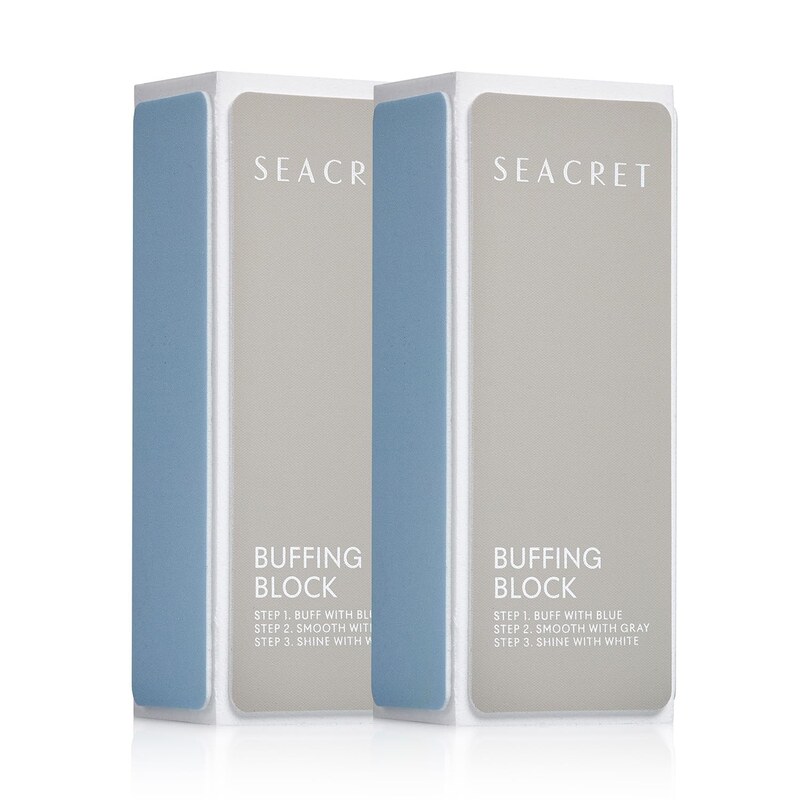
A light buffer can add shine without any polish. Use it sparingly, since over-buffing thins the nail. Once a week is plenty, and a fine grit is kinder than a coarse one. Follow with a drop of oil, and your bare nails will look soft, healthy and quietly polished. The picks below cover a base coat, a buffer and a rich cream.
Diet and supplements often come up in this conversation. The honest answer is that evidence varies, and the best step is to ask your doctor before starting anything new. A professional can check for the causes behind persistent brittleness and advise on what is safe for you. Until then, protection, rest and moisture are free and reliable.
When to see a dermatologist
Most brittle nails respond well to care at home. Still, some changes deserve a professional look. The academy advises seeing a board-certified dermatologist if you notice unusual changes to your nails or have a persistent nail problem. Do not wait if you see pain, redness or swelling around the nail.
A dermatologist can work out what is causing brittle nails, as the academy notes, and can recommend a moisturizer or a special nail enamel when needed. Bring a list of the products you use and any new medicines. Photographs taken over a few weeks can also help, because they show how a nail changes over time.
Recommended
Do not feel embarrassed about asking. Nails and hands are part of your health, and women over 60 are more likely to see changes. A short visit can bring clear answers and a plan. After that, you can return to your routine with confidence and keep enjoying your manicures.
Write down your questions beforehand, so nothing is forgotten in the appointment. Ask what you can safely use at home, how long to try a new routine, and when to return. Keep notes on what helps, because patterns appear over weeks. A calm, informed approach turns a worry about your nails into a clear plan you can follow.
A closing note on nail care for mature hands
Hands that have lived well deserve gentle, steady care. The routine is short: protect from water and sun, moisturize every day, rest from polish, and ask for help when something changes. None of it is complicated, and all of it works together.

Choose a few habits and keep them. Over a month, your cuticles will soften, your nails will feel firmer, and your manicures will sit more smoothly. That quiet improvement is the real luxury. Save this page, return to the table when something changes, and let your hands show how well they are looked after.



Three ways to continue
A few simple questions in the Ring Style Quiz read your taste in fine jewelry. Guided rituals for hair and skin fill the Makeover Bible, so a good manicure sits inside a wider routine. Meanwhile, the 21-Day Reset turns attention inward, to skin and gut together, and you can join its waitlist below without any commitment. Whichever you choose, the idea stays the same as in this guide. Small, informed choices add up to a routine that feels entirely yours, and healthy hands are part of that picture.
Your hands, after all, are always on show. They deserve the same care as everything else you wear each day, and a few quiet habits go a long way. Begin tonight with a little cream and a drop of oil, and your nails will thank you.
A daily ritual for skin and gut, working from within. Join the waitlist to hear first when the next Reset opens.
Join the waitlistQuestions worth asking
Why are my nails brittle and ridged after 50?
Skin holds less water with age, and brittle nails are common. The American Academy of Dermatology says about 20 percent of people have them and that women over 60 are more likely to. Lengthwise lines are called ridges, and wet hands or harsh chemicals can contribute.
What helps brittle nails most?
Stop whatever could be causing them, then rehydrate the nails, cuticles and surrounding skin. The academy mentions urea cream or mineral oil at bedtime, often with a light cotton glove. Wear gloves for cleaning and washing dishes, and moisturize after washing your hands.
Should I wear gel polish if my nails are brittle?
It is gentler to choose traditional polish. The academy advises gel manicures for special occasions only, and a polish holiday of one to two weeks or longer between sets. See a dermatologist if your nails change unusually.
Do I need sunscreen on my hands?
Yes. The academy says applying sunscreen to your hands every day can prevent wrinkly skin, and many dermatologists recommend a thin, sun-protective glove while driving. Choose a broad-spectrum formula and reapply after washing.
Are nail strengtheners safe?
Choose them carefully. The FDA notes that some nail hardeners contain formaldehyde and that frequent use may make nails brittle. Read the label, use a gentle formula occasionally, and rely on moisture and rest.
When should I see a dermatologist about my nails?
See a board-certified dermatologist if you notice unusual changes or a persistent nail problem. Pain, redness or swelling around the nail also deserves a professional opinion.