Leave them alone. The American Academy of Dermatology says never to cut or forcefully push back your cuticles, because that can lead to inflammation and infection. If you must push them back, do it gently after a shower or bath. Moisturize your nails and cuticles every day, and wear gloves for wet work.
Cuticle care sounds like a small detail, yet it shapes how strong your nails look and feel. This guide, part of our nail features at Cossèt Môi, explains what cuticles do and what dermatologists advise. It also covers moisture, gloves, filing, strengtheners, polish breaks, diet and daily habits. Follow it, and your nails grow smoother, firmer and more comfortable, without any harsh tools.
What cuticles do and why they matter
The cuticle is the thin band of skin at the base of your nail. It looks like a small detail, but it does an important job. It seals the space between the nail and the skin, so germs and moisture stay out. Because of that seal, healthy cuticle care protects both the nail and the finger around it.
Many people see cuticles as something to remove, since a neat nail base looks polished. Salons often cut or push them back as part of a manicure. Dermatologists see it differently. The American Academy of Dermatology says never to let your manicurist push or cut your cuticle, because it could lead to inflammation and infection. That advice is the foundation of good cuticle care.
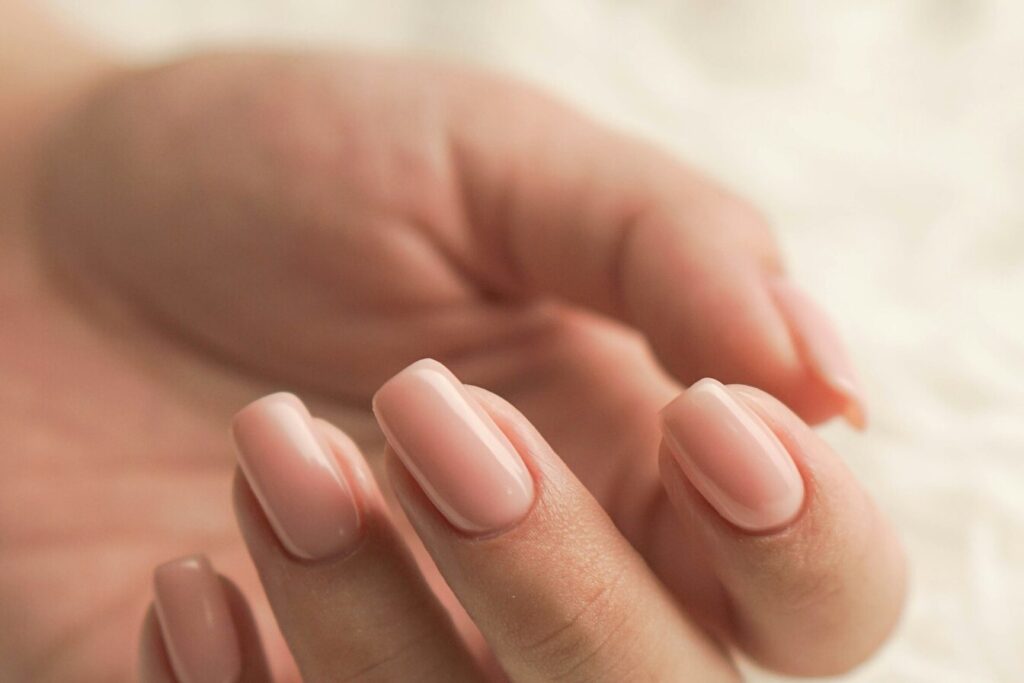
Healthy cuticles also look better. When the skin is soft and moisturized, it sits neatly against the nail without any trimming. When it is dry, it lifts, splits and catches. So the goal of cuticle care is not to remove anything. It is to keep the skin supple, so it protects the nail and looks tidy on its own.
What not to do with your cuticles
The first rule is the simplest: do not cut your cuticles. The academy’s guidance on manicure and pedicure safety says never to cut or forcefully push back cuticles, to prevent infection. This applies at home and in the salon. Even a tiny nick can let germs in, and the area around a nail heals slowly.
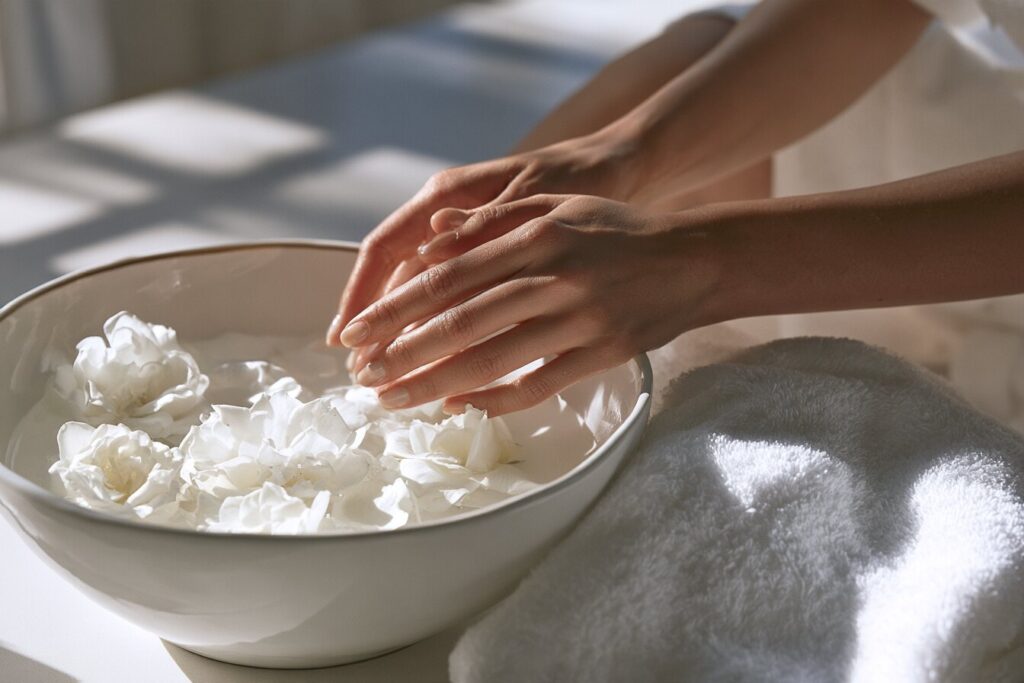
If you must push your cuticles back, the academy says to do so only gently, after a shower or bath. Warm water softens the skin, so a soft stick moves it without tearing. Use light pressure and slow strokes, and work only on the skin, never under the nail. Take your time, and stop when the skin begins to feel tender. Stop at once if the skin feels sore, and never dig under the nail.
Other habits cause harm too. The academy’s tips for healthy nails say not to bite your nails or remove the cuticle, since doing so can damage the nail. Picking at a hangnail often tears healthy skin along with it. If a hangnail forms, trim only the loose edge with clean, sharp scissors, then apply oil. Leave the rest to heal.
A gentle cuticle care routine
A good routine takes only a few minutes a day. Start with moisture, since dryness is behind most cuticle problems. The academy advises applying a cream to moisturize your nails, especially after removing polish, because most removers contain chemicals that dry the nails. Make a habit of it after every wash.

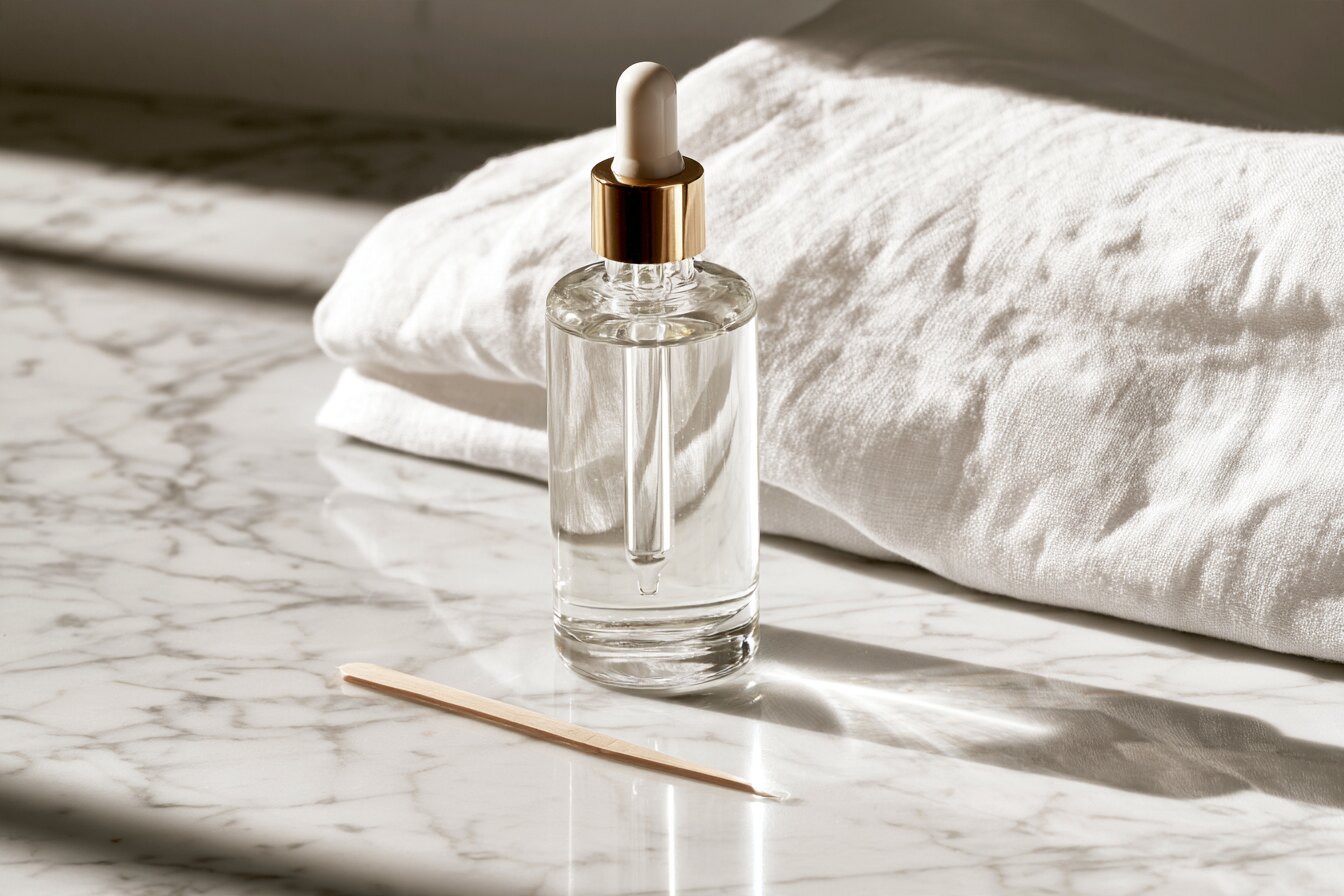
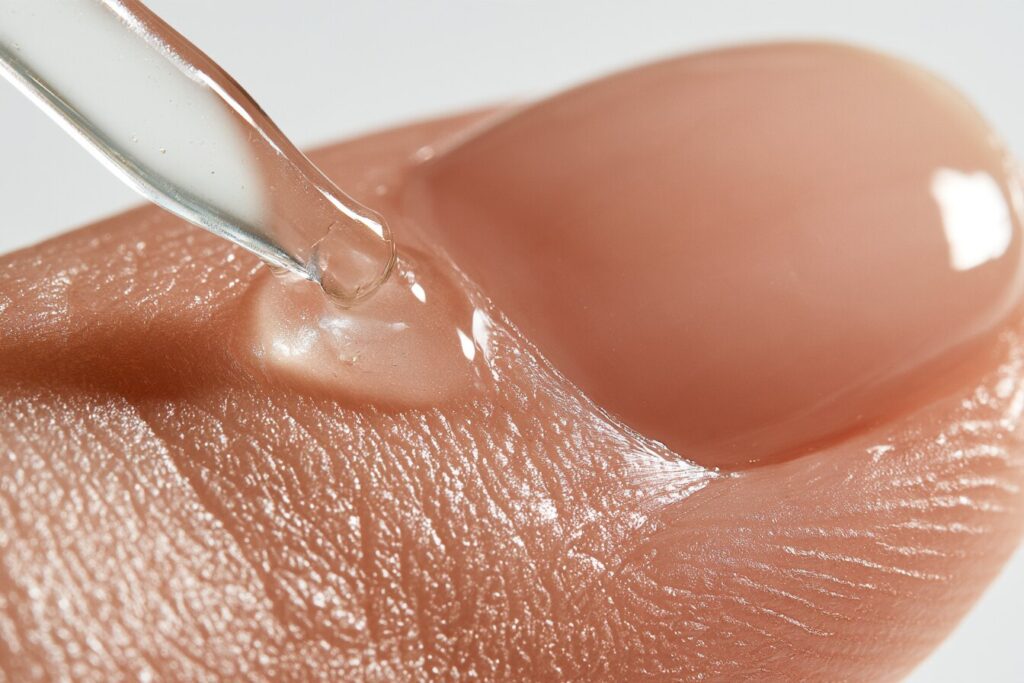
At night, add oil. Place a drop on each cuticle, and massage it in with your thumb. Work in small circles for a few seconds per nail, which also boosts comfort. Follow with a rich cream, and wear soft cotton gloves if your hands feel very dry. The academy suggests this approach for brittle nails, and many women notice softer cuticles within a week or two.
Petroleum jelly deserves a mention. In its guidance on gel manicures, the academy suggests applying a moisturizing product such as petroleum jelly to nails and cuticles several times a day. This minimizes brittleness and helps prevent chipping. It is plain, inexpensive and effective. The picks below gather a cuticle tool, an oil and a rich cream for your routine.
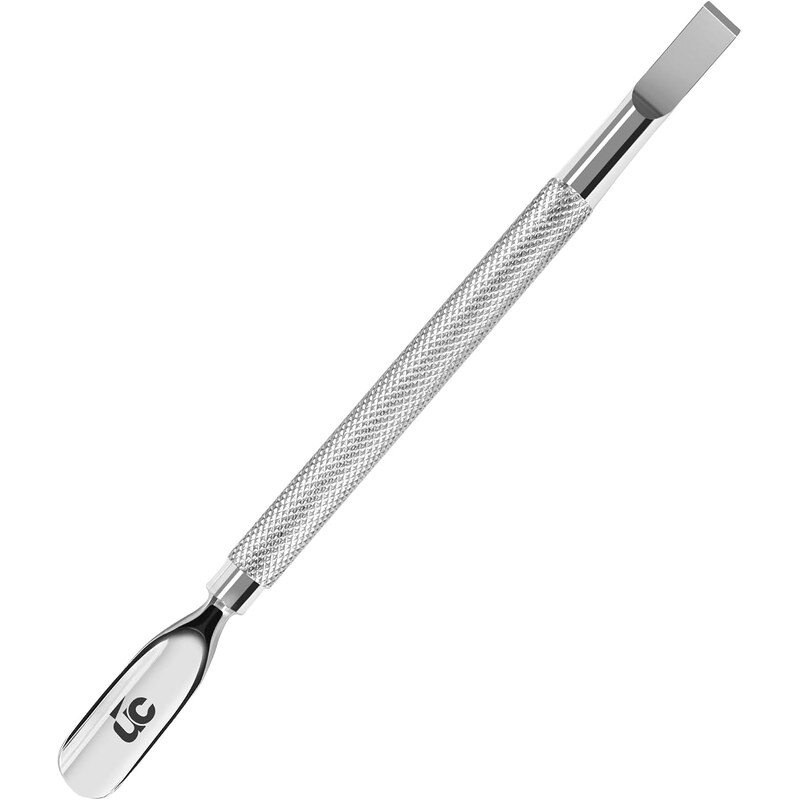
A smooth stainless tool for gentle shaping after a shower.
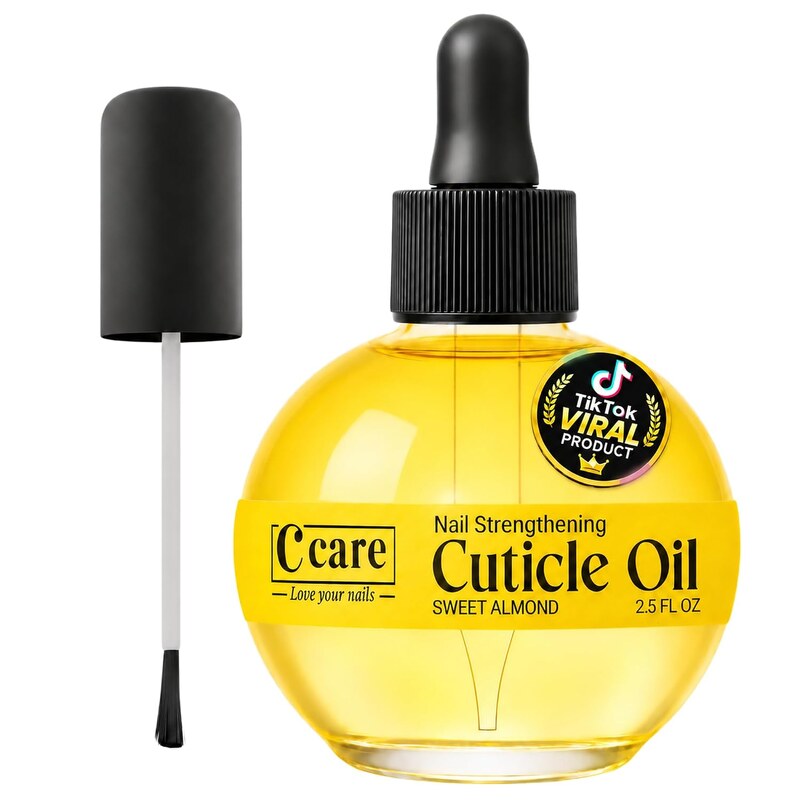
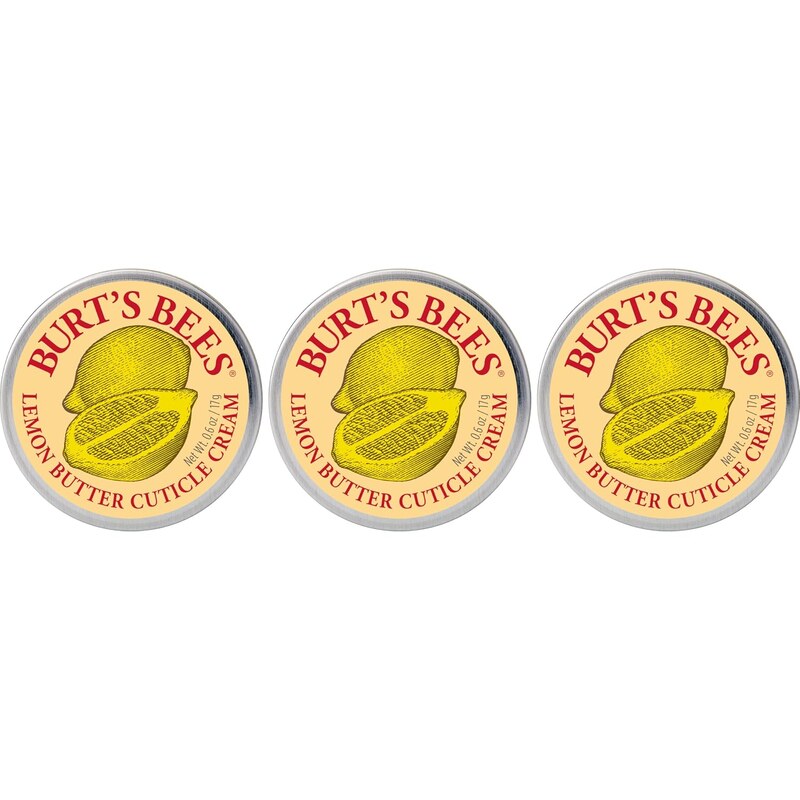
Which cuticle habit helps which problem?
Different problems need different answers. The table below follows the academy’s advice on cuticles, nails and polish. Read down the first column to find what you notice, then follow across to what helps. Keep it simple, since gentle steps work better than many products.
What should you do about each cuticle and nail problem?
| What you notice | The likely cause | What helps |
|---|---|---|
| Dry, rough cuticles | Water, soap and dry air | Moisturize after every wash and add oil at night |
| Hangnails and splits | Dryness, picking or biting | Trim only the loose edge and keep moisturizing |
| Peeling nails | Too much water exposure | Wear gloves for cleaning and washing dishes |
| Dry nails after polish | Remover chemicals | Apply cream after removing polish |
| Snags on edges | Rough or uneven edges | File gently with an emery board |
| Nails that feel stiff and break | Strengthening polishes | Pause the strengthener and rest the nails |
| Redness, swelling or pain | A problem needing a doctor | See a board-certified dermatologist |
Use the table as a starting point and trust your judgment. If a problem persists for more than a few weeks, or if it hurts, speak to a professional. A small infection near the nail needs prompt care, and a doctor can tell you what is going on.
Hydration and water exposure
Water is a quiet cause of weak nails. Long baths, dishwashing and swimming soften the nail, and it then bends and peels more easily. The academy’s tips say that too much water exposure can weaken nails, causing them to split, peel or break. To prevent this, it recommends wearing gloves for cleaning or washing dishes, and moisturizing after hand washing.
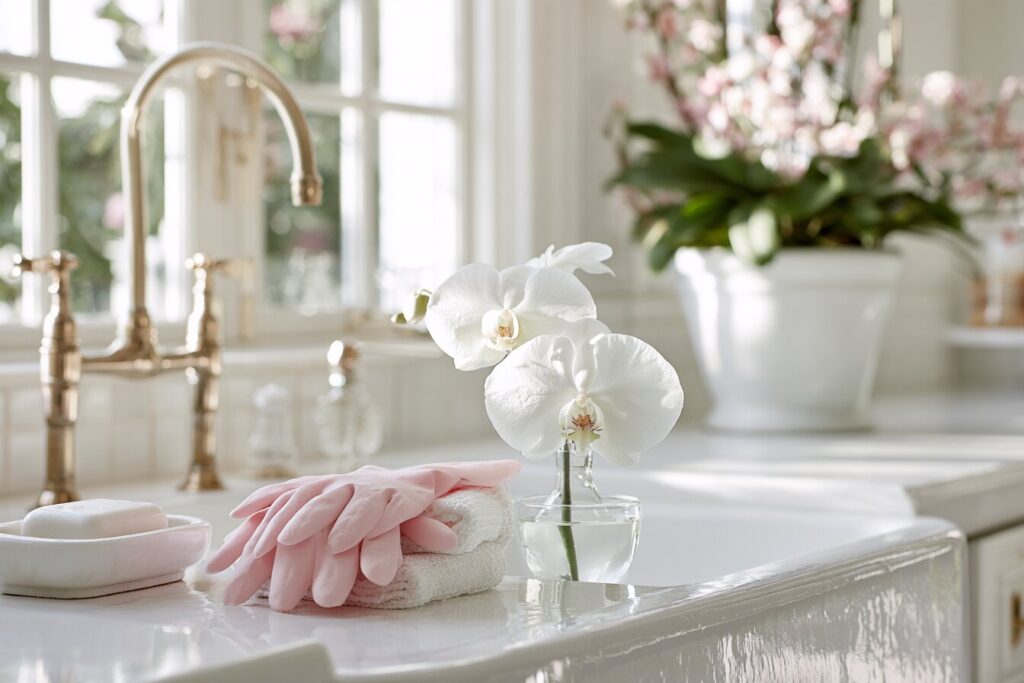
Pick gloves that fit well and have a soft lining. Rubber alone can make hands sweat, so cotton-lined styles are more comfortable. Rinse them after use and hang them to dry. Keep a pair by the kitchen sink and another by the bathroom, so protection is always within reach. Hang them to dry after use, and replace them when the lining wears thin. A small, steady habit here saves your nails a great deal of wear. If the gloves are close, you will use them, and your nails will notice.
The academy’s guidance on brittle nails adds that spending lots of time with wet hands, or using harsh chemicals without protective gloves, can cause brittleness. If you already have brittle nails, it recommends rehydrating the nails, cuticles and surrounding skin with a moisturizer such as urea cream or mineral oil, usually before bedtime. A light cotton glove over the top helps the skin absorb it.

Gentle filing, trimming and shaping
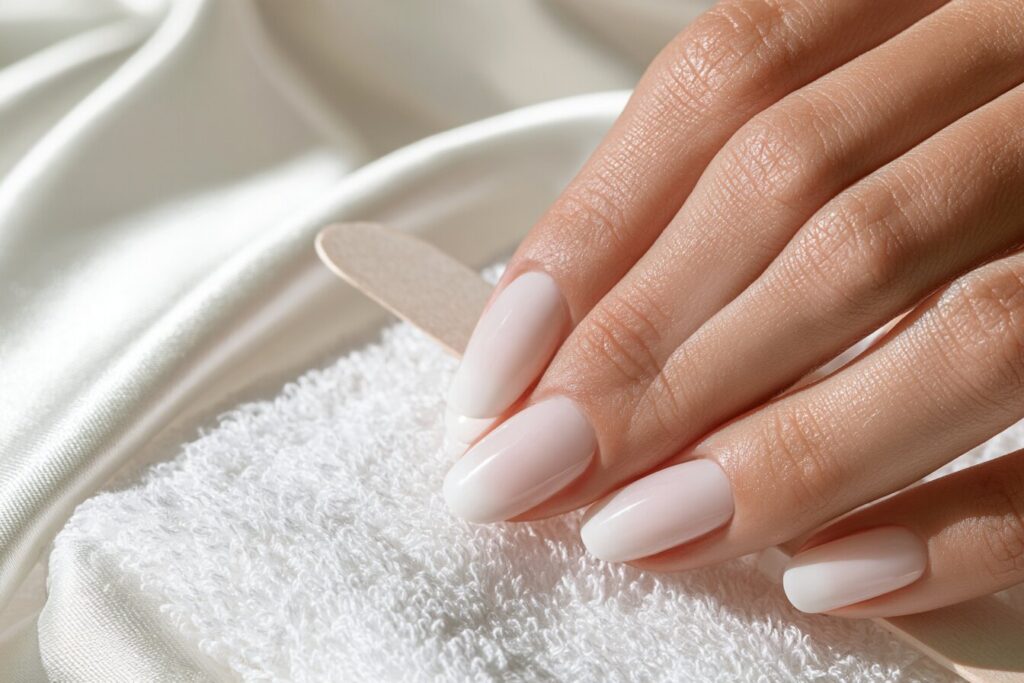
Nails need gentle handling, and filing is part of it. The academy’s tips advise keeping nails free of snags by filing with an emery board. A fine emery board is kinder than a metal file, and it smooths the edge without tearing the layers. File in one direction, from the edge toward the center, rather than sawing back and forth.


Keep nails short while they recover. Short nails catch less, so they split less. Trim after a shower, when the nail is soft, and use sharp clippers. Curve the corners slightly, which helps prevent snags. Do not use your nails as tools. The academy says that opening a can with a nail can cause chipping, splitting or lifting of the nail bed.
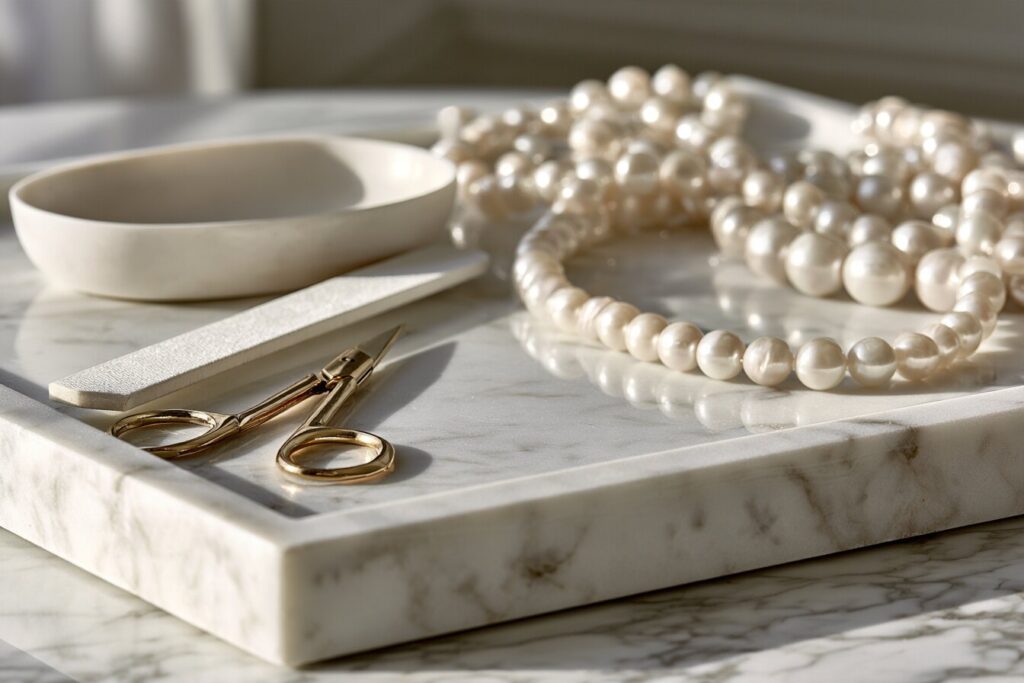
Shape is a personal choice. A soft oval or rounded square suits many hands, and it keeps pressure off the free edge. Avoid long, thin nails while your nails are weak. Once the surface feels firm and smooth, you can grow them gradually. Patience is the real secret, since a nail takes months to grow out.
Protecting nails from damage
Beyond water, a few everyday habits can harm nails. Harsh cleaning products, strong detergents and solvents all dry the skin and nails. The academy’s hand guidance notes that hot water, detergents and yard work can dry the skin. Wear gloves for all of these tasks, and wash your hands with a mild soap afterward.
Choose gentle products where you can. A mild dish soap, a fragrance-free hand soap and a plain moisturizer reduce dryness. Avoid very hot water, which strips natural oils. Pat your hands dry instead of rubbing them. Then apply cream while the skin is still slightly damp, since that helps lock in moisture.
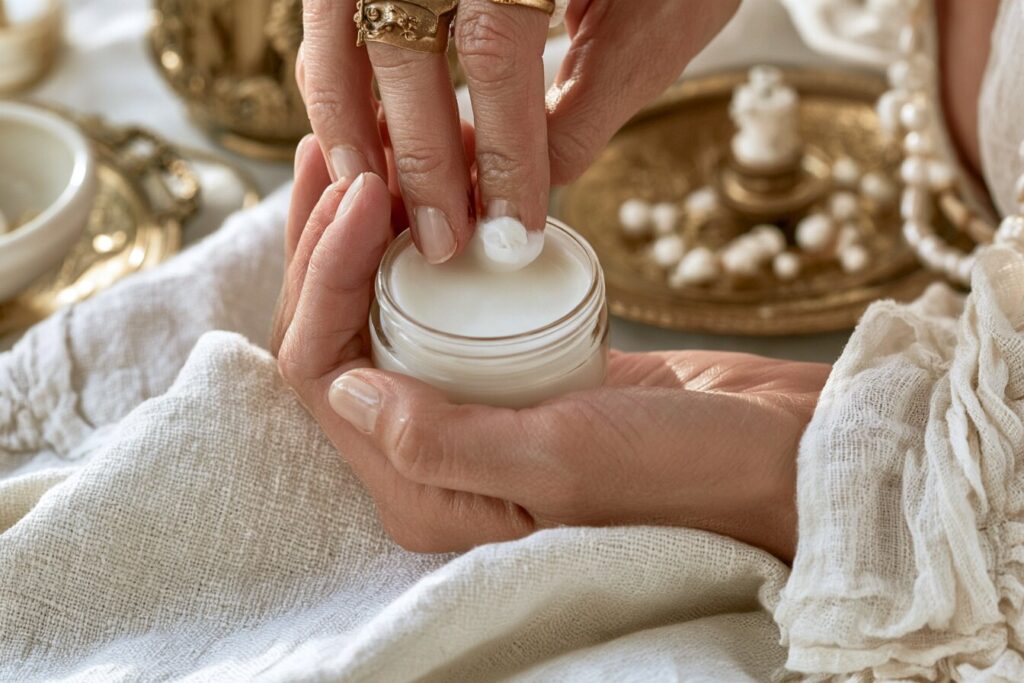
Salons deserve a moment of attention as well. The academy suggests looking for clean stations and asking how the technician cleans tools. It also says to consider your own tools if you get frequent manicures. If the salon does not look clean, move on. Your nails and cuticles deserve a careful setting.
Strengtheners and treatments
Nail strengtheners promise a lot, yet they deserve caution. The US Food and Drug Administration explains that some nail hardeners contain formaldehyde, and that frequent use may make nails brittle. Polishes containing strengthening ingredients, the academy adds, increase nail stiffness, which may make nails break more frequently.
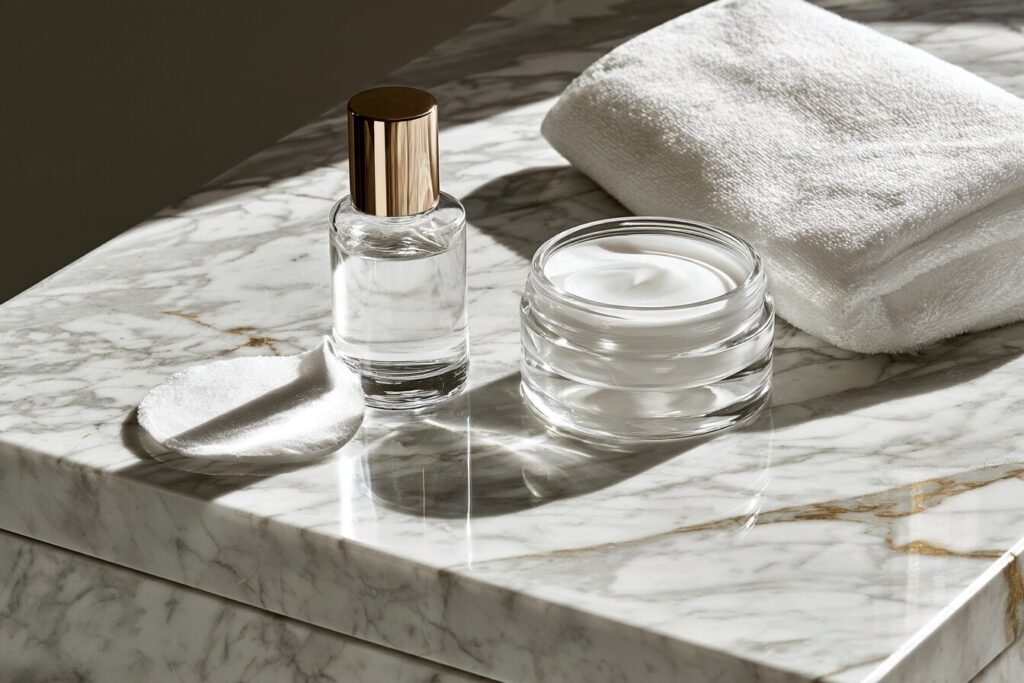
There is also no scientific evidence, according to the academy, that soaking nails in gelatin makes them stronger. So rely on what is proven: moisture, rest, gloves and gentle handling. If you use a strengthening base coat, use it occasionally and watch how your nails respond. If they feel stiff or snap more easily, pause it.
Choose simple formulas. A clear base coat protects the nail from stains and gives polish something to grip, while a plain cuticle oil softens the skin. Then a rich cream does the rest. Resist the urge to layer many treatments, because more products rarely mean stronger nails. The picks below cover gloves and two plain balms to protect your hands.
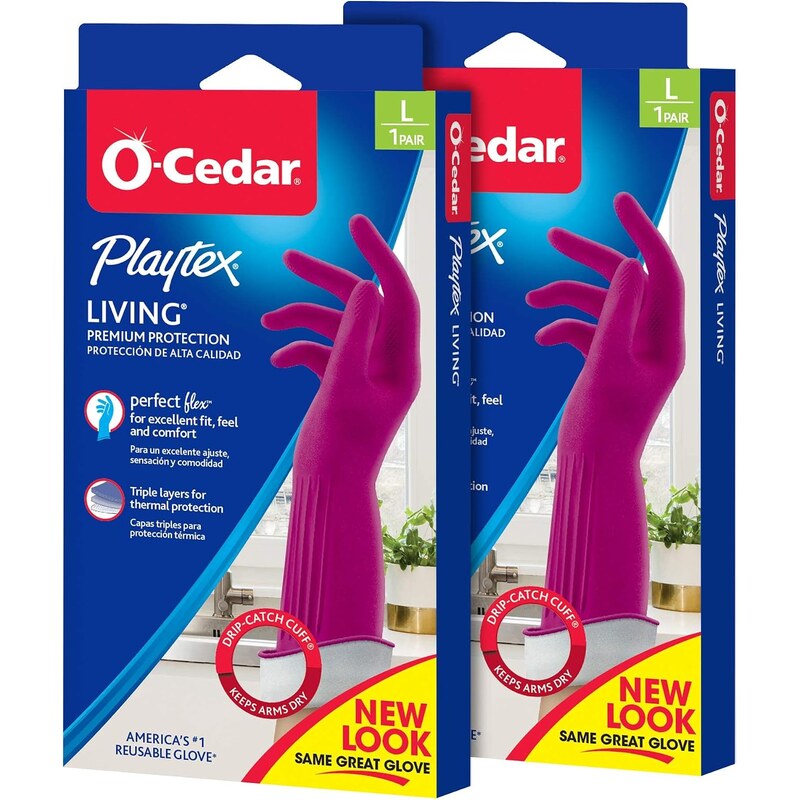
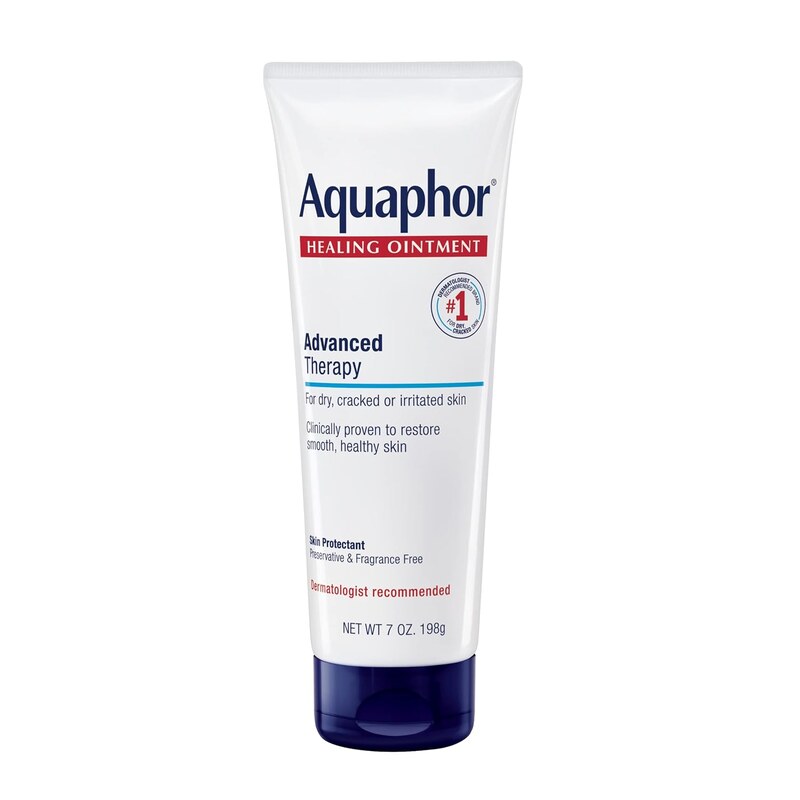
A protective ointment for cracked cuticles.
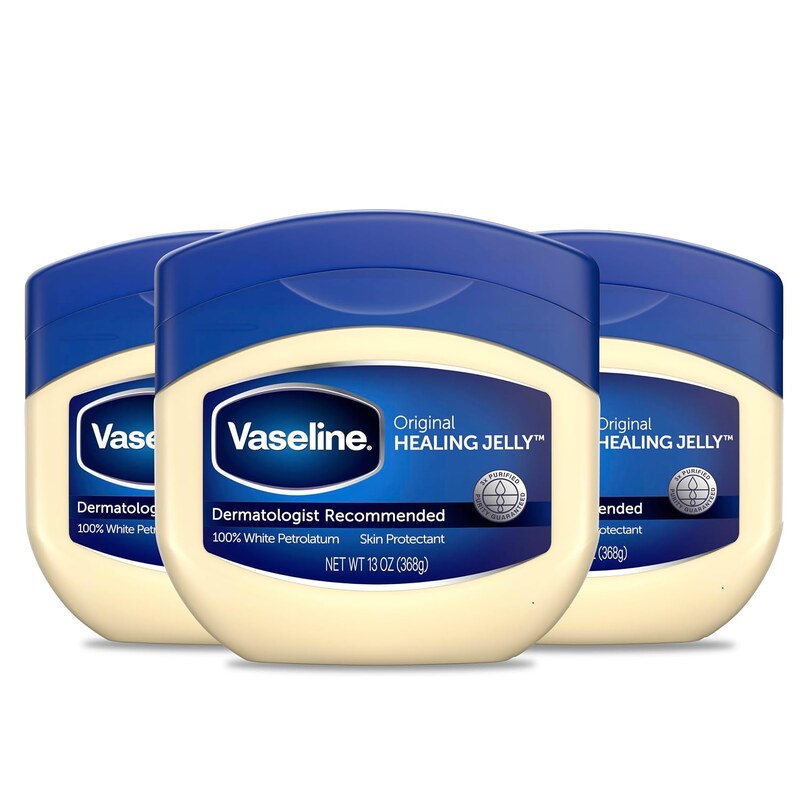
A plain, classic balm for nails and cuticles.
A one-month plan for stronger nails
Change is easier in small steps, so spread the routine over a month. In the first week, focus on moisture only. Apply cream after every wash, and put a drop of oil on each cuticle at night. Do not add any new product yet. Notice how your hands feel by the end of the week, since softer skin is the first sign of progress.
In the second week, add protection. Place a pair of gloves beside every sink, and wear them for cleaning and washing dishes, as the academy advises. Switch to a milder soap and keep the water comfortably warm. File any snags with an emery board, so a small catch never becomes a tear. By now, your cuticles should look calmer.
In the third week, review your polish habits. Take a nail polish holiday if you wear color daily, and use cream after removal. Avoid picking, biting and using your nails as tools. In the fourth week, step back and look. Compare your nails with the first day, and decide which habits to keep. Most people keep all of them, because they take so little time. If one step feels hard, drop it and keep the rest, since a smaller routine you follow beats a bigger one you abandon. Hands that look after themselves, with a little help, tend to stay comfortable year-round.
The Cossèt Môi Letter: new beauty features and rituals, sent with care.
Unsubscribe anytime.
Balancing polish and giving nails breaks
Polish is part of the pleasure of a manicure, but nails need breaks. The academy recommends a nail polish holiday, going without polish for one to two weeks or longer, so nails can repair. Between polishes, it suggests moisturizing the nails and cuticles several times a day. These simple rests keep nails resilient.

Removal matters too. The academy notes that most polish removers contain chemicals that dry the nails, so apply cream afterward. Use a cotton pad, press for a few seconds, and wipe gently without scraping. Choose a moisturizing remover when you can. Then wash your hands and apply oil, so the nail does not feel tight.
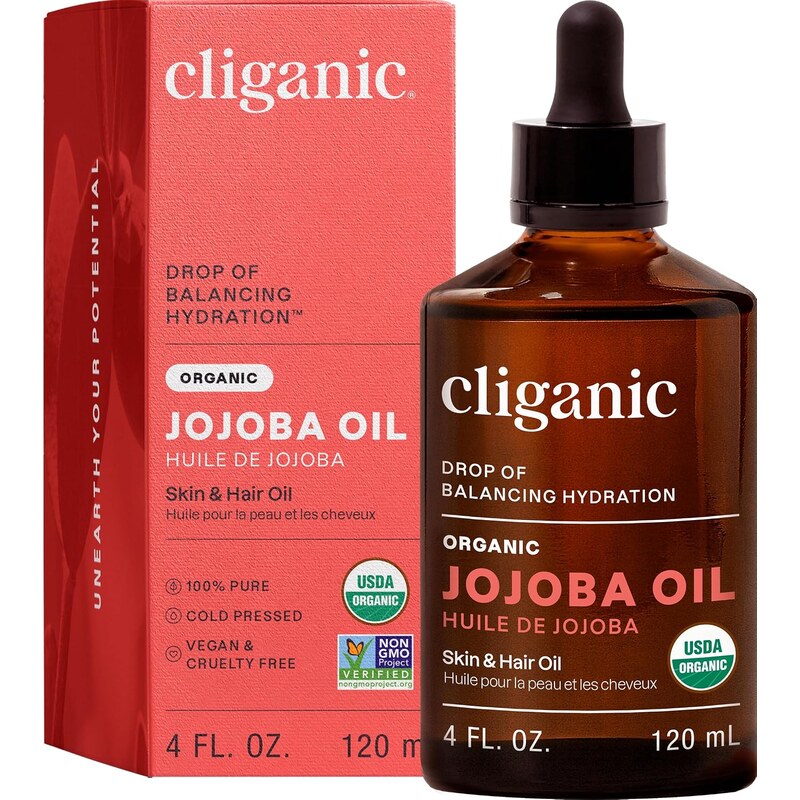
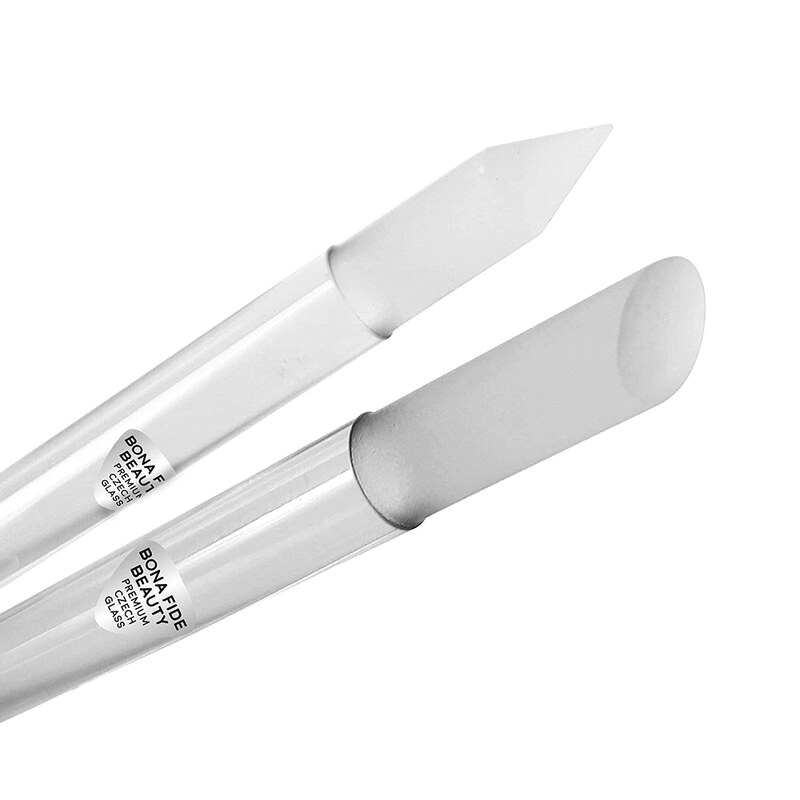
If you love red or orange polish, protect your nails from staining. The academy suggests applying an extra layer of base coat. If a nail turns yellow, it says the color should return to normal over several weeks, provided the same color is not reapplied. A good base coat is a small, wise investment. The picks below cover a gentle remover, a pure oil and a glass pusher.
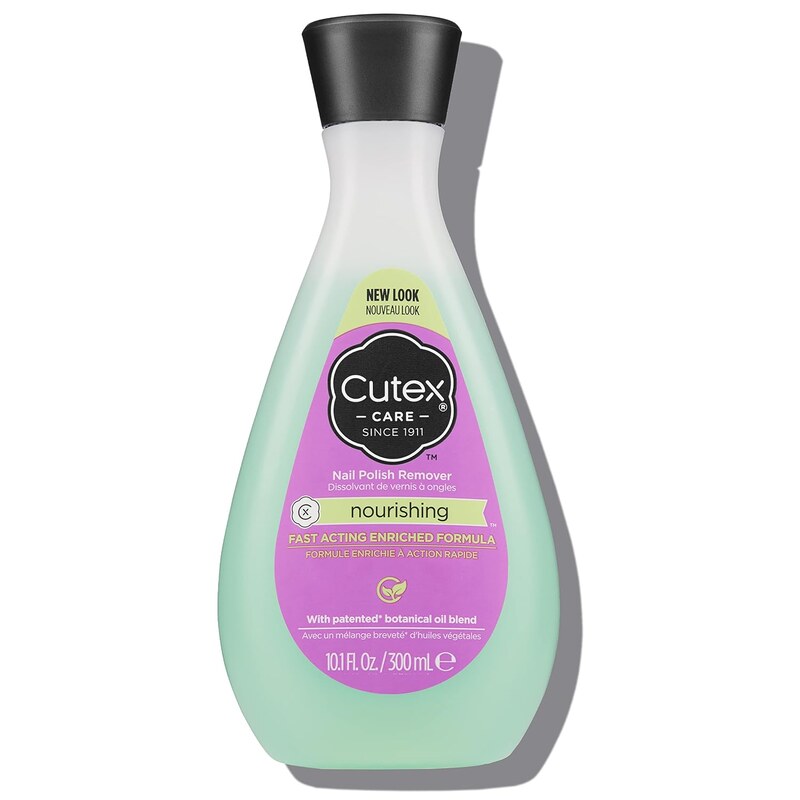
A moisturizing remover that is kinder to dry nails.
Tools worth keeping clean
If you do your own nails, a few clean tools go a long way. The academy’s manicure safety guidance suggests that people who get frequent manicures consider purchasing their own tools to use at the salon. At home, wash your tools with soap and warm water after each use, and let them dry fully. Store them in a clean, dry case.
Replace tools that wear out. A bent pusher, a dull clipper or a worn emery board can snag the nail and damage the cuticle. Emery boards are inexpensive, so swap them often. Keep a separate set for any family member, since sharing tools can spread infection. Good habits with tools protect the skin around the nail, which is what cuticle care is all about.
At the salon, the academy says to look for clean stations and to ask how the technician cleans tools. It also advises checking that foot baths and filters are thoroughly disinfected. If anything looks unclean, move on. A careful salon will never mind your questions, and it will welcome the chance to show you its routine.
Diet, biotin and supplements
Many people wonder whether food and supplements make nails stronger. Nails are made of keratin, a protein, and a balanced diet supports the whole body. Yet claims about supplements often run ahead of the evidence. The National Institutes of Health Office of Dietary Supplements, in its biotin fact sheet, says signs of biotin deficiency include brittle nails.

The same fact sheet is cautious about supplements. It says the evidence on biotin to treat brittle nails includes three small studies that did not include a placebo group. It also warns that supplementing with biotin beyond recommended intakes can cause falsely high or falsely low laboratory test results. So speak to your doctor before starting any supplement.

For most women, the sensible step is a varied diet with enough protein, plus the care routine in this guide. If your nails stay brittle, a dermatologist can look for causes. The academy notes that a dermatologist can help figure out what is behind brittle nails, and that some patients need more help, such as a special nail enamel.
Biting, picking and everyday habits
Breaking a nail habit takes patience. If you bite or pick, start by noticing when it happens. Stress, boredom and concentration are common triggers. Keep your nails short and smooth, so there is less to bite. Apply a bitter-tasting clear polish if you like, and keep a cuticle oil within reach, so your hands have something gentler to do.

Replace the habit with a small ritual. When you feel the urge, massage a drop of oil into your cuticles instead. The motion occupies your fingers, and it helps the skin at the same time. A stress ball or a pair of soft gloves can help during long meetings or evenings on the sofa. Be kind to yourself, since habits change slowly.
The academy’s tips are clear on this point. They say not to bite your nails or remove the cuticle, since doing so can damage the nail. Over a few weeks, you will see smoother cuticles and firmer nails. That visible progress becomes its own reward, and it makes the habit easier to keep.

Cuticle care at every age
Needs change over time, yet the basics stay the same. Younger nails often grow quickly and bend easily, so a simple routine of oil and gloves keeps them comfortable. In busy years, hands spend long hours in water and on keyboards, so cream and breaks matter. Small habits at that stage protect nails for decades.
Later in life, dryness becomes a bigger theme. The academy says that about 20 percent of people have brittle nails and that women over 60 are more likely to have them. Skin also holds less water with age. For that reason, many women find that an evening ritual of oil, cream and cotton gloves makes the biggest difference. Our guide to nail care for mature hands covers this in more detail.
Recommended
Whatever your age, listen to your nails. Ridges, peeling and splitting are signals, and they respond to care. If a change seems sudden or unusual, speak to a doctor. A gentle routine, kept for a few weeks, usually brings a clear improvement, and it costs very little.
When to see a dermatologist
Most cuticle and nail concerns improve with gentle care at home. Some changes need a professional. The academy advises seeing a board-certified dermatologist if you have questions or concerns about caring for your nails, or if you notice unusual changes. Pain, redness, swelling or pus near the nail suggests an infection and needs prompt attention.
A dermatologist can also work out why nails are brittle. The academy notes that wet work and harsh chemicals are common causes, and that a doctor can help you identify what applies to you. Bring a list of the products you use and any medicines you take. A calm conversation can give you a plan that is tailored to your nails. Do not feel embarrassed to ask, since nails are part of your health, and professionals see nail concerns every day. Early advice often prevents a small problem from becoming a larger one, and it brings peace of mind.
A closing note on cuticle care
Cuticle care is less about doing more and more about doing less, with gentler tools and steady habits. Leave the cuticle alone, keep it moisturized, and protect your hands from water and harsh products. Those few choices, repeated every day, make nails stronger over time.
Begin tonight with a drop of oil and a little cream. Put a reminder by the bathroom mirror, so the step becomes automatic. Habits that sit beside daily routines tend to last, because you do not have to remember them. Keep gloves by the sink and a fine emery board in your bag. In a few weeks, you will notice smoother cuticles and fewer splits. Save this page, return to the table when something changes, and let your nails grow strong at their own pace.



Three ways to continue
A few simple questions in the Ring Style Quiz read your taste in fine jewelry. Guided rituals for hair and skin fill the Makeover Bible, so a good manicure sits inside a wider routine. Meanwhile, the 21-Day Reset turns attention inward, to skin and gut together, and you can join its waitlist below without any commitment. Whichever you choose, the idea stays the same as in this guide. Small, informed choices add up to a routine that feels entirely yours, and healthy nails are part of that picture.
Your hands, after all, are always on show. They deserve the same care as everything else you wear each day, and a few quiet habits go a long way. Begin with one tool, and let the rest unfold in its own time.
A daily ritual for skin and gut, working from within. Join the waitlist to hear first when the next Reset opens.
Join the waitlistQuestions worth asking
Should I cut my cuticles?
No. The American Academy of Dermatology says never to cut or forcefully push back cuticles, to prevent infection. If you must push them back, do it gently after a shower or bath, and never let a manicurist cut them.
What is the best way to care for cuticles at home?
Moisturize your nails and cuticles after every wash, add a drop of oil at night, and wear gloves for wet work. The academy also suggests petroleum jelly several times a day between polishes.
Do nail strengtheners work?
Use them cautiously. The academy says polishes with strengthening ingredients increase nail stiffness, which may make nails break more frequently, and the FDA notes that frequent use of formaldehyde nail hardeners may make nails brittle.
Does biotin make nails stronger?
The evidence is limited. The NIH Office of Dietary Supplements says the studies on biotin for brittle nails were three small studies without a placebo group, and that biotin beyond recommended intakes can distort laboratory test results. Ask your doctor first.
How long should I rest my nails from polish?
The academy recommends a nail polish holiday of one to two weeks or longer between polishes, with moisturizer applied to nails and cuticles several times a day.
When should I see a dermatologist about my cuticles or nails?
See a board-certified dermatologist if you notice unusual changes, a persistent problem, or any pain, redness or swelling near the nail.