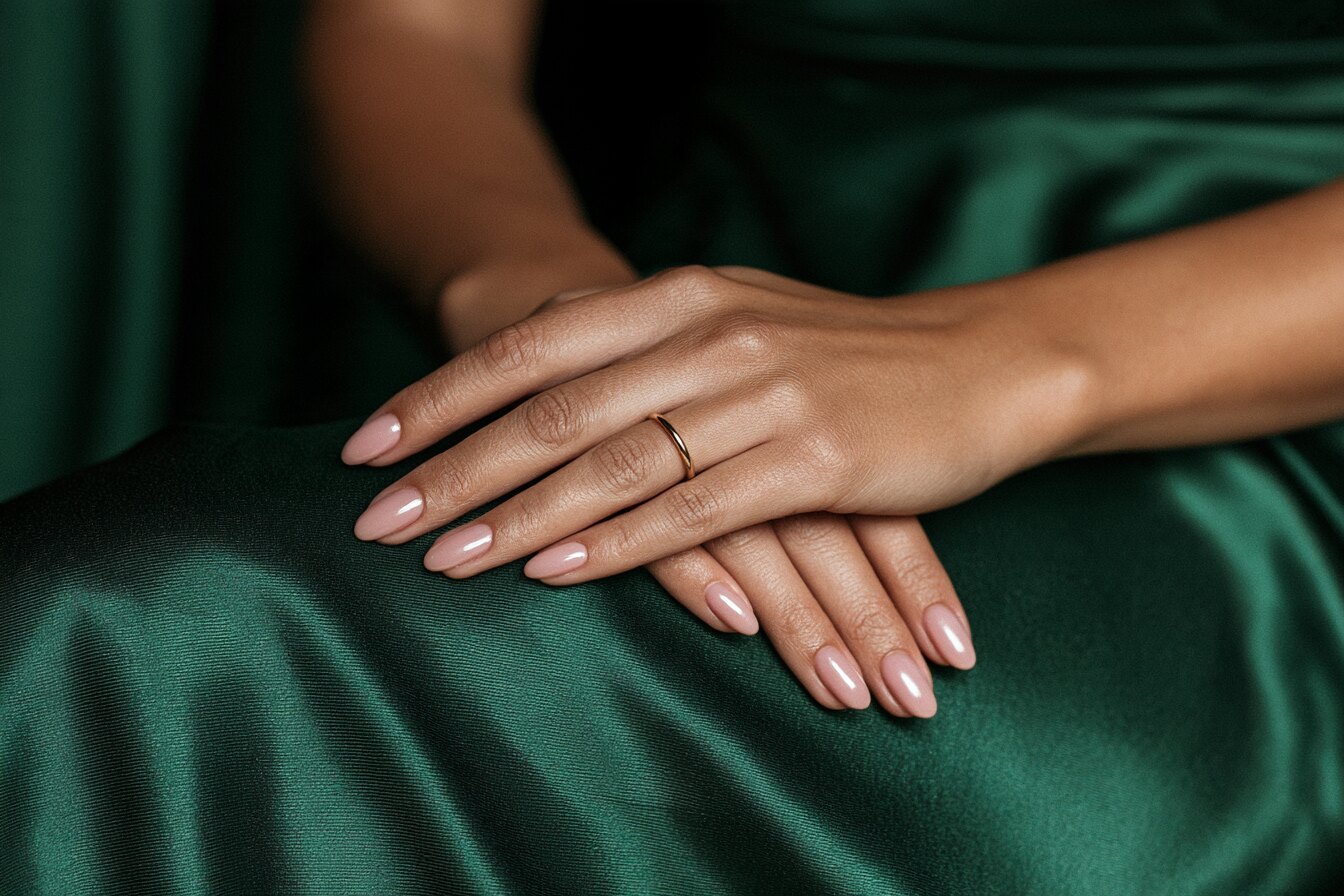
The American Academy of Dermatology says gel manicures can cause brittleness, peeling and cracking, so it advises saving them for special occasions. Between sets, rest your nails for one to two weeks or longer and moisturize them every day. Protect your hands from the UV lamp, and never pick the gel off.
Are gel manicures bad for your nails? Dermatologists say they can be, although the damage usually comes from how often you wear them and how you take them off. This guide, part of our nail features at Cossèt Môi, explains what a gel manicure does, what the lamp means for your hands, and how long to wait between sets. It also covers gentle removal and recovery, so you can enjoy a glossy finish and keep strong nails underneath.
What a gel manicure does to your nails
A gel manicure uses a polish that stays liquid until a lamp cures it. Each coat goes on thin, then sits under ultraviolet or LED light for a short time. The result is a hard, glossy finish that resists chips for weeks. That durability is exactly why so many women choose it, and why it needs a little thought.
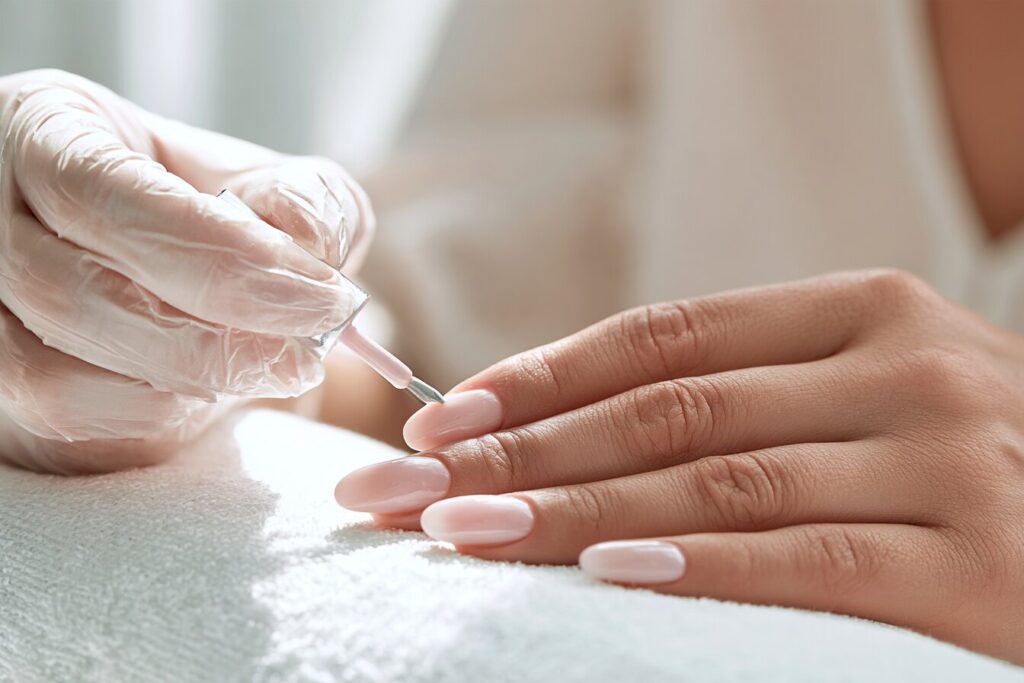
The finish is also why gel is harder to remove than ordinary lacquer. Because the cured layer bonds firmly to the nail, it needs acetone and patience to come off. Meanwhile, anything that pulls on the gel can pull on the nail plate beneath it. Understanding this single point explains most of the damage people see, so it is worth keeping in mind as you read on.
Nails themselves are made of keratin, the same protein found in hair and skin. A healthy nail flexes a little and grows steadily. When layers of product, filing and acetone repeat without a break, however, the surface can thin. Then the nail may peel at the tip or split along the edge. Seeing the cycle clearly makes it easier to break.
Gel, traditional polish and artificial nails
It helps to see where gel sits among the other choices. Traditional polish dries in the air, so it needs no lamp and comes off with a simple remover. Gel cures under light, which makes it tougher and longer-wearing. Artificial nails, such as acrylics and extensions, add length on top of the natural nail. Each option makes a different demand, so the right choice depends on how your nails behave today.
Traditional polish is the gentlest of the three. The academy suggests it in place of gel if you have recurring nail problems or an allergy to acetone, because gel polish needs acetone to come off. Regular lacquer also removes without foil, clips or long soaks. For many women, that convenience makes it the better everyday choice, with gel kept for events. So, are gel manicures bad for your nails compared with regular polish? Not in a single set, yet the lamp and the acetone make them the more demanding option.
Artificial nails need more caution again. The academy’s guidance on artificial nails says they can leave nails thin, brittle and parched, and that frequent touch-ups can seriously damage the natural nail. It also warns that covering up brittle, soft or damaged nails can worsen existing problems. If your nails already peel, choose rest first, and add length later when the nail feels strong.
Are gel manicures bad for your nails?
So, are gel manicures bad for your nails? The American Academy of Dermatology offers a balanced answer. Its guidance on gel manicures says they can be beautiful and long-lasting, yet they can be tough on nails. It notes that gel manicures can cause brittleness, peeling and cracking.
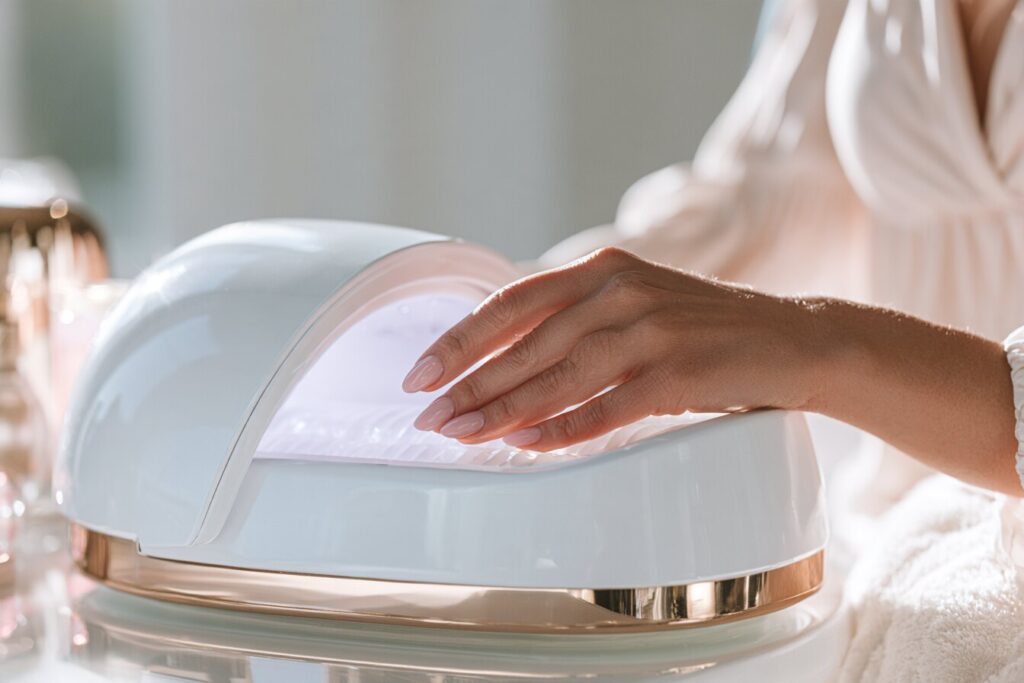
The academy also says repeated use can raise the risk of skin cancer and premature skin aging on the hands. That statement concerns the lamp, which we cover in the next section. For now, the useful takeaway is simple. A gel manicure is not harmful on a single occasion, but a habit of constant gel with no rest carries real costs.
Your own nails matter here too. Some women have thick, resilient nails that tolerate gel well. Others have thin or dry nails that peel quickly. If you already see splitting, the academy suggests choosing traditional polish instead, especially if you have recurring nail problems. Listen to what your nails tell you, and let that guide the schedule rather than the calendar of a salon package.

The UV lamp and your hands
Gel needs light to harden, so every set involves a short session under a lamp. The lamp emits ultraviolet radiation that seals the polish to the nail. Your skin sits under that same light. Because the backs of your hands already see sun daily, the extra exposure adds up across many appointments.
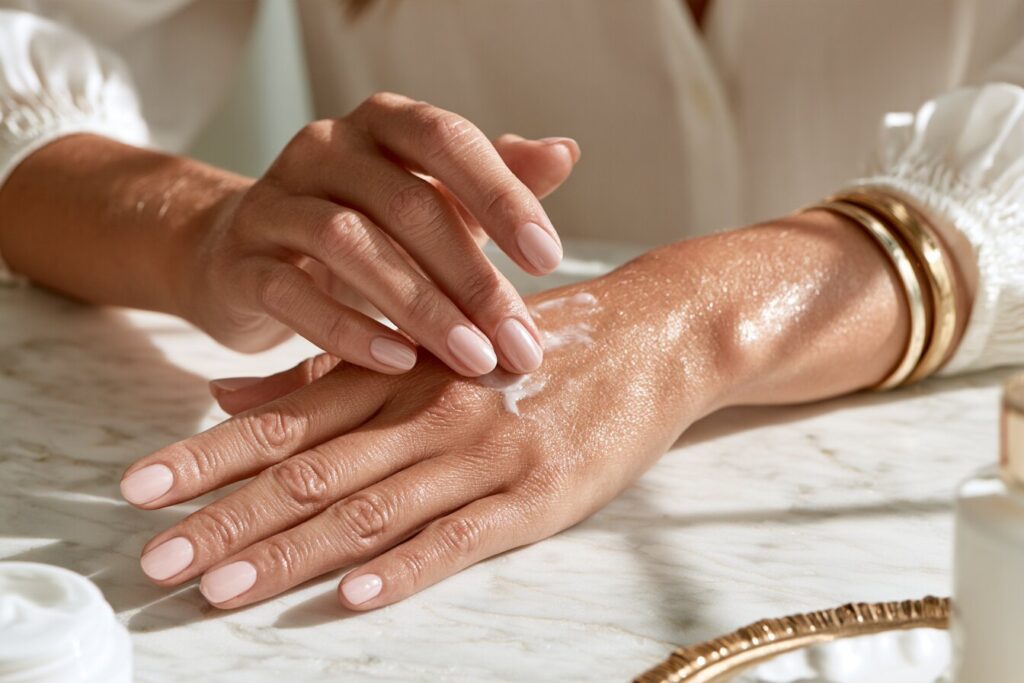
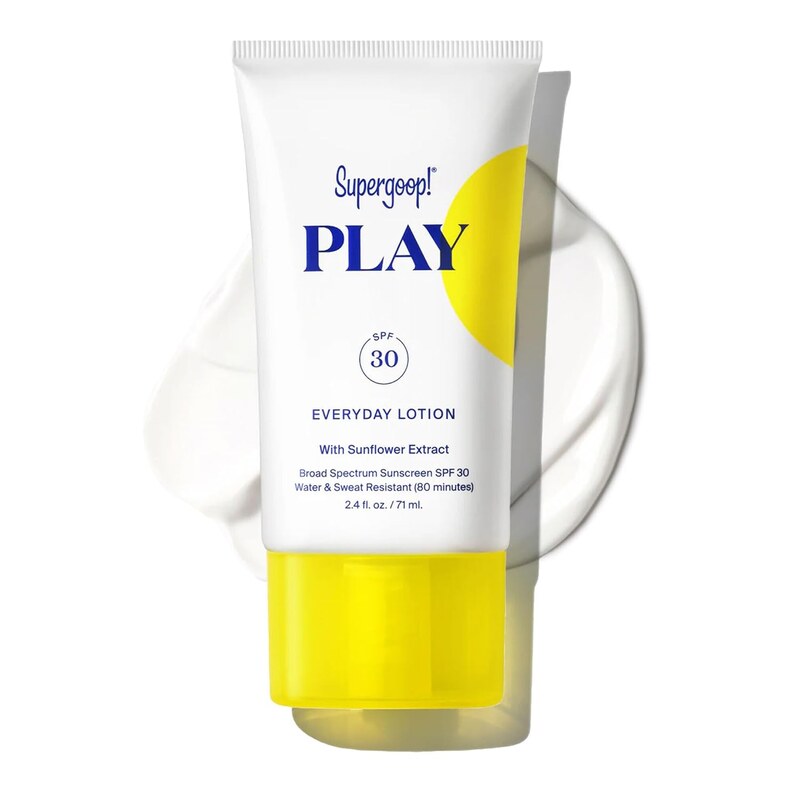
The academy gives a clear, easy step. Before you go, apply a broad-spectrum, water-resistant sunscreen with an SPF of 30 or higher to your hands. It says this helps protect the skin from the ultraviolet radiation used to seal the polish. Do this at home, so the sunscreen has time to settle before the appointment begins.
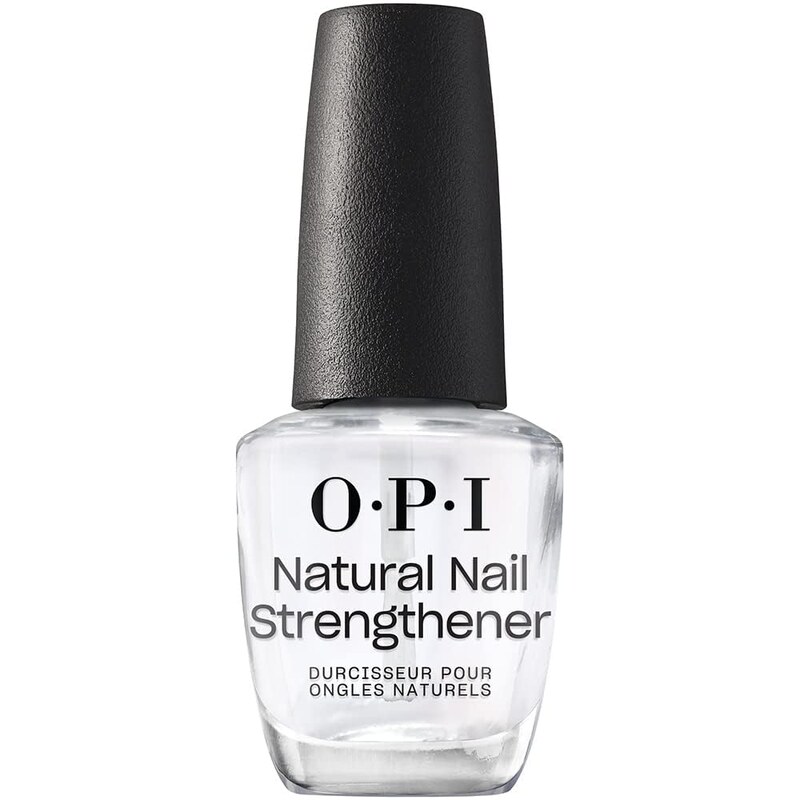
There is a second option. The academy suggests dark, opaque gloves with the fingertips snipped off, worn before the polish goes on. Either approach works, and some women use both. Fingerless gloves made for nail lamps are inexpensive and slip into a handbag, so the habit is easy to keep. The three picks below cover sunscreen, gloves and a gentle strengthener.
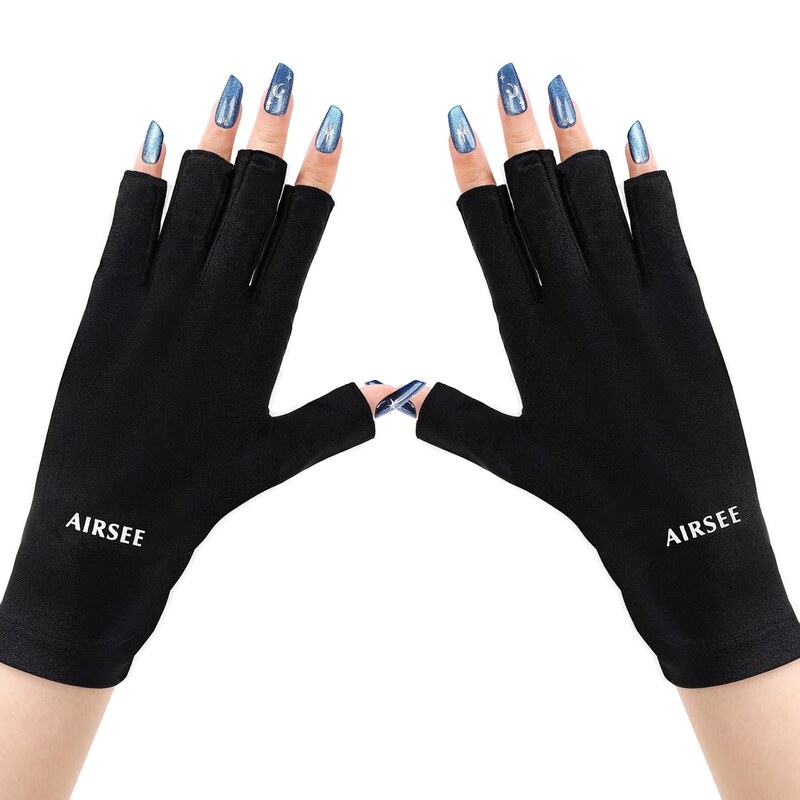
Fingerless gloves that shield the hands under the lamp.
Once your hands are protected, the lamp becomes far less of a worry. Even so, the sunscreen or gloves only help the skin, not the nail itself. For the nail, the best protection is rest and gentle handling. That is where the schedule comes in, and it is the part most people skip.
How often is too often
Frequency matters more than any single product. The academy states that moderation is the key with gel manicures. It suggests saving them for special occasions only. That advice may sound strict, but it reflects how the nail behaves. Each cycle of gel, removal and filing asks the nail to recover, and recovery takes time.
Between sets, the academy recommends a nail polish holiday. It says to go without polish for one to two weeks or longer, which gives your nails time to repair. Also, it suggests rehydrating the nails and cuticles several times a day with a moisturizer such as petroleum jelly. Those two habits do most of the work.
The table below turns the academy’s advice into a rhythm you can follow. Read it from the top, since each stage builds on the one before. If you keep the order, you protect your skin first, your nails next and your schedule last.
How should you pace a gel manicure from appointment to rest?
| Stage | What to do | Why it helps |
|---|---|---|
| Before the appointment | Apply broad-spectrum sunscreen of SPF 30 or higher to your hands | Shields the skin from the lamp’s ultraviolet light |
| At the appointment | Ask about clean tools and leave your cuticles alone | Pushing or cutting a cuticle can lead to inflammation and infection |
| When the color begins to lift | Book a removal instead of picking | Picking pulls away layers of the nail |
| On removal day | Soak only the fingertips in acetone | Keeps the acetone off the surrounding skin |
| For the next few days | Moisturize nails and cuticles several times daily | Limits brittleness and chipping |
| For one to two weeks or longer | Wear no polish at all | Gives the nails time to repair |
| The next set | Save it for an occasion | The academy advises gel for special occasions only |
Use the table as a loose guide, not a rigid rulebook. For example, a bride or a woman attending a wedding may want gel for a single weekend. In that case, plan the rest period straight afterward, and the nail will thank you for it.
Choosing a salon and a manicurist
Your manicurist matters as much as the polish. The academy advises you to be proactive. Ask whether the tools are sterilized, and look around to see that the technician cleans and disinfects them after every client. A good salon will welcome these questions and answer them calmly. If it does not, trust your instinct and book somewhere else.


Cuticles deserve special mention. The academy says never to let your manicurist push or cut your cuticle, because it could lead to inflammation and infection. The cuticle seals the gap between the nail and the skin, so it protects you from germs. Ask politely for gentle shaping only. Most skilled technicians prepare the nail well without touching the cuticle, and the result still looks clean.
Prepare a short list before you sit down. Mention any peeling or splitting, and say you would like gentle prep and a light touch with the file. Ask for a thin, even application, since thick layers take longer to cure and longer to remove. Then confirm how removal will work, so you know nobody will ask you to pick anything off. So, are gel manicures bad for your nails in a careful salon? They are far kinder there than at a rushed one.
Signs your nails need a break
Nails rarely fail overnight. Instead, they send small signals first. Learning to read them lets you pause before real damage sets in. The most common signal is peeling at the free edge, where thin layers lift like pages of a book.
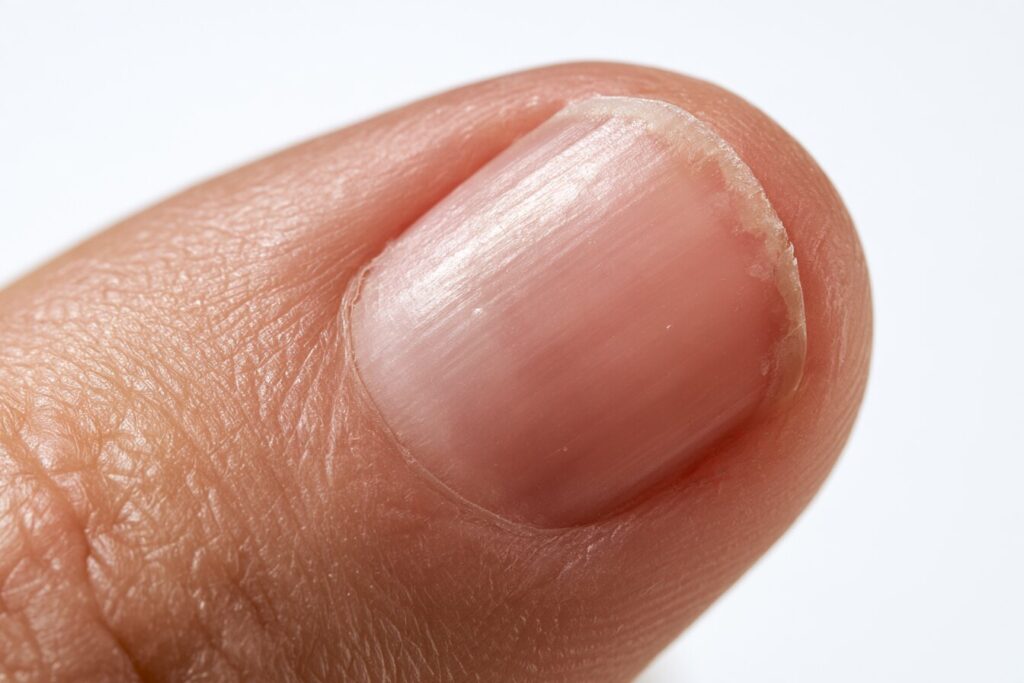
Another sign is a nail that bends easily or splits when you press a key or open a can. Brittleness like this usually means the surface is dry and thin. Also, look for white patches or a rough, flaky surface after removal. Those marks often come from aggressive filing or from picking the gel off.
Pain, redness or swelling around the nail is different, and it deserves attention. The academy advises seeing a board-certified dermatologist if you notice unusual changes to your nails or have a persistent nail problem. Do not cover damaged nails with more product. The academy says that hiding brittle, soft or damaged nails can worsen existing problems, so rest is the better choice.
The Cossèt Môi Letter: new beauty features and rituals, sent with care.
Unsubscribe anytime.
Removing gel without damage
Removal is where most harm happens. The single most important rule comes from the academy: do not pick or peel the gel. When color begins to lift, it says, book an appointment and let your manicurist take it off. Picking pulls away the top layers of your nail along with the polish.
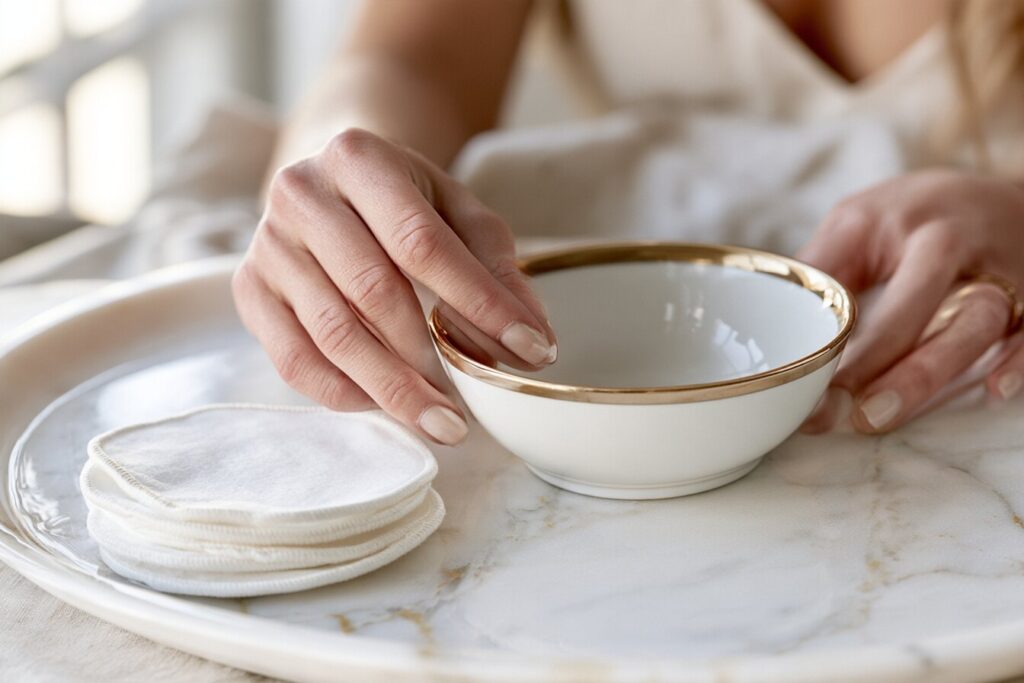
Acetone is required to dissolve gel, so the aim is to limit contact. The academy recommends soaking only your fingertips instead of your whole hands. Another option is a cotton ball soaked in acetone, held on each nail with a small square of aluminum foil. After about 15 minutes, it says, the polish should come right off.
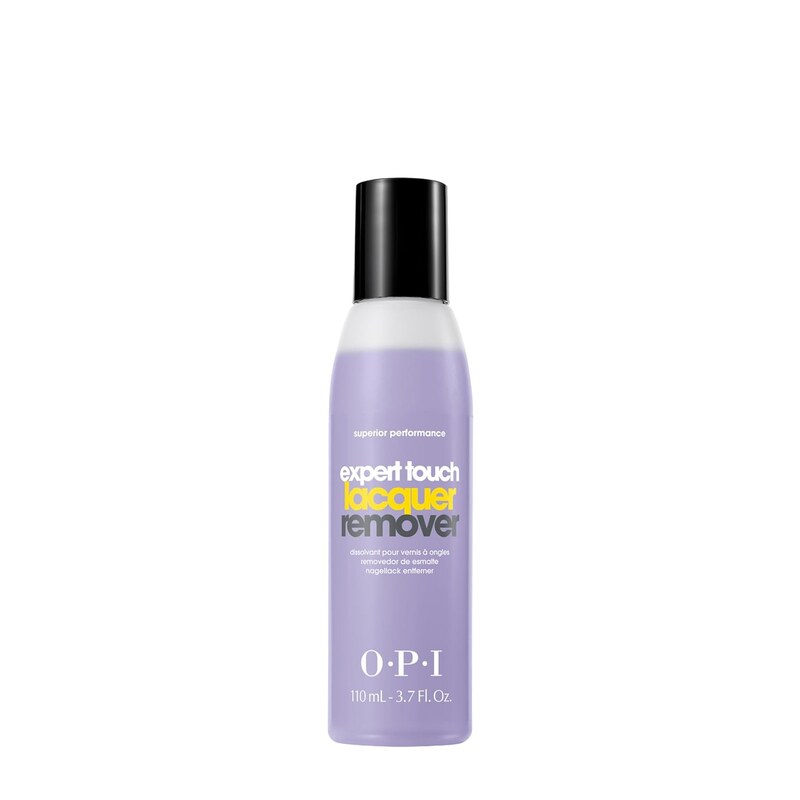
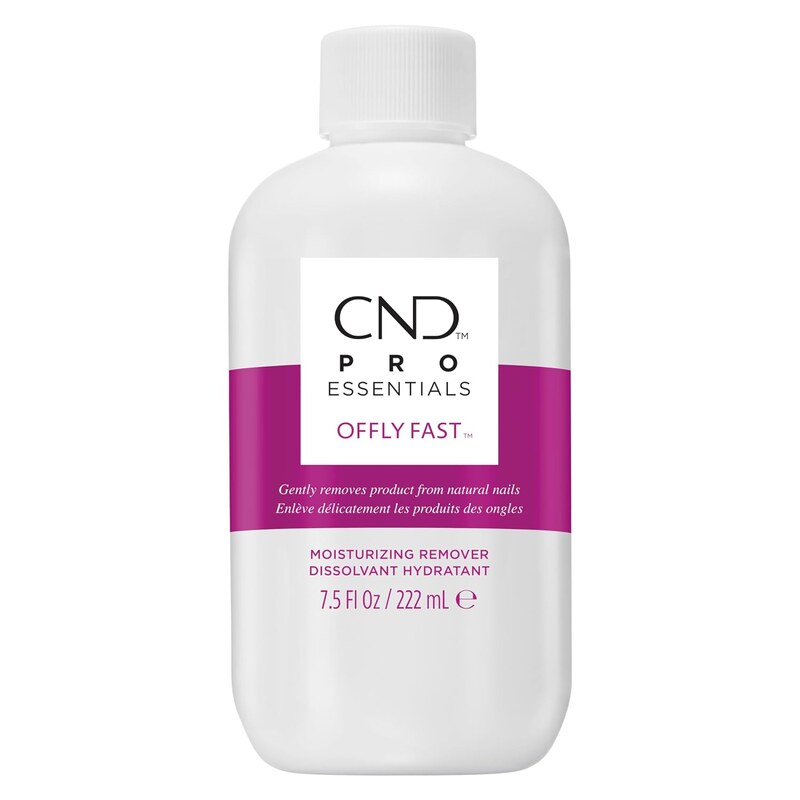
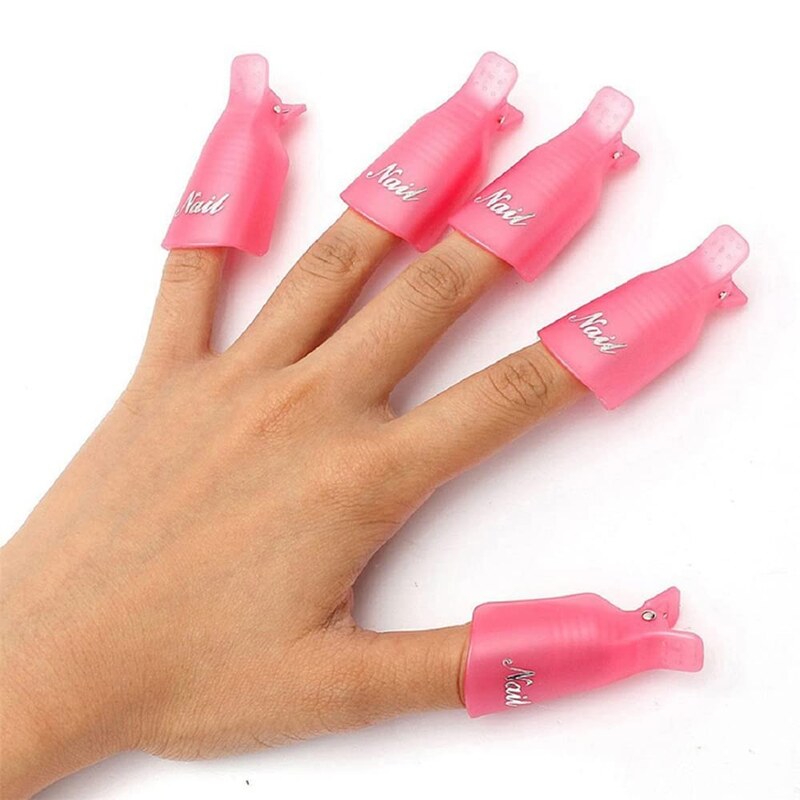
At home, reusable soak-off clips make the job tidier, because they hold the cotton in place against each nail. Choose a remover with a moisturizing formula when you can. Afterward, wash your hands, then apply oil to the nail and cuticle straight away. Gentle buffing before removal is the manicurist’s step, not yours, so leave that to the salon. The picks below gather removal tools worth owning.
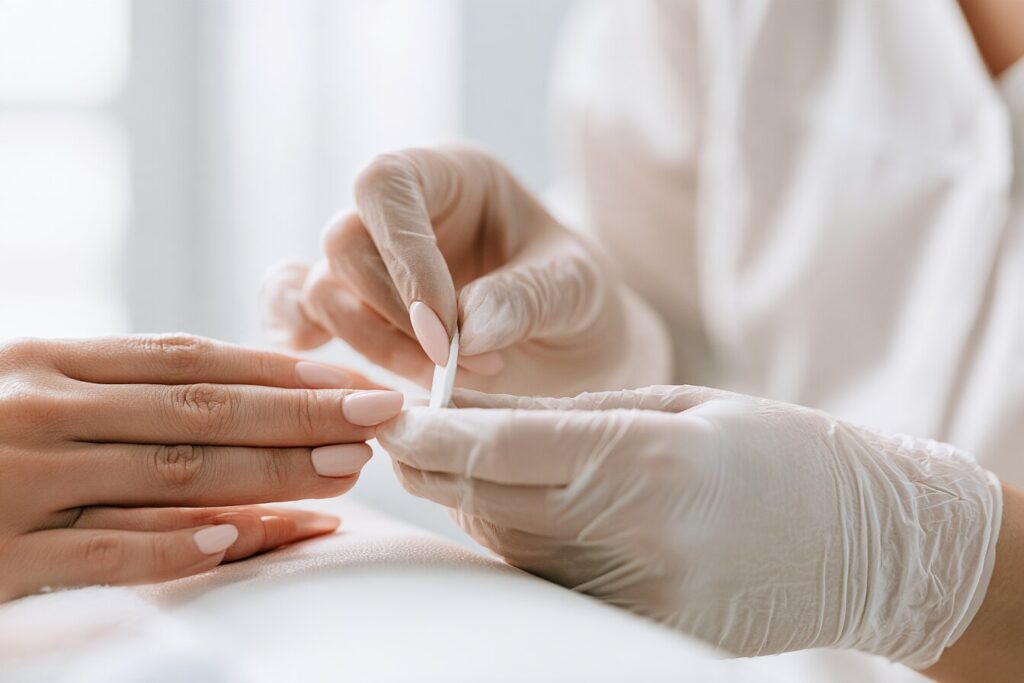
When the polish lifts, stop soaking and check the nail with a fingertip. If it moves easily, remove it gently with the wood stick from your kit. If it resists, soak a little longer instead of scraping. Patience here saves days of recovery, and it keeps your nail plate intact for the next set.
Recovering after gel
Once the gel is off, your nails need care more than color. Start with moisture. The academy suggests applying a moisturizing product such as petroleum jelly to your nails and cuticles several times a day. It says this minimizes brittleness and helps prevent chipping. Any thick, plain balm gives the same benefit.
A cuticle oil adds comfort, since it softens the skin around the nail and keeps it supple. Massage it in at night, then follow with a rich hand cream. Wear cotton gloves over the top if your hands feel very dry. Over a week or two, the difference is easy to see and feel.
Strengtheners deserve a note of caution. The US Food and Drug Administration explains that some nail hardeners contain formaldehyde, and frequent use may make nails brittle. So read the label, and choose a gentle formula for occasional use. Rest, moisture and patience remain the most reliable strengtheners of all, and they cost almost nothing.
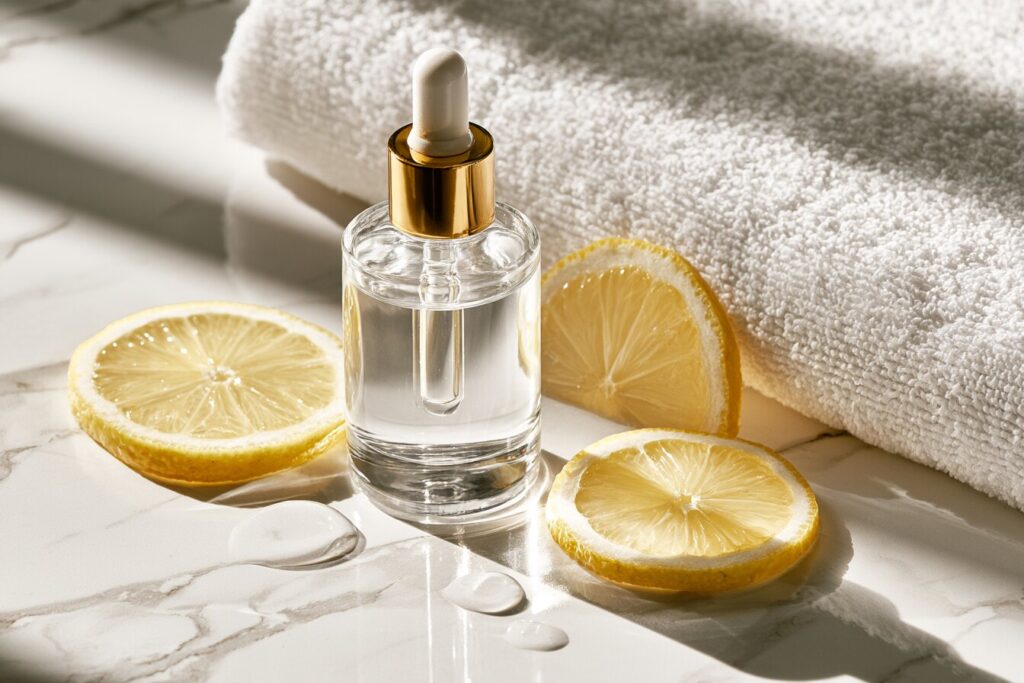
Shape matters too, because a snag can start a tear. File gently with an emery board, as the academy’s tips for healthy nails recommend. It also says not to bite your nails or remove the cuticle. Keep your nails short during recovery, since short nails are less likely to catch and break. The picks below cover oil, balm and a hand cream worth keeping by the bed.
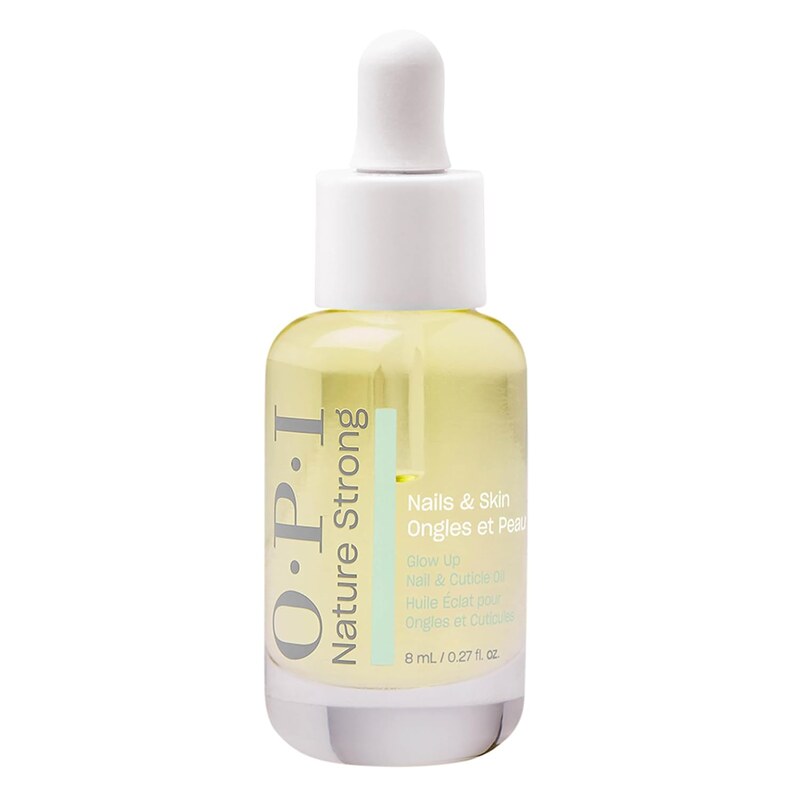
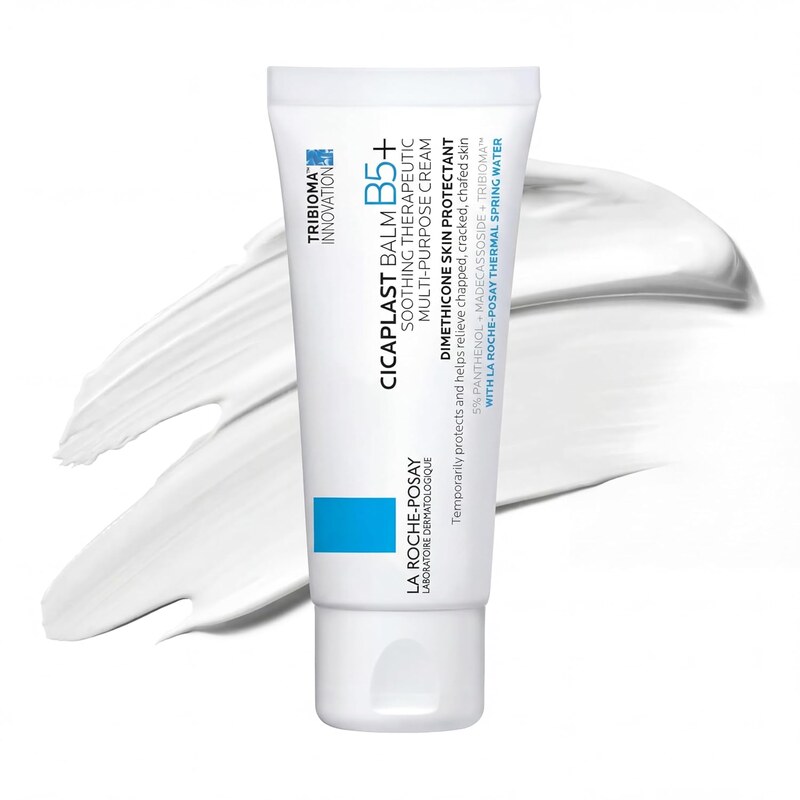

Recovery takes longer than most people expect, because a nail grows slowly. Even so, small improvements appear within days, such as a smoother edge or less peeling. Keep the routine going until the nail feels firm again. Then you can decide whether to return to gel, and how often.
Everyday habits that protect your nails
Gel is only part of the story, because daily habits shape your nails too. The academy’s tips for healthy nails begin with simple care. File your nails gently with an emery board, and keep them shaped so they do not snag. A smooth edge is far less likely to catch on a sleeve and split.
The same tips say not to bite your nails or remove the cuticle, since doing so can damage the nail. They also advise against using your nails as tools, for example to open a can. That habit can cause chipping, splitting or lifting of the nail bed. Keep a small, blunt tool nearby, so your fingertips never have to do the job.
Water matters as well. According to the academy, too much water exposure can weaken your nails, causing them to split, peel or break. It recommends gloves for cleaning and washing dishes, and moisturizer after washing your hands. Finish the day with oil on the cuticle. These small steps help any manicure last, and they keep bare nails strong between sets.
Gel manicures after 50
Nails change with age, so the answer to are gel manicures bad for your nails shifts a little over time. The academy notes that about 20 percent of people have brittle nails, and that women over 60 are more likely to have them. You can read this in its guidance on younger-looking hands.
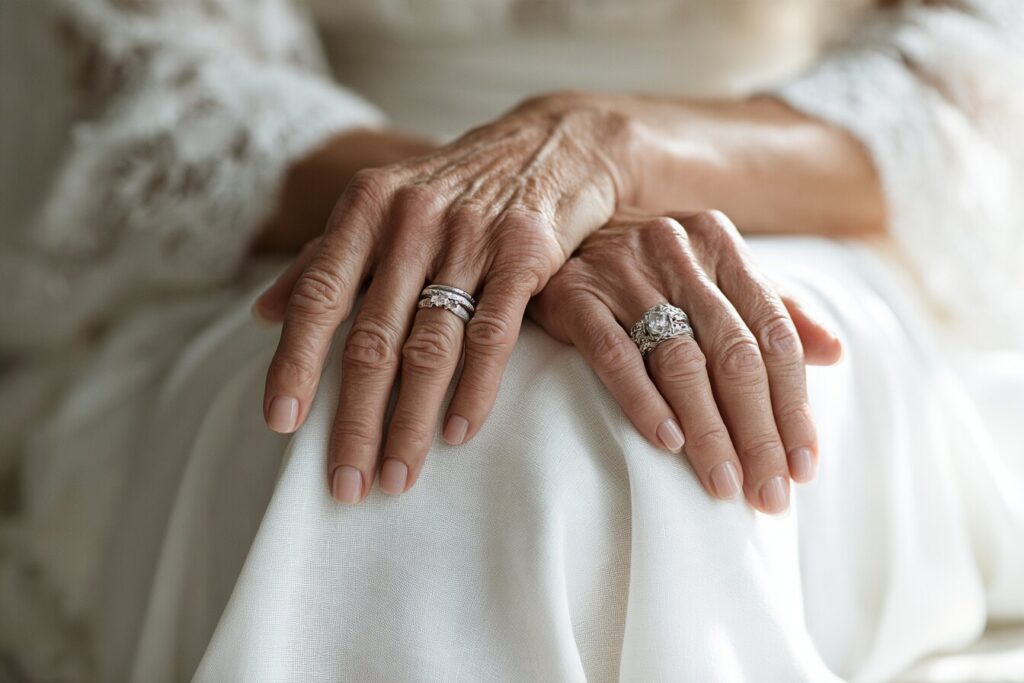
That statistic matters if you wear gel regularly. Nails that are already dry or thin tolerate repeated acetone and filing less well. Also, the skin on mature hands is thinner, so UV protection becomes even more important. A broad-spectrum sunscreen on the backs of the hands is a sensible daily habit, with or without a manicure.
Many women over 50 prefer a softer routine. They choose sheer, natural shades in regular polish, and they keep gel for occasions. Short oval nails look polished and wear well, because they catch less and break less. A sheer pink or milky nude hides growth, so the manicure still looks fresh after two weeks.

If your nails are very brittle, ask your doctor to check for other causes before you change your routine. Brittle nails can have several reasons, and a board-certified dermatologist can tell you which applies. In the meantime, keep your hands moisturized, wear gloves for washing up, and give your nails regular rest between any polish.
Special occasions and gentler alternatives
The academy’s advice to reserve gel for special occasions suits real life well. A wedding weekend, a holiday or a milestone dinner all justify a long-wearing finish. Plan the manicure for a day or two before the event, then schedule removal and rest soon after.
Think about the shade too. Sheer pinks and milky nudes photograph beautifully and hide regrowth, so they suit a long weekend. Deeper colors show every gap at the cuticle, which means a fresh look is needed sooner. If you will wear rings, choose a shape and length that keeps them comfortable. Then pack a small file and a clear top coat, in case a nail catches on the trip.

For everyday wear, traditional polish is gentler. It removes with a simple remover and a cotton pad, so there is no soaking and no lamp. Many formulas now wear for a week with a good base coat and top coat. Applying a thin top coat every few days refreshes the shine without any lamp.
Recommended
A simple routine makes any polish last. Start with clean, dry nails, and wipe away oil with a cotton pad. Apply a thin base coat, two thin coats of color and a top coat, capping the free edge each time. Thin layers dry faster and chip less. Let each coat set before you start the next, and your manicure will stay glossy for days.
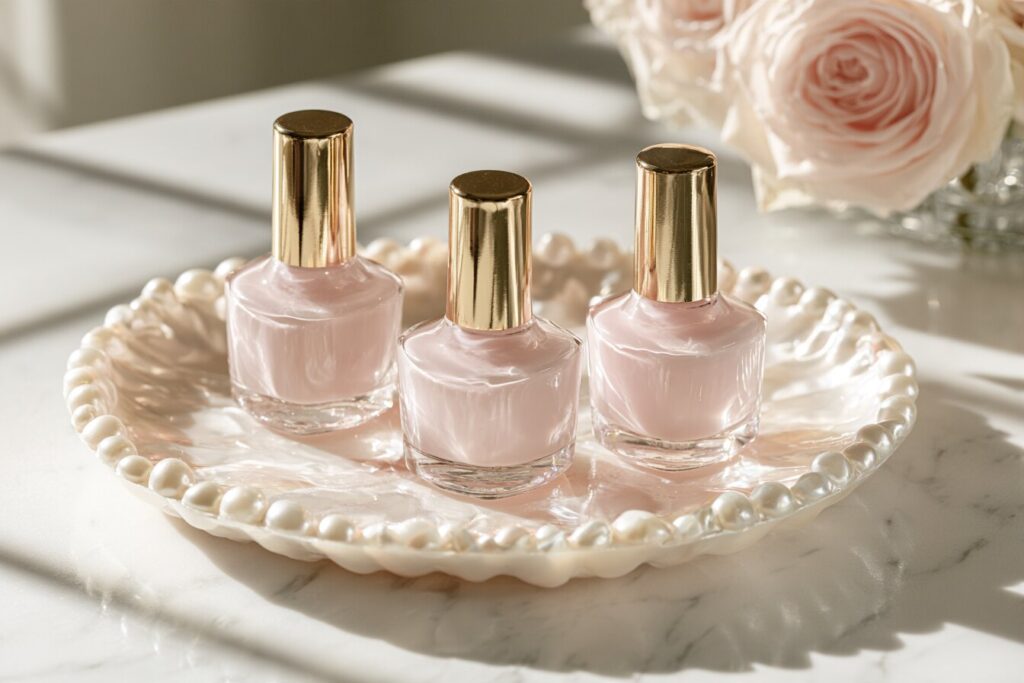
Another option is a bare, buffed nail with a little oil. A healthy natural nail looks clean and elegant on its own. Gentle buffing leaves a soft sheen, and a nail left bare for a week or two recovers quickly. Some women enjoy alternating, with gel for the weekend and a bare week afterward, which keeps the nail strong.
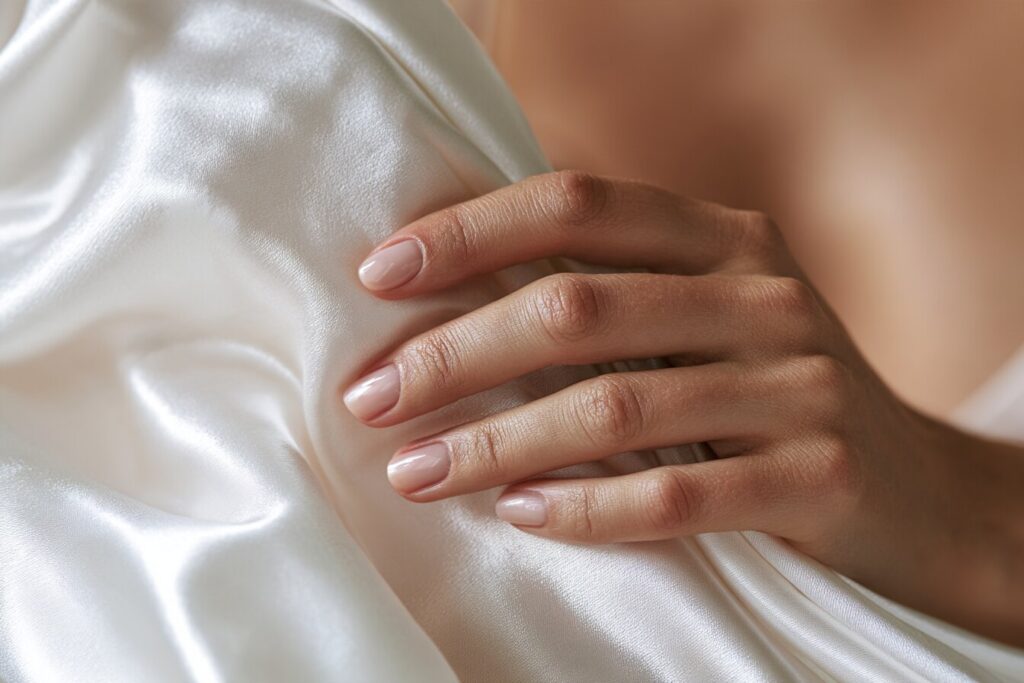
Gel and traditional polish both have a place. The question is how you use them. If you pay attention to rest, sun protection and removal, you can enjoy either one. If you ever wonder whether a particular set is right, ask your manicurist about clean tools and gentle removal, and trust what you see.
A closing note on gel manicures
Healthy nails are a quiet luxury. They do not need constant color to look polished, and they reward a little patience. Gel manicures can be a lovely part of your routine when you treat them as an occasion and give your nails time to recover afterward.
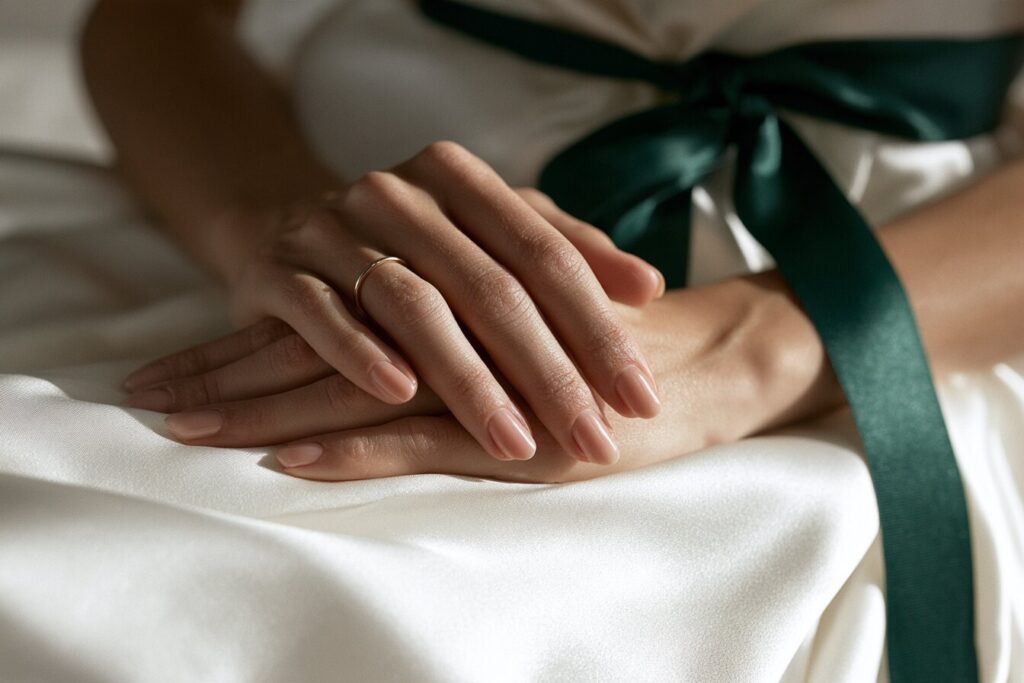
Keep three habits close. Protect your hands from the lamp, never pick or peel the gel, and rest your nails between sets. With those in place, the answer to are gel manicures bad for your nails becomes much kinder. Save this page, return to the table whenever you book, and let your nails set the pace.
If you remember one idea, let it be balance. Enjoy the shine, then give the nail its rest. Over a few months, you will notice stronger edges, smoother surfaces and less peeling. That steady improvement is a better reward than any single set, and it is entirely within your control.


Three ways to continue
Each of the three tools above offers a different way to continue. A few simple questions in the Ring Style Quiz read your taste in fine jewelry. Guided rituals for hair and skin fill the Makeover Bible, so a good manicure sits inside a wider routine. Meanwhile, the 21-Day Reset turns attention inward, to skin and gut together, and you can join its waitlist below without any commitment. Whichever you choose, the idea stays the same as in this guide. Small, informed choices add up to a routine that feels entirely yours, and healthy nails are part of that picture. Begin with one tool, and let the rest unfold in its own time.
Your hands, after all, are always on show. They deserve the same care as everything else you wear each day, and a few quiet habits go a long way.
A daily ritual for skin and gut, working from within. Join the waitlist to hear first when the next Reset opens.
Join the waitlistQuestions worth asking
Are gel manicures bad for your nails if you only wear them occasionally?
Occasional wear is much gentler than constant wear. The American Academy of Dermatology advises saving gel manicures for special occasions, because they can cause brittleness, peeling and cracking. Rest your nails afterward, moisturize daily and remove the gel without picking.
How long should you leave between gel manicures?
The academy recommends a nail polish holiday of one to two weeks or longer between polishes. During that time, apply a moisturizer such as petroleum jelly to your nails and cuticles several times a day. Longer rests suit thin or brittle nails.
Is the UV lamp in a gel manicure dangerous?
The lamp uses ultraviolet radiation to seal the polish, and the academy says repeated use can raise the risk of skin cancer and premature skin aging on the hands. It advises a broad-spectrum, water-resistant sunscreen of SPF 30 or higher before each manicure, or fingerless gloves.
What is the safest way to remove gel polish?
Do not pick or peel it. Ask your manicurist to remove it, or soak only your fingertips in acetone. The academy also describes acetone-soaked cotton held on each nail with foil, which should lift the polish after about 15 minutes.
Can gel manicures cause brittle nails after 50?
They can add to dryness. The academy notes that about 20 percent of people have brittle nails and that women over 60 are more likely to have them. Choose sheer shades, save gel for occasions and moisturize daily.
When should you see a dermatologist about your nails?
See a board-certified dermatologist if you notice unusual changes to your nails or have a persistent nail problem. Pain, redness or swelling around the nail also deserves a professional opinion.