
The Artist · Career
Every makeup artist career starts with a face and a brush. What happens next depends on choices few people explain. Some artists end up on film sets at five in the morning. Others build bridal books that fill two years ahead. This guide maps the whole profession in one place, so you can see the routes before you pick one.
It is written for working and aspiring artists in the United States. Each section links to a deeper guide in the Cossèt Môi library. Start with the overview, then follow the division that matches the work you want.
The short answer
A makeup artist career is freelance work in most cases. Artists earn through film and television, bridal, fashion and editorial, retail and brand work, and teaching. Federal data counts about 2,340 employed theatrical and performance makeup artists, with a median wage of $97,150 in May 2025. Most of the market, including bridal, sits outside that count. Training, a portfolio and steady assisting work are the usual way in.
In this guide
- What a makeup artist career looks like
- Where makeup artists work
- The craft: artistry and technique
- The business of a makeup artist career
- Support: inspiration, education and wellbeing
- What makeup artists earn, according to federal data
- How to start a makeup artist career: five steps
- The long view
- Questions worth asking
What a makeup artist career looks like
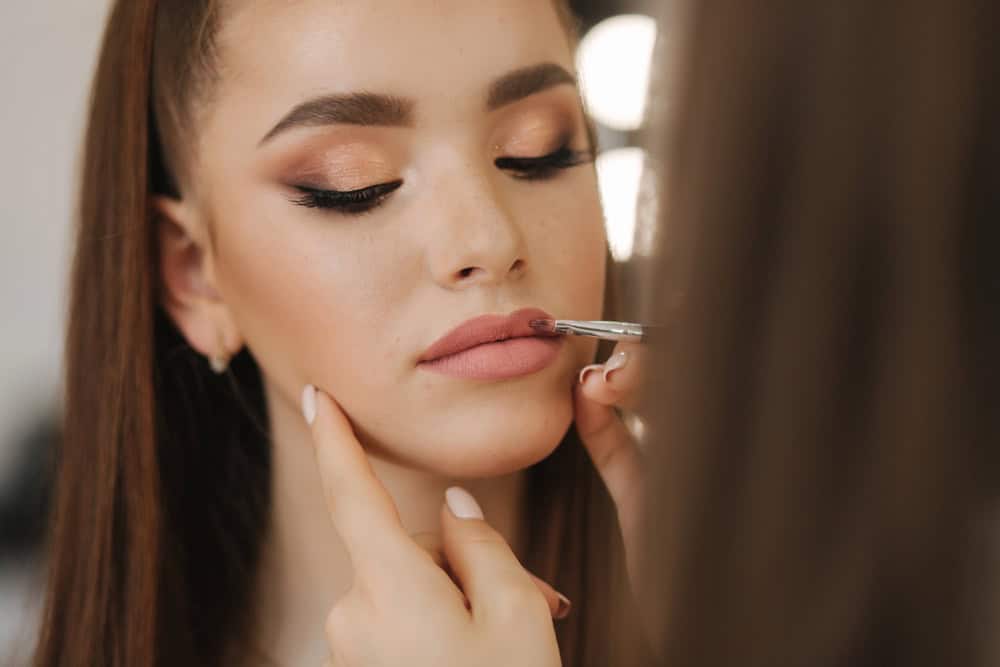
Most makeup artists do not hold one job. Instead, they hold a calendar. A typical year mixes paid bookings, unpaid tests, assisting days and admin. The ratio shifts as you grow. In the first years, assisting and testing take most of the time. Later, your own bookings take over. Because the work is project-based, income arrives unevenly. Therefore, pricing and planning matter as much as technique. An artist who understands both tends to last longer than one who only understands the brush. The rest of this guide treats the profession that way: as craft, as business and as a body that has to hold up for decades.
There is also no single entry test. Some states license makeup services, and every state licenses cosmetology. However, much of the work needs no license at all. As a result, artists arrive from schools, salons, retail counters and self-teaching. Each route works, and each has produced respected artists. What separates them later is the quality of the portfolio and the reliability of the artist on the day. Clients rarely ask where you trained. They ask who you have worked with, and whether you were easy to book again. That is why this guide spends as much time on business as it does on technique.
A working week, in practice
A freelance week rarely looks the same twice. Monday might be invoicing, kit cleaning and replying to inquiries. Tuesday could be a paid commercial shoot that starts at six. Wednesday may be a bridal trial, then an evening test with a new photographer. Thursday and Friday might be empty, which is when marketing, portfolio edits and restocking happen. Then the weekend brings two weddings, with an assistant on the larger one. In other words, the job is part artistry and part small-business management. Artists who enjoy both sides tend to stay. Artists who resent the admin often burn out, even when their work is strong. Knowing this early helps you design a week you can sustain.
Before choosing a route, it helps to be honest about what kind of work energizes you. Film suits artists who like problem-solving under time pressure and long shoots. Bridal suits artists who enjoy people, mornings and travel. Editorial suits artists who want creative risk and can live with irregular pay. Retail and brand work suits artists who want structure first. None of these is a lesser path. In fact, many careers move between them over time. If you are unsure where you fit, the MUA career quiz in the tools section below is a quick place to start. Then test your answer with a few real days of work. Assisting one wedding and one shoot will tell you more than a month of reading.
Where makeup artists work
Four sectors account for most paid work. Each shapes a makeup artist career differently, in hours, pay and the skills it rewards.
Film, television and theatre
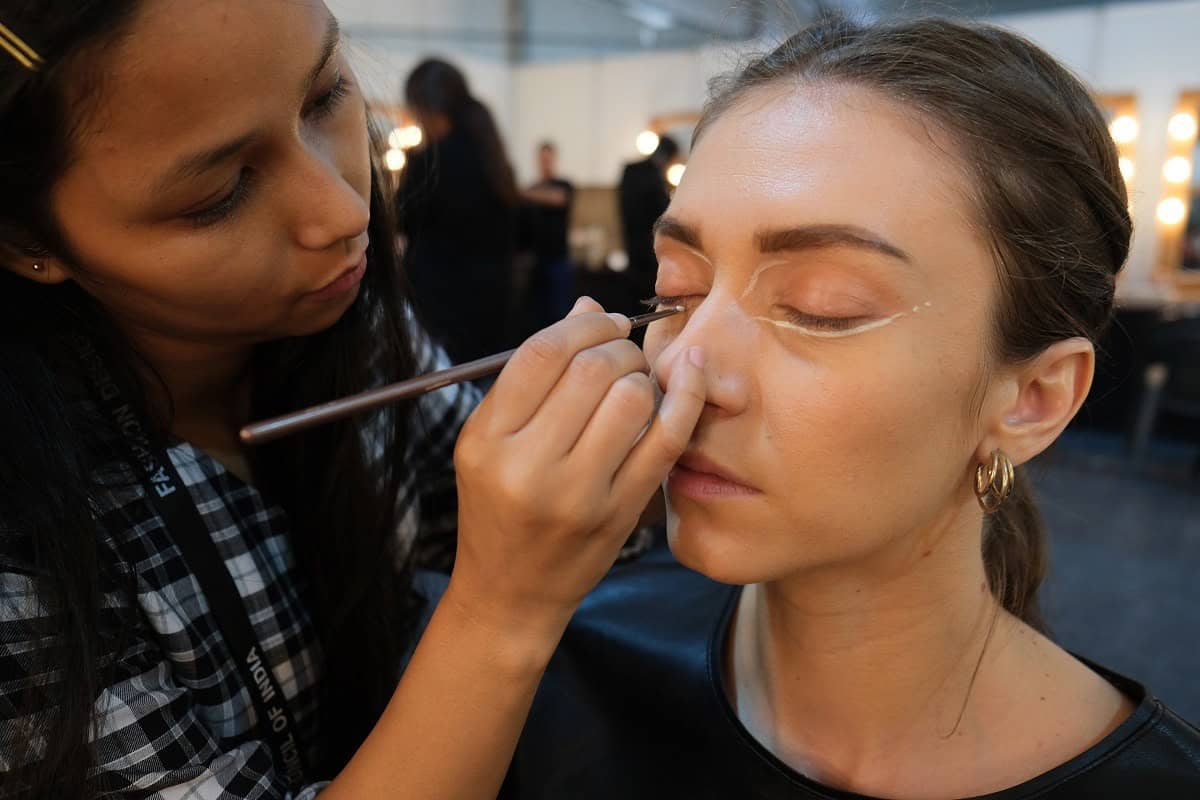
Screen work is the most visible route and the most structured. In major US production centers, union crews handle most scripted film and television. Federal data shows the motion picture and video industries employ about 1,140 of the 2,340 counted theatrical makeup artists. California, Florida, Georgia and New York hold the largest numbers. Meanwhile, theatre and live performance add steady but smaller demand. Our guide to becoming a special effects makeup artist covers the technical end of this world in detail.
Bridal and private clients
Bridal is the largest market for freelance artists, although no federal survey measures it. The work is seasonal, personal and repeat-driven. One wedding often leads to three referrals. Above all, bridal rewards calm, punctual artists who can manage a room full of nerves. Read how to become a bridal makeup artist for trials, timelines and kit.

You may also like
SFX Mastery: Becoming a Special Effects Makeup Artist

You may also like
How to Build a Stellar Makeup Portfolio
Fashion, editorial and commercial
Editorial work builds reputations, while commercial work pays the bills. Fashion weeks, magazine shoots and campaign days all sit in this space. The hours are long and the rates vary widely, from unpaid tests to substantial day rates for advertising. Consequently, artists here manage their own pipeline closely. A strong book of tear sheets opens doors that years of experience alone do not. Agents become relevant at this level, because they negotiate rates and protect your calendar. Our guide to makeup artist jobs for magazines explains how submissions and tests work in practice. It also covers how to approach photographers and stylists for collaborations, and how to turn a test into a paid booking.
Retail, brand and education
Counter work, brand artistry and teaching give structure and a regular paycheck. Many artists start here, learn speed on hundreds of faces, and then go freelance. Others stay and build long careers as national artists or educators. Either way, retail teaches product knowledge faster than almost any course.
In short, the profession has more doors than most newcomers expect. A useful exercise is to list the three routes that interest you and the one that does not. Then look at the skills each route rewards. Film rewards continuity and stamina. Bridal rewards warmth and logistics. Editorial rewards taste and speed. Retail rewards product fluency and selling. Most skills transfer between them, so an early choice is never final. Still, a clear direction makes your portfolio sharper, and a sharper portfolio books better work. The next three sections follow the same order as the rest of the library: craft first, then business, then support. Read them in that order the first time, then return to whichever one your next booking needs.
The craft: artistry and technique
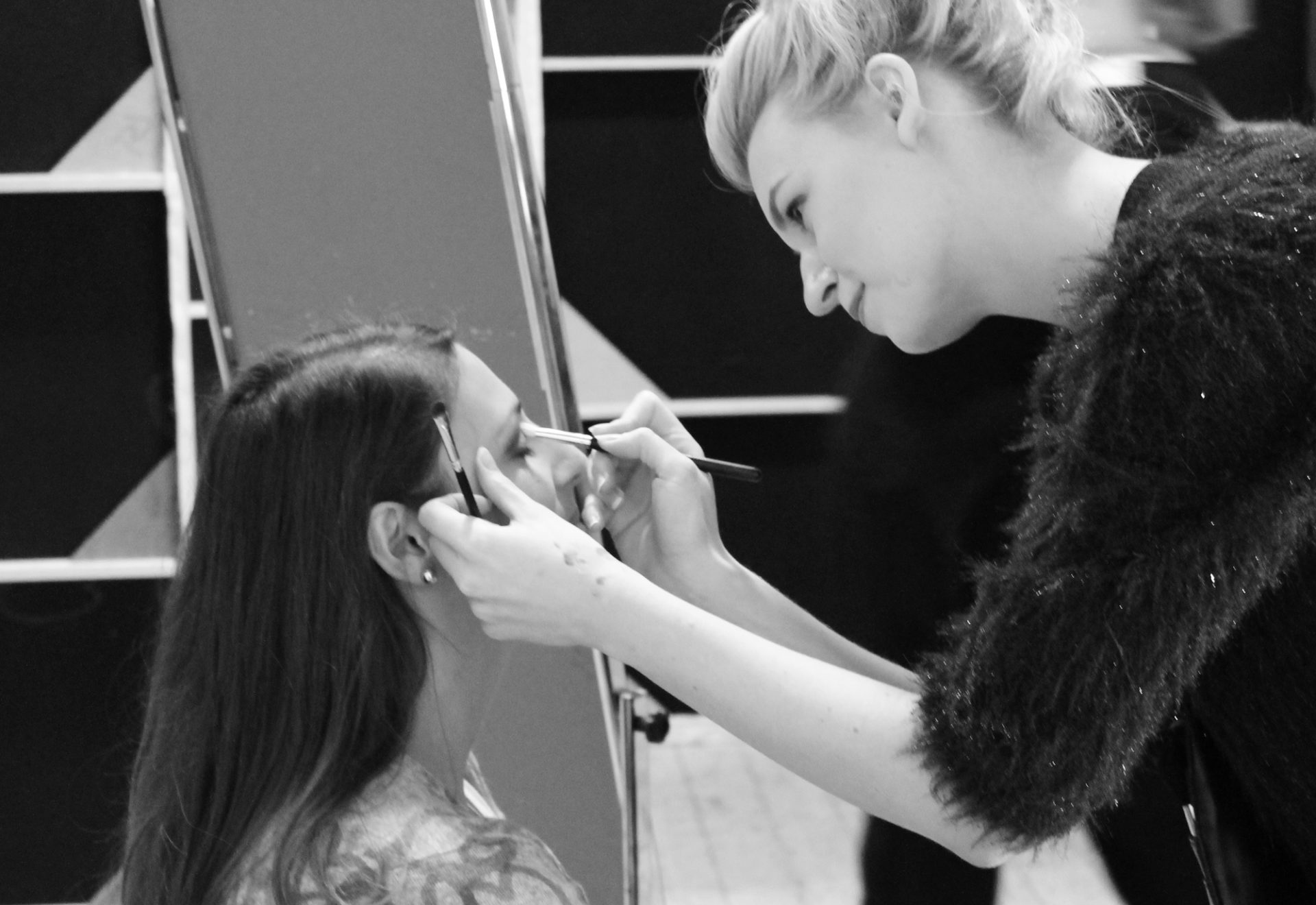
Technique is the foundation every route shares. It covers skin preparation, color, placement and the specialist skills each sector needs. In practice, most artists learn the basics broadly and then go deep in one specialty. The articles in this division cover that depth.
For screen work, start with movie makeup transformations, which shows what prosthetic and character design achieve on film. Next, keep your tools in order with the makeup artist kit checklist, which lists what professionals carry to a job. Further guides on color theory, face shape analysis, airbrush, prosthetics, aging makeup and stage work are being added to this division over the coming weeks. Each one is written for working artists rather than for home use. Consequently, they assume you already know the basics and want the professional detail. Where a technique has safety implications, such as adhesives or solvents, the guide names the product category and the precaution. In addition, each guide flags the skills that transfer between sectors, so nothing you learn is wasted.

You may also like
How to Become a Successful Bridal Makeup Artist

You may also like
The Mindset Behind Every Successful Makeup Artist
Hygiene belongs in this division too, because clients notice it before they notice your blending. Clean brushes, single-use applicators and sanitized palettes protect the client and your reputation. They also protect you on set, where health and safety rules are enforced. Similarly, product knowledge matters more than brand loyalty. A professional kit is built around performance on different skin types, under different lights. That means testing products on real faces, not just swatching them. Over time, your kit becomes a record of what works. Most experienced artists can tell you why each item is there and what it replaced. That kind of judgment is what clients and productions pay for.
Choosing a specialty
Most artists eventually specialize, even if they keep a broad base. Specialties include special effects and prosthetics, airbrush, hair and makeup for bridal, body painting, period and character work, and on-camera beauty. Each one has its own tools, suppliers and community. For example, prosthetics demands sculpting, molding and adhesive knowledge, while on-camera beauty demands an eye for how skin reads under high-definition lenses. A specialty makes you easier to recommend, because people remember the artist who does one thing exceptionally. However, choose it from evidence. Look at which jobs you enjoyed, which paid best and which led to referrals. Then invest in training and kit for that specialty first, before spreading your budget across everything.
The business of a makeup artist career
Business skill decides how long a career lasts. Talent gets the first booking. Then pricing, contracts, marketing and reliability get the next fifty. This division covers each part of a makeup artist career as a business, in roughly the order you will need them.
Training and education
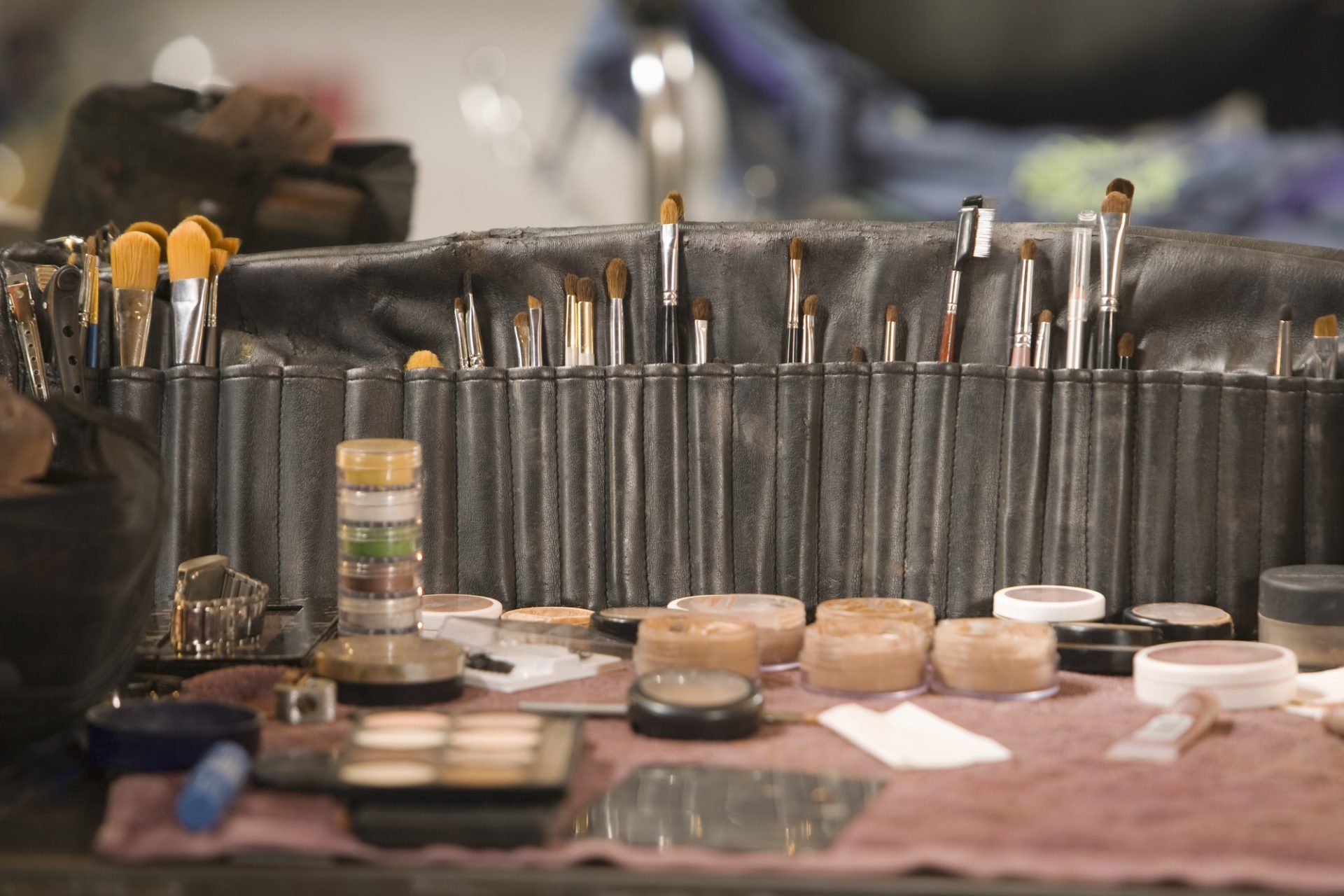
Formal training is optional but useful, especially for film. Our ranked list of the best makeup schools in the world compares programs by region, length and graduate credits. If you are newer still, what is makeup artistry explains the craft and the mindset behind it. For the lessons most artists learn the hard way, see things makeup artists should know. When you compare schools, ask three questions. Who teaches, and are they still working? Where do recent graduates work now? And what does the full cost include, from kit to materials? A program that answers all three clearly is worth a closer look. Finally, set the tuition against the earnings data later in this guide before you commit.
Portfolio and marketing
Your portfolio is your storefront. A guide to building a makeup artist portfolio walks through tests, photographers and editing. After that, instagram for makeup artists covers how to present the work online.
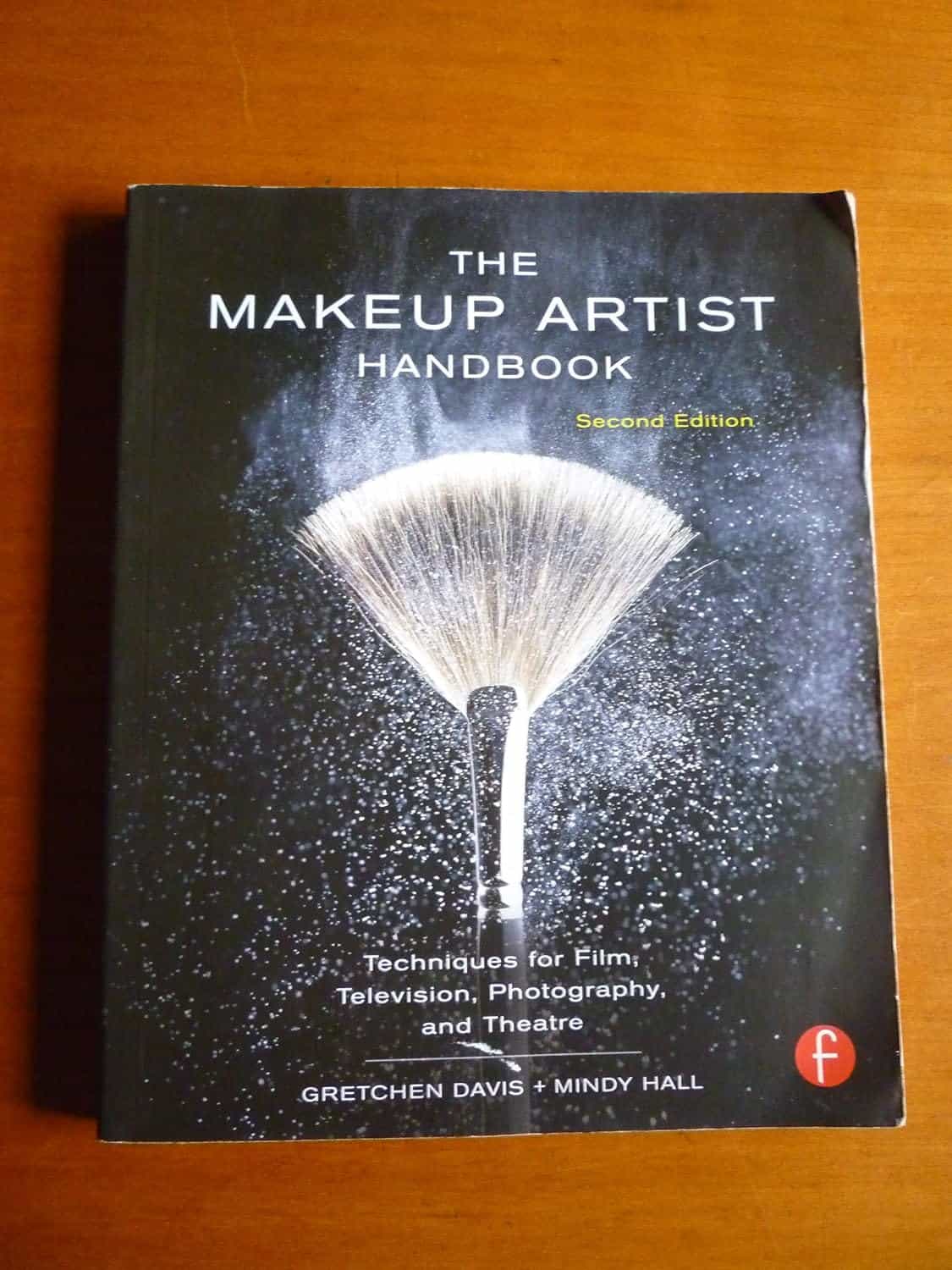
Technique for film, television, photography and theatre in one volume.
How set work runs, from continuity to the trailer.
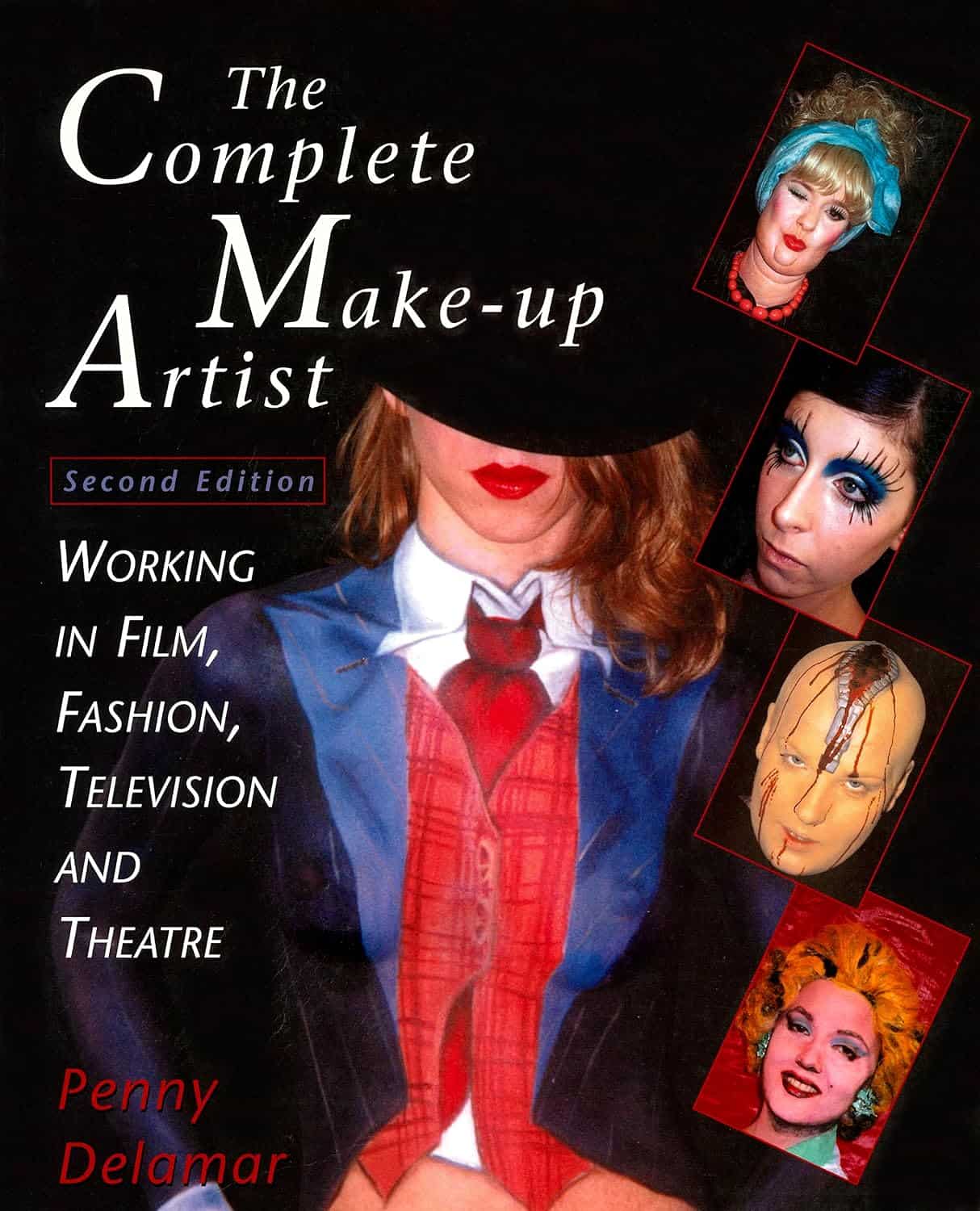
A long-standing reference for film, television and theatre work.
Bridal and destination work
Weddings are a business of their own, with trials, deposits, timelines and teams. Beyond the bridal guide above, our article on how to become a destination wedding makeup artist covers travel, contracts and kit for weddings abroad. Upcoming guides in this division cover pricing your services, contracts and deposits, insurance, agents and finding clients beyond social media. Each one includes worked examples in US dollars. Meanwhile, the rate calculator in the tools section already turns your costs and target income into a day rate. Pricing is the topic artists ask about most, so start there if you are setting rates for the first time. Above all, put every booking in writing, with the deposit and the cancellation terms stated plainly.
Film and television carry their own business rules. In New York, IATSE Local 798 represents makeup artists and hair stylists. In Hollywood, IATSE Local 706, the Make-Up Artists and Hair Stylists Guild, does the same. Each local publishes its own application route on its website. Joining usually means documenting days worked on qualifying productions. Therefore, keep a record of every set day from the start, with call sheets where you can. A dedicated guide to Local 798 and Local 706 is part of this division and will explain the requirements in detail. Until then, read the application pages on each local’s site, because the rules differ between them. Non-union work on independent films and commercials is a common way to build those days.
Support: inspiration, education and wellbeing

The third division covers what keeps an artist growing. Start with the best makeup books for professionals, a reading list chosen for working artists. For study of a master at work, read about pat mcgrath makeup looks and what they teach about backstage speed. For a wider view, the list of makeup artists to follow on instagram gathers working professionals across disciplines. Our interview with netta szekely shows how one global artist thinks about simplicity.

You may also like
The Best Makeup Books for Makeup Artists

You may also like
Branding Basics: Build a Personal Brand as an Artist
Wellbeing belongs here as well, although it rarely gets discussed. Long days on your feet strain the back, neck and wrists. Travel, early calls and unpredictable income add stress of their own. In addition, comparison pressure on social media can wear down even established artists. None of this means the career is fragile. However, it does mean sustainable habits matter from the first year. Upcoming guides cover set bags and chairs that protect your posture, and how to look after your body on long jobs. Until they arrive, the simplest rule holds: rest is part of the schedule, not a reward for finishing it. Artists who plan recovery days book more work over a decade than those who do not.
What makeup artists earn, according to federal data
The most reliable US earnings data covers theatrical and performance makeup artists only. It does not include most bridal, retail or freelance commercial work. Read the numbers with that limit in mind.
| Measure (May 2025) | Theatrical and performance makeup artists |
|---|---|
| Employment counted | 2,340 |
| Median annual wage | $97,150 |
| Mean annual wage | $102,240 |
| 10th percentile | $23,360 |
| 90th percentile | $167,470 |
| Largest employing industry | Motion picture and video, about 1,140 |
Sources
Bureau of Labor Statistics
- BLS OEWS profile, 39-5091 Makeup Artists, Theatrical and Performance, May 2025. The employment estimate carries a relative standard error of 13.9%.
- BLS Occupational Outlook Handbook, Barbers, Hairstylists, and Cosmetologists: median pay $35,880 a year; all states license cosmetologists.
Two points follow from the data. First, the counted group is small and concentrated in screen work, so its high median reflects union film and television rates. Second, the far larger freelance market is not measured at all. For comparison, the federal median for barbers, hairstylists and cosmetologists is $35,880 a year. In practice, most freelance artists sit somewhere between the two, depending on market, specialty and how they price. A makeup artist career outside union film therefore depends heavily on your own rates. That is why your own numbers matter more than any average. The rate calculator below turns your costs, target income and working days into a day rate you can defend. Above all, it shows how many bookings a month your income goal actually needs.

You may also like
A Guide for Makeup Artists to Get Published in Fashion Magazines

You may also like
Talks with Destination Wedding Makeup Artists
How to start a makeup artist career: five steps
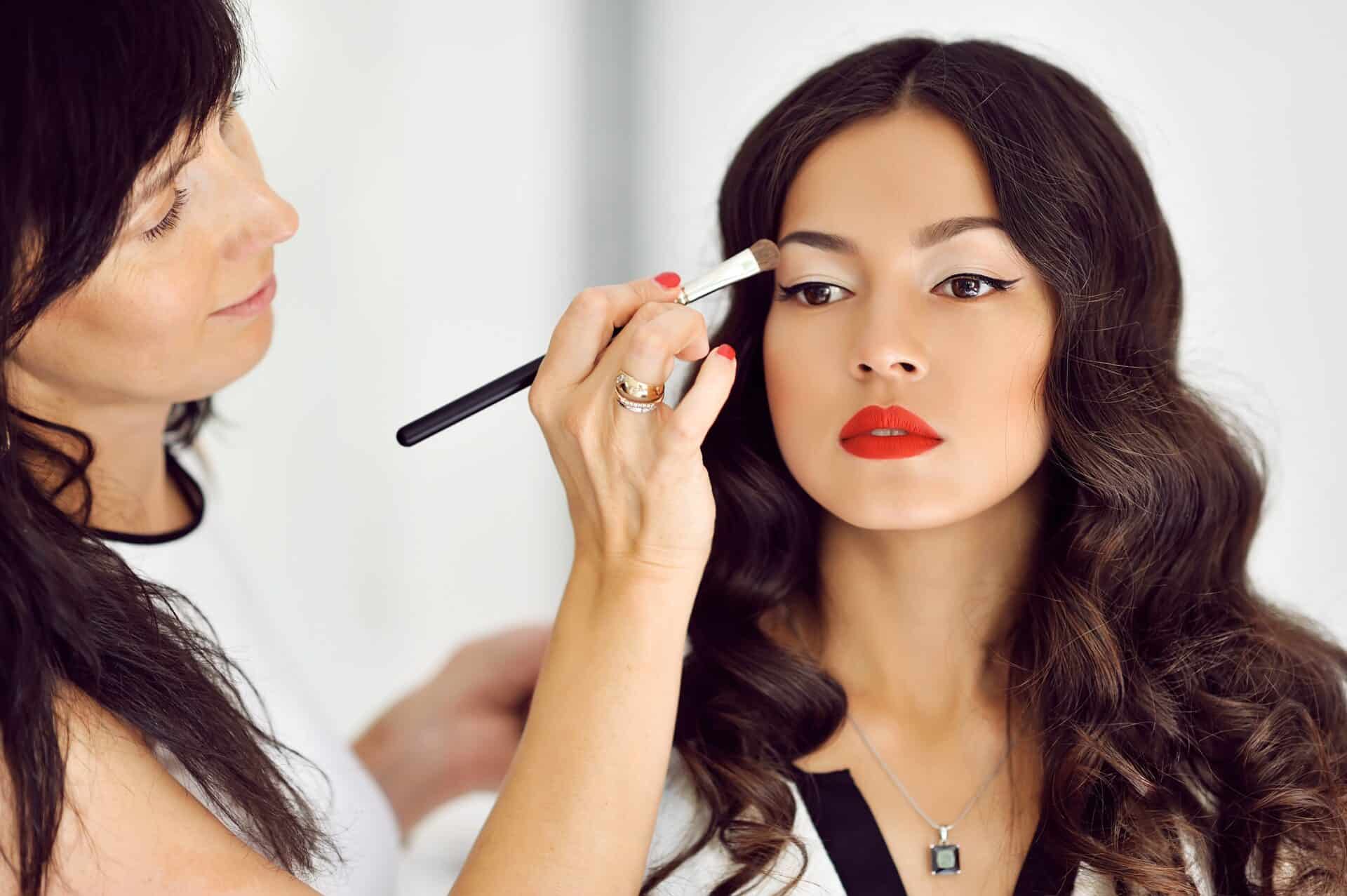
There is no single correct order, but most successful starts share the same steps. Here they are, from first lesson to first steady bookings. Each step links back to a division above, so you can go deeper when you are ready. Treat the list as a sequence to revisit, not a checklist to finish once. Many experienced artists return to steps two and three every few years, because a portfolio ages and a market shifts. Similarly, step five never really ends, since every new client tests your pricing and your terms. Read the steps once now, then come back after your first season of paid work. By then, you will know which step needs the most attention in your own market.
The five steps, in order
- Learn the fundamentals. Take a course, a short intensive or a structured self-study program. Focus on skin, color and hygiene first.
- Practice on many faces. Range matters more than polish at this stage. Work on different ages, skin tones and textures.
- Build a test portfolio. Collaborate with photographers and models on tests. Keep only your strongest ten to fifteen images.
- Assist working artists. Assisting teaches speed, set etiquette and client handling. It also builds the relationships that lead to referrals.
- Price, contract and book. Set a day rate from your real costs. Then put every booking in writing, with a deposit.
Each step takes longer than newcomers expect, and that is normal. Most artists need two to three years before bookings feel steady. During that time, keep a simple record of every job: the client, the rate, the hours and what you would change. After a year, that record shows where your best work and best income come from. Then you can choose your direction with evidence rather than guesswork, and say no to work that pulls you off course. Meanwhile, keep learning. Short courses in a specialty often pay for themselves within a season. Finally, stay connected to other artists. Most work in this field still comes through people who have seen you work.
The long view
A makeup artist career rewards patience more than speed. The artists who last tend to share three habits. They treat each booking as an audition for the next one. They know their numbers, so a slow month never becomes a crisis. And they keep growing, whether through a new specialty, a mentor or a better kit. This guide will keep growing too. As each new article in the three divisions is published, it will be linked here, in the section where it belongs. Bookmark this page as your starting point. Then use the tools below to put numbers and direction behind your next step. Above all, give yourself time, because the best careers in this field are built over decades rather than seasons.
Tools and library

Each of the three tools above answers a question this guide raises. The calculator answers what to charge. Meanwhile, the quiz suggests which route fits your temperament. The library gathers the career guide, notebooks and workbooks in one place. Used together, they turn the overview on this page into a plan you can act on this month. Start with the calculator if you already take bookings, because pricing errors compound fastest. If you are still choosing a route, start with the quiz instead. Either way, come back to the division that matches your answer and read its guides in order. In addition, revisit this page each season, since new guides will appear in each division as they are published.
From the Artist Library
The reference shelf for working artists: the Rate Calculator, the Makeup Artist Career Guide, notebooks and workbooks, gathered in one place. Start with the free resources, then add the tools that match your route.
Questions worth asking
How do I start a makeup artist career?
Learn the fundamentals through a course or structured self-study, practice on many faces, and build a test portfolio with photographers. Then assist working artists and set a day rate from your real costs. Most artists need two to three years before bookings feel steady.
Do you need a license to be a makeup artist in the US?
It depends on the state and the service. Every state licenses cosmetology, according to the Bureau of Labor Statistics, and services that touch skin care, lashes or hair usually fall under it. Some states also license paid makeup services. Check your state board before taking paid work.
How much do makeup artists make?
For theatrical and performance makeup artists, the BLS reports a median of $97,150 a year in May 2025, across about 2,340 employed artists. That figure reflects screen work. Freelance bridal and retail earnings are not measured federally and vary by market and pricing.
Do I need to go to makeup school?
No, but it helps, especially for film, prosthetics and union work. Many artists combine a short course with assisting. A strong portfolio and reliable work matter more to most clients than where you trained.
What is the difference between IATSE Local 798 and Local 706?
Both are unions for makeup artists and hair stylists in film and television. Local 798 is based in New York. Local 706, the Make-Up Artists and Hair Stylists Guild, is based in Hollywood. Each sets its own application requirements.
Which makeup artist career path pays best?
Union film and television work shows the highest measured wages. Commercial and advertising work can also pay well per day. Bridal can be very profitable with strong pricing and repeat referrals. The best-paying path for you depends on your market and how you price.